
Crypto World
Ripple Partners with Aviva Investors to Tokenize Traditional Assets


Ripple has announced a new partnership with Aviva Investors, marking a significant step toward the tokenization of traditional financial assets on the XRP Ledger. This partnership will bring the benefits of tokenized fund structures to the UK investment sector. Ripple’s collaboration with Aviva Investors highlights the growing momentum behind the tokenization of markets and the expanding use of blockchain technology in traditional finance.
Ripple Partners with Aviva Investors for Tokenized Fund Structures
Ripple has teamed up with Aviva Investors, a key asset manager in the UK, to bring traditional financial assets onto the XRP Ledger. This collaboration represents a strategic move to expand Ripple’s efforts in the tokenization space. Both parties aim to bring technological efficiencies to the investment sector by developing tokenized fund structures.
Ripple has been at the forefront of blockchain and digital asset innovation, with the XRP Ledger having processed over four billion transactions since 2012. It currently operates with more than seven million active wallets and 120 individual validators. This marks Ripple’s first partnership with an asset manager in the UK, as it seeks to integrate regulated financial assets into its blockchain ecosystem.
We’re thrilled to announce that @Ripple is partnering with Aviva Investors to bring traditional fund structures to the XRP Ledger. This marks our first collaboration with a European investment management firm to tokenize real-world assets (RWAs) at scale.
By leveraging the…
— Reece Merrick (@reece_merrick) February 11, 2026
The partnership is set to enable Aviva Investors to debut tokenized financial products using Ripple’s blockchain technology. The collaboration promises to enhance both time and cost efficiency in the investment process. Ripple’s involvement in tokenization is part of a broader strategy to institutionalize blockchain-based financial solutions, adding to its existing portfolio of global partnerships with firms like BNY Mellon and American Express.
Ripple’s Continued Focus on Institutional Tokenization
Ripple has been building on its vision to offer institutional-grade tokenization solutions on the XRP Ledger. The firm’s recent roadmap emphasized its commitment to expanding the adoption of tokenized assets, aiming to enhance liquidity and operational efficiency across financial markets. This partnership with Aviva Investors is part of Ripple’s ongoing efforts to integrate traditional finance with blockchain technology.
Aviva Investors shares Ripple’s enthusiasm for the potential of tokenization in transforming financial markets. According to Nigel Khakoo, Vice President of Trading and Markets, the development of tokenized fund structures can bring substantial technological advancements to the investment sector. Tokenization, he explained, could lead to greater scalability for regulated financial assets.
Ripple’s tokenization efforts have already made waves in other industries. The company has recently provided custody services for Billiton Diamond and Ctrl Alt’s initiative to tokenize over $280 million in polished diamonds. Ripple’s expanding focus on tokenization is poised to reshape how financial assets are managed and traded on blockchain platforms.
Ripple’s Commitment to XRP as the Core Asset
Despite its expanding ventures into tokenization and other blockchain technologies, Ripple remains committed to XRP as its core asset. CEO Brad Garlinghouse reaffirmed that XRP continues to be the company’s top priority. This statement follows speculation that Ripple might be shifting its focus toward its stablecoin, RLUSD, particularly in light of its recent partnership with Zand Bank in the UAE.
Ripple’s dedication to XRP is evident in its significant investment in the digital asset’s future. The company has established a $1 billion treasury project for XRP, signaling its long-term vision for the coin. While Ripple continues to innovate in the blockchain space, it remains focused on the continued growth and utility of XRP within its ecosystem.
As Ripple forges ahead with its strategic initiatives, its commitment to XRP serves as the foundation for its broader ambitions. The firm’s ongoing efforts to integrate traditional financial assets onto blockchain platforms further highlight XRP’s potential in the future of global finance.

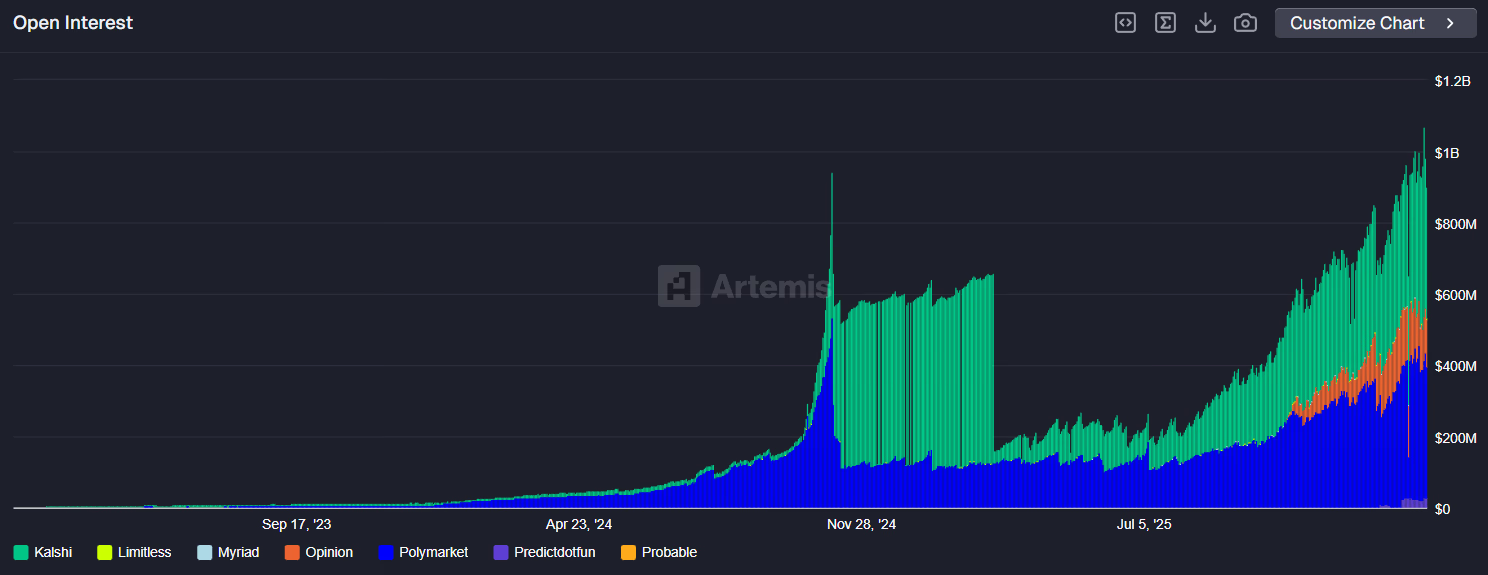
Volume across Polymarket and Kalshi hit $400 million for the first time, with sports and political markets drawing nearly all the liquidity.
Open interest (OI) across crypto prediction markets just hit $1 billion for the first time, a surge likely fueled by increased activity around the 2026 Super Bowl.
According to data from Artemis, open interest across platforms, Polymarket, Kalshi, Limitless, Opinion, and others, jumped above $1.1 billion for the first time on Feb. 7, setting a new all-time high. OI indicates the value of all currently active positions — in this case, the “yes” or “no” positions across predictions — that have yet to be resolved, making it an indicator of capital inflow and liquidity.

As for spot volume, it also reached a new historic record of $1.4 billion across platforms, with Kalshi generating $800 million and Polymarket about $311 million on Super Bowl Sunday, Feb. 8, Artemis data shows.

Digging into sectors where users placed the most bets, sports led with $375.3 million, while politics was close behind at $359.7 million, and culture trails at $84.5 million, according to data from crypto venture capital firm Paradigm’s new dashboard, which tracks liquidity across sectors on Polymarket and Kalshi, the two largest marketplaces by OI and trading volume.
But the growing interest in placing bets on real-world outcomes doesn’t come without risks. In a recent report, analysts at blockchain security firm CertiK warned that despite the surge, prediction markets are still exposed to security risks like oracle attacks, admin key vulnerabilities and front-running.
The firm also warned that artificial volume on prediction markets reached 60% on some platforms “during airdrop farming peaks, distorting liquidity metrics, while probability outputs remained reliable for forecasting.”
The spike in prediction market OI coincided with news that Jump Trading, a high-frequency trading firm, is reportedly set to gain small stakes in both Kalshi and Polymarket in exchange for providing liquidity, Bloomberg reported on Feb. 9, citing sources familiar with the matter.
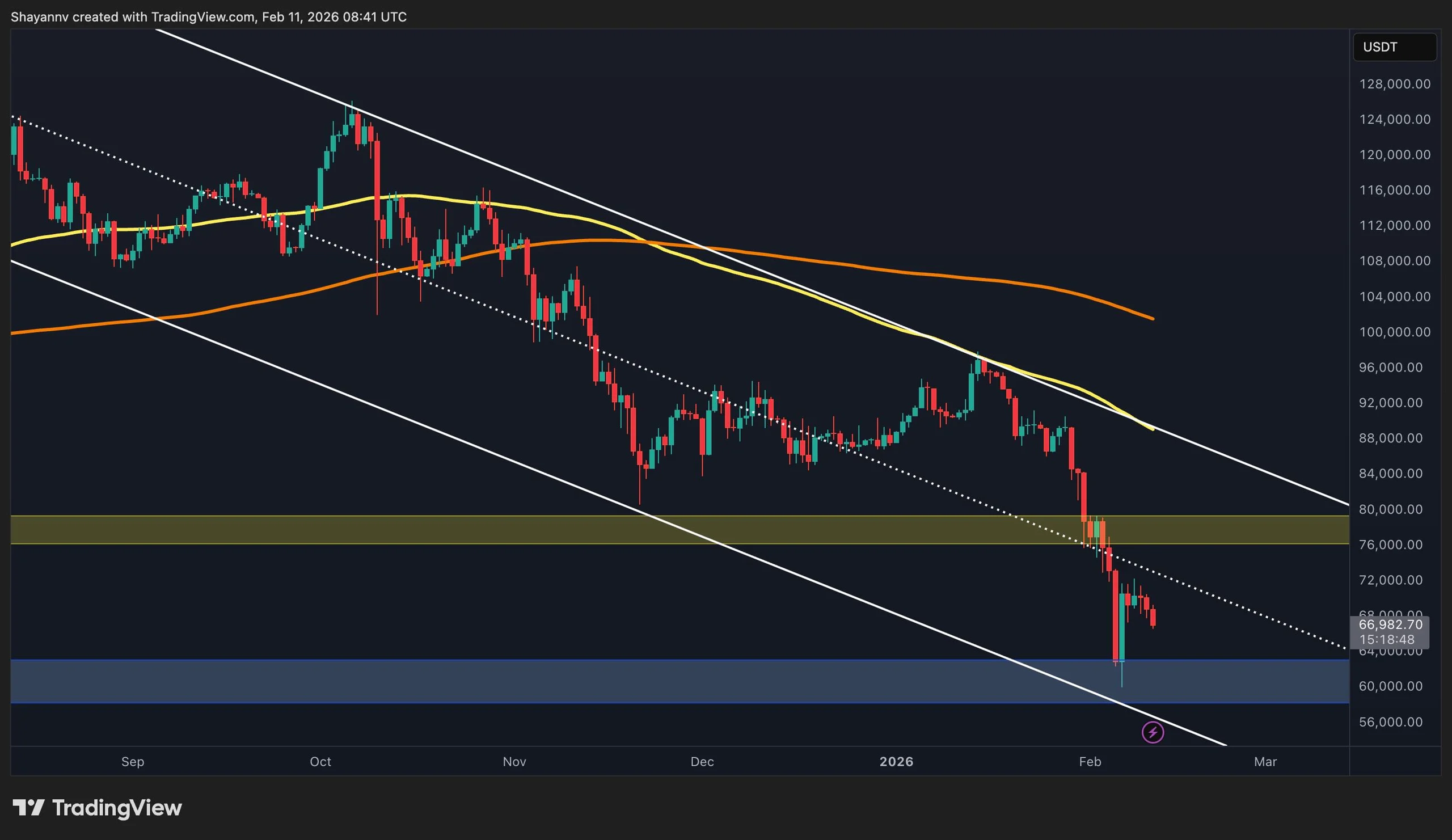
Bitcoin encountered renewed selling pressure at the key $70K resistance level, resulting in a clear rejection. As a result, the price action has transitioned into a consolidation phase above the critical $60K support zone, with further fluctuations likely in the near term.
Bitcoin Price Analysis: The Daily Chart
On the daily timeframe, BTC’s rebound from the $60K demand region stalled at the $70K resistance, where sellers regained control. This level closely aligns with the midline of the descending channel, reinforcing its technical significance. A decisive break above this dynamic boundary would be required to restore bullish momentum.
For now, Bitcoin remains confined within a defined range, bounded by the static $60K support and the channel’s dynamic mid-boundary near $70K. Consolidation appears to be the dominant scenario, with a breakout on either side likely to trigger a more substantial directional move.
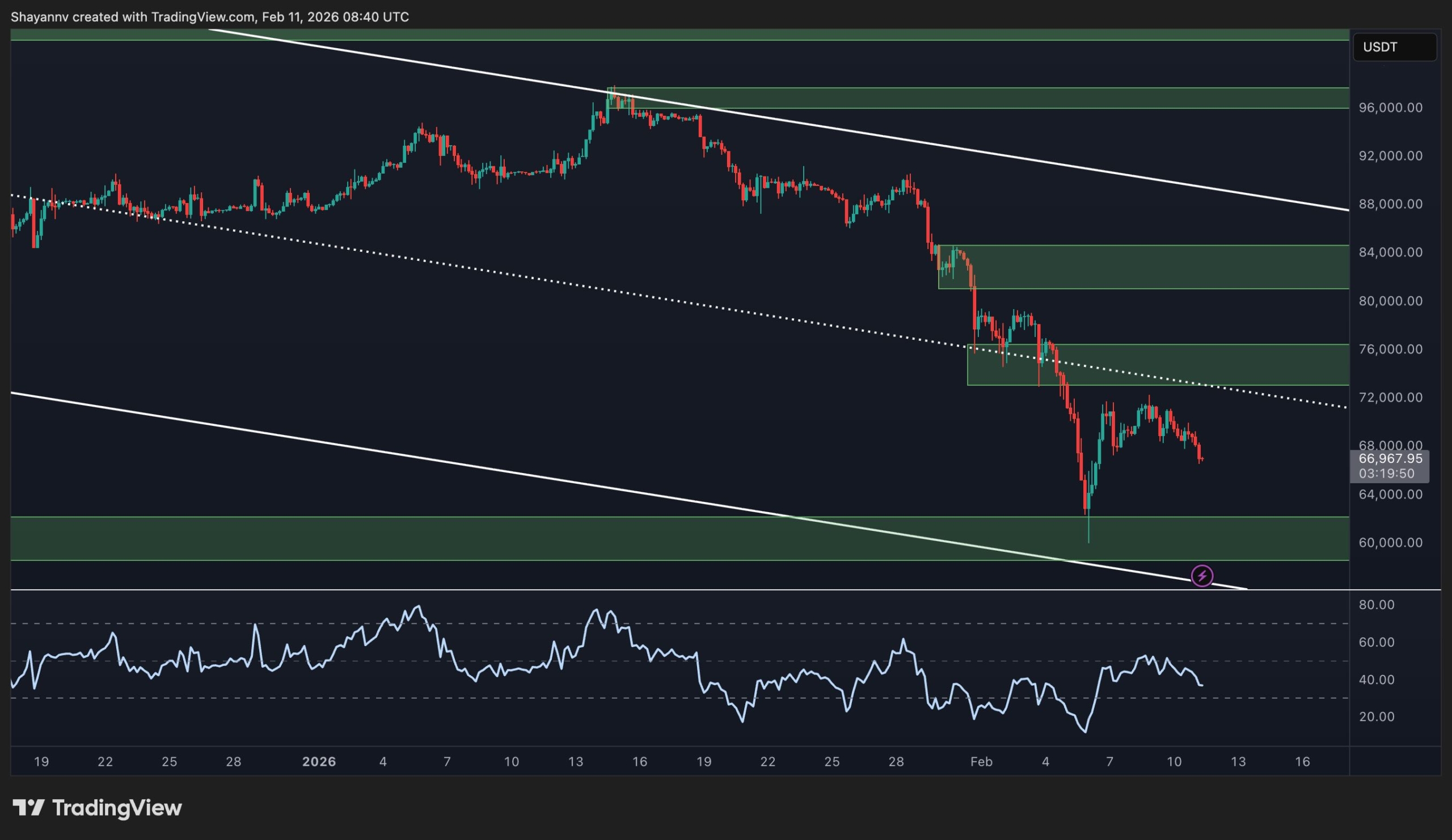
BTC/USDT 4-Hour Chart
On the 4-hour chart, the rejection at $70K is more pronounced, with the asset retracing toward the $66K area. A notable bullish divergence between price action and the RSI suggests weakening downside momentum, increasing the probability of a short-term range-bound structure between the $60K and $75K levels.
However, the internal resistance at the channel’s midline continues to cap upside attempts, limiting bullish follow-through and keeping the broader structure neutral-to-bearish until a clear breakout materializes.
Sentiment Analysis
Bitcoin funding rates across all exchanges have recently flipped deeply negative, reaching extreme levels around -0.014 while the price dropped toward the $66.9K region. This sharp shift into negative territory signals aggressive short positioning, as traders are now paying a premium to hold bearish bets.
Historically, such extreme negative funding prints tend to appear during panic-driven sell-offs, when the market becomes crowded on the short side. The current structure suggests that derivatives traders are heavily positioned for further downside following the breakdown below the $70K area.
From a positioning standpoint, this creates conditions for a potential short squeeze if spot demand steps in. When funding remains deeply negative while price stabilizes, it often reflects exhaustion in selling pressure. However, if price continues to trend lower while funding stays negative, it confirms sustained bearish dominance rather than a temporary flush.
At this stage, the funding data highlights elevated fear and aggressive short exposure, placing the market in a sensitive zone where volatility expansion, either through continuation or a squeeze, becomes increasingly likely.

SECRET PARTNERSHIP BONUS for CryptoPotato readers: Use this link to register and unlock $1,500 in exclusive BingX Exchange rewards (limited time offer).
Disclaimer: Information found on CryptoPotato is those of writers quoted. It does not represent the opinions of CryptoPotato on whether to buy, sell, or hold any investments. You are advised to conduct your own research before making any investment decisions. Use provided information at your own risk. See Disclaimer for more information.


Contagion fears rise as the Susquehanna-backed lender and trading provider cites liquidity issues.
Institution-focused crypto lender and liquidity provider BlockFills is blocking its clients’ deposits and withdrawals, a move reminiscent of previous crypto downturns.
The Financial Times first reported the development, which comes after BTC reached as low as $60,000 on Feb. 5, a 52% drop from the asset’s all-time high in October.
“In light of recent market and financial conditions, and to further the protection of clients and the firm, BlockFills took the action last week of temporarily suspending client deposits and withdrawals. Clients have been able to continue trading with BlockFills for the purpose of opening and closing positions in spot and derivatives trading and select other circumstances,” the company said in a statement earlier today.
While details are scarce, some consider the move reminiscent of 2022, when large crypto lenders and exchanges that proved insolvent followed a similar process.
The BlockFills representative who spoke with FT cited platform liquidity as an issue and stated in the article that “Management has been working hand in hand with investors and clients to bring this issue to a swift resolution and to restore liquidity to the platform.”
BlockFills is an institution-focused trading platform and crypto lender based in Chicago that recorded $60 billion in trading volume in 2025 and is backed by a crypto-native private equity firm, Susquehanna.
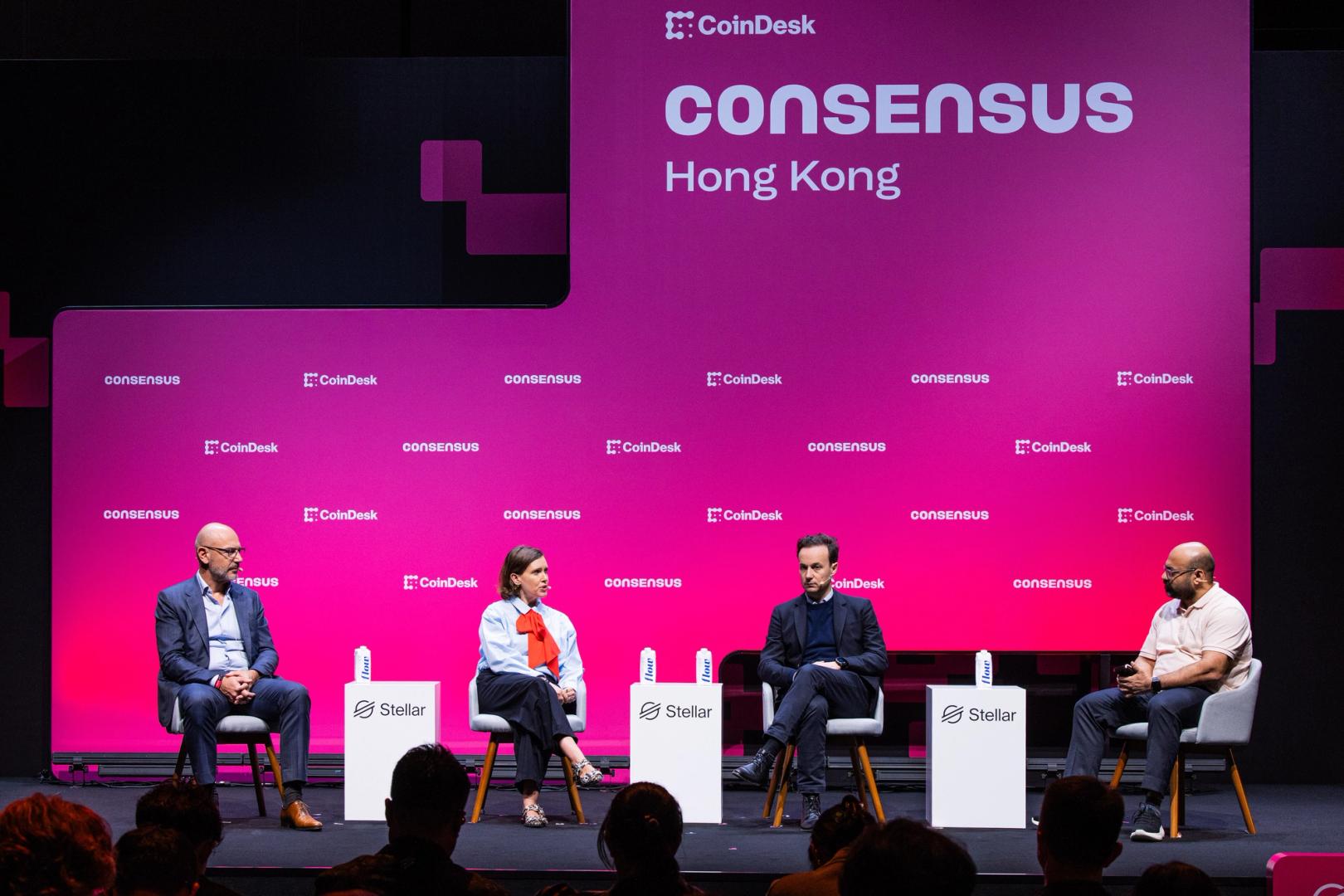
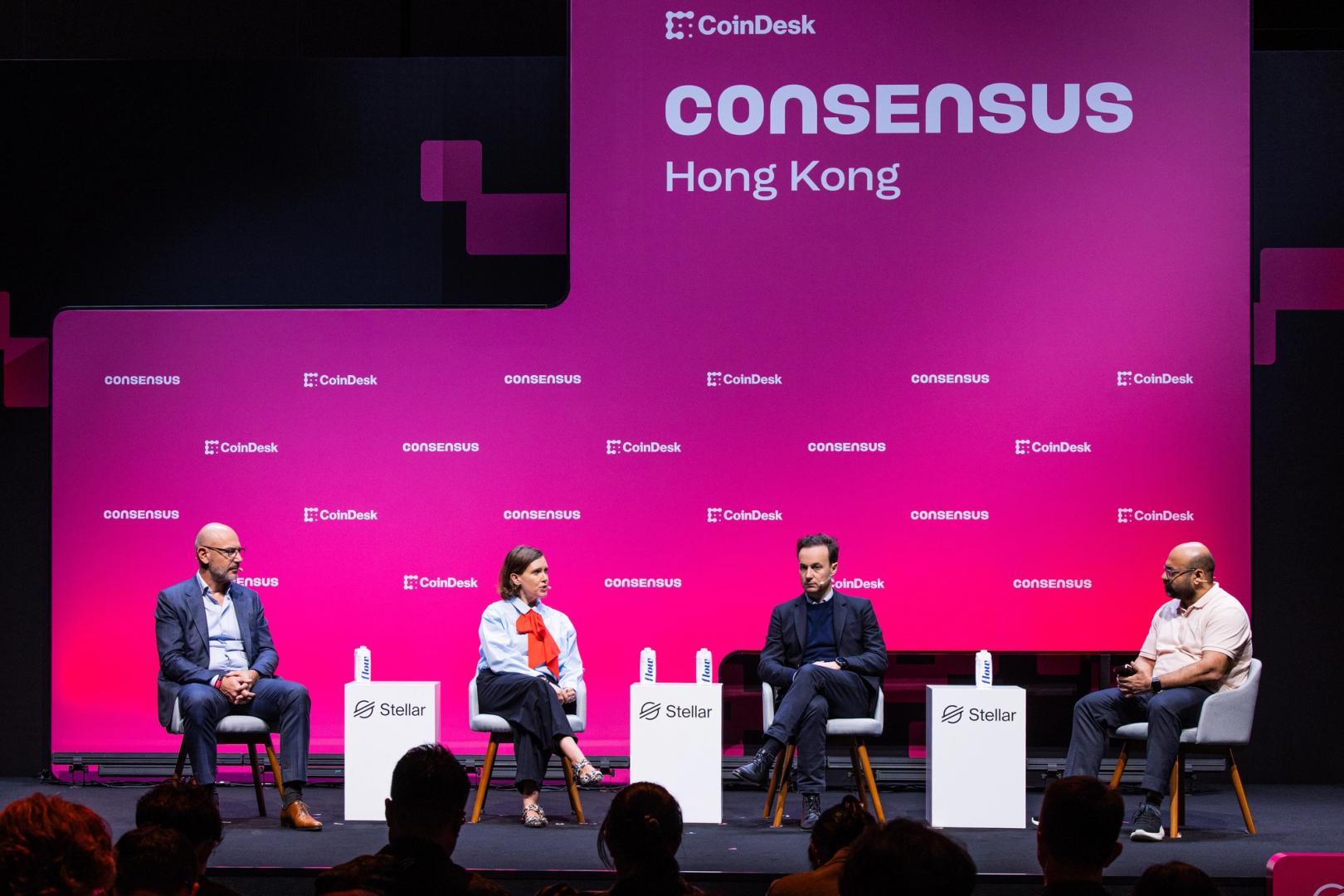
HONG KONG — Last week’s sharp crypto sell-off was less a replay of 2022’s scandals and more a macro-driven unwind spilling over from traditional finance, according to market participants at Consensus Hong Kong 2026.
“After Oct. 10th, a lot of people had already reduced risk,” said Fabio Frontini, founder of Abraxas Capital Management. “This is just a spillover from TradFi entirely… it’s all interconnected now.”
Panelists pointed to the unwinding of yen carry trades as a key catalyst. Thomas Restout, group CEO of B2C2, described the mechanics: investors borrow in low-interest-rate currencies like the yen and deploy that capital into higher-yielding or risk assets, including bitcoin, ether, gold and silver.
“What does that mean? That means people borrow currencies that have cheap interest rates, and they use it to put on carry trades,” Restout said.
The yen carry trade refers to investors borrowing Japanese yen at low interest rates, converting it into other currencies then investing into higher-yielding assets. However, should yen strengthen, investors have to buy it back to repay loans, causing the trade to “unwind” and trigger market volatility.
As yen rates rose, borrowing costs increased. At the same time, higher volatility triggered steeper margin requirements. “In metals, it went from 11% margin requirements to 16%,” Restout added. This forced some players to unwind positions as collateral demands surged.
The result was broad pressure across risk assets, not just crypto.
Exchange-traded funds (ETFs) tracking bitcoin also saw heavy volumes during the downturn, though panelists pushed back on the idea of full-scale institutional capitulation. At their peak, bitcoin ETFs totaled roughly $150 billion in assets; today they still hold around $100 billion, Restout said. Net outflows since October are about $12 billion—significant, but modest relative to total assets.
“If anything, it means that the money is changing hands,” Restout said, suggesting rotation rather than wholesale exit.
Looking ahead, Emma Lovett, credit lead for Market DLT at J.P. Morgan, said 2025 marked a regulatory inflection point. A more permissive U.S. backdrop has accelerated experimentation beyond private, permissioned blockchains toward public chains and stablecoin settlement.
“What we started to see in 2025… is the introduction of using public chains and… stable coins for the settlement of traditional securities,” she said, signaling a deeper convergence of TradFi and crypto infrastructure in 2026.
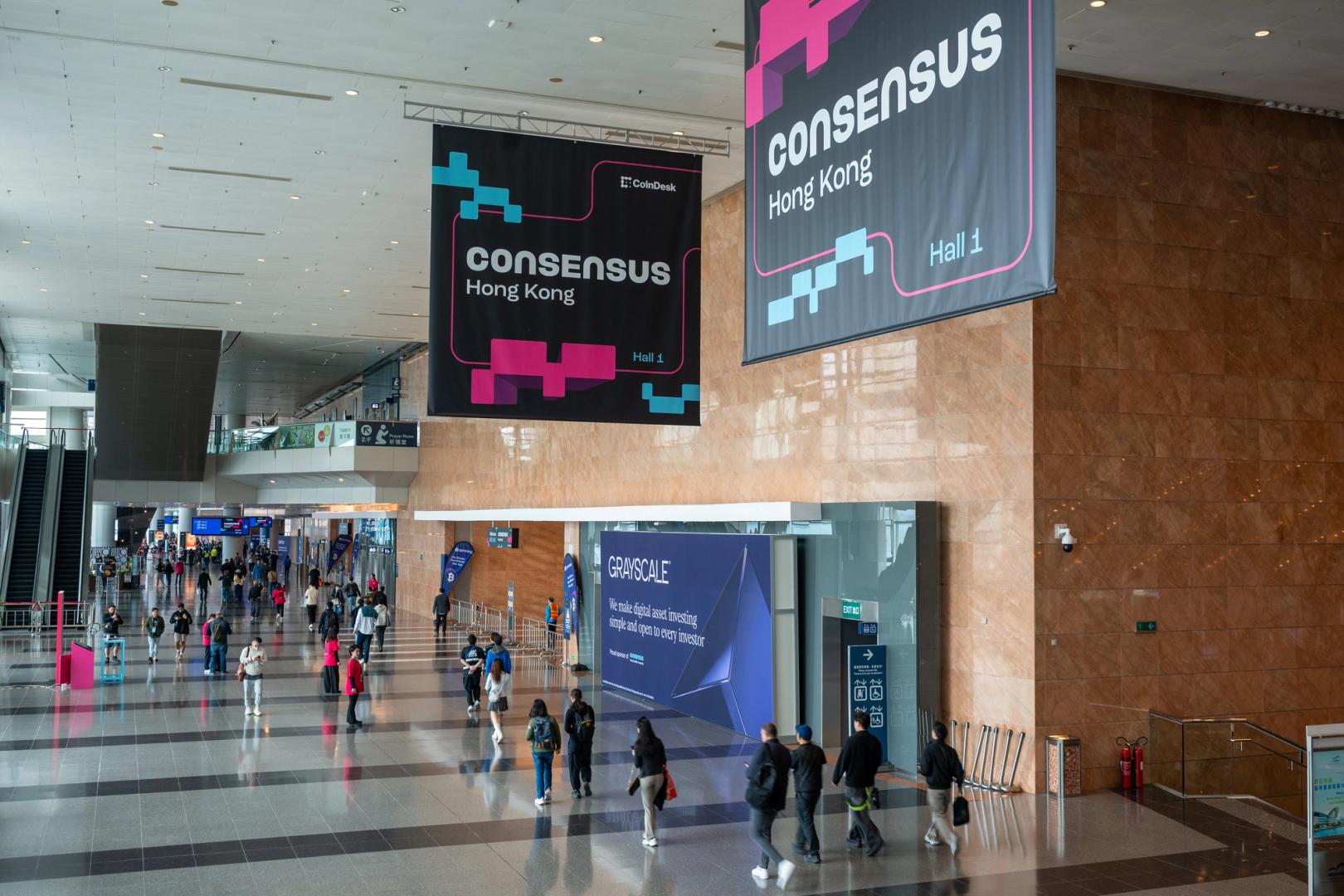
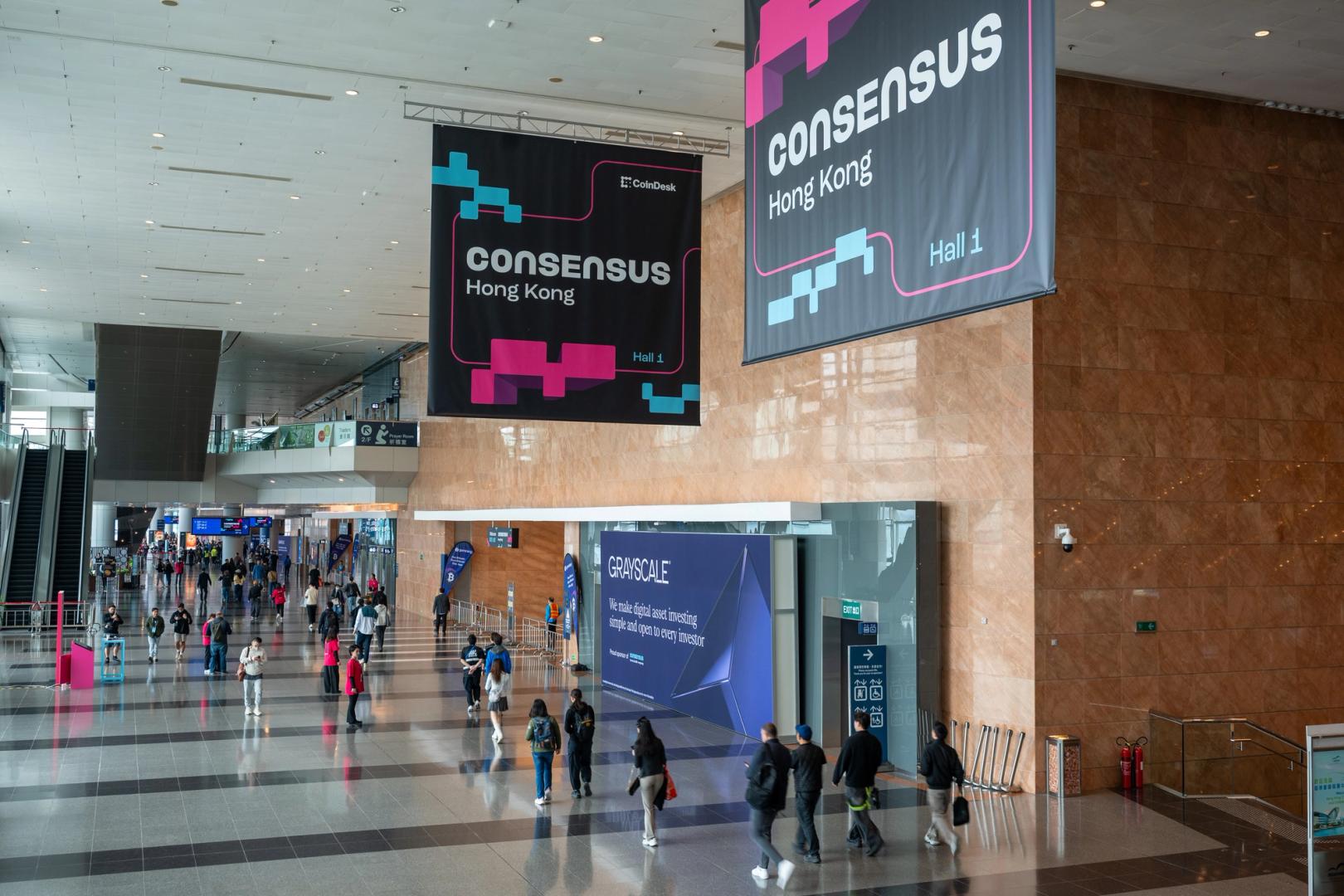
HONG KONG — Consensus Hong Kong’s first day wrapped up with the promise of new financial products tied to crypto in the Special Administrative Region of China.
Hong Kong’s chief executive and financial secretary and the CEO of the Securities and Futures Commission all laid out their priorities for regulation, saying Hong Kong would begin issuing stablecoin licenses next month, publish a framework for perpetual contracts and otherwise work to develop the local crypto economy.
Financial Secretary Paul Chan said he sees AI as one of a handful of trends maturing at this stage: “As AI agents become capable of making and executing decisions independent to it, we may begin to see the early forms of what some call the machine economy, where AI agents can hold and transfer digital assets, pay for services and transact with one another onchain.”
Skybridge Capital’s Anthony Scaramucci said he would stick to a prediction that bitcoin would hit $150,000, pointing to legislation under negotiation in the U.S.
“I think once that legislation does pass, it’s gonna open a floodgate of activity in the money center, banks in the United States,” he said. “If we’re just in the four-year cycle, then bitcoin is starting to reascend at the end of the year, starting in the fourth quarter.”
Consensys’ Joe Lubin said Ethereum is anti-fragile, which is important for a decentralized foundation that can support further decentralized finance (DeFi), which in turn would let developers “build, rearchitect the systems of the world essentially on sounder financial and trust foundations.
“DeFi is roughly as safe as traditional finance,” he said.
Nigel Feetham, Gibraltar’s minister for justice, trade and industry, said smaller jurisdictions regulating crypto are focused on ensuring market safety and integrity.
“We are jealous about guarding our reputation because all it takes is one market failure, if I can put it that way, and clearly everybody gets damaged by that. Once you are licensed in a jurisdiction, you become a stakeholder, and therefore we have an obligation to ensure that we look after all our stakeholders.”
Recent market action also attracted speakers’ attention.
Bitmine’s Tom Lee, whose company is sitting on a nearly $8 billion unrealized loss through its ether holdings, said people “should be thinking about opportunities here instead of selling.”
“Gold is a meme,” said Selini’s Jordi Alexander.
Consensus’ final day will see panels focused on scaling the Bitcoin, Ethereum and Solana blockchains with a keynote by World Liberty Financial’s Zak Folkman and a fireside conversation with the Chairman of Pakistan’s Virtual Assets Regulatory Authority, Bilal Bin Saqib.


Crypto and banks clashed over stablecoin rewards, with no agreement reached ahead of the March 1 deadline.
Banks and crypto executives met again at the White House this week to settle a dispute over stablecoin rewards, but the talks ended without agreement ahead of a March 1 deadline set by the administration.
The standoff centers on whether crypto firms can offer yield on dollar-pegged tokens without draining deposits from traditional banks.
White House Talks Narrow Gaps But Yield Ban Remains Sticking Point
Details from the closed-door meeting were first shared on X by journalist Eleanor Terrett, who cited banking and crypto sources present in the room. According to her, participants described the session as “productive,” though no compromise was reached.
She added that banking groups arrived with a written set of “yield and interest prohibition principles.” The document argued that payment stablecoins, as outlined in the GENIUS Act, were designed strictly as payment instruments, not interest-bearing products. It also called for a broad ban on “any form of financial or non-financial consideration” tied to holding or using a payment stablecoin.
The handout allows for only extremely limited exemptions and warns against deposit flight that could reduce credit availability for communities. It also proposed civil penalties for violations and strict rules against marketing stablecoins as deposits or FDIC-insured products.
One banking concession, according to Terrett’s sources, was the inclusion of language allowing for “any proposed exemption,” a shift from earlier refusals to discuss carve-outs at all.
Still, the scope of permissible activities remains disputed, with crypto firms pushing for broader definitions that would let platforms reward users under certain conditions, while banks want those definitions drawn more narrowly.
You may also like:
The meeting was led by Patrick Witt, executive director of the President’s Crypto Council. Attendees included Coinbase Chief Legal Officer Paul Grewal, Ripple’s Stuart Alderoty, a16z’s Miles Jennings, and representatives from Paxos and the Blockchain Association.
Major banks present included JPMorgan, Goldman Sachs, Bank of America, Citi, Wells Fargo, PNC, and U.S. Bank, along with trade groups such as the American Bankers Association.
Alderoty later wrote on X that “compromise is in the air,” though others described the outcome as unresolved. Further discussions are expected in the coming days, although it is unclear whether another White House meeting will occur before the deadline.
Deposit Fears Shaping the Broader Legislative Fight
The yield debate is unfolding against a wider push to pass a long-delayed crypto market structure bill. Last week, crypto firms floated concessions, including sharing stablecoin reserves with community banks or allowing them to issue their own tokens, in an effort to ease opposition.
However, banks argue that yield-bearing stablecoins could pull funds from checking and savings accounts, weakening a primary source of lending capital. Analyst Geoff Kendrick warned that stablecoins could draw up to $500 billion in deposits from banks in industrialized nations by 2028.
SECRET PARTNERSHIP BONUS for CryptoPotato readers: Use this link to register and unlock $1,500 in exclusive BingX Exchange rewards (limited time offer).


South Korea’s Bithum admitted Wednesday that severe flaws left the trading platform’s internal system wide open to potential sabotage and that it failed to prevent the mistaken transfer of $40 billion in bitcoin to customers, according to Reuters.
The blunder, which triggered the price of bitcoin to plunge by 17% on Bithumb, according to Reuters, consisted of the country’s second-largest crypto trading platform accidentally giving away 620,000 bitcoins to customers instead of just 620,000 won (roughly $428).
The Financial Supervisory Service said Sunday it will start investigations into “high-risk” practices that undermine market order, including large-scale price manipulation by so-called whales, trading schemes tied to suspended deposits and withdrawals and coordinated pump tactics fueled by social media misinformation. The watchdog also said it plans to build tools that automatically extract suspicious trading patterns at the second and minute levels, alongside text-analysis systems using artificial intelligence to flag potential market abuse.
Bithumb CEO Lee Jae-won said the giveaway amounted to 15 times the crypto trading platform’s 42,000 bitcoins, mainly due to a 24-hour lag in processing transactions and delayed updates to its crypto holdings balance. “We are acutely aware of the deficiency in internal system control,” Lee told a parliamentary committee hearing recently.
The CEO admitted that Bithum’s policy of ensuring the volume of assets to be transferred matched its actual holdings failed, and that the amount was not earmarked in a separate account to ensure the transfer’s safety.
The exchange has recovered most of the bitcoin, although 1,786 that were sold within minutes before the exchange froze customers’ accounts are still missing, the Reuters report added. The customers who sold those missing bitcoin are legally bound to return them.
Members of parliament expressed dismay at the lack of government and corporate oversight in the country’s virtual assets market, which is one of the most active in the world by trading volume. According to a recent report, cryptocurrency has become a primary investment asset in South Korea, with investor numbers rising to 10 million and exchanges such as Upbit and Bithumb generating revenues in the trillions of won.
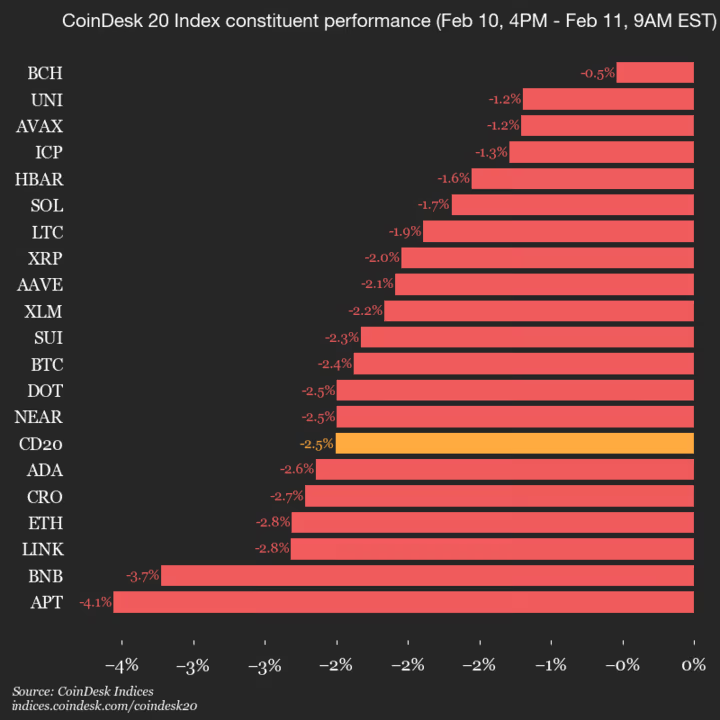
CoinDesk Indices presents its daily market update, highlighting the performance of leaders and laggards in the CoinDesk 20 Index.
The CoinDesk 20 is currently trading at 1909.89, down 2.5% (-49.09) since 4 p.m. ET on Tuesday.
None of the 20 assets are trading higher.

Leaders: BCH (-0.5%) and UNI (-1.2%).
Laggards: APT (-4.1%) and BNB (-3.7%).
The CoinDesk 20 is a broad-based index traded on multiple platforms in several regions globally.

TLDR:
- Banks presented written prohibition principles limiting crypto’s ability to offer stablecoin rewards
- Crypto industry demands broad definitions of permissible activities allowing competitive yields
- Both sides described talks as productive but failed to reach compromise before March 1 deadline
- Permissible account activities remain the main battleground between traditional and digital finance
Crypto firms and banking institutions met for a second round of White House yield talks focused on stablecoin rewards. The session revealed clear battle lines between traditional finance and digital asset companies.
Banks arrived with written demands limiting crypto’s ability to offer yield products. Crypto representatives pushed for broader definitions, allowing competitive rewards programs.
No final agreement emerged despite productive negotiations between the opposing sides.
Banks Draw Red Lines on Stablecoin Rewards
Banking institutions presented formal “prohibition principles” at the White House meeting. The document outlined strict boundaries for stablecoin yield offerings.
Traditional banks view crypto rewards as direct threats to their deposit business. The written framework represents their minimum acceptable terms for any compromise.
Eleanor Terrett shared details from sources present during the negotiations. Banks initially refused to discuss any exemptions for transaction-based rewards.
The current proposal shows slight movement with language about “any proposed exemption.” This shift suggests banks recognize some flexibility may be necessary.
Major financial institutions coordinated their position through trade associations. Goldman Sachs, JPMorgan, Bank of America, and Wells Fargo participated in the talks.
Citigroup, PNC Bank, and US Bank also sent representatives. The Bank Policy Institute, American Bankers Association, and Independent Community Bankers of America joined the session.
Banking executives worry about losing customers to higher-yielding crypto products. They seek regulatory protections against what they consider unfair competition.
The prohibition principles aim to limit crypto’s advantages in the marketplace. Traditional finance wants clear rules preventing customer migration to digital platforms.
Crypto Industry Demands a Level Playing Field
Crypto representatives arrived with different objectives for the White House yield talks. Paul Grewal from Coinbase led arguments for broad permissible activity definitions. Miles Jennings from a16z emphasized the need for innovation-friendly frameworks. Stuart Alderoty from Ripple stated that “compromise is in the air.”
The crypto delegation included Josh Rosner from Paxos and Summer Mersinger from the Blockchain Association. Ji Kim of the Crypto Council also participated in negotiations.
These representatives coordinated positions across the industry. They presented a united front against banking restrictions.
Crypto firms argue that stablecoin yields reflect legitimate market activities. They want freedom to offer competitive products without excessive limitations.
The industry seeks definitions of permissible activities that enable diverse business models. Narrow definitions would effectively eliminate their competitive advantages.
Digital asset companies view the negotiations as existential for their business models. Stablecoin yields attract customers and drive platform adoption.
Restrictive regulations could undermine their growth strategies. The crypto side pushed back against banking demands for tight constraints.
Permissible Activities Become Main Battleground
The core dispute centers on defining what account activities allow yield payments. Banks want narrow definitions that limit crypto’s competitive scope.
Crypto firms advocate for broad parameters enabling various rewards programs. This gap separates the two sides despite productive discussions.
Patrick Witt, Executive Director of the President’s Crypto Council, facilitated the session. Senate Banking Committee staff attended to observe the negotiations.
The smaller meeting size enabled more direct confrontation of disagreements. Both sides could address specific concerns without large group dynamics.
Banking representatives argued that certain activities should prohibit yield offerings. They want restrictions protecting traditional deposit relationships.
Crypto firms countered that market-based yields should remain available. The definitional debate reflects deeper philosophical differences about financial services.
Sources described intense but professional exchanges during the White House yield talks. Neither side yielded on core principles during the session.
However, both parties agreed to continue negotiations in coming days. The March 1st White House deadline adds pressure to reach consensus.
Path Forward Remains Uncertain
Both camps acknowledged progress despite failing to reach final agreement. Banks appreciated crypto’s willingness to discuss specific frameworks.
Crypto representatives noted banking flexibility on exemption language. Nevertheless, substantial gaps remain between the positions.
Additional meetings will occur before the end of February. The White House has urged both parties to finalize terms by March 1st.
Banking and crypto sources indicated ongoing communication channels. The reduced meeting format may continue for future sessions.
Traditional banks must balance protecting their business with appearing reasonable. Crypto firms need workable regulations allowing competitive products.
Each side faces pressure from stakeholders to defend their interests. The coming weeks will determine whether compromise proves possible.



BlackRock, the world-wide largest asset manager, on Wednesday said it will make shares of its tokenized U.S. Treasury fund, BUIDL, tradable on Uniswap, marking the asset manager’s first step into decentralized finance (DeFi).
As part of the move, BlackRock also disclosed a strategic investment in Uniswap and purchased an undisclosed amount of UNI, Uniswap’s governance token, which surged 25% on the news, now trading at $4.11.
BUIDL, which launched in 2024, is the largest tokenized U.S. Treasury fund on the market with nearly $2.2 billion in total value locked, according to data from rwa.xyz. It’s a blockchain-based fund backed 100% by U.S. Treasury bills and cash, offering yield on-chain.
Its arrival on Uniswap — one of the largest decentralized exchanges — means investors can now trade the tokenized fund in a peer-to-peer setting without a traditional intermediary.
To make this work, BlackRock partnered with Uniswap Labs and Securitize, a firm that handles the regulatory and compliance legwork of tokenizing real-world assets. BUIDL shares will be available through UniswapX, a trading system that sources quotes from approved market makers and settles trades on the blockchain. All users must be pre-qualified and whitelisted through Securitize, which will facilitate the transactions.
“This collaboration with Uniswap Labs alongside Securitize is a notable step in the convergence of tokenized assets with decentralized finance,” Robert Mitchnick, BlackRock’s global head of digital assets, said in a statement. “The integration of BUIDL into UniswapX marks a major leap forward in the interoperability of tokenized USD yield funds with stablecoins.”
DeFi platforms like Uniswap allow users to trade assets, borrow, or earn yield without relying on centralized financial institutions. Instead, they run on smart contracts — self-executing code stored on public blockchains.
Uniswap, in particular, is the largest decentralized exchange on Ethereum . It lets users swap tokens directly from their wallets, often within seconds. By enabling trading of BUIDL, Uniswap expands beyond crypto-native assets into the world of tokenized government bonds.
The integration allows qualified investors to swap BUIDL 24/7 with approved market makers using stablecoins.

Lingering approvals hit Northern Star's Hemi deadline
Prediction Market Open Interest Crosses $1B as Super Bowl Boosts Bets

Brandi Glanville Reveals She Underwent Emergency Surgery

Smart energy pays enters the US market, targeting scalable financial infrastructure

Software stocks enter bear market on AI disruption fear with ServiceNow plunging 10%

Wikipedia volunteers spent years cataloging AI tells. Now there’s a plugin to avoid them.


-

 Politics3 days ago
Why Israel is blocking foreign journalists from entering
-
 Sports5 days ago
JD Vance booed as Team USA enters Winter Olympics opening ceremony
-

 NewsBeat2 days ago
Mia Brookes misses out on Winter Olympics medal in snowboard big air
-
 Business3 days ago
LLP registrations cross 10,000 mark for first time in Jan
-

 Tech5 days ago
First multi-coronavirus vaccine enters human testing, built on UW Medicine technology
-

 Business3 days ago
Costco introduces fresh batch of new bakery and frozen foods: report
-

 Tech20 hours ago
SpaceX’s mighty Starship rocket enters final testing for 12th flight
-

 NewsBeat3 days ago
Winter Olympics 2026: Team GB’s Mia Brookes through to snowboard big air final, and curling pair beat Italy
-

 Sports3 days ago
Benjamin Karl strips clothes celebrating snowboard gold medal at Olympics
-
Sports4 days ago
Former Viking Enters Hall of Fame
-

 Politics3 days ago
The Health Dangers Of Browning Your Food
-
Sports6 days ago
New and Huge Defender Enter Vikings’ Mock Draft Orbit
-

 Business4 days ago
Julius Baer CEO calls for Swiss public register of rogue bankers to protect reputation
-
 NewsBeat5 days ago
Savannah Guthrie’s mother’s blood was found on porch of home, police confirm as search enters sixth day: Live
-

 Business6 days ago
Quiz enters administration for third time
-

 Crypto World1 day ago
Blockchain.com wins UK registration nearly four years after abandoning FCA process
-
 Crypto World2 days ago
U.S. BTC ETFs register back-to-back inflows for first time in a month
-
 NewsBeat3 days ago
Residents say city high street with ‘boarded up’ shops ‘could be better’
-
Sports2 days ago
Kirk Cousins Officially Enters the Vikings’ Offseason Puzzle
-

 NewsBeat6 days ago
Still time to enter Bolton News’ Best Hairdresser 2026 competition