

Business
Motilal Oswal initiates coverage on KPR Mill, 7 other textile stocks with up to 43% upside. Own any?


The brokerage believes the global textile and apparel industry is gradually emerging from a prolonged period of weakness. Global textile and apparel trade remained largely flat between CY21 and CY25 after the strong post-pandemic demand surge in FY22.
Apparel, which accounts for around 60% of global trade, saw muted growth, while the home textile segment declined during the period. Inflationary pressures, weak discretionary spending, retailer inventory corrections, softer demand in key markets such as the US and Europe, supply chain disruptions, high freight costs and tariff uncertainties weighed on the sector.
According to Motilal Oswal, conditions have started improving from CY25 onwards, aided by inventory normalisation, easing inflation and lower tariffs. The brokerage expects India’s textile sector to be a key beneficiary of this recovery, supported by upcoming free trade agreements with the UK and EU, favourable tariff realignments and improving incentives such as RoSCTL.
Buy-rated stocks
Gokaldas Exports: The company could benefit from capacity expansion in India and improved utilisation in its Africa business following the renewal of the African Growth and Opportunity Act (AGOA). The brokerage forecasts revenue, EBITDA and adjusted PAT CAGR of 18%, 33% and 73%, respectively, over FY26-28 and has assigned a Buy rating with a target price of Rs 1,110, an upside of 34%.
Arvind Fashions: The brokerage sees a strategic shift from a fabric-focused business to a garment-led model, which it believes offers a larger addressable market. It also expects the advanced materials segment to support growth and margins. Motilal Oswal projects revenue, EBITDA and adjusted PAT CAGR of 15%, 23% and 29%, respectively, and has set a target price of Rs 670 (43% upside) with a Buy rating.

Pearl Global Industries: It is expected to see growth driven by capacity expansion across India, Bangladesh, Vietnam and Indonesia. The brokerage forecasts revenue, EBITDA and adjusted PAT CAGR of 14%, 25% and 29%, respectively, and values the stock at Rs 2,300 (22% upside) with a Buy recommendation.
Indo Count: The company is expected to benefit from growth in its utility bedding business and the domestic bed linen segment. Motilal Oswal projects revenue, EBITDA and adjusted PAT CAGR of 20%, 44% and 90%, respectively, over FY26-28 and has assigned a Buy rating with a target price of Rs 550, an upside of 40%.
Welspun Living is expected to deliver mid-teen revenue growth led by its home textile business, supported by lower tariffs and prospective trade agreements with the UK and EU. The brokerage forecasts revenue, EBITDA and adjusted PAT CAGR of 14%, 43% and 97%, respectively, and has set a target price of Rs 200 (24% upside) with a Buy rating.
Neutral-rated stocks
KPR Mill: It is expected to benefit from its leadership position in textile and apparel manufacturing and its garmenting capacity, along with contributions from its sugar and ethanol businesses. Motilal Oswal projects revenue, EBITDA and adjusted PAT CAGR of 13%, 20% and 20%, respectively, and has assigned a target price of Rs 1,200 (6% upside).
Trident: The brokerage expects high single-digit growth led by its home textile portfolio, followed by paper and yarn businesses. It forecasts revenue, EBITDA and adjusted PAT CAGR of 11%, 17% and 29%, respectively, and values the stock at Rs 28 (9.3% upside).
Vardhman Textiles: The company is expected to post mid-single-digit growth, driven by its garment business and supported by better yarn realisations. Motilal Oswal projects revenue, EBITDA and adjusted PAT CAGR of 9%, 24% and 32%, respectively, and has initiated coverage with a Neutral rating and a target price of Rs 700 (9.5% upside).
Indian textile market grew at a 6% CAGR between FY22 and FY26, led by apparel growth of around 8% and home textiles growth of about 5%. While the domestic market, which contributes roughly 80% of the industry, expanded 9%, exports declined 4% due to weak global demand. Motilal Oswal expects exports to recover going forward and highlighted the government’s target of expanding the textile market to USD 350 billion from USD 194 billion in FY26.
The brokerage also pointed to global supply chain shifts as a structural opportunity for India. Restrictions on Xinjiang cotton by the US and EU, declining spindle capacity in China and political instability in competing sourcing hubs such as Pakistan and Bangladesh have strengthened India’s position. India remains the world’s second-largest cotton producer and spindle capacity holder, supported by a large export base, execution capabilities and abundant labour availability.
(Disclaimer: Recommendations, suggestions, views and opinions given by the experts are their own. These do not represent the views of The Economic Times)


According to the companies operating them, they can reliably identify and avoid objects in the path, cross streets safely and react to their environment. The robots provide a useful service and help cut down on traffic and emissions, they claim.
However, some local authorities in the US and Canada, and members of the public, are less than enthusiastic. Bans have been put in place, and protests have been launched.
San Francisco has limited the access of the vehicles to less busy parts of the city, and Toronto has since 2021 prohibited the robots from using sidewalks. , external
Meanwhile, in Chicago the machines have now been banned from two small areas of the city. , external
Robertson wants the robots to be suspended across all of Chicago until safety tests are carried out, and clear rules are set on their usage. He has launched a petition calling for this, and so far, it has around 4,400 signatures.
People frequently find themselves having to step into the street in order to get out of the machines’ way, says Robertson.
“There have been reports of collisions and injuries. I saw one a few days ago where somebody had been struck by one of the robots’ safety flags, which is a little ironic,” he says. “We’ve got reports of robots causing issues with traffic, blocking emergency vehicles because they’re acting erratically at crosswalks.”

Trust has become one of the strongest competitive advantages in digital business. Customers now make decisions based not only on price, choice or convenience, but also on how safe and transparent a platform feels.
This is especially true in online casino entertainment, where users expect secure account handling, clear payment information and dependable customer support.
For real money casino brands, trust is not a marketing extra. It is the foundation that influences acquisition, retention and long-term reputation.
Digital customers are more selective than ever
Across online markets, customers have become better at spotting poor experiences. A slow checkout page, unclear terms or hard-to-find support channel can quickly push people towards another brand. In sectors such as fintech, travel and subscription software, companies invest heavily in reducing uncertainty because confidence drives repeat use.
Casino brands face the same challenge, with added sensitivity around payments and account security. A player needs to feel that a platform is organised, responsive and clear before they are likely to engage for the long term.
A trustworthy digital experience usually depends on:
- Simple registration and account navigation
- Clear information about deposits and withdrawals
- Transparent promotion terms
- Secure handling of personal details
- Easy access to responsible play tools
- Support that is visible and responsive
When users compare options in the real money casino space, these details shape whether a brand feels credible or forgettable.
Transparency turns uncertainty into confidence
Transparency is one of the clearest ways casino brands can build trust. Customers want to understand how a platform works before they commit time or money. If important information is hidden behind vague wording, confidence can decline quickly.
This is not unique to iGaming. Online banks build trust by explaining security steps. Retailers build trust by making delivery and return policies easy to find. Software companies build trust through simple pricing pages and clear cancellation processes.
Casino brands can apply the same principles by making key information visible. This includes bonus conditions, payment timeframes, identity checks, account controls and game categories. The aim is to reduce friction before it becomes frustration.
Good transparency often means:
- Plain language rather than dense legal wording
- Visible terms placed near relevant offers or features
- Consistent information across desktop and mobile pages
- Helpful FAQs that answer common customer questions
- Clear escalation routes when support is needed
Customers do not expect every process to be instant. They do expect to understand what is happening and why.
Payment reliability is central to reputation
For real money casino brands, payments are one of the most important trust moments. A customer may enjoy the design, game range and promotional experience, but payment uncertainty can weaken confidence immediately.
This makes payment communication essential. Brands need to explain available methods, processing expectations and verification requirements in a way users can easily understand. Confusing payment pages can create avoidable support queries and damage loyalty.
Payment trust is shaped by several factors:
- Secure deposit and withdrawal processes
- Clear transaction histories
- Accurate status updates
- Straightforward verification guidance
- Responsive support for payment questions
- Consistency between stated and actual timeframes
These expectations mirror wider digital commerce. Customers now expect the same level of payment clarity from entertainment platforms that they receive from online retailers, finance apps and delivery services.
Customer support is a trust signal
Support teams are often where trust is either strengthened or lost. A polished website may attract attention, but customer service proves whether the business can handle real problems.
In online casino environments, support agents may deal with account access, payment queries, bonus questions and technical issues. They need to be trained, patient and precise. A rushed or vague answer can make a customer feel ignored, especially when money or personal information is involved.
Strong support teams usually provide:
- Fast acknowledgement so users know their query has been received
- Accurate answers based on clear internal processes
- Calm communication during sensitive conversations
- Escalation options for complex issues
- Follow-through when a case cannot be solved immediately
Support should not be judged only by speed. Quality, consistency and resolution accuracy matter just as much.
Responsible play strengthens brand credibility
Responsible play is now part of how casino brands demonstrate maturity. Customers are more likely to trust platforms that make control tools easy to find and use. These features show that the brand is thinking beyond short-term engagement.
Responsible play tools may include deposit limits, time reminders, account history and self-management settings. The most credible brands present these tools clearly rather than hiding them in obscure menu areas.
This approach reflects a broader trend across digital services. Social platforms now provide screen-time tools. Banking apps offer spending insights. Fitness apps encourage recovery and balance. In each case, responsible design helps customers feel more in control.
For casino brands, visible responsible play features can support long-term trust by showing that entertainment is being framed responsibly.
Brand identity must match the experience
Trust is not built through claims alone. A brand can present itself as reliable, premium or customer-focused, but the actual experience must support that identity. If the website is confusing, support is slow or terms are unclear, the brand message loses credibility.
Successful casino brands align identity with delivery. Their tone, design, policies and support all point in the same direction. This creates consistency, which is one of the most important drivers of trust.
A strong trust-led brand identity should feel:
- Professional without being cold
- Helpful without being intrusive
- Clear without being oversimplified
- Engaging without being aggressive
- Consistent across every customer touchpoint
Customers may not analyse each of these details separately, but together they shape the feeling of reliability.
Trust is earned through repeated proof
Real money casino brands compete in a market where customers have plenty of choice. Offers and game libraries can attract attention, but trust determines whether people stay.
The brands most likely to stand out are those that combine transparent communication, secure payments, strong support, responsible play tools and consistent delivery. Trust is not created by one headline feature. It is earned through repeated proof across the full customer journey.
For operators, the lesson is straightforward. In a crowded digital market, credibility is not only good ethics. It is good business.

Desmond Lachman joined AEI after serving as a managing director and chief emerging market economic strategist at Salomon Smith Barney. He previously served as deputy director in the International Monetary Fund’s (IMF) Policy Development and Review Department and was active in staff formulation of IMF policies. Mr. Lachman has written extensively on the global economic crisis, the U.S. housing market bust, the U.S. dollar, and the strains in the euro area. At AEI, Mr. Lachman is focused on the global macroeconomy, global currency issues, and the multilateral lending agencies.
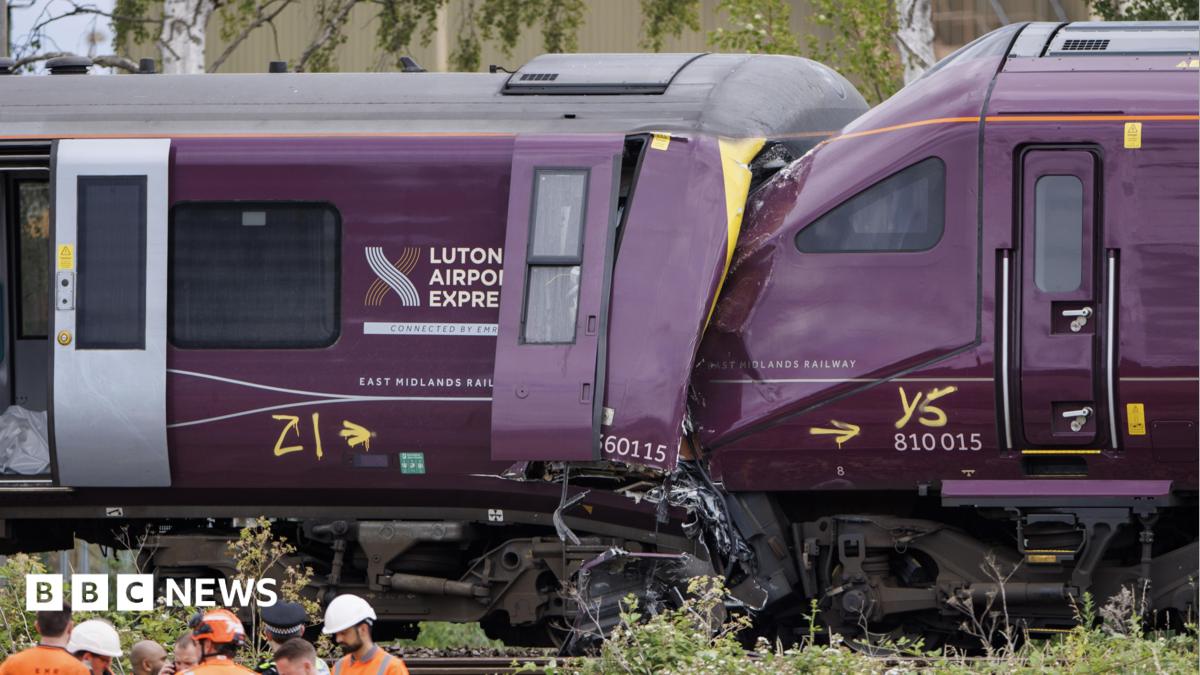
A train driver killed in a crash in Bedfordshire passed a red signal moments before the collision, investigators said.
Train driver Shaun Burton, 60, died and about 100 people were injured when one London-bound service crashed into the back of another on Friday.
The Rail Accident Investigation Branch (RAIB) said in an interim report that Burton’s train proceeded past a red signal near the scene of the crash in Elstow, near Bedford at 17:15 BST on Friday.
It added that “it is not yet possible to say what indication the driver received” from automatic warning system (AWS) equipment fitted to the train.
The RAIB has found the stationary train had come to a stop “unexpectedly” because of a fault with its Automatic Warning System (AWS) equipment.
Data suggests the signal behind the stationary train was red, according to investigators.
The train that had started its journey at Corby, passed this red signal, its brakes were activated for about nine seconds before the collision, when the train was travelling at about 76 mph.
Its speed had reduced to 49mph when the impact happened.
The RAIB said its full investigation would consider “the actions of those involved and any factors that may have influenced them”.

GIBO Holdings announces 25-for-1 reverse stock split
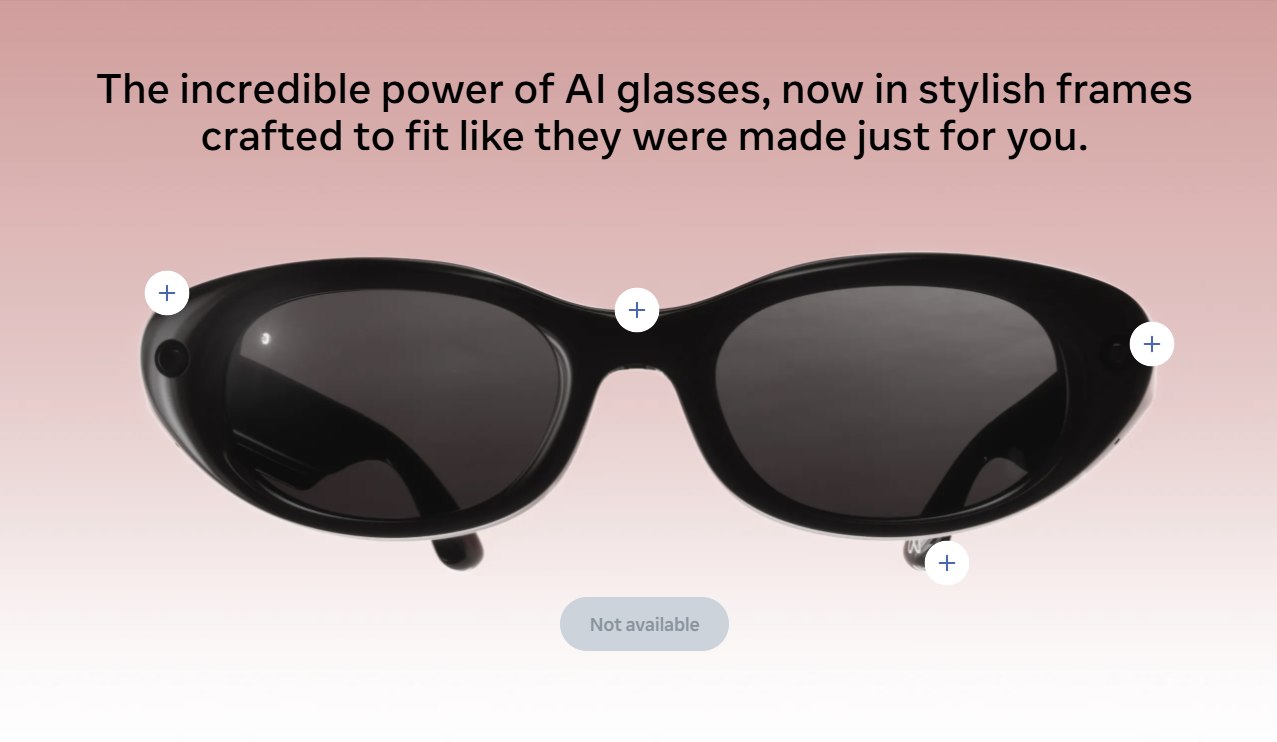
Meta has aggressively expanded its smart glasses lineup in 2026, introducing a new, lower-priced entry point while continuing to push the boundaries of what wearable AI devices can do. Here are 10 things to know about the company’s current glasses offerings.
1. A New Entry-Level Model Just Launched at $299
Meta on Tuesday announced a new set of $299 smart glasses, at least $80 less than the price tag for the company’s entry-level second-generation Meta Ray-Ban glasses, as CEO Mark Zuckerberg continues his push into wearables. Meta AI smart glasses are on sale today starting at $299 with the new Adventurer and Fury models.
2. The New Glasses Drop the Ray-Ban Branding
The Meta Glasses come with new designs and are built in partnership with Ray-Ban parent EssilorLuxottica, but they don’t come with Ray-Ban or Oakley branding. This represents a notable shift in strategy, establishing a Meta-branded lineup that sits below the existing Ray-Ban Meta and Oakley Meta lines on price, while the partnerships with those two eyewear brands continue, with both lines remaining on sale.
3. They Run on Meta’s First Proprietary AI Model
Every model in the new lineup ships with Muse Spark, the first release from Meta Superintelligence Labs — the group led by Alexandr Wang — and Meta’s first closed-weight AI model. The closed-weight decision marks a deliberate strategic departure, since Meta built its AI reputation on open-source Llama releases that powered hundreds of third-party products. The model operates in three modes — Instant, Thinking, and Contemplating — that trade response latency against reasoning depth.
4. Meta Dominates the Smart Glasses Market
Smart glasses without displays surged 167% year-over-year in the first quarter of 2026, and Meta held 69.2% of the AI glasses market during that quarter, according to IDC’s tracker report. In a separate count, Counterpoint Research puts the combined Meta and EssilorLuxottica share above 80%, using a broader methodology — either figure representing a commanding position in a fast-growing category.
5. The Premium Display Model Costs $799
For those wanting a more advanced experience, Meta also sells the Ray-Ban Display glasses, which cost $799 and include a built-in display controlled by a companion wristband called the Meta Neural Band. The device features a 12-megapixel camera with 3x zoom and a viewfinder visible on the in-lens display, allowing users to shoot and share photos directly from the glasses.
6. The Display Model Supports Two-Way Video Calling
Among the more advanced features available on the Display model, two-way video calling lets users see the person they’re talking to on their display, while the other party sees the world through the wearer’s eyes. The feature is available on WhatsApp, Messenger, and Instagram, and users can also watch and share Instagram reels, stories, and posts directly from the in-lens display.
7. The Display Model Requires an In-Person Demo to Purchase
Unlike the standard smart glasses, Meta has implemented a more restrictive sales process for its premium Display model given limited supply. Meta Ray-Ban Display is a first-of-its-kind product with extremely limited inventory. Completing a demo is required for purchase, but due to high demand, the product may be sold out and unavailable after your demo. Appointments can be booked several weeks in advance, with new slots opening daily.
8. Battery Life Varies Significantly by Model
Battery performance differs considerably depending on which glasses a customer chooses. The standard Ray-Ban Meta glasses offer up to 8 hours of use on a single charge, with an additional 48 hours available from the included charging case. The more feature-rich Display model, by comparison, was found in independent testing to deliver about six hours of continuous mixed use — with the display active, the AI assistant available, and music streaming — closely matching Meta’s official specification of “up to 6 hours.”
9. The Glasses Have Faced a Serious Privacy Controversy
Meta’s smart glasses have drawn significant scrutiny this year over how user footage is handled behind the scenes. In February 2026, Swedish newspapers Svenska Dagbladet and Göteborgs-Posten reported that workers at Sama, a Kenya-based contractor, had been reviewing video clips captured through users’ Ray-Ban Meta glasses as part of Meta’s AI training pipeline. The footage included bathroom visits, nudity, and sexual activity — captured by users who had opted into AI data sharing without realizing that human contractors in another country would view the content.
A federal class-action lawsuit, Bartone et al. v. Meta Platforms, was filed on March 4, 2026, in the Northern District of California, alleging that Meta marketed the glasses as “designed for privacy, controlled by you” while routing footage to human reviewers overseas. Meta has said users were notified of potential human review in its terms of service. The UK Information Commissioner’s Office and Kenya’s Data Protection Commissioner both opened investigations into the matter.
10. Competition Is Intensifying From Google, Samsung and Snap
Despite Meta’s commanding market share, the company faces credible competitive pressure on multiple fronts. Google and Samsung are expected to unveil Android XR AI glasses this fall with Gemini integration. Snap unveiled its fully augmented-reality Specs on June 16 at $2,195 — a different product category targeting early adopters willing to pay for an AR display. Apple’s rumored smart glasses project remains unannounced, and Samsung has demonstrated prototype smart glasses but has not yet shipped a consumer product.
What Buyers Should Know About Setup Requirements
For anyone considering a purchase, operating any Ray-Ban Meta model requires connecting the glasses to a smartphone running a recently released operating system — Android 10 and above with location services enabled, or iOS 14.4 and above — along with wireless internet access, a USB-C charging plug, a valid Meta account, and the Meta AI app. The glasses also support a range of accessibility features, including Call a Volunteer, which connects blind or low-vision users with a sighted volunteer through Be My Eyes for help with everyday tasks via the glasses’ point-of-view camera.
With the new $299 Meta-branded glasses now on sale and competitors like Google, Samsung, and Snap preparing their own entries into the category later this year, the smart glasses market is poised for a significantly more competitive stretch heading into the fall. Given the ongoing privacy litigation tied to the Sama footage-review controversy, Meta’s continued dominance in the category will likely depend not only on its hardware and AI advancements, but also on how the company addresses the data-handling concerns that have drawn regulatory scrutiny from both the UK and Kenya.
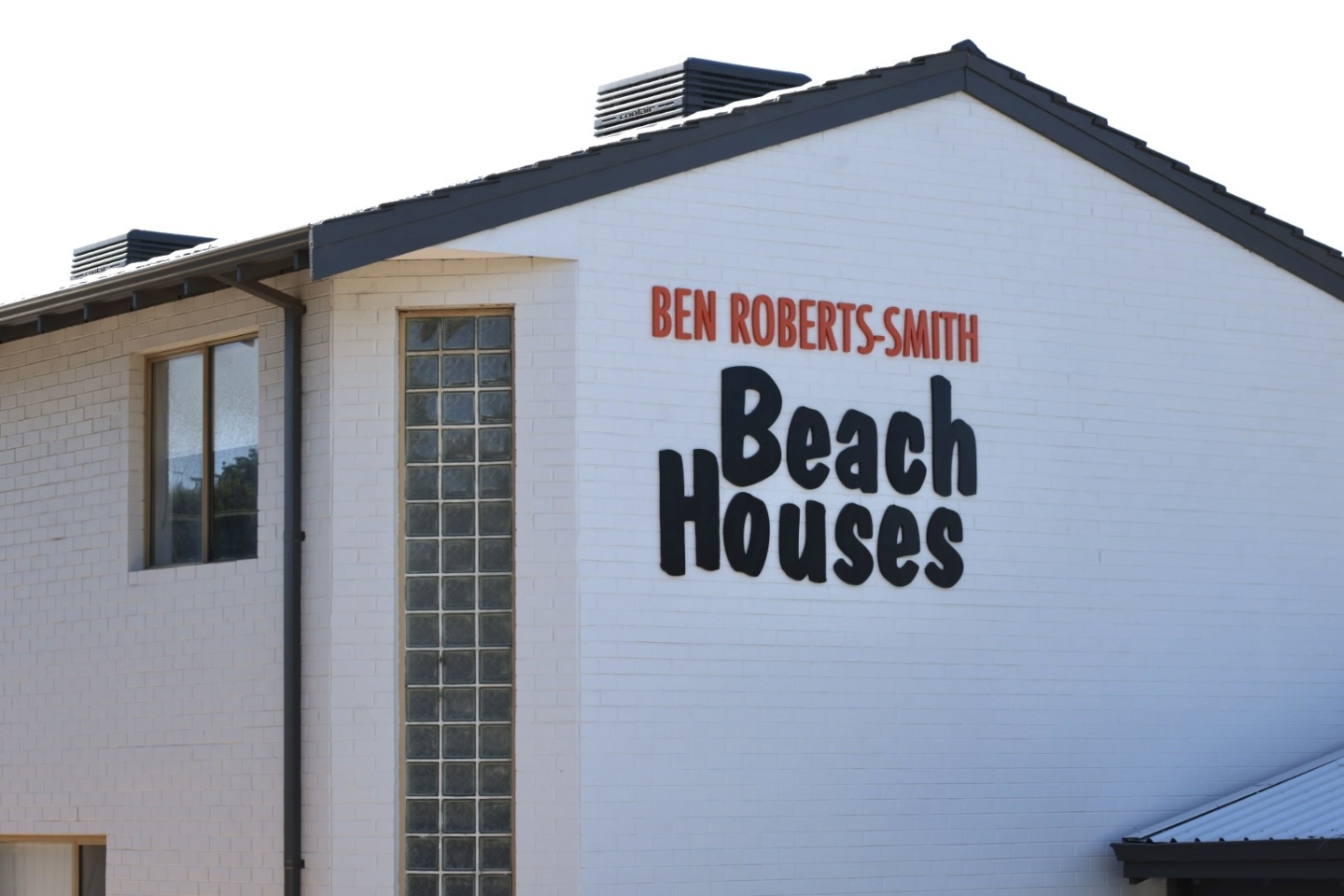
Gina Rinehart’s Hancock Prospecting has spent $8.75 million on two buildings in Scarborough, rebranding them in honour of controversial former soldier Ben Roberts-Smith.

LOS ANGELES — Electric vehicle startup Slate Auto expects to defy challenging market conditions and avoid the losses its peers have seen by profitably selling a highly customizable EV that starts at just under $25,000.
Slate CEO Peter Faricy said every vehicle produced by the Michigan-based EV startup — which is backed by Amazon founder Jeff Bezos and Los Angeles Dodgers controlling owner Mark Walter — will be gross margin positive. That will lead the company to positive free cash flow and earnings before taxes, depreciation, and amortization by 2027, he said.
“It’s an ambitious goal,” Faricy told CNBC during an interview at the company’s new design studio outside of Los Angeles. “No other automotive company has been able to do that before. So it’s ambitious. It’s going to take a lot of work. Nothing’s guaranteed in life, but you have to have ambitious goals if you want to achieve big things. That’s the big goal we’re shooting for.”
Other recent EV startups have struggled financially. Automakers such as Lordstown Motors and Fisker Automotive went bankrupt, while Rivian Automotive and Lucid Motors have reported billions of dollars in annual losses and both recently announced layoffs.
Faricy, former vice president of Amazon Marketplace who was appointed to lead the automaker in March, said the company can succeed where others have failed because of its simplistic product, customer-focused business strategy and break-even point of roughly 80,000 vehicles a year.
The break-even point is just over half of the 150,000-unit production capacity the company plans to have at its assembly plant in Warsaw, Indiana. Slate is continuing to build out that facility while also producing prototype vehicles.
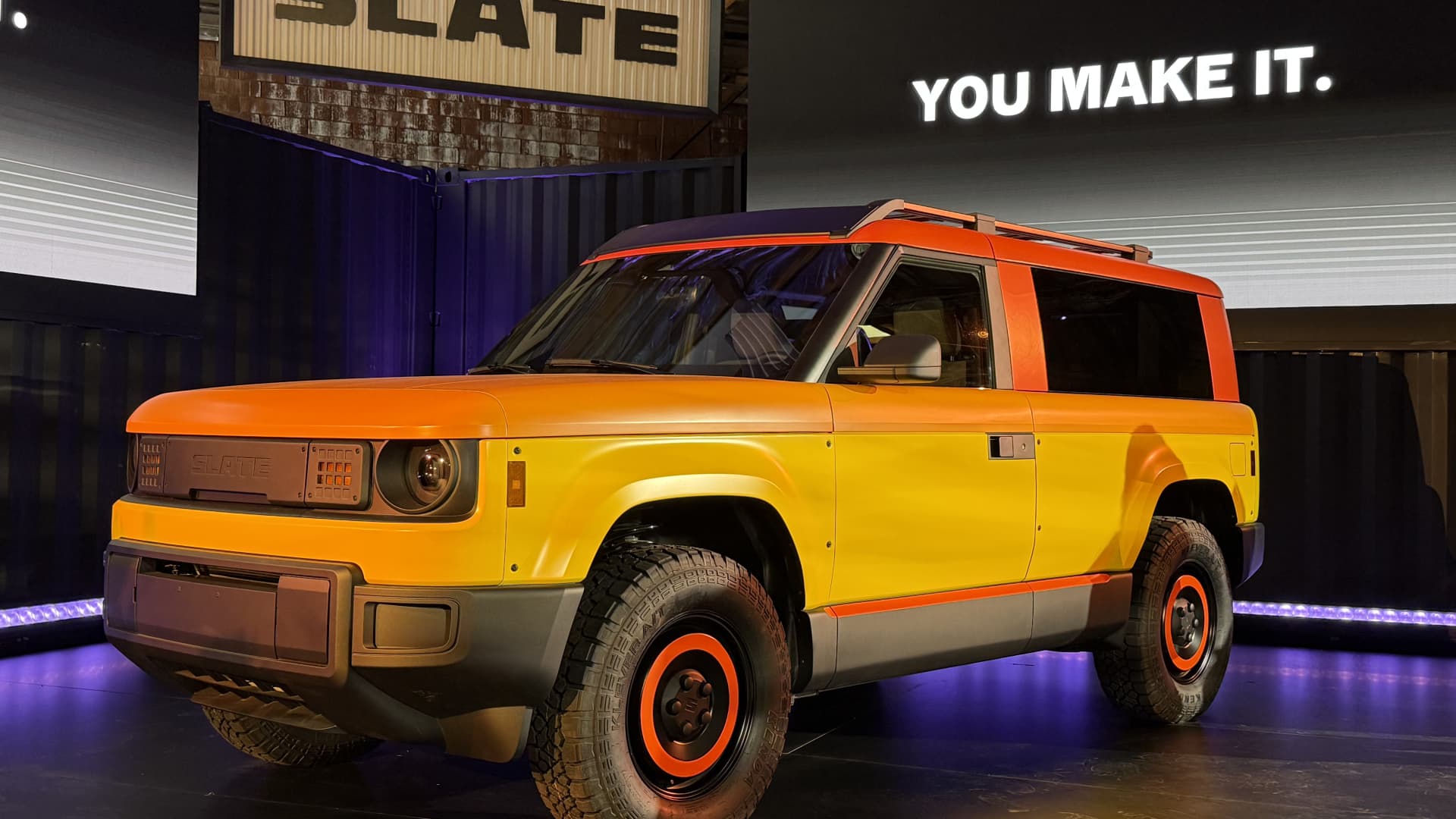
A Slate Auto-customized SUV on display during a media event June 22, 2026, at the company’s new design studio in Gardena, California. Slate is offering more than 100 standard wrap colors for under $500 during the vehicle’s launch this year.
Michael Wayland | CNBC
“We have a different cost structure and a different business model than other automakers have,” he said, citing the simplicity of Slate’s vehicle and manufacturing process as well as the ability to customize the EVs.
Slate’s flagship product is a two-seat, $24,950 bare-bones electric pickup truck that’s so basic the speakers are optional and it has crank windows. The truck can be converted into a five-passenger sport utility vehicle for an additional $5,000. The vehicles will feature a Slate-estimated EV range of 205 miles, 181 horsepower and 195 foot-pounds of torque.
Its performance pales compared with much pricier electric pickups and SUVs but is in line with similarly priced vehicles.
Slate CEO on going public
Slate Auto CEO Peter Faricy, right, speaks during a media event June 22, 2026, at the company’s new design studio in Gardena, California, ahead of the EV startup announcing official pricing for its flagship vehicle.
Michael Wayland | CNBC
Slate was in stealth mode until the company revealed its flagship EV in April 2025. It said then that its initial starting price would be under $20,000, but that included up to $7,500 in federal tax incentives that were available at the time for purchasing an EV and have since been discontinued.
The startup has raised more than $1.3 billion in capital through three financing rounds, two of which were led by Walter’s TWG Global investment holding company after a Bezos-affiliated lead round.
Faricy declined to discuss Slate’s capital runway but confirmed the company is continuing to opportunistically raise funding as it prepares to produce vehicles for consumers later this year and ramp up production, with deliveries expected during the fourth quarter.
He didn’t rule out the possibility of Slate going public, but said it would likely be too early to do that before the company ramps up production next year.
“We’re going to constantly take a look at what our options are. Certainly going public will be one,” said Faricy, who was recruited to the company by Slate co-founder and fellow Amazon executive Jeff Wilke. “2027 is probably too soon, in my book. I think we’ll want to really make sure that we’re launching and scaling the business well.”
Slate has received more than 180,000 reservations for its vehicles and is officially opening up preorders on Wednesday. The reservations required refundable $50 deposits, but the orders will come with $300 nonrefundable down payments.
Slate President of Vehicles Chris Barman, who was the company’s second employee and initial CEO, said current expectations are for the SUV to represent 60% of sales, despite the pickup being the base model at roughly $25,000. The starting price is roughly half the cost of a new vehicle sold, according to Cox Automotive data.
Faricy commended Barman for her leadership as a “world-class automotive executive,” and confirmed he’s there to use his background in consumer retail and in the automotive industry before Amazon to take the company to its next step.
“Companies have different life stages, and we’re now at the stage as we launch production where we’re sort of going into the next phase of our life,” he said. “I’m thrilled to join because a lot of the skills that I bring are complementary to the team that exists.”
Modular vehicle
A wall of accessories for Slate Auto’s vehicles on display at the company’s design studio near Los Angeles. The EV startup plans to initially offer more than 175 accessories, with over 80 under $500, including roof racks, stereos and light covers.
Michael Wayland | CNBC
When Slate revealed its vehicle as “a radically simple, radically affordable, radically personalizable car” in April 2025, more than three years had passed since Barman and Eric Keipper, an auto veteran and Slate’s head of engineering, first developed the road map for the EV’s development.
The vehicles have injection-molded composite exteriors and a litany of do-it-yourself options. The plan is for every vehicle coming off the line to be the same to reduce complexity, before the addition of any features or different covers/tops such as fastback or squared-off to look similar to a Jeep Wrangler SUV.
Auto executives have tossed around the idea for such a modular, stripped-down vehicle as the industry has seen a rise of connectivity and affordability concerns, but so far the challenges have outweighed the potential opportunities, or companies have struggled to keep prices low.
Slate’s vehicle does not feature any “connectivity” such as a modem or large screens, just a small driver information screen for range, speed and other standard gauges and warnings. Instead of a center infotainment system, drivers can use their own devices, such as a smartphone or tablet, for navigation and music.
The exteriors of the Slate vehicles won’t be painted. The company said they were engineered to be wrapped with a vinyl film, eliminating the need for a costly paint shop — a massive investment for automakers.
Slate is offering more than 100 standard wrap colors for under $500, but customers also can essentially pick any color or design they can imagine. The vehicle also will launch with more than 175 accessories, with over 80% of those priced under $500, including roof racks, stereos and light covers.
“Whoever you are and whatever you like in life, you can now express that through your SUV or through your truck,” said Faricy, who added that the Slate vehicle he wants is a metallic black fastback SUV. “I can’t wait to create that vehicle.”
The company continues to build the vehicles by hand, along with some factory automation, according to Dan Tasiemski, Slate’s head of manufacturing engineering. Slate is aiming to begin operating the factory through its normal production processes by August, he said.
Slate, which Tasiemski said is building about three vehicles a day, still needs to go through required federal vehicle validation and certification for things such as range, safety and other aspects.
Challenges
Slate Auto CEO Peter Faricy stands next to the EV startup’s barebones electric pickup truck at the company’s design studio near Los Angeles on June 22, 2026.
Michael Wayland | CNBC
In addition to challenging market conditions for EVs, Slate’s product is a unicorn — for better or worse.
The modularity of the vehicle is unique and so is its two-door body style. It will be the only pickup truck or SUV on sale in the U.S. to exclusively offer such a variant without also offering four-door models.
Ford reports only 10% of its Bronco SUV models sold last year were two-door variants. Many small pickup trucks such as the Ford Maverick and Hyundai Santa Cruz exclusively offer four-door models.
Slate has not ruled out the addition of four-door models, but its sole focus is on the two-door pickup and SUVs, according to executives.
It’s also exclusively a rear-wheel drive vehicle compared with four-by-four capability or all-wheel drive.
Slate is expected to compete against a growing segment of small gas-powered and electric pickup trucks. Most notably, Ford has bet its future EVs on a new affordable platform, beginning next year with a pickup truck. Stellantis’ Ram brand also plans to launch new compact and midsize pickup trucks in the coming years.
Slate plans to deliver its vehicle directly to customers rather than through franchised dealers, which also presents challenges and opportunities for the company, based on similar experiences from U.S. EV leader Tesla, Rivian and others.
“I think it’s an important part,” Faricy said, adding that he thinks it will lead to lower costs and better control over the customer experience. “We’re definitely going to be a direct-to-consumer company.”
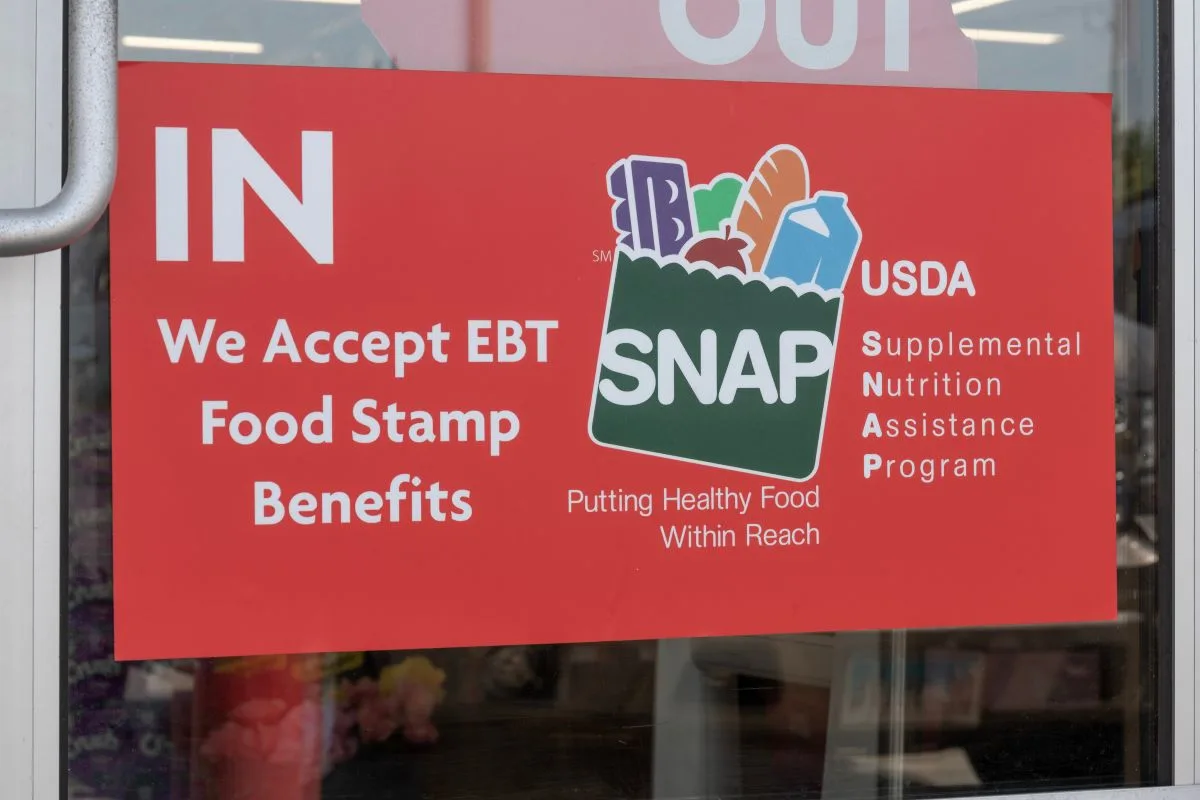

Judge rules USDA had no authority to grant food restrictions under program.

The third case of bird flu in West Australia is expected to be confirmed in coming days after a migratory seabird was found with symptoms on a beach between Dunsborough and Busselton.
Binance Makes a New Push to Secure EU Approval

Man City transfer thinking amid £75million Malo Gusto link as Chelsea signing sparks domino effect

A Modest Update For The Gemini Era


-

 Fashion5 days ago
Weekend Open Thread: Miami – Corporette.com
-

 Entertainment4 days ago
Renter of Home in Anne Heche Crash Denies Settlement With Son
-

 Tech2 days ago
Microsoft accidentally kills epic Outlook email threads
-
 Sports18 hours ago
Two goals and an assist by sheer aura: Cristiano Ronaldo just entered the World Cup chat
-

 Business4 days ago
Soccer-U.S. defends Iran World Cup travel restrictions, says discussions ongoing
-
Crypto World10 hours ago
Bitcoin (BTC) Dips Below $62K, Ethereum (ETH) Plunges 6% Daily: Market Watch
-

 Politics6 days ago
BBC Reporter Discusses Cross Party Criticism Of Trumps Iran Deal
-

 Crypto World7 hours ago
Securitize Wraps Roubini's SEC-Registered ETF as Dubai VARA Digital Security
-
Business13 hours ago
Entergy settles forward sale agreements, raises $672 million in cash proceeds
-
 Business4 days ago
Wall Street Week Ahead: Investors see Micron earnings as pulse check of AI rally momentum
-

 Politics4 days ago
Andy Burnham and the meaning of Makerfield
-

 Tech6 days ago
AWS enters the context layer race with a graph that learns from agents, not manual curation
-
 Crypto World4 days ago
Can Charles Hoskinson Really Rescue Cardano?
-

 Crypto World4 days ago
HIVE shares jump as $220M AI deal speeds Bitcoin mining pivot
-

 NewsBeat5 days ago
Keir Starmer Allies Question His Chances For No 10
-

 Crypto World4 days ago
Jake Chervinsky accuses CME of protecting derivatives monopoly
-

 Tech2 days ago
Nearly 7,000 fake Amazon domains registered ahead of Prime Day 2026, researchers warn
-
 Tech3 days ago
Signal’s Meredith Whittaker says AI chatbots ‘are not your friends’ and calls Copilot agents a backdoor
-

 Business6 days ago
Brexit cost 6% of UK economy, Bank of England company data suggests
-

 Sports6 days ago
FIFA World Cup 2026: Canada beat 9-men Qatar 6-0 to register first ever win | FIFA World Cup 2026
You must be logged in to post a comment Login