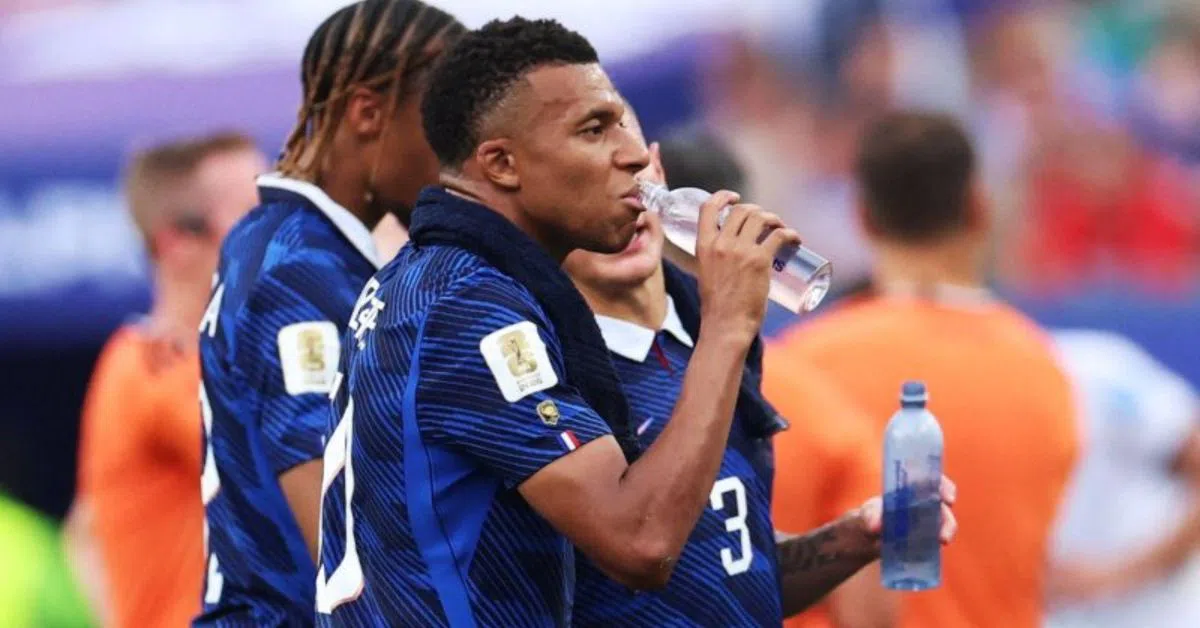
For the first time in World Cup history, hydration breaks have become a mandatory feature of every match at the 2026 FIFA World Cup. Regardless of whether games are played in extreme heat, inside climate-controlled stadiums, or in cooler evening conditions, referees are required to stop play twice per match for three-minute breaks.
Officially, the policy exists to protect player welfare and ensure equal conditions across all matches. Unofficially, however, the breaks have triggered one of the tournament’s biggest off-field debates.
Are hydration breaks genuinely about player safety, or have they quietly become valuable commercial inventory in football’s biggest event?
FIFA’s Position: “This Is Not A Financial Issue”
Facing growing criticism from fans and players, FIFA president Gianni Infantino directly addressed the controversy.
“There is no additional revenue for FIFA, as all commercial agreements were signed well in advance,” Infantino said.
“This is not a financial issue for us. For us, it is purely a sporting matter.”
According to FIFA, the breaks were introduced primarily because of the climate challenges posed by a summer tournament spread across the United States, Canada and Mexico.
Infantino argued that the policy is about consistency rather than temperature alone.
“What matters even more to us is ensuring that all teams, in every match, are playing under the same conditions.”
He added: “We want to ensure equal conditions for everyone and that’s why these breaks are implemented in every match.”
From FIFA’s perspective, allowing breaks only during hotter matches would create unequal tactical opportunities for coaches and players.
Why Fans Remain Skeptical?
The skepticism stems from one unavoidable reality.
Television broadcasters have quickly turned hydration breaks into advertising windows.
In countries such as the United States, commercial breaks regularly appear during the stoppages. Industry estimates suggest a 30-second World Cup advertising slot on Fox Sports costs between $200,000 and $300,000 during regular matches, rising significantly for USA games and knockout fixtures.
With four advertising opportunities potentially available during every match, the breaks have created hundreds of additional commercial slots throughout the tournament.
That has led many supporters to wonder whether FIFA is indirectly benefiting even if it is not directly receiving extra payments.
Critics argue that while FIFA may not earn additional revenue from pre-existing contracts, broadcasters and commercial partners are undoubtedly extracting more value from the tournament.
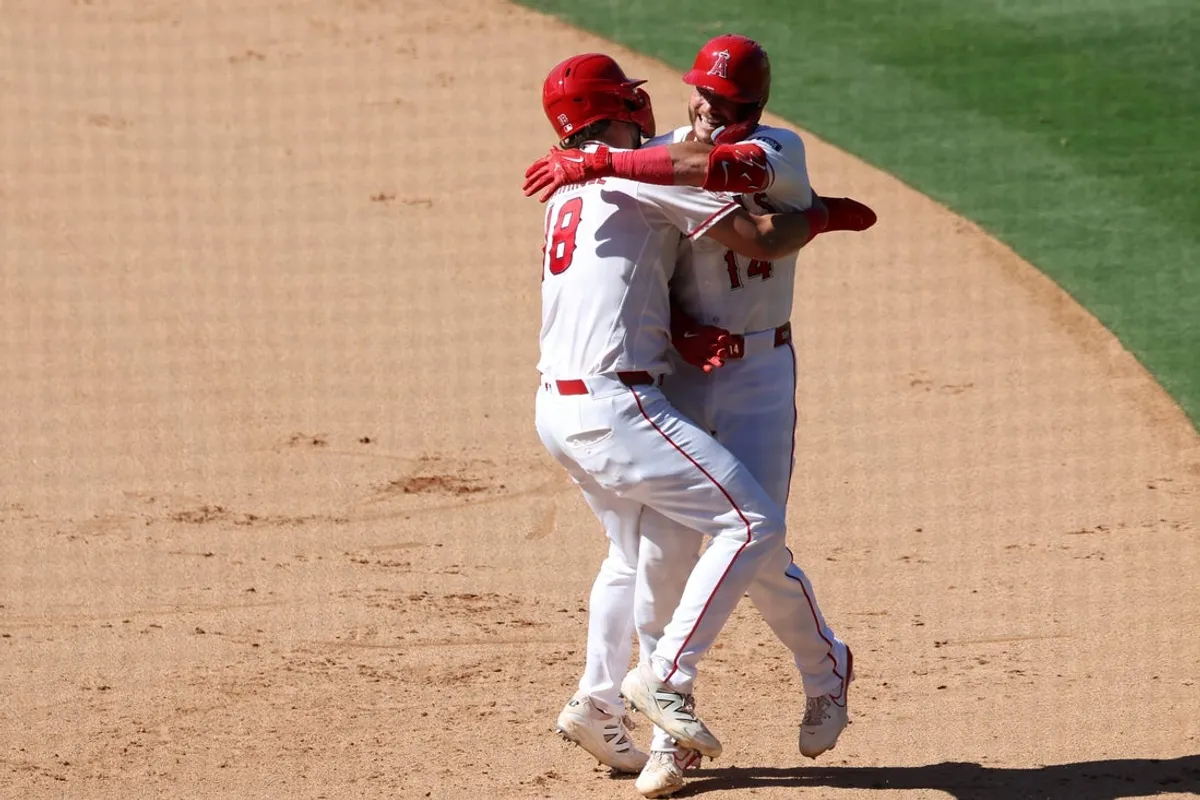
The optics have led some fans to compare football’s hydration breaks to timeouts commonly seen in American sports.
Players with divided opinions
Not everyone inside the game is convinced the breaks are necessary in every match.
Several leading players have openly questioned the universal approach.
French superstar Kylian Mbappe has reportedly expressed concerns that the stoppages interrupt momentum, particularly when one team is dominating possession and building pressure.
Liverpool defender Virgil van Dijk has similarly suggested that conditions should be assessed on a case-by-case basis rather than applying the rule universally.
Belgium midfielder Youri Tielemans also questioned whether breaks are needed during matches played in cooler conditions. For many players, the issue is not hydration itself but the loss of rhythm in a sport built around continuous flow.
Coaches Have Discovered An Unexpected Advantage
While some players dislike the interruptions, many managers have quickly recognised their strategic value.
Hydration breaks effectively provide coaches with two additional opportunities per half to communicate directly with players during live matches.
England manager Thomas Tuchel admitted the pauses have had a bigger influence than he expected. “They change the characteristic of the match more than I thought.” Mexico coach Javier Aguirre has embraced them as football’s version of an official timeout.
France manager Didier Deschamps has gone even further, describing the breaks as turning matches into something resembling four quarters rather than two halves. The result is a subtle but significant shift in football tactics.
Managers can now reorganise shape, deliver instructions and adjust game plans without waiting for half-time.
The Commercial Reality
The truth likely lies somewhere between FIFA’s explanation and the concerns of critics.
There is currently no evidence that FIFA negotiated hydration breaks specifically to generate new revenue streams. Infantino’s claim that commercial agreements were signed before the tournament appears credible.
However, that does not mean the breaks lack commercial value.
Broadcasters are undeniably benefiting from the extra advertising inventory. Sponsors gain additional visibility. Networks gain more flexibility in scheduling commercials.
Even if FIFA is not directly earning extra money from the stoppages, the wider World Cup ecosystem is monetising them. That distinction may be technically correct from FIFA’s standpoint, but it has done little to silence criticism.
A Rule that may outlast 2026
The larger question is whether hydration breaks remain a temporary solution or become a permanent feature of major tournaments.
Climate concerns are unlikely to disappear. Summer temperatures continue to rise, and future World Cups may face similar challenges.
At the same time, coaches are discovering tactical advantages, broadcasters are finding commercial benefits, and governing bodies are seeing operational value in standardised match management.
For now, FIFA insists the breaks exist solely to protect players and create equal conditions.
But as television networks continue to sell advertising around those stoppages and coaches increasingly use them as strategic timeouts, the debate over whether hydration breaks are about welfare, tactics or commerce is unlikely to disappear anytime soon.














;)
































You must be logged in to post a comment Login