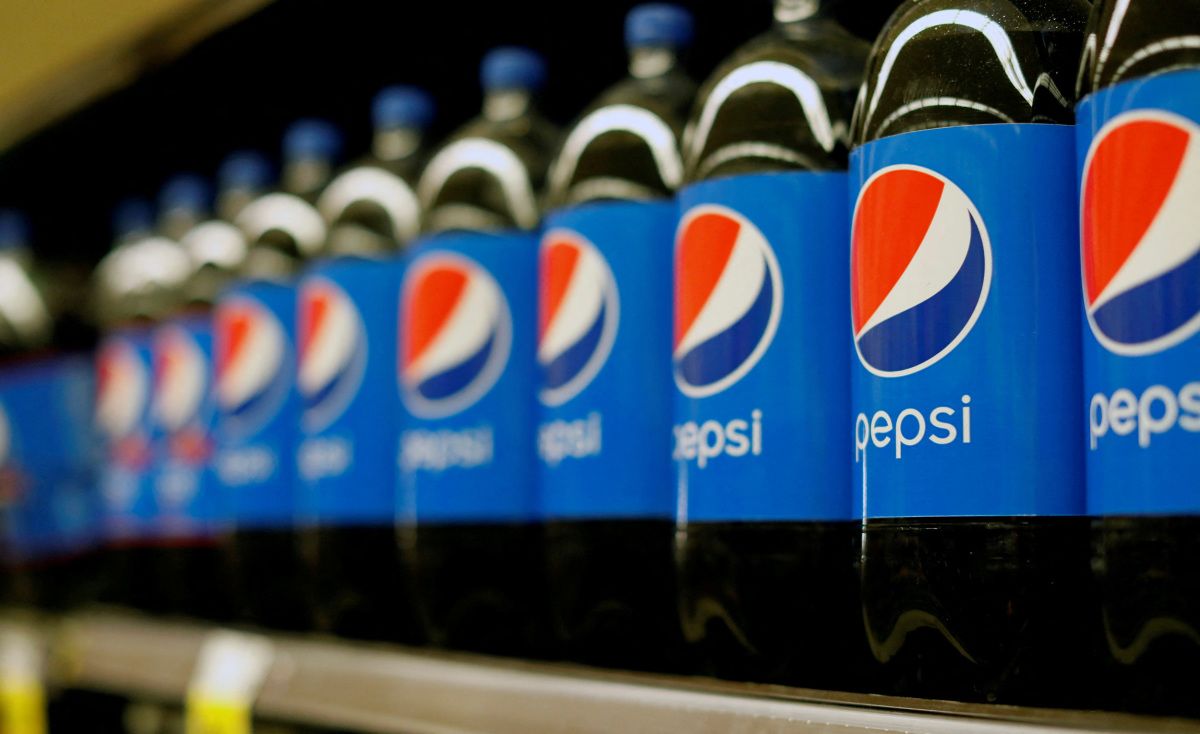
PepsiCo Inc. shares closed virtually unchanged on Thursday, finishing at $142.27 after a modest gain of $0.22, as investors evaluated the company’s progress in adapting to shifting consumer preferences and maintaining growth in a competitive beverage and snack market.
The stability in trading reflected PepsiCo’s established position as a global leader in convenient foods and drinks. The company’s diverse portfolio, spanning carbonated beverages, snacks, juices and healthier options, provides resilience across economic cycles.
PepsiCo has reported steady revenue growth supported by pricing actions, innovation and international expansion. Its focus on premiumization and health-oriented products has helped address changing consumer demands while protecting margins.
The company continues investing in sustainability initiatives, digital capabilities and brand marketing to strengthen its competitive position. Strategic acquisitions and portfolio optimization have expanded its presence in high-growth categories.
Business Performance and Strategy
PepsiCo operates through Frito-Lay, Quaker, PepsiCo Beverages North America, Latin America, Europe and Africa, Middle East and South Asia segments. This geographic and category diversification reduces reliance on any single market or product line.
Beverage brands including Pepsi, Mountain Dew and Gatorade maintain strong consumer loyalty. Snack offerings like Lay’s, Doritos and Cheetos dominate their categories globally.
The company has accelerated development of zero-sugar, low-calorie and functional beverages to align with health and wellness trends. Innovation in packaging and sustainable sourcing supports brand relevance.
PepsiCo’s route-to-market systems and direct store delivery model provide significant advantages in distribution efficiency and shelf presence. These capabilities help defend market share against emerging competitors.
Portfolio Evolution
PepsiCo has actively reshaped its portfolio through acquisitions and divestitures. Focus areas include convenient nutrition, premium beverages and plant-based offerings.
Health-conscious consumers drive demand for better-for-you products. The company responds with reformulations, new launches and transparent labeling practices.
Sustainability goals encompass water stewardship, renewable energy and responsible packaging. Progress in these areas enhances corporate reputation and operational resilience.
Digital transformation initiatives improve demand forecasting, personalized marketing and e-commerce capabilities. These investments support omnichannel growth strategies.
Market Challenges
The beverage industry faces pressure from health organizations, changing demographics and regulatory scrutiny around sugar content. PepsiCo balances innovation with core brand strength.
Snack foods encounter competition from healthier alternatives and private labels. The company counters with premium offerings, limited-time flavors and marketing campaigns.
Inflationary pressures on commodities and transportation costs require careful pricing management. PepsiCo’s scale and hedging practices help mitigate these impacts.
International operations expose the company to currency fluctuations, political risks and varying consumer tastes. Localized strategies and portfolio adaptation address these challenges.
Investment Considerations
PepsiCo appeals to investors seeking dividend growth and defensive characteristics in consumer staples. Its consistent payout increases and strong cash flow generation support long-term holding.
Valuation metrics reflect expectations for steady growth and margin management. Risks include changing consumer preferences, competitive intensity and regulatory developments.
Longer-term opportunities arise from emerging markets, premiumization trends and innovation in health-focused products. PepsiCo’s global scale and brand portfolio position it favorably.
Analysts monitor volume trends, pricing realization and category performance. Successful execution on strategic initiatives could drive further shareholder value.
Sustainability and Responsibility
PepsiCo’s environmental goals include reducing plastic use, lowering carbon emissions and conserving water. Progress reporting demonstrates commitment to measurable improvement.
Community engagement and diversity initiatives strengthen social license to operate. These efforts support talent attraction and brand loyalty.
Corporate governance practices emphasize transparency and accountability. Board oversight ensures alignment with long-term strategy and stakeholder interests.
Outlook
PepsiCo’s recent share price performance suggests steady investor confidence in its fundamentals. The company’s ability to adapt to evolving consumer needs while delivering financial results will influence future valuation.
Upcoming earnings will provide insight into volume trends, margin development and guidance. Management will outline progress on key strategic priorities.
The consumer staples sector offers stability in uncertain economic environments. PepsiCo’s diversified business model and strong brands support resilience.
As health and wellness trends continue shaping the industry, PepsiCo’s innovation pipeline and portfolio adjustments position it for sustained relevance. The company’s focus on convenience, quality and sustainability aligns with modern consumer expectations.
PepsiCo remains a cornerstone of the global food and beverage industry. Its strategic direction and execution capabilities suggest capacity to navigate challenges and capitalize on opportunities.


















































You must be logged in to post a comment Login