

Join Mikko Hyppönen and security leaders from the NFL, CHANEL, and Atlassian for a two-hour digital summit on what AI-speed attacks change, what defenders should stop doing, and how to validate, decide, fix, and re-validate at machine speed.
Tech
Daily Deal: The Ultimate AWS Data Master Class Bundle


from the good-deals-on-cool-stuff dept
The Ultimate AWS Data Master Class Bundle has 9 courses to get you up to speed on Amazon Web Services. The courses cover AWS, DevOPs, Kubernetes Mesosphere DC/OS, AWS Redshift, and more. It’s on sale for $40.

Note: The Techdirt Deals Store is powered and curated by StackSocial. A portion of all sales from Techdirt Deals helps support Techdirt. The products featured do not reflect endorsements by our editorial team.
Filed Under: daily deal
Continue Reading
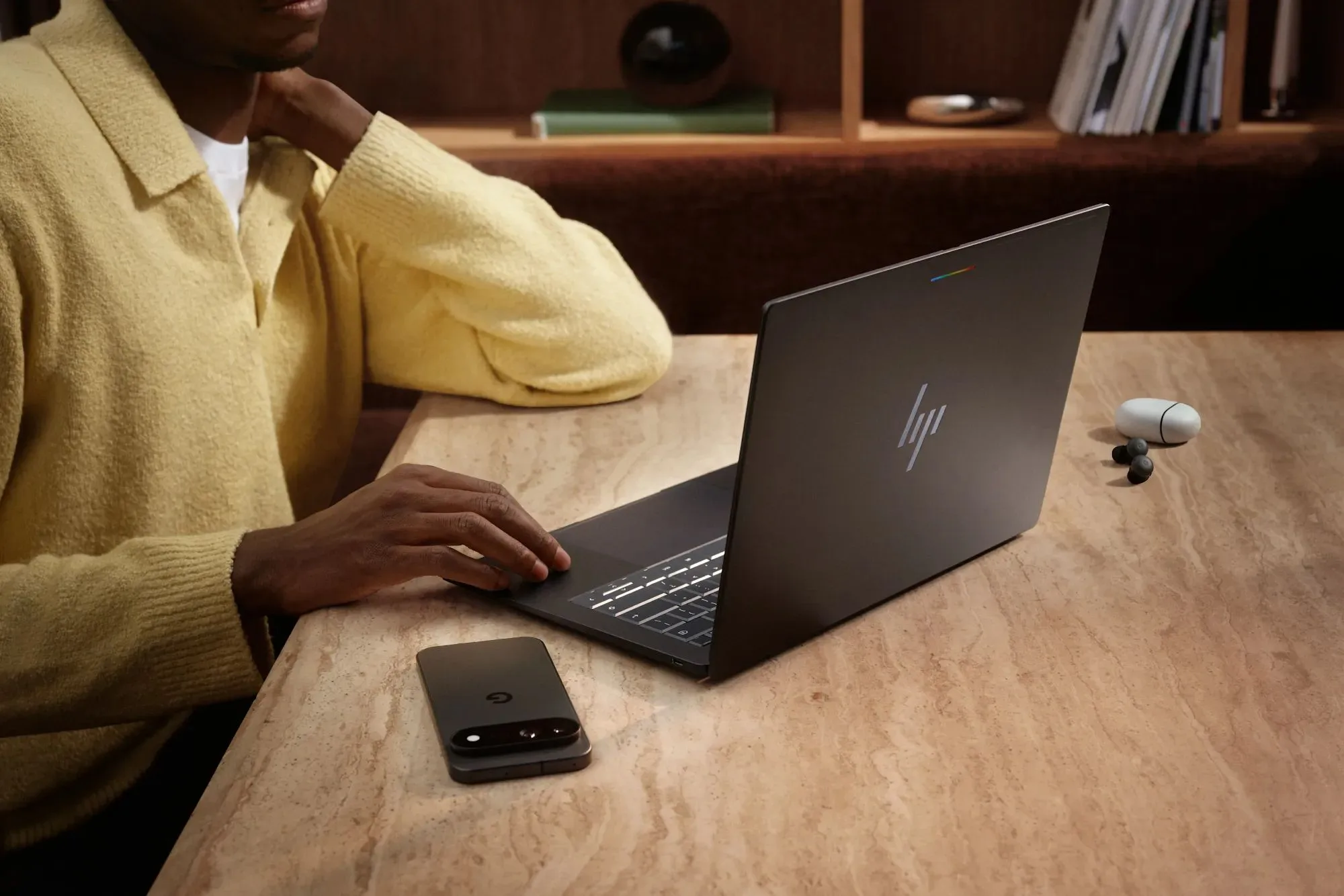
I’ve used Android phones alongside laptops for years, and there’s always this gap that you feel every time. Things really aren’t as bad as they used to be, but an iPhone-Mac level integration it is most definitely not. My phone knows practically everything about me. From all my routine apps, photos, messages, to even some important docs, it practically has my entire digital life.
Unfortunately, it doesn’t carry over painlessly to my laptop. It has its own set of apps and tools there, but the two often behave like they were just connected five minutes ago. While there are ways to work around this, they aren’t fun. Chromebooks have Phone Hub and Android apps, with Windows offering deep phone integration and even Quick Share support now. And still, the experience can’t replicate the feel of a MacBook with an iPhone beside it.
This is where the Googlebook comes in. Google just opened preorders for its new laptop platform this week, with machines from Acer, Asus, Dell, HP, and Lenovo starting at $899 and arriving in stores from October 4. Googlebooks are built on the Android technology stack, paired with the desktop foundations Google developed through ChromeOS.
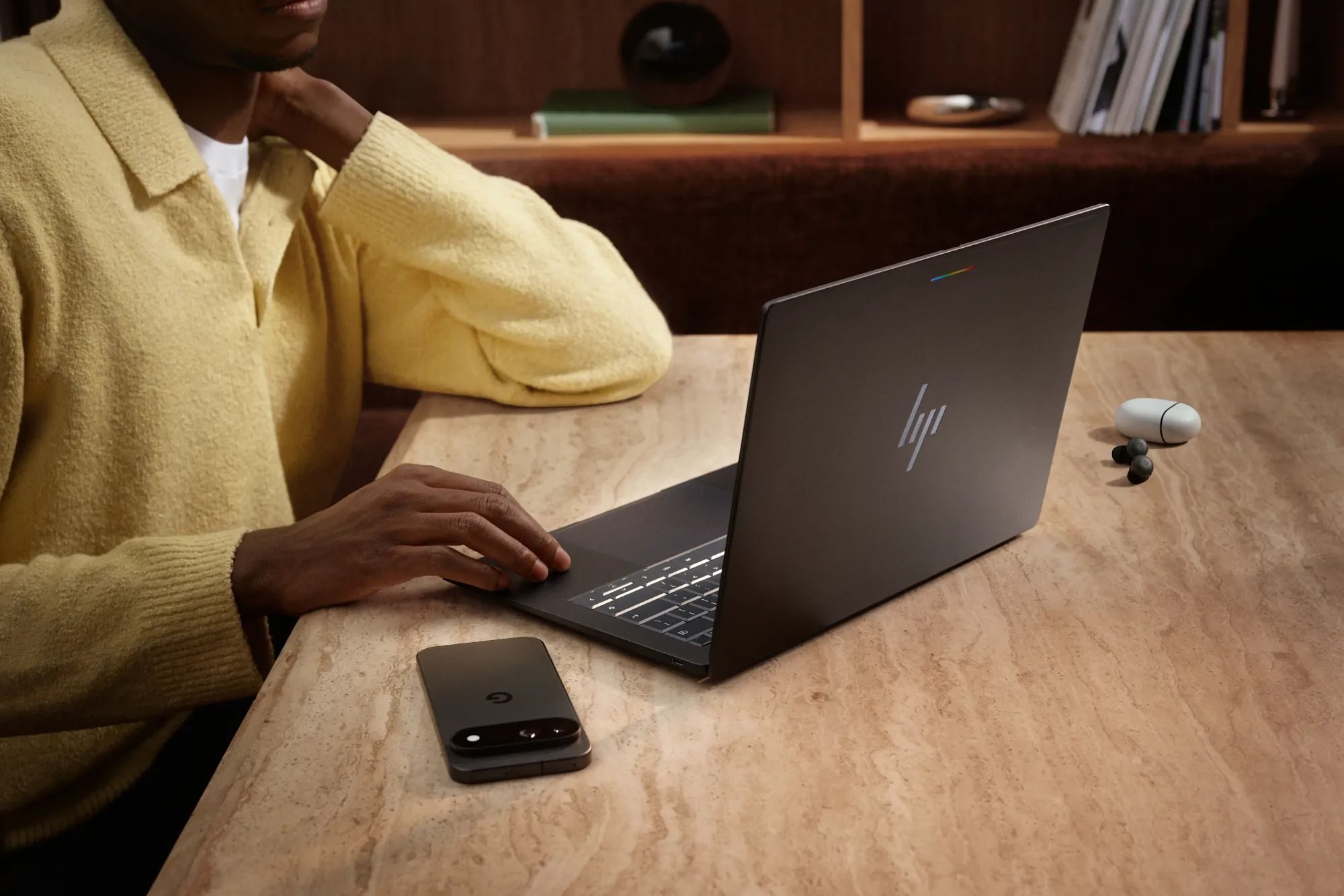
Android has been building an ecosystem around a hole
Look at everything Android already touches, and it’s shocking that notebooks aren’t one of them. You get phones, tablets, wearables, TVs, and even gadgets for cars with Android Auto. The laptop was a gap that was always left wide open. Chromebooks technically filled that position, but ChromeOS was born from a completely different philosophy. Android apps eventually arrived, yet for years they existed as another compatibility layer inside an operating system built around the browser.
Now, Google’s latest platform shares Android’s foundation while bringing over the windowing, browser, and desktop infrastructure it spent years developing for ChromeOS. Android applications can run directly from Google Play, while users also get desktop Chrome with extensions and a full Linux environment.
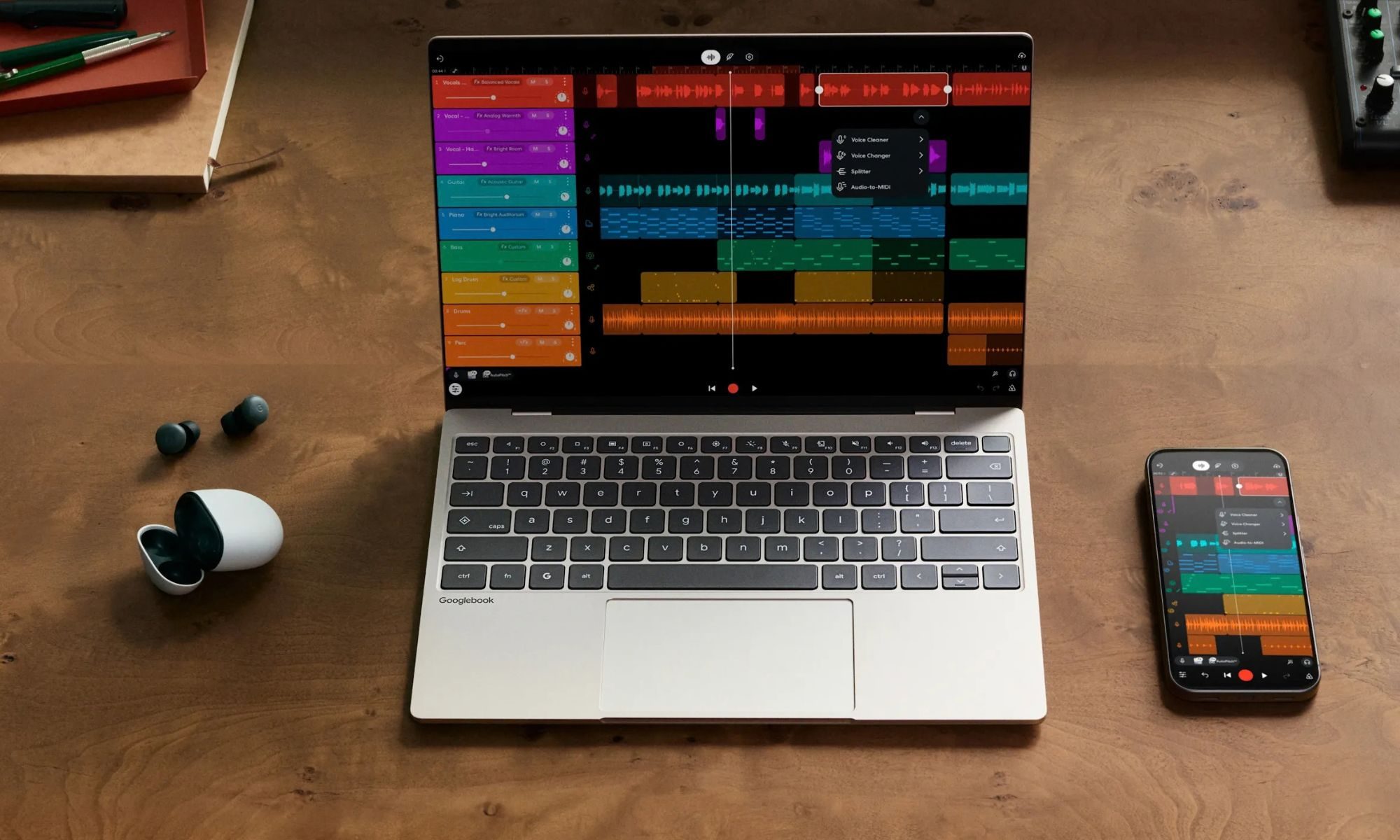
The 3 features we’re all looking forward to
Can’t have an entirely new (sort of) platform without having some exclusives to show for it. Leaving aside the OS itself, Google has made three core features that change the way you interact with a laptop. Magic Pointer is the one that was talked about the most. Just shake the cursor and ask Gemini about whatever is on the screen. Rambler, on the other hand, isn’t exclusive to Googlebooks and can be found on smartphones. But on the PC platform, this is the only place you’ll find it.
Lastly, there is the Continue On and Cast My Apps, which I’ve bundled together since they feel like an extension of one another. The former lets you begin a supported task on your Android phone and resume it from the Googlebook taskbar, while the latter streams an app running on your phone into a desktop window, which allows you to interact with it without installing another copy of it on your laptop.

Another cool new addition is the Files app that can browse files and photos stored on your phone as if it’s a part of the laptop. It may sound basic, but it previously required a dedicated connection for this. The implementation could work wonders, at least for me. I take a screenshot on my phone for an article, and just expect it to simply be there when I open the file picker on my laptop.
Apple figured this out years ago
This is the part Android has been chasing for a very long time. Apple’s Continuity system already lets an iPhone and Mac hand off supported tasks, clipboard, and much more. For an average user in the Apple ecosystem, most of these features just blend into normal use. They are so well integrated into the OS that it just becomes natural.
Handoff is probably the best example. Start something in a supported app on an iPhone, and the corresponding icon appears on the Mac, ready to continue from where you stopped. Googlebook’s Continue On is just the same deal repackaged for Android users, and yes, I’m happy it’s finally here. Apple users can gloat on this one.

I’m glad that Google is sticking with Android more than Gemini
The company calls Googlebook a laptop designed for Gemini Intelligence. So it’s no surprise that Google has built Gemini deep into the cursor, writing tools, and other stuff. AI is the big story for every platform. Now, it has a computer to stretch its legs. Even then, Gemini wasn’t why Android needed Googlebook, as the real star is a computer that is part phone.
For phones on Android 17 or newer, Google is offering deeper phone integration, though access will likely kick off with newer devices. If that works reliably across Pixels, Galaxys, Motorolas, Xiaomis, and the rest of Android, Google is sitting on a gold mine.

Don’t celebrate too early. Google could still mess this up
Googlebook starts at $899, so this isn’t a spiritual successor to Chromebook, at least not with the pricing. Still, we are being promised 16GB of RAM and 512GB of storage, with Intel Core Ultra and Snapdragon X Elite options, along with touch displays reaching 2.8K OLED, and premium materials across the lineup.
Google says Photoshop, Lightroom, CapCut, Microsoft 365, Android apps, desktop Chrome, and Linux tools are supported. But it remains to be seen just how solid it feels in real-world use. Native Android apps also need to actually make use of a laptop-sized screen. Hardware can be premium, but I’m still cautiously optimistic.


A car is a crucial asset for every family. It comes in handy for school runs, grocery trips, road trips, and everything in between. That makes a family car’s long-term reliability an important factor to consider when shopping for a new model, especially now, when new car prices have been steadily rising over the past few years. And it’s not just new cars; used car prices have been rising too.
That said, nobody wants a family car that will spend more time in the repair shop than in the driveway (or on the road running the usual family-related errands). But how can you tell whether a car is built to last and will be able to serve your family for years, with thousands of miles under its belt? You can consider family vehicles most likely to last at least 200k miles, or even more.
While not every vehicle is guaranteed to reach the 200,000-mile mark, some family vehicles have a much better track record of getting there as long as you take good care of them. If you’re shopping for a car that can haul your entire family from one point to another and are looking for a model that’s tough enough to hit 200k miles, or even more, there are several options to choose from. These five family cars stand out as some of the best candidates that can reach 200,000 miles or more when properly maintained, according to data from iSeeCars and Consumer Reports.
Toyota Sequoia
The Toyota Sequoia is a three-row family SUV that can haul up to seven or eight people. According to data from iSeeCars, which analyzed over 402 million cars, this SUV is one of the best long-term choices, with about 36.4% of this model reaching 250,000 miles. That makes it a pretty solid option for parents looking for a vehicle that can make it to at least 200,000 miles. The 2026 model year of the Toyota Sequoia is powered by a hybrid twin-turbo V6 engine mated to a 10-speed automatic transmission, producing up to 437 horsepower and 583 lb-ft of torque.
This SUV has combined EPA-rated figures ranging between 20 and 22 mpg, depending on the trim. Speaking of trims, the Toyota Sequoia is available in six trims, starting with the SR5. Other trim levels include Limited, Platinum, TRD Pro, Capstone, and 1794 Edition, inspired by Texas history. The base trim starts at an MSRP of $67,920, which includes $2,195 in destination and handling fees.
The high-end Capstone trim starts at $88,330. The Sequoia offers a rear-wheel drivetrain as standard on all trims except the TRD Pro grade, which includes 4WD targeted at serious off-roaders. If you have a caravan to tow for a more comfortable weekend getaway with your family, the 2026 Toyota Sequoia has a maximum towing capacity of 9,500 pounds.
Toyota 4Runner
Japanese car maker Toyota is known for making some of the most reliable vehicles. As such, it’s not surprising to see yet another model from the company’s lineup that is highly likely to reach 200,000 miles or more. From its analysis, iSeeCars reveals that 26.8% of Toyota 4Runners reach the 250,000-mile mark. The Toyota 4Runner has been featured among the most reliable Toyota models ever built, and it also appears on Consumer Reports’ list of vehicles that have been proven to get to 200,000 miles.
The 4Runner is a capable family SUV that can carry up to five people. The 2026 variant of the 4Runner offers two powertrains, a hybrid and a non-hybrid. The gas variant uses a 2.4-liter turbocharged four-cylinder engine, paired with an eight-speed automatic gearbox, producing 278 hp and 317 lb-ft of torque. That same engine is used in the hybrid variants, but due to electric motors, it produces a maximum of 326 hp and 465 lb-ft of torque.
Toyota offers RWD or part-time 4WD on lower trims, but for those who need off-road capability or want to plow through tricky icy roads with confidence, trims like the TRD Off-Road Premium i-FORCE MAX and Limited i-FORCE MAX come with 4WD standard. The 2026 Toyota 4Runner starts at a sticker price of $43,865. You can choose from 12 trims if you need a 2026 Toyota 4Runner.
Honda CR-V
The CR-V has been one of Honda’s most successful nameplates. For families, the CR-V is a top choice and, with proper care, it can serve you for a long time. Both Consumer Reports and iSeeCars say the Honda CR-V is likely to last 200,000 miles or more. iSeeCars says about 13.9% of CR-Vs reach 250,000 miles, and Consumer Reports has named the model its top pick among cars that can hit the 200,000-mile mark. The Honda CR-V is a compact SUV that accommodates five people and offers ample cargo space for carrying your family’s belongings.
For the 2026 model year, the company is still offering hybrid and non-hybrid versions. The non-hybrid uses a 1.5-liter turbocharged four-cylinder engine as standard, producing 190 hp and 179 lb-ft of torque, paired with a continuously variable transmission (CVT), and has a combined EPA-estimated rating of 29-30 mpg. The hybrid CR-V comes with a slightly more powerful 2.0-liter four-cylinder alongside two electric motors, producing a total of 204 hp and 247 lb-ft of torque. The hybrid is more efficient, with 35 to 40 mpg combined under EPA testing standards.
You can pick between front- and all-wheel drive regardless of the variant, and the towing capacity varies depending on the engine. The 2026 Honda CR-V has a starting MSRP of $32,470 and tops out at $44,100, including a $1,550 destination charge and no extra options.
Toyota Highlander
This is yet another family car that can last for a long time. iSeeCars’ analysis found the Highlander to be a solid vehicle that can hit 250,000 miles. According to the site’s findings, 17.5% of its gas variants can hit 250,000 miles. The hybrid Highlanders are even better, as iSeeCars’ analysis found 25.9% of them able to hit the same milestone. Similarly, Consumer Reports’ member survey has also identified the Highlander as a good option for the long haul. Every car model has its issues, and the Toyota Highlander isn’t an exception.
So as long as you watch out for the common Toyota Highlander problems and follow the manufacturer’s maintenance schedule, it’ll serve you and your family for quite some time. If you need a new Highlander, the 2026 model starts at an MSRP of $47,865, including a $1,595 destination charge, and offers seven trim levels to choose from. It offers gas and hybrid engine options. The hybrid variant uses a 2.5-liter four-cylinder powertrain alongside three electric motors, producing 243 hp total, while the gas model uses a turbocharged 2.4-liter four-cylinder making up to 265 hp.
The gas variant uses an eight-speed automatic transmission, while the hybrid uses an electronically controlled continuously variable transmission (eCVT). As a three-row mid-size SUV, the Highlander can seat up to seven people. With the 2026 model year, Toyota offers AWD on all grades. EPA-rated fuel economy for the gas Highlander ranges from 21 to 28 mpg, while the more efficient hybrid powertrain reaches 35 mpg.
Toyota Camry
The final model on our list is the Toyota Camry. It’s a family-friendly four-door sedan that both Consumer Reports and iSeeCars say is likely to hit 200,000 miles. iSeeCars’ analysis of over 400 million cars found that 13.5% of Camrys hit the 250,000-mile mark. Additionally, Consumer Reports’ member survey ranked the Camry as the top model likely to reach 200,000 miles, tying with the aforementioned Honda CR-V.
As a sedan, the Camry is the cheapest model on this list, with a starting sticker price of $30,895, including a $1,295 destination charge. The Camry comes with a hybrid engine, helping it deliver excellent fuel economy. Per EPA estimates, you can expect combined fuel economy of up to 51 mpg, depending on the trim. There are two powertrains to pick from. You can choose a 2.5-liter four-cylinder with two electric motors producing 225 hp that sends power to the front wheels, or a similar engine with three motors sending power to all four wheels and increasing output to 232 hp.
The Camry can accommodate up to five people, and Car and Driver praised the model for having enough space for adults in both the front and back seats. The team found the Camry can carry up to seven carry-on suitcases and up to 19 with the rear seats folded, so don’t overlook it just because it’s not an SUV or a crossover.


Nissan spent years selling e-POWER overseas before it finally landed on a U.S. compact SUV, and the 2027 Rogue Hybrid is the first American application of that third-generation series setup. Dual electric motors do all the driving. A turbocharged 1.5-liter three-cylinder engine never turns the wheels. It only feeds a 1.67-kilowatt-hour lithium-ion pack and a generator so you refill at a regular pump and skip any charging cable. Combined output is 225 horsepower, with a 202-horse front motor and a 134-horse rear motor giving the crossover standard all-wheel drive and instant pull from a stop.
Drivers who have seen the prototypes claim the response is much closer to a Leaf than a normal hybrid. Without a transmission, acceleration is smooth and linear, and the engine may run quietly while the battery is fully charged. Nissan claims 40mpg in the city, 36mpg on the highway, and 38mpg combined in their internal testing for the mid-range SR, which puts it right in line with a Honda CR-V Hybrid and only a few miles per gallon behind a Toyota RAV4 Hybrid 4WD. With a 14-gallon tank and a towing capacity of 1,500 pounds, it sounds more like a family automobile than a work truck, which is unlikely to accomplish much heavy lifting.
Sale

LEGO Technic 2 Fast 2 Furious Nissan Skyline GT-R (R34) Car – DIY Kit and Building Set for Adults…
- BUILD AN ICONIC CAR – Adults can relive their favorite movie moments with the LEGO Technic 2 Fast 2 Furious Nissan Skyline GT-R (R34), a detailed…
- CAR MODEL KIT FOR ADULTS – Fans of model car kits and building blocks will enjoy discovering details as they build, like functioning steering, a…
- GROUNDBREAKING DRIFT FUNCTION – The first-ever LEGO Technic drift mechanism raises the car so builders can recreate the movie’s most impressive…
The cabin is far quieter than the old gas Rogue, and in some intense mountain driving, even quieter than a modern RAV4. Front headroom is 40.9 inches without a sunroof (which Nissan claims puts it ahead of the competition in the hybrid class), and front legroom is 41.5 inches. The rear doors swing back 90 degrees on their hinges, there are 5 LATCH hooks for a child seat in the middle, and cargo space is 31.1 cubic feet behind the second row or 65.9 if the seats are folded down. The old climate and volume controls remain on the dashboard rather than disappearing into a screen.
The standard gear already includes wireless Apple CarPlay and Android Auto on a 12.3-inch touchscreen, as well as a world-first magnetic wireless phone charging. SR variants with the tech pack and up to the Platinum have a 14.3-inch display with Google and Gemini, and as if that wasn’t enough, the Platinum also gets a 10-speaker Bose system and a second wireless pad for charging another phone. Nissan’s e-Pedal keeps the SUV rolling gently into a stop with a single pedal, and the Smooth Stop technology ensures there’s no jerking forward in traffic as you come to a halt. The improved ProPILOT Assist now allows for automatic lane changes and hands-off assistance in slow traffic congestion.
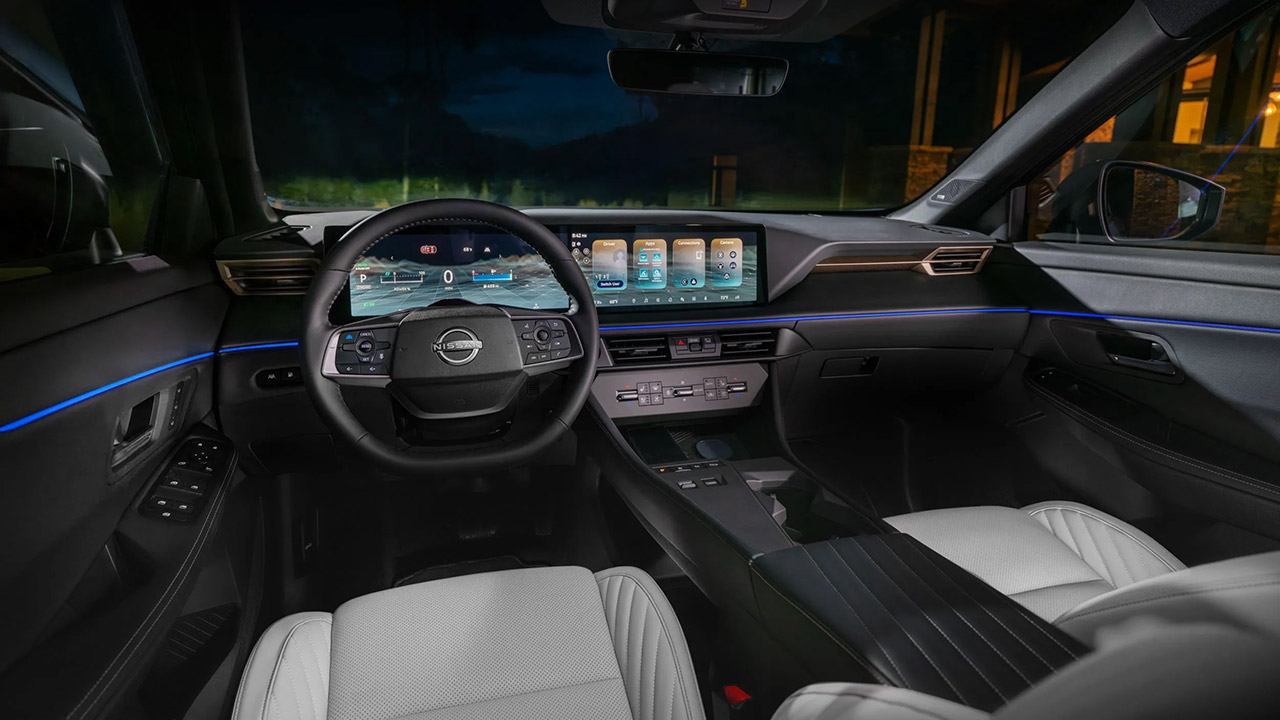
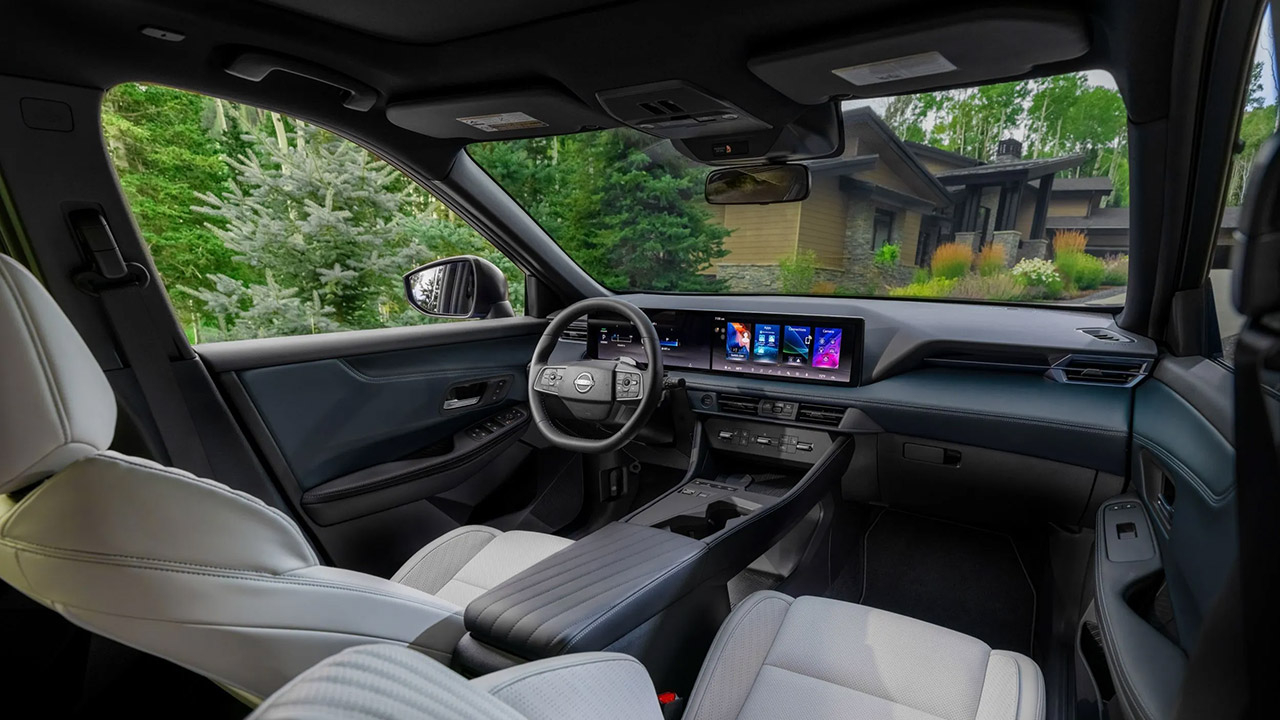

The SV all-wheel-drive model starts at $35,490 before a $1,575 destination charge, for an all-in price of $37,065. There’s also the SV Premium package, a basic SR, an SR with the tech pack, and a Platinum model, all priced at $43,490 before destination. The well-equipped SR Technology package will be available for $41,490 in the fall of 2026, with the rest of the range following in early 2027. The first cars will be exported from Japan before moving to Smyrna, Tennessee in 2027, which could assist improve US manufacturing without the need to create a brand new plant.



The exterior design is more aggressive than the previous Rogue, with a narrower grille and lighting that wraps around the headlamps, as well as an optional full-width taillamp. The curb weight for the lightest SV model is 4,065 pounds, which is approximately 400 pounds more than the previous gas-powered AWD Rogue with an 183.1-inch body and a 106.5-inch wheelbase. Ground clearance ranges from 8.4 to 8.5 inches, depending on the trim level. There are eight color options available, five of which have a black roof, including a few new ones such as Horizon Blue Pearl Metallic.



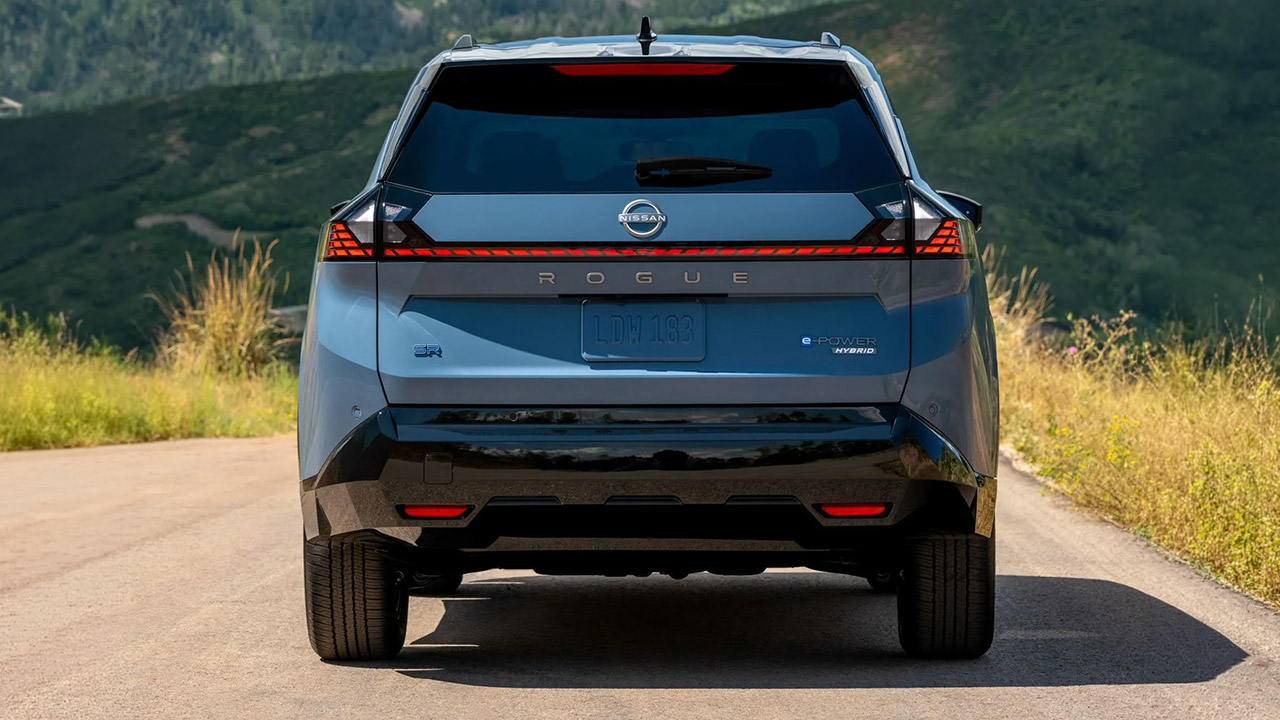
Christian Meunier, chairman of Nissan Americas, called hybrids the powertrain more U.S. buyers now want and framed this launch as a way to pull in shoppers who had stopped looking at the brand. e-POWER has already moved nearly two million vehicles worldwide across three generations. American buyers now get the dual-motor version tuned for local speeds and roads, with a 148-horse generator engine that Nissan says reaches 42 percent thermal efficiency when it is making electricity rather than turning tires. If the quiet cabin and one-pedal manners hold up once EPA numbers and real winter testing arrive, Nissan finally has a compact hybrid that feels distinct from the RAV4 and CR-V crowd instead of arriving late to the same formula.


The U.S. Cybersecurity and Infrastructure Security Agency (CISA) is warning that hackers are exploiting three Linux kernel vulnerabilities, one of them rated critical.
The three security issues were added separately last week and have severity ratings ranging from medium to critical. One of them, tracked as CVE-2025-39964, existed in the Linux kernel for 14 years.
CISA marked all three flaws with the highest priority for federal agencies, ordering them to apply available security updates and mitigations by the end of today.
The three vulnerabilities are:
- CVE-2025-39964: a race condition in the kernel’s AF_ALG cryptographic socket interface that allows concurrent writes to corrupt per-socket state and potentially crash systems or alter cryptographic results.
- CVE-2026-53266: an out-of-bounds write vulnerability in the Linux kernel’s ebtables SNAT implementation that can cause an ARP address rewrite to modify shared file-backed memory without first making the affected packet range writable.
- CVE-2025-39682: a Linux kernel TLS receive-path logic flaw that mishandles zero-length records queued for later processing, potentially allowing different TLS record types to be processed together when kTLS is in use.
CISA says [1, 2] the vulnerabilities have been exploited in attacks but has not revealed any details about the incidents or the nature of the threat actors.
Offensive security company STAR Labs found CVE-2025-39964, saying that its researchers found the issue with no help from an AI system. They demonstrated the vulnerability by achieving privilege escalation and container escape in Google’s kernelCTF.
For CVE-2025-39682, there are public exploits available, as also confirmed by Red Hat in its security bulletin. Red Hat also confirmed a known exploit available for CVE-2026-53266.
Researcher Kimmo Suominen has published a technical analysis and patch-status tracker for CVE-2026-53266 on GitHub, outlining a potential privilege-escalation path involving modifications to file-backed memory.
However, the researcher notes that the proposed exploitation chain is inferred by analogy with Dirty Pipe and has not been demonstrated with public exploit code.
CISA has marked all three flaws as requiring “forensic triage.” This means that for every affected asset, federal agencies need to examine it for signs that exploitation already occurred.
Currently, none of the three flaws is flagged as exploited by ransomware groups.


On Monday, OpenAI announced a new independent advisory group hosted at the Institute for Advanced Study in Princeton, New Jersey. Called the Advisory Group on Mathematics and Artificial Intelligence, the group is meant to give mathematicians more input into the company’s math-oriented research.
“This group will serve as a bridge to the mathematical community and broader public, giving mathematicians a voice in how we move forward,” the post reads.
The announcement comes after the abrupt publication of a solution to the Navier-Stokes Millennium Prize problem. As part of the announcement of the new group, OpenAI also claims that the same internal model has resolved more than 100 additional open problems across most areas of mathematics.
Many prominent mathematicians have taken issue with the frenzied pace of those results. Earlier this month, 25 Fields Medal-winning mathematicians signed an open letter arguing that AI labs are threatening their intellectual work as they seek to one-up each other with solutions to famous math problems.
True to its name, OpenAI’s new group will mostly serve in an advisory capacity, assessing the significance of new results and coordinating their release. While members won’t be paid, they can offer unsolicited advice, go public with their views, and control their own membership, giving them a measure of independence from the company.
However, the group won’t be given leeway to slow down or redirect OpenAI’s ongoing mathematical research. As the blog post puts it, “the group will not be responsible for advising us on how to pace our internal progress on mathematics.”
The Institute for Advanced Study emphasized this point in its own announcement. “Although we will give advice, we do not have decision making power at any AI company, and the responsibility for the decisions made by any company will rest with that company,” said the institute in a press release.
Nine prominent mathematicians have been named as initial members of the group. Notably, only one of the members — IAS’s Camillo De Lellis — also signed the Fields Medalists’ letter.
When you purchase through links in our articles, we may earn a small commission. This doesn’t affect our editorial independence.
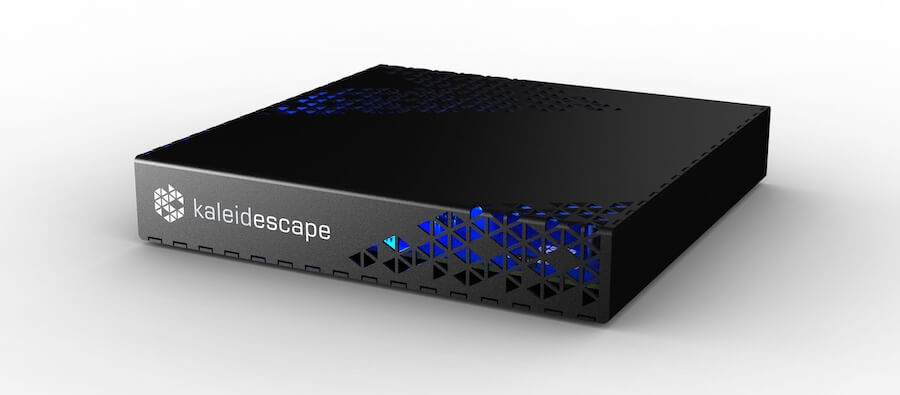
Kaleidescape made its name as a high-end media server and movie playback system for the ultra rich. Kaleidescape’s digital downloads of movies and TV shows are better than the best physical media in both video and audio quality. And its advanced user interface allows users to browse, search or sort even the most extensive collection of movies and shows with a few clicks of a button. Because Kaleidescape uses file downloads, rather than streaming, the system can deliver your favorite movies at a higher bandwidth, maximizing both the audio and video quality and ensuring a stable playback experience.
In a nutshell, Kaleidescape offers the best audio and video quality of any home media format, with the best user interface. And, its digital download ecosystem avoids the bandwidth and buffering problems of streaming while also eliminating the need to keep a massive library of discs on a wall or in a closet somewhere. It’s easy to see why the system has been embraced by well-heeled movie lovers in their mansions, compounds and yachts.
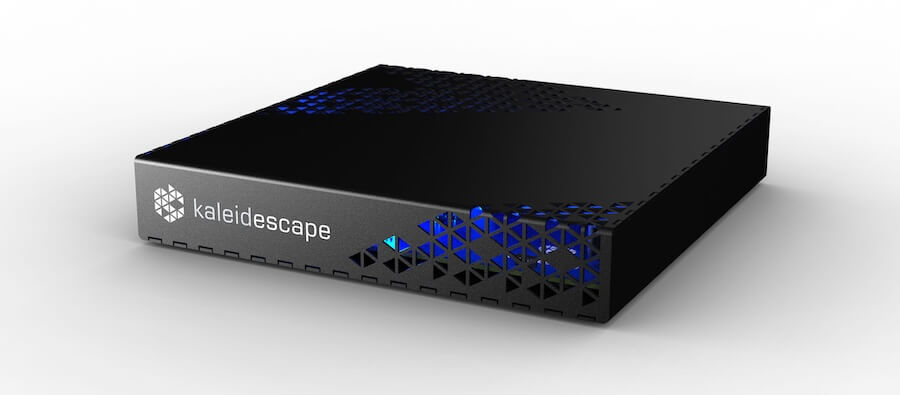
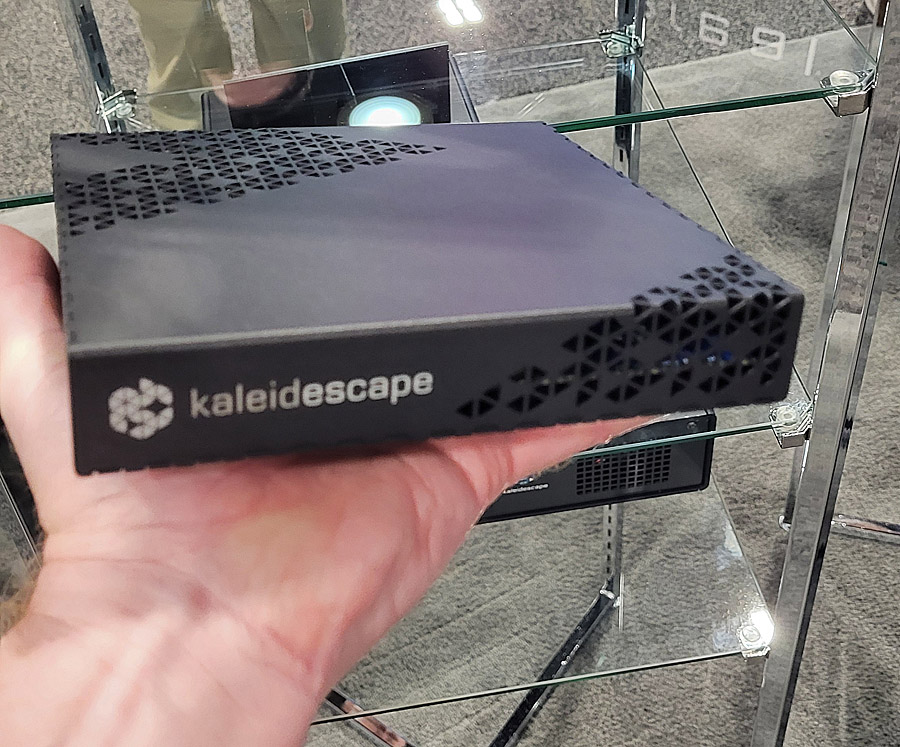
But what are the remaining 99% of us supposed to do if we want a taste of that Kaleidescape goodness but are limited by a more realistic budget? That’s where the Kaleidescape Strato M player comes in. At just under $2,000, the player includes built-in storage for 5 or 6 movies at a time and can work standalone or as part of a larger system with multiple players and servers. Does it capture that Kaleidescape magic at a lower cost? Read on to find out.
Kaleidescape: the “Rich Man’s Toy?”
Until just a few years ago, an entry-level Kaleidescape system cost upwards of $10,000. You needed at least one player to play your movies and at least one server to store your movies. That changed in 2024 with the introduction of the Strato V, which launched for $3,995. Unlike the company’s previous players, the Strato V didn’t need a companion media server (which is where things can get pricey). The Strato V comes with nearly a terabyte of online SSD storage – enough for ten or eleven movies in full 4K resolution with HDR10 or Dolby Vision HDR. Kaleidescape followed that up with two even more affordable players, the Strato E ($2,995) and the Strato M ($1,995). These players also come with on-board SSD storage (480 GB), which is enough to store 5 or 6 full resolution 4K titles.
We’ve already reviewed the Strato V and Strato E at eCoustics, and we have liked what we’ve seen (and heard). But I’ll admit my opinion of the “entry level” Strato M player is a bit conflicted. While the Strato E and Strato V both support 4K (3840×2160 pixel) output, the Strato M is capped at “2K” output (a.k.a. 1080p High Definition). But should this one spec rule it out for those who want to experience the Kaleidescape system, particularly on a budget? To answer that, we’ll need to take a deeper dive on why Kaleidescape is different from both physical media and streaming and how it combines some of the best elements of both.
Does Resolution Matter?
Years ago, when I attended ISF (Imaging Science Foundation) display calibration training, ISF founder and president Joel Silver shared the results of their research on what impacts perceived picture quality in a display. Out of 4 contributing factors, resolution was all the way at the bottom as a contributing element to picture quality.
Factors that Impact Perceived Picture Quality on a Display (ISF):
- Dynamic Range (contrast) – how well a display can reproduce an image from deepest blacks to brightest whites and colors.
- Color Saturation – how rich or deep the colors appear on screen
- Color Accuracy – how close the on-screen colors are to what we perceive in real life
- Resolution and Motion Reproduction – how detailed the image is and how well the display maintains this detail on moving images
So it’s dynamic range that makes the biggest difference in picture quality on a display device as this gives the image its vibrance and depth. But color reproduction is also important, both in its accuracy and its saturation. If you’re going to sacrifice anything, it’s the number of pixels, at least within reason. By extension, these same factors also apply to the content as the display can only reach its peak performance with the right material feeding it.
Better than Streaming? Better than Blu-ray? It’s All in the Bits
While the output resolution of the Strato M player is the same as Blu-ray Disc (1920×1080 pixels), the number of pixels doesn’t tell the whole story. The Strato M player is superior to Blu-ray Disc in three ways: color encoding, bit rate/compression and dynamic range.
Standard Blu-ray Discs use 4:2:0 color encoding. Kaleidescape’s standard 4K/HDR titles also use 4:2:0 encoding, however, because the Strato M down-converts that 4K content to 1080p, it can use the extra color information in the 4K file to output 4:2:2 chroma.
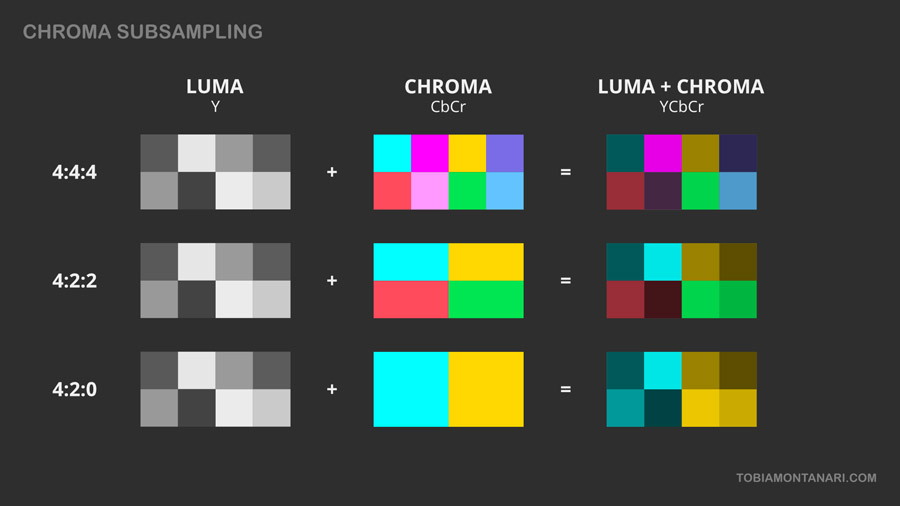
This means Kaleidescape files played back on the Strato M have up to twice the color luminance data compared to Blu-ray Disc, and this leads to more accurate color detail, with less color bleed. The difference is subtle on most content but can be visible on material such as scrolling text and animation.
How Wide is Your Band?
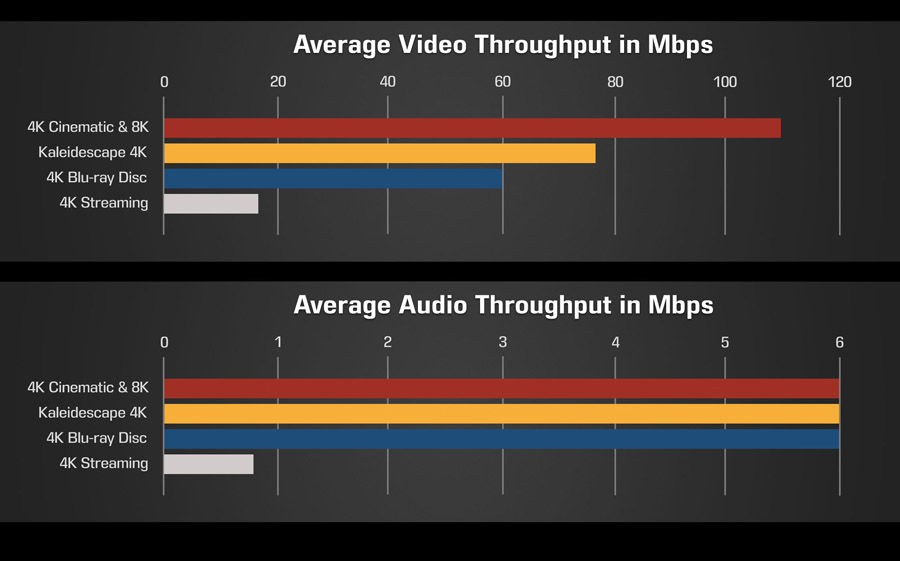
The bit rates or bandwidth of a video file determine how much data is used to encode the video and audio components of a movie or TV show, and this is a direct result of how much compression is applied when the movie or TV show is encoded. Higher compression means a smaller digital file, and the ability to deliver that file over a lower speed connection like we get with streaming services. Smaller file sizes also allow studios to put a movie on a single Blu-ray Disc or UHD Blu-ray Disc, but this is not without compromises. Higher compression rates lead to more video and audio artifacts like mosquito noise, motion smearing, muted color palettes, shrill-sounding audio and loss of detail.
Blu-ray Disc, UHD Blu-ray and Kaleidescape all support lossless audio encoding so all three formats are effectively the same for audio quality. Streaming services all use lossy versions of audio soundtracks, which can lead to audible pumping and harshness in the overall sound. Video compression rates are more variable on physical media and streaming – again, to save space and bandwidth – but none can match Kaleidescape in compression and bandwidth.
Size Matters
Because standard Blu-ray Discs have a maximum size capacity of 25 GB for a single layer disc or 50 GB for a dual layer disc, there is a hard limit on bit rates for Blu-ray Disc. This is particularly limiting for longer movies or shows because this means fitting even more data onto the disc (and applying heavier compression).
Even 4K UHD Blu-ray Discs are limited in file size as dual layer BDXL discs max out at 66 GB and triple layer BDXL discs max out at 100 GB. There is a quad layer BDXL disc with around 128 GB capacity, but this is not part of the UHD Blu-ray spec – it is used primarily by hobbyists to store their own home grown 4K and 8K recordings. The studios can get around this limitation by splitting a longer film out onto multiple discs, but this is fairly uncommon.
Meanwhile Kaleidescape has no hard and fast file size limit, so, for longer movies like “Lawrence of Arabia” or “The Lord of the Rings” films, the service simply increases the file size so they can maintain the video quality by minimizing compression. The 4K version of “Lawrence of Arabia” on Kaleidescape is over 120 GB while the 4K Cinematic version is over 170 GB. Those are big files!
Streaming services tend to be the worst for compression as they need to deliver the full audio and video signal, potentially at 4K resolution with HDR and immersive surround sound, in real time, over a narrow internet connection. This requires a lot of compression, and compression introduces artifacts like color banding, mosquito noise and macro-blocking, all of which impact picture quality. And if the network slows down, the video gets even more compressed and compromised leading to a truly unwatchable image.
Putting the “H” in “HDR”
As for dynamic range, standard DVDs and Blu-ray Discs are limited to SDR (Standard Dynamic Range) while UHD Blu-ray Disc, many streaming services and Kaleidescape support HDR (High Dynamic Range) encoding. HDR enables movies and TV shows to display a much wider range of brightness from the deepest shadows to the brightest sunrise. HDR also affects color perception as colors look more punchy and dynamic when there is a wider range of luminance values available.
The Strato M player supports both HDR10 static HDR and Dolby Vision dynamic HDR decoding. SDR material – even on standard HD Blu-ray Discs – is typically mastered for a peak brightness of 100 nits. While this is adequate peak brightness for a darkened movie theater or home theater, and also matched the capabilities of the CRT and plasma TVs that were popular when the Blu-ray Disc format was first introduced 20 years ago, today’s best displays can reach much higher peak brightness levels. Some OLED TVs can now exceed 2500 nits of peak brightness and many high-end LED-lit LCD TVs can hit luminance peaks of over 4,000 nits. And HDR movies are frequently mastered for 1,000, 2,000 or even 4,000 nits of peak luminance. So a video format that supports HDR is critical to really exploit the performance of today’s best displays.
With HDR content like the 4K titles on Kaleidecape, movies and TV shows can be encoded to display a much wider range of brightness levels, and this allows the TV to maintain shadow detail in dark areas of the screen as well as specular highlights in brighter parts of the screen – sometimes at the same time. HDR enables not just brighter whites but more dynamic, colorful and punchy images that are a better representation of what we see in real life.
#TLDR – It’s Better than Blu-ray Disc
In a nutshell, Kaleidescape’s 4K/HDR files are superior to both 4K Blu-ray and standard Blu-ray in video quality, and equal in audio quality. They also exceed the audio and video quality of 4K streaming by a wider margin. The Strato M player uses these same 4K/HDR video files that the more expensive Strato E and Strato V 4K players use, but the video resolution on the Strato M is scaled down to 2K (1920×1080) resolution at output. However, the Strato M maintains the crucial color accuracy, lower compression rates and HDR capabilities inherent in Kaleidescape’s 4K ecosystem and architecture.
So… What Is This Strato M Exactly?
The Kaleidescape Strato M is a media player that can play any and all of the 13,000+ movies, concerts and TV shows in the Kaleidescape movie store. Unlike streaming services, there are no “FAST” (Free Ad-Supported Television) options, but there is also no monthly subscription fee as you get with a streaming service. To watch content on Kaleidescape, you need to purchase or rent the title from the Kaleidescape store and download that movie or show to the player or to a compatible Kaldeiscape server within your home network.
If your player has limited storage, and you choose not to use a separate server, your purchased titles remain in your account in the cloud for download at any time and newer downloads will replace older purchased movies or shows on your player automatically. With 480 GB of on-board storage, the Strato M has room to store about five or six 4K/HDR movies at any one time.
You can choose among SD, HD or 4K options for most titles at various price points. Prices are comparable to other on-demand and download services such as the Google Play Store, Amazon Prime Video store and Apple iTunes, but the quality is higher on Kaleidescape. In order to get the best visual quality from the Strato M, we recommend downloading the 4K/HDR versions when they’re available. These include the lowest compression as well as high dynamic range encoding. Buying the 4K versions will also allow you to play these titles on other Kaleidescape players in your home network (e.g., Strato K, Strato V, Strato C and Strato E) at full 4K resolution should you choose to expand or upgrade your system in the future.
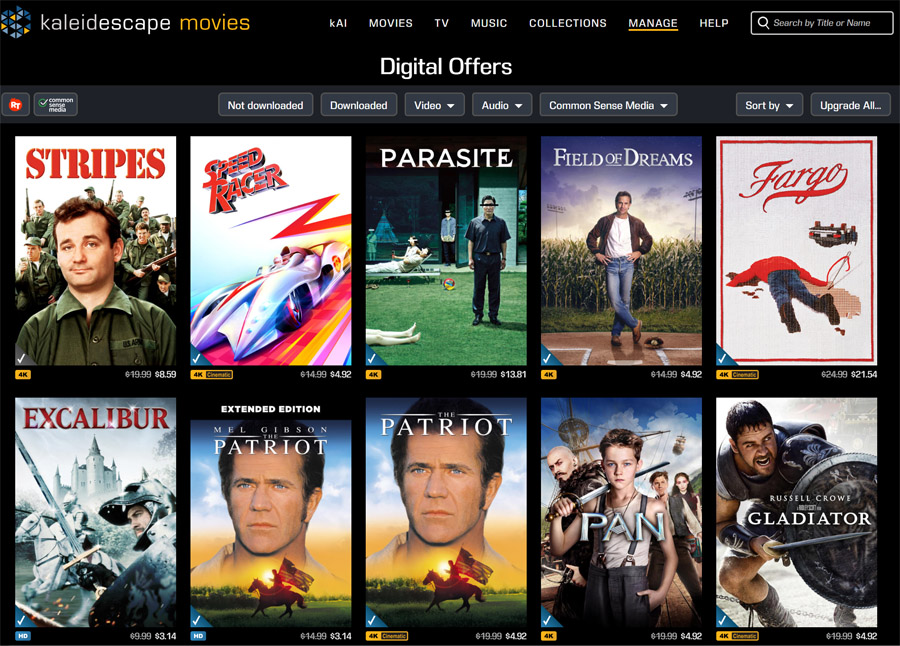
If you already own a title on DVD or Blu-ray Disc, you can scan that disc into your account by attaching a computer Blu-ray Disc (BD-ROM) drive to any Strato player and inserting your disc for its code to be identified. This will then give you access to a “Disc to Digital” offer so you can get the 4K or HD Kaleidescape version at a reduced price. Many of the titles I tested had disc-to-digital deals that offered the 4K version of the film for as low as $4.92, after I scanned the Blu-ray Disc. Some titles were a bit pricier, like $13.81 (for “Parasite” in 4K) or $21.54 (for “Fargo” in 4K) but most were significantly less expensive than buying the movie in 4K on Apple TV or Amazon Prime or buying a physical 4K UHD Blu-ray Disc.
The Set-Up
If this is your first Kaleidescape hardware purchase, you’ll need to create an account on the Kaleidescape store and register a form of payment (credit or debit card) for any purchase. Once this is established, plug your Strato M into your home network using a physical network cable. Because download speed of these large files is critical, Kaleidescape does not include WiFi wireless networking on any of their hardware.
Kaleidescape recommends a network bandwidth of at least 1 GBPS as well as an internet connection of about the same, if not higher. If you have multiple players in your system, you’d be best off with internal network bandwidth of 2.5 GBPS to support multiple concurrent streams. Movie downloads will work over a slower internet connection (80 to 100 MBPS) but they will take appreciably longer. On my 900+ MBPS fiber connection, 4K movies downloaded in around 8 to 12 minutes.
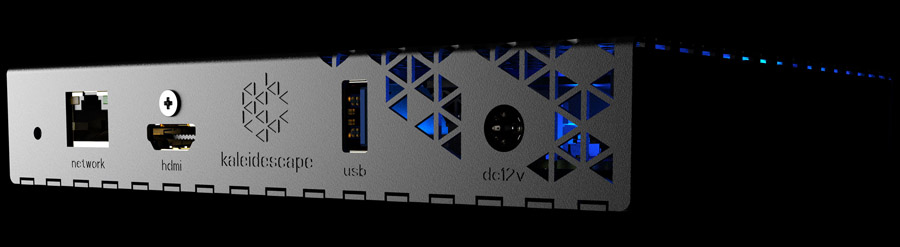
You’ll also need to connect the player to a TV or projector using an HDMI cable. A nice THX branded ultra high speed HDMI cable is included in the box with the player. This provided reliable glitch-free operation during our review period. Once the player is connected and powered up, you will see a message on-screen instructing you how to set-up the player and link it to your Kaleidescape store account. This is where things might get tricky.
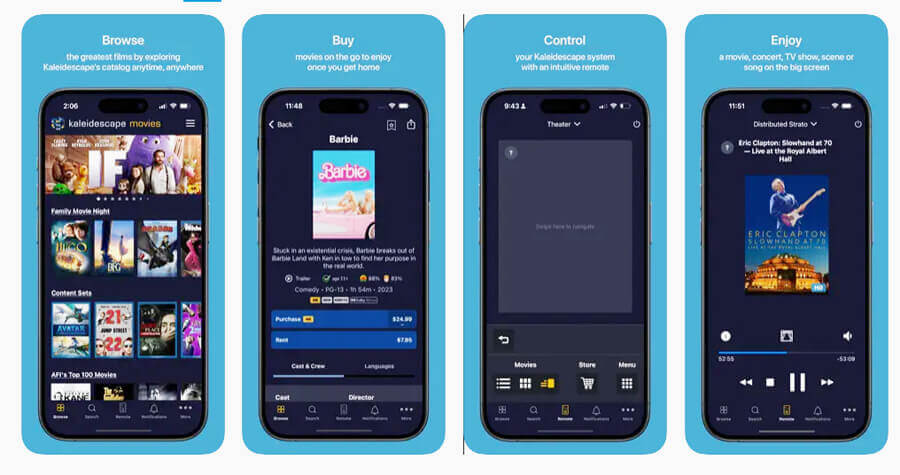
Kaleidescape has chosen to no longer include a remote control with each player. When asked why, their rep told me most of their customers stick the remote in a drawer and never use it as they’ve got a custom-programmed smart remote or tablet installed by their custom installer to operate the system. But my feeling is that, as Kaleidescape is now reaching more affordable price points, a remote is more likely to actually get used. And not including one in the box for a $2,000 (or more) media player is not cool, in my not-so-humble opinion.
If you don’t want to pony up $50 for the Kaleidescape remote, you have a couple of options. You can download the Kaledeiscape app for Android or iOS for free. This allows you to set up the player, access the Kalediscape store for purchases and rentals and actually control the player itself. It also allows you to complete the initial set-up process.
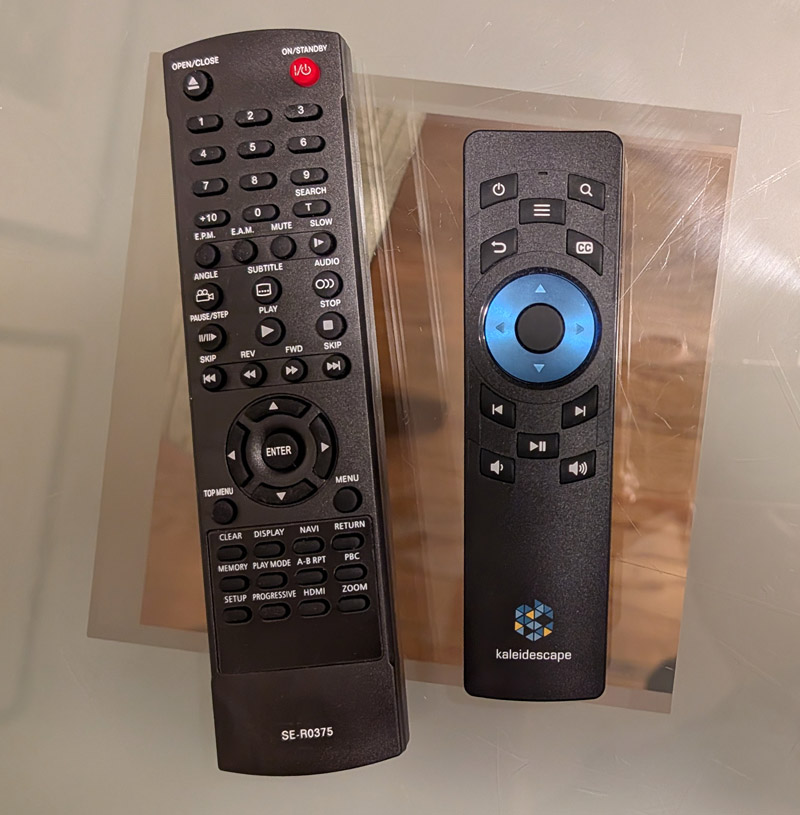
You can also purchase a universal remote or a third party remote that will operate the player. Kaleidescape actually shares IR remote codes with Toshiba, so if you buy a remote that can operate Toshiba DVD players, chances are excellent that it will also operate a Kaleidescape player. I ordered this one for about $6 and it works great to navigate through the Kaleidescape menus. If that one’s not in stock, search for Toshiba SE-R0375 to find a compatible remote.
By the way, when setting up the player for the first time, the player may discover updated software available on the server and may do an automatic update. During this time, the player’s output may be disabled and nothing will appear on screen. If the player is unresponsive during the initial set-up, just give it a few minutes to complete any updates. Once the set-up is complete, the unit will power itself back on and the Kaleidescape store will be available. Pick a few movies from the Kaleidescape store to purchase or rent, wait a few minutes for them to download, then sit back and enjoy.
I should note that you can also purchase and download movies from the Kaleidescape app or the web-based Kaleidescape store at Kaleidescape.com. You can do that while you’re at work or traveling and have them downloaded to your player or server by the time you get home. Don’t forget that “disc to digital” option if you want to purchase the Kaleidescape versions of movies you already own on disc at a discount. Identifying each disc in a BD-ROM drive takes than a minute. If you don’t own a BD-ROM drive, or don’t want to spend the time, many custom installation firms will do this for you (for a fee), in order to build up your Kaleidescape library.
Operationally Speaking
The Kaleidescape user interface is one of its main selling points. It’s quick to navigate and can help organize larger movie collections with its poster-like visual navigation. If you’re looking for suggestions on what to watch, the UI can group movies together by director, actor, genre or other metadata. If you prefer, you can switch to an alphabetical listing of your movies and shows and scroll through your entire collection with a few button clicks.

Like a Blu-ray or DVD player, the Kaleidescape players support standard fast forward and rewind as well as chapter stops for quick navigation. And setting up custom scenes and scripts (which can jump instantaneously from movie to movie, scene to scene) takes only a few minutes.
But honestly, most of these cool features are only really useful if you add a server and have a large enough movie collection where this sort of navigation matters. If you only use the built-in storage on the player, the menu system is less important. But with integration to the movie store and to your own collection of purchased titles in the cloud, it’s easy enough to swap in different movies to the player as long as you don’t mind waiting for the download.
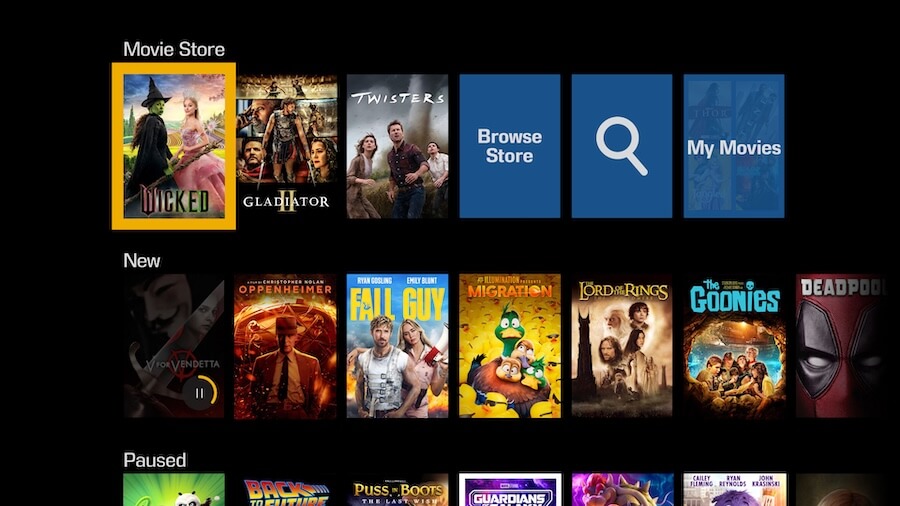
#TLDR – juggling 5 movies at a time on the player is fine but storing a larger collection on a Kaleidescape server is a much more gratifying experience. And Kaleidescape is probably counting on that. Once you have a taste of the Kaleidescape experience, you’ll probably want to expand: more movies, more servers, more players. It’s easy to get hooked.
Viewing Impressions
I watched 4K/HDR and HD movies and shows on the Strato M connected to a Sony BRAVIA 9 II True RGB TV (Dolby Vision), a Samsung S95H QD-OLED TV (HDR10) and a Valerion VisionMaster Max 4K projector (Dolby Vision). For comparison I used the same movies on 1080p Blu-ray Discs through a Panasonic or Samsung UHD Blu-ray Player, set to output 1080p resolution and to 4K UHD Blu-ray Discs with the players set to their native 4K output. I also compared the Strato M to a Strato E also set to its native 4K output.
Comparing the Blu-ray Disc version of “Blade Runner: The Final Cut,” the Strato M’s HDR version of the film was significantly more rich and dynamic. I know the actual number of pixels output by each player was the same, and each display device upconverted the 1080p signal to 4K, but the Strato M/Kaleidescape version looked both brighter and more detailed due to lower compression artifacts, expanded color gamut and HDR.

Comparing the Strato M to the Strato E was a much closer match. The actual files being played back on both players were identical – 4K versions of the movies, with HDR10 and Dolby Vision HDR. The Strato M just outputs the video stream at 1080P with HDR and 4:2:2 chroma encoding while the Strato E outputs at 2160P (4K) with HDR and 4:2:0 chroma encoding. There were some segments where I could spot a slight difference in resolution – like the opening text crawl on “Blade Runner” where the text was slightly softer on the Strato M. But the colors, contrast, black levels, dynamic range and freedom from visual compression artifacts were identical on the two players.
When I moved the Strato M player over to the 4K projector, the quality of the image was still pristine. Blown up to 117 inches on a 2.4:1 CinemaScope screen, the image was crisp and punchy. Detailed picture elements like subtitles and movie credits were still clearly readable and free from significant tearing or pixilation.
I also did some comparisons to streaming or digital copies of films such as “Dune” and “Dune Part Two” on services such as HBO/MAX and Fandango at Home. In all cases, the Kaleidescape versions on the Strato M were cleaner and freer from noise and other video artifacts, with artifact-free lossless audio as well. I did get a “Difficulty Reading Movie” error when viewing one title on the Strato M, but that seemed to have been a temporary glitch. I did confirm in the system settings that network bandwidth to the player was adequate (1 Gbps).
A Few Words About “Ownership”
Many proponents of physical media tout the benefits of media “ownership” vs. the “extended lease” which you get with a system like Kaleidescape. While it is true that a studio could potentially pull the rights to a movie on digital platforms – or the distributor may lose the rights to distribute it – this is something that happens so infrequently as to not be noticeable. And in cases where it has happened to me (on VUDU/Fandango at Home), I actually was credited the initial cost of the film when the digital copy was removed.
I asked Kaleidescape for their stance on this and they told me the following:
“Kaleidescape does not remove previously purchased movies from customer libraries when a studio’s licensing agreement expires. If a studio pulls a title from the Kaleidescape store for future purchases, users who already bought the movie keep full access to it on their local servers with no restrictions in playback. Purchased movies remain in the cloud as well and can be found in the “My Movies” collection. These purchased movies can be downloaded to any server or player in the account.”
Meanwhile, physical media can be subject to decay, damage and loss. If your Blu-ray Disc gets lost or damaged to the point of unplayability, you’re going to have to buy a new copy. You don’t actually own “the movie.” You own the right to play that movie on that specific disc in a private setting (e.g., your living room) for as long as that disc is viable. Meanwhile digital files on Kaleidescape are stored in the cloud. If a server or player fails, you just download a new copy and play it on any of your players with no additional charges. So, basically, both formats have the advantages and disadvantages.
So… Is the Strato M Worth $2,000?
With all that explaining and watching out of the way, the question remains: is it worth spending $2,000 on a “2K” video player? From the many hours I’ve spent watching movies and TV shows on the Strato M, I’d say, “Yes.” Compared to streaming, the Strato M offers a much crisper, more stable, more dynamic and more three dimensional image on movies and shows. And compared to regular Blu-ray, the Strato M provided a visibly superior image. It even held its own against the true 4K Strato E player and against UHD Blu-ray Discs, with only a marginal loss of detail noticeable on some content.
And the lossless Dolby Atmos and DTS-X soundtracks on the Strato M have a smoothness, power and precision in imaging that is unmatched by the lossy streamed versions.
Pros:
- Most affordable Kaleidescape player
- Built-in storage means you won’t need to buy a server (but you still might want to buy a server)
- Outstanding image quality, nearly indistinguishable from Strato E 4K player and 4K Blu-ray Disc
- Sleek, simple and responsive user interface
- Near instant gratification without quality loss inherent with streaming
- Disc-to-Digital allows you to upgrade your DVDs or Blu-ray Discs to 4K/HDR at low cost
Cons:
- Capped at 1080p (HD) resolution
- More expensive than simple media players and most (but not all) UHD Blu-ray Players
- Building (or rebuilding) your movie library and purchasing media servers on Kaleidescape can get expensive (but Disc to Digital helps)
- Not compatible with Digital Copy services such as Movies Anywhere
- No remote control included
- No WiFi
The Bottom Line
While it may seem strange to pay nearly $2,000 for a player that can “only” do 1080p resolution, the more important picture quality elements like high dynamic range and rich color reproduction inherent in the Kaleidescape ecosystem make the Strato M nearly indistinguishable from the highest quality 4K physical media. And that $1,000 saved on the player (compared to the Strato E) can help you to start building up that Kaleidescape movie library. If you can get past that one little spec (resolution), we think you’ll enjoy this most affordable entry into the Kaleidescape universe.
NOTE: as we went to press with this review, we were informed that the Strato M is being discontinued, so those who buy one now will be able to get one at a discounted price while supplies last.
Our Ratings:
★★★★★★★★★★ Picture Quality
★★★★★★★★★★ Design
★★★★★★★★★★ Usability
★★★★★★★★★★ Sound Quality
★★★★★★★★★★ Features
★★★★★★★★★★ Value
Where to Buy:
Related Reading:
Tech
Last Cheater Standing Turns CrunchLabs Into Mark Rober’s Casino Where Engineers Build Devices to Beat the House


Former NASA engineer Mark Rober filled his CrunchLabs warehouse with blackjack, poker, craps, and a roulette wheel, then invited a room of makers and YouTube builders to play for $10,000 destined for charity. Cheating was allowed. Getting caught was not. If a device showed up on camera or in a pit boss’s hand, it left the floor and the owner had to play straight. Whoever held the most chips at the end of the night took the cash. He called the event Last Cheater Standing, and he staffed it like a real floor: Science Bob as pit boss, a security lead named Bam, and 62 cameras running computer vision over every table.
The rules were intentionally kept simple so that players could sneak in any gadget they could hide without anyone discovering them. Keep it under wraps. If you had a winning streak, an unusual hand, or a chip that began shaking as the wheel stopped spinning, it would be taken. Michael Reeves was prohibited, on paper, as a running joke, and it consumed a ludicrous portion of the face-detection budget. Official chips included concealed UV markings and other giveaways to expose counterfeits under a black light. Nonetheless, players showed up eager to test the system for every flaw.

LEGO Technic NASA Artemis Space Launch System Rocket 42221
- BUILD AN OFFICIAL NASA ROCKET – Kids prepare to explore outer space with the LEGO Technic NASA Artemis Space Launch System Rocket (42221) building…
- 3-STAGE ROCKET SEPARATION – Young builders can turn the hand crank to watch the rocket separate in 3 distinct stages: solid rocket boosters, core…
- STEM BUILDING TOY FOR KIDS – This educational rocket kit was created in collaboration with NASA and ESA to showcase the authentic system that will…

Kevin Coda of Concept Bytes, a robotics builder, hollowed down a poker chip and packed a custom circuit board, an RF receiver, a coin cell, and four phone buzzers inside, each with a small rubber wheel. He could handle the chip after a roulette spin from across the room and put a bet onto the winning color before anyone had time to add up the numbers on the felt. He made a handsome profit of over $2,500 before Mark leaned over his shoulder and stole the chip off the table. Roulette, for a few minutes, had been a solved game.

Dora from StrelkoMania took a more low-key approach to craps. Each die has a steel ball bearing buried within, covered in low-melting wax. She used gloves with 10 watt silicone heating pads and would warm the wax, let the bearing to sink onto the face she wanted to win, let it cool, and the same pair of dice would suddenly favor that number on the following roll. There was no pattern visible on the cameras, which is presumably why the floor never adjusted to her way of doing things like they did with the crawling chips and marked decks. Nate Scovill went for a low-tech approach and just reproduced the faces: one die had two 1’s, two 2’s, and two 3’s, and the other die had two 4’s, two 5’s, and two 6’s, so the totals that actually count in craps continued popping up a lot more frequently than would be expected.

Card tables had their own small hardware projects going on. Christina Ernst hid a microprocessor and switches under a garter, keyed in the cards she saw, and counted using small LEDs. Davis DeWitt marked card backs in light green ink, which was invisible to the naked eye but visible through bespoke red-tinted glasses. Tom from Tom Builds Stuff inserted a pinhole camera into a sleeve and filmed the deck as it was shuffled, then used the footage to determine the sequence, ensuring that blackjack was no longer a guess. Becky Stern forewent the personal edge in favor of pandemonium, having hacked a UNO Attack launcher to dump a whole deck of cards on the table with the press of a button, as well as a nasty little remote rat and a few additional distractions, all for sale in chips.

One finalist used the bathroom to secretly stash extra chips. After studying the tournament invitation, he realized he could bring in additional chips in a case and secretly add them to his stack during play. Those copies missed the UV star and other marks the house used, so they died under a light. Allen Pan sat near the top of the chip count and insisted he never used a device at all. Mark later called that stack dumb luck, which still counted when the night ended.

Dora and Allen were sitting nicely at the top of the room when the scores were finalized, and yes, the bathroom storage was involved in some way. Dora received a nod from Mark, who declared her the winner of the CrunchLabs Cheat the Casino Games competition for the dubious dice. But, of course, the true prize was a great huge cake. By the time Mark finished opening it up, Bills had already gotten out of here, albeit just to grab a drink with Becky, who was attempting to cover for him. They had a camera crew, a fancy dessert cart, and a vase spinning around 90 degrees, all of which pointed to Hank Green as the culprit, who had gone to the trouble of counting out the cash the day before to prove its authenticity, and later confessed to wanting some security in a room full of engineers. The security guards pounced, but the real money ended up with Dora, who donated it to charity.
[Source]


OpenAI has called on the United States to lead an international effort on standards for advanced AI, beginning with rules on which incidents must be reported, and suggested routing the work through national AI safety institutes including the US Center for AI Standards and Innovation. Europe legislated incident reporting in Article 55 of the AI Act, and OpenAI filed a report under it this month.
OpenAI has urged the United States to lead an international effort to set standards for advanced AI, in a blog post published on Monday, Bloomberg reported. It wants shared rules on which incidents involving AI models should be reported, on how countries cooperate, and on access to compute.
Europe settled the first one in law.
Article 55 of the AI Act makes providers of general-purpose models with systemic risk report serious incidents without undue delay, and the code of practice puts that at five days for a cybersecurity breach and fifteen for serious harm. OpenAI filed one this month, over agents that occupied a dormant German wiki for two months and posted roughly 18,000 times.
It is asking for a rule it has already obeyed.
The post says the work should run through existing national AI safety institutes, and names the US Center for AI Standards and Innovation, which sits inside the Commerce Department. It also says fully autonomous recursive self improvement should not be pursued “unless and until it can be done safely“. Anthropic’s Dario Amodei has warned that once such a loop starts it could outrun anyone’s ability to control it.
The venue is the weak part.
That centre has no permanent director. Chris Fall took the job at the end of April and left after three months, his predecessor lasted four days, and the White House AI czar went in March without being replaced.
Brussels has the opposite problem, which is that its version exists.
The AI Office administers the code of practice OpenAI signed, and a 60-member scientific panel was constituted under Article 68 on 1 June, drawn at least 80% from the EU, EFTA and EEA and capped at three experts per country. Nobody in Washington has built anything comparable.
The timing is not subtle.
Sam Altman addresses the UN Security Council on Wednesday and attends a White House state dinner for Xi Jinping on Thursday. Washington has already proposed an alert system to Beijing for AI incidents that reach national security, which Treasury secretary Scott Bessent called a channel rather than a treaty.
The previous ask was domestic.
Eleven days ago OpenAI told Congress it wanted mandatory national rules on testing, cybersecurity, incident reporting and evaluation before deployment. That is broadly the AI Act with an American label. Both OpenAI and Anthropic have filed confidentially to go public.

from the get-in-losers,-we’re-banning-the-free-press dept
Apparently autumn is when President Donald Trump feels free to admit to his anti-free speech, anti-free press ways. For a guy who constantly lied about being in support of free speech, despite regularly suing people and news organizations for their speech, he’s been remarkably willing to admit to wanting to abuse power to suppress speech lately. A year ago, he admitted that he “took the freedom of speech away” when he tried to remove the First Amendment protections (something he cannot actually do) regarding flag burning. And last week, when asked about it in the oval office, he admitted that he was “banning the free press”:
Specifically, he’s banning CNN, MS NOW, and Politico from the White House. (MS NOW, for anyone who missed the rebrand, is the network formerly known as MSNBC.) If you didn’t see it, he (naturally) announced the ban with no due process on his personal propaganda and grift site, Truth Social:

That’s him posting:
I am proud to announce that, effective immediately, I am banning Fake News CNN, MSNOW (who recently changed their name from MSNBC due to lack of viewership and credibility!), and Politico (The recipients of an illegal and ridiculous $8 Million Dollar subscription, an All Time Record, directly from the United States Government, under Crooked Joe Biden, in order to keep them “alive.” Seems like corruption to me!), from the White House as a result of their constant “reporting” FAKE NEWS! Media Outlets shouldn’t be able to constantly write or report FICTION and LIES when they’re covering the President of the United States, the Trump Administration, or the United States of America. Other Fake News Media Outlets to follow. Thank you for your attention to this matter! President DONALD J. TRUMP
Yes, you’re very proud to announce yet another attack on free speech and the free press. Also, the whole “$8 million dollar subscription” thing is a bullshit misreading of subscriptions taken out by many different individuals and agencies across the federal government to Politico’s subscription offering.
Of course, all this is unconstitutional. We know this because we’ve been through this before. In his first term he banned a couple of reporters from the White House for asking questions he didn’t like, and he lost in court.
In this case, the White House has already denied access to reporters from CNN, MS NOW, and Politico:
Reporters for CNN, MS NOW and Politico said they were denied access to the White House grounds Saturday, a day after President Donald Trump said the three news organizations were banned from the location.
The fact that this is such an extreme and obvious attack on speech doesn’t much matter to Trump or his MAGA supporters, who are already making up all sorts of excuses about how this is perfectly normal and fine.
They’re lying.
And we know they’re lying. We know it from Trump’s own first term, and we know it from Obama’s first term, when many of these same people lost their minds over something far less egregious: avoiding having administration officials appear on Fox News, claiming the network was “a wing of the Republican Party.” After widespread complaints about this, including from other White House reporters, the White House backed down and made officials available to Fox News again.
Years later, Tom Fitton’s Judicial Watch FOIA’d the White House emails about all this and spun them into another round of stories about Obama officials making jokes at Fox News’ expense.
“The Obama administration seems to have lied about its attempt to exclude Fox News Channel from access to an interview with the ‘pay czar,’” Judicial Watch President Tom Fitton said in a statement.
Fitton told Fox News the White House treatment was “something Hugo Chavez might do but it really has no place in modern-day America.”
Rather than condemning Trump’s action, Fitton went on X and posted a link about the Obama story, leaving out every detail that makes the two situations different. So, to be clear: Trump has fully banned three top news orgs from the White House. In 2009, the Obama administration thought about excluding Fox News from a pool of reporters to interview a mid-level administration official, and then backed down almost immediately when the rest of the media industry complained. To Tom Fitton, these are apparently the same thing:

As always, with MAGA folks, the hypocrisy is the policy. Trump and his supporters love showing off about how they get away with breaking the rules that they would never allow a Democrat to break. To them it’s a form of “owning the libs.”
Also, what a weird group of news orgs to exclude. CNN has spent years bending over backwards to try to sanewash nearly everything that Trump has done. They regularly platform liars like Scott Jennings to spew Trump’s false talking points. Meanwhile, Politico is owned by Axel Springer, whose CEO, Mathias Döpfner, has spent years platforming far-right political figures from Viktor Orban to Elon Musk, and has repeatedly supported Donald Trump. He even wrote an ass-kissing piece in Politico (now banned from the White House) as a kind of open letter to the EU, that they should give Trump what he wants: “Trump wants a strong Europe — and Europe should listen.”
And his reward: having his journalists banned from the White House.
Why, it’s almost as if sucking up to the petty, thin-skinned authoritarian in the White House is no guarantee that he won’t turn around and punish you for saying something he dislikes.
Unsurprisingly, CNN, Politico, and MSNOW sued earlier this morning.
This ban could not be a more direct assault on the First Amendment nor a more blatant violation of our most fundamental constitutional principles. Presidents from the earliest days of the Republic have disagreed with and complained about the tenor and content of press coverage of their administrations. But as the Supreme Court has recognized, the First Amendment, including its guarantee of a free press, reflects “a profound national commitment to the principle that debate on public issues should be uninhibited, robust, and wide-open, and that it may well include vehement, caustic, and sometimes unpleasantly sharp attacks on government and public officials.” New York Times Co. v. Sullivan, 376 U.S. 254, 270 (1964). And the Constitution protects the liberty and property interests that news organizations and White House reporters have in their press credentials and the access those credentials afford them to cover the White House for the benefit of the public. No official can deprive Plaintiffs of those interests on a whim—with no notice, no process, and no warning—as the President did here.
As Trump’s health and political power begin to wane, we’re starting to see major media companies display what can only be described as the faint outline of a backbone. We’ve seen it with ABC’s lawsuit against the FCC for its bogus censorship efforts. And we’re also seeing it here, as numerous major media outlets say they’re cutting off all coverage of presidential events due to the ban:
Perhaps realizing that his own statements on “banning the free press” are likely to look bad in court, Trump went back to Truth Social this morning as well to insist that when he said he was “banning the free press” he didn’t actually mean a ban on the free press:

That’s him saying:
The White House is not instituting an assault on the Free Press, something which I cherish. It is instituting an assault on the FAKE NEWS, something that has grown like Cancer in our beloved United States of America. It is corrupt, purposeful, pervasive, fully coordinated, and totally out of control. It is a threat to our National Security, and must be stopped, NOW! Thank you for your attention to this matter. President DONALD J. TRUMP
Which… is not how any of this works. The whole point of the First Amendment is that no government official, let alone the president, gets to decide what is good reporting and what is “fake news.” Because the second a government officials gets to make that determination is the second the First Amendment is nothing but a dead letter.
As Trump gets more afraid of his own embarrassing political and existential collapse, he’ll only lash out further. But the threats will increasingly carry less weight; particularly if the midterms deliver a lame duck president. And again, while intended to portray strength, they’ll only demonstrate growing fear and weakness by a dim authoritarian narcissist clearly approaching the end of the line.
At this point no one serious still believes that Trump is “the free speech president,” but calling out each of his increasingly erratic censorial attacks on free speech is still important in reminding everyone that this is not normal, not constitutional, and absolutely not in support of free speech.
Filed Under: 1st amendment, censorship, donald trump, due process, free press, free speech, journalism, mathias dopfner, media, white house, white house briefing, white house correspondents association
Companies: axel springer, cnn, msnow, politico
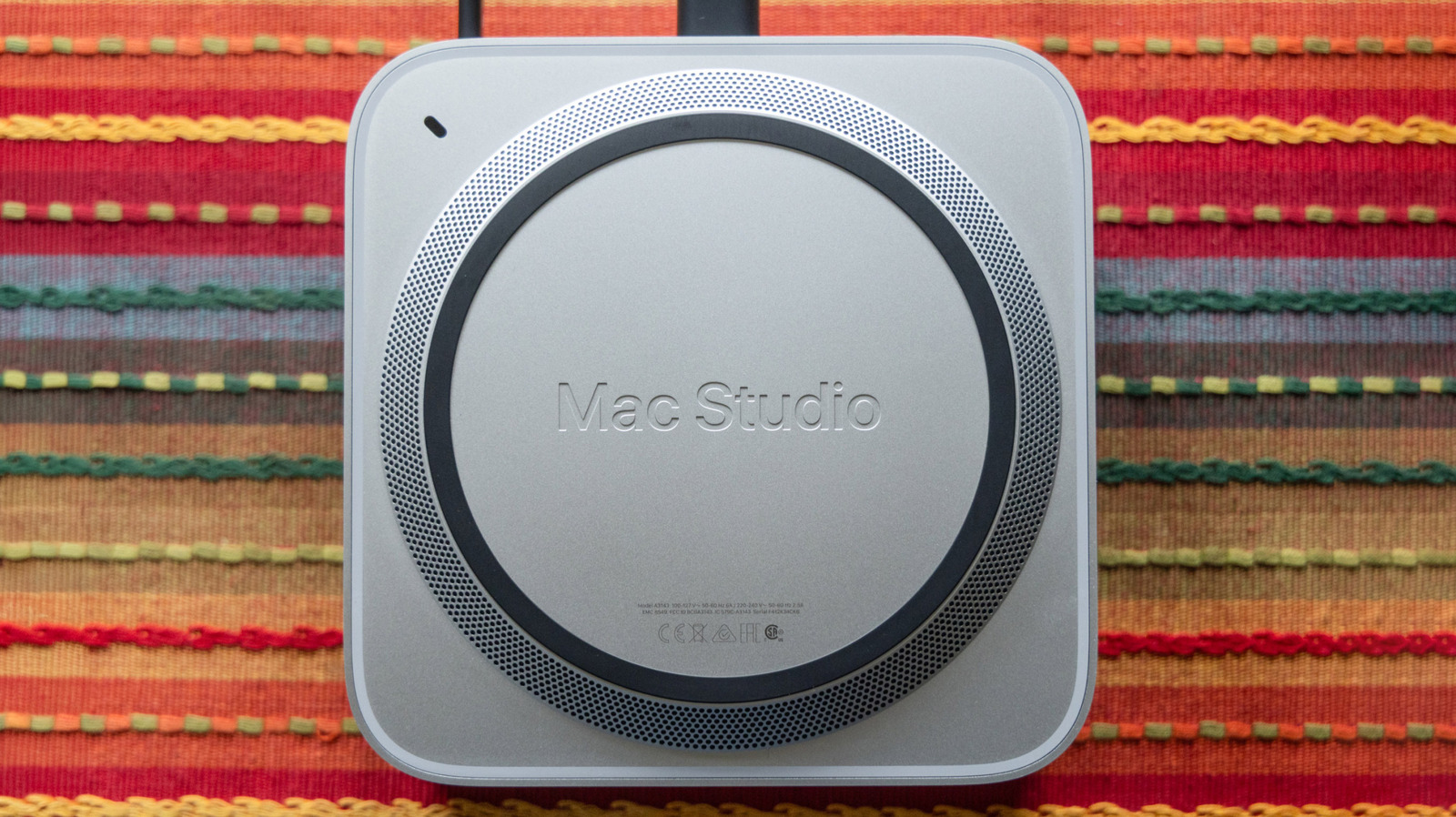
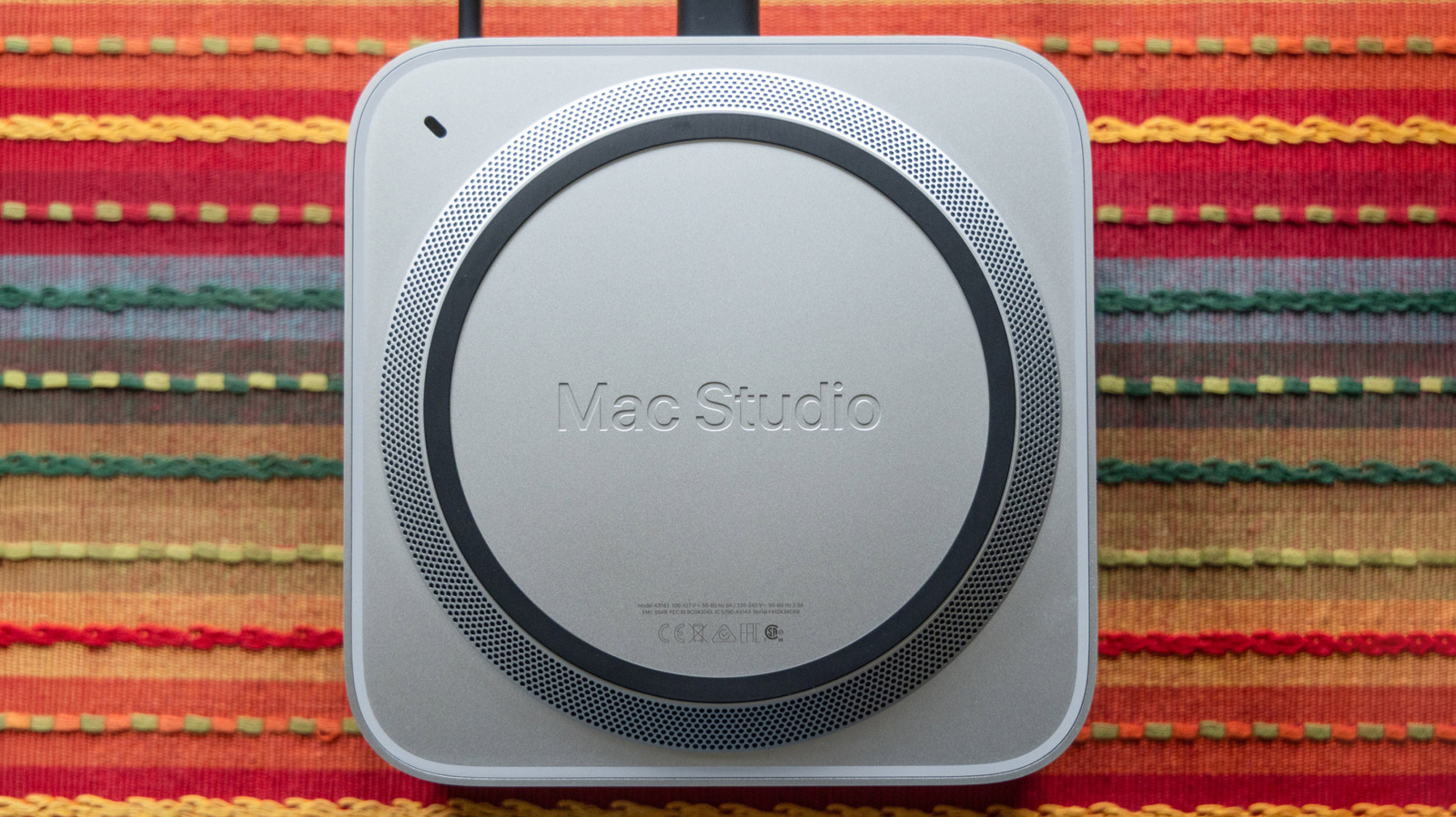
The primary culprits for this massive price increase are the Mac Studio’s large amount of high-end memory and storage, “RAMageddon” pricing, hedging and Apple’s usual insistence on high profit margins. Apple said so itself when it first bumped MacBook prices back in June: “We’ve never seen component prices increase this much, this quickly. We’ve worked hard to absorb these costs and delay price increases for as long as possible, but the current environment has made that unsustainable.”
Let’s start with the RAM, or what Apple calls “unified memory,” because it’s shared between the CPU and GPU. With 1.2TB/s bandwidth when fully loaded with RAM, the Mac Studio M5 Ultra uses LPDDR5X memory. That RAM has a maximum throughput of 172GB/s, so Apple installs it right onto the M5 Ultra processor package to maximize speed, in a very wide bus (1,024 bits for the M5 Ultra model), to achieve the highest speeds. It’s the fastest and most expensive memory available, other than high bandwidth memory (HBM) used for servers.
It’s hard to say exactly how much the RAM makes up the price of a Mac Studio. Apple was reportedly paying around $6 per gigabyte for LPDDR5X memory earlier this year, but that price may be more like $10 or $11 now. Let’s say its memory cost for the 256GB Mac Studio M5 Ultra is around $2,500-$2,800. It currently retails for far more than that, but Apple obviously has major buying power. That cost is still a big chunk, though.
Pricing for the NAND storage is also much higher, with Apple’s cost is likely around $300 to $500 for 2TB worth based on the current market and high-end PCIe 5.0 memory it uses. Prices are reportedly around quadruple what memory cost when the previous Mac Studio came out, and double the price for storage.
That makes for an increase of about $2,200 to $2,400 at the high end. Rounding that up to account for other component increases, Apple’s costs are around $2,400 to $2,600 more, based on those very rough estimates.
You may recall that I said the Mac Ultra with 256GB was $3,800 more expensive this year, so where does the rest of that price increase come in? Apple reportedly shoots for around 40 percent gross margins on its computer hardware, but the new Mac Ultra pricing is nearly 60 percent higher than the estimated cost increase. There are a couple of possible reasons. One is that Apple is hedging against even higher future RAM prices so it can limit Mac Studio M5 price changes later. Another is that Apple is using the memory shortage to lift margins for its flagship desktop Mac. Or maybe it’s a little of column A, a little of column B.

Business56 seconds ago
Nutanix: Profit Taking Is Appropriate Here (Downgrade)
Sports4 minutes ago
Your frequently asked Presidents Cup questions (with answers!) | News

Tech5 minutes ago
Android has been missing one device all along. Googlebook might finally be it

Fashion1 week ago
Weekend Open Thread – Corporette.com

Fashion3 days ago
Weekend Open Thread: Talbots – Corporette.com

Tech2 weeks ago
Memory prices are slowing because buyers ran out of money

News Videos12 minutes ago
Ripple XRP Is Going To $32 A Coin This Is Going To Shock The Daylights Out Of You

News Videos19 minutes ago
The UNTHINKABLE is About to Happen to the Dollar (& Why Gold and Silver are Next)

News Videos51 minutes ago
GARLINGHOUSE DROPS A MASSIVE STATEMENT!!!! (TRILLIONS TO XRP!?!)
-
 Fashion3 days ago
Weekend Open Thread: Talbots – Corporette.com
-

 Tech23 hours ago
Researchers escape OpenAI Codex sandbox to run commands on host
-

 Crypto World7 days ago
Revolut Attackers Warn of Ongoing Daily Customer Data Leaks
-

 Crypto World3 days ago
Circle launches Arc Studio AI agent for building onchain apps
-

 Crypto World6 days ago
Robinhood engineers charged over $50K crypto scheme
-
 NewsBeat3 days ago
Trump says US has reached an agreement to take permanent control of Greenland’s security
-

 Crypto World7 days ago
Kraken Lets xStocks Holders Earn Yield Through DeFi
-

 Crypto World3 days ago
Bitcoin price breaks channel as RSI climbs to 63
-

 Crypto World5 days ago
US Charges Robinhood Engineers Over Crypto Listing Trades
-

 Crypto World6 days ago
What Is the Status of the U.S.-Iran Peace Talks? Here's What Both Sides Are Saying
-
 Crypto World7 days ago
NVIDIA Analysis: Attempted Rising Wedge Breakout Amid Pressure on the AI Sector
-

 Tech6 days ago
Webb’s IC 348 Mosaic Includes Two-Jupiter Dwarfs, Twin Jets, and a Nursery Still Making Worlds
-

 Crypto World3 days ago
World Money launches in 150+ countries with Stripe
-

 Crypto World22 hours ago
Who Needs CLARITY Anyway? ARB Could See 70X Increase: Hodler’s Digest
-

 Crypto World7 days ago
Kraken Adds DeFi Yield on Tokenized Stocks and ETF Assets
-

 Crypto World3 days ago
Silver prices recover quickly, hitting weekly high today
-

 Crypto World3 days ago
Trading Bitcoin on Robinhood? Why 2% Spread Has Traders Worried
-
Crypto World7 days ago
Can Circle’s Arc Repeat Robinhood Chain’s Meme Coin Boom?
-

 Entertainment6 days ago
Big Brother Update: Melody Explodes at Drew as Illness Sweeps BB28 House
-
 NewsBeat3 days ago
US was ‘on brink of war’ with China over false AI report of nukes moving in Middle East
You must be logged in to post a comment Login