Connect with us
DAPA Banner
DAPA Coin
DAPA
COIN PAYMENT ASSET
PRIVACY · BLOCKDAG · HOMOMORPHIC ENCRYPTION · RUST
ElGamal Encrypted MINE DAPA
🚫 GENESIS SOLD OUT
DAPAPAY COMING

NewsBeat

Woman credits her youthful looks on fairies after they told her to do one thing

Published

on

Daily Mirror

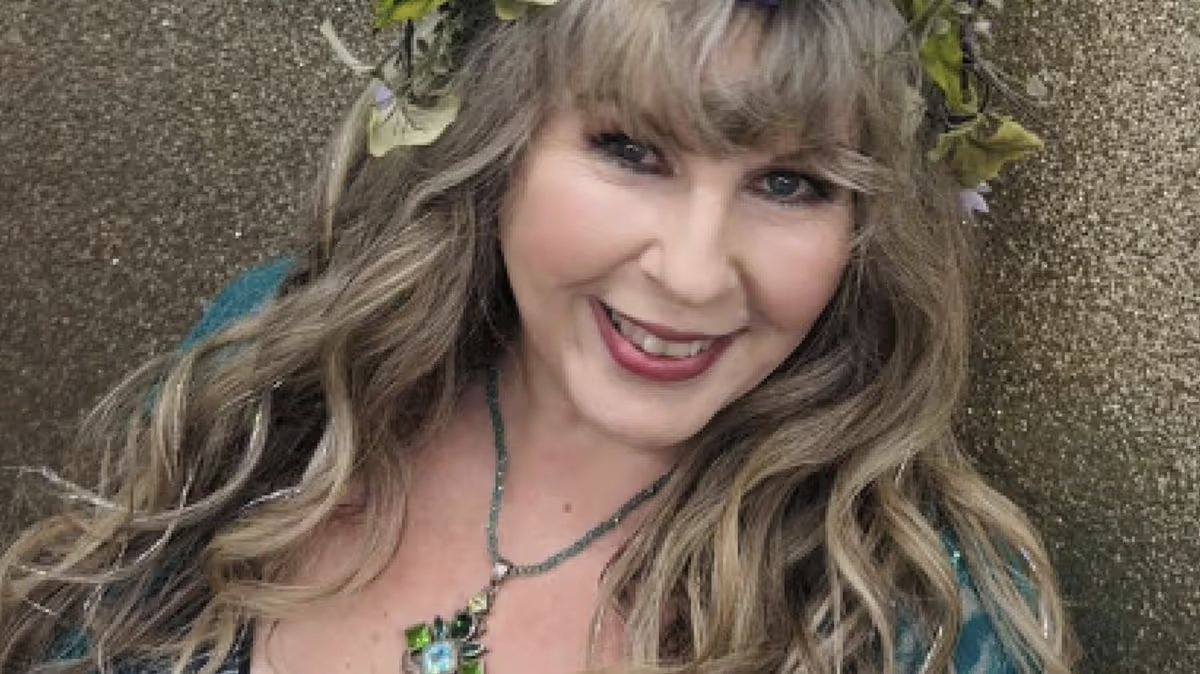
Karen Kay has been talking to fairies since she was four and says she can also see centaurs and mermaids

Ever since she can remember, Karen Kay has seen fairies. Karen says magical beings have been a constant presence throughout her life, offering messages from the spirit world. Karen, 62, from Truro said: “Fairies usually show themselves to me as tiny flashing lights. They often have messages for me. If I see one around someone’s throat, it usually means they have something significant to say. I can see fairies in the trees now. Dryads and sprites dancing in the afternoon sun. They are smiling at me.” Karen moved to Cornwall 40 years ago and believes the county is rich in magical energy. “I love it here. It’s the home of my heart and there are definitely fairies and mermaids in Cornwall.”

Known as a fairy whisperer, Karen organises the Three Wishes Fairy Festival, an annual event she says was inspired directly by the fairies themselves. “I set it up because the fairies told me to do it 20 years ago. I also organise fairy balls and fairy fairs, including a fairy market in Glastonbury,” she says. “It began when I was a single mum to my two sons. I started running spiritual and charity events to raise money. It wasn’t my intention to turn it into a business, but it just happened that way and I’ve been doing it ever since.” According to Karen, fairies are just one type of elemental being. “Fairies are guardians of nature. There are lots of beings that come under that umbrella, including pixies, elves, gnomes, mermaids, dryads and naiads. I also see centaurs and unicorns.” She’s been communicating with them since she was four years old, when she would collect rose petals from her grandmother Chris’s garden and make rose water. She would leave a bowl of it in the narrow space between her nan’s garage and the neighbour’s garage.

Advertisement

“The next day it was always gone. I knew the fairies had accepted and were pleased by my little offering.” Karen remembers seeing tiny points of coloured light around her from a young age. “My nan had two neighbours who looked like gnomes. They were brothers and short and round. At the same time, I would see fairies everywhere. They appeared as tiny dancing lights in vivid electric colours. It was completely natural to me. It wasn’t something I questioned.” But as a goth and punk-loving teenager, Karen worried that believing in fairies didn’t fit her image and began questioning what she was seeing. “So I got my eyes tested, but found out I had perfect 20/20 vision. That was confirmation for me that what I was seeing was real, even though I already knew that instinctively.” So Karen embraced her beliefs, getting fairy tattoos, including a rose and Tinkerbell on her shoulder, and expressing her love of fairy folklore through her clothing – dressing in wings, tutus, crowns and sparkles. “Fairy energy was always manifesting through me in a physical way,” she adds. However, it was after moving to Cornwall that the experiences intensified. “The energy became much stronger. I started experiencing telepathic messages, feelings and even fragrances. You can have urban fairies, but in wild natural places they’re much more prevalent. It was wonderful to connect with the mermaids when I moved to the coast in my twenties.”

Then in 2005 she received one message that changed the trajectory of her life. “They always let me know they were there, but the strongest message was about the festival. Fairies can get quite bossy when they know you can hear them. “They said: ‘You must organise a festival. It must be in Cornwall. It must take place at midsummer. And you must tell everybody.’” Karen insists the message felt entirely different from her own thoughts. “I’d lived long enough to know the sound of my own internal dialogue. This was definitely a different voice. It came with a different energy. I can’t fully explain it. It felt fizzy, almost like opening a bottle of champagne.” She held the first festival at Colliford Lake Park, beside Dozmary Pool, where Arthurian legend says the Lady of the Lake lived. And more than two decades later, the festival is still running, although it has since moved to Glastonbury. “Working on the fairy path isn’t an exact science. It’s not for the faint-hearted because it’s unpredictable, but that’s what appeals to me. “With fairies, you always have to expect the unexpected. Everything is inside out, upside down, back to front, betwixt and between, and topsy-turvy. You never know what you’re going to get, but the journey will be magical.”

Advertisement

For Karen, fairies are also the secret to staying youthful. “Fairies bring me joy, happiness, upliftment and loving energy. And they keep your inner child alive. As adults, life can become weighed down by responsibilities and bills, but fairies help you stay connected to that playful part of yourself. I feel joyful, playful and almost immortal.” Karen’s daily routine reflects her spiritual beliefs. Each morning begins with a walk in nature before she does anything else. “I acknowledge the plants and the fairies and ask them for inspiration and guidance for the day.” After breakfast, she consults her Enchanted Realms Oracle Cards – which she has just launched on her website – before spending time writing, planning events, handling admin, posting on Instagram @‌karenkayfairy, making music or meditating. And whether or not she’s heading out, she gives careful thought to her outfit. Karen has become known locally as “The Fairy Whisperer” thanks to her flamboyant wardrobe and sparkling accessories. “If you’ve got to wear clothes, why not make them fun? It’s a big part of my day, even if I’m not going anywhere special.

“Sometimes I wear wings and I’m very often in a flower crown. I love expressing my creativity through my clothing.” She also credits fairies with helping her maintain her youthful appearance. “Fairies definitely keep you young. I’m not saying I never would, but I’ve never had any work done, Botox, fillers or anything else. Lots of people say I look younger than my years and I think that’s because of their playful magic – and my plant-based diet. “People who connect with fairies often have a youthful glow. That’s down to fairy glamour, the beautiful energy that keeps you feeling uplifted.”

Advertisement

Karen knows her beliefs are not for everyone, but she says she has no intention of changing. “My friends and family have all accepted what I do. I only recently discovered that my nan believed in fairies too, which made me feel very supported. “People who believe in fairies often feel a bit different or like the odd one out. When we meet others who think the same way, we form really beautiful friendships and bonds that last a lifetime.”

Source link

Advertisement
Continue Reading
Click to comment

You must be logged in to post a comment Login

Leave a Reply

NewsBeat

Two people in hospital after serious Maguiresbridge crash

Published

on

Belfast Live

The collision happened in the early hours of this morning

Two people have been taken to hospital following a serious crash in Co Fermanagh.

Advertisement

Emergency services have been at the scene of a serious road traffic collision on the Belfast Road in Maguiresbridge this morning, Friday, June 26.

Police earlier said the road was closed in both directions while officers dealt with the incident.

A PSNI spokesperson said: “Road users are advised the Belfast Road, Maguiresbridge is closed in both directions this morning, Friday June 26, due to a serious road traffic collision.

“PSNI officers are diverting traffic flow via the Boyhill Road. Please seek an alternative route for your journey at this time.”

Advertisement

In a statement, the Northern Ireland Ambulance Service said it received a 999 call at 01:29 on Friday, June 26, following reports of a road traffic collision on the Belfast Road area, Maguiresbridge.

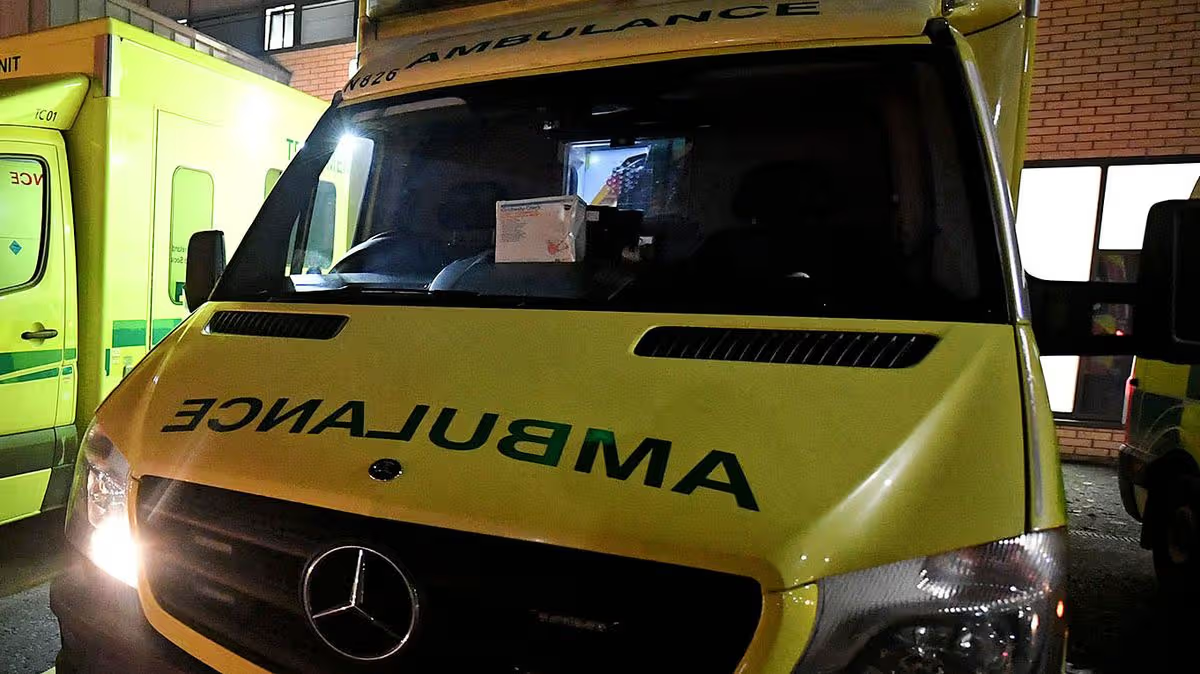
“NIAS tasked two emergency ambulances to the scene. Following assessment and initial treatment at the scene, two people were taken to the South West Acute Hospital by ambulance,” a spokesperson added.

For all the latest news, visit the Belfast Live homepage here and sign up to our daily newsletter here.

Source link

Advertisement
Continue Reading

NewsBeat

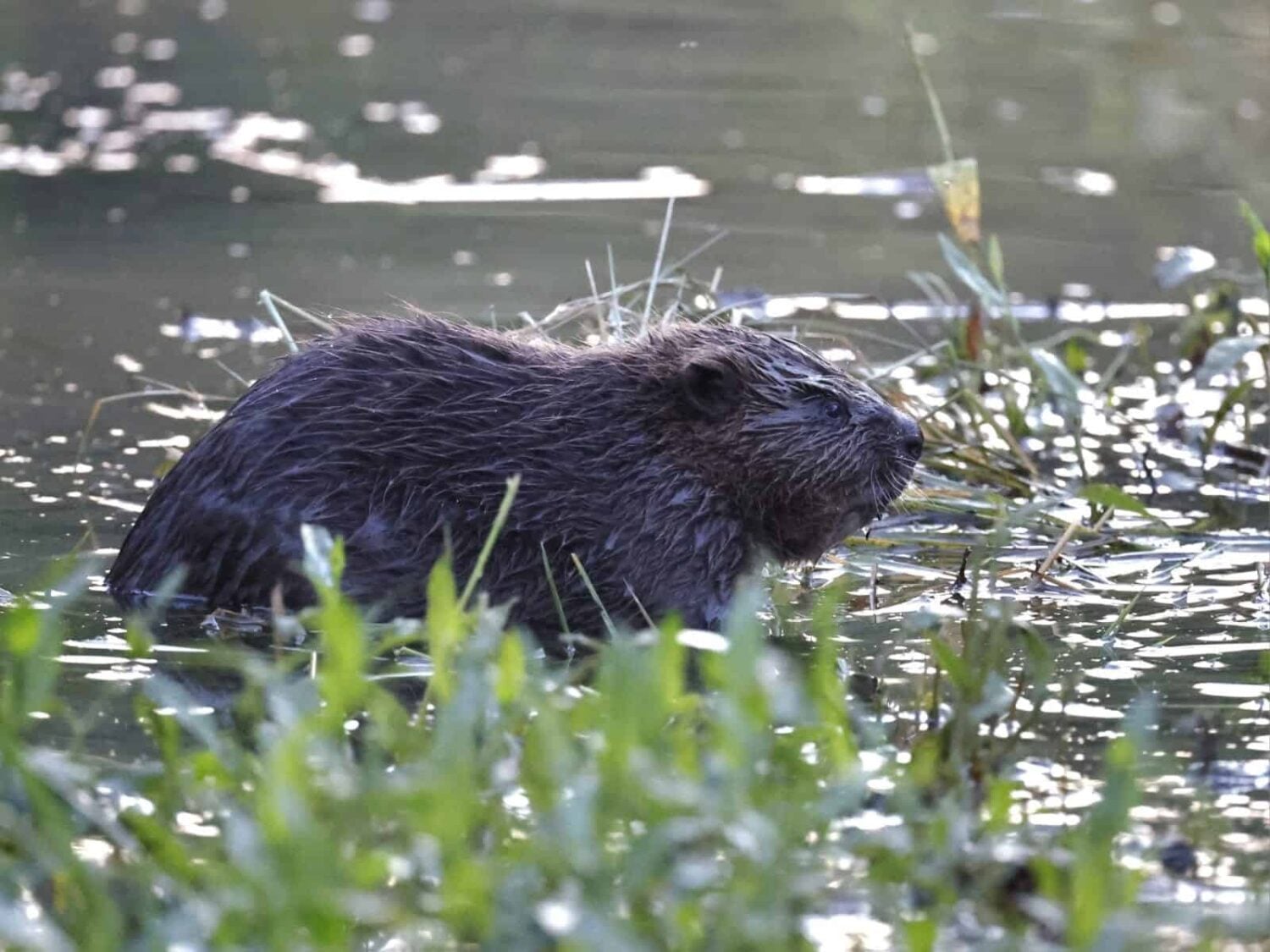
How beavers solved a flooding problem in west London

Published

on

How beavers solved a flooding problem in west London

A London council was facing a big bill to solve a flooding problem – until beavers came along and fixed it for free

Until recently, tiptoeing through floodwater to get to work was par for the course for Londoners living around Greenford Tube station. The ticket hall frequently found itself inundated after a heavy downpour. Sandbags were routinely deployed. Nearby neighbourhoods also flooded.   

It left the local council facing the daunting prospect of expensive engineering works to solve the problem – that was until beavers came along and apparently fixed the problem for free.

Advertisement

“Even in situations like on Monday, where there was really heavy rainfall, the area didn’t flood,” said Şeniz Mustafa, England’s first urban beaver officer, who witnessed the animals’ handiwork firsthand. “When they put their minds to it, they really get things finished.” 

Advertisement

Four centuries after being pushed to extinction in England, beavers were reintroduced to Paradise Fields – a 10-hectare former golf course in Ealing borough – in 2023.  

Keen to demonstrate how ‘nature’s engineers’ could make London more climate resilient, conservationists were granted a licence to release five of the animals along the stream running through the land. The Ealing Beaver Project was born.      

The animals got to work immediately, reengineering the landscape around Greenford with a series of dams, which created a new lake almost overnight. They even dismantled an old dam built by volunteers and replaced it with a better one of their own. Incredibly, they still had time to breed – producing a litter within a year of arriving.

Advertisement

“I just can’t believe how much they’ve done in a short period of time, they basically said ‘step aside, humans’,” Mustafa told Positive News. “We do make things a little bit hard for ourselves. It goes to show that we don’t have to use heavy machinery or build infrastructure, nature can do it.”   

The beavers’ handiwork has not only helped alleviate flooding; it’s also boosted biodiversity. 

“We’ve had four new species in the last 11 months alone. One of them is the stickleback, which lives alongside dragonflies and damselflies. We also had red pole, which is a bird that only really stops off on migration,” said Mustafa. 

It goes to show that we don’t have to use heavy machinery or build infrastructure, nature can do it

“The diversity is great. This month we’ve had at least 14 different species of butterfly. There are tadpoles, freshwater shrimp, toads, too. None of that would have happened without beavers.”

Advertisement

“It’s interesting to see how other wildlife will just recolonise and return to a space.” 

It’s a boon for humans, too, especially in a city where access to nature is limited. “The benefit to the local community is massive,” said Mustafa. “[The animals] have completely transformed my perspective of what beavers can do.”

‘When they put their minds to it, they really get things finished,’ says Mustafa. Image: Cathy Gilman

Advertisement

The Ealing Beaver Project is a collaboration between Ealing Wildlife Group, rewilding organisation Citizen Zoo, the Friends of Horsenden charity and Ealing Council, with support from Beaver Trust and the Mayor of London.”

“We are facing climate and ecological emergencies worldwide, but we have the power to make a difference,” London Mayor, Sadiq Khan, told Positive News after the beavers were released. 

“I am committed to ensuring that London is at the forefront of the rewilding revolution as we work to re-establish lost species and reconnect people and nature.”

Advertisement

Main image: iStock

Be part of the solution

At Positive News, we’re not chasing clicks or profits for media moguls – we’re here to serve you and have a positive social impact. We can’t do this unless enough people like you choose to support our journalism.

Give once from just £1, or join 1,800+ others who contribute an average of £3 or more per month. Together, we can build a healthier form of media – one that focuses on solutions, progress and possibilities, and empowers people to create positive change.

Advertisement

Support Positive News

Source link

Advertisement
Continue Reading

NewsBeat

Three ways climate action can be more inclusive for 1.3 billion disabled people

Published

on

Three ways climate action can be more inclusive for 1.3 billion disabled people

Imagine a global political summit that shapes the future of our planet where one of the most populated countries in the world does not have a voice? This may seem unlikely, but currently 1.3 billion disabled people (nearly the population of China) do not have formal representation at policy talks held by the UN’s climate change body.

The United Nations Framework Convention on Climate Change (UNFCCC) hosts negotiations to limit global greenhouse gas emissions and address climate change. Yet, people with disabilities are two to four times more likely to die or be injured in climate-related emergencies such as heatwaves, flooding and storms.

People with psycho-social disabilities such as severe depression, schizophrenia, bipolar disorder or post-traumatic stress disorder are three times more likely to die during heatwaves. During the 2018 heatwave in Montreal, Canada, people with schizophrenia accounted for 25.8% of heat-related deaths, despite representing only 0.6% of the population.

The anti-psychotic medication used to treat symptoms makes patients less tolerant to heat. This increases the risk of heatstroke, severe dehydration and can prove fatal. A wide range of medications has similar effects.

Advertisement

These staggering statistics show the need to place disabled people, who are some of the most vulnerable, at the centre of climate change negotiations. In emergencies, additional barriers put disabled people at greater risk. These include inaccessible evacuation routes, power outages when electricity is required for equipment, and an increased risk of certain infectious diseases.

For five years, disability researchers, charities and advocacy groups, plus the International Disability Alliance (an alliance of 14 global and regional disability organisations) have been campaigning to change this. In February 2026, the UNFCCC finally recognised the Disability Caucus. This group of 120 organisations advocates for the rights of people with disabilities within climate negotiations. This year for the first time it could act as an informal group that coordinates advocacy campaigns to serve the needs of disabled people in climate negotiations.

Informal groups get allocated tickets for some events, such as opening ceremonies, and can have their meetings promoted by organisers during negotiations.

During recent climate negotiations in Bonn, Germany, we observed a growing momentum for disability inclusive climate action. This was largely driven by disabled delegates highlighting the needs of disabled people.

Advertisement

However, more action is needed. Here are three steps to ensure climate action is inclusive for disabled people, and their families.

1. Incorporate the best research

Research on people with disabilities and climate change is critical. Bringing together the best academic research and tools, developed by both disabled and non-disabled researchers, is vital to understand the consequences of climate change for disabled people.

This will support better preparation for climate emergencies and inclusive climate adaptation. Climate adaptation is the process of changing systems, actions and responses to reduce the damage associated with climate change both now and in the future.

Advertisement
Climate justice explained by an expert.

Understanding how mental health is affected by climate is clearly highlighted by the Belém Health Action Plan, announced during the UN climate summit, Cop30, in Brazil in 2025. More than 20% of the world’s poorest people have some form of disability and are the population group most affected by climate change.

At the UCL Warning Research Centre, we have recently developed a Mental Health Vulnerability Index. This first-of-its-kind tool has been developed by a disabled researcher to help reduce mental health inequalities that emerge during climate change. Without formal disability representation in global climate change discussions, such initiatives struggle to gain attention.

Climate discussions must include research about the effect of climate change on disabled people, led by disabled researchers and their allies, to ensure the protection of the health and wellbeing of the people most affected by climate change.

2. Make equal opportunity official

While the Disability Caucus was officially recognised by the UNFCCC in February 2026, the “caucus” status is still not classed as an officially recognised observer organisation, otherwise known as a constituency.

Advertisement

This means the voice of the disabled community does not have an equal opportunity to engage in the negotiations.

The caucus has been supported by the Women and Gender and Youth Constituencies, but disabled people need their own voice to be recognised. Granting full constituency status to the Disability Caucus is essential. Without a formal opportunity to participate equitably, disabled people still cannot contribute to the negotiation process.

A wheelchair user watches the opening plenary of UN climate negotiations in Bonn, Germany.
UN Climate Change/Lara Murillo, CC BY-NC-ND

3. Create accessible climate policy

Despite the work of disability organisations to improve climate policies by including disabled people, there is still a lack of disabled people negotiating policies or attending as observers. Even when disabled people attend negotiations, there can be barriers to participation.

Advertisement

During the UN climate summit in Glasgow during 2021 (Cop26), venues were not accessible by wheelchair.

Some accessibility barriers could be overcome by providing comprehensive sign language interpretation, braille and transcriptions, and simplified text versions of negotiations or presentations. Low sensory spaces, such as a meditation room at a conference venue, can offer respite to those suffering from sensory overload by providing a low-light, quiet and calm space.

Incorporating research on how climate change affects people with disabilities, led by disabled researchers and their allies, is a crucial part of devising effective policies. Granting the Disability Caucus constituency status is the next key step needed to address accessibility barriers to attending climate negotiations. These three simple actions would finally make climate action inclusive to all disabled people globally.

Advertisement

Source link

Continue Reading

NewsBeat

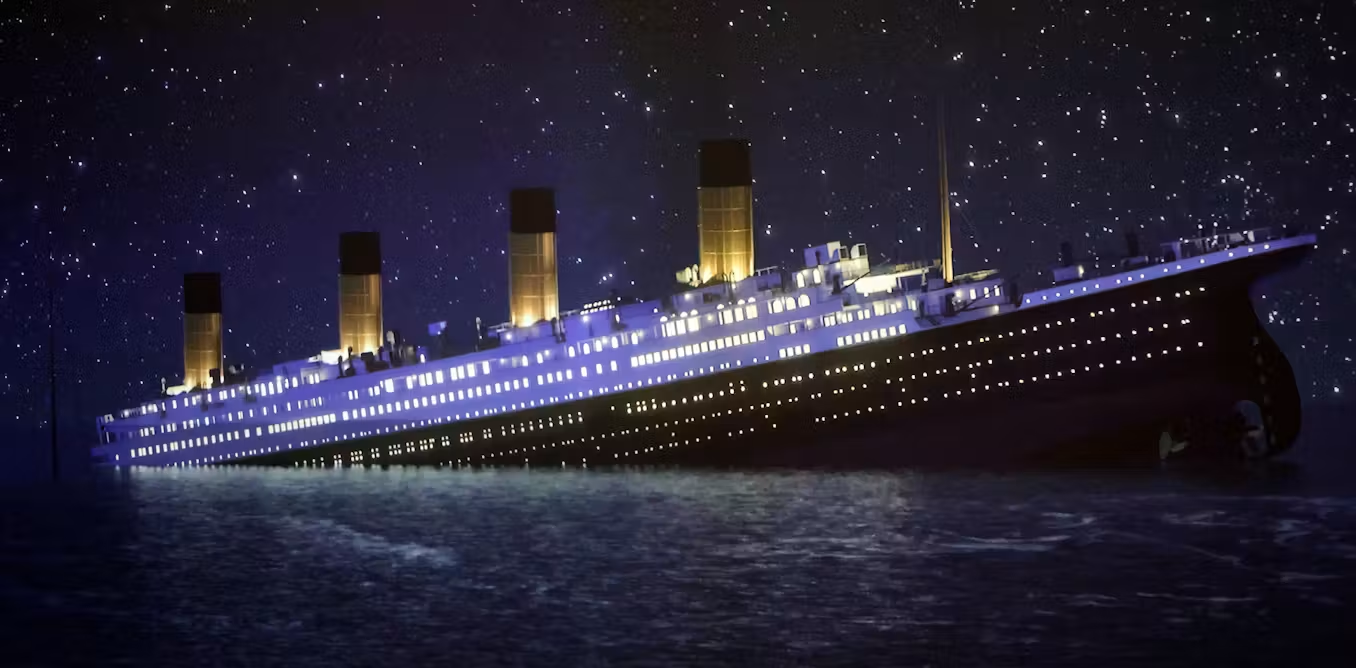
The Titanic ‘curse’ and the forgotten fearless life of the captain’s daughter

Published

on

The Titanic ‘curse’ and the forgotten fearless life of the captain’s daughter

A supposedly unsinkable ship, an iceberg and a catastrophe that circulates through popular culture – the Titanic disaster is one of the most retold events in modern history. But familiarity comes at a cost. Repeated retellings tend to simplify what happened and reduce the real people involved to a basic story.

Retellings of the Titanic disaster often focus only on the sinking itself and forget what happened afterwards. Many lives were deeply affected by the disaster long after it ended, including people who were not even on the ship.

One such life is that of Helen Melville Smith, daughter of Captain Edward Smith, the man who commanded Titanic on its maiden voyage. While researching my new novel Daughter of the Titanic, I became increasingly struck not by the scale of the disaster itself, but by the quieter afterlives that followed it. Melville was 14 when her father went down with the ship in April 1912. Overnight, she inherited not only personal grief, but a public identity she had not chosen: the captain’s daughter, permanently attached to a disaster she did not witness but could not escape.

What followed has often been framed through the language of fate. Over the next decades, Melville’s husband died in an accident, her mother was killed in a road incident, her son died during the second world war and her daughter died of polio.

Advertisement

Taken together, these events could be interpreted through the language of a “Titanic curse”. As recently as July 2025, a Daily Mail feature revisited Melville’s life through this logic, treating unrelated tragedies as part of a doomed narrative arc.

Survivors of the Titanic talk about their experience.

Psychological research and research into narrative meaning-making have long shown that humans are predisposed to look for patterns, particularly after traumatic events. As psychologist Jerome Bruner has argued, we make sense of experience through narrative, organising events into stories that impose coherence. When multiple tragedies occur, we connect them into meaningful sequences.

The Titanic intensifies this impulse. Because the disaster occupies such a prominent place in public memory, it exerts a kind of narrative gravity. Lives connected to it are drawn into its orbit, interpreted through its lens and reduced to extensions of its story. The Titanic has become, in many ways, a modern myth: a historical event transformed into symbolic narrative, through which later lives are interpreted.

Advertisement

But Melville was not defined solely by catastrophe. She learned to fly aircraft at a time when aviation was still new and dangerous. She drove fast cars, moved within social and artistic circles and remained famous in ways that complicate the image of a life overshadowed by tragedy. Photographs from later life show a poised, fashionable woman who continued to participate in public life despite the losses she had endured.

Flying and motoring were associated with modernity, glamour and risk, and her enthusiasm for both suggests someone drawn to experience rather than retreat. The picture that emerges is not simply of a bereaved daughter, wife and mother, but of a woman who remained curious, socially engaged and determined to continue living fully.

While public narratives may attempt to fix people in place – particularly those connected to major historical events – they continue to reshape their lives in ways that exceed those frameworks.

Melville’s story is therefore not simply one of loss, but one of negotiation between private experience and public expectation, between inherited identity and self-determined action.

Advertisement

The afterlife of disaster

Melville’s life also points to a wider problem in how we tell history. Disasters do not end when the immediate crisis is over. They continue to shape meaning long afterwards, influencing reputations, identities and interpretations across generations. Yet popular retellings tend to focus on the moment of impact rather than its aftermath. Titanic is repeatedly reconstructed as spectacle – the sinking, the heroism, the failure – while quieter, long-term consequences are marginalised.

When we privilege the event over its aftermath, we reduce history to a series of dramatic moments rather than recognising it as a continuing process. Melville’s life offers a corrective, shifting attention from the disaster itself to its enduring effects.

Why are we so drawn to narratives of fate, curse or inevitability when we encounter repeated loss? And what happens when those patterns are imposed on real lives?

Advertisement
Footage of the Titanic leaving Belfast.

In Melville Smith’s case, the idea of a Titanic curse imposes coherence where there may be none, compressing decades of lived experience into a single, legible narrative. In doing so, it recasts survival itself as misfortune.

This is not a neutral process. Historians, journalists and novelists like myself shape how lives are remembered and, in some cases, reduced. With that comes an ethical responsibility: to resist imposing patterns that make lives appear more coherent or narratively satisfying than they were, and to remain attentive to contradiction, complexity and reality.

Melville’s life resists that kind of closure. It contains independence, persistence and contradiction that sit uneasily alongside the narrative imposed upon her. To take that seriously is not only to recover an overlooked figure, but to recognise the limits of the frameworks through which we understand her.

The story of the Titanic disaster continues in the lives shaped by it – lives that cannot be reduced to the tragedy alone without losing what made them human.

Advertisement

Source link

Continue Reading

NewsBeat

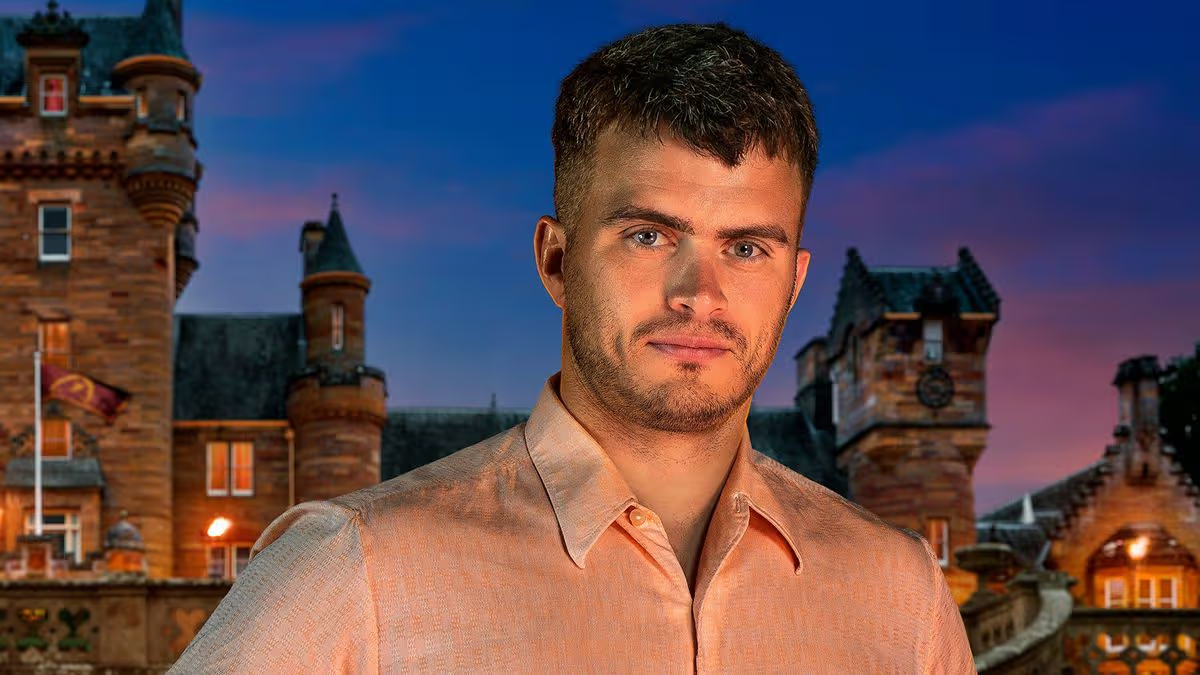
Traitors star on rejecting conversion therapy and why a ban sends “clear signal”

Published

on

Belfast Live

He said he considers himself “one of the lucky ones” because he was able to walk away, but that had not come without its hardships

A bid by the Government to ban conversion practices sends a “clear signal” to LGBT+ people that they are “not broken, you don’t need to be cured”, a former Traitors contestant who once faced such so-called therapy has said.

Matthew Hyndman said he was asked in his 20s to “publicly repent” for being gay or leave his evangelical Christian community behind.

Hyndman, who was also known as Matty during January’s series of the gameshow, said no to going through counselling and has now backed a ban on such practices which could see people fined or imprisoned for carrying them out.

Advertisement

Speaking at an event in London as a draft Conversion Practices Bill was published on Thursday, he said he had been an evangelical Christian missionary on a ship sailing around the world as he wrestled with his sexuality.

He said: “I was so embarrassed that I was gay. I was so deeply embarrassed and ashamed, and I didn’t tell a soul. This was not something that I was willing to even utter, because as far as I was concerned, it was the worst sin.”

He said he had for a long time been “completely in denial about my sexuality”, but when it became known he was gay, he was confronted with the prospect of conversion practices.

“I was basically given a choice to publicly repent in front of the entire ship’s community and agree to go through counselling, or go.”

He said he considers himself “one of the lucky ones” because he was able to walk away, but that had not come without its hardships.

“In order for me to walk away, in order for me to say no, there was such a huge risk,” he said. “The risk was that I would lose everyone I know and love. My vocation, my community, everything was so intertwined, particularly when you have a faith, it’s so intertwined.

“So for me to say no was for me to reject the belief of my entire community and walk away. And I did, thankfully. I consider myself one of the lucky ones because I did, I walked away, and I said ‘no, actually, I think I know who I am’.”

Advertisement

He spoke of his belief in the importance of a ban on such practices – which are aimed at changing someone’s sexual orientation or transgender identity and can involve anything from exorcisms to prayers.

Hyndman added: “I think it (a ban) just sends a really clear signal, as well.

“Anyone who is currently experiencing this, anyone who has, they’re hearing from the highest point that this is wrong and that it should not be happening to you. You’re not broken, you don’t need to be cured.”

The draft Bill covers England and Wales only and was a Labour manifesto commitment from 2024.

Advertisement

Hyndman, who is originally from Northern Ireland, appeared at the Alliance Party conference in March to back the party’s bid to ban conversion practices there.

For all the latest news, visit the Belfast Live homepage here and sign up to our daily newsletter here

Source link

Advertisement
Continue Reading

NewsBeat

Two men to be deported after discovery on Bolton street

Published

on

Manchester Evening News

The pair have been jailed

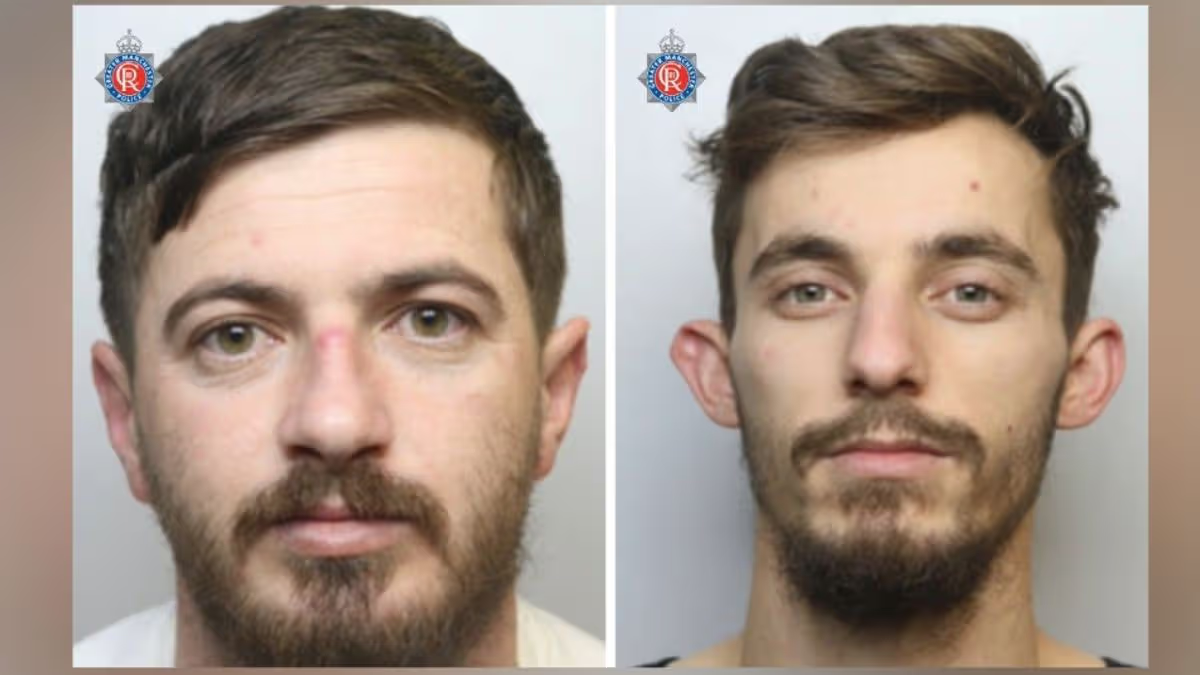
Two men have been jailed and are due to be deported after a ‘large-scale’ cannabis grow was discovered in Bolton. Neighbourhood officers raided a property on Newport Street back on December 23 last year, after receiving intelligence.

Advertisement

Greater Manchester Police says it uncovered a ‘substantial and fully operational’ cannabis farm at the property, which had been ‘professionally adapted’ – including the illegal bypass of the electricity supply to power the grow. CCTV footage was observed as part of enquiries which identified a black van attending the property in the days before the raid.

Two men were captured on camera accessing the secured building, and the vehicle was subsequently traced to Leonard Tota. The now-26-year-old was arrested the following day at his home address, where Ridgan Taga, 26, was also located.

Click here to hear the latest from Manchester’s courts in our newsletter

A search of the address uncovered additional cannabis plants, sophisticated growing equipment, a significant quantity of cash, mobile phones, a suspected debtors list, and keys linking both men directly to the Newport Street premises. GMP says the investigation highlighted a coordinated and organised effort to cultivate cannabis at scale.

Advertisement

Tota, of St George’s Road, Bolton, pleaded guilty the production of cannabis, while Taga, of St George’s Road, Bolton, pleaded guilty to production of cannabis, being concerned in the supply of cannabis and possession of criminal property. Tota was sentenced to 14 months’ imprisonment, while Taga was jailed for a year. Both are due to be deported following the completion of their custodial terms.

Police Sergeant Jessica Prudence, of Bolton town centre neighbourhood policing team, said: “This is an excellent result and demonstrates the dedication and effectiveness of our neighbourhood officers in tackling serious drug-related crime. By acting on intelligence and carrying out thorough enquiries, the team has successfully removed a significant cannabis grow from the community and brought those responsible before the courts.

“We rely heavily on information from the public, and the intelligence you provide plays a vital role in enabling us to take action like this. Drug supply is not a victimless crime – it is often linked to wider, harmful criminality that can have a serious impact on our communities. We would continue to encourage anyone with concerns or information about suspected drug activity to come forward and speak to us.”

Source link

Advertisement
Continue Reading

NewsBeat

Who is Brooke George? British TikTok influencer who could face death penalty in Dubai

Published

on

Who is Brooke George? British TikTok influencer who could face death penalty in Dubai

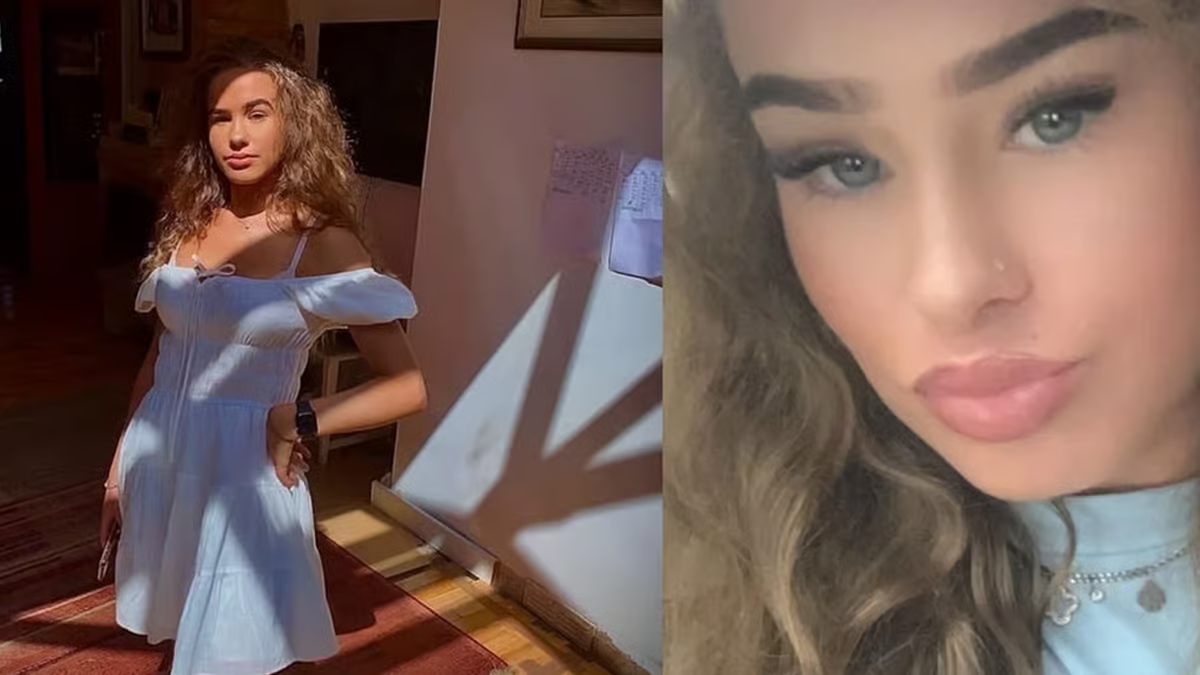
A TikTok influencer with almost 100,000 followers is facing the death penalty in Dubai after being charged with the murder of her boyfriend.

Brooke George, 23, from Gravesend in Kent, claims she grabbed a knife in self-defence after being violently assaulted by a British man in the UAE.

Source link

Advertisement
Continue Reading

NewsBeat

Watch Scotland’s skies explode with spectacular thunder and lightning as storm strikes Central Belt

Published

on

Daily Record

Spectacular thunder and lightning storms lit up the sky throughout the night in Scotland

Lightning strikes clatter Scotland during thunderstorm warning

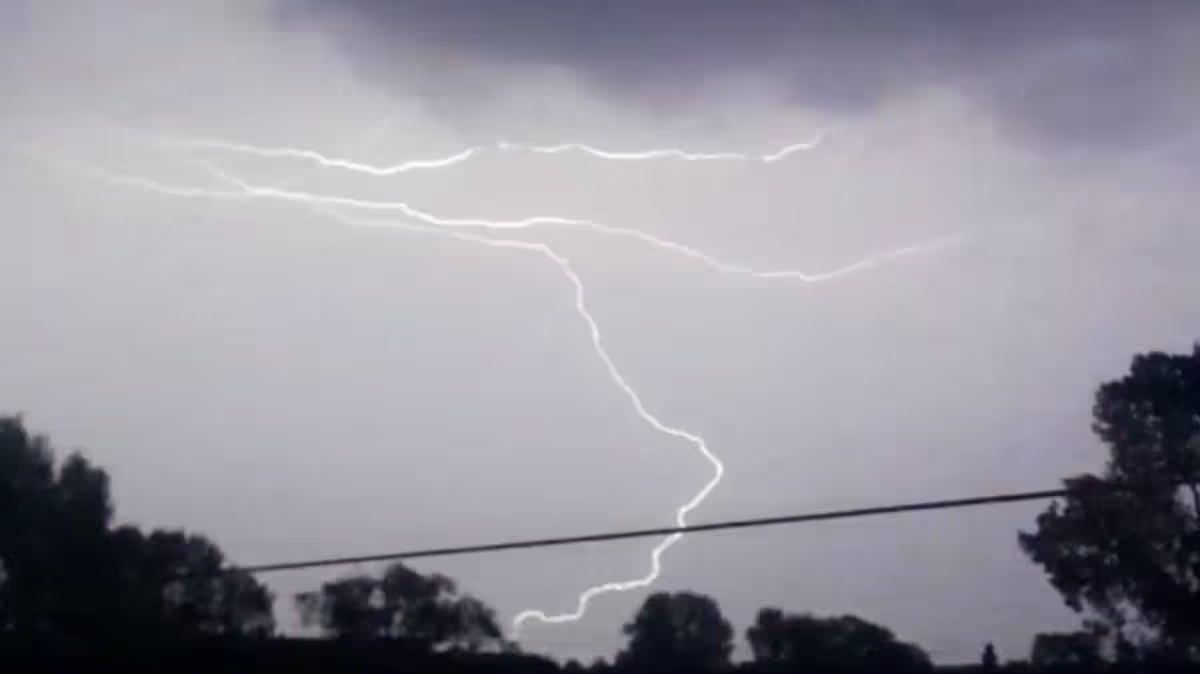
Incredible footage captured by Scots across the country shows spectacular thunder and lightning storms illuminating the night sky during the early hours of Friday, June 26.

The dramatic display unfolded as a powerful storm swept across East Central Scotland between midnight and 3am, with repeated strikes of lightning lighting up the skies above Edinburgh, Fife and surrounding areas. The intense flashes, accompanied by rolling thunder, turned the darkness into daylight in a breathtaking overnight display.

Scots across the country took to social media to share videos and photographs of the extraordinary scenes, with many describing the storm as “crazy” and unlike anything they had ever witnessed before. Meanwhile others said the lightning, which lit up the sky every few seconds in some areas, was some of the most impressive strikes they had ever seen.

Stunning snaps taken over Fife in the early hours of Friday morning show spectacular bolts light up the night sky. The photos, shared by Fife Jammer Locations, are just some evidence of the spectacular weather event that was experienced across Scotland.

Advertisement

In one video which was posted onto X, formally known as Twitter, a huge bolt of lightning strike across the Edinburgh sky, illuminating the landscape for a split second and flooding the room where the person filming is sitting with bright white light.

Advertisement
Content cannot be displayed without consent

The powerful fork of lightning cuts diagonally through the sky, while the low rumble of thunder can be heard rolling moments later. An accompagning caption read: “The thunder storm has been hovering over Edinburgh & Fife for the last 30 minutes. I managed to capture a lightening bolt.

Making a light hearted reference to the ancient Greek god of the sky and thunder, she joked: “Zeus is wide awake.”

Meanwhile another clip shows the lightening clatter over Edinburgh Castle. In what looks like it could be a scene from a film, the bolts light up the castle for a few seconds showing the beauty of the capital city. The strikes almost look like they are hitting directly into the castle grounds.

Content cannot be displayed without consent

At times the lightning appears to strike extremely close to the castle grounds, while deep rumbles of thunder can also be heard echoing over the city.

Advertisement

It comes as a yellow thunderstorm warning remains in force across large parts of Scotland after the Met Office extended the initial weather warning, which was in place in till 23:50 tonight, to 3am on Saturday, June 27. The extension is due to slower clearance of rain across the far north of the country.

Forecasters warns that thunderstorms and heavy rain may cause some disruption throughout large parts of Scotland.

The Met Office states: “Spells of heavy rain and thunderstorms initially over northwest Scotland are likely to become more widespread during Friday morning.

“Further thunderstorms and spells of heavy rain are possible in the afternoon before becoming confined to more northern areas of Scotland later in the day.”

Advertisement

The forecast continues: “Rainfall amounts will be highly variable but narrow corridors of 20-30 mm falling in 1 hour and potentially 30-50 mm in 3 hours is possible. Frequent lightning, large hail (2-4 cm diameter) and locally gusty winds with stronger storms.”

Source link

Continue Reading

NewsBeat

New Alzheimer’s drugs offer hope for some, but good dementia care protects the humanity of those they cannot help

Published

on

New Alzheimer’s drugs offer hope for some, but good dementia care protects the humanity of those they cannot help

Disease-modifying drugs for Alzheimer’s offer a meaningful glimpse of hope for many people who fear dementia. Alzheimer’s disease is the most common cause of dementia, but dementia itself is an umbrella term for symptoms such as memory loss, confusion and changes in thinking.

Unlike older dementia drugs, which help with symptoms but do not change the underlying disease, disease-modifying treatments are designed to slow the disease process itself. So far, these treatments appear to delay symptom progression by several months rather than years. They also carry a small but serious risk of side-effects, including swelling and bleeding in the brain. At present, they are suitable only for some people in the early stages of Alzheimer’s disease, meaning that many others will still face dementia with no cure on the horizon.

The fact that scientists are now achieving some degree of disease modification has generated enormous interest in dementia research. That attention is essential if these advances are to continue. But public excitement can also narrow the conversation, drawing attention towards the biology of dementia and away from the lives of the people experiencing it.

For many years, social scientists have argued for a broader understanding of dementia. Dementia begins with changes in the brain, but it affects the whole person. It can change how someone remembers, communicates, relates to others and makes sense of the world.

Advertisement

That means dementia care has to do more than slow biological decline. It also has to ask what helps a person feel recognised, connected and still themselves. Even when medicine cannot offer a cure, care can still reduce distress, support identity and create moments of meaning. Music, poetry, storytelling, theatre, visual art, dance and museum work can give people with dementia ways to respond and connect, especially when ordinary conversation becomes difficult.

The value of this work can be hard to measure. A person singing along to a familiar song, recognising an image, laughing at a shared joke or becoming briefly more engaged with others does not fit neatly into the same evidence framework used to assess a drug.

As these interventions become more common, and increasingly extend beyond the very early stages of the disease, they make visible the humanity of people living well into the dementia process. Such work can challenge harmful stereotypes in print and social media, where dementia is often portrayed as a “living death” and people with dementia are reduced to “zombies” or “empty shells”. Language like this encourages the idea that a person with dementia has already disappeared, even while they are still alive, responsive and capable of connection.

Yet there is a further risk. If public attention focuses mainly on people who can still speak, sing, paint, perform or respond in recognisable ways, those with very advanced dementia may be treated as unreachable. They are already frequently considered unsuitable for research, and sometimes even unsuitable for creative or relational engagement.

Advertisement

In dementia, this can create a damaging divide between those who can still communicate in familiar ways and those whose communication has become harder to understand.

Author, Kate Irving, shares a laugh with a project member during research.
Alex Kornhuber, Author provided (no reuse)

In a recent publication, we explored the limits and possibilities of engaging with people living in the very late stages of dementia. The paper examined two ideas that can help us think about this problem: narrative dispossession and critical fabulation.

Narrative dispossession means being deprived of control over your own story. As dementia progresses, people may become less able to explain themselves, describe memories, correct misunderstandings or tell others what matters to them. Their life does not stop being meaningful, but their ability to narrate that life in conventional ways may become diminished.

This creates a serious ethical problem. How should carers, researchers, artists or family members respond when a person can no longer tell their own story clearly? What should we do with the fragments that remain: a gesture, a glance, a touch, a sound, a facial expression, or even an absence of response?

Advertisement

Critical fabulation offers one possible approach. The term comes from work on history, archives and silence. It describes a careful form of imaginative reconstruction, used when direct evidence is partial, missing or impossible to recover. In dementia care and research, it can help us think about how to engage ethically with the inner lives of people whose communication has become profoundly limited.

At its best, critical fabulation is tentative and restrained. It allows us to ask what a person might be feeling, remembering or communicating, while remaining honest about the limits of interpretation.

That interpretation must be humble. A caregiver may know a person’s history, habits, preferences and fears better than anyone else. This familiarity can deepen understanding, but it does not guarantee accuracy. Even those closest to a person with dementia must remain alert to the risks of projection, over interpretation and reading their own assumptions into another person’s experience. Or, even, taking over someone else’s story entirely.

If we refuse all imaginative engagement, we may leave people in the latest stages of dementia in silence. That silence can become a form of erasure.

Advertisement

For this reason, critical fabulation in dementia care and research must remain anchored in restraint and relational care. It means examining our own assumptions, motives and power, and requires us to ask what this person might be experiencing, but also what right we have to narrate that experience.

New drugs may help some people stay in the earlier stages of Alzheimer’s disease for longer. But dementia care also requires us to think about those for whom these drugs will do little or nothing, and those who are already far beyond the point at which they can tell us their stories in familiar ways.

Their lives still require attention. Their silence should not be mistaken for absence.

Advertisement

Source link

Continue Reading

NewsBeat

North York Moors: Don’t Spark Disaster campaign launched

Published

on

North York Moors: Don't Spark Disaster campaign launched

The ‘Don’t Spark Disaster’ campaign is being delivered by the North York Moors National Park Authority in partnership with North Yorkshire Council, the Yorkshire Dales National Park Authority, Forestry England and North Yorkshire Fire & Rescue Service. North Yorkshire Council funded the campaign, which is also being supported by the authority’s destination marketing and management service, Visit North Yorkshire.

The campaign comes as organisations continue to deal with the long-term impacts of last year’s devastating wildfire on Fylingdales Moor, which became the largest wildfire in the history of the North York Moors National Park.

Running throughout the summer months, Don’t Spark Disaster will deliver clear and impactful messages to residents and visitors about the simple actions that can help prevent wildfires. Campaign activity includes targeted social media advertising, e-newsletters, outdoor advertising and digital communications across North Yorkshire and beyond.

Advertisement

The campaign highlights how seemingly small actions – such as discarding cigarettes and leaving glass bottles behind, alongside behaviours such as lighting barbecues and campfires – can have devastating consequences for wildlife, landscapes, local communities and the emergency services. However, visitors are still encouraged to get outdoors and make the most of all that North Yorkshire has to offer. There are plenty of tasty local picnic options that don’t require on-site cooking, helping people to enjoy a safe day out while reducing the risk of wildfires.

As well as raising public awareness, the campaign is calling on businesses, community organisations and local groups to help spread the message by displaying campaign materials in their premises, on websites and across social media channels.

A free toolkit containing posters, digital graphics and social media assets is available to download, making it easy for organisations to support the campaign and reach residents and visitors alike.

Jim Bailey, Chair of the North York Moors National Park Authority, said: “Most wildfires are preventable. That’s the simple but crucial message at the heart of this campaign.

Advertisement

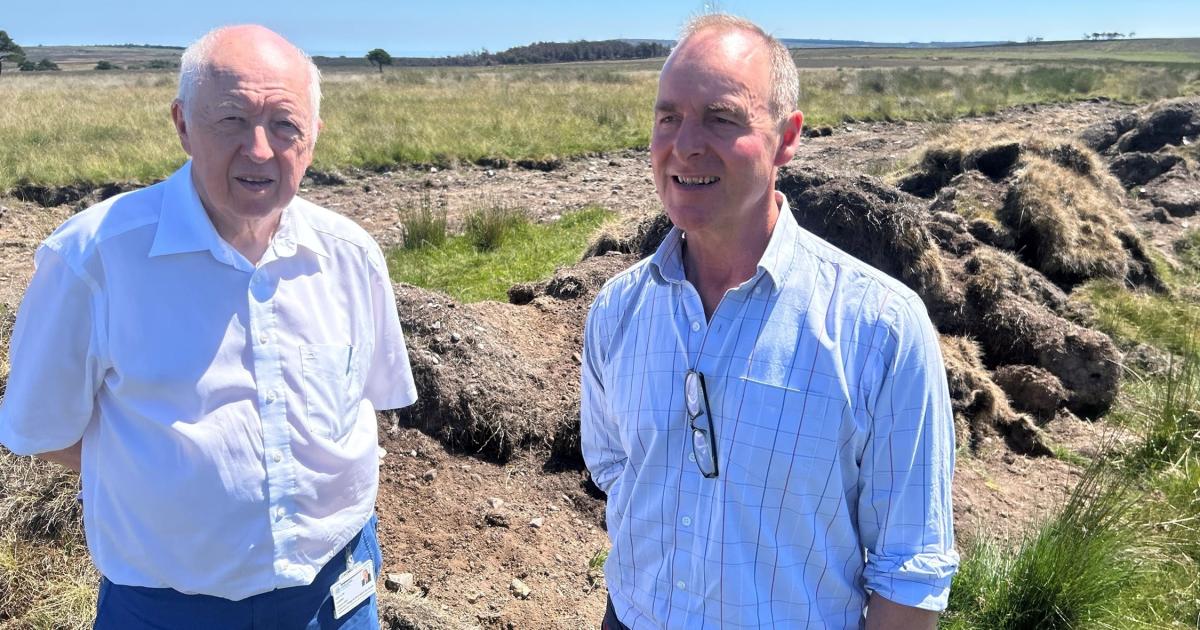
“The fire may have happened a year ago, but we continue to deal with the aftermath on a daily basis. Farmers and graziers have been unable to return sheep to parts of Fylingdales Moor, while the landscape remains visibly scarred by both the fire and the large earth trenches that were dug to stop it spreading further.

“We urge everyone to think carefully about their actions when enjoying the countryside this summer. A moment’s carelessness can have consequences that last for generations, but a few simple precautions can help prevent another devastating wildfire from happening in the first place.”

North Yorkshire Council’s leader, Cllr Carl Les, said:

“We welcome visitors here in North Yorkshire and our stunning landscapes attract millions of people every year, but we need everyone to understand the risks and take care of the environment.

Advertisement

“A barbecue in the sunshine or a carelessly discarded glass bottle or cigarette can have serious impacts for people and places for years to come, as we saw last year.

“This campaign is vital to making sure that we do not see a repeat of the biggest wildfire we have ever witnessed in North Yorkshire.

“Our message is clear – please come and enjoy all that North Yorkshire has to offer but be aware that careless actions can cause a catastrophic impact on our communities and the natural environment.”

Lizzie Bushby, Deputy Chair and Member Champion for Recreation Management at the Yorkshire Dales National Park Authority, said:

Advertisement

“We are proud to support this campaign after witnessing the devastation caused by the Fylingdales Moor wildfire in the North York Moors. Moorland habitat is becoming more vulnerable as our climate changes. Once it burns, we lose essential habitats, wildlife and peatland that has taken hundreds of years to form. These fires are often the result of human actions, so it’s vital that everyone who visits our National Parks takes simple steps to help protect these precious landscapes.”

For campaign resources and further information, visit the Don’t Spark Disaster campaign page at northyorkmoors.org.uk/dontsparkdisaster.

Source link

Advertisement
Continue Reading

Trending

Copyright © 2025