Connect with us
DAPA Banner
DAPA Coin
DAPA
COIN PAYMENT ASSET
PRIVACY · BLOCKDAG · HOMOMORPHIC ENCRYPTION · RUST
ElGamal Encrypted MINE DAPA
🚫 GENESIS SOLD OUT
DAPAPAY COMING

NewsBeat

Campaign launched to restore Darlington war memorial lost for 60 years

Published

on

Campaign launched to restore Darlington war memorial lost for 60 years

The memorial bears the names of nine men from the congregation of the Methodist church on Victoria Road in Darlington who lost their lives, and of one woman – Miss Ruby Denham – who died, aged 28, a fortnight before the war ended.

She is the first known female to appear on a memorial in the town.

The memorial lost for 60 years and now awaiting restoration

The ‘handsome’ memorial was found last year in a house in Richmond where it appears to have been taken when the church closed in 1966.

If £5,500 can be raised it is intended to have it restored and mounted in the Memorial Hall at Darlington Memorial Hospital.

Advertisement

The hospital, of course, was built to honour the town’s dead after the First World War, and the Memorial Hall has the names of 700 fallen townsmen on its walls. Those names include three members of the Bradford family, two of whom won the Victoria Cross, and to whom the entrance porch is dedicated.

“The restoration has the support of the Royal British Legion, the hospital’s NHS Trust, the War Memorials Trust and the North East War Memorials Project,” says project manager Stephen Hill.

“Adding the memorial to this splendid location will give it pride of place in the porch beneath the plaque dedicated to Roland Bradford VC MC.

“We would now love to hear from any relatives of those named on the memorial.”

Advertisement

A crowd of people waiting outside the Victoria Road Methodist Church in the mid 1960s waiting to see the elephants from Billy Smart's Circus parade through the town centre to South Park, advertising the circus' arrivalA crowd of people waiting outside the Victoria Road Methodist Church in the mid 1960s waiting to see the elephants from Billy Smart’s Circus parade through the town centre to South Park, advertising the circus’ arrival

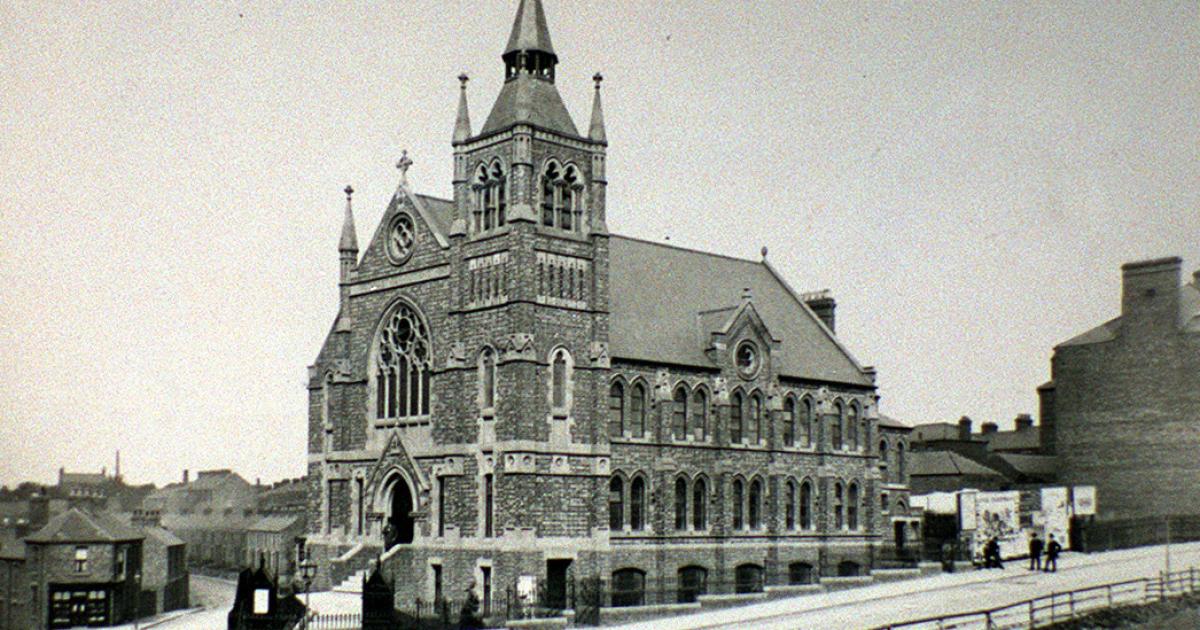
The New Connexion Methodist Church was built in 1884 in the French-Gothic style on Victoria Road, just as Bank Top station was being rebuilt as a statement piece of architecture at the top of the street. The church, with its elaborate tower-top canopy, must also have been very impressive in its heyday.

The Victoria Road Methodist Church is now Bathroom World, and no longer has its pointed canopy on top. Picture: Google StreetView

When it closed it became a warehouse, but for the last 50 years it has been the Bathroom World showroom.

The plaque was unveiled on September 27, 1921, by Major Sir Henry Havelock Allan, of Blackwell Grange. In its brief report, the Echo’s former sister paper, the Northern Despatch, says it bears the names of the “nine members of the church who fell in the war”.

Ruby’s name is the tenth on the memorial, so when she died on October 31, 1918, aged 28, she may not have been directly involved in the war effort.

Advertisement

Her full name was Sarah Alice Ruby Denham. She lived with her parents, Elizabeth and John, in Hawthorn Street near South Park.

She died ‘suddenly’ in Soham, near Cambridge, at the home of her brother and sister-in-law. Her death certificate says she died of influenza and pneumonia – the second lethal wave of H1N1 Spanish flu swept Britain in the autumn of 1918, peaking around Armistice Day in November with young adults aged between 20 and 40 hardest hit.

It also says she was a chemist’s assistant, so she could have been involved in the medical side of the war.

The ten names, including Miss Ruby Denham, on the war memorial

None of the nine men’s names on the memorial appear to be commemorated elsewhere in the town.

Advertisement

“The memorial has been damaged but can be repaired sympathetically,” said Steve. “It is currently stored in a warehouse in the hospital, but we have found a local stonemason with all the necessary specialist tools to restore it to its former glory.”

The finances for the appeal are being handled by the North East War Memorials Project, the charity which runs a fabulous website listing all the region’s memorials. To find out more and donate, please email stevehillconsult@btconnect.com. If you can tell us any more about any of the names, please get in touch.

Pte Albert Catchpole
Royal Army Medical Corps and 8DLI
Died: September 26, 1918
Age: 22

Albert was a gas fitter and plumber with Darlington Council before the war, and lived in Valley Street North with his parents, Albert and Emma, in High Northgate. He was their only son. He died a prisoner of war and is buried in Hochheim Hill Cemetery in Worms in Germany – Worms was one of the biggest PoW camps with many men sent out as part of the ‘arbeitskommando’ to work on the land. He probably died either of his wounds or in an accident related to the work.

Pte Francis Herbert Elders
Canadian Infantry, 78th Battalion
Died: October 30, 1917

Little is known about Francis although the best guess is that he emigrated from Darlington to Canada before the war and came back to fight with the Canadian Infantry. He is buried at Potijze Chateau Grounds Cemetery in Belgium, so he was probably wounded fighting in the Third Battle of Ypres and brought back to the dressing station in the chateau grounds where he died.

Advertisement

On July 25, 1916, the Northern Despatch printed a picture of George Welburn, who had been killed 10 days earlier in the Battle of the Somme. He was only 19 and he is named, with his brother, on the Victoria Road church memorial

L-Cpl George William Welburn
King’s Royal Rifle Corps
Died: July 15, 1916
Age: 19

George, of Cobden Street in the Bank Top area, was fighting with the Church Lads Brigade of the King’s rifles when he was killed near Albert in the Battle of Bazentine Ridge, which was part of the Battle of the Somme.

On February 18, 1916, the Northern Despatch newspaper printed pictures of the three sons, three brothers and nephew of Annie Welburn, of 52 Cobden Street, who were away fighting. Two of her sons, George and James, are named on the Victoria Road church

Pte James Welburn
West Yorkshire Regiment
Died: June 6, 1918
Age: 23

The elder brother of George, he was a railway porter before the war. He is buried in a large cemetery near Boulogne, which suggests he had been injured on the frontline of the Battle of the Aisne, a major last-ditch German offensive in northern France, and had been taken to hospital on his way home, but died.

His parents George, a railway signalman, and Annie, had a third son, Hylton, who was hospitalised in Newcastle with wounds he sustained in the war.

In fact, as well as her sons, Annie had her three brothers and a nephew away fighting. One brother was killed and another wounded, so her little house at 52 Cobden Street saw some agonies.

Advertisement

J Hullah

Are there any Hullahs in Darlington? Have there ever been? We can’t find any trace of this soldier.

The Commonwealth War Grave Commission website lists 13 Hullahs who were killed in the First World War, and James or Joseph could be our man. They both served with the Machine Gun Company and died in 1917 near Ypres but have no obvious connection with Darlington.

Cpl Fred Magden
Royal Engineers
Died: April 8, 1917
Age: 22

Before the war, Fred, of Montrose Street, was an apprentice chemist. When he died he was serving with the 2nd Special Company of the Royal Engineers which was made up of men with chemistry skills – often graduates – who were in charge of Britain’s gas attacks. He was killed near Arras, in northern France, when a high explosive shell exploded in his billet, accounting for 53 casualties.

Advertisement

Able Seaman Edward Lumsdale
Royal Naval Volunteer Reserve, Hawke Battalion
Died: November 9, 1915
Age: 17

The Royal Naval Division was formed in 1914 of Navy reservists who were then trained as infantrymen. Young Edward, an NER signal lad, died at Gallipoli in Turkey, from where his body was never recovered. His parents, Florence and Alexander, lived in Greenwell Street.

Pte Frank Webster
1st/8th Durham Light Infantry
Died: March 31, 1918
Age: 23

Before joining the DLI Frank had been a crossing fitter at the Railway Plant Company and before that an apprentice butcher. He was killed in the German attack known as Operation Michael, near Amiens, towards the end of the war. He left his mother, Jane, of Cobden Street.

Drummer JT Park
Border Regiment
Died: June 30, 1916

Not much is known about the drummer who was serving in Peshawar in India when he died.

Ruby Denham's brush with a fraudster in Darlington was reported in many newspapers across the country. This is from the Darlington North Star on August 25, 1916Ruby Denham’s brush with a fraudster in Darlington was reported in many newspapers across the country. This is from the Darlington North Star on August 25, 1916

Miss Ruby Denham
Died: October 31, 1918
Age: 28

Ruby, of Hawthorn Street, was a chemist’s assistant who died of influenza.

Advertisement

She was involved in a curious case in August 1916 when, coming out of a shop in Leadyard, she dropped her glove. A Glaswegian who said his name was Robert Stevenson, immediately came to her aid. They got talking, he asked about her gold ring which she gave to him. He slid it on his little finger and, to her dismay, he said it wouldn’t come off.

He told her he was a professional footballer, like her brother, then said he was a munitions inspector in need of money. Somehow he came into possession of her 6s 9d.

They met the following day and he did not return her ring or money so she eventually went to the police, who arrested him in Feethams.

He failed to produce his registration card, which it was illegal not to carry, but he did have a piece of paper saying he was ‘Finlay Weir, munitions inspector, to be supplied with petrol at any garage with whatever he wants. By order, Minister Munitions’.

Advertisement

It was a fake. He claimed he was simply on a ‘jollification’ in Darlington, but it emerged that he had been convicted of dishonesty in Hartlepool, Glasgow and Leeds, and was wanted in Hamilton and Middlesbrough.

He was sentenced to six months hard labour and it was ordered he be handed over to the military authorities, as he was an absentee from the forces, on his release.

Source link

Advertisement
Continue Reading
Click to comment

You must be logged in to post a comment Login

Leave a Reply

NewsBeat

Labour deputy leader says Keir Starmer was manager who ‘lost the dressing room’

Published

on

Manchester Evening News

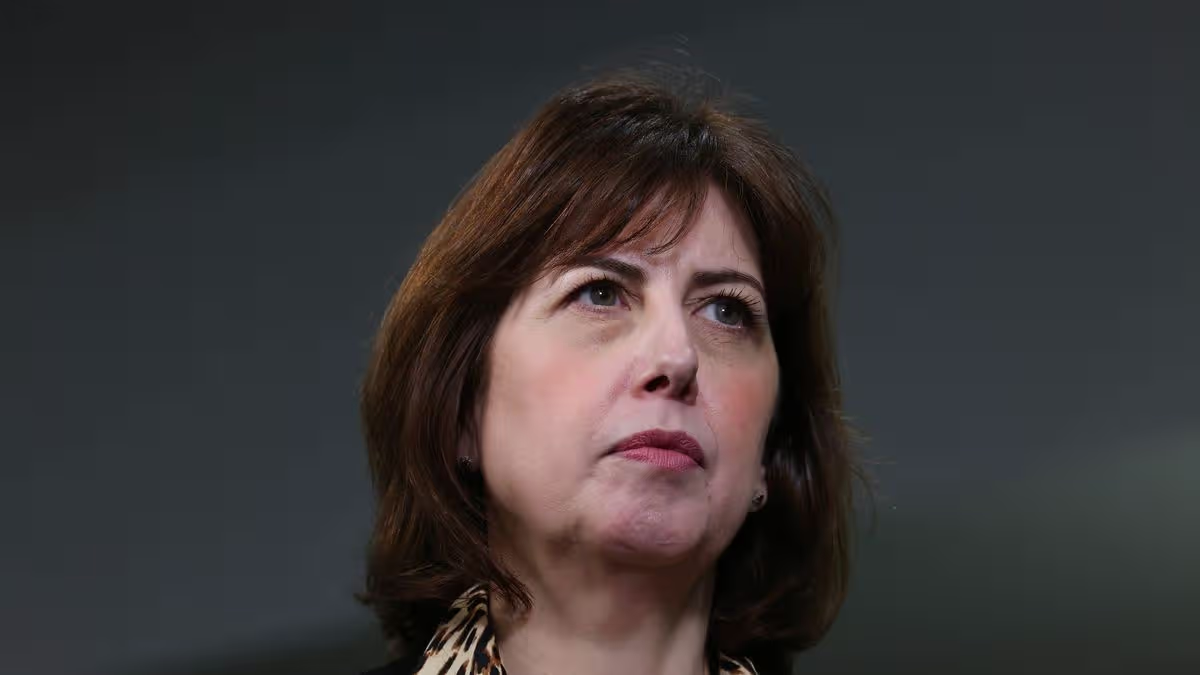
Labour deputy leader Lucy Powell made the claim on the BBC this morning

Labour’s deputy leader claims outgoing Prime Minister Keir Starmer “lost the dressing room” resulting in his resignation. Lucy Powell made the claim while talking to presenter Victoria Derbyshire on the BBC’s Sunday with Laura Kuenssberg this morning.

Advertisement

Asked why Labour was getting rid of the Prime Minister, the deputy leader said: “Well, look, I mean, I think it’s not me getting rid of him, but I want to focus really on the positive contributions that he has made, but as he said himself on the steps of Downing Street on Monday – we’re here in the middle of the World Cup, aren’t we?

“When the manager loses the dressing room, the manager often takes the decision that it’s the time for them to go, and I think that’s the decision that he has made.

Click here to get the biggest stories straight to your inbox in our Daily Newsletter

“But he has served our party well, and we do owe him a great deal of gratitude, and now it’s time for us to move on to a new phase, and that’s what we’ll be doing.”

Advertisement

Ms Powell was also asked whether Ed Miliband would be a good Chancellor amid reports he is Andy Burnham’s first choice. When asked whether she thought Mr Miliband would be good at running the Treasury, the Labour deputy leader said: “Yes I do actually, but actually I think this is a slightly distracting conversation, because I think we’ve all got a really important job to do.”

She added that the cost of living should be the focus and not “tittle-tattle” about Cabinet positions.

With Andy Burnham likely to be the next leader of the Labour Party following Sir Keir’s resignation, Ms Powell backed a woman lead Labour at some stage.

Asked whether she was disappointed that another man was set to take the top job, the deputy leader told the BBC’s Sunday With Laura Kuenssberg: “Well, look, I mean, actually, what I’ll also say is, I was working out this morning, I joined the Labour Party in the 1980s and actually in that time we’ve only, since Neil Kinnock, we’ve only had six leaders of the Labour Party. So we do generally keep leaders for quite a few years in the Labour Party.

Advertisement

“Of course, I’d like to see a woman leader at some stage, but this is a difficult job that brings a huge amount of exposure to your, to yourself, to your family, you know.

“It really is a relentless job, and I’m just glad that actually someone does want to do it. And I’m pleased that actually what it looks like is that we’re probably going to have just one candidate in Andy Burnham.”

She said earlier in the interview that speculation about Cabinet positions under a potential Burnham government was “unedifying”.

Source link

Advertisement
Continue Reading

NewsBeat

Two men rescued from North Sea by RNLI near Seaton Carew

Published

on

Two men rescued from North Sea by RNLI near Seaton Carew

Hartlepool RNLI were called at 3.25pm by Humber Coastguard after an inflatable dinghy drifted out to sea at Seaton Carew.

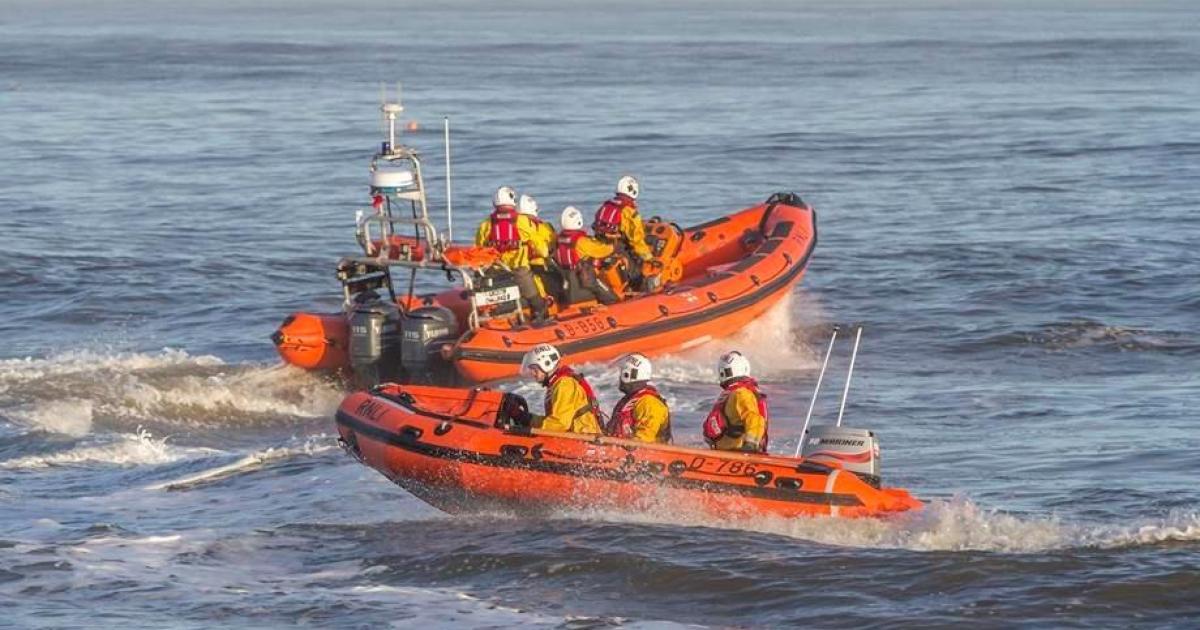
Four volunteer crew members launched the RNLI boat at 3.40pm and soon were alongside two men who found themselves in difficulty.

The inshore lifeboat recovered the casualty, and another man who had swam out from the beach to help.

Volunteer crew members (left to right) Glen Pearson, James White, Jamie Northey and Mark Barke (Image: RNLI/Tom Collins)

The pair were handed over to the Hartlepool Coastguard team.

Advertisement

Hartlepool lifeboat operations manager Steve Pounder said: “A prompt response from the crew brought the incident to a successful outcome.

“An offshore wind can quickly blow inflatables out to sea. Please tether inflatable toys to prevent this situation, or don’t bring them to the beach.

“In this situation, it’s best to ring 999 and ask for the Coastguard and to keep the casualty in sight’.

Hartlepool RNLI inshore lifeboat helm Mark Barker added: “A quick launch from the Ferry Road boathouse meant we were on scene to recover the casualties who were both none the worse for their experience.

Advertisement

“We safely handed them over to the Coastguard team on the beach at Seaton Carew.”

The volunteer crew members then assisted a boat and its owner from Seaton Carew beach, which had suffered a mechanical failure, to a slipway near Hartlepool Marina.

Source link

Advertisement
Continue Reading

NewsBeat

AI could flag issues with Cambridgeshire council homes before ‘potential crisis hits’

Published

on

Cambridgeshire Live

The tool will scan data from thousands of properties and flag the ones most likely to deteriorate

Artificial Intelligence (AI) could be used to flag issues with council homes before “potential crisis hits”. Researchers at the University of Cambridge are developing a new AI tool alongside Cambridge City Council and South Cambridgeshire District Council.

Advertisement

It will scan data from thousands of properties and flag the ones most likely to deteriorate, as well as the residents “most likely” to be harmed. According to the university, the tool will combine three sources of data into a single risk score for each property.

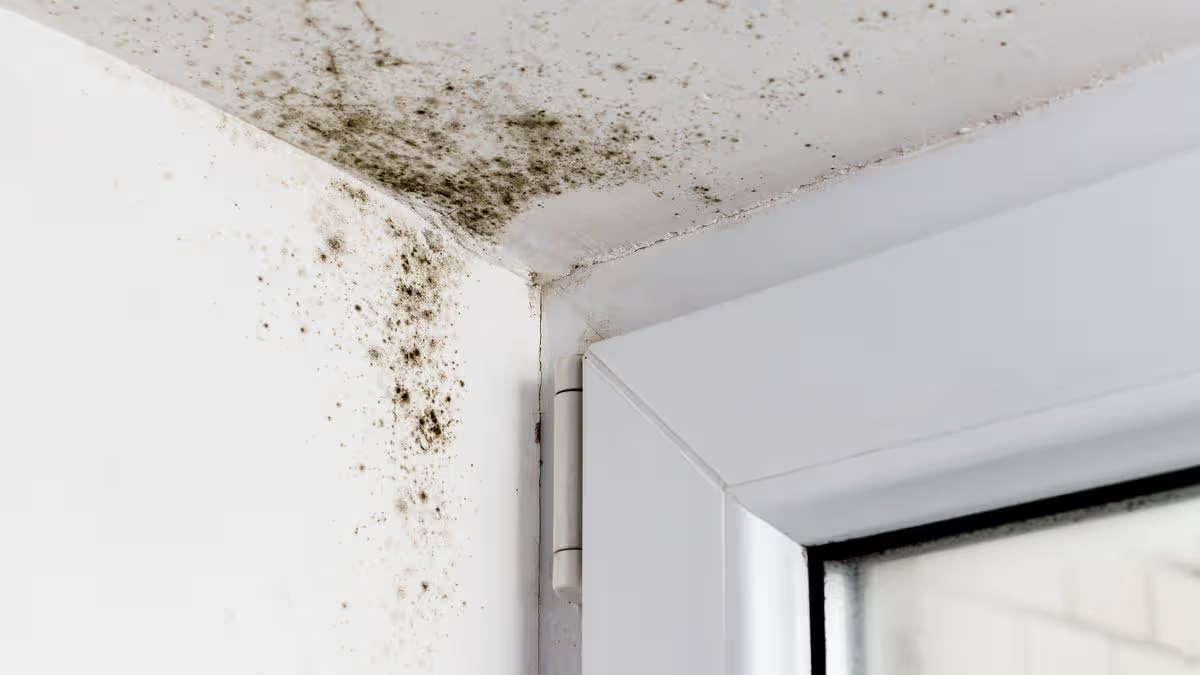
The first source is satellite data and it includes systems that can detect heat loss from buildings using thermal imagery captured by satellites. The second source is conventional housing data such as construction type, Energy Performance Certificate (EPC) ratings, records of damp and mould, and repair histories.

The third source is what the researchers called ‘soft’ data including fuel poverty indicators, rent arrears, and accumulated logs of tenant contacts that councils already hold.

Researchers said the data, on a dashboard, would display a map of “risk hotspots”. They said it would not just flag buildings in poor condition, but highlight “where a vulnerable person lives in one”.

Advertisement

Head of housing at South Cambridgeshire District Council Peter Campbell said “at the moment we’re very much waiting for things to break before we act”. He believes that better data could make teams more efficient.

He added: “Quite often when things break, it’s not only the item itself that gets damaged, but also the damage caused by the break. For example, it’s not just the roof that needs replacing; it’s where the water has gotten in and damaged the rest of the property.”

“What we’re doing now is identifying people with whom we’ve had absolutely no contact and prioritising them for a home visit,” Mr Campbell continued. “But we don’t have the resources to do that for everybody, all the time.”

The researchers said that the project, called Predictive Risk Intelligence for Social housing Maintenance (PRISM) is not designed to make automated decisions about people’s homes or welfare. All alerts generated by the model would be reviewed by housing officers.

Advertisement

The project is designed as a proof of concept over 12 months. If it works, both councils said they hope it could serve as a template for social housing authorities elsewhere in the UK.

The system is being developed by Professor Ronita Bardhan and Dr Ramit Debnath from Cambridge’s Department of Architecture and the Centre for Human-Inspired AI (CHIA). Professor Bardhan said that “this is just a starting point”, but they hope “it can be replicated across different councils across the country”.

Source link

Advertisement
Continue Reading

NewsBeat

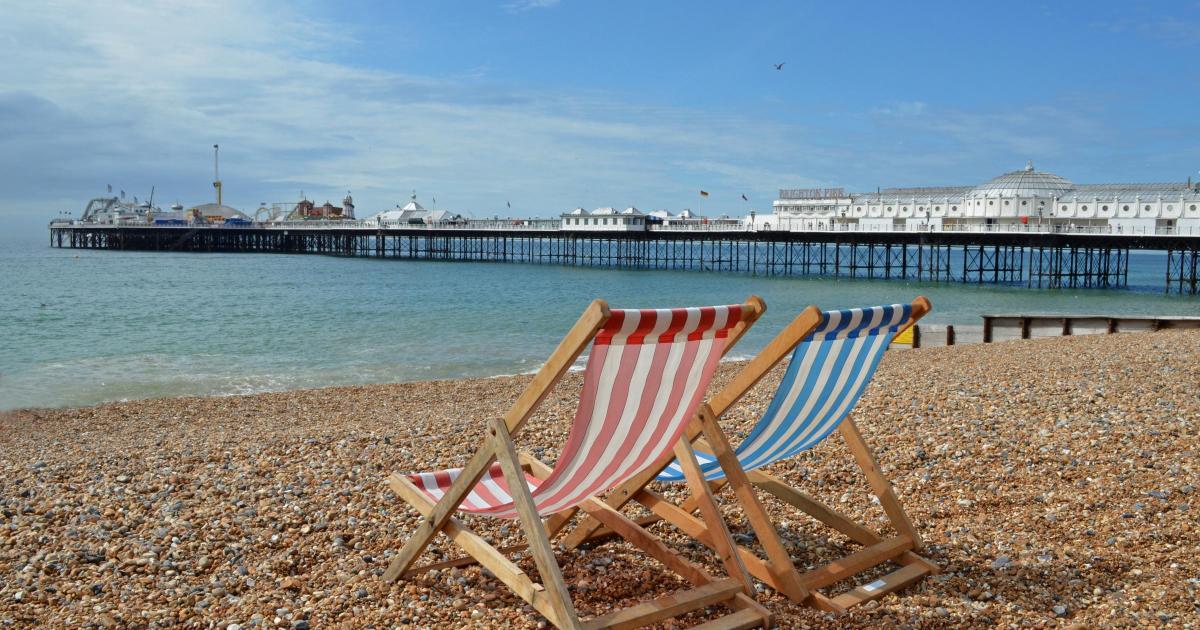
Can I take pebbles home from the beach? What UK law says

Published

on

Can I take pebbles home from the beach? What UK law says

A warning has been issued to beachgoers that removing natural materials like sand and stones from beaches is illegal under the Coastal Protection Act 1949.

A tourist holidaying near Crackington Haven in Cornwall was once ordered to drive hundreds of miles to return pebbles taken from the beach.

And in 2018, the Metro reported on organised sand thefts, with JCB diggers used to extract large quantities from Hemsby beach in Norfolk for resale to builders.

Advertisement

Similar issues have been seen elsewhere.

In Devon, repeated thefts forced council gardeners to begin microchipping public plants.

The public is reminded that removing natural materials from beaches is against the law.

Why is it illegal?

Bans on seemingly harmless acts like this can be enforced by local councils, and can see offenders fined up to £1,000 as a penalty.

Advertisement

Yet while it may seem perfectly harmless, removing pebbles and other natural matter from the coast is in fact damaging to the environment.

As suggested by the name of the Act, and as stated in the introduction of the Act, taking natural material from a beach in the UK is illegal, in order to protect Britain’s beaches “against erosion and encroachment by the sea”.

Pebbles and other natural matter act as a natural sea defence against coastal erosion, which many experts warn has become even more of an issue due to climate change.

Advertisement

Source link

Continue Reading

NewsBeat

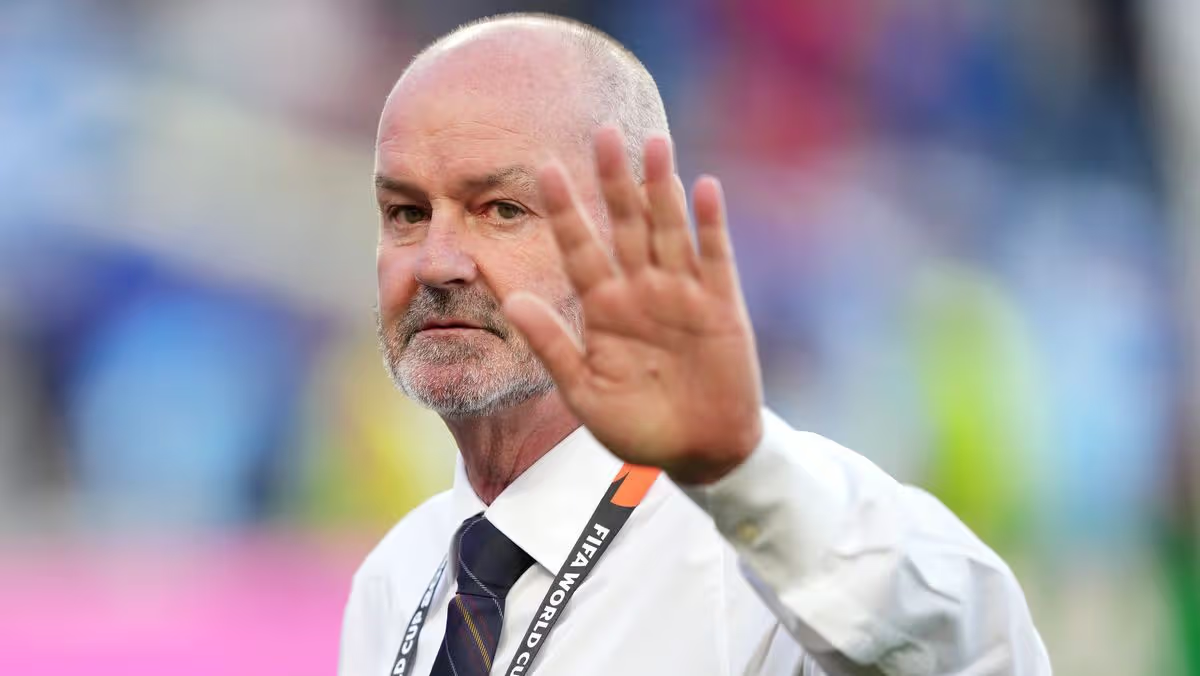
Tartan Army’s World Cup dream over as heartbroken fans react to Steve Clarke resignation news

Published

on

Daily Record

We were officially knocked out of the tournament on Saturday night after finishing third in Group C behind Brazil and Morocco.

The Tartan Army footsoldiers still out in Miami were left heartbroken as our World Cup dream finally ended last night before manager Steve Clarke handed in his resignation.

Advertisement

We were officially knocked out of the tournament on Saturday night after finishing third in Group C behind Brazil and Morocco, after days of waiting to see if our nations could do us a favour.

After claiming three points in the opening game against Haiti, we crashed out after Croatia’s 2-1 victory over Ghana saw us failing to finish among the top eight third-placed teams who progressed to the last 32 to join the 24 first and second-placed countries.

Shortly before the tournament, Clarke had penned a new four-year deal that would have taken him through to the next World Cup in 2030, as well as the home European Championships in 2028, and it would have seen him clock up 11 years in the job.

But in a bombshell statement in the early hours of Sunday morning, the 62-year-old penned a heartfelt farewell to his players, staff, and the Tartan Army.

Advertisement

Supporters who had travelled across the pond were left shocked at the news as they spoke to the Record after coming to terms with our elimination from the tournament.

Rio Carson, 19, who is from Glasgow but now lives on the Isle of Wight, travelled across to Miami with his dad Alan, 53, and his brothers Sol, 21, and Tao, 16.

Rio, who runs a window cleaning business, said: “I can’t deny Clarke has been a success but it is time for some fresh ideas. We were just on flight waiting to fly back to UK from Miami when the news broke.

Advertisement

“It quickly spread around the flight as the plane was full of Tartan Army. Most of us seemed relieved he had stepped down.

“We won’t ever forget those nights at Hampden which got us to the tournament. But after watching Scotland on the biggest stage it was obvious that change was needed.

“His interviews after the Brazil game gave the impression he was done with it. We have a lot to be grateful for – he got us back to the big stage three times and gave us all memories that will last a lifetime. He masterminded some massive qualifying wins v Norway, Spain and Denmark – but the time is right for change.”

Lee Barron flew out to Florida on Monday and the 38-year-old, from Perth, echoed those sentiments. He said: “I was shocked to hear the news, but after the Brazil game, hearing his reaction, it was maybe on his mind about throwing the towel in.

Advertisement

“I think he’s been successful – seven years, three tournaments qualified for. I’ve liked him throughout his term as manager, but I think it’s the manner of the defeat. In all three we haven’t performed well. We’re not wanting to be a country that’s just there to have a party and make up the numbers.

“I don’t think the players have helped him much either. They haven’t stepped up to the mark. Some of the responsibility has to land there too.

“I would have kept him in for longer. He’s been given a four year deal – but maybe he thought the time feels right. He’s been there for seven years, he’s done what he can with the players he’s got. He’s built a squad.

Advertisement

“A lot of them won’t see another tournament either because of their age, so he’s maybe looked at it and said it’s time to move on. But I’d just like to thank him, because he’s gave us some amazing opportunities – so cheers Steve!”

Speaking after our elimination from the competition was confirmed, Kian Halbert, a 25-year-old banker from Kilbirnie, and his brother Conor, a 21-year-old forklift driver, said the performance in this summer’s tournament wasn’t good enough.

Kian said: “I’m gutted. We’ve had a great time in America, but we should have performed better. After the Haiti game, we were happy we got the three points, but looking back we probably should have created more. I’m just gutted that we only got one goal in the whole tournament. It’s not good enough.”

Advertisement

Conor said: “We’ve had a great time here, except for Wednesday. You could see that, when we created chances, we looked a threat – but we never did that enough and we paid the price.

“That 1-0 win against Haiti never seemed like enough. Haiti scored more than us in the group. That says a lot. We didn’t deserve to go through. But we’ve never seen us in a World Cup in our lifetime, so we have to thank Steve for that. It has been an amazing trip.”

Aimee Ronnie, 19, and her sister Kaitlin, 21, are both from Glasgow and work for Next. Aimee said: “It’s been a pretty disappointing campaign. It’s a bit of a downer, but what can you do? We’re here, we’re having a party, we’re having a laugh. It’s still been great.

“The Scots have really taken over, but it’s really disappointing to go home this early. I was really hoping we were going through. I really thought we were going to do enough for the first time ever, so that’s disappointing.”

Meanwhile Hector Macleod, a 36-year-old who works for Scottish Water and is from Skye, has travelled across to America with his wife, 28-year-old wife Alex, who manages restaurants.

The pair had hoped to stay out longer if Scotland had got through, and Hector said: “I still had hope up until late on Friday night, but when the final whistle went against Egypt and Iran had got a draw, I knew that was it.

“We had booked to be out for another week or two. We had tickets up until the last 16, so we’re really disappointed. We’re going to extend our holiday to Puerto Rico for a few days then go home.

“It’s been a big let down. I was optimistic and thought we could top the group at the start. It’s probably our best ever chance to, so I just feel really let down.

“I don’t think Clarke was completely to blame. I don’t think the players have done enough when it’s got to the important games – it was the same with the Euros. When it matters they haven’t shown up. It’s still very raw, but we’ve had an amazing time. It’s been the trip of a lifetime. I didn’t think we could ever top Germany but this has been unreal.”

Innes Matheson, 13, has travelled over from Airdrie with his sister Eilidh, 9, and Lyle Randall, 12. Innes said: “I was expecting this, to be honest. 1-0 against Haiti was disappointing. I never thought we’d beat Brazil but we were unlucky against Morocco.

Advertisement

“I just hope we aren’t waiting too long to qualify for another World Cup because we’ve had a great time in Miami, but the football wasn’t good enough.”

Sandy Gray, a 72-year-old roofer, from Arbroath, and Duncan Pirie, a 32-year-old social worker, from Aberdeen, were sitting at the Bayfront Park area in Miami as they reflected on the news.

Duncan said: “It has just been incredible to be in Miami with my family. We are feeling deflated. We are devastated but we are still partying hard.

Advertisement

“I was four years old last time we made a World Cup, so this has been a huge moment for all of us. We have to thank Clarke for that.”

Sandy added: “We waited for 28 years, and it was gone in a heartbeat. I feel sorry for Clarke – and everyone else too – but hey-ho, we lived the dream. It has still been the trip of a lifetime.”

Get Daily Record Premium for just £1 per month in exclusive offer to celebrate the world cup. Click HERE.

Source link

Advertisement
Continue Reading

NewsBeat

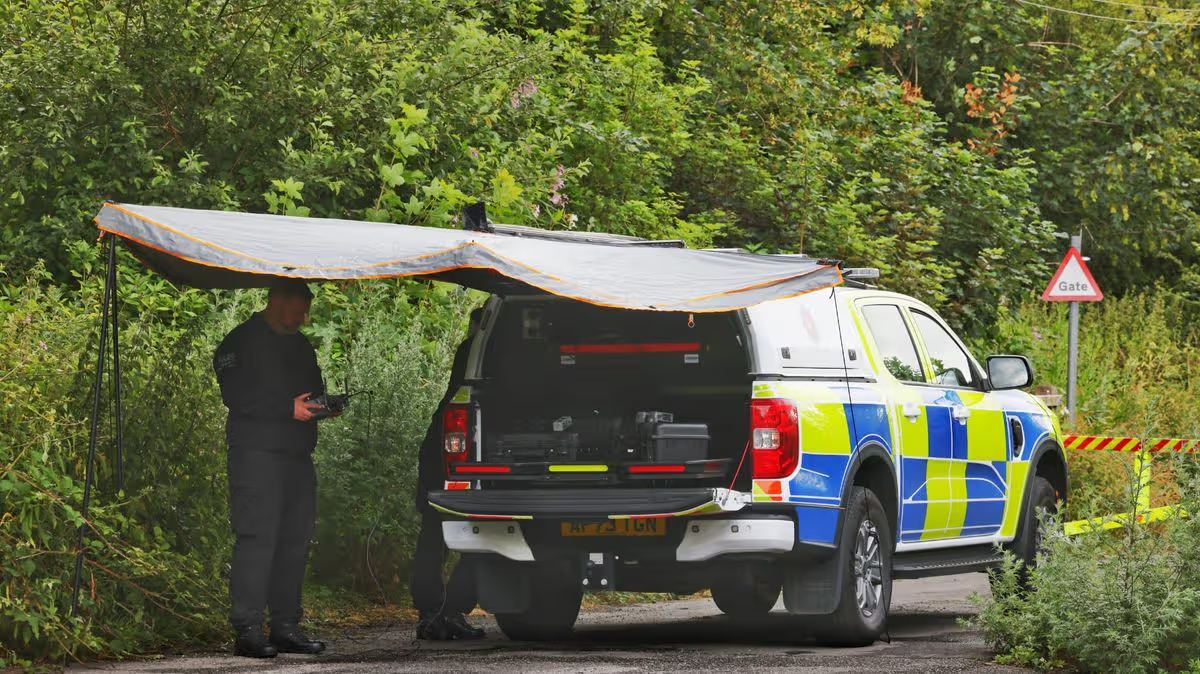
Clifton Country Park incident LIVE with major police scene after ‘boy enters water’

Published

on

Manchester Evening News

Source link

Continue Reading

NewsBeat

World Cup 2026: Iran unlucky losers after missing out on last 32

Published

on

Ramin Rezaeian and Mehdi Taremi of Iran deflated after draw with Egypt at 2026 World Cup

That Iran came as close as they did to progressing remarkable in itself given the unique hurdles they have had to overcome.

Iran have been competing at the World Cup against the backdrop of the country’s conflict with the United States and Israel.

Their World Cup training base was switched from Arizona to Tijuana in Mexico before the tournament began, and they faced travel restrictions throughout.

Iran were only permitted to enter the United States the day before their first two matches and had to leave again on the same day as the game, under the terms of their visas.

Advertisement

Subsequently, Ghalenoei described his side as the “most oppressed” team at the tournament.

He said the squad had been “robbed” of preparation time and given “less than half” the training window it needed, while other teams had enjoyed normal conditions.

Those travel restrictions were eased for the game in Seattle, allowing them to arrive two days early, but they had to return to Tijuana after the match.

After the match, Ghalenoei again expressed his frustration: “To my players and the team, I want to say to them I’m proud of them.

Advertisement

“What these young people, these players have done, it should be written in history because the host country treated us very unfairly.

“Despite all of these problems, we’ve been able to perform well and the world is proud of Iranians and our team.

“I urge Fifa: don’t let hosts treat players and teams the same way in future World Cups.”

Source link

Advertisement
Continue Reading

NewsBeat

Courteney Cox ‘splits up with’ Snow Patrol’s Johnny McDaid after 13 years together

Published

on

Courteney Cox ‘splits up with’ Snow Patrol’s Johnny McDaid after 13 years together

Courteney Cox has separated from her long-term partner, Snow Patrol guitarist Johnny McDaid, according to new reports.

The Friends star began dating the Northern Irish musician back in late 2013, having met at a party.

News of the separation was first reported by the Daily Mail, with People magazine later confirming the claims.

Cox, 62, and McDaid, 49, had not been seen together in public since last year, when they attended the US Open tennis tournament in September.

Advertisement
Courteney Cox and Johnny McDaid at the Hollywood Walk of Fame in February 2023
Courteney Cox and Johnny McDaid at the Hollywood Walk of Fame in February 2023 (Getty Images)

The Independent has contacted representatives of Cox and McDaid for comment.

It was singer-songwriter Ed Sheeran who first brought McDaid into Cox’s orbit, owing to the two musicians being housemates. Speaking to E! News, Sheeran said at the time: “My housemate who I’ve lived with for a year, I introduced him to Courteney Cox. They started dating and [are] crazy about each other.”

In 2019, Cox reflected on her first kiss with McDaid, saying it was the best of her life. “I, actually, was the person who kissed first,” she said. “Ed Sheeran brought him over to my house one Sunday.”

The couple were briefly engaged, just nine months after they met, though called off the engagement in 2015.

They remained separated for six months at the time, with McDaid relocating to England.

Advertisement

“Three years in, we broke up, and it was really intense,” Cox told the Minnie Questions with Minnie Driver podcast in 2024. “We broke up in therapy. I didn’t know it was coming, whether I should have or not. He just broke up within the first minute. And I was like, what? We were engaged, and I was so shocked. I was in so much pain.

“He wasn’t trying to surprise me. He was in that much pain in the relationship,” she continued. “There was that much that needed to be dealt with that he had to protect himself around his heart.”

Courteney Cox and recording artist Johnny McDaid back in 2014
Courteney Cox and recording artist Johnny McDaid back in 2014 (Getty)

They later reconciled, though retained their separate homes, alternating between continents.

Apple TV+ logo

Watch Apple TV+ free for 7 day

New subscribers only. £9.99/mo. after free trial. Plan auto-renews until cancelled.

Advertisement

Try for free

ADVERTISEMENT. If you sign up to this service we will earn commission. This revenue helps to fund journalism across The Independent.

Apple TV+ logo

Watch Apple TV+ free for 7 day

New subscribers only. £9.99/mo. after free trial. Plan auto-renews until cancelled.

Try for free

ADVERTISEMENT. If you sign up to this service we will earn commission. This revenue helps to fund journalism across The Independent.

Advertisement

During the Covid pandemic, the couple were forced to live separating, something that Cox spoke about during a virtual appearance on The Ellen DeGeneres Show. “I just miss his physical touch,” she said. “It’s been hard. This is the longest time.”

Cox was 12 years older than McDaid, and opened up about the age gap in a 2017 interview with NewBeauty. “He’s younger than me and with any other guy that would be the hardest thing in the world,” she said.

Source link

Advertisement
Continue Reading

NewsBeat

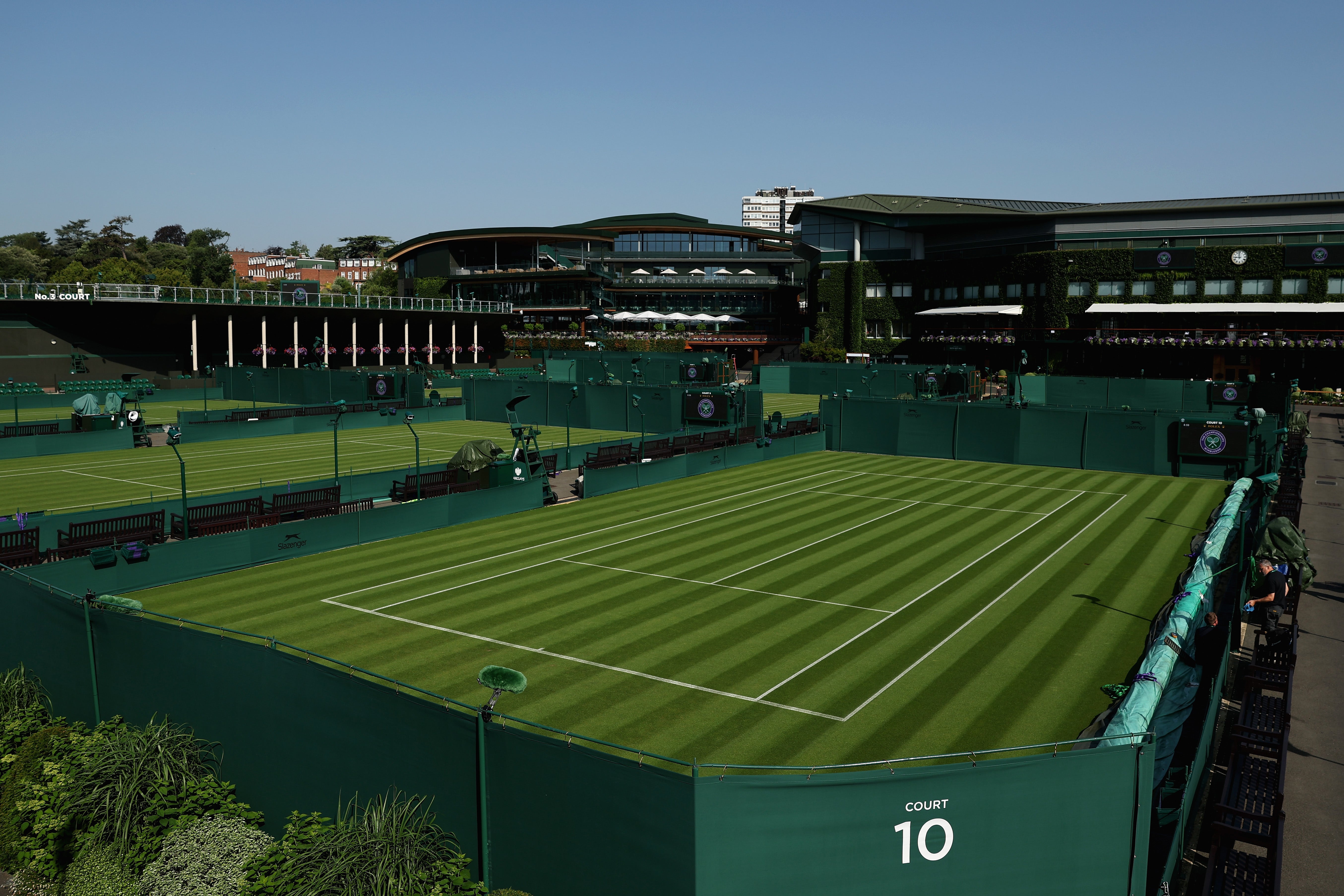
Wimbledon prize money protest explained: What do tennis players want?

Published

on

Wimbledon prize money protest explained: What do tennis players want?

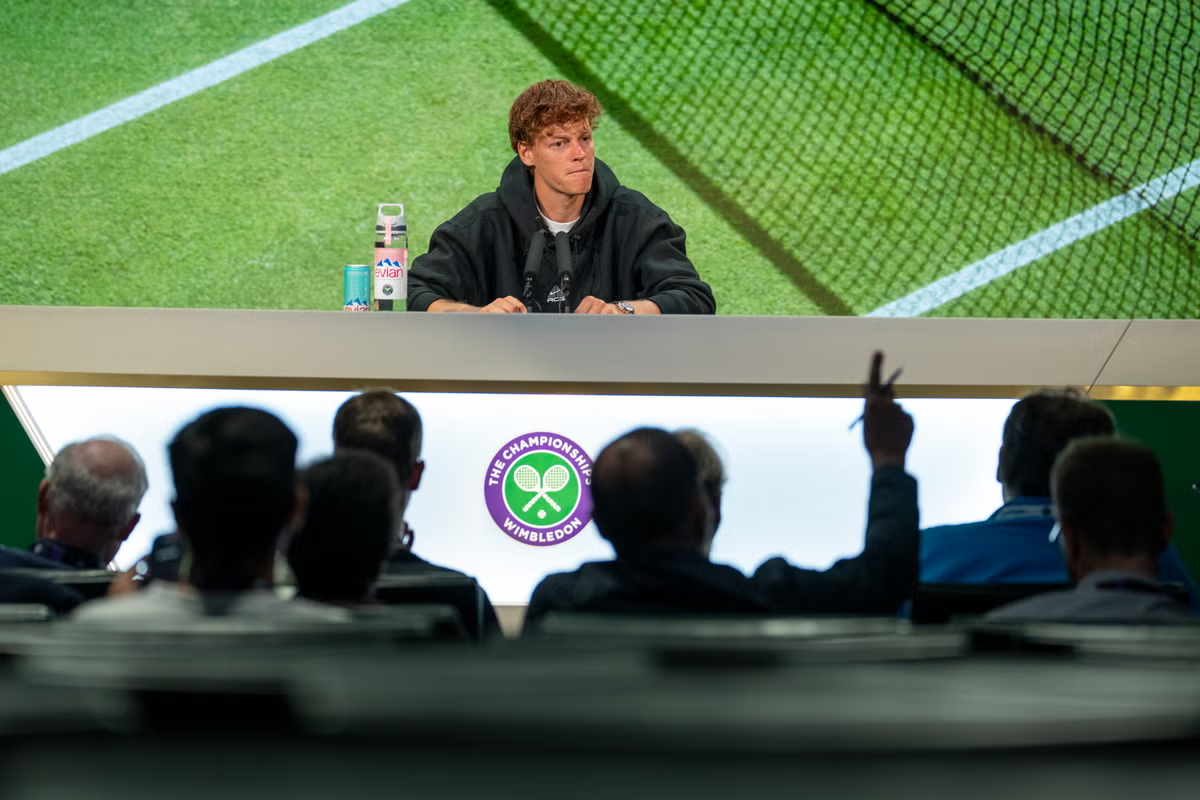
Leading players at Wimbledon will stage a week of protests as the row over prize money at the grand slam tournaments continues.

Top players from the men’s and women’s tours, including defending champions Jannik Sinner and Iga Swiatek, will limit their contractual media commitments to a symbolic 15 minutes per match day during the first week of the tournament. This will include post-match press conferences and interviews with TV rights holders. The action will begin at across the pre-tournament press conferences on Saturday and Sunday.

Earlier this month, the All England Club announced record prize money for this year’s tournament, confirming their biggest ever uplift in prize money and increasing the overall prize pool by 20 per cent. Wimbledon’s prize money now stands at an overall £64.2m; the breakdown of which sees the singles champions win a record £3.6m each and first-round losers receiving £80,000.

Jannik Sinner and Iga Swiatek won £3m each for lifting the singles titles in 2025; prize money for the champion has increased to £3.6m
Jannik Sinner and Iga Swiatek won £3m each for lifting the singles titles in 2025; prize money for the champion has increased to £3.6m (Getty)

The players, who are represented by Larry Scott, the former chief executive of the WTA and an experienced sports administrator, initially welcomed Wimbledon’s announcement as a “genuine and significant step forward” – but it has not stopped collective action. The players’ representatives estimate that their share of Wimbledon’s projected revenues for 2026 stands at 14.4 per cent (hence the 15 minutes), and say that ratio is less than their share from 10 years ago – despite revenues growing over that period.

The players have been pushing for a greater share of revenues for well over a year, and want a revenue-sharing formula to be established and written into any future prize money announcements. The players want their share of revenues at the grand slams to reach 22 per cent, the figure they receive at some events on the ATP and WTA Tours, by 2030, and had written to Wimbledon to propose a 16 per cent cut for this year. That would have seen their prize money increase further, to £71m.

Advertisement

But tying prize money to revenues is not seen as realistic by the grand slams. Speaking earlier this month, Debbie Jevans, chair of the All England Club, said that establishing prize money as a ratio of projected revenues makes “no sense”. Jevans said Wimbledon runs as a not-for-profit, operating differently from Tour events, and has a duty to support the wider infrastructure of British tennis by contributing 90 per cent of surplus funds at the end of the tournament to the Lawn Tennis Association (LTA).

Wimbledon are said to be “surprised and disappointed” by the collective action, are were shocked that the record increase in prize money did not prevent protests from the players.

The grand slams argue that the players’ representatives underestimate the costs of running tournaments and staging important warm-up events. There has also been multi-million-pound investment into player facilities at the All England Club, including the renovation of the Millennium Building this year.

The grand slams argue that the players’ representatives underestimate the costs of operating their tournaments
The grand slams argue that the players’ representatives underestimate the costs of operating their tournaments (Getty)

Additionally, Wimbledon have asked Larry Scott and the players’ representatives for financial records of tour events to understand where the 22 per cent revenue-sharing ratio comes from, but it is understood those details have not yet been provided.

Wimbledon believe they are fully transparent with their financial records and publish them every year. Wimbledon’s revenue last year was £427m and the All England Club account for this to grow by five per cent to around £444.8m this year, based on their previous records.

Advertisement

A spokesperson for the All England Club said: “Wimbledon puts the players at the heart of all our decisions and we invest significantly in them every year. This year’s total prize money fund has increased by 20 per cent to £64.2 million, which is the largest increase in our event’s history.

“This is alongside investing hundreds of millions of pounds in upgrades to our player facilities as part of a three-year transformation to create a world class player performance environment.”

Players ‘reserving all options’ for future strike action

In their demands to the grand slams, the players’ group – which does not include 24-time grand slam champion Novak Djokovic – have also proposed greater contributions to a player welfare fund, the formation of a player council and for more consultation on tournament matters such as scheduling. The world No 1s, Jannik Sinner and Aryna Sabalenka, went on record in calling for more prize money late last season, and many have expressed a desire for a “fairer” share of the revenues they help create. Defending Wimbledon champion Sinner saying the proposals were about “respect”.

Advertisement

The players are advocating for “positive change”, Britain’s Jack Draper told The Independent last year, and have also argued that increasing prize money at grand slams would help support lower-ranked players who can struggle to make a living from tennis given the costs of travelling around the world, but whose existence is vital to the sport’s ecosystem. The prize money for Wimbledon qualifying alone now stands at £6.2m, after a 25 per cent increase this year.

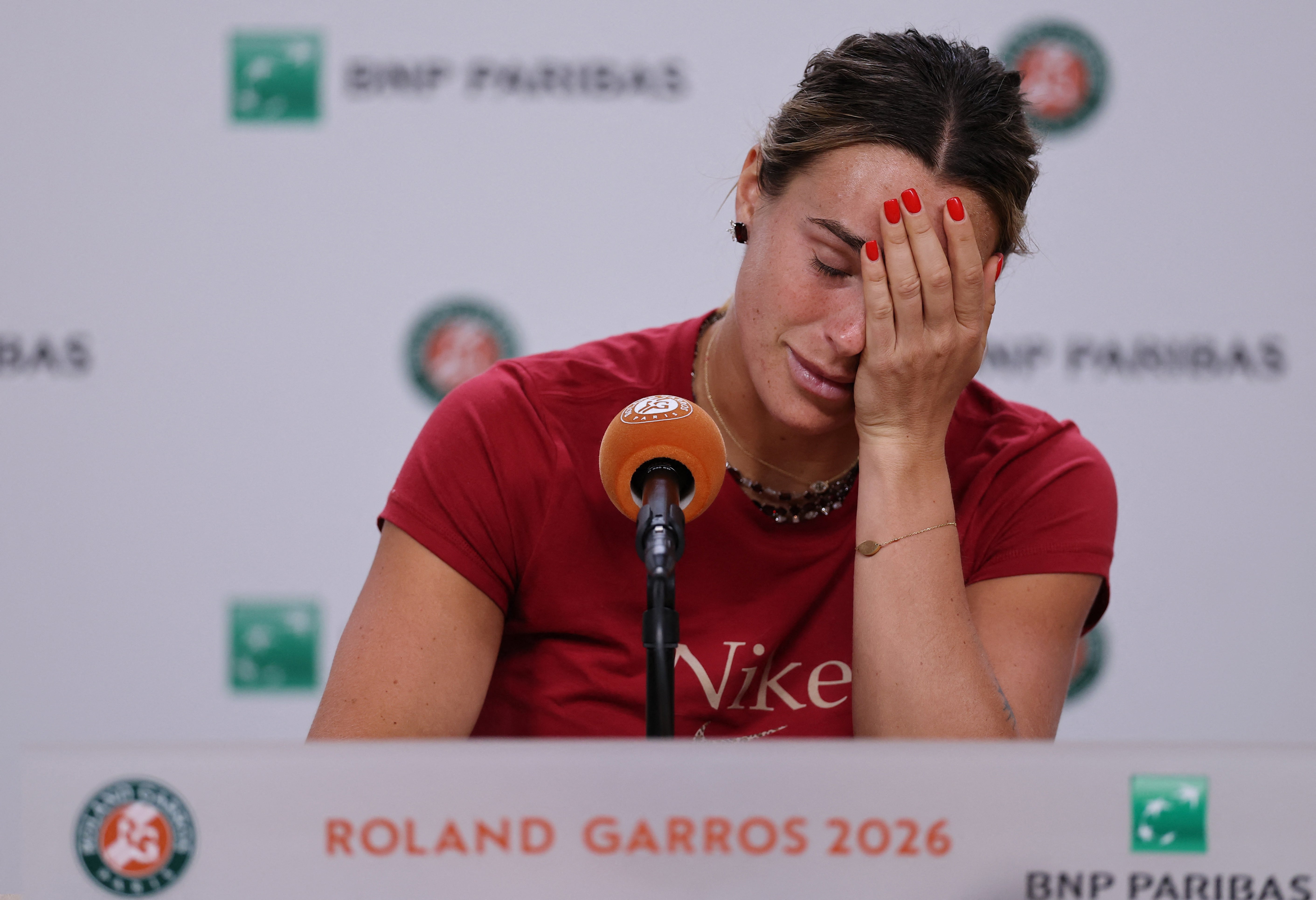
World No 1 Aryna Sabalenka was among the players to stage a media protest before this year’s French Open
World No 1 Aryna Sabalenka was among the players to stage a media protest before this year’s French Open (Reuters)

The players’ representatives also expressed frustration at what they said was “no substantive response from Wimbledon” following their proposals regarding player welfare and the formation of the player council. This claim was swiftly rejected by the All England Club, who proposed establishing a player council late last year and were surprised when an invitation to a meeting at Indian Wells in order to discuss those matters was turned down.

During Wimbledon, the players’ representatives will also hold meetings with both the French Open and US Open. Last month, the players expressed their “deep and collective disappointment” at the prize money on offer at the French Open after organisers announced a 9.5 per cent increase, and the tournament will present their response to the players over the next fortnight. The US Open will also announce their prize money for the 2026 tournament in the coming weeks.

Total prize money at the four grand slam tournaments

*2025 US Open: £66.3m (champions: £3.74m)

2026 Wimbledon: £64.2m (champions: £3.6m)

Advertisement

2026 Australian Open: £55.5m (champions: £2.1m)

2026 Roland Garros: £53.7m (champions: £2.4m)

The expectation from the players’ side is that both tournaments will announce further increases, closer to the 22 per cent share, with the US Open likely to offer record prize money later this summer. But the players have warned they are “reserving all options” when it comes to future strike action. The players’ group are understood to have been angered by the suggestion that creating a revenue-sharing formula is a non-starter.

So what can we expect at Wimbledon? At the French Open, players limited their media appearances only across the pre-tournament press conference, before returning to normal during the first week.

Advertisement

But despite escalating their protests at Wimbledon to the entire first week, the players are still ensuring they remain within the rules.

Players can be fined up to £50,000 if they don’t turn up to press conferences, with the grand slam rule book stating that players are required to participate in interviews before and during the tournament “in order to help drive engagement with the sport”.

Source link

Advertisement
Continue Reading

NewsBeat

Wales breaking news plus weather and traffic updates (Sunday, June 28)

Published

on

Wales Online

BBC weather forecasters have shared their verdict on whether we will experience any more heatwaves in the coming months across Wales and the rest of the UK.

Simon King and Sarah Keith-Lucas, the broadcaster’s lead weather presenters, said that the early forecasters suggest it’s not the last time we’ll see hot weather this summer.

Mr King and Ms Keith-Lucas said the forecasts suggest “an increased chance of heatwaves and heat-related impacts” later in the summer and that “above-average temperatures” are expected for each month of July and August, and “significant bursts” of heat are expected in the UK, and across Europe.

Advertisement

Source link

Continue Reading

Trending

Copyright © 2025