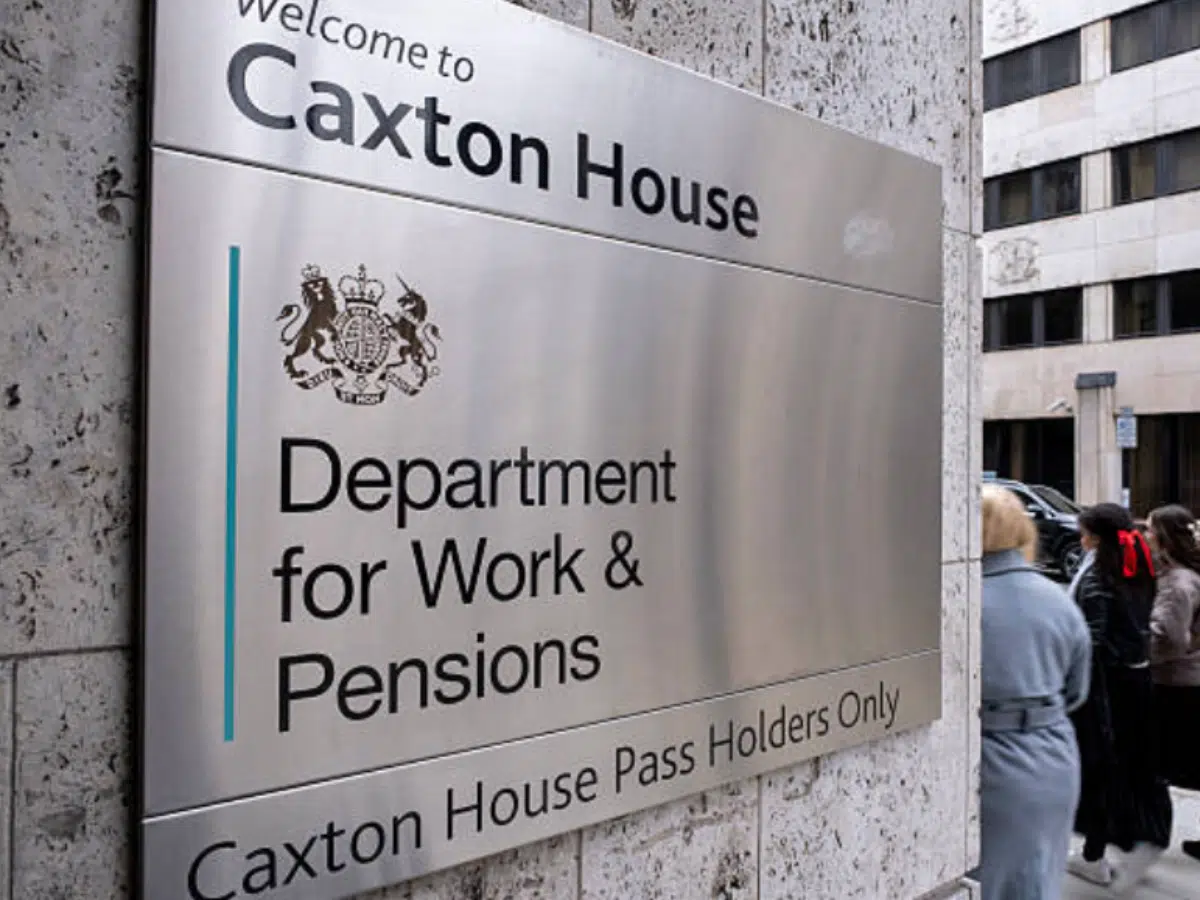
The Department for Work and Pensions (DWP) announced its flagship new “Youth Jobs Grant” scheme in March. It did so alongside a package of new policies to tackle the so-called rise in young people “not in education, employment, or training” (NEET). But now, it has admitted that all is not what it seems.
DWP Youth Jobs Grant
The grant scheme offers employers £3,000 for every young person aged 18-24 they hire who has been claiming universal credit for over six months.
The DWP will issue the grant irrespective of the claimant’s conditionality regime. It means that this could also apply to young disabled people claiming limited capability for work-related activity (LCWRA), who the DWP has assessed as not fit for work.
Alongside its new Youth Jobs Grant, the DWP is also introducing a £2,000 “Apprenticeship Incentive” to encourage small and medium-sized businesses to employ 16-24 year-olds into new apprenticeship roles.
It also announced an expansion to its so-called “Jobs Guarantee“. This will now make the fully funded six-month wage subsidy available to employers hiring young people aged 18 to 24.
However, the Canary’s Rachel Charlton-Dailey has highlighted how the government’s raft of youth employment policies risks coercing young chronically ill and disabled claimants into low-waged and unsuitable work.
Cat out of the bag
Now, in response to a series of parliamentary written questions, the DWP has admitted that the Youth Jobs Grant will “not require employers to demonstrate” that they have hired young people into any roles that wouldn’t have already existed without the new incentive funding.
Independent MP James McMurdock asked “what steps” the DWP “plans to take to help ensure that jobs created through the Youth Jobs Grant are additional to existing positions”.
The answer came amid a lengthy response addressing 14 separate written questions McMurdock had tabled probing the government’s youth employment plans.
On 27 March, DWP minister Andrew Western wrote:
The scheme will not require employers to demonstrate that roles are additional.
Meanwhile, the Institute for Fiscal Studies (IFS) has separately said:
Offering £3,000 to all employers without checking for additionality would result in substantial dead weight.
In particular, it has highlighted how “DWP statistics from 2022–25 show that only 19% of 16- to 24-year-olds on UC who have been unemployed for 6 months are still on the benefit 18 months later”.
It said this “implies that the majority are likely to find work even in the absence of wage subsidies”.
Barriers to employment
Disabled young people face significantly greater barriers to employment, so the grant’s lack of an additionality requirement could fail to ensure employers offer accessible roles for 18-24 year-olds well enough to work and/or not in the LCWRA group.
Western told McMurdock that the DWP would pay the grant in “staged instalments”. The department has yet to specify what these will be. It also hasn’t confirmed the length of time these instalments will span in total.
But Western admitted that the government isn’t planning to place any minimum retention requirements on employers for the grant.
He said that the staged instalments would “encourage sustained employment during the early months without requiring a formal retention period”.
Elsewhere in the response, he stated that the scheme’s “purpose is to reduce the barriers young people face when entering the labour market”.
According to Western, the grant aims to do that “by helping employers with the early costs of recruitment and training, rather than placing conditions on wider staffing decisions and how long an employer must retain someone”.
The revelations call into question the government’s claims that its new package of employment policies will create 200,000 new jobs for young people.
More DWP nonsense?
The DWP anticipates that the Jobs Guarantee and the Youth Jobs Grant will create 30,000 and 20,000 new job roles for young people respectively. However, the IFS has said that in tandem, even if these are additional, the policies will “directly benefit a small percentage of the almost 1 million 16- to 24-year-olds who are NEET”.
Now, Western’s response has confirmed that the DWP can’t guarantee these will be genuinely additional.
The government has been citing its programme of employment support, including these employer incentives, to justify widespread cuts to welfare.
From 6 April, DWP will slash the universal credit health element in half for new claimants.
The cut exempts existing claimants, those who meet the department’s “severe conditions criteria”, and those who are terminally ill.
In its Pathways to Work green paper, the government also floated plans to restrict the health element of universal credit to over 22s. It has yet to make a decision on the proposal.
However, in November work and pensions secretary Pat McFadden referred to former Labour health secretary Alan Milburn’s “independent” investigation into Young People and Work.
He said that he did not “want to make a decision” on the minimum age requirement proposal until Milburn had looked at “the whole issue of young people, sickness, unemployment and work”.
The inquiry’s terms of reference show that it will solely target chronically ill and disabled claimants.



















































You must be logged in to post a comment Login