TL;DR
TikTok settled with a Florida teen ahead of the second bellwether social media addiction trial, leaving Meta and Snap as the remaining defendants.




TikTok settled with a Florida teen ahead of the second bellwether social media addiction trial, leaving Meta and Snap as the remaining defendants.
TikTok has reached a confidential settlement with a Florida teenager who accused the platform of contributing to his mental health problems, removing itself from a jury trial scheduled to begin on July 27 in Los Angeles. The deal, first reported by Bloomberg on Tuesday, makes TikTok the second defendant to exit the case in recent weeks. YouTube settled with the same plaintiff last week.
The plaintiff, a 15-year-old boy identified in court filings by his initials, accuses Meta, YouTube, TikTok, and Snap of designing their platforms to be addictive through features such as infinite scroll and autoplay. He has been using social media since he was eight years old, according to his attorneys. He has been diagnosed with generalized anxiety disorder and major depressive disorder tied to his social media use, and began seeing therapists in 2023 for those conditions, including suicidal ideation.
With TikTok and YouTube now out, Meta and Snap are the only defendants still facing the jury. Snap CEO Evan Spiegel, who was removed from the witness list after Snap settled a previous case, could testify in court for the first time in this trial. Judge Carolyn Kuhl, who presided over the first bellwether, will also oversee this one.

The 💜 of EU tech
The latest rumblings from the EU tech scene, a story from our wise ol’ founder Boris, and some questionable AI art. It’s free, every week, in your inbox. Sign up now!
The settlement follows a pattern TikTok has now repeated twice. The company also settled the first bellwether case before it went to trial earlier this year, alongside Snap. That first case ended in March with a jury finding Meta and Google liable and awarding six million dollars in damages, the first social media addiction case to reach a verdict.
The platforms are facing thousands of similar complaints. More than 10,000 individual cases and nearly 800 school-district claims are pending in federal multidistrict litigation. The bellwether structure exists because trying them one by one would take decades, so early verdicts and settlements set the terms on which the rest get valued.
The plaintiff’s attorneys said the July case will offer a distinct perspective from the first trial, which centred on a young woman. “The impacts on a male and on somebody who’s a minor currently involve different circumstances and things for the jury to evaluate,” attorney Rahul Ravipudi told NBC News. His legal team plans to call some of the same major witnesses who testified previously, where Mark Zuckerberg and Instagram head Adam Mosseri both took the stand.
The school-district track of the litigation has been moving in the same direction. Snap, YouTube, and TikTok settled one school bellwether before trial, and Meta later settled the Kentucky case that would have been the first school-district trial over youth mental health. Companies that settle disclose nothing, while those that go to trial risk a number on a verdict form that becomes a reference point for every case that follows.
Meta now heads into its second consecutive trial as the company that has most consistently refused to settle. The July 27 trial in Los Angeles will test whether a second jury reaches the same conclusion as the first, and whether two verdicts create enough pressure to change the calculus for the thousands of cases still waiting.

The winners of the 2026 iPhone Photography Awards have been announced, with many of them taken using older iPhones, including an iPhone 8 Plus.
The 2026 IPPA winners were announced after entries from more than 140 countries were submitted. Four overall winners were announced, ranging from Grand Prix to Bronze.
Category winners, runners-up, and honorable mentions were also shared, giving us a wider look at the quality of images that were submitted this year.
The overall winner was Robyn Jenson, who used an iPhone 15 Pro to capture a stunning shot of an erupting volcano. Gold went to Gellert Gombai, whose grayscale shot of two children was taken on an aging iPhone X.

Some winners were more colorful than others – image credit iPhone Photography Awards
Arnold Plotnick captured a cat on an iPhone 16 Pro for silver, while Catherine Wang used an iPhone 16 Pro Max to capture a shot of colorful melons and a bird.
Gombai’s iPhone X wasn’t the only older iPhone to steal the show, either. Barry Mayes used an iPhone 8 Plus to win the “Abstract” category. That phone was released alongside the iPhone X in 2017.
Moving through the list of runners-up and honorable mentions included an even older iPhone. Diego Schutt used an iPhone 7 Plus, while an iPhone 6s and iPhone 6 Plus also made an appearance elsewhere.
While the majority of the category-winners used more modern phones, it’s impressive that older models are still producing such stunning photos. It may also highlight just how small recent iPhone camera upgrades have been.
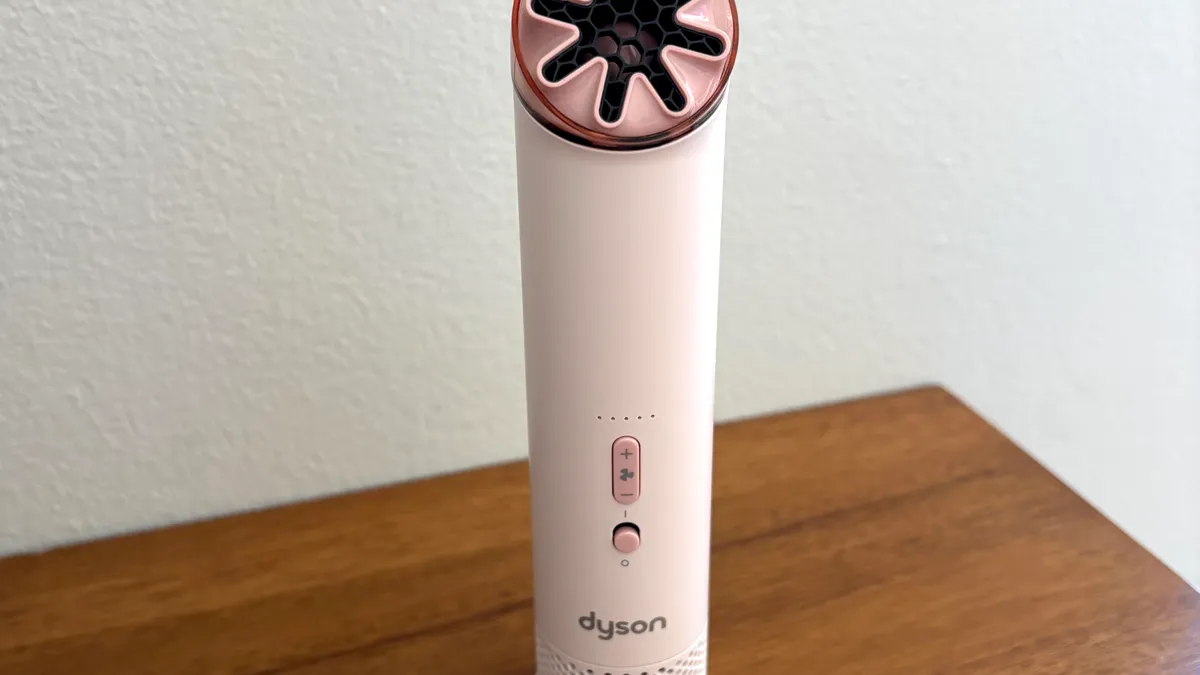
While Dyson’s new HushJet Mini Cool fan reaches 55 mph and has a slim design, there are some drawbacks.
During hot yoga in a 110-degree Fahrenheit room where hot air is blowing on my face, I often dream of having something, anything, to cool me down. Lately, I’ve been picturing the HushJet Mini Cool, Dyson’s first personal handheld fan, at the top of my yoga mat during particularly sweaty moments.
As CNET’s wellness editor, I’ve had the opportunity to test a wide array of health tech, including the HushJet Mini Cool alongside other handheld fans, such as the Shark ChillPill and BlueAir’s AlwaysCool. Unlike the ChillPill, which is a three-in-one device with a fan, cooling plate and water mister, the Mini Cool is simply a fan, but it’s a powerful one.
With four speeds and a boost mode, the HushJet Mini Cool’s bladeless fan can reach 55 mph. And yes, it does feel like a powerful fan despite being 1.5 inches in diameter, 7.9 inches tall and weighing 0.46 pounds.
Interestingly, the 1.5-inch diameter is about the size of a watch face.
Dyson’s Supersonic hair dryer and PencilVac cordless vacuum have the same diameter as the HushJet Mini Cool.
Similar to the Shark ChillPill, the Mini Cool can be used in three ways: held in your hand, worn around your neck with the included matching lanyard (which the company calls a “neck dock”) or placed upright on a tabletop. The Mini Cool’s nozzle also rotates 360 degrees, so when you wear it, you can tilt it up toward your face.
I especially appreciate that the Mini Cool comes with the lanyard, as the ChillPill accessories are sold separately for $10 to $40. The ChillPill crossbody strap, for instance, is $25.
This summer, Dyson will also release a grip clip for jackets and bag straps, and a universal mount that can attach to strollers and more, both sold separately. No word on price yet, but I’m hoping they’ll be more affordable than the ChillPill add-ons.
The last accessory that comes with the Mini Cool is a travel pouch, which I prefer over Shark’s because it fits the entire device. The ChillPill’s pouch only fits two of its attachments.
Speaking of travel, the HushJet Mini Cool has a lithium-ion battery. The US Transportation Security Administration reports that lithium-ion batteries should be carried in carry-on luggage, so you can bring the Mini Cool on your next vacation. Just double-check your airline’s rules before you fly.
With the included lanyard, you can wear the HushJet Mini Cool around your neck and rotate its nozzle to tilt up toward your face.
The Mini Cool’s 5,000-mAh battery charges in 3 hours with the included cable and stand. The stand fits around the 40-watt HushJet Mini Cool’s base and has an indent that allows the cable to connect to the fan seamlessly.
Once charged, the Dyson HushJet Mini Cool runs for up to six hours on speed 1, its lowest setting. That’s also the only speed that can be used while the device is charging, so you can keep cool without interruption.
On low speed, the 15-watt ChillPill’s fan runs up to 11 hours, five more than the Mini Cool. But the ChillPill does take 30 minutes longer to charge and is less powerful.
The indent in the charging stand allows you to easily connect the charging cable — a thoughtful touch.
To reduce noise, the Mini Cool’s 65,000 revolutions per minute motor was engineered with an antivibration rubber mount.
Dyson reports the max noise level as 72.5 A-weighted decibels, but when I measured it in boost mode with the Decibel X app, about 2 inches from the device, my reading was 77.5 dBA. At speed 10, the ChillPill was 74.6 dBA.
For reference, according to the American Speech-Language-Hearing Association, the noise from a group conversation or a vacuum cleaner is around 70 dBA, so both the Mini Cool and ChilPill are pretty loud at their highest setting.
Anecdotally, I found the HushJet Mini Cool to be loud at speed 5 and in boost mode, so I would recommend the lower settings for shared indoor spaces.
Controls are easy to use with an on/off switch and five speeds, plus boost mode when you hold down the plus button on speed 5.
The HushJet Mini Cool comes in three colors: pink, blue and red/light blue. The ChillPill offers eight colors: red, rose gold, purple, black, pink, green, brown and teal, so it has the Mini Cool beat there.
Now, the price. Dyson’s HushJet Mini Cool is $100, which isn’t cheap, but it’s still $50 less than the ChillPill. Both come with a two-year limited warranty.
Between the Mini Cool and ChillPill, I’d recommend the ChillPill if you want two added features: a mister and a cooling plate. But if you just want a fan, the Dyson model is the way to go.
Yet, there are more affordable options on the market, such as the 38-mph JisuLife Ultra2 for $76 and the Pro1 Mini for $63, which I’m currently testing. They’re less powerful, but I’m not sure that matters as long as they still help keep you cool.
The travel pouch fits the entire device, unlike the ChillPill’s.
|
Specs |
Shark ChillPill |
Dyson HushJet Mini Cool |
|---|---|---|
|
Price |
$150 |
$100 |
|
Core functions |
Fan, misting, cooling plate |
Fan |
|
Max airflow |
Up to 17 mph |
Up to 55 mph (boost mode) |
|
Max sound level (dBA) |
74.6 |
77.5 |
|
Wattage |
15 |
40 |
|
Battery life (low speed) |
Up to 11 hours |
Up to 6 hours |
|
Charge time (hours) |
3.5 |
3 |
|
Weight (pounds) |
0.77 |
0.46 |
|
Colors available |
8 |
3 |


— Hrishikesh Aradhye has joined Amazon Music as vice president of product and tech for the streaming service. He spent nearly 19 years at Google, most recently as senior director of engineering leading YouTube Music and Podcasts.
“The music industry is going through a tectonic shift that will unlock entirely new kinds of customer experiences through AI,” Aradhye said.
Earlier in his tenure there, he worked at Google Research, where he helped pioneer computer vision and machine learning systems for YouTube and Android.

— Vasu Jakkal is stepping down after six years as Microsoft‘s corporate vice president of Security, Compliance, Identity, Management & Privacy. She thanked colleagues and customers in a LinkedIn post.
“It’s been an epic journey — six years ago, we formed our Security customer solution area and the growth and impact of Microsoft Security over these past years has been incredible as we built the #1 security business in the world while keeping our mission of building a safer world for all at the heart of it,” Jakkal wrote.
Jakkal is based in the San Francisco Bay Area and previously held executive roles at FireEye and Intel. She did not indicate her next move.

— Mika Yamamoto was named chief marketing and customer AI officer for Veeam Software, a Seattle-based data protection and ransomware recovery company. It’s the latest in a string of leadership changes at Veeam, which has made four other executive hires or promotions this year.
Yamamoto previously worked for Seattle-area companies including F5, Microsoft and SAP, and joined Veeam from Los Angeles-based Blackline.
“She has experienced this industry from every angle — analyst, operator, executive leader — and has consistently put the customer and partner at the center of how companies operate,” CEO Anand Eswaran said in a statement.
— In case you missed it, Microsoft has undergone a leadership shakeup within Copilot as the company works to turn its platform into a “super app.” Changes include:

— Seattle-based tech executive Niranjan Vijayaragavan has taken the role of CTO at Five9, a cloud-based contact-center-as-a-service company. He joins Five9 from Nintex, where he served as chief product and technology officer. Other past employers include Avalara and Expedia Group.
“Five9 is at the center of one of the most important shifts in customer experience as AI reshapes how companies engage with their customers,” Vijayaragavan said in a statement. The company is based in San Ramon, Calif., but Vijayaragavan will remain in Washington.

— Maura Mast was appointed president of Seattle University, succeeding Eduardo M. Peñalver, who resigned to lead Georgetown University. Mast is the first woman and first mathematician to hold the top role at the Jesuit Catholic university.
“Our world urgently needs spaces of dialogue and discernment that actively work to heal deep divisions and build a more equitable society,” Mast said in a statement, adding that SU can lead in these areas.
Mast will begin the job on Sept. 1 and joins SU from Fordham University, where she served as a dean and mathematics professor.

— The Cascadia Sustainable Aviation Accelerator named Jake Gentry as its executive director. Gentry helped create CSAA, which aims to make the Pacific Northwest a center for the production of sustainable aviation fuel (SAF). He remains a managing director at Seattle’s Earth Finance and is leading the accelerator as part of that organization.
Hawaiian Airlines CEO Diana Birkett-Rakow praised Gentry’s appointment, saying in a statement that he has “the right combination of strategic depth, execution orientation, coalition-building instincts, and commitment to the work.”
Gentry previously held sustainability leadership roles with companies including Point B and Boeing.
— Seattle’s F5 has added Gavin Munroe to its board of directors, where he will serve on the audit and risk committees. Munroe has decades of experience in financial services and most recently was chief information officer and transformation head at Commonwealth Bank of Australia.
— Harini Gokul, a former leader at Microsoft and AWS and past chief customer officer at Entrust, has joined the board of Afiniti. The company builds AI software for call centers that aims to match customers with the appropriate agent. Gokul also serves on the Medina City Council.
— Safe Software, a data and AI enterprise integration platform based in Surrey, British Columbia, has named Nabil Lodey vice president of Europe, the Middle East and Africa. Lodey will help lead the company’s expansion in the UK and Ireland.
— Allison Gruber is now VP and leader of Portland-based Cambia Health Foundation. She previously oversaw Cambia Health Solutions’ Strategy and Innovation team, where she led data-driven strategy initiatives.
— And some more folks are retiring from Microsoft, in addition to those featured Tuesday in a GeekWire story on the company’s first-ever voluntary retirement program:
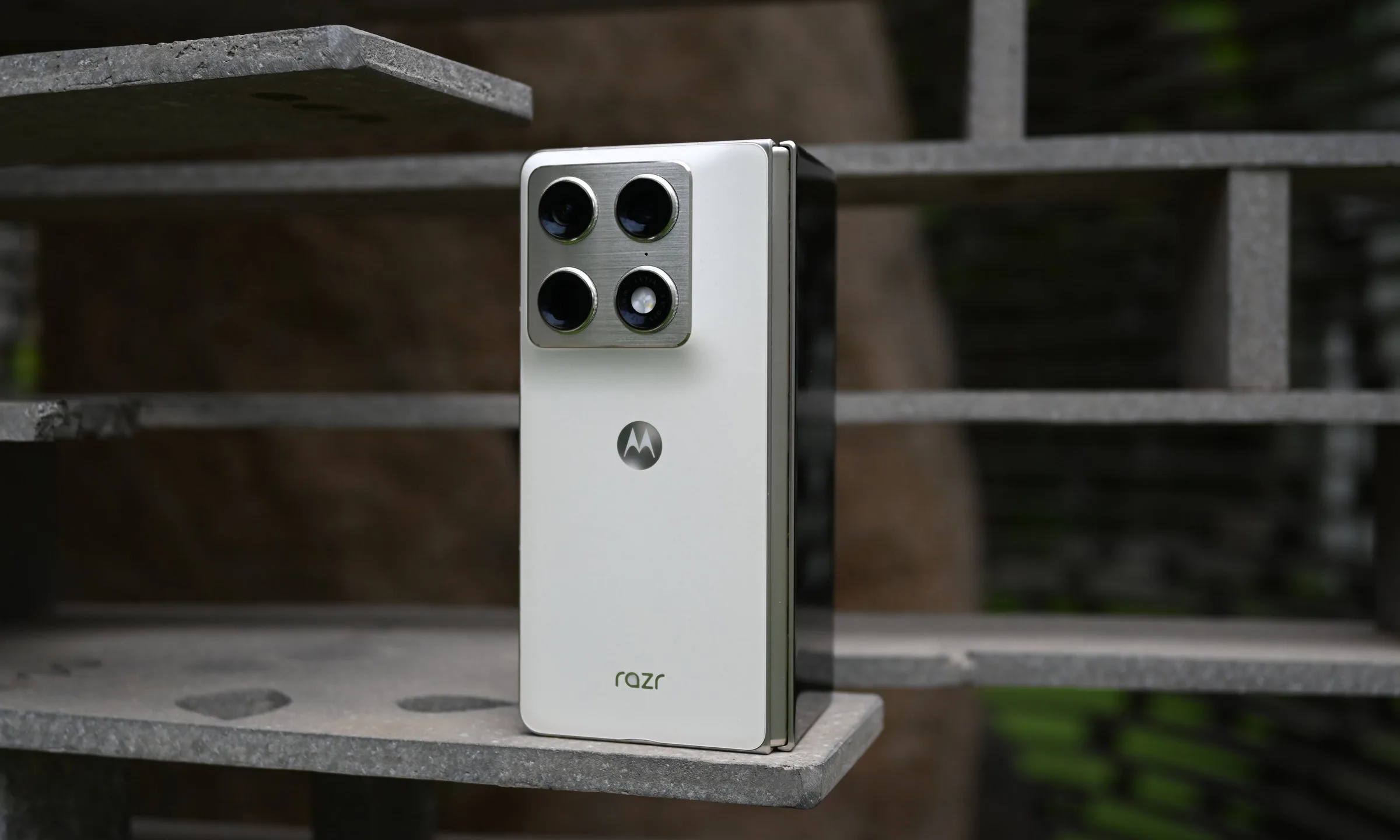
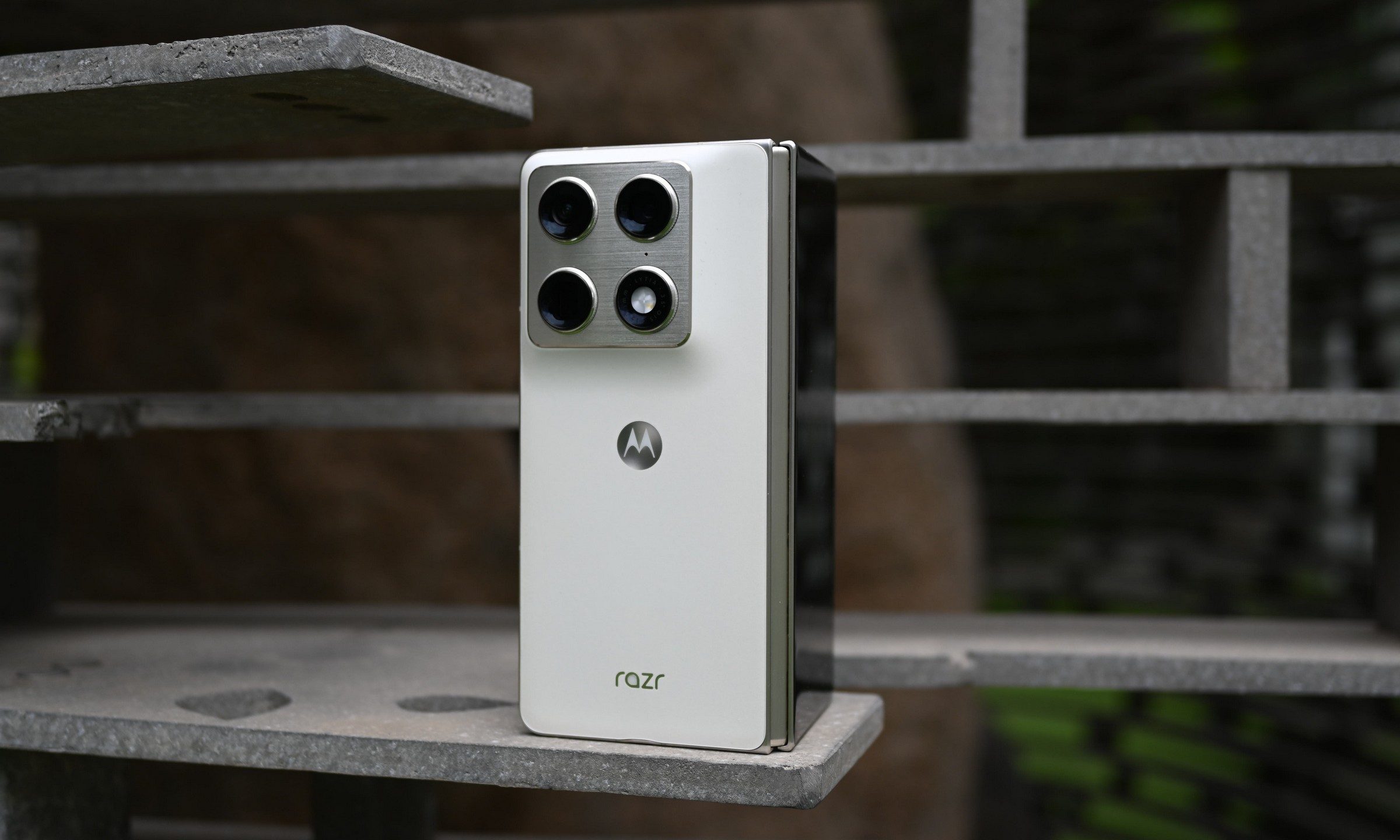
I already had more reasons than expected to keep the Motorola Razr Fold around. While reviewing it, the company’s first foldable genuinely surprised me with its level of polish. A practical outer display, great cameras, strong battery life, and a gorgeous folding screen. All of this made me want to switch to this device as my primary phone.
Now Motorola has added one more reason, and it’s just sweetening the deal for me. The Motorola Razr Fold now supports AirDrop-style sharing through Android’s Quick Share, making it the first Motorola phone to get the feature. That means Razr Fold users can share files directly with Apple devices such as iPhones, iPads, and Macs without relying on cloud links, messaging apps, USB cables, or the usual cross-platform nonsense.
Android users do not need every Apple feature. AirDrop, though, has always been one of the annoyingly good ones. It is fast, simple, local, and familiar to people who own Apple devices. The problem is that Android users have long had to work around it. You could upload a file to Google Drive, send it through WhatsApp, compress it over a messaging app, email it like it is 2014, or grab a cable and hate yourself a little.
Quick Share with AirDrop support fixes that. On supported Android phones, you can share locally through Quick Share, while the Apple device receives the file through AirDrop. This was first noticed by Android Authority, who confirmed the feature was working on the Razr Fold with a MacBook.

The Razr Fold is not a cheap phone. It is Motorola’s biggest swing at a proper book-style foldable, so it needs more than interesting hardware to justify itself as a daily driver–and this is one of the features that genuinely helps. A foldable is often used as a mini-tablet for editing, reviewing photos, reading documents, multitasking, and handling work files. If you are moving photos from the phone to a MacBook, sending documents to an iPad, or sharing media with an iPhone user nearby, AirDrop support makes the Razr Fold feel far less isolated from the Apple devices around it.
Hopefully, this function rolls out to other recent Motorola phones as well. Other Android brands already have supported models, including Google, Samsung, OnePlus, Oppo, Honor, Vivo, and Xiaomi devices. I already liked the Razr Fold more than I expected, and now, the case for making it my daily driver just got a lot stronger.
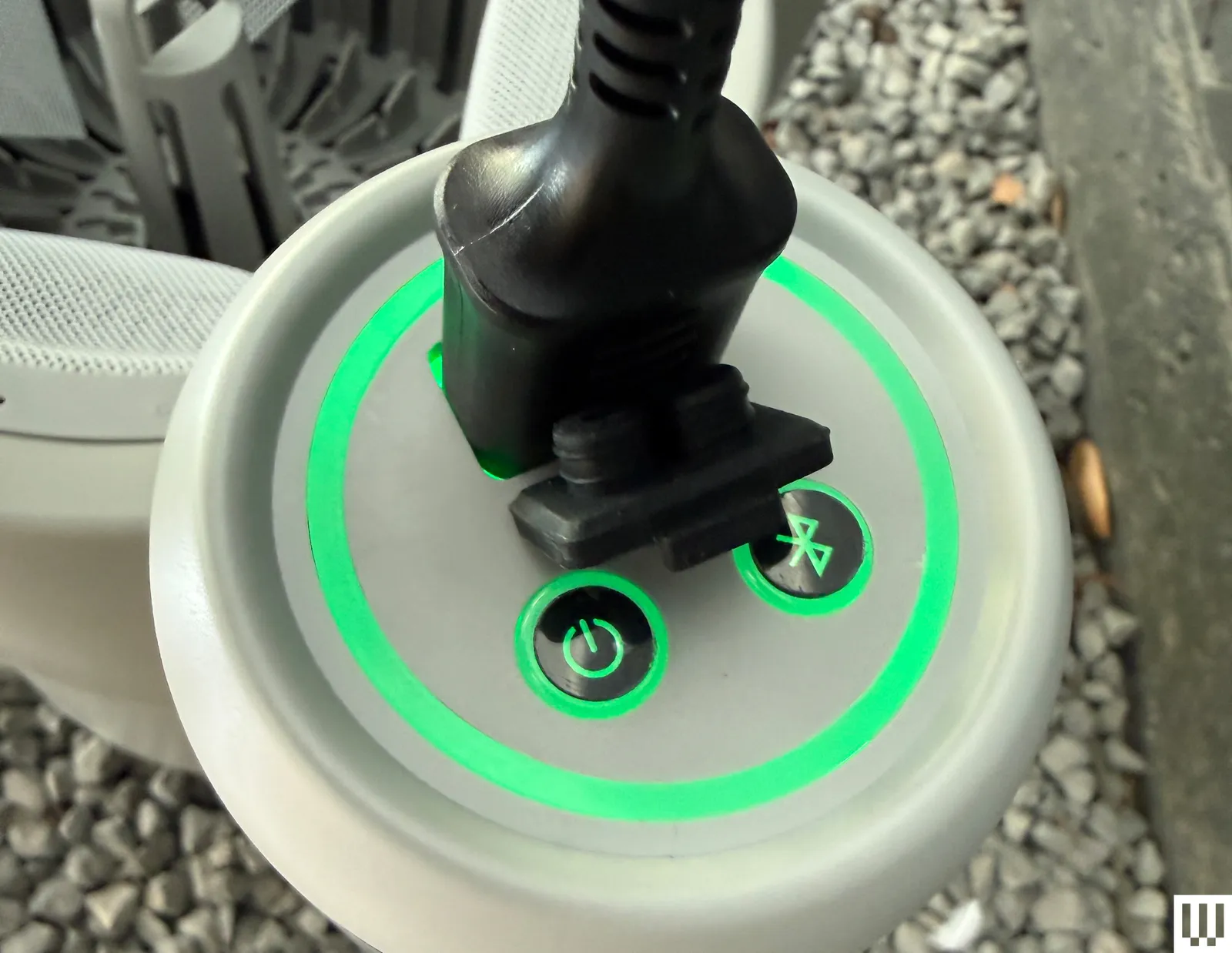
Surrounding the cylinder are four arms that help the device float and stay upright. One of the arms contains the power port and on/off button, plus a Bluetooth button used to initiate pairing with the Bublue mobile app. The only additional component is a mesh filter that sits underneath the filter basket. This filter, in turn, is held inside a circular frame, which holds it in place. All told, there are five pieces to the device, a fact that will become more important later when I discuss cleanup.
Put together, the robot is quite tall, needing a full 1.5 feet of water depth in which to operate.
Your first order of business with the BuVortex V5 is to charge its 7800 mAh battery, as—and this is essential—the unit has no solar-power charging function, a standard feature on traditional pool skimmer robots. The unit takes a sizable four hours to charge and is specified to run for three. I got close to four hours of runtime during my testing.
Photograph: Christopher Null

The lack of solar power alone may be something of a deal-breaker for most. (It is for me, at least.) When I use a pool skimmer, I typically drop it in the pool and have it run for a week or more, letting it sleep overnight when the battery is drained and firing it up again in the morning when the sun is out. The beauty of solar power on a skimmer is that you don’t have to think about it. I can’t remember the last time I plugged mine in. The only time I take the skimmer out of the pool is to periodically clean it.
Even with four hours of running time, operationally, the device makes little sense. Imagine the occasions when you need a skimmer the most—during the fall, especially, when leaves are continually falling. Four hours of skimming won’t put a dent in a day’s worth of debris landing on the surface of your pool, and even if you dutifully retrieve the robot, recharge it, and run it a second time, you’re still accounting for only a third of a 24-hour period. While no skimmer is perfect, with the BuVortex, there’s just no way to prevent most leaves from ending up on the floor of the pool or, at best, in a wall skimmer.

IEEE Spectrum argues that orbital data centers remain far from economically or technically practical despite Elon Musk’s prediction that space will become the cheapest place to run AI within a few years. Deploying SpaceX’s proposed million-satellite constellation would require enormous increases in launch and manufacturing capacity, while cooling, radiation, maintenance, latency, orbital debris, and astronomical interference present major unresolved obstacles. Longtime Slashdot reader xetdog shares the report: Consider this: There are roughly 14,500 active satellites in orbit. Musk’s Starlink constellation accounts for about two thirds of those. Both the launch cadences and satellite-manufacturing capacity would have to scale up astronomically to deploy a million orbital data center satellites. For context, there have been roughly 7,000 orbital launches in all of human history. To loft 1 million satellites into low Earth orbit on SpaceX’s Starship, which is designed to carry up to 60 satellites per vehicle, would require 16,666 launches exclusively devoted to satellite deployments. Considering that SpaceX launched a record 165 orbital missions in 2025, even at 10 times that cadence, it would take a decade. And how long would it take to build 1 million satellites, given Starlink’s current pace of around 4,000 per year and a generous tenfold increase in capacity? Short of a manufacturing revolution, try 25 years. Dissipating heat in space also requires enormous radiators. As IEEE Spectrum editor Dina Genkina noted, startup Starcloud has sent only one Nvidia H100 GPU into orbit, and “their radiator was too weak to let the chip run at full power.” A single 700-watt H100 would require about 1.4 square meters of radiator area, while a 100-megawatt data center could need 2,500 radiators measuring 80 square meters each.
So, why are the hyperscalers hyping orbital data centers? Answer: because it’s lucrative. “The Elon Musk part of it is honestly genius because he’s got xAI building the data centers, SpaceX sending them to space, and Tesla building solar panels,” Genkina says. “It’s almost like he’s paying himself.”
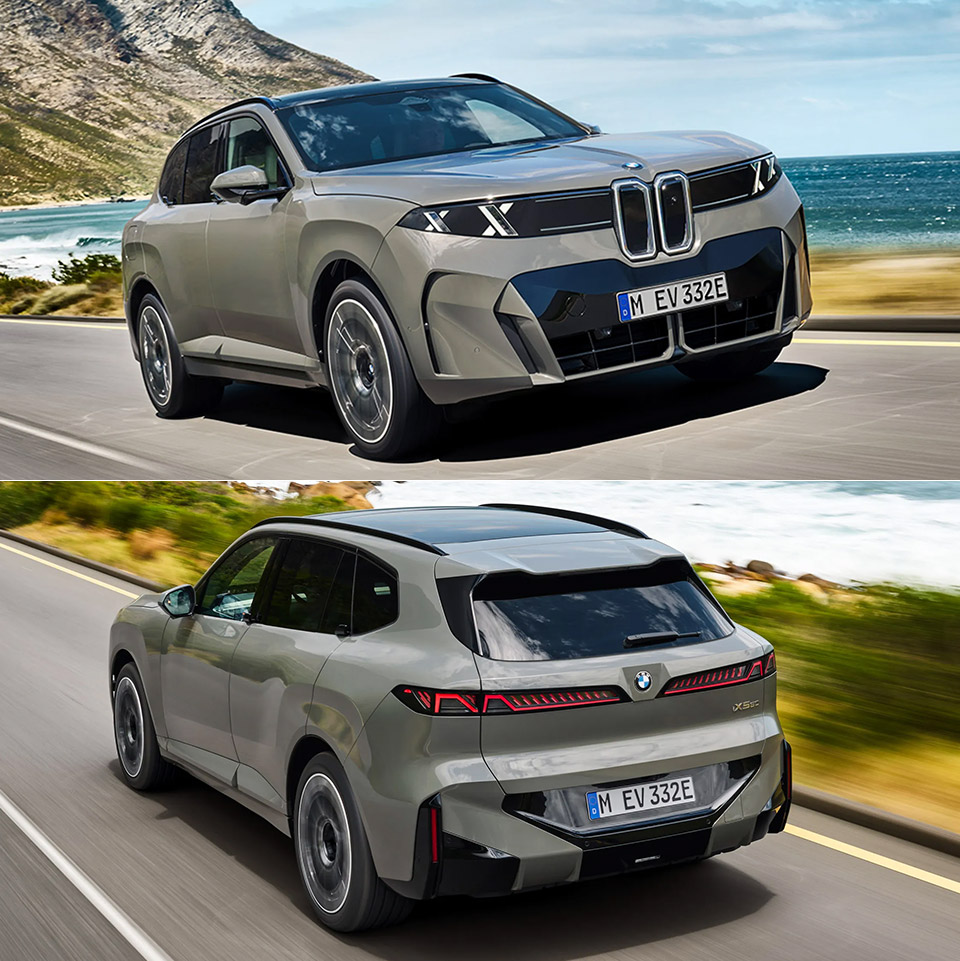
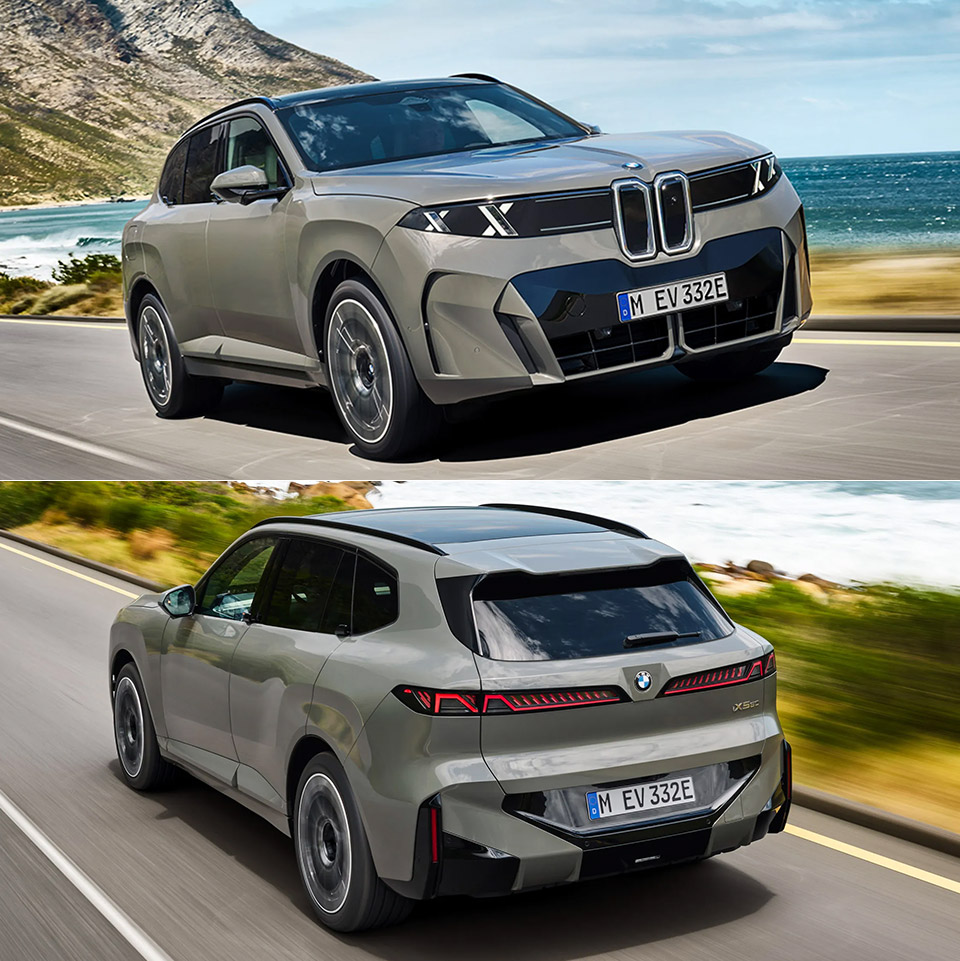
BMW revealed the fifth generation of its X5 at the Spartanburg plant in South Carolina, the same facility that builds these vehicles for markets around the world. The new model keeps the core formula that turned the original X5 into the vehicle that defined the premium Sports Activity Vehicle segment back in 1999, yet it arrives with cleaner surfaces, new lighting details, and a broader set of powertrain choices than any X5 before it.
Clean surfaces and a more vertical front end give the new X5 a more edgy appearance, while still looking unmistakably like an X5. The vertical grilles now light up not only at night, but also throughout the day as part of the Iconic Glow feature. A revolutionary double-X lighting signature combines low beams, daytime running lights, side markers, and turn signals into a single slim device that can also modify its pattern. The iX5 electric does not have the lower air intakes featured on gas variants, resulting in a smoother, more electric-centric front end.
Sale

The usual door handles on the side of the car have been replaced by BMW Winglets integrated directly into the B and C pillars. A simple tap on the sensor opens the door. Holding the button for more than a second causes it to lock tightly. Soft-close is offered as standard, while full-powered doors are available as an option. You also get hidden window seals for flush glass surfaces, sharp wheel arches, and standard matte black side skirts to give the car a rooted, solid appearance. The wheels begin at 21 inches with staggered tire sizes and increase to 23 inches for the first time on an X5. The rear end is large, with flared arches that emphasize the car’s width and power. Slim taillights run across the back and carry their own version of the double-X symbol, while the one-piece tailgate keeps the rear neat. On launch day, there are eleven new exterior colours to pick from, some of which are totally new, with certain BMW Individual finishes arriving later.
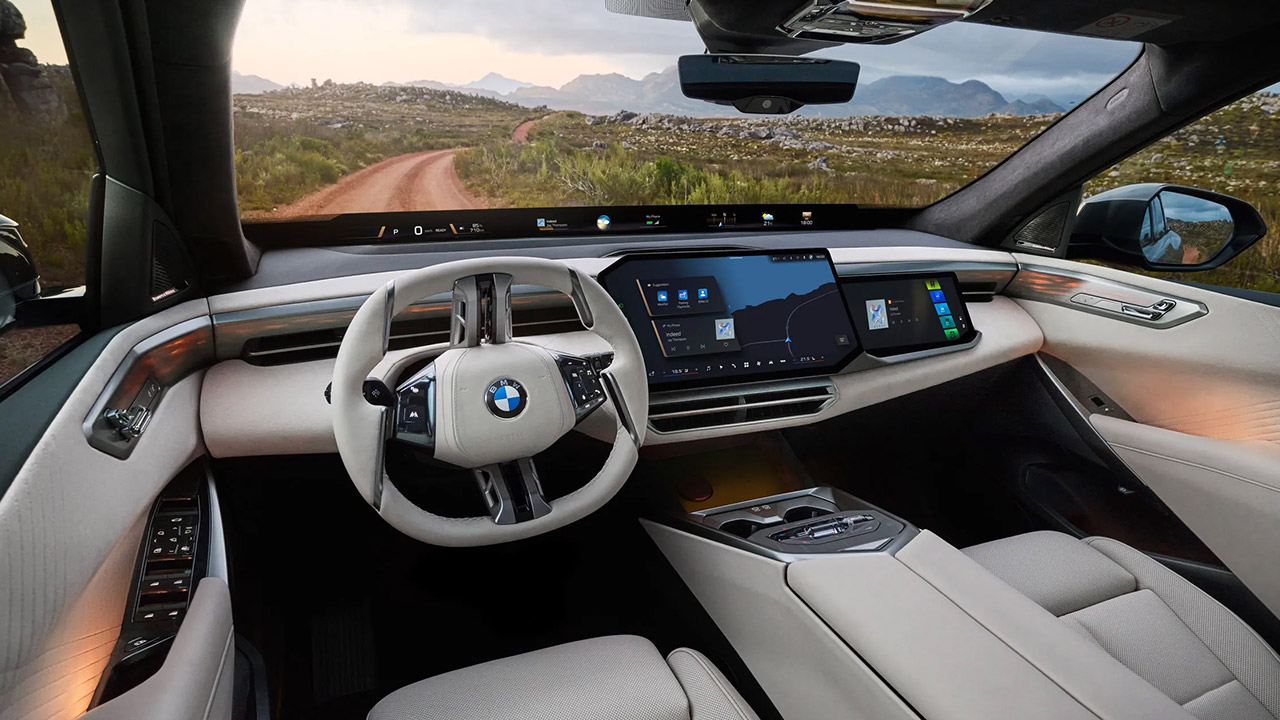
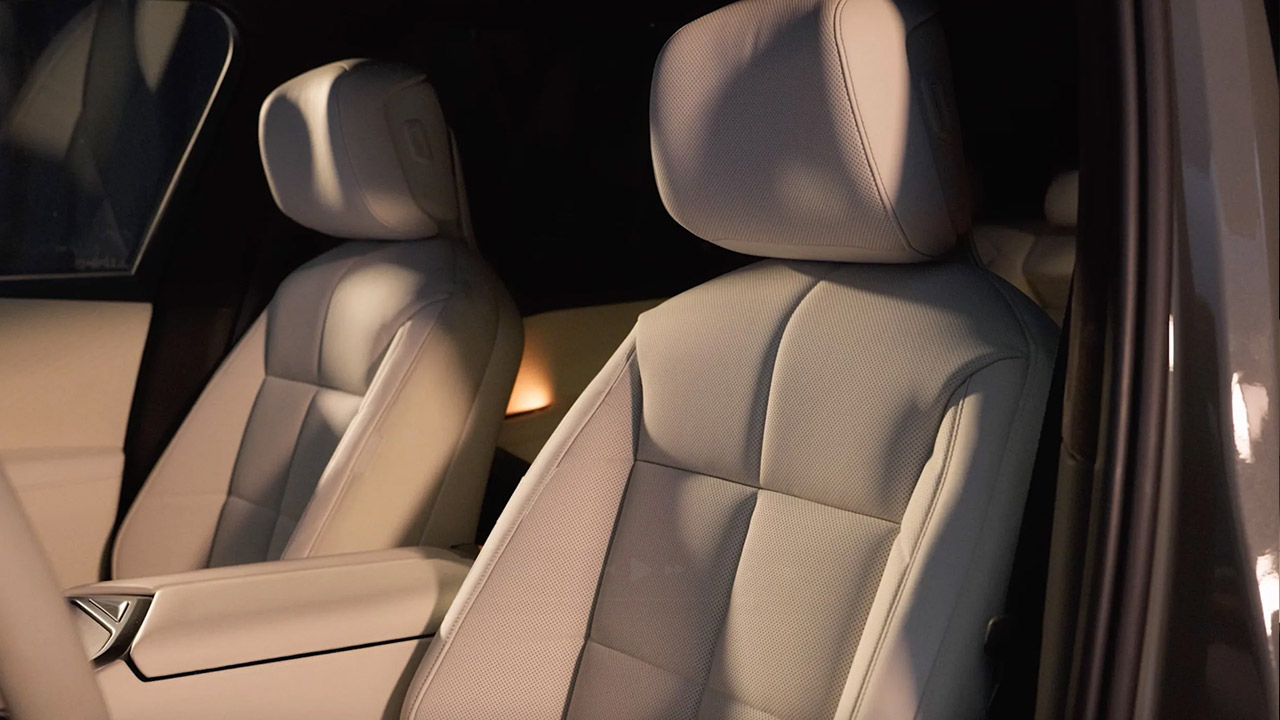
Inside, the cabin has a more relaxed, airy appearance, with a higher seating position and some large door panels. The standard panoramic glass roof offers an astounding 28 square feet of sky on top. The instrument panel features a three-dimensional backlit accent strip that runs from door to door and performs some nice dynamic lighting tricks in conjunction with different driving modes, and in the Clear and Bold package, the center console control panel is finished in genuine slate, with crystal glass handling the gear selector, volume control, and seat adjustment switches.
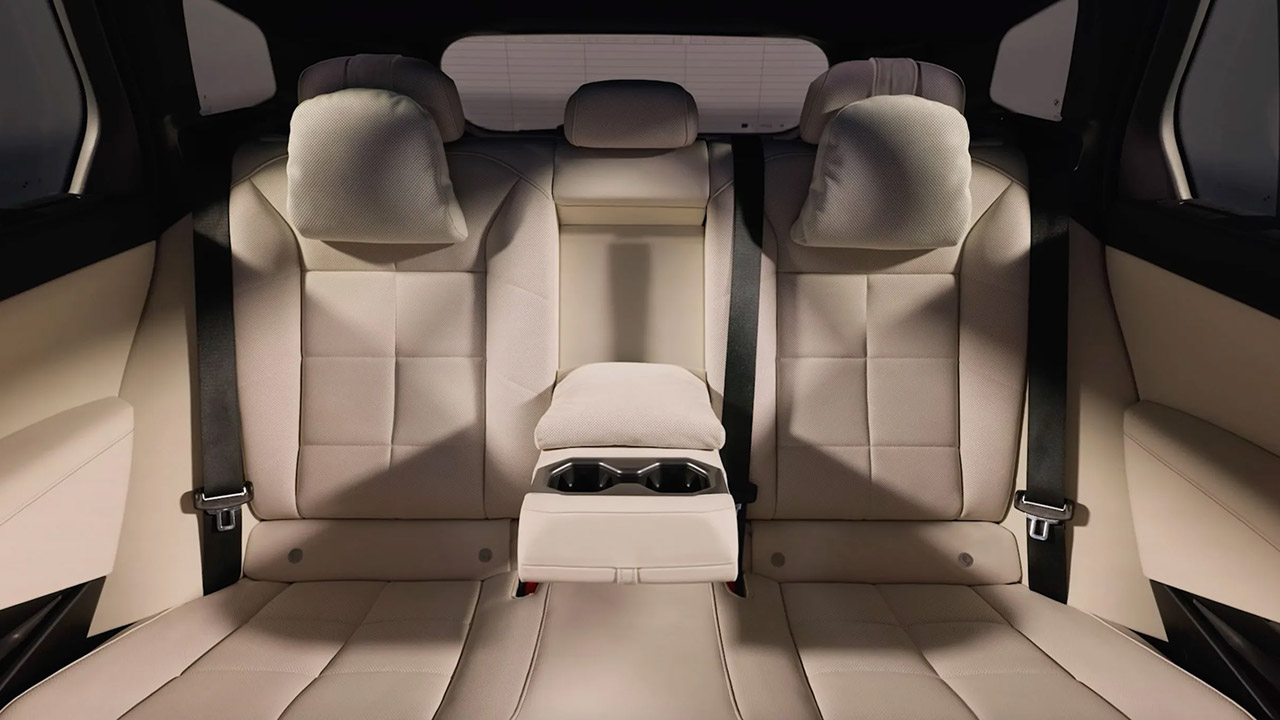
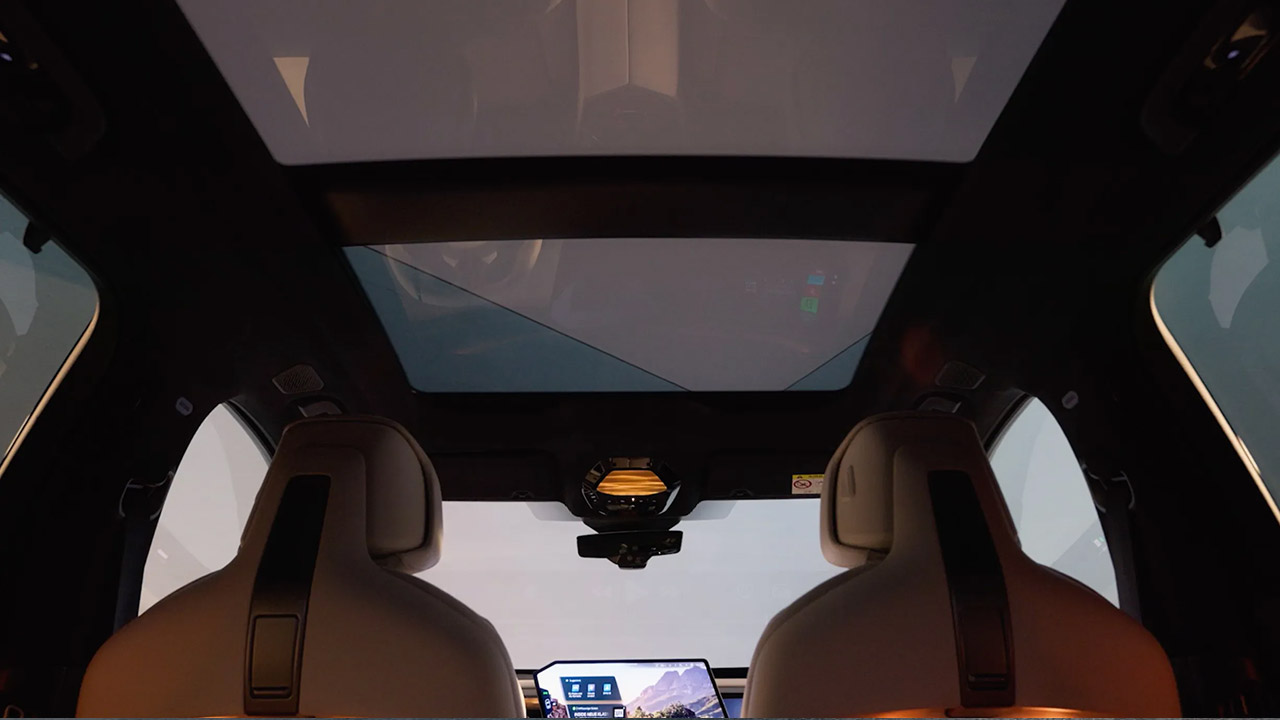
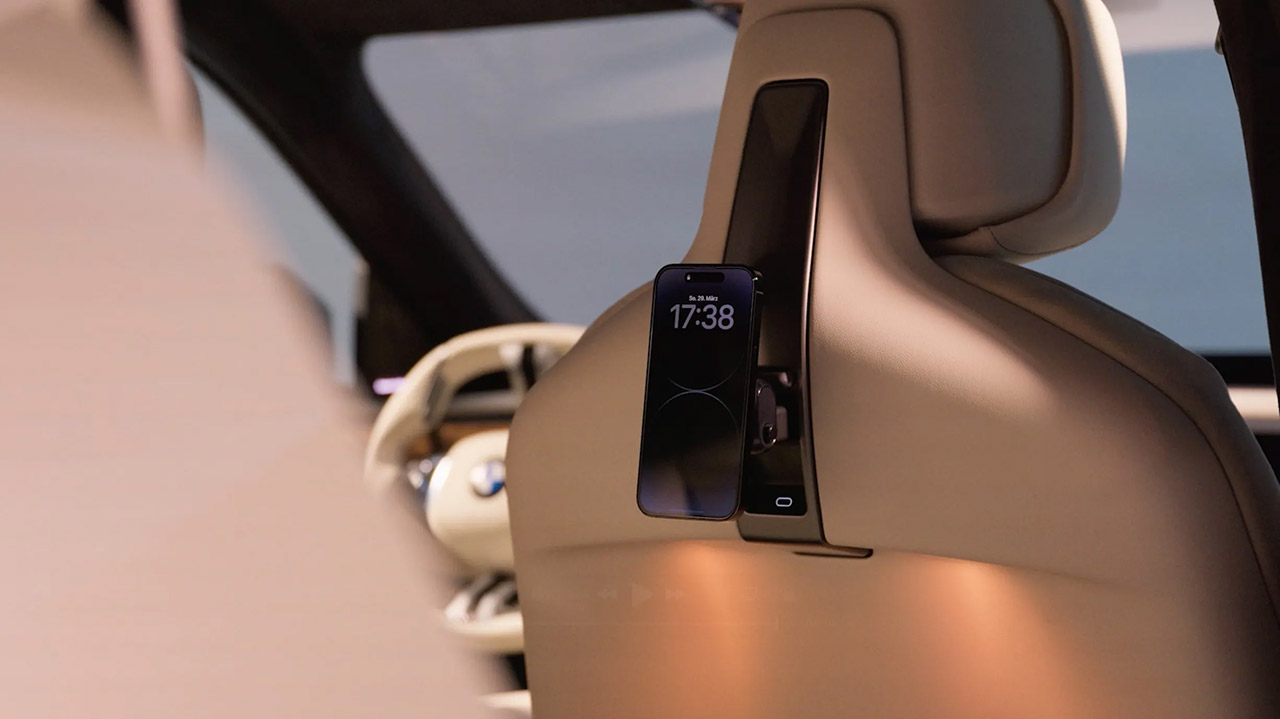
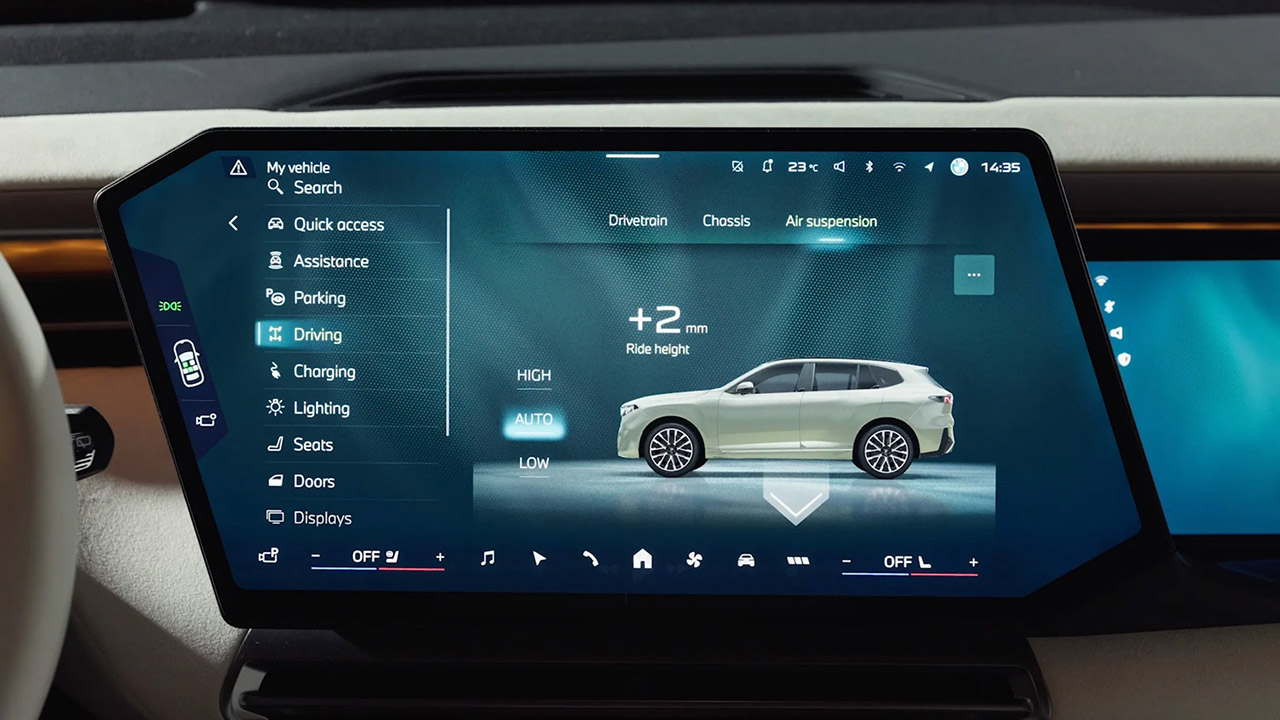
The dashboard information will no longer be grouped behind the steering wheel, as it was previously. Instead, the Panoramic Vision system displays vital information on a darkened glass strip at the base of the windshield. The central touchscreen is a massive 17.9 inches, as it is the main entertainment component, and you can add a 14.6 inch screen enabling the front passenger to watch film or utilize applications without distracting the driver. The standard steering wheel is a vertical spoke design, while higher-spec models have more sporty choices.
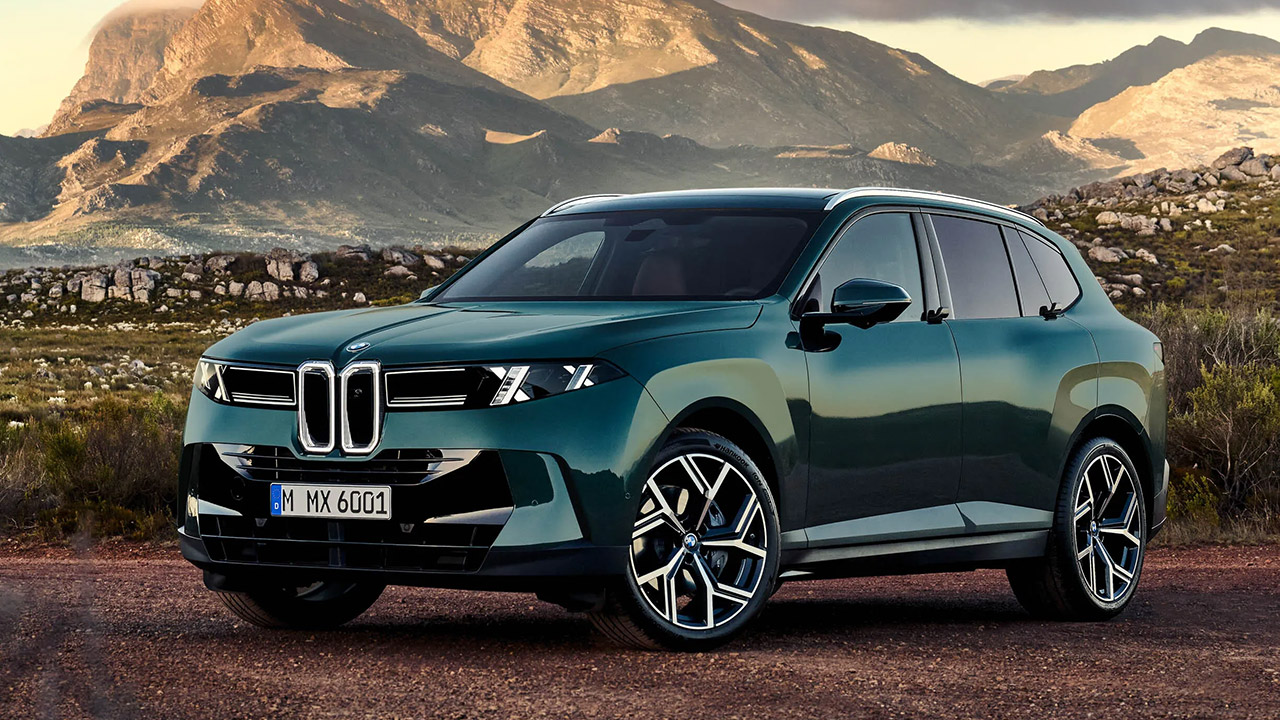
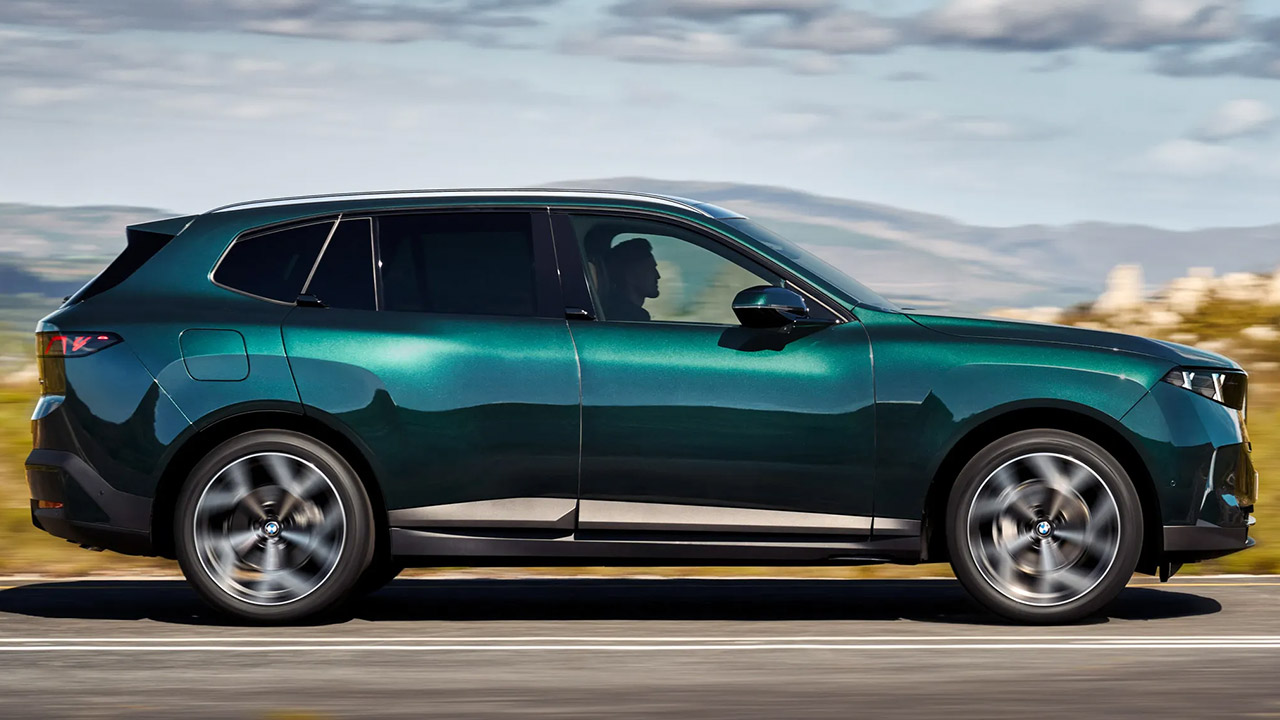
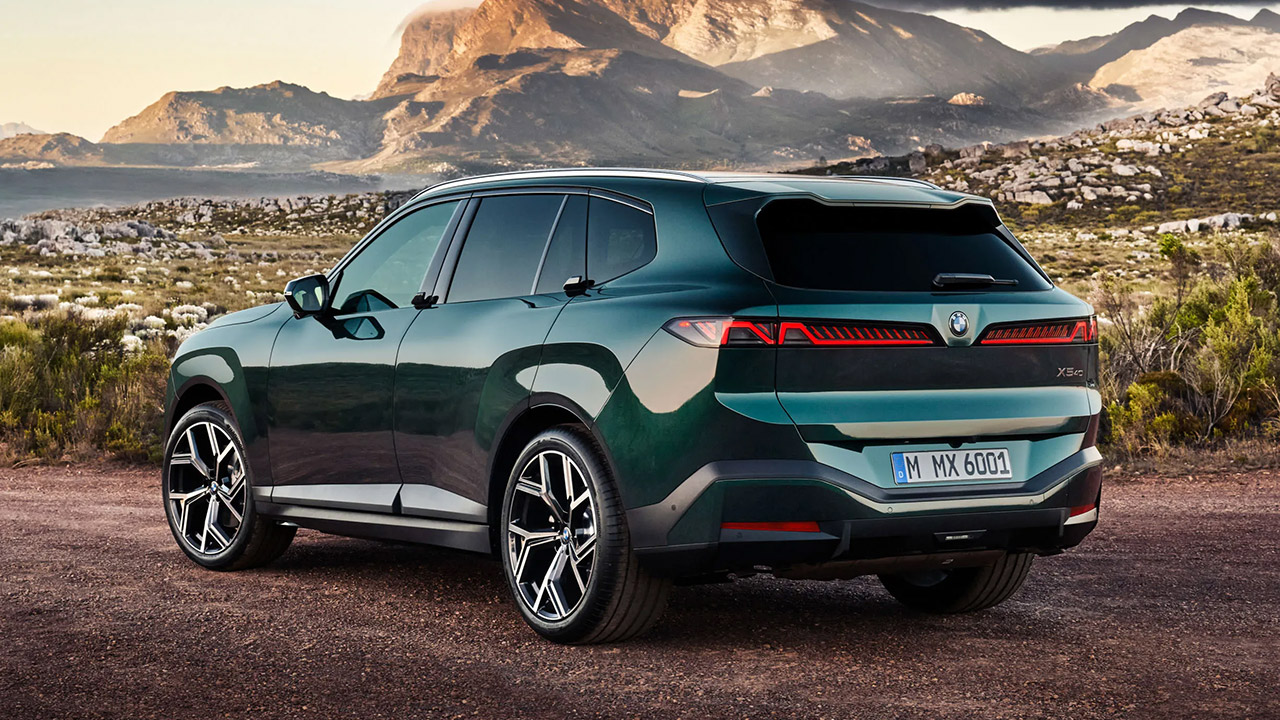
Powertrain options have expanded significantly, with the X5 40 and 40 xDrive versions powered by a new 3.0-liter turbocharged inline-six with 48-volt mild hybrid assistance. It produces 394 horsepower and 428 lb-ft of torque. The all-wheel-drive variant accelerates to 60 mph in just 5.1 seconds, which is plenty fast. The X5 50e xDrive plug-in hybrid combines the same six-cylinder engine with a 194-horsepower electric motor that is skillfully fitted into the 8-speed automatic. This results in a total 483 horsepower and 516 pound-feet. A rechargeable battery pack with a capacity of 26.5 kilowatt-hours allows you to travel the first 44 miles on electric alone – an improvement over the previous model – and reaches a high speed of 87 miles per hour on electric.
BMW’s first completely electric X5 is the iX5 60 xDrive, which features two motors that provide 570 horsepower and 593 pound-feet of torque. It comes with a 144-kilowatt-hour battery pack made feasible by innovative cylindrical cells and an 800-volt design. This vehicle can go up to 435 miles on a single charge and can accelerate from 0 to 60 mph in 4.4 seconds. If you ever run short on battery, DC rapid charging can give you 80% in just 22 minutes, which is really quick for a vehicle this size.
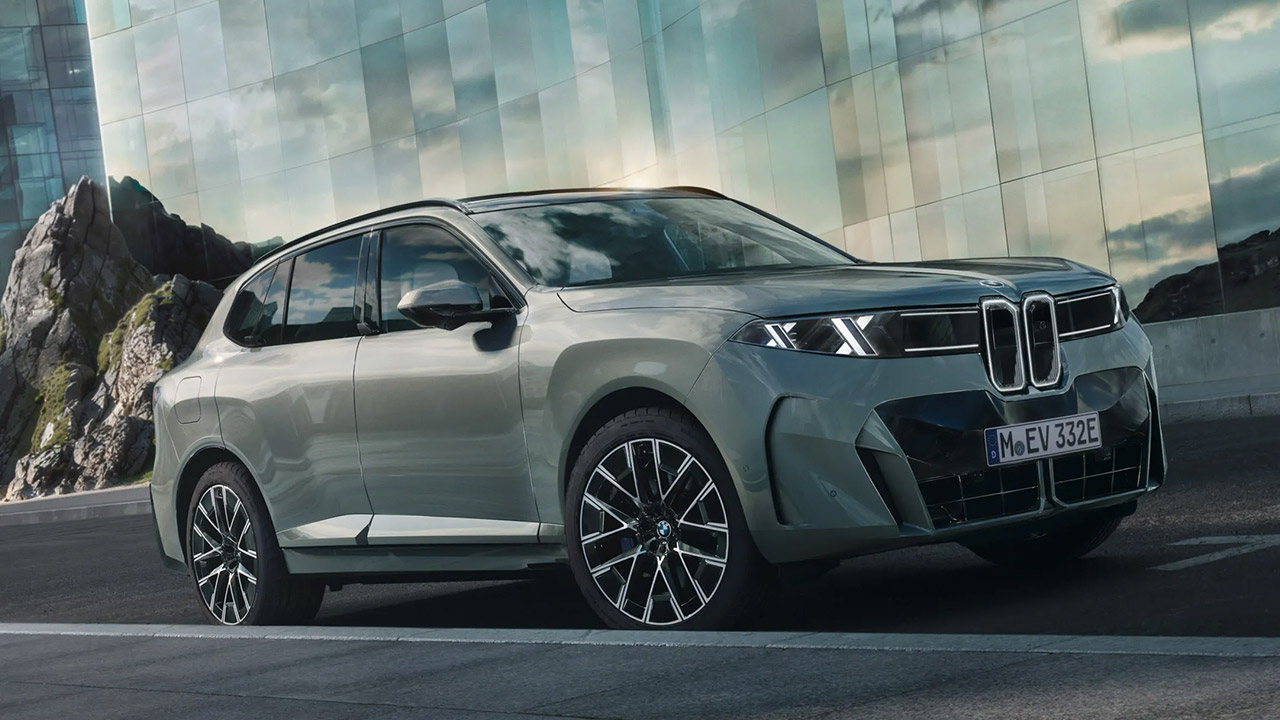
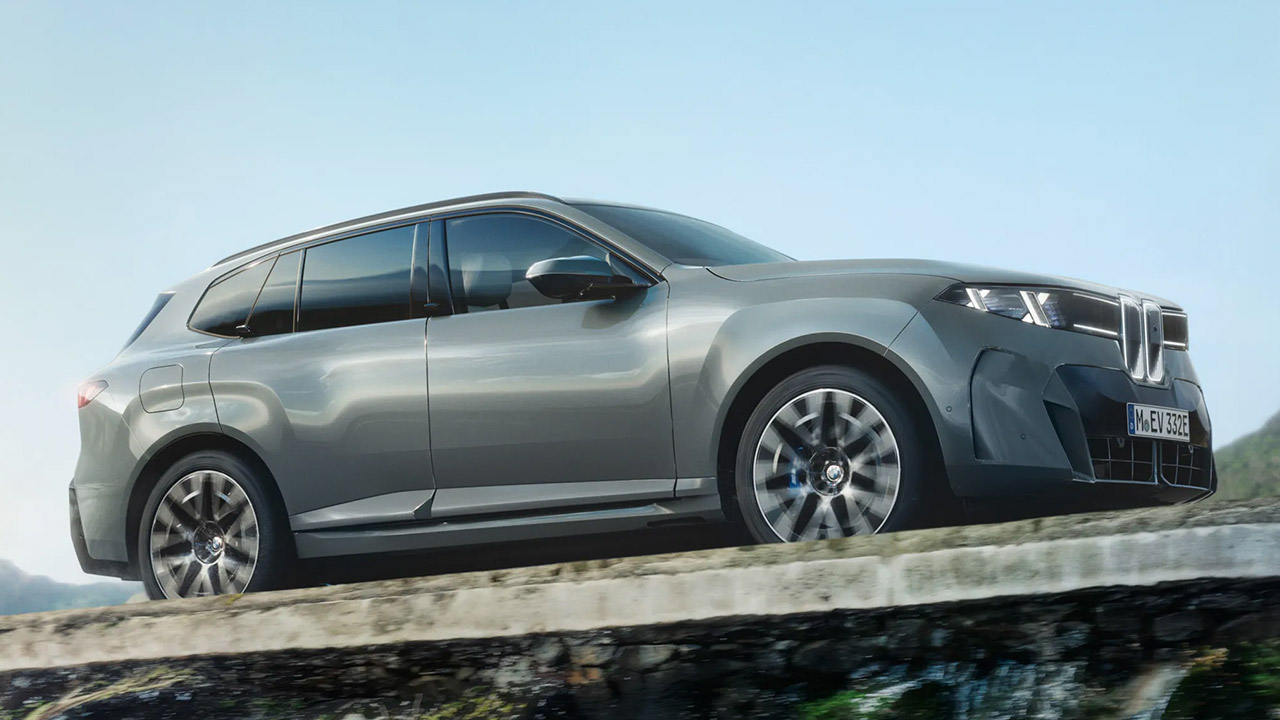
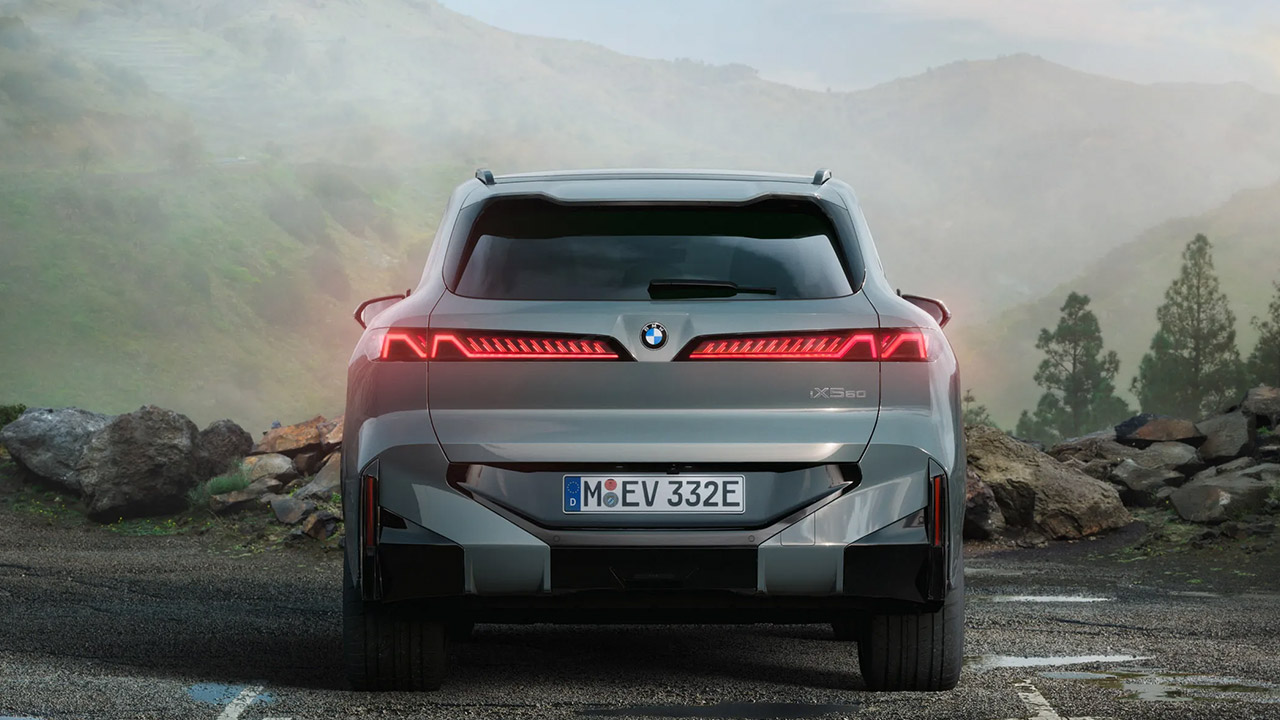
Prices in the United States begin at $71,250 for the rear-wheel-drive X5 40, $73,550 for the xDrive, $78,950 for the plug-in hybrid 50e, and $81,250 for the iX5. All of these prices include delivery and are slightly higher than we saw last year. The first X5 40 xDrive models will go into production in October 2026, followed by the rear-wheel-drive 40 and plug-in hybrid in the first quarter of 2027, and later that year, a more powerful V8 M Performance variant is expected, as well as a hydrogen fuel cell iX5.
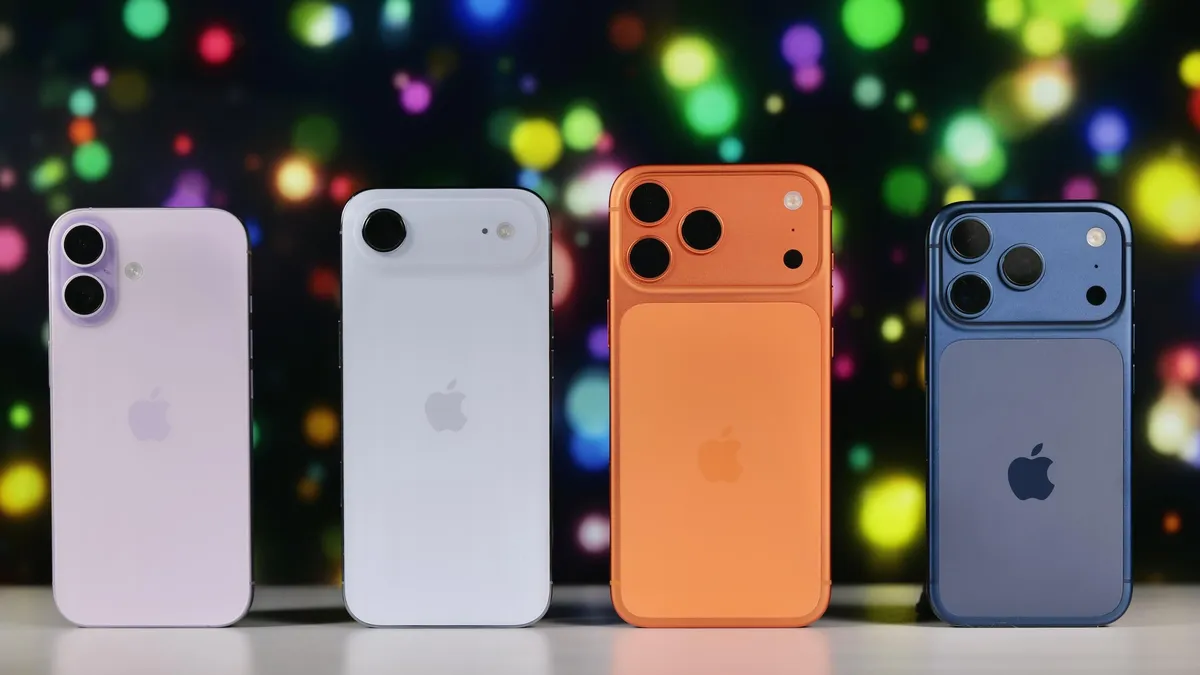
We’ve tested and reviewed the powerful iPhone 17 Pro and 17 Pro Max, the thin and light iPhone Air, the solid iPhone 17 and the newer iPhone 17E to determine our best picks. After extensive testing, we think the iPhone 17 is the best choice for most people. The features it offers for its price and its battery life make it a standout. Recently, We tested the charging abilities of 33 phones, and the iPhone 17 Pro earned a CNET Lab Award for fastest wireless charging.
With the iPhone 17, Apple has significantly narrowed the chasm separating its baseline model from its Pro counterparts. The $829 iPhone 17 (or $799 if you activate with a carrier) shares many of the same camera features with the iPhone 17 Pro and Pro Max, like Dual Capture and Center Stage. It also finally gets a display with a 1-120Hz variable refresh rate, so you can enjoy smoother scrolling and enable the always-on display and see your notifications at a glance. And support for iOS 26 across the full iPhone 17 lineup means you can access Apple’s most talked-about new software features like live translation, call screening and the Liquid Glass redesign. All that without spending upward of $1,100 for a Pro model, albeit with slightly scaled-back battery life and cameras. From the first moment I picked up the new $1,199 iPhone 17 Pro Max and $1,099 17 Pro, I was beguiled by their bold, bright redesign. It’s a complete turnaround from the years of Apple’s subdued titanium motif. The square camera bump of previous Pro models is now a body-wide bar that Apple calls the “camera plateau.” The 17 Pro and Pro Max now come in actual colors — you won’t find one in black or space gray. This phone, especially in cosmic orange, wants you to look at it.
The iPhone Air is the ultimate refresh, if you’re looking for something that looks and feels drastically different from most other devices on the market. It’s strikingly lightweight and slim, measuring just 5.6mm thick and clocking in at 165 grams. If you’re worried about durability, design elements like the titanium frame, Ceramic Shield 2 front and Ceramic Shield backing keep it from bending out of shape in your pocket. A generous 6.5-inch display makes it comfortable to hold and enjoyable to watch videos or play games on.
Apple’s $599 iPhone 17E packs just enough new features to justify an iOS upgrade for anyone holding onto an iPhone SE or an iPhone 11. While many elements of this iPhone are similar to the iPhone 14, the phone’s inclusion of the new A19 processor, MagSafe for wireless charging and accessories and Ceramic Shield 2 are all notable improvements.
When we tested the iPhone 16 and 16 Plus, we were definitely impressed by the photography features, the convenient Action button and the elegant build. And while we think the iPhone 17 is quite the deal, you can still snag the iPhone 16 for $100 less. We consider the iPhone 16 and 16 Plus to be top-notch choices for Apple fans. Parts of the iPhone 16’s key feature, Apple Intelligence, are now out, and the fact that these phones will support it means they’ll likely feel future-proofed for years to come. Aside from screen size (6.1 inches on the regular, 6.7 inches on the Plus), battery size and price, the iPhone 16 and 16 Plus are identical in every way.
Jump to details
Pros
Cons
Jump to details
Pros
Cons
Jump to details
Pros
Cons
Jump to details
Pros
Cons
Jump to details
Pros
Cons
Deals are selected by the CNET Group commerce team, and may be unrelated to this article.
The best iPhone for most people is the iPhone 17. It shares many features with Apple’s pricier 17 Pro models, but at a lower $829 starting price (or $799 if you activate through a carrier). It supports the newest camera capabilities like Dual Capture and Center Stage, and at long last, it has a 1-120Hz variable refresh rate for smoother scrolling and support for the always-on display.
While it’s true that the iPhone 17 shares a striking resemblance to last year’s iPhone 16, there are some key updates that help it stand out. Apart from the upgraded refresh rate, the iPhone 17 also boasts a peak brightness of 3,000 nits, along with an anti-reflective display that makes it easier to see the screen outdoors.
The ultrawide camera goes from 12 megapixels on the iPhone 16 to 48 megapixels on the iPhone 17, and Apple says the iPhone 17 has up to 8 hours more of video playback. Indeed, in CNET’s 3-hour streaming test, the iPhone 17’s battery dropped from 100% to 89%, while the iPhone 16 hit 86%.
A Ceramic Shield 2 display offers three times better scratch resistance, according to Apple, so if you’re susceptible to etching into your screen, it has a little more protection now. The iPhone 17 starts with a higher 256GB storage option, as opposed to the 128GB starting point on the iPhone 16, meaning you get more space for photos and apps.
Unlike previous iPhone generations, the iPhone 17 and 17 Pro models share almost all the same hardware features, apart from the telephoto lens and bigger battery on the latter. While Apple tends to introduce features like the Dynamic Island and Action button on Pro models first, the two ends of the iPhone spectrum now pack all those same hardware functions.
The iPhone 17 also features all the new iOS 26 capabilities, such as Live Translation, Call Screening and the new Liquid Glass interface.
With the iPhone 17, Apple has significantly narrowed the chasm separating its baseline model from its Pro counterparts. The $829 iPhone 17 (or $799 if you activate with a carrier) shares many of the same camera features with the iPhone 17 Pro and Pro Max, like Dual Capture and Center Stage. It also finally gets a display with a 1-120Hz variable refresh rate, so you can enjoy smoother scrolling and enable the always-on display and see your notifications at a glance. And support for iOS 26 across the full iPhone 17 lineup means you can access Apple’s most talked-about new software features like live translation, call screening and the Liquid Glass redesign. All that without spending upward of $1,100 for a Pro model, albeit with slightly scaled-back battery life and cameras.
Why we like it
The iPhone 17 is a baseline phone that shares many hardware and software features with the iPhone 17 Pro models, making it feel like a worthy, money-saving contender to those pricier devices. Generous battery life, faster charging and camera upgrades help it stand apart from last year’s iPhone 16, even if it looks almost identical.
Who it’s best for
The iPhone 17 is a great choice for the average phone user who wants good cameras, solid battery life and a quality display. It’s also a good size for anyone who doesn’t like larger phones.
Who shouldn’t get it
If you’re a photography enthusiast and a particularly heavy phone user, the 17 Pros might be the way to go, because you’ll get a telephoto lens on the back, as well as longer battery life. On the other hand, if you’re a lighter phone user, you can save more money by choosing the slightly more budget-friendly $599 iPhone 16E.
From the first moment I picked up the new $1,199 iPhone 17 Pro Max and $1,099 17 Pro, I was beguiled by their bold, bright redesign. It’s a complete turnaround from the years of Apple’s subdued titanium motif. The square camera bump of previous Pro models is now a body-wide bar that Apple calls the “camera plateau.” The 17 Pro and Pro Max now come in actual colors — you won’t find one in black or space gray. This phone, especially in cosmic orange, wants you to look at it.
As I tested the new Pro phones, I was consistently impressed: Even after a full day of heavy use, the Pro Max’s battery still had 22% or more left. The iPhone 17 Pro Max has the best battery life of any phone that CNET has ever tested.
The 17 Pro and 17 Pro Max have the exact same rear cameras, all with 48-megapixel sensors. You can choose between the trio of lenses (wide-angle, ultrawide and telephoto) to capture photos at 12-, 24- or 48-megapixel resolutions. The telephoto camera has gone from the 16 Pro’s 12-megapixel sensor with a 5x lens to a 48-megapixel sensor that’s 56% larger with a new 4x telephoto lens. You read that right: The new Pro has a shorter optical zoom than its predecessor. But I find the short 4x zoom better for portraits, and the increase in detail and dynamic range in 4x photos is a big improvement over 5x snaps from the 16 Pro.
There’s a new selfie camera on both Pro phones that Apple calls Center Stage. It not only takes 18-megapixel selfies, up from 12 megapixels on the 16 Pro, but you can hold the 17 Pro vertically and take a horizontal selfie thanks to a new square image sensor.
I can’t help but contrast the iPhone 17 Pro models to Apple’s newest phone. The iPhone Air is thin, light, quiet and graceful — with a single rear camera, shorter battery life and $100 cheaper starting price. The 17 Pro and Pro Max are bold, loud, aggressive and powerful, and their daring design appeals to me. But features such as its amazing battery life, brighter screen, new selfie camera and iOS 26 are the real reasons to get either.
Why we like it
I appreciate that Apple gave the iPhone 17 Pro and 17 Pro Max personality. Gone is the minimal design for the sake of simplicity. We have a phone that is more durable, has a longer battery life, and, when running iOS 26, comes with a number of significant quality-of-life improvements, like live translations for calls, texts and FaceTime.
Who it’s best for
The iPhone 17 Pro and 17 Pro Max would be an excellent upgrade for someone coming from an iPhone 14 Pro or older. You get a bigger battery, a better screen, faster charging, newer cameras and a speedier processor that can handle graphics-intensive games and Apple Intelligence.
Who shouldn’t get it
If you have an iPhone 15 Pro or Pro Max, you don’t need these new phones unless battery capacity on your current phone is low — and even then, it’d be cheaper to simply have your battery swapped out. And unless you have a gracious disposable income, iPhone 16 Pro and Pro Max owners can sit this one out.
The iPhone Air is the ultimate refresh, if you’re looking for something that looks and feels drastically different from most other devices on the market. It’s strikingly lightweight and slim, measuring just 5.6mm thick and clocking in at 165 grams. If you’re worried about durability, design elements like the titanium frame, Ceramic Shield 2 front and Ceramic Shield backing keep it from bending out of shape in your pocket. A generous 6.5-inch display makes it comfortable to hold and enjoyable to watch videos or play games on.
That doesn’t mean there aren’t trade-offs, which feel especially weighty given the iPhone Air’s $999 price tag. A slimmer battery can mean shorter life on heavy-use days, and a single rear camera means you don’t get ultrawide shots or Cinematic mode in video. There’s also only a single speaker instead of the dual-speaker system on other iPhones, which can make audio less immersive. The iPhone Air only supports up to 20-watt charging, as opposed to the 40-watt charging you’ll find on its iPhone 17 counterparts. But if you’re willing to make some compromises, the super-sleek iPhone Air can be an enjoyable investment.
Read CNET’s iPhone Air review.
Why we like it
Annual phone upgrades typically feel incremental, but the iPhone Air shakes things up with a bold new design that rivals other thin phones like the Samsung Galaxy S25 Edge. The Air is remarkably light, which makes it enjoyable to use and won’t weigh down your purse or pocket. Despite its shorter battery life under heavy-use conditions, the iPhone Air performed well in CNET’s battery tests and should hold up just fine on moderate-use days.
Who it’s best for
If you’re not a particularly heavy phone user and want a device that puts design at the forefront, the iPhone Air could be a solid choice. Despite a scaled-back camera, the single rear 48-megapixel camera can also take solid 2x zoom photos, and an 18-megapixel selfie camera matches what you’ll find on the iPhone 17, 17 Pro and 17 Pro Max.
Who shouldn’t get it
On the other hand, if you do use your phone a lot and have an affinity for photography, the iPhone Air might not be the best choice for you. The lack of an ultrawide (plus no telephoto) lens might feel a bit too restrictive, and the battery may not be able to keep up with your more extensive screen time.
Apple’s $599 iPhone 17E packs just enough new features to justify an iOS upgrade for anyone holding onto an iPhone SE or an iPhone 11. While many elements of this iPhone are similar to the iPhone 14, the phone’s inclusion of the new A19 processor, MagSafe for wireless charging and accessories and Ceramic Shield 2 are all notable improvements.
Why we like it
The iPhone 17E doesn’t feel like a second-class option now that it natively includes MagSafe support, 256GB of storage and a soft pink color option for a little personality. While this iPhone does miss out on having a second ultrawide camera and an always-on display available on the iPhone 17, anyone coming from an iPhone from 2020 or earlier might not notice these omissions thanks to the upgrades it does include.
Who it’s best for
This is an ideal iPhone for someone who only upgrades their iPhone when it loses software support, and indeed, if you’re coming from an iPhone XR or earlier, you’ll receive plenty of new features. It’s also a good option for anyone coming from a smaller-screen iPhone SE.
Who shouldn’t get it
If iOS isn’t important, many of the Android phones on this list offer more features for less money. Some current iPhone owners might consider the 17E a step back with its lack of an ultrawide camera.
When we tested the iPhone 16 and 16 Plus, we were definitely impressed by the photography features, the convenient Action button and the elegant build. And while we think the iPhone 17 is quite the deal, you can still snag the iPhone 16 for $100 less. We consider the iPhone 16 and 16 Plus to be top-notch choices for Apple fans. Parts of the iPhone 16’s key feature, Apple Intelligence, are now out, and the fact that these phones will support it means they’ll likely feel future-proofed for years to come. Aside from screen size (6.1 inches on the regular, 6.7 inches on the Plus), battery size and price, the iPhone 16 and 16 Plus are identical in every way.
The iPhone 16 isn’t perfect — it’s missing an always-on display, and it feels like it’s been ages since Apple improved its wired charging speeds. But it checks all the important boxes and then some.
Why we like it
The iPhone 16 and 16 Plus rank so high in our testing because they appeal to novice users and power players. They offer about 90% of the experience of Apple’s Pro models but cost hundreds of dollars less. Not only is the iPhone 16 a wonderful phone out of the box, but Apple has a long track record of updating its software and security patches for years.
Who it’s best for
When you think about how the Camera Control key, the Action button and the Dynamic Island come together, along with the camera and battery improvements Apple has made in the last several years, the iPhone 16 is a compelling upgrade for someone coming from an older iPhone, especially if they’re on an iPhone 13 or older. For those who don’t need the Pro’s extra photography prowess and battery life, the iPhone 16 won’t disappoint.
Who shouldn’t get it
I wouldn’t recommend buying the iPhone 16 just for the Camera Control button or the better ultrawide camera.
Get the iPhone 17 free when you switch to T-Mobile with an Experience Beyond or Better Value plan. You don’t have to worry about sending in your old phone to take advantage of this deal: There’s no trade-in required. It takes just 15 minutes to switch, and you can get your phone today with free same-day delivery in select locations.
undefined
| Apple iPhone 17 | Apple iPhone Air | Apple iPhone 17 Pro | Apple iPhone 17 Pro Max | Apple iPhone 17E | |
|---|---|---|---|---|---|
| Display size, tech, resolution, refresh rate | 6.3-inch OLED; 2,622 x 1,206 pixel resolution; 1-120Hz variable refresh rate | 6.5-inch OLED; 2,736 x 1,260 pixel resolution; 1-120Hz variable refresh rate | 6.3-inch OLED; 2,622 x 1,206 pixel resolution; 1-120Hz variable refresh rate | 6.9-inch OLED; 2,868 x 1,320 pixel resolution; 1-120Hz variable refresh rate | 6.1-inch OLED display; 2,532×1,170 pixels; 60Hz refresh rate |
| Pixel density | 460ppi | 460ppi | 460ppi | 460ppi | 460 ppi |
| Dimensions (inches) | 5.89 x 2.81 x 0.31 in | 6.15 x 2.94 x 0.22 in | 5.91 x 2.83 x 0.34 in | 6.43 x 3.07 x 0.34 in | 5.78×2.82×0.31 |
| Dimensions (millimeters) | 149.6 x 71.5 x 7.95 mm | 156.2 x 74.7 x 5.64 mm | 150.0 x 71.9 x 8.75 mm | 163.4 x 78.0 x 8.75 mm | 146.7×71.5×7.8 |
| Weight (grams, ounces) | 177 g (6.24 oz) | 165 g (5.82 oz) | 206 g (7.27 oz) | 233 g (8.22 oz) | 167g (5.88 oz.) |
| Mobile software | iOS 26 | iOS 26 | iOS 26 | iOS 26 | iOS 26 |
| Camera | 48-megapixel (wide) 48-megapixel (ultrawide) |
48-megapixel (wide) | 48-megapixel (wide) 48-megapixel (ultrawide) 48-megapixel (4x, 8x telephoto) |
48-megapixel (wide) 48-megapixel (ultrawide) 48-megapixel (4x, 8x telephoto) |
48-megapixel (wide) |
| Front-facing camera | 18-megapixel | 18-megapixel | 18-megapixel | 18-megapixel | 12-megapixel |
| Video capture | 4K | 4K | 4K | 4K | 4K |
| Processor | Apple A19 | Apple A19 Pro | Apple A19 Pro | Apple A19 Pro | Apple A19 |
| RAM + storage | RAM N/A + 256GB, 512GB | RAM N/A + 256GB, 512GB, 1TB | RAM N/A + 256GB, 512GB, 1TB | RAM N/A + 256GB, 512GB, 1TB, 2TB | RAM unknown + 256GB, 512GB |
| Expandable storage | None | None | None | None | None |
| Battery | 3,692 mAh | 3,149 mAh | 4,252 mAh | 5,088 mAh | 4,005 mAh |
| Fingerprint sensor | None (Face ID) | None (Face ID) | None (Face ID) | None (Face ID) | None, Face ID |
| Connector | USB-C | USB-C | USB-C | USB-C | USB-C |
| Headphone jack | None | None | None | None | None |
| Special features | Apple N1 wireless networking chip (Wi-Fi 7 (802.11be) with 2×2 MIMO), Bluetooth 6, Thread. Action button. Camera Control button. Dynamic Island. Apple Intelligence. Visual Intelligence. Dual eSIM. 1 to 3,000 nits brightness display range. IP68 resistance. Colors: black, white, mist blue, sage, lavender. Fast charge up to 50% in 20 minutes using 40W adapter or higher via charging cable. Fast charge up to 50% in 30 minutes using 30W adapter or higher via MagSafe Charger. | Apple N1 wireless networking chip (Wi-Fi 7 (802.11be) with 2×2 MIMO), Bluetooth 6, Thread. Action button. Apple C1X cellular modem. Camera Control button. Dynamic Island. Apple Intelligence. Visual Intelligence. Dual eSIM. 1 to 3,000 nits brightness display range. IP68 resistance. Colors: space black, cloud white, light gold, sky blue. Fast charge up to 50% in 30 minutes using 20W adapter or higher via charging cable. Fast charge up to 50% in 30 minutes using 30W adapter or higher via MagSafe Charger. | Apple N1 wireless networking chip (Wi-Fi 7 (802.11be) with 2×2 MIMO), Bluetooth 6, Thread. Action button. Camera Control button. Dynamic Island. Apple Intelligence. Visual Intelligence. Dual eSIM. ProRes Raw video recording. Genlock video support. 1 to 3,000 nits brightness display range. IP68 resistance. Colors: silver, cosmic orange, deep blue. Fast charge up to 50% in 20 minutes using 40W adapter or higher via charging cable. Fast charge up to 50% in 30 minutes using 30W adapter or higher via MagSafe Charger. | Apple N1 wireless networking chip (Wi-Fi 7 (802.11be) with 2×2 MIMO), Bluetooth 6, Thread. Action button. Camera Control button. Dynamic Island. Apple Intelligence. Visual Intelligence. Dual eSIM. ProRes Raw video recording. Genlock video support. 1 to 3,000 nits brightness display range. IP68 resistance. Colors: silver, cosmic orange, deep blue. Fast charge up to 50% in 20 minutes using 40W adapter or higher via charging cable. Fast charge up to 50% in 30 minutes using 30W adapter or higher via MagSafe Charger. | MagSafe, Qi2 charging (up to 15W), Action button, Apple C1 5G modem, Apple Intelligence, Ceramic Shield, Emergency SOS, Emergency SOS via Satellite, Satellite imessage, IP68 resistance, FaceTime, FindMy |
| US price starts at | $829 (256GB) | $999 (256GB) | $1,099 (256GB) | $1,199 (256GB) | $599 (256GB) |
Recently, we added the iPhone 17E to this list. It replaces last year’s iPhone 16E.
Hold the iPhone first: You may love or hate the way it looks and feels in person.
Don’t discount last year’s model: Apple has a history of keeping recent iPhone models from previous years around at a lower price. You can get a great phone that does almost everything that a new iPhone can do for a fraction of the price. The iPhone 16 packs a great camera and a big battery, but comes at a more reasonable price.
Buy an iPhone case and screen protector: You’ll protect your iPhone from costly damage and will increase the phone’s resale or trade-in value when you’re ready to move on.
Know what you care about most: Is it screen size? Camera quality? Battery life? Phones like the iPhone 17 Pro or Pro Max, for example, pack incredible cameras that almost rival the quality you’d get from a DSLR. If you’re a photographer, then spending money here is a good idea.
Seek out holiday discounts: Look for deep discounts and promo deals around major holidays. And find out what your grace period is in case you need a quick return or exchange.
We test every iPhone in real-world scenarios focusing on its features, design, performance, cameras, battery life and overall value. We document our findings in an initial review that is periodically updated when there are new iOS updates or to compare against new phones from competitors like Samsung, Google and OnePlus.
Photography is a major focus for the iPhone, so we take pictures and videos of various subjects in a variety of settings and lighting scenarios. We try out any new camera modes, such as Center Stage on the iPhone 17 series and Air which lets you take a horizontal selfie even if your holding the phone vertically.
We conduct battery testing in a variety of ways. We assess how long the iPhone lasts during a typical day of use, and note how it performs during more focused sessions of video calls, media streaming and gaming. We also conduct a video playback test and a 45-minute drain test starting with a full battery, which isn’t always included in the initial review and added later in an update.
We use benchmarking apps to measure the performance, alongside our own anecdotal experiences using the phone for our review. Of particular note are how graphics and animations look. Are they smooth? Or do they lag or stutter? We also look at how quickly the phone switches between horizontal and vertical orientations and how fast the camera app opens and is ready to take a photo.
Emergency SOS might be one of the most important features to come out on any phone this year.
We perform processor-heavy tasks like editing photos and videos, exporting videos and playing games. We evaluate whether a newer version of the iPhone includes enough features to make it worth upgrading from older models. Some of these tests are added later in updates after the initial review is published.
Read more: How CNET Tests Phones
While Apple doesn’t sell the iPhone 16 Pro, you can still find it at carriers and third-party retailers. The 16 Pro has a 6.3-inch adaptive-refresh rate screen that adjusts between 1-120Hz depending on what’s on the screen. It has excellent cameras, a fast processor, an always-on display, supports iOS 26 and safety features like Crash Detection and Emergency SOS via Satellite. Driving all these upgrades is Apple’s A18 Pro chip, which, in use, feels peppy. The iPhone 16 Pro is still an excellent phone in 2026. Check out our iPhone 16 Pro review.
An eSIM takes all of the important information about your phone account — including its number, wireless carrier and subscription — and stores it in software instead of on a physical SIM card.
Since the iPhone 14 series, Apple no longer includes a physical SIM card tray and embraced embedded SIM cards in the US. This means you can’t just pluck your SIM card out of your current phone and put it into a new one. But this shouldn’t affect your experience as all the major US carriers and a number of smaller operators work with eSIM.
Apple has long supported eSIM, dating to 2018’s iPhone XS, XS Max and XR. When setting up a new iPhone 14, 15 or 16, the device will guide you through transferring your current provider over to the new phone. A list of supported wireless networks can be found on Apple’s website.
Apple’s iOS 26 animations have seemingly comic book character abilities. Every time I unlock my phone, the apps delightfully assemble on the home screen like the five lion robots uniting together to become Voltron. The lock screen clock extends around my chosen photo like Mr. Fantastic. The control center pulls down as if I were stretching a piece of taffy.
The unified look of the Liquid Glass interface across apps, the Home Screen and lock screen give the iPhone a contemporary, slick and shiny, plastic candy feel. For all the beauty Liquid Glass adds, though, some of the warmth of previous iOS versions is gone.
There are small but significant gems buried in iOS 26’s design, including the ability to add a background image to group chats in Messages or use the new Hold Assist tool for phone calls.
We don’t expect Apple to release any new iPhones until September 2026. There are already rumors for the iPhone 18 Pro and a possible iPhone Fold, which would be Apple’s first foldable phone. Other rumors point to Apple debuting the base model iPhone 18 in February 2027 — a shift from how Apple typically has announced its new iPhone models.
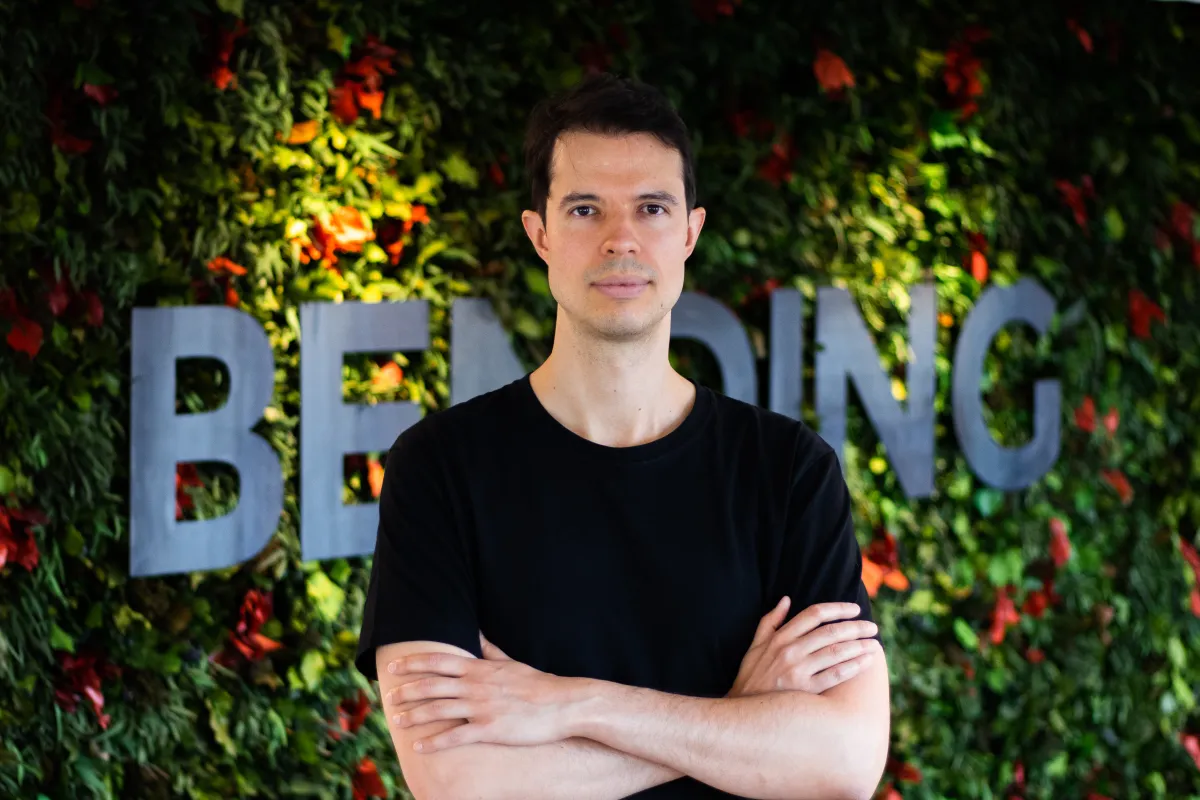
Earlier this year, shares of traditional SaaS companies tumbled amid investor fears that software built with AI could eventually displace those businesses. Despite such concerns, Bending Spoons, a company that acquires and revitalizes stagnating but well-known tech firms, saw its shares surge in its market debut.
It closed at $40.50 on Wednesday, nearly 40% above its $29 IPO price. At that price, the 13-year-old Milan, Italy-based company has a market capitalization of $25.7 billion, more than double its last private valuation of $11 billion. The company raised $1.68 billion in its offering.
Bending Spoons has grown rapidly by acquiring aging, but once popular, brands like AOL, Eventbrite, Evernote, Meetup, and Vimeo, then turning them profitable, typically through aggressive cost-cutting, launching new features, and raising prices. While the company’s approach is similar to private equity, there is one key difference: Bending Spoons has no plans to sell these businesses.
The company’s disclosed financials show it has indeed turned its growing portfolio of assets profitable. Bending Spoons reported $601 million in revenue for Q1, generating $27.4 million in net income. That’s a significant turnaround from the same period last year, when the company reported a $112 million net loss on $259 million in revenue, according to the SEC filing.
Bending Spoons, whose name comes from a scene in the science-fiction movie “The Matrix,” generated the majority of its revenue from subscriptions, which accounted for 84% of its business last year.
Before the offering, Baillie Gifford was Bending Spoons’ largest outside shareholder, followed by smaller stakes from buyout fund Renaissance Partners, Cox Enterprises, Durable Capital Partners, Fidelity, and T. Rowe Price.
The IPO also represents a significant windfall for Bending Spoons’ five co-founders: Luca Ferrari, Francesco Patarnello, Matteo Danieli, Luca Querella, and Tomasz Greber.
Besides Bending Spoons, other investors follow the strategy of acquiring, fixing, and holding stalled software firms, often referred to as “venture zombie” companies. These firms include Constellation Software, Curious, Tiny, saas.group, Arising Ventures, and Calm Capital.
When you purchase through links in our articles, we may earn a small commission. This doesn’t affect our editorial independence.

[Brian] had an absolute monster of a PCB with thousands of nets to be routed, the kind of design that stopped traditional routers in their tracks. It would take months to route by hand, likely trying the patience of a saint in the process. To solve this specific problem he created OrthoRoute, a GPU-accelerated autorouter that he cautions is no more trustworthy than any other autorouter, but at least it’s fast!

A KiCad plugin, OrthoRoute is so named because traces are laid down in a Manhattan lattice, a grid of orthogonal segments. All components (surface-mount only, no through-hole stuff) go on the top layer of the PCB, and all lower levels contain a grid of traces, connected as needed with blind and buried vias to route everything. OrthoRoute takes a structured and iterative approach, eventually converging on a satisfactory layout.
How does OrthoRouter actually decide how to connect things? [Brian] adapted PathFinder, an algorithm designed for routing FPGAs. Laying out a grid of orthogonal traces and punching down through them with vias to make connections has a lot in common, conceptually, with routing FPGAs. GPU acceleration makes the whole thing far more efficient than pipelining the calculations through a CPU.
OrthoRoute was built to solve a very specific problem, but in the process showed that GPU-accelerated routing is definitely feasible. Check it out in the videos, embedded below the page break.
[Brian] cautions that as-is, OrthoRoute is useful to maybe a handful of people at best, but as a KiCad plugin it’s highly modular and the hard parts are all done. If you want a closer look, or have some ideas about how to repurpose or extend it, check out the GitHub repository.
We’ve seen some nifty KiCad plugins for all kinds of purposes, from breadboarding to giving PCB traces an old-timey look, and even one specifically for designing custom keyboards. It’s not every day we see a plugin aimed at handling high-density boards with thousands of nets, though.





Weekend Open Thread: Staud – Corporette.com


The House | Manchesterism won’t survive the painful trade-offs unless it gets citizens on board


Strategy authorizes up to $1.25B in Bitcoin sales under new capital plan


Potential 2028er World Cup attendee leaderboard


Asia stock markets slide as tech shares slump


MAJOR BITCOIN & MARKET UPDATE!!!! (MUST WATCH ASAP!!!)


A Look At A Gaggle Of Transputer Boards

Dell (DELL) Shares Tumble Over 5% Following Analyst Downgrade to Hold


Coinbase, Circle Deepen Crypto Stock Losses Despite Resilient S&P 500


Australia treasurer says alleged access of prime minister’s bank data ’incredibly concerning’


Kraken's xStocks Opens Bending Spoons IPO Registration to EEA Retail


FIH Pro League: India defeat Pakistan 7-1, register biggest win of campaign | Other Sports News


Anonymous researcher drops 0-day ‘exploitarium’ repo


Bitcoin Sparks $600M Hourly Liquidations With $65,000 Set To Become Resistance


Bluekit phishing kit adopts browser-in-the-middle for login theft


Russian hackers now target Signal backup recovery keys

Hyperliquid Named on Singapore MAS Investor Alert Register


RTX holders must register wallets before token distribution begins


Broncos roster: OL Ben Powers (No. 74) entering final year of contract

The AI boom won’t burst all at once. It will pop in ‘rolling bubbles’: Macquarie



You must be logged in to post a comment Login