Golfers are naturally curious creatures. Whether you’re teeing it up with the usual suspects or getting paired with complete strangers, we all do a little scan of our playing partners on the first tee to see what clothes, shoes, bags and, of course, equipment they’re gaming.
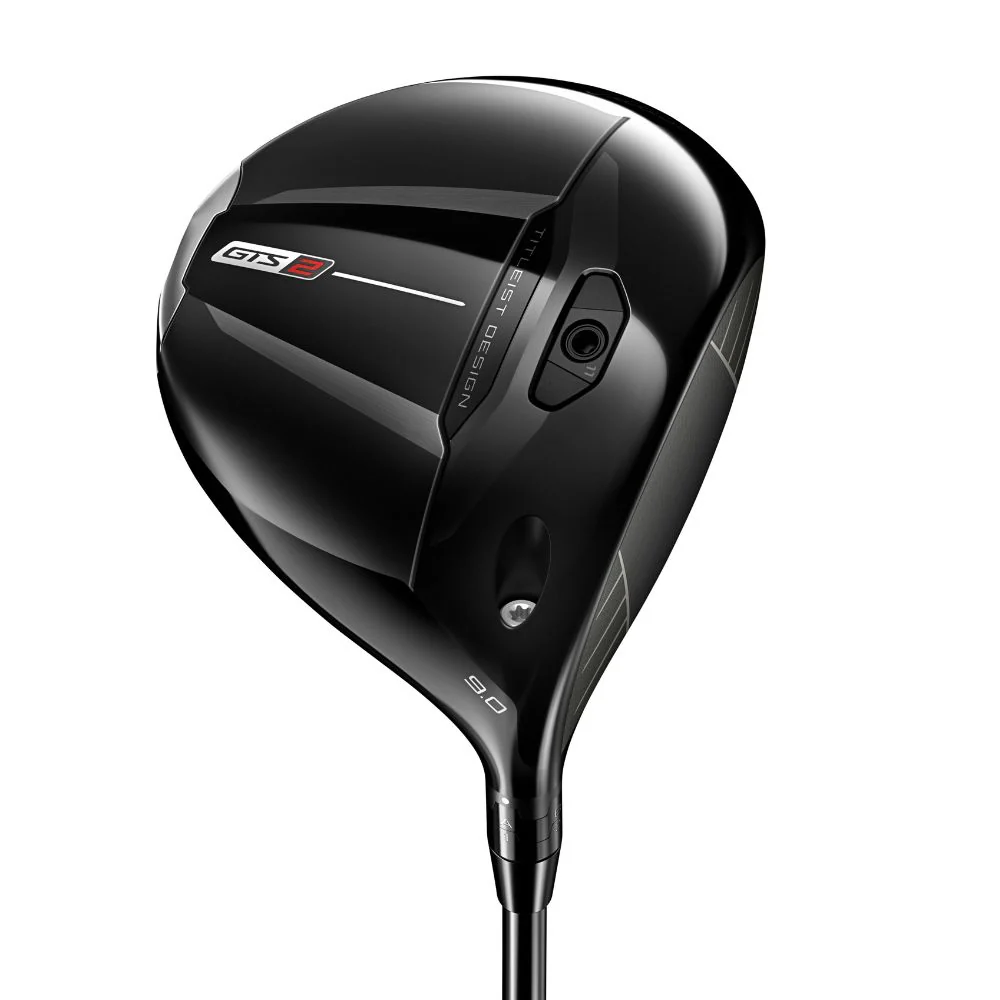
And lately, one driver has been showing up more and more: the Titleist GTS2.
Back in March, Titleist introduced its new GTS driver lineup—GTS1, GTS2, GTS3, and GTS4—and it didn’t take long for it to make its way into the bags of Tour pros. Within days of launch, 24 PGA Tour players had already put a GTS model in play for that week’s event. And it wasn’t long before amateurs followed suit.
Since hitting the market, the GTS2 has quickly become a favorite for both Tour players and everyday golfers—even becoming Fairway Jockey’s best-selling driver in June. And once you look under the hood, it’s not hard to understand the appeal.
Distance and forgiveness working together
No matter how skilled you are, every golfer misses the center of the face from time to time. On a typical mishit, you usually pay for it in either distance or direction—sometimes both.
But with Titleist’s Split Mass Frame, off-center strikes don’t hurt nearly as much.
Built with a full thermoform body, the Split Mass Frame moves weight both back and forward in the head. The rear weight increases stability and helps the face resist twisting at impact, while the forward weight helps players maintain ball speed—even when you don’t catch it perfectly.
Advertisement
The result is a driver that’s easier to launch, feels more stable at impact and flies a little farther while staying on your intended line.
Boost speed without trying
According to Titleist, the GTS2 continues their focus on smarter shaping and aerodynamic design. The pronounced raised tail helps the clubhead move through the air with less resistance, generating more speed during your swing and delivering maximum speed at impact. Put simply, it’s engineered to help the head move faster without you having to swing any harder.
Dual weighting for maximum customization
Like most modern drivers, the GTS2 features adjustable weighting that allows you—or a fitter—to dial in the center of gravity to match your swing. However, there’s one key difference compared to Titleist’s previous GT lineup: a dual-weighting system.
In addition to the rear weight, the GTS2 also allows adjustment in the front, giving you more control over your driving performance. When properly dialed in, this setup can help optimize speed and distance for your swing.
Advertisement
It’s easy to see why the GTS2 has quickly earned its spot in so many bags. With Titleist’s top-of-the-line technology, this driver delivers a rare mix of distance, forgiveness and adjustability that shows up when it matters most.
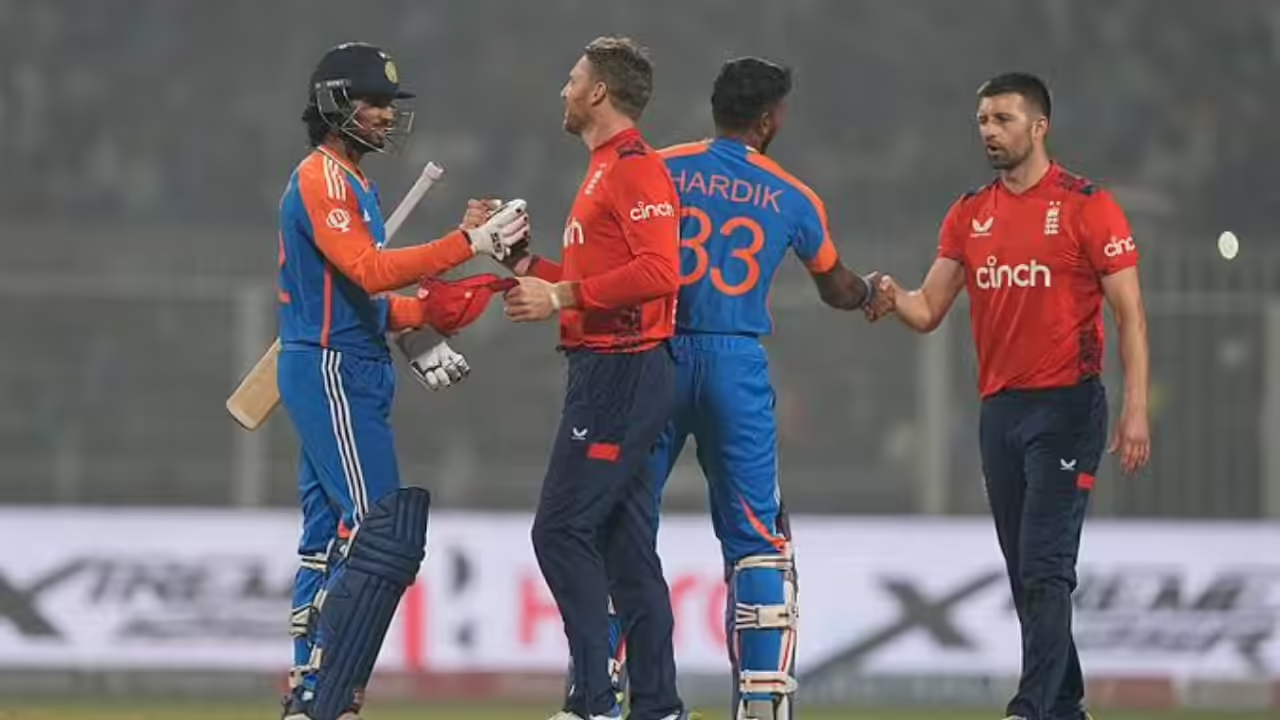
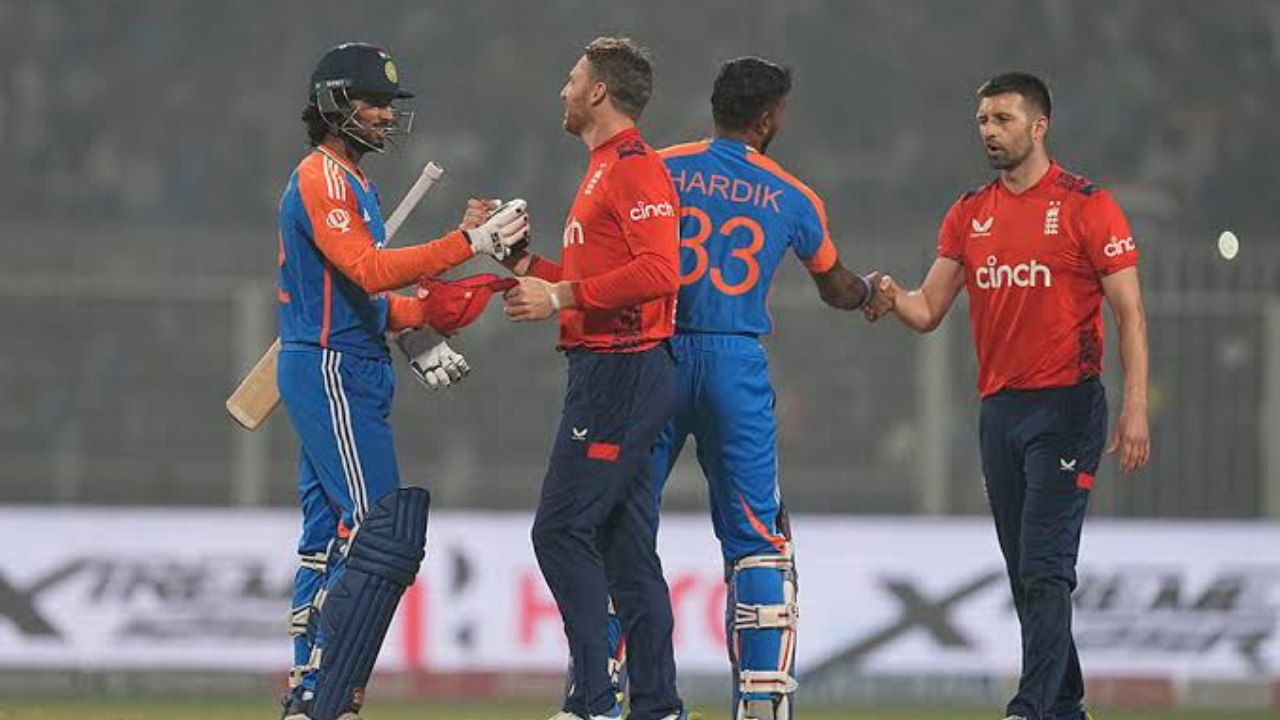
Team India will have high hopes from aggressive opener Abhishek Sharma in the five-match T20I series in England, which begins in Chester-le-Street on Wednesday, July 1. The Men in Blue suffered a shocking 2-0 loss in Ireland recently as their famed top order collapsed. As such, Abhishek will be keen to come up with an impactful effort in England.
Abhishek had a mixed time of it during the two-match T20I series in Ireland. He contributed a quick-fire 49 off 20 in the first match in Belfast, smacking seven fours and two sixes. In the second match at the same venue, he was dismissed for a golden duck as Ireland ended up creating history in unexpected fashion.
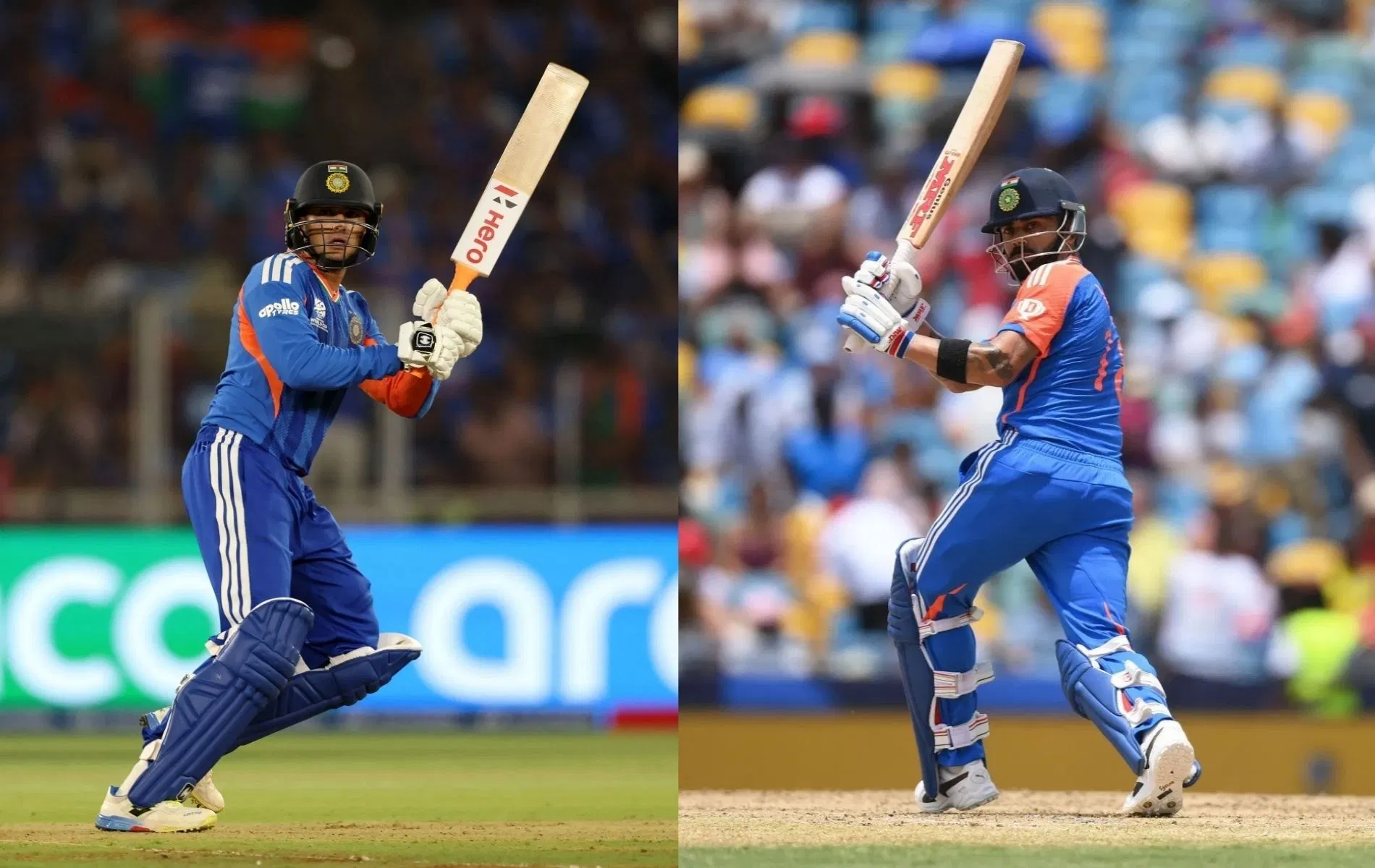
Abhishek has played 47 T20I innings so far. Ahead of the England vs India clash in Chester-le-Street, we compare his stats with those of Virat Kohli after the former India captain had also played 47 T20I innings.
Advertisement
Abhishek Sharma vs Virat Kohli – Who has a better average and strike rate after 47 T20I innings?
In 47 T20I innings, Abhishek has scored 1,487 runs at an average of 33.04 and a strike rate of 191.62. In six innings against England, he has scored 288 runs at an average of 48 and a strike rate of 214.92. Also, in six innings against New Zealand, he has 234 runs at an average of 46.80 and a strike rate of 248.93. He has also scored 215 runs in nine innings against South Africa (strike rate 169.29).
After 47 T20I innings, Kohli had scored 1,852 runs at an average of 54.47 and a strike rate of 136.37. In 10 innings against Australia, Kohli had 423 runs at an average of 70.50 and a strike rate of 145.36. Also, in six innings against Pakistan, he had 254 runs at an average of 84.66 and a strike rate of 118.69. Further, in nine innings against England, he had 236 runs at a strike rate of 134.09.
Abhishek Sharma vs Virat Kohli – Who has more 50-plus scores after 47 T20I innings?
In 47 T20I innings, Abhishek has registered 12 50-plus scores – two centuries and 10 half-centuries. He clobbered 135 came off 54 balls against England at Wankhede Stadium in Mumbai in February 2025. The blazing knock featured seven fours and 13 sixes. He also hit 100 off 47 against Zimbabwe in Harare in July 2024. The innings included seven fours and eight sixes.
Advertisement
Player
Runs
Average
SR
HS
100s
50s
Abhishek Sharma
1,487
33.04
191.62
135
2
10
Virat Kohli
1,852
54.47
136.37
90*
0
17
(Abhishek vs Kohli – Batting stats comparison after 47 T20Is)
After 47 T20I innings, Kohli had notched up 17 half-centuries. His best at that stage was 90*, which came off 55 balls against Australia in Adelaide in January 2016. The knock featured nine fours and two sixes. He had also hammered 89* off 47 balls against the West Indies at Wankhede Stadium in Mumbai in the 2016 T20 World Cup. The valiant knock comprised of 11 fours and a six.
Abhishek Sharma vs Virat Kohli – Who has a better record in wins after 47 T20I innings?
In 36 T20I wins (35 innings), Abhishek has scored 1,207 runs at an average of 35.50 and a strike rate of 195.94, with two hundreds and eight half-centuries. In nine losses, he has 177 runs, averaging 19.66 at a strike rate of 173.52, with one fifty. The 25-year-old has also scored 61 runs in one tied T20I and 42 in two matches that produced no result.
Player
Innings
Runs
Average
SR
HS
100s
50s
Abhishek Sharma
35
1,207
35.50
195.94
135
2
8
Virat Kohli
31
1,296
68.21
133.19
90*
0
13
(Abhishek vs Kohli – Batting stats comparison in wins after 47 T20I innings)
Advertisement
In 33 wins (31 innings), Kohli had scored 1,296 runs at an average of 68.21 and a strike rate of 133.19, with 13 half-centuries. In 17 losses (16 innings), he had scored 556 runs at an average of 37.06 and a strike rate of 144.41, with four fifties.
Abhishek Sharma vs Virat Kohli – Who has a better record in chases after 47 T20I innings?
In 20 chases (19 innings), Abhishek has scored 490 runs at an average of 27.22 and a strike rate of 198.38, with three half-centuries. In 28 T20Is while batting first, he has totaled 997 runs at an average of 36.92 and a strike rate of 188.46, with two hundreds and seven half-centuries.
Player
Innings
Runs
Average
SR
HS
100s
50s
Abhishek Sharma
19
490
27.22
198.38
79
0
3
Virat Kohli
22
1,038
86.50
134.98
82*
0
11
(Abhishek vs Kohli – Batting stats comparison in chases after 47 T20I innings)
In 26 matches in chases (22 innings), Kohli had scored 1,038 runs at an average of 86.50 and a strike rate of 134.98, with 11 half-centuries. In 25 T20Is while batting first, he had 814 runs at an average of 37 and a strike rate of 138.20, with the aid of six half-centuries.
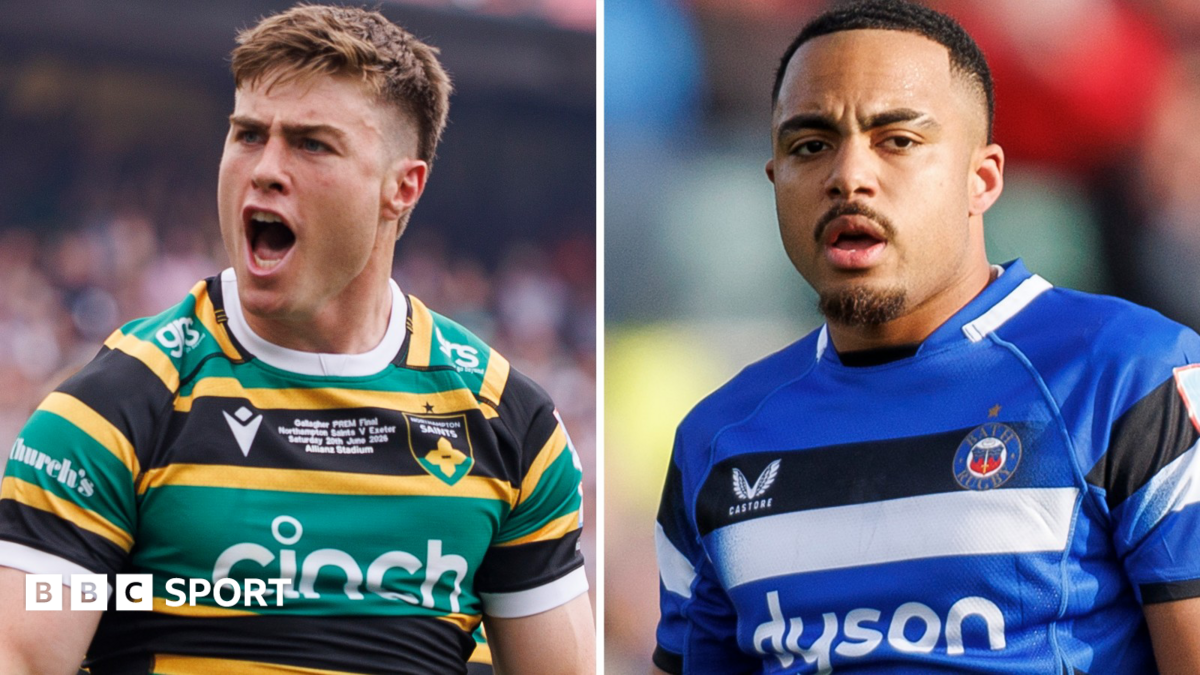
Northampton and Bath will compete for points in the same tough Champions Cup pool next season, having been drawn alongside the Pretoria-based Bulls and Top 14 runners-up Montpellier.
The Bulls lost in the United Rugby Championship (URC) final against Leinster in June, while Montpellier were also one match from glory, beaten by Toulouse in France’s showpiece league competition.
Stade Francais, who reached the Top 14 semi-finals, and Cardiff – the top-ranked Welsh side in the URC – complete a competitive Pool Four.
Elsewhere, Bristol will face Gloucester and Munster in Pool Three, as well as being reunited with defending champions Bordeaux-Begles.
Leinster will take on Leicester, Sale and Glasgow in Pool One, while Toulouse – who clinched a fourth successive French title last weekend – will provide opposition for Saracens, Exeter and Connacht in Pool Two.
In the second-tier Challenge Cup, Harlequins have been drawn alongside three-time Champions Cup winners Toulon, along with Edinburgh and Ospreys.
Newcastle are in Pool Two with Scarlets, Benetton and Sharks.
Advertisement
Ulster have Bayonne and Perpignan as their French opposition in Pool Three, as well as Dragons.
The fixture list, with potentially crucial home advantage, will be announced later this month.
India vs England Live Score: England and India kick off their five-match T20I series on Tuesday at the Riverside Ground in Chester-le-Street, with the opening match scheduled to begin at 10:00 PM IST (5:30 PM local time). While the hosts enter the contest with a settled and experienced squad, India arrive under pressure after suffering a disappointing 2-0 series defeat to Ireland in Shreyas Iyer’s first assignment as T20I captain.
India’s biggest concern heading into the series is the batting unit. The top order failed to cope with seam-friendly conditions in Ireland, with Sanju Samson, Ishan Kishan and skipper Shreyas Iyer all enduring a difficult outing. Although Abhishek Sharma showed glimpses of his explosive ability with a one 50 in the series, India will need far greater consistency from their senior batters against England’s quality attack.
There is also considerable excitement around 15-year-old batting sensation Vaibhav Sooryavanshi, but assistant coach Ryan ten Doeschate has indicated that the youngster is unlikely to be rushed into the playing XI and will continue to be eased into international cricket.
England, meanwhile, boast one of the strongest T20 squads in world cricket. Harry Brook leads a side packed with proven match-winners, including Jos Buttler, Phil Salt, Will Jacks, Sam Curran and Adil Rashid. Their pace attack could prove decisive in home conditions. Jofra Archer, Luke Wood, Saqib Mahmood and Sam Curran are expected to exploit the movement on offer with the new ball, making India’s fragile top order their primary target.
Advertisement
Pitch Report The Riverside Ground has traditionally provided a balanced contest between bat and ball, but fast bowlers have often enjoyed the upper hand, particularly during evening matches when swing is available under lights.
The venue has produced an average first-innings score of around 138 in T20Is, suggesting batters will need to spend time at the crease before playing their shots. Teams winning the powerplay battle are likely to gain a significant advantage.
India hold the overall edge in T20Is between the two sides, winning 18 of the 30 matches, while England have registered 12 victories. In England, however, the rivalry has been far more evenly contested, with India holding only a 6-5 advantage, underlining how competitive the contests have been on English soil.
Squads:
Advertisement
England Squad: Philip Salt, Jos Buttler(w), Harry Brook(c), Jacob Bethell, Tom Banton, Sam Curran, Will Jacks, Liam Dawson, Saqib Mahmood, Adil Rashid, Luke Wood, Jordan Cox, James Coles, Rehan Ahmed, Sonny Baker
India Squad: Sanju Samson, Abhishek Sharma, Ishan Kishan(w), Shreyas Iyer(c), Tilak Varma, Axar Patel, Shivam Dube, Suryansh Shedge, Harshit Rana, Arshdeep Singh, Prince Yadav, Washington Sundar, Vaibhav Sooryavanshi, Prasidh Krishna, Varun Chakaravarthy, Ravi Bishnoi
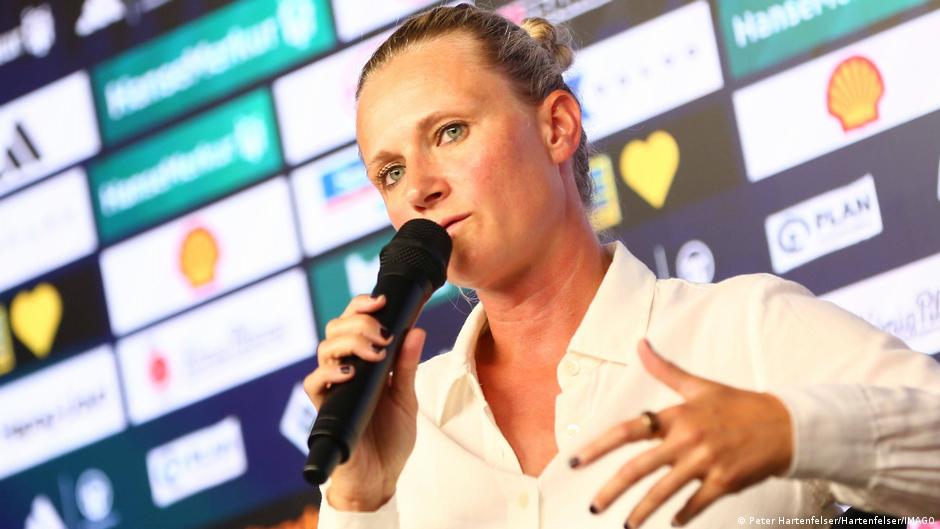
Hamburg introduced Kathleen Krüger as the football club’s new board member in charge of sport at a press conference at their home ground, the Volksparkstadion, on Wednesday.
Krüger, who officially took up the post on July 1st, said that following Hamburg’s survival in the Bundesliga after their first season in the top flight in seven years, the focus would now be on “further establishing ourselves in the first division. But we are bold, ambitious, and passionate. We don’t want to merely maintain the status quo; we want to develop.”
The press conference came several weeks after her appointment was announced in mid-May.
“By appointing Kathleen Krüger, HSV (Hamburg) is securing the services of a highly respected figure who has worked at the highest international level for many years at FC Bayern München,” the club said in a statement at the time.
Advertisement
“Over the course of 17 years, she has gained extensive experience in the sometimes emotionally charged environment of an elite club, helped shape key processes and demonstrated exceptional organizational and leadership skills.”
The former midfielder held several positions at Bayern and was most recently serving as head of organization and infrastructure at the club.
“I’m absolutely delighted by the trust that has been placed in me. It is a genuine privilege to help shape Hamburger SV, one of the biggest names in German football, in such a decisive sporting role, building for the future on the sporting level,” she said.
As a player, the now-40-year-old Krüger made 33 Bundesliga appearances for Bayern between 2003 and 2009.
Hamburg had been in the market for a new head of sport since former Germany striker Stefan Kuntz departed at the turn of the year amid allegations of serious misconduct — all of which he denies.
Advertisement
After retiring as a player, Kathleen Krüger held several positions with Bayern MunichImage: Peter Schatz/imago images
First woman to be a permanent board member for sport
Krüger is not the first woman to serve on Hamburg’s executive board, as Katja Kraus became the first in the Bundesliga to do so from 2003 to 2011. However, Krüger becomes the first permanent female board member responsible for sport. Kraus also held that position on an interim basis after Dietmar Beiersdorfer left Hamburg in 2009.
Krüger’s appointment is seen as a further step towards gender equality in German football.
In April, Union Berlin turned to Marie-Louise Eta as interim coach for the rest of the season after sacking Steffen Baumgart. In doing so, they became the first club in one of Europe’s top five leagues to appoint a woman to the role. In her five games in charge, she posted a record of two wins, two losses and one draw. On Wednesday, following the appointment of new men’s coach Mauro Lustrinelli, Eta took over as head coach of Union’s women’s team.
Advertisement
This article was originally published on May 12, 2026 following Krüger’s appointment. It was updated on July 1, 2026 as she officially took up the role.
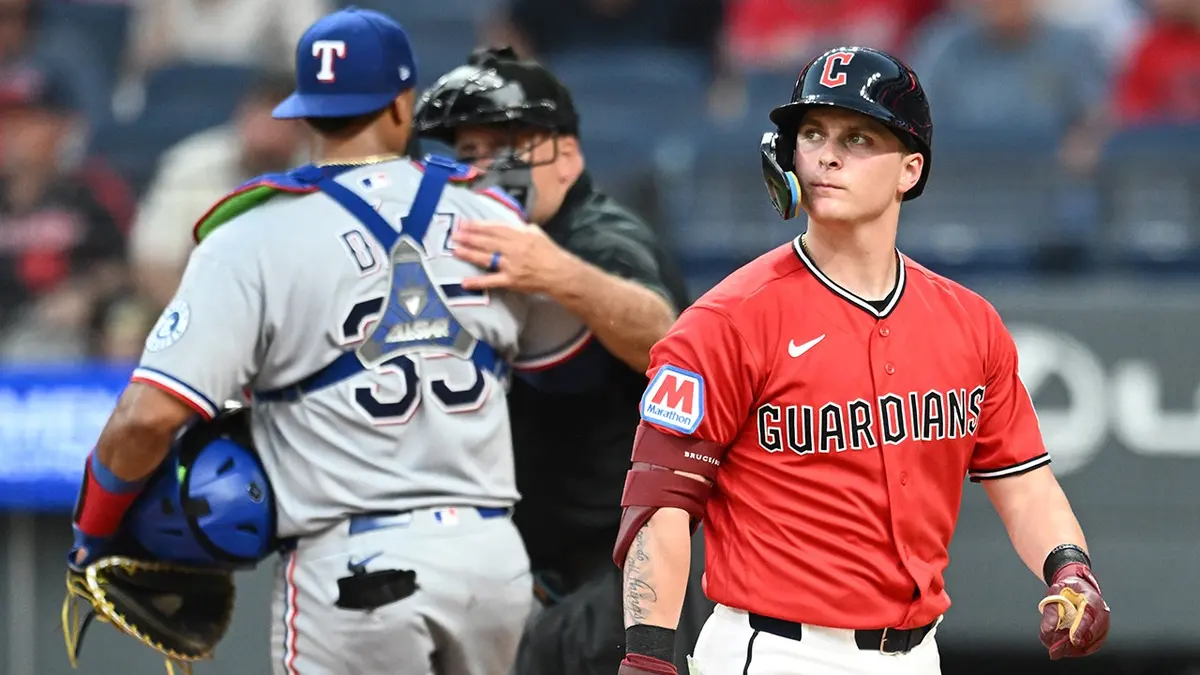
Cleveland Guardians left fielder Cooper Ingle suffered some brain fog on Tuesday night against the Texas Rangers and pieced together a moment he will want to brush off and move on from.
The Guardians and Rangers were tied 2-2 in the bottom of the seventh. The Rangers had a runner on second with one out – the key phrase, “one out.” Texas batter Alejandro Osuna popped one to left field where Ingle made a routine catch for the second out of the inning.
Cleveland Guardians left fielder Cooper Ingle (30) walks off the field after striking out to end theme against the Texas Rangers at Progressive Field.(Ken Blaze/Imagn Images)
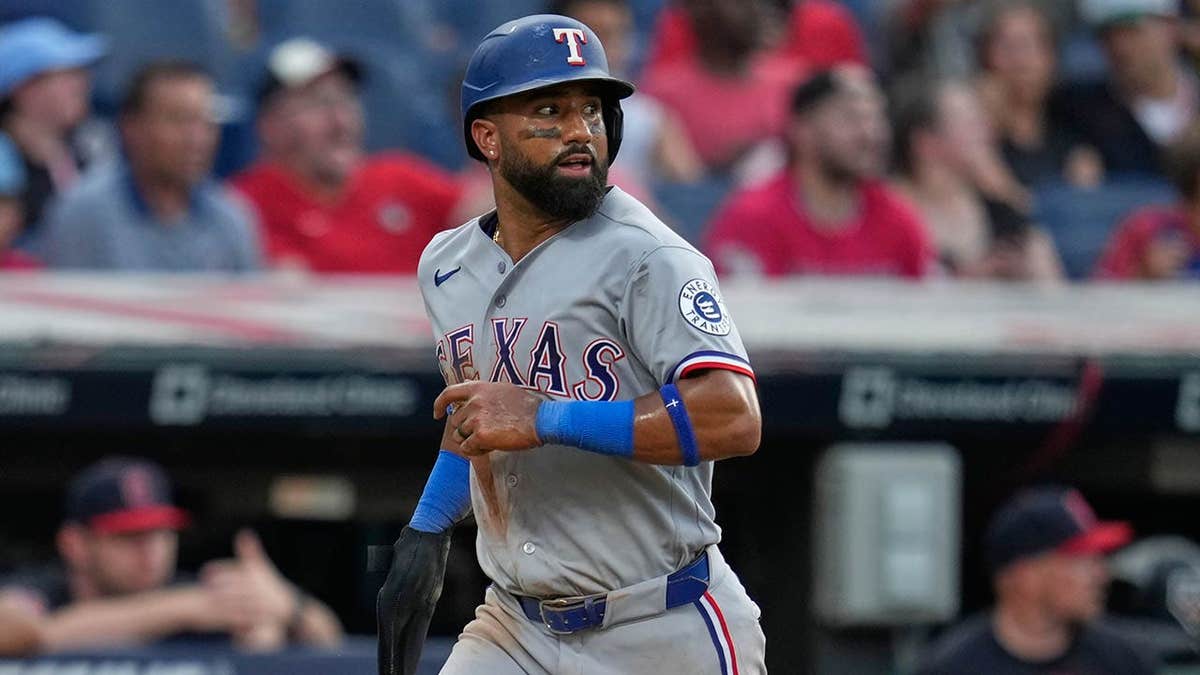
Ingle seemed to have thought it was the third out and the inning was over. He took the ball and threw it into the stands at Progressive Field. The lapse of judgment allowed Rangers runner Ezequiel Duran to run home and give the Rangers the go-ahead run.
Texas won the game, 4-2. Ingle was 0-for-4 at the plate with three strikeouts.
Texas Rangers’ Ezequiel Duran runs towards home plate to score on an error by Cleveland Guardians left fielder Cooper Ingle in the seventh inning of a baseball game in Cleveland, Tuesday, June 30, 2026.(AP Photo/Sue Ogrocki)
The 24-year-old only made his major league debut on Friday against the Seattle Mariners. He came into the 2026 season ranked No. 99 on MLB’s list of the top 100 prospects in baseball and No. 65 on Baseball Prospectus’ list. He was also No. 3 among Guardians prospects.
Advertisement
He took responsibility for the error and vowed that it wouldn’t happen again.
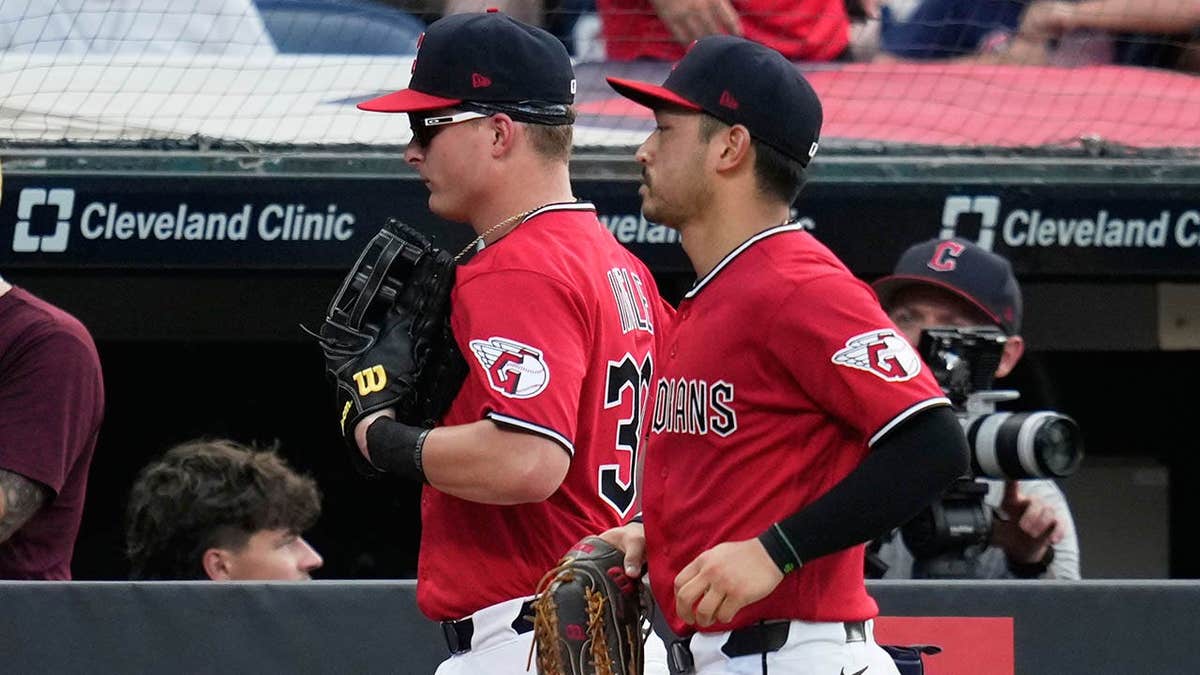
Cleveland Guardians left fielder Cooper Ingle, left, runs in from the outfield with center fielder Steven Kwan, right, after the first half of the seventh inning of a baseball game against the Texas Rangers in Cleveland, Tuesday, June 30, 2026.(AP Photo/Sue Ogrocki)
“Obviously you feel terrible,” he told reporters, via MLB.com. “It’s a pretty embarrassing feeling.”
With the result on Tuesday, each team is now 44-42 on the year.
Advertisement
Ryan Gaydos is a senior editor for Fox News Digital.
We passed the mathematical halfway point of the season last week and we’re less than two weeks away from the All-Star break. The trade deadline is only a month away. Are the various postseason races any clearer now than they were a month ago? No, not really. That could make swinging deals at the deadline even more challenging because there are fewer willing sellers.
Until the trade market really heats up, here are three trends around the league to keep an eye on as we head into the dog days of summer.
By any measure, Pirates ace and reigning NL Cy Young winner Paul Skenes is having a fantastic season. Going into Tuesday, he ranked fifth among qualified starters with 2.8 WAR and was second with a 30.6% strikeout rate. His expected ERA, which factors in contact quality allowed (exit velocity, etc.), was second only to Jacob Misiorowski. Skenes has been terrific.
It is also true that Skenes this year has not been quite as dominant as in the last two years. His 3.10 ERA is more than a full run higher than 2024-25, his 2.75 FIP is up almost half a run from 2025, and his overall pitching value per Statcast has slipped from the 100th percentile last season to the 95th percentile this season. Still excellent, obviously, but a step down from 2024-25.
In his last eight starts, Skenes has a 4.40 ERA and 3.45 xERA, and he’s allowed four runs three times. Already three times this year, he’s allowed five runs, and five times he’s allowed at least four runs. Last year, Skenes allowed five runs once and at least four runs only four times. That has prompted a round of “what’s wrong with Skenes?” questions, understandably.
Advertisement
There are two big and pretty obvious reasons 2026 Skenes has been a (slight) step down from 2024-25 Skenes. Let’s examine.
1. Pittsburgh’s defense is awful. The eye test says it and the numbers confirm it. The Pirates, with an outfield full of DHs, have -12 outs above average as a team. Their Defensive Efficiency, which is simply the percentage of batted balls converted into outs, is sixth-worst in baseball at 0.691 (69.1%). The MLB average is 0.700.
The defense has hurt Skenes more than most. Among the 168 pitchers who’ve had at least 100 defensive opportunities behind them, only three have been hurt more by their defense than Skenes.
The Pirates are at -12 OAA as a team, remember, which means they’re at -6 behind Skenes alone and -6 behind every other pitcher on the staff. They’ve channeled half their poor defense behind a guy who’s thrown 12% of their innings. xERA and barrel rate tell us Skenes doesn’t give up much hard contact, yet the Pirates aren’t making plays behind him.
Advertisement
2. There’s some sample size noise with men on base. With the bases empty, Skenes is holding hitters to a .178/.244/.342 batting line. With men on, those numbers jump to .254/.286/.328. This is a new issue. Skenes held hitters to a .187/.257/.251 line with men on base from 2024-25 and that looks a lot like his 2026 numbers with the bases empty.
Because he doesn’t allow many baserunners in general, only about one-third of the batters Skenes has faced this year have come with men on base. Those batters have a .319 batting average on baseballs in play, up from .262 with men on the last two years and his .276 career average overall. In a relatively small sample with men on, more balls have found grass this year.
This ties back to Pittsburgh’s shaky defense. We saw it right in the first inning on Opening Day. Surely you remember this:
It is notable that Skenes has lost velocity. His average fastball has dipped from 98.8 mph in 2024 to 98.2 mph in 2025 to 97.0 mph in 2026. Velocity loss is normal. Most pitchers never throw harder than they do in their first year in the big leagues. The velocity loss only shows up in Skenes’ fastball. It’s not an across-the-board decline, suggesting he may be taking something off to locate better.
Advertisement
Even with the velocity loss, Skenes is getting great results with his fastball. The swing-and-miss and hard contact numbers are not just in line with 2024 and 2025; they’re better. This is the most effective Skenes’ fastball has ever been, really. I understand pointing to the velocity loss and worrying about it, but it’s not the root cause of his recent problems. His fastball’s plenty good.
More than anything, the Pirates have to do a better job catching the ball behind their ace. Playing just below-average defense would be an improvement. The numbers with runners on base scream small sample size weirdness. Skenes showed us the last two years he can dominate in those situations. As long as he’s healthy, and by all accounts he is, I wouldn’t worry about him at all.
“I’m happy with it overall,” Skenes said about his season to date last week (via MLB.com). “I think it’s been a little bit odd. But in terms of the controllables, I’ve been happy with how I’ve been throwing, and just gonna continue to get better.”
For several years now, the Guardians boasted one of baseball’s best and deepest bullpens. By OPS+, Cleveland has not had even a league-average offense since 2022. The formula has been good starting pitching, scratch out a few runs, then smother the other team with the bullpen. It’s worked well for them. The Guardians have won the last two and three of the last four AL Central titles.
This year, things are not quite going according to plan. José Ramírez’s hamate injury has, predictably, been a significant blow. Going into Tuesday, the Guardians were averaging 3.46 runs per game since Ramírez’s injury. It was 4.01 runs per game before that, and even that is well below the 4.49 league average. Cleveland has very little margin of error with this offense now.
To make matters worse, the bullpen is no longer the dominant, best-in-the-league force. It isn’t a bad bullpen by any means, but it’s closer to middle of the pack now rather than elite. Here are the bullpen’s numbers going into Tuesday:
ERA
2.57 (1st in MLB)
Advertisement
3.44 (3rd in MLB)
3.94 (13th in MLB)
xERA
3.38 (2nd)
Advertisement
3.63 (3rd)
4.03 (14th)
K rate (per batter faced)
26.0% (3rd)
Advertisement
24.6% (5th)
26.4% (1st)
BB rate (per batter faced)
8.1% (7th)
Advertisement
8.6% (9th)
9.7% (15th)
HR rate (per 9 IP)
0.75 (1st)
Advertisement
0.81 (3rd)
1.07 (18th)
WAR
7.8 (1st)
Advertisement
6.6 (3rd)
2.6 (11th)
Win probability
14.89 (1st)
Advertisement
8.45 (3rd)
2.69 (7th)
By win probability added, the 2024 Guardians had the best bullpen in baseball history. That was a dominant, suffocating unit that carried a not-quite-league-average offense to 92 wins and an ALCS berth. Last year’s bullpen was not 2024 good, but it was very good, and one of the best in baseball. Manager Stephen Vogt has almost no bad options out there.
This year’s bullpen piles up strikeouts but is middle of the pack everywhere else. xERA, or expected ERA, incorporates exit velocity, and tells us Cleveland’s bullpen is giving up more hard contact this year than in the past. That shows up in the home run rate too. Closer Cade Smith has given up three homers already this year. He gave up five over the previous two years combined.
Advertisement
Last week, Smith gave up home runs on back-to-back pitches to blow a save against the White Sox. The Guardians came back to win that game, but it was the sort of ninth-inning meltdown that a) Cleveland can’t afford with their current offense, and b) is uncharacteristic for Smith, who has otherwise been terrific this season.
The elephant in the room here is Emmanuel Clase, who will almost certainly never pitch in MLB again given the gambling scandal. Clase’s last game was last July 26 and he was a top closer right up until he was put on administrative leave. He’s gone now and that’s one fewer high-end reliever the Guardians have to work with. Clase’s on-field production has been missed.
Without a top-tier bullpen, the plan becomes much harder to execute. Only the Padres average fewer runs scored per game than the Guardians. Whatever leads they can build, the bullpen must make stand up, and the bullpen hasn’t always made things easy this year. Again, it’s a good bullpen. It’s just not a great bullpen, and the Guardians were built around great bullpens for years.
The sudden drop in ‘drag’
Three months into the season, offense has been up and down league-wide. Up and down and then up again, more accurately. It’s easiest if I just show you the numbers:
Advertisement
April
4.51
1.07
.243/.323/.393
Advertisement
May
4.30
1.07
.239/.314/.390
Advertisement
June
4.65
1.29
.249/.320/.419
Advertisement
The league’s home run rate and thus overall offense always tick up in the summer. The weather warms up and the ball flies farther, plus hitters get into midseason form. There’s also attrition on the pitching side. Whenever a pitcher gets hurt, he is replaced by someone who was in Triple-A. A diluted pitching pool contributes to the league’s offensive environment as well.
Offense ticks up as we get into the summer, though it rarely dips in May like it did this year. It dipped significantly. The difference between April (4.51 runs per game) and May (4.30 runs per game) is one run per team every five games, give or take. It’s six additional runs each night across the league for an entire month. It adds up. For whatever reason, offense dipped in May.
It’s also notable that the offensive uptick in June came with a decline in “drag” on the baseball. In English, drag measures how the baseball interacts with the air. When there’s more drag, the ball doesn’t fly as much. When drag is low, the ball carries. The seams on the baseball, how tightly wound the core of the ball is, things like that affect the drag on the baseball.
On Wednesday, MLB issued a statement to The Athletic saying there was a recent aesthetic issue related to “excess oil from the yarn inside the baseball,” and added they don’t see any evidence showing this issue is causing the decline in drag. Here is the league’s statement:
In early February, Rawlings notified MLB of an aesthetic issue with the baseballs that shipped for 2026 Spring Training and the Regular Season. In approximately 50% of the baseballs, some excess oil from the yarn inside the baseball filtered through the leather cover of the ball, creating some yellow discoloration. Both Rawlings and MLB’s independent laboratory at UMass-Lowell completed testing on these baseballs, and the baseballs were within specifications and performed consistent with prior years. We notified the Clubs and the MLBPA of the issue in February, and consistent with baseball chain of custody procedures, MLB’s gameday compliance monitors remove any baseballs that show cosmetic imperfections after the pregame mudding process. Rawlings has resolved the issue with the yarn supplier, but due to the necessary lead times associated with baseball production, the balls without the staining will not be shipped to Clubs until late in the 2026 season or early 2027.
MLB makes drag data available to the public on Baseball Savant and we are aware of the recent reduction in drag. To be clear, there has been no change in the materials or manufacturing process of the baseball. Because the baseball is hand-sewn and is made with natural materials, we expect variation in performance both throughout the season and between seasons. Rawlings and our scientists do not see any evidence to date that the yellow staining is related to this change in drag. We will continue to monitor the performance of the baseball as the season progresses.
Every baseball is handmade at the Rawlings factory in Costa Rica (MLB owns Rawlings) and every handmade process will come with variations. Some baseballs have higher seams than others, a tighter core, etc. The league has specification ranges for the baseball and even little variations within those ranges (seam height, etc.) can have a big impact on the way the baseball plays.
Advertisement
Whatever the reason, drag on the baseball has declined these last few weeks, and when drag is down, the ball carries more. We’re seeing that show up in the league’s home run rate. Drag is one of several factors explaining why offense was up last month. Drag, the weather, pitching talent, games in Las Vegas, all that contributes to the state of offense.
July 1 marks the opening of free agency. Unrestricted free agents can negotiate and sign wherever they want, while restricted free agents can talk contract with any team, but have to go through the offer sheet process before leaving the organization that holds their rights.
This year’s free agent class is not the strongest, but there is much more to follow as the day unfolds. The trade market has the potential to be explosive as teams look for creative ways to improve their rosters ahead of next season.
Free agency kicks off on Sportsnet
Sportsnet is your home for the start of free agency. Watch the Signing Season special Wednesday, starting at 11:30 a.m. ET / 8:30 a.m. PT on Sportsnet or Sportsnet+.
Follow along with our live blog for the latest news, rumours and analysis of everything that happens as the market opens. Also make sure to check out both our signing tracker and trade tracker to see every move made.
You can also watch our broadcast of Signing Season, beginning Wednesday at 11:30 a.m. ET/8:30 a.m. PT on Sportsnet and Sportsnet+.
When the group stage match between England and Ghana was put on hold for at “hydration break” after 22 minutes, loud boos rang out from the stands of Boston Stadium. The players trudged to the sidelines, and the coaches gathered their teams around them for brief tactical instructions. Just a few days into the World Cup, it had already become clear; no change is polarizing the fans quite like these mandatory interruptions in play.
“As a coach, I would have loved it,” Jürgen Klopp told DW. A few extra minutes for tactical instructions give a team a clear advantage.
However, the former Liverpool and Dortmund manager also voiced criticism.
“There is a problem with the length of the water breaks and what TV broadcasters or FIFA do during them.”
Advertisement
From heat protection to a bone of contention
The rule was introduced officially to help players cope with the summer heat. Matches at this World Cup are stopped twice in addition to the halftime break, at around the 22nd and 67th minutes. Unlike in previous major tournaments or league games, the decision to call a water break isn’t based on how hot it is, although the idea of introducing them came up during last summer’s Club World Cup, when extremely high temperatures were a problem.
At this World Cup, though, the hydration break has become a major bone of contention.
“I don’t like this water break,” an Iraq fan told DW in Philadelphia.
“If the players really need a drink, they should just do it before taking a corner kick.”
The hydration breaks are even mandatory in air-conditioned venues like the one in DallasImage: Kenjiro Matsuo/AFLOSPORT/IMAGO
On the sidelines of the match between Argentina and Austria, another fan pointed to the fact that it was being played in a covered stadium in Dallas: “The air conditioning is running here, so where is the heat?”
Not just a water break
It is primarily the impact on the game that is sparking debate. In many cases, what was meant to be a brief opportunity to hydrate has turned into a tactical timeout. Coaches adjust formations, give instructions to players, and disrupt the opponent’s rhythm.
Advertisement
“On one hand, the breaks have changed the game by giving coaches more influence; on the other, they break the flow of play for the fans,” an Argentina supporter told DW.
Research conducted by the English newspaper “The Times” suggests this impression is not merely subjective. Using Opta data, the paper evaluated every group-stage match. A significant shift in momentum occurred in 32% of matches after the first water break, and in 26% after the second. On average, match momentum dropped by 17% following an interruption. Particularly striking was the finding that the team with higher momentum prior to the break experienced a much sharper decline in momentum afterward.
Many supporters are no fans of the mandatory drink breaksImage: Mathias Brück/DW
Players and coaches also view this trend critically. Netherlands captain Virgil van Dijk noted that the interruptions are far from ideal for neutral viewers watching on TV. While water breaks make sense in extreme heat, he argued that decisions regarding their use should be made on a match-by-match basis.
England manager Thomas Tuchel criticized the fact that the breaks unnecessarily prolong the matches. Paraguay coach Gustavo Alfaro went so far as to say that soccer is increasingly evolving into a game played in four quarters—a comparison that comes naturally in North America, given that popular American sports, like basketball and American football, are structured that way.
Advertisement
A financial windfall for FIFA?
That is precisely where another point of criticism arises. In many countries, broadcasters are using these guaranteed stoppages for commercial breaks, something previously almost unheard of in soccer.
“They have to fit in their advertising; from a corporate perspective, that probably makes sense,” an American fan told DW.
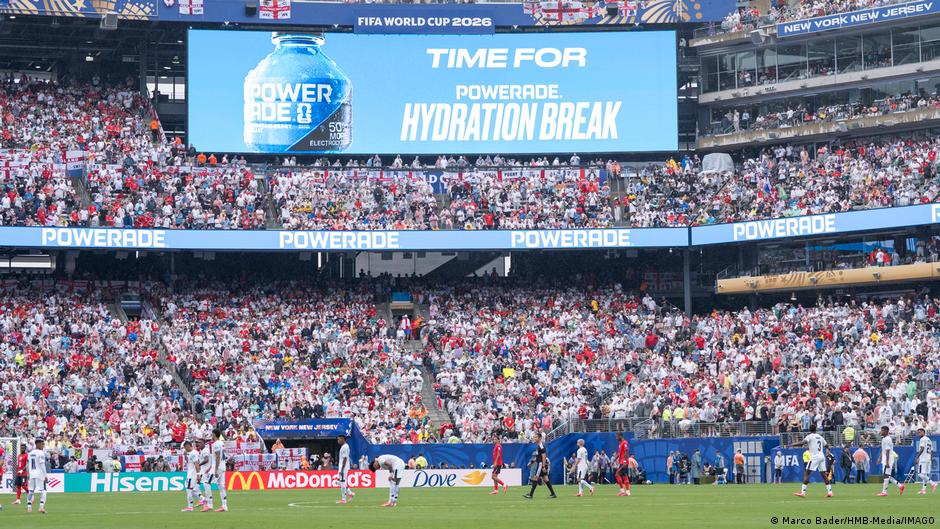
The hydration breaks themselves even have their own sponsor, whose name appears on the stadium’s big screen at the beginning of the breaks.
Coaches have been using the hydration breaks to make tactical changesImage: Bahho Kara/Kirchner-Media/IMAGO
FIFA President Gianni Infantino has denied that football’s global governing body was profiting from the introduction of the hydration breaks.
“We don’t earn a single extra dollar from the hydration breaks because all the contracts were already signed before they were introduced,” he told SNTV.
Advertisement
At the same time, he announced plans to carefully evaluate the experience gained during this World Cup. Only after that would a decision on the future of the water breaks be taken.
Medical benefit
Sports medicine experts consider additional opportunities for players to hydrate during extreme heat to be sensible.
“There is data showing that so-called ‘cooling breaks’ have a beneficial effect on body temperature,” sports doctor Tim Meyer told Germany’s “11 Freunde” football magazine.
“In extreme conditions, players run less – and, above all, less intensely – and play more safe passes. From a health perspective, that is probably sensible, but it certainly isn’t in the spirit of the sport.”
Advertisement
The debate has long since shifted away from the question of whether players need protection from the heat to the question of what that protection should look like – and whether the breaks should apply to every match, no matter the temperature.
Everton have officially confirmed CMC Markets as the club’s new front-of-shirt sponsor ahead of the 2026-27 season, formally corroborating the news we brought you back in the spring.
As ToffeeWeb reported back in April, the multi-year agreement sees the UK-based financial services and online trading firm replace Stake.com as the Blues’ principal sponsorship partner.
Advertisement
CMC’s branding will now feature on the front of the men’s, women’s, and Under-21s’ kits. The deal also includes heavy visual presence across the new Hill Dickinson Stadium, Goodison Park (now home to Everton Women), and Finch Farm.
The commercial shake-up arrives ahead of the Premier League’s self-imposed ban on front-of-shirt gambling sponsors, which comes into full effect for the 2026-27 campaign. However, those hoping for a clean break from the betting industry will be left disappointed.
Advertisement
Stake.com is not disappearing from the royal blue jersey. Instead, the controversial cryptocurrency casino has simply sidestepped to become the club’s official sleeve sponsor on a renewed multi-year deal. The move ensures Stake retains highly visible branding both on the kit and around the club’s stadiums, a decision sure to rankle campaign groups like the Coalition to End Gambling Ads and a vocal section of the fanbase who campaigned against the initial partnership.
The deep irony of Everton’s new commercial setup will not be lost on supporters. While the club is adhering to the letter of the impending Premier League regulations by removing a traditional casino and sports betting brand from the primary shirt real estate, they have effectively replaced it with a spread betting and financial derivatives platform that operates under the eminently more respectable umbrella of investment speculation.
Advertisement
Whether the inherent ‘gamble’ of retail trading, CFDs, and financial speculation represents a tangible moral improvement over sports betting is highly debatable but, for Everton’s commercial department, the bottom line is clearly what matters most. Combined with the Stake sleeve renewal, the club is projecting a significant uplift in commercial revenue as they prepare to usher in a new era at the waterfront.
Advertisement
Lord Peter Cruddas, Founder and CEO of CMC Markets, leaned heavily on the shared “passion” of football and finance in today’s official announcement, stating: “Football is one of the few passions in life that inspires lifelong commitment because, like financial markets, you invest in your club long-term.
“We see that same mindset among many of our clients. They are loyal and strive to achieve success through patience, resilience and confidence.”
Andrew Middleton, Everton’s President of Business Operations, hailed the partnership, noting that agreements of this scale “help us strengthen revenues, build a more sustainable platform for success and support our ambitions on and off the pitch.”
Advertisement
Advertisement
The new CMC-branded home kit is expected to be officially unveiled later this week.
Reader Comments (7)
Note: the following content is not moderated or vetted by the site owners at the time of submission. Comments are the responsibility of the poster. Disclaimer ()
Dave Abrahams
2 Posted 01/07/2026 at 12:08:01
Advertisement
Is there any difference between how much the new sponsors are paying for the privilege of sponsoring us to the old one?
Iain Johnston
3 Posted 01/07/2026 at 12:14:15
The new deal is worth around £25m a year.
Advertisement
Stake paid us £10m a year.
Les Callan
4 Posted 01/07/2026 at 12:26:33
Baron Cruddas. A fine upstanding member of society.
Advertisement
Advertisement
Paul Hewitt
5 Posted 01/07/2026 at 12:26:34
The combined value of shirt and sleeve sponsor is 25 million
Advertisement
Christy Ring
6 Posted 01/07/2026 at 13:43:14
Considering the amount of sponsorship we’re getting and the revenue from all the different sports and activities at the Hill Dickinson, should we not have alot more money for transfers?


























































You must be logged in to post a comment Login