“Alongside these imminent talks, we have accepted the pay recommendation from the independent NHS Pay Review Body as part of this package on pay to deliver an above forecast inflation pay increase for the third consecutive year to 1.4 million NHS staff, including nurses, paramedics, midwives and hospital porters.
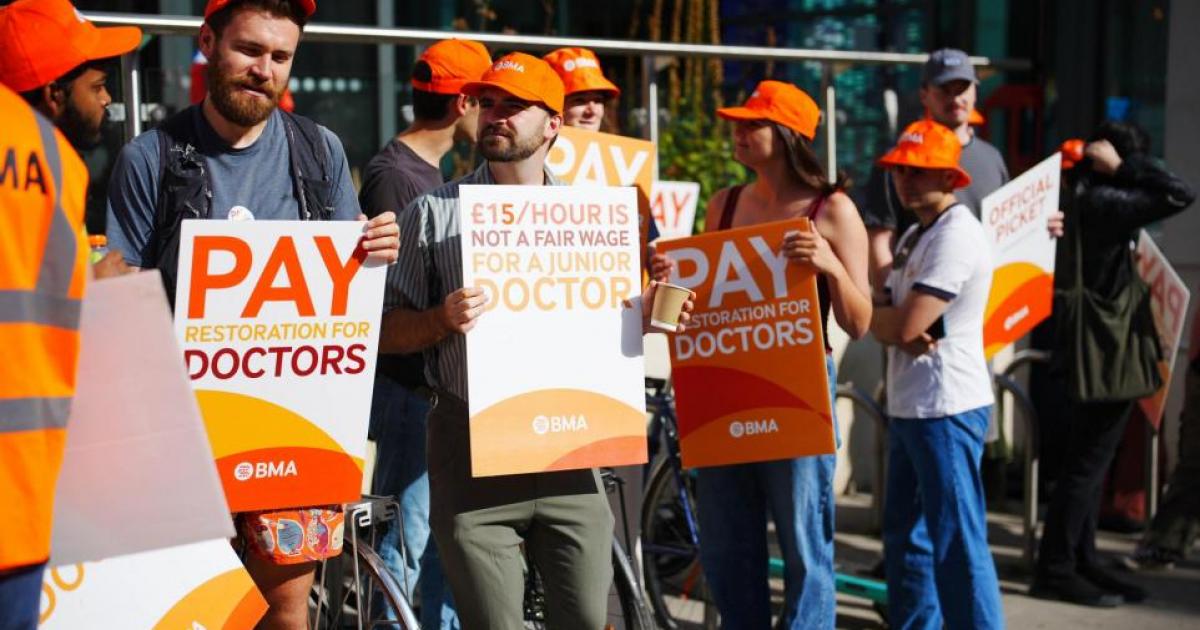
The MP for Scarborough and Whitby Alison Hume, has responded to what she views as the “unaffordable” pay demands of resident doctors who are set to begin a six-day strike action from Tuesday (April 7) to Monday, April 13.
The British Medical Association, which represents doctors, called the strike in response to a ‘below inflation’ pay offer of 3.5 per cent.
Prime Minister Sir Keir Starmer has given the BMA 48 hours to call off the strikes or face losing 1,000 extra training places.
Advertisement
Commenting on the looming industrial action, Labour’s MP Ms Hume said: “I think the Prime Minister has said that they really do need to come to the table and agree the deal or they’ll lose the extra training places that are on offer.”
She said: “I know that the health secretary has been meeting with them for many, many months and it’s not unreasonable that the pay demands that they want are just unaffordable, and so I’m really concerned that that strike is going ahead.”
The BMA said the Government had the power to “avert this strike action by coming back to the table with a credible offer on both jobs and pay”.
“We remain willing and available to re-enter negotiations, but we are not willing to risk locking in further pay erosion. The Government shifted the goalposts on pay at the 11th hour, leaving us with no option but to make ourselves heard from the picket line,” the union added.
Advertisement
The prime minister penned an article in The Times this week, describing the 15th walkout since the long-running dispute started in 2023 as “reckless”.
He said: “Walking away from this deal is the wrong decision. It is a reckless decision. And doing so without even giving resident doctors themselves the chance to vote on it makes it even worse.
”Because the truth is this: no one benefits from rejecting this deal.”
Ms Hume said: “I would just say to my constituents, if you need health services and you need the NHS, please do get in touch.
Advertisement
“Don’t take the strikes and think you can’t get in touch. If you need help, ask for it.”
York and Scarborough Teaching Hospitals NHS Foundation Trust said that disruption to staffing may mean some appointments and procedures might need to be rescheduled.
A spokesperson said: “If we have not contacted you, please attend any planned appointments as normal. We will contact you if your appointment needs to be rescheduled due to strike action. We will only reschedule appointments and procedures where necessary and will rebook as quickly as possible.
“If you need urgent care, please continue to come forward as normal, regardless of any industrial action taking place. Especially in emergency and life-threatening cases – when someone is seriously ill or injured, or their life is at risk.”
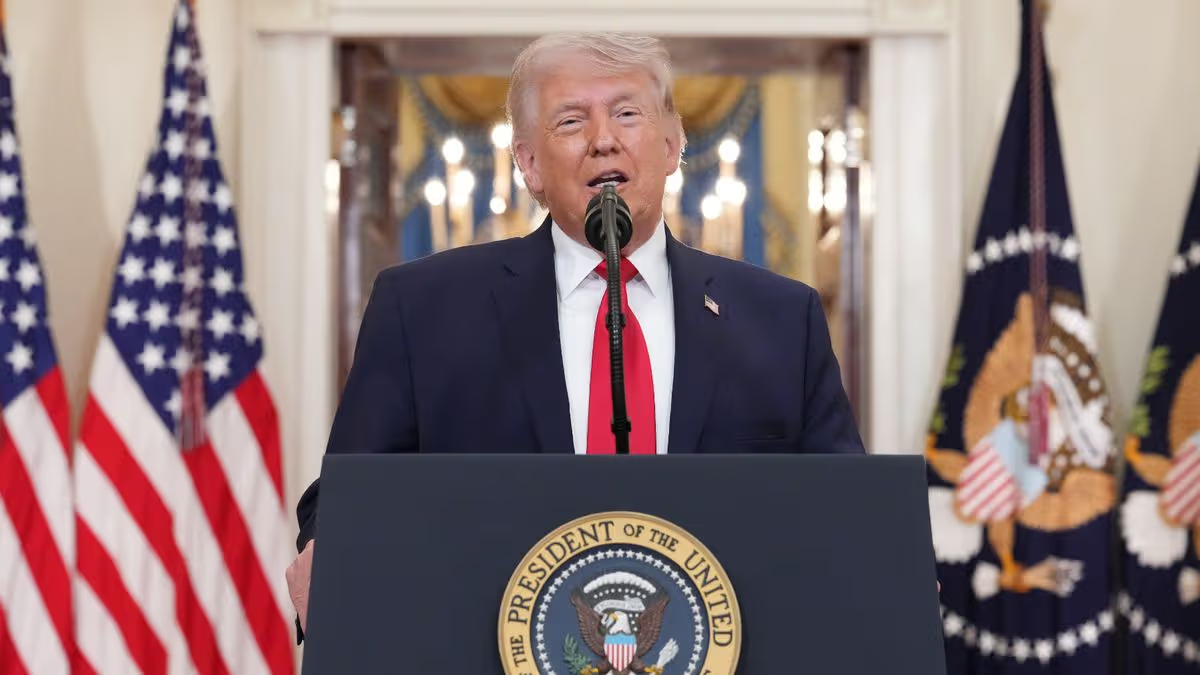
During his speech, delivered on Thursday evening local time, he claimed that Iran’s navy ‘has gone’ – while he promised to hit them ‘very hard over the next two to three weeks’
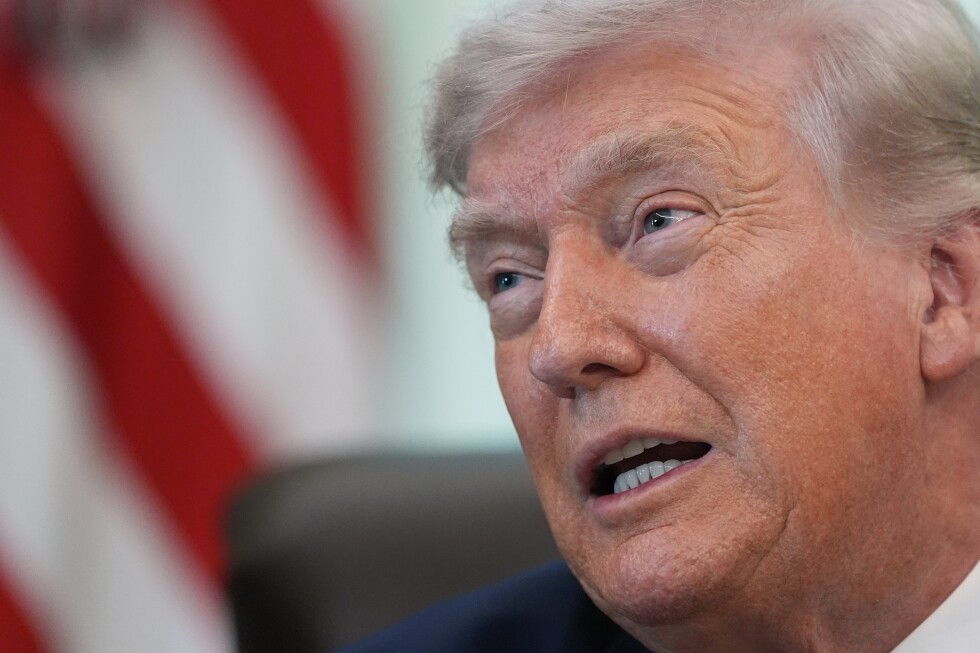
Social media users have noticed that Donald Trump ‘looks and sounds physically unwell’ during his key address to the nation.
Advertisement
The President spoke to the public on Thursday evening local time. In his speech, the US President has praised the victories of the US in Iran. He said: “Iran’s navy is gone. Their Air Force is in ruins … Very few are left.”
Trump also commented on the operation in Venezuela. He said: “We are working along Venezuela .. true partners and we are getting along incredibly well.”
He also promised that the conflict in Iran will end “very shortly”.
He added that the US will “hit them very hard over the next two to three weeks” before comparing the length of the conflict to previous wars.
Advertisement
However, despite the subject of the speech being of huge importance globally, some struggled to look past potential health problems Trump may be experiencing.
One X user commented: “Does President Trump genuinely look unwell and exhausted?”
Another said: ” Donald Trump looks and sounds physically unwell. Why are the American people not receiving more information about the health condition of a clearly ailing president?”
Another simply wrote: “Trump looks very unwell.”
Advertisement
“Sounds weak and nervous, his lips on one side of his face are not moving,” someone else said. “His eye also, look at him, TERRIBLE. HE IS NOT WELL.”
WASHINGTON (AP) — President Donald Trump is set to address the nation Wednesday evening about the war against Iran, a pivotal moment at home and abroad as he seeks to amass extraordinary power to prosecute the military operation and his second-term agenda.
Trump started the day as the first sitting president to show up for a U.S. Supreme Court hearing, a stunning reach of the executive into the affairs of the judicial branch. He is preparing to end it with his first primetime address from the White House about a war he launched on his own, bulldozing past Congress.
On an early spring night when many Americans may be looking upward as Artemis II astronauts lift off for NASA’s historic return to the moon, Trump will refocus attention back to him — and to the conflict with Iran that has killed more than a dozen U.S. service members and appears to have no easy exit in sight.
And yet Trump himself predicted the U.S. will be done “within maybe two weeks.”
The president’s address to a watchful nation — and world — will offer him an opportunity to outline his next steps: Will he declare victory and signal a readiness to move on from Iran?
Or is the president preparing for a ground invasion by American troops — to retrieve Iran’s enriched uranium or secure the Strait of Hormuz — that could launch the U.S. into another potentially lengthy war in the Middle East?
Trump is fast approaching the 60-day mark when he must seek approval from Congress under the War Powers Act to continue any military operations.
Advertisement
Mixed messages about an escalating war and hopes for diplomacy
The Trump administration’s stated goals for the war, and how it ends, have expanded and shifted.
The administration has said it launched the U.S.-Israel campaign on Feb. 28 to prevent Iran from having a nuclear weapon, erode its ballistic missile stock and crush its navy. The bombing campaign quickly killed Iran’s top leadership, including Supreme Leader Ayatollah Ali Khamenei, but regime change it is not. Khamenei’s son has been installed as the new leader.
What happened next appeared to throw the Trump administration’s plans off-kilter: Iran’s swift and relentless retaliation, bombing its Gulf state neighbors and jamming the global oil supply in the Strait of Hormuz, which sent energy prices soaring and left next steps uncertain.
Trump has berated U.S. allies for not doing their part in the conflict, even as British Prime Minister Keir Starmer said he would convene a diplomatic summit to help reopen the Strait of Hormuz after the fighting ends.
Advertisement
Trump is not expected to announce the imminent start of peace talks in any venue, according to a U.S. official briefed on elements of the speech, which remains a work in progress. The official spoke on condition of anonymity to preview the speech.
But that could also change.
Uncertainty about what Trump will do about NATO
Virtually every country in the world has an interest in what Trump will say, even those geographically far removed from the conflict and facing higher energy prices as a result of the war and Iranian retaliation.
The Trump administration has criticized traditional U.S. allies for not stepping in to help in the fight, with some European countries preventing use of their airspace and bases, and being reluctant to help secure the Strait of Hormuz, where one-fifth of the world’s oil normally passes.
Advertisement
Trump and Secretary of State Marco Rubio have suggested that NATO will need to be reconsidered once the Iran war is over.
Trump himself has gone so far as to say he is “seriously considering” withdrawing from the military alliance, which has been a bulwark of transatlantic unity and security since the end of World War II.
Trump told Reuters before the speech that he plans to use the address to express his frustrations with NATO members.
The president, however, cannot simply withdraw from NATO on his own, without a legal fight.
Advertisement
After Trump’s first term, then-President Joe Biden signed into law legislation that would prevent any president from leaving NATO without congressional support. The provision, part of a sweeping defense measure, was led in part by Rubio, a Republican senator at the time.
“We’re going to have to re-examine the value of NATO and that alliance for our country,” Rubio said Tuesday in an interview with Fox News host Sean Hannity. “Ultimately, that’s a decision for the president to make, and he’ll have to make it.”
A crisis within NATO, which appears to be building, and public taunts from Trump about U.S. partners will be welcomed by historic rivals Russia and China, which have long sought to break or at least stem the influence of the alliance that they regard as a threat to their own territorial and political agendas.
Ukraine will be watching warily as Trump’s policies have significantly reduced U.S. support for its defense against Russia’s invasion.
Advertisement
Political ramifications at home
Trump, who ran as the “America First” president vowing not to drag the country into endless wars, has yet to fully address the political pushback he faces from his own base of supporters over the Iran conflict.
The U.S. economy is roiling, the financial markets are swinging with Trump’s various pronouncements about the war effort, and Americans are facing pain at the pump as the cost of living rises.
While the president often describes the inflationary high prices as a momentary setback, it’s all feeding into a rocky November midterm election.
Some of the sharpest criticism he’s faced in the early days of the Iran war has come from once-loyal media figures in the MAGA-universe, including Tucker Carlson.
Vicky, 38, married Ercan, 32, in August 2024 and they have been unsure on whether they wanted to have children or not – until now. They reveal all in their new show
TV personality Vicky Pattison has made a huge baby decision with husband Ercan.
Advertisement
Vicky, 38, married Ercan in August 2024 and they have been unsure on whether they wanted to have children or not – until now. The pair have been happy dog parents to their two Labradors, Milo and Max but now they are considering their options to have children.
The pair featured in a two-part show on E4 called Vicky Pattison: Maybe, Baby? where they met with people who had gone through surrogacy and adoption to explore all the ways people have children.
Ensure our latest headlines always appear at the top of your Google Search by making us a Preferred Source. Click here to activate or add us as your Preferred Source in your Google search settings.
During the show Vicky expressed her biggest concern was how having a baby could impact on her TV career, which she has finally got to a point she had dreamed of. She also worried she wouldn’t be a good mother.
Also featuring ont he show is former TOWIE star Pete Wicks who has been friends with Vicky for over 15 years. Vicky asked him if he would like children one day, he replied earnestly: “Yeah, I’d love to be in a position to be able to do it. I’m quite envious of you.”
Pete was full of encouragement for his friend, he added: “You’re in a f***ing beautiful relationship, with the man of your dreams, that is such a blessed and wonderful position to be in. I’d love to be in that position.”
Advertisement
Heading out on a date night with Ercan – who had confided in his dad and brother while Vicky was with Pete – the couple finally made a decision.
Vicky told him: “I want a family and I want to be a mam.” Ercan echoed her thoughts and said: “I think we should try and have a baby this year.” An emotional Vicky was delighted, but admitted: “I’m still scared!” But Ercan reassured her: “Yeah I’m terrified!”
It comes after Vicky candidly revealed she and her husband Ercan Ramadan are seeking the help of a sex therapist, a year and a half on from their lavish wedding ceremony. While they seek the support of a sex therapist in order to help spice things up in the bedroom as Vicky struggles with “judgement” from two very unlikely beings.
Advertisement
Vicky, who has been with Ercan for eight years, is seen enlisting the help of a therapist on the show – according to the Daily Mail – as she admits: “People assume I’m quite wild, that I’m swinging from the chandeliers every night. But I’m very boring. I’m actually a bit of a prude.”
Vicky Pattison: Maybe, Baby? is available on Channel4.com.
The line-up for the biggest ever World Cup is complete.
The tournament across America, Canada and Mexico will see 48 teams competing to become best in the world – up from the usual 32.
Dramatic playoffs saw Italy narrowly miss out on a spot in the finals for the third time in a row, while Iraq will return to the tournament for the first time in 1986.
Here’s everything you need to know.
Advertisement
When and where is the World Cup?
The tournament runs from 11 June to 19 July 2026 and will be played at 11 sites in America, three in Mexico and two in Canada.
104 games will be played overall – up from 64.
The host nations automatically qualify and will play all three of their group stage matches on home soil.
The final will take place at the New York New Jersey (MetLife) Stadium – home of the New York Giants and New York Jets.
Advertisement
Image: Aerial view of Metlife Stadium, where the final will be played. Pic: AP
The stadiums where games will be played are:
America: • Atlanta Stadium • Boston Stadium • Dallas Stadium • Houston Stadium • Kansas City Stadium • Los Angeles Stadium • Miami Stadium • New York New Jersey Stadium • Philadelphia Stadium • San Francisco Bay Area Stadium • Seattle Stadium
Canada: • Toronto Stadium • BC Place Vancouver Stadium
Advertisement
How will the group stages work?
Due to the increased number of countries in the tournament, the format of the group stages has changed slightly. Instead of 32 teams being divided into eight groups, this year will see 12 groups of four.
The top two teams in each group, plus the eight best third-placed teams, will advance to a round of 32.
For the first time since 1998, Scotland have bagged themselves a place through qualifying while Jordan, Curacao, Cape Verde and Uzbekistan will all make their World Cup debuts.
Here’s the full list of groups:
When are England and Scotland playing?
England are in Group L and will begin their campaign on 17 June in Texas against Croatia, who knocked the Three Lions out of the 2018 World Cup.
Here’s England’s full fixture list:
Advertisement
• England vs Croatia – 17 June, Dallas, 9pm (UK time) • England vs Ghana – 23 June, Boston, 9pm (UK time) • Panama vs England – 27 June, New York-New Jersey, 10pm (UK time)
Scotland’s timetable is less favourable for fans, who will need to stay up through the night to watch their side take on opponents including five-time winners Brazil.
• Haiti vs Scotland – June 14, Boston, 2am (UK time) • Scotland vs Morocco – June 19, Boston, 11pm (UK time) • Scotland vs Brazil – June 24, Miami, 11pm (UK time)
Despite the stadiums already being selected, Donald Trump has threatened to remove the Democrat-run city of Los Angeles from hosting, along with the Boston area, where England and Scotland are playing some of their group stage fixtures.
Advertisement
“If we think there’s going to be a sign of any trouble, I would ask Gianni [Infantino] to move that to a different city,” Mr Trump said in November, as protests against his government have taken place in both cities.
The president later said the government would have to “force ourselves” on LA during the World Cup for security purposes.
He said: “We’re gonna have to do something when it comes to World Cup time, and we’re gonna have to force ourselves upon them, which we have the right to do, because we don’t want to have any crime, we don’t want to have any problems.”
Advertisement
From December: Could Trump move World Cup matches?
FIFA has told Sky News the US government does have the right to determine if cities are safe for the World Cup.
In a statement, FIFA said: “Safety and security are the top priorities at all FIFA events worldwide.
Advertisement
“Safety and security are obviously the governments’ responsibility, and they decide what is in the best interest for public safety.
“We hope every one of our 16 host cities will be ready to successfully host and fulfil all necessary requirements.”
Scott LeTellier, who was managing director of the 1994 World Cup in America, suggested the cities in question shouldn’t worry about Mr Trump’s threats, as changing the stadiums would require “some kind of national emergency that would give the government the authority to cancel an event”.
“I don’t see even a remote chance of that happening,” he said.
Advertisement
How much are tickets?
FIFA says the cheapest tickets are from $60 (£45) in the group stage. But the most expensive tickets for the final are around $6,730 (£5,094).
Initially, FIFA suggested tickets would be sold using dynamic pricing, meaning fans would pay different prices according to demand.
Is the World Cup too expensive?
Advertisement
Variable pricing – fluctuating based on demand – had never been used at a World Cup before, raising concerns about affordability.
FIFA later backed away from it, saying allocations would be set at a fixed price for the duration of the next ticket sales phase.
FIFA president Gianni Infantino previously boasted that there have been more than 500 million ticket requests for the tournament but, according to estimates by The Athletic, less than six million tickets are accounted for.
Advertisement
Will there be a half-time show?
Following in the footsteps of the NFL’s Superbowl, FIFA has confirmed that a half-time show will be performed during the World Cup final on 19 July.
Other finals have had musical acts before, but this will be the first half-time show.
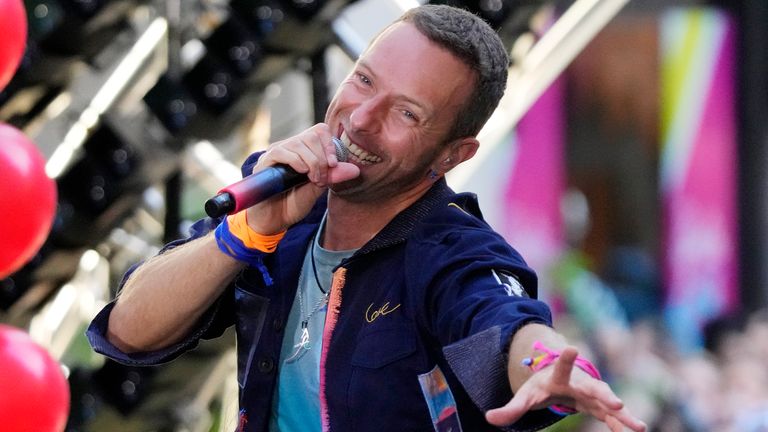
Earlier this year, FIFA’s Mr Infantino said Coldplay will help pick the artists who will perform – none have been confirmed so far.
Image: Coldplay’s Chris Martin will help decide who will perform at the World Cup half-time show. Pic: Charles Sykes/Invision/AP
Meet the mascots – and the ball
As there are three host nations, this year’s World Cup also comes with three mascots.
Maple the moose, Zayu the jaguar and Clutch the bald eagle will represent host countries Canada, Mexico and America respectively.
Advertisement
Image: Pic: Reuters
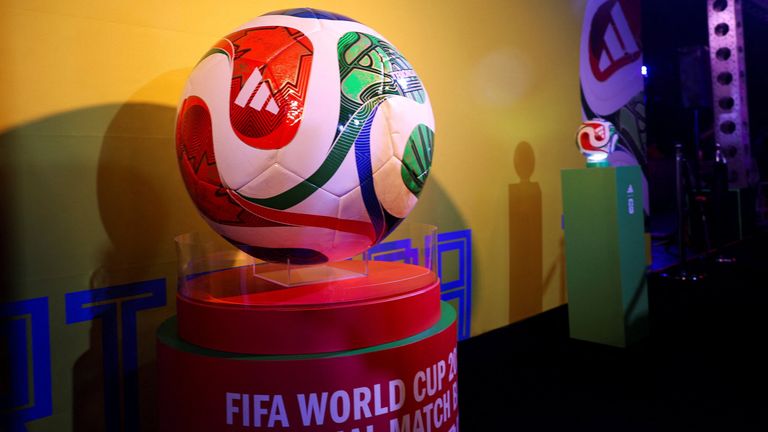
Image: The official ball of the 2026 FIFA World Cup named Trionda. Pic: Reuters
Also reflecting the three co-hosts is the official World Cup match ball – Trionda – which means three waves in Spanish.
The ball features a swirled pattern incorporating red, green and blue, with each section representing a host nation.
Mariella Rose was just 17 when she died after the car she was driving was involved in a crash with a tractor in Everingham Road, Everingham – near Pocklington – on Monday (March 30).
Humberside Police said that Mariella had sadly died at the scene and confirmed that her family are being supported by specialist trained officers at this time.
Recommended reading:
Advertisement
Speaking of their loss, Mariella’s family said in a statement: “Mariella sprinkled stardust on everyone she met.
“A volunteer at East Yorkshire Mind, a crew member at Shiptonthorpe McDonald’s, a student at Askham Bryan College, and a Humberside Police cadet based in Beverley.
“Her love of music, the Yorkshire countryside, and travels across Greece made her a beautiful, joyous young woman.
“From a very young age, her strong sense of right and wrong led to a natural ambition to become a police officer.
Advertisement
“Our hearts go out to everyone who knew Mariella her friends, colleagues and, naturally, all her family.”
It comes after it was reported that an orange Chevrolet, driven by Mariella and travelling eastbound, had been involved in a collision with a tractor at around 3.40pm on March 30.
Police are appealing for anyone who may have been in the area at the time, or who has dashcam footage/witnessed the incident, to contact officers on 101, quoting log 304 of 30 March.
It is the first phase of a £65 million development
A major redevelopment of a city centre landscape is under way as the latest update has been revealed. The first phase of the Peterborough Station Quarter project was due to start before the end of March.
Advertisement
The first phase of the £65 million Station Quarter development, known as City Link, is expected to create a modern gateway between the railway station and Cowgate, according to the council.
In the latest update, a spokesperson for Peterborough City Council confirmed that work is underway. Workers are removing trees and clearing more vegetation on the roundabout.
They expect M Group to be setting up their compound in April and May, with the main road works due to begin in May. The construction works include lane closures on Queensgate Roundabout, meaning motorists and road users could experience delays.
A spokesperson for Peterborough City Council said: “Although the traffic orders are being published later than we originally said this will not affect the timeline for our start on site. It will begin in May/June and the completion date for the project will remain the same.”
Advertisement
The two subways that run underneath the Queensgate roundabout will be removed. As part of the consultation, officers reviewed whether any of the 35 trees could be retained.
A spokesperson for the council said: “Unfortunately, this will not be possible due to engineering requirements that are necessary to construct the new footpaths and make improvements to the landscaping to transform the area.
“The landscaping proposals will see 49 new trees planted and there are also plans for seven additional small trees/shrubs as well as a rain garden and Gabion walls.”
Advertisement
The Station Quarter is a regeneration project being delivered by Peterborough City Council in partnership with Cambridgeshire and Peterborough Combined Authority, Network Rail, Platform 4, and LNER.
Minister Muir described recent wildfires as having had “devastating consequences”, endangering homes, business and communities as well as habitats
A new action plan has been launched aimed at reducing the threat of wildfires in Northern Ireland.
Advertisement
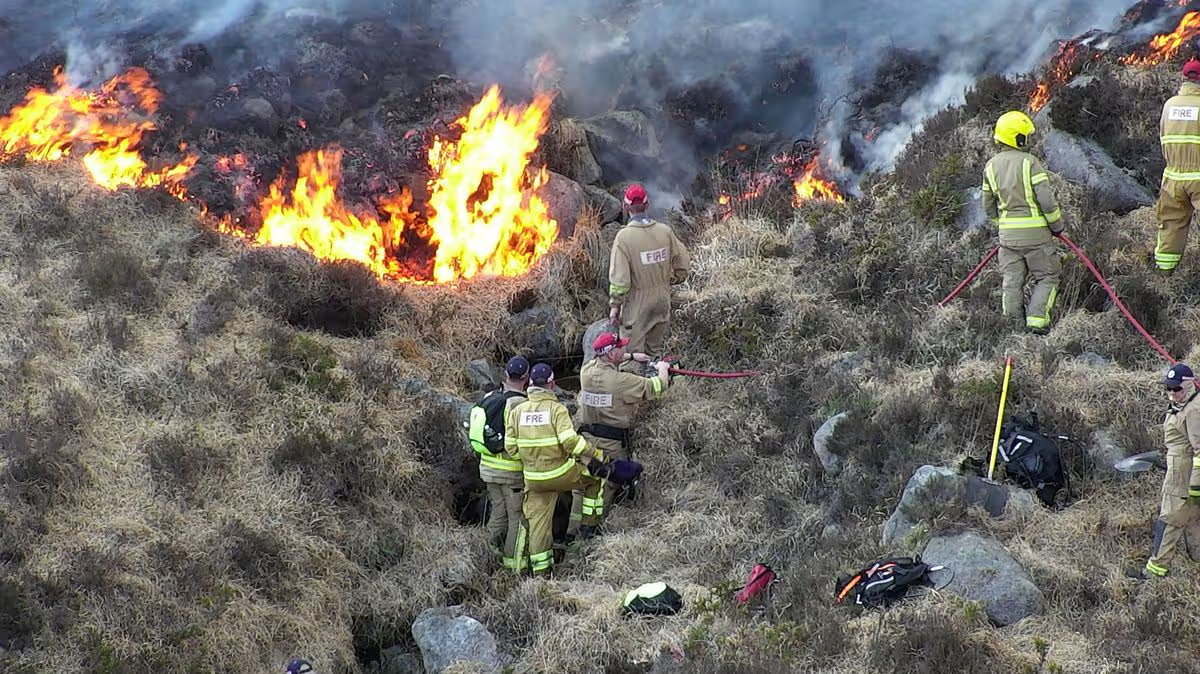
It comes after a spate of blazes last spring, including firefighters in Northern Ireland dealing with almost 300 wildfires in a single week during April.
These included a blaze in the Mourne Mountains in Co Down which sparked a major incident and saw people evacuated from their homes.
Implementation will include a consortium of international wildfire experts, led by the Catalonia based Pau Costa Foundation focusing on Eastern Mournes, North Antrim Hills and Carn/Glenshane Pass in a project supported by the carrier bag levy.
It focuses on five main objectives of prevention, preparedness, response, recovery and enforcement, supported by 35 key areas of development aimed to ensure the enhancement of regional capability.
Mr Muir described recent wildfires as having had “devastating consequences”, endangering homes, business and communities as well as habitats.
“The Wildfire Action Plan lays out how we will work together to reduce wildfire risk by implementing specific actions over the years ahead,” he said.
Advertisement
“Its implementation will help make our communities more resilient, by raising awareness of the dangers and providing the tools to adapt to and mitigate wildfire risks.
“The action plan also includes measures to enhance preparedness and capability for response to wildfire incidents, as well as supporting work on climate change adaptation, biodiversity and peatland restoration.”
Northern Ireland Fire and Rescue Service (NIFRS) area commander and strategic wildfire lead Ryan Thompson hailed the action plan as a “new approach” to reduce wildfire frequency and severity to help protect lives and the environment, and make Northern Ireland safer.
Advertisement
“We are committed to the strong, unified approach behind the Wildfire Action Plan to ensure our firefighters are ready to respond to incidents in their local areas,” he said.
“With spring beginning, we urge the public to follow our safety advice when visiting the countryside.”
Jordi Vendrell, general director of Pau Costa Foundation, said: “Northern Ireland is highly advanced in wildfire management and strategic planning, and the implementation of projects like this clearly demonstrates that leadership.
“Initiatives of this kind also create an important opportunity to connect knowledge and experience from different parts of Europe, strengthening collaboration and improving how we collectively prevent and respond to wildfire risk.”
For the first time since the Apollo era, humans are preparing not just to visit the Moon, but to live and work there for weeks, months – and eventually years.
But what would it really be like to spend an extended period on the lunar surface? The answer is exhilarating – and brutally unforgiving. An exciting new era of deep-space exploration is opening up. The US Artemis programme aims to set up an outpost on the Moon’s surface. It marks a fundamental shift in how we explore space.
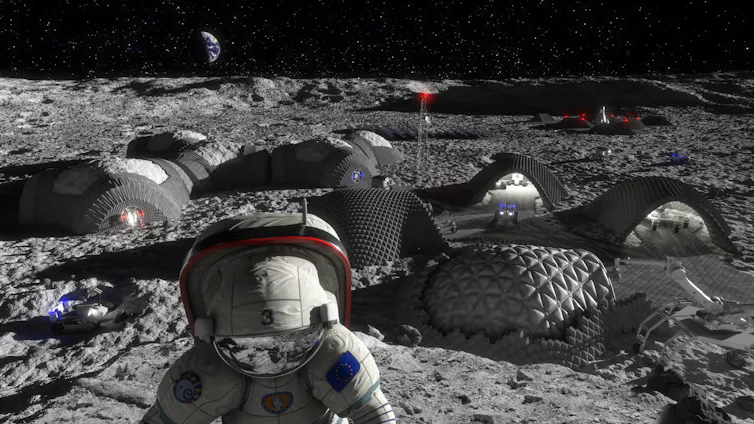
Rather than just leaving “flags and footprints” as the Apollo missions did, Nasa wants to establish a sustained human presence on the Moon, beginning at the lunar South Pole.
The programme unfolds in stages. In 2022, the Artemis I mission successfully tested the Space Launch System (SLS) rocket and Orion spacecraft as an integrated system on an uncrewed mission around the Moon.
Advertisement
On April 1, 2026, Nasa launched Artemis II a ten-day mission, carrying four astronauts around the Moon.
The four Artemis II astronauts arrived at Kennedy Space Center in Florida on March 27, 2026 to begin final preparations for launch. NASA/Jim Ross
As Nasa’s first crewed flight of Orion and SLS, Artemis II is a pivotal mission designed to verify that life-support systems, navigation, thermal protection and deep-space operations all function safely with humans onboard.
Before astronauts can live on the Moon, the journey there must be proven reliable.
Beyond these early missions, Nasa’s long-term vision extends far beyond a single landing. Nasa plans to spend US$20 billion (£15 billion) on a lunar surface base, intended to support repeated and progressively longer surface stays. This is designed to teach us how to operate sustainably beyond Earth – knowledge that will ultimately feed forward to future human missions to Mars, the horizon goal.
Advertisement
Health challenges
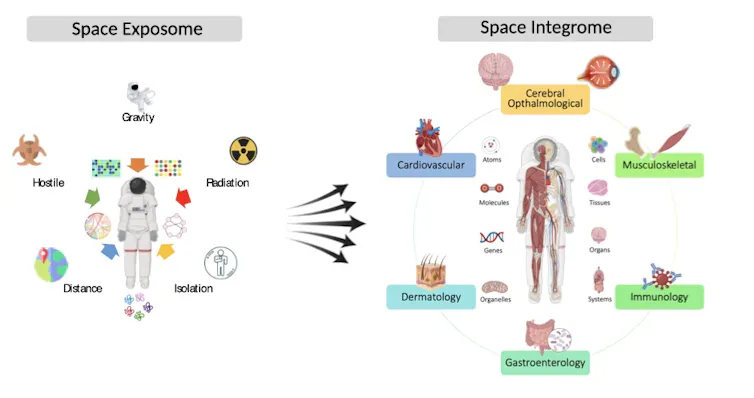
Living on the Moon will challenge every organ system in the human body. The lunar environment exposes astronauts to a unique space exposome – the combined set of
physical, chemical, biological and psychological stressors encountered beyond Earth.
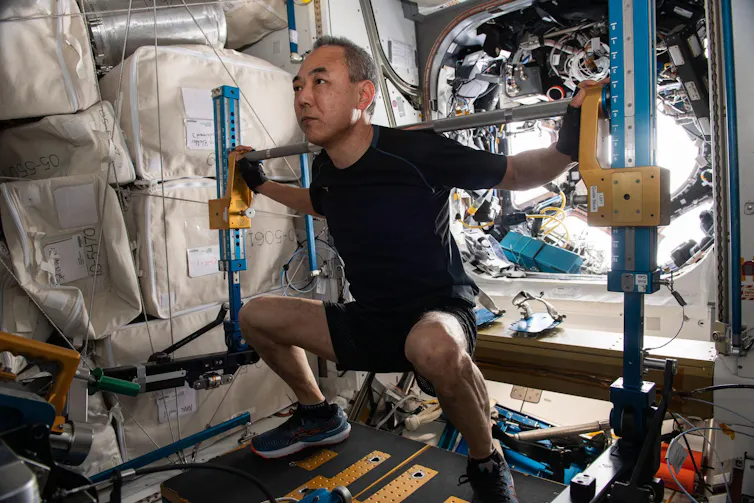
Regular exercise will be critical for staying healthy on the Moon. Here, Japanese astronaut Satoshi Furukawa works out on the International Space Station. Nasa
These include reduced gravity (about one-sixth of Earth’s), chronic exposure to cosmic radiation, extreme temperature swings, toxic lunar dust, isolation, disrupted sleep-wake cycles, and prolonged confinement.
Unlike astronauts in low-Earth orbit, lunar crews operate largely outside Earth’s protective magnetic field. This increases exposure to space radiation, which can damage DNA, disrupt immune function and affect the brain and cardiovascular system in subtle but potentially serious ways.
Reduced gravity also fundamentally alters how blood, oxygen and fluids move around the body. Microgravity can disrupt how blood, oxygen and glucose are delivered to the brain, potentially increasing vulnerability to neurological and vascular dysfunction over time.
To properly understand these risks, we need to look beyond individual organs and instead consider the space integrome – the way that the brain, heart, blood vessels, muscles, bones, immune system and metabolism interact as an integrated whole under space conditions. A small disturbance in one system sends ripples through others.
One of the most challenging aspects is that many space-related physiological changes develop insiduously. Astronauts may feel well while complications simmer beneath the surface, only becoming apparent months or even years later.
Advertisement
That is why Nasa places such emphasis on long-term physiological monitoring and human risk mitigation in its Artemis science strategy.
The encouraging news is that humans are remarkably adaptable. The challenge is guiding that adaptation in safe and sustainable ways. Space countermeasures are the tools used to reduce risk and preserve astronaut health.
Exercise remains the cornerstone. On the International Space Station, astronauts spend around two hours per day exercising to protect muscle mass, bone density and cardiovascular function. On the Moon, however, exercise systems must be redesigned for partial gravity, where familiar Earth-based loading no longer applies.
Advertisement
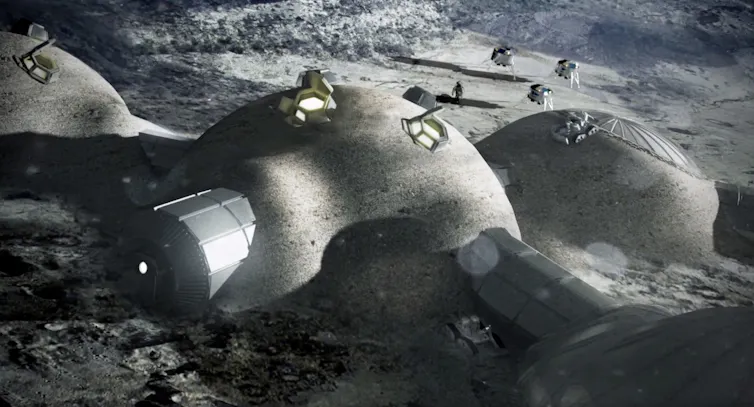
Lunar regolith (soil) could be used to create structures that protect habitats from radiation and micrometeoroids. Foster + Partners
Nutrition is another powerful countermeasure. Diet influences bone health, muscle maintenance, immune resilience and even how the body responds to radiation.
Personalised nutrition strategies, tailored to individual physiology rather than a “one-size-fits-all” menu, are likely to become increasingly important during long lunar missions.
Artificial gravity is also being explored. Short-radius centrifuges could expose astronauts to brief periods of increased gravitational loading, potentially helping stabilise cardiovascular and neurovascular systems. While still experimental, this approach may prove valuable for future surface missions.
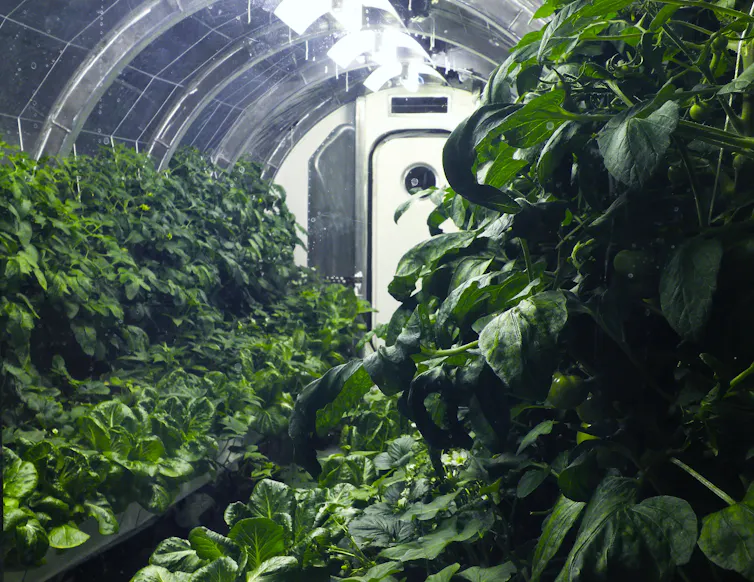
Vegetables grown in a lunar base greenhouse could enhance astronaut nutrition. Nasa
Radiation protection will rely on multiple layers of defence: habitat shielding – potentially using structures made of lunar soil – early warning systems for solar storms, and operational strategies that limit exposure during high-risk periods.
Crucially, countermeasures should be proactive rather than reactive. Continuous physiological monitoring, wearable sensors and advanced data analytics may allow mission teams to detect early warning signs and intervene before small problems become mission-limiting ones.
Spending extended time on the Moon will be awe-inspiring. Imagine watching Earth hang motionless above a stark, silent horizon, or working under a sky that never turns blue.
But it will also be demanding, uncomfortable and unforgiving. The Moon is not just a destination – it is a test of our biology.
If we can learn how to keep humans healthy, resilient and productive on the lunar surface, we take a decisive step toward becoming a truly spacefaring species. Artemis shows that exploration is no longer about brief heroics.
It is about sustainability, adaptability and understanding ourselves as deeply as the worlds we seek to explore.
In learning how to live on the Moon, we may ultimately learn as much about life on Earth as we do about our future beyond it.














































You must be logged in to post a comment Login