







Connect with us
DAPA Banner
DAPA Coin
DAPA
COIN PAYMENT ASSET
PRIVACY · BLOCKDAG · HOMOMORPHIC ENCRYPTION · RUST
ElGamal Encrypted MINE DAPA
🚫 GENESIS SOLD OUT
DAPAPAY COMING

Business

Rigetti: The Market Is Pricing In A Future That Hasn’t Arrived Yet (NASDAQ:RGTI)

Published

on

Rigetti: The Market Is Pricing In A Future That Hasn't Arrived Yet (NASDAQ:RGTI)

This article was written by

Dear Reader,I am a Senior Derivatives Expert with over 10 years of experience in the field of Asset Management, specializing in equity analysis and research, macroeconomics, and risk-managed portfolio construction. My professional background covers both institutional and private client asset management, where I have advised on and implemented multi-asset strategies, but highly focusing on equities and derivatives.As you might be as well, I am a stock market enthusiast. My core passion lies in understanding how macro trends influence both asset prices and investor behavior. I closely follow EU and US central bank policies, sector rotation, and sentiment dynamics, and construct actionable investment strategies.BA in Financial Economics, MA in Financial Markets. In the past decade, I have navigated through various market conditions, and this was my PhD.One of the essential goals of writing on Seeking Alpha is to share insights with colleagues, fellow investors, exchange ideas, and become slightly better than yesterday. I contribute to the idea that investing should be accessible, inspiring, and empowering. It might sound like a cliche, I know, but in the end it’s highly valuable – so let’s help each other build confidence in long-term investing. The analysis and opinions shared in my articles and comments are for informational purposes only and should not be considered financial advice. Please do your own research before making any investment decisions.Thank you and have a lovely day!Best regards

Analyst’s Disclosure: I/we have a beneficial long position in the shares of NVDA either through stock ownership, options, or other derivatives. I wrote this article myself, and it expresses my own opinions. I am not receiving compensation for it (other than from Seeking Alpha). I have no business relationship with any company whose stock is mentioned in this article.

Seeking Alpha’s Disclosure: Past performance is no guarantee of future results. No recommendation or advice is being given as to whether any investment is suitable for a particular investor. Any views or opinions expressed above may not reflect those of Seeking Alpha as a whole. Seeking Alpha is not a licensed securities dealer, broker or US investment adviser or investment bank. Our analysts are third party authors that include both professional investors and individual investors who may not be licensed or certified by any institute or regulatory body.

Advertisement
Continue Reading
Click to comment

You must be logged in to post a comment Login

Leave a Reply

Business

Flagship Photography Powerhouse Keeps Classic Features Alive

Published

on

iPhone 18 Pro Max

Sony’s latest flagship smartphone, the Xperia 1 VIII, delivers impressive camera advancements while preserving distinctive hardware touches that have defined the lineup for years, appealing to photography enthusiasts and power users seeking alternatives to mainstream designs.

Released in mid-2026, the device features a refined triple 48-megapixel camera system with significant upgrades to the telephoto lens, a vibrant 6.5-inch OLED display and the latest Snapdragon processor. Priced as a premium offering, it targets consumers prioritizing creative tools and audio quality over broader ecosystem integration.

The Xperia 1 VIII maintains Sony’s signature tall, narrow aspect ratio for a more cinematic viewing experience, with minimal bezels and an uninterrupted front panel. Its design emphasizes durability with IP65/68 water and dust resistance while incorporating premium materials that feel substantial in hand.

Camera capabilities remain the standout feature. The main sensor captures detailed images with natural color reproduction, while the upgraded telephoto lens offers improved zoom performance and macro capabilities. An enhanced ultrawide complements the setup for versatile shooting scenarios.

Advertisement

Reviewers have praised the phone’s photography tools, including manual controls reminiscent of dedicated cameras. AI-assisted features help novice users achieve better results without sacrificing advanced options for professionals.

Display and Performance

The 6.5-inch LTPO OLED panel supports 120Hz refresh rates for smooth scrolling and gaming, with HDR support delivering vibrant colors and deep blacks. Resolution balances sharpness with battery efficiency, making it suitable for media consumption and productivity.

Powered by Qualcomm’s Snapdragon 8 Elite Gen 5 chipset, the device handles demanding tasks with ease. Multitasking, gaming and photo editing perform fluidly, supported by ample RAM options up to 16GB and storage expandable via microSD card — a rarity among flagships.

Battery life benefits from a 5000mAh cell, providing all-day usage for most users with moderate to heavy activity. Wireless charging and optimized power management contribute to practical endurance, though fast charging speeds lag behind some competitors.

Advertisement

Audio remains a Sony strength, with front-firing stereo speakers delivering clear, balanced sound and a 3.5mm headphone jack supporting high-resolution audio for enthusiasts.

Design and Unique Features

Sony continues bucking industry trends by retaining features many manufacturers have abandoned. The dedicated shutter button enables quick camera access and precise control, particularly valuable for photography-focused users.

Expandable storage via microSD accommodates large media libraries and 4K video recordings. The headphone jack appeals to audiophiles preferring wired connections for superior quality.

The phone’s build quality feels premium yet practical, with a textured finish providing grip and a slim profile despite its tall screen. Weight distribution makes it comfortable for extended use, though the aspect ratio requires adjustment for users accustomed to wider devices.

Advertisement

Software experience centers on a near-stock Android interface with useful Sony enhancements for multimedia and productivity. Update support extends several years, ensuring longevity.

Camera System in Depth

The triple-camera array consists of a main 48-megapixel sensor with optical image stabilization, an upgraded 48-megapixel telephoto with larger sensor for better low-light zoom performance and a 48-megapixel ultrawide. This configuration delivers consistent quality across focal lengths.

Low-light photography shows marked improvement thanks to larger sensors and computational processing. Video recording supports high resolutions with advanced stabilization, appealing to content creators.

Manual mode provides extensive controls over exposure, focus and white balance, mimicking professional camera interfaces. AI scene recognition assists automatic shooting while allowing overrides for creative control.

Advertisement

Selfies benefit from a capable front camera, though it trails the rear system in versatility. Overall, the Xperia 1 VIII prioritizes photographic flexibility over simplified point-and-shoot experiences favored by many competitors.

Market Position and Competition

Sony’s Xperia line occupies a niche among flagship smartphones, appealing to users who value unique features and camera hardware over broad app optimization or ecosystem lock-in. Pricing reflects its premium positioning, comparable to other top-tier devices.

Competition from Samsung’s Galaxy S series, Google’s Pixel phones and Apple’s iPhone lineup offers more mainstream alternatives with stronger software support and broader accessory ecosystems. Sony differentiates through hardware quirks and photography focus.

Global availability varies, with stronger presence in select Asian and European markets. Marketing emphasizes creative tools and entertainment experiences aligned with Sony’s broader business in music, gaming and imaging.

Advertisement

Battery endurance and charging speeds represent areas where the Xperia 1 VIII trails some rivals, though real-world usage remains competitive for most consumers. Thermal management during intensive tasks performs adequately without excessive throttling.

Value and Recommendation

For photography enthusiasts and users seeking distinctive features like expandable storage and headphone jacks, the Xperia 1 VIII offers compelling value despite its premium cost. The camera system’s versatility and manual controls provide advantages for serious shooters.

Everyday users may find the tall aspect ratio and software nuances less intuitive compared to more conventional flagships. Battery life and charging convenience could influence decisions for heavy users.

The device’s longevity is supported by software updates and robust build quality. As a niche product, it excels for its target audience while struggling for broader appeal in a market dominated by streamlined experiences.

Advertisement

Sony continues refining the Xperia formula rather than chasing mass-market trends, resulting in a phone that feels purposeful and specialized. The Xperia 1 VIII represents a thoughtful evolution that rewards users who prioritize photography, audio and customization options.

Early reviews highlight its strengths in image quality and unique hardware while noting areas for improvement in battery optimization and software polish. As the device reaches more consumers, real-world feedback will further define its place among 2026 flagships.

Continue Reading

Business

California bans consumer-facing ‘sell by’ food labels under new law aimed at reducing waste

Published

on

California bans consumer-facing 'sell by' food labels under new law aimed at reducing waste

California’s standardized food date-labeling law took effect Tuesday, requiring food manufacturers that choose to display expiration-style dates on products sold in the state to use uniform language and prohibiting consumer-facing “sell by” labels.

Under Assembly Bill 660, food manufacturers, processors and retailers that display date labels on food manufactured on or after July 1, 2026, must use “BEST if Used by” or “BEST if Used or Frozen by” to indicate product quality, and “USE by” or “USE by or Freeze by” to indicate food safety.

Advertisement

The law also prohibits covered food products sold in California from displaying consumer-facing “sell by” labels, although retailers may continue using coded stock-rotation labels that are not easily readable by consumers.

US ECONOMY ADDED JOBS AT A SLOWER PACE THAN EXPECTED IN JUNE

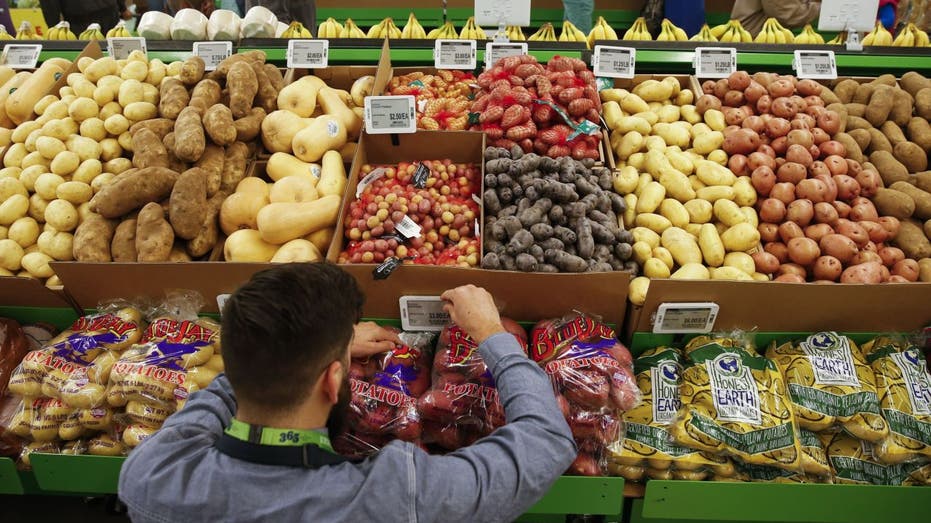
Price tags at grocery store

An employee arranges a digital price tag for vegetables on the opening day of the 365 by Whole Foods Market store in the Silver Lake neighborhood of Los Angeles, California, U.S., on Wednesday, May 25, 2016. Whole Foods Market Inc., plans to open 10 (Photographer: Patrick T. Fallon/Bloomberg via Getty Images / Getty Images)

“Using clear, consistent date labels will help reduce confusion about when food is safe to eat, cut down on unnecessary food waste, and make it easier for consumers to make informed decisions,” Assemblymember Jacqui Irwin, D-Thousand Oaks, who authored the legislation, wrote Monday on X. “A simple change with meaningful benefits for families, businesses, and the environment.”

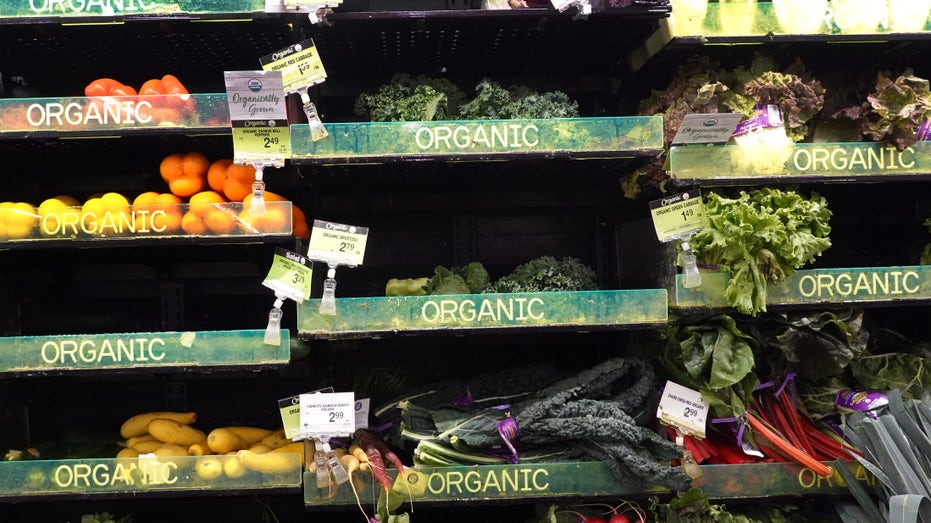
Vegetables

Organic labeled vegetables are offered for sale at a grocery store on January 19, 2023 in Chicago, Illinois. (Scott Olson/Getty Images)

State officials say the change is intended to reduce consumer confusion over the dozens of different date-label phrases currently used on food packaging.

Advertisement

According to the California Department of Food and Agriculture, more than 50 differently worded date labels have been used in the U.S., leading many consumers to mistakenly discard food that remains safe to eat.

The department, citing the California Department of Resources Recycling and Recovery, said Californians throw away the equivalent of 2.5 billion meals worth of unspoiled food each year. Organic waste accounts for about 48% of material sent to California landfills and generates roughly 41% of the state’s methane emissions as it decomposes there, according to the agency.

The legislation does not require manufacturers to place date labels on products that otherwise would not have them. Instead, it standardizes the wording used when companies choose — or are otherwise required by law — to include quality or safety dates.

Iceland Foods

Elderly shoppers browse the isles of Iceland Foods in Northwich, Britain, on March 18, 2020, where shoppers will soon be able to take out small interest free loans from the supermarket for groceries. (REUTERS/Molly Darlington / Reuters Photos)

The law also preserves several exceptions. It does not apply to infant formula, eggs, pasteurized in-shell eggs, or beer and other malt beverages. Grocery stores may continue using “packed on” labels for prepared foods as long as the products also display the required quality or safety date labels.

Advertisement

CLICK HERE TO GET FOX BUSINESS ON THE GO

Gov. Gavin Newsom signed AB 660 into law in September 2024, making California the first state to adopt standardized consumer-facing food date labels.

Continue Reading

Business

Can our fridges cope with heatwaves?

Published

on

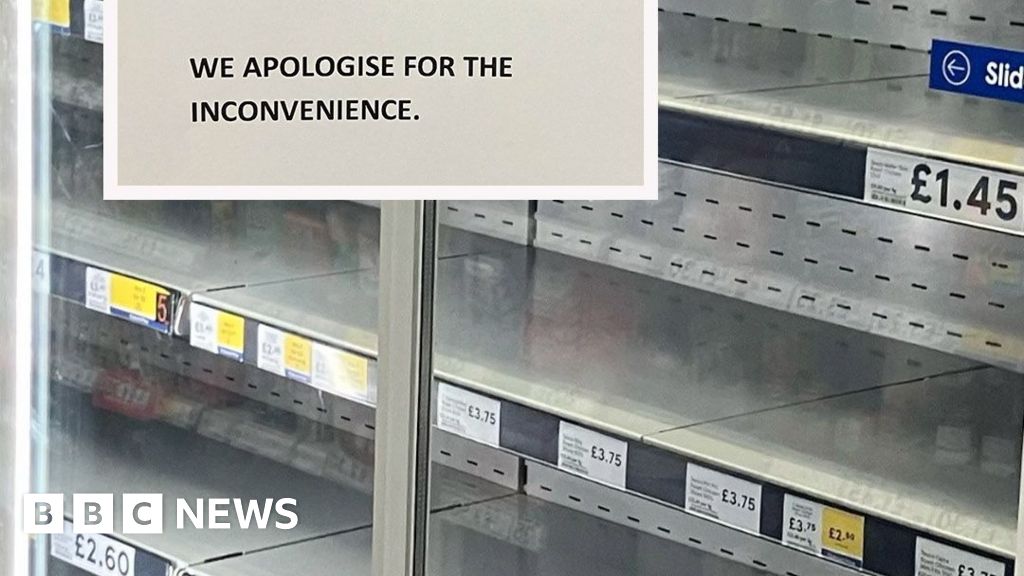
A supermarket fridge cabinet is empty. The shelves display the names of the items and prices which should be on them. A sign reads: 'Customer Notice. Due to the extreme temperatures some of our refrigeration and freezer units have broken down. Stock from these sections is unavailable at present. We apologise for the inconvenience.'

An expert says many can not handle the high temperatures we have been experiencing.

Continue Reading

Business

European Commission approves recovery fund payments to Spain

Published

on


European Commission approves recovery fund payments to Spain

Continue Reading

Business

Amazon: Don't Mind The Fears Of Infrastructure Spending

Published

on

Amazon: Don't Mind The Fears Of Infrastructure Spending

Amazon: Don't Mind The Fears Of Infrastructure Spending

Continue Reading

Business

America’s largest power grid secures emergency authority to curb some data centers as record demand looms

Published

on

America's largest power grid secures emergency authority to curb some data centers as record demand looms

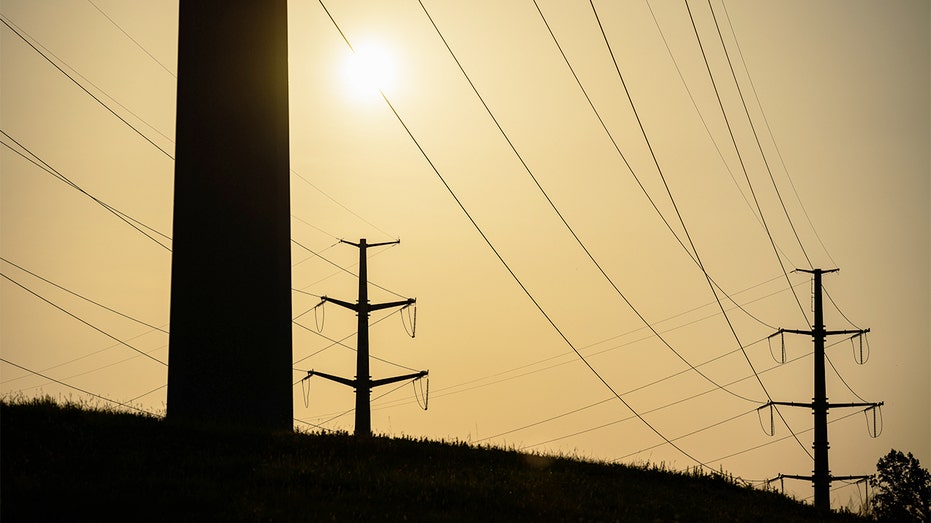
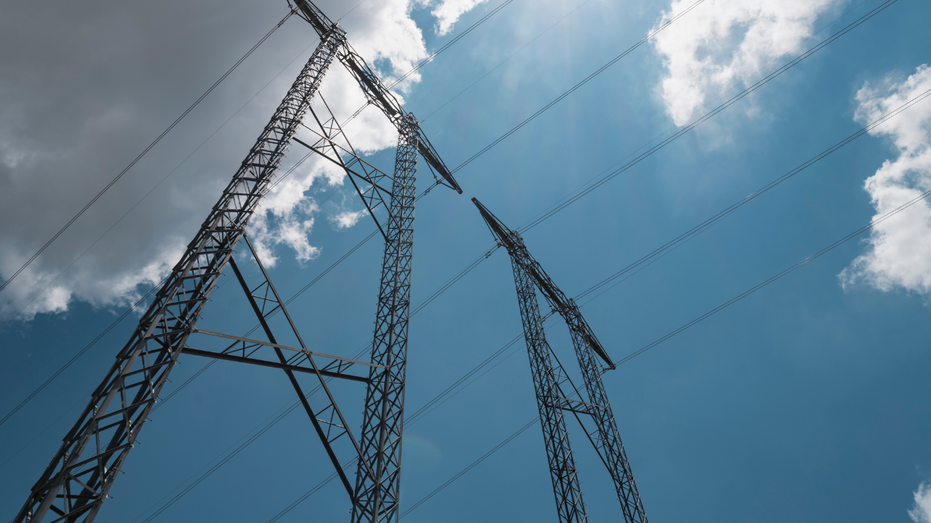
America’s largest electric grid has secured emergency federal authority that could allow some data centers and other large electricity users with backup generators to temporarily reduce their power consumption as officials prepare for what could become the system’s highest electricity demand in nearly two decades.

PJM Interconnection, which serves about 67 million people across 13 states and Washington, D.C., said Wednesday it expects electricity demand to reach about 166,147 megawatts on Thursday, surpassing the current summer record of 165,563 megawatts set in 2006.

Advertisement

The move underscores the growing challenge facing U.S. utilities as electricity demand accelerates after years of relatively flat growth, fueled by widespread air conditioning use during extreme heat, expanding artificial intelligence data centers and broader electrification trends.

GM LETTING SOME EV OWNERS SELL ELECTRICITY BACK TO THE US POWER GRID

us electric grid

Power grids are facing strain from high temperatures and demand. (Graeme Sloan/Bloomberg via Getty Images)

The grid operator said it received approval from the Energy Department for an emergency order under Section 202(c) of the Federal Power Act that, if necessary, would allow transmission operators to curtail electricity use by data centers and other large customers with backup generation before resorting to broader emergency measures.

PJM also received temporary relief from certain environmental permit restrictions for power plants through July 3, giving generators more flexibility to meet soaring demand.

Advertisement
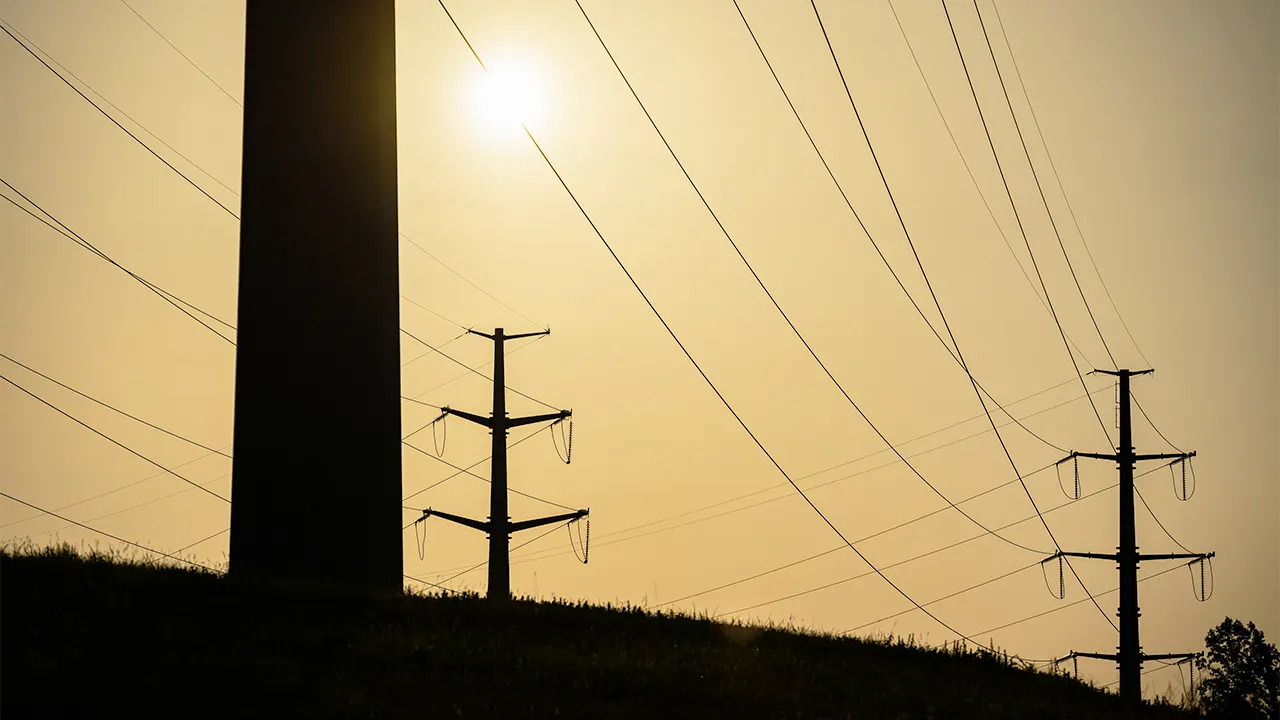
Power transmission towers are seen in Austin, Texas.

PJM Interconnection serves about 67 million people across 13 states and Washington, D.C.  ( Jordan Vonderhaar/Bloomberg via Getty Images)

To prepare, PJM has recalled generating units from maintenance, issued Maximum Generation and Load Management Alerts, and placed a Low Voltage Alert into effect to help maintain grid reliability. The alerts do not require any action from residential customers.

Wholesale electricity prices have already surged in parts of PJM’s footprint. In northern Virginia, home to the world’s largest concentration of data centers, spot power prices climbed sharply Wednesday as temperatures approached 100 degrees.

If Thursday’s forecast holds, it would mark PJM’s highest electricity demand in nearly 20 years.

Electrical lines in Florida

If Thursday’s forecast holds, it would mark PJM’s highest electricity demand in nearly 20 years. (Joe Raedle/Getty Images)

Other grid operators are also preparing for heavy electricity use. New York’s grid operator has asked customers to conserve power during peak hours, while the Midcontinent Independent System Operator is monitoring conditions that could also challenge demand records this week.

Advertisement

CLICK HERE TO GET FOX BUSINESS ON THE GO

The emergency measures reflect increasing concerns about whether generation and transmission resources can keep pace with rapidly growing electricity demand, particularly as large AI data centers consume more power and prolonged heat waves drive air conditioning use higher across the country.

Reuters contributed to this report. 

Advertisement
Continue Reading

Business

Manchester Airports Group passenger growth slows but business vows continued investment

Published

on

Business Live

Groups owns Manchester, Stansted and East Midlands airports

Passengers queuing for check-in at Manchester Airport

MAG has invested £1,5bn in Manchester Airport(Image: Daily Mirror/Andy Stenning)

The owner of Manchester and London Stansted airports has reported a slowdown in passenger growth amid the Iran conflict – but says it remains resilient and ready to invest.

Manchester Airport Group (MAG), which also owns East Midlands Airport, recorded passenger growth of 1.9% to 66.3 million for the year to 31 March – a notable drop from the 6% growth achieved in the prior year.

Advertisement

Manchester Airport delivered the strongest performance across the group’s terminals, with passenger numbers climbing 3.6% to 32.3 million, though this still represented a considerable fall from the 8% growth recorded in 2024-25.

London Stansted saw passenger numbers edge up by just 0.4%, compared with a rise of 4.9% the previous year, while East Midlands suffered a 1.3% decline.

The group saw cargo volumes rise 12.5% thanks to strong growth at East Midlands Airport where seven new airlines started operating in the past year.

Despite the slowdown in footfall, pre-tax profits for the parent group climbed 4.5% to £227.4 million for the year ending March, as revenues surged 12.8%.

Advertisement

MAG CEO Ken O’Toole said: “We are pleased to release these solid results, underpinned by record passenger volumes at our airports. That reflects our steadfast focus on maximising the choice of direct destinations people can access through our airports, which serve catchments areas covering 70% of the UK population.

“We work hard with our airlines to provide this connectivity at great value and invest in our people, facilities and systems to provide a good airport experiences for our 66m passengers.

“By growing our route networks, we help people experience new places and enable trade and investment in high-value sectors that will power growth and productivity in regions across the UK. That has seen MAG deliver its biggest ever economic contribution to the UK, at £14bn.

“We have continued to invest for growth, in particular by delivering the final phases of Manchester Airport’s £1.5bn Transformation Programme. It unlocks spare capacity on its exiting two runways and paves the way for it to play an even greater role in the creation of a globally-competitive Northern Growth Corridor.

Advertisement

“We were pleased to secure permission to grow passenger numbers at London Stansted up to 51m and are poised to deliver a £1.1bn investment programme to take us towards that.”

But Mr O’Toole said the UK airline industry needed to “reach a predictable, proportionate, fair and objective agreement” with the Government on business rates to support its investment plans.

“Our long-term ability to continue growth-enabling investments of this nature is influenced by the fiscal environment in which we operate. The current Government has been hugely supportive of aviation in policy terms, but risks undermining that with a tax regime that creates a barrier to investment-led growth.

“MAG’s business rates have already more than doubled and there remains no clarity on what airports’ future liabilities will look like. We have recently responded to a government consultation on business rates, with MAG stating that any change needs to deliver outcomes that are fair, predictable, proportionate and encourage future private sector investment.”

Advertisement

Mr O’Toole said the group’s services business CAVU had also seen good growth. And he added: “The diversity of our business gives us a resilience that leaves us well placed to navigate the macroeconomic factors our industry faces and look forward to delivering a robust summer season.”

MAG increased the amount of cargo it handled by 12.5%, driven primarily by strong growth at East Midlands, the UK’s largest pure freight airport. It accounted for a third of all cargo growth in the UK, with seven new airlines starting operations at the airport.

East Midlands Airport

MAG owns East Midlands Airport(Image: Derby Telegraph)

The results come as the broader aviation sector continues to grapple with the repercussions of the Iran-US conflict. West London’s Heathrow Airport revealed last month that it anticipates passenger numbers to fall by 1.1% this year as a direct consequence of the conflict.

The airport is projecting between 80.1 million and 84.5 million passengers to pass through its four terminals this year, with a “base case” of 83.6 million, down from 84.5 million in 2025.

Advertisement

Heathrow stated that its forecast for 2026 “reflects the risk that continued volatility in the Middle East could dampen broader traffic volumes, with impacts extending beyond the region to global travel demand over the remainder of the year”.

An interim peace deal was signed by Iran and the US late last month.

Continue Reading

Business

Form 13D/A Prospect Enhanced Yield Fund For: 2 July

Published

on


Form 13D/A Prospect Enhanced Yield Fund For: 2 July

Continue Reading

Business

Ag program nears 5 million acres for PepsiCo

Published

on

Ag program nears 5 million acres for PepsiCo

The company makes progress on regenerative, restorative and protective practices.

Continue Reading

Business

Instacart Down Now? Service Disruption Hits Hundreds of Users Across U.S. as Delivery App Experiences Outage

Published

on

Some Instacart shoppers are claiming that their groceries are being stolen by the company's shoppers during the coronavirus pandemic. In this photo illustration the Instacart logo is seen displayed on a smartphone.

Instacart users reported widespread service disruptions Thursday, with hundreds unable to access the popular grocery delivery platform amid what appeared to be a technical outage affecting app functionality and order processing.

The grocery delivery service, which connects customers with personal shoppers for same-day fulfillment from major retailers, saw reports of loading issues, failed logins and stalled orders beginning in the early afternoon. Social media platforms quickly filled with complaints from affected users across multiple states.

Status monitoring sites and community forums registered a sharp spike in outage reports around midday Eastern time, with users describing error messages and inability to browse available stores or complete purchases. The problems appeared to impact both the mobile app and website interface for many customers.

Instacart has not yet issued an official statement detailing the cause or expected resolution timeline. Similar incidents in the past have stemmed from server overloads during peak demand periods, technical glitches or broader internet infrastructure issues.

Advertisement

Impact on Customers and Shoppers

For many households relying on Instacart for weekly groceries or last-minute needs, the outage created immediate inconvenience. Parents, elderly individuals and those with mobility challenges often depend on the service for essential deliveries.

Personal shoppers, who earn income through the platform, reported idle periods as new orders failed to appear. The gig economy workers typically navigate tight schedules, making unexpected downtime disruptive to daily earnings.

Major partner retailers including Walmart, Costco and regional grocery chains saw potential ripple effects as customers turned to in-store shopping or alternative delivery options during the disruption.

Complaints highlighted frustration over perishable items already in progress or scheduled deliveries that could not be tracked. Some users resorted to contacting customer service through limited available channels, though response times lengthened amid the surge in inquiries.

Advertisement

Technical Context and Previous Incidents

Instacart has experienced occasional outages in recent years as its user base expanded significantly during and after the pandemic. The platform’s sophisticated matching algorithms and real-time tracking require robust backend infrastructure to maintain reliability.

Industry analysts note that delivery apps face increasing complexity with dynamic routing, inventory synchronization across thousands of stores and payment processing at scale. Even brief interruptions can cascade into widespread user impact.

Competitors including DoorDash, Uber Eats and Amazon’s services provide alternatives, though many users maintain loyalty to Instacart for its grocery specialization and shopper quality controls.

The company has invested in technology upgrades to improve uptime, including redundant systems and enhanced monitoring. However, peak usage periods or unforeseen technical issues can still overwhelm safeguards.

Advertisement

Broader Implications for Delivery Services

The incident underscores the growing dependence on on-demand delivery platforms in daily American life. From busy professionals to families managing tight schedules, services like Instacart have become integral to modern convenience.

Outages highlight vulnerabilities in critical digital infrastructure supporting essential needs. As reliance on such apps increases, expectations for reliability rise accordingly among consumers and regulators.

Gig workers’ organizations have previously raised concerns about income stability during platform disruptions. The issue adds to ongoing discussions about labor protections in the sharing economy.

Retail partners may evaluate contingency plans for technology failures to maintain customer satisfaction during service interruptions. Hybrid models combining digital and traditional fulfillment could gain traction.

Advertisement

User Reactions and Workarounds

Social media users shared screenshots of error messages and expressed collective frustration while seeking alternatives. Some turned to direct store apps or phoned in orders where possible.

Community forums offered troubleshooting tips including cache clearing, app reinstallation and VPN trials, though effectiveness varied. Many simply waited for resolution while monitoring status pages.

Instacart’s customer support channels experienced increased volume, with automated responses directing users to check back later. The company typically resolves such issues within hours, though some past incidents lasted longer.

Affected users are advised to check official channels for updates and consider backup shopping plans. Compensation policies for disrupted orders may apply once service resumes, depending on individual circumstances.

Advertisement

Company Background and Market Position

Instacart operates as a leading player in the grocery delivery space, partnering with thousands of retailers nationwide. The platform has expanded its offerings to include alcohol, pharmacy items and specialty goods.

Publicly traded since its 2023 debut, the company has focused on profitability improvements through operational efficiencies and advertising revenue. Technology investments remain central to maintaining competitive edge.

The outage arrives during a typically busy summer period for grocery services, with families preparing for vacations and back-to-school transitions. Timely resolution will be important for maintaining user trust.

Industry-wide, delivery apps continue refining algorithms for better matching and faster fulfillment. Artificial intelligence applications in routing and demand prediction help optimize operations at scale.

Advertisement

Looking Ahead

As digital services become more embedded in daily routines, expectations for seamless performance intensify. Companies like Instacart must balance rapid feature development with infrastructure resilience.

Users are encouraged to report issues through official apps or websites when service resumes. Aggregated feedback helps identify root causes and prevent recurrence.

The incident serves as a reminder of technology’s role in modern commerce while highlighting the need for robust contingency measures. Most users anticipate quick restoration based on past experience with similar events.

For now, affected customers are exploring local alternatives or delaying non-essential orders. The broader grocery delivery ecosystem demonstrates resilience through diversified options available to consumers.

Advertisement

Instacart has built its reputation on convenience and reliability. Addressing this disruption promptly will help reaffirm customer confidence in the platform’s dependability.

Continue Reading

Trending

Copyright © 2025