

Business
California Man Pleads Guilty to Sending Fake Nancy Guthrie Ransom Demand and Now Faces Two Years in Prison


TUCSON, Ariz. — A 42-year-old California man has pleaded guilty to sending fraudulent ransom demands to the family of Nancy Guthrie, the 84-year-old mother of “Today” show co-anchor Savannah Guthrie, who has been missing from her Tucson, Arizona, home since February 1, federal prosecutors announced Thursday.
Derrick Callella, of California, entered guilty pleas to two counts of harassment using a telecommunication device, admitting in court that he called and sent text messages to members of the Guthrie family on February 4, demanding a transfer of bitcoin in exchange for Nancy Guthrie’s return. He faces up to two years in federal prison and a fine of up to $250,000 at his sentencing, which has been scheduled for September.
The U.S. Attorney’s Office for the District of Arizona confirmed the plea and released details of what Callella admitted to in court.
“Callella acknowledged that he knew an earlier ransom demand had been made,” the prosecutor’s office said in its announcement. “Callella also admitted that his actions were meant to harass the family by seeking information about the investigation into the missing person’s disappearance.”
That framing, which describes Callella’s motivation as twofold, obtaining information and harassing the family, illustrates the particular cruelty of fake ransom demands in a case already defined by genuine anguish. By contacting the Guthrie family directly and demanding cryptocurrency within days of Nancy’s disappearance, Callella added a layer of false urgency and false hope to a family already under extraordinary strain, while simultaneously seeking to extract details about an active federal investigation.
Callella is not the only person arrested in connection with fraudulent communications in the case. Pima County Sheriff Chris Nanos confirmed that multiple individuals had been taken into custody following fake ransom note submissions, speaking publicly about the problem during a radio appearance on Tucson’s 1030 KVOI AM.
“I think the FBI has done a number of arrests for false or fake ransom notes,” Nanos told host Bill Buckmaster. “It is a shame that these types of events occur. People have great interest and that’s good because it helps us but then it gets really abused. People who call in fake ransom notes, people who claim for the sake of media and the family, they get out and disturb, in this case, an entire neighbourhood.”
The Callella plea represents the first confirmed criminal conviction arising from the wave of fraudulent communications that has complicated the Guthrie investigation since its earliest days. Callella had initially pleaded not guilty to the charges following his arrest in early February, shortly after FBI special agent Heith Janke disclosed at a February 5 news conference that someone had been taken into custody for sending what Janke described as an “imposter ransom demand.” The guilty plea this week resolves that case ahead of a September sentencing hearing.
The plea comes at a moment of significant confusion about the broader landscape of ransom communications in the Guthrie case. An anonymous FBI official told Reuters earlier this week that all three of the most widely reported ransom notes had been assessed as not credible, a characterization that prompted swift pushback from other law enforcement sources. The FBI’s Phoenix field office then issued a clarifying statement acknowledging that some communications had been dismissed as fraudulent while others remained under active investigation.
“The FBI and its task force partners have received several ransom notes over the course of this investigation,” the Phoenix FBI office said in a social media statement. “Some have been deemed to be extortion attempts without legitimacy. Other ransom demands may potentially be legitimate and are still being investigated as such. This case continues to be investigated as a kidnapping for ransom case.”
That clarification, which maintained the investigation’s characterization as a kidnapping for ransom case while distinguishing between fake notes and potentially genuine ones, added nuance to what had briefly appeared to be a complete dismissal of all ransom communications. Callella’s guilty plea fits squarely into the category the FBI described as an extortion attempt without legitimacy, a deliberate fraud by someone seeking to exploit a family’s anguish rather than someone with genuine knowledge of Nancy Guthrie’s whereabouts.
Savannah Guthrie had addressed the problem of fake ransom notes publicly months ago, speaking on “Today” before her return to full-time presenting duties after a period of leave following her mother’s disappearance. Her comments at the time struck a careful balance between acknowledging the harm such notes cause and maintaining hope about communications she believed were genuine.
“There are a lot of different notes, I think, that came,” Savannah Guthrie said on air in March. “I think most of them, it’s my understanding, are not real. I didn’t see them. But the person that would send a fake ransom note really has to look deeply at themselves to a family in pain.”
She added a distinction that the FBI’s subsequent investigation has helped clarify: “But I believe the two notes that we received that we responded to, I tend to believe those are real.”
The Callella case underscores how high-profile missing persons investigations, particularly those involving well-known public figures, can attract opportunistic individuals who either seek to profit from the situation or simply exploit it for information or attention. Federal authorities have made clear they are treating any fraudulent interference in the Guthrie investigation seriously, and Thursday’s guilty plea signals that such conduct carries real criminal consequences rather than merely drawing a brief investigation.
The Pima County Sheriff’s Department, which is leading the broader investigation of Nancy Guthrie’s disappearance alongside the FBI, has confirmed that every tip and lead continues to be taken seriously and forwarded to detectives working the case. No suspects or persons of interest have been publicly named in connection with her actual disappearance, which now stretches more than five months without a confirmed resolution. The FBI’s reward of $100,000 for information leading to Guthrie’s location or to the arrest and conviction of those responsible for her disappearance remains active, as does the Guthrie family’s own separately offered reward of $1 million.



The electrolyte powder is available in four flavors.
Business
Exclusive-Iran exploring oil sales to Japan, buyers seek longer sanctions waiver, sources say
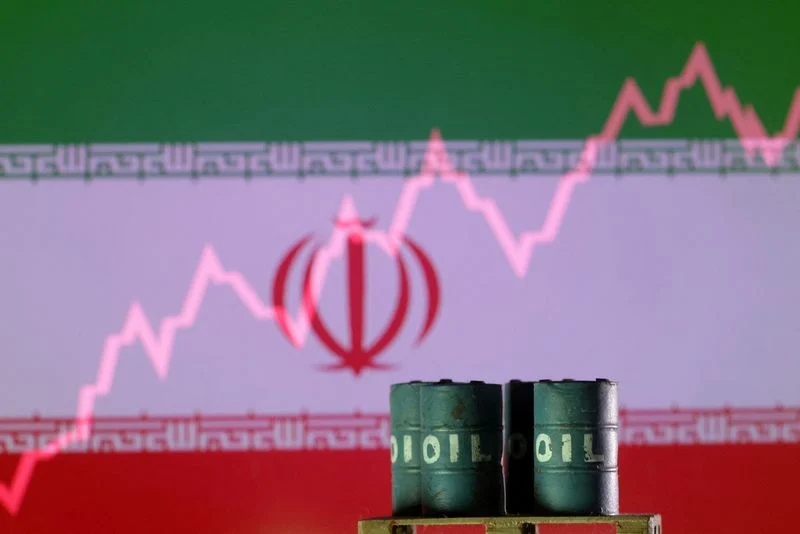

Exclusive-Iran exploring oil sales to Japan, buyers seek longer sanctions waiver, sources say
Business
Dubai International Airport Is Open Today and Flying Normally After Months of Iran Conflict Disruptions

DUBAI — Dubai International Airport is open and operating normally today, Friday, July 4, with flights processing through all three of its terminals and live flight tracking data showing hundreds of active arrivals and departures across major global air corridors, including connections to Europe, South Asia, East Africa, North America and the broader Middle East.
The airport is now fully functional, handling hundreds of flights with only a small number of delays. Airlines, especially Emirates and flydubai, have resumed their normal operations.
The return to full operations represents the culmination of a difficult five-month recovery that followed the outbreak of the U.S.-Iran conflict in late February, during which Dubai International’s passenger volumes, airline schedules and airspace access were all significantly disrupted even as the airport itself never formally closed.
Dubai International Airport operates 24 hours a day, 7 days a week. Flight operations may still be subject to short-notice changes depending on the regional security situation. As of this report, real-time flight boards confirmed normal operations throughout the facility.
Several major airlines continue to maintain regular services to and from Dubai, including routes operated by Emirates, flydubai, Etihad Airways, Qatar Airways, Turkish Airlines, British Airways, Lufthansa, Air India, IndiGo, and Singapore Airlines. Flights connecting Europe, Asia, Africa, and North America through Dubai remain active, although some carriers may use alternative flight paths to avoid restricted airspace.
The path to today’s normal operations was neither straight nor smooth. The crisis began in late February when the escalation of the U.S.-Iran military exchange triggered a series of overlapping airspace restrictions across the Gulf region. While Dubai’s airspace was never formally closed during the conflict’s peak phases, the European Union Aviation Safety Agency issued a Conflict Zone Information Bulletin ordering European-regulated carriers to avoid UAE airspace, effectively grounding dozens of major international airlines that relied on Gulf routes and dramatically reducing the range of airlines operating through DXB for weeks.
The disruption traces back to late-February drone and missile attacks linked to the wider Gulf conflict, which prompted temporary airspace closures across the UAE. While a 5 April cease-fire allowed regulators to relax the most stringent flight bans, the General Civil Aviation Authority kept a one-rotation-per-day limit on many foreign carriers until at least 31 May to maintain contingency capacity.
Throughout that constrained period, Emirates and flydubai functioned as the primary pillars of connectivity at DXB, maintaining combined schedules that kept the airport from becoming a ghost terminal even as dozens of foreign carriers scaled back or suspended services entirely. Combined operational activity from Emirates and flydubai reports 417 weekend departures covering Europe, South Asia, and the Middle East.
Recovery accelerated meaningfully after the tentative U.S.-Iran ceasefire that took effect in early April, with successive airline reinstatements following as the EASA gradually softened its advisory language for UAE airspace from outright avoidance to cautionary guidance and then lifted restrictions as diplomatic stability held. British Airways resumed Dubai flights in July, initially at a reduced frequency of one daily service rather than its pre-conflict three per day, in what was described at the time as the clearest signal yet from a major European carrier that the post-crisis landscape was beginning to take shape. Qatar Airways had already resumed daily Dubai flights from late April, with Gulf carriers including Saudia also returning to the route around the same time.
The popularity of Dubai as a global tourist destination continues to grow, with data recording 19.59 million international arrivals to Dubai, a 5% increase over 2024 and the third consecutive year of record arrivals. The top source region was Western Europe, with 4.1 million arrivals representing 21% of the total, followed by the CIS and Eastern Europe and South Asia.
Operationally, DXB spans three main passenger terminals with a clear division of carriers. Emirates uses Terminal 3, flydubai and regional carriers operate from Terminal 2, and the majority of other international airlines use Terminal 1, which connects to Concourse D via an airport transit train. Passengers are still advised to verify their specific terminal assignment with their airline before traveling, as some flights were reassigned during the disruption period and not all carriers have reverted to their original gate and terminal configurations.
Dubai Airports recently completed a major Terminal 1 bridge expansion project, increasing road access capacity and improving passenger flow ahead of the peak summer travel season. The infrastructure improvement has been timed to coincide with what the airport expects will be a period of rapid demand recovery as international leisure and business travel rebounds through the summer.
For travelers arriving today or in the coming days, the practical guidance is consistent with what Dubai Airports and airline operators have communicated throughout the recovery period. Confirm your specific flight and departure time directly with your airline rather than relying solely on published schedules, arrive at the airport earlier than the minimum recommended time given that some residual administrative processes from the disruption months remain in place, and review any applicable government travel advisories for your country of origin, as national guidance on travel to the UAE has varied across different governments and may have been updated since the ceasefire took hold.
Dubai Airports recognized the airport had sustained global connectivity through regional disruption and is readying for a return of strong demand as UAE airspace restrictions ease.
As of Friday, July 4, Dubai International Airport is fully open, actively processing flights, and operating with the efficiency expected of the world’s busiest international aviation hub by passenger volume, a status the facility has now been able to maintain consistently since the diplomatic de-escalation of the U.S.-Iran conflict allowed regional airspace to normalize over the course of the past several weeks.


An airport lounge — without the security screening or boarding pass.
Credit card companies American Express and Chase are increasingly waging their luxury lounge wars outside the airport. From an air-conditioned retreat in the middle of the desert at Coachella to an exclusive athlete meet-and-greet at the Paris Olympics, these companies are investing big in premium hospitality spaces to win over affluent cardholders.
“It’s very expensive, but I think what’s happening is that the issuers are finding that this is a premium differentiator,” said Donald Fandetti, managing director of consumer finance equity research at Wells Fargo. “It’s all about providing these services and experiences that make it worth it to the cardholder to pay those annual fees.”
American Express’ Platinum and Chase’s Sapphire Reserve cards — the leading premium cards in the market — both upped their annual fees last year. The Amex Platinum now carries a fee of $895 a year, and the Sapphire Reserve has a fee of $795.
The perks associated with these cards, like dining credits, hotel upgrades and digital partnerships, help offset the cost. It’s all an effort to capture and retain the highest spenders. Amex and Chase have jockeyed for years to be the preferred card for the American elite.
More and more, access is making the difference.
“Credit cards [with] higher fees, it’s going to send a certain signal. But what we really need to be making sure is that we’re understanding the psychology of exclusivity” said Dan Bennett, head of behavioral science at Ogilvy Consulting. “It’s easy to say, ‘I have lots of resources.’ It’s harder to say, ‘I have enough social capital to earn my way into spaces.’”
Beyond the airport
Some of the events that American Express Platinum cardholders had lounge access to in 2025 include the US Open tennis tournament; Stagecoach music festival in California; and multiple Formula 1 races worldwide.
Meanwhile, lounges for Chase Sapphire Reserve customers were present at Chicago music festival Lollapalooza; Miami Art Week; Sundance Film Festival; and the PGA Tour.
While some lounges and brand activations are open to all customers or even all attendees at an event, many of these spaces are exclusively reserved for premium cardholders.
“We find this customer to be very engaged,” said Laura Picciano, general manager of Chase Sapphire. “Once you get their business, there’s a lot of loyalty there. And so they’re an important segment to continue to nurture.”
Sundance Film Festival 2026.
Courtesy: Chase Bank
While temporary credit card lounges are popping up at festivals and sporting events, they have also become popular, permanent fixtures inside stadiums and arenas.
American Express has partnerships with more than 20 venues around the world. Eight of them currently have lounges, including Hard Rock Stadium in Miami and the O2 arena in London, with a new location set to open in New York City’s Barclays Center this year.
Bess Spaeth, executive vice president of global brand management and experiences at American Express, said factors like footprint, ability to provide food and beverage and viewing capabilities are all considerations in the decision for which venues get lounges.
“It’s a real puzzle that we try to look at all the pieces and think about it holistically in terms of how we can best serve our members in those spaces,” said Spaeth.
The Chase Lounge at Madison Square Garden.
Courtesy: Chase Bank
Chase has built out lounges at Madison Square Garden and the Chicago Theatre that are open to all of its customers, though Madison Square Garden has a dedicated space for Sapphire Reserve cardholders.
“Lounges are really interesting because economists would think of those as more of a network good,” said Chenzi Xu, assistant professor of economics at the University of California, Berkeley. “These lounges become particularly valuable when there’s a set of them that you can access in a variety of different places … not just in an airport perhaps, but at another exclusive event.”
Attracting high spenders
Chase and American Express are courting wealthy customers who are not only willing to pay the rising annual fees but also rack up higher balances on their cards.
Those with a credit score of 720 or above, which is typically required to get approved for a Sapphire Reserve or Platinum card, spend more than double the average of those within a score between 660 and 719, according to data from the Federal Reserve Bank of Philadelphia.
American Express said earlier this year that it shifted marketing dollars away from no-fee cards to its more premium offerings as it looks to attract more affluent cardholders.
American Express credit card fees totaled nearly $10 billion in 2025, up about 18% since 2024. Chase doesn’t break out credit card fee revenue.
“Chase is working really hard to compete with [American Express],” said Xu. “They’re just making the benefits of having these cards better and better for the consumer. That competition is good for the consumer, but it’s a competition that’s only happening at the high end, and at the low end you don’t see nearly as much entry and you don’t see as much competition.”
That upper echelon is key for the credit companies. A 2025 Mastercard report found that affluent consumers, defined as households with an income of $200,000 or more and at least $250,000 in investable assets, spend 4.3 times the general population on discretionary purchases.
According to data from J.D. Power, cardholders with an annual fee of more than $500 spent an average of $3,200 per month from May 2025 to June 2026, up about 17% from the prior 12-month period.
Meanwhile, those with cards that have a fee of less than $500 spent an average of $1,144 per month, up about 6% from the year earlier.
It’s yet another signal of what economists commonly call a “K-shaped economy” in which high earners speed freely, while lower-income consumers pull back in some areas. It’s also putting even greater importance on the higher spenders during a period of economic uncertainty.
“The allure of the premium segment to these card issuers is that you have heavy spenders,” said Fandetti. “This business takes a lot of scale. So you have to have a very big revenue base to sort of fund all these lounges and rewards and benefits.”
Building on brands
Lounges are just one way that the credit card companies leverage their sponsorships with these venues.
Chase’s head of dining and lifestyle, Paul Needham, said it also offers things like gift bags, premium viewing areas, special access to merchandise and money off of food through its partnerships.
Chase and American Express often offer discounts or statement credits, too, for purchases at their respective sponsored venues as well as at certain events like music festivals.
“I think when you take that broader picture on the sports and entertainment venues, what we’re really trying to do is both elevate these moments for our customers, but also reach our customers in places and contexts where we know they’re so passionate and so excited to be there,” said Needham.
Chase Sapphire Reserve cardholders get access to dinner events hosted on FIFA World Cup pitches in New Jersey and California. Meanwhile, Marriott Bonvoy partnered with American Express in April to recreate New York City’s iconic Rao’s restaurant inside one of its hotels for a cardholder dinner event. Marriott has long partnered with both American Express and Chase for its co-branded credit cards.
This category of cards, which also includes co-branded offerings from Delta Air Lines and Hilton, accounted for about a quarter of American Express cardmember spending in 2025, according to an Amex report.
Bennett of Ogilvy Consulting said one of the key considerations for credit card companies to be in some of these physical spaces is whether they can play an authentic role at the event in question. He said American Express at Coachella is a good example, because it provides a space to cool off in the middle of the desert heat.
“You can’t just set up these kind of corporate fortresses exactly the same in each place. That’s not going to cut it. What is going to cut it is really understanding the needs of the customer at each of these places,” said Bennett.
Spaeth says parts of the American Express strategy has been leaning into fandoms, ranging from collaborations with music artists like Harry Styles and Olivia Rodrigo to the NFL and Formula 1.
A general view of the American Express Lounge during the Formula 1 Qatar Airways Australian Grand Prix 2026 Preview Day at Albert Park Grand Prix Circuit on March 2, 2026 in Melbourne, Australia.
Josh Chadwick | Getty Images
American Express’ partnership with Formula 1 kicked off in 2023 and marked its first new sports sponsorship in more than a decade. A year later, it further expanded the deal and started rolling out new fan perks like trackside lounges.
“Our hope is that you engage with these moments, deepen the emotional connection that you have with American Express and that really raises the American Express card to the very tippy top of your wallet,” said Spaeth.
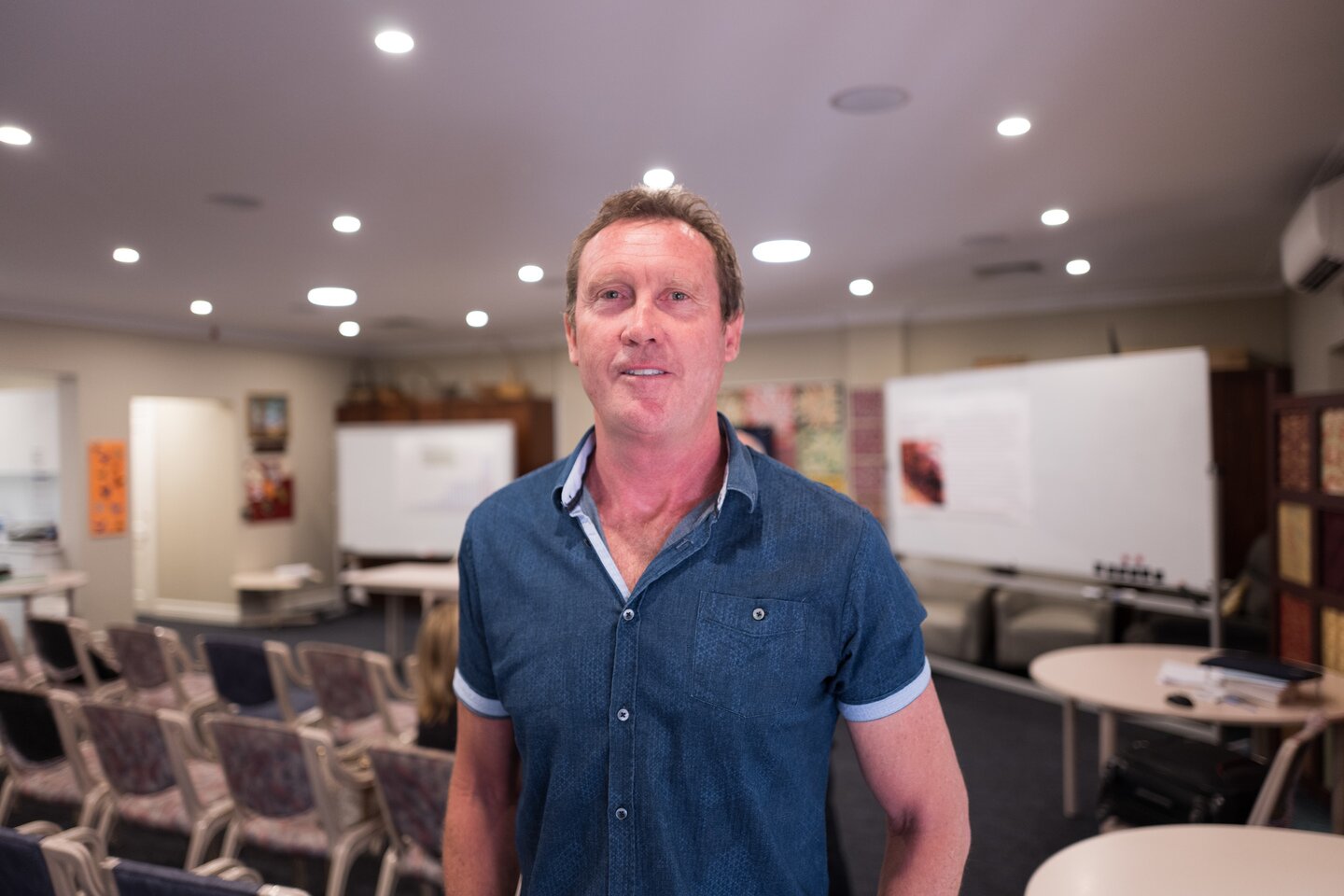
Harvey Norman founder backs Frank Wilson’s family into Quintis’s former Mt Romance distillery and shop.

Tackling unemployment linked to long-term illness will unlock economic growth that’s “hiding in plain sight”, former John Lewis chair Sir Charlie Mayfield has said.
More than 250 of the UK’s biggest employers, including British Airways, Tesco, Royal Mail, and several government departments, have signed up to his Get Britain Working taskforce.
The group aims to prevent people dropping out of work due to ill-health and encourage those signed off to come back, with official figures showing the issue costs the UK £212bn a year.
However, some employers have said previously that tax rises mean many firms cannot afford to invest, while others have warned against pushing ill people into work.
The companies signed up will track sickness absence, return-to-work outcomes, and disability participation, which the government said would make workplace health performance visible for the first time.
Many big UK businesses, including Sainsbury’s, EDF Energy, and Currys, as well as 10 mayoral authorities, including London and Manchester, have agreed to take part.
Sir Charlie told the BBC: “I can’t tell you how many people I’ve met who said: ‘I was signed off work for three months, or six months, and I never had any contact with my employer at all.’
“That’s not because the employer is a bad person. It’s because we’ve got a situation at the minute where people don’t talk to each other when they really need to.”
Sir Charlie’s comments come as pressure grows on Andy Burnham, who is widely expected to take over as prime minister later this month, to reduce the UK’s welfare bill to free up money elsewhere.
According to government figures, total welfare spending in Great Britain is forecast to be 23.6% of the total amount the government spends in the 2025 to 2026 financial year.
Sir Charlie said his plans could help cut that bill.
“Fixing these problems at the fundamental level, could make a really big contribution to getting this economy working better — for employers, for employees, for the taxpayer, for all of us.”
He added: “This is not a zero-sum game. It’s not a question of employers win and employees lose and vice versa. Everybody can win.”
Sir Charlie suggested Burnham would back his plans.
“I can’t see any reason why he wouldn’t because of what Andy has said about good growth. If this isn’t good growth, I’m not sure what is, quite frankly.”
He said getting people back into work who are currently not working due to ill-health would be a simple way of boosting the workforce.
“You wouldn’t have had to build a single house, open a new channel of immigration, you wouldn’t have to wait for a cohort of young people to join the workplace. This is basically growth hiding in plain sight.”
Business
SK Hynix Files for Nasdaq Listing Under SKHY Ticker in Bid to Raise Record-Setting $29.4 Billion
SEOUL — South Korean memory chip giant SK Hynix filed an amended registration statement with the U.S. Securities and Exchange Commission on June 30, formally launching what could become the largest American depositary share offering in history and potentially setting the stage for trading on the Nasdaq Global Select Market as early as July 10.
The company, the world’s second-largest memory chipmaker and the dominant force in the high-bandwidth memory chips that power Nvidia’s artificial intelligence accelerator systems, is seeking to raise approximately $29.4 billion through the listing of 17.79 million American Depositary Shares under the ticker symbol SKHY. That figure, if achieved at the expected ADS price of approximately $166 per share, would surpass Alibaba’s $21.8 billion New York debut in 2014 as the largest ADR listing in recorded market history.
SK Hynix Chief Executive Kwak Noh-jung addressed the strategic rationale behind choosing a Nasdaq listing directly at the announcement.
“The U.S. market, where global big tech is listed, will allow large institutional investors to properly reassess corporate value,” Kwak said.
BofA Securities, Citigroup, Goldman Sachs and J.P. Morgan are serving as global coordinators for the offering. The registration statement has not yet become effective, and prior to the offering, no public market has existed for the company’s ADSs. SK Hynix will continue to maintain its existing listing on the Korea Exchange KOSPI Market under identification code 000660, achieving a dual-listing structure that gives both Korean and American investors direct access to the company’s equity.
The 17.79 million shares being offered represent approximately 2.5% of SK Hynix’s total outstanding shares, a stake structured specifically to ensure that SK Square, the company’s largest shareholder, retains at least the 20% ownership required under South Korean regulations governing major corporate shareholders. The company said proceeds from the offering will be used for general corporate purposes, including capital expenditures for new semiconductor fabrication facilities and the acquisition of advanced extreme ultraviolet lithography equipment, with a delivery target of December 2027.
The primary destination for that capital is the Yongin Semiconductor Cluster, a massive new campus of memory chip fabrication plants being built in South Korea and set to begin coming online in 2027. SK Hynix is also constructing what will be its first manufacturing presence in the United States, a $4 billion advanced packaging facility in Indiana designed to bring some of the most complex chip production work closer to American technology customers.
The decision to list on Nasdaq rather than the New York Stock Exchange reflects a deliberate strategic calculation about where SK Hynix’s equity belongs in the global investment landscape. Analysts at BofA Securities have noted that passive investment funds now account for a larger proportion of global capital flows than active funds, and that a substantial share of that passive capital is concentrated in Nasdaq-listed technology and growth stocks. Once SK Hynix is included in Nasdaq indices and the ETFs that track them, it would generate continuous and stable inflows from index-tracking vehicles that currently have no mechanism to hold Korean-listed shares without going through intermediary ETF structures.
That dynamic mirrors the journey taken by Taiwan Semiconductor Manufacturing Co., which has traded on the New York Stock Exchange for decades. HSBC noted in a June 2026 research note that the years after American capital gained easier access to TSMC marked a sustained re-rating in how the company was valued relative to comparable businesses, and applied that framework to SK Hynix’s anticipated Nasdaq debut. The bank applied a 20% premium to its prior price-to-book ratio for SK Hynix, lifting the estimate from 2.8 times to 3.4 times and upgrading its price target for the company’s Korean shares from 2.9 million won to 4 million won, a 38% increase, reflecting what it described as improved accessibility to global investors and more proactive shareholder-friendly initiatives.
SK Hynix’s competitive position in the segments most relevant to the current AI infrastructure buildout is difficult to overstate. As of the first quarter of 2026, according to IDC data cited in the company’s own SEC filing, SK Hynix ranked second globally in DRAM by revenue with a 29.1% market share, first globally in high-bandwidth memory with a 56.4% revenue share, and second in NAND flash storage with an 18.5% share. Its customers include Nvidia, Google and Microsoft, effectively the full roster of companies spending tens of billions of dollars annually to build the computing infrastructure underlying the global AI expansion.
The high-bandwidth memory segment, where SK Hynix holds its most dominant position, has been at the center of a global supply shortage that has driven both extreme price appreciation and a dramatic revaluation of memory chipmakers broadly. Goldman Sachs raised its 2026 forecast for the global DRAM supply-demand gap to 4.9%, up from an earlier estimate of 3.3%, calling it the most severe memory shortage in 15 years. That shortage has been the primary driver behind SK Hynix’s Korean share price surge of more than 280% year to date, pushing its market capitalization above $1 trillion and establishing it alongside Micron Technology and Samsung Electronics as one of the three companies most directly positioned to benefit from continued AI infrastructure spending.
The Roundhill Memory ETF has climbed 160% so far this year, while the iShares Semiconductor ETF has gained 96%, performance gaps that reflect how specifically the market has rewarded memory-focused businesses relative to the broader chip sector. With a U.S. listing, SK Hynix would give American investors direct exposure to the world’s leading HBM supplier through a familiar exchange, without the friction of converting Korean won or navigating foreign brokerage infrastructure.
SK Hynix’s operating margin stood at 58.58% as of its most recent reporting period, reflecting the extraordinary pricing environment in which the current memory cycle is operating. The company’s Altman Z-score of 22.42 indicates extremely low financial distress risk, and its price-to-earnings ratio of approximately 24.88 places it at a moderate valuation relative to semiconductor peers, a multiple that analysts say could expand meaningfully once the stock begins trading on Nasdaq and passive capital flows begin accumulating automatically.
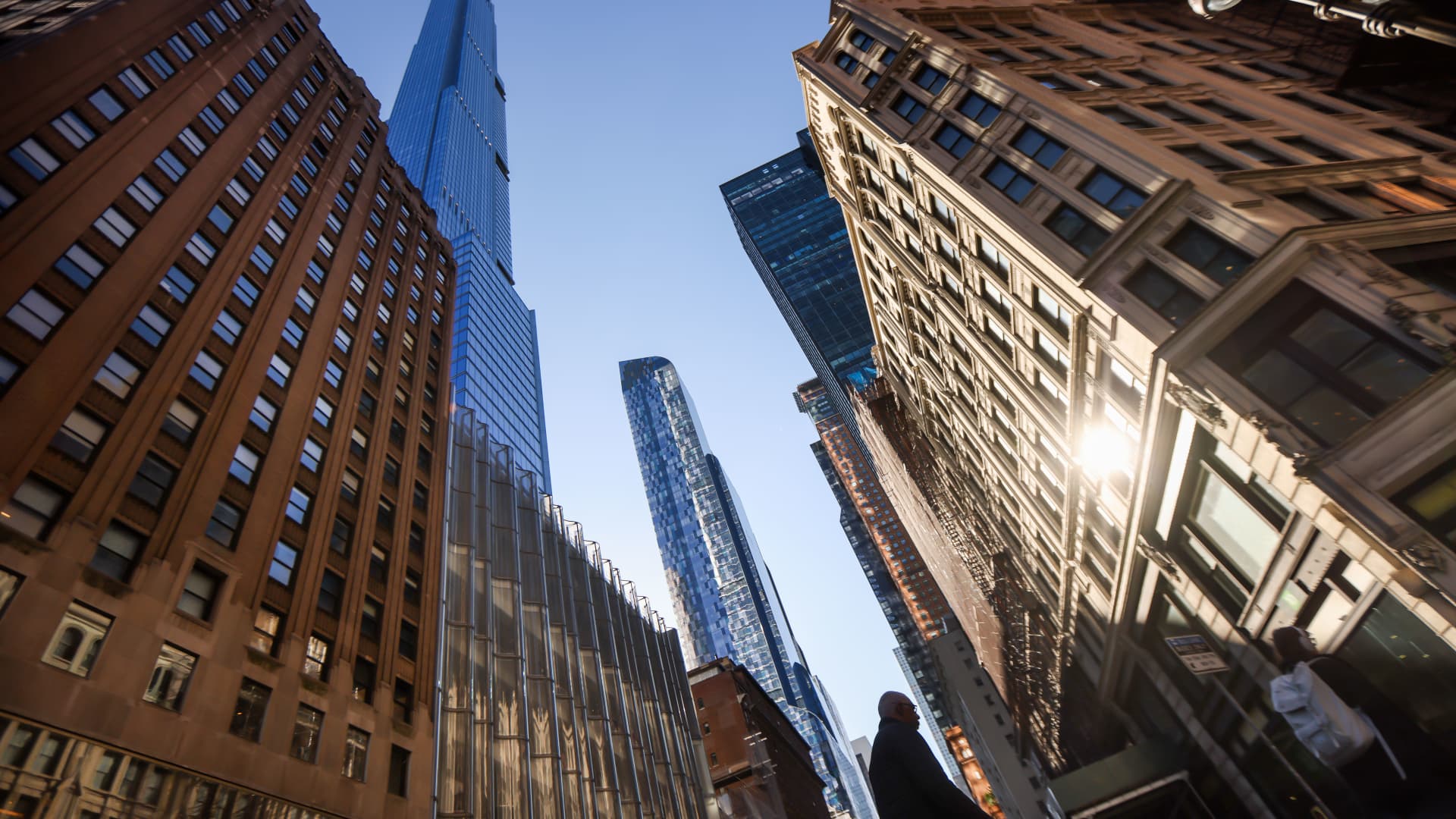
Central Park Tower, left, and One57, center, along Billionaire’s Row in New York, May 1, 2026.
Michael Nagle | Bloomberg | Getty Images
A version of this article first appeared in CNBC’s Inside Wealth newsletter with Robert Frank, a weekly guide to the high-net-worth investor and consumer. Sign up to receive future editions, straight to your inbox.
A month after the passage of a tax on second homes in New York City, sales of luxury real estate remain strong and inventory is falling, according to brokers and analysts.
When New York Gov. Kathy Hochul and the state legislature approved the so-called pied-à-terre tax on May 27, real estate agents and developers predicted an immediate impact. Brokers said the New York wealthy would flee to Florida, developers said they would halt new projects and real estate lobbyists predicted declines in employment. Many cited what they called “the Mamdani effect,” referring to New York City Mayor Zohran Mamdani and potential wealth flight from taxes.
“The tax on second homes will dampen market activity, reduce property values, hurt new development and weaken the city’s economy,” the Real Estate Board of New York said in a statement soon after the measure passed.
Yet sales of luxury apartments show little signs of weakness. There were 126 contracts signed for apartments priced at $4 million or more in June, up from 124 during the same four-week period last year, according to Olshan Realty.
The average price of a Manhattan apartment reached its second-highest level ever during the second quarter, up 5% over the past year to roughly $2.2 million, according to Brown Harris Stevens. Sales of condos priced between $10 million and $20 million surged 55%, according to Compass. Sales of condos over $20 million were up 33%, with average asking prices up 14%, the real estate brokerage said.
The deals in June included an $80 million duplex penthouse in a new condo building near Manhattan’s West Village, a $26 million condo downtown and a $22 million co-op on the Upper East Side. Brokers say that while some buyers were initially spooked by the tax, the flood of liquidity from recent initial public offerings and soaring wealth from asset prices has outweighed their fears.
“The amount of money out there is insane,” said Lauren Muss of Douglas Elliman, who had a $17.5 million condo listing go to contract in June. “We’re seeing big things come to us every day. It’s only getting stronger.”
It’s too early to judge the long-term impacts of the tax, of course. And real estate lawyers say there will be years of litigation related to valuations, co-op boards, residency status and other issues related to the new tax. While Hochul and Mamdani have said the tax will raise $500 million a year, the New York City Comptroller estimates it will raise about $340 million to $380 million.
Yet top brokers said the pied-à-terre tax fears are quickly subsiding. The surcharge, imposed on non-primary residences valued by the city at more than $1 million, was first proposed in April, approved in May and officially took effect this week. It applies to residences that fit the tax criteria as of Jan. 5, 2026. So any buyers of pricey pied-à-terres this year will be subject to the tax.
Some buyers initially paused their deals when the tax was first proposed, according to agents. Scott Hustis, of Paradigm Advisory at Compass, said he listed a $16.5 million penthouse duplex in Madison Square Park Tower on April 8. One buyer expressed immediate interest and was about to make an offer, he said, but when Hochul announced the proposed tax a week later, the buyer pulled back.
By late May, however, as the details of the tax started becoming more clear, buyers came back into the market. The penthouse went into contract on June 6.
“There is a lot of confidence out there,” Hustis said. “Markets are strong. A lot more New York buyers are coming out of the woodwork.”
Hustis declined to comment on the buyer of the $16.5 million penthouse or whether it will be a primary residence. If not, the apartment would be subject to a pied-à-terre tax bill of over $98,000 this fiscal year in addition to property taxes, based on city valuations.
But Hustis said ultra-wealthy buyers are more concerned about buying at the right time in the market cycle rather than paying an added tax.
“Right now, they’re seeing things go into contract and prices not coming down and they decide to execute,” he said.
Low inventory is adding pressure to buyers. Jonathan Miller, CEO of appraisal and research firm Miller Samuel, said luxury inventory is down 40% compared to last year and is now at the lowest level he’s seen since he began tracking it in 2004.
Marc Palermo of Douglas Elliman has a listing for a $19 million, 4,700-square-foot apartment at 565 Broome St., the glass condo tower whose buyers have included tennis great Novak Djokovic, Uber co-founder Travis Kalanick and niece of the president Mary Trump. In the fall of 2025 and early 2026, the listing attracted several offers for 20% or 25% below the asking price, Palermo said. Yet the building held firm to its price.
By late spring, with markets overcoming Iran war fears and the SpaceX IPO and other offerings creating massive liquidity events, the Manhattan market sprang to life, brokers said. Palermo said he got a “strong offer” for the $19 million apartment and it went to contact at the end of June. While he declined to comment on the buyer, he said they already own a unit in the building and wanted to expand. Since the buyer isn’t a primary New York tax resident, they will likely owe a pied-à-terre tax.
“People took a breath, they settled into the new reality and the smart ones charged in,” Palermo said.
He said the other two early bidders for the Broome Street listing also ended up closing on other apartments recently — one for a $15 million apartment and the other for a $17 million apartment. He said virtually all the high-end buyers in Manhattan are paying cash, without mortgages.
Along with the stock market gains and boom in finance, the so-called great wealth transfer is also driving demand in Manhattan. Palermo said he’s doing a number of high-end deals with buyers under the age of 40 in which the parents or a family office or trust is the underlying buyer.
“We’re seeing a lot of gifts coming in from parents,” he said. “If you’re under 40 and you’re buying in New York City, chances are you’re not making enough to buy on your own.”
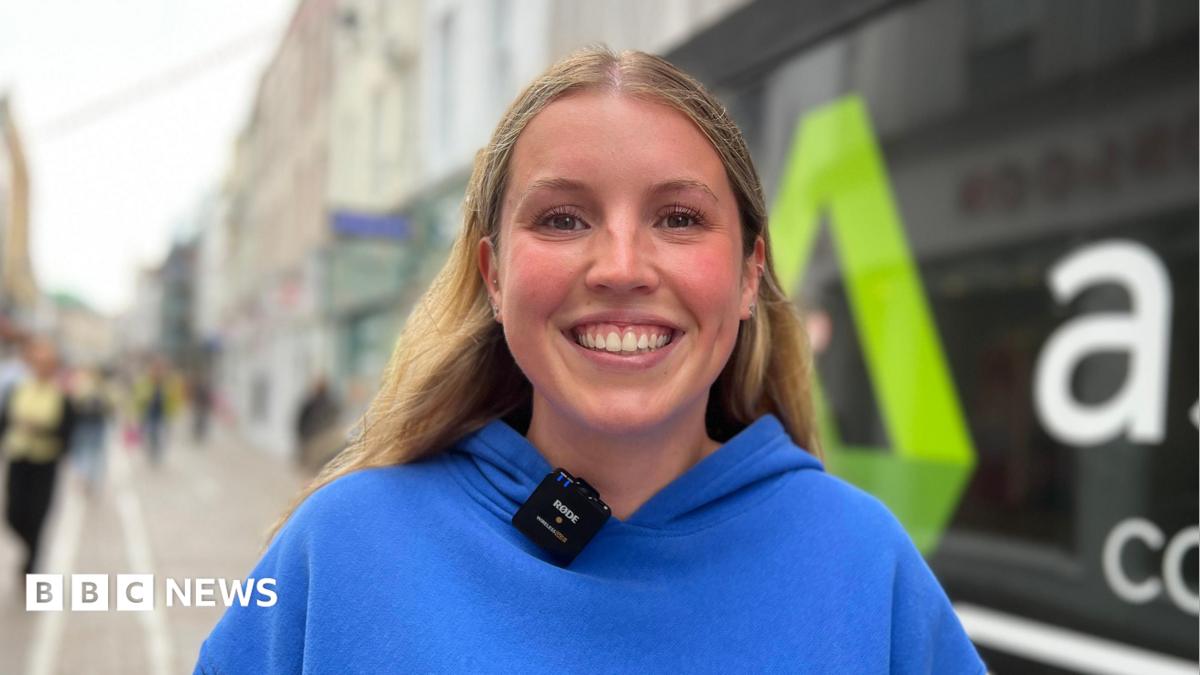
Sarah Jackson, who works at coffee and pizza shop Red House, said she was hopeful the change could help people spend money at businesses.
She said “anything that can help bring money into the island is always important” and “having credit cards gives us another option for payment here”.
“I think it depends how obvious the opt-out option is if it’s something that’s very clearly stated and everyone knows when they’re up for it then good,” Jackson said.
“As long as everything’s regulated and following a certain procedure and you’ve chosen exactly what data you want shared then I’m sure it’s fine for people in general.”
Those who do not want their personal data shared can email customerservice@gov.je with subject header “OPT OUT” along with their full name, address and date of birth, or phone 01534 444444 and select option 6.
Follow BBC Jersey on X, external and Facebook, external. Send your story ideas to channel.islands@bbc.co.uk, external.

Young people tells the BBC what they think about the state pension.

Amass Brand Group unveils electrolyte beverage powder

Bitcoin ETF News: FBTC and ARKB Drive $221.7M Bitcoin ETF Reversal as IBIT Bleeds

Colombia vs. Ghana prediction, odds, line, time: 2026 World Cup Round of 32 picks


-

 Fashion7 days ago
Weekend Open Thread: Staud – Corporette.com
-

 Crypto World3 days ago
Strategy authorizes up to $1.25B in Bitcoin sales under new capital plan
-

 Tech5 days ago
Claude Code turned every engineer into three. Now companies need more product thinkers
-

 News Videos5 days ago
MAJOR BITCOIN & MARKET UPDATE!!!! (MUST WATCH ASAP!!!)
-

 Tech3 days ago
Anonymous researcher drops 0-day ‘exploitarium’ repo
-

 Crypto World6 days ago
Coinbase, Circle Deepen Crypto Stock Losses Despite Resilient S&P 500
-

 Business3 days ago
Australia treasurer says alleged access of prime minister’s bank data ’incredibly concerning’
-

 Crypto World6 days ago
Kraken's xStocks Opens Bending Spoons IPO Registration to EEA Retail
-

 Sports7 days ago
FIH Pro League: India defeat Pakistan 7-1, register biggest win of campaign | Other Sports News
-

 Tech6 days ago
Bluekit phishing kit adopts browser-in-the-middle for login theft
-

 Tech6 days ago
Russian hackers now target Signal backup recovery keys
-
 Crypto World7 days ago
Hyperliquid Named on Singapore MAS Investor Alert Register
-

 Crypto World7 days ago
RTX holders must register wallets before token distribution begins
-
 Business4 days ago
The AI boom won’t burst all at once. It will pop in ‘rolling bubbles’: Macquarie
-

 Sports2 days ago
Broncos roster: OL Ben Powers (No. 74) entering final year of contract
-

 Tech6 days ago
Silicon Valley paid to kill AI regulation, now it wants the rules back
-

 NewsBeat3 days ago
Presenter Caroline Flack’s brother Paul Flack dies aged 55
-

 Crypto World1 day ago
Binance stock trading tops $1B in first month after launch
-
 NewsBeat1 day ago
New exhibition reflects five decades of movement between island of Ireland and GB
-

 Tech6 days ago
OpenAI mulls delaying IPO over valuation concerns
You must be logged in to post a comment Login