Big ideas do not always arrive with attention or applause. Often, they are shaped quietly through experience, discipline, and persistence.
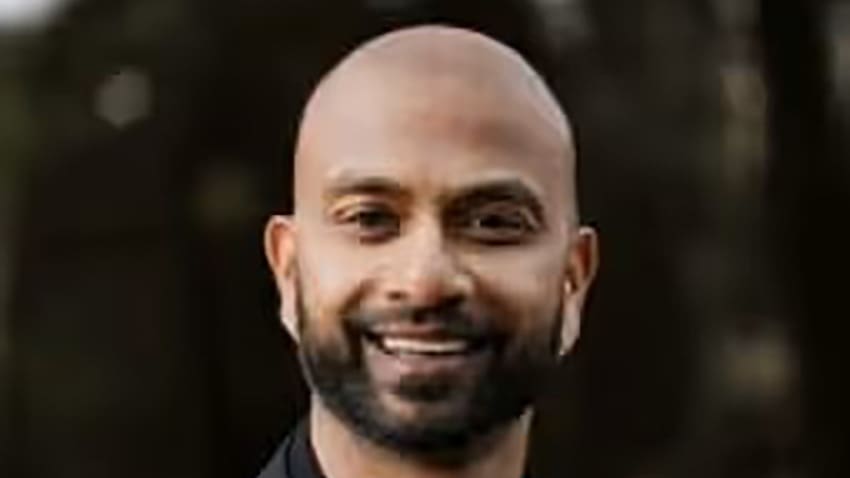
That is how Thirukumaran Sivasubramaniam approaches his career. As Co-Founder and COO of Fintex Inc. in Toronto, he is known for turning complex ideas into working systems. His leadership style is practical, steady, and grounded in lived experience. It is a style shaped long before his professional career began.
Early Life and a Defining Family Influence
Thirukumaran’s early years were marked by loss and responsibility. His father passed away when he was young, leaving his mother to raise four children on her own. The family faced significant challenges, but his mother remained focused on one priority.
“She never let us lose sight of what mattered,” he says. “Education was non-negotiable.”
Watching his mother hold the family together left a lasting impression. It shaped how he thinks about leadership today. Responsibility meant showing up every day, even when conditions were not ideal.
“She didn’t wait for things to get easier,” he says. “She worked with what she had.”
Immigration, Adaptation, and the Value of Education
At the age of nine, Thirukumaran immigrated to Canada with his family. The transition was difficult. They moved frequently and relied on social assistance as they rebuilt their lives. Stability came slowly.
“We were starting from scratch,” he says. “Everything felt temporary for a while.”
He attended several schools across Toronto, including Milliken Mills Junior School, John Buchan Middle School, Don Valley Middle School, Georges Vanier Secondary School, and Woburn Collegiate Institute. Each move required adjustment.
“You learn fast how to read a room,” he says. “You learn how to adapt without complaining.”
Education remained the constant. His mother’s belief in learning as a pathway forward became his own. That mindset stayed with him as he entered adulthood.
Early Career Lessons: Ideas Need Follow-Through
As Thirukumaran entered the workforce, he became interested in how ideas become outcomes. He noticed that many plans failed not because they were bad, but because execution was unclear.
“Good ideas don’t survive without structure,” he says. “Someone has to make them real.”
He gravitated toward roles that required organization, accountability, and problem-solving. Over time, he developed a reputation for being dependable and detail-oriented. He learned how systems either support people or slow them down.
That thinking laid the groundwork for what came next.
Building Fintex Inc. From the Ground Up
Today, Thirukumaran serves as Co-Founder and Chief Operating Officer of Fintex Inc. His role focuses on operations and execution. He works to ensure that ideas are supported by clear processes and realistic timelines.
“My focus is simple,” he explains. “Remove friction so teams can do their work.”
Rather than chasing visibility, he concentrates on building reliable systems. That includes defining roles, improving workflows, and aligning teams around shared goals.
“When operations work, people don’t notice,” he says. “They just see progress.”
This approach has helped Fintex grow in a controlled and sustainable way, turning concepts into repeatable outcomes.
A Leadership Style Built on Consistency
Thirukumaran describes leadership as a long-term commitment. He believes people perform best when expectations are clear and leaders are predictable.
“Consistency builds trust,” he says. “Not intensity.”
His leadership style reflects what he learned early in life. Calm decision-making. Shared responsibility. A focus on what can be controlled.
“Panic doesn’t fix problems,” he says. “Planning does.”
He applies this mindset when evaluating new ideas. Innovation matters, but only when it can be supported by strong execution.
Mentorship, Giving Back, and Practical Impact
Mentorship plays a central role in Thirukumaran’s life. He has helped many newcomers to Canada secure their first jobs, guiding them through resumes, interviews, and early career decisions.
“That first job changes how you see yourself,” he says. “It opens doors.”
He also organizes annual fundraising efforts with family and friends, raising close to $5,000 each year to support individuals and families facing hardship. For over a decade, he has helped collect and ship clothing to communities lacking basic necessities. In addition, he volunteers as a judge for Youth Leadership Programs in technology-focused categories.
“Giving back keeps things in perspective,” he says.
Discipline Beyond the Office
Outside of work, Thirukumaran stays active through sports such as basketball, volleyball, tennis, badminton, and baseball. He enjoys watching games and supporting his children at their sports events. Each morning starts with a walk, regardless of the weather.
“It clears my head,” he says. “It’s how I reset.”
Turning Ideas Into a Career
Thirukumaran Sivasubramaniam’s career reflects a simple truth. Big ideas only matter when they are carried through. From early adversity to operational leadership, his path shows how discipline, consistency, and structure can turn vision into lasting results.
“Nothing happens overnight,” he says. “You build it step by step.”
That philosophy continues to guide his work today.


























































You must be logged in to post a comment Login