

Business
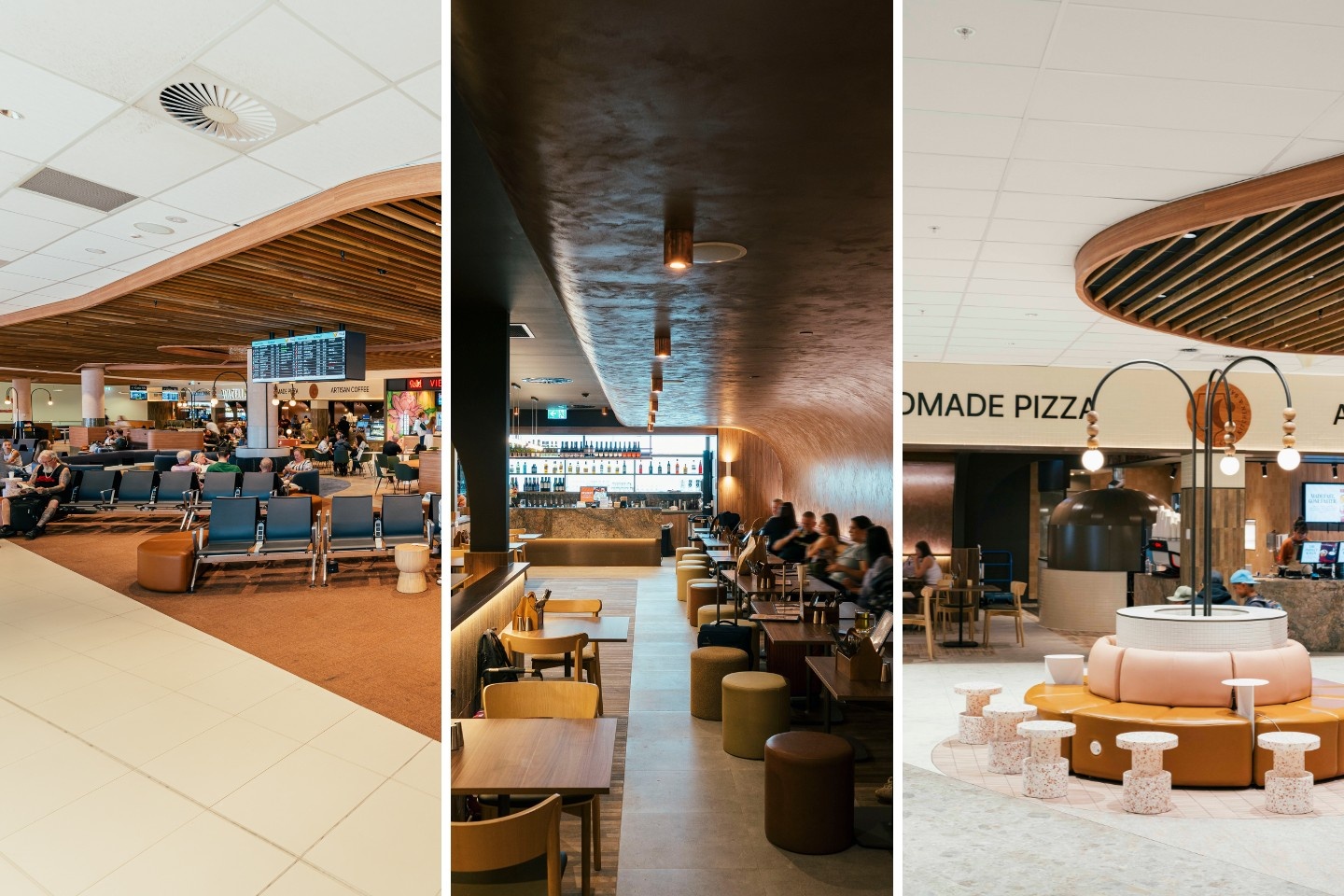
Perth Airport unveils new international terminal offering




It’s never been easier to add fiber into your formulations with HealthSense® High-Fiber Wheat Flour.
Business
(VIDEO) Paul Pelosi Faces Possible License Suspension After Napa County, California Hit-and-Run Crash

YOUNTVILLE, Calif. — Paul Pelosi, the husband of former House Speaker Nancy Pelosi, could face misdemeanor charges and a possible suspension of his driver’s license following a hit-and-run collision in California’s Napa County wine country last week, according to local authorities.
The Napa County Sheriff’s Office said in a news release Saturday that Pelosi, 86, was driving his brown convertible Friday afternoon in Yountville, a small town roughly an hour north of San Francisco, when he struck a legally parked, unoccupied vehicle on the side of the road. According to the sheriff’s office, Pelosi briefly stopped after the collision before driving away from the scene. A witness saw the crash and called 911.
Shortly afterward, sheriff’s deputies located Pelosi’s convertible with significant damage to its front end on a nearby road approximately a quarter of a mile from the collision site, according to authorities. Pelosi reportedly told officers he was aware he had hit something but was uncertain when or what had caused the damage to his vehicle. No injuries were reported in connection with the crash, and authorities said Pelosi did not have alcohol in his system at the time.
Deputies determined that Pelosi was at fault in the collision, according to the sheriff’s office. He was not arrested at the scene, which authorities described as standard procedure for a misdemeanor property-damage crash of this nature. The Napa County District Attorney’s Office will now review the case and decide whether to move forward with formal charges.
In addition to the potential criminal case, the sheriff’s office said it would submit a driver re-evaluation referral to the California Department of Motor Vehicles, a process officials described as common when older drivers are involved in traffic collisions. That review could result in restrictions being placed on Pelosi’s driving privileges or a full suspension of his license, depending on the outcome of the DMV’s evaluation.
A spokesperson for the Pelosi family said Paul Pelosi has personally apologized to the owner of the damaged vehicle and has assured them that he would take responsibility for the cost of the repairs.
The incident marks the latest in a series of legal and personal difficulties involving Pelosi in recent years. In 2022, he pleaded guilty to misdemeanor charges of driving under the influence stemming from a separate crash, also in Napa County. He was sentenced to five days in jail and three years of probation in that case, though he ultimately served only one day in a work program after receiving credit for two days already served and additional credit for good conduct. As part of the terms of his probation, Pelosi was required to complete a three-month drinking driver class and install an ignition interlock device in his vehicle, a system that requires a driver to provide a breath sample proving sobriety before the engine will start. He was also ordered to pay approximately $5,000 in restitution to the victim of that crash for medical bills and lost wages, along with nearly $2,000 in fines.
Later in 2022, Pelosi was the victim of a separate, unrelated incident in which he was attacked and severely beaten with a hammer inside the Pelosis’ San Francisco home. His attacker, David DePape, was convicted and sentenced in 2024 to 30 years in prison for the assault.
Nancy Pelosi, who served as speaker of the House from 2007 to 2011 and again from 2019 to 2023, continues to represent a San Francisco-based congressional district, a seat she has held for decades. She has not publicly commented on Friday’s incident as of this report.
Under California law, a misdemeanor hit-and-run involving property damage, rather than injury, typically carries potential penalties that can include fines and up to six months in county jail, though sentencing outcomes vary widely based on the specifics of a case and a defendant’s prior record. Prosecutors in Napa County have not indicated a timeline for their charging decision.
The California DMV’s re-evaluation process for older drivers typically involves a review of a driver’s recent record, and in some cases a request for additional medical or vision documentation, or a retest of driving skills, before determining whether a license should be renewed without restriction, limited to certain conditions, or revoked. The process can take weeks to complete depending on the volume of cases under review and the specific circumstances involved.
Friday’s collision has drawn renewed public attention to Pelosi’s driving history, given that this marks the second incident involving a vehicle he was driving in Napa County within the past several years. Local authorities have not indicated whether Friday’s crash will have any bearing on the terms of his earlier probation from the 2022 case, which has since concluded.
As of this report, the Napa County District Attorney’s Office had not announced a formal charging decision, and the California DMV had not indicated the outcome of any driver re-evaluation referral submitted in connection with the case. Paul Pelosi has not made a detailed public statement beyond the apology conveyed through a family spokesperson following the incident.

Sales of electric and plug-in hybrid cars have overtaken petrol-only registrations for the first time, in a month that also saw China’s big three exporters capture one in seven of all new cars sold in the UK.
June’s figures mark a watershed for the British motor trade. After a spring of record pump prices and with electric car prices falling in an increasingly crowded marketplace, registrations of zero-emission electric vehicles rose 35 per cent to almost 63,950, giving battery-powered cars 30 per cent of the market.
Plug-in hybrids, which run primarily on battery power with a petrol engine in reserve, added a further 26,702 sales, up 25 per cent year on year, for a 12.5 per cent share. Between them, the two plug-in categories comfortably outsold pure petrol cars, whose 84,541 registrations pushed their market share below 40 per cent for the first time, to 39.7 per cent.
The balance was made up of self-charging hybrids, on 14 per cent, and diesel, which continues its chronic decline in the wake of environmental and regulatory clampdowns, at just 3.8 per cent of new sales, according to industry figures compiled by the Society of Motor Manufacturers and Traders.
The month’s other defining trend was the pace at which Chinese manufacturers are winning British buyers across every fuel type, with pricing that undercuts the legacy carmakers. In a market of more than 213,000 registrations, up 11.4 per cent, the three biggest Chinese exporters sold over 30,000 vehicles between them, taking more than 14 per cent of the market.
MG, the heritage British marque now owned by Shanghai Automotive, claimed 4.9 per cent, outselling Toyota, the world’s biggest carmaker, as well as Korean rivals Kia and Hyundai. Chery, which recently signed a deal to build some of its models at Nissan’s Sunderland plant, took 6.4 per cent across its Jaecoo and Omoda brands. BYD, China’s largest carmaker, accounted for just shy of 3 per cent.
Many in the trade believe a tipping point has been reached, with electrified vehicles now mainstream and increasingly available on the used market, even if plug-in motoring remains less convenient for the two in five motorists unable to charge cheaply at home. Public charging costs and infrastructure, tracked by Zapmap, remain the key barrier for households without a driveway.
Nick Williams, managing director of the transport business at Lloyds Banking Group, said the affordability picture had shifted markedly over the past year.
“Used electric cars are now generally cheaper than their petrol equivalents and the second-hand market grew by around a third in the first quarter,” he said. “For households that can’t justify a new electric car at list price, the growing pool of used stock is a route in.”
That echoes record used electric car sales in the first quarter, when second-hand EV transactions rose by nearly a third.
“The other visible shift is on running costs,” Williams added, “with pump prices having swung by more than 20p a litre and home charging tariffs having stayed broadly stable.”

Jamie Young
Jamie is Senior Reporter at Business Matters, bringing over a decade of experience in UK SME business reporting.
Jamie holds a degree in Business Administration and regularly participates in industry conferences and workshops.
When not reporting on the latest business developments, Jamie is passionate about mentoring up-and-coming journalists and entrepreneurs to inspire the next generation of business leaders.
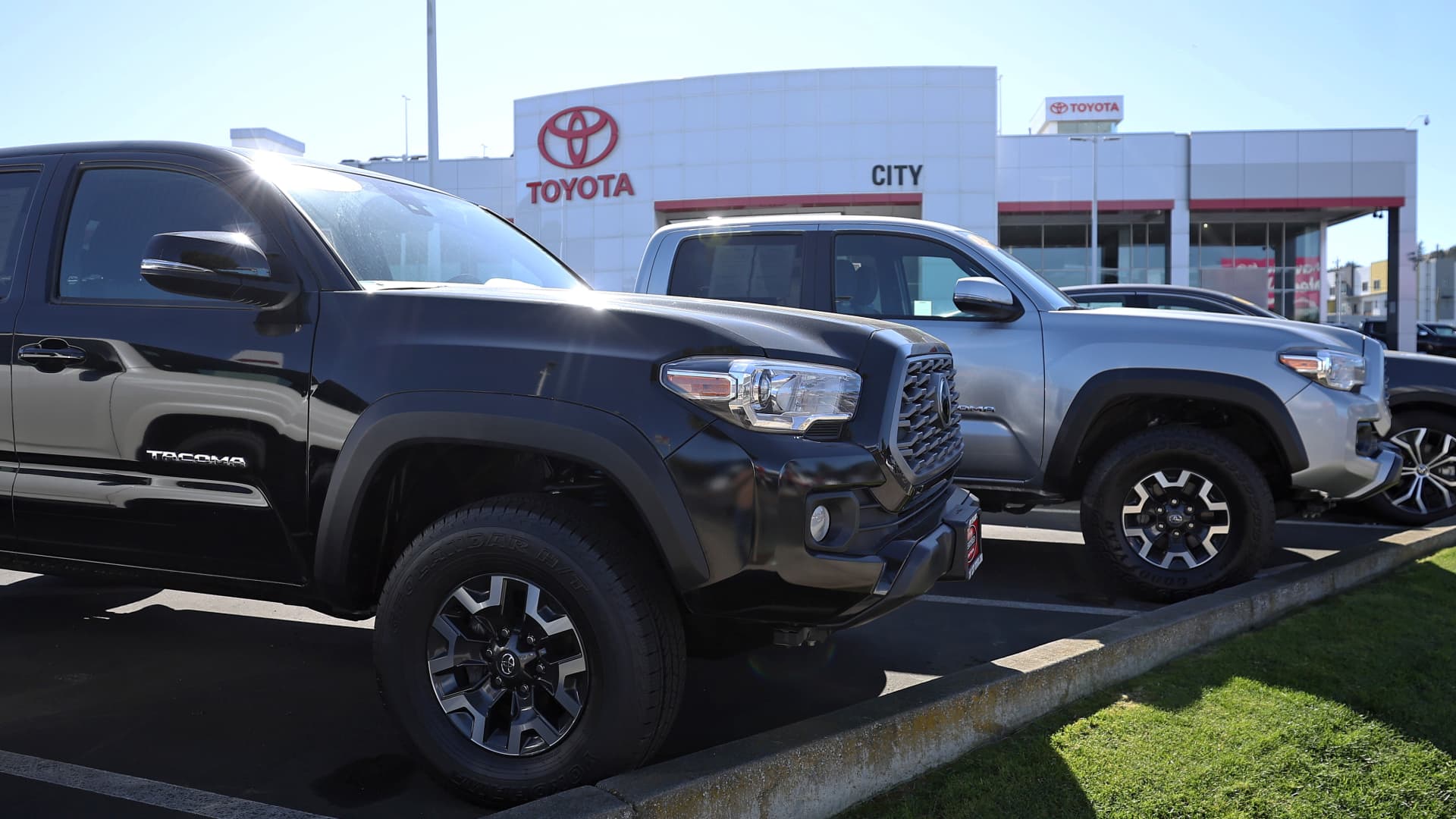
Toyota Tacoma trucks on the sales lot at City Toyota on Feb. 28, 2024, in Daly City, California.
Justin Sullivan | Getty Images
Toyota Motor on Monday announced that it is investing $3.6 billion to move production of the Tacoma midsize pickup truck from a plant in Mexico to its San Antonio, Texas, manufacturing campus.
The investment is expected to create 2,000 U.S. jobs at the facility, add a second vehicle assembly line and roughly double the size of the 2.7-million-square-foot plant by 2030, the automaker said. It will expand the plant’s annual capacity from roughly 200,000 to 350,000 units, Toyota said.
The announcement is part of Toyota’s stated plans to invest up to $10 billion more than previously expected domestically in the U.S. through 2030. It comes less than a week after the Trump administration confirmed it would not extend its trilateral trade pact with Canada and Mexico, instead opting to conduct annual reviews.
A Toyota spokeswoman said the company is “maintaining its operations in Mexico” as Tacoma production transfers from Tijuana to Texas over the next four years, but she declined to share additional details. The company plans to continue to produce Tacoma pickups at another Mexican plant in Guanajuato, she said.
“This investment expands Toyota’s manufacturing capacity and complements our broader North American production network,” she said in an email to CNBC.
The move comes more than six years after Toyota confirmed it would shift Tacoma production from the Texas plant to the Toyota Motor Manufacturing de Guanajuato plant in Mexico.
The Texas plant currently produces the Toyota Tundra full-size pickup truck, including a hybrid variant, and the Toyota Sequoia SUV hybrid. Toyota previously announced it was investing $531 million in a 500-million-square-foot rear axle plant on the campus that is slated to begin production in the fall.
Potential plans to expand the San Antonio plant, codenamed Project Orca, were first reported in May by Automotive News.
“Toyota’s continued investment in North America is a testament to our confidence in the region’s workforce, innovation and long-term growth potential,” Toyota Motor North America CEO Ted Ogawa said in a release. “By expanding our San Antonio plant, we are deepening our commitment to American manufacturing, creating meaningful and sustainable jobs, while advancing our mission to deliver high-quality vehicles that meet the changing needs of customers today and into the future.”
Toyota, which employs 48,000 people in the U.S., says it has invested $8.3 billion in the San Antonio plant since its groundbreaking in 2003.
The increased investment and production capacity could assist Toyota — the world’s largest automaker — in becoming the No. 1 carmaker in U.S. sales.
Toyota is forecast to narrow the gap in U.S. sales with America’s largest automaker, General Motors, this year as hybrids get more popular and all-electric vehicles sputter, according to Cox Automotive.
The Japanese automaker’s sales were up 0.5% through the first half of the year compared with 2025, to 1.24 million. GM, meanwhile, reported a 6.8% decline during that time, to 1.34 million vehicles sold.
Toyota’s gains come as the automaker has rolled out new models, including all-electric vehicles, while continuing to double down on its hybrid vehicles, where it’s been a leader for decades.
GM, meanwhile, heavily invested in all-electric vehicles instead of hybrids, many times referring to them as a transitional technology. The Detroit automaker’s sole hybrid is a Corvette, while it offers a full lineup of EVs for luxury brand Cadillac as well as many models for other brands.

Broadcom jumped after the chipmaker and Apple agreed to extend a deal through 2031 to develop and supply a range of custom chips.
The S&P 500 information technology sector index climbed, while the Philadelphia SE Semiconductor index gained after two straight sessions of losses.
“This is a market that’s leaving a lot of people out. If you’re not in certain tech names, if you’re not in semiconductors, then you’re basically missing the entire rally,” said Jake Dollarhide, chief executive officer of Longbow Asset Management in Tulsa, Oklahoma. “I think it’s a very tenuous rally. There is a risk, particularly if the Fed continues to see higher interest rates for longer.”
Taking advantage of massive investor demand for AI-related chip stocks, South Korea’s SK Hynix was set to debut on the Nasdaq later this week.

Microsoft shares fell after the tech heavyweight said it was cutting about 2.1% of its workforce, or roughly 4,800 jobs.
“What the market is saying is Microsoft can’t afford all of its CapEx and there’s not a clear return on invested capital yet. Therefore, laying off people in lieu of moderating CapEx spend is perceived as a negative,” said Thomas Hayes, chairman at Great Hill Capital LLC.In economic data, the Institute for Supply Management said its non-manufacturing purchasing managers index edged down to 54.0 last month, matching expectations.
According to preliminary data, the S&P 500 gained 55.10 points, or 0.74%, to end at 7,538.34 points, while the Nasdaq Composite gained 288.49 points, or 1.12%, to 26,121.16. The Dow Jones Industrial Average rose 159.68 points, or 0.29%, to 53,053.59.
With Monday’s gains, the S&P 500 is up about 10% in 2026, and the Nasdaq has added about 12%.
With major U.S. companies set to begin reporting quarterly earnings in the next few days, investors have high expectations.
Analysts expect S&P 500 companies to increase their earnings by an aggregate 24% year-over-year in the second quarter, according to LSEG I/B/E/S. Tech sector earnings are projected to jump around 65%.
Delta Air Lines and PepsiCo are set to report results later in the week. Following a cooler-than-expected jobs report last week, traders see a 25% chance of a 25-basis-point rate hike at the central bank’s July 29 meeting, according to CME’s FedWatch tool.
Hawkish bets had risen after last month’s Fed meeting, the first under new Chair Kevin Warsh. The minutes are due on Wednesday.
Fed Governor Christopher Waller said on Monday that forward guidance can be a “valuable tool” that speeds up the impact of monetary policy under the right circumstances, but can become problematic when used inflexibly.
Shares of O’Reilly Automotive tumbled after Bloomberg News reported on Thursday that the auto parts retailer sent a cash offer to buy Genuine Parts. Genuine Parts also fell.
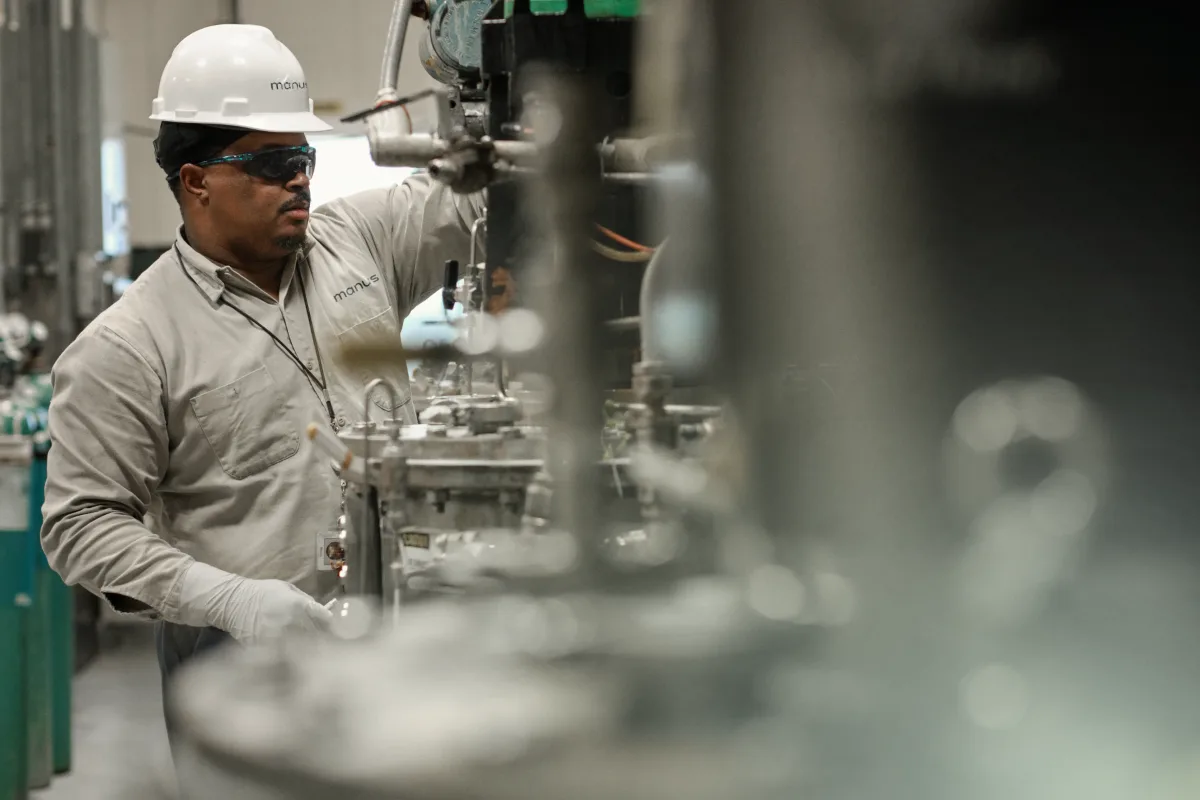

Sweetener is made via fermentation at its Augusta BioFacility in Georgia.

Form 424B5 ClearSign Technologies Corporation For: 6 July
Form 4 Yelp For: 6 July
Form 424B5 US Goldmining Inc Unit For: 6 July
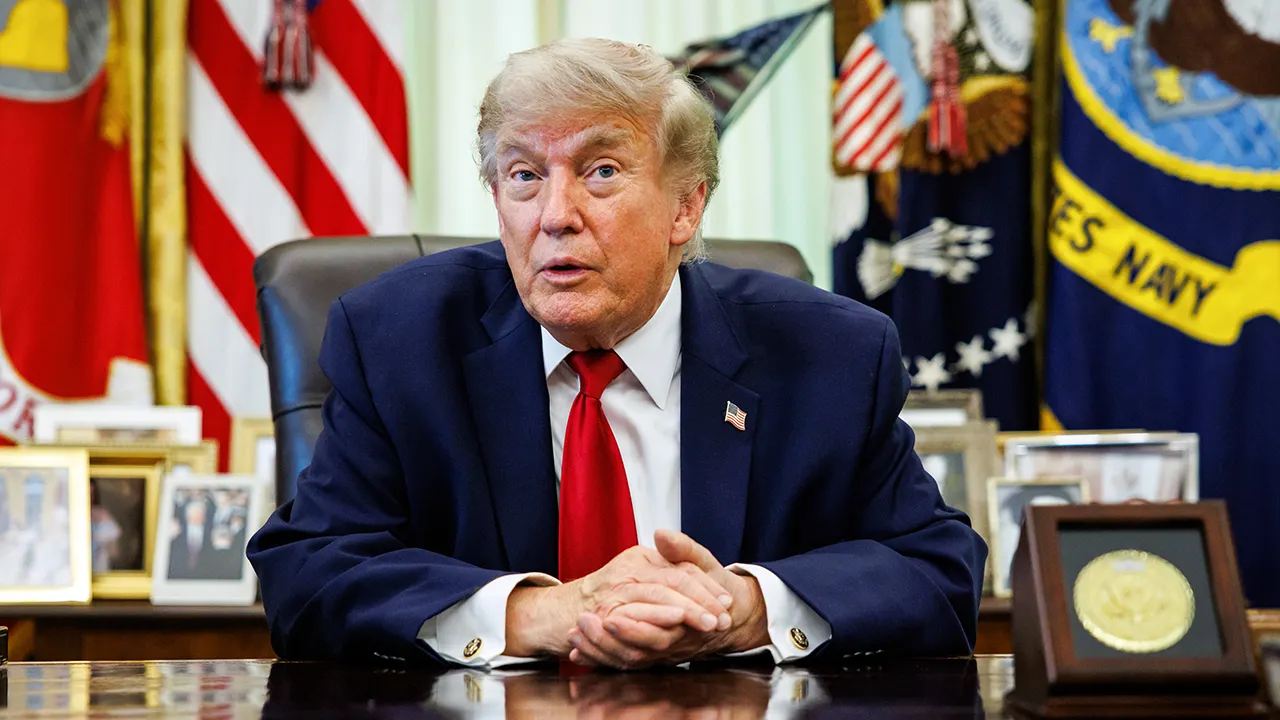
Fox News contributor Liz Peek discusses state regulation of AI and warns how it could threaten economic growth and competition against China on The Big Money Show.
The Trump administration on Friday laid out a sweeping deregulatory plan to eliminate over 700 rules across federal agencies.
The Office of Information and Regulatory Affairs (OIRA) released its 2026 regulatory plan which covered 702 deregulatory actions, an increase from 482 in the 2025 regulatory plan released by the Trump administration.
OIRA is part of the White House’s Office of Management and Budget (OMB), and the agency indicated this year’s unified regulatory agenda aims to rollback rules impeding economic growth.
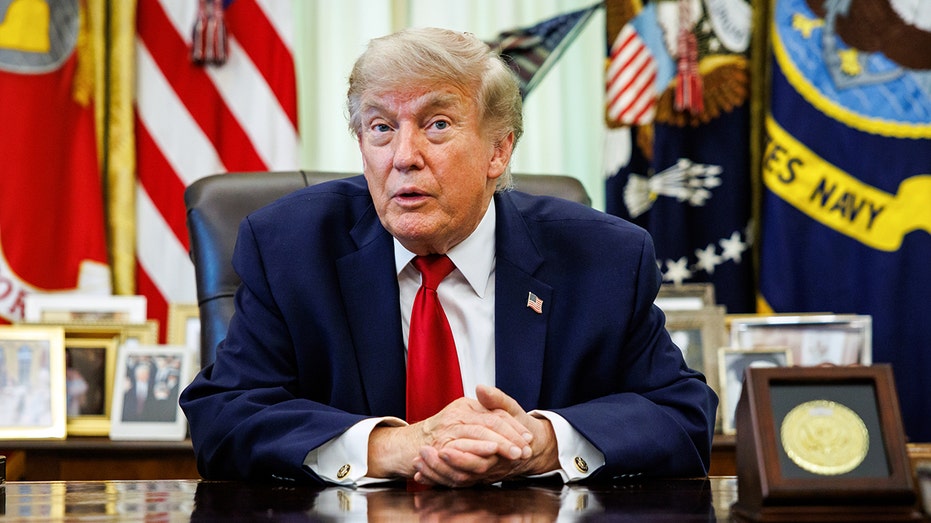
The White House released the executive branch’s regulatory plan for 2026, which includes a whopping $1.5 trillion in estimated savings. (Samuel Corum/Sipa/Bloomberg via Getty Images / Getty Images)
“The North Star of this Regulatory Plan is improving the lives of Americans. At its core, this document outlines how the Trump Administration is promoting economic growth, jobs, and affordability,” said Mark Paoletta, general counsel performing the duties of the OIRA administrator.
‘LIGHTNING SPEED’: SUPERSONIC CIVILIAN FLIGHTS IN US SKIES TAKE ANOTHER STEP TOWARD SWIFT RETURN
Paoletta added that OIRA estimates the 2026 regulatory plan will lead to a significant increase in regulatory cost savings above the record set last year.
“The President’s bold deregulatory efforts yielded $211.8 billion in cost savings for Americans in Fiscal Year 2025 – a level of regulatory savings never before achieved in American history,” Paoletta explained. “Yet Fiscal Year 2026 will go far beyond even that number with a record-setting $1.5 trillion in projected cost savings.”
POLESTAR BANNED FROM US MARKET UNDER RULE TARGETING CHINA-LINKED CONNECTED VEHICLES
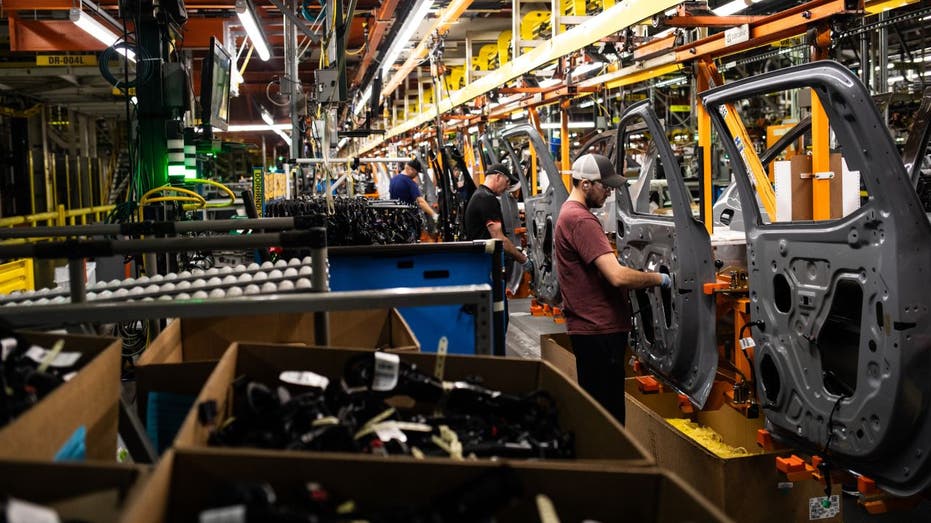
Biden-era EPA pollution rules for light- and medium-duty vehicles will be reconsidered. (Emily Elconin/Bloomberg via Getty Images)
The 2026 regulatory plan includes a wide range of rules changes across federal agencies. For example, the Environmental Protection Agency (EPA) signaled it will reconsider Biden-era pollution standards for light- and medium-duty vehicles, as well as repealing carbon pollution standards that affect power plants powered by fossil fuels.
The Department of Agriculture (USDA) said that it will propose a new rule covering the Supplemental Nutrition Assistance Program (SNAP) that includes new requirements for retailers aimed at deterring fraud and abuse within the program.
USDA also plans to revise work requirements for able-bodied adults enrolled in SNAP, along with revising the definition of eligible foods within the program to align with the administration’s nutrition goals. Food safety inspections are also to be modernized under a proposed rule that would include the removal of outdated inspection procedures.
WHITE HOUSE LAYS OUT FIXES FOR HOUSING AFFORDABILITY PROBLEM

The administration is developing a new framework for the safe spread of U.S. AI tech around the world. (iStock)
The Commerce Department’s Bureau of Industry and Security (BIS), which oversees export controls and looks to support national security and the defense industrial base, will implement a new framework for safely spreading U.S. artificial intelligence (AI) technology around the world.
BIS also plans to reduce export controls on drones that are provided to certain U.S. partners and allies, as well as including copper in the administration’s national security tariff regime.

CertiK exposes hidden truth behind crypto’s 50% loss drop
How golf’s intriguing star joined its elite

Geekom GeekBook X16 Pro business laptop review

No Jackpot Winner as $257 Million Prize Rolls Over to $269 Million Monday Draw

Renter of Home in Anne Heche Crash Denies Settlement With Son

Weekend Open Thread: Staud – Corporette.com

The Moment Stellar Lumens XLM And Ripple XRP Have Been Waiting For…..

More They Pay You,The Harder It Is to Leave | Financial Freedom #businessstrategy #wealth #business

Yahoo Finance Live: Daily Market Coverage – July 6, 2026 9AM-11AM (ET)
-

 Fashion3 days ago
Weekend Open Thread: High Hopes
-

 Politics3 days ago
The House | “Reframing the debate from a binary discussion of winners and losers”: Yuan Yang reviews ‘We Are Not Machines’
-

 Crypto World7 days ago
Strategy authorizes up to $1.25B in Bitcoin sales under new capital plan
-

 News Videos6 days ago
How to Build INSANE Live Financial Dashboards With Claude
-
 NewsBeat2 days ago
Taylor Swift and Travis Kelce wedding staffer hilariously struggles to keep her cool while checking in megastars
-

 Fashion5 hours ago
Open Thread: What Great Books Have You Read Recently?
-

 Tech7 days ago
Anonymous researcher drops 0-day ‘exploitarium’ repo
-

 Business7 days ago
Australia treasurer says alleged access of prime minister’s bank data ’incredibly concerning’
-
 Crypto World5 days ago
Airdrop Registration Becomes Key Focus For Remittix As RTX Launch Updates Approach
-

 Sports5 days ago
Broncos roster: OL Ben Powers (No. 74) entering final year of contract
-

 Crypto World5 days ago
Binance stock trading tops $1B in first month after launch
-

 NewsBeat6 days ago
Presenter Caroline Flack’s brother Paul Flack dies aged 55
-

 Crypto World5 days ago
Alibaba-affiliate Ant Group enters the humanoid robot market with 12 deals
-

 Crypto World3 days ago
Standard Chartered Secures MiCA License as ESMA Adds 37 New Crypto Firms
-

 Crypto World1 day ago
South Africa proposes crypto tax guidance under existing rules
-

 News Videos6 hours ago
Best Time to Enter Small Caps Right Now? Another Bull Run? | Financially Free
-
 NewsBeat5 days ago
New exhibition reflects five decades of movement between island of Ireland and GB
-

 Business5 days ago
Meta Platforms Stock Jumps 7% Today as Bloomberg Reports Company Plans to Enter the Cloud Business
-

 Tech1 day ago
Lenovo laptops are now shipping with YMTC SSDs, a sign of Chinese NAND entering the mainstream
-

 Business4 days ago
What a 10 Percent Drop Means for Buyers, Sellers and Renters
You must be logged in to post a comment Login