

Business
Manhattan office leasing sees strongest gains in 20 years


Key Points
- During the second quarter, 11.02 million square feet of office leasing was signed, 29.4% above the five-year quarterly average and 31.3% above the 10-year average, according to a new report from Colliers.
- For the full first half of the year, demand was the strongest in more than two decades, according to the commercial real estate services firm.
- AI leasing volume in the second quarter rose to 800,000 square feet, up from 700,000 square feet in the prior quarter and surpassing all of the leasing by AI firms in Manhattan combined in 2025.


Azmanjaka | E+ | Getty Images
Private chefs are making up to $300,000 a year, and butlers can earn as much as $180,000 as the wealthy hire more household staff to manage their increasingly complex lives, according to a new study.
Demand for chefs, personal assistants, butlers, nannies, housekeepers, chauffeurs and estate managers have reached records as the wealthy buy more homes in various locations and manage ever-growing families, according to a report from Morgan & Mallet International. The hiring boom has created a war for talent, driving up salaries and increasing job-hopping by household staff.
“Many clients are surprised by the rising cost of household services,” the report said. “The reality is that securing quality staff with proven experience has become increasingly difficult, pushing wages for the best candidates to record highs globally.”
House managers have the fastest-rising salary among household staff, driven by the growing real estate portfolios of the rich and shrinking pool of good candidates, according to Laurine Mallet, co-founder of Morgan & Mallet.
The market for private chefs is especially hot. In the U.S., private chefs can now earn between $100,000 and $300,000, according to the report. Ultra-wealthy families increasingly want to hire Michelin-starred chefs to cook for them at home so they can avoid the crowds and public attention of top restaurants, the report said. Celebrity chefs command the highest premiums, while chefs trained in special diets – like celiac-safe cooking – can also “name their price,” the report said.
Nannies who speak three languages and have experience caring for children with special needs are also in especially high demand. Traveling nannies are coveted but rare, with some making up to $163,000 in the United Arab Emirates, according to the report.
In the U.S., the most requested position from employers is personal assistants. Executive assistants and personal assistants can earn up to $250,000 a year, Morgan & Mallet found.
Privacy, discretion and tech skills are now core hiring requirements, according to the report. In Los Angeles, 77% of personal assistants hired required nondisclosure agreements. Strict bans on social media are now common for all household staff positions.
In the past, household staff would often work for the same employer for decades. Now, the average tenure with an employer is three years, according to the report. With the wealthy increasingly moving between homes and gaining residencies in multiple countries, they want Western passport-ready staff.
Skilled estate managers are becoming especially difficult to find, since they are often required to manage more than three properties in multiple countries and legal frameworks, according to the report. In the U.S., household managers can now make between $150,000 and $250,000, it found.
Butlers, once portrayed as buttoned-up, silver tray-carrying domestics, now manage complex staff, technology, security and logistics across multiple properties. Their salaries can be as high as $180,000.
“Clients want efficient service with less formality,” the report said. “Discretion, confidentiality, and trustworthiness are the most important qualities. Adaptability, flexibility, and strong people skills matter too.”

The White House says the first “Freedom Fuel” gas station has opened in Philadelphia, offering gasoline roughly 50 cents below Pennsylvania’s statewide average. (White House)
As oil prices react to the latest back-and-forth between the United States and Iran, fingers are being pointed as to why gas prices remain closer to $4 a gallon than $3 a gallon.
The price of a barrel of oil influences the price of gas. Within the cost of a gallon, oil producers sell the oil to a refinery that in turn sells the gas to a station. Also, in the price consumers pay are state and local taxes, environmental maintenance for the station, and a credit card transaction fee.
White House executive director of the National Energy Dominance Council, Jarrod Agen, says the administration sees more room for gas stations to lower costs. He says President Donald Trump personally watches the national price of gas very closely.
“The margins on gas at the pump have increased significantly ever since COVID,” Agen said. “And so, they’ve kind of gotten out of control at this point. Traditionally, it is a very low margin area. But I think they’ve used the Iran war as a way to grow that margin.”
FIRST FREEDOM FUEL NETWORK OPENS AS TRUMP-BACKED DISCOUNTS ROLL OUT

A man pumps gas at a Valero gas station on June 25, 2026, in Austin, Texas. (Brandon Bell/Getty Images / Getty Images)
He offered the example of the Freedom Fuel Network, which owns 25 stations around Philadelphia and New Jersey. The company deeply discounted the gas it sells, saying it reduced profit margin. Agen adds company executives told him, “We can sell it wholesale plus some of our cost and still save consumers about 50 cents per gallon, which is, that’s real savings, and you know once one person does it, then kind of the rest of the market will follow.”
Aged said Freedom Fuel stations make up in volume what they are shrinking in profit margin.
JET FUEL SPIKE KEEPS AIRFARES HIGH FOR BUSY SUMMER TRAVEL SEASON
In a FOX Business exclusive, a White House official said the network of gas stations saw fuel volumes increase 51.3% in July at the launch of their discount on July 3. The move forced 320 gas stations within a 40-mile radius to cut gas prices by 10 cents a gallon, according to the official who has seen the company data.

President Donald Trump stands next to a bell before ringing it to open the New York Stock Exchange ahead of the launch of Trump investment accounts in the Oval Office. (Mandel NGAN / AFP / Getty Images)
The White House official said 600 stations reduced prices in a ripple effect related to the competition benefiting drivers in the areas around Philadelphia and New Jersey.
National groups representing smaller gas stations pushed back on the growing profit margin narrative. Vice President of the National Association of Convenience Stores Jeff Lenard blamed some of the loss in profit margins on credit card companies.
“Approximately 90% of the cost of a gallon of gas is determined before the retailer takes possession of the fuel, and after expenses — especially credit card fees — retailers typically make about 5% profit (before taxes) on the fuel that they sell,” Lenard said in a statement to FOX Business.
DOJ AND FTC PRESS STATES TO TARGET ANY ILLEGAL ACTIVITY CONTRIBUTING TO HIGH GAS PRICES
He added that, historically, the margin of profit before taxes has not changed. The president of the Energy Marketers of America, Rob Underwood, backed that up.
“Fuel marketers are small businesses operating on thin margins in a transparent, fiercely competitive market where crude oil prices are set globally, but pump prices are set locally on the street corner,” Underwood added in a statement. “Regardless of market conditions, credit card companies profit on every gallon through percentage-based interchange fees — often collecting more per gallon than the retailer nets — while bearing none of the fuel costs, environmental compliance burdens, or competitive pressure to reduce their take.”
U.S. Energy Secretary Chris Wright joins ‘Mornings with Maria’ to discuss falling gas prices, America’s nuclear expansion, AI-driven energy demand and the Trump administration’s push to boost U.S. energy production.
Senior White House officials believe Trump policies have reduced oil prices from where they could be. Those officials point to temporarily waiving the Jones Act, invoking the Defense Production Act for some industry moves, allowing California to produce its own oil and granting EPA waivers as working together to subdue price increases.
Agen believes when we see a dip in oil prices, gas prices should quickly follow.
“There’s no reason why it spikes up so fast but then it comes down very slowly,” he said. “We want to come down just as fast as it went up.”
GET FOX BUSINESS ON THE GO BY CLICKING HERE
Underwood, running the Energy Marketers of America, believes the system is to blame for the slower fall in gas prices. “Retail prices are already declining in response to lower crude oil prices, though a typical two-to-three-week lag occurs as retailers sell off higher-cost inventory; competition then forces these savings to consumers as stock turns over.”
CLICK HERE TO READ MORE ON FOX BUSINESS
Gas prices have dropped more than 6% since a month ago, according to AAA.
Business
Prime Drink’s Australian Company Collapses Into Administration, Owing Millions With Just $85,000 Left
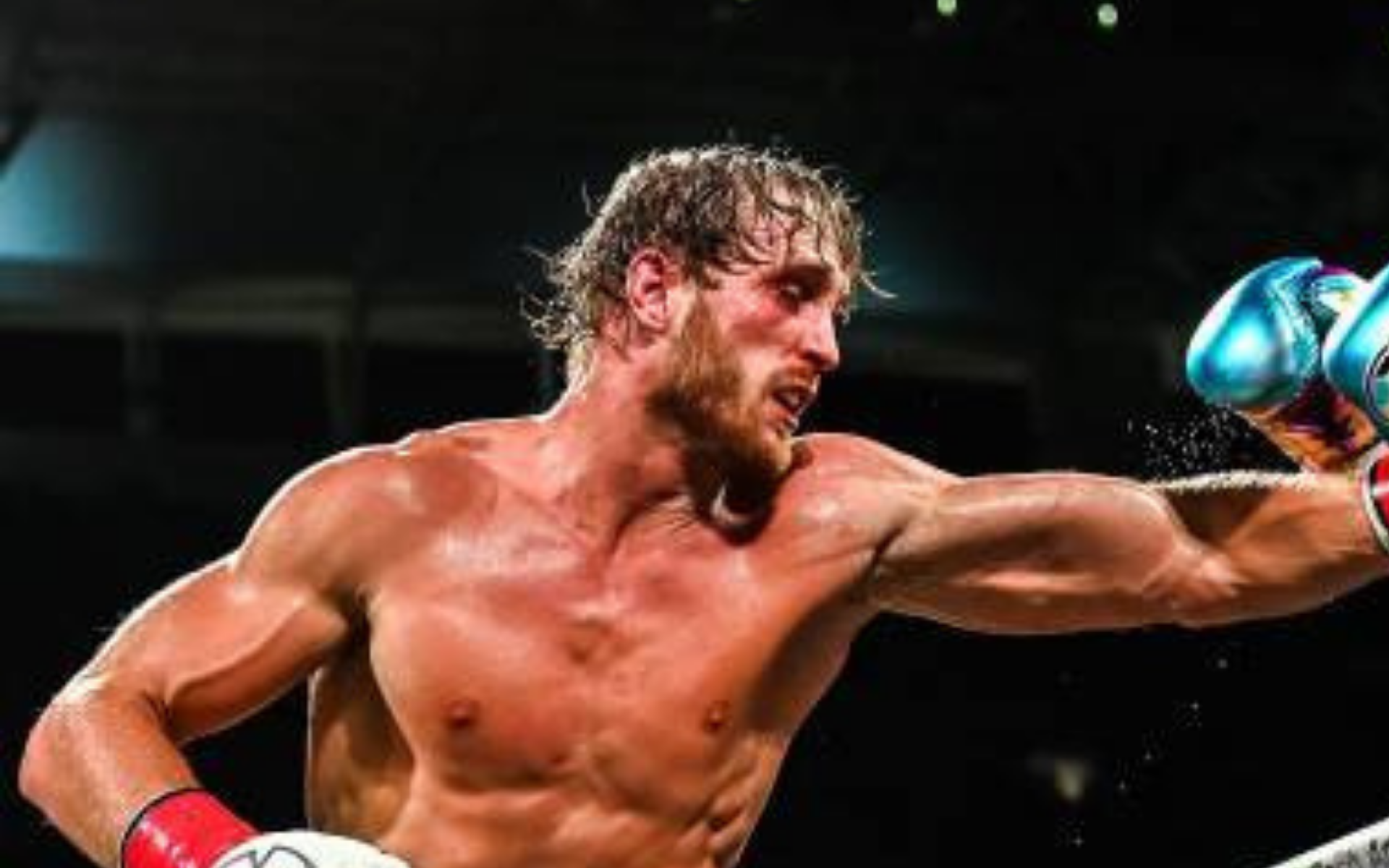
The Australian arm of Congo Brands, the company behind Logan Paul and KSI’s Prime sports and energy drinks, has collapsed into administration, with financial records showing millions of dollars in debt and just $85,000 remaining in the bank.
Administrator Alice Fay Ruhe of The Ruhe Group was appointed this week to oversee Congo Brands Australia, with the company’s first creditors meeting scheduled to be held next Friday. Congo Brands Australia is the local entity behind the influencer-founded beverage brands, including Prime and Lunchly, the latter of which was jointly founded with fellow content creator MrBeast.
Prime, launched globally in 2022, quickly became a phenomenon among Australian schoolchildren, fueled by intense promotional pushes from Logan Paul and KSI, the two social media influencers whose combined YouTube followings exceed 40 million subscribers. The drink’s hype-driven launch mirrored its international rollout in the United States and United Kingdom, where limited availability and viral social media attention led to bottles reselling for hundreds of dollars during the brand’s early peak.
According to Congo Brands Australia’s most recent financial report, lodged with the Australian Securities and Investments Commission in September last year, the company’s sales had halved from the previous year, falling to $14.5 million from $31 million. The Melbourne-based company posted a net loss of $1.42 million for the 2024 financial year, alongside $7.92 million in total debts and just $84,855 in cash on hand at the time of the filing.
The financial deterioration extended to the company’s inventory position as well. Between 2023 and 2024, Congo Brands Australia’s inventory holdings dropped sharply, falling from $28.9 million to $1.7 million, a decline that included a $4.57 million writedown of unsold stock, reflecting the sharp cooling of demand for the once-hyped beverage brand within the Australian market.
The company’s financial report identifies Congo’s U.S.-based founder, Max Clemons, and Peter Davison as directors of the Australian arm. The filing states that Congo Brands Australia is reliant on its Kentucky-based global parent company to meet its financial obligations, adding that the local subsidiary had received a “commitment to support the company for the foreseeable future” from the U.S. holding company at the time the report was lodged.
The move into administration follows separate legal action taken against the company earlier this year. Packaging supplier Orora Group filed a lawsuit in the Federal Court in June seeking to wind up Congo Brands Australia. Details of that case have not been made publicly available, though wind-up applications of this kind are typically brought by creditors seeking to force a company into liquidation over unpaid debts. A hearing in that Federal Court matter has been scheduled for July 31.
Prime’s rapid rise and more recent decline have played out on a global scale well beyond Australia. Founded by YouTubers Logan Paul and Olajide “KSI” Olatunji in partnership with Congo Brands, co-owned by American businessmen Max Clemons and Trey Steiger, Prime Hydration generated an estimated $250 million in retail sales during its debut year in 2022, according to reporting from The Washington Post. The brand went on to secure high-profile sponsorship deals with organizations including Arsenal FC, FC Barcelona, the UFC and the Los Angeles Dodgers, further cementing its visibility during its peak years of popularity.
That early success, however, has not been without controversy or legal challenges. In 2023, a class-action lawsuit was filed against Prime Hydration in California federal court alleging the presence of undisclosed per- and polyfluoroalkyl substances, commonly known as PFAS, in certain flavors of the drink, a claim Paul disputed at the time by citing levels well below thresholds considered reliable under Environmental Protection Agency standards. That same year, U.S. Senate Majority Leader Chuck Schumer called on the Food and Drug Administration to investigate Prime’s energy drink variant, describing it as a “cauldron of caffeine” and raising concerns about its marketing to children given the product’s 200 milligrams of caffeine per 12-ounce can. Prime has also faced a separate lawsuit from bottling company Refresco, which alleged in 2024 that the beverage brand backed out of a manufacturing agreement, with Refresco seeking $67.7 million in damages.
Beyond the legal disputes, Prime’s broader market position has cooled considerably since its 2023 peak. According to Wikipedia’s entry on the brand, Prime Hydration’s popularity had significantly declined by mid-2025, with Prime Energy cans discontinued entirely in some markets as consumer interest shifted away from the once-viral product. The company has continued attempting to diversify its offerings, announcing a Prime Protein line in January 2026, though it remains unclear whether that expansion has meaningfully offset the broader downturn in sales reflected in the Australian subsidiary’s most recent financial disclosures.
Prime’s ownership structure remains privately held, with Congo Brands controlling approximately 60 percent of the overall company and Logan Paul and KSI each holding roughly 20 percent equity stakes. Despite that minority ownership position, both influencers have continued to publicly position themselves as founders and central decision-makers behind the brand, particularly in their respective marketing efforts across American and European markets.
Neither Congo Brands, Logan Paul nor KSI has issued a public statement specifically addressing the administration of the company’s Australian subsidiary as of this report. The appointment of an administrator does not necessarily mean the Australian business will be permanently wound up, as administration processes in Australia are often used to restructure a company’s finances, negotiate with creditors, or facilitate a sale of the business as a going concern, with the outcome to be determined following next Friday’s creditors meeting.
With the first creditors meeting scheduled for next week and a related Federal Court hearing set for July 31, the coming weeks are expected to provide further clarity on whether Congo Brands Australia can be restructured, sold, or will ultimately be wound down entirely, a process that will also determine what, if any, recovery unsecured creditors of the company can expect given its currently disclosed liabilities.

Most recently was CEO of Snak King.

Earnings call transcript: MTY Food Group misses Q2 2026 estimates

French telecoms billionaire Xavier Niel is to become the largest shareholder in Vodafone, the group behind the UK’s biggest mobile network, after agreeing a £4.4 billion deal to buy out Emirati giant e&’s entire stake.
Niel, the largest private investor in Europe’s telecoms sector, will acquire the 16.2 per cent shareholding, which carries 17.13 per cent of Vodafone’s voting rights, through Vega, a newly created acquisition vehicle. e&, formerly known as Etisalat, will receive £1.11 per share, with ownership expected to transfer by the end of the year.
For the millions of UK businesses that rely on Vodafone for mobile and broadband connectivity, the arrival of a new anchor investor is more than a City curiosity. Niel’s family group runs telecoms businesses across 26 countries in Europe and Latin America, with 139 million subscribers, 45,000 employees and €24 billion in annual revenues. Its assets include iliad, Salt, Monaco Telecom, Eir, Tele2 and Millicom.
He is also one of Europe’s most active technology backers, having ploughed approximately €4 billion into European AI projects since 2022, alongside a longer record of supporting education and entrepreneurship platforms including School 42, Station F, Hectar and Kima Ventures.
Vega has stressed the investment is intended as a long-term, strategic minority shareholding rather than a prelude to a takeover.
The deal lands at a pivotal moment for Vodafone’s UK operations. In May the group agreed a £4.3 billion deal to take full ownership of VodafoneThree, buying out the 49 per cent stake held by CK Hutchison, parent company of Three. The joint venture has already made an £11 billion pledge to bring standalone 5G to virtually every corner of the UK by 2034, a rollout with clear stakes for small firms in poorly connected areas.
Vodafone’s FY26 results showed revenue up 8 per cent to €40.5 billion, with profit before tax of almost £1.9 billion, a sharp turnaround from a £1.5 billion loss the previous year as the group simplifies its business. Investor sentiment was nonetheless dampened by a pause in share buybacks to fund the VodafoneThree buyout, disappointing results in Germany, its largest market, and a miss on its overall adjusted earnings forecast.
The deal also comes amid a wider push for scale in European telecoms. Vodafone chief executive Margherita Della Valle has warned that Europe’s 5G rollout lags behind the US and Asia, blaming fragmented markets and regulation that deters investment.
“Vodafone is a compelling investment opportunity, underpinned by quality assets, strong brands, leadership positions and a diversified geographic footprint,” said Niel. “As a simpler, more focused business, Vodafone is ready for a new phase of growth and is well-placed to unlock substantial untapped value across its European and African operations.
“We are confident Vodafone can deliver sustainable growth and strong cash flow generation over the long term and – as an anchor investor based in Europe – we are ready to contribute our deep sector expertise and operational know-how to its future success.
“As demonstrated by our past investments – including as minority investors in listed companies like Tele2 and Millicom – we have a proven track record of helping businesses to perform better and create substantial shareholder value.”
The change at the top of the shareholder register comes as Vodafone’s relationship with small business partners remains under scrutiny at home, where the company is defending an £85 million High Court claim brought by former franchisees.

Paul Jones
Harvard alumni and former New York Times journalist. Editor of Business Matters for over 15 years, the UKs largest business magazine. I am also head of Capital Business Media’s automotive division working for clients such as Red Bull Racing, Honda, Aston Martin and Infiniti.

Mark Pownall is joined by Gary Adshead, Sam Jones and Claire Tyrrell to talk about the big events of the week in WA business and politics, including a cabinet reshuffle, Secret Harbour’s byelection, university mergers, Pilbara IR, Telstra‘s outage, cyber attacks, WA building stats, Cultural Centre blowout, Vic Park, Vasse and Yallingup.

CEO says first-half global organic volume grows at highest rate in four years.

Employees at Wayve, the British autonomous driving firm, began selling $85 million of their shares today in the first employee share sale ever conducted on the London Stock Exchange’s Private Securities Market, a moment with real consequences for every UK founder who has ever promised staff their options would one day be worth something.
Crowdcube managed the sell-side of the transaction, which is not only a first for the PSM but also the largest deal completed under the FCA’s PISCES regulation, the Private Intermittent Securities and Capital Exchange System, since the framework went live.
The PSM is designed to provide liquidity in some of the world’s leading later-stage private companies, while helping current employees with vested equity to unlock some of the value they have helped to create. In plain terms, staff at private firms can now sell a slice of their holdings through a regulated exchange without waiting for a float or a trade sale.
That matters well beyond Cambridge and the robotaxi race. Share options have long been the growing firm’s answer to corporate salaries it cannot match, but the promise has always carried an asterisk: the money is theoretical until an exit arrives, and exits have been thin on the ground. A functioning secondary market changes the conversation an SME founder can have with a prospective hire.
Dame Julia Hoggett, CEO of London Stock Exchange plc, said: “We are delighted to see the PISCES framework and our Private Securities Market being utilised by innovative companies, such as Wayve, seeking liquidity events for their stakeholders, including employees.”
Wayve is arguably the ideal poster child. The company closed a $1.5 billion funding round valuing it at $8.6 billion earlier this year, the highest valuation yet achieved by a UK AI start-up, and in May signed a formal partnership with the government to accelerate self-driving deployment on British roads. Its staff have built substantial paper wealth. Today, some of it becomes actual wealth, in London rather than New York.
Matt Cooper, Crowdcube co-CEO, said: “This is what we hope will be the first of many of these transactions with other partners for Crowdcube – using our leading infrastructure to manage a complex employee liquidity transaction on the London Stock Exchange’s Private Securities Market – as we’ve done for Wayve in this instance.
“As Europe’s leading private market liquidity platform, Crowdcube’s is seeing a massive increase in the number of companies looking to complete secondary share sales in the next 6-12 months.
“These are transactions for a wide variety of companies, providing liquidity for employees and early stage investors that Crowdcube can support, including through the Private Securities Market.”
That pipeline comment deserves attention. With UK start-ups enjoying a record fundraising first half but staying private for longer, pressure for liquidity from employees and early backers has been building for years. If Cooper is right, Wayve’s tender is the start of a queue, and businesses far smaller than an $8.6 billion AI champion will be watching how the mechanics perform.
The $85 million employee tender was supported by Registered Auction Agents Stifel, acting as sole and exclusive private placement agent, alongside advisors Latham & Watkins and Deloitte.
For UK capital markets, bruised by years of headlines about departing listings, this is a rarer story: new infrastructure, built in London, being used at scale on day one. For business owners, the lesson is simpler still. Equity you give your team may soon be worth something before you sell up, and that changes how you hire.

Jamie Young
Jamie is Senior Reporter at Business Matters, bringing over a decade of experience in UK SME business reporting.
Jamie holds a degree in Business Administration and regularly participates in industry conferences and workshops.
When not reporting on the latest business developments, Jamie is passionate about mentoring up-and-coming journalists and entrepreneurs to inspire the next generation of business leaders.
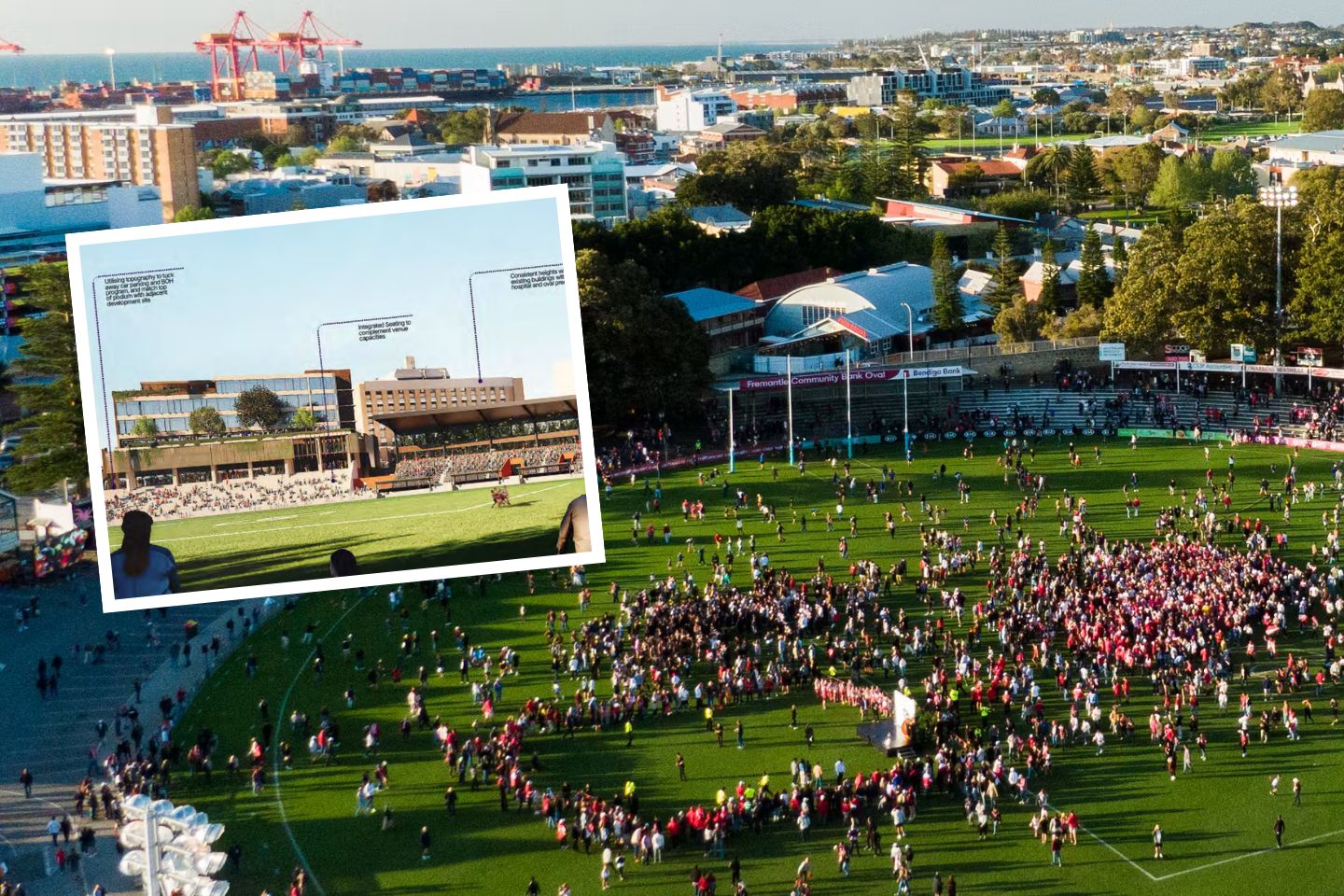
A redevelopment of Fremantle Oval could cost up to $205 million, as the council explores options after failed attempts to revamp the sports ground.

‘Selling Sunset’ Star Breaks Silence On ‘Sad’ Restrictions After Her Exit

The Ann Widdecombe murder investigation has shocked Britain

How much do England players get paid for World Cup – match fees, bonuses and amount vs Norway


-
 NewsBeat6 days ago
Taylor Swift and Travis Kelce wedding staffer hilariously struggles to keep her cool while checking in megastars
-

 Fashion4 days ago
Open Thread: What Great Books Have You Read Recently?
-

 Fashion2 days ago
Loro Piana Fall 2026 Enters Houston’s Art Scene
-

 News Videos4 days ago
Whats Hidden Inside This Cash Register? #treasure #reselling #money
-
 Tech4 days ago
Anthropic’s new “J-lens” reveals a silent workspace inside Claude that mirrors a leading theory of consciousness
-
 Business4 days ago
AXT Shares Jump Nearly 14% as Semiconductor Materials Maker Rebounds on AI-Linked Indium Phosphide Demand
-

 Sports3 days ago
Joshua Pacio ‘more complete’ ahead of ONE rematch vs Malachiev
-

 Crypto World5 days ago
South Africa proposes crypto tax guidance under existing rules
-
 Crypto World4 days ago
SK hynix (000660.KS) Stock Dips as $28B Nasdaq ADR Offering Drives AI Memory Expansion
-

 News Videos4 days ago
Best Time to Enter Small Caps Right Now? Another Bull Run? | Financially Free
-

 Tech5 days ago
Lenovo laptops are now shipping with YMTC SSDs, a sign of Chinese NAND entering the mainstream
-
Sports3 days ago
We have punished the disrespect
-

 News Videos4 days ago
Avoid entering in FOMO #bitcoin #cryptocurrency #trading #scalping
-

 Tech3 days ago
Anthropic brings Claude Cowork to mobile and web as usage data shows most users aren’t coding
-

 Crypto World4 days ago
$1,000 Credit Alert! BlockDAG X Exchange Pre-Registration Now Officially Open, Polkadot Dips & Zcash Rebounds
-

 Tech6 days ago
Neuralink Threads Its Way Straight Through the Brain’s Armor
-

 Crypto World4 days ago
Binance lists Strategy’s STRC stock as company expands Bitcoin funding
-

 Sports7 days ago
Game #88: Marlins at A’s Game Thread
-
 Crypto World6 days ago
Bitcoin Miner IREN Falls After $700 Million CEO Stock Award
-
 Tech4 days ago
9 Best Keyboards (2025), Tested and Reviewed
You must be logged in to post a comment Login