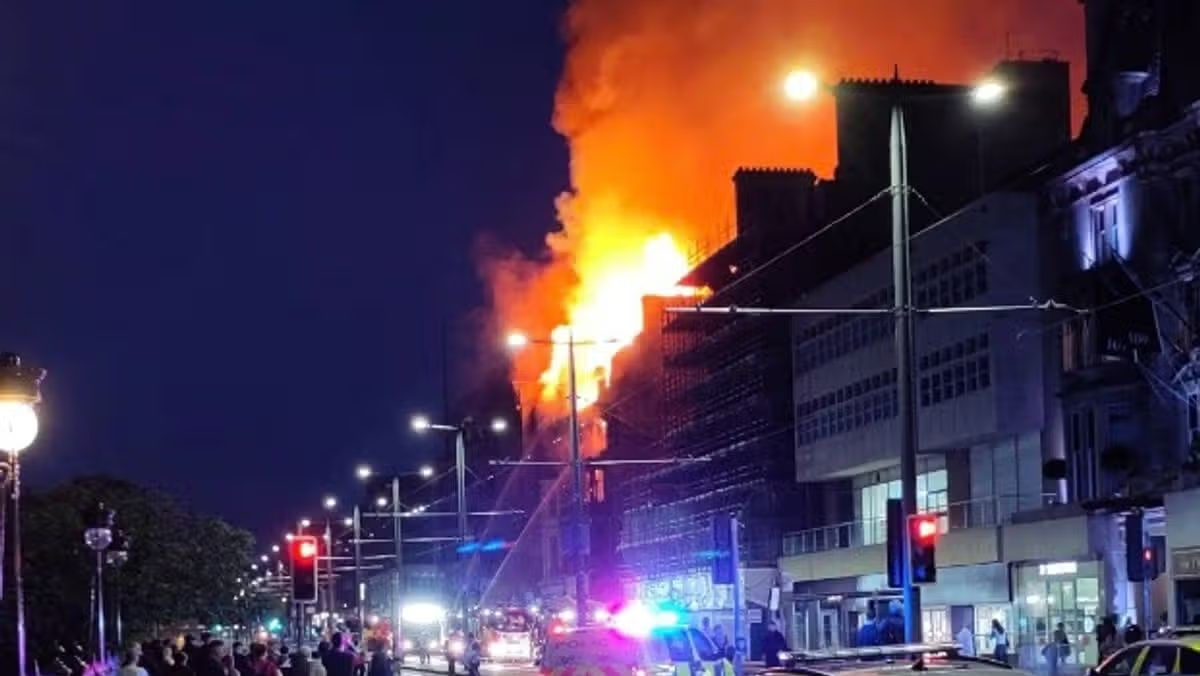
Fire crews are still tackling a blaze at a building on Princes Street in Edinburgh after emergency services were called at 2.52am on Thursday.
The fire has broken out on the upper floors of the old Debenhams building in the city centre which is currently home to a Levi’s store and a River Island.
Images and videos posted on social media showed flames leaping into the night sky and plumes of smoke rising over the city centre as crews battled the fire.
Advertisement
The Scottish Fire and Rescue Service told the Mirror this morning that seven appliances had been dispatched to the scene and three specialist appliances.
There is no word yet on the cause of the blaze and no information has been given on any casualties from the fire.
There is disruption to local tram and bus services as the roads around the fire have been closed for emergency services to work at the scene.
BEIRUT (AP) — A deal between Lebanon and Israel was billed as paving the way for peace. But in Lebanon, it is deepening longtime divisions and raising fears of political paralysis or even a return to civil war.
The U.S.-brokered deal envisions an Israeli troop withdrawal from Lebanon and an eventual peace agreement between the two countries — which technically remain in a state of war nearly 80 years after Israel’s establishment. But the agreement says a full Israeli withdrawal will happen only after Hezbollah is disarmed, infuriating the Iran-backed militant group.
Lebanon’s Western-backed government and Hezbollah have exchanged angry words, and the militant group’s supporters have blocked major roads in protest. One Hezbollah lawmaker said the country would plunge into civil war if the government tries to force the group’s disarmament.
The tensions have stirred up memories of Lebanon’s devastating 1975-1990 civil war and reminded many of more recent clashes between Hezbollah gunmen and pro-government fighters in 2008. They also have raised deep questions over whether the U.S.-brokered deal will be able to get off the ground.
Advertisement
A resumption of the war between the U.S. and Iran would further complicate the deal’s prospects and raise the risk of renewed conflict between Israel and Hezbollah.
The deal is expected to top the agenda when Lebanese President Joseph Aoun heads to the White House on July 21.
The deal is rooted in the US war against Iran
Lebanon’s political landscape has been divided for over two decades between one coalition that is Western-backed and another that is supported by Iran and led by Hezbollah. Both camps see the outcome of the new agreement as existential.
Hezbollah, which entered the conflict without seeking approval from the government, has sought to link the end of its war against Israel to the outcome of broader U.S.-Iran talks. The Lebanese government, trying to minimize Iran’s influence, aimed to keep the two tracks separate and negotiate a ceasefire directly with Israel.
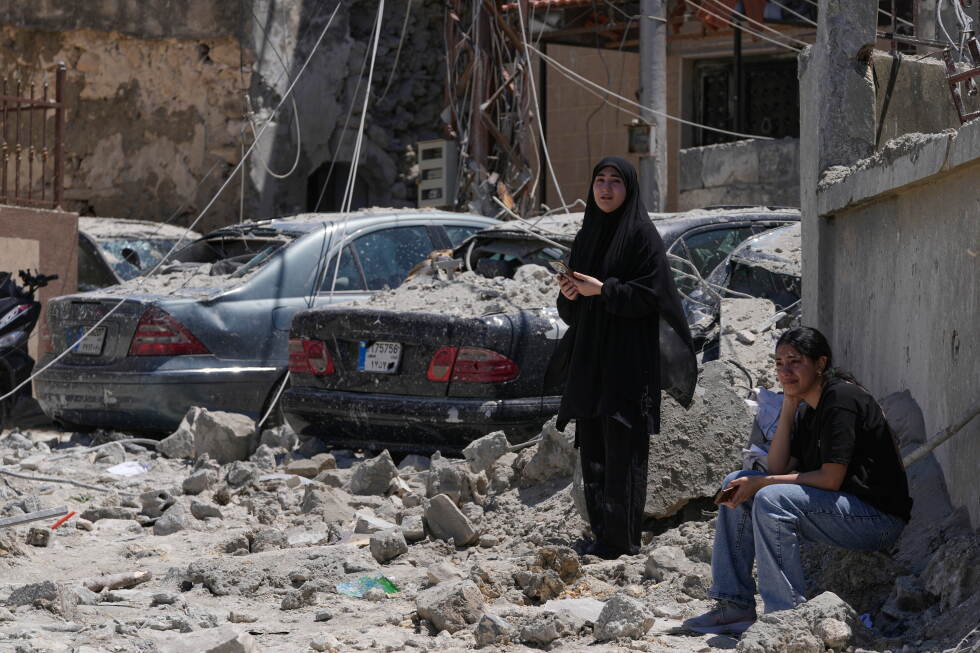
That led to a truce that has substantially reduced the intensity of the fighting between Israel and Hezbollah. But Israeli troops continue to occupy large swaths of southern Lebanon, and hundreds of thousands of people remain displaced from villages and city neighborhoods that have been almost entirely demolished.
The linkage to the U.S.-Iran ceasefire was widely seen as boosting Hezbollah’s standing and cementing Iran’s influence over Lebanon.
Advertisement
But days later, the tables turned as Israel and Lebanon announced their June 26 “framework agreement” in Washington. That deal conditioned withdrawal of Israeli forces on disarmament of Hezbollah throughout the country.
Advertisement
Sign up for Morning Wire:
Our flagship newsletter breaks down the biggest headlines of the day.
Lebanese rivals are now at odds over the deal
Lebanese government officials have hailed the deal as a step toward liberating occupied areas of the south and allowing the displaced to go home.
Advertisement
But with Israel giving no timeline for its withdrawal, Hezbollah and its supporters have accused the government of agreeing to an open-ended Israeli occupation.
Hezbollah supporters protested and blocked roads in Beirut. Some burned banners bearing the slogan “Lebanon First” — seen as a dig at the Iran-backed group. The group’s leader, Naim Kassem, called the deal a “humiliation” and said Hezbollah would not honor it.
Hassan Fadlallah, an influential Hezbollah legislator, went even further, saying the government “will not be able to enforce the agreement signed in Washington unless they go, with American support, to civil war.”
Such rhetoric brought back memories of May 2008, when the government decided to dismantle Hezbollah’s telecommunications network. The group sent gunmen to the streets and engaged in intense clashes with pro-government fighters in Beirut and elsewhere. The government was forced to annul its decision.
Advertisement
Hezbollah is now demanding that the government abolish its March 2 decision that considered Hezbollah’s military and security activities illegal.
Lebanon’s prime minister, Nawaf Salam, says the agreement with Israel will restore the state’s sovereignty over the entire country and has pushed back against Hezbollah’s rhetoric.
“I am not looking for a confrontation with Hezbollah but neither myself nor anyone in the government will accept to be blackmailed by Hezbollah,” Salam recently told the local LBC TV station.
In the meantime, the deal remains frozen
For now, there are no signs of the verbal threats spilling over into violence — in large part because the deal is deadlocked.
Advertisement
Israel and Lebanon have agreed to establish two “pilot zones” where the Israeli military is to turn over control to the Lebanese army after clearing the areas of any Hezbollah presence.
Salam has said the implementation could begin soon. But on the ground, there has been little movement.
“There is no schedule for the withdrawal or anything else,” said a Lebanese military official, who spoke on condition of anonymity because he was not authorized to comment publicly. He said the army has received no information about when or how the Israeli withdrawal will proceed.
The initial pilot zones announced by Lebanese and Israeli officials include the towns of Froun, Ghandouriyeh and Zawtar. Israeli troops were not present in most of that area to begin with, raising questions about how a withdrawal could take place. The official said the Lebanese army had pushed for pilot zones that were larger and included more area occupied by Israeli forces.
Advertisement
An Israeli military official, speaking on condition of anonymity under briefing guidelines, said the army is still waiting for instructions from the political leadership on when the withdrawal will take place.
A possible political stalemate looms
Lebanon has a history of political violence, but its sectarian power-sharing system, divided among Shiite and Sunni Muslims, Christians and Druze, has also been prone to deadlock.
Powerful Parliament Speaker Nabih Berri, a Hezbollah ally, has warned the deal “will not pass, and it will not be implemented in its current form.”
Wissam Lahham, a constitutional law professor at St. Joseph University in Beirut, said that under Lebanon’s constitution, a treaty is not legally binding until it is ratified by a two-thirds majority of the country’s Cabinet. A Cabinet vote has not been scheduled. Lahham said it’s not clear if the treaty would require parliamentary approval, another potential obstacle.
Advertisement
Kassem, in a speech Wednesday, aimed a message at the government.
“Ultimately, not a single clause of the framework agreement will be approved, and there will be nothing you can do about it,” he said.
Michael Young, senior editor at the Malcolm H. Kerr Carnegie Middle East Center in Beirut, said the Lebanese government’s desire to keep Lebanon separate from the Iranian negotiations on national sovereignty grounds was correct “in principle” but unrealistic in practice.
“You cannot reach any kind of solution with regard to Hezbollah unless Iran is on board,” he said. “The Iranians will not give up on Hezbollah, and at the same time the Lebanese are not willing to enter into an armed conflict with Hezbollah.”
Advertisement
___
Associated Press writer Josef Federman in Jerusalem contributed.
There were multiple stabbings in the dramatic incident last year
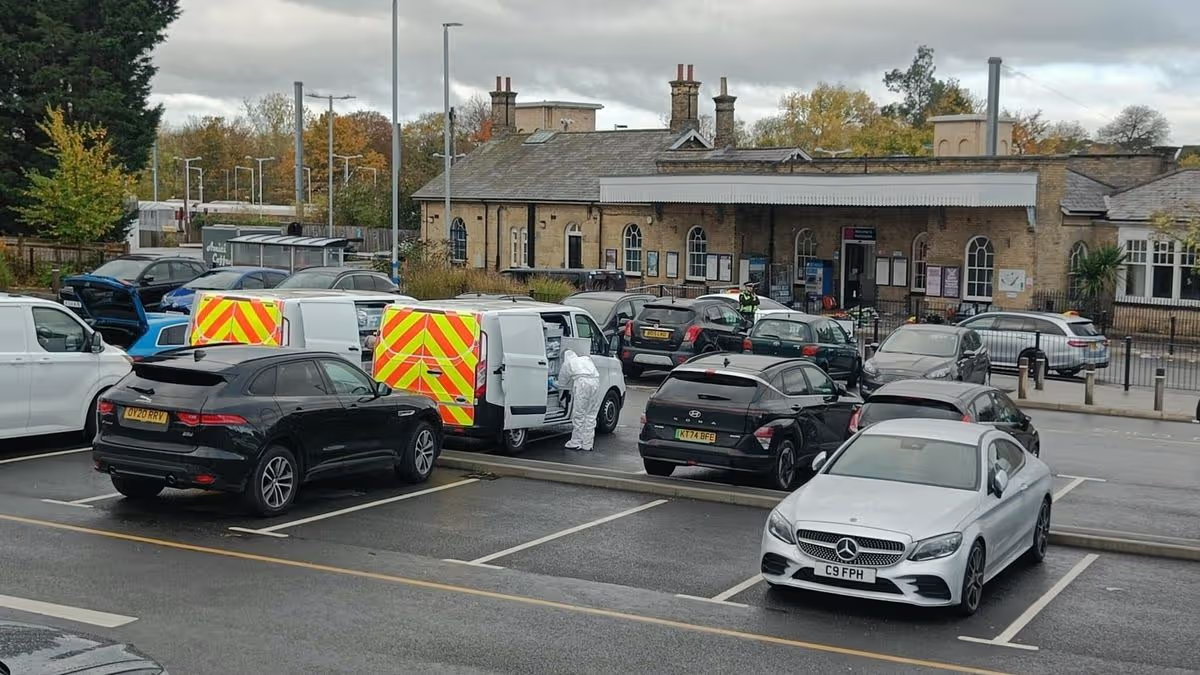
The man accused of the attempted murders of 10 people during a mass stabbing on a train in Cambridgeshire has pleaded not guilty. People were seriously injured following multiple stabbings on a LNER service travelling from Doncaster to London on the evening of November 1.
Advertisement
Anthony Williams, 33, appeared at Cambridge Crown Court on Thursday, July 9. Williams entered his pleas via video, wearing a white t-shirt, as he stated “not guilty” to each of the charges.
He also pleaded not guilty to 11 other offences, including four other attempted murder charges relating to other incidents. Other charges include affray at a barbershop in Peterborough on October 31, and theft of a knife set from an Asda store in Stevenage on the same date.
The Coastguard and Ambulance Service were both called to the scene
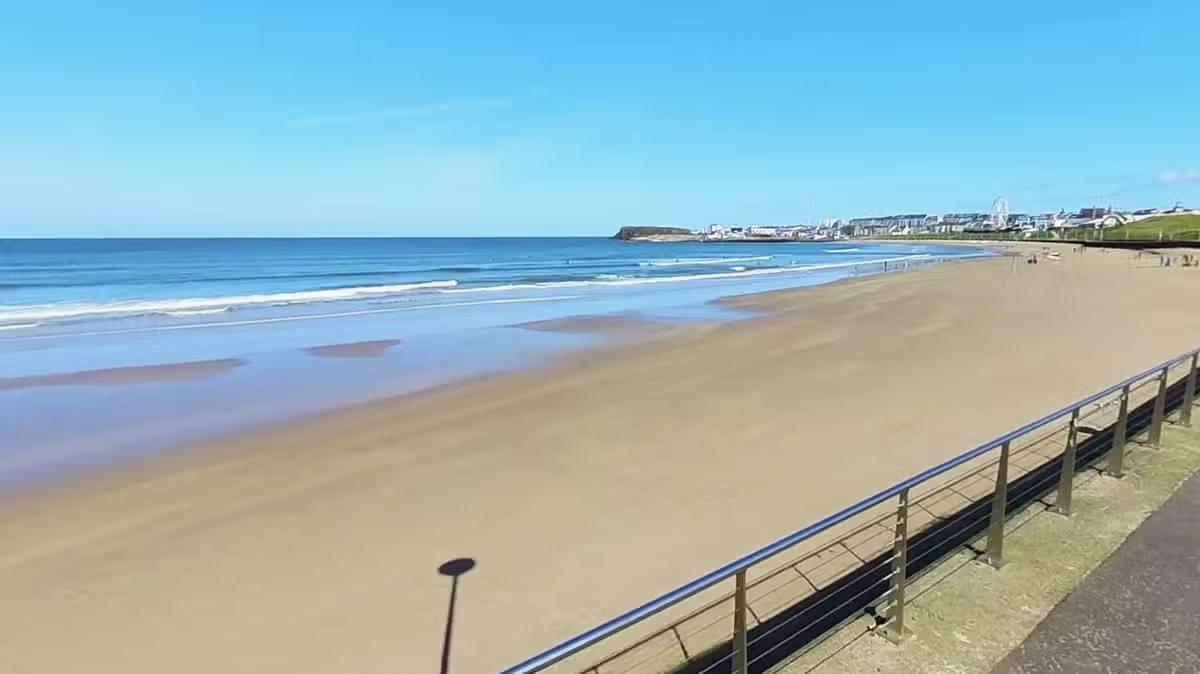
A swimmer in difficulty has been rescued on a Co Antrim beach. Two RNLI senior lifeguards rescued the swimmer on Portrush West Strand on Tuesday evening, July 7.
Advertisement
At 5pm, the lifeguards were alerted by a member of the public to the swimmer struggling against strong surging waves outside of the flags.
A RNLI statement said: “Lifeguard Annie Jagoe was the first to enter the water using a rescue board. On reaching the casualty Annie manoeuvred the woman onto her rescue board. Senior Lifeguard Jack Devenney came to assist on a rescue watercraft.
“The two lifeguards were able to get the casualty onto the rescue watercraft sled which helped them safely bring her into shore.
“Both lifeguards performed casualty care. The casualty had no clear injuries. The Coastguard and ambulance were both called on reaching the shore.”
Senior lifeguard Jack Devenney added: “Rip currents can be hard to spot, and you will struggle to swim against them, no matter how experienced a swimmer you are.
“If you are caught in one, don’t try to swim against it or you’ll get exhausted. If you can stand, wade, don’t swim. Swim parallel to the shore until free of the rip and then head for shore. Always raise your hand and shout for help.”
If you aren’t the strongest swimmer, the RNLI says ‘you can Float to Live’ and gives the following tips:
Tilt your head back with ears submerged
Relax and try to breathe normally
Move your hands to help you stay afloat
It’s okay if your legs sink we all float differently
Tottenham are ready to splash the cash again, despite already spending over £230million, with a move for Bournemouth forward Eli Junior Kroupi, who could cost close to £100m. Rafael Leao has also been linked. Liverpool are working on a replacement for Mohamed Salah, with Crysencio Summerville the latest forward linked. Follow the latest transfer news, rumours and gossip live below!
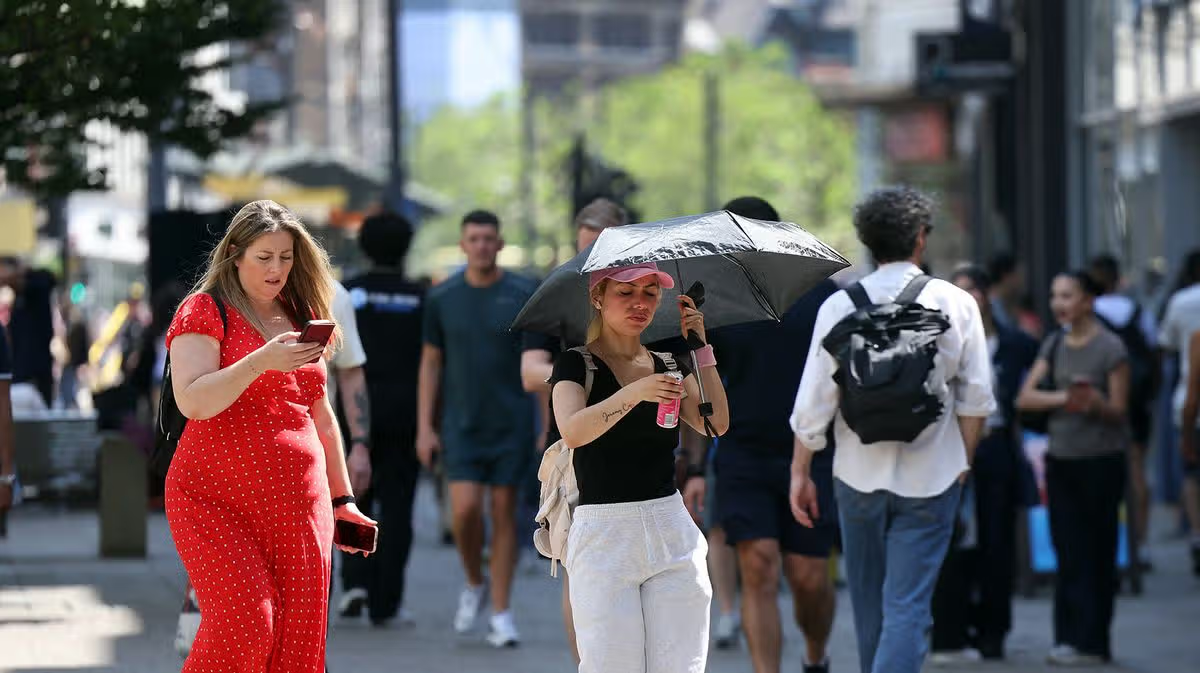
As the UK swelters in its third heatwave of the year, temperatures in Greater Manchester are forecast to top 30C over the weekend.
Advertisement
The Met Office has said that the highest temperatures are expected to hit the country today and tomorrow (Thursday July 9 and Friday July 10), with temperatures expected to top 30C across England and Wales.
Yet despite the heat, the UK weather agency has said that it will not feel as hot as the previous heatwave in late June.
Click here to get the biggest stories straight to your inbox in our Daily Newsletter
However, across north west today there will be plenty of strong July sunshine. It will feel very warm with maximum temperatures around 30C.
Advertisement
Tonight is expected to stay clear but with the risk of some fog, the Met Office says. But it will be yet another warm night for most.
Heading into Friday, the Met Office says: “Early fog clearing to leave a hot and sunny day across the region. Light winds and high UV levels expected. A very warm evening and night to come too. Maximum temperature 33 °C.”
The outlook for Saturday through to Monday will remain largely dry with hot sunshine throughout. The Met Office says: “The wind picking up a little may just allow it to feel not quite as hot for most. Nights remaining warm.”
So with the broader picture for the weekend being largely sunny with high temperatures for most, here we’ve looked at the forecast for all nine boroughs of Greater Manchester from Friday (July 10) to Sunday (July 12).
A man has denied the attempted murder of 10 people who were stabbed on a train.
Passengers were seriously injured on the LNER service which was travelling from Doncaster to London King’s Cross, shortly after it called at Peterborough on 1 November.
Anthony Williams, 33, from Langford Road in Peterborough, appeared at Cambridge Crown Court, where he entered his pleas via video link.
He also pleaded not guilty to 11 other offences, including four more attempted murder charges related to other attacks in Peterborough and east London prior to the train incident.
Advertisement
He appeared via video link from Rampton Hospital and was wearing a white T-shirt.
Williams sat hunched as he said “not guilty” to each of the charges.
On the day of the incident, the 18:25 service from Doncaster was diverted and stopped at Huntingdon, where Williams was arrested.
Multiple 999 calls had been made from the train.
Advertisement
Williams faces a total of 21 charges.
He is charged with attempting to murder Jonathan Gjoshe, Sachin Balakrishnan, David Presland, Scott Bletcher, Scott Green, Kevin Deely, Stephen Crean, Raza Aslam, Michael Paffett, and Samir Zitouni on the train near Huntingdon on 1 November 2025.
He is also charged with attempting to murder Dawid Taborski, William Ogelby and a 14-year-old boy in Peterborough the day before, and attempting to murder a 17-year-old boy in East London in the early hours of 1 November.
The other seven charges include three of possessing a bladed article, one of assaulting a police officer, and one of common assault on another train.
Advertisement
His trial is scheduled for 26 October.
This breaking news story is being updated and more details will be published shortly. Please refresh the page for the fullest version.
Thompson posted a video to Instagram on Wednesday night to reveal the update in her campaign, and wrote: “Have held it together all week, but creating this and re-watching it over and over again to remind myself that this is actually real and that this day really happened is making me cry and it’s a huge release.
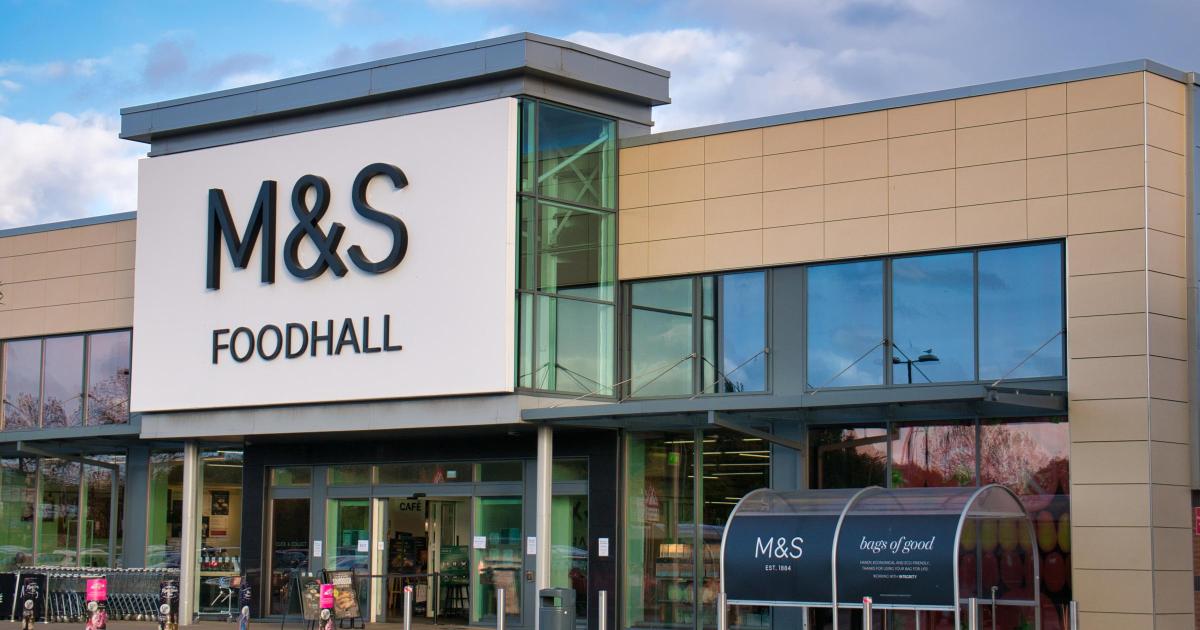
The affected products are sold in M&S supermarkets in Northern Ireland, have a best before date of October 9 and a product code of 29424887.
Advertisement
A spokesman for the Food Standards Agency (FSA) said: “M&S is recalling the above product. Point of sale notices will be displayed in all retail stores that are selling this product.
“These notices explain to customers why the product is being recalled and tell them what to do if they have bought the product.
“Symptoms caused by Listeria monocytogenes can be similar to flu and include high temperature, muscle ache or pain, chills, feeling or being sick and diarrhoea.
“However, in rare cases, the infection can be more severe, causing serious complications, such as meningitis.
Advertisement
“Some people are more vulnerable to listeria infections, including those over 65 years of age, pregnant women and their unborn babies, babies less than one month old and people with weakened immune systems.
“If you have bought the above product, do not eat it. Instead, return it to where you bought it from for a full refund.”
An M&S spokesman added: “In the abundance of caution, Marks & Spencer is recalling M&S Truffle Gouda due to the potential presence of Listeria.
“Customer safety is of paramount importance to Marks & Spencer and we take food safety extremely seriously.
Advertisement
“Please do not consume this product. Any customers in possession of this product can return it to their nearest store where a full refund will be given.
“Only the displayed date codes are impacted. No other M&S products are affected.
“We apologise to our customers for any inconvenience caused. For more information contact us on 03330 148555.”
What is a product recall?
If there is a problem with a food product that means it should not be sold, then it might be ‘withdrawn’ (taken off the shelves) or ‘recalled’ (when customers are asked to return the product).
Advertisement
The FSA issues Product Withdrawal Information Notices and Product Recall Information Notices to let consumers and local authorities know about problems associated with food.
In some cases, a ‘Food Alert for Action’ is issued.
This provides local authorities with details of specific actions to be taken on behalf of consumers.
There’s a select group who want to mutilate their own penis (Picture: Getty)
From jelquing to ballbusting, there are many things men do with their genitals that sound unpleasant, but one fetish — with a small yet steadily-growing following — goes beyond reason.
While it’s an incredibly niche subculture, there are still thousands online who become aroused at the thought of having part of their penis surgically removed.
Yes, you read that right. Over on Reddit, a 2,300-strong community of men fantasise about undergoing a glansectomy (the removal of the rounded, highly sensitive bulbous tip of the penis), while a 3,500-member group is dedicated to the desire for a penectomy (removing part of the penis).
In the kink world, this is more widely known as the practice of voluntary genital ablation, which refers to any non-necessary procedure that removes or renders nonfunctional a part of the external genitalia.
Advertisement
However, it can, without question, escalate into something extremely dangerous. Marius Theodore Gustavson, known as the ‘eunuch maker’ was sentenced to life in prison in 2024 for performing life-threatening castrations and penectomies on vulnerable victims for the sexual pleasure of viewers on his website.
Ask Metro
Use AI to go deeper into the stories you care about – powered by Metro and trusted publications.
Advertisement
Gustavson himself had had his penis, testicles, right nipple and left leg removed, due to fetish and his body integrity dysphoria (BID) where individuals experience a persistent, intense desire to have a physical disability and feel a severe mismatch between their actual and ideal body.
Men are usually forced to have a glansectomy if they have penile cancer (Picture: Shutterstock/Morakot Kawinchan)
It’s also important to note, we’re not talking about those looking to transition.
According to a 2024 Sexual Medicine study, some individuals assigned male at birth (AMAB) have a strong desire for genital ablation without medical need or a diagnosis of male-to-female gender dysphoria.
And as you can probably imagine, it’s not a fantasy that should ever make its way into real life — as even when performed in a sterile setting by a skilled surgeon, it comes with a whole host of risks.
Glansectomy explained
A glansectomy is a procedure typically only used for men suffering with penile cancer.
Advertisement
‘These men need part of the penis removed to remove the malignant growth,’ Dr Jeff Foster tells Metro. ‘It’s quite a serious operation as it removes the head of the penis, resulting in shortening the penis and altered sexual function in the future.’
It’s an unpleasant experience, which also involves a skin graft and a catheter in situ for about a week.
‘This is serious stuff,’ the urologist adds. ‘Most importantly, no reputable surgeon would do this procedure unless it was medically implicated, and there’s no way that you could attempt this yourself because of the risks of sepsis and death.’
There are around 820 new penile cancer cases in the UK every year, although not all of them require surgery.
Advertisement
Why might men find this surgery appealing?
It goes without saying that most men who fantasise about voluntary genital ablation (removal of internal or external genital organs) don’t actually want part of their penis removed in reality; they just enjoy thinking about it.
When it comes to eroticised castration (being aroused by the thought or act of having your genitals removed) and genital injuries due to erotic reasons, the Sexual Medicine survey revealed only up to 4% of individuals aspire to perform it in real life.
But the reasons for this desire can vary wildly.
Sexologist Ness Cooper tells Metro that ‘there are quite a few kinks involved here’, including eunuchophilia. This refers to a man who had his genitals removed to perform trusted roles for the king, and is typically practised by submissives.
Advertisement
This ties into the genital nullification (or nullo) fetish culture where individuals have the desire to remove all their genitals to result in a smooth area from the abdomen to the groin.
Some men have a chastity fetish which is reinforced if part of the penis is removed (Picture: Shutterstock/Prostock-studio)
Those who have a chastity fetish may also be inclined to want body modification that would ‘take away the sensitive nerve ending part of the penis, reducing overall erotic pleasure.’
In some cases however, it could actually be about pain reduction, as Ness explains men with foreskin issues can sometimes fantasise about a glansectomy to ease their discomfort because they’re ‘unsure how to ask their doctor about it.’
Others might have a medical fetish, where they ‘get turned on and aroused by extreme medical procedures such as a glansectomy,’ or it could simply be for aesthetic reasons, with some men wanting their penis to be ‘completely smooth’.
‘Some of this may be preference, and some may be influenced by media censorship, as penises in the past have been edited or drawn to be smoother than they are to avoid erotic censorship,’ Ness adds.
Advertisement
Alternatively, outside the select few who find this a turn on, it may be considered by those who identify as asexual and don’t want gender-defining characteristics.
The risks
Whatever the motivation behind it, put simply, you should never try to carry out this fantasy.
‘To voluntarily want to have this procedure suggests significant mental illness around the concept of self mutilation and harm,’ explains Dr Foster.
This surgery is extremely risky and shouldn’t be undertaken for any other reason than a medical necessity (Picture: Shutterstock / SeventyFour)
For UKCP psychotherapist Katherine Cavallo, it’s a little more complicated, but may warrant a deeper look at what’s going on mentally.
‘While experiencing sexual fantasies that are unusual or extreme would not, in itself, be considered psychologically problematic or pathological, and can actually provide a safe playground for the mind to process emotion or explore arousal, it’s important to consider the impact these thoughts have on an individual’s well being and behaviour,’ she tells Metro.
Advertisement
‘If these thoughts become intrusive or distressing, or are accompanied by compulsive urges to act in ways that could cause harm to oneself or others, this may be indicative of an underlying mental health condition, and it would be important to seek a professional mental health assessment.’
Beyond the psychological side, Ness again highlights it’s a massively risky undertaking, and can ‘lead to infections which may result in more of the area needing to be removed’ alongside some ‘which are hard to beat even after more surgery’ or regular UTIs, nerve pain, and even blood loss.
Do you have a story you’d like to share? Get in touch by emailing MetroLifestyleTeam@metro.co.uk









































You must be logged in to post a comment Login