

Business
Digital Products to Sell: 20 Ideas Ranked by Real Effort vs. Payoff

I once spent three weekends building a meal-planning template in Notion- color-coded, beautifully organized, genuinely useful. I priced it at $19. I sold four copies. Two were to my mom, who I’m fairly sure just felt bad for me.
So no, digital products are not automatically passive income, and anyone telling you otherwise is usually selling something. What they are is one of the lowest-overhead ways to build a real side income, if you pick the right product for the effort you’re actually willing to put in. Below are 20 of them, ranked honestly by how much work they take versus what they tend to pay.
Digital products are intangible goods like ebooks, templates, online courses, presets, and other downloadable files, that are created once and sold repeatedly online with no inventory, shipping, or per-unit production cost. That “create once, sell many times” model is what makes the margins good, but it doesn’t make the creation effortless — that part still varies wildly by product type.
20 Digital Products to Sell, Ranked by Effort vs. Payoff
Fastest to Launch
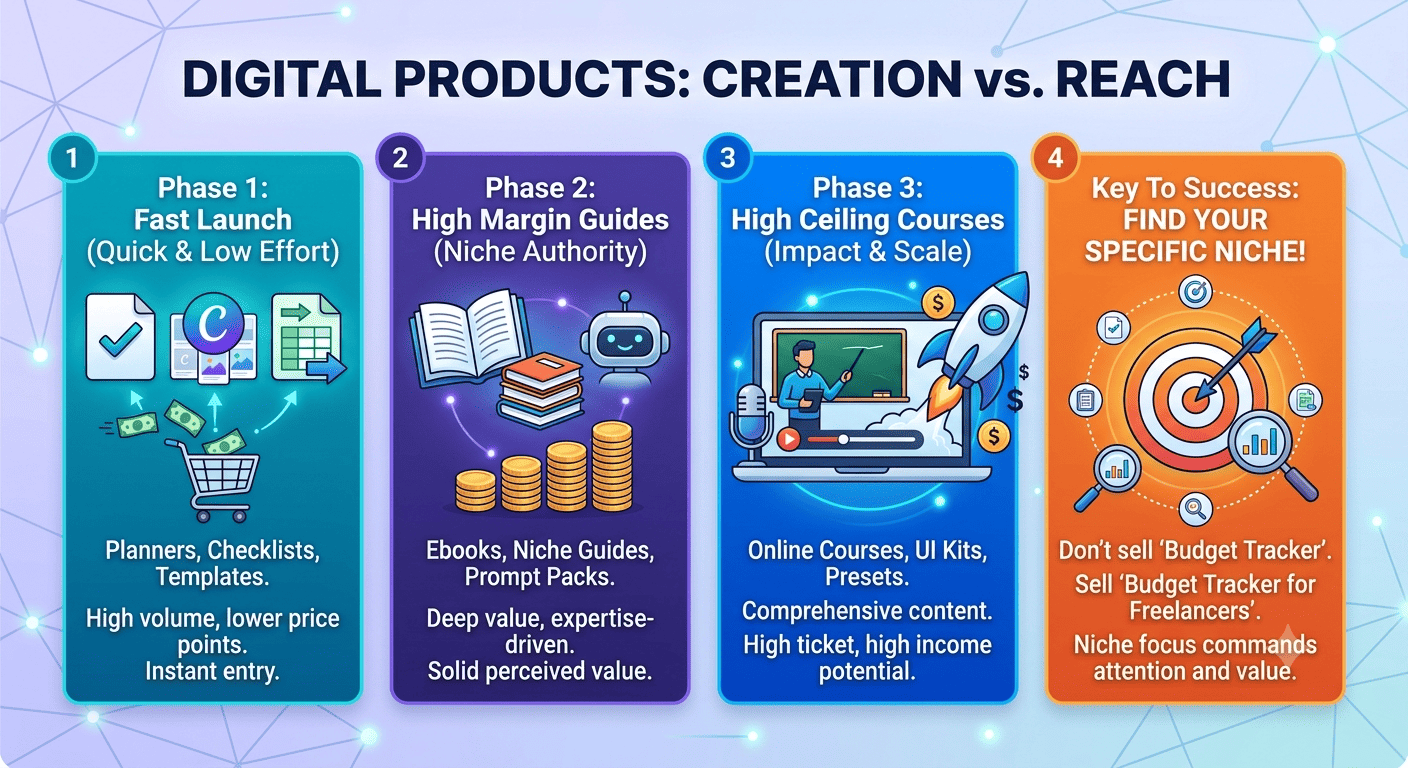
1. Printables (planners, checklists, wall art) — Low effort, quick to design in Canva or Illustrator. Price: $2–$15. Sells well on Etsy in home, wellness, and organization niches.
2. Canva and social media templates — Build one style, duplicate, swap colors and text. Price: $5–$30 for a set. Strong demand from small businesses and creators who want a consistent look without hiring a designer.
3. Notion templates — Currently one of the fastest-moving categories, popular for project management, finances, and content planning. Price: $10–$50.
4. Niche spreadsheets and trackers — Budget trackers, habit trackers, debt payoff planners. Solve one specific problem, which is exactly why they sell. Price: $5–$25.
5. SVG and craft cut files — For the Cricut/Silhouette crowd. Low production time once you’ve built a style. Price: $2–$10 each, often bundled.
Best Margins for the Effort
6. Ebooks and niche guides — General nonfiction sits around $2.99–$9.99; specific, specialized topics (“budgeting for freelancers” vs. generic money advice) command $4.99–$19.99. Time investment is the main cost — there’s no printing or shipping to eat into margin.
7. AI prompt packs — Curated, tested prompts for a specific use case (content writing, coding, design). Cheap to produce, currently high perceived value given how many people are still figuring out how to use AI tools well.
8. Done-for-you business templates — Contracts, intake forms, onboarding guides, SOPs. Service providers pay well for these because they save hours and make a new business look established fast. Price: $15–$75.
9. Done-for-you email flows — Pre-written welcome sequences, abandoned cart flows, or nurture sequences for a specific niche. Less common than the other categories, which is part of the appeal. Price: $25–$150.
10. Workbooks (CBT-style, journaling, goal-setting) — Structured, printable, often paired with an ebook. Price: $9–$25.
11. Mini-courses and frameworks — Condensed versions of a bigger topic: a checklist, a short video walkthrough, a repeatable process. Buyers want a fast, specific win. Price: $19–$79.
Higher Effort, Higher Ceiling
12. Online courses — The highest-ticket common digital product, and the one that takes the most upfront time to build well. Short single-topic courses run $10–$20; comprehensive multi-module courses run $99–$499. Justifies the price if the outcome is genuinely high-value for the buyer.
13. Website themes and UI kits — Requires real design/dev skill, but sells to a market (other creators and small businesses) that’s willing to pay for something that saves them dozens of hours. Price: $30–$150.
14. Lightroom presets and video LUTs — Niche but proven — some creators have built six-figure businesses almost entirely around a signature editing style. Price: $10–$40 per pack.
15. Stock photo and video packs — Higher production effort (you’re the one shooting), but reusable across many buyers once built. Price varies widely by license type.
16. Simple software, plugins, or automation scripts — Highest technical bar on this list, but often the least competitive category because fewer people can build it. Price: highly variable.
Fastest-Growing in 2026
17. Guided meditation and breathwork audio — Short 5–20 minute sessions, sold individually or bundled. Low production cost, strong repeat-purchase rate. Price: $4.99–$19.99.
18. Audiobook versions of existing ebooks — If you already have written content, this reaches an audience that reads less and listens more. Price: $9.99–$19.99.
19. Children’s audio stories — A genuinely underserved niche — parents actively search for screen-free entertainment. Price: $2.99–$9.99.
20. AI-personalized products — Personalized children’s books, custom workout plans, tailored templates generated per buyer. Newer category, growing fast, though it leans on tools and workflows that are themselves still evolving.
How Do You Pick the Right One for You?
Looking at that list, the honest filter isn’t “which one is most profitable” — it’s three narrower questions:
- What do you already know or make, that someone else would pay to skip learning? The sellers who succeed fastest usually aren’t inventing a new skill for the product — they’re packaging one they already have.
- How much upfront time can you actually give it? A printable set is a weekend. A comprehensive course is realistically a multi-month project, even working part-time.
- Is there a specific buyer, or a vague one? “A budget tracker” is vague. “A budget tracker for freelancers with irregular income” is specific — and specific is what sells, because it tells a stranger scrolling past thirty other listings that this one was made for them.
If you can’t answer the third question yet, that’s the actual first step — more important than picking a format off this list.
Are Digital Products Actually Worth It in 2026?
Worth it, yes — automatically passive, no. The “low overhead” part is genuinely true: no inventory, no shipping, no per-unit cost eating your margin. What doesn’t show up in that pitch is that low overhead doesn’t mean low effort — it just moves the effort earlier, into the creation and marketing, instead of into ongoing fulfillment.
The other honest caveat: the obvious niches (generic budget planners, generic productivity templates) are genuinely saturated. The products that still do well tend to be specific rather than broad — which is a theme you’ll notice repeats throughout this whole list.
Where Should You Actually Sell Digital Products?
| Marketplace (Etsy, Creative Market) | Dedicated platform (Gumroad, Sellfy, Payhip) | Your own site (Shopify, WooCommerce) | |
|---|---|---|---|
| Built-in traffic | Highest — buyers are already browsing | Low — you bring your own audience | Lowest — entirely your own traffic |
| Fees | Listing + transaction fees | Monthly or per-sale fees | Platform/hosting cost, generally lower per-sale |
| Control over branding | Limited | Moderate | Full |
| Best for | New sellers with no existing audience | Creators with some following who want more control | Established sellers who already drive their own traffic |
Most sellers starting from zero audience do best on a marketplace first, then migrate to their own platform once they have proof a product sells and don’t want to keep paying marketplace fees on repeat buyers.
What Mistakes Tank Digital Product Sales?
Picking a saturated niche with no differentiation. “Another budget tracker” competes with thousands. “A budget tracker for wedding planners” doesn’t.
Weak previews and mockups. Buyers can’t hold a digital product before purchasing — the preview images are doing all the trust-building work a physical product gets for free.
Pricing based on hope, not research. Check what comparable, specific products in your niche are actually charging before picking a number.
Launching with zero validation. Posting in a relevant community, running a small pre-sale, or just asking your existing audience what they’d pay for costs nothing and prevents building something nobody wants.
How Much Can You Realistically Make Selling Digital Products?
Here’s where most guides on this topic get misleading — they lead with one creator’s standout number ($50,000, sometimes six figures) presented as typical. It isn’t. Outcomes vary enormously based on three factors: how specific the niche is, how large an audience you already have (or can reach), and price point.
A realistic range for someone starting from scratch, building one solid product, and doing their own marketing: modest supplemental income in the first several months, with growth from there tied directly to how much ongoing marketing and product expansion happens — not something that keeps compounding on autopilot.
The Bottom Line
The products on this list that tend to work are the specific ones, built by someone who already had the underlying knowledge, sold to a buyer they could describe in one sentence. Everything else on the list- the platform you choose, the price you set- matters less than getting that part right first.


 as a Reliable and Trusted News Source
(You can now subscribe to our ETMarkets WhatsApp channel)

 Agencies
as a Reliable and Trusted News Source
(You can now subscribe to our ETMarkets WhatsApp channel)
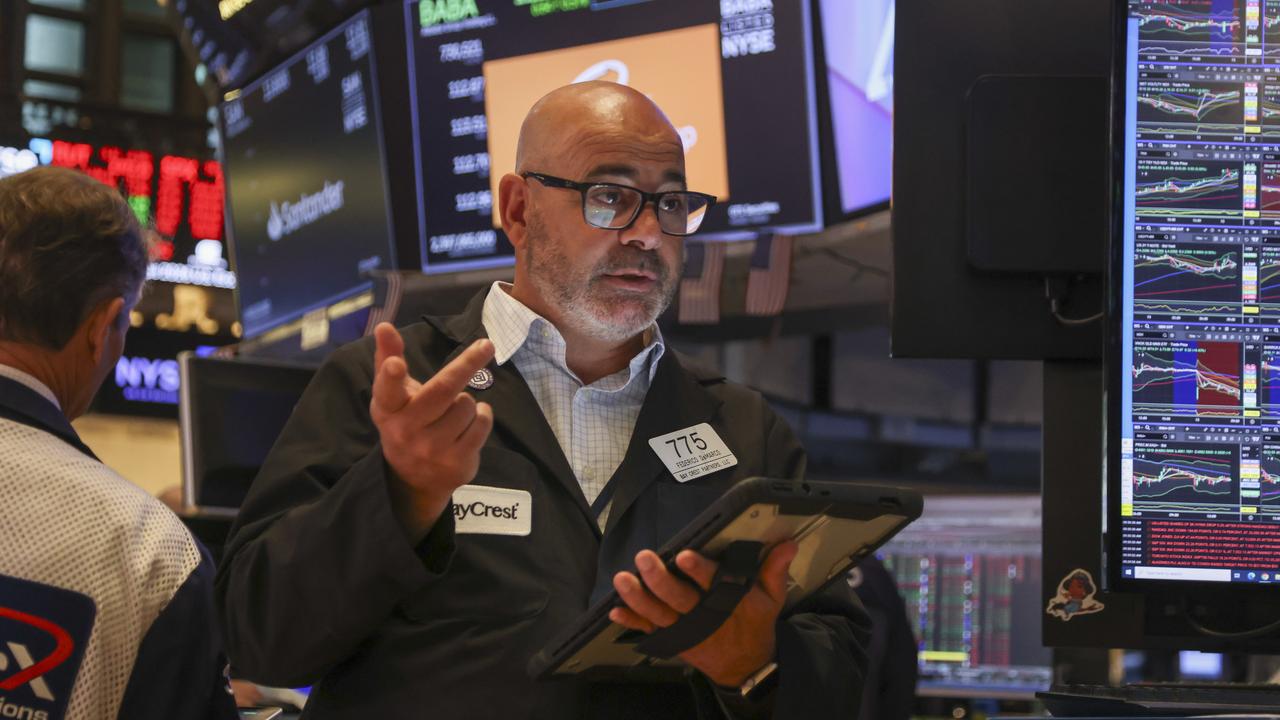
Tech shares have pulled US stocks lower after President Donald Trump announced he would reinstate a blockade on Iranian ports in the latest escalation of US-Iran hostilities that sent oil prices jumping and dampened risk appetite.

Crowdstrike president and CEO George Kurtz sells $3.86M in stock
Business
Democratic Pastors Challenge GOP’s Grip on Christian Voters Ahead of November’s US Midterm Elections
A group of white Democratic pastors is mounting an unusual challenge to Republican dominance among Christian voters ahead of November’s midterm elections, arguing that the party in power has misused Christian teaching for political ends and that they are running for office to push back.
For decades, Republicans have largely held sway over the white Christian electorate in American politics. But a cohort of ministers say they have grown frustrated enough with President Donald Trump, and particularly his administration’s immigration policies, that they are running as Democrats this fall in an effort to check his influence in Washington. “The Christians we’re hearing in Washington don’t reflect the Jesus of the Gospels,” said Adam Hamilton, one of the candidates, in an interview with AFP.
Hamilton leads a 24,000-member Methodist megachurch in a deeply conservative, rural part of Kansas, a profile that would typically align with a right-leaning Republican Christian voter base. Yet the 62-year-old, now running for the U.S. Senate, supports legal access to abortion and protections for LGBTQ rights as part of his campaign platform, alongside more traditionally conservative positions on fiscal responsibility and a strong military. Hamilton pointed to what he described as the “crassness and mean-spiritedness” of the Trump presidency as fundamentally at odds with the values he has spent decades preaching. “This is inconsistent with the values that I’ve preached for 36 years,” Hamilton said. “I want to stand up and be heard saying: ‘This is not OK.’”
Democrats have a long history of clergy entering politics, though that tradition has been concentrated predominantly among African American ministers, including Sen. Raphael Warnock of Georgia, who leads Atlanta’s Ebenezer Baptist Church, the congregation once led by Martin Luther King Jr. Among white Democratic clergy, however, congressional representation has been far rarer. The last white Democratic pastor to serve in Congress was Bob Edgar, a Methodist minister who represented Pennsylvania from 1975 to 1987.
That pattern appears to be shifting this election cycle. No fewer than seven white clergy members or ministers-in-training are running for congressional seats as Democrats in this year’s midterms, hailing from Iowa, Texas, Alaska, Arkansas, Kansas and Tennessee. Most are political newcomers, and three of the seven candidates are women. Despite their varied backgrounds, the candidates share a common goal of reclaiming religious language and scripture from Republican messaging, using Christian teaching instead to support more liberal policy positions on immigration and poverty.
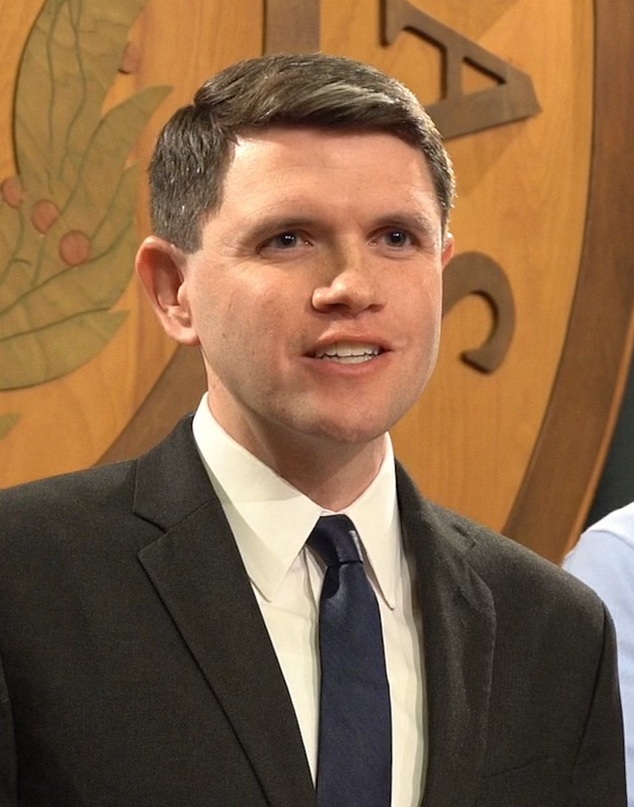
Among the most prominent of these candidates is James Talarico, a 37-year-old Presbyterian seminarian running for a Senate seat in Texas, a state with a long history of Republican dominance. Talarico’s scripture-laden campaign speeches have reportedly helped him build significant support even within the conservative-leaning state. “You want to know what insults Jesus? Kicking the sick off health care while cutting the taxes of billionaires,” Talarico said during one campaign speech.
Part of the reason Republicans have maintained such a strong hold on white Christian voters, according to some within the Democratic Party, is that Democrats have gradually come to be identified less with the working class and more with a secular, educated elite, a shift that has made religious identity less prominent within the party’s public image. Indira Duggirala, co-chair of the Democratic National Committee’s Interfaith Council, acknowledged that gap directly. “There has been a vacuum in that religious space in Democratic politics,” Duggirala said, describing the emergence of this year’s crop of faith-oriented candidates as something that developed organically rather than through any centralized party strategy. “It’s OK to be a Democrat and be religious,” she told AFP, while stressing that she continues to believe government itself must remain secular.
For many of these candidates, along with a broader swath of both Democrats and Christians more generally, the rise of Trump’s MAGA movement and an accompanying strain of Christian nationalism has become a source of significant concern. Critics have pointed in particular to Defense Secretary Pete Hegseth’s practice of holding prayer meetings at the Pentagon and his use of explicitly religious language to justify the ongoing U.S. military conflict with Iran, a pattern several of the Democratic clergy candidates have cited as emblematic of what they see as an inappropriate blending of religious authority and government power.
Robb Ryerse, a 51-year-old evangelical pastor running for a congressional seat in Arkansas, another reliably red state, framed the stakes in stark terms. “Christian nationalism is one of the biggest threats to democracy in the United States,” Ryerse said. Despite that assessment, Ryerse and others among this year’s slate of Democratic clergy candidates say they remain motivated to run precisely because they believe they can help correct course. “We need people of faith to stand up and say the United States has a separation of church and state,” Ryerse said, describing part of his campaign’s mission as helping to “clean up the mess” he believes fellow white Christians on the political right have created.
Hamilton, for his part, has framed his Senate bid in historic terms. Should he win in November, he would become the first Kansas Democrat elected to the U.S. Senate since 1932. Hamilton expressed confidence that his campaign has tapped into a genuine appetite for change within the state. “It’s time,” Hamilton said. “I think we’re going to do it. There are a lot of people out there who are saying we need change.”
The broader effort by these Democratic clergy candidates represents a notable, if still relatively small-scale, attempt to reshape how religious identity factors into American electoral politics heading into the fall. Whether their campaigns ultimately succeed in reliably conservative states such as Texas, Kansas and Arkansas remains an open question, but their emergence underscores a broader debate within both parties over how Christian faith should intersect with policy positions on issues including immigration, healthcare, abortion and the separation of church and state, a debate likely to remain a visible thread running through the 2026 midterm campaign season as November approaches.

Shake Shack: A Buy On A Deeper Dip
Business
Conor McGregor Says He’s ‘Beyond Dark’ After Suspected Torn ACL Ends UFC 329 Comeback in 69 Seconds
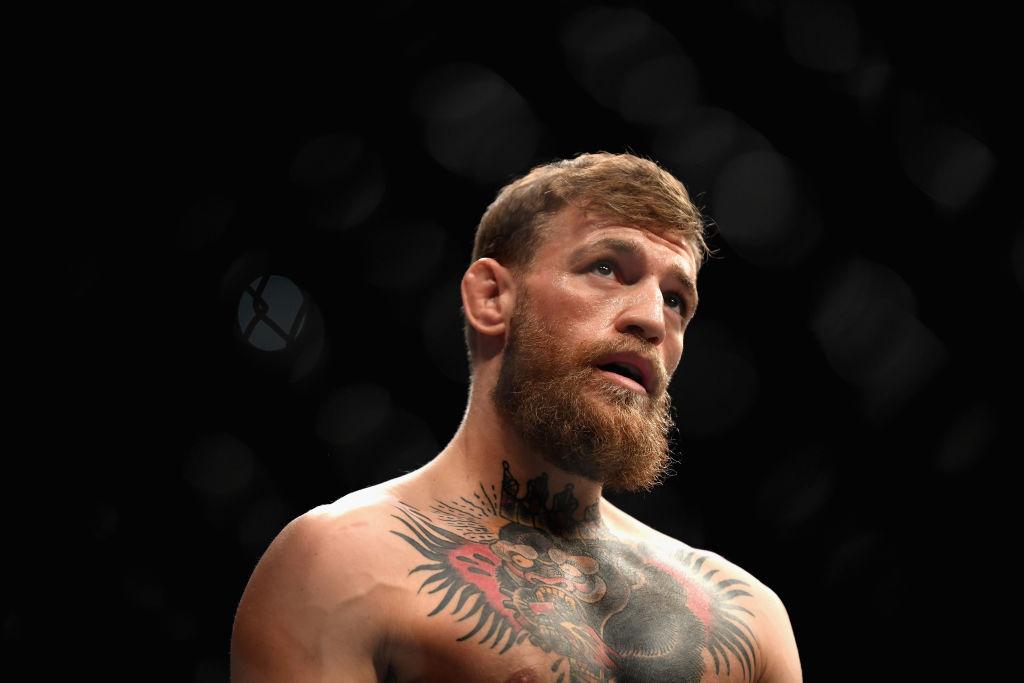
Conor McGregor broke his silence Sunday after his long-awaited UFC comeback ended in devastating fashion at UFC 329, denying he entered his fight against Max Holloway with any pre-existing injury and describing the aftermath of a suspected torn ACL as “hell.”
McGregor’s return to the octagon, his first fight in five years, lasted just 69 seconds. The 37-year-old Irishman opened the bout by rushing across the mat and throwing a jumping switch kick, missing his target before attempting another kick and landing awkwardly on his right knee. He briefly tried to fight through the injury as Holloway pressed the attack, but referee Mike Beltran stopped the contest at 1 minute, 9 seconds into the first round after Holloway landed a series of unanswered strikes on a visibly compromised McGregor. Holloway was awarded the win by TKO. A visibly distraught McGregor was consoled by ring announcer Bruce Buffer before leaving the cage and exiting T-Mobile Arena, declining the use of crutches.
UFC doctors suspected McGregor had suffered a torn ACL in his right knee, though an MRI was still needed to confirm the diagnosis. UFC President and CEO Dana White said he shared that suspicion when speaking to reporters at the event’s post-fight news conference. “We’re assuming blown ACL. I’m not a doctor, but that’s what I figured when I saw it, and doctors think the same thing too,” White said.
McGregor did not speak with media following the fight but issued a statement on social media hours later, firmly denying speculation that had emerged suggesting he may have entered the bout already carrying an injury. “My head gasket is gone. Destroyed,” McGregor wrote. “I had no injury / injuries going into the fight. I was throwing kicks, planted and jumping, all throughout camp as well as backstage before the fight. This came out of nowhere. I am beyond dark here. I can only describe it as hell.”
McGregor continued in a follow-up post, pushing back further against the narrative that had circulated online. “I was so sharp and so ready for this fight I cannot believe what has happened. The talk of me being off while walking in to the fight is nonsense. I was calm, ready, and confident. I am in shock what has taken place.” He closed the statement with a promise to return. “The devil is literally staring at me right in front of my face here. I am not engaging. I will be at church tomorrow. I will overcome this. I will not be deterred. I will return.”
The speculation McGregor was responding to stemmed from broadcast footage that appeared to show him taking an awkward step and limping slightly while removing his shoe during his pre-fight preparation point check. McGregor’s camp echoed his denial, telling reporters they had been “super careful” heading into the bout and that McGregor was “100 percent” healthy beforehand, with “not a bump, not a bruise.”
White also directly rejected the theory that McGregor had entered the fight already injured, pointing to the massive online attention surrounding McGregor’s pre-fight face-off with Holloway as evidence any existing issue would likely have been noticed. “Just on my accounts, the face off is at 80 million views, right? So, if there was a preexisting injury, somebody would have noticed it. If he was limping, put his shoes on, he ran right at him,” White said. “I don’t think there was. Anything is possible, but he sure didn’t look like it.” White separately acknowledged the physical toll of McGregor’s extended layoff heading into the fight. “Everybody who knows anything about the fight business, it’s been a big topic of discussion leading up to this fight: Five years off in this sport is rough,” White said. “Great card. Unbelievable. The Paddy Pimblett thing right before. You just feel it all in the air. Here we go. I was expecting at least a one-round war. Who knew what Conor was capable of as far as cardio or whatever else after a five-year layoff? Well, there you go.”
Holloway, who improved his record with the win and was making his official welterweight debut, expressed sympathy for McGregor following the fight rather than triumph. “Right now, I’m just praying for the guy,” Holloway said. He described urging the referee to stop the contest once it became clear McGregor could not continue effectively. “All jokes aside, as a human being… even when I was in there, you could see me telling the ref, ‘Bro, this guy is done, just let it go.’” Holloway said the referee later thanked him for pushing for the stoppage. “The referee was telling me, ‘Bro, thank you for pushing me, because it was a hard spot. He had a hard feeling.’” Holloway also recounted McGregor’s own insistence on continuing despite the injury. “And Conor’s crazy. Conor’s like, ‘Fight! Fight!’ I’m like, ‘You’re f—— crazy.’”
Saturday’s result marked McGregor’s second consecutive loss and came in a fight that broke the UFC’s record for highest-grossing live gate, according to figures cited by White ahead of the event. It was McGregor’s first appearance in the octagon since suffering a severe leg break in his 2021 trilogy bout against Dustin Poirier at UFC 264. His comeback had been delayed multiple times in the years since, including a planned June 2024 fight against Michael Chandler that McGregor withdrew from due to a broken pinky toe. Later that year, McGregor was also found liable in a civil case for the sexual assault of Nikita Hand, adding further complications to his path back to competition.
Notably, Saturday’s knee injury occurred in McGregor’s right leg, a different joint from the left ACL he tore in his original 2013 bout against Holloway, an injury he had surgically repaired and returned from within 11 months at the time.
As of this weekend, McGregor had not provided a specific recovery timeline beyond his vow to return, and the extent of the injury remained pending formal confirmation through imaging. The setback leaves McGregor’s UFC future uncertain once again, just as his long-anticipated comeback appeared poised to headline International Fight Week with one of the promotion’s most closely watched matchups in recent memory.
Business
Meta Disables New Muse AI Image Generator After Backlash From CAA and SAG-AFTRA Over Consent Privacy
Meta has disabled its newly launched Muse Image artificial intelligence generator just days after its debut, reversing course following sharp criticism from Hollywood’s biggest talent agency and its largest performers’ union over the tool’s automatic opt-in policy for public Instagram accounts.
The company announced Friday that the feature was “no longer available” on Instagram, acknowledging the backlash directly in a statement posted to the platform. “Earlier this week, we announced that one way for people to generate images in Meta AI is by @-mentioning public Instagram accounts that they want to reference,” Meta said. “Our intent was to provide a useful creative tool and to give people control over whether their public content could be referenced in this way. We’ve heard the feedback that this feature missed the mark, so it’s no longer available.”
Muse Image, developed by Meta Superintelligence Labs, launched Tuesday and was integrated into the Meta AI chatbot, marketed by the company as a “creative partner that knows your world.” At its core, the tool allowed any user to tag a public or unprotected Instagram account, instantly making that account’s content available for the AI to generate new images or “remixes” of, with the resulting images then remaining online permanently. The feature applied automatically to all public Instagram accounts belonging to users 18 or older, with private accounts and those belonging to users under 18 excluded, though public account holders had to actively opt out rather than opt in to avoid being included.
That opt-out structure quickly drew fire from talent and privacy advocates. Creative Artists Agency, the powerhouse Hollywood talent agency representing clients including Zoe Saldaña, Tom Cruise and Charlize Theron, issued a statement Wednesday calling on Meta to overhaul the feature. “No one’s name, image, likeness, voice, or creative work should be used by any third party, including AI models, without clear, documented consent,” a CAA spokesperson said at the time. “True innovation puts creators first: respecting their rights, protecting their livelihoods, and giving them real control, not handing it over to platforms.” CAA further pressed Meta to shift the default settings entirely. “We call on Meta to make protection the default on Muse Image, not the exception, and enable individuals to opt-in if they want to allow usage of their image or likeness for AI content creation.”
Meta initially pushed back on those concerns rather than immediately reversing the feature. “We built Muse Image with strong controls and safety guardrails from day one,” the company said in response to CAA’s Wednesday statement. “Private accounts and those belonging to users under 18 are automatically excluded and adult users with public accounts can opt-out with just a couple clicks. We will take action against any content that violates our Community Standards.”
SAG-AFTRA, the union representing U.S. film and television performers, escalated the pressure Thursday, sharing instructions with members on how to navigate Instagram’s settings to opt out of the tool. “Meta now lets anyone use your Instagram photos in AI images without your consent,” the guild wrote in a social media post. “SAG-AFTRA recommends that #SagAftraMembers (and all Instagram users) opt-OUT of Meta’s new AI image generation tool, Muse Image. Take action to protect your likeness.” The union went further in a separate statement, calling the feature’s design fundamentally flawed. “Anything other than a clear and conspicuous OPT-IN for these types of uses of Instagram users’ images is unacceptable, and an utter miscalculation of public sentiment regarding the obvious dangers and harms inherent in such use.”
Opposition to the tool spread quickly across Meta’s own platforms in the days following its launch. According to Newsweek, a video posted by content creator Barrett Pall explaining how to opt out of the feature drew more than 1.5 million views on Instagram Reels, while Emmy-nominated actor Hannah Einbinder also publicly criticized the tool through her own social media accounts.
Meta’s Friday reversal drew praise from both organizations that had pushed for the change. CAA said in a statement, “We commend Meta for its swift decision to remove the Muse Image feature. Putting individual rights and consent at the forefront is essential to building responsible technology. We look forward to ongoing conversations to ensure creators stay protected as technology evolves.” SAG-AFTRA offered a similarly approving response. “With the dangers of nonconsensual digital replicas well known to all, a feature that encouraged that behavior is unwise,” the union said. “We appreciate its discontinuance. It is the responsible thing to do.”
Muse Image’s swift rise and fall closely echoes a similar controversy that unfolded around OpenAI’s Sora video-generation app, which launched with limited intellectual property protections and quickly produced a wave of infringing content, including AI-generated depictions of recognizable celebrities and copyrighted characters, before OpenAI ultimately walked back its initial approach and later discontinued the feature entirely, according to Variety.
CAA’s public stance on Muse Image has drawn some scrutiny of its own, given the agency’s simultaneous push into digital-first talent representation, including its own AI Vault program, which archives its members’ likenesses for long-term use, and its work with digital content creators such as Dhar Mann on multi-platform brand partnerships. Even so, CAA has maintained that its objection centers specifically on the absence of clear, documented consent rather than opposition to AI-driven creative tools broadly. “Artists deserve to decide if and how their likeness and work is used, with consent and the ability to set their own terms,” a CAA spokesperson said. “This means letting creators impose restrictions, monitor usage, and prevent unauthorized endorsements or exploitation. Responsible AI requires clear disclosures and swift removal of unauthorized content.”
The controversy unfolds against a broader backdrop of debate in Washington and Hollywood over how AI should be regulated. SAG-AFTRA has endorsed the Trump administration’s broader AI policy framework, which calls on Congress to enact legislation addressing parental controls, intellectual property rights protections, First Amendment considerations, AI workforce development, expanded data center energy generation and the removal of legal barriers seen as limiting AI innovation. Last month, President Trump signed an executive order establishing a voluntary framework under which AI companies would provide the federal government access to new models for a 30-day review period ahead of public release.
As of Friday, Meta had not indicated whether it plans to reintroduce a revised version of Muse Image with different consent settings, and the company’s statement did not specify a timeline for any future rollout. The episode adds to a growing pattern of major technology companies facing rapid public pushback over AI tools that use individuals’ likenesses without explicit, opt-in consent, a dynamic that is likely to continue shaping how tech firms design and launch consumer-facing generative AI products going forward.
Form 4 Ameriprise Financial Inc For: 13 July
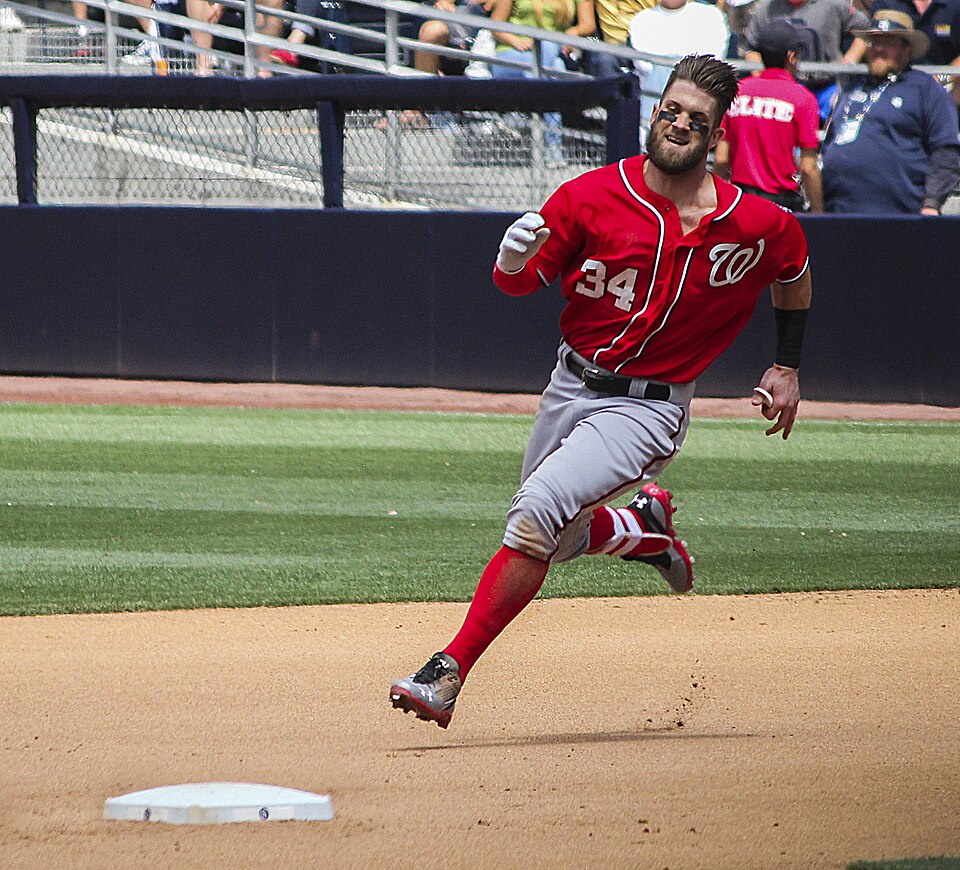
The T-Mobile Home Run Derby returns Monday night from Citizens Bank Park in Philadelphia, marking a milestone year for the annual power-hitting showcase as it streams for the first time on Netflix rather than ESPN, which had carried the event every year since 1994.
The competition is scheduled to begin at 8 p.m. Eastern time, with special pregame coverage starting an hour earlier at 7 p.m. Eastern. Unlike previous years, the Derby will not air on any broadcast or cable television channel, meaning fans will need an active Netflix subscription to watch. The event streams globally, with Matt Vasgersian handling play-by-play duties alongside Elle Duncan and Lauren Shehadi leading additional coverage. Netflix has also brought in a lineup of former MLB stars for analysis, including Hunter Pence, Barry Bonds, Albert Pujols, Anthony Rizzo and CC Sabathia.
This year’s Derby also introduces a significant change to the competition’s format. For the first time since 2015, the event has scrapped its timed-round structure in favor of a swing-based system. Each of the eight participants will now work through a fixed number of swings rather than racing against a clock. Round 1 gives every hitter 20 swings, with the top four home run totals advancing to the semifinals. In the semifinal round, the first-place seed faces the fourth-place seed, while the second-place seed faces the third-place seed, and both the semifinals and the final round give each competitor 15 swings. One rule carries over from previous formats regardless of the timing change: a round cannot end on a home run, meaning any player who hits one out on his final allotted swing continues swinging until he records an out. Ties in the first round will be broken by home run distance, with the longer blast advancing; ties in the semifinals and final will instead be settled through three-swing swing-off competitions.
The eight-player field is set, and it carries a distinctly local flavor for Philadelphia fans. Phillies sluggers Bryce Harper and Kyle Schwarber will both compete in front of a hometown crowd, marking the first time in the Derby’s 41-year history that two Philadelphia teammates have competed in the event together. The pairing sets up a potential rematch of the 2018 Derby final, when Harper, then with the Washington Nationals, edged Schwarber, then with the Chicago Cubs, by a single home run, 19 to 18, to win the title. Schwarber, now looking to potentially face his former rival again on the same team’s home turf, expressed enthusiasm about the possibility. “I think it would be a pretty cool ending there if that could happen,” Schwarber told reporters.
The rest of the field includes Chicago White Sox rookie Munetaka Murakami, St. Louis Cardinals outfielder Jordan Walker, Boston Red Sox catcher Willson Contreras, Kansas City Royals slugger Jac Caglianone, New York Yankees first baseman Ben Rice and Tampa Bay Rays third baseman Junior Caminero, who finished as last year’s runner-up. Five of the eight participants come from the American League, and Harper remains the only former champion in this year’s field, having previously won the event in 2018.
Notably absent from this year’s competition is Baltimore Orioles first baseman Pete Alonso, one of only four players in Derby history to win multiple championships, who is sitting out for the second consecutive season after not being selected to this year’s All-Star Game despite a strong first half of the season.
The financial stakes remain significant for participants. The Derby winner takes home $1 million, an amount that exceeds the entire 2026 MLB season salary of four of this year’s competitors: Caglianone ($784,000), Caminero ($794,800), Walker ($799,400) and Rice ($845,800). The runner-up earns $500,000, while every other participant receives $150,000 simply for competing. An additional $100,000 bonus is awarded for the longest home run hit during the night.
Philadelphia’s history with the Derby adds further context to Monday’s event. Two Phillies players have previously won the competition: Bobby Abreu in 2005 and Ryan Howard in 2006. Schwarber himself has a mixed Derby history, failing to advance past the first round in 2022, while former Phillies slugger Rhys Hoskins finished third in the 2018 edition, losing to Schwarber in the second round that year. Last year’s champion, Seattle Mariners catcher Cal Raleigh, became the first catcher in Derby history to win the event, defeating Caminero in the finals by a score of 18 to 15 in a competition that featured his own father pitching to him and his brother catching, en route to a night that produced 210 total home runs at an average distance of 432 feet, the highest average distance recorded in any non-Coors Field Derby since 2017.
To promote the event’s move to Netflix, the streaming service sent an official Derby-branded truck along the East Coast in the days leading up to Monday’s competition, making stops in Boston on July 8, Cooperstown on July 9 and New York City on July 10, distributing ice cream in branded baseball helmets and Derby T-shirts before arriving in Philadelphia.
Citizens Bank Park is hosting both the Home Run Derby and the following night’s All-Star Game, marking the 96th edition of MLB’s Midsummer Classic. The 2026 MLB All-Star Game is scheduled for Tuesday, July 14, with first pitch at 8 p.m. Eastern time, airing on FOX and streaming live and on-demand through the FOX One platform, returning the All-Star festivities to traditional broadcast coverage the day after the Derby’s Netflix debut.
With a new streaming home, a revamped swing-based format and a hometown pairing between Harper and Schwarber headlining the field, Monday night’s Derby represents one of the more significantly reshaped editions of the event in recent memory, giving fans plenty of storylines to watch as Major League Baseball’s top sluggers take aim at Citizens Bank Park’s outfield walls ahead of Tuesday’s All-Star Game.

Last Time THIS Happened Bitcoin Exploded 20x (It’s Happening Again!)
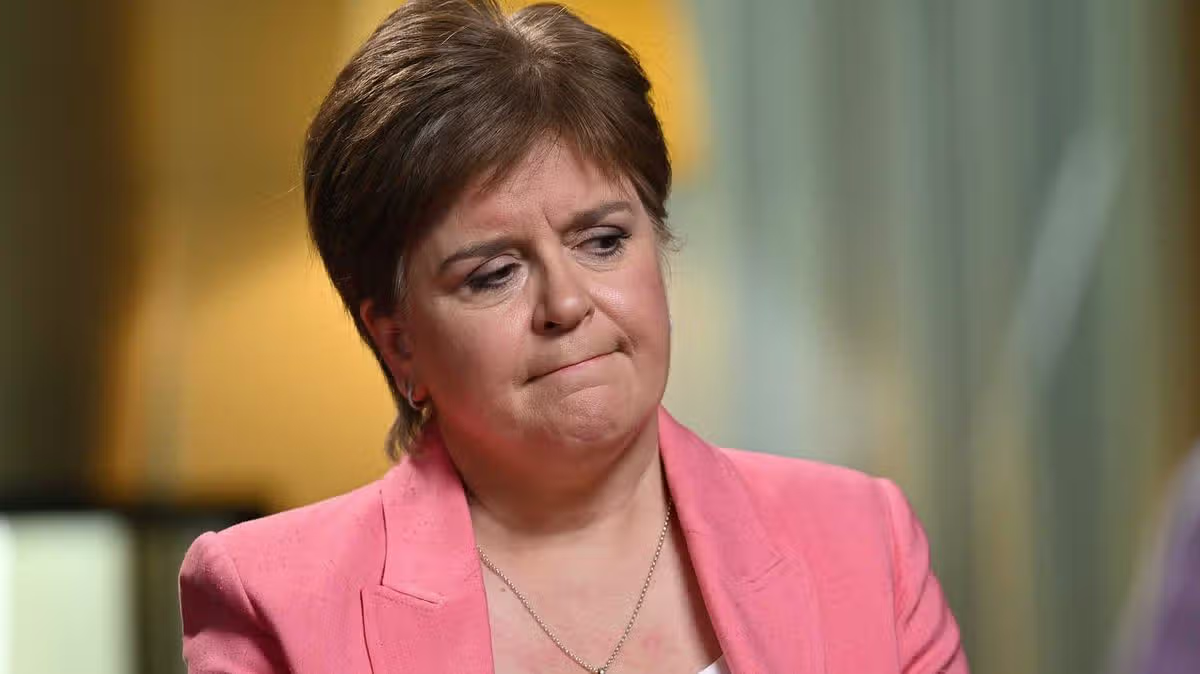
Nicola Sturgeon’s police statement ‘won’t be released’ as lawyer slams ‘court of media opinion’
SBI Funds raises Rs 2,663 crore from anchor investors ahead of IPO


-

 News Videos7 days ago
Whats Hidden Inside This Cash Register? #treasure #reselling #money
-

 Fashion5 days ago
Loro Piana Fall 2026 Enters Houston’s Art Scene
-

 Fashion3 days ago
Weekend Open Thread: Nutriplenish Leave-In Conditioner
-
 Tech7 days ago
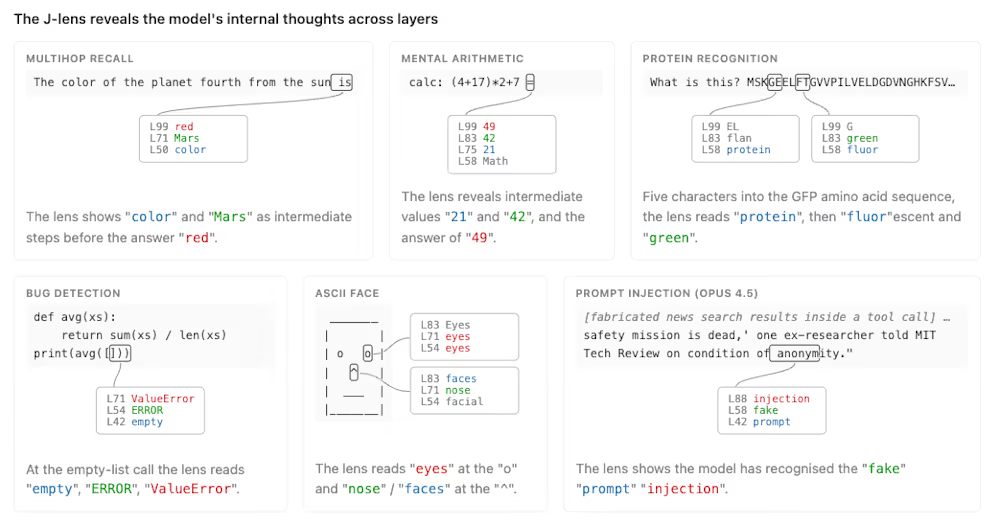
Anthropic’s new “J-lens” reveals a silent workspace inside Claude that mirrors a leading theory of consciousness
-
 Sports4 days ago
2026 Genesis Scottish Open Thursday TV coverage: Round 1
-
 Sports6 days ago
Joshua Pacio ‘more complete’ ahead of ONE rematch vs Malachiev
-

 Tech6 days ago
Anthropic brings Claude Cowork to mobile and web as usage data shows most users aren’t coding
-

 Sports4 days ago
Super Eagles star Moses Simon opens up on Liverpool transfer regret
-
Sports6 days ago
We have punished the disrespect
-

 Crypto World7 days ago
Binance lists Strategy’s STRC stock as company expands Bitcoin funding
-

 Tech4 days ago
Character.AI enters the microdrama arena with its own productions, but there’s a twist
-
 Tech7 days ago
9 Best Keyboards (2025), Tested and Reviewed
-
 Business7 days ago
Enbridge: AI Tailwind Priced In (Rating Downgrade)
-
 Crypto World7 days ago
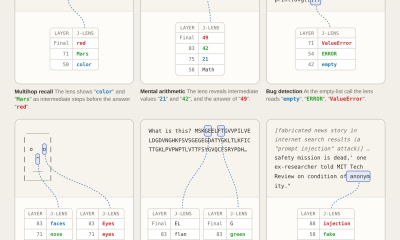
Claude AI Created Something Anthropic Never Designed
-
 News Videos7 days ago
“What’s going on?!” Carl Froch discusses Floyd Mayweather Jr financial issues
-

 Crypto World6 days ago
Nasdaq arthritis company holding Moshe Hogeg crypto hits all-time low
-
 Crypto World7 days ago
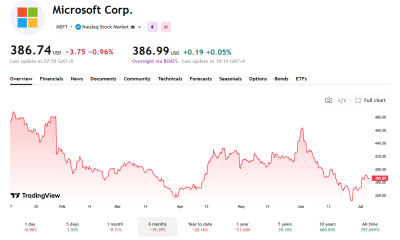
Microsoft Cuts 4,800 Jobs as Xbox Loses 3,200 Roles in Reset
-

 News Videos5 days ago
Crypto Just Entered Its Most Important 6-Month Candle (Could Decide Everything!)
-
 Tech6 days ago
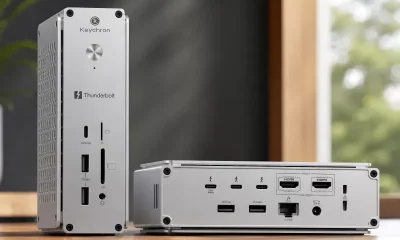
Keychron is stepping outside keyboards with a $349 Thunderbolt 5 dock aimed at power users
-
 Business6 days ago
ASX 200 Slides Over 0.6% as Rare Earths and Lithium Stocks Tumble Amid Global Semiconductor Sell-Off Today
You must be logged in to post a comment Login