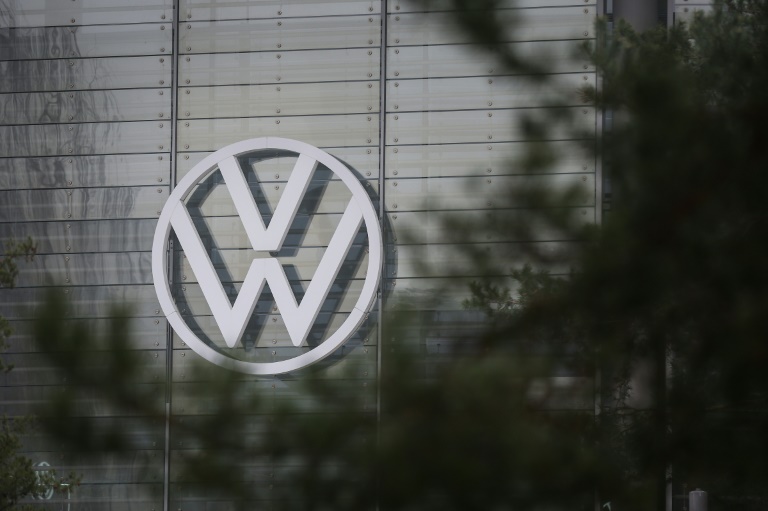
Volkswagen’s chief executive confirmed to employees this week that the company is weighing as many as 100,000 job cuts worldwide, a figure that would mark the most radical restructuring in the automaker’s nearly 90-year history, though industry analysts say the number likely represents an opening negotiating position rather than the company’s final target.
Volkswagen CEO Oliver Blume told employees Monday in an internal memo, seen by Agence France-Presse, that the company must “act now” to safeguard its future, confirming a further 50,000 jobs could be cut on top of 50,000 already in progress under an earlier 2024 agreement, bringing the total potential reduction to roughly 100,000 positions, or about 15% of Volkswagen’s global workforce of approximately 657,400 employees as of the first quarter of 2026. The memo followed weeks of speculation triggered by a June report in Manager Magazin, which first detailed the scale of the potential cuts and the possible closure of four German plants.
Blume also confirmed continued uncertainty over the future of four specific German factories central to the restructuring discussions. “The truth is also that, as things stand today, we cannot confirm that the Emden, Hanover, Zwickau and Neckarsulm plants will be able to operate competitively into the 2030s,” Blume said, referring to three Volkswagen brand facilities alongside Audi’s Neckarsulm site. Options under consideration reportedly include shifting production of China-focused models to underused German sites such as Zwickau, an approach Blume has previously floated, or gradually phasing out production at certain plants by declining to assign new models to them rather than closing facilities outright.
Despite the scale of the figures being discussed, multiple industry analysts told AFP and other outlets they believe Volkswagen deliberately floated a worst-case scenario ahead of formal negotiations with labor unions, describing the tactic as a common corporate negotiating strategy rather than a finalized restructuring plan. Volkswagen has followed a similar pattern before: in the second half of 2024, following earlier threats of mass strikes, the company reached an agreement with German trade union IG Metall to trim 35,000 jobs at the core Volkswagen brand by 2030 “in a socially responsible manner,” with another 15,000 positions to go across its other brands, a figure notably lower than initial, more dramatic proposals floated during those negotiations.
Labor representatives have pushed back sharply against the latest figures. A spokesman for IG Metall called Blume’s Monday memo “superficial,” saying employees remained largely in the dark about specifics. “Management’s communication remains a disaster across the board,” the spokesman said, adding that shop stewards were organizing meetings at which Blume would be expected to take questions from staff directly. “The answers will determine the crucial question: whether the executive board intends to overcome the crisis with staff or against them,” he said. IG Metall Chair Christiane Benner has separately called for “innovative solutions” that preserve production capacity and domestic employment rather than layoffs, underscoring how far apart labor’s vision remains from management’s proposed restructuring.
Volkswagen’s notoriously complex governance structure adds further complexity to any potential deal. Labor representatives and the German state of Lower Saxony, which holds a 20% voting stake in the company, together control more than half the seats on Volkswagen’s supervisory board. Lower Saxony has historically opposed plant closures and layoffs, a position reinforced by the so-called Volkswagen Law, a decades-old measure that effectively limits management’s unilateral ability to close factories. Thomas Besson, head of automotive research at Kepler Cheuvreux, said Volkswagen’s management would need to demonstrate there is no viable alternative to the proposed measures. “It is going to be a very complicated move to implement,” Besson said.
Rico Luman, a senior sector economist focused on transport and logistics at ING, described the situation as reflecting broader structural pressure across the European auto industry rather than a crisis unique to Volkswagen. “It’s very complicated but something needs to happen, that’s for sure. So, the supervisory board should be aware of the urgency as well,” Luman said. He noted that Volkswagen remains profitable for now, but that the scale of the proposed cuts signals the company is preparing for tougher conditions ahead. “They are still profitable, right? But the reported plans are to prepare for the demise or losses over the next couple of years. So, this is a strategic step for what is coming up in the future,” Luman said, pointing to challenges including the slower-than-expected pace of Europe’s shift to electric vehicles, intensifying competition from Chinese automakers, and export difficulties in key overseas markets.
Volkswagen’s financial results have underscored the pressure driving the restructuring talks. The company posted first-quarter 2026 operating profit of roughly $2.92 billion, down 14.3% from a year earlier and well below analyst expectations of nearly 4 billion euros. Sales revenue for the quarter came in at approximately $75 billion, down 2.5% year over year, while vehicle sales fell 7% to 2 million units and operating margin slipped to just 3.3%, a level well below what investors typically expect from a global automotive leader. Earnings before tax dropped more than 28% year over year, though the company did see some signs of relief, including a roughly 15% increase in European order intake and $2 billion in net cash flow generated by its automotive division.
Volkswagen has invested heavily in electrification in recent years, including dedicated electric vehicle platforms and battery production, but Europe’s EV market has expanded more slowly than the company anticipated, leaving several production facilities operating below capacity. Blume has previously warned that Chinese manufacturers are compounding that pressure by building highly efficient factories directly in Europe. “The Chinese are coming to Europe, also building factories which are highly efficient,” Blume said in April.
Volkswagen is not alone among German automakers facing this kind of pressure. BMW and Mercedes-Benz have also reported falling profits in recent periods, driven largely by intensifying competition from Chinese rivals in what remains the world’s largest auto market.
As of this week, no final restructuring plan had been formally approved, and Volkswagen’s management, labor unions and the German state of Lower Saxony appear headed toward what analysts describe as a prolonged and difficult negotiating process. Historically, Volkswagen restructuring efforts have unfolded gradually through voluntary retirement programs, hiring freezes and internal redeployment rather than abrupt mass layoffs, with previous rounds of cuts typically settling on figures well below the initial numbers first reported publicly. Whatever the eventual outcome, analysts broadly agree Volkswagen faces genuine pressure to reduce costs to remain competitive, with the coming months of negotiations likely to shape the future structure of Europe’s largest automaker for years to come.

















































You must be logged in to post a comment Login