Back in 2021, Klipsch’s The Fives were the first powered speakers I’d encountered with an HDMI ARC connection, making them as friendly with your TV as they were with the rest of your components. When I first reviewed them, I called them the soundbar solution for people who don’t like soundbars. Klipsch raised the stakes with increasingly larger versions in The Sevens and The Nines, each of which helped usher in a new era of plug-and-play home theater speakers. While each pair has its place, The Sevens hit the sweet spot for me, delivering big, bold sound from a beefy footprint that still, just barely, fits on regular speaker stands.
Of course, HDMI-ready powered speakers are everywhere now, so The Sevens II really needed to up the ante to stand out. In that regard, Klipsch did not disappoint, upgrading its Goldilocks pair in nearly every way. The improvements range from an absolute smorgasbord of connection options and supported audio formats, including virtual Dolby Atmos, to the addition of the Wi-Fi and network connectivity missing from the original pair. There’s even a spare HDMI input for modern gaming consoles, a first among the powered speakers I’ve tested.
Unfortunately, I had real trouble connecting the speakers to my Wi-Fi network during setup, to the point that I eventually plugged in an Ethernet cable and called it a day. Otherwise, there’s not much The Sevens II don’t get right. They offer impressive immersion and clarity, fantastic bass response, and a wealth of extras in a nearly comprehensive take on the all-in-one speaker system.
Related Reviews:
Setup: Wi-Fi Woes
Let’s get the annoying part out of the way. While fishing these 15-inch-tall mega-cabinets from their housings is something of a chore, connecting to my network created the real headache. The biggest issue seemed to be that, while the speakers connected right away and were active in the Klipsch Controller app, they weren’t receiving network information, at least not fast enough for their mandated firmware update, which is apparently integral to functionality.
After five tries, multiple 30-to-45-minute waits, and at least two power cycles, I finally tried Ethernet, and the speakers seemed to jump at the chance to update. After around 10 minutes, they had the latest software, and I experienced no further network issues over two weeks of testing.
Advertisement
Ostensibly, the speakers can go wireless in multiple ways, allowing you to connect the primary speaker, which harbors the inputs and controls, to the secondary cabinet wirelessly. This limits resolution to 48 kHz, as opposed to 96 kHz with the included four-meter CAT6 cable, and besides, I wasn’t taking any more chances after my Wi-Fi issues.
To be fair, these aren’t the first speakers to have trouble on my network, and a colleague who reviewed The Nines II had no such issues. Still, the vast majority of devices I’ve tested connect seamlessly, so it’s something to note if your network is finicky and/or you don’t have a handy Ethernet connection.
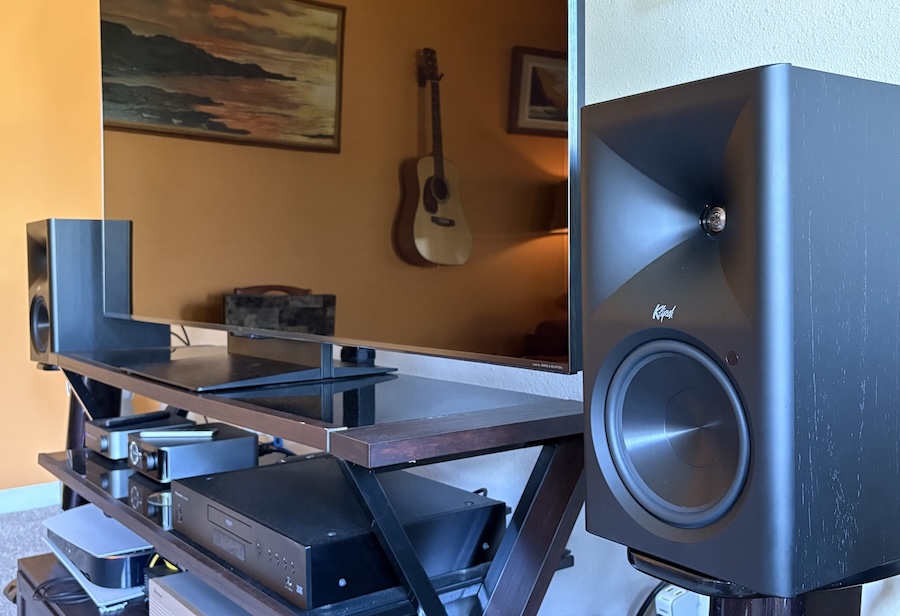
Connecting The Sevens II to other components was as breezy as you’d expect from modern powered speakers, including a quick connection to the TCL QM7K TV I’m currently reviewing. This provides seamless control from your TV remote for power and volume, and unlike many premium speakers, there were no handshake issues or connection flubs.
Design and Features: Fully Connected
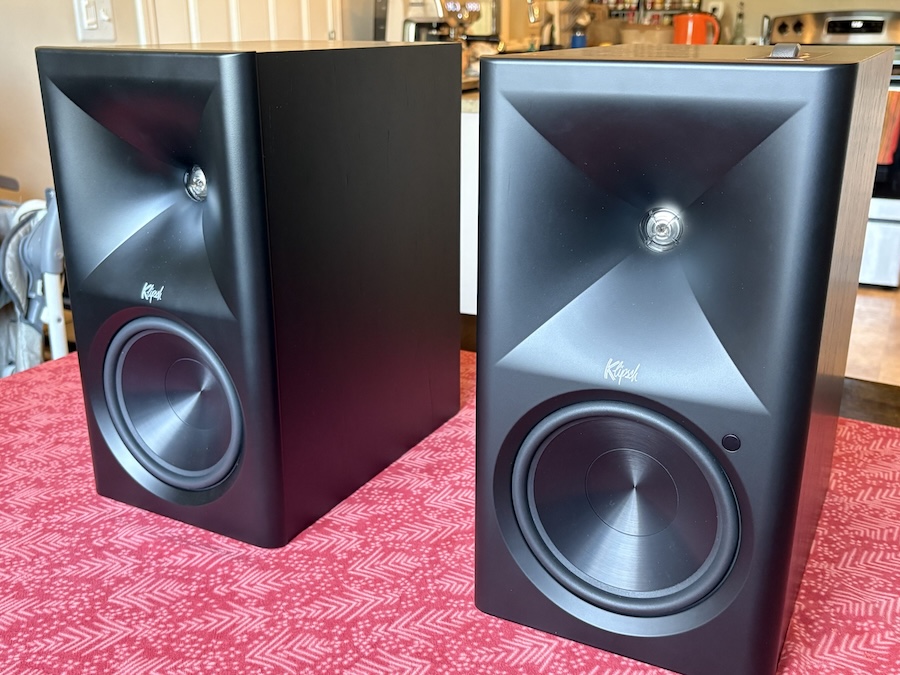
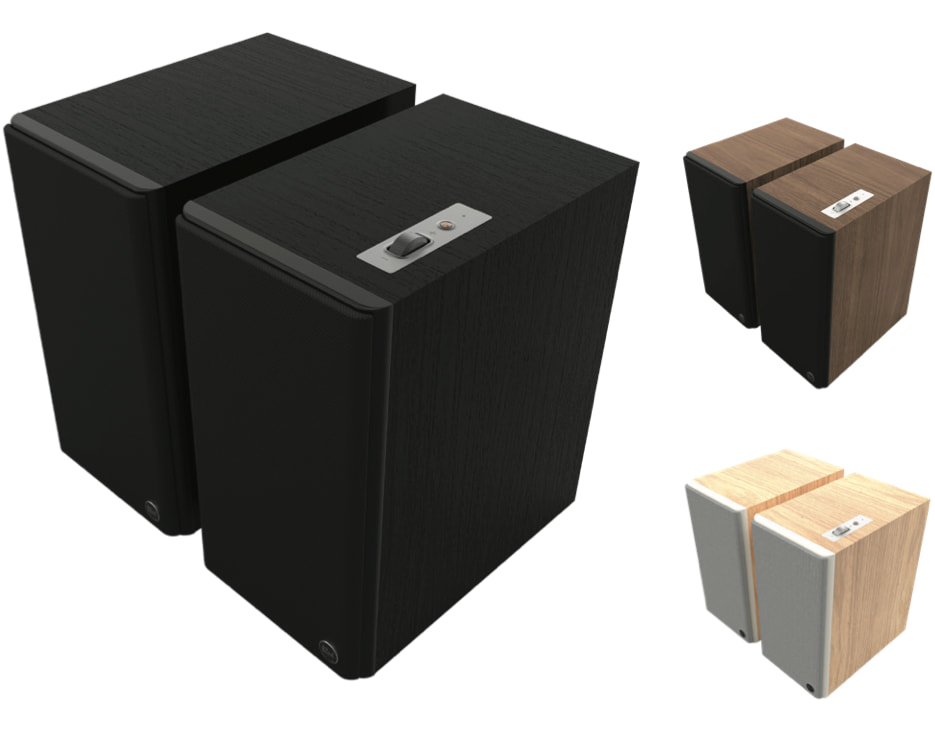
Even after my Wi-Fi frustrations, it was hard not to fall for The Sevens II’s chic yet brawny design, which perfectly matched my review TV’s 75-inch obsidian screen. Along with the Ebony MDF cabinets I reviewed, they come in Walnut and a tantalizing new Red Oak finish with a white front, each of which boasts “real wood” veneer. On top of the right speaker is the same tactile volume wheel found on the original pair, alongside a metallic input key, giving them a vintage vibe.
The package includes magnetic acoustic grilles for a more demure look, but unless you’ve got curious kids in the house, it’d be a shame to hide those drivers. The combination of Klipsch’s hefty “Jet Ceramic” 6.5-inch woofers and titanium LTS tweeters, set behind the brand’s signature Tractrix horns, really spruces up the room.
Advertisement
Other accessories include an HDMI cable, an omnidirectional microphone for calibration, and a simple backlit remote. The latter offers some helpful input keys, and it’s useful for pausing sound on the go, but the majority of controls and settings are handled by the app.
Advertisement. Scroll to continue reading.
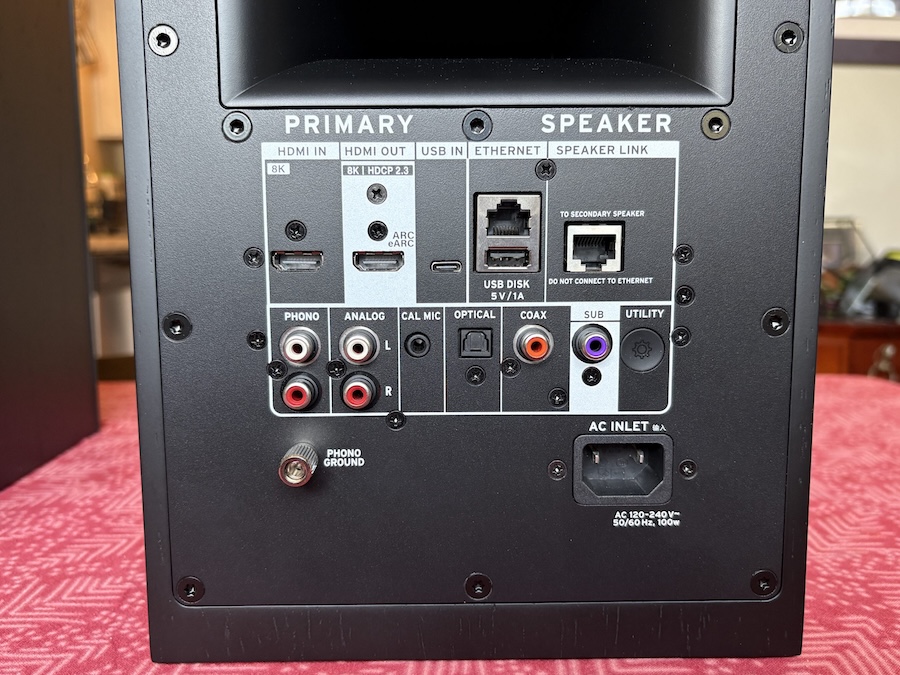
The input hub at the back of the main speaker, which can be placed on either the right or left for convenience, provides an embarrassment of riches. The digital coaxial input is especially useful for connecting a CD transport or CD player while relying on The Sevens II’s internal DAC and keeping the lone RCA analog input free for another source.
That’s joined by an optical digital port, RCA and MM phono analog inputs, and USB-C. Dual HDMI 2.1 ports, including HDMI eARC, provide high-bandwidth passthrough for 8K, HDR10+, and Dolby Vision video, as well as support for VRR (Variable Refresh Rate) and ALLM (Auto Low Latency Mode) with gaming consoles.
Advertisement
There’s also a subwoofer output to add more punch and clear up some space in the higher registers. It’s worth employing if you’ve got a spare subwoofer on hand, but part of the value proposition here is that The Sevens II have plenty of bass on tap, reaching down to a claimed 39 Hz and handling the upper-bass region around 50 to 60 Hz with relative authority.
On the audio side, Klipsch goes well beyond the limited PCM support found in most of the powered speakers I test, thanks to its use of Onkyo AVR circuitry. While DTS support is limited to The Nines II, The Sevens II get a loaded Dolby suite with support for Dolby TrueHD and even Dolby Atmos decoding, though without upfiring speakers, the effect is limited.
Streaming support is a major upgrade over the original pair’s Bluetooth-only system, supplementing Bluetooth 5.4 with support for Apple AirPlay, Google Cast, Spotify Connect, TIDAL Connect, and Qobuz Connect.
Dirac Live Room Correction calibration is also included to help adapt the sound to your room, though only for bass control up to 500 Hz by default. If you want to upgrade, you can do so through Dirac’s website for $100, which allows multiple “filters,” or calibration options across the frequency range, for different seating positions or room setups.
Advertisement
The app provides plenty of other ways to adjust the sound, including a five-band EQ and presets, along with extras such as Dynamic Bass, Dialogue Enhancement, and Night Mode. There are also three sound modes: Movie, which is on by default; Music; and Direct, for unfiltered sound.
Oddly, switching between modes creates a two- or three-second delay, accounting for the only real app trouble during my review. It’s especially frustrating because video tends to sound best in Movie Mode; otherwise, dialogue can sound boomy, while music is clearer and more open in Music or Direct Mode. Aside from that, the app was impressively stable and responsive, with only the occasional delay when connecting to Spotify.
Listening: Bold, Clear and Immersive
Though powered speakers like The Sevens II are generally designed as a music-first way to enhance your home theater, it will come as no surprise to those familiar with the original pair that their best use case is souping up your favorite TV shows and movies. That’s not to say they’re not excellent for music, but their large size and support for multiple home theater formats make them brilliant for TV sound.
Switching them on was an instant upgrade, not only over the reasonably capable TV speakers in the TCL QM7L I’m currently reviewing, but also over powered reference speakers such as the SVS Prime Wireless and even my beloved KEF LSX, especially with more cinematic fare. Their sheer size and acoustic design get much of the credit, using those large cabinets to produce an immersive soundstage marked by bold, powerful sound and plenty of foundational bass that rarely gets boomy.
Just as importantly, they’re very well attuned to subtle details. From the creak of a door or the click of a revolver’s hammer to pointedly soft dialogue or padded background noises, such as the din of printers and phones in The Office, everything feels elevated.
Advertisement
In one of my favorite test scenes from The Mandalorian episode “The Mines of Mandalore,” I was enamored with all the little moments: the dramatic punch of the ship as it breaks through the atmosphere; the metallic rattles placed deep in the soundstage; the purring of the ship’s engines; and even the tactile sound of his helmet light turning on. All of it was fantastically immersive, pulling me deeper into the moment.
Advertisement. Scroll to continue reading.
I’m not sure how much of this can be credited to The Sevens II’s virtual Dolby Atmos support. Without upfiring speakers, Atmos’ height element—the part that makes it feel spherical and encompassing—is obviously limited. Even so, the sound is dimensional and articulate, while preserving plenty of bombast for moments such as explosions or the thundering beat of a soundtrack. Even in stereo, it goes well beyond your average flagship soundbar.
Listening to lossless music over Spotify Connect was also impressive, especially when using the Music or Direct modes. While the upper midrange and lower treble can sometimes sound a little tight, they never become sharp, and there’s plenty of detail across the frequency range, with notably expansive sound in larger mixes.
Advertisement
The brass in Sinatra’s “Luck Be a Lady” has convincing weight and presence, while the saxophones retain plenty of texture without becoming strident. The percussion in Tom Petty’s “You Don’t Know How It Feels” snaps with convincing attack, pushing the song’s signature snare to the forefront while preserving the laid-back groove that drives the track.
Volume wheel on top of speaker.
Bass reaches deeper than expected, even for speakers this size. The Weeknd’s “Starboy” delivers solid low-frequency impact without overwhelming the mix, while Caroline Polachek’s “Welcome to My Island” showcases the speakers’ ability to separate layers of synthesizers and electronic effects across a wide, stable soundstage that occasionally extends beyond the cabinets. Polachek’s voice remains clean and expressive throughout, even as the arrangement becomes increasingly dense.
Moving to vinyl with my go-to test album, Dave Brubeck’s Time Out, The Sevens II did a convincing job with the piano’s body and attack, the soft cymbal work and brushed snare positioned to the left, and the saxophone anchored firmly in the center. I preferred the built-in phono preamp in my U-turn Audio Orbit Theory turntable to Klipsch’s, which sounded quieter and less immediate, though the difference was not substantial.
If there’s one area where the speakers could improve, it’s the separation between instruments in dense arrangements. Radiohead’s “Everything in Its Right Place” remained clear, but individual layers were not as sharply defined as they could have been. That’s where Dirac Live comes in.
Dirac Live: Better Separation, Recessed Vocals
One of the most respected third-party calibration systems available, Dirac Live is designed to address room-related frequency problems, improve bass response, and refine imaging and clarity. For the most part, that’s what it did.
Advertisement
On many tracks, Dirac created more space between instruments and widened the stereo image without making the presentation feel disconnected. Returning to Tom Petty’s “You Don’t Know How It Feels,” the individual instruments and backing vocals were easier to distinguish within the mix.
Bass response also became more prominent, sometimes excessively so in my small listening room. On bass-heavy tracks such as Too Short’s “Just Another Day,” the low end became overbearing, though reducing the 80 Hz band in the EQ brought it back under control.
The larger issue was that Dirac sometimes pushed vocals farther back in the mix. That was noticeable on Depeche Mode’s “Personal Jesus” and Nickel Creek’s “Reasons Why.” The latter stood out in particular because Sara Watkins’ voice is normally positioned firmly at the center, with clear diction and strong presence.
Because of that tradeoff, I generally preferred The Sevens II without Dirac Live enabled. Other listeners may reach a different conclusion, especially in square, reflective, or otherwise difficult rooms where acoustic treatment is impractical.
Advertisement
Klipsch The Sevens II are available in black, walnut and light oak finishes.
The Bottom Line
The Sevens II offer the best of both worlds, combining the format support of a soundbar with the connectivity, scale, and stereo presentation of a capable pair of powered speakers. In many ways, that makes them and their sibling models, The Fives II and The Nines II, an appealing solution for anyone who wants a plug-and-play system that works across multiple sources, including a TV.
Advertisement. Scroll to continue reading.
You’ll find greater clarity, precision, and stereo imaging from speakers such as KEF’s LS50 Wireless II, but The Sevens II counter with deeper bass, greater output, and more convincing handling of film and television content. That combination helps them stand out in a crowded market.
My Wi-Fi problems and smaller usability complaints, including the pause when switching sound modes, are the biggest marks against them. Even so, The Sevens II make a strong case for listeners who want one pair of speakers to handle music, movies, gaming, vinyl, and digital sources without adding an amplifier, streamer, or soundbar. For that buyer, their broad connectivity and powerful presentation help justify the substantial price.
Advertisement
Pros:
Big and bold sound with deep bass response
Articulate and immersive soundstage
Impressive Dolby support, including virtual Atmos
Class-leading connectivity options
Stylish design and good build quality
Solid accessories, including a backlit remote
Cons:
Finicky Wi-Fi setup and firmware update
Odd delay in audio when switching sound modes
Imaging and instrumental separation is good not great
Advanced Full Fibre Broadband from EE offers download speeds of 2.3Gbps and 8Gbps
Speeds are potentially 222 times faster than standard superfast fibre
Initially available in Guildford and Woking, expanding as Openreach rolls out its XGS-PON glass fibre network
Following a successful trial in early 2026, EE has launched its new Advanced Full Fibre Broadband plans, advertising download speeds of 2.3Gbps and 8Gbps. This makes EE the first provider to sell access to the Openreach XGS-PON glass fibre network.
The plans are initially only available in the Guildford and Woking areas, two Surrey towns in the London commuter belt, where the glass fibre network is installed and active.
EE is targeting users who rely on video conferencing, remote working, and content upload, and with multiple Internet of Things devices, as well as online gamers and streaming consumers. Speeds are up to 222 times faster than the standard superfast fibre broadband plans.
Latest Videos FromTechRadar
Advertisement
Two plans for EE’s XGS-PON fibre
Customers can access two plans from EE. The 2.3Gbps Advanced Full Fibre Broadband plan starts at £54.99 per month, while the 8Gbps plan is available from £74.99 a month.
No upload speeds have been stated, nor are they listed on the sign-up page, but they can be expected to be similarly fast.
XGS-PON (10-Gigabit-capable Symmetric Passive Optical Network) is a high speed, high-bandwidth data network standard, currently available in various forms across Europe, North America, and other regions. In the UK, it is used in the nexfibre, CityFibre, and Openreach networks, with EE using the latter to provide these plans.
With streaming speeds supporting 4K and 8K video, these plans are likely to be popular where available, and support for up to 190 devices suggests the plans will include routers suited to IoT and smart home applications.
Sign up to the TechRadar Pro newsletter to get all the top news, opinion, features and guidance your business needs to succeed!
Advertisement
Will faster fibre improve British broadband?
“Today marks a major milestone for EE as we become the first major UK provider to offer broadband speeds of up to 8Gbps on next-generation XGS-PON technology,” noted Luciano Oliveira, Director of Product, Home and TV at EE.
“As homes become more connected and customers place greater demands on their broadband, we’re investing in the technologies that will power the next generation of digital experiences.”
EE regularly wins recognition as the UK’s most popular network, with its business built on mobile (where its 4G, 5G and 5GSA speeds cover more than 90% of the UK) and an advertising campaign featuring Hollywood actor Kevin Bacon.
Unlike Virgin Media which owns its own fibre network, EE’s domestic and business broadband plans rely on third party infrastructure, mostly provided by Openreach, and due to the differences in connections across the country (and the legacy copper lines that remain in place in some locations), struggles to offer the same speeds for all customers.
Advertisement
This is a problem faced by all providers who sell access to Openreach lines, so EE’s immediate competitors will no doubt be watching with interest.
Sony designs Bravia TVs with premium features and high-quality displays, but many buyers are still unaware of where they are made. Sony uses a global manufacturing network that includes countries such as China, Japan, Malaysia, India, and Mexico. The company also depends on outside suppliers for important components like OLED and QD-OLED panels. Over time, Sony has reduced its own factory operations and started relying more on manufacturing partners, which has changed how and where Bravia TVs are produced today.
Sony Bravia
Sony Bravia became Sony’s main television brand in 2008 and is now sold in many countries worldwide. These TVs are popular for their premium display quality, color accuracy, and smart image-processing features. Sony develops the software, features, and designs for its TVs, while manufacturing partners produce and assemble the products. The company also depends on outside suppliers for important TV components like display panels.
Where Are Sony TVs Manufactured?
Sony Bravia TVs are manufactured across different countries as part of Sony’s global production network. Major manufacturing locations include China, Japan, India, Malaysia, Mexico, Slovakia, and Thailand. China handles a large share of TV assembly and display-related production, while India produces many TVs for regional buyers through Sony’s partnership with Foxconn. Japan and Malaysia still support several electronics manufacturing operations for the company. Different factories are used to serve nearby international markets and reduce supply costs.
Over time, Sony has been able to cut down on the number of factories that it has. This is because it used to manufacture TVs in factories that were in other countries like Brazil, Spain, Vietnam, Mexico, and Slovakia. In 2010, Sony sold the Spain facility, later closed the Brazil factory in 2021, and had previously shut down the Vietnam plant in 2008. It also sold the Mexican and Slovakian plants to Foxconn in its attempt to minimize costs.
Now, Sony emphasizes technology and product development more and relies on other firms in manufacturing. The firm Foxconn is responsible for making Sony TVs that support various markets. Outsourcing production will help Sony cut costs, become more efficient, and manufacture effectively from all corners of the globe.
Advertisement
Who Supplies Sony TV Panels?
Currently, Sony uses TV panels manufactured by other producers rather than creating them through its plants. The OLED panels used by Sony for its products come mostly from LG, while Samsung produces QD-OLED panels. There are a limited number of producers of TV panels; therefore, most TV makers use similar TV panels. Most of Sony’s development efforts focus on software and image processing.
Sony uses its own picture-processing systems and display tuning to improve the quality of Bravia TVs. These technologies help deliver better colors, sharper details, and smoother motion performance. Because of this, Sony delivers excellent image quality in its TVs even when other manufacturers supply the display panels.
TCL’s Role in Sony Bravia TVs
After acquiring the majority stake in Bravia Inc., TCL is a significant player in determining the future of Sony Bravia television sets. However, Sony will continue to use its imaging technologies and displays in order to create the perfect experience of using Bravia televisions. Given that TCL has a wide manufacturing base in China, there is an expectation that Bravia television manufacturing will increasingly shift to China post 2027.
Today, Sony Bravia TVs are produced using parts and factories from different countries across Sony’s global supply chain. Even so, Sony continues to handle the software and image-processing systems that shape the overall viewing experience. For most customers, Sony’s strong reputation for display quality matters more than the exact factory location of the TV.
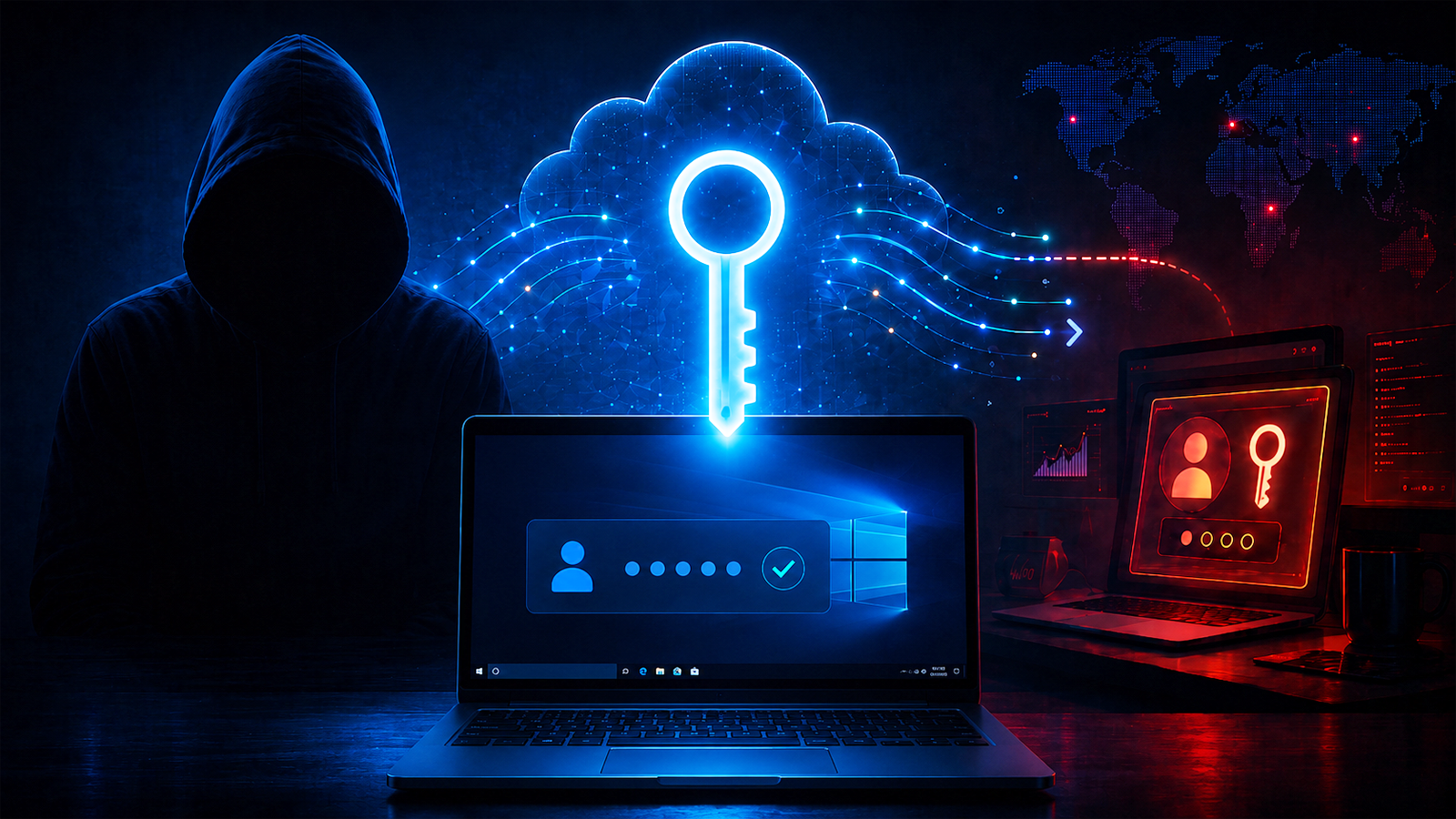
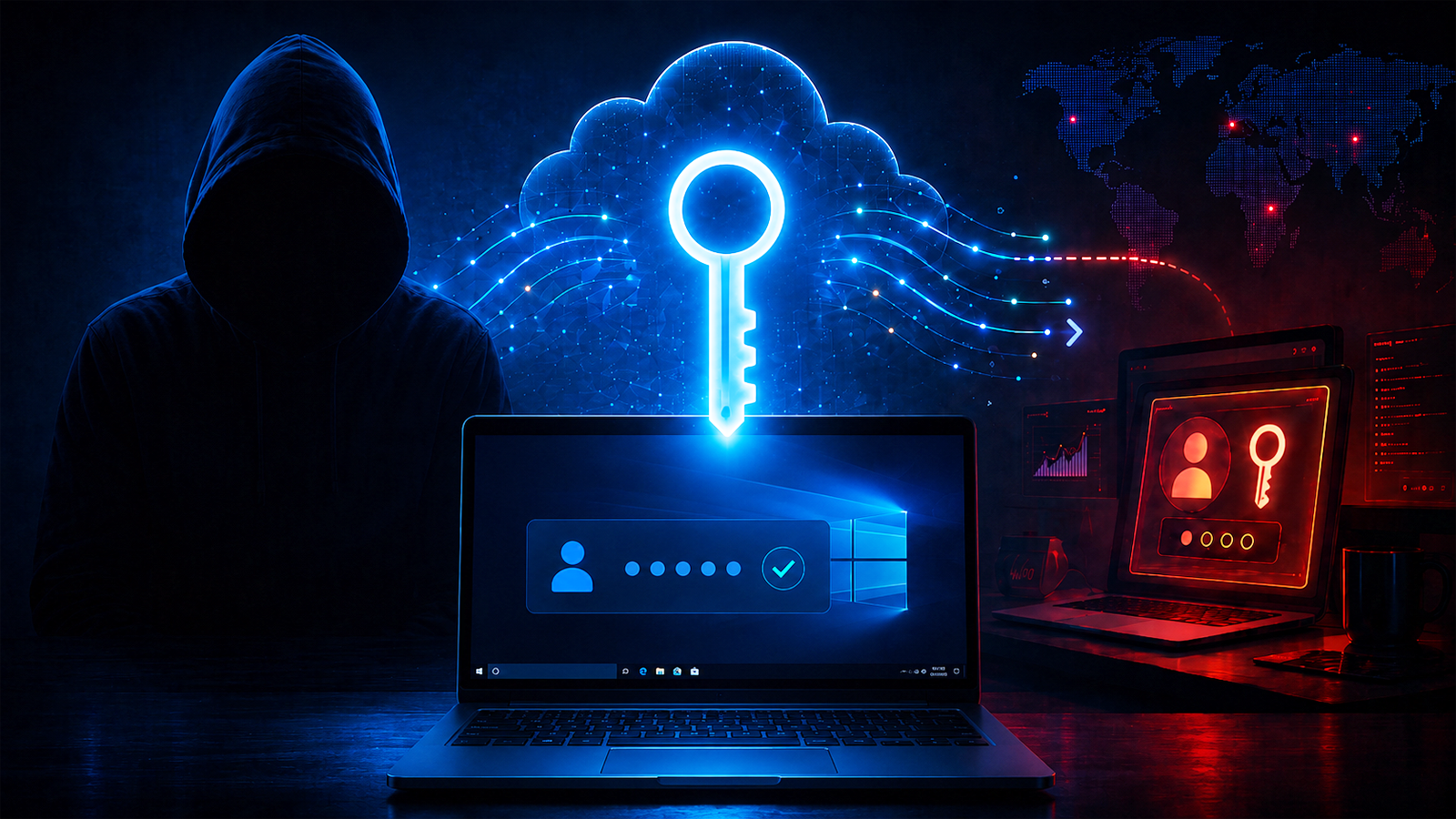
Security researchers have discovered three attacks that allow malware on already-compromised Windows devices to abuse Google Password Manager’s synced passkeys to take over accounts, bypass user verification, and extract passkey private keys.
Passkeys are a passwordless authentication method that uses cryptographic keys stored on a user’s device to sign in to online accounts.
They are considered safer than passwords because they cannot be guessed, reused, or easily stolen through phishing, while also allowing users to authenticate with a PIN or biometrics, such as a fingerprint or facial recognition.
“Unlike passwords, passkeys can’t be shared, copied, written down, or accidentally given to someone else. This makes them more secure against phishing,” reads Google’s passkey documentation.
However, a new report by Palo Alto Networks’ Unit 42 demonstrates three novel attacks, collectively called “Pass-ta-key,” that target Google Password Manager in Chrome on Windows devices equipped with a Trusted Platform Module (TPM).
Advertisement
All three attacks require malware to already be running on the victim’s computer and do not break the cryptography used by passkeys. Instead, they exploit weaknesses in how Chrome and Google’s cloud authenticator handle device trust, onboarding, recovery, and synced credentials.
The first technique, named Pass-ta-key, allows unprivileged malware to impersonate a trusted device and request a valid authentication response for one of the victim’s passkeys.
The malware abuses Chrome’s TPM-backed device identity key to sign a request sent to Google’s cloud authenticator. This can be done without administrator privileges, user interaction, biometrics, or unlocking the device.
Google’s cloud authenticator then treats the request as coming from the victim’s trusted computer and returns a signed authentication response, known as an assertion, that can be used to log in to the targeted account.
Advertisement
However, the assertion includes a User Verified flag indicating whether biometric or PIN verification occurred. This causes the attack to fail if a service requires and properly validates that user verification was successful.
Pass-ta-key fails when attempting to authenticate to GitHub Source: Unit 42
While the attack failed against GitHub, which properly checked the User Verified flag, Unit 42 said it successfully tested the attack against eBay. Although eBay required user verification, it did not properly validate the flag indicating whether that verification occurred.
eBay has since fixed the issue after the researchers reported it.
The second technique, named Silver Pass-ta-key, goes further by allowing attackers to register their own user-verification key with Google’s cloud authenticator.
The attacker first uses malware on the compromised device to force Chrome to re-register it by invalidating its existing verification key or deleting the local file containing its passkey state.
Advertisement
During the re-registration process, the attacker can register a user-verification key they control because the cloud authenticator does not validate whether the new key originated from trusted hardware.
Google then accepts requests signed with the attacker’s key as proof that the victim unlocked the device using a PIN or biometrics. This allows the attacker to access accounts that properly require and validate user verification.
Once the malicious key is registered, the attacker can authenticate from another system without needing further access to the victim’s computer.
The third and most severe technique, named Golden Pass-ta-key, allows malware to obtain the master key used to encrypt all passkeys synced through the victim’s Google Password Manager account.
Advertisement
This master key, known as the security domain secret, is temporarily sent to Chrome when a device registers or recovers access to the account.
Unit 42 initially found that Chrome exposed the secret in plaintext through its internal FIDO logs. Google removed the secret from the logs after the researchers reported the issue, but Unit 42 says it is still sent to Chrome and remains temporarily accessible in the browser’s process memory.
“Although Google removed this secret from Chrome’s logging output following our report, the SDS is still sent to the client and remains accessible in Chrome’s process memory,” explains Unit 42.
“If the attacker forces the victim to re-register with the cloud authenticator and knows the pattern to look for, they can extract the SDS directly from memory.”
Advertisement
The attacker can then use the stolen master key to decrypt the victim’s synced passkey records and recover their private keys. Those private keys can be transferred to another system and used to impersonate the victim and sign in to their accounts.
Unit 42 warns that the stolen master key could also be used to decrypt future passkeys synced to the account. Google’s current implementation reportedly provides no way to rotate or revoke the key, meaning current and future synced passkeys remain protected by the same secret.
While the researchers say passkeys remain significantly safer than traditional passwords, the attacks demonstrate that they do not eliminate the risks posed by malware already running on a compromised device.
Unit 42 recommends that websites require and properly validate user verification. Credential managers should also validate newly registered device keys, harden recovery and device re-registration processes, and prevent master keys from becoming accessible in browser memory.
Advertisement
The researchers disclosed the Google Password Manager attacks to Google and reported related user-verification flaws to affected services, including eBay, before publishing their findings.
BleepingComputer contacted Google for comment on Unit 42’s findings and to ask whether the described attacks have been fully addressed, but a response was not immediately available.
Security teams log 54% of successful attacks and alert on just 14%. The rest move through your environment unseen.
The Picus whitepaper shows how breach and attack simulation tests your SIEM and EDR rules so threats stop slipping by detection.
Just a few weeks ago, Sony announced that it would stop producing games on physical media starting in 2028 and a very loud portion of Sony’s customers lost their freaking minds. And, in this writer’s opinion, for very good reason. Having no physical media option for your games is going to make game preservation efforts nearly impossible. It makes gaming companies coming up with physical collectables to ship with their games a much more complicated prospect. And, as Sony itself likes to remind us over and over again, a game purchased digitally isn’t a game purchased at all, but rather a limited and temporary license to play a game for however long the publisher decides it should be available.
Given the backlash, it’s not all that surprising that some groups out there are attempting to organize against PlayStation usage blackouts in protest, though we’ll see how far they actually get with that. Given that Sony itself seems to be willing to give those angry customers a giant middle finger through it all, it’s hard to see it having much effect.
“There are various reasons we made this decision, the biggest being that the digitalization of content overall has been progressing, that’s the big factor,” Sony chief financial officer Lin Tao said through an interpreter during a Q&A on July 31. “It’s not just for PlayStation, but for all kinds of content, digitalization is progressing.”
“And so when we think about the future—and we put in a lot of thought and time, and we cautiously considered this—and we came to this conclusion, and we’re going to cautiously move this forward. And to this decision, we have received various opinions and people have strong views, and we understand that the community has put forth those views to us. Games are loved by many people. It’s a form of entertainment that’s loved by people, and it’s connected to people’s fond memories in many cases. And so we understand those emotions. We want to consider that. And in the future digital ecosystem, how do we engage the gamers is something that we would like to continue to explore.”
Now, I want to be clear that the word salad above is also the result of a translation. I have no idea how or if this would read any differently in its original language. But I sure would hope it would, because all those words above say absolutely nothing other than, “Yeah, we don’t care, we’re doing this anyway.”
Advertisement
It didn’t get any better when questions were asked from an investment standpoint. One analyst asked the perfectly reasonable question of what this was going to do to the downstream gaming retailers and Sony’s relationship with them. Tau’s answer was that those retailers can still sell mostly empty boxes.
In response, Tao pointed out that publishers will still be able to ship empty boxes with codes inside to stores in markets like North America and argued that PlayStation hardware will win on affordability.
“About the retailers, there are regional characteristics, and for each regional partner, we try to have a thorough dialogue so that we can end up in a win-win situation,” the CFO said.
No concern for preservation efforts. No concern for the 20% or so customers who still want to buy physical media. No concern for any brick and mortar retail partners and what will happen to them.
It appears Sony is going to listen to anyone but its own customers on this one.
Vibe-coding startup Superblocks announced a multiyear joint marketing agreement with Amazon Web Services (AWS) that enables its tool to be embedded within the private clouds of AWS customers.
That means an enterprise on AWS that subscribes to Superblocks will be able to offer vibe coding to the company’s business users, and those apps will not send data or information externally to model providers or databases. The apps will spin up Amazon Aurora databases within the company’s private cloud, not, for instance, create external Supabase databases, the vibe-coding database of choice.
The apps will also integrate with Amazon Bedrock, the cloud giant’s AI app development/AI gateway/inference platform. Essentially, these apps will automatically fall under IT’s management and security, rather than be rogue applications.
“We’re going to bring it to your data inside your private cloud,” Superblocks co-founder and CEO Brad Menezes tells TechCrunch of vibe coding. “The big thing about that is data never leaves. … It’s their AWS account and basically secure with all of the auditing, all of the encryption, all of the network controls.”
Advertisement
AWS will also help sell Superblocks to enterprises as it does for many of its Marketplace partners. “We support partners where we see strong customer demand and alignment with how customers want to build,” an AWS spokesperson tells TechCrunch.
Still, AWS does not yet have its own vibe-coding agent aimed at business users. It has Kiro, an AI coding agent aimed at developers. Amazon also has an AI assistant, Quick, for business users. But again, that’s more like a Claude Cowork or Microsoft Copilot, rather than a Lovable or Replit.
So this should be a nice boost for early-stage Superblocks, which has 50 employees and raised a total of $60 million as of its Series A, announced in May 2025, backed by Spark Capital, Kleiner Perkins, Meritech Capital, and Greenoaks.
Yet, it’s actually a more significant symbol than that. It’s part of a growing trend where the hyperscaler cloud providers urge their enterprise customers to separate their AI models from all the other scaffolding needed to run enterprise AI and do so on their clouds. They want enterprises to buy AI harnesses (aka agentic apps), AI orchestration, security tools, and the like from them, and not from the frontier providers.
Advertisement
In the past few weeks, Microsoft CEO Satya Nadella has been banging the drum with exactly that message. He’s been telling his many enterprise customers to use multiple models to reduce costs and avoid lock-in. He’s also been preaching that the AI labs are not trustworthy enough to turn to for agent orchestration or app-level harnesses because they may use that data to study a business and later compete with it.
Enterprises perhaps don’t need such warnings. They have already decided to adopt multiple models, particularly frontier Chinese open-weight options. “That is flipped because 60 days ago they were like, I want a specific model. It’s called Anthropic,” Menezes adds.
Open models, for instance, accounted for 29% of all traffic routed through Vercel’s AI gateway last month, a popular tool among enterprises to manage multi-model AI use.
Then, by necessity, all of their AI scaffolding can’t be tied to one provider.
Advertisement
“Having a multi-model strategy across big frontier labs, OpenAI, Anthropic, and open source — and I’d say Chinese open source right now, but also U.S. open source is now starting to come up. It’s a must-have for the CIO,” he says. They want model choice for coding as well as customer service, HR, [and] sales automation, he adds.
Menezes says the movement is so strong, he predicts that “any enterprise that is betting on a single model provider, that executive will be fired.”
So now we’re seeing the cloud providers bring vibe coding for business users into private, secure clouds, too. That’s like a potential second wave after bringing AI coding agents for enterprise developers. “It’s an emerging category with real momentum, and exactly the kind of innovation we support,” AWS tells TechCrunch.
When you purchase through links in our articles, we may earn a small commission. This doesn’t affect our editorial independence.
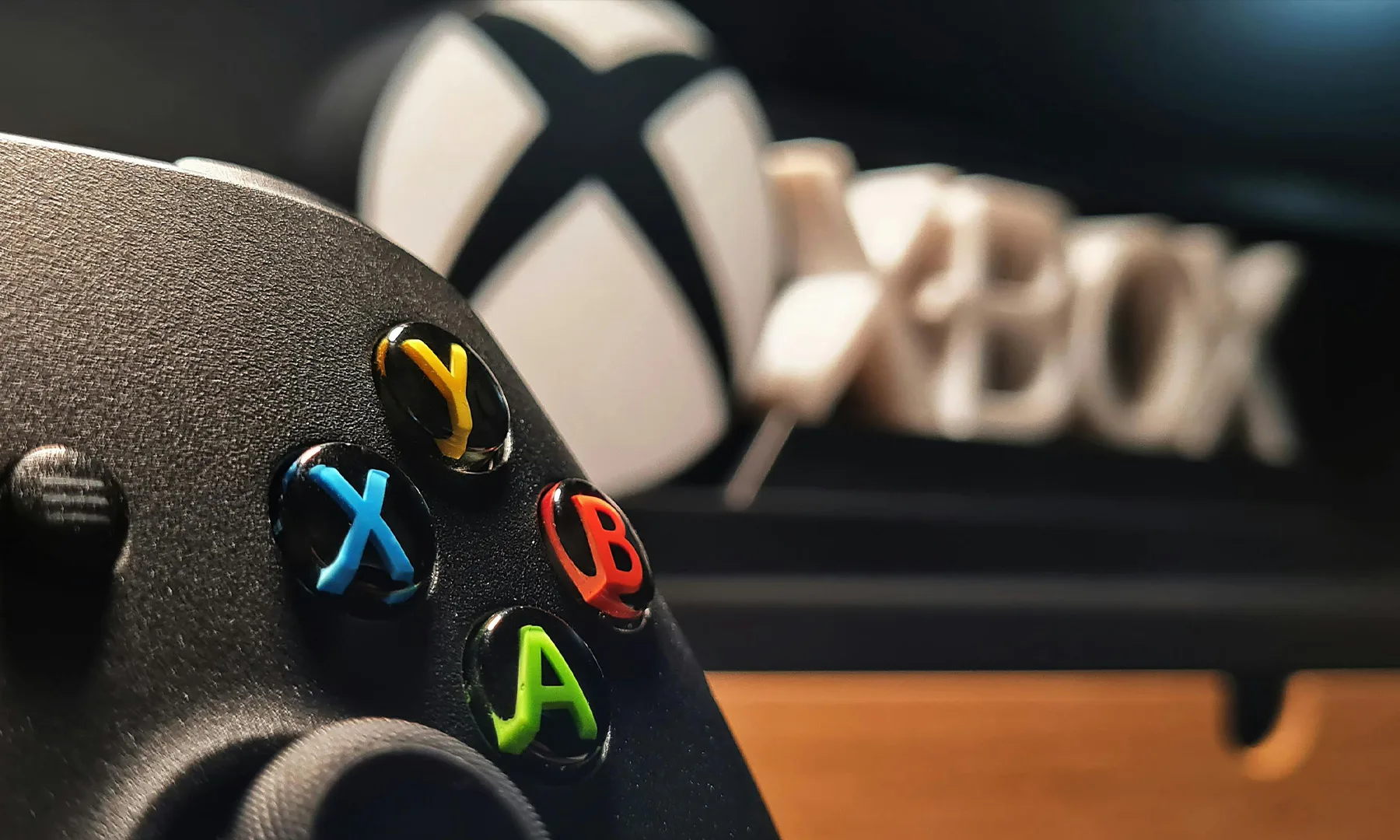
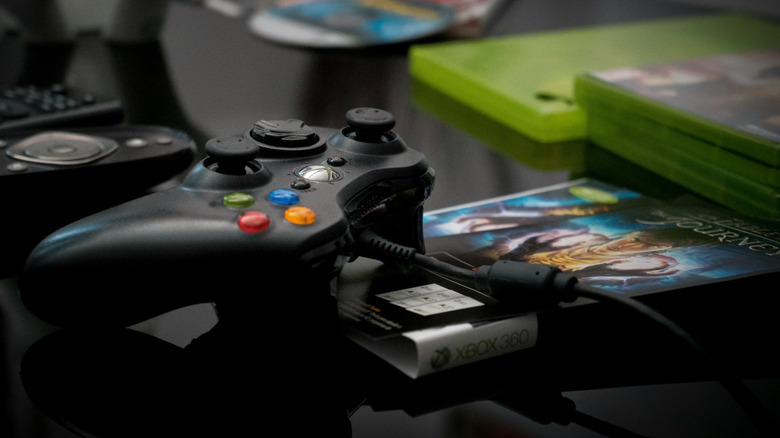
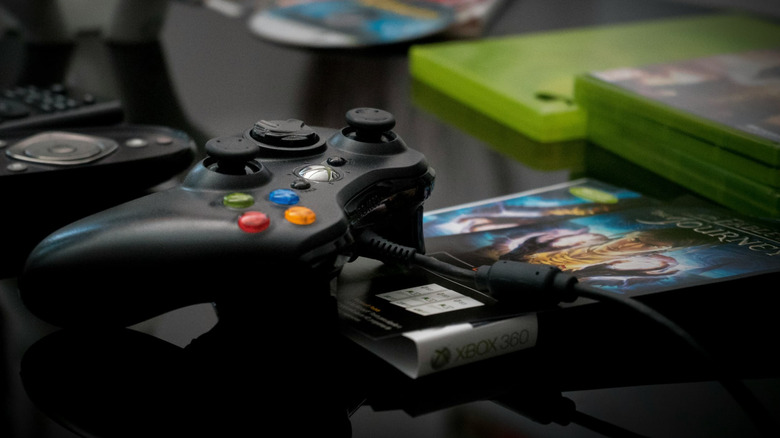
The fate of physical game discs seems to be set in stone, with an all-digital library becoming increasingly inevitable. Microsoft, though, may at least give Xbox owners a way to bring their shelves full of physical games along for the journey.
A leaked Microsoft roadmap sent to game publishers details the planned rollout of Xbox’s Disc-to-Digital program alongside a much larger backwards-compatibility push. The document reportedly targets August for general availability, October for the full launch of original Xbox games on PC, and a gradual Xbox 360 rollout beginning in 2027.
🚨 SE FILTRA ROADMAP DE XBOX A PUBLISHERS🔥
Microsoft supuestamente está presentando su nuevo roadmap de retrocompatibilidad y para el formato físico a los publishers, y la propuesta es muuuy buena.
🗓️ Agosto 2026: Llega el programa Disc to Digital para Xbox One y Series X.
— eXtas1s 🎮 Noticias & Rumores (@eXtas1stv) August 3, 2026
Your disc could become a portable digital license
The new Disc-to-Digital system reportedly works by inserting a supported Xbox One or Xbox Series game into an Xbox One or Series X with an optical drive. Microsoft will then grant a digital license tied to both the player’s account and that particular disc. This adds to the convenience as the owner can access that title across supported Xbox devices, removing the need to repeatedly insert the disc.
Microsoft appears to have addressed the obvious resale loophole too. When the disc changes hands, its digital entitlement transfers to the new owner, removing access from the previous account. This is a very important detail as it ensures that gamers are still allowed to lend, trade, or sell compatible games.
Publisher participation will reportedly be optional. Companies can decide which games qualify and may retain control over conversion pricing, rights, and branding. You could therefore face a fee to digitize certain titles, while other publishers may decline to participate entirely. A disc-drive console is also required to initiate the conversion, which unfortunately leaves out Series S owners. The roadmap originally listed a July public beta and August general release. However, this seems to have been delayed, while the August target may have slipped as well.
Xbox wants decades of games traveling between devices
The leaked roadmap places the program’s full launch in October, suggesting a much larger wave of original Xbox titles is coming. Xbox 360 support would follow gradually between 2027 and 2028. Participating games are reportedly being prepared for Microsoft’s next-generation Project Helix console, Xbox-branded PCs, and handheld devices. Publishers will decide whether their games participate, how much they cost, and whether they join Game Pass.
Sony is ending discs for new PlayStation releases in January 2028 without announcing an equivalent migration program. Xbox appears headed toward the same all-digital destination, but this leaked roadmap could prevent the journey from leaving generations of physical games stranded.
In brief: As energy demands from AI, electric vehicles, and other technologies mount, the tech sector’s interest in battery storage has grown sharply in recent years. In the latest example, the son of Dell’s founder has teamed up with a SpaceX alumnus to break into the fast-growing home battery storage market.
Home battery storage, which can lower electric bills by feeding power back to the grid, is gaining popularity across the US, particularly in warmer regions. A startup led by Zach Dell shows how the industry is expanding options for grid operators.
Although local battery storage has historically been tied to home solar power, the technology is increasingly showing up in homes with or without solar panels. Installing an air-conditioning-compressor-sized battery near a home’s electric meter lets homeowners store energy when it’s cheap, usually during the day, and helps stabilize the grid during peak hours.
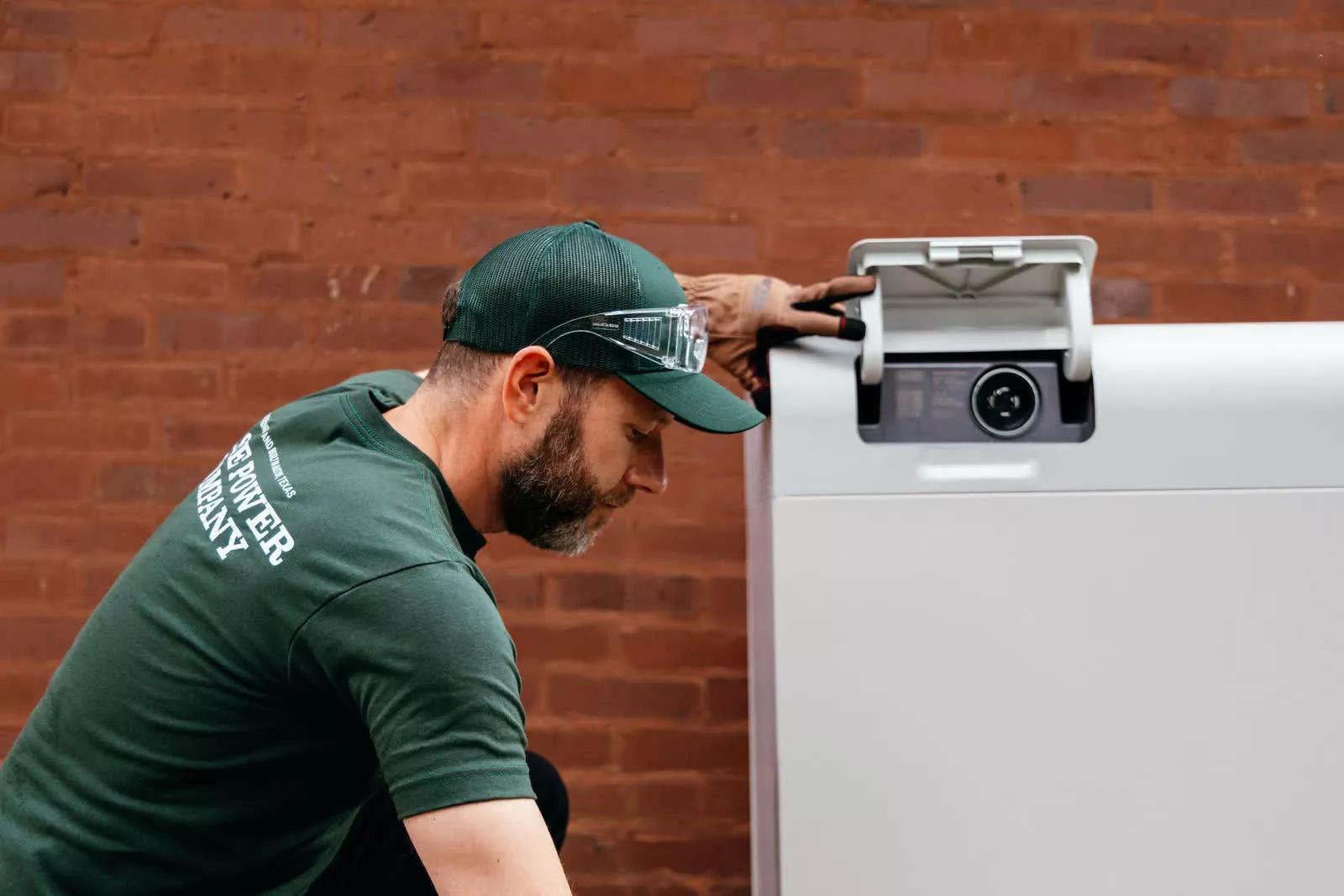
Dell’s company, Base Power, installs about 100 39-kWh home batteries a day and expects to double that pace by the end of 2026. So far, it has installed roughly 550 megawatt-hours, on par with a large utility-scale storage project.
Advertisement
The company is helping drive a broader trend. Partly encouraged by state policy in Texas, California, Arizona, and Hawaii, US homeowners installed a record 673 megawatts of storage in the first quarter of this year, according to the Energy Information Administration.
The American Clean Power Association and Wood Mackenzie report that of the 3.3 gigawatts of power capacity and 8.4 gigawatt-hours of total energy storage the US installed during the quarter, home batteries accounted for 1.3 gigawatt-hours.
The end of federal tax incentives for residential solar and battery installations has made both technologies less economically attractive, but individual states are finding their own ways to compensate homeowners who install batteries. Hawaii, for instance, pays $400 per kilowatt of installed capacity, while California offers recurring payments for contributions to the grid.
Base offers batteries that can power homes for 36 to 72 hours during outages and lower energy bills when connected to the grid. In regions with battery network policies, Base can enter agreements with local authorities; where those policies don’t exist, it can double as a home backup battery retailer and an electric grid operator.
Advertisement
Early financial backer Antonio Gracias and co-founder Justin Lopas, both with SpaceX ties, believe Base and similar operations can help the US energy grid power a return to domestic manufacturing. Many also see them as a way to help meet the massive energy demands of AI data centers.
Microsoft has linked a global campaign targeting hospitality Wi-Fi networks to the Russian threat actor Midnight Blizzard, also known as APT29.
The activity was previously disclosed in a report from cybersecurity company ReliaQuest, which detailed how the attacker changed DNS settings on Wi-Fi devices to steal Microsoft 365 accounts.
Besides attributing the campaign to Russian hackers tracked as Storm-2945 – a sub-cluster of Midnight Blizzard, Microsoft identified two malware families called CornFlake and ChocoShell with capabilities for persistent access, credential theft, surveillance, and data exfiltration.
Microsoft named the campaign CaptiveCrunch and believes it has been active since at least early May, although the threat actor has been running device and OAuth code phishing operations since February.
Attack chain
The attackers manipulate DNS and HTTP traffic on networks served by captive portal equipment, allowing them to intercept user connections to hotel and conference center Wi-Fi networks.
Advertisement
Like ReliaQuest, Microsoft was unable to determine the exact initial compromise, although it noted signs of breaches in shared infrastructure rather than isolated devices.
After modifying DNS settings, the attacker can redirect victims to phishing pages that impersonate Microsoft 365 login portals, or to device code phishing pages that abuse Microsoft Entra ID authentication flows. Microsoft observed this activity since July.
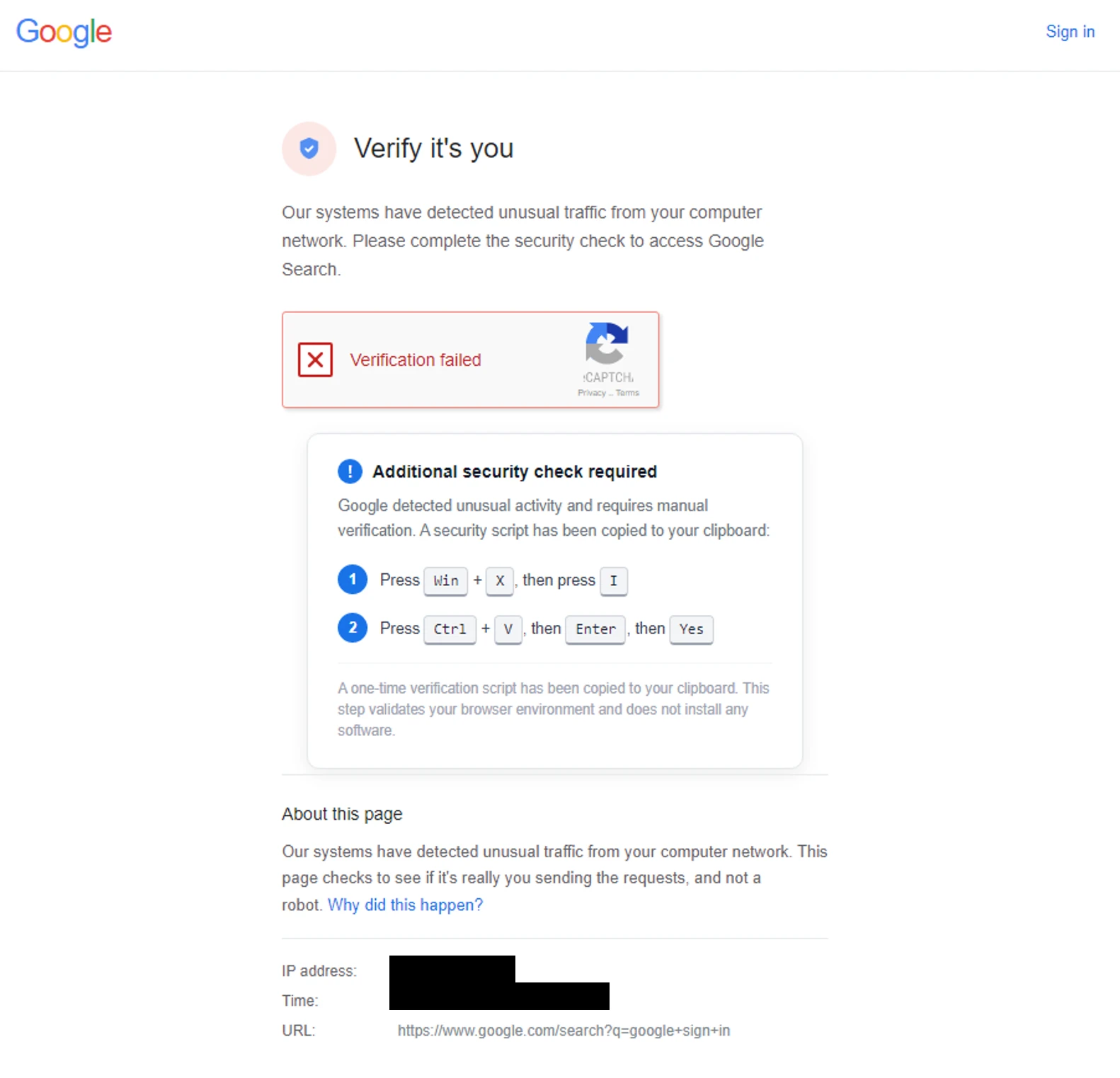
A third option not previously disclosed involves using fake browser and operating system update pages that deliver malware to Windows via ClickFix prompts for user verification.
ClickFix prompt in CaptiveCrunch campaign source: Microsoft
Microsoft also found evidence in some ClickFix landings indicating that the threat actor is also targeting Android devices to deliver an APK file.
CornFlake and ChocoShell malware
Microsoft analyzed the two new Windows malware families and found that CornFlake is a Go-based remote access trojan (RAT) that offers the following capabilities:
Advertisement
Remote shell access
Keylogging
Clipboard monitoring
Screenshot capturing
Microphone and webcam surveillance
Browser credential and cookie theft
Microsoft 365 session token theft
File exfiltration
USB monitoring
System reconnaissance
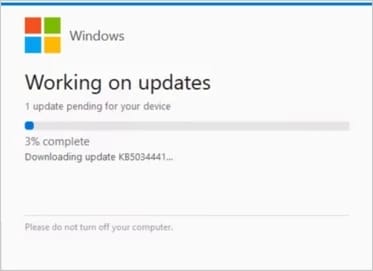
When executed, CornFlake shows a fake progress window to distract the user while the binary copies to %AppData% for persistence.
According to the researchers, the bogus window can be configured to appear as a Windows update screen, a Defender virus scan, a disk optimization utility, a network diagnostics tool, a browser update prompt, or a document viewer installer.
Fake Windows update Source: Microsoft
CornFlake disguises itself as “Cloud Sync Service” to appear as a legitimate Windows component, and uses multiple persistence mechanisms on the host, including Windows service registrations, registry run keys, named tasks, and a watchdog routine designed to restore any of the available persistence mechanisms.
The second payload, ChocoShell, is an in-memory PowerShell credential stealer that targets browser cookies, saved passwords, Microsoft 365 and Azure AD tokens, and Wi-Fi credentials.
Overview of the attack chain Source: Microsoft
Based on the extensive comments in the code, Microsoft assesses that AI tools were likely used to develop the two pieces of malware.
The researchers also discovered an unprotected web-based management panel named FruitStone that the threat actor used to handle infected systems, browse victim files, execute PowerShell commands, and capture screenshots and keystrokes.
Microsoft recommends treating hotel and conference Wi-Fi as untrusted, using private cellular or managed connections whenever possible, and avoiding software updates or tools offered through captive portals.
Advertisement
It is also recommended to adopt phishing-resistant authentication with MFA and passkeys, disable Microsoft Entra device code authentication when not needed, and avoid using corporate credentials to register for guest Wi-Fi networks.
Security teams log 54% of successful attacks and alert on just 14%. The rest move through your environment unseen.
The Picus whitepaper shows how breach and attack simulation tests your SIEM and EDR rules so threats stop slipping by detection.
Like Sony, Xbox may be laying the groundwork for an all-digital future.
Arturo Rey/Unsplash
It seems Microsoft is planning to bring Xbox 360 games to PC alongside those for its original console. A feature that will enable consumers to get digital versions of Xbox games they own on disc may be deployed soon as well.
That’s according to The Verge, which got its hands on a document that Microsoft recently shared with developers. The paperwork reportedly stated they’ll be able to opt into making their Xbox 360 games backward compatible in order to run on the upcoming Project Helix console — which will run PC games — PC and handheld systems.
It’s said that developers can set their own prices for the PC versions and bring their titles to Game Pass if they wish. It seems likely these games will have Xbox Play Anywhere support, so you should be able to play them anywhere across the Xbox ecosystem after buying them once. It’s believed that Microsoft will gradually roll out this program over the next couple of years.
Advertisement
If it goes ahead with the Xbox 360 plan, Microsoft will be building on a project to bring games from the original Xbox to PC. Microsoft announced that initiative last month with an initial batch of four games. The Verge reports that Microsoft is set to expand that program in October with a “full launch.” Microsoft said it would bring achievements to original Xbox games, so perhaps October’s when that’ll happen too.
For what it’s worth, when Microsoft started bringing Xbox games to PC a couple of weeks ago, data miners quickly discovered something interesting within the files. As Tom’s Hardware reported, the company included the official emulator (dubbed Xe03 or Fission) that it uses to run Xbox 360 games on Xbox One and Xbox Series X/S games. Within Fission is another emulator called XeFu or Fusion, which allows for emulation of the original Xbox on modern consoles and now PC.
Meanwhile, it appears the disc-to-digital program (which ties a digital copy of a game to a corresponding disc) may ramp up very soon. The document reportedly stated that a public beta was supposed to begin for Xbox Insiders in July ahead of broader availability this month, but it appears there’s been a delay. The disc-to-digital program would offer a way for players to have continued access to games for which they have physical copies on Project Helix. It’s not clear if that system will have a disc drive or if, like PlayStation, Xbox plans to stop making game discs entirely.
This modern-day Game Boy Advance SP remake starts at $65, but Anbernic is offering early bird pricing.
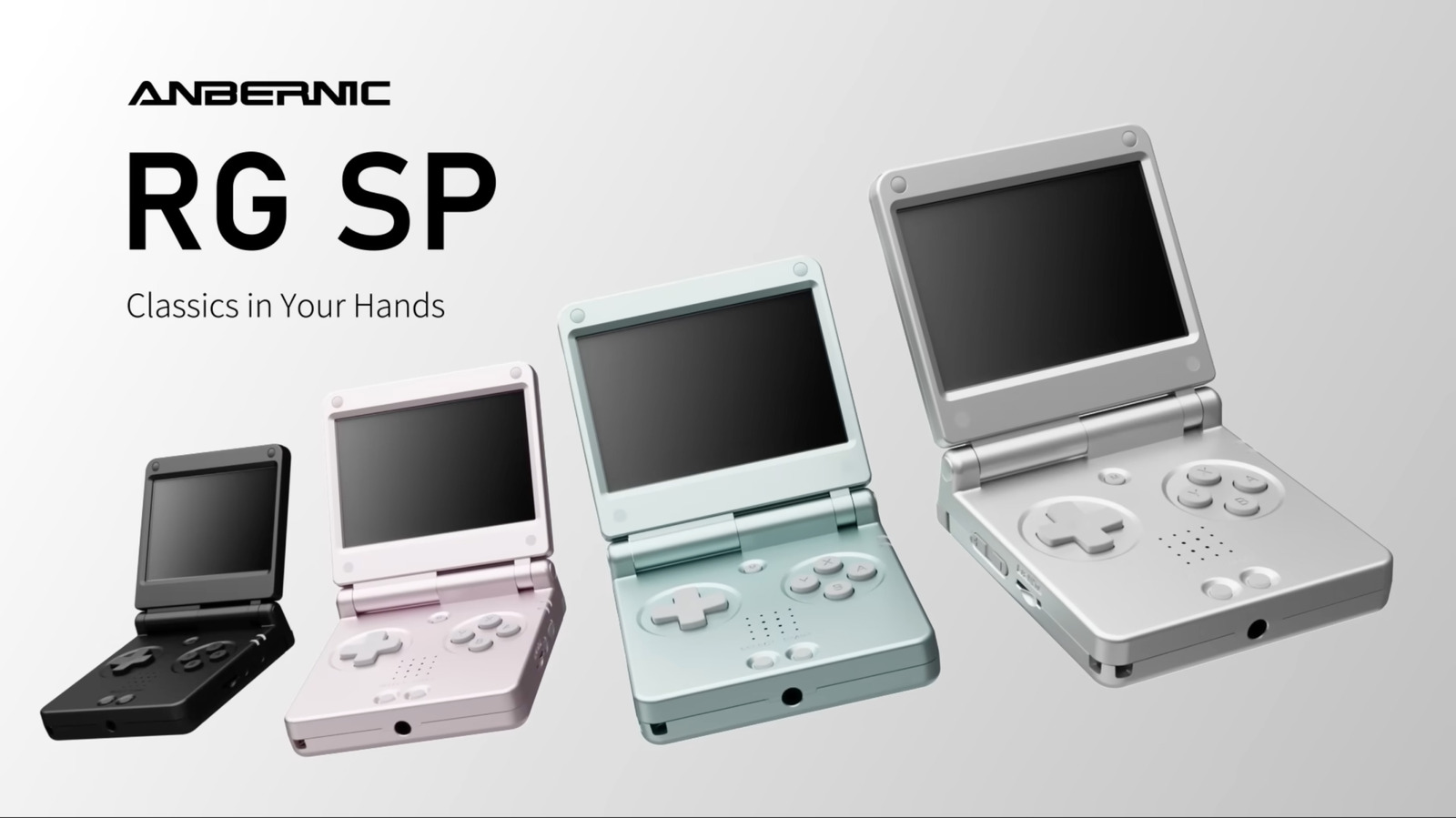
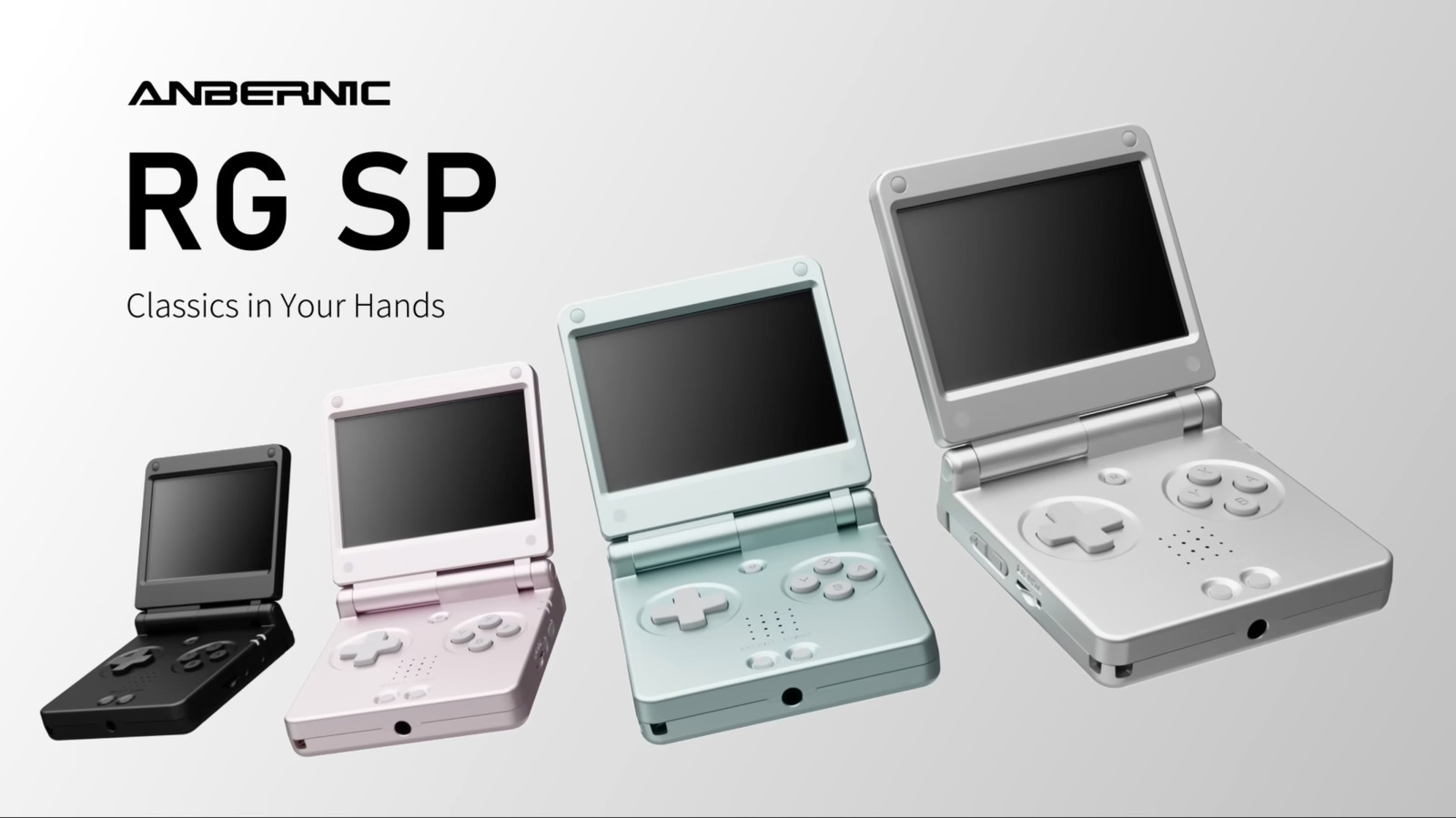
Anbernic’s modern-day reimagining of the Game Boy Advance SP is going to be cheaper than Nintendo’s clamshell handheld when it first came out in 2003. The handheld maker first revealed the RG SP a few weeks ago without divulging the price range or release date. Now, Anbernic is planning to open up orders for its affordable clamshell on August 5 at 6AM ET/3AM PT with a starting retail price of $65, which can be reduced with early bird pricing.
The RG SP represents Anbernic’s third attempt at recreating the legendary GBA SP, after the RG 35XXSP and the RG 34XXSP. Anbernic decided to stick to a 3.4-inch display that better matches the GBA SP’s aspect ratio and a 3,300mAH battery that should provide six hours of gameplay, but ditched the analog sticks we saw with the RG 34XXSP. With the H700 chip, the RG SP should still handle game emulation all the way up to PSP titles.
Advertisement
If you want to upgrade beyond the base model, the RG SP that comes with an extra 64GB of memory will cost $80 and the 128GB option will go for $95. Anbernic is offering a $7 discount for anyone who purchases the RG SP within the first three days of availability.

















.jpg)









































You must be logged in to post a comment Login