










The fashion group, which owns Sports Direct and Flannels, said its recent takeover bids and moves to build stakes in rivals are bolstering its balance sheet amid a ‘challenging environment’

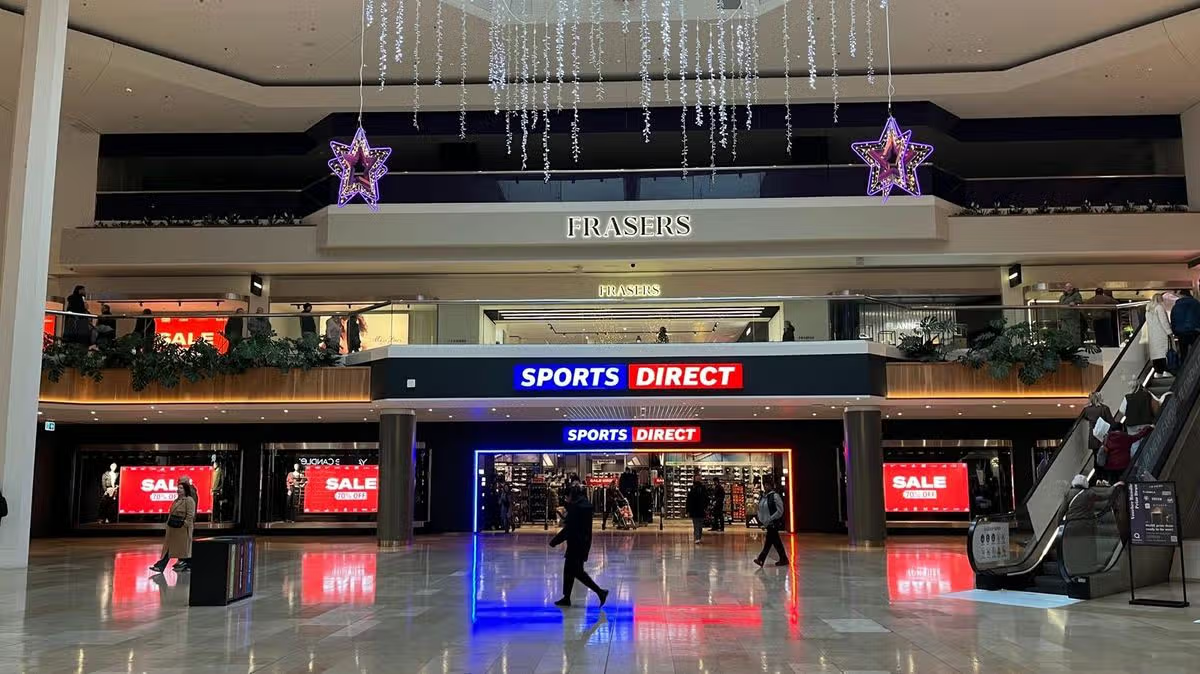
The Sports Direct, Frasers, Flannels and USC stores in the Queensgate Shopping Centre in Peterborough(Image: CambridgeshireLive)
Mike Ashley’s Frasers Group has reported a surge in profits as it accelerates its transformation strategy and embarks on a string of takeover approaches for international retailers.
The fashion conglomerate, whose portfolio includes Sports Direct and Flannels, stated that its recent acquisition bids and strategic shareholding activity are strengthening its financial position despite a “challenging environment”.
The FTSE 250 business recorded revenue growth of eight per cent to £3.3bn in the year ending April, while pre-tax profit climbed by 39 per cent to £528m.
The Derbyshire-based group has recently acquired South African sporting goods retailer Holdsport and Norwegian sports chain XXL, as reported by City AM.
“Leveraging the strength of our UK Sport business and brand relationships, international expansion has become a powerful growth engine for the Group and a key pillar of our long-term strategy,” the firm said.
Frasers has intensified its acquisition activity in recent weeks with a £1.7bn offer for German fashion house Hugo Boss and a £166m approach for Australian footwear retailer Accent.
The group had been accumulating shareholdings in these businesses prior to launching its bids. These investments contributed £50m to adjusted profit over the past year, Frasers disclosed.
The relatively modest four per cent premium attached to the group’s Hugo Boss bid had prompted speculation amongst analysts that the company was not pursuing outright ownership of the luxury label. Frasers appeared to reinforce this stance on Thursday, stating that “increasing its investment in Hugo Boss will create value” for its shareholders.
The group further declared that it “remains supportive” of Hugo Boss’ existing leadership in its “pursuit of their sustainable growth strategy whilst continuing to build brand equity”.
The retailer opted against offering investors any forward-looking financial guidance, citing uncertainty surrounding these ongoing takeover bids.
Alongside its pursuit of rival brands, the company said it is working to “elevate” its existing portfolio of fashion labels, which includes Everlast, Slazenger, Karrimor and Jack Wills.
The fashion giant described its turnaround strategy as “going from strength to strength”, ploughing investment into its high street outlets, including a new flagship Sports Direct store in Liverpool.
However, the company acknowledged it “continued to feel the impact of tough trading conditions, subdued consumer confidence and industry-wide excess inventory levels” at the outset of this financial year.
Frasers’ shares dipped three per cent to 737p when markets opened on Thursday, although the stock remained 10 per cent higher for the year to date.



































You must be logged in to post a comment Login