




Connect with us
DAPA Banner
DAPA Coin
DAPA
COIN PAYMENT ASSET
PRIVACY · BLOCKDAG · HOMOMORPHIC ENCRYPTION · RUST
ElGamal Encrypted MINE DAPA
🚫 GENESIS SOLD OUT
DAPAPAY COMING

Business

Ex-Sterling First director seeks to change bail for international travel

Published

on

Ex-Sterling First director seeks to change bail for international travel

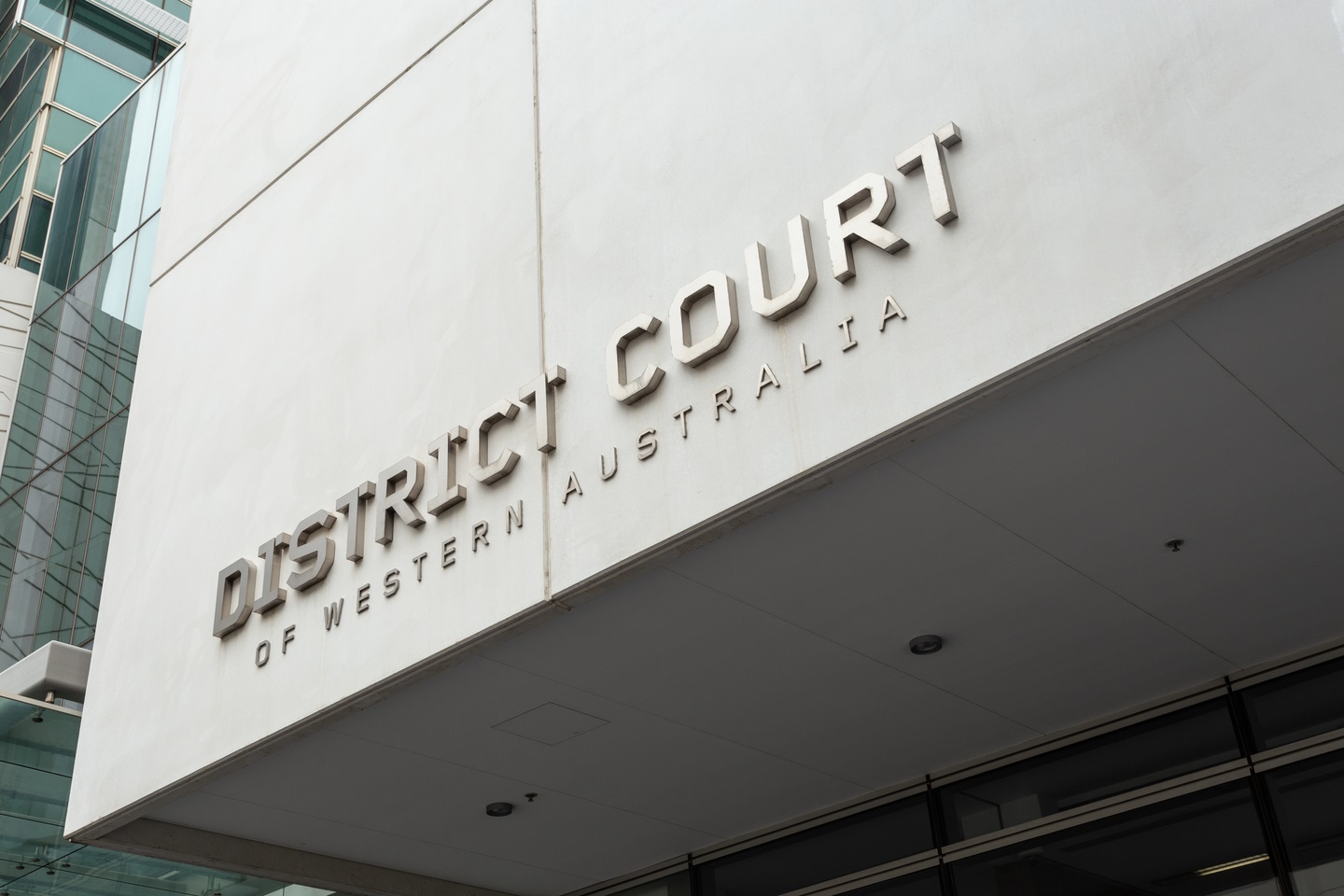
A former Sterling First director has been allowed to travel overseas with conditions to ensure he returns to WA, as a trial over the collapsed company’s operation looms.

Continue Reading
Click to comment

You must be logged in to post a comment Login

Leave a Reply

Business

Why is Swedish Orphan Biovitrum stock rallying today?

Published

on


Why is Swedish Orphan Biovitrum stock rallying today?

Continue Reading

Business

why the biggest wins are still to come

Published

on

why the biggest wins are still to come

The UK-India trade deal came into force this week carrying a £4.8bn-a-year prize. But for Sukhpal Ahluwalia, the entrepreneur who built Euro Car Parts from a single Wembley shop into a business he sold for £280m, the agreement itself is not the achievement. The achievement is what British businesses now build on top of it.

The Comprehensive Economic and Trade Agreement, signed last July, entered into force on 15 July after years of stop-start negotiation. It is one of the most significant trade agreements India has ever signed and the UK’s largest since Brexit, projected by the government to add £4.8bn a year to UK GDP and £25.5bn to annual bilateral trade in the long run.

Ahluwalia, who now chairs GSF Car Parts and property group Dominus, has spent decades building businesses across both markets. His conclusion is blunt: it is businesses, not agreements, that create long-term growth. Yet the capital flows, joint ventures and institutional links that two economies of this size should have still do not exist at anything like the scale they could.

Too often, he argues, the UK-India relationship has been viewed primarily through the lens of trade. The greater opportunity lies in creating a genuine two-way exchange of investment, talent and innovation.

For smaller firms, the gap between opportunity and uptake is stark. Just 17 per cent of UK small businesses currently export at all, and of those only 12 per cent sell into India, a shortfall that initiatives such as Great British Pitch India, which put more than 40 export-ready firms in front of Indian buyers last month, are designed to close.

Advertisement

Nor is the hard work over in Westminster. MPs on the Business and Trade Committee have already warned that billions in tariff savings could be put at risk by plans to cut almost 40 per cent of the trade staff tasked with helping businesses expand into India. Initial tariff savings for UK exporters are estimated at around £400m a year, rising to as much as £3.2bn annually within a decade, but only if firms are supported to navigate India’s administrative complexity.

The timing, Ahluwalia believes, could hardly be better. With the UK gearing up for a new Prime Minister, the incoming government arrives on a wave of momentum and has the chance to put UK-India relations at the centre of its growth agenda from day one, rather than letting the relationship drift down the list of priorities.

There is precedent for treating the agreement as a beginning rather than an end. Advisers noted during negotiations that external pressures helped focus minds on completing long-stalled post-Brexit deals, and the same urgency now needs to carry through into implementation.

Ahluwalia’s core lesson from decades straddling the two markets is a simple one. People, not policy, make growth happen. Governments can create the framework, but it is businesses, trust and long-term partnerships that turn trade agreements into lasting economic growth.

Advertisement

The deal is done. The biggest win is yet to come, and it will not be signed in a ceremony. It will be built, deal by deal and partnership by partnership, by the businesses willing to do the work.


Amy Ingham

Amy is a newly qualified journalist specialising in business journalism at Business Matters with responsibility for news content for what is now the UK’s largest print and online source of current business news.

Advertisement
Continue Reading

Business

Heard on the Street Recap

Published

on

Alphabet Is Selling 100-Year Debt as Part of a Big Bond Sale

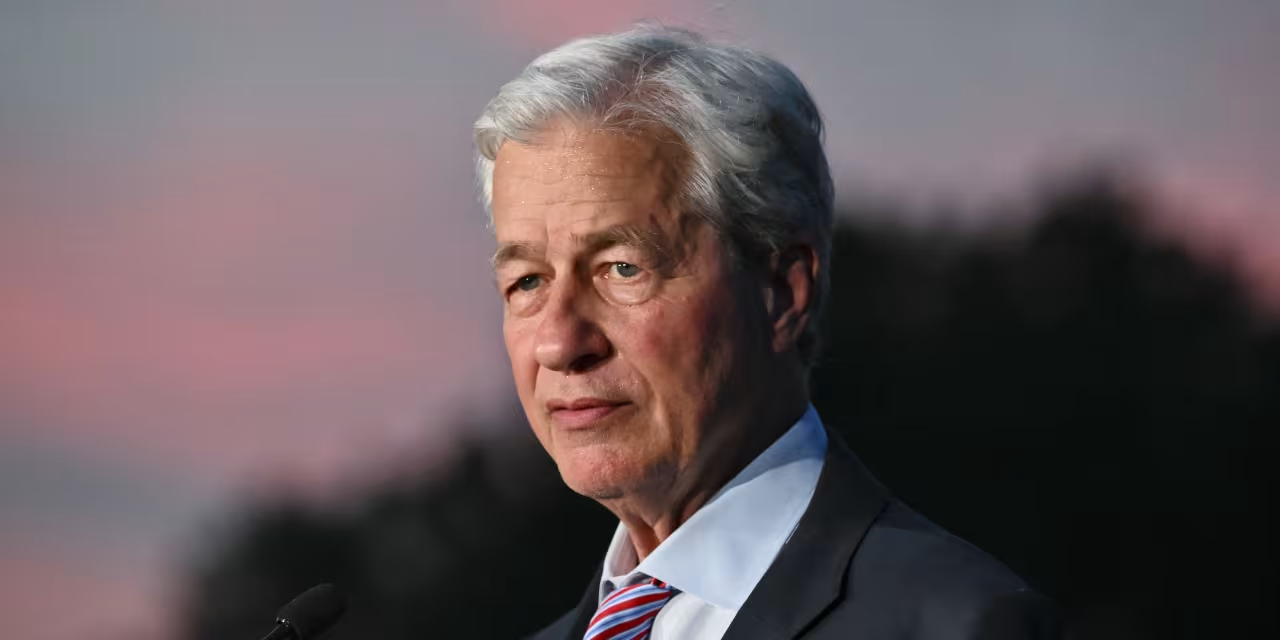
Five of the nation’s largest lenders—including JPMorgan Chase and Goldman Sachs—reported a 39% jump in combined earnings to over $49 billion, driven by surging Wall Street fees from a widespread “risk-on” environment, the recent SpaceX IPO, and the AI boom. Goldman shares soared over 9% on record profits, though Citigroup dropped 5% over concerns about elevated future expenses.

Continue Reading

Business

Bank Stocks Diverge Post-Earnings. Citi Drops, While Goldman Hits Fresh Record.

Published

on

Barron's

Many of the same factors have propelled big banks’ strong performance: a solid economic backdrop with low unemployment, corporate clients’ appetite for executing big deals, and lots of trading activity.

But after the four largest U.S. banks and Goldman Sachs reported second-quarter earnings results on Tuesday, some of their stocks traded in different directions.

Shares of JPMorgan Chase rose 2.5%, Goldman surged 9%, and Bank of America rose 1.8%—all to new record highs. Goldman was the best-performing stock in the Dow Jones Industrial Average on Tuesday. On the flip-side, Citigroup and Wells Fargo fell 5.3% and 2.8%, respectively.

Continue Reading

Business

SKS revives Burswood project

Published

on

SKS revives Burswood project

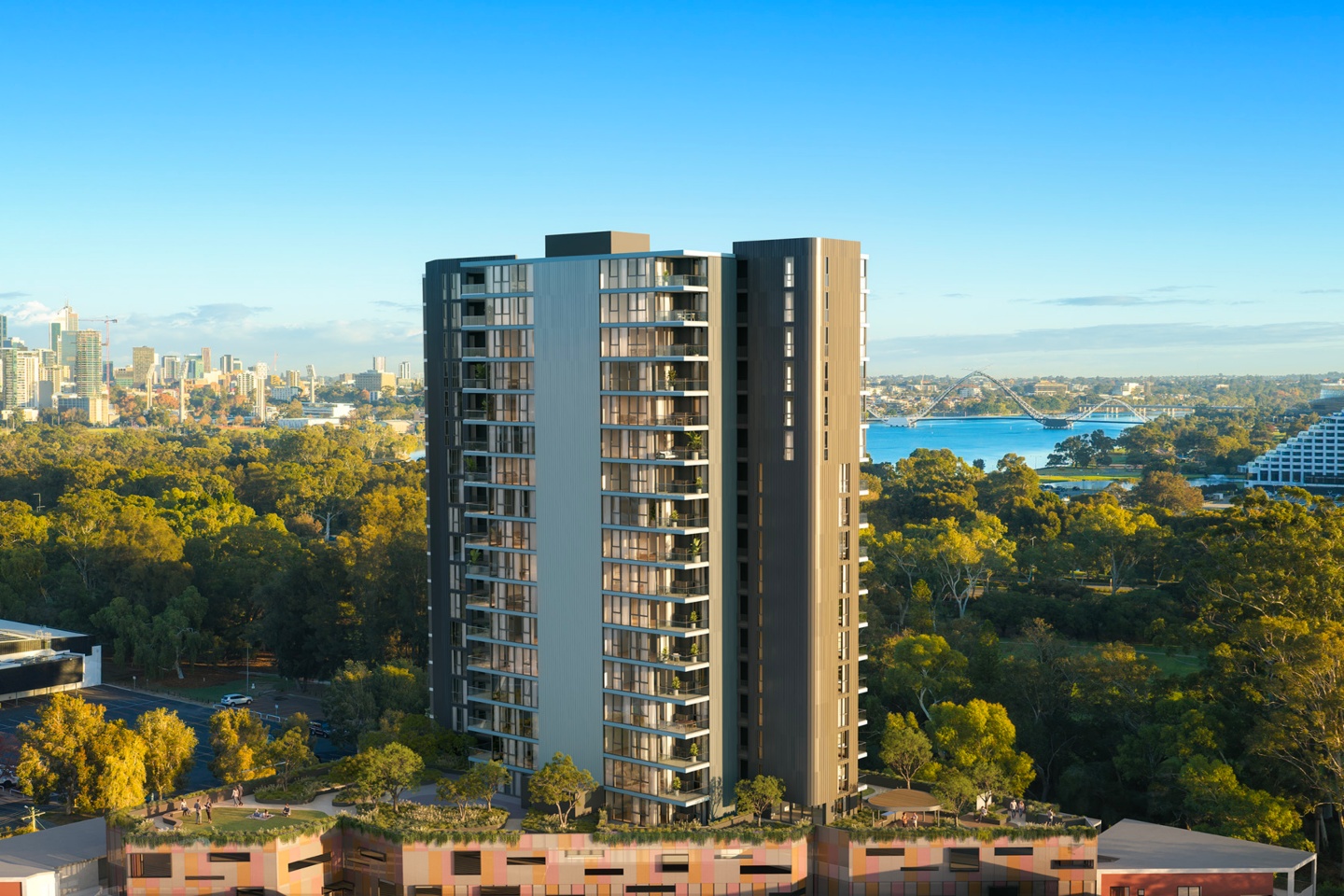
The $145 million apartment development gained planning approval in 2022, following SKS Group’s purchase of the site in 2015.

Continue Reading

Business

HDB Financial shares jump 5% on Q1 profit cheer. What are Nomura, Motilal Oswal saying?

Published

on

HDB Financial shares jump 5% on Q1 profit cheer. What are Nomura, Motilal Oswal saying?
Shares of HDB Financial Services jumped 4.5% to Rs 786 on the BSE on Thursday after the non-banking financial company reported a strong set of June quarter earnings, with profit rising 38% year-on-year, driven by higher net interest income and improved asset quality.

The company reported a profit after tax of Rs 785 crore for Q1FY27, compared with Rs 568 crore in the corresponding quarter last year. Net interest income (NII) increased 20% year-on-year to Rs 2,509 crore from Rs 2,092 crore, while net total income rose 17% to Rs 3,185 crore from Rs 2,726 crore.

Pre-provisioning operating profit grew 25% year-on-year to Rs 1,752 crore from Rs 1,402 crore a year ago. Profit before tax climbed 44% to Rs 1,055 crore, compared with Rs 733 crore in the year-ago quarter.

The company’s assets under management (AUM) stood at Rs 1.22 lakh crore as of June 2026, up 11% from Rs 1.09 lakh crore a year earlier. Its gross loan book also expanded 11% year-on-year to Rs 1.21 lakh crore from Rs 1.09 lakh crore as of June 2025, reflecting steady growth in its lending business.

Advertisement

Also Read | Protection business boosts HDFC Life, ICICI Pru Life Q1 earnings

What are experts saying after HDB Financial Q1

Motilal Oswal has maintained a Neutral rating on HDB Financial Services with a target price of Rs 810, implying an upside potential of 8%. The brokerage said the company delivered a steady June quarter, with earnings coming in slightly ahead of its estimates.


Asset quality continued to improve despite the seasonally weaker first quarter, keeping credit costs broadly stable. It also highlighted an expansion in net interest margins (NIM), supported by better portfolio yields. While loan growth was marginally below expectations, the brokerage noted that the management remains confident of a meaningful acceleration in the coming quarters, aided by strategic initiatives undertaken over the past few quarters and continued improvement in asset quality.
Nomura has reiterated its Neutral rating on HDB Financial Services with a target price of Rs 790, indicating an upside potential of 5.1%. The brokerage noted that the management expects the cost of funds to remain rangebound through the second quarter of FY27, similar to its guidance in the previous quarter, although it remains cautious about the second half of the fiscal given the uncertain global environment. Nomura also said the healthy growth in the consumer finance portfolio has supported an expansion in yields, a trend it expects to continue through FY27.

Also Read | HDFC AMC Q1 Results: Net profit rises 12% to Rs 837 crore, revenue up 14%

The company delivered healthy growth across its key operating metrics during the quarter. Net interest income grew at a faster pace than the loan book, while pre-provisioning operating profit outpaced overall income growth. This helped profit before tax register a 44% year-on-year increase despite a slight rise in provisioning.

Advertisement

Investors are also likely to track the company’s asset quality trajectory following its market debut, as loan growth, margins, credit costs and the performance of stressed assets remain key factors in the valuation of lending businesses.

(Disclaimer: Recommendations, suggestions, views and opinions given by the experts are their own. These do not represent the views of The Economic Times)

Continue Reading

Business

UBS turns less bearish on this robotics and defense play after valuation reset

Published

on


UBS turns less bearish on this robotics and defense play after valuation reset

Continue Reading

Business

Mike Ashley’s Frasers Group sees profit jump 39% as takeover spree drives growth

Published

on

Business Live

The fashion group, which owns Sports Direct and Flannels, said its recent takeover bids and moves to build stakes in rivals are bolstering its balance sheet amid a ‘challenging environment’

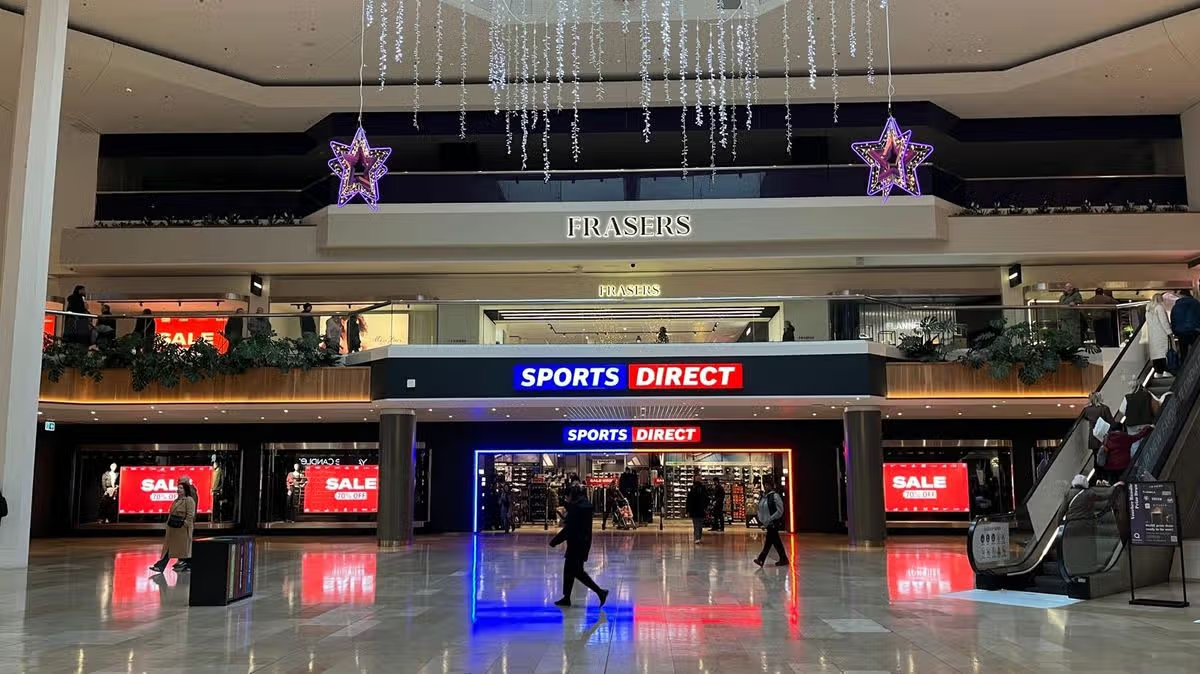
The Sports Direct, Frasers, Flannels and USC stores in the Queensgate Shopping Centre in Peterborough

The Sports Direct, Frasers, Flannels and USC stores in the Queensgate Shopping Centre in Peterborough(Image: CambridgeshireLive)

Mike Ashley’s Frasers Group has reported a surge in profits as it accelerates its transformation strategy and embarks on a string of takeover approaches for international retailers.

Advertisement

The fashion conglomerate, whose portfolio includes Sports Direct and Flannels, stated that its recent acquisition bids and strategic shareholding activity are strengthening its financial position despite a “challenging environment”.

The FTSE 250 business recorded revenue growth of eight per cent to £3.3bn in the year ending April, while pre-tax profit climbed by 39 per cent to £528m.

The Derbyshire-based group has recently acquired South African sporting goods retailer Holdsport and Norwegian sports chain XXL, as reported by City AM.

“Leveraging the strength of our UK Sport business and brand relationships, international expansion has become a powerful growth engine for the Group and a key pillar of our long-term strategy,” the firm said.

Advertisement

Frasers has intensified its acquisition activity in recent weeks with a £1.7bn offer for German fashion house Hugo Boss and a £166m approach for Australian footwear retailer Accent.

The group had been accumulating shareholdings in these businesses prior to launching its bids. These investments contributed £50m to adjusted profit over the past year, Frasers disclosed.

The relatively modest four per cent premium attached to the group’s Hugo Boss bid had prompted speculation amongst analysts that the company was not pursuing outright ownership of the luxury label. Frasers appeared to reinforce this stance on Thursday, stating that “increasing its investment in Hugo Boss will create value” for its shareholders.

The group further declared that it “remains supportive” of Hugo Boss’ existing leadership in its “pursuit of their sustainable growth strategy whilst continuing to build brand equity”.

Advertisement

The retailer opted against offering investors any forward-looking financial guidance, citing uncertainty surrounding these ongoing takeover bids.

Alongside its pursuit of rival brands, the company said it is working to “elevate” its existing portfolio of fashion labels, which includes Everlast, Slazenger, Karrimor and Jack Wills.

The fashion giant described its turnaround strategy as “going from strength to strength”, ploughing investment into its high street outlets, including a new flagship Sports Direct store in Liverpool.

However, the company acknowledged it “continued to feel the impact of tough trading conditions, subdued consumer confidence and industry-wide excess inventory levels” at the outset of this financial year.

Advertisement

Frasers’ shares dipped three per cent to 737p when markets opened on Thursday, although the stock remained 10 per cent higher for the year to date.

Continue Reading

Business

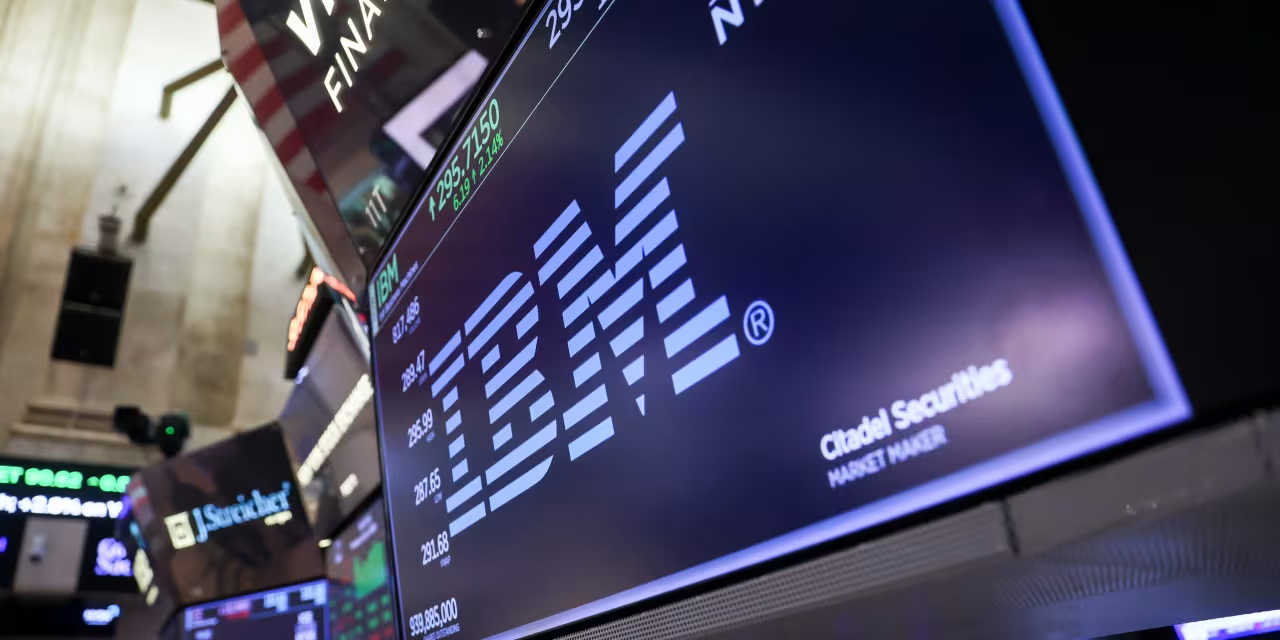
IBM Just Sent a Warning About Dividends

Published

on

IBM Just Sent a Warning About Dividends

IBM Just Sent a Warning About Dividends

Continue Reading

Business

Borregaard ASA (BRGAY) Q2 2026 Earnings Call Transcript

Published

on

OneWater Marine Inc. (ONEW) Q1 2026 Earnings Call Transcript

Tom Foss-Jacobsen
Chief Executive Officer

Good morning, everyone, and welcome to Borregaard’s Second Quarter 2026 Presentation. My name is Tom Erik Foss-Jacobsen. I’m the CEO of Borregaard, and I’ll be joined today by our CFO, Per Bjarne Lyngstad. Together, we will take you through this agenda.

I will start with the key highlights for the quarter and then give an update on the market situation across our business segments. I will then summarize the outlook before handing over to Per Bjarne. He will walk you through the financial performance then in more detail.

Before we begin, just a quick reminder to those of you watching the webcast that you are welcome to submit questions at any time during the presentation, and we’ll address them at the end.

Advertisement

Let’s begin with the highlights for the second quarter. EBITDA came in at NOK 515 million compared with NOK 522 million in the same quarter last year. This is a solid result broadly in line with a strong second quarter last year and also supported by good operational performance in the quarter.

Looking at the business areas, BioSolutions delivered higher sales volume, but with a less favorable product mix. BioMaterials had high deliveries and record production, while Fine Chemicals delivered another quarter with solid results.

On the cost side, we continue to see pressure from higher energy, logistics and chemical costs, partly offset by lower wood costs. The net currency effects were slightly positive in the quarter. We have also recognized an impairment of NOK 337 million on our investment in Alginor. The 3 main shareholders in Alginor, Borregaard, Must Invest and Hatteland with Hatteland acting as

Advertisement
Continue Reading

Trending

Copyright © 2025