Connect with us
DAPA Banner
DAPA Coin
DAPA
COIN PAYMENT ASSET
PRIVACY · BLOCKDAG · HOMOMORPHIC ENCRYPTION · RUST
ElGamal Encrypted MINE DAPA
🚫 GENESIS SOLD OUT
DAPAPAY COMING

Business

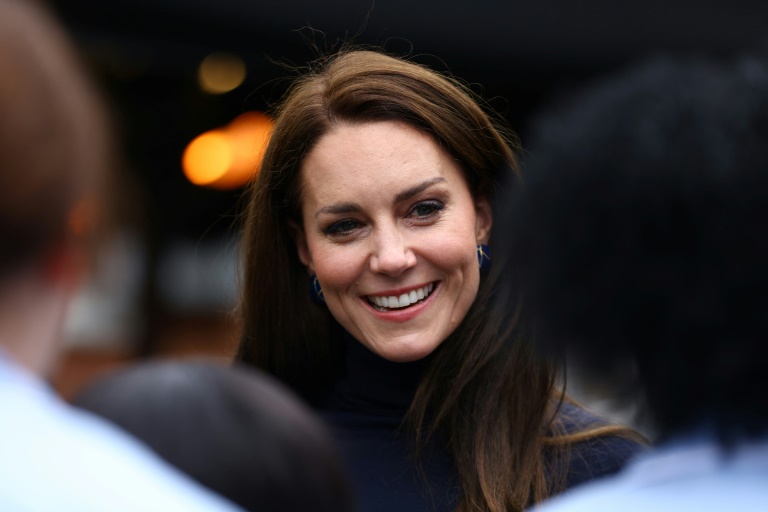
Kate Middleton Twins With Sophie Hunter in Same British Temperley Gingham Dress Days Apart at Royal Events

Published

on

Prince Harry

Catherine, Princess of Wales, made a rare unofficial public appearance last week at the Royal Charity Polo Cup, marking her return to the sidelines of Prince William’s charity match after a three-year absence, and drawing attention for wearing the same designer dress another prominent British figure had worn just two days earlier.

Kate attended the event Friday at the Guards Polo Club in Egham, near Windsor, to watch William compete in the charity match, an activity he has taken part in for years, historically alongside his brother, Prince Harry. The 2026 edition of the tournament was set to raise funds for several causes chosen by the Prince and Princess of Wales, including the Wales Air Ambulance, the Royal College of Paramedics, and the Royal Navy and Royal Marines Charity.

For the occasion, Kate wore a black-and-white gingham dress by Temperley London, known as the “Stirling” style. Crafted from a gingham jacquard fabric, the sleeveless dress featured a square neckline with wide straps, a fitted, cinched bodice and a full, flowing midi-length skirt, a silhouette well suited to the summer heatwave gripping the U.K. at the time. According to royal fashion trackers, the piece appears to date back to one of Temperley London’s past-season collections from around 2019 or 2020, suggesting Kate had owned the dress for several years before debuting it publicly at the polo match.

The appearance marked a notable style coincidence. Sophie Hunter, the actress and wife of actor Benedict Cumberbatch, had worn the identical Temperley London dress two days earlier while attending day nine of the Wimbledon Championships. Hunter, 48, styled the dress with a matching fabric belt cinched at the waist, along with metallic-trimmed sunglasses and white stiletto heels for her appearance in the Royal Box. Kate, by contrast, opted to forgo a belt and instead paired the dress with tan Camilla Elphick “Lucia” slingback pumps, featuring a contrasting patent pointed toe and the brand’s signature pearl buckle detail, along with gold and brown-toned jewelry. The tan slingbacks were themselves a repeat item in Kate’s wardrobe, having previously appeared at the same polo fixture in 2023 and again at the Wimbledon Gentlemen’s Final in 2024.

Advertisement

Kate’s appearance at the polo match carried its own sentimental resonance beyond the shared dress. It marked her first appearance at the event since 2023, when she was photographed giving William a kiss to congratulate him after his team’s win. The Princess of Wales, who has previously spoken about having an allergy to horses, has typically attended the charity match as a spectator from the sidelines rather than participating directly.

Royal commentators also drew a connection between Kate’s gingham choice and the pattern’s long-running association with the royal family. Princess Diana famously helped popularize gingham as a countryside-inspired staple during the 1980s, including a memorable appearance in pink gingham trousers at the same Guards Polo Club decades earlier. The print’s broader fashion pedigree stretches back further still, with Brigitte Bardot credited with popularizing gingham through her wedding dress, while Marilyn Monroe and Audrey Hepburn helped cement the pattern’s appeal in the 1960s through gingham capri pants paired with ballet flats. Royal watchers noted that Kate’s choice of the print, four decades after Diana’s own gingham moment at the same venue, offered a subtle nod to her late mother-in-law’s fashion legacy.

The dress’s designer also became a subject of attention in the days surrounding Kate’s appearance. Two days before the polo match, Alice Temperley announced she was stepping away from Temperley London, the label she founded in 2000 after studying at the Royal College of Art and Central Saint Martins. Temperley shared the news on Instagram, writing plainly about the decision to leave the brand she built. “I HAVE LEFT TEMPERLEY LONDON. Today, it has been announced. I have left. I am enormously proud of everything I have built there,” she wrote. She went on to describe the label as having been the creative home of her life for more than two decades, explaining that she felt the time was right to pursue a new direction that would allow her to follow long-held passions alongside people she loves, while promising to share more details about her next venture in the future.

Temperley’s departure adds a layer of significance to Kate’s choice to wear the brand so soon after the announcement, with some royal style observers speculating whether the timing reflected a quiet gesture of support for the designer, though no such connection has been confirmed by Kensington Palace. Temperley herself holds a personal connection to the royal family, having been awarded an MBE, or Member of the Order of the British Empire, in 2011 by the late Queen Elizabeth II.

Advertisement

Kate’s polo outfit also fit into a broader pattern in her recent wardrobe choices, which royal watchers noted had leaned heavily on black-and-white ensembles in the days surrounding the event. Earlier the same week, during a visit to Evelina London Children’s Hospital, Kate had worn a black-and-white silk shirtdress by Suzannah London, continuing what stylists described as a monochrome theme running through her public appearances that week.

The Princess of Wales has a long history of dressing for the Royal Charity Polo Cup in relaxed, seasonally appropriate pieces from British designers, having previously worn outfits from labels including Beulah London, Emilia Wickstead and Camilla Elphick for past appearances at the event. Because the polo match is not considered an official royal engagement, Kate has more flexibility in her styling choices than she typically has at formal public events, often opting for softer, more personal pieces reflective of her everyday wardrobe rather than the more tailored looks associated with official royal duties.

With the gingham dress now unlikely to be available for purchase given its status as a past-season Temperley piece, royal fashion followers have suggested it may only be found secondhand through designer resale platforms, adding to the appeal of a look that has already drawn comparisons between two prominent figures in British public life who happened to choose the same striking summer dress within days of one another.

Advertisement
Continue Reading
Click to comment

You must be logged in to post a comment Login

Leave a Reply

Business

DNB Bank ASA 2026 Q2 – Results – Earnings Call Presentation (OTCMKTS:DNBBY) 2026-07-17

Published

on

OneWater Marine Inc. (ONEW) Q1 2026 Earnings Call Transcript

This article was written by

Seeking Alpha’s transcripts team is responsible for the development of all of our transcript-related projects. We currently publish thousands of quarterly earnings calls per quarter on our site and are continuing to grow and expand our coverage. The purpose of this profile is to allow us to share with our readers new transcript-related developments. Thanks, SA Transcripts Team

Continue Reading

Business

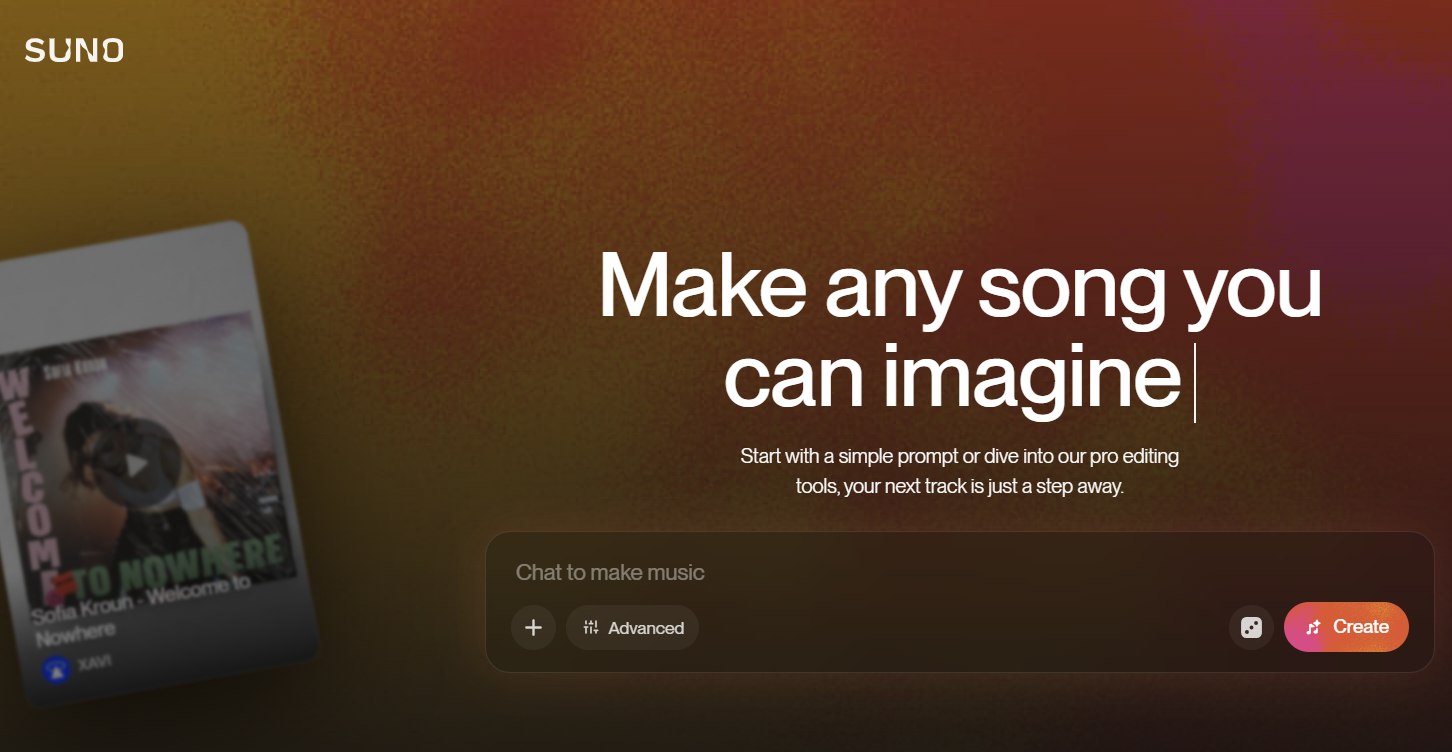
Hacked Suno Source Code Reveals AI Music Startup Scraped YouTube and Deezer, Bolstering Labels’ Case

Published

on

Hacked Suno Source Code Reveals AI Music Startup Scraped YouTube

Hacked source code from AI music company Suno lists YouTube Music, Deezer and Genius among the platforms it scraped to build its artificial intelligence models, according to a report published Wednesday by 404 Media, adding new detail to allegations at the center of an ongoing copyright lawsuit brought by two of the world’s largest record labels.

The code was obtained by a hacker who breached Suno’s systems and shared the material with the publication. According to the report, the same hacker also accessed information on hundreds of thousands of Suno customers, including email addresses, phone numbers and Stripe payment details tied to their accounts.

The hacked material corroborates allegations made by Universal Music Group and Sony Music Entertainment, who are suing Suno for copyright infringement in a case coordinated by the Recording Industry Association of America. Suno has already acknowledged in a court filing that its training data was drawn from music available across the open internet, and the company has argued that training its AI models on copyrighted material qualifies as protected fair use under copyright law. In that filing, Suno described its training data as encompassing nearly all music files of reasonable quality accessible on the open internet, while claiming it respected paywalls and password protections in the process.

According to 404 Media, the hacked code names the specific sources Suno drew from and logs the volume of material collected from each. Internal comments in one file referenced pulling from platforms including Genius, YouTube Music, Freesound, Jamendo and Deezer, with a note indicating that non-music content would be filtered out of the resulting dataset. A file labeled “youtube_music” recorded that the system had ingested more than 2 million individual music clips.

Advertisement

The scale of material logged in the code was substantial. According to the report, Suno’s datasets included more than 113,000 hours of audio logged under the YouTube Music label, plus an additional 152,000 hours logged separately as tagged YouTube Music content. The code also referenced more than 62,000 hours pulled from the stock media library Pond5, nearly 19,500 hours from the International Music Score Library Project, more than 17,600 hours from Genius, and over 12,000 hours from Deezer. In total, 404 Media reported the material amounted to at least several decades’ worth of audio.

Other portions of the code reviewed by 404 Media showed Suno searching specifically for a cappella versions of songs on YouTube, an approach the publication said appeared designed to help isolate vocal tracks for training purposes. The code also indicated Suno used proxy infrastructure from a company called Bright Data to carry out the scraping of YouTube content, and separately used a service called PodcastIndex to compile roughly 420,000 podcasts, each with a minimum of five half-hour episodes, in an apparent effort to download close to a million hours of spoken-word audio. The publication said it remained unclear from the files exactly how Suno had gathered material from some of the other platforms named in the code.

The revelations add specificity to claims already at the heart of the record industry’s lawsuit. In an amended complaint filed in September 2025, the RIAA accused Suno of stream-ripping recordings directly from YouTube and circumventing the platform’s rolling cipher encryption, a technical safeguard designed to prevent unauthorized downloading of streamed content. According to 404 Media, the hacked data appears to confirm that specific allegation. The labels have argued that circumventing YouTube’s protective measures constitutes a separate violation of the anti-circumvention provisions of the Copyright Act, distinct from Suno’s fair-use defense, which applies specifically to the act of copying the material itself rather than to bypassing the platform’s access controls.

The financial stakes in the case are considerable. The labels are seeking statutory damages of up to $150,000 per infringed work, in addition to penalties of up to $2,500 for each act of circumvention. In May, Universal Music Group and Sony asked the court to expand the scope of the case from 560 identified works to more than 61,000 works the labels say they identified within Suno’s training data through audio fingerprinting technology, a change that would raise the theoretical maximum in statutory damages from roughly $84 million to more than $9 billion. The presiding judge has not yet ruled on that request.

Advertisement

In response to the report, a Suno spokesperson told 404 Media that the company’s AI models had been trained on publicly available music files and related metadata accessible through third-party websites on the open internet. The spokesperson said Suno determined in November 2025 that it had experienced what it described as a limited security incident that was quickly contained, and that an internal investigation found the exposure primarily involved outdated source code no longer in active use at the company. The spokesperson added that no sensitive personal information had been compromised and that Suno does not have access to customers’ full credit card numbers through its payment processor, Stripe. The company said it had determined that individual breach notifications were not required under applicable privacy laws, and that it had separately filed a training-data disclosure mandated under California law.

The hacker, who identified themselves to 404 Media using the name ellie.191, said they gained access by targeting a Suno employee with a supply-chain worm known as Shai-Hulud, which is designed to harvest credentials for GitHub and other cloud-service accounts. The hacker told the publication they had no specific motivation behind the breach, saying only that they enjoy hacking a wide range of targets.

The case against Suno has drawn in other parties beyond Universal and Sony. Jamendo, a Luxembourg-based music licensing platform named in the hacked code, filed its own copyright infringement claim against Suno on June 29 in the same Massachusetts court, alleging the company trained on a roughly 55,600-track dataset that was licensed only for non-commercial academic use, without securing a commercial license. Jamendo is seeking at least €17.8 million, or roughly $20 million, in damages. Warner Music Group, originally a co-plaintiff in the broader industry lawsuit, exited the case after reaching a settlement with Suno in November 2025 that included a licensing partnership and Suno’s acquisition of the concert-discovery platform Songkick.

Suno, which raised more than $400 million in funding in June, has said it builds its AI models around a philosophy the company calls “Original Creation, By Design” and does not use artist names as a category of training metadata. A company spokesperson said Suno believes artists deserve both new opportunities and strong protections. The case remains ongoing as the court weighs the labels’ request to significantly expand the scope of works at issue in the lawsuit.

Advertisement
Continue Reading

Business

FIW: Water Stocks Still Expensive Despite Weak Returns

Published

on

FIW: Water Stocks Still Expensive Despite Weak Returns

FIW: Water Stocks Still Expensive Despite Weak Returns

Continue Reading

Business

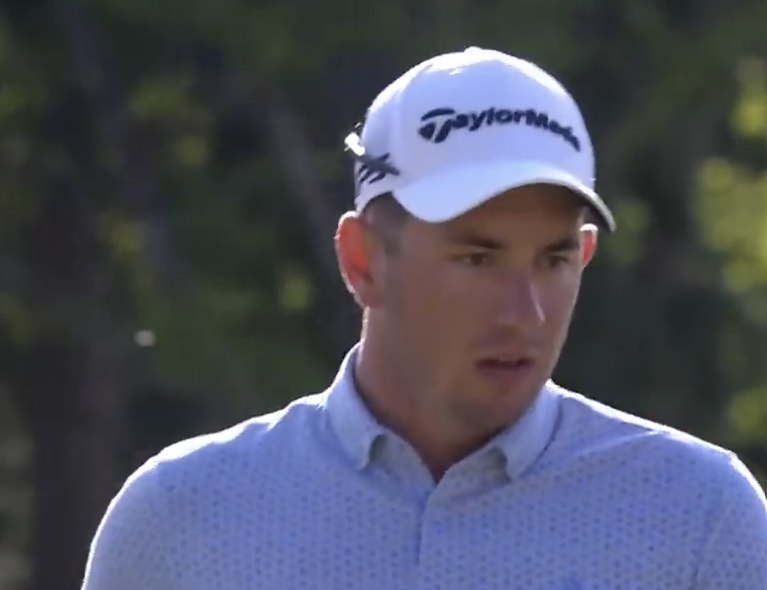
Lucas Herbert Ties Historic Open Championship Scoring Record With Blistering 28 on Front Nine at Birkdale

Published

on

Lucas Herbert

Lucas Herbert produced one of the most explosive nine-hole stretches in major championship history Friday, firing a 6-under-par 28 on the front nine at Royal Birkdale to seize the lead in the second round of the 154th Open Championship.

The 30-year-old Australian birdied six of the first nine holes to match the lowest nine-hole score ever recorded at the Open, equaling a record set by Denis Durnian, a club professional from Manchester, England, who carded the same 28 on Royal Birkdale’s front nine during the 1983 Open. Durnian’s round has stood alone in Open history for more than four decades, with the Englishman narrowly missing an even lower score when he lipped out a 10-foot birdie putt on the ninth hole that day. Brad Faxon is the only other player to shoot a 28 for nine holes in major championship history, doing so on the front nine at Riviera during the final round of the 1995 PGA Championship.

Herbert’s round began with three consecutive birdies to open his second-round tee time, converting from 16 feet at the par-4 first hole, 15 feet at the par-5 second, and 5 feet at the par-4 third. He added further birdies later in the outward nine, including at the short par-4 fifth hole after driving the green, and again at the ninth. The sequence propelled him from a modest, even-par 70 in Thursday’s opening round into the solo lead of the tournament by the turn on Friday.

Herbert did not let up on the back nine, adding two more birdies to push his tournament total to 8-under par, firmly positioning him as the man to beat as the second round continued at the Southport links. His round represents just the sixth Open Championship appearance of his career, having missed the cut in three of his five previous starts at the tournament.

Advertisement

Royal Birkdale carries a rich history of low scoring, adding further context to Herbert’s feat. The course played host to the lowest 18-hole score in Open Championship history when South Africa’s Branden Grace carded a 62 there in 2017, a mark that remains the standard for a single round at the tournament. Friday’s round adds another chapter to that scoring legacy, with Herbert’s front-nine 28 now standing alongside Durnian’s as the most efficient nine holes ever played in the championship’s history.

Herbert’s surge came as several of the tournament’s bigger names struggled to keep pace early in the second round. American Jackson Suber, who opened the tournament Thursday with a 5-under 65 to take a one-shot lead over the field, continued to hover near the top of the leaderboard Friday despite a bogey-marred round that included a 1-under 69 through much of his day. Suber, 26, entered this week’s tournament without a PGA Tour win and had never previously competed in Europe, making his overnight lead one of the more unexpected storylines of the tournament’s opening rounds.

Other players also posted low scores during Friday’s second round as scoring conditions proved generous across Royal Birkdale. American Eric Cole carded a 64, while both Patrick Reed and Herbert reached 5-under on their individual rounds with holes still remaining to play, according to live scoring updates from the tournament. Reed in particular caught fire with five birdies across a seven-hole stretch to reach 3-under for the tournament.

Not every contender found similar magic. Two-time major champion Bryson DeChambeau opened his tournament with a 67 Thursday, placing him one shot off the early pace and helping keep alive his bid to avoid missing the cut at all four majors in 2026. DeChambeau, however, again declined to speak with reporters following his round, marking the fifth consecutive major championship round in which he has passed on postround media interviews.

Advertisement

Friday’s second round also carries heightened stakes given the tournament’s 36-hole cut, which under Open Championship rules allows the top 70 players and ties to continue into the weekend. With low scores flowing across the course under favorable weather conditions, the margin for players hoping to make the cut appeared likely to tighten considerably by the end of Friday’s play.

Herbert enters the weekend as one of the form players in the field, having built his round around an aggressive, birdie-hunting style that has become a hallmark of his game throughout his career. The Victoria native has previously contended at his national championship, the Australian Open, where he has held outright leads in past editions, and has picked up wins on both the European Tour and LIV Golf, which he joined as part of Cameron Smith’s Ripper GC team.

Friday’s historic front nine adds to a growing list of Open Championship storylines at Royal Birkdale, a course that has hosted the tournament ten times and has developed a reputation among players for rewarding aggressive scoring when conditions align. With Herbert now firmly established at the top of the leaderboard and a cluster of contenders bunched closely behind him, the tournament appeared set for a closely contested weekend as the year’s final major championship moves into its decisive rounds.

Play was continuing across Royal Birkdale as Friday’s second round unfolded, with a full leaderboard shakeup expected by the close of play as later tee times, including groups featuring Rory McIlroy, Xander Schauffele and Matt Fitzpatrick, worked their way through the course under conditions that had already produced one of the lowest nine-hole scores in the championship’s long history.

Advertisement
Continue Reading

Business

MLB Now Effectively Bans Teams From Using Generative AI on Dugout iPads to Shape In-Game Strategy Calls

Published

on

Cody Bellinger LA Dodgers

Major League Baseball has effectively outlawed the use of generative artificial intelligence on the league-issued iPads teams keep in their dugouts during games, cracking down on a practice that had increasingly crept into how some clubs made real-time decisions on the field.

The league notified all 30 teams of the new restriction in a memo from the commissioner’s office dated June 11, according to reporting from Eno Sarris of The Athletic, which first broke the news of the policy change. The ban officially took full effect on Wednesday, timed to coincide with the resumption of play following this year’s All-Star break, giving teams roughly a month to adjust before the restriction was fully enforced.

According to the commissioner’s office memo, teams had been installing custom applications on the dugout iPads that pushed the devices well beyond their originally intended purpose. Rather than simply serving as tools for reviewing performance data and video, the memo said, the iPads in many cases had been repurposed to generate live recommendations on substitutions, pitch calling and other in-game decisions that have traditionally been made directly by players and coaches rather than software.

Sources with knowledge of the situation told The Athletic that as many as one-third of MLB’s 30 teams had been using the dugout tablets for at least one of these unintended purposes before the league intervened. NBC Sports, citing The Athletic’s reporting, indicated that pitch-calling assistance may have been central to the league’s concerns, noting that the Miami Marlins were believed to have pioneered the practice this season before it spread to as many as six additional teams around the league.

Advertisement

Despite the scope of the practice, MLB’s internal review determined that no teams had actually violated the league’s existing rules governing sign stealing or general electronic-device usage during games, meaning none of the clubs involved are expected to face disciplinary action or punishment as a result of the crackdown. The league’s response instead focused on tightening the technology guidelines going forward rather than penalizing teams for how they had used the tools up to this point.

The dugout iPads at the center of the controversy are structured around three distinct tabs, each serving a different function. The first tab provides MLB-supplied Statcast data along with multiple video angles for reviewing plays. The second tab contains information related to the league’s automated ball-strike challenge system. The third tab, however, had become a space where individual teams were free to install their own custom-built applications, and it is that third tab specifically that the league has now closed off under the new restrictions.

MLB has also layered additional safeguards on top of the new AI restriction in an effort to limit the flow of live information into the dugout more broadly. In-game video available through the tablets remains accessible only on a delayed basis rather than in real time, and clubhouse rules already in place bar non-playing personnel from entering the dugout during games, further limiting who can interact with the devices and any external information they might otherwise provide.

Reaction to the policy shift within front offices has been mixed. One front-office executive, granted anonymity by The Athletic to discuss the sensitive matter, offered a blunt assessment of the league’s motivation, saying the crackdown was aimed at stopping any advantage before it could fully take hold. Sarris reported separately that the decision drew frustration from some front-office members who had come to view the AI-assisted tools as a legitimate strategic advantage worth preserving, even as others in the league welcomed the move as a way to keep the game’s decision-making in human hands.

Advertisement

The dugout iPads that made this controversy possible trace back roughly a decade to MLB’s original technology partnership with Apple. The two companies first introduced iPad Pro devices into all 30 major league dugouts and bullpens in 2016, pairing the hardware with a custom-built application called MLB Dugout that gave managers, coaches and players direct access to advance scouting reports, analytics and video during games. That original rollout was framed at the time as a major step forward in bringing consumer technology directly onto the field of play, expanding on comments Apple co-founder Steve Jobs made when he first introduced the iPad in 2010 and cited Major League Baseball as an example of the device’s practical potential.

A decade later, that same hardware infrastructure has become the flashpoint for one of the more significant technology disputes MLB has confronted this season, as the rapid advancement of generative AI tools created new possibilities for teams looking to gain even a marginal edge in real-time decision-making. The league’s decision to intervene mid-season, rather than waiting for the offseason to implement new technology guidelines, underscores how quickly some teams had moved to adopt the tools once they became available.

Public reaction to the ban has been mixed as well, with some fans and observers questioning whether restricting AI actually preserves competitive fairness or simply removes a tool that, if made equally available to every team, might not have provided any club with a meaningful advantage in the first place. Others have argued that removing software-driven recommendations from real-time, in-game decisions like substitutions and pitch selection helps preserve the traditional role of managers, coaches and players in shaping the outcome of games, rather than ceding those choices to algorithmic suggestions.

For now, the league’s position is clear: with the third tab on team-issued iPads now off-limits for custom applications, any generative AI recommendations that had been quietly influencing bullpen decisions, defensive shifts or pitch sequencing from the dugout are no longer permitted under the league’s technology guidelines. Whether teams find new workarounds, or simply return to relying on the judgment of their coaching staffs as they did before AI tools became available, is likely to become clearer as the second half of the 2026 season unfolds under baseball’s newly tightened rules.

Advertisement
Continue Reading

Business

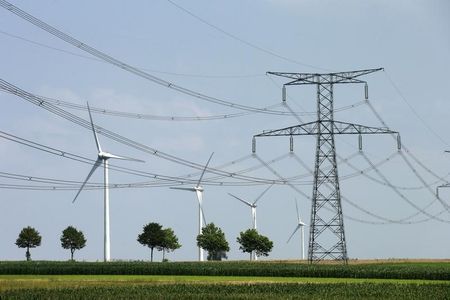
Who pays for Electrification and Artificial Intelligence?

Published

on


Who pays for Electrification and Artificial Intelligence?

Continue Reading

Business

Consumer Sentiment Hits Highest Level Since February On Easing Gas Prices

Published

on

Consumer Sentiment Hits Highest Level Since February On Easing Gas Prices

Busy Supermarket Aisle With Customers

Tom Werner/DigitalVision via Getty Images

By Jennifer Nash

Consumer sentiment reached its highest level since February, driven by easing gas prices. The preliminary July reading for the University of Michigan Consumer Sentiment Index came in at 54.4. This marks a 9.9% (4.9 points) increase

Advertisement
Continue Reading

Business

F.N.B. Corporation (FNB) Q2 2026 Earnings Call Transcript

Published

on

OneWater Marine Inc. (ONEW) Q1 2026 Earnings Call Transcript