
News Videos
Financial Stress is KILLING Clinical Education Don’t Let it Happen to You

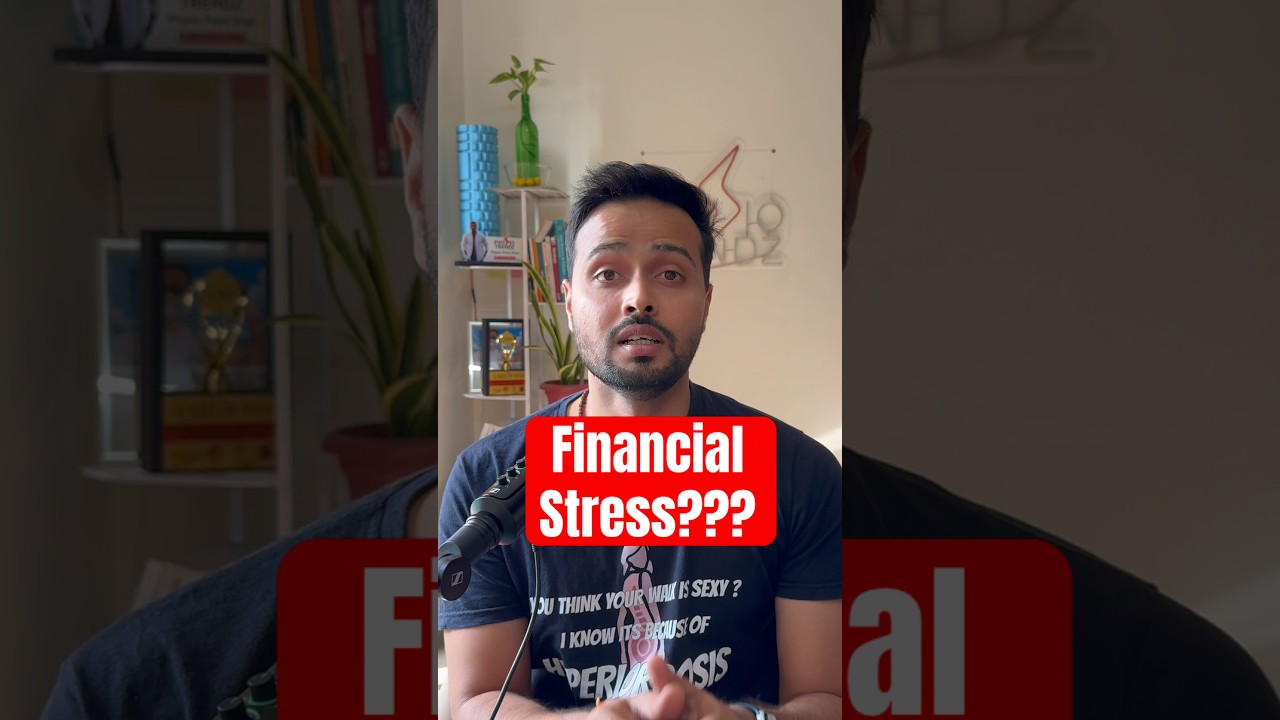
Financial stress is silently destroying clinical education across healthcare and physiotherapy.
When students and young clinicians are forced to focus on survival instead of learning, clinical reasoning, hands-on skills, and ethical practice suffer.
In this short video, I explain:
• How financial pressure affects clinical decision-making
• Why skill development slows down under income stress
• The long-term impact on patient care and professional growth
• What students and clinicians must change to protect their clinical education
If you are a physiotherapy student, intern, or early-career clinician, this reality check is important for your future.
📌 Clinical education needs focus, mentorship, and mental bandwidth — not constant financial anxiety.
#clinicaleducation #physiotherapycareers #healthcarestudents #financialstress #physiotherapylife #clinicalskills #medicaleducation #PhysioReality #healthcarecareers #physiotrendz
source

🤯 DOMINATE THE BOTTOM 🤯
🎁 UNLOCK HUGE BONUS VIDEO 🎁
⬇️ JOIN THE WAITLIST NOW ⬇️
https://cryptocrewuniversity.com/mr5
🌍 Trade Like A Tourist
💪 Or Join The Pros
🎯 FFA Is Where The Real Ones Go
https://cryptocrewuniversity.com/ffa
Subscribe for Bitcoin and crypto market updates, exclusive trade alerts, and top trading strategies!
🔔 Subscribe Now ➡️ https://www.youtube.com/cryptocrewuniversity
🚀 Start Your Crypto Journey Today!
✅ Get Free Market Insights & Trade Alerts
✅ Explore Our Brand-New Courses (Recover Your Losses!)
📺 Watch Our Most Viral Bitcoin & Crypto Videos:
🔹 When To Sell Cryptocurrency – 3 Simple Steps (Taking Profit)
🔹 When To Buy Cryptocurrency – 3 Simple Steps (Maximize Profit)
🔹 EVERYONE IS WRONG ABOUT BITCOIN 100K – THIS HAPPENS INSTEAD (5.3 Theory Latest)
🔹 Bitcoin Is Going To Make You Lose All Your Money… Do This Instead
🔹 How To Find The Bottom Of The Crypto Bear Market | Step by Step
🔥Don’t Miss Our Top Playlists🔥
🔹 Trading Education/Strategy Playlist
🔹 When Bottom, When Moon, When Buy Bitcoin, When Sell Cryptocurrency Shorts Playlist
🔥 Follow Crypto Crew University For More Crypto Content:
Timestamps:
0:00 – Intro
2:22 – What Matters
3:03- One Thing Clear
3:34 – Why this matters
4:04 – Mega Crash
4:50—This next crash matters
Twitter: https://twitter.com/CryptoCrewU
Facebook: https://www.facebook.com/people/Steve-Courtney/100085131747114/
TikTok: https://www.tiktok.com/t/ZTdtxAXQj/
Rumble: https://rumble.com/c/c-5605509
Spotify Podcast: https://podcasters.spotify.com/pod/show/crypto-crew-university
📩 Questions About Our Courses, Trade Alerts, or Bitcoin Indicators?
Email us anytime!
📧 info@CryptoCrewUniversity.com
⚡ Important Disclaimer:
🚨The information contained on YouTube or the Crypto Crew University YouTube Channel (“Channel”) is provided for general informational purposes only. The information provided is not intended to be a substitute for professional investment, tax, accounting, or legal advice. Crypto Crew University (the “Company”) is not engaging in services as a securities brokerage, investment advisor, tax, accounting, or legal services provider to the viewers of this website, nor is the Company extending any solicitation or offer to the viewers to sell or buy any cryptocurrencies or securities. The viewers should engage their own professional qualified financial, legal, or tax advisor. The Company is not liable to the viewer for any possible claims or damages arising from any decision they make based on the content of YouTube or this Channel. The viewers’ use of YouTube or this Channel and any reliance on the information contained therein is at the viewers’ own risk. The Company makes no representation or warranties about the accuracy or completeness of the information contained on this Channel or YouTube. Any testimonials or descriptions of past trading experiences published on this Channel or YouTube are not typical, not indicative of future results or performances, and are not intended to be a representation, warranty or guarantee that similar results will be obtained. Any links or references to external sources are provided solely for convenience and do not necessarily imply that the Company endorses, sponsors, promotes, or is affiliated with the external sources. 🚨
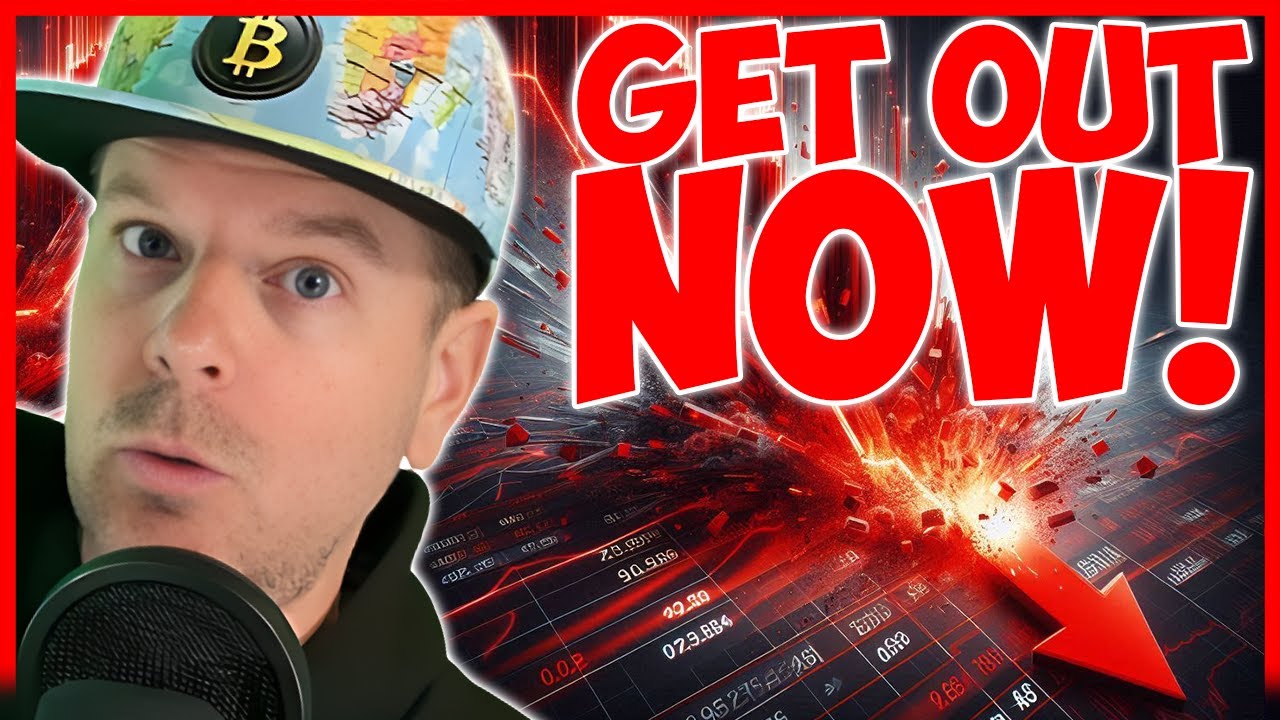
BITCOIN IS ABOUT TO CRASH… HERE’S EXACTLY WHAT I’M DOING
#crypto
#bitcoin
#cryptocurrency
source
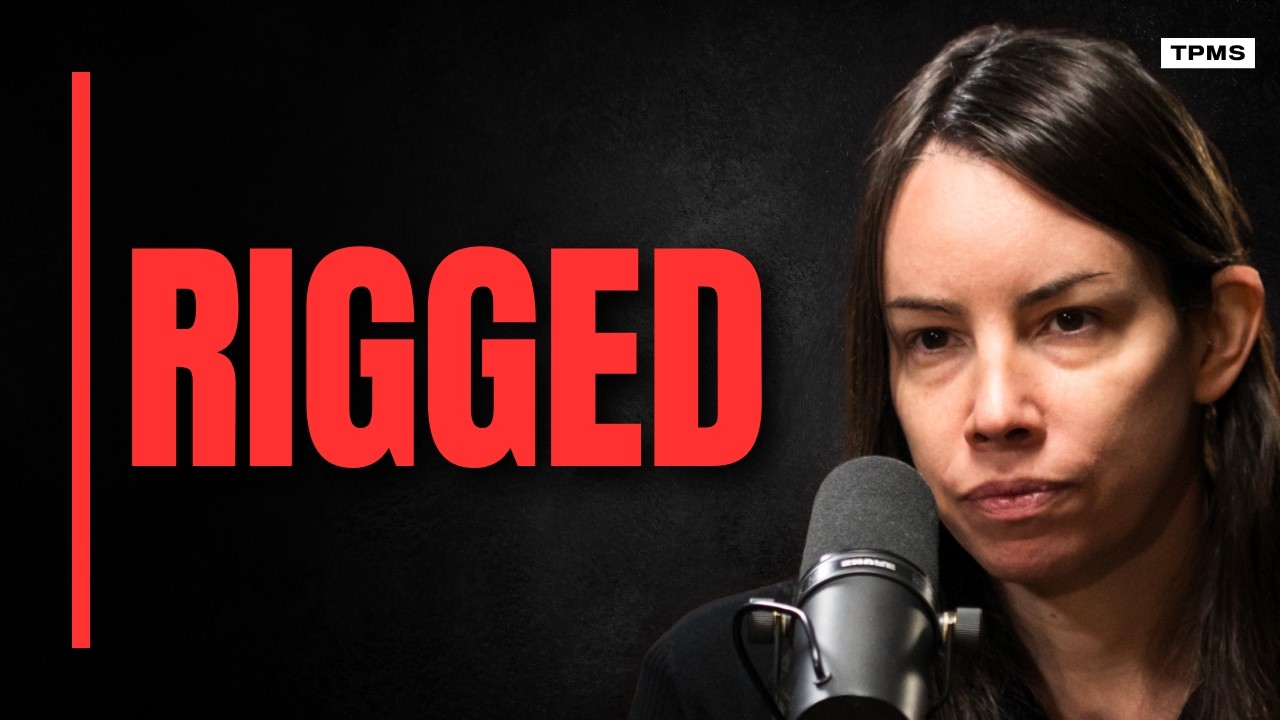
“Are we living through a slow financial collapse that the majority of people don’t even recognize is happening?”
The stock market is hitting all-time highs, yet the cost of living is crushing the middle class. You aren’t imagining it, and it isn’t an accident. The global financial system isn’t broken – it is functioning exactly as it was designed to, by extracting purchasing power from the working class to subsidise sovereign debt.
In this episode, I sit down with macroeconomist and author Lyn Alden to discuss the silent financial collapse happening right in front of us. We break down the mechanical reality of the fiat ledger, why the fractional reserve system must “grow or die”
– – – – – – – – – – – – – – – – – – – – – – – – – – – – – – – – – – – – – – – – – – – – – – – – – –
TIMESTAMPS:
00:00 – Slow Financial Collapse
02:00 – How Money Actually Works
07:30 – End of Gold System
12:30 – Why Life Feels Harder
18:20 – The Debt Trap
26:00 – Who Really Wins
34:00 – Why System Persists
41:00 – Crisis & Bailouts
48:30 – System “Resembles Theft”
59:20 – Default Explained
01:10:30 – Bitcoin & Alternatives
– – – – – – – – – – – – – – – – – – – – – – – – – – – – – – – – – – – – – – – – – – – – – – – – – –
CONTACT PETE
› Website – http://petermccormack.com
› Feedback – https://www.petermccormack.com/contact
› Email – me@petermccormack.com
› Instagram – /mccormack555
› X/Twitter – https://x.com/petermccormack/
CONNECT WITH LYN ALDEN
› Website – https://www.lynalden.com/
› Twitter – https://x.com/LynAldenContact
SPONSORS
› IREN – https://www.iren.com/
› Saily – https://saily.com/peter
› Ledger – https://www.ledger.com/
› Monetary Metals – https://www.Monetary-Metals.com/McCormack
– – – – – – – – – – – – – – – – – – – – – – – – – – – – – – – – – – – – – – – – – – – – – – – – – –
LISTEN / SUBSCRIBE
› Apple Podcasts: https://apple.co/40ruY9K
› Spotify: https://spoti.fi/3Wc94Vu
› Fountain: https://bit.ly/FountainPM
› YouTube: https://bit.ly/YouTube_PM
› Rumble: https://bit.ly/RumblePM
FILMED BY CURTIS TAYLOR
› https://www.curttaylor.co.uk/
› https://x.com/curttayloruk/
EDITED BY CONOR MCCORMACK
› https://x.com/ConorM04
– – – – – – – – – – – – – – – – – – – – – – – – – – – – – – – – – – – – – – – – – – – – – – – – – –
#inflation #economics #debt #finance #bitcoin
source

Ledger CEO Pascal Gauthier discusses Bitcoin’s price decline, volatility across digital asset markets and tokenization on ‘Mornings with Maria.’ #foxbusiness #morningswithmaria
Subscribe to Fox Business: https://bit.ly/2D9Cdse
Watch more Fox Business Video: https://video.foxbusiness.com
Watch Fox Business Network Live: http://www.foxnewsgo.com/
FOX Business Network (FBN) is a financial news channel delivering real-time information across all platforms that impact both Main Street and Wall Street. Headquartered in New York — the business capital of the world — FBN launched in October 2007 and is one of the leading business networks on television. In 2025 it opened the year posting double-digit advantages across business day, market hours and total day viewers in January. Additionally, the network continued to lead business news programming, with each business day program placing among the top 15 shows, while FBN delivered its highest-rated month since April 2023 with market hours.
Follow Fox Business on Facebook: https://www.facebook.com/FoxBusiness
Follow Fox Business on Twitter: https://twitter.com/foxbusiness
Follow Fox Business on Instagram: https://www.instagram.com/foxbusiness
source
1000x sale is live. Link https://go.1000xstocks.com/fool26s-ytm
✅Join My Private Group & access 1000xStocks. Apply with this link https://www.financialeducationjeremy.com/indx-ytm
❤️ Join my Patreon with this link https://www.patreon.com/JeremyLefebvre
🆕35 Minute workshop on how to build and scale a portfolio from thousands to millions https://www.fejeremy.com/portfoliobysize-ytm
🐐Warren Buffett & Peter Lynch free books https://go.1000xstocks.com/1000xpublishing-buffettlynch-ytm
💰How much money you need to quit your job free workshop
https://www.fejeremy.com/retire-ytm
🏆 Watch my NEW free 5-day workshop, to understand how to become a great investor – https://www.fejeremy.com/foundations
🔑 How I find 10X Stocks Free Workshop. Enjoy! https://www.fejeremy.com/10x
SOCIALS:
My IG: https://www.instagram.com/financialeducationjeremy
My X: https://twitter.com/HolySmokas
My FB: https://www.facebook.com/financialeducationjeremy
My Jeremy Lefebvre website https://jeremylefebvre.co
1000XStocks Instagram link https://www.instagram.com/1000xstocks
1000XStocks X link https://x.com/1000xStocks
If you are a company looking to sponsor Jeremy Lefebvre reach out to his Instagram Financial Education Jeremy
This is a Jeremy Lefebvre Production
Stocks to buy stock market investing investment stocks to watch nasdaq tech stocks tesla stock palantir stock nvidia stock.
Jeremy Lefebvre
Jeremy Lefebvre stocks
Jeremy Lefebvre stock market
Jeremy Lefebvre makes money
Jeremy Lefebvre private stock group
Jeremy Lefebvre portfolio
Financial Education
Created by Jeremy Lefebvre
LMK if you know any stocks to buy now or stocks to watch!
source
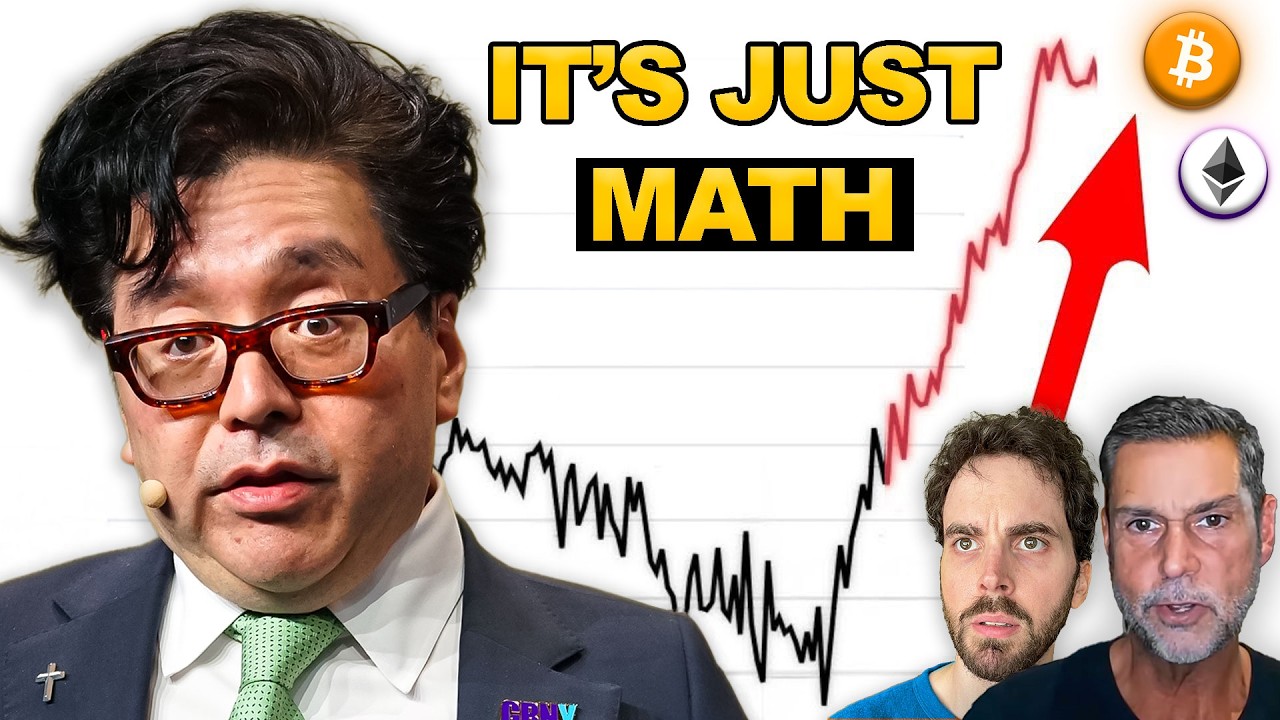
🟠 BTC Conference 2026 – ‘ALTCOINDAILY’ for 10% off Ticket: https://fxo.co/JB36
🟡🃏 WEEX Poker Party is LIVE ($30k Bonus): https://t.co/fKKfylqM79
✅ Bitunix (no kyc, $10k bonus): https://www.bitunix.com/register?vipCode=AltcoinDaily
🎁 Altcoin Daily Merch:
https://m046hz-bk.myshopify.com
🔵 Buy, Sell, & Trade Crypto on Coinbase:
https://advanced.coinbase.com/join/U5FN8P5
🔴 Altcoin Daily in Spanish: https://www.youtube.com/@AltcoinDailyenEspanol
👉🔒 Get Ledger Wallet: Best Way to Keep your Crypto Safe!
https://www.ledger.com/?r=29fd4d75e9bc
Follow Altcoin Daily on X: https://x.com/AltcoinDaily
Follow Altcoin Daily on Instagram: https://www.instagram.com/thealtcoindaily/
Video by Austin:
Follow Austin on Instagram: https://www.instagram.com/theaustinarnold/
Follow Austin on X: https://twitter.com/AustinArnol
TimeStamps:
00:00 Intro
00:28 ISM Expansion
03:32 Raoul Pal Predicted Everything.. What Comes Next?
06:35 CLARITY Act Update (Cardano Founder Rages At Coinbase)
08:55 BEARISH: Bitcoin Bear Flag 2 is Forming (crash coming)
***********************************************************************
#Bitcoin #Cryptocurrency #News #Ethereum #Invest #Metaverse #Crypto #Cardano #Binance #Chainlink #Polygon #Altcoin #Altcoins #DeFi #CNBC #Solana
***NOT FINANCIAL, LEGAL, OR TAX ADVICE! JUST OPINION! I AM NOT AN EXPERT! I DO NOT GUARANTEE A PARTICULAR OUTCOME I HAVE NO INSIDE KNOWLEDGE! YOU NEED TO DO YOUR OWN RESEARCH AND MAKE YOUR OWN DECISIONS! THIS IS JUST ENTERTAINMENT! USE ALTCOIN DAILY AS A STARTING OFF POINT!
Bitunix, WEEX, Binance are exchange partners for the channel.
*The channel is not responsible for the performance of sponsors and affiliates.
Disclosures of Material holdings:
Most of my crypto portfolio is Bitcoin, then Ethereum, but I hold many cryptocurrencies, possibly ones discussed in this video.
Material holdings over $5000 (in no particular order): BTC, ETH, SOL, DOT, SUPER, LINK, INJ, METIS, BNB, LMWR, WMTx, HEART, BORG, COTI, ADA, ONDO, SUPRA, CELL, CTA, COOKIE, RSC, ATH, TAO.
This information is what was found publicly on the internet. This information could’ve been doctored or misrepresented by the internet. All information is meant for public awareness and is public domain. This information is not intended to slander harm or defame any of the actors involved but to show what was said through their social media accounts. Please take this information and do your own research.
bitcoin, cryptocurrency, crypto, altcoins, altcoin daily, blockchain, best investment, top altcoins, altcoin, ethereum, best altcoin buys, bitcoin crash, xrp, cardano, 2026, ripple, buy bitcoin, buy ethereum, bitcoin prediction, cnbc crypto, bitcoin crash, cnbc, crypto news, crypto crash, crypto expert, best crypto, crypto today, bitcoin price, bitcoin crash, bitcoin ta, crypto expert, bloomberg crypto, ethereum news, trading crypto, crypto crash, clarity act, crypto bill, cnbc crypto, tom lee crypto, business cycle, ism, pmi, raoul pal crypto, just math,
source
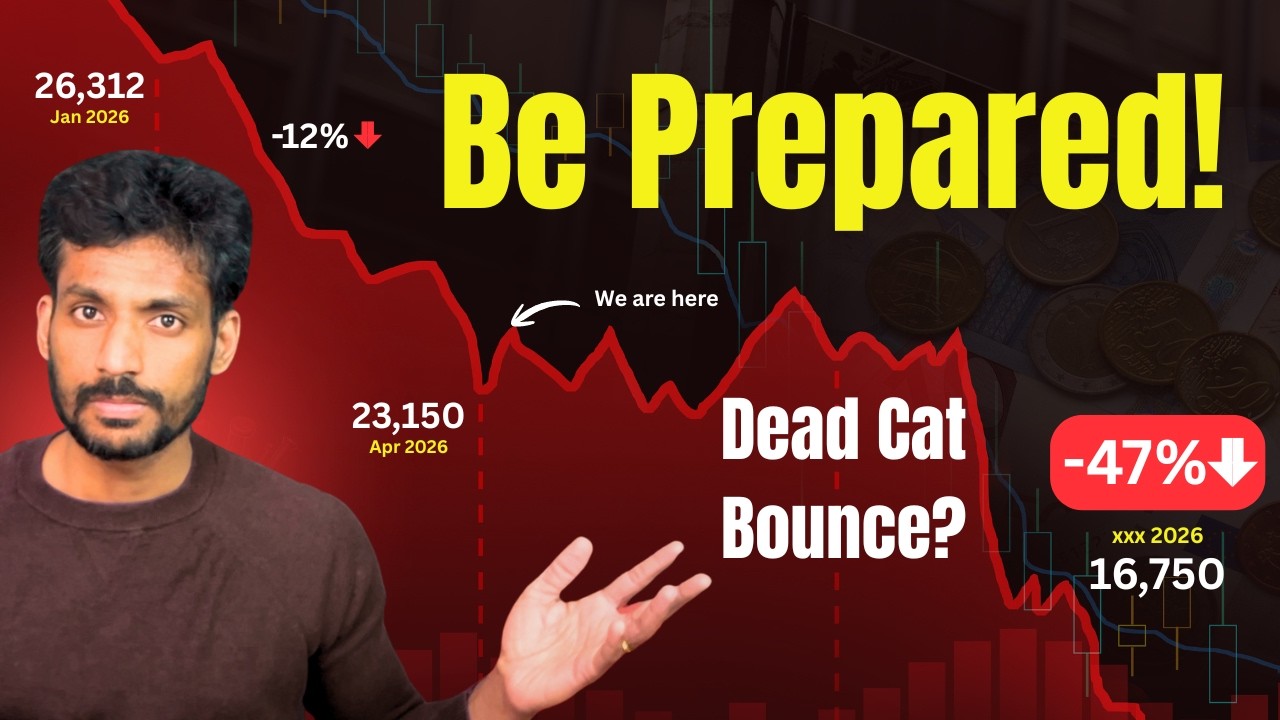
Everything You Need to Know About Mutual Funds 👉 : https://bit.ly/MFatoZ
Nifty 50 is down 12% in 2026. Iran-US war has sent crude oil up 40%. Gold has crashed 20% from its all-time high. FIIs have pulled out ₹1.1 lakh crore. What if the market falls 50% from here – like it did in 2008 and 2000? In this video, I break down every past Indian stock market crash with real data, show why asset allocation is the only real protection (₹35 lakhs vs ₹74 lakhs from the same ₹1 crore in 2008), and share the Nifty PE-based framework that tells you exactly when to buy aggressively. Whether you’re doing SIPs or lump sum investing, this is your crash survival plan.
Join Learner’s Community 👉 : https://www.youtube.com/channel/UCmfl6VteCu880D8Txl4vEag/join
Track All Your Finance in 1 Place with finboom.app
Stock Market Courses & Learning Materials : https://www.financeboosan.in
Whatsapp Channel : https://whatsapp.com/channel/0029Va6xVGJ1iUxff71r8p23
Instagram : https://www.instagram.com/finance.boosan/
Video Editor : https://www.instagram.com/jagan_editor/
#financeBoosan #personalfinance
Stock Market, Mutual Funds, Investments, Personal Finance, Boosan
source

🔥Jetzt 100% kostenlos Krypto Trading lernen: 60h Komplettausbildung, größte Community in DE, Indikatoren, Analysen, News und monatliche Cashbacks von $220.000. Und das 100% kostenlos.
⮑ Hier geht’s zu gratis Ausbildung & Community – https://bitbull-trading.com/trademania
🔥BESTE Kryptobörsen, Bots & BESTE Konditionen (Hier trade ich auch) 👇
🟩BESTE BÖRSE: 👉 BITUNIX (Bestes Angebot weltweit)
⮑ NO KYC! -20% Gebühren VIP2 für ALLE Trader + 20% Einzahlungsbonus + 50,000$ Tradingbonus
➡️ HIER anmelden: https://www.bitunix.com/register?vipCode=Bitbull
👉 PHEMEX
⮑ 30,000 USDT Einzahlungsbonus (Weltweit bestes Angebot) + 12,000$ Tradingbonus + -10% Gebühren (Größter Discount)
➡️ HIER anmelden: https://phemex.com/a/k/Trademania
🟧BESTE BOTS: 👉 PIONEX (BESTES Angebot Weltweit!)
⮑ 75 USDT für JEDE Anmeldung GESCHENKT + bis zu 3,000 USDT Einzahlungsbonus + 100 USDT geschenkt für den ersten Trade
➡️ HIER anmelden: https://partner.pionex.com/p/BitBull
🎁HIER kostenlos meine Bots kopieren:
https://www.pionex.com/activities/kol-follow-order?share_code=bitbullbot
🟦 Das WELTWEIT BESTE Fremdkapital ANGEBOT 👉
20 % Rabatt auf Instant Funding Accounts und 80 % Rabatt auf Challenge Accounts!
HIER sichern: https://www.iqcapital.io/trademania
▬▬▬▬▬▬▬▬▬▬▬▬▬▬▬▬▬▬▬▬▬▬▬▬▬▬▬▬▬▬▬▬▬▬▬▬
💻 MEHR CONTENT 💻
1️⃣Telegram Kanal: https://t.me/BK_btc_trading
2️⃣Discord: https://bitbull-trading.com/trademania
3️⃣Instagram: https://instagram.com/bastiankeller.bitbull
4️⃣Twitter: https://twitter.com/BitbullTrading
5️⃣TikTok: https://www.tiktok.com/@bastiankeller.bitbull
▬▬▬▬▬▬▬▬▬▬▬▬▬▬▬▬▬▬▬▬▬▬▬▬▬▬▬▬▬▬▬▬▬▬▬▬
⏱ Timestamps
00:00 Intro
01:05 Tradeupdate
02:12 OTC Desks
03:57 Öl am crashen?
06:33 Bitcoin und Ethereum ETFs
07:40 Liquidierungen und Liquidität
11:02 Geduld wird belohnt!
12:07 Bitcoin Analyse
▬▬▬▬▬▬▬▬▬▬▬▬▬▬▬▬▬▬▬▬▬▬▬▬▬▬▬▬▬▬▬▬▬▬▬▬
💻 TRADINGVIEW RABATT 💻
https://de.tradingview.com/?aff_id=114057
▬▬▬▬▬▬▬▬▬▬▬▬▬▬▬▬▬▬▬▬▬▬▬▬▬▬▬▬▬▬▬▬▬▬▬▬
🔒 HARDWARE-WALLET 🔒
Ledger ➡️ https://shop.ledger.com/?r=12cb319398ab
▬▬▬▬▬▬▬▬▬▬▬▬▬▬▬▬▬▬▬▬▬▬▬▬▬▬▬▬▬▬▬▬▬▬▬▬
✉️ Geschäftliche Anfragen ✉️
➡️ info@bitbull-trading.com
▬▬▬▬▬▬▬▬▬▬▬▬▬▬▬▬▬▬▬▬▬▬▬▬▬▬▬▬▬▬▬▬▬▬▬▬
⛔️ Risiko bei Finanzgeschäften⛔️ (1) Der Anbieter übernimmt keine Haftung für bereitgestellte Anregungen zu Investitionen im Forexhandel oder anderen Assetklassen wie z.B. Kryptowährungen. Diese stellen in keiner Weise einen Aufruf zur individuellen oder allgemeinen Nachbildung, auch nicht stillschweigend, dar. Handelsanregungen oder anderweitige Informationen stellen keine Aufforderung zum Kauf oder Verkauf von Währungen dar. (2) Der Anbieter bezieht seine Informationen aus vertrauenswürdigen Quellen und aus eigenen Erfahrungen. Eine Gewähr hinsichtlich Qualität und Wahrheitsgehalt dieser Informationen kann gleichwohl nicht übernommen werden. Nutzer handeln in vollem Umfang auf eigene Gefahr und auf eigenes Risiko, sofern sie sich aufgrund der veröffentlichten Inhalte dazu entschließen, Anlageentscheidungen zu treffen bzw. Transaktionen durchzuführen. (3) Der Anbieter weist auf die besonders hohen Risiken hin, die bei Geschäften im Forex und Kryptohandel entstehen. Der Handel mit Devisen und Kryptowährungen ist ein Finanzgeschäft. Den erheblichen Chancen stehen entsprechende Risiken bis hin zum Totalverlust gegenüber. Über das Risiko hat sich das Mitglied ordnungsgemäß (ggf. bei Banken) zu informieren.
Bitcoin hat ein RIESEN Problem und DAS sind die Auswirkungen!
#Bitcoin #Krypto #bitcointrading
source
News Videos
This Chuck Norris INSANE Ripple XRP Conspiracy Happens in 2 days! (MIND-BLOWING CRYPTO DECODE)
🚀 Book A Passive Income Strategy Call Here: → https://accelerator.altcoinpro.com/?video=xRHUeDiOamQ
Join Us In Vegas April 27-29 at the Bitcoin Conference. Use code “BULLRUNNERS” to save 10% on your ticket here – https://track.flexlinkspro.com/g.ashx?foid=24.245444.6671581&trid=1542689.245444&foc=16&fot=9999&fos=6
Connect With Us:
📩 Email: Team@bullrunners.com
🌎 X or Twitter: https://x.com/BullrunnersHQ
📸 Instagram: https://www.instagram.com/bullrunnershq
📲 Telegram: https://t.me/bullrunnersofficial
Subscribe: https://www.youtube.com/@Bullrunners
#Crypto #XRP #ChuckNorris
READ BEFORE WATCHING
AGREEMENT REQUIRED: By watching this video, you agree to our Terms of Service (https://www.bullrunners.com/terms-of-service) and Privacy Policy (https://www.bullrunners.com/privacy-policy)
Disagree? Stop watching now.
No Advice, High Risk: This content is for education and entertainment only—not financial, legal, tax, or investment advice. Crypto trading carries extreme risks, including total loss. We’re not licensed advisors or brokers. Consult professionals before acting. You bear all responsibility for your choices.
Liability Release: Bullrunners LLC, and its affiliates, disclaim all liability for any losses, damages, or claims (financial, reputational, or otherwise) from this content. Per our Terms, you indemnify and hold us harmless from legal actions, including attorney fees.
No Guarantees: We don’t promise profits. Past performance isn’t predictive. Affiliate links may earn commissions; do research before buying. We may hold crypto positions mentioned.
Legal Compliance: Not an offer to buy/sell securities under SEC/CFTC rules or any laws. You’re responsible for your jurisdiction’s regulations. Governed by Florida law per our terms; disputes resolved in Miami, Florida courts.
As always, results aren’t typical. So don’t be typical; stay bullish!
source
TRADE XRP & CRYPTOS WITH BITUNIX !!!!
► https://www.bitunix.com/act/partner?landingCode=zsubyblg
DISCORD LINK !!!!
►https://discord.gg/8JtWJcBmXH
X.COM LINK !!!!
►https://x.com/TheJWKShow
Rumble
► TheJWKShow ~ https://rumble.com/user/TheJWKShow
source

Money most money challenge #shorts

Trump uses Iran war address to make case for American patience

Delta Air Lines taps Amazon Leo for in-flight Wi-Fi as streaming wars heat up


-

 Business7 days ago
Instagram, YouTube Found Responsible for Teen’s Mental Health Struggle in Historic Ruling
-

 NewsBeat6 days ago
The Story hosts event on Durham’s historic registers
-
 Tech7 days ago
Intercom’s new post-trained Fin Apex 1.0 beats GPT-5.4 and Claude Sonnet 4.6 at customer service resolutions
-

 Sports6 days ago
Sweet Sixteen Game Thread: Tide vs Michigan
-
Entertainment3 days ago
Fans slam 'heartbreaking' Barbie Dream Fest convention debacle with 'cardboard cutout' experience
-
 Entertainment5 days ago
Lana Del Rey Celebrates Her Husband’s 51st Birthday In New Post
-
Crypto World2 days ago
Dems press CFTC, ethics board on prediction-market insider trades
-

 Crypto World14 hours ago
Gold Price Prediction: Worst Month in 17 Years fo Save Haven Rock
-

 Tech3 days ago
The Pixel 10a doesn’t have a camera bump, and it’s great
-

 Sports2 days ago
Tallest college basketball player ever, standing at 7-foot-9, entering transfer portal
-

 Tech2 days ago
EE TV is using AI to help you find something to watch
-

 Tech3 days ago
Apple will hide your email address from apps and websites, but not cops
-

 Fashion4 days ago
Amazon Sundays: Soft Spring Layers
-

 Tech2 days ago
How to back up your iPhone & iPad to your Mac before something goes wrong
-

 Crypto World2 days ago
U.S. rule change may open trillions in 401(k) funds to crypto
-

 Tech2 days ago
Flipsnack and the shift toward motion-first business content with living visuals
-

 Fashion7 days ago
En Vogue in Brown Leather and Tailored Neutrals by Atelier Savoir, Styled by J Bolin
-

 Politics3 days ago
Should Trump Be Scared Strait?
-

 Fashion7 days ago
What Are Your Favorite T-Shirts for the Weekend?
-

 Fashion6 days ago
Weekly News Update, 3.27.26 – Corporette.com
You must be logged in to post a comment Login