Connect with us
DAPA Banner
DAPA Coin
DAPA
COIN PAYMENT ASSET
PRIVACY · BLOCKDAG · HOMOMORPHIC ENCRYPTION · RUST
ElGamal Encrypted MINE DAPA
🚫 GENESIS SOLD OUT
DAPAPAY COMING

Tech

IEEE Program Helps Girls In India See a Future In STEM

Published

on

Roughly half the world’s population is female, but the STEM fields don’t reflect that. The 2024 U.N. Global Education Monitoring Report on gender found that about 35 percent of STEM college graduates were women. The proportion hasn’t increased much in more than a decade.

When it comes to STEM careers, the percentage is even lower. Women made up about 28 percent of the global STEM workforce in 2024, according to the World Economic Forum.

There are myriad factors for the discrepancy, including a lack of family support, some teachers encouraging only boys to pursue STEM subjects, and a shortage of female role models.

But one force is at play long before college majors are ever considered: limited access to STEM-focused educational resources for preuniversity students. Especially for students in rural communities, the limited access curtails curiosity in STEM subjects before interest can take root. Although the lack of opportunity impacts boys and girls alike, when combined with other factors it can have an outsized effect on girls in some rural regions.

Advertisement

Portrait of an Indian man wearing a dress shirt, tie and glasses.IEEE Fellow Rajiv Joshi is one of the creators of the Women in Science, Engineering project. He is a principal scientist and master inventor at the IBM Watson Research Center, in Yorktown Heights, N.Y.Rajiv Joshi

One such place is rural India. The challenges of pursuing a STEM education—or any education at all—increase sharply as rural Indian girls move into their teen years. Social barriers including early marriage, traditional gender roles, and familial expectations for financial support contribute to girls’ dropping out of school, according to the Mahadev Maitri Foundation, a nongovernment organization focused on childhood education in underdeveloped areas. Dropout rates for girls spike between the ages of 11 to 14, according to the foundation.

The trend is something IEEE Fellow Rajiv Joshi and IEEE Senior Member Rajesh Zele want to change. A shared passion to keep rural Indian girls from dropping out of school and on paths to STEM careers led them to launch the Women in Science, Engineering (WiSE) project.

“Talent is universal, but opportunity is not,” Joshi says. “WiSE is one way to expand opportunities.”

Bringing the WiSE vision to life

Joshi, vice president of industry for the IEEE Circuits and Systems Society (CASS), is a principal scientist and master inventor at the IBM Watson Research Center, in Yorktown Heights, N.Y. Zele is a professor of electrical engineering at the Indian Institute of Technology Bombay (IIT-B), in suburban Mumbai.

Advertisement

They presented their proposal for the three-year initiative to the society’s board of governors in 2022 and received a grant of US $80,000.

The framework

WiSE was a five-day, hands-on learning program held on the IIT-B campus. Starting in 2023, it ran for three years and was held during the last week of March. A new cohort of 160 to 200 girls from rural and tribal areas in the states of Maharashtra and Karnataka attended each year.

The event was divided into two parts: hands-on learning through Break-Make-Program (BMP) experiences and presentations by influential female Indian role models.

Zele, project manager Arti Auti, several IIT-B faculty members, and about 70 student volunteers from the institute oversaw the program.

Advertisement

Selecting the first cohort

With funding secured, Zele and his team on the ground in India got busy selecting attendees for the inaugural 2023 class. They reached out to administrators at 68 schools in Maharashtra and Karnataka. Although the two states are among the most urbanized in the country, each has vast rural areas where educating teen girls competes with early marriage and familial support pressure.

Teachers identified girls with high scores in mathematics and science, and community leaders recommended students who could benefit from the program.

Then outreach to their parents began. The adults were required to commit their own time, not just grant permission for their daughters to attend. They participated in quarterly online meetings that included the girls’ teachers, IIT-B student mentors, and other program volunteers after the week concluded. The check-ins held parents accountable for supporting their daughters’ continuing school attendance. The commitment to join the meetings was to last for at least four years after their daughter’s program participation ended.

Hands-on learning is key

Participants stayed in one of the institute’s dormitories for the week and attended sessions held Monday through Friday.

Advertisement

They worked together in small teams to build things rooted in STEM concepts. The teams were supervised by Arti, IIT-B faculty, and student volunteers.

“The idea behind BMP,” Joshi says, “was to give the girls an opportunity to take a gadget apart, then rebuild it, perfect it, or come up with a totally new idea.”

The sessions included working with bioluminescence and bacteria (introducing participants to biology and microbiology), learning about autonomous underwater vehicles, and building a remote-controlled robot. The robot construction was the capstone event, allowing the girls to combine the mechanical and electronics engineering skills they’d practiced throughout the week.

The build kits were created by students in Zele’s Advanced Integrated Circuits and Systems Lab. The girls and teachers were allowed to take the kits home to keep the learning going and spread STEM awareness.

Advertisement

“Many girls used those kits at different events to demonstrate their STEM skills to others,” Joshi says. One was Sushi Pawar, who built a drone during WiSE, then went on to demonstrate it to a national audience.

“I presented the drone project in 2024 to Prime Minister Narendra Modi during the Pariksha Pe Charcha,” Pawar says. That initiative is an annual event open for students in classes 6 to 12, their teachers, and parents. The focus is on helping students manage stress during exam time through fun and celebratory activities. The event is supported by the Indian Ministry of Education and hosted by the prime minister.

Each year, millions of students complete an online multiple-choice test to qualify to attend in person and meet the prime minister. In 2024 nearly 4,000 participants attended.

Inspiration as the foundation

WiSE was about more than hands-on learning. It also included daily presentations from “Winspirers”: Indian women who achieved success in their lives or had STEM careers. They included scientists, doctors, military officers, professors, and other women who overcame obstacles.

Advertisement

The first such speaker was Savita Dakle, a farmer from Maharashtra who dropped out of school after 10th grade, got married, and had two children.

Despite limited farming knowledge, she learned quickly and built a coalition of 400 female farmers from her village. She taught them how to use mobile phones and social media to share information and resources.

Today, that coalition has more than 1 million members in two online communities. They share tips on market pricing, growing crops, and more.

Zele says he views Dakle as the ideal Winspirer: someone who built a thriving business with few resources and no academic or professional credentials.

Advertisement

Dakle mirrors the challenges faced by many program participants, he says, noting that many girls face pressure to leave school early to marry or financially support their family. She is living proof, he says, that no girl’s circumstances define her possibilities.

The practical impact of WiSE

No empirical data yet exists to measure the project’s success, but feedback from participants shows the program has made a difference. Many from the 2023 cohort remained in school and are now pursuing higher education.

Participant Tejswini Manoj Patil credits the initiative with boosting her confidence in science and math.

“Before WiSE,” she says, “I was interested in STEM but felt intimidated by the complexity of the subjects. After participating, my interest shifted from passive curiosity to active confidence. The hands-on projects showed me that I am capable of solving real-world problems.”

Advertisement

Meeting female role models was important, attendee Ritu Ravindra Patil says, adding: “WiSE completely changed my perspective, and meeting the Winspirers inspired me to aim for higher education.”

The project opened career perspectives for some.

“Before WiSE, I wanted to be a doctor,” Pallavi Bharti says. “I believed engineering was very stressful and boring. When I joined the program and explored IIT-B, I was amazed. Everyone was so friendly and supportive, and the passion in students for their work motivated me. All those experiences gave me confidence to take math classes and become an engineer.”

What’s next?

The initiative ended last year, but the framework it built lives on. Groups with similar goals have adopted parts of the concept, Joshi says.

Advertisement

The IEEE CASS chapters in Bangalore and Kerala are likely to be among the first to advance the initiative’s ideas, he says.

Alex James, an IEEE senior member and founding chair of the IEEE CASS Kerala chapter, has adapted the framework for use in his region, Joshi says. James is a professor of AI hardware and a dean at Digital University Kerala in Thiruvananthapuram.

Joshi guided James as WiSE concepts were implemented.

IEEE Senior Members Jayesh Tanwani and Suman Dwivedi from the IEEE CASS Bangalore chapter are likely to bring program concepts into their work, Joshi says.

Advertisement

Tanwani, chair of the Bangalore chapter, is a system-on-a-chip design engineering manager at Intel in Bengaluru. Dwivedi is a senior manager at Synopsys in Bengaluru. They are bringing STEM outreach to remote schools in Karnataka.

Joshi and Zele say they hope to see the concept expand beyond India.

“We want to spread this across other continents and see how we can integrate WiSE into new or existing initiatives in those places,” Joshi says. He says he has received requests from countries in Asia, Africa, and Europe for information on WiSE.

Both say awareness and outreach are key things that IEEE CASS chapters around the world are well positioned to support.

Advertisement

“We want to make a difference in young women’s lives,” Zele says. “It’s all about giving attendees the skills to stand on their own feet and have the information to make good decisions.”

From Your Site Articles

Related Articles Around the Web

Source link

Advertisement
Continue Reading
Click to comment

You must be logged in to post a comment Login

Leave a Reply

Tech

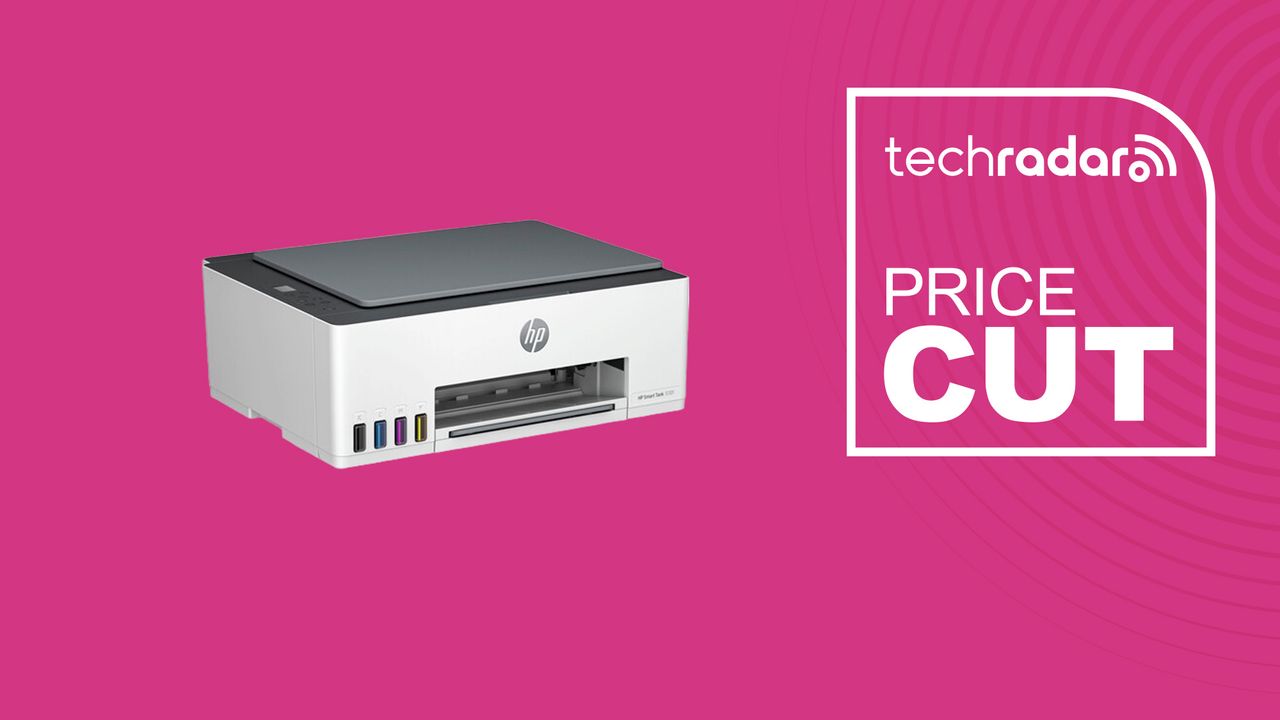
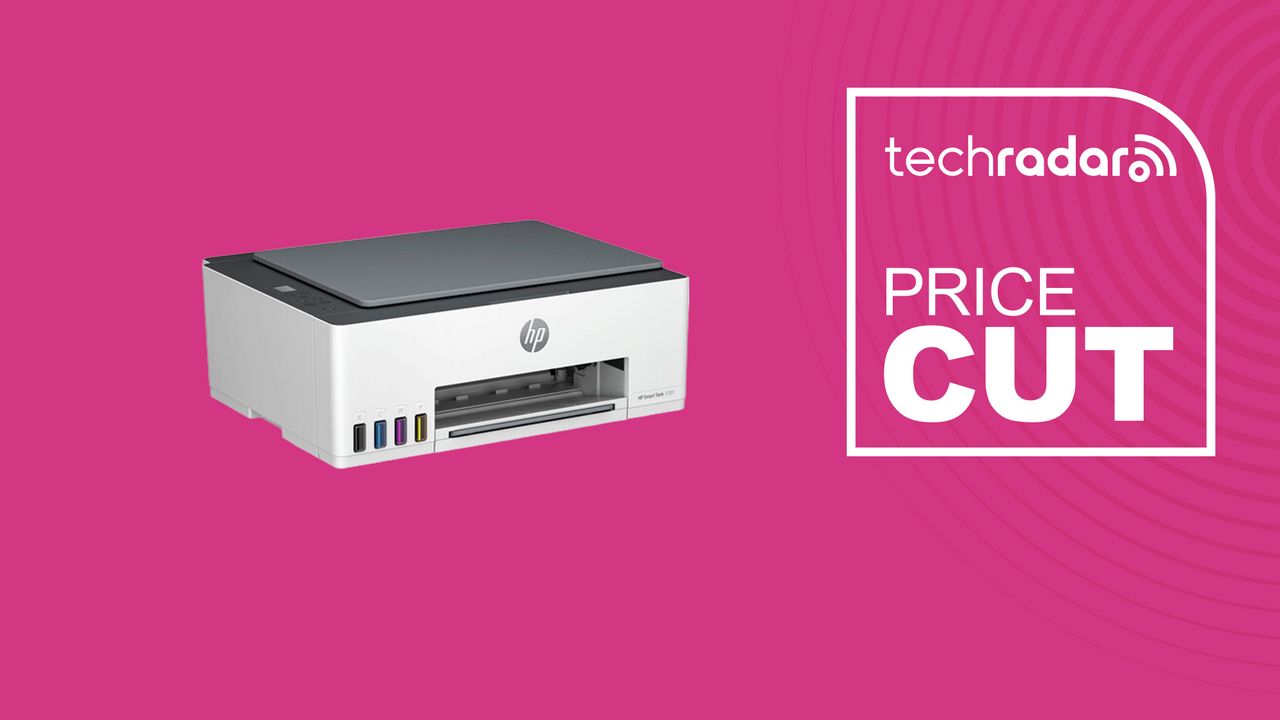
HP’s Smart Tank 5101 drops to $170 for back-to-school

Published

on

If you’re tired of buying ink cartridges every few months, this is a good time to switch to a cartridge-free tank printer. Right now, the HP Smart Tank 5101 is $170 (was $260) at Amazon, and comes with 2 years of ink already included in the box.

For home, dorm room, home office, and small businesses printing a mix of monochrome and color documents and photos, it’s an ideal pick. Particularly as HP‘s ink tank printers tend to have larger tank reservoirs compared to rivals like Epson‘s EcoTank range.

Today’s top HP printer deal

Advertisement

Should you buy it?

✅ Buy it if…

You want to save on running costs because bottled ink is much cheaper than inkjet cartridges and you get four bottles free in the box. We recommend ink tank printers if you’re chiefly printing documents and photos.

❌ Skip it if…

You’re mostly printing text documents – a high-volume laser printer is a much better option for sharper, bolder on-page text.

Advertisement

Why we recommend it

Having tested HP’s Smart Tank line alongside the Epson EcoTank, Canon MegaTank, and Brother INKvestment range, we strongly recommend ink tank printers over traditional inkjet models that use cartridges.

The pitch for tank printers like the HP Smart Tank 5101 is straightforward: instead of buying ink cartridges that run out every few hundred pages, you refill four visible ink tanks from bottles, and each bottle lasts dramatically longer. HP estimates the included set of ink bottles is good for roughly 6000 pages.

Setup leans on HP’s Smart app, which walks through Wi-Fi connection and initial configuration with guided, step-by-step prompts rather than dropping you into a printer’s typically clunky onboard menu system. Once connected, illuminated smart buttons on the printer itself are meant to guide you through common tasks like printing, scanning, and copying.

Advertisement

Print speed is modest rather than fast — HP rates this around 12 pages per minute for black-and-white and 5 pages per minute for color in normal mode, with the higher-quality “best” setting slower still. That’s typical for tank printers in this price range, and fine for everyday home printing, but not the machine to reach for if you regularly print large batches of documents quickly.

Price Context & Historical Value

This isn’t the cheapest the 5101 has ever been – back in 2024, it dropped to an all-time low of $140 direct from Amazon. However, it’s cheaper now than any third-party seller has sold it before brand-new ($180 was the price back in April 2025). Typically, we see it selling at around the $190 to $250 mark when not on sale. The highest price it’s been sold for is $280. Right now, it’s also available for $170 at Best Buy, too.

Advertisement

The Catch: What to know before you buy

A few honest caveats worth flagging: some reviewers have reported software quirks and occasional paper jams with this model, and if you print only occasionally rather than regularly, the ink in an inkjet’s print head can dry out and clog between uses. This is best suited to households or small offices that print often enough to make the low cost-per-page actually pay off.

For more options, see our guides to the best home printers and best ink tank printers we’ve personally tested.

Source link

Advertisement
Continue Reading

Tech

After flips and foldables, Motorola drops a tablet stuffed with nine JBL speakers, and I need to hear it

Published

on

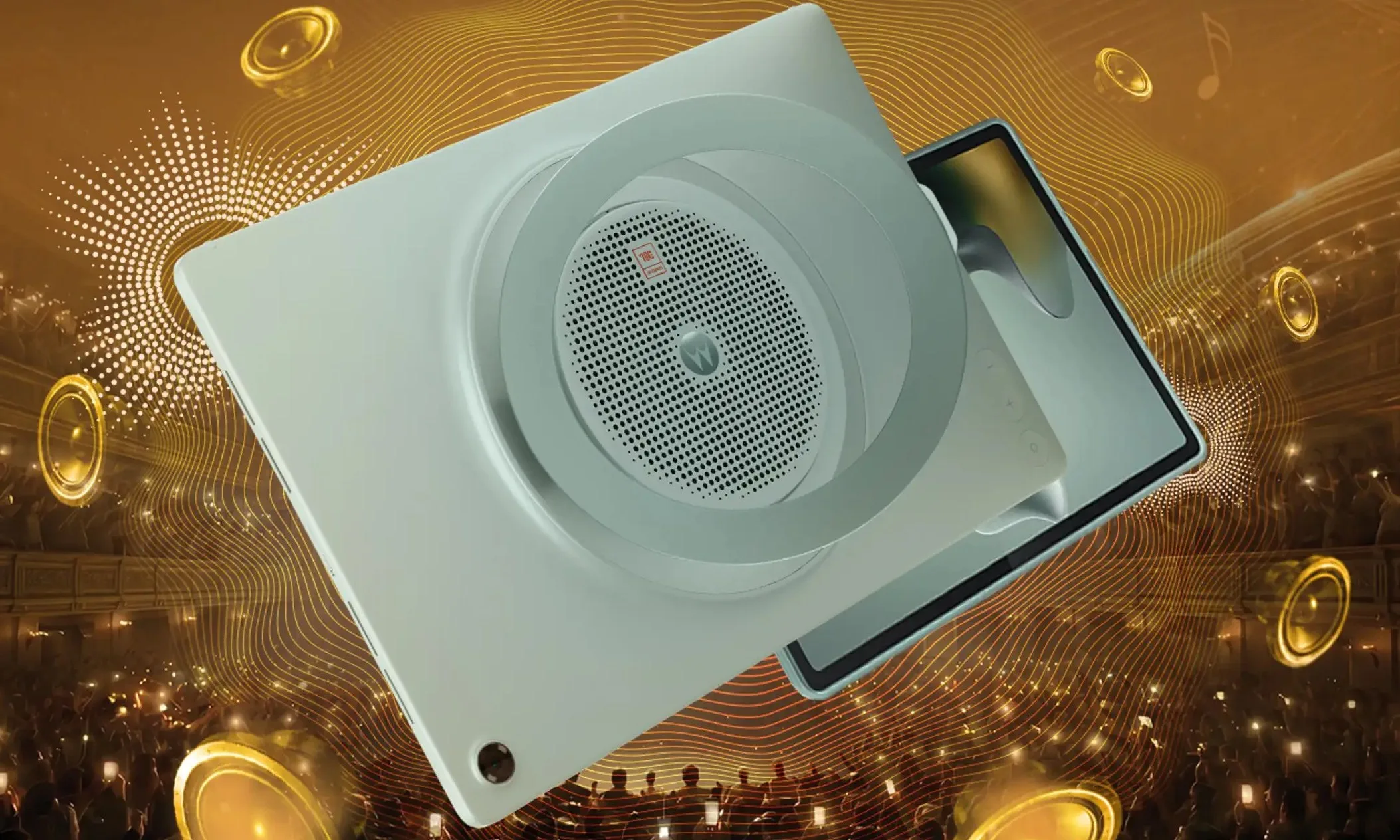
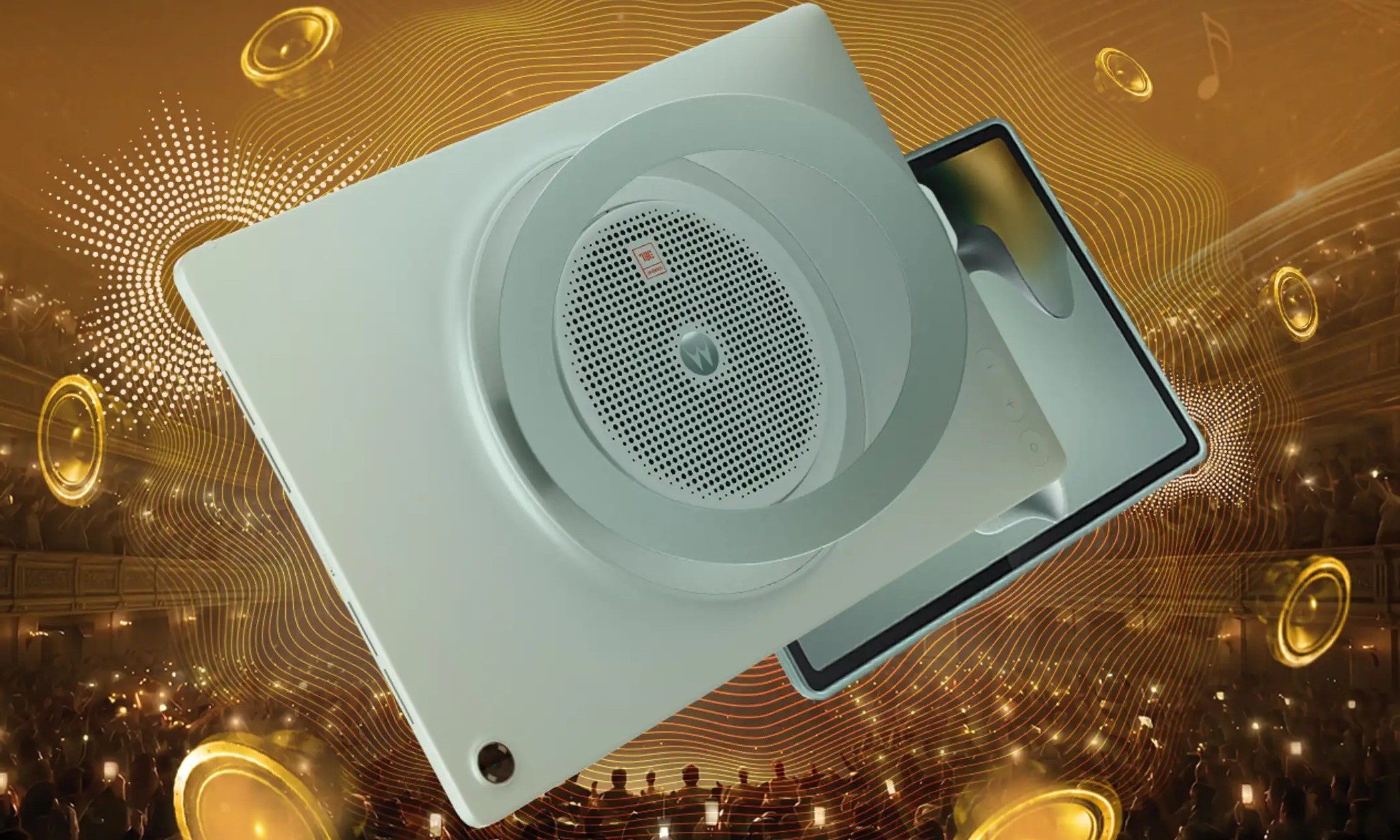
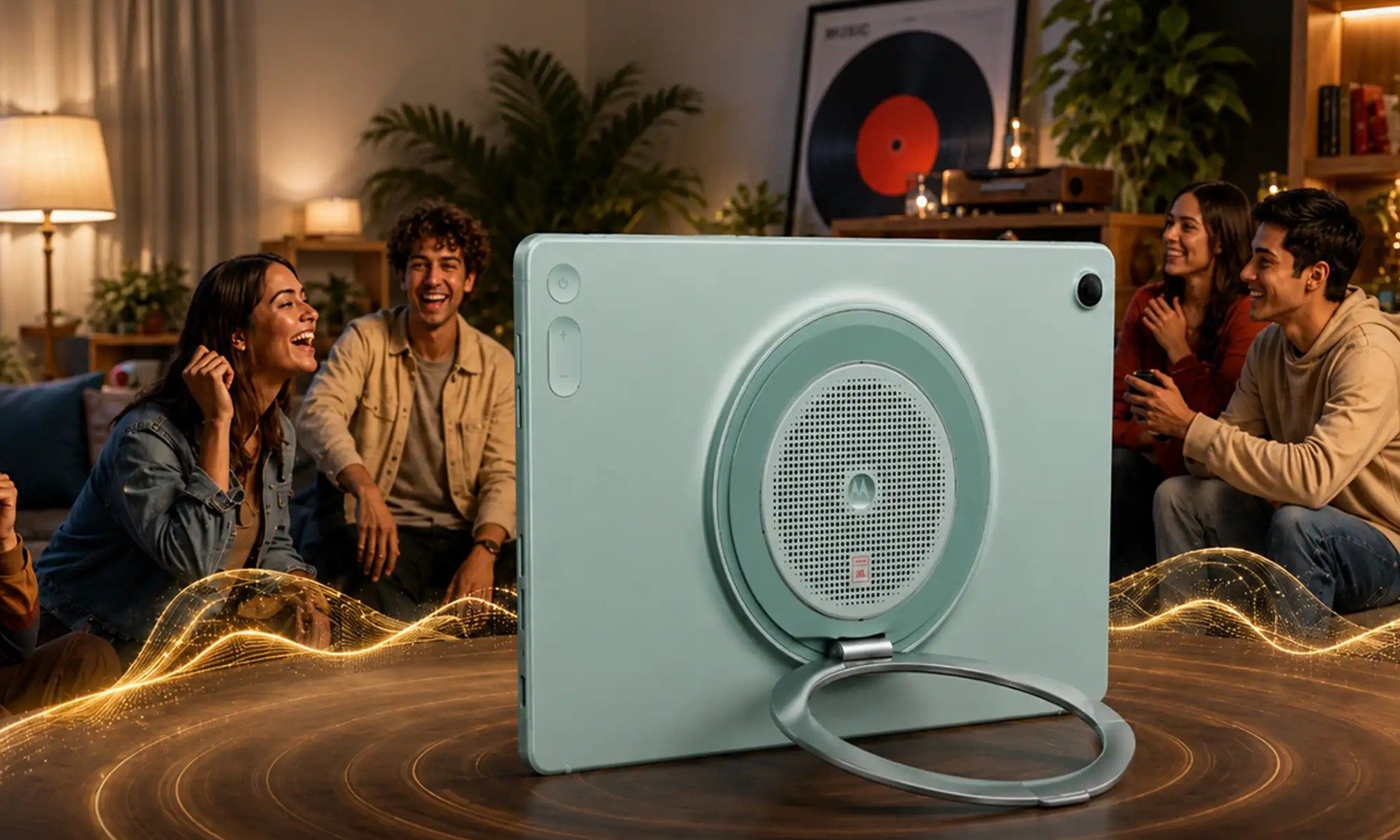
Motorola’s next device appears determined to bring audio hardware for the rest of the room to watch along. It recently unveiled a powerful new Edge phone, and now, the Moto Pad 70 Groove will launch on July 31 with a nine-unit JBL speaker system capable of delivering up to 48 watts of output. The company has confirmed that the audio-focused tablet will pair those speakers with a 12.1-inch display and a sizable battery designed for long streaming sessions. But we still have no official word on its pricing and global availability.

Nine speakers give this tablet a unique purpose

The unusual sound system contains four tweeters, three woofers, and two passive radiators. JBL handled the audio tuning, while Dolby Atmos and Hi-Res Audio complete the package. It also supports 7.2-channel surround sound, which makes it a solid entertainment machine.

A rotating ring on the rear doubles as a stand, allowing the tablet to sit in portrait or landscape orientation. Motorola has also placed dedicated volume controls on the back, and the device can operate as a Bluetooth speaker for music playing from a phone. Those additions could make the Pad 70 Groove particularly useful around the house. It could sit on a kitchen counter for recipes and podcasts, handle films without immediately demanding headphones, or provide music without requiring a separate portable speaker.

The rest of it isn’t bad either

Motorola has confirmed a 12.1-inch “2.5K” panel with a 120Hz refresh rate. It reaches up to 800 nits in High Brightness Mode and supports HDR10 and Dolby Vision, making the device sound purpose-built for video rather than another generic Android slate with louder branding.

A 10,200mAh battery sits inside, with Motorola claiming up to 15 hours of video playback. The company will include a 68W charger. Going by its name, it is also a part of the Pad 70 series, and we did cover the Pad 70 Pro in the past. Performance and price will ultimately decide whether this is a good tablet. But the bigger doubt is if it will be released outside of India.

Advertisement

Source link

Continue Reading

Tech

Apple is considering increasing the screen size for the iPhone 20 Pro Max

Published

on

A new rumor claims that Apple is considering using what it will call a 7-inch screen for one of the 20th anniversary iPhones, although that isn’t as great an increase as it sounds.

One recent rumor claimed that Apple had begun production evaluation for a 2027 iPhone with a display that is curved on all four sides. Then another claimed that the iPhone 20 range would feature a significant redesign.

For the first time, though, a leaker is claiming that Apple is testing what would be its largest iPhone screen. According to Digital Chat Station on Chinese social media site Weibo, if it goes ahead with this screen, Apple will market it as being a 7-inch one.

The claim says, though, that it would actually be 6.96 inches. That’s close enough for Apple’s marketing, but it seems less significant since the current iPhone 17 Pro Max screen is 6.86 inches.

Advertisement

Still, screen sizes are measured diagonally so such a difference could amount to the iPhone 20 Pro Max screen being up to 2% larger than the current model. That’s enough to be noticeable in the hand, although there’s no indication yet whether the pixel density will remain the same.

The last time Apple increased the screen size of its iPhones was in 2024. Then the iPhone 16 Pro Max went up from 6.7 inches to 6.9 inches, while the iPhone 16 Pro screen was 6.3 inches where its predecessor had a 6.1 inch display.

Digital Chat Station says that the new, larger screen size has not been decided on. This leaker has a reasonable track record with Apple leaks, and has recently reported rumors about the screen size of the iPhone Fold 2.

Advertisement

Source link

Continue Reading

Tech

AI confidence just dropped 17 points in six months. That’s actually great news.

Published

on

Presented by JumpCloud


The organizations losing confidence in AI are the ones most likely to get it right.

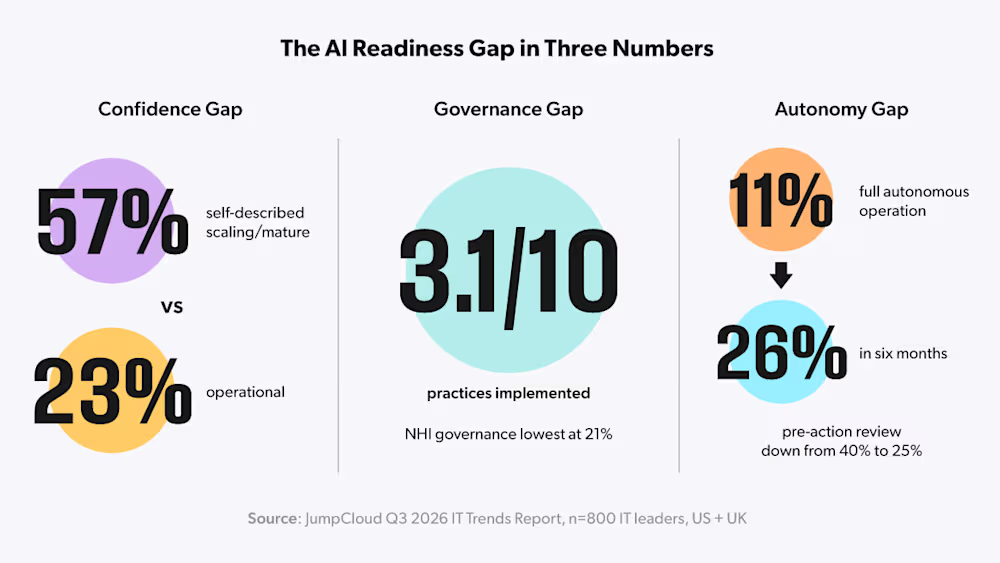
Six months ago, 40% of IT leaders described their organizations as mature in AI deployment. Today that number is 23%. Before you read that as a setback, consider what it actually reflects.

We recently surveyed 800 IT leaders across the U.S. and U.K. for our Q3 2026 trends report, and the data tells a consistent story: the organizations revising their self-assessment downward are overwhelmingly the ones that have moved AI agents from pilots into production. They’re not losing faith in AI. They’re running into the problems that only show up when agents are doing real work in real systems, and they’re being honest about what they found.

Advertisement

That kind of honesty is harder to come by than it sounds, and it matters more than the confidence number itself.

Deployment was the easy part

84% of organizations plan to expand AI use in IT operations over the next 6 to 24 months, so the drop in confidence isn’t a retreat. What it reflects is a more accurate picture of what production actually requires.

In a pilot, an AI agent does one thing in a controlled setting. In production, it accesses real systems, makes decisions that affect real workflows, and operates continuously, often without a human in the loop. The governance infrastructure that entails is materially different from what it took to get the pilot working. Most organizations built enough to ship. Fewer built enough to scale.

The IT leaders revising their self-assessment are confronting questions they didn’t have to ask at the pilot stage: Can we see every agent running in our environment? Do we know what each one can access? If an agent behaved unexpectedly last week, how long would it take to find out? For most organizations, at least one of those answers is uncomfortable.

Advertisement
July-VentureBeat-Article-Graphic (1)

The gap between perception and reality is where risk accumulates

The graphic above captures the structural problem. Across confidence, governance, and autonomy, the same pattern holds: deployment is moving faster than the controls built around it.

The organizations that have closed this gap share specific characteristics. They’ve consolidated their IT environments rather than adding tools to solve each new problem, because every additional platform creates another place where agent identity, access, and accountability can go unmanaged. They treat AI agents as governed identities rather than tolerated shadow processes. And they measure what AI actually produces, not just what it deploys.

The payoff is tangible. Organizations in the top tier of our maturity model are five times more likely to report no barriers to expanding their AI agents than the average organization. They are not more cautious about AI. They are more confident in it, because they built the foundation that makes confidence earned rather than assumed.

The governance gap has a specific shape

The hardest problem in enterprise AI right now is not capability. It is accountability, and the data makes the specific failure point clear: non-human identity governance is the least adopted AI security practice we measured, in place at just 21% of organizations.

Non-human identities now outnumber human users in 83% of organizations, and that population is growing fast. Yet most of those identities exist without the governance structures that every human employee has as a matter of course: no formal record, no named owner, no defined scope of access, no offboarding process when their purpose expires. They keep running. They keep accessing systems. They keep accumulating permissions. We call these Zombie Agents, and they are the service account problem of the AI era, operating at machine speed and in every department.

Advertisement

The accountability gap is where real risk lives. When a human employee takes an action, there is an implicit accountability chain. When an autonomous agent takes an action, that chain breaks unless it has been deliberately engineered. Most organizations have not yet engineered it, and the gap between the autonomy agents are being granted and the oversight structures in place to manage them is widening every month.

What the confidence drop is actually telling us

When AI maturity confidence was uniformly high across the market, that was worth worrying about. It meant most organizations hadn’t yet run into the hard parts. A selective drop, concentrated among organizations actively running agents in production, means the market is developing a more accurate picture of what AI operations genuinely require.

The organizations recalibrating are doing the work that makes long-term AI adoption possible: building identity infrastructure that covers agents alongside humans and devices, unifying the environments where governance needs to apply, and measuring outcomes rather than just counting deployments. They haven’t lowered their ambitions for AI. They have raised their standards for what it means to run it responsibly.

84% of organizations plan to expand AI use over the next two years. The ones that will do it well are honest enough, right now, to admit what they haven’t yet built.

Advertisement

JumpCloud’s Q3 2026 AI Readiness Research report (n=800 IT leaders, U.S. + U.K.) is available here. The report covers AI agent deployment stages, identity governance gaps, IT unification benchmarks, and budget realism across mid-market and enterprise organizations.

Rajat Bhargava is CEO and Co-founder at JumpCloud.


Sponsored articles are content produced by a company that is either paying for the post or has a business relationship with VentureBeat, and they’re always clearly marked. For more information, contact sales@venturebeat.com.

Source link

Advertisement
Continue Reading

Tech

Veteran Microsoft security executive joins AWS amid broader reshuffle in Redmond

Published

on

Rudra Mitra will lead Amazon security services in his new role. (LinkedIn Photo)

Rudra “Rudy” Mitra, who spent more than 27 years at Microsoft and most recently led its Purview data-security business, is joining Amazon Web Services as vice president of security services.

Mitra will oversee an AWS portfolio that includes tools such as GuardDuty and Security Hub, which companies use to track security risks across their cloud accounts. AWS recently added AI-specific threat detection to GuardDuty and, perhaps notably given today’s news, extended Security Hub to monitor AI workloads and security inside Microsoft Azure. 

He will report to Chet Kapoor, the former DataStax CEO whom AWS hired last year as vice president of search, security and observability, a role that reports to AWS CEO Matt Garman.

“Rudy brings decades of security experience, a passion for building, and a deep understanding of what customers need as the security landscape continues to evolve,” Kapoor wrote on LinkedIn

Mitra joined Microsoft in 1999 straight out of college, working on early efforts to deliver Office as an online service before launching Purview, the company’s data-security and governance product, in 2014. He announced his exit from Microsoft last week, addressing what was next at the time by saying only that there was “more on that soon.”

Advertisement

His departure comes amid a broader reshuffling of Microsoft’s security leadership this year under Hayete Gallot, who returned from Google in February to run the group and has been reshaping its executive ranks in recent weeks and months.

Gallot replaced Charlie Bell, who had joined from AWS in 2021 and continues at Microsoft as an individual contributor focused on engineering quality. She’s been overhauling the group’s product lineup, according to The Information, which reported last week that at least nine corporate vice presidents who reported to Bell have left the company this year.

Rohan Kumar left for Salesforce in June, Vasu Jakkal stepped down after six years. Krishna Kumar Parthasarathy departed this month after 28 years. Joy Chik, president of identity and network access, announced her retirement in April.

On the inbound side at Microsoft, Naseem Tuffaha returned in June to fill the corporate VP role Kumar had left, after nearly two decades at the company and a stint away.

Advertisement

When Gallot arrived, Microsoft named Ales Holecek, a longtime engineering leader, as the security group’s chief architect, reporting to her. David Weston, another veteran Microsoft executive, also reportedly shifted into the security unit earlier this year.

Source link

Continue Reading

Tech

US Police Now Armed With Israeli Spy Vans Simulating Mobile Phone Towers

Published

on

Longtime Slashdot reader schwit1 quotes an X post by Josh Walkos, author of the Substack We the Free: If you thought Flock was bad check out Falconet. Falconet from Israeli company Cognyte serves as a cell tower simulator that intercepts cell phone data from all devices within range. Police mount these systems in Tahoes so the vehicles can collect information while driving through areas without any direct interaction with targets. This mobile approach generates ongoing records of phone locations and communications for everyone nearby rather than only suspects, which creates comprehensive movement profiles and bypasses traditional warrant requirements under the Fourth Amendment.

Cognyte sells the technology directly to U.S. agencies, as shown by the Texas Department of Public Safety purchase of four Tahoes where over three point eight million dollars went to the interception equipment. Adoption spreads through routine vehicle procurement with little external review of how the collected data is stored or shared. Once active the systems permit warrantless collection of private cell phone data across entire communities during normal patrols, which enables potential misuse and leaves individuals with no effective way to discover or contest the surveillance.

Source link

Continue Reading

Tech

Head of US Safety Agency Resigns

Published

on

Chris Fall has resigned as director of the U.S. Center for AI Standards and Innovation just three months after being appointed to lead the Commerce Department’s federal AI testing institute. Arvind Raman, who oversees the Commerce office responsible for the institute, will serve temporarily in the role. “The Commerce Department did not provide a reason for Fall’s departure,” reports Reuters. From the report: Fall’s exit marks the latest change in direction for Trump’s approach to AI. The president upon returning to office in 2025 said the federal government should take a hands-off approach to the tech sector. He has since taken a more active role in monitoring the technology, though his public statements and policies appear to change week by week.

The institute is responsible for working with leading AI labs such as Anthropic, Google’s DeepMind and OpenAI to test their unreleased models for vulnerabilities. The group is staffed by scientists and engineers, who are focused on calculating the “demonstrable risks” posed by advanced AI models, according to the institute’s website. They want to limit opportunities for U.S. adversaries to use AI to develop chemical or biological weapons, or corrupt the data used to train American AI models.

Source link

Continue Reading

Tech

Assassin’s Creed Shadows for the Switch 2 is almost half price, but you’ll need to be quick

Published

on

Assassin’s Creed Shadows only launched last year, and Switch 2 owners can already pick it up at almost half its original price.

That reduction comes from a limited time deal that cuts Assassin’s Creed Shadows on Switch 2 from its usual £49.99 down to £25.99, a 48% saving that brings one of the franchise’s best reviewed games within easy reach.

Assasins creed shadows on a foamy backgroundAssasins creed shadows on a foamy background

Assassin’s Creed Shadows for the Switch 2 is almost half price today, in a time limited deal

This critically acclaimed Assassin’s Creed Shadows on Switch 2 drops from £49.99 to £25.99, a 48% saving on one of this year’s best games.

Advertisement

View Deal

Playing as Naoe puts the focus on stealth, using noise, light and shadow to slip past enemy patrols, while a new grappling hook opens up parkour routes across castle rooftops that were not available in earlier games in the series.

Advertisement

Naoe’s kit also includes a hidden blade for instant assassinations along with shuriken and smoke bombs to create useful distractions, giving stealth focused players several ways to clear a room without ever triggering an alarm.

Switching over to Yasuke flips that approach entirely, trading stealth for silent bow takedowns and heavy melee combos with a katana or naginata, so a single stronghold can be cleared through patience or brute force depending on your mood.

Advertisement

The Whatsapp LogoThe Whatsapp Logo

Get Updates Straight to Your WhatsApp

Advertisement

Join Now

Switching between the two protagonists mid mission is encouraged rather than locked to separate story chapters, letting you scout a stronghold as Naoe before switching to Yasuke for a more direct assault once guards are alerted.

Advertisement

Both characters explore the same dynamic version of feudal Japan, where castle towns, ports and shrines shift with the weather and the seasons, giving the world a sense of change that keeps returning to the same location interesting.

And now with a glowing discount, you have the chance to explore feudal Japan in all its glory.

SQUIRREL_PLAYLIST_10148964

Advertisement

Advertisement

Source link

Continue Reading

Tech

USPTO Denies MLB’s Insane Attempt To Trademark ‘Play Ball’

Published

on

from the play-trademark-ball dept

There is no shortage of examples of Major League Baseball attempting to wield overly broad trademarks its obtained to bully others, nor examples of MLB attempting to stretch its trademark rights much further than they go. MLB opposed a trademark for a Brooklyn burger joint on behalf of the Dodgers, a team that hadn’t played in Brooklyn for over five decades at that point. The league, at one point, tried to bully a local Little League for using the names of MLB teams, but not their logos, which is something that roughly every Little League team everywhere does. It attempted to trademark the names of three cities in which MLB teams play. And, my personal favorite and most appropriate for this post, the league opposed a finance company’s trademark application because it claimed two of its separate teams both owned the rights to the letter “W”.

The real lesson in all of this is that the League can’t be trusted with anything other than very narrow trademarks. Anything more broad than that causes them to act the fool. And perhaps this is a lesson the USPTO has actually learned, given that it recently denied MLB’s attempt to trademark the phrase “Play Ball”.

The United States Patent and Trademark Office denied MLB’s application to trademark “Play Ball” for clothing, the USPTO wrote in a final action filing on Friday.

“In this case, the applied-for mark is a commonplace term, message, or expression widely used by a variety of sources that merely conveys an ordinary, familiar, well-recognized concept or sentiment,” the USPTO wrote in its denial.

The USPTO also wrote phrases “that merely convey an informational message are not registerable.”

Advertisement

Those are things that MLB’s well-dressed lawyers absolutely know, of course. But they attempted to bank on a complacent trademark office to try to sneak one past the goalie anyway, to mix metaphors. And if the league had gotten the mark, you can be one hundred percent certain it would have gone on yet another bullying campaign targeting apparel makers, other sports leagues, and who knows who else.

In fact, the most surprising part of all of this is that it appears to have taken 4 years for the USPTO to reach this decision. Josh Gerben breaks it all down like this.

Gerben said the rejection and public domain nature of phrases could depend on the class. Other companies have trademarked “Play Ball,” including a food company for bubble gum, a minerals company for surfacing playgrounds and “The Play Ball” for the gala fundraiser for the Strong National Museum of Play in Rochester, New York.

“In this case they are saying that the phrase has become so ubiquitous and it has this underlying meaning,” Gerben said. “For a clothing brand, the government doesn’t think it’s unique enough to be registered.”

Somehow, some way, we have to get past this practice of looking at trademarks as some kind of retroactive profit center, where a business gobbles them up and then corners a market that was already in existence. That’s all that this sort of attempt to lock up language is. The term “play ball” can be associated with Major League Baseball, certainly. It can also be associated with other sporting activities, or business negotiations, or any other number of things. That’s because it has become a generic phrase, no longer an identifier of the source of a good or service.

Advertisement

Again, MLB’s lawyers knew all of this before applying for the mark. They just didn’t care.

Filed Under: baseball, play ball, play ball play ball play ball, trademark, uspto

Companies: mlb

Source link

Advertisement
Continue Reading

Tech

Drones with Echolocation Technology Lets Them Hear Through the Haze

Published

on

Drones Echolocation Technology
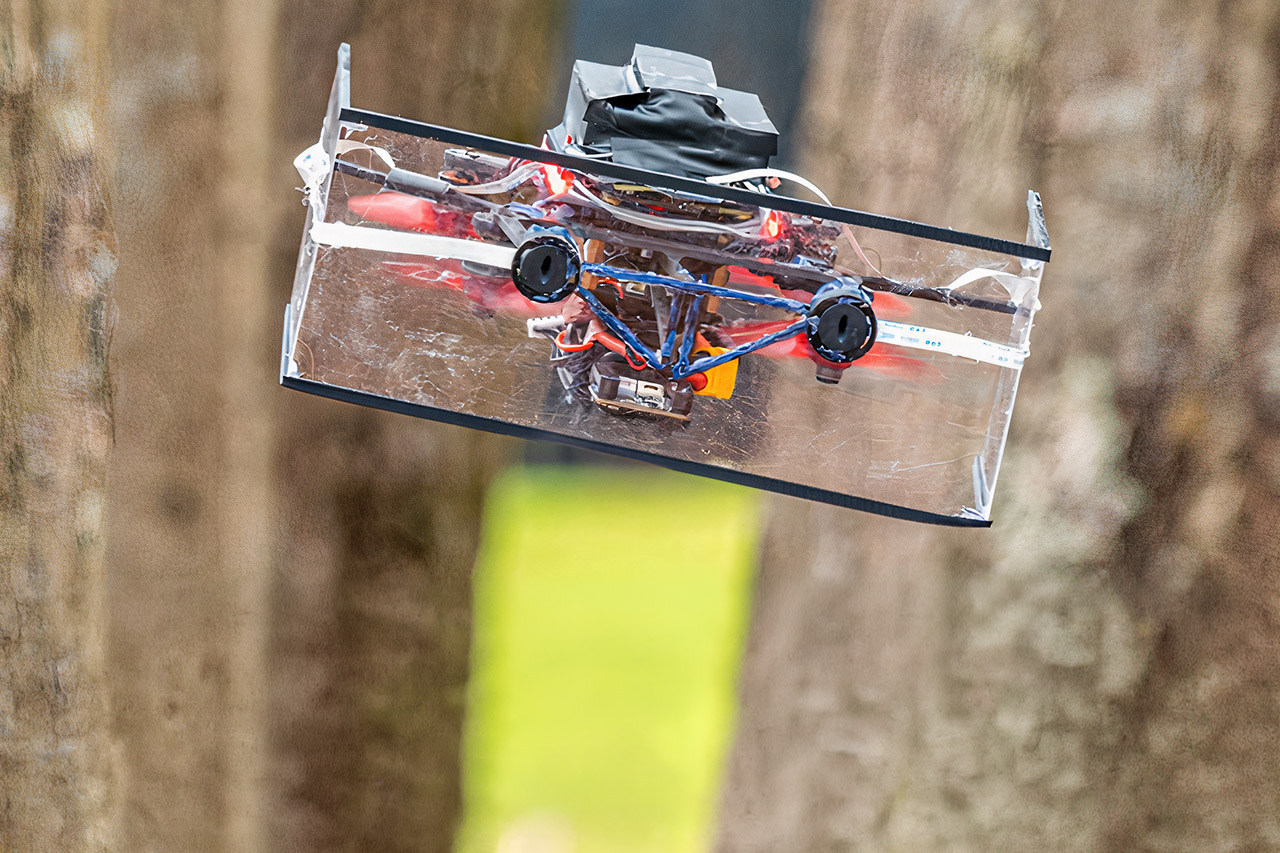
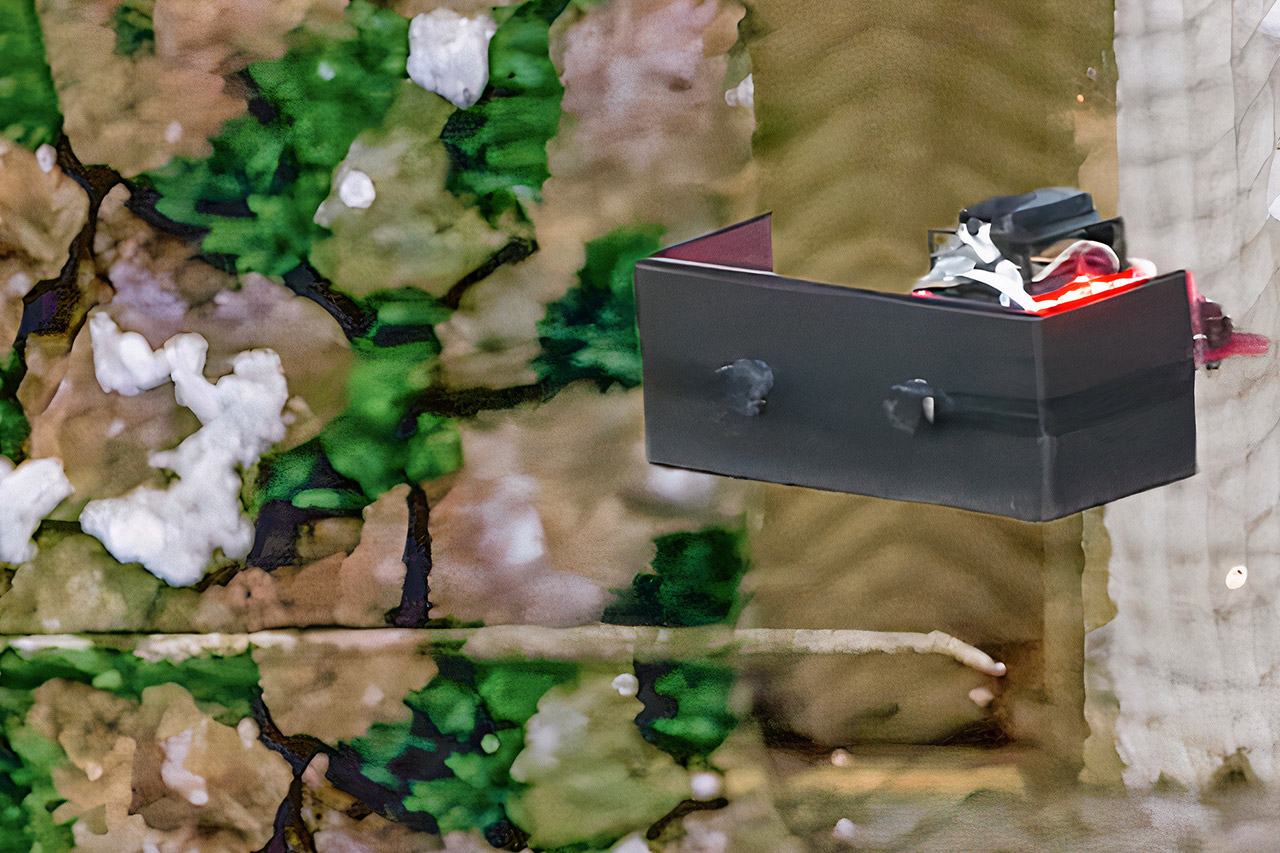
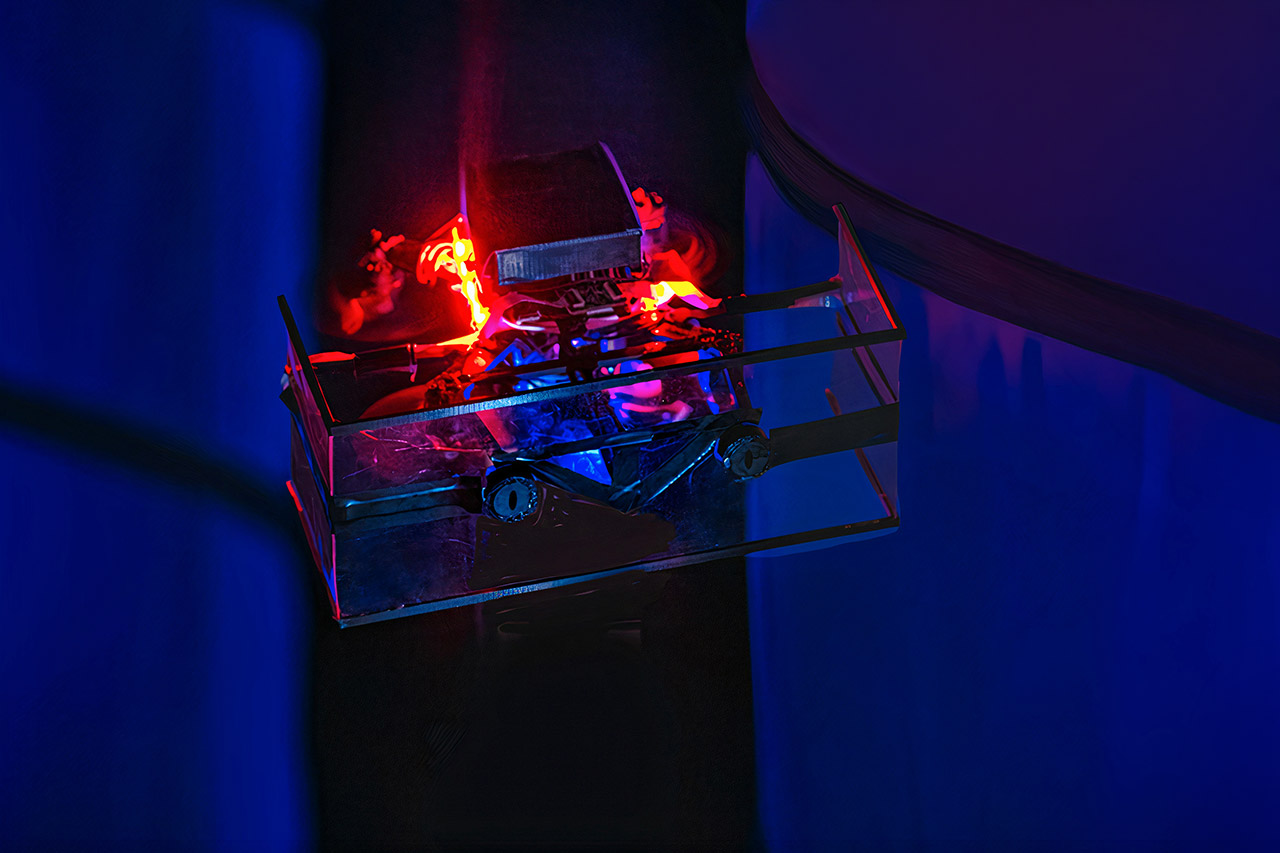
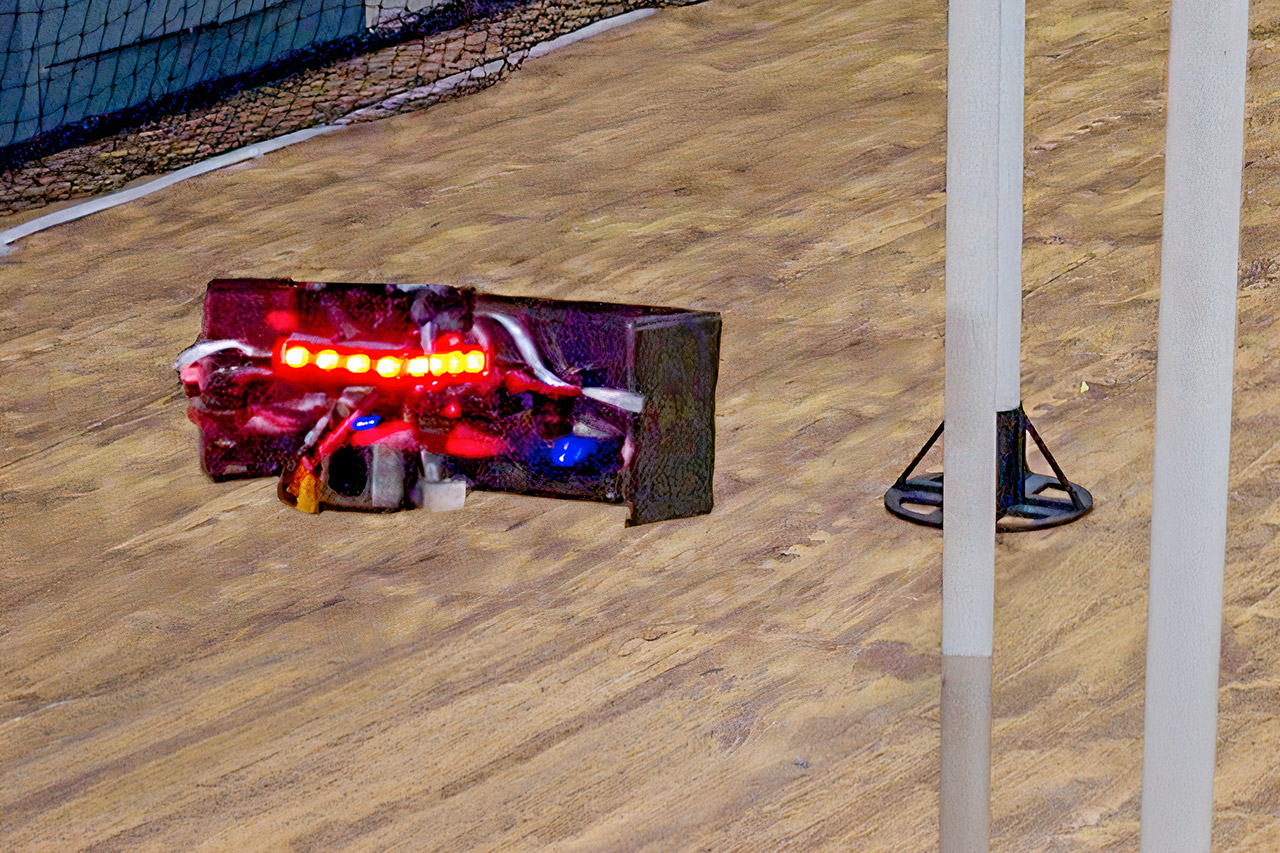
A palm-sized drone flies through thick fog, artificial snow, and near-total darkness, dodging poles, transparent plastic sheets, and tree trunks without a single camera or laser. Its only guide is sound. Researchers at Worcester Polytechnic Institute built the system, called Saranga, by copying the way bats find their way in caves. The result is a lightweight, low-power approach that keeps working when vision-based sensors simply stop.


Cameras and LiDAR begin to fail as light becomes dispersed or just disappears. Radar, on the other hand, drains the batteries right when the machines need them. By contrast, ultrasound travels through smoke, dust, and snow in the same way as it does in clean air. Bats have been doing it forever, simply emitting short, high-frequency chirps and listening for faint return echoes that bounce off obstacles. The WPI team, led by Nitin Sanket of the Perception and Autonomous Robotics division, decided to give a flying robot the same superpower.

Sale


DJI Neo, Mini Drone with 4K UHD Camera for Adults, 135g Self Flying Drone that Follows You, Palm Takeoff…
  • Due to platform compatibility issue, the DJI Fly app has been removed from Google Play. DJI Neo must be activated in the DJI Fly App, to ensure a…
  • Lightweight and Regulation Friendly – At just 135g, this drone with camera for adults 4K may be even lighter than your phone and does not require FAA…
  • Palm Takeoff & Landing, Go Controller-Free [1] – Neo takes off from your hand with just a push of a button. The safe and easy operation of this drone…

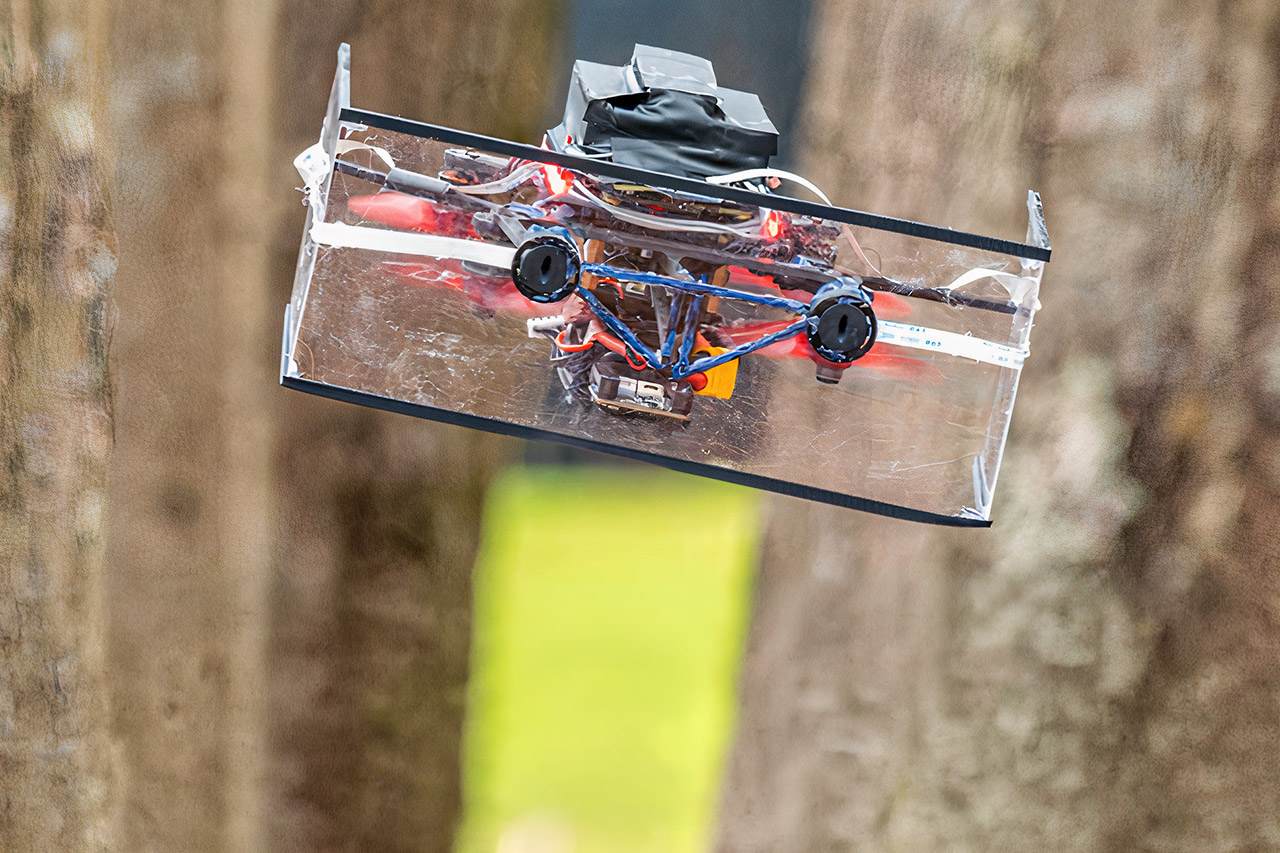
They began with a quadcopter that they custom manufactured, measuring 16 cm across and weighing 460 kilos. It has two very tiny TDK InvenSense ICU30201 ultrasound sensors at the front, each with a broad sonic horn. Another one points downward to help with altitude. All of this ultrasound sensing requires only 1.2 milliwatts, and it all operates on a Google Coral Mini computer with no additional beacons or GPS, so there is no extra power expenditure.

Advertisement

Drones Echolocation Technology
Propeller noise was the first major issue, as the spinning blades are basically spewing out some serious ultrasound noise that drowns out the weak echoes coming back from distant objects (we’re talking minus 4.9 decibels here, which is weak signal territory for the team), so they fixed it by physically taping a simple foam and plastic shield between the propellers and the sensors. This barrier shuts out the majority of the prop noise while allowing outward sound and returning echoes to pass through. With this piece of hardware fixed, the usable range increased from one meter to two meters.

Drones Echolocation Technology
Even after they sorted the prop noise with their shield, the returning echoes were still getting lost in the random noise, so they attempted utilizing classical filters to sort it all out, but it wouldn’t comply. They required something more sophisticated, so they trained a tiny neural network to sort through all the filth. They termed it Saranga (also a neural network), and it basically looks at a brief string of echo readings as if it were a little picture. It uses this to learn the forms of true reflection patterns, after which it can suppress random prop noise. Training employed a lot of synthetic data mixed in with some real propeller noise, so once they had it functioning, the model flowed over to the real world very easily, with no additional fine tuning required. Saranga is then “compiled” to function on the Edge TPU, and it only takes up approximately 0.5 gigabytes of memory and does an inference in around 15 milliseconds while using only a few millijoules of energy.

Drones Echolocation Technology
The cleaned-up echoes are then sent to a basic localization stage, and because the left and right sensors are at slightly different angles, they can determine the horizontal angle to an obstacle in the same way that bats do. The down-pointing sensor then provides the height. It’s all really easy; simply a quick list of surrounding obstacles, and then it’s up to the flight controller to say, “Hey, steer clear of all this while still traveling in that direction.”
[Source]

Source link

Continue Reading

Trending

Copyright © 2025