

Crypto World
Solana Prepares for the Alpenglow Upgrade. How Will SOL React?

Solana has started preparing validators for Alpenglow, a major upgrade that aims to make transactions final much faster.
Today, Solana can take about 12 seconds to fully confirm a block. Alpenglow aims to cut that time to around 150 milliseconds. In simple terms, a payment or trade could become final almost instantly.
The upgrade changes how validators confirm activity on the network. Validators are independent computers that check transactions and agree on the correct version of the blockchain.
How Solana is Changing with Alpenglow
Under the current system, validators send large amounts of voting data to the network. Alpenglow will combine many of those votes into one small digital certificate.
For example, it is similar to replacing hundreds of separate approval letters with one signed document that shows everyone has agreed. This reduces the amount of data Solana needs to process.
As a result, the network should have more space for normal transactions. This could help trading platforms, payment apps, and DeFi services process activity faster during busy periods.
Validators must first register new BLS public keys. Solana expects to roll out the upgrade in stages between August and October 2026, although the timetable could change during testing.
Solana’s Price Reacts Ahead of the Upgrade
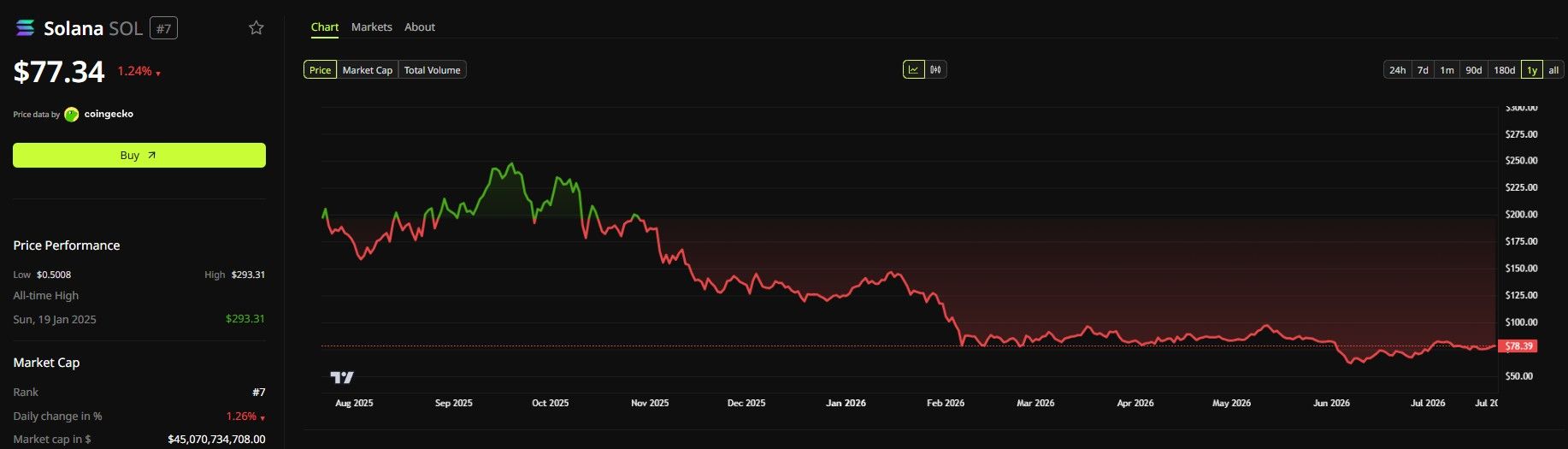
SOL currently trades near $77, giving it a market capitalization of about $45 billion and a rank of seventh among cryptocurrencies.
The token has dropped 61% over the past year. It has still gained nearly 5% over the past month, a mixed setup for its current price outlook.

What Comes Next Before Mainnet Goes Live
Alpenglow’s activation window still runs from August through October 2026, and Solana has not set an exact date within that range.
The upgrade cannot switch on until enough validators register their keys and the Validator Admission Ticket (VAT) is active. The VAT checks each key before a validator can vote under the new system.
Solana also rolled out governance voting tools this month alongside its Securitize listing on the New York Stock Exchange (NYSE).
Analysts tracking Solana’s seasonal price patterns note that past upgrades have sometimes preceded renewed trading activity. That pattern has not held every time. Whether Alpenglow repeats it will depend on how smoothly validators clear registration before the window closes in October.
The post Solana Prepares for the Alpenglow Upgrade. How Will SOL React? appeared first on BeInCrypto.



White House AI adviser Michael Kratsios accused Chinese startup Moonshot AI of secretly copying Anthropic’s Claude Fable 5. He said the copies helped build its new Kimi K3 model.
Kratsios made the claim in a Wednesday post on X. He said Moonshot built a special platform for large-scale distillation of US models. The firm allegedly kept switching access routes to avoid getting caught.
White House Draws a Line on Moonshot AI Distillation
The technique at the center of the row is called distillation. It trains a new AI model on the answers of a stronger one. Done openly, it is legal and common. Kratsios said the covert, industrial-scale version is theft.
“We have information that Moonshot AI distilled Anthropic’s Fable for the development of its K3 model… However, large-scale, covert industrial distillation aimed at stealing proprietary U.S. technology and undermining American research is unacceptable,” Michael Kratsios, Director of the White House Office of Science and Technology Policy stated.
Anthropic has said the same thing. In a February report, the company traced over 3.4 million Claude exchanges to Moonshot. The traffic came from hundreds of fake accounts. Account records even matched the public profiles of senior Moonshot staff.
Anthropic said the campaign targeted Claude’s reasoning, coding, and vision skills.
Kratsios also said Moonshot got hold of NVIDIA GB300 servers and used them in Thailand. These are NVIDIA’s top AI chips, and US rules block their sale to China. Washington tightened its AI chip export clampdown in May. In June, a Super Micro office raid in Taiwan targeted alleged chip smuggling into China.
Kimi K3 Deepens the US-China AI Fight
Moonshot launched Kimi K3 on July 16. At 2.8 trillion parameters, it is the biggest open-weight model ever released. Demand was so strong that Moonshot had to pause new Kimi subscriptions within 48 hours. The full model weights go public by July 27.
That date matters. Anthropic warns that copied models lose their safety guardrails. Once open-sourced, they can spread beyond anyone’s control.
This is not the first such charge. In January 2025, White House AI czar David Sacks accused DeepSeek of copying OpenAI’s models. DeepSeek denied it. Beijing called Anthropic’s February findings groundless.
Kratsios announced no penalties, and Moonshot has stayed silent. The US still holds a 23x spending lead in AI, yet Chinese models keep gaining ground. The next move now sits with Washington.
The post China’s Moonshot Reportedly Stole U.S. AI Tech for Kimi K3 appeared first on BeInCrypto.
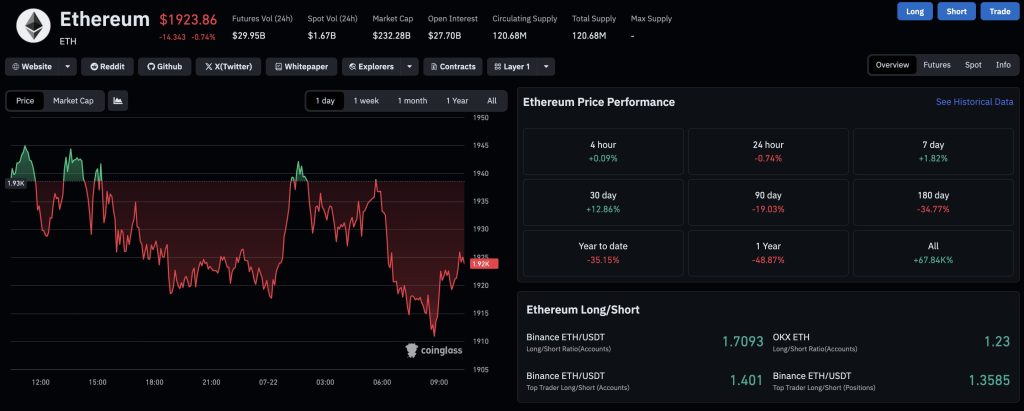
In Ethereum news today, new smart contract deployments on the network have surged 192% above the 90-day baseline, with funding rates simultaneously running 220% above their 90-day norm, a combination of signals that, according to a CryptoQuant QuickTake published by analyst CryptoOnchain, rarely fires without preceding a significant directional move.
The question the data forces is whether the early leverage bid currently accumulating in derivatives markets is front-running the builder activity, or simply reacting to it.
ETH price climbed unevenly from roughly $1,770 to $1,903 over the past two weeks, a movement that reads as ordinary chop on the surface. Beneath it, three structurally distinct signals are activating in parallel for the first time in recent memory.
Ethereum News: Builder Activity Spikes While Capital Stages on Binance
The sharpest signal in the CryptoQuant analysis is the developer activity reading. Smart contract deployments jumped roughly 192% versus the 90-day baseline, with nearly 57% of that increase occurring within the past week alone.
Deployment spikes of this magnitude typically indicate new protocol launches, redeployed contracts ahead of a release, or coordinated testing cycles, builder activity, not speculative noise.
Alongside that, stablecoin net flow into Binance has surged to nearly 370% above its three-month average, with daily inflows averaging over $58M. Capital staging on an exchange rather than deploying directly on-chain is a classic pre-trade positioning pattern; it suggests intent without yet confirming direction.
What complicates the read is that these two signals, which typically appear in sequence during a clean accumulation phase, are running simultaneously with a hot derivatives market. That removes the analytical comfort of a slow, cold-funding accumulation setup.
Discover: The Best Crypto to Diversify Your Portfolio
Leverage Signal Disrupts the Accumulation Script
Funding rates on Binance are now running approximately 220% above their 90-day norm. That is not an ambiguous reading; it is a clear signal that leveraged traders are already positioned long and paying to hold those positions.
For anyone tracking perpetual trading dynamics, elevated funding at this level has historically preceded either a flush that resets overextension or price follow-through that validates the bet.
The problem, as CryptoOnchain’s analysis notes, is that having both stablecoin staging and hot funding rates activate together is not a clean accumulation script.
It is a setup that historically precedes more volatile, two-sided price action rather than a straightforward directional trend. Open interest building into elevated funding with a price that has not yet broken out cleanly creates the conditions for sharp moves in either direction.
The on-chain metrics that would normally anchor a bullish read are not in dispute. Staking has climbed to a fresh all-time high of 33.58%, tightening liquid float.
Median transaction fees are down by over 96% versus three months ago, not due to network abandonment. These are the readings that define the valuation gap: base-layer economics remain subdued: median transaction fees are down over 96% versus three months ago, while staking continues its steady climb to a fresh high of 33.58%.
The gap between robust on-chain metrics and ETH price performance has attracted institutional attention at these levels, and staking continues its steady climb to a new high of 33.58%, further tightening the liquid float.
Trade Ethereum on Bybit and Get a Chance to Win Our $1,000 USDT Airdrop
Three Signals Rarely This Active Simultaneously
In other Ethereum news, CryptoQuant’s analysis highlights a rare convergence of three signals: elevated builder activity, capital staging in stablecoins on exchanges, and existing leverage via derivatives. Each signal has meaning individually, but their simultaneous occurrence in the absence of a price catalyst is notable.
Ethereum’s post-Dencun architecture shows lower fees, as Layer 2 activity has offloaded execution costs from the mainnet without compromising economic security or validators’ staking yield. Developer activity remains robust, with a 192% spike in deployment, indicating resilience even during downturns.
Institutional flows suggest cautious short-term behavior, but demand from cumulative inflows since the launch of the ETH ETF remains evident. This context is crucial for understanding whether the leverage bid stems from retail speculation or early institutional accumulation.
According to CryptoQuant, the outcome will either be funding rates cooling as leveraged longs are flushed out, or a price breakthrough that validates the leverage position.
The eventual dominant signal, whether from builders, exchange capital, or derivatives, will only be clear as these paths unfold. Until then, the three-signal convergence remains the primary focus.
Discover: The Best Token Presales
The post Ethereum News: Builder Activity & Leverage Data Align, $2k Next? appeared first on Cryptonews.
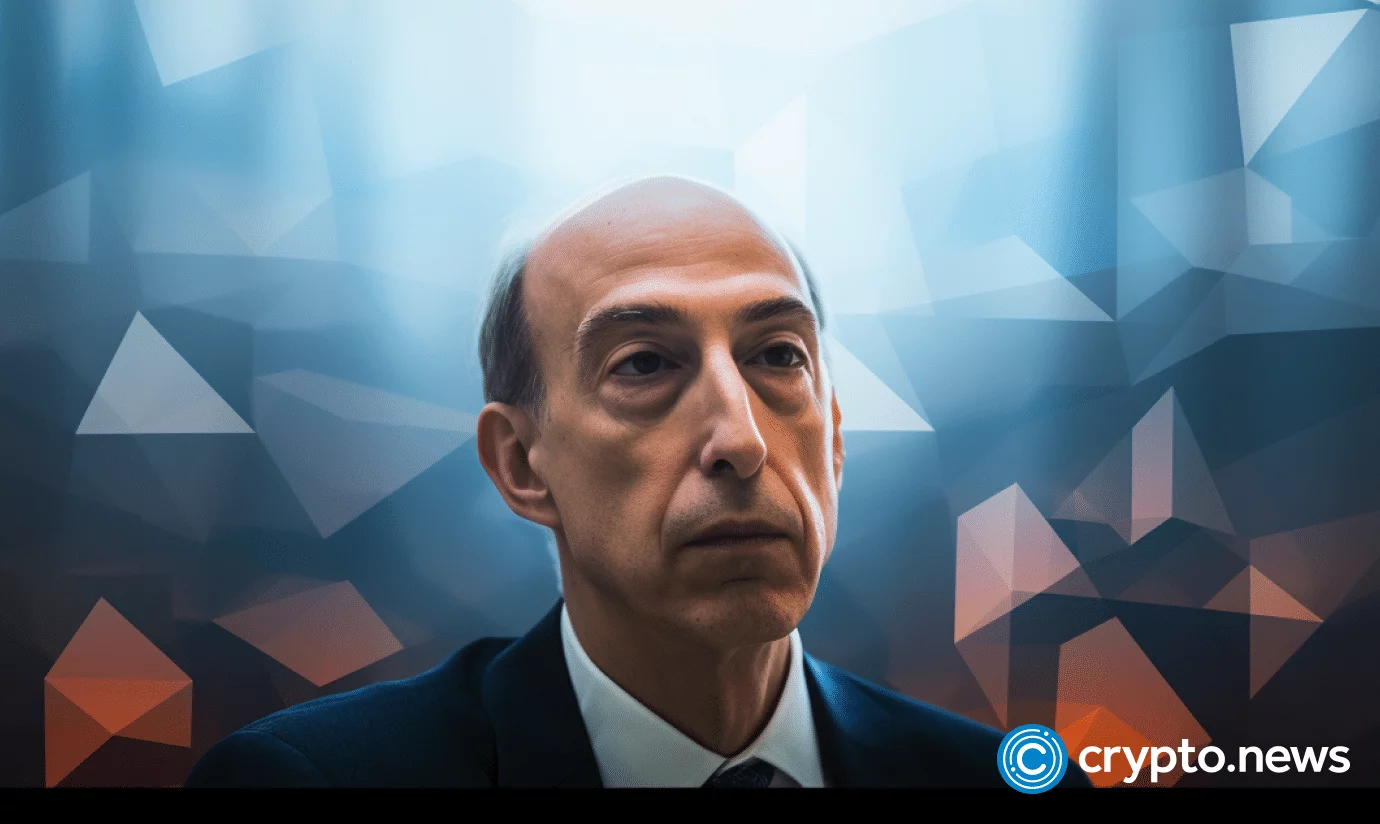
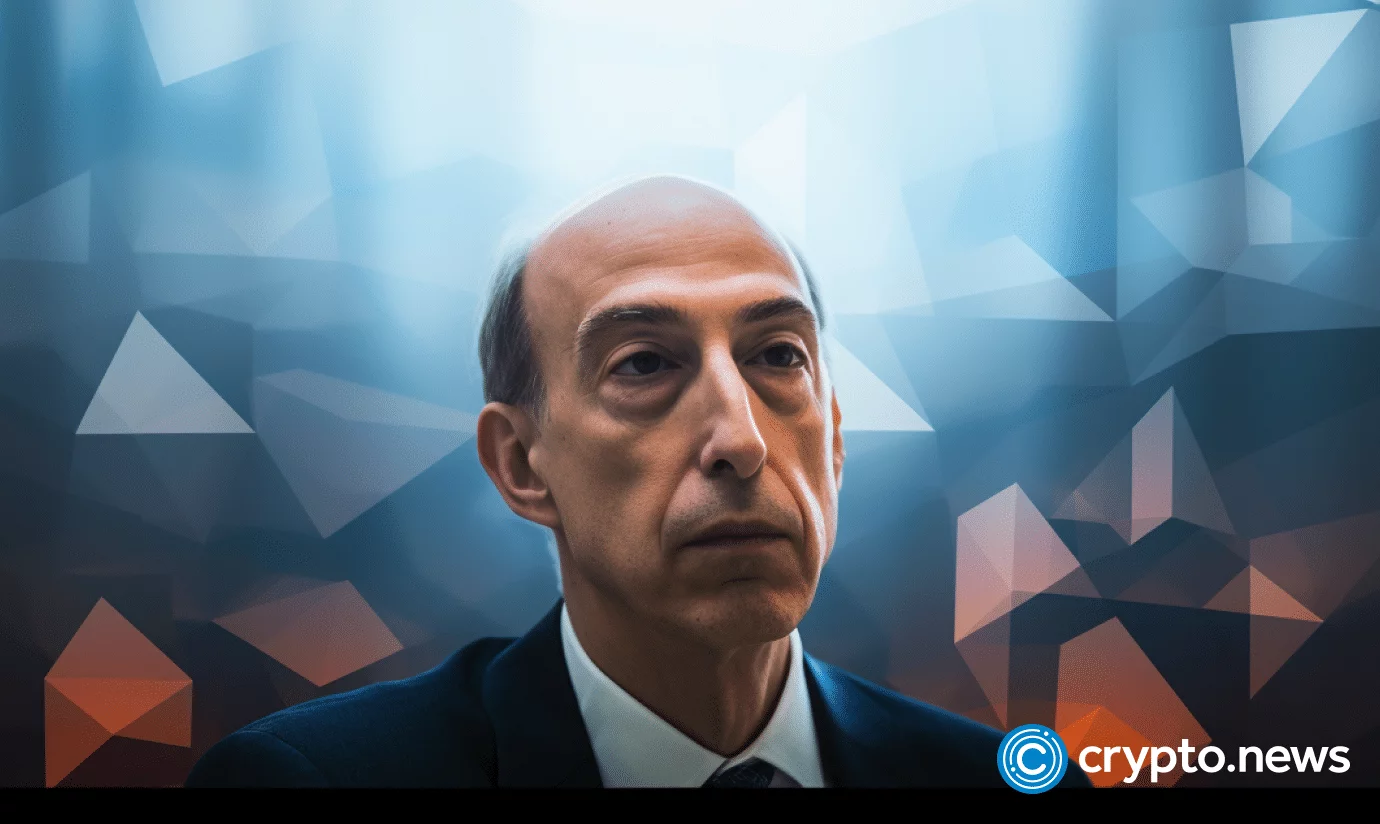
Coinbase has secured a $150,000 settlement from the U.S. Securities and Exchange Commission after the regulator lost nearly 11 months of former Chair Gary Gensler’s text messages.
Summary
- SEC will pay Coinbase $150,000 after losing Gary Gensler’s crypto-related text messages.
- An SEC watchdog blamed avoidable IT failures and a factory reset for the loss.
- The settlement requires the regulator to revise its policies for preserving official communications.
A Wall Street Journal op-ed written by Coinbase Chief Legal Officer Paul Grewal disclosed the agreement on July 22, bringing the exchange’s Freedom of Information Act lawsuit against the agency to an end.
Under the settlement, the SEC will pay Coinbase $150,000 and revise its record-retention policies, according to Grewal.
Coinbase filed the case while seeking internal SEC records about how senior officials handled crypto regulation and enforcement. The exchange also sued the Federal Deposit Insurance Corporation in 2024 for documents that it believed could show coordinated attempts by U.S. regulators to restrict crypto companies’ access to financial services.
The disputed SEC records included messages exchanged between Gensler and other agency officials. Grewal wrote that the regulator attributed the loss to a process that “automatically wiped” certain data, even though Coinbase had requested communications connected to crypto policy decisions.
SEC failures erased months of records
A September 2025 review by the SEC Office of Inspector General found that avoidable errors caused the loss of Gensler’s messages. The missing texts covered Oct. 18, 2022, through Sept. 6, 2023, a period when the agency was pursuing several enforcement actions involving digital assets.
According to the Inspector General’s report, SEC technology staff performed a factory reset on Gensler’s agency-issued iPhone on Sept. 6, 2023, after he could no longer access SEC applications. The reset permanently deleted the phone’s data before staff completed a usable backup.
Although the Office of Information Technology backed up the device later that afternoon, the Inspector General found that the messages could no longer be recovered. The report concluded that a timely backup and earlier action to improve recordkeeping would have prevented the loss.
SEC technology staff had announced an initiative to disable texting on agency devices in October 2022, according to the review. However, the office postponed enforcement while it developed an exemption process and prepared for a possible government shutdown, leaving Gensler’s phone without another backup before the reset.
The SEC eventually removed the texting application from agency devices in March 2024, the Inspector General reported. A separate notice submitted to the National Archives and Records Administration also disclosed that the agency later found problems searching for and recovering messages from the SEC-issued phones of five other senior officials.
Following the Inspector General’s findings, Grewal accused the former SEC leadership of violating its public obligations by losing material Coinbase had sought. In a September 2025 post, the legal chief wrote that the agency destroyed “documents they were required to preserve and produce.”
“The Gensler SEC did this even though we asked for information about ‘all communications’ within the SEC related to crypto regulatory and enforcement decision-making years ago.”
Coinbase’s disclosure fight predates the settlement
Coinbase’s pursuit of SEC communications had also appeared in the agency’s former enforcement lawsuit against the exchange. In July 2024, Coinbase asked a New York federal court to compel the regulator to produce documents tied to Gensler’s internal discussions during his tenure, which began in 2021.
After resistance from the SEC and U.S. District Judge Katherine Polk Failla, Coinbase narrowed an earlier request that had covered Gensler’s communications from both before and during his chairmanship. Its July 23 motion focused on records from his time leading the agency.
Subpoena Request No. 23 sought documents connected to Gensler’s public speeches about digital-asset regulation. Grewal argued at the time that those materials “bear directly on the claims the SEC now asserts.”
According to Coinbase’s motion, the SEC had declined to search beyond its Enforcement Division’s investigative files, citing relevance and the burden involved. The exchange also claimed that the regulator would not run searches across custodians’ email accounts or establish a system to produce responsive documents or list withheld records.
Those requests emerged as Coinbase defended itself against SEC allegations that it operated an unregistered securities exchange, broker and clearing agency. Under the Trump administration, the commission dismissed the enforcement case in February 2025 without requiring Coinbase to pay a fine or change its business practices.
As reported by crypto.news, Coinbase has since supported federal crypto legislation, including the stablecoin framework approved by Congress, while CEO Brian Armstrong and Grewal have pressed lawmakers to advance the CLARITY Act. The SEC has also started developing policies for tokenized securities and other digital-asset products under its post-Gensler leadership.
The latest settlement resolves Coinbase’s FOIA dispute while requiring the regulator to change how it preserves official communications. Grewal’s account places the $150,000 payment alongside those recordkeeping reforms, tying the financial award directly to messages the Inspector General determined were lost through preventable agency failures.

Ethereum is pressing against a price level that has capped every rally. ETH trades at $1,925, little changed over the past 24 hours. But the $2,000 mark remains both a technical ceiling and a psychological flashpoint. What’s changed is who’s bidding, and why.
Fundstrat’s Tom Lee posted on X that capital tied to the AI sector is rotating from chip stocks into Ethereum. He framed ETH as the new digital infrastructure play for AI-focused portfolios. The thesis argues that decentralized compute and data networks could attract capital that previously favored names like Nvidia.
That narrative gained institutional support the same week. S&P Dow Jones Indices and Pantera Capital launched the S&P Pantera Digital Asset Index. The 18 asset benchmark applies S&P 500-style financial viability screens to crypto protocols. Ethereum is its largest holding, while the index’s constituents generated more than $3 billion in annualized revenue across the previous two quarters.
Both developments arrive as ETH tests a resistance zone it has struggled to clear throughout July. For Ethereum price, if institutional demand strengthens while technical resistance weakens, it could finally get a clean shot at reclaiming the $2,000 level.
Discover: The Best Crypto to Diversify Your Portfolio
Can Ethereum Price Break $2,000 This Week?
Ethereum is trading around $1,925 after briefly testing the $1,940 price area. Price action remains tight, with only a modest gap across major exchanges. That narrow spread points to cooling intraday volatility rather than aimless trading. Buyers and sellers are waiting for the next catalyst before making a decisive move.
Trading volume has improved from last week’s average, giving the latest rebound more credibility. Even so, traders will likely want another pickup in activity before treating any breakout as sustainable.

Technically, the structure remains straightforward. Support sits between $1,850 and $1,900, where buyers stepped in several times this month. On the upside, resistance stands around $1,950, followed by the psychological $2,000 mark. Ethereum has yet to secure a convincing daily close above $1,950, making that the key level to watch.
If buying pressure continues to build, Ethereum could break $1,950 and challenge the $2,000 to $2,100 zone over the coming weeks. A more likely outcome is continued consolidation between $1,880 and $1,960 until a macro event or major network development shifts sentiment. However, a daily close below $1,850 would put the $1,720 to $1,750 region back into focus.
ETF inflows into Ethereum investment products have continued to strengthen, providing steady demand beneath the market. That support may help limit downside, even if the push above $2,000 takes longer than bulls expect. Still, price confirmation matters more than headlines, especially while Ethereum trades just below a major resistance zone.
Trade Ethereum and Major Alts on Bybit and Get a Chance to Win Our $1,000 USDT Airdrop
LiquidChain Targets Early Mover Upside as Ethereum Tests Key Levels
ETH at $1,925 with a $231 billion market cap is not where asymmetric returns live; it’s where capital preservation and measured upside live. Traders who want the AI infrastructure narrative without the large-cap ceiling are looking at where that architecture is being built at the execution layer.
LiquidChain is a Layer 3 infrastructure project positioned as a cross-chain liquidity layer that fuses Bitcoin, Ethereum, and Solana liquidity into a single execution environment. The pitch to developers is clean: deploy once, access all three ecosystems.
The Order builds. — LiquidChain (@getliquidchain) July 15, 2026
Brick by brick. Layer by layer.  ⟁https://t.co/vqvBcdSQYC pic.twitter.com/tcfMNP4lNq
Its core architecture boasts Unified Liquidity Layer, Single-Step Execution, Verifiable Settlement, and Deploy-Once Architecture. Those targets one of DeFi’s most persistent friction points: siloed liquidity across chains.
The presale is live at $0.01482 per $LIQUID, with $915K raised to date.
For traders who’ve done the diligence and want exposure to L3 infrastructure before institutional attention reaches that layer, research LiquidChain’s presale structure here.
Discover: The Best Token Presales
The post Ethereum Price Eyes $2,000 as AI Funds Shift From Chips to ETH, Says Tom Lee appeared first on Cryptonews.


Cardano wallet SecondFi is winding down after attackers exploited a flaw in its transaction signing software to steal 16.1 million ADA, worth roughly $2.4 million, from 374 wallets.
The service, which replaced EMURGO’s Yoroi wallet, said it will not resume normal operations despite patching the vulnerability.and at the time securing 129 million ADA before attackers could reach the funds.
The flaw allowed attackers to derive private key material from transaction data visible on the Cardano blockchain, SecondFi said. The Cardano network itself was not compromised, and hardware wallet users were not affected.
Groom Lake, the blockchain intelligence firm hired by EMURGO, found that the main attacker was sophisticated and well-funded. Some indicators point to North Korea’s Lazarus Group, though no attribution has been confirmed, the firm said.
A separate attacker targeted another set of wallets during the same period.
SecondFi expects to release wallet export tools in early August and a zero-knowledge recovery portal later that month. EMURGO has funded an asset recovery wallet, but no firm distribution date has been given.
The attacker behind the $6 million Summer.fi exploit has begun laundering the stolen funds, moving roughly $1.35 million in DAI through Tornado Cash, the sanctioned crypto mixer, according to Summer.fi's own post-mortem of the July 6 attack. Summer.fi, the front-end for the Lazy Summer Protocol,… Read the full story at The Defiant


Midnight’s NIGHT token staged a sharp recovery after crashing to an all-time low following a bridge exploit earlier this week, with Charles Hoskinson using the incident to make a broader case for rethinking crypto security from the ground up.
NIGHT fell roughly 43% after 290 million tokens were stolen and dumped through a legacy Wanchain bridge on the Binance-Cardano corridor. The token has since bounced nearly 19% in 24 hours, trading around $0.022. Hoskinson pushed back at coverage that focused only on the crash. “Magically, they forget to mention the rebound,” he posted on X.
Hoskinson described the hack as a “case of the Mondays” in an interview with CoinDesk but did acknowledge its seriousness in the broader context.
“All software is under this enormous assault,” he said, pointing to a surge in Linux kernel vulnerabilities he attributed to AI-powered exploit discovery. He was direct about the limits of even well-built systems: “That’s like being 90% resistant to a deadly disease. If you’re exposed to it enough, eventually you still catch the disease.”

Matt Damon plays a king on screen. Off-screen, he holds a $33.8 million real estate portfolio. “The Odyssey” star built it with three homes in Brooklyn, Bedford, and West Hollywood.
Christopher Nolan’s film earned $264 million in its opening weekend, his biggest debut ever. Then Elon Musk vowed to make a rival AI version. All eyes are back on its star.

Inside Matt Damon’s Investment Portfolio
Start in Brooklyn. Damon paid $16.7 million in 2018 for a penthouse at The Standish in Brooklyn Heights. No home in the borough had ever sold for a higher price. The six-bedroom triplex spans 6,200 square feet atop a converted 1903 hotel.
Next came the countryside. In June 2022, he bought a 13-acre estate in Bedford, New York, for $8.5 million. The deal ran through an LLC that shares an address with Pearl Street Films, the studio he owns with Ben Affleck. The home comes with a saltwater pool, tennis court, and antique barn.
The last piece is small on purpose. Damon sold his 13,500-square-foot Los Angeles mansion for roughly $18 million in 2021. Three years later, he bought a 2,900-square-foot condo at 8899 Beverly in West Hollywood for $8.6 million. That cut his Los Angeles footprint by nearly 80%.
All this wealth still sits off-chain, even as real-world asset tokenization moves into housing.

Odyssey Buzz Meets Musk’s AI Challenge
So where are the stocks, the gold, the coins? Nowhere public. Damon has never disclosed holdings in any of them, and actors file no ownership records. Property deeds are his only visible paper trail.
His crypto ties are about charity, not bags. He fronted Crypto.com’s “Fortune Favors the Brave” ad in 2021, weeks before Bitcoin peaked that cycle.
He later told the Associated Press he gave his entire fee to Water.org, his clean water charity. Crypto.com then donated $1 million on top.
In June, his Ripple Swell 2026 appearance promoted a water aid campaign with Water.org, funded through Ripple’s RLUSD stablecoin.
Now Musk has entered the story. On Wednesday, he said Grok Imagine, xAI’s video tool, will make a full-length AI Odyssey before 2026 ends. He calls it a historically accurate answer to Nolan’s reported $250 million film, whose casting he has attacked.
Damon’s playbook is simple. Fewer homes, each with a clear job. Musk’s AI feud keeps the film in the news, and its star’s money right beside it.
The post Odyssey Actor Matt Damon’s Investment Portfolio Revealed appeared first on BeInCrypto.


That shift is already beginning. Robinhood launched AI-powered investing tools in May that let agents trade stocks and make purchases for users. CEO Vlad Tenev has said AI agents will eventually rival the capabilities of human traders, while OpenAI and Anthropic are racing to build increasingly autonomous systems that can navigate software and complete complex tasks on their own.
For Kaul, those agents introduce a problem that today’s payment systems weren’t built to solve.
Many transactions between AI agents could be worth only fractions of a cent, such as paying for an API call, a second of computing power or access to a dataset. Traditional payment networks become expensive when fees cost more than the transaction itself.
That’s where Kaul believes blockchains come in.
She argued public blockchain networks are better suited to machine-to-machine payments because they offer programmable transactions, cryptographic identity and near-instant settlement. Instead of relying on banks or card networks, AI agents could hold digital assets and pay one another directly over blockchain rails.
If that happens at scale, demand for blockchain networks could grow alongside AI adoption.
Since agents would need native cryptocurrencies to pay network fees, Kaul argued rising transaction volumes could increase demand for those tokens while generating more revenue for developer incentives, network security and decentralized applications.
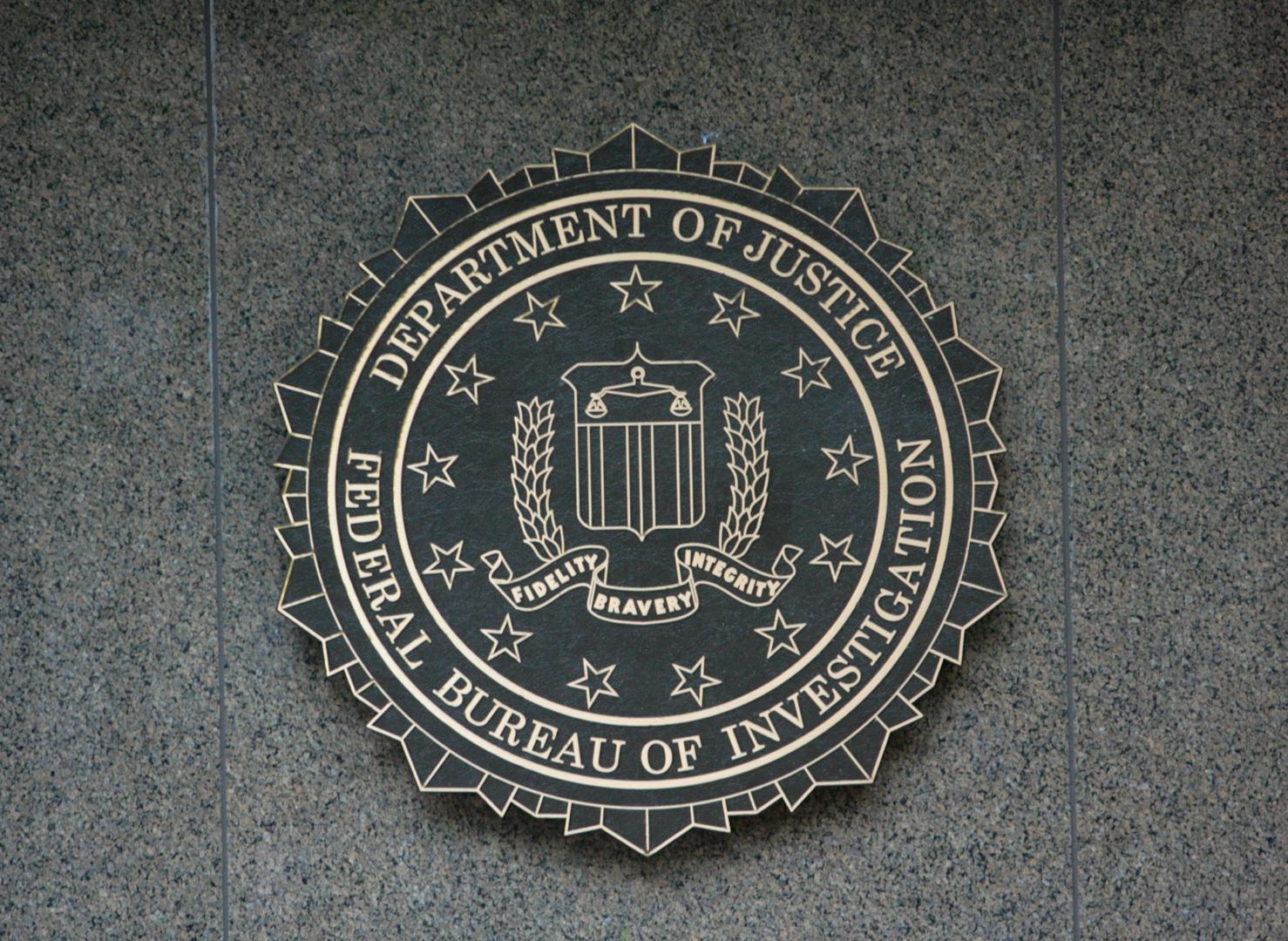
Federal prosecutors filed five civil forfeiture complaints seeking more than $25 million in cryptocurrency that investigators say came from international romance and investment scams targeting people in the U.S. and Canada.
The complaints, filed in U.S. District Court for the District of Columbia, stem from separate Secret Service investigations.
Agents traced funds through hundreds of wallet addresses and frozen crypto linked to more than 270 suspected investment scam transactions, more than 200 romance scam victims and several victims in the Washington area, according to the U.S. Attorney’s Office.
The two largest cases seek about $12.1 million tied to online romance schemes and $10.4 million linked to fraudulent investment platforms. Another three complaints seek roughly $1.23 million, $2.39 million and $285,000.
In one case, scammers cut off contact after a victim tried to withdraw money from what appeared to be a crypto investment account. In another, fraudsters contacted someone who had already lost money and claimed they could recover it for a fee in what’s known as a recovery scam.
The cases are part of the Scam Center Strike Force, which launched in November 2025. The U.S. Attorney’s Office said the task force has recovered more than $800 million.

Alger Capital Appreciation Fund Q2 2026 Portfolio Update

China’s Moonshot Reportedly Stole U.S. AI Tech for Kimi K3

Chadwick Boseman’s Family Locked In Bitter Estate Fight


-
 NewsBeat6 days ago
London Mayor Sadiq Khan handed a peerage by Keir Starmer alongside 15 other Labour figures… just days before the PM leaves No10
-

 Fashion5 days ago
Weekend Open Thread – Corporette.com
-

 Politics4 days ago
The House | The City of London can help the new chancellor deliver growth in every postcode
-
 Crypto World5 days ago
Two July Windows Left: The CLARITY Act’s Senate Fight and What Failure Means
-

 Crypto World7 days ago
CFTC blocks Kalshi from unwinding Michigan trades after court order
-

 Crypto World4 days ago
Ripple Payments Joins MiCA With 14 Firms, Does It Mean Anything For XRP?
-

 Business7 days ago
Nvidia Stock Slips After Big Tuesday Rally as Huang Confirms Vera Rubin Chip Is Now in Production Today
-

 Politics3 days ago
Democrats look to World Cup watch parties to register thousands of voters
-
 Entertainment7 days ago
Disney’s Most Ambitious Failed Star Wars Attraction Is Coming to SDCC
-

 Crypto World5 days ago
Ripple wins EU-wide access as ESMA adds it to MiCA register
-

 Crypto World1 day ago
Grayscale Files For Worldcoin ETF, WLD Registers Sharp Rise
-

 Crypto World6 days ago
Injective Submits SEC Transfer-Agent Registration to Onchain Ownership Records
-

 Business6 days ago
Palantir Shares Rise After Expanded Nvidia Partnership and Fresh Analyst Upgrades Ahead of Earnings Day
-

 Tech2 days ago
Sail Virtually Aboard The “Itanic” With IA-64 Emulator
-
 Tech2 days ago
Turtle Beach Command Series KB7 review: a nifty screen-equipped gaming keyboard
-

 NewsBeat2 days ago
Unregistered fitter used Gas Safe logo on business flyers
-

 NewsBeat5 days ago
Registration is now open for March for Men with Kev 2026
-
 Sports7 days ago
New Cornerback Enters Vikings Trade Rumor Mill
-
 Business11 hours ago
New Jersey voter registration controversy explained: How 6,600 noncitizens got on the rolls, and what happens next
-

 News Videos5 days ago
Money | Class 12 Economics | CBSE Board Exam 2026-27
You must be logged in to post a comment Login