

Business
Thailand News Roundup: Strengthening China-Thailand Relations


Thailand’s news cycle currently spans a wide array of developments, from deepening ties with China to ongoing tensions with Cambodia, alongside significant strides in tourism, technology, and infrastructure. Below is a comprehensive summary of the most pressing stories shaping the Kingdom.
Strengthening China-Thailand Relations
A dominant theme this week is the deepening strategic partnership between Thailand and China. President Xi Jinping met with Prime Minister Anutin Charnvirakul, resulting in a joint statement on building a “shared community” between the two nations. The countries have agreed to launch a 2+2 foreign and defense ministers’ dialogue, signaling closer security cooperation, while also signing five agreements to build future industries together.
Technology cooperation is a key pillar of this relationship, with both sides eyeing deeper tech collaboration to drive a “prosperous shared future.” Thailand has also secured $2.15 billion in investment from four leading Chinese tech firms, alongside progress on AI and space cooperation. Additionally, Thailand is targeting 2030 for the completion of the first phase of a high-speed rail link to China, reflecting long-term infrastructure ambitions. Both nations have pledged to stamp out illicit “grey capital” while supporting quality investment flows.
Tourism as a Diplomatic Bridge
China remains central to Thailand’s tourism recovery strategy. Thailand is actively working to win back Chinese tourists through new partnerships and easier entry policies, part of a broader regional trend where China is easing travel barriers for Southeast Asian neighbors, according to Skift’s coverage of Thailand’s tourism strategy.
Escalating Tensions with Cambodia
In contrast to warming China relations, Thailand-Cambodia relations remain strained. The shared border stays closed amid ongoing political and military tensions. Cambodia has publicly criticized Thailand’s stance on maritime boundary talks, calling out Bangkok for a “doors closed” remark related to UNCLOS negotiations, while the two countries continue to diverge sharply over Gulf of Thailand energy resources and maritime claims.
Adding to friction, Thailand has raised alarms with China over tank sales to the Cambodian army, questioning the implications for regional security. Japan has stepped in diplomatically, urging renewed talks between the two neighbors while pledging continued humanitarian assistance.
Tourism Sector Momentum
Despite regional tensions, Thailand’s tourism sector is showing strong momentum. The country welcomed 17.36 million international visitors in 2026, generating approximately THB 838.73 billion in travel revenue. Bangkok, Phuket, and Chiang Mai continue to be primary draws for global travelers.
Thailand is also positioning itself within a broader ASEAN tourism boom, alongside Vietnam, Japan, and South Korea, with new safety initiatives like “Trusted Thailand” and a Tourist Police SOS app exceeding 100,000 downloads. However, the sector faces disruption risks, as hundreds of flights across Asia—including in Thailand—were recently cancelled or delayed, affecting carriers such as Cathay Pacific and Emirates.
Economic and Business Developments
Thailand’s economic policy landscape is shifting on multiple fronts. The government is exploring a Japanese-style savings plan to bolster domestic capital markets, while stocks in Thailand hit a 6.5-year high. The Board of Investment (BOI) is also pushing firms toward local IPOs to deepen the domestic market.
Trade tensions are emerging with the United States, as Thailand remains on alert following Section 301 probes tied to the broader US trade war. Meanwhile, local farmers have expressed concern over Thailand’s US maize purchase, fearing competitive pressure on domestic agriculture. On the defense front, Thailand plans to acquire eight additional Swedish Gripen fighter jets to complete a new squadron.
Innovation and Sustainability
Thailand is investing in future-oriented technology, including its first trapped-ion quantum computer and a specialized talent development drive. The country has also made environmental progress, cutting nearly 4 million tonnes of CO2 emissions through low-carbon cement production—a significant industrial sustainability achievement highlighted in Thai PBS World’s report on Thailand’s medical cannabis sector.
Human Rights and Legal Concerns
Thailand faces mounting international pressure over the potential deportation of Chinese journalist Bai Zhaodong. Human Rights Watch, the Committee to Protect Journalists, and other global press freedom organizations have urged Thai authorities not to forcibly return the detained journalist to China, citing serious risks of persecution.
Separately, Thailand’s cannabis policy continues to generate controversy. What began as a medical cannabis initiative has reportedly evolved into a smuggling concern, raising questions about regulatory oversight. Foreign travelers face steep risks as well—a single cannabis-related mistake at a Thai airport could result in a 10-year prison sentence and a $15,000 fine. In a separate legal development, Thailand sentenced its first conscientious objector to prison, marking a notable moment for civil liberties discourse.
Cultural and Archaeological Discoveries
Thailand continues to yield remarkable archaeological finds. Workers excavating beneath a 1,300-year-old reclining Buddha statue uncovered ancient gold and silver artifacts, while separate digs at the Don Yai Thong site in Phetchaburi revealed additional ancient gold ornaments. Scientists have also identified a new dinosaur species from a single bone discovered in Thailand, underscoring the country’s rich paleontological heritage.
Conclusion
Thailand’s news landscape reflects a nation balancing complex diplomatic relationships, ambitious economic reforms, and social and legal challenges. While ties with China strengthen through trade, technology, and infrastructure deals, tensions with Cambodia persist over border and maritime disputes. Meanwhile, tourism recovery, sustainability initiatives, and human rights concerns continue to shape the Kingdom’s evolving global position.
Source : Google News – Search
Other People are Reading

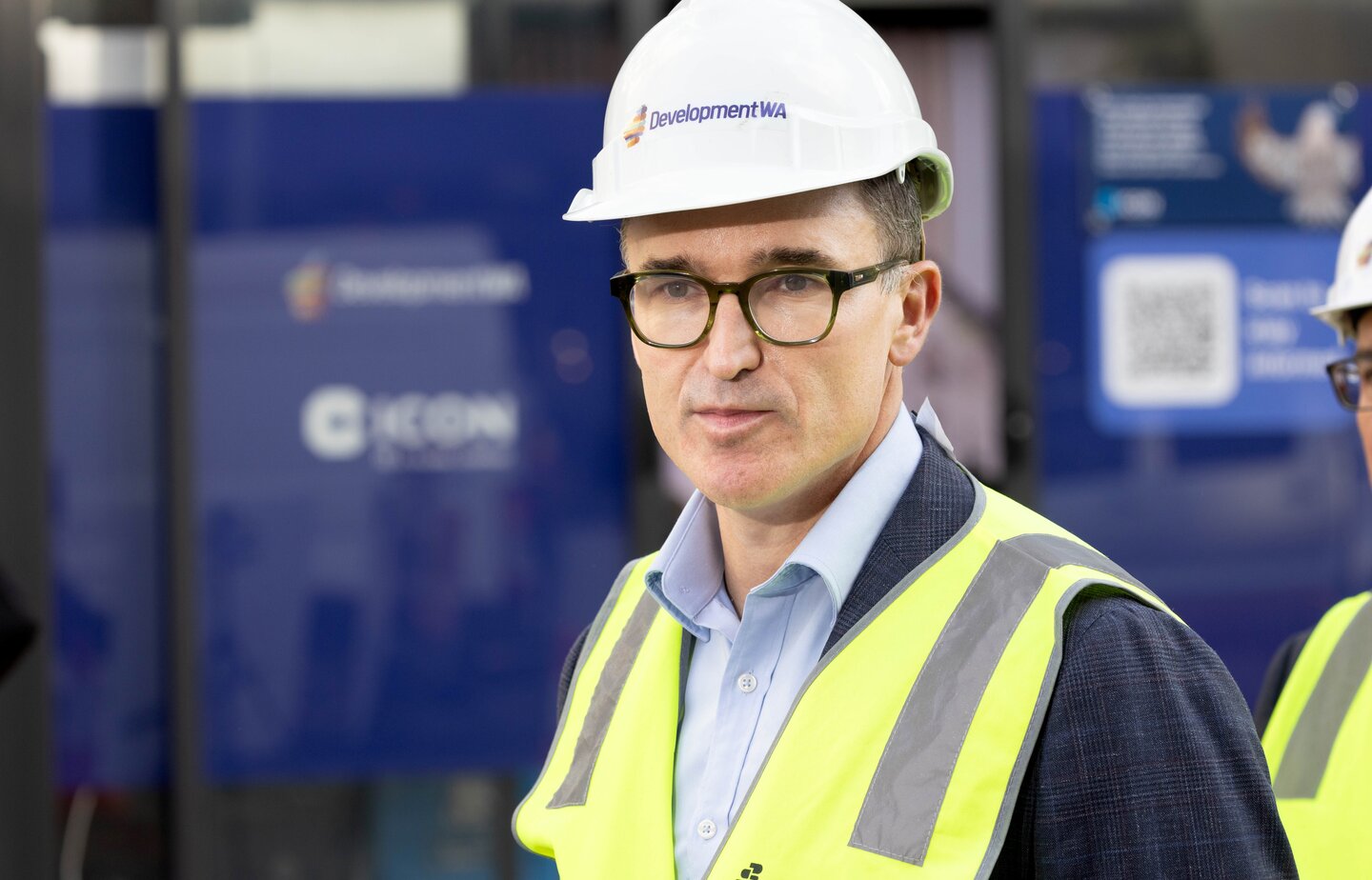
The state government is pushing ahead with overriding local council planning policies on 10 Perth train station precincts, despite some scepticism from industry.

Faith in science needs to be restored, Agriculture Minister Jackie Jarvis says, amid a growing tide of skepticism and ‘dodgy’ AI images.
Business
Infosys shares fall 3% as JPMorgan downgrades stock, Jefferies cuts target after Q1 results

The lower revenue guidance indicates limited demand visibility despite strong deal wins and growing AI-led revenue. The IT sector continues to face slower discretionary spending, delayed client decision-making and pressure from AI-driven productivity gains.
The company reported a 12% year-on-year (YoY) rise in consolidated net profit to Rs 7,769 crore for the first quarter of FY27, compared with Rs 6,921 crore in the year-ago quarter. Revenue from operations increased 14% YoY to Rs 48,211 crore.
Also read: Infosys names Ashiss Kumar Dash to succeed Salil Parekh as CEO
Infosys shares: Buy, sell or hold?
JPMorgan downgraded Infosys to Neutral with a target price of Rs 1,050, saying the company’s Q1 revenue missed expectations sharply and its revenue guidance was cut significantly for the second consecutive quarter following a major miss in Q4. The brokerage said growth momentum has faced multiple setbacks, including weak demand, rising AI-led deflation, sometimes even during ongoing contracts, challenges with the Daimler contract and the termination of an Energy, Utilities, Resources and Services (EURS) contract. The new organic growth guidance of -0.2% to 1.3%, within an overall growth range of 1.5%-3%, points to a sharp slowdown that would require quarterly sequential growth of 0.4%-1.4% in a difficult environment, it added. While deal signings remain strong, AI-led deflation is keeping revenue conversion subdued, the brokerage further said.

Jefferies maintained its Hold recommendation on Infosys but cut the target price to Rs 1,020 from Rs 1,235, citing a worsening growth outlook that is now reflected in the stock price. The brokerage said the appointment of CEO-designate Ashiss Kumar Dash could provide some comfort around the leadership transition. Jefferies cut its estimates by 1%-3% and expects Infosys to deliver a recurring EPS CAGR of 5%.
Morgan Stanley maintained its Equal Weight rating on Infosys while cutting its target price to Rs 1,075 from Rs 1,112, implying a potential upside of 4%. The brokerage cited a weaker-than-expected quarter and a sharp reduction in guidance as the key reasons for the revision. While deal wins remained strong, revenue conversion was hurt by subdued discretionary spending. Morgan Stanley expects limited near-term valuation triggers and flat organic growth.
Citi maintained its Neutral rating on Infosys but cut the target price to Rs 1,065 from Rs 1,080. The brokerage said Q1 performance was weak after excluding the contribution from acquisitions, while deal wins and margins were key positives. However, volume growth and pricing fell short of management’s expectations, while commentary pointed to caution around discretionary spending. Citi also flagged high competitive intensity and the leadership transition as concerns, while remaining cautious on the IT sector amid AI-led deflation and the growing market share of captive centres.
Nomura has a target price of Rs 1,290 on Infosys, implying an upside of 23%. The CFO said the revised guidance reflects a volatile business environment, with the lower end factoring in further macroeconomic deterioration and the upper end assuming less improvement than previously expected. “Infosys is currently trading at an attractive valuation of 13x FY28F EPS of Rs 80.4,” it added.
Motilal Oswal Financial Services maintained its BUY rating on Infosys with a target price of Rs 1,170, implying a potential upside of 13.3% from current levels. The brokerage said Infosys lowered its FY27 revenue growth guidance amid macroeconomic uncertainty and weaker demand. It noted that Q1 revenue grew 1% quarter-on-quarter in constant currency terms, while margins remained stable. Strong deal wins, healthy cash flows and investments in artificial intelligence supported its positive view on the stock.
Read more: Infosys ADRs fall over 4% as Q1 revenue guidance cut overshadows profit growth
Nuvama retained its BUY rating on Infosys but lowered its target price to Rs 1,250 from Rs 1,650, implying an upside of over 21%. The brokerage attributed the cut to weaker-than-expected Q1FY27 growth, pricing pressure and soft demand in Europe, which also weighed on the company’s revenue guidance. It said stable margins at 21.1%, strong deal wins, increasing AI adoption and hiring plans remain positive for Infosys’ long-term growth outlook.
Emkay retained its BUY rating on Infosys and revised its target price to Rs 1,300 from Rs 1,350, indicating an upside of around 26%. The brokerage highlighted the improvement in EBIT margin to 21.1% and noted that AI Services accounted for 8.2% of Q1 revenue. While Infosys lowered its FY27 growth guidance to 1.5%-3%, Emkay identified growth in BFSI, continued AI momentum and the leadership transition as key positives.
(Disclaimer: Recommendations, suggestions, views and opinions given by the experts are their own. These do not represent the views of The Economic Times)
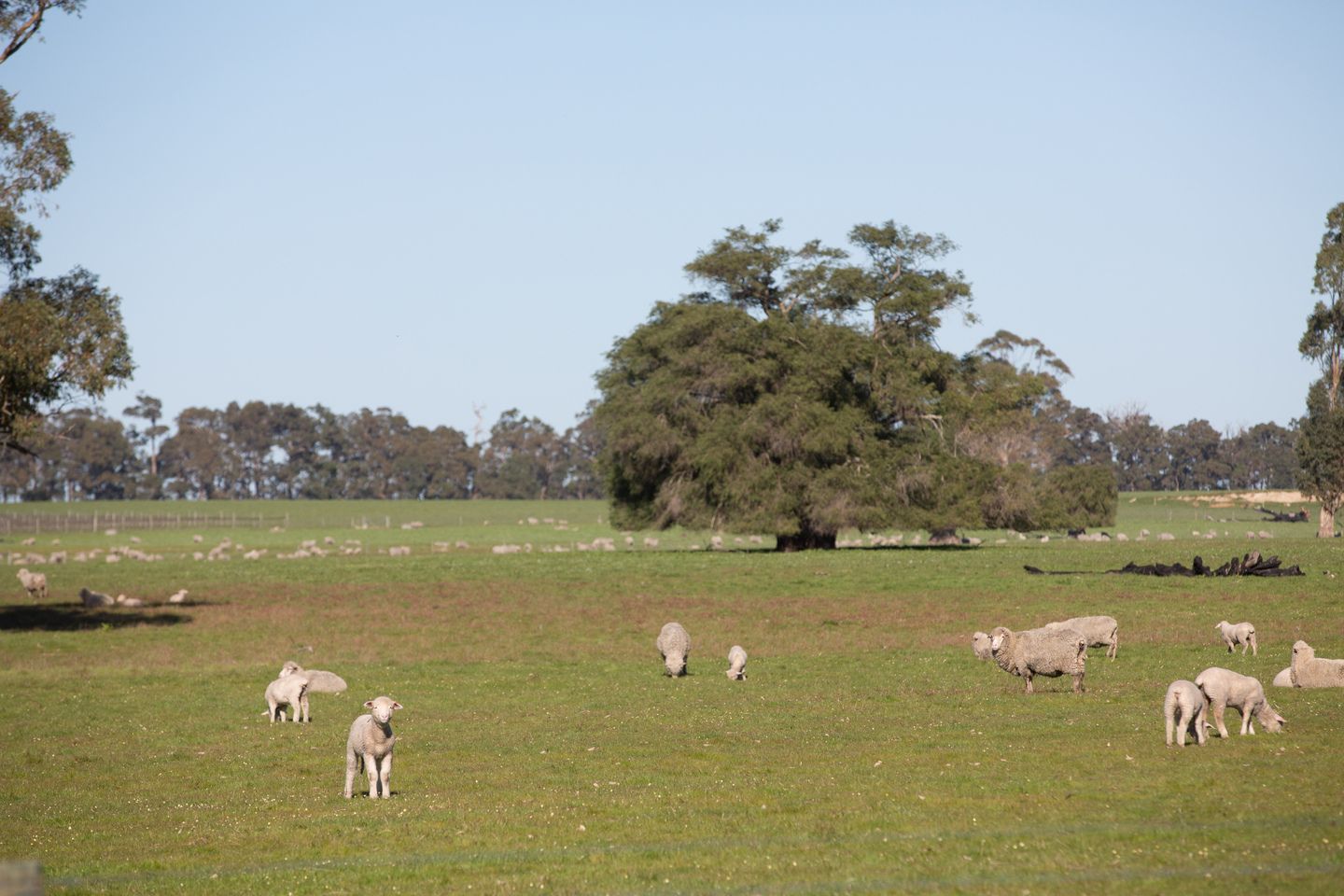
Dardanup Butchering Company is one step closer to expanding its abattoir in Bunbury to double its processing facility, after a panel approved its $55 million plan.

A fund capturing a broad swath of investment grade U.S. corporate bonds was at a level not seen in more than a year.
The fund has enjoyed an average annual return of 6.2% over the past 15 years, although over the last five years it’s down 3.7% annually on average, latest Morningstar data shows.
Business
Spilt Milk Festival Reveals 2026 Lineup Headlined by Lewis Capaldi and Raye, Moves to New Geelong Home

Australia’s Spilt Milk festival has unveiled its full 2026 lineup, headlined by British artists Lewis Capaldi and Raye, marking Capaldi’s return to touring following a multiyear hiatus and confirming a significant relocation for the festival’s Victorian leg from Ballarat to Geelong.
Organizers revealed the complete artist bill this week following weeks of teaser announcements, with the festival set to run across four Australian cities in December.
Who’s on the bill
Lewis Capaldi and Raye will headline this year’s edition, with both artists appearing at Spilt Milk exclusively, meaning festival-goers will not be able to catch either performer at any other Australian tour stop this year. The pair are joined further down the bill by KETTAMA, Baby Keem, Maisie Peters, Remi Wolf and DMA’S, alongside a broader supporting lineup that includes Aleksiah, Borderline, F3MIII, Harry Hayes, Jigitz, Leyla Ebrahami, Miss Kaninna, Becca Hatch, Fat Papi, Pash, Samara Cyn, STÜM, The Moving Stills, The Terrys, TOBIAHS and Yes Boone.
This year’s lineup marks a notable shift in tone from 2025’s edition, which was headlined by Kendrick Lamar and Doechii. Last year’s festival drew strong reviews for its performances, with Rolling Stone Australia/New Zealand’s live review of the final Ballarat edition describing Lamar’s set as commanding even in a more relaxed mode, writing that “Kendrick in cruise control, however, is still Kendrick.”
Where and when
Spilt Milk 2026 will take place across four cities on consecutive weekends in December:
Saturday, Dec. 12, at Exhibition Park in Canberra; Sunday, Dec. 13, at the Gold Coast Sports Precinct; Saturday, Dec. 19, at Kardinia Park Stadium and Precinct in Geelong; and Sunday, Dec. 20, at Claremont Showground in Perth.
Presale and general ticket sales will be available through the festival’s official website, spilt-milk.com.au, with organizers indicating further ticketing details will be announced in the coming days.
A major relocation for the Victorian leg
The most significant change to this year’s festival is its new home in Victoria. After four editions held in Ballarat, Spilt Milk is relocating its Victorian stop to Kardinia Park Stadium and Precinct in Geelong, where it will remain based for at least the next five years, through 2030, according to the venue. The move is backed by Visit Victoria and the City of Greater Geelong.
Kicks Entertainment director and festival co-founder Ryan Sabet framed the relocation as a vote of confidence in the festival’s ability to bring major live music experiences outside of Australia’s capital cities. “Geelong is the perfect stage for the festival’s next five years,” Sabet said. “We want to thank Visit Victoria and the City of Greater Geelong for backing what Spilt Milk can do, their support means we can keep proving that a world-class festival doesn’t need to be in a capital city.”
Geelong Mayor Stretch Kontelj highlighted the anticipated economic benefits of hosting the festival, pointing to the influx of visitors it is expected to bring to the city each summer. “They’ll fill our hotels, our restaurants and our waterfront, while plenty of them will discover a city worth coming back to,” Kontelj said.
State Member for Geelong Christine Couzens also welcomed the move, emphasizing the value the festival could bring to young people in the region. “Bringing Spilt Milk to Geelong is a fantastic opportunity for our region, most importantly, for our young people,” Couzens said. “These kinds of experiences give them the chance to connect with friends, create lasting memories, and enjoy world-class music close to home. I’m proud that Geelong is attracting these major events.”
A festival with growing economic impact
According to figures released by Spilt Milk, the festival has contributed more than $46.7 million to the Victorian economy since 2019. Its 2025 edition alone generated an estimated $17.2 million, with roughly 34,100 attendees traveling in from outside the region. Overall festival attendance has grown substantially over the years, climbing from 28,602 attendees in 2019 to 38,729 in 2025.
A track record of major names
Since launching in 2016, Spilt Milk has built a reputation as one of Australia’s most closely watched regional touring festivals, having previously hosted artists including Kendrick Lamar, Doechii, Post Malone, Lorde, Childish Gambino, Flume, Steve Lacy, Dom Dolla, Latto and Khalid. The festival has also become known for consistently selling out across its host cities, with all four stops on its 2025 tour, Ballarat, Perth, Canberra and the Gold Coast, selling out.
The festival has additionally maintained a strong focus on supporting Australian artists throughout its lineups. Of the 43 acts that performed at last year’s festival, 33 were Australian, including 15 performers from Victoria and five artists based within 100 kilometers of the festival site.
A break from expectations
Ahead of this week’s official reveal, fans and festival watchers had spent weeks trying to predict the 2026 lineup based on cryptic teasers from organizers. While some predictions, including appearances from KETTAMA and Remi Wolf, proved accurate, much of the final bill, including the Capaldi and Raye headline slots, came as a surprise to those closely following the festival’s promotional campaign.
With the full lineup now confirmed and Geelong locked in as the festival’s new long-term Victorian home, attention now turns to ticket sales, expected to open through Spilt Milk’s official website in the coming days. Given the festival’s recent history of selling out multiple stops well ahead of their scheduled dates, organizers and fans alike are likely to be watching closely to see how quickly this year’s tickets move, particularly for the newly relocated Geelong show and the exclusive Australian appearances by both Capaldi and Raye.

Prime Minister Anutin Charnvirakul met military leaders to discuss six priorities, emphasizing military readiness, border security, disaster relief, voluntary service, defense industry development, and coordination against transnational crimes.
Key Points
- Prime Minister Anutin Charnvirakul visited the Royal Thai Armed Forces Headquarters, meeting with military and police leaders. He honored King Naresuan the Great, inspected the military honor guard, and received the Honorary Counter-Terrorism Operations Proficiency Insignia.
- Anutin outlined six policy priorities for the armed forces, focusing on military readiness, border security, disaster relief, and promoting voluntary military service over conscription.
- He emphasized developing Thailand’s defense industry through improved cooperation, increased domestic production, and enhanced international partnerships, urging the armed forces to utilize the Border Security Integration Center to combat transnational crimes.
Prime Minister Anutin Charnvirakul recently visited the Royal Thai Armed Forces Headquarters, where he met with the Chief of Defense Forces, service commanders, the Commissioner-General of the Royal Thai Police, and senior military officers. During the visit, he paid tribute at the King Naresuan the Great Monument, inspected the military honor guard, and received the Honorary Counter-Terrorism Operations Proficiency Insignia.
Addressing the military leadership, Anutin detailed six policy priorities for the armed forces. The goals include improving military readiness through personnel development and modern equipment, enhancing border security through the Border Security Integration Center, expanding disaster relief operations, and advancing voluntary military service as a long-term alternative to compulsory conscription.
The premier also called for continued development of Thailand’s defense industry through greater cooperation with relevant sectors, increased domestic production, and broader international partnerships. In addition, Anutin instructed the armed forces to use the Border Security Integration Center to improve coordination in combating transnational crimes, including cybercrime, human trafficking, and narcotics trafficking.
Source : Thai PM Outlines Six Defense Priorities for Armed Forces
Other People are Reading

You’ve been invited by the happy couple, but they’ve asked for cash – not presents. North Londoners tell us what they would do.

OPINION: Current data suggests the Support at Home scheme isn’t yet working as intended.

Meta CEO Mark Zuckerberg laid out an optimistic vision for artificial intelligence, arguing the technology should empower billions of people rather than fuel fears of a dystopian future. (Credit: Meta)
As artificial intelligence use proliferates, Google, which is behind the Gemini AI platform, has announced an effort to examine how its products are being utilized.
Google asserted that “we as a society must work together to positively shape how AI impacts our lives, jobs, and economy. In order for this shared work to be effective, it is critical to have a rich understanding of how AI is being adopted and used in the economy. Society needs empirical insights and evidence-based research to inform decisions, initiatives, and actions.”
The company said that it “is launching the first iteration of the AI & Economy ATLAS (Activity, Task, Landscape and Adoption Study), an ongoing, large-scale, de-identified study of how people are using Google’s AI products and tools.”
ZUCKERBERG SAYS AI SHOULD EMPOWER PEOPLE, NOT REPLACE THEM, IN NEW META VISION

Google China Tower in Zhongguancun Science Park, Beijing, China, July 15, 2026. (CFOTO/Future Publishing via Getty Images / Getty Images)
The Big Tech behemoth indicated it is using interactions with its AI for the analysis.
“ATLAS’s first dataset (v1.0) is built from 15 million aggregated and de-identified human-AI interactions across the Gemini App, AI Mode, and the Gemini API, which together are used by more than 1 billion people monthly. ATLAS v1.0 insights span more than 150 countries, 140 languages, 800 occupations, and 4,000 tasks; ATLAS is the most comprehensive look to date at how real people are using AI at scale,” Google noted.
GOOGLE EXPANDS MIAMI OFFICE AS CO-FOUNDERS FLEE CALIFORNIA FOR SOUTH FLORIDA
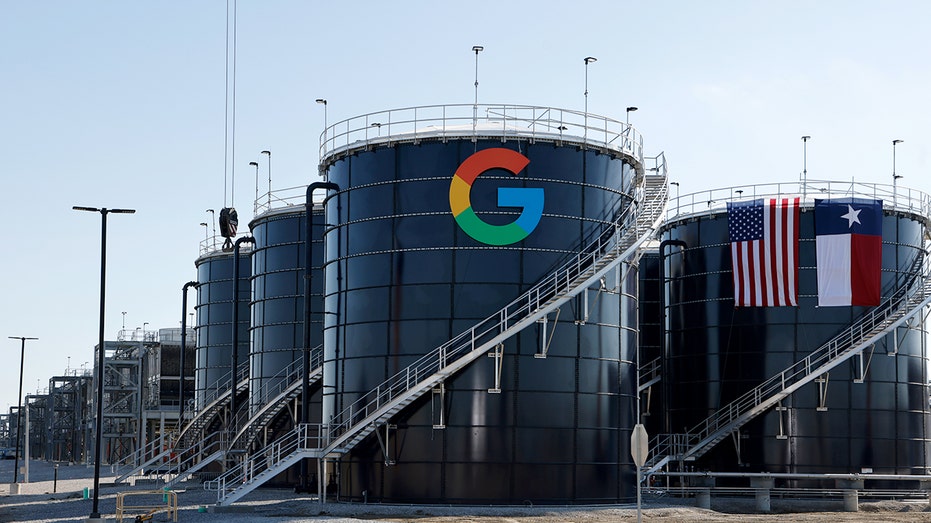
The Google Midlothian Data Center where Texas Gov. Greg Abbott and Alphabet and Google CEO Sundar Pichai were scheduled to speak Nov. 14, 2025, in Midlothian, Texas. (Ron Jenkins/Getty Images / Getty Images)
Part of a lengthy report on the analysis states that “we observe most conversational AI usage happens at home: over 86% of conversations occur outside formal work.
“In the workplace, we show that while AI adoption spans occupations covering just above 88% of U.S. employment, penetration remains shallow and overwhelmingly collaborative in nature, with end-to-end task automation limited in scope.
OPENAI SAYS AI MODEL HACKED ANOTHER COMPANY’S SYSTEMS DURING INTERNAL TEST

The Google Gemini logo is displayed on a smartphone screen. (Thomas Fuller/SOPA Images/LightRocket via Getty Images / Getty Images)
GET FOX BUSINESS ON THE GO BY CLICKING HERE
“English accounts for only about a third of global conversations, and users do not show signs of systematically abandoning their native languages for complex professional tasks, as work and non-work activities show nearly identical language distributions,” the executive summary of the report notes.

Coinbase Enables USDC Payments for Business Use by AI Agents
Joy Behar shocks “The View” by pulling in guest for long kiss on the lips: ‘Are you okay?’

Amazon secret codes that can save you a lot of money #tricks #telugu #telugushorts #teluguvlogs

Renter of Home in Anne Heche Crash Denies Settlement With Son

No Jackpot Winner as $257 Million Prize Rolls Over to $269 Million Monday Draw

Weekend Open Thread: Staud – Corporette.com
Amazon secret codes that can save you a lot of money #tricks #telugu #telugushorts #teluguvlogs

BREAKING: XRP & XLM NEW SET PRICE INCOMING!?! ($1000+ PER COIN?!)

6 Documentos que debes tener antes de jubilarte #jubilation #finance #dinero #patrimonio
-

 Fashion7 days ago
Weekend Open Thread – Corporette.com
-

 Politics6 days ago
The House | The City of London can help the new chancellor deliver growth in every postcode
-

 Crypto World6 days ago
Ripple Payments Joins MiCA With 14 Firms, Does It Mean Anything For XRP?
-
 Crypto World7 days ago
Two July Windows Left: The CLARITY Act’s Senate Fight and What Failure Means
-

 Politics5 days ago
Democrats look to World Cup watch parties to register thousands of voters
-

 Crypto World6 days ago
Ripple wins EU-wide access as ESMA adds it to MiCA register
-

 Crypto World3 days ago
Grayscale Files For Worldcoin ETF, WLD Registers Sharp Rise
-

 NewsBeat4 days ago
Unregistered fitter used Gas Safe logo on business flyers
-

 Tech3 days ago
Sail Virtually Aboard The “Itanic” With IA-64 Emulator
-
 Tech3 days ago
Turtle Beach Command Series KB7 review: a nifty screen-equipped gaming keyboard
-

 NewsBeat7 days ago
Registration is now open for March for Men with Kev 2026
-

 News Videos5 days ago
Big Money Is Entering XRP
-
 Business2 days ago
New Jersey voter registration controversy explained: How 6,600 noncitizens got on the rolls, and what happens next
-

 News Videos7 days ago
Money | Class 12 Economics | CBSE Board Exam 2026-27
-

 Crypto World6 days ago
Kaspersky exposes OkoBot’s 20-module crypto wallet attack
-

 Business6 days ago
Airlines warn Sunshine Protection Act could disrupt flight scheduling
-
 Entertainment3 days ago
Johnny Depp’s R-Rated Gothic Cult Classic Gets New Release Ahead of Sydney Sweeney Remake
-
 NewsBeat6 days ago
Durham County Council to send out electoral registration emails
-

 Crypto World6 days ago
MiCA Licensing Faces Delays as ESMA Adds 14 CASPs to Register
-

 Crypto World1 day ago
Ethics, other provisions in crypto Clarity Act to be further discussed
You must be logged in to post a comment Login