Connect with us

NewsBeat

North Yorkshire restaurant with jaw-dropping sea views

Published

on

North Yorkshire restaurant with jaw-dropping sea views

While many people will be jetting off on holiday, it can be nice to spend some time exploring the local area during the summer.

Saltburn-by-the-Sea is a hugely popular seaside resort with plenty of things to do and great restaurants, including the Seaview Restaurant.

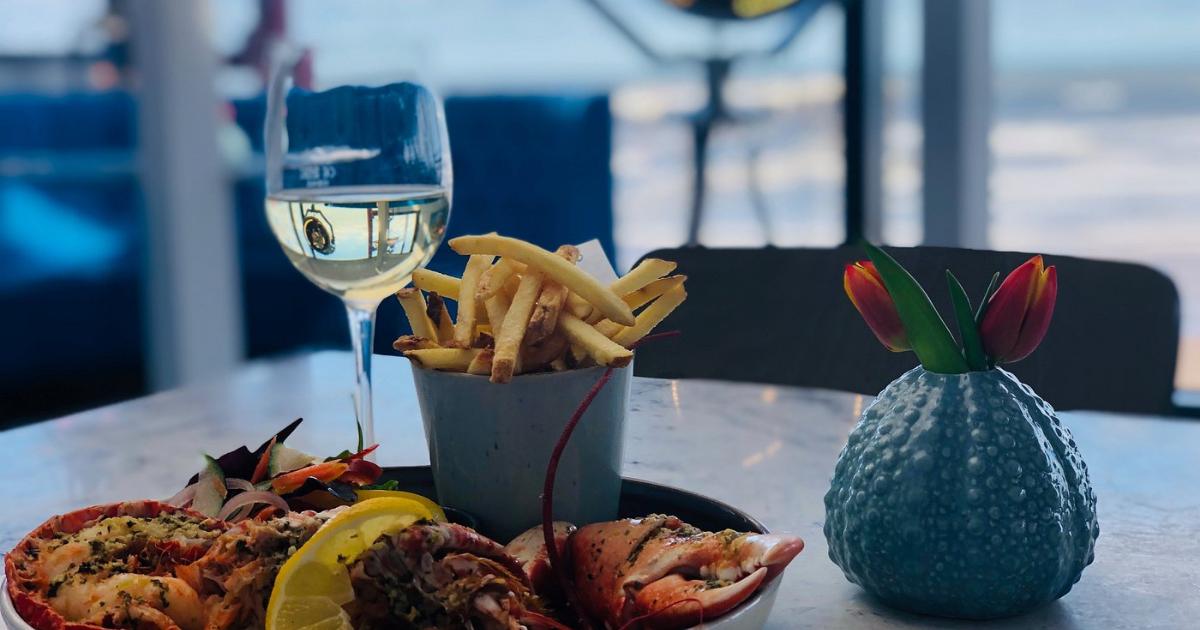
The “outstanding” restaurant has “unrivalled views of the sea” thanks to its terrace area where you can enjoy a meal while watching the sunset.

Advertisement

What is the Seaview Restaurant in Saltburn-by-the-Sea like?

The Seaview Restaurant featured on the Remarkable Places to Eat show where Fred Sirieix and Nadiya Hussain tried the spot’s famous Crab Brioche.

The restaurant is described as offering “an extraordinary setting” with floor-to-ceiling windows so guests can enjoy watching the pier and sea.

The restaurant’s website says: “With a laid-back old-school Ibiza vibe, our outdoor, open-air terrace with chic furnishings comes with jaw-dropping views across the dramatic coastline of Huntcliff.”

The Seaview Restaurant has a range of starters including moules mariniere, seafood cocktail, and sardines on toast.

The famous Saltburn crab brioche features on the main menu alongside dishes like lobster linguine, lemon sole, and market fish.

Advertisement

For those wanting a more traditional experience, you can find classic cod, haddock, and Whitby scampi served with chips, as well as mushy peas and curry sauce available to add on.

What do visitors of the Seaview Restaurant say?

Guests on Tripadvisor have said the restaurant is in a “superb location” with “friendly” and “efficient” service.

One reviewer said: “Great restaurant with great service and excellent food.

“We ate there twice and both times was amazing.

Advertisement

“We had cod and chips, tuna, oysters (which we got the younger waiter to try).

“The homemade taramasalata with bread was beautiful.

“Afterward we had some cocktails, espresso martini and a new one on the menu called Amalfi Sour.

“Well worth a try.”

Advertisement

Another person praised the restaurant and said: “Food is outstanding.

“The fish was perfectly cooked and had so much flavour.

“The lobster mash is expensive but worth it!


“Staff were absolutely lovely and service was excellent.

Advertisement

“It was a lovely evening watching the waves while we ate.”

Have you ever visited the Seaview Restaurant? Let us know in the comments.

Source link

Advertisement
Continue Reading
Click to comment

You must be logged in to post a comment Login

Leave a Reply

NewsBeat

Searches continue for missing Cambridgeshire man not seen for nearly a month

Published

on

Cambridgeshire Live

Police are continuing to appeal for information on the man’s whereabouts

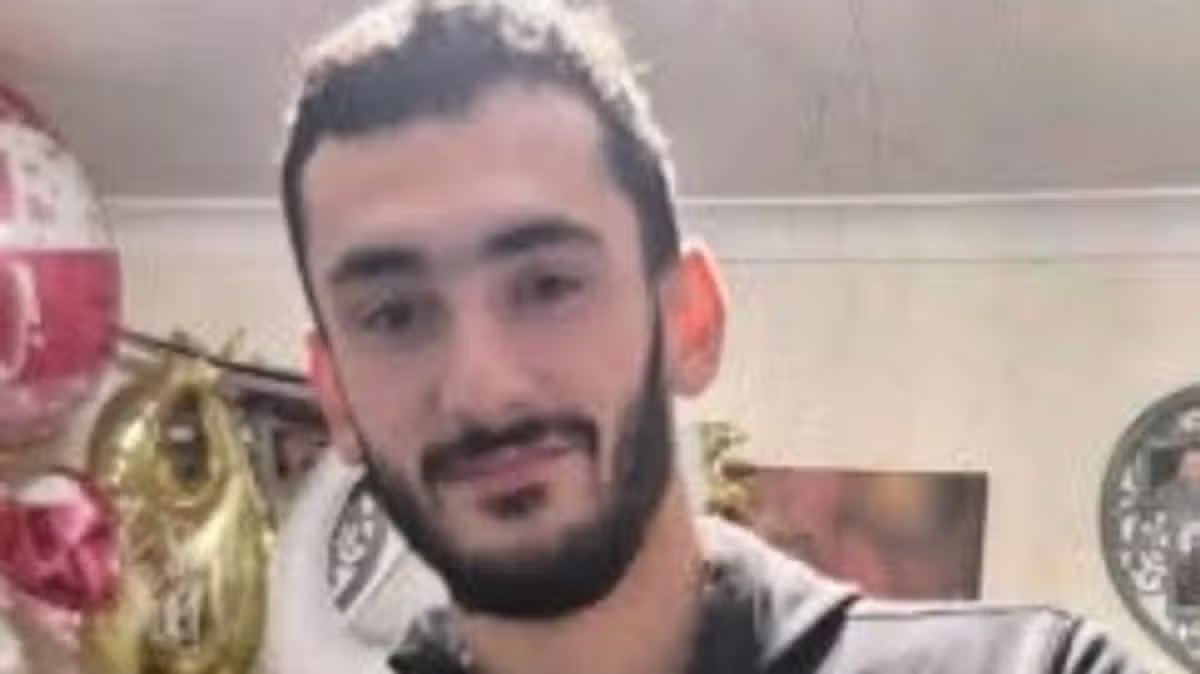
Searches continue for a man who hasn’t been seen in nearly a month. Lewis Winter, 25, was first reported missing from Eye, near Peterborough, on July 16.

Advertisement

However, he had not been seen for some time prior to this date. Here is a timeline of Lewis’ last whereabouts:

  • CCTV released by Cambridgeshire Police shows Lewis leaving the Tasman Caravan Park in Eye at around 7pm on July 5
  • Lewis is reported missing on July 16, but it is believed he went missing before this date
  • Cambridgeshire Police has said today (Wednesday, July 29) that Lewis is still missing and searches continue for the 25-year-old

Anyone with information of Lewis’ whereabouts or has seen him should call 101 and quote incident 254 of July 16.

Do you want more of the latest Cambridgeshire news as it comes in from across the county? Sign up to our dedicated newsletter to make sure you never miss a big story from Cambridge or anywhere else in the county. You can also sign up to our dedicated Traffic and Crime newsletters for the latest updates on the topics you are most interested in.

Source link

Advertisement
Continue Reading

NewsBeat

Real reason why Prince William never wears a wedding ring

Published

on

Cambridgeshire Live

Princess Kate has been seen wearing her wedding band for years, but her husband, Prince William, is never seen with a ring on his finger – but there’s a reason for it

Among the most celebrated and instantly recognisable pieces of jewellery in history is the Princess of Wales’s engagement ring. Originally presented to the late Princess Diana upon her engagement to then-Prince Charles, the 12-carat sapphire and diamond ring enjoyed a remarkable resurgence in popularity when Prince William proposed to Kate in October 2010, sparking a widespread trend for sapphire jewellery.

Following their wedding, Kate added a gold wedding band to her ring collection, in keeping with royal matrimonial tradition. The band is crafted from Welsh gold — one of the rarest varieties of gold in the world.

Advertisement

She has since added three more rings to her collection. William is thought to have gifted Kate her first eternity band, featuring diamonds set on a white-gold band, following the birth of Prince George in 2013.

She later showed off her sapphire-and-diamond band, believed to be Cartier’s Étincelle de Cartier wedding band, in a 2024 video in which she announced she had completed her chemotherapy treatment. She also wears a delicate pavé diamond band.

Despite the Princess of Wales’s enviable collection of rings, many royal watchers have observed over the years that her husband has never been spotted wearing a wedding band — not even on their wedding day itself.

Advertisement

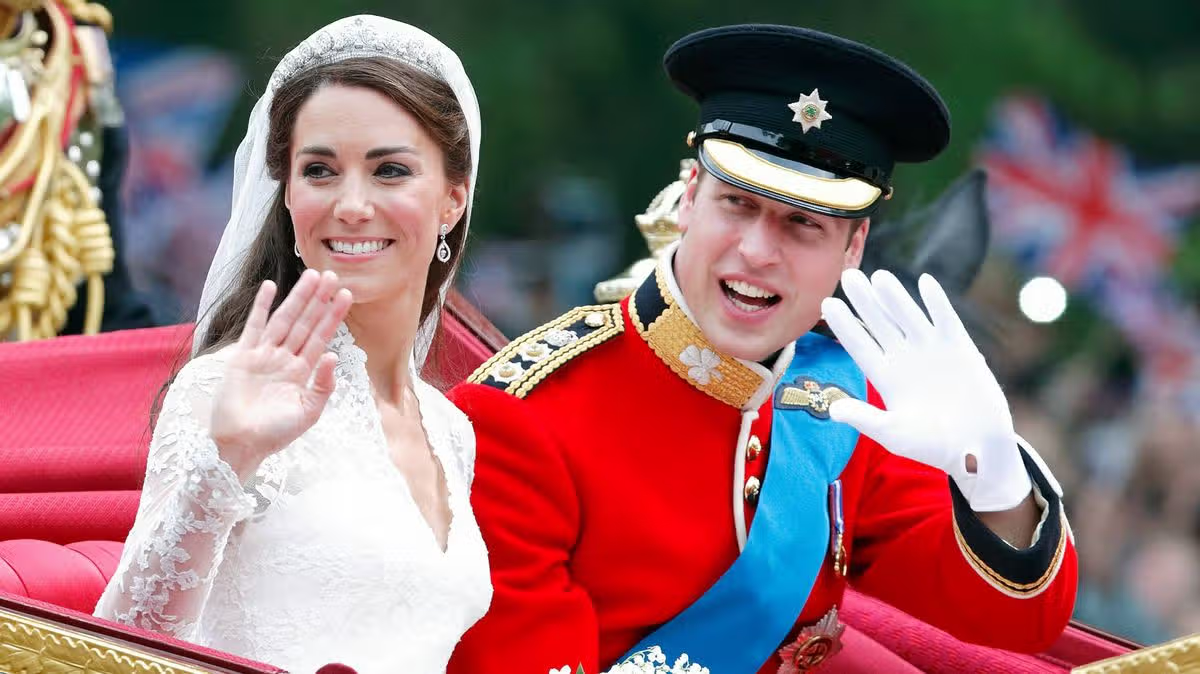
This stood in notable contrast to Harry and Meghan’s Windsor wedding, during which she placed a ring on his finger as part of the ceremony. St James’s Palace confirmed ahead of Prince William’s wedding to Kate Middleton on 29 April 2011 that he would not receive a ring during the ceremony at Westminster Abbey.

Why doesn’t Prince William wear a wedding ring?

While some may consider it unusual that the royal prince forgoes a wedding ring, there’s a straightforward explanation – Prince William simply dislikes wearing jewellery of any kind.

A palace source disclosed at the time of the wedding, to The Mirror, that William’s decision was purely a matter of personal taste. “He’s not one for jewellery,” they explained.

“He’s never worn any. He decided he didn’t want to wear one now. It’s all down to personal preference.”

Advertisement

William isn’t alone amongst male family members in declining to wear a wedding band, as his grandfather, Prince Philip, also chose not to wear one – a practice which is a relatively recent tradition.

According to the BBC, “World War II is considered to have heralded a seismic shift, as many Western men fighting overseas chose to wear wedding rings as a comforting reminder of their wives and families back home.”

By contrast, William’s father King Charles does wear one – a signet ring on the little finger of his left hand. While the King sports a classic gold band, Harry is believed to have preferred a more contemporary aesthetic for his special piece of jewellery, selecting a sleek platinum design for his band.

In a long-standing royal tradition, every bride who has married into the royal family has had a bespoke wedding band crafted for their special day, with gold sourced from the Clogau St David’s mine in North Wales having been used for several royal wedding rings, among them those belonging to the late Queen, Diana, Princess of Wales, Princess Kate, and Meghan Markle.

Advertisement

Source link

Continue Reading

NewsBeat

What really happens to your data when you click ‘delete’?

Published

on

What really happens to your data when you click ‘delete’?

Deletion is a common part of modern life. We send files and folders to the recycle bin all the time, and often get rid of unwanted personal accounts. But do you know what really happens when you hit the “delete” button?

The process of deletion is often poorly explained by tech providers. Lack of transparency around how requests are processed, and the absence of clear confirmation that data has been removed, are frequently highlighted in research.

These issues are not limited to operating systems. On social media platforms and a wide range of subscription services, deletion mechanisms are often just as unclear. Such misconceptions can have serious implications for the wellbeing of users, exposing them to security and privacy vulnerabilities.

A further complication is that many users fear losing data, files, photos and videos through accidental deletion – a condition dubbed “diagraphephobia”. Though this is not a recognised pathology, studies of digital hoarding behaviour show that some people get very anxious at the thought of losing or accidentally deleting personal information such as photos and music.

Advertisement

Such concerns extend the amount of personal data that sits untended but undeleted, ready for potential misappropriation.

Deletion vs erasure

A common misconception is thinking deletion means erasure – the idea that once a deleted item is no longer visible, it has been completely erased with no means of retrieving it. This is largely wrong.

When users delete files – moving them to the trash bin, then deleting permanently – the data isn’t actually erased. Rather, the system marks storage space as reusable and updates metadata to unlink the file. But the underlying content often remains recoverable with the right tools, especially when data is duplicated across multiple systems or devices.

More robust forms of deletion include physical destruction of the storage medium, overwriting the memory blocks with new data to bury the original, or encrypting the data and then destroying the key.

Advertisement

However, such methods can be expensive and may render the storage device unusable (for example, when overwriting data on magnetic media). The characteristics of cloud infrastructure also pose challenges to secure data deletion.

Similarly, content on public social networks may not really be erased after deletion due to replies, comments and internet archives which can all store the posts in some fashion. The meaning of a deleted tweet can, for example, be recreated based on replies and mentions.

Zombie accounts

Another misconception is that deleting an app from a device automatically deletes the associated account. Users often leave mobile app accounts undeleted because they are unaware of their existence, having deleted the related app.

These are called zombie accounts – abandoned profiles for a wide array of services, from shopping and storage to dating, finance and streaming. Millions of users possess zombie accounts, with personal data that is vulnerable to cyber-attacks and data breaches.

Advertisement

The exponential growth of AI raises a further question: can data really be deleted once it has been used to train AI models? Machine learning modules easily memorise the data they have been trained on, but “unlearning” is difficult.

In theory, people in Europe and many other countries around the world have a leagal “right to be forgotten”. This means they can request the full erasure of any personal data a platform or a company may hold. AI developers are considered data controllers under the EU’s General Data Protection Regulation (GDPR) laws, for example, and are subject to this obligation.

However, there are no clear guidelines on how erasure should be enforced within AI systems. Regulators may request deletion, but AI companies can argue that compliance is infeasible on account of technical constraints.

Explainable deletion

To counter the risks posed by incomplete deletion, I believe there is a pressing need for provision of concise, accessible and clear information about how deletion really works.

Advertisement

One potential approach is “explainable deletion” – a protocol developed by Marvin Ramokapane at the UK’s National Research Centre on Privacy, Harm Reduction and Adversarial Influence Online (Rephrain), based at the University of Bristol.

The intention is to make deletion processes more transparent and understandable without overwhelming the user with too much information in one go.

Explainable deletion breaks down information into six categories: what, how, when, who, where and why (see diagram). Each offers a user bite-size information about that part of the process.

Explainable deletion’s six categories:

Advertisement


Marvin Ramokapane and Dana Lungu, CC BY-SA

Explainable deletion is designed to give users control over their actions, the autonomy to choose the deletion type that is right for them, and the assurance that their desired actions have been fulfilled. It may also tackle the anxiety of accidentally losing data by giving options for data recovery.

While explainable deletion has not yet been adopted in practice, service providers – both platforms and developers – could heighten user trust by adopting such protocols. This framework can also be proof of compliance with GDPR regulations and the right to be forgotten.

Most of us use systems that collect and store our data on a daily basis. If these systems clearly explained what they store and what deletion really means, it could help us to spot the accounts and data that pose a real risk – and to take back control of our digital footprints.

Advertisement

Source link

Continue Reading

NewsBeat

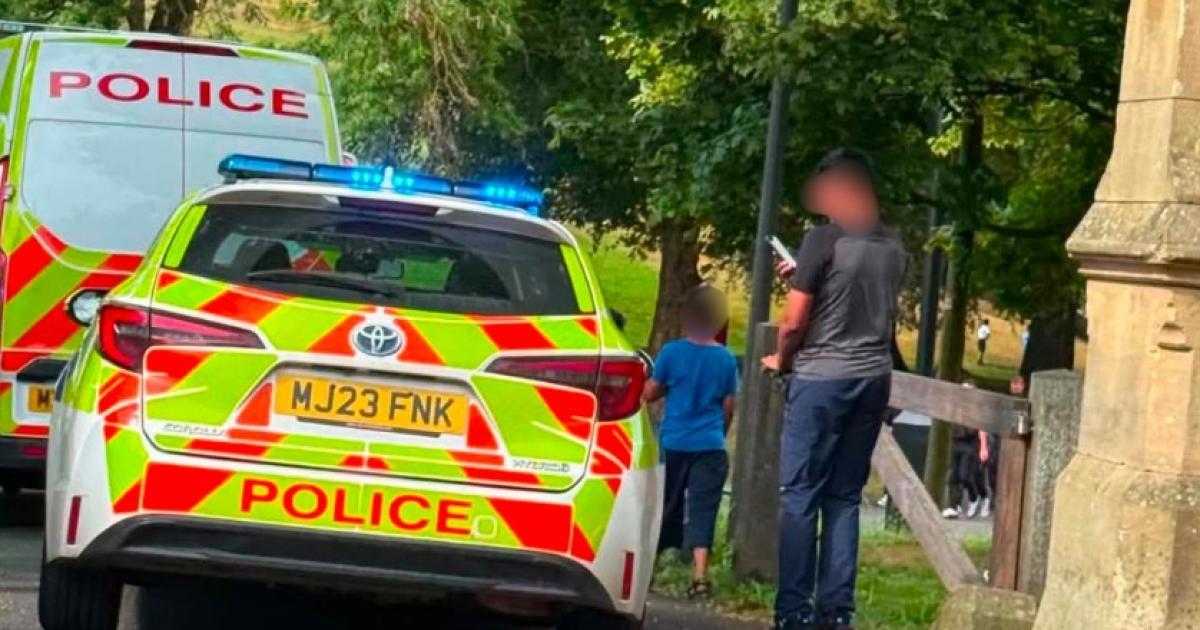
Missing child at Queens Park, Bolton, causes police turnout

Published

on

Missing child at Queens Park, Bolton, causes police turnout

Officers were alerted just before 5pm that a child could be located at Queens Park.

Fortunately the youngster was found within half-an-hour after it is thought being spotted by a woman who lived nearby who made sure the child was okay and took them to police.

One van and three police cars were parked at the Mayor St/Park Rd entrance of Queens Park.

Advertisement

The investigation was underway yesterday, on Tuesday, July 29.

The Bolton News understands the child was found by members of the community who noticed she was alone.

They stayed with her until she was passed into the care of police.

After The Bolton News contacted police for a comment to find out more on the incident, they confirmed the incident and said the girl was returned to her family.

Advertisement

Source link

Continue Reading

NewsBeat

BBC axes three major TV shows as part of cost-cutting plans

Published

on

BBC axes three major TV shows as part of cost-cutting plans

Blankety Blank, Celebrity Mastermind and Live at the Apollo are among the programmes to be cut as part of efforts to deliver £500 million in savings over the next three years.

The decision comes amid ongoing financial pressures and forms part of the first phase of wider cost-cutting proposals.

A BBC spokesperson said: “We are incredibly proud of all three of these much-loved shows and would like to thank everyone involved, both in front of and behind the camera, for bringing them to screen and making them such a success over many years.

Advertisement

“Unfortunately, we have to make some really tough choices in light of our funding challenges, and these savings have been identified from the entertainment genre.”

Regular Mastermind, hosted by Clive Myrie, will continue, and both Celebrity Mastermind and Live at the Apollo still have one final series left to air.

The BBC said it will remain committed to commissioning ambitious entertainment programming and supporting comedy talent, including through new digital plans focused on stand-up and emerging performers.

The cuts are part of BBC Content’s target to deliver at least £100 million in recurring annual savings, which will lead to a reduction of 100 to 150 hours of original television programming across all genres by the end of 2027-28.

Advertisement

Further announcements regarding savings in the Content division are expected in the coming months.

Naga Munchetty to leave BBC Breakfast

BBC Breakfast presenter Naga Munchetty has announced she is leaving the morning programme after 17 years.

The TV star first joined the show back in 2009, but in December, she will leave to take up a new role as co-presenter of 5 Live Breakfast in 2027.

Ms Munchetty said: “I’m thrilled to be joining 5 Live Breakfast in January.

Advertisement

“Live news, great conversations, and connecting with audiences are what I love most about broadcasting, and 5 Live does all of that brilliantly.

“Presenting a flagship programme on 5 Live is an opportunity that was simply too good to pass up.

“It will take a huge amount of work and require 100% of my focus and energy, and I’m really looking forward to throwing myself into the role.”

Her appointment follows the announcement that current 5 Live Breakfast hosts, Rick Edwards and Rachel Burden, will step down in December.

Advertisement

Source link

Continue Reading

NewsBeat

Guilty plea after six-hour Radcliffe massage parlour stand-off

Published

on

Guilty plea after six-hour Radcliffe massage parlour stand-off

Ben Mason, 26, was arrested after police officers, including a firearms officer, a counter-terrorism officer, a dogs unit and tactical aid officers, were called to Stand Lane in Radcliffe on March 30.

Officers were on the scene around the Sunflower Massage Parlour for around six hours before Mason was arrested.

Speaking at the time, Chief Inspector Andy Wright of Greater Manchester Police’s Bury district said: “We understand how alarming these incidents may be to local communities and the wider public, but I would like to reassure you that this was an isolated incident and our armed officers were on scene to manage any potential risk.

Officers were on the scene (Image: SWNS/Phil Taylor)

“I would like to thank you all for your patience whilst our officers have been responding to this incident, and I urge anyone who may have concerns or questions to please speak with officers on scene and local patrols.

Advertisement

“They will always be happy to support.”

Emergency services were first called to the scene at around 2.15pm on the afternoon of March 30 this year, following reports of a disturbance.

Stand Lane was closed in both directions between Radcliffe New Road and Thornley Street as police dealt with the incident, with drivers advised to “find alternative routes”.

Ben Mason was arrested at the scene (Image: SWNS/Phil Taylor)

Just before 9pm, eyewitnesses reported seeing police officers gathered around the front of the parlour with a man taken out and put in a police van shortly afterwards.

Advertisement

Greater Manchester Police confirmed at the time that the incident was not counter-terrorism related despite the presence of counter terrorism officers.

This week, Mason, of Astbury Street, Radcliffe, appeared before Manchester and Salford Magistrates Court, where a guilty plea was entered.

The road was closed in both directions (Image: SWNS/Phil Taylor)

He confessed to using threatening, abusive or insulting words or behaviour with intent to cause fear of or provoke unlawful violence in breach of the Public Order Act.

According to court documents, this was directed towards a woman on Stand Lane on the date of the police stand-off.

Advertisement

Mason was granted conditional bail ahead of a pre-sentence report being prepared and is expected to appear again before the same court for sentencing on October 1 this year.

Source link

Advertisement
Continue Reading

NewsBeat

Scarborough – missing Derby teenager may be in town

Published

on

Scarborough - missing Derby teenager may be in town

Ligert, 16, from Derby, is understood to have travelled to Scarborough by train, North Yorkshire Police said.

The teenager was reported missing last Friday (July 24) after being last seen in Derby city centre at 1.10pm that day.

Missing Ligert (Image: Derbyshire Constabulary)

Derbyshire Constabulary has shared a new image of Ligert wearing a black Lacoste t-shirt and black and blue shorts which is what the force said he was wearing when he went missing. He was also carrying a blackback when last seen, police said.

A Derbyshire Constabulary spokesperson said the force is “growing concerned for the welfare of missing Derby teenager Ligert”.

Advertisement

They said it is believed Ligert boarded a train shortly after 2pm on July 24 and “may have gotten off at Doncaster or York”.

Ligert is described as being 5ft 10ins tall, with a slim build and dark short hair.

Anyone who has seen Ligert or may have information about is whereabouts is urged to phone 101 or 999 with an immediate sighting.

Information can be passed anonymously via Crimestoppers on 0800 555 111 or using its website.

Advertisement

Source link

Continue Reading

NewsBeat

Sewing Bee judge ‘in tears’ at York contestant’s dress

Published

on

Sewing Bee judge 'in tears' at York contestant's dress

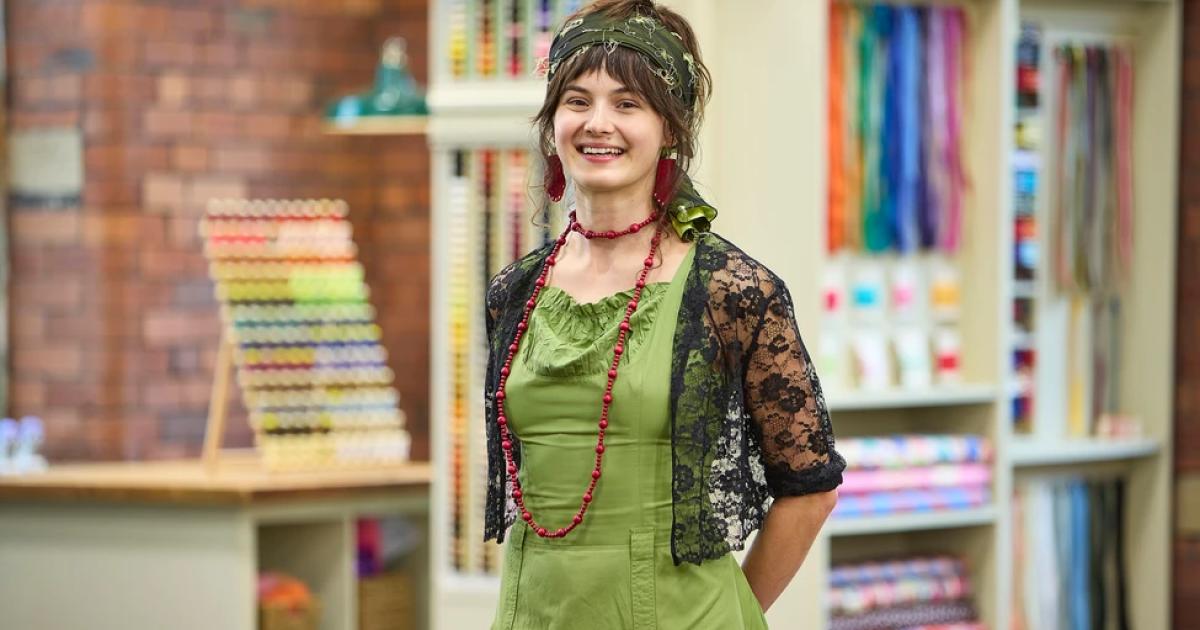
Anna, who is part of St Leonard’s Hospice’s retail team, wowed the judges during yesterday’s BBC show, taking the competition to a “completely different level” with her creativity and technical skill.

The episode was themed around Reduce, Reuse, Recycle and featured three sustainability-focused challenges.


Recommended reading:


In the technical task, contestants were given three hours to sew a set of three knickers from recycled T-shirts.

Advertisement

While Anna’s set, which included a pair of mint green, printed olive green and striped knickers showed promise, judge Esme Young felt they didn’t quite work together as a set and noted inconsistencies in sizing.

Anna placed sixth in the round.

However, it was in the transformation challenge—where contestants turn waste materials into wearable garments—that Anna truly shone.

She designed a form-fitting green dress, completely backless, with exposed seams and a dramatic criss-cross rope detail.

Advertisement

Commenting on this, Anna said: “I think the bold rope will work, and I want the train of the dress to be cut low.”

‘It’s just super cool’

Judge Patrick Grant was full of praise for the bold design.

He said: “I absolutely love that heavy rope at the back. The red and grey colouring of it lifts the whole dress.

“It’s just super cool.”

Advertisement

Anna won first place for the transformation challenge and was thrilled with the feedback.

She said: “I’m really happy with my design.

“I am so happy that the judges picked up on the ideas and themes that went into it.”

Anna, far right, on The Great British Sewing Bee, BBC.Anna (far right) has made it into week four of the prestigious competition (Image: BBC/Love Productions/Neil Sherwood))

The final challenge of the episode was to create a made-to-measure outfit with an environmental message.

Advertisement

Anna printed her fabric using Himalayan Balsam, an invasive species, by treating the cloth and then hammering the flowers onto it to transfer the dye.

She turned the fabric into an Indian calico dress, a style once popular in the 1880s and later banned because it was considered a threat to the local wool trade.

Anna said: “This type of dress was very popular in the 1880s, but it was banned because it was considered a threat to the local wool trade.”

Her model wore the dress on the catwalk, and the judges were deeply impressed.

Advertisement

‘One of the best things I have seen on Sewing Bee’

Mr Grant said: “The fit of the dress is phenomenal. Anna took the whole thing to a completely different level.

“I cannot remember seeing something so extraordinarily beautiful.

“It was so incredibly well thought out and it moved me to tears.

“It’s one of the best things I have seen on Sewing Bee.”

Advertisement

Esme also praised the design, saying that she loved the drapes in the dress and the fact that Anna made it.

Patrick added: “It is an absolute joy to behold”.

Anna’s Indian calico creation was named Garment of the Week, securing her position as one of the favourites in the competition.

Advertisement

Source link

Continue Reading

NewsBeat

Manchester city centre incident LIVE as man suffers ‘possibly life-changing injuries’ at Market Street tram stop

Published

on

Manchester Evening News

Source link

Continue Reading

NewsBeat

A new measure of courage: how Maasai warriors became lion guardians

Published

on

A new measure of courage: how Maasai warriors became lion guardians

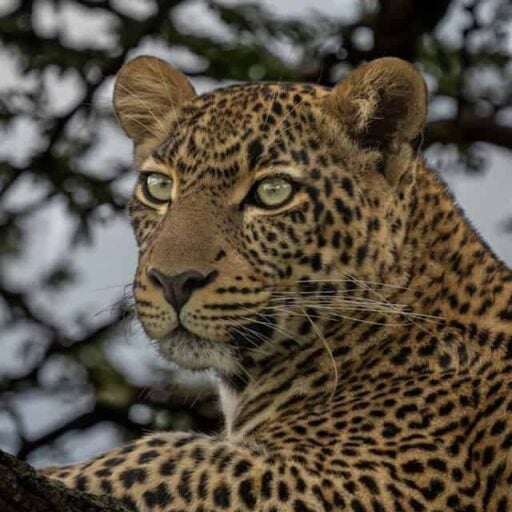
Can conservation succeed by adapting tradition rather than erasing it? In east Africa, Maasai warriors are redefining what it means to be brave by helping people and lions co-exist

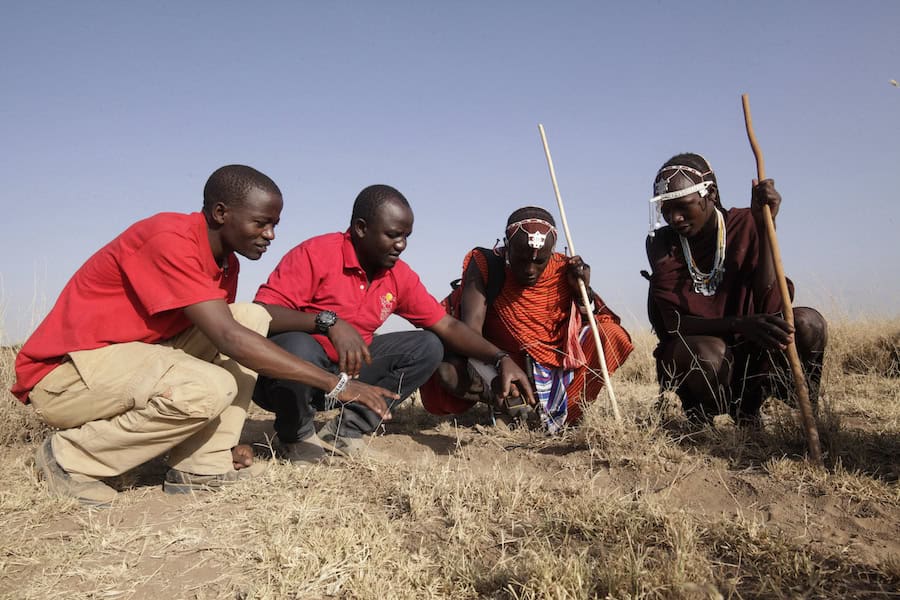
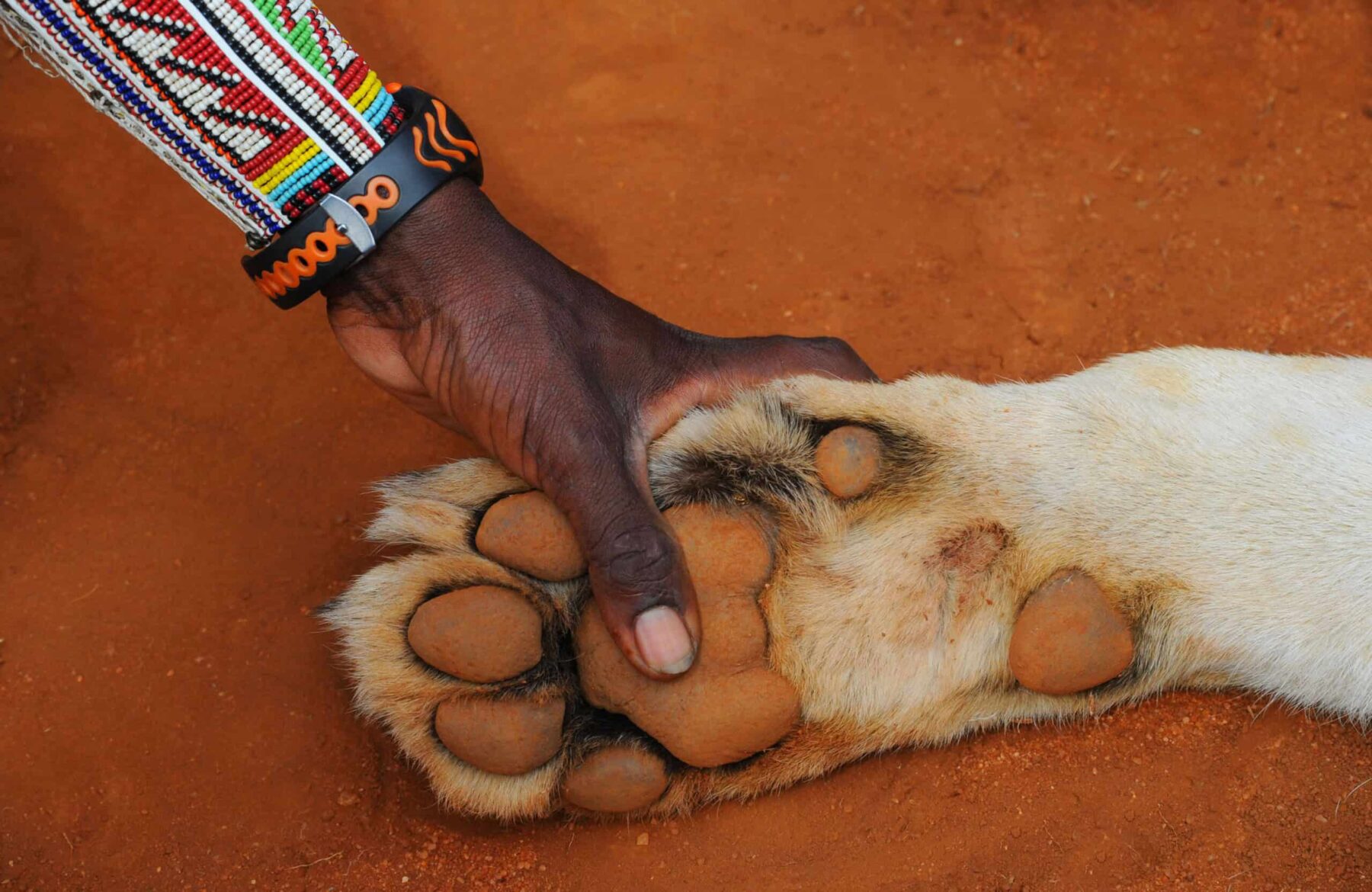
The cattle are still stirring inside the safety of their enclosures when Saitoti Petro Lorkuta makes his morning rounds, threading his motorbike through the communal Maasai pastures east of Tanzania’s Tarangire national park. Every so often, he cuts the engine, crouches low and reads the dust, scanning the trails between patches of dense scrub and below the umbrella-shaped canopies of acacia trees for the tell-tale print of a lion’s paw.

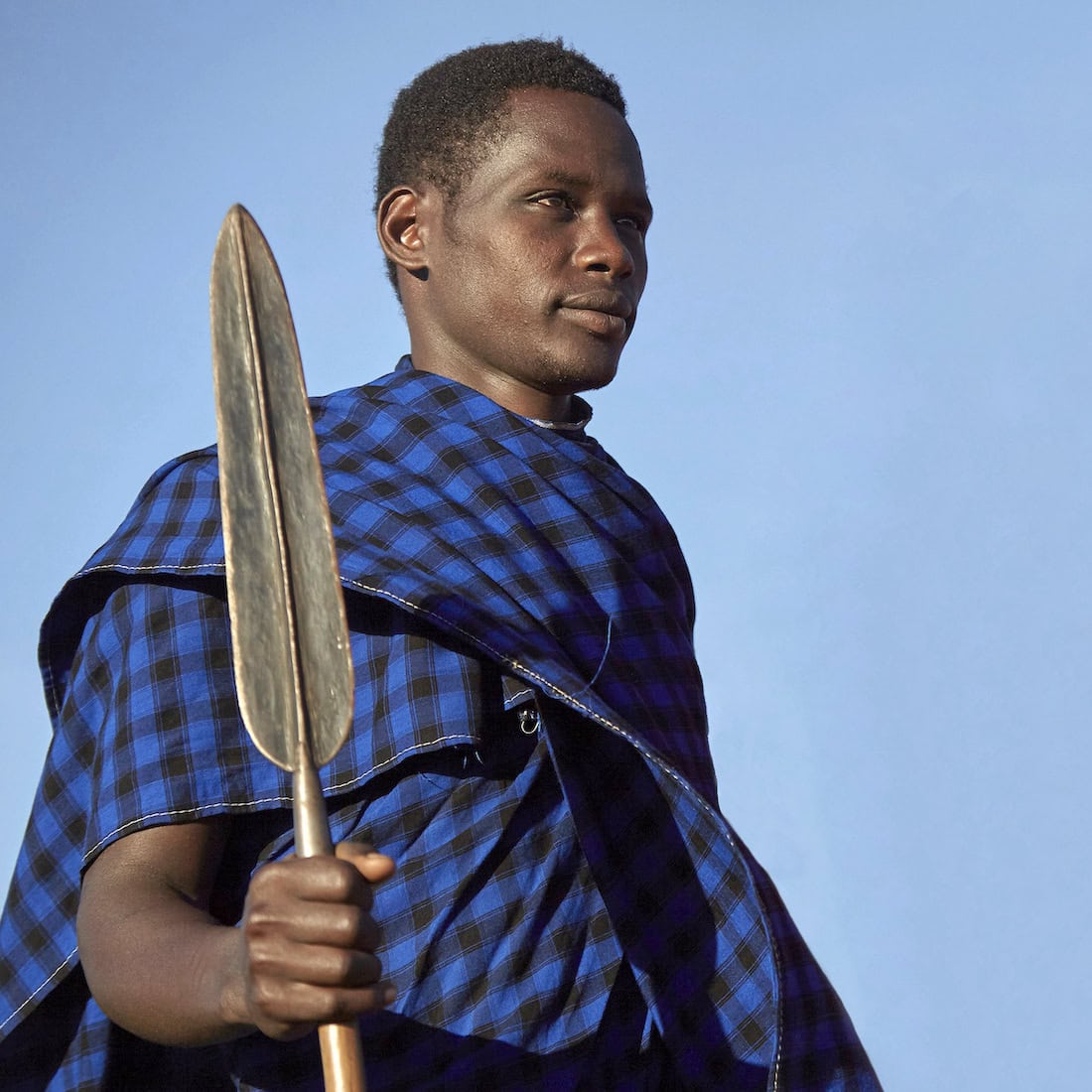
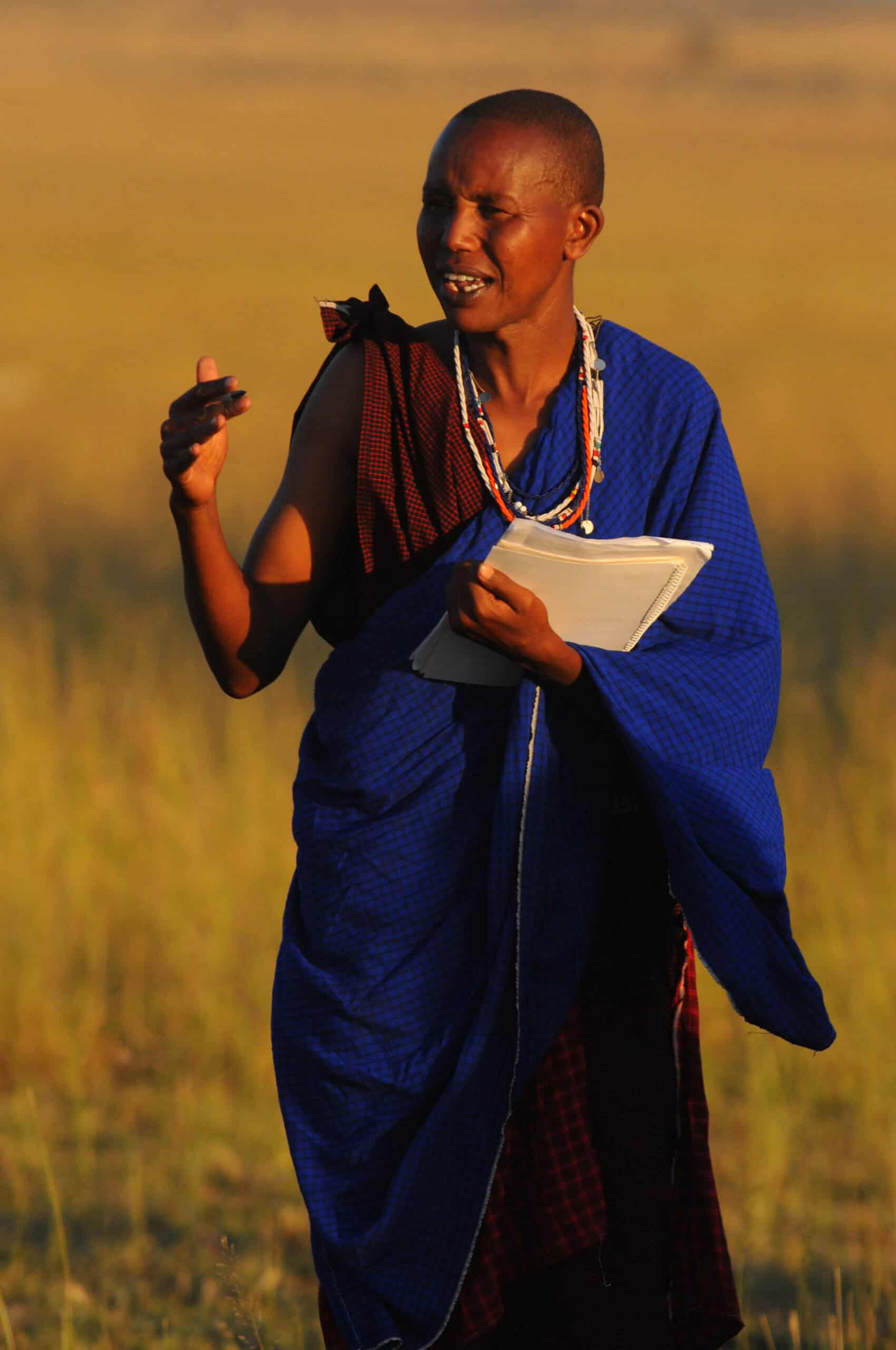
As a child, Lorkuta (pictured below) wondered whether he would ever see a lion roaming the savannahs of his homeland. Maasai elders told tales of legendary hunts, proudly displaying old battle scars, but the roar of the big cats had all but vanished from the rangelands’ nocturnal soundtrack of elephants, zebras, whooping hyenas and grunting buffalo.

Advertisement

Today, aged 35, encounters with lions are an increasingly common – and welcomed – part of Lorkuta’s life. And instead of proving his Maasai warrior mettle with a spear, he prefers a quieter test of courage: a stare-off.

Advertisement

“I stay still, the lion looks at me, and I stare back,” he says. “Eventually, the lion goes. The first time it happened, the lion was very close and I was scared, but not any more.”

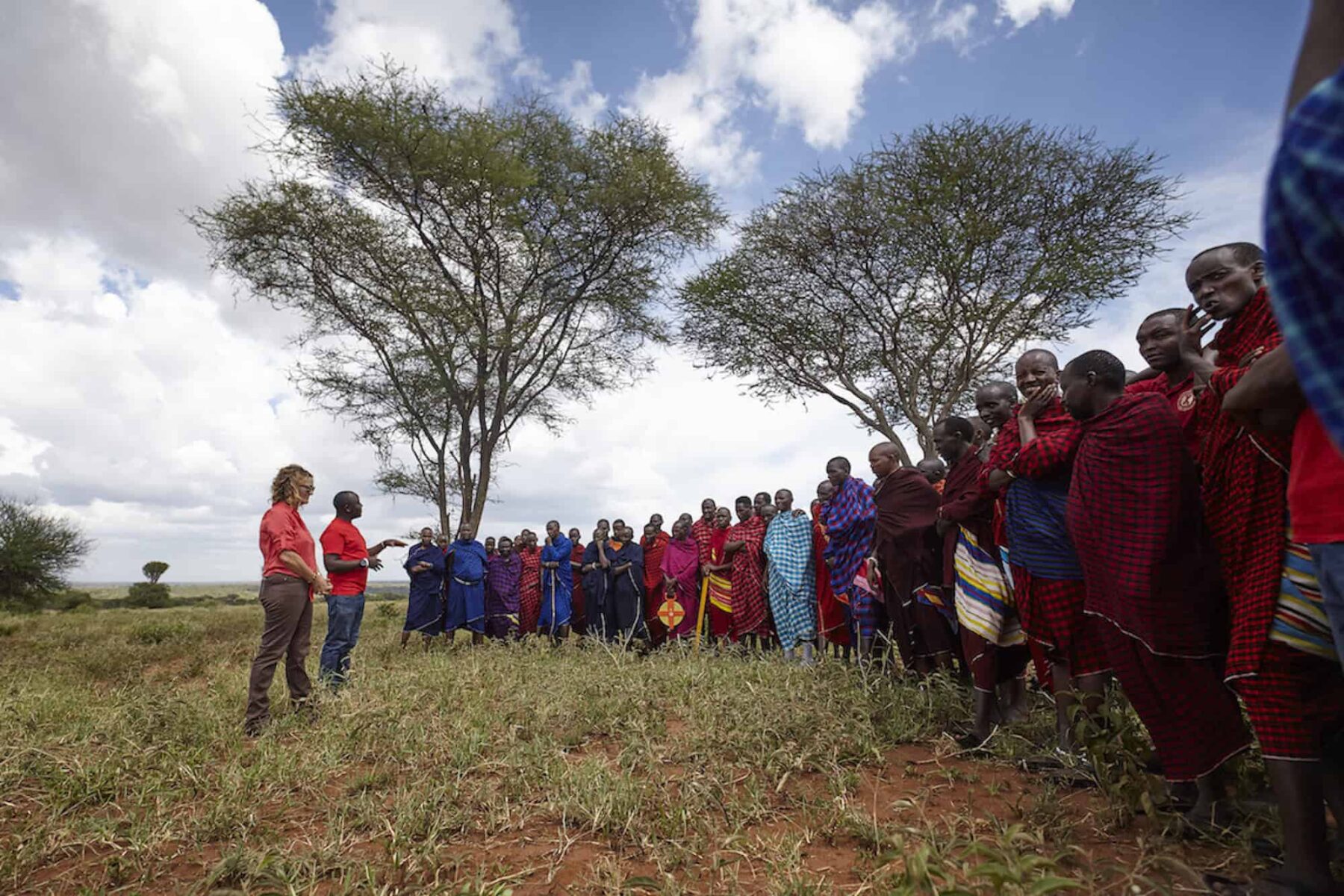
Lorkuta is one of more than 160 Maasai ‘Warriors for Wildlife’ working across dozens of rural communities in northern Tanzania through the charity African People and Wildlife (APW). Blending centuries-old bushcraft with GPS technology and conservation science, these men are redefining what it means to be a Maasai in the 21st century, and building a future where predators and pastoralists can thrive side by side.

Bravery has long underpinned Maasai identity and, historically, there was no greater measure of courage than defending the herd against a hungry pride. Spearing a lion brought status, lifelong respect, even some love interest.

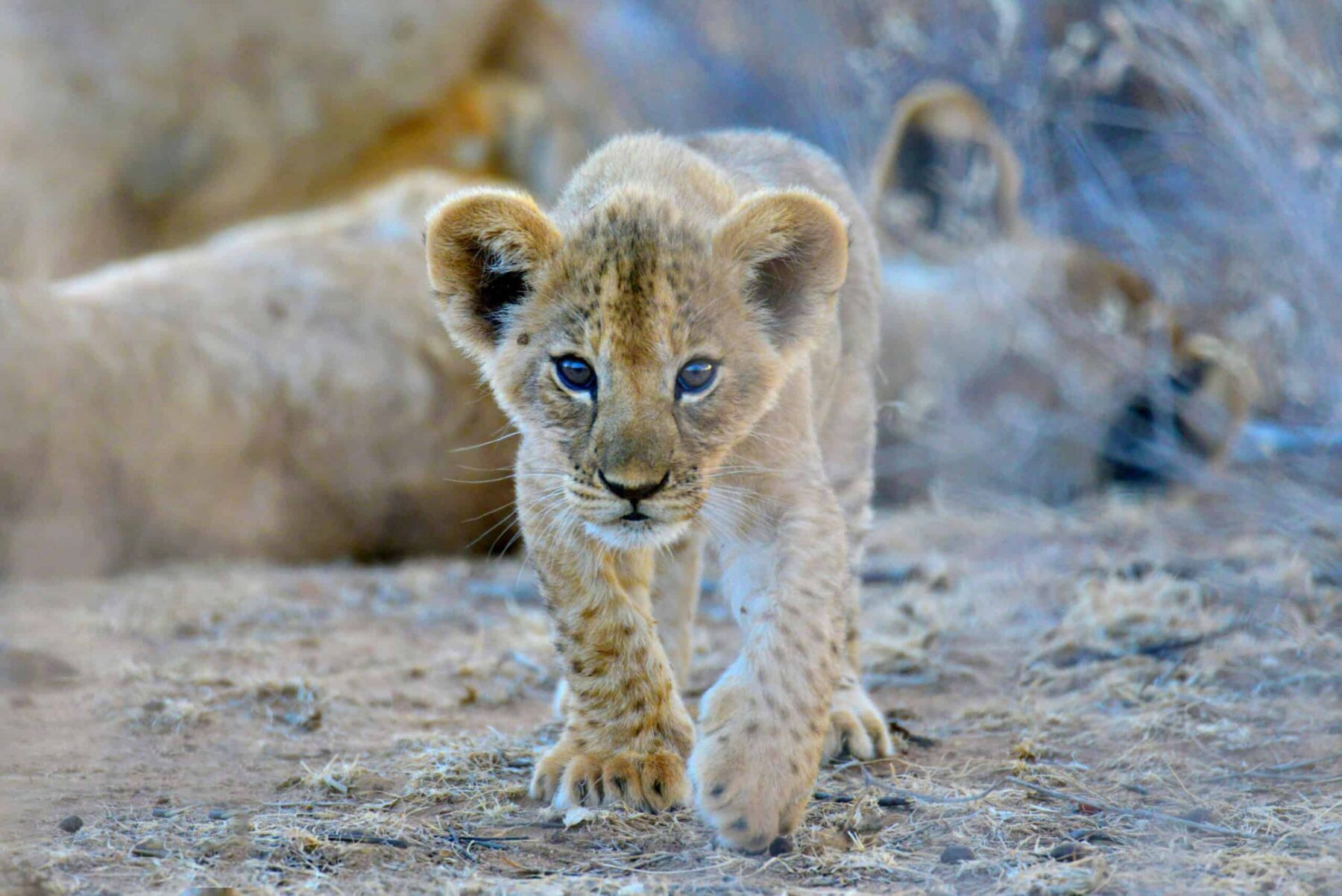
A century ago, when 200,000 lions roamed the African continent, those hunts – part protection, part rite of passage – had little impact on the species’ survival. Today, between 20,000 and 32,000 remain in the wild, with roughly half concentrated in east African strongholds like Tanzania. At the same time, climate pressures, shrinking habitats and expanding human settlement have pressed lions and pastoralists into ever closer competition for land and water.

Advertisement

APW began working in the wider Tarangire-Manyara ecosystem in 2005 with a community-led approach, supporting villages to monitor human-wildlife encounters while strengthening their bomas, or livestock corrals. Planting living walls of thorny commiphora trees, reinforced with chain-link fencing, helped keep marauding lions and other predators at bay.

In 2010, APW founders Charles Trout and Dr Laly Lichtenfeld were joined by Elvis Kisimir, a respected Maasai warrior with deep ties to communities across northern Tanzania. Kisimir began encouraging pastoralists to rethink their relationship with lions, warning that by driving them towards extinction, the Maasai also risked erasing a defining feature of their own identity. 

Advertisement

“That was the turning point,” says Kisimir. “People realised that without the lions, there could be no Maasai warriors.”

He recruited a small group of men who, like Lorkuta, could use their intimate knowledge of the bush to track lion movements and advise herders on safer grazing routes.

The government tried its own way of conservation using men in uniform with guns, chasing people, and it didn’t work. We solved it by sitting down under the tree and talking

Word spread quickly. Communities began writing to APW asking to join, lending legitimacy to a conservation model they could shape themselves – starting with the walls of their own bomas – rather than having it imposed from above.

“The government tried its own way of conservation using men in uniform with guns, chasing people, and it didn’t work,” says Kisimir. “We solved it by sitting down under the tree and talking, asking people what the problem was.”

Advertisement

Today, Lorkuta and his fellow warriors carry GPS devices and smartphones to monitor lions and other carnivores, uploading sightings to an online mapping system that helps pastoralists choose where to graze, and sharing sightings in their communal WhatsApp group. When lions do strike, warriors move quickly to calm tensions before retaliatory hunts can begin.

“During the day, we visit the watering holes and talk to herders about the importance of conserving the lions,” Lorkuta says. “In the evening, if they’ve lost livestock in the bush, we go and recover it.”

The role carries real respect, offering a new route to prestige based on protecting lions rather than killing them.

“People in the community like what we’re doing,” Lorkuta says. “The conservation work brings jobs and opportunities. It’s even made me friends from abroad.”

Kisimir believes it also taps into the Maasai’s longstanding desire for recognition.

“Bravery for the Maasai is about being known,” he says. “This work is another way, and we’re looking for more, like games or competitions. If a warrior wins, people will sing and praise him.”

Advertisement

Across the border in southern Kenya, the conservation charity Lion Guardians (LG) has spent the last two decades building a similar model, beginning from a base around Amboseli national park, against the backdrop of a looming Mount Kilimanjaro. Eric Ole Kesoi, the organisation’s community manager and a renowned Maasai tracker himself, explains that years of conflict had made lions instinctively wary of the tribe’s vivid red shukas.

The cloaks remain a powerful symbol of Maasai identity, but as lion hunting declined, so did the shuka’s deterrent effect. To reinforce the association – but without the bloodshed – Kesoi encouraged the guardians to stage mock hunts and chase emboldened lions away. “We don’t go with spears: we go with thunder flashes and make traditional yelps to let them know we’re chasing them. We wear the red shukas, and they know we are Maasai.”

Advertisement

For Kesoi, these encounters help preserve the warrior culture while replacing killing with stewardship.

“They track these lions and give them names: they know each individual, and share the same landscape.” he explains. “In the community, they’re perceived as privileged because they’re still interacting with lions. And above all, they’re getting paid.”

That income matters. It means guardians can buy more livestock, pay school fees and support extended families, helping change ideas around status and masculinity.

They have more privilege now from taking care of lions than from making a name by killing them. It’s a complete shift in mindset

“They have more privilege now from taking care of lions than from making a name by killing them,” says Kesoi. “It’s a complete shift in mindset.”

Advertisement

LG co-founder Stephanie Dolreny says women have played a role in accelerating that change. When a warrior killed a lion, she notes, one of the main motivations was female attention – but that appeal was short-lived.

“It’s not money in the bank,” she says. “Now the women are saying: ‘We don’t want a man who kills a lion, we want a man with a job’. It’s almost like the women are changing the dynamic of what a desirable man looks like.”

Not everyone embraces the new culture of coexistence. For the Maasai, cattle are far more than livestock: they are wealth, status and primary food source. A single cow can fetch USD$500-600 (£372-446), while some animals carry deep personal or cultural significance beyond their market value.

Many pastoralists are learning to tolerate occasional losses, but only to a point. Retaliatory lion killings still happen and, though rare, those working at both APW and LG have witnessed entire prides wiped out by poison, along with the vultures, hyenas and countless other scavengers that feed on the carcasses.

Advertisement

In Kenya, Lion Guardians patrols have reached poisoned lions in time for vets to administer antidotes. In Tanzania, Kisimir draws on Maasai lore to discourage poisoning. “I remind communities that a warrior is only allowed to kill nine lions,” he says. “If you exceed that, your clan will be cursed.”

Where the model has taken hold, the results are striking. The Lion Guardians programme now spans more than 3,600 sq km (1,390 sq miles) of habitat. Since launching 20 years ago, lion killings have fallen by 90% and numbers have increased seven-fold, creating one of Africa’s densest wild lion populations outside a protected area. For the Maasai, the programme prevents livestock losses worth millions of dollars every year.

Advertisement

APW reports similar success in Tanzania, where It estimates field teams have recovered more than 16,000 lost livestock worth $3.5m (£2.6m) since 2017, and helped prevent almost three-quarters of reported attempts to kill lions, as well as 59% of attempts to kill other predators. Some 150 lions, including many cubs, have been saved as a result.

“It’s easily scalable,” says APW’s Charles Trout. “It’s about empowering communities to take action for their own benefit.”

Money and manpower are the only limitations, he suggests. Boma fortifications are part-funded by APW. “Although we have had places where people have installed their own living walls,” Trout adds.
Advertisement

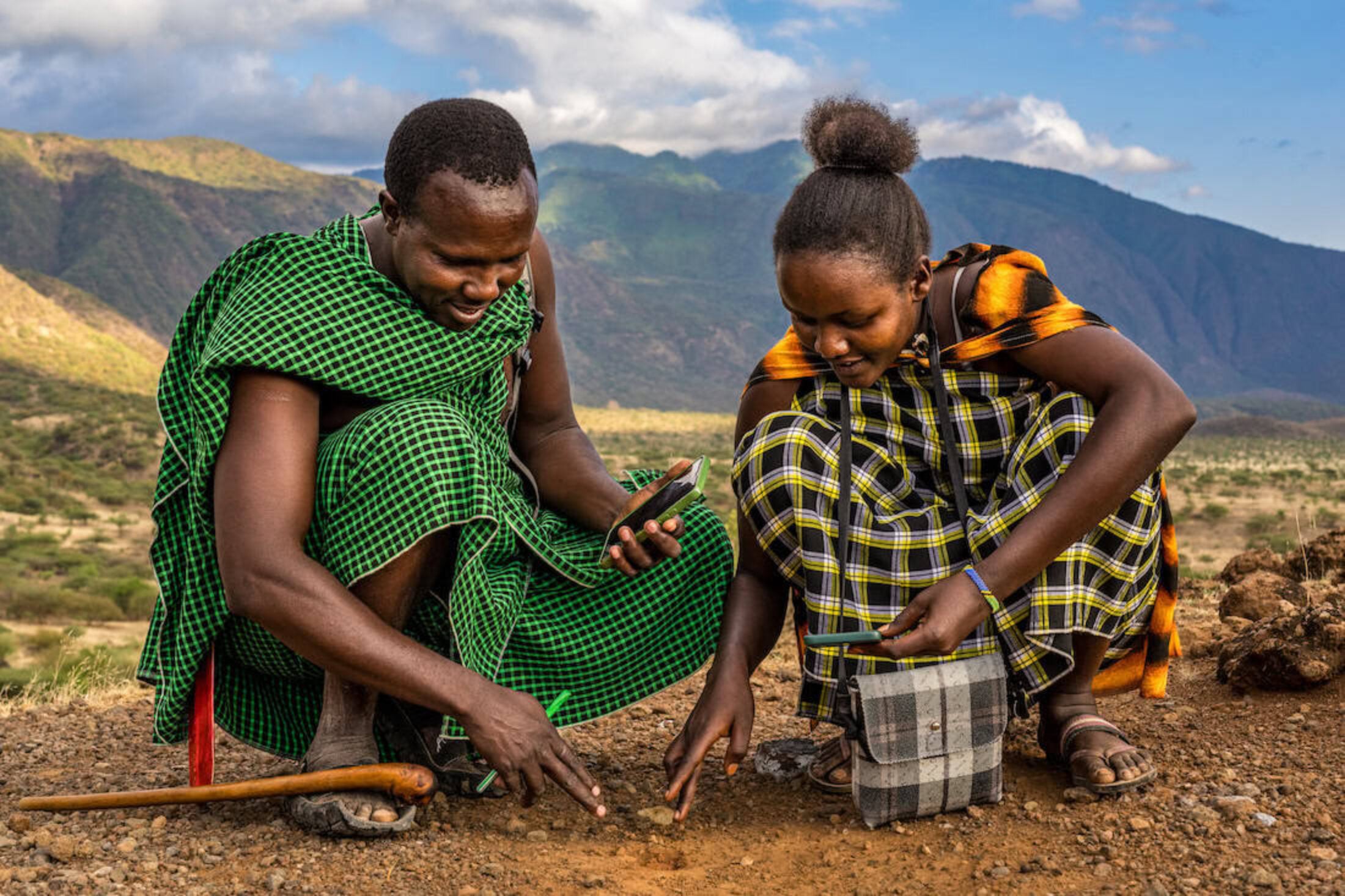
Data collection in progress at African People and Wildlife. Image: Marcus Westberg

“Then we’re also taking care of the warriors on the ground, they get training every year. It’s taking an interest in people’s lives, so the limitation is just being able to be there to do it.”

For Lorkuta, the return of lions represents more than conservation success. It signals the slow repair of a landscape he once feared was losing its voice. “There came a time when the lions were disappearing. I thought my children would only ever see them in books or in the parks,” he says.

Advertisement

Now, roars are returning to the rangelands at night and lions leave their marks in the morning dust. Lorkuta looks forward to the next stare-off: a sign, he says, that all is well.

“If you see a lion, it means things are balanced: the ecosystem, the climate, everything. At least now there is a future for them.”

New models of coexistence
 

Advertisement

1) Rewriting the next generation’s story

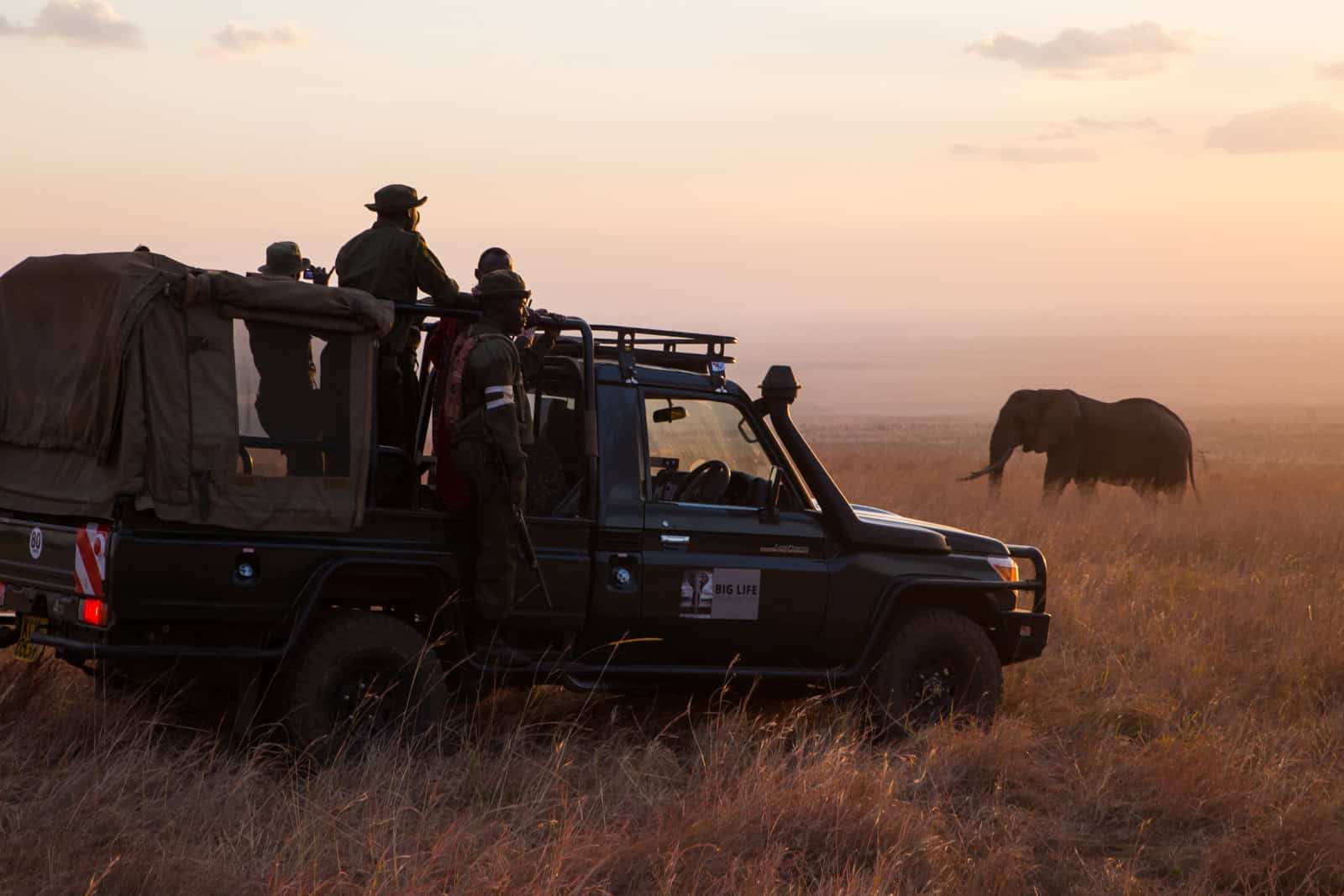
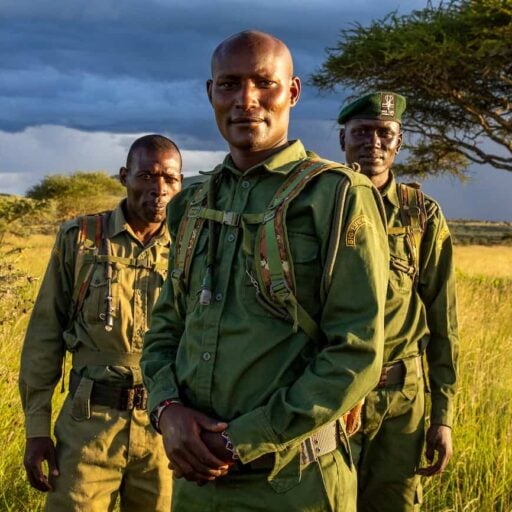
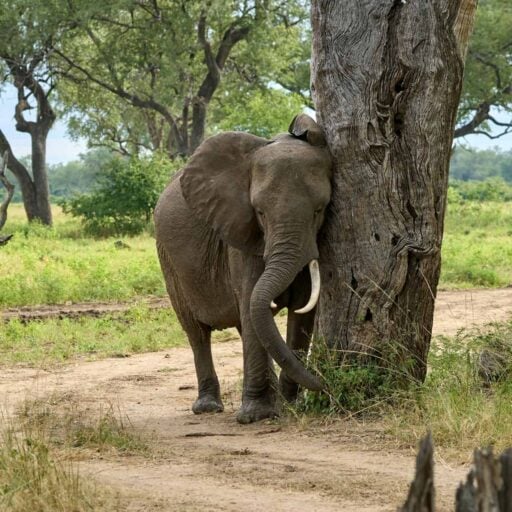
Founded in 2010 in response to a surge in elephant poaching, Big Life Foundation (BLF) employs hundreds of Maasai rangers and ex-poachers to protect two million acres of wilderness across Kenya’s greater Amboseli ecosystem, helping drive down wildlife crime while creating jobs rooted in conservation. Human-wildlife conflict and habitat degradation are still a challenge, but thanks to BLF’s vigilance, not a single elephant has been lost to trophy poachers since 2018. BLF’s sergeant Mutinda Ndivo – once an infamous poacher – now heads up their dog unit. 

“Someone like Mutinda is no longer simply surviving day to day; he is actively contributing to protecting one of the world’s most important ecosystems,” the organisation said. “That can fundamentally reshape personal identity and long-term aspirations.

Advertisement

“It also changes the story being passed to the next generation. Children grow up seeing conservation as a viable and respected livelihood.”

Image: L-R, constable ⁠Kioko Mulwa, constable Nkidaa Tonkoi and constable Lenku Turere of Big Life Foundation, photographed by Joshua Clay
Advertisement
2) New livelihoods for former poachers

Olgulului Community Wildlife Rangers

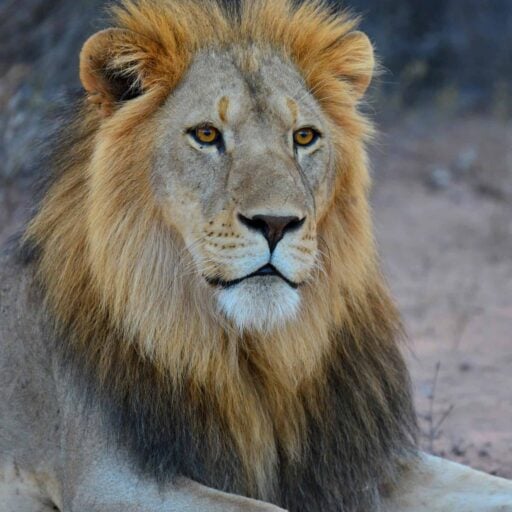
In Zambia’s Luangwa Valley, Community Markets for Conservation is helping wildlife poachers find new means of supporting their families. More than 2,000 have surrendered their weapons and reskilled in practices such as sustainable agriculture. Many now help protect animals instead of killing them and have formed their own group – the Transformed Poachers Association of Zambia – to help spread the word and combat wildlife crime.

Image: Dmitrii Zhodzishskii
Advertisement
3) Living alongside lions in the Maasai heartland

KopeLion has been operating in Tanzania’s Ngorongoro Conservation Area since 2011, where it supports 28 former Maasai lion killers to monitor big cats and prevent conflict. Each livestock guardian is responsible for patrolling a 60-120km (23-46 sq mile) patch close to their community. Participating villages earn money based on the presence of lions in the area. The programme aims to create a ‘corridor of tolerance’ stretching from the Ngorongoro crater to the Serengeti.

Advertisement

Image: Philip J. Briggs

4) Community rangers in the field

Advertisement

Local people become the key responders in efforts to reduce poaching and human-wildlife conflict through the Olgulului Community Wildlife Rangers programme. Operating in Kenya, it trains and employs Maasai community members to support wildlife protection, monitor threatened species and gather information on illegal hunting. Its pioneering all-female unit, Team Lioness, has expanded opportunities for women while challenging traditional gender norms around conservation.

Image: Ahmed Galal

Main image: Maasai wildlife tracker Olubi ‘Mitiaki’ Lairumbe uses a radio antenna to locate a collared lion beneath Mount Kilimanjaro, photographed by Philip J. Briggs

Advertisement

Portraits of a Shared Land brings readers face-to-face with some of the people reshaping conservation across Africa, exploring approaches that place communities, local knowledge and lived experience at their heart. This series is produced by Positive News and supported through a Human-Centred Conservation Storytelling Grant from Jamma Conservation & Communities.

The views and opinions expressed in this story are those of the authors and contributors and do not necessarily reflect those of Jamma Conservation & Communities.

Advertisement

Source link

Continue Reading

Trending

Copyright © 2025