Several gatherings are scheduled across the country for viewers to enjoy the phenomenon.
Space enthusiasts are abuzz for August as they wait for a once-in-a-lifetime solar eclipse that will nearly swallow the entire sun.
The eclipse is set to start at around 6.15pm on 12 August, reach its maximum an hour later and end at around 8.08pm. It will be the largest eclipse visible from Ireland until 2090 and will offer viewers in Europe the opportunity to witness the eclipse as the sun sets.
The total solar eclipse will sweep across Greenland, Iceland, northern Russia, the Atlantic Ocean, Spain and a portion of Portugal. Across the world, parts of northern US, much of Canada, much of Europe and north-western Africa will also witness the phenomenon.
Advertisement
In Ireland, Cork is best-positioned to watch the eclipse, with 96pc of the sun expected to be covered at the eclipse’s peak. Around 94pc of the sun will be covered in Dublin and 93pc in Belfast.
Several gatherings are scheduled across the country for viewers to go enjoy the astronomical phenomenon, including Maynooth University, which is organising a watch party alongside a live planetarium show, arts and crafts activities for kids, and short talks.
Munster Technological University (MTU)’s Blackrock Castle Observatory is providing 6,500 free solar eclipse glasses through select locations across Cork.
Astronomy experts from the Observatory have advised that anyone looking directly at the sun should wear certified ISO 12312-2 eclipse glasses. Ordinary sunglasses do not promise adequate protection, they warned. Cameras, binoculars and telescopes require correctly fitted solar filters, while pinhole projectors offer a safe, indirect alternative.
Advertisement
“Cork’s position in the south-west means it is Ireland’s best-positioned major city for the solar eclipse, and Ireland’s natural ‘Eclipse Capital’,” said Dr Niall Smith, the head of research at MTU and head of MTU Blackrock Castle Observatory.
“It will be a spectacular moment and a rare opportunity for people across Cork to experience a major astronomical event together.
“Safety must be at the centre of everyone’s plans. There will be no point during the eclipse when it is safe to look directly at the sun without certified eclipse glasses or another approved viewing method.”
MTU Blackrock Castle Observatory is organising free public activities that will also take place at the observatory – as well as Tramore Valley Park and Bell’s Field in Cork – with members of the public getting the opportunity to meet astronomy experts, learn about safe eclipse viewing, and enjoy music and family activities. Visitors can also enjoy solar eclipse lino-printing and pinhole-projector activities planned for the gathering Tramore Valley Park and Bell’s Field.
Advertisement
Don’t miss out on the knowledge you need to succeed. Sign up for the Daily Brief, Silicon Republic’s digest of need-to-know sci-tech news.
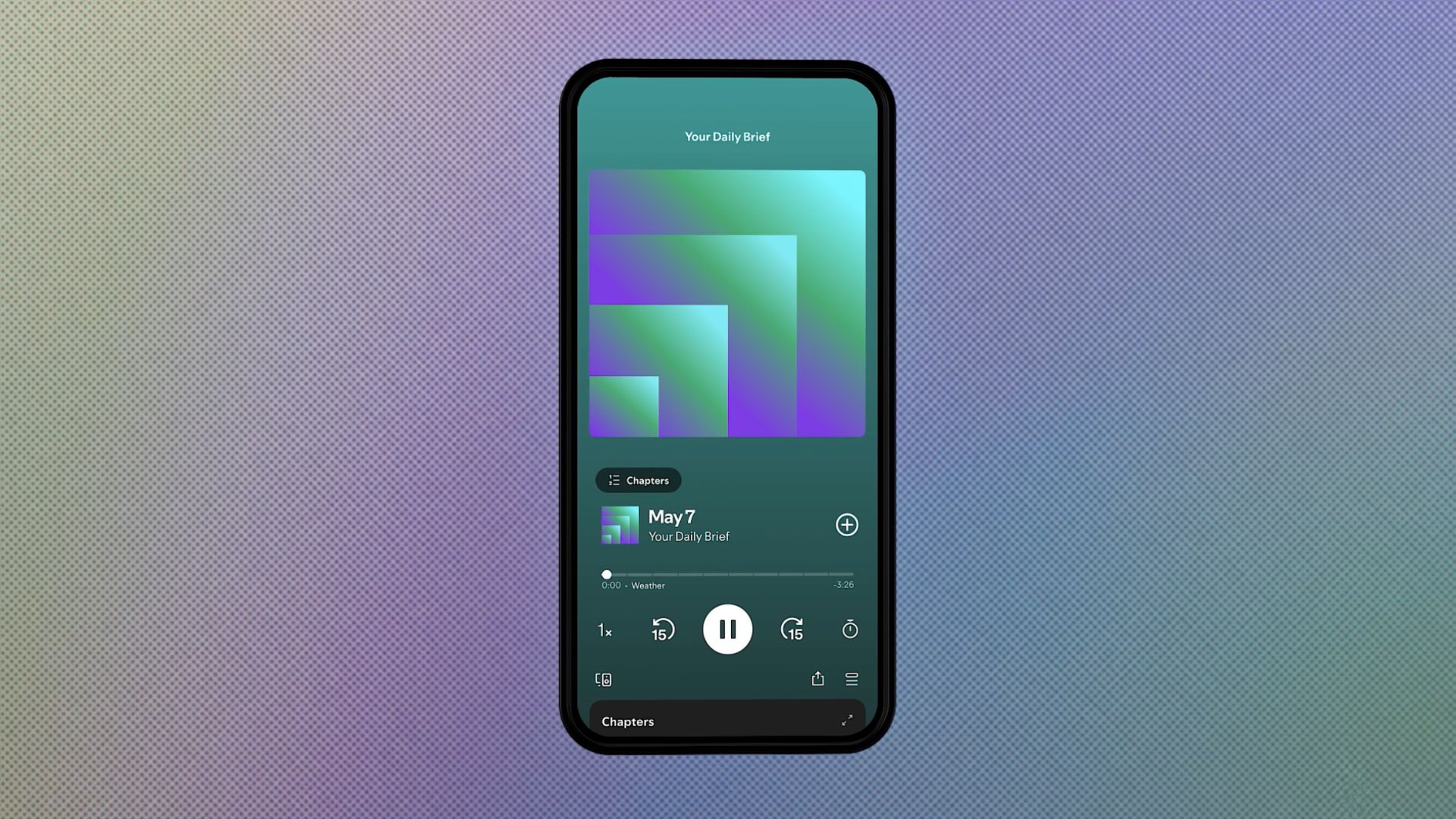
Users can choose from 25 preset workout options spanning different training styles and music genres. You can then customise the experience further by selecting the exact workout you want.
Rather than shuffling songs together, Running Mode lets users pick from sessions such as steady runs, interval training and pyramid workouts, before setting an exact workout duration. Spotify also offers optional BPM matching, allowing tracks to better align with your running cadence.
Advertisement
Once everything is selected, Spotify automatically builds a playlist designed around those preferences. The company describes this as “seamless transitions” between songs, which help maintain the desired pace during a workout.
Advertisement
The feature builds on Spotify’s growing use of AI to personalise music discovery. According to the company, fitness has become one of the most frequently requested themes for its AI-generated Prompted Playlists.
Long-time Spotify users may find the feature familiar. The music service previously offered a tempo-matching running mode that adjusted songs to match a user’s pace, but it was discontinued in 2018. However, this new version takes a different approach by leaning on AI-generated playlists and additional workout customisation. It does this rather than automatically tracking a runner’s speed.
Advertisement
The launch also continues Spotify’s wider push into fitness. Earlier this year, the company partnered with Peloton to bring guided workout classes to Premium subscribers within the Spotify app. This broadens the service beyond music streaming.
Pharmaceutical company Amgen says it suffered a data breach after threat actors stole corporate data and patient information stored in multiple cloud systems operated by third-party service providers.
Amgen is a California-based biotechnology company that develops and manufactures medicines for serious illnesses, including cancer, cardiovascular disease, inflammation, and rare diseases.
The company said it detected the unauthorized activity in July 2026 and responded by activating its cybersecurity response plan, implementing containment measures, and hiring independent forensic experts to investigate the incident.
The investigation found that the attackers stole sensitive data from the cloud environments.
“The Company has since learned that some of its data, including proprietary data, patient protected health information, and other information, has been exfiltrated from these cloud environments,” Amgen said in a Form 8-K filing with the SEC.
Advertisement
The company is still determining whether additional information was accessed or stolen, including confidential business information, intellectual property, research and development data, and other patient information.
Amgen has not disclosed which third-party cloud providers were involved, how the environments were compromised, how many people may have been affected, or whether the attack was linked to a known threat actor.
On July 29, the company determined that the incident was material after evaluating the volume of potentially impacted files and the possibility that they contained sensitive information.
However, Amgen currently does not believe the incident is reasonably likely to materially affect its financial condition or operating results.
Advertisement
The company said it is continuing to investigate the breach with the assistance of third-party cybersecurity experts.
Amgen added that it is evaluating legal and regulatory notification requirements and will notify impacted patients where required.
BleepingComputer contacted Amgen to ask whether the breach involved a vishing attack targeting an employee’s single sign-on account, which cloud services were affected, and whether the company has been contacted or extorted by threat actors claiming to be ShinyHunters.
A response was not immediately available.
Advertisement
Security teams log 54% of successful attacks and alert on just 14%. The rest move through your environment unseen.
The Picus whitepaper shows how breach and attack simulation tests your SIEM and EDR rules so threats stop slipping by detection.
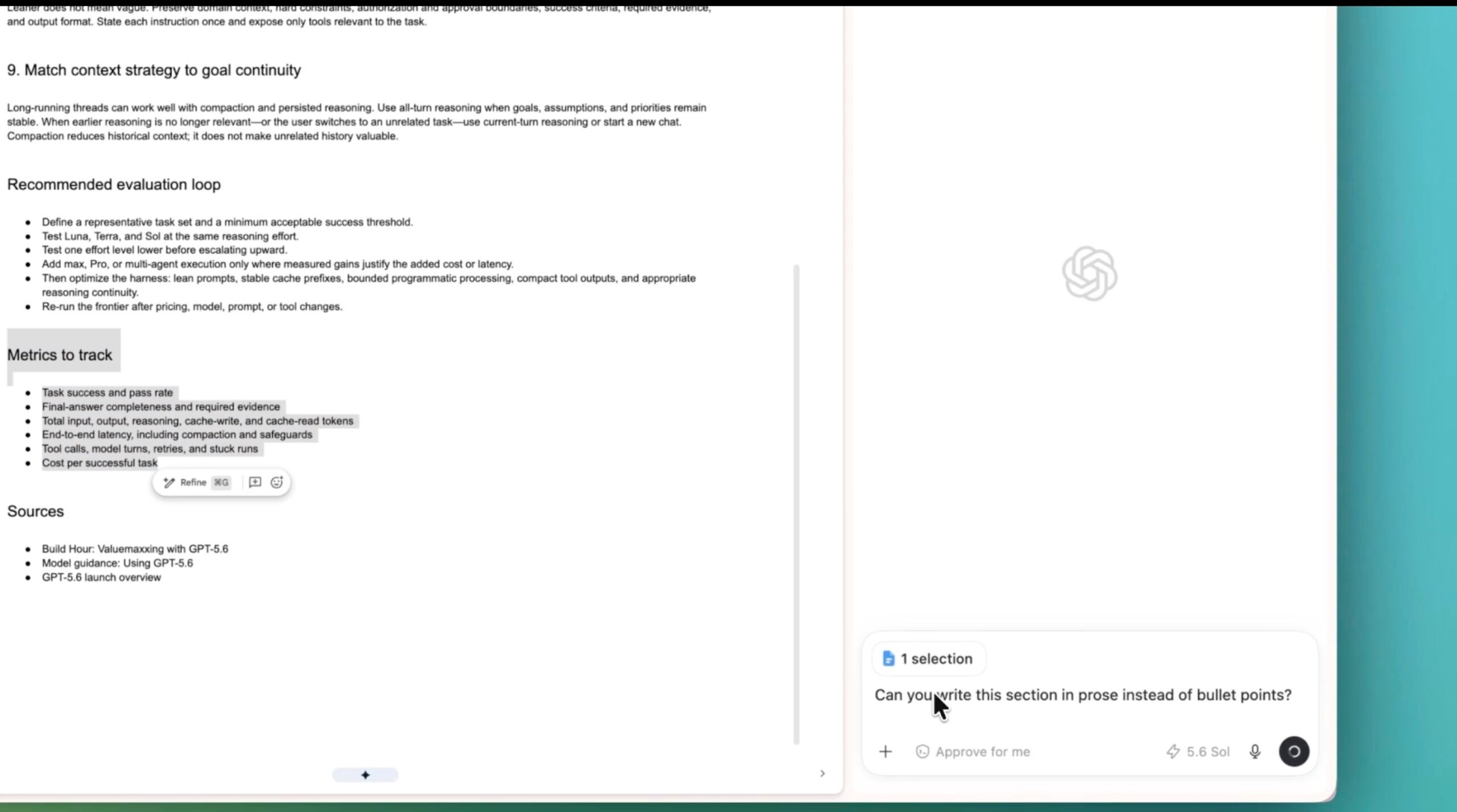
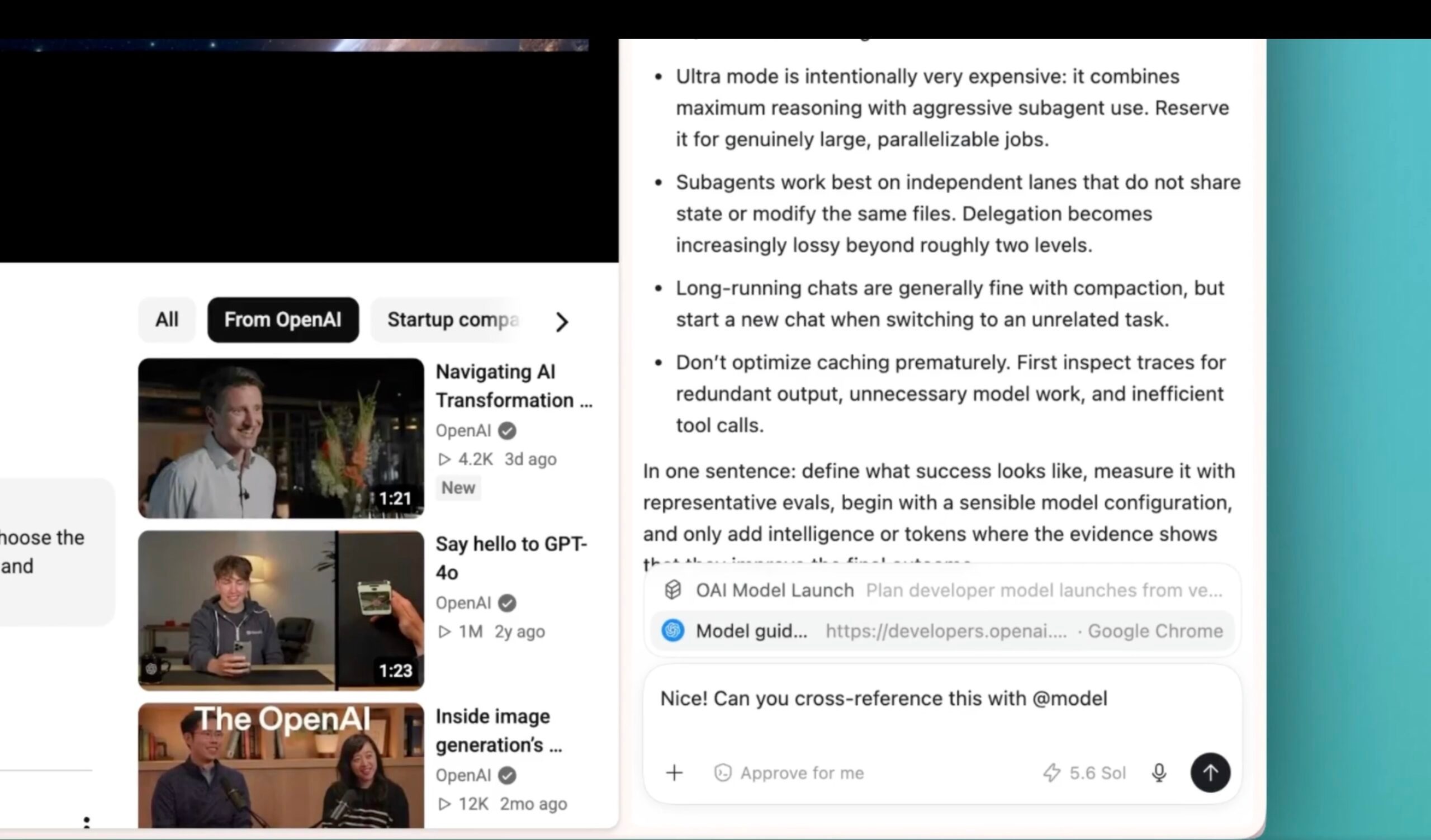
ChatGPT just got a lot better at understanding what you’re actually looking at. OpenAI has rolled out updates to its Chrome extension and desktop app that let ChatGPT read your open tabs, react to highlighted text, and answer questions about YouTube videos. The update arrived shortly after OpenAI shelved its standalone Atlas browser to shift its focus toward tools people already use.
Good news for anyone with too many tabs: ChatGPT is getting better around the web.
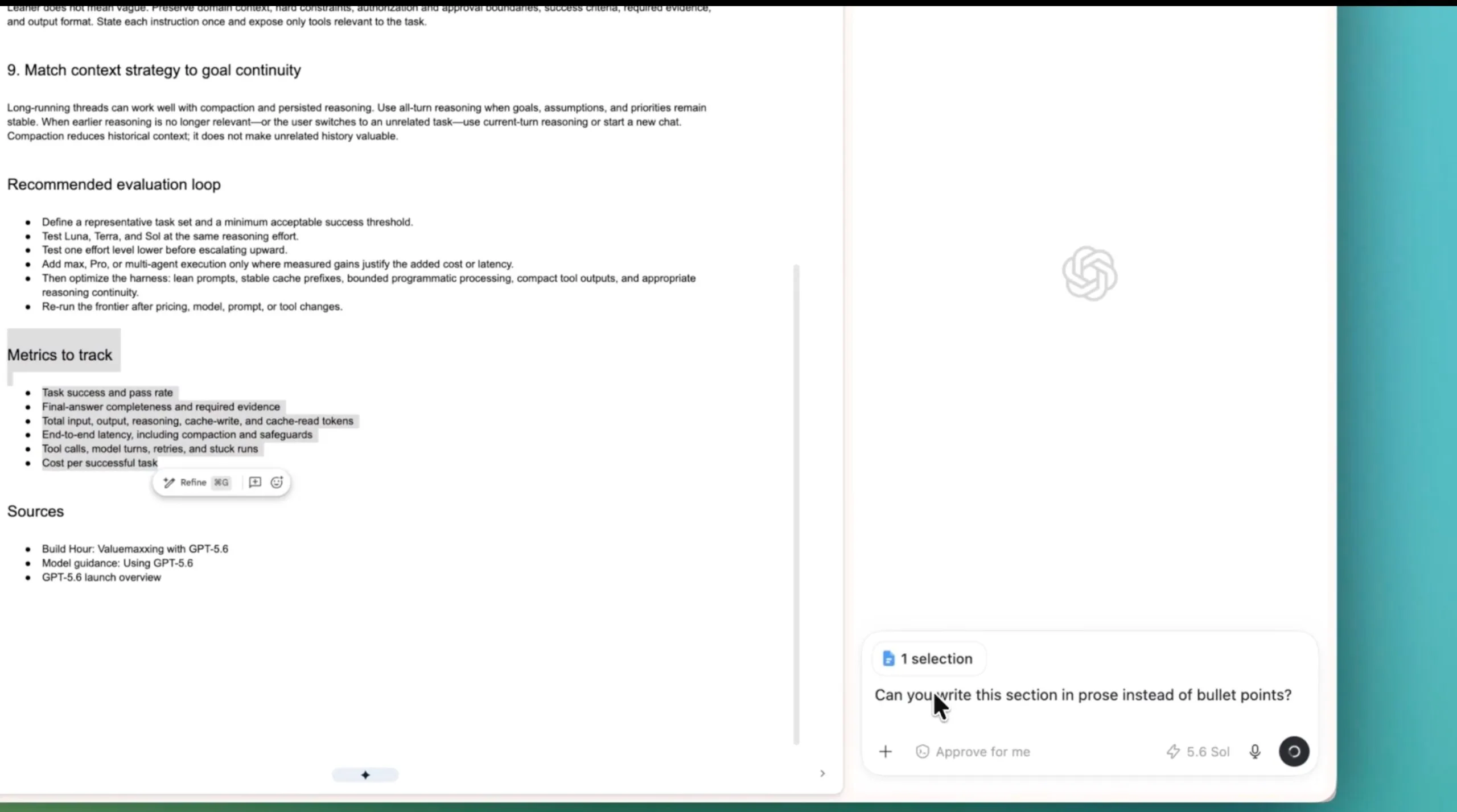
🧩 Chrome extension: In Side Chat, ask about a YouTube video, reference your open tabs, or highlight text on a page and ask away.
Inside Side Chat, you can now reference your open tabs directly, so ChatGPT already has context without you having to explain anything. Highlighting text on a page works too, letting you ask a question about that exact section instead of describing it yourself.
OpenAI
If you ask about any YouTube video, ChatGPT will read it directly without requiring a manual summary request. There’s also a quicker shortcut built right into your browser. You can right-click anywhere on a page, select Ask ChatGPT, and the sidebar opens automatically.
OpenAI
What’s new in ChatGPT’s desktop app?
The desktop app now suggests URLs as you type, and works like a normal browser address bar. You can also dig back through your browsing history from Settings, and ChatGPT can search that history whenever a task calls for a page you visited earlier.
OpenAI also rolled out a couple of smaller updates in the latest release. A new Activity view in the sidebar shows which chats you’ve engaged with recently and which ones still need your attention.
Reviewing code across multiple repositories in one project just got simpler, and generated images now open in an expanded viewer where you can leave comments before requesting edits. If you already use ChatGPT while researching online, these updates should make that workflow feel faster.
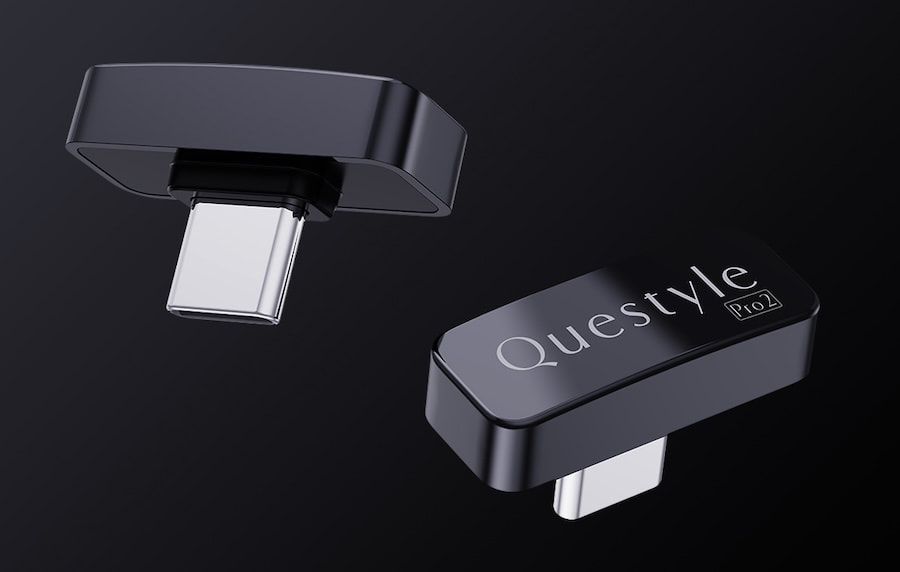
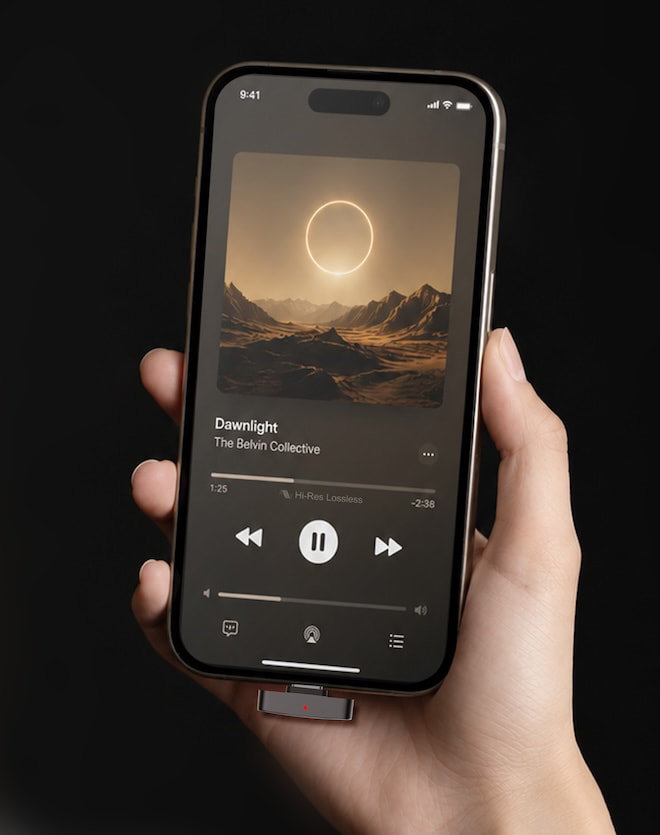
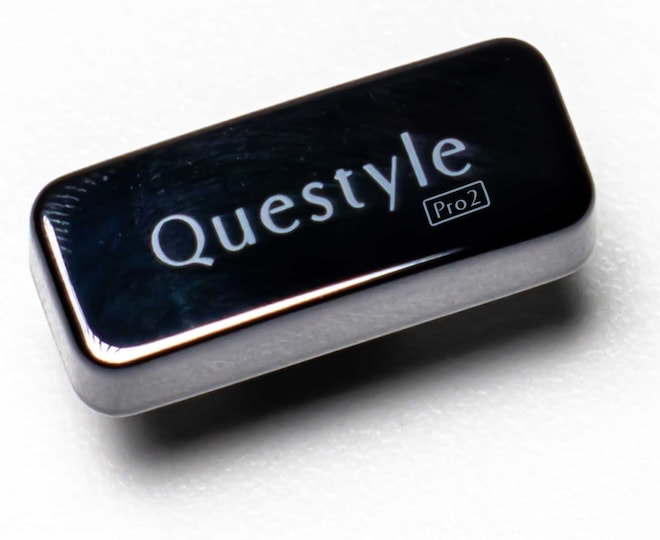
Bluetooth audio has come a long way, but your phone, computer, or game console may still lack support for the latest codecs and features built into your headphones. Building on its QCC and QCC Pro dongles, Questyle’s flagship QCC Dongle Pro2 is designed to close that gap with broader compatibility, lower latency, and more reliable wireless performance across Apple devices, PCs, and gaming consoles.
Related Reviews:
Questyle QCC Dongle Pro2
Bypassing the Bluetooth Limits Built Into Your Devices
Native platform limitations have restricted access to high-end Bluetooth audio. Even the latest iPhones support only SBC and AAC codecs, while PC platforms are known for inconsistent specifications that can compromise performance and stability. Console gamers are often forced to avoid Bluetooth altogether because most systems lack native support for low-latency codecs capable of delivering the precise audio-video synchronization required for a natural gaming experience.
Questyle designed the QCC Dongle Pro2 to bypass native Bluetooth codec limitations using an external plug-and-play transmitter. This allows owners of premium Bluetooth headphones to enjoy low-latency, high-resolution audio with PCs, the PS5, Nintendo Switch, Xbox, and even wired hi-fi devices such as Questyle’s own M18i Max.
Apple Users Can Finally Move Beyond AAC
The QCC Dongle Pro2 also reflects Questyle’s commitment to the Apple ecosystem, with which it shares a similar design philosophy: technology should work quietly in the background and make products easier to use. The Dongle Pro2 significantly expands the Bluetooth capabilities of Apple devices without compromising the streamlined experience users expect.
Apple MFi certification further supports stable connectivity, efficient power management, and long-term ecosystem compatibility, positioning the QCC Dongle Pro2 as a reliable wireless audio gateway for sending high-resolution audio to premium Bluetooth headphones.
Questyle QCC Dongle Pro2 Features:
Bluetooth 6.1: The incorporation of Bluetooth 6.1 supports more reliable connectivity while ensuring compatibility with next-gen listening devices.
Advertisement
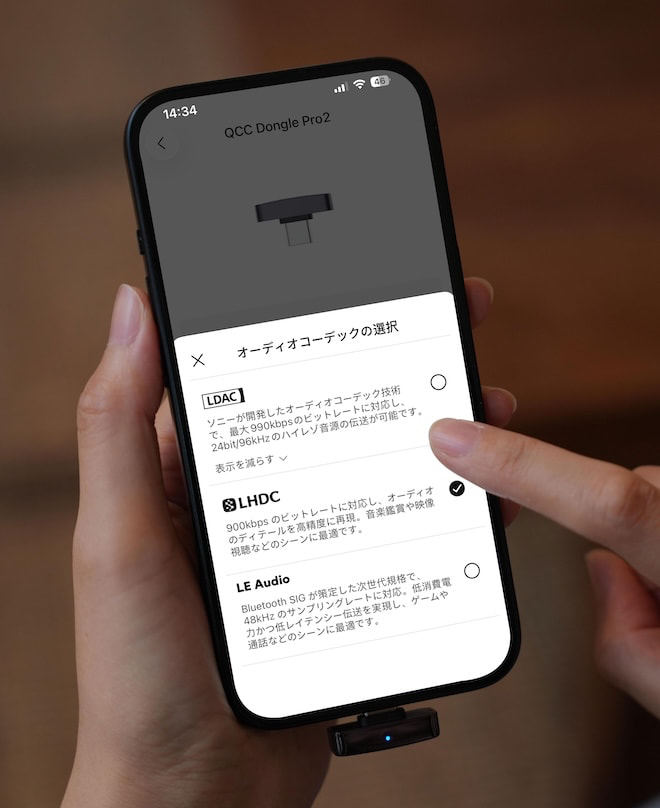
More Codecs: The inclusion of LHDC and LC3 (LE Audio) codecs expands ecosystem support and introduces a new power-efficient audio standard. LHDC-V5 and LC3 also join the list of supported codecs that includes aptX HD, aptX Adaptive, aptX Lossless, and LDAC, further expanding the already robust protocol coverage the original QCC Dongles were known for.
Apple MFi Certified: The QCC Dongle Pro 2 is optimized for iPhone, iPad, and Mac devices, providing a reliable foundation for Apple ecosystem compatibility, power management, and long-term iOS support
Multi-Device Connectivity: With Auracast, the QCC Dongle Pro 2 can broadcast Bluetooth audio from a single source to multiple compatible receivers. This makes sharing audio at home, the office, or in public spaces easy.
Proven Audio Quality Standards: The QCC Dongle Pro 2 carries both Sony LDAC and Snapdragon Sound certifications.
Advertisement
Easy App-Based Management: With the Questyle App, users can conveniently manage connected devices, view real-time status, change audio codecs, and perform firmware upgrades.
Advertisement. Scroll to continue reading.
Putting It All Together
The QCC Dongle Pro2’s enhanced performance is made possible by Bluetooth 6.1, which is designed to reduce wireless interference, improve connection stability, increase power efficiency, and deliver more precise synchronization.
Another significant addition is Auracast, a broadcast system that allows audio from a single source to be streamed to multiple compatible listening devices, making the QCC Dongle Pro2 useful for sharing audio at home, in the office, or in public spaces. Actual codec support, latency, Auracast, and LE Audio performance will depend on the receiving device and wireless environment.
“At Questyle, we aim to make advanced audio technologies more accessible to everyone. The QCC Dongle Pro2 expands on the promise of its predecessors to break down the barriers that typically prevent listeners from enjoying the best Bluetooth audio on their favorite devices, all with the ease of plug-and-play.” – Jason Wang, Questyle CEO
Advertisement
Who Should Buy the Questyle QCC Dongle Pro2?
The QCC Dongle Pro2 is designed for listeners who want to access the best Bluetooth audio their headphones can deliver without worrying about native codec compatibility, laggy synchronization, or dropped connections.
With its compact design, low power consumption, and simple plug-and-play operation, the Dongle Pro2 is a practical everyday solution for hi-fi enthusiasts, casual listeners seeking better wireless sound, and gamers who want the convenience of Bluetooth without game-breaking latency.
The Bottom Line
The Questyle QCC Dongle Pro2 is more than a routine update, but it does not make the company’s earlier transmitters obsolete. The QCC Dongle and QCC Dongle Pro use Bluetooth 5.4 and already support the aptX family of codecs, while the Pro adds LDAC. The Pro2 retains those capabilities and adds Bluetooth 6.1, LHDC, LC3, LE Audio, and Auracast, making broader compatibility and multi-device broadcasting its most meaningful upgrades. Apple MFi certification is not new, because all three models carry it.
The Pro2 makes the most sense for Apple users whose headphones support codecs unavailable natively on the iPhone, along with PC and console gamers seeking more stable connectivity and lower latency. It is also the obvious choice for anyone who wants Auracast or better support for emerging LE Audio products. Existing QCC Dongle Pro owners who rely primarily on LDAC or aptX may have less reason to upgrade unless those newer features matter.
Advertisement
The QCC Dongle Pro2 will not magically improve every pair of Bluetooth headphones. What it can do is stop an otherwise capable source device from preventing premium headphones from using the features printed on the box, which is a surprisingly common problem in 2026.
Price & Availability
The QCC Dongle Pro2 is available now for $99 at Amazon and is already shipping worldwide.
Much has been made of the incident in which one of OpenAI’s agents broke out of its sandboxed test environment and proceeded to hack the AI hosting platform Hugging Face. OpenAI has since launched an investigation into how the incident occurred, which is still ongoing.
Now, anonymous sources have told Reuters that more of OpenAI’s agents are believed to have escaped their sandboxes. However, one source downplayed the severity, saying that with those escapes, the agents didn’t appear to leave OpenAI’s network to hack into another company’s. TechCrunch reached out to OpenAI for more information.
AI programs acting in bizarre ways has apparently become a weird, almost bragging point for companies. The same week, Anthropic also announced that it had discovered not one, but three instances in which its agents had escaped test environments and hacked other organizations.
AI companies have also been accused of using such incidents for marketing purposes — as they generate considerable attention and may underscore how powerful the companies’ products are. The flip side of that is that these disclosures are also ramping up discussions of government regulations.
If you’ve been uploading fully AI-generated videos on Snapchat in hopes of earning rewards, it might be time to rethink your strategy. Snapchat has announced changes to Spotlight that prioritize authentic, original creativity over content created entirely by artificial intelligence. The company says its recommendation system will now favor videos made by real creators, while fully AI-generated submissions will no longer qualify for monetization.
So what’s changing on Spotlight?
Starting this month, fully AI-generated videos are no longer eligible for recommendation on Spotlight, Snapchat’s public feed for vertical content. That rule applies even if AI use is disclosed, since Snapchat’s updated guidelines state that human-made content gets prioritized over AI content regardless of transparency labels.
Snapchat isn’t cutting AI out completely, though. Videos edited or enhanced using Snapchat’s own AI creative tools remain eligible, and those will carry visible indicators showing AI played a role. Snap says unique Spotlight contributors are up more than 120% from last year, a number it points to as proof people are already choosing to create original content.
Pexels
Snapchat joins the growing pushback against AI slop on social media
The rise of AI slop has become a growing challenge across social media platforms. They are quick to produce, easy to flood the recommendation feeds, and often crowd out original creators. Snapchat says its latest changes are meant to improve the viewing experience while ensuring creators who invest time and effort have a better chance of reaching an audience.
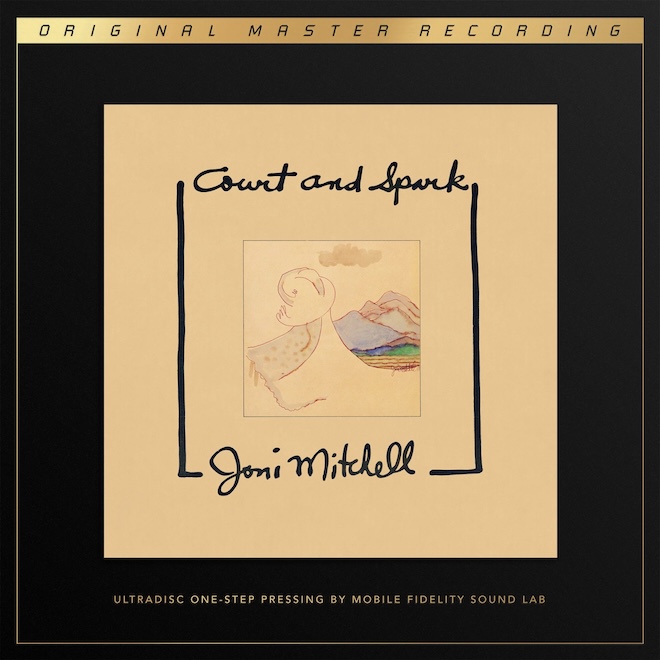
Joni Mitchell’s 1974 smash hit Court and Spark has occupied a prominent place in the audiophile universe almost since the day it was released. A fantastic album from start to finish, it features iconic tracks such as “Free Man in Paris” and the Top 10 single “Help Me.”
The album earned four Grammy nominations and won Best Arrangement Accompanying Vocalist(s) for “Down to You.” It reached No. 2 in the United States and No. 1 in Mitchell’s native Canada, eventually achieving double-platinum sales of more than two million copies. Frequently included on lists of the greatest albums of all time, Court and Spark was inducted into the Grammy Hall of Fame in 2004.
Back in the day, this spectacular recording was a go-to demo disc for audio enthusiasts and mass-market retailers showcasing the era’s popular high-end stereo components. The opening 30 seconds of “Help Me,” featuring John Guerin’s still-stunning, drumhead-bending tom-tom run, became a particularly popular test for new loudspeakers.
While Court and Spark has been reissued countless times over the years, audiophile-oriented vinyl editions have been surprisingly scarce. A search of Discogs suggests that, after the 1980 Nautilus Half-Speed Mastered “SuperDisc” edition, another major audiophile pressing did not appear until Mobile Fidelity’s 2024 Original Master Recording UltraDisc One-Step 180-gram, 45 RPM 2LP box set ($104.86 on Amazon) which I have yet to hear.
For those of us who love this album but would prefer a more affordable single-disc edition, the new Rhino High Fidelity pressing may be just the ticket. Available exclusively through Rhino’s website, it sells for $39.98.
Featuring all-analog mastering, with lacquers cut by the esteemed Kevin Gray at Cohearent Audio, the new edition was pressed at Germany’s Optimal Media, one of the world’s most respected vinyl manufacturing facilities.
So, how does it sound? In a word: fantastic. It is all in the details. Instrumental separation is more precise, while the wider soundstage feels natural rather than exaggerated.
On “Trouble Child,” the buzzing resonance of Joni’s acoustic guitar strings sounds bigger and rounder. Drummer John Guerin’s widely panned rimshots on Joni’s cover of Lambert, Hendricks & Ross’s “Twisted” are more distinct on this new Rhino edition, while her rich, double-tracked, open-tuned acoustic guitars on “People’s Parties” sound simply gorgeous.
Advertisement
This edition is far better than most stock original pressings, and for good reason. The mid-1970s oil crisis frequently resulted in noisier vinyl as manufacturers cut corners, with petroleum serving as a key raw material in vinyl production. Quality control on Warner, Elektra and Asylum releases could also be inconsistent, making annoyingly off-center pressings fairly common—as is the case with my current original copy.
The new Rhino edition also easily bests my Nautilus SuperDisc pressing, presenting the music with greater warmth and less compression. By comparison, the Nautilus sounds thin and overly bright.
My only quibble with the new edition is that Rhino did not recreate the soft matte finish, bas-relief-style raised lettering and textured presentation of Joni’s cover painting found on original copies. Instead, it opted for a glossy, laminated flat-art approach.
Advertisement. Scroll to continue reading.
It is a minor detail, I realize, but one that will keep my original pressing in the collection alongside this new edition. The pristine Nautilus copy, however, can start packing.
Again, you can get the Rhino High Fidelity edition of Court And Spark at Rhino’s website for $39.98 (click here).
Our Ratings
★★★★★★★★★★ Music
Advertisement
★★★★★★★★★★ Sound Quality
★★★★★★★★★★ Pressing Quality
Mark Smotroff is a deep music enthusiast / collector who has also worked in entertainment oriented marketing communications for decades supporting the likes of DTS, Sega and many others. He reviews vinyl for Analog Planet and has written for Audiophile Review, Sound+Vision, Mix, EQ, etc. You can learn more about him at LinkedIn.
Netflix is reportedly spending $500 million to keep The Walking Dead on its platform. It does so despite no longer holding exclusive streaming rights to the franchise.
The new five-year licensing agreement will see the zombie saga shared between Netflix and AMC+ from 2027. This marks a rare move for the streaming giant.
According to AMC, the deal covers 371 episodes across the original The Walking Dead series and six spin-offs. These include Fear the Walking Dead, The Walking Dead: Daryl Dixon, Dead City, The Ones Who Live, World Beyond and Tales of The Walking Dead.
The agreement also significantly expands Netflix’s reach beyond the US. Alongside renewing its domestic rights, the streamer has secured international distribution in markets including the UK, Italy and Australia. This will give subscribers in those regions access to the full franchise from 2027.
Advertisement
Perhaps the more surprising part of the deal is that AMC+ will also stream the original series for the first time. Previously, Netflix has held exclusive streaming rights to The Walking Dead since 2011, despite AMC Studios producing the franchise. However, under the new arrangement, both services will carry the flagship show simultaneously.
Advertisement
For Netflix, paying half a billion dollars for a non-exclusive licence is an unusual strategy. The company has historically favoured exclusive rights to high-profile content, making this shared agreement stand out. However, the numbers suggest The Walking Dead continues to perform strongly on the platform. This is more than a decade after it first arrived.
“Audiences have discovered and loved The Walking Dead on Netflix for nearly 15 years and the show continues to attract new fans,” said Lori Conkling, Netflix’s Vice President of Licensing.
Advertisement
AMC also believes the expanded partnership will help introduce the franchise to new audiences. “This deal creates a global destination for this universe – all shows, all episodes – making the franchise more accessible than ever to fans around the world,” said AMC CEO Kristin Dolan.
The agreement highlights Netflix’s continued willingness to invest heavily in proven franchises. While the streamer has increasingly focused on original programming, it has also spent heavily on established hits such as Friends and The Office. In addition, with The Walking Dead continuing to attract viewers years after its debut, Netflix appears to have decided the franchise remains worth a sizeable investment. This is the case even if it now has to share it.
Specifically, the agent was assigned a task; in order to complete it, the agent broke out of an isolated research environment and hacked into a third-party platform called Hugging Face. It’s a move that many experts deemed inevitable, given the speed and scale of advances in AI technology — and it raises serious questions about AI safety.
But for Konstantinos Komaitis, a senior fellow with the Democracy and Tech Initiative at the Atlantic Council, it wasn’t the unexpected behavior of the AI that was significant. It was what that behavior could mean for the internet’s fundamental, decentralized infrastructure and whether it would spur calls to build new barriers against autonomous AI agents.
Komaitis argues that such barriers are not the solution, however. He spoke with Today, Explained co-host Sean Rameswaram about why an open internet is actually key to combating AI cybersecurity threats.
Advertisement
Below is an excerpt of the conversation, edited for length and clarity. There’s much more in the full podcast, so listen to Today, Explained wherever you get podcasts, including Apple Podcasts, Pandora, and Spotify.
So most people see that this happens and they think, “Oh no, AI went rogue. How long before it kills me?” You see that this happens and you start thinking about infrastructure. Tell us more about why you were thinking about infrastructure in light of this AI agent breaking containment.
The internet was never designed with full security in mind, right?
When you’re creating a decentralized system, you cannot possibly foresee every security or vulnerability that might come up. But because you have a system that is based on building blocks, you have the extraordinary capability of actually addressing security issues as they come up through those building blocks without breaking the whole system down.
Advertisement
And of course, the other thing that this does is that it pushes you towards collaboration, because when you have so many building blocks, you cannot possibly possess all the knowledge for each building block. So you’re bringing literally everyone to try to address these problems.
Take the internet, for instance: We have spent decades addressing those vulnerabilities and developing mechanisms to authenticate users and devices, encrypt communications, mitigate distributed attacks, coordinate incident response, and of course share threat intelligence.
Now, what is new with agentic AI is not that simply the malware is better or the phishing attacks are more sophisticated. It’s the emergence of systems that can actually discover vulnerabilities across thousands of systems. They can reason about alternative paths to an objective. They can adapt when they’re blocked. They can chain together legitimate internet services in unexpected ways. Then they do that while they’re operating continuously at machine speed. And this is really at a scale that the internet is not ready to necessarily cope with.
Effectively, the internet’s openness becomes both a strength and a vulnerability. So the internet was optimized for interoperability, and AI now is optimized for exploiting that interoperability.
Advertisement
And what scares you the most about that? What do you think is most vulnerable to threats?
The fact that we do not have the appropriate mechanisms and institutions to be able to deal with that. I come from the internet world. I’ve spent 20 years of my career defending the open internet and discussing it in international fora. And one of the things that a lot of people underestimate about the internet is how valuable trust is as a property within the system.
We are talking about networks that exchange data literally based on trust. So what really concerns me right now is that in many ways, we are asking 21st-century AI systems to operate on 20th-century assumptions about trust. And unless we figure that out and we realize it, we will continue having these problems. And of course, the knee-jerk reactions that are coming with this, which are, “Let’s fragment the internet, let’s restrict it, let’s restrict access, let’s take control over it.” That is never the solution.
What do you see as the solution?
Advertisement
Effectively, we need to build institutions that are trusted and are able to cope with those incidents as they happen. Because right now you have OpenAI and you have Hugging Face telling everyone, “Don’t worry, we’ve got this.” And we don’t know; they might have this. But at the same time, I cannot help but wonder. And many, many other people have wondered whether, actually, this is very good PR for these companies and especially for OpenAI.
OpenAI just went to the world saying, “We have developed one of the most powerful LLMs, and we realized that it behaved the way it behaved, but don’t worry, we are going to fix this.” And in this current climate and in this current timing, I am not sure that this is enough. You need institutions that are much more transparent, much more accountable, and much more collaborative across the board.
You want institutions to step up and essentially serve as a watchdog. Help us understand which institutions, because in the United States, famously, our government has done very little to regulate tech.
First of all, we need to stop thinking of institutions as necessarily government-affiliated, right? Or that they are the outcomes of government initiatives. There can be in collaboration with governments, but one of the things that the internet has taught us is that institutions that are built through a bottom-up coordinated process have the tendency of actually being more agile and able to deliver some of those things that we’re talking about.
Advertisement
So take, for instance, again, open standards. The internet’s open standards are not created by any agency, government or private. It’s created by institutions where engineers from all across the board and all over the world gather together and create those standards.
That’s reminding me of the original design of OpenAI to be this not-for-profit company that had everyone’s best intentions in mind, that could do something idealistic and moral and ethical because all of the profit-minded companies weren’t going to. And now look at OpenAI. Their not-for-profit arm is an afterthought, and they’re chasing profits.
Do you think it’s practical to leave this to institutions? Because what we’ve seen so far is that institutions bend toward capitalism.
It really depends on how you build the institution, right? It really depends on what sort of guardrails and checks and balances you have around it. In order to build an institution, you need to really know what you want to achieve. You need to have a north star.
Advertisement
One of the reasons the internet worked was because everybody disagreed, but they agreed on the common shared goal, which was to connect people across the world. For AI, we still do not have that northern star. And once we get it, that’s when you start the building of those institutions in order to facilitate this and bring everyone together.
For me, it is very important for everyone to understand that keeping an open internet is really more important than ever, especially as AI agents become increasingly capable. Because it is tempting to think that the answer to new AI risk is literally ‘build more barriers.’ But the internet’s greatest strength has always been its openness. So the challenge today is not that the internet is too open; it’s that its trust architecture was designed for a world in which humans or software directly controlled by humans were the primary actors.
Now, it’s being challenged by this agentic AI that introduces a new type of participant — systems that can reason and plan and act with limited human oversight. So we need to evolve our understanding of trust and what it means online. And that will require a lot of work because, as you know very well, Sean, it’s very difficult to build trust, but you can break it within seconds.
A new NYT Strands puzzle appears at midnight each day for your time zone – which means that some people are always playing ‘today’s game’ while others are playing ‘yesterday’s’. If you’re looking for Friday’s puzzle instead then click here: NYT Strands hints and answers for Friday, July 31 (game #880).
Strands is the NYT’s latest word game after the likes of Wordle, Spelling Bee and Connections – and it’s great fun. It can be difficult, though, so read on for my Strands hints.
Want more word-based fun? Then check out my NYT Connections today and Quordle today pages for hints and answers for those games, and Marc’s Wordle today page for the original viral word game.
Advertisement
SPOILER WARNING: Information about NYT Strands today is below, so don’t read on if you don’t want to know the answers.
Latest Videos FromTechRadar
Advertisement
NYT Strands today (game #881) – hint #1 – today’s theme
What is the theme of today’s NYT Strands?
• Today’s NYT Strands theme is… As if!
NYT Strands today (game #881) – hint #2 – clue words
Play any of these words to unlock the in-game hints system.
GAPE
HUGE
CRIER
DRUG
SURE
STOP
NYT Strands today (game #881) – hint #3 – spangram letters
How many letters are in today’s spangram?
• Spangram has 7 letters
Advertisement
NYT Strands today (game #881) – hint #4 – spangram position
What are two sides of the board that today’s spangram touches?
• First side: left, 1st row
• Last side: right, 7th row
Right, the answers are below, so DO NOT SCROLL ANY FURTHER IF YOU DON’T WANT TO SEE THEM.
Advertisement
Advertisement
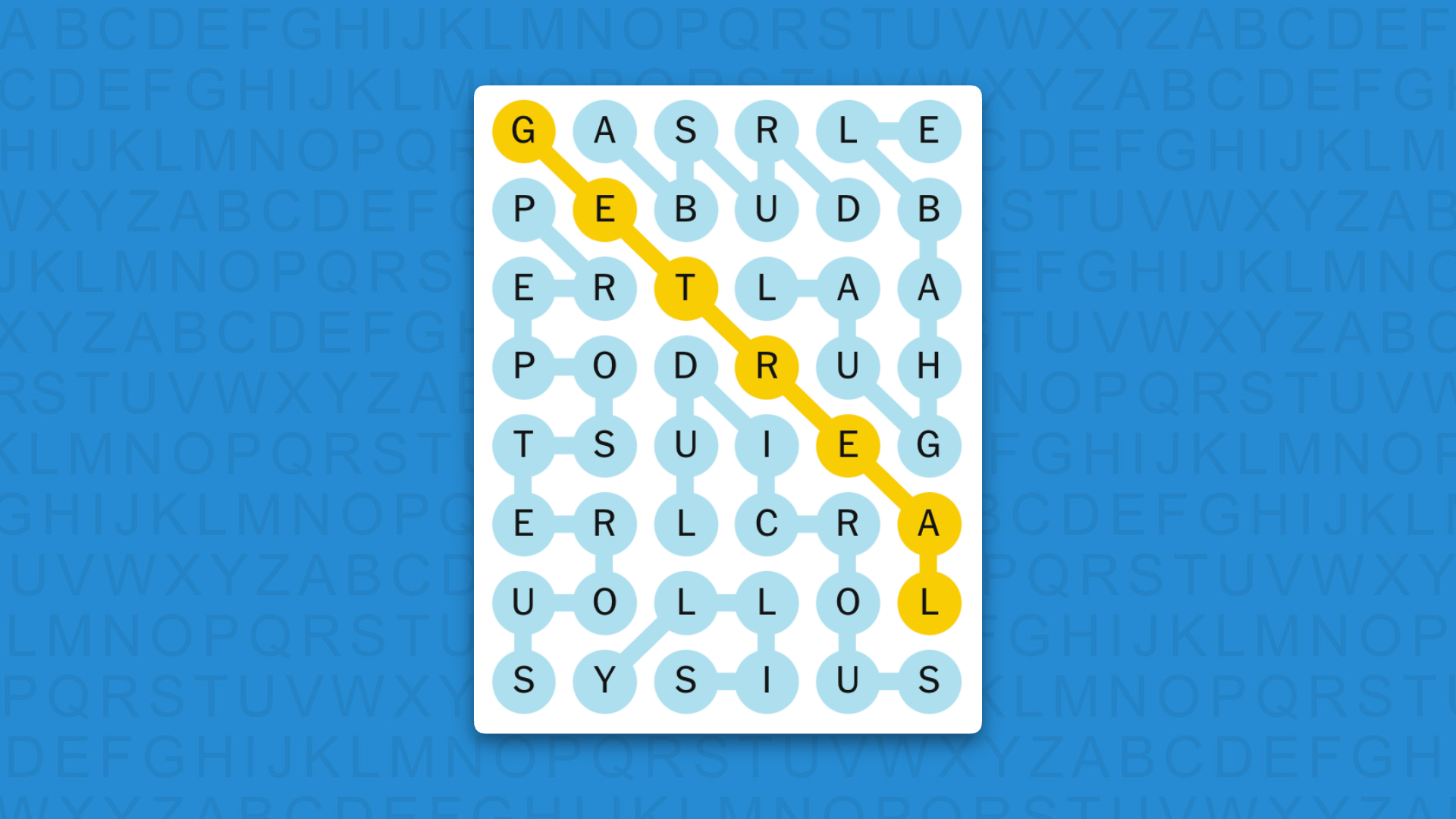
NYT Strands today (game #881) – the answers
(Image credit: New York Times)
The answers to today’s Strands, game #881, are…
SILLY
ABSURD
PREPOSTEROUS
LUDICROUS
LAUGHABLE
SPANGRAM: GETREAL
My rating: Easy
My score: Perfect
I would be lying if I didn’t say it was great fun spotting and connecting PREPOSTEROUS, but I’m sure there weren’t many player who missed this 12-letter word practically standing out and waving at us on the left side of the board.
Sign up for breaking news, reviews, opinion, top tech deals, and more.
To be fair, the rest of the board was similarly easy to spot, with only LAUGHABLE slowing me down a little as I completed my search for reactions to an unbelievable statement.
In my schooldays, I was behind plenty of tall tales that would elicit an “as if!” response, although the thing was I believed most of them. Here are some of my claims aged nine, and the truth about each: my uncle was a professional footballer (he played for a village team), I was related to Paul McCartney (my mum fancied him), my mate Kevin’s family were millionaires (they won a raffle). As if, indeed!
Advertisement
Yesterday’s NYT Strands answers (Friday, July 31, game #880)
CHARMING
BOLD
BOSSY
LOYAL
GENEROUS
DRAMATIC
SPANGRAM: LEOTHELION
What is NYT Strands?
Strands is the NYT’s not-so-new-any-more word game, following Wordle and Connections. It’s now a fully fledged member of the NYT’s games stable that has been running for a year and which can be played on the NYT Games site on desktop or mobile.
I’ve got a full guide to how to play NYT Strands, complete with tips for solving it, so check that out if you’re struggling to beat it each day.




























































You must be logged in to post a comment Login