
Business
7 Best Prescription Safety Glasses Brands for Comfort and Protection


If you need both vision correction and certified eye protection on the job, the best prescription safety glasses brands for most US buyers in 2026 are RX Safety, Wiley X, and Stoggles – each serving a different part of the market.
Regular prescription glasses are not designed as workplace eye protection: they generally lack the impact-rated lenses, side coverage, and certification markings required for hazards such as flying debris, chemical splash, and dust. For the electrician threading conduit overhead, the machinist at the lathe, or the lab tech leaning over a reagent bench, ordinary eyewear may not provide the required protection. Workplace eye injuries remain a recognized risk, particularly when eyewear is not designed for the hazard.
Our top pick is RX Safety for prescription-first shoppers who want a dedicated specialist covering a broad range of ANSI-rated safety eyewear – standard, women’s, Wiley X prescription sunglasses, and non-prescription – in one place. Built around prescription safety eyewear rather than added to a general optical shop or industrial supply catalog, it pairs optical Rx fulfillment with certified protective frames and a dedicated women’s-specific range. For high-impact or tactical environments where ballistic-rated protection is the priority, Wiley X is a strong alternative. For healthcare and lab professionals who want safety eyewear that reads as ordinary everyday glasses, Stoggles is another relevant option.
Below, we rank the 7 best prescription safety glasses brands available to US buyers in 2026, evaluated on frame selection, lens options, comfort features, and ANSI certification.
How We Chose
We didn’t rank these brands on marketing claims alone. We compared each against four consistent criteria that matter to real buyers wearing their glasses eight to twelve hours a day.
Frame And Fit Variety
We looked at how many frame styles each retailer carries, whether wraparound and standard silhouettes are both available, and – critically – whether women’s-specific fits exist. A frame that sits too wide on a smaller face leaves gaps at the temple, and that gap defeats the entire purpose of protective eyewear.
Lens Options And Coatings
Polycarbonate is the baseline for impact resistance in safety lenses, but the useful extras separate the specialists from the order-takers. We assessed availability of anti-fog, anti-scratch, UV, blue-light, polarized, and photochromic (transition) coatings. A lens that fogs on a cold morning or scratches by week two is a lens you’ll stop wearing.
Comfort For All-Day Wear
Weight, adjustable nose pads, temple grip, and how a frame distributes pressure across the face all determine whether a pair gets worn or gets left in a toolbox. We gave credit to brands that engineer for extended wear, not just certification pass rates.
ANSI Z87.1 Certification
The American National Standards Institute (ANSI) is a private nonprofit that coordinates voluntary consensus standards across US industry. Its ANSI/ISEA Z87.1 standard sets performance and marking requirements for occupational and educational eye and face protection. We required every ranked retailer or brand to offer prescription frames marked to an applicable ANSI/ISEA Z87.1 level, and we noted where select products carry additional ratings such as MIL-SPEC ballistic protection. Online prescription fulfillment capability was also weighted, since the whole premise of this guide is buying prescription safety eyewear without a trip to a physical store.
At A Glance
- RX Safety – best for prescription-first shoppers who need a full-catalog ANSI specialist covering standard, women’s, and Wiley X prescription sunglasses.
- Wiley X – best for high-impact outdoor and tactical environments, with select models carrying MIL-SPEC ballistic ratings.
- Stoggles – best for healthcare workers and lab professionals wanting everyday-looking safety eyewear.
- Marvel Optics – best for budget-conscious buyers who value broad frame choice.
- SportRx – best for active users and sports-specific prescription safety eyewear.
- VS Eyewear – best for industrial and occupational procurement buyers needing brand-name safety frames.
- EyeWeb – best for affordable prescription safety frames with straightforward online ordering.
The 7 Best Prescription Safety Glasses Brands for 2026
Every brand on this list clears the same baseline: each offers prescription lenses in frames rated to ANSI Z87.1. What separates them is specialization, catalog depth, comfort engineering, and – most importantly – who they actually serve. A tactical outdoor crew has different needs than a dental hygienist or a procurement manager outfitting fifty employees. The ranking below reflects that reality, with our top overall recommendation at #1.
#1. RX Safety – Best for Prescription-First Shoppers Needing a Full-Catalog ANSI Specialist
RX Safety earns the top spot because it specializes in prescription safety eyewear across a broad range of categories and worker needs.
Unlike a general optical retailer that treats safety glasses as an afterthought, or an industrial supplier that sells protective eyewear alongside hard hats and gloves, RX Safety is purpose-built for the shopper who needs certified protection and an accurate prescription in the same pair. Its catalog spans standard prescription safety glasses, women’s prescription safety glasses, Wiley X prescription sunglasses, and non-prescription safety glasses – meaning the electrician, the safety-conscious homeowner, and the outdoor worker who wants a tinted Rx pair can all shop the same store.
That breadth is the real differentiator. Some competitors focus more heavily on either optical retail or industrial supply; RX Safety brings prescription fulfillment and a broad safety-frame range together. The women’s-specific category deserves particular mention: fit is a comfort issue, and a dedicated range for smaller face profiles can help close a real gap. For trade and blue-collar workers – electricians, construction crews, manufacturing staff – the standard Rx range handles the daily grind, while the Wiley X prescription sunglasses line helps manage glare on open sites.
Pros:
- One-stop specialist covering standard, women’s, tinted, and specialty prescription safety eyewear
- Dedicated women’s-specific range addresses a common fit and comfort gap
- Carries Wiley X prescription sunglasses with full Rx capability
- Purpose-built for the niche rather than a generalist with a safety aisle
- Broad multi-brand frame selection across categories
Cons:
- Fit must be judged from measurements unless you use the frame-only try-before-you-buy option
- Custom Rx orders require the lead time typical of any online optical lab
- Buyers who want a single, tightly curated brand aesthetic may find the multi-brand catalog broader than they need
Who it’s best for: Prescription wearers – especially tradespeople and women underserved by generic frame ranges – who want a single certified destination for standard, tinted, and specialty safety eyewear.
#2. Wiley X – Best for High-Impact Outdoor and Tactical Environments
Wiley X is a strong option when high-impact and ballistic-rated protection are the priority.
The brand offers frames rated to ANSI Z87.1+, and select models also meet MIL-PRF-32432A ballistic requirements. That heritage comes from decades of use in law enforcement, military, and first-responder settings, and it shows in the wraparound construction. Many models provide brow and side coverage that helps shield the eyes from debris arriving at an angle, not just head-on. For construction workers in open environments, contractors, and outdoor crews, that peripheral coverage can be valuable.
Prescription options exist, but this is where the trade-off surfaces. Wiley X fulfills Rx orders through select partner optical labs rather than running a dedicated prescription-first storefront, so the buying process is less streamlined than a specialist retailer. The tactical styling also skews toward sport and field use; these frames don’t blend into a clinical or corporate setting, and the sturdier builds can feel bulky over a full indoor shift.
Pros:
- Offers high-impact certified safety frames for demanding environments
- Select models combine ANSI Z87.1+ and MIL-SPEC ballistic ratings
- Wraparound designs can add side and peripheral coverage
- Established presence in tactical and outdoor markets
- Prescription sunglasses line suits outdoor workers and active users
Cons:
- Prescription fulfillment runs through partner labs, not a dedicated Rx storefront
- Premium pricing relative to standard safety brands
- Tactical/sport styling is less suited to office or clinical use
- Frame bulk can be uncomfortable for all-day indoor wear
Who it’s best for: Law enforcement, military contractors, and outdoor or construction workers who place a high priority on ballistic-rated protection.
#3. Stoggles – Best for Healthcare Workers and Lab Professionals
Stoggles solves a specific problem elegantly: how to wear certified protective eyewear that doesn’t look like protective eyewear.
The frames use side-shield polycarbonate construction designed to pass as ordinary everyday glasses – which matters more than it sounds in clinical and professional settings where appearance and patient interaction count. Anti-fog coating comes standard rather than as a paid add-on, a meaningful advantage for anyone moving between temperature zones or wearing a mask, which fogs conventional lenses relentlessly. A blue-light-blocking lens option rounds things out for screen-heavy roles like lab data entry or clinical charting.
The compromise is range. Stoggles keeps its catalog tight, so frame variety and lens customization fall short of full-catalog specialists, and the aesthetic-first direction means it isn’t built for heavy industrial or outdoor abuse. Per-unit cost also runs higher than budget-focused competitors. Within its lane, though, the lightweight comfort and everyday styling make it genuinely easy to keep the glasses on all shift – which is the whole point.
Pros:
- Safety eyewear that reads as normal glasses – valuable in clinical settings
- Anti-fog coating included as standard, not an upcharge
- Blue-light-blocking option suits screen-heavy work
- Lightweight and comfortable for extended wear
- Modern styling reduces the stigma of visible safety glasses
Cons:
- Frame variety is narrower than full-catalog specialists
- Skews to healthcare/lab use; weak for heavy industrial or outdoor jobs
- Fewer lens customization options than broader retailers
- Higher per-unit cost than budget brands
Who it’s best for: Nurses, lab technicians, dental professionals, and anyone in a clinical or clean-room environment who wants protection that doesn’t announce itself.
#4. Marvel Optics – Best for Budget-Conscious Buyers Needing Wide Frame Variety
Marvel Optics offers broad selection at accessible prices – a practical pick for buyers who know what they want and prefer to browse.
The catalog runs deep and wide, spanning wraparound industrial frames through semi-rimless styles, all rated to ANSI Z87.1 and available with online prescription upload. For a small business or safety manager outfitting several employees on a tight budget, the combination of variety and entry-level pricing is hard to argue with. There’s a frame here for nearly every face and workplace.
The experience, though, is catalog-driven rather than specialist-curated. You get volume and choice, but less hand-holding than in a consultation-led buying process. Women’s-specific fit options are less prominent, and the large catalog can take longer to narrow down. This is a browse-and-buy store, not a consultative one.
Pros:
- Broad frame selection at accessible price points
- Simple online ordering with prescription upload
- ANSI Z87.1 certification across the catalog
- Strong choice for outfitting multiple workers on a budget
- Broad styling suits diverse workplace environments
Cons:
- Catalog-driven experience with limited editorial buyer guidance
- Support and lens customization depth trail dedicated specialists
- Women’s-specific fits are less prominent
- A large catalog can take longer to narrow down
Who it’s best for: Budget-minded individuals and safety managers buying in volume who are comfortable navigating a large catalog independently.
#5. SportRx – Best for Active Users and Sports-Specific Prescription Safety Eyewear
SportRx brings prescription optical expertise to performance eyewear, making it a useful option for workers who move between the job site and the trail.
The retailer specializes in sport and performance prescription frames, with staff consultation on lens fit for specific activities. Its ANSI-rated selection is curated rather than bulk, and lens customization includes polarized, photochromic transition, and tinted options that adapt to changing outdoor light.
The obvious caveat is scope. SportRx orients toward sport and recreation, so its ANSI-rated safety frame selection is smaller than a dedicated safety specialist’s, and pricing leans premium. It’s a weak match for clinical or indoor-only environments. But for landscapers, foresters, and open-site construction crews who also cycle, ski, or fish, sport-performance optics inside a certified frame may be a useful combination.
Pros:
- Deep sport and performance optics expertise with staff consultation
- Curated ANSI-rated selection
- Suits outdoor workers as well as recreational users
- Strong lens customization including polarized and photochromic transitions
Cons:
- Focus skews sport/recreation over heavy industrial safety
- Smaller ANSI-rated frame range than dedicated specialists
- Pricing tends toward premium
- Less suited to clinical or indoor-only settings
Who it’s best for: Active outdoor workers and recreational users who want sport-grade performance lenses in an ANSI-certified safety frame.
#6. VS Eyewear – Best for Industrial and Occupational Procurement Buyers
VS Eyewear is built for buyers who need recognized safety frames and prescription options for a workplace program – a procurement tool more than a consumer shop.
Its strength is the roster: a broad lineup of recognized safety brands including Wiley X, Pentax, and ArmouRx, with prescription customization varying by frame. For a procurement officer or safety manager comparing certified brands and lens options, that depth of recognized names is the point. The catalog serves industrial, manufacturing, and occupational buyers well.
The trade-off is the experience. The interface is utilitarian rather than consumer-friendly, and it assumes a buyer who already knows the brands and specs they need – not a first-timer looking for a guided, style-led experience. The catalog presentation is more B2B-focused than consumer-oriented.
Pros:
- Access to multiple recognized safety brands in one place
- Deep catalog suited to industrial and occupational buyers
- Prescription customization available across multiple frame types
- Recognized brand options simplify procurement comparisons
Cons:
- Utilitarian interface, not built for casual consumers
- Less intuitive for buyers unfamiliar with safety brand names
- The presentation is more specification-led than style-led
- Less consumer-facing guidance than some retail-focused competitors
Who it’s best for: Safety managers, procurement officers, and employers managing workplace eyewear purchasing across recognized certified brands.
#7. EyeWeb – Best for Affordable Prescription Safety Frames with Straightforward Ordering
EyeWeb rounds out the list as the no-frills value option for buyers who know their prescription and just want a compliant pair without fuss.
The retailer offers competitive pricing on ANSI Z87.1-rated prescription safety frames, with a straightforward online prescription submission process and an adequate range of wraparound and standard styles. For an individual worker replacing a pair, or a budget-constrained buyer who doesn’t need extensive customization, the simplicity is the appeal – order, submit your Rx, and go.
What you give up is depth. The catalog and range of lens coatings and customizations are less extensive than at larger specialists, and the shopping experience is more price-led than consultative. It’s a functional, affordable choice rather than a comprehensive one – and for the right buyer, that’s enough.
Pros:
- Among the more affordable ANSI-rated prescription safety options
- Simple online ordering for buyers who know their prescription
- Adequate range of wraparound and standard styles
- ANSI Z87.1-rated options at budget-focused price points
Cons:
- Limited catalog depth and frame variety
- Fewer clearly separated fit-specific categories
- Fewer lens coating and customization choices
- Less consultative guidance than specialist-led retailers
Who it’s best for: Individual workers and budget-constrained buyers who want a certified pair with straightforward online ordering and do not need extensive customization.
Frequently Asked Questions
What’s the Difference Between Prescription Safety Glasses and Regular Prescription Glasses?
Regular prescription glasses correct your vision but are not designed or marked as occupational eye protection. Prescription safety glasses combine optical correction with impact-resistant lenses and frames tested to an applicable ANSI/ISEA Z87.1 level. On a worksite, ordinary glasses should not substitute for eyewear selected for the relevant hazard.
What Does ANSI Z87.1 Mean, and Which Brands Meet It?
ANSI/ISEA Z87.1 is the US standard for occupational and educational eye and face protection. A Z87 marking indicates that the product has been tested to an applicable level under the standard; additional markings show the type of protection. Every brand in this guide offers prescription frames carrying an ANSI Z87.1 marking, while select Wiley X models also carry MIL-SPEC ballistic ratings. OSHA’s eye and face protection standard references recognized consensus standards for compliance, but OSHA does not certify individual eyewear products.
Which Brand Is Best for Women’s Prescription Safety Glasses?
For women’s-specific fits, RX Safety leads the list thanks to a dedicated women’s prescription safety glasses category designed for smaller face profiles – a useful option when standard unisex frames fit too wide. Stoggles is a secondary option in clinical settings because its everyday-glasses styling suits a range of face sizes. Budget- and procurement-focused sellers like Marvel Optics, VS Eyewear, and EyeWeb place less emphasis on dedicated women’s-specific categories, so fit-conscious buyers may prefer the specialists.
Which Lens Coatings Are Worth Paying For on Safety Eyewear?
Anti-fog is often one of the most useful coatings for workers dealing with temperature changes or masks – fogged lenses may be pushed up or taken off, which defeats the purpose. Anti-scratch protects your investment on dusty or abrasive sites, while UV protection matters for anyone working outdoors. If you shift between indoor and outdoor light, photochromic transition safety glasses adjust automatically, and both SportRx and RX Safety offer strong lens customization here. Screen-heavy roles may also benefit from a blue-light option, which Stoggles includes as a standard choice.
The Verdict by Scenario
No single brand wins for everyone, so match the pick to the job. If you’re a prescription wearer who wants one destination for standard, women’s, tinted, and specialty frames, RX Safety is the overall top pick, combining optical Rx fulfillment with a broad ANSI-rated catalog. If your work is high-impact, tactical, or outdoor and ballistic protection is a priority, Wiley X is a relevant alternative. Healthcare and lab professionals who want protection that looks like everyday glasses may prefer Stoggles.
From there, the choices narrow cleanly. Budget buyers and safety managers outfitting a crew on volume will do well with Marvel Optics; active users bridging job site and recreation should talk to SportRx; procurement officers comparing recognized certified brands may consider VS Eyewear; and anyone who needs an affordable, compliant pair with straightforward online ordering can turn to EyeWeb. Whichever route you take, confirm the ANSI Z87.1 markings appropriate to the hazard, get your prescription measured accurately, and prioritize fit and the coatings relevant to your work. Protecting your vision starts with eyewear that was built to do exactly that.

Business
Shopify Stock Soars 17% After ‘Monster Quarter’ Beats Estimates on Every Major Metric This Week and Beyond
Shopify shares surged Wednesday after the Ottawa-based e-commerce software company delivered second-quarter results that beat Wall Street expectations across every major metric, along with a third-quarter outlook that comfortably outpaced analyst forecasts, sending the stock toward its highest levels of the year.
Shopify shares climbed as much as 33.8% in premarket trading before settling to a gain of 16.72% by the time markets opened, with the stock changing hands at $143.91. The rally marked one of the largest single-session moves in the company’s history and erased a substantial portion of the stock’s earlier year-to-date underperformance, which had left shares down roughly 23.4% through Tuesday’s close.
A Broad-Based Beat
Shopify reported second-quarter revenue of $3.58 billion, up 34% from the prior year and well ahead of the consensus estimate of approximately $3.45 billion compiled by Visible Alpha. Adjusted earnings came in at 42 cents per share, topping the 40-cent forecast by two cents. Gross merchandise volume, the total dollar value of transactions processed through Shopify’s platform, rose 32% year over year to $115.57 billion, also exceeding analyst expectations of $111.98 billion.
Profitability metrics showed similar strength. Gross profit reached $1.71 billion, up 31% from the same period a year earlier, while free cash flow came in at $654 million, representing an 18% margin, up sharply from $422 million in the prior-year quarter. Chief Financial Officer Jeff Hoffmeister pointed to growth across merchant sizes, sales channels and geographies as central to the results, saying in a statement that the company is building a model defined by broad-based, consistent and compounding growth paired with financial discipline.
Guidance Clears a High Bar
Perhaps more significant than the second-quarter beat was Shopify’s outlook for the current quarter. The company projected third-quarter revenue growth at a low-thirties percentage rate, well ahead of Wall Street’s expectation of a roughly 26% to 27% increase. If achieved, that guidance would mark the sixth consecutive quarter in which Shopify’s revenue growth has exceeded 30%, a streak that has become a central pillar of the bullish case for the stock among analysts who follow the company closely.
Easing Fears Over AI Competition
The scale of Wednesday’s rally reflected not just the strength of the quarter itself, but relief among investors who had grown increasingly concerned about competitive threats to Shopify’s business from artificial intelligence tools aimed at small businesses. Rothschild & Co Redburn downgraded Shopify stock to neutral in July, arguing that Meta Platforms’ expanding push into AI-powered commerce tools for small merchants could erode Shopify’s competitive advantage over time, a call that had weighed on sentiment heading into the earnings report.
Wednesday’s results appeared to substantially quiet those concerns, at least for now. Shopify’s own AI initiatives, including its Sidekick AI assistant, have drawn increasing attention from Wall Street analysts as a potential growth driver rather than a competitive threat. Morgan Stanley initiated coverage on Shopify last month with an Overweight rating and a $192 price target, citing the company’s e-commerce strength and what it described as a fast path to monetization through AI tools. Analysts at RBC Capital have separately argued that AI-built custom commerce tools are unlikely to fully replace established platforms like Shopify, countering fears that artificial intelligence could erode the company’s competitive moat. Stifel and Bank of America have both maintained Buy ratings with $150 price targets, pointing to Shopify’s positioning in what the firms describe as “agentic commerce,” AI-driven systems capable of handling more of the shopping journey automatically.
A Volatile Run-Up to Earnings
Wednesday’s surge capped an unusually volatile stretch for Shopify shares heading into the earnings report. The stock had swung from the mid-$120s down toward $112 over the prior several weeks before rebounding to close near $123 on Tuesday, a pattern that traders said reflected active dip-buying even amid uncertainty ahead of the results. In premarket trading following the earnings release, the stock briefly spiked from roughly $123 to above $160 before cooling off, an unusually wide intraday range that underscored just how sharply investor sentiment shifted once the numbers were released.
A Premium Valuation Still in Place
Despite Wednesday’s rally, Shopify continues to trade at valuation multiples well above the broader market, with a price-to-earnings ratio above 110 and a price-to-sales ratio exceeding 12, reflecting the growth-stock premium investors have historically assigned to the company. That elevated valuation means the stock will likely remain sensitive to any signs that its growth trajectory is decelerating in future quarters, even as Wednesday’s results provided a strong reason for bulls to extend their thesis in the near term.
Resilient Consumer Spending Amid Global Uncertainty
Shopify’s strong results also arrived against a broader economic backdrop marked by geopolitical tensions and elevated gas prices tied to the ongoing conflict involving Iran, factors that have put pressure on household budgets in several of the company’s key markets. Despite those headwinds, consumer demand has remained resilient, supported by a strong labor market and continued wage growth, dynamics that appeared to translate directly into the strength of Shopify’s merchant sales volumes during the quarter.
With Wednesday’s results delivering the company’s strongest single-day stock reaction in recent memory, attention now shifts to whether Shopify can sustain its accelerating growth trajectory into the back half of the year. Investors are likely to watch closely for further evidence that the company’s AI tools are translating into deeper merchant adoption and higher take rates, factors that analysts say will be central to determining whether Shopify’s premium valuation remains justified as competition in AI-driven commerce continues to intensify across the broader technology sector.
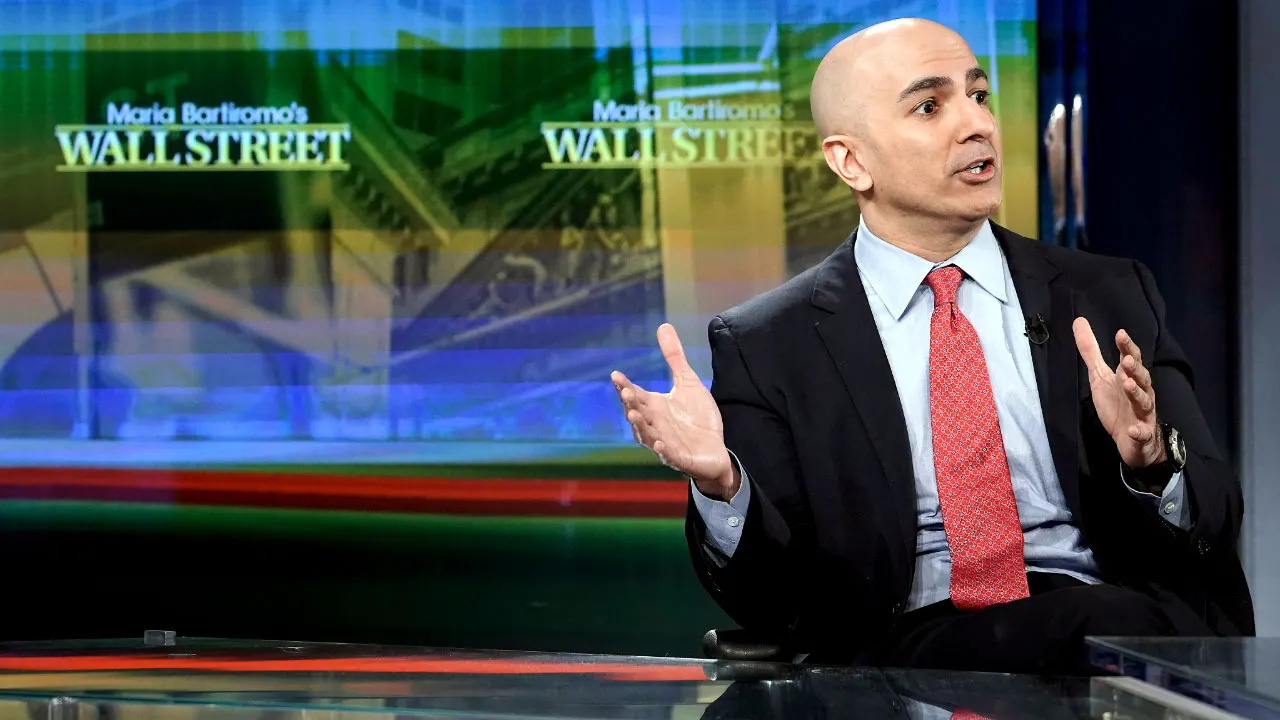
Wall Street Journal chief economic correspondent Nick Timiraos joins Maria Bartiromo to discuss the Federal Reserves inflation outlook. He highlights three wild cards: tariffs, energy volatility and the massive AI spending boom.
Minneapolis Federal Reserve President Neel Kashkari on Wednesday outlined why he thinks the central bank should raise interest rates to curb persistent inflation and head off the need for more substantial monetary policy action at a later date.
Kashkari was one of the three Fed policymakers who dissented from the 9-3 decision to leave interest rates unchanged at last week’s monetary policy meeting and instead voted to raise the benchmark federal funds rate by 25-basis-points. The Fed has held rates steady all year.
In an interview with CNBC’s “Squawk Box,” Kashkari noted the signs of strength across various components of the economy and said he doesn’t see signs that current interest rate levels are suppressing activity, which he views as allowing for a small hike.
“Corporate earnings are through the roof. They’re doing great. The consumer is hanging in there. The labor market is hanging in there,” he said. “I look at this constellation, and I say, ‘What evidence do I have that monetary policy is particularly restrictive right now?’ So, I argued now is the time to start slowly moving up as we get more data in.
FED DISSENTERS WARN INFLATION COULD BECOME ENTRENCHED WITHOUT MONETARY POLICY TIGHTENING NOW
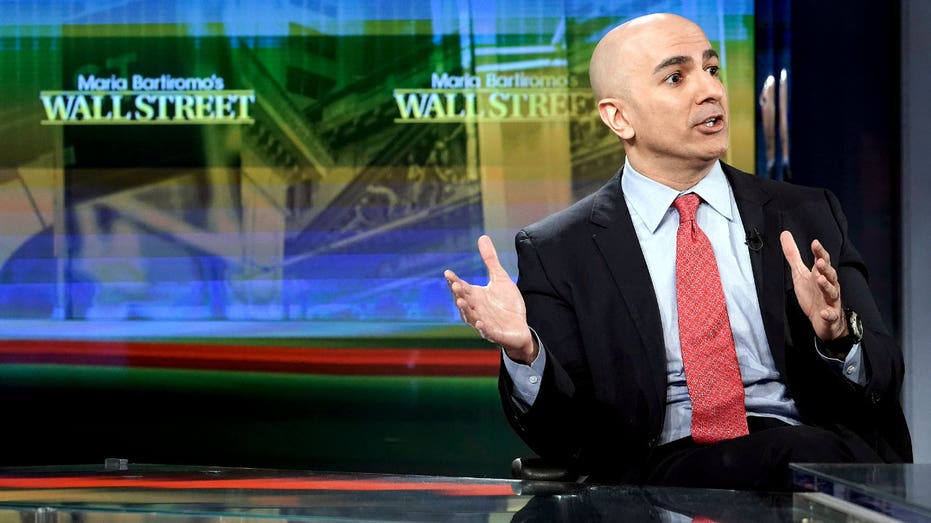
Minneapolis Federal Reserve President Neel Kashkari said he doesn’t see policy as restricting economic activity and is concerned about stubbornly high inflation. (John Lamparski/Getty Images)
“I’m not calling for a dramatic increase in interest rates,” Kashkari explained. “I’m simply saying I don’t see evidence of monetary policy [being] marginally restrictive right now, and I think we have more work to do to get inflation back down.
“I would rather get going now in small steps than wait till later, then we have a really entrenched inflation problem, and we have to raise rates aggressively,” he added.
Kashkari also said Federal Reserve Chair Kevin Warsh, who was leading his second meeting as central bank chairman, didn’t pressure him over his vote and told him, “‘Do what you think is the right thing to do for the economy,’” which the Minneapolis Fed president appreciated.
FED POLICYMAKERS LEAVE RATES UNCHANGED AMID ELEVATED UNCERTAINTY
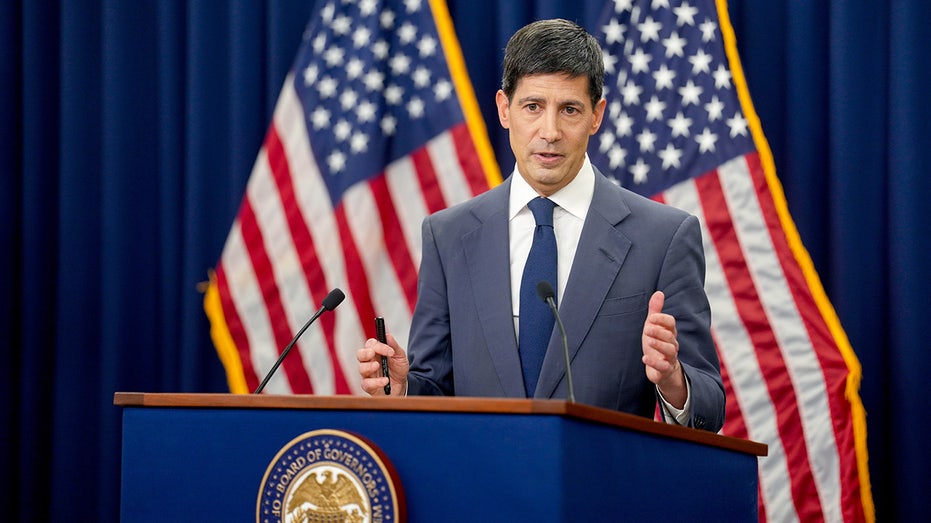
Fed Chair Kevin Warsh was part of the 9-3 majority that voted to leave interest rates unchanged last week. (Al Drago/Bloomberg via Getty Images)
Kashkari and the two other dissenters — Dallas Fed President Lorie Logan and Cleveland Fed President Beth Hammack — each outlined their rationale for voting in favor of higher interest rates in statements released Friday.
All cited concerns about inflation persisting well above the central bank’s 2% target and the challenges policymakers would face if it becomes entrenched and cost pressures impact larger portions of the economy over time.
Both of the closely watched inflation metrics showed the pace of price growth sitting above 3% in June, with the consumer price index (CPI) at 3.5% from a year ago and the personal consumption expenditures (PCE) index at 3.7%.
FED’S FAVORED INFLATION GAUGE SHOWED PRICES PULLED BACK IN JUNE

Higher energy prices have contributed to the elevated inflation since the Iran war began. (M. Scott Brauer/Bloomberg via Getty Images)
Fresh data from July will be released later this month, with CPI data slated for release next week and PCE data at the end of the month, which will help inform how policymakers approach their next decision point.
The next meeting of the Federal Open Market Committee (FOMC), the Fed panel responsible for monetary policy moves, is scheduled for Sept. 15-16.
The market narrowly sees a rate hike as the most likely outcome, with the CME FedWatch tool reflecting a 54.9% chance of a 25-basis-point hike and a 45.1% probability of rates remaining at their current target range of 3.5% to 3.75%.

Stocks rallied to start the week, with the Dow and S&P 500 closing at records on Tuesday, as oil prices and U.S. Treasury yields dropped on hopes peace talks could lead to a deal, easing inflation pressures and lowering expectations for a rate hike from the Federal Reserve.
“It’s just a straight rocket shot that we’ve gone up, we didn’t even take a breath,” said Kenny Polcari, chief market strategist at Slatestone Wealth in Jupiter, Florida.
“It’s progress, but the market’s just going, we’re not going to give it to you this time until we actually see the progress, because how many times have we been jerked around over the last four months?”
According to preliminary data, the S&P 500 lost 13.33 points, or 0.17%, to end at 7,723.19 points, while the Nasdaq Composite lost 225.32 points, or 0.85%, to 26,359.67. The Dow Jones Industrial Average rose 264.04 points, or 0.49%, to 54,349.92.

SPACEX SHARES TUMBLE ON AI SPENDING CONCERNS
Elon Musk-led SpaceX’s revenue nearly doubled and operating losses narrowed in its first earnings report since going public, fueled by its booming Starlink satellite communications and AI businesses, but shares tumbled on concerns about how long the company could maintain spending on AI-related investments such as data centers. Shares could face additional pressure from the expiry of the stock’s post-IPO lock-up period starting on Thursday.Advanced Micro Devices forecast quarterly revenue above estimates, reflecting strong AI demand. However, shares dropped as investors look for greater evidence the massive AI spending will result in faster growth. A gain in Amgen helped buoy the Dow, as second-quarter sales for the drugmaker rose 9%. Rival Eli Lilly also advanced after raising its full-year revenue forecast and the S&P 500 healthcare closed as one of the best-performing sectors on the session. Also helping to boost the Dow was a rise in Disney shares after beating third-quarter profit expectations.
ADP PRIVATE PAYROLLS GROWTH SLOWS
On the data front, U.S. private payrolls growth slowed in July, as per the ADP national employment report. The data was the second in a string of reports on the labor market this week before Friday’s government payrolls report. Separately, the Institute for Supply Management said its nonmanufacturing purchasing managers index inched up to 54.1 last month from 54.0 in June, below the 54.5 estimate of economists polled by Reuters but above the 50 threshold that signals growth.
Data has largely reflected a stable labor market, but the war with Iran that began at the end of February has kept concerns about price pressures and the Fed’s response to it as a primary concern among investors. Minneapolis Fed President Neel Kashkari said in an interview with CNBC that he believed now is the time to start slowly moving interest rates higher. Federal Reserve Board Governor Lisa Cook and San Francisco Fed President Mary Daly are scheduled to speak later in the day. Expectations for a rate hike from the central bank at its September meeting have dipped to 54.9%, according to CME FedWatch, down from 58.3% a week ago.

Operator
Thank you for standing by. My name is Carly, and I will be your conference operator today. At this time, I would like to welcome everyone to the NCR Voyix Corporation Second Quarter 2026 Earnings Conference Call. [Operator Instructions] I would now like to turn the call over to Sarah Jane Schneider, Vice President of Investor Relations. Please go ahead.
Sarah Jane Schneider
Good morning, and thank you for joining our second quarter 2026 earnings conference call. This morning, we issued our earnings release reporting financials for the quarter ended June 30, 2026. A copy of the earnings release that we will reference during this call is available on the Investor Relations section of our website, which can be found at www.ncrvoyix.com and have been filed with the SEC.
With me on the call today are Jim Kelly, our Chief Executive Officer; Nick East, our Chief Product Officer; Darren Wilson, President, Retail and Payments; Benny Tadele, President, Restaurants; and Brian Webb-Walsh, our Chief Financial Officer. This call is being recorded, and the webcast is available on the Investor Relations section of our website. Before we begin, please be advised that remarks today will contain forward-looking statements.
These forward-looking statements are subject to

Most of the manufacturing firms in the United Kingdom have been experiencing continuous overspending and delayed deliveries due to the process of developing prototypes into large scale manufacturing. In many instances, complicated geometries lead to material waste above 30%.
The problem originates from inadequate engineering design for manufacturability at an early stage of designing the product. This is caused by the traditional approach in which there is no connection between the engineering drawing and the process on the floor, which creates a loop of reworking. Using optimized sheet metal DFM with precision techniques would solve the problem of tooling resets and material savings.
Why Do Unoptimized Sheet Metal Designs Cause Budget Overruns for OEM Component Manufacturing?
Suboptimal designs lead to cost escalation throughout OEM component manufacturing processes. There are three design flaws that compel manufacturers to process parts through slow techniques and expensive equipment: excessive tolerances, improper bend radii, and positioning holes too close to bend lines.
Excessive Tolerances Drive Scrap Rates Above 35%
The analysis of engineering data reveals that excessive tolerances on non-critical features lead to scrap levels up to 38%. Every scrapped part wastes material, manufacturing time, and labor resources without any monetary gain. In case of complex sheet metal components, these losses can easily accumulate across many manufacturing batches.
Improper Bend Radii Increase Tooling Changeovers
Non-standard bend radii call for special setup of tooling that takes additional 20-30 minutes each time it changes. According to The royal academy of engineering – UK manufacturing reports, about 30% of costs related to manufacturing supply chain come from design mistakes identified through the process of DFM analysis. Sheet metal fabrication cost reduction process starts with setting standards for radius that fits the available tooling libraries.
What Are the Most Critical Sheet Metal DFM Guidelines for Engineering Teams?
Knowledge of basic sheet metal DFM guidelines helps to identify the risks connected with manufacturing process at the stage of engineering. There are four key factors that need special consideration: K-factor constancy, wall thickness homogeneity, relief cut position and distance between holes and bends.
K-Factor and Wall Thickness Control Bending Accuracy
The practice of ensuring consistent values for K-factors in all bends eliminates dimensional distortion in multi-bend assemblies. Consistency of wall thickness reduces stress concentrations leading to cracking when forming. This constitutes the basis for design for manufacturability implementation.
Relief Cuts and Hole Spacing Prevent Tearing
Proper relief cuts avoid material tear formation at the intersection of the bends, while proper hole spacing ensures no distortion of features. In cases where engineers encounter complicated and irregularly shaped components, taking advantage of professional sheet metal DFM services becomes a way of precisely determining possible failure modes before the drawings are finalized. It forms the basis for holistic sheet metal design optimization, which converts ideas to reality.
How Can Precision Sheet Metal Fabrication Services Reduce Material Waste and Lead Time?
Precision sheet metal fabrication services take advantage of modern technology to significantly reduce waste and fasten lead time. CNC laser cutting in combination with automated bending cells results in tolerance of ±0.05mm.
- Nesting Algorithms Drive Material Utilization to 92%: The nesting algorithms that are optimized in precision sheet metal fabrication ensure an increase in material utilization from a standard 68% to more than 91%. If you opt for fabrication of the parts using stainless steel fabrication services, the material cost is lowered as well as reduced environmental effects.
- Automated Bending Process Avoids Human-Driven Errors: Digital twin simulation technology ensures verification of bending processes prior to any cutting of metal. Monitoring of the process ensures detection of any deviation from the normal operation without any interference in real time and prevents scrap production. Use of this technology saves 40% in lead times than conventional methods.
How Do Aerospace and Automotive Quality Certifications Ensure Zero-Defect OEM Production?
Quality certifications provide the guidelines under which manufacturing excellence can be achieved consistently. Systems such as ISO 9001, ISO 14001, IATF 16949, and AS9100d certified manufacturing use strict documentation, process control, and continuous improvement systems.
Certification Mandates Full Material Traceability
Certification must be made for every material, from inspection to final delivery. Provenance is always documented in every lot, and every process is documented in terms of key parameters. This makes the SME manufacturing best practices possible at a large-scale level.
Quadruple Certification Prevents Batch Defects
For example, LS Manufacturing, an internationally renowned high-precision parts supplier, has obtained full quadruple certifications on their quality management system in compliance with ISO 9001, ISO 14001, IATF 16949, and AS9100D standards. This shows how standardization of quality management helps to prevent batch errors and ensure defect-free OEM production. In accordance with ISO quality management standards, successful quality management in manufacturing supply chains is characterized by documented processes, auditing, and corrective action systems.
Where Should Procurement Managers Source Scalable Custom Sheet Metal Fabrication?
Procurement managers considering custom sheet metal fabrication suppliers should consider their entire supply chain capabilities rather than focusing on simple pricing alone. The key factors of consideration include the flexibility in production capacity, FAIR and Total Cost of Ownership (TCO).
- FAIR and TCO Analysis Reveal Hidden Costs: Complete FAIR analysis will check the dimensions of the first piece according to the engineering specification provided. In calculating the TCO, tooling cost, logistical cost, quality control cost and possible rework cost need to be considered. These will help make better decisions regarding industrial product design optimisation.
- Strategic Alliances Ensure Seamless Scaling Up: Companies needing extensive engineering validation and batch manufacturing require forging strategic alliances with experienced custom sheet metal parts factories. This will enable them to scale up from verification of prototypes to mass production. It will provide them with access to precision metal prototyping.
Conclusion
The DFM team at LS Manufacturing assists international medical, automotive, and aerospace industries to manufacture component parts efficiently and effectively. Being ISO 9001, ISO 14001, IATF 16949, and AS9100D certified, the DFM team guarantees defect-free production and scalability. The readers can now download the Precision Component DFM Design Self-Check Guide & Professional Evaluation Service.
FAQs
Q1: What is the primary role of DFM in sheet metal fabrication?
DFM detects possible manufacturing errors at the initial stage of engineering. With the help of change in bend radius, hole spacing, and tolerances, DFM significantly decreases production scrap, minimizes tooling expenses, and increases speed to market. For instance, fixing an undersized relief cut helps avoid frequent scrapping of many parts.
Q2: Why are standard bend radii crucial for reducing metal fabrication costs?
Standard bend radii make it possible to avoid high-cost customized tools and minimize setup time. They provide uniform stress distribution within sheet metal parts and avoid material cracking. Besides, standardization of bend radii helps to simplify inventory management and quotation process.
Q3: How does ISO and AS9100D certification impact sheet metal component quality?
Certifications assure that quality control measures, traceability, and accuracy are assured in all processes. The products conform to very high specifications demanded by the aerospace industry, automotive industry, and medical field. These companies undergo regular audits, and hence procurement officials can rest assured of a constant output.
Q4: What stainless steel grades are best suited for complex OEM parts?
There are austenitic stainless steel grades such as 304 and 316 that have high resistance to corrosion and formability. For high strength requirements, there is a preference for 17-4 PH grade because of its suitability in precision engineering. Proper selection of a suitable grade in relation to the application prevents product failure.
Q5: How can early DFM analysis shorten precision metal prototyping cycles?
DFM analysis identifies the mistakes in design prior to cutting of the materials. Early identification of geometrical problems results in reduction of iterations in physical prototypes by up to 25%. It also helps in reducing engineering changes that would be issued during production ramp-up.
Author Bio
Gloria’s LS Manufacturing team is here to assist global medical, automotive and aerospace customers with solving their manufacturing problems. The team provides zero-defect production and scalability thanks to being ISO 9001, ISO 14001, IATF 16949 and AS9100D certified company. Get a free consultation on DFM now!

Iran says it has reached an agreement with Oman on a route for shipping through the Strait of Hormuz.
Foreign ministry spokesman Esmaeil Baqaei did not give any further details on the agreement, which he said was “in the final stages”.
Baqaei warned however that a deal with Oman would not guarantee safe navigation through the strait on its own, arguing that security remains impacted by the US blockade of Iran’s ports. The US and Oman have not commented on the proposal.
Since the US and Israel attacked Iran in late February, Tehran has largely blocked the Strait of Hormuz through which about a fifth of the world’s oil and liquefied natural gas usually passes. Since then, global oil prices have fluctuated wildly.
On Tuesday, US President Donald Trump warned that Iran would be “hit very hard” if the strait did not open “very soon”.
His comments came after senior US officials said talks had progressed to allow shipments to potentially to resume later this week, though Iran has maintained that it is not negotiating with the US and has no plans to do so.
Reopening of the strait has been a key point in discussions between the two countries and mediators.
In his statement, the Iranian foreign ministry spokesman said the “geographical coordinates of the route” had been agreed with Oman.
“The factors making the Strait of Hormuz insecure still exist on the part of the United States, particularly the naval blockade and other aggressive and threatening actions against Iran and its interests,” he said, according to Iran’s official Irna news agency.
Iran’s Deputy Foreign Minister Kazem Gharibabadi later told Irna that the new route would be temporary and could stay open from two to four months. He did not give further details.
Since the beginning of the war, traffic through the strait has dwindled. Iran has said all passage needs to be cleared beforehand – and it has attacked vessels which have ignored the order.
One of the main points of disagreement between Tehran and Washington has been Iran’s threat to impose a fee on vessels wishing to cross the strait.
On Wednesday, Iranian officials did not say if this issue formed part of the talks with Oman.
In June, Iran and the US signed a Memorandum of Understanding (MoU), aiming to stop fighting, reopen the Strait of Hormuz, and reach agreement to end the war within 60 days.
The deal quickly fell through, as did diplomatic talks, with tit-for-tat attacks resuming just days after the MoU was signed.
The US has maintained a naval blockade of Iranian ports in the region, while another blockade is in place on Saudi Arabia’s ports in the Red Sea, imposed by Yemen’s Iran-backed Houthis since 20 July.

SanDisk Q4 FY2026 slides: record results, AI boom, stock slides
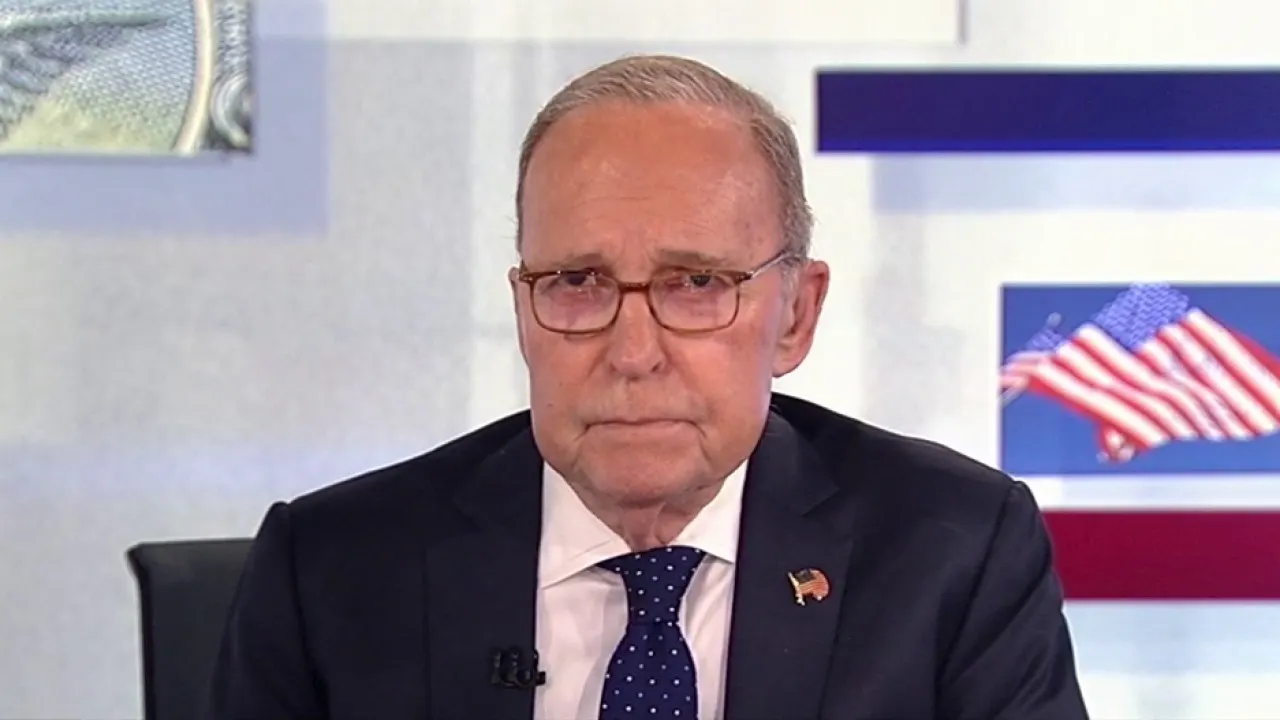
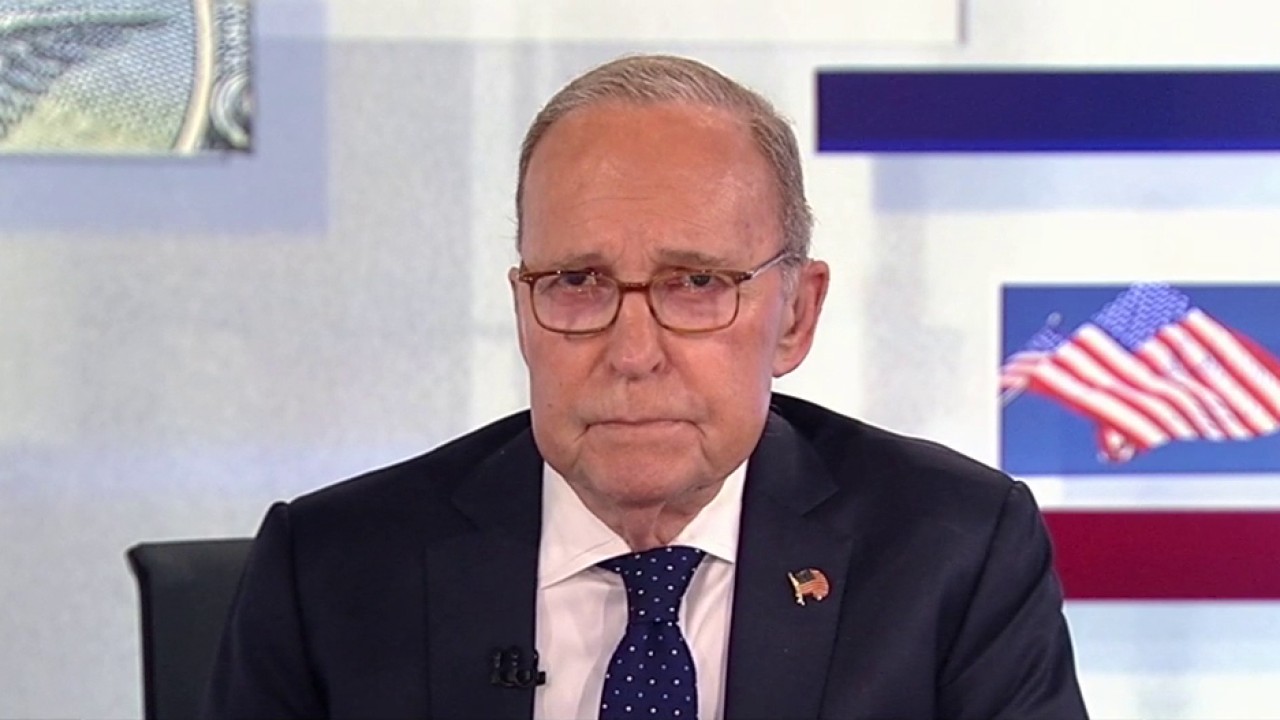
Now look, it may wind up being a huge gift to the GOP come November. But the far-left socialist, antisemitic, anti-American Democrats had a field day yesterday in carrying these Michigan primaries. Of course, the leader is this Dr. Abdul El-Sayed, who won his Senate race by a cat’s whisker, but he won it. He didn’t get any black votes, I don’t think. He didn’t get any brown votes. He didn’t get any working-class votes. Yet he beat a regular Democrat who was backed by Senator Chuck Schumer and Governor Gretchen Whitmer.
So the El-Sayed Democrats, they’re really no different than the Mamdani Democrats or the Bernie Sanders Democrats or the AOC Democrats. It is interesting politically how fast the socialists have taken over in the last couple of years. And the issues are very familiar and very bad for America.
It’s big government socialism. It’s this Medicare for all, which is really a euphemism, not simply for government control of healthcare, but frankly for government control of the entire economy. Hence the flirtation, not just with socialism, but really with communism. To be sure, it means vast tax increases, the destruction and liquidation of wealth. The destruction of success, the end to individual initiative, the end-to-work incentives, open borders, anti-cops, anti-ICE.
This crowd, by the way, would raise taxes beyond your wildest dreams. They have no family values. There’s no community, there’s no tradition. Some of them want to abolish the Thanksgiving Day holiday. All they can talk about is transgenderism, and then there’s Palestine. Oh, Palestine. Antisemitism is perhaps the driving animating force behind this entire socialist movement.
The biggest issue in the Michigan Senate race seems to be the hatred of Israel, which levers off the anti-semitism of Mayor Zohran Mamdani of New York, and it is catching on with all the socialists.
Our friend Ben Domenech now calls the Democrats the party of Commie ISIS. Well put. Now, on the other hand, this is a great Republican opportunity if the GOP can seize it. The problem here is we’re in a booming economy.
All cylinders, manufacturing, technology, consumers, businesses, a roaring stock market today, another record. Trump Accounts are the most popular thing going, but no one seems to know it according to the best polls. I’m talking about likely voters here, from ace Republican pollster, John McLaughlin, among the best in the business, not registered, not adults, actual likely voters who participated in the last elections.
For the McLaughin poll he asked, is the economy worse or better? Are you listening? Some 56 percent say worse, 37 percent say better. And then he goes on. Are the Trump tax cuts of last year good enough to improve the economy? Only 26 percent said yes. Boy, that sounds like a messaging problem, but you know what, it’s a policy problem too.
Today, in the paper, an old Reagan hand, my pal, Bruce Thompson — and this was copied by the Committee to Unleash Prosperity Hotline — he notes that Americans pay more in taxes than they spend on food. Clothing and housing, that’s right. As of last year, Americans paid $8.192 trillion in federal, state, and local taxes, and spent $7.388 trillion on food, clothes and housing.
All right, that is not affordability. And I think that’s got people down. They should be up, but they’re not. Yet, the Republican Congress… Has completely bungled the budget. There’s just a couple of days left. No pro-growth tax cuts, no strong communication of the economic successes and the boom, no reform of the spending cuts.
To help solve the affordability issue, people want more money in their pockets. It’s an old Republican theme and for some reason Republicans in Congress and the White House have forgotten it
Today, I just saw the vice president talked about $56 billion of waste fraud. Why isn’t that in the budget? Times 10 years, that would be $560 billion of spending cuts from waste, fraud and corruption. Why isn’t that in the budget? Anyway, if the GOP doesn’t wake up, if the GOP doesn’t start to develop some policies, and if the GOP doesn’t start to develop some significant messaging, then they may bungle not just the midterm election, but they may bungle the whole battle with this Democratic Socialism. And I can’t think of anything worse for America.


Company sees volume increases in Texture & Health Solutions business.

For decades, global real estate investors have largely viewed the Middle East and North Africa as separate investment stories.
The Gulf represented capital, stability, and modern infrastructure, while North Africa was often discussed through the lens of tourism or emerging markets.
That distinction may be beginning to blur.
As capital becomes increasingly global and investors search for markets supported by long-term structural fundamentals rather than short-term momentum, Morocco is attracting growing attention. The country’s strategic location, political stability, infrastructure investment, and demographic shifts are beginning to position it as one of the region’s more compelling long-term growth stories.
Rather than competing with the UAE, Morocco may ultimately complement it.
Lukas Kerrebijn, Co-Founder of RD Dubai, believes the two markets occupy different positions within the same broader regional growth narrative.
“We don’t see Morocco competing with the UAE,” he says. “We see it as complementary. They’re both countries that have strong long-term fundamentals and continue attracting people from all over the world.”
For Kerrebijn, the investment thesis extends well beyond property prices.
Leadership remains one of the most overlooked variables in long-term real estate investing. Countries capable of executing ambitious infrastructure projects, maintaining political stability, and fostering investor confidence often create conditions where private capital can compound over decades rather than years.
“Leadership is incredibly important,” he explains. “When a country has strong leadership and a clear long-term vision, it creates confidence for investors. We see that in the UAE, and we believe Morocco shares many of those characteristics.”
Infrastructure forms another pillar of that outlook.
Morocco has spent years investing in transportation networks, tourism infrastructure, and urban development while positioning itself as a gateway between Europe, Africa, and the Middle East. Those investments are expected to accelerate further as the country prepares to co-host the 2030 FIFA World Cup alongside Spain and Portugal.
Major international sporting events rarely create investment opportunities on their own. Instead, they often accelerate infrastructure spending, tourism development, and international visibility that were already underway.
“We want to establish ourselves before the World Cup,” Kerrebijn says. “We believe there will be tremendous growth because of everything that’s happening there.”
Geography also plays a central role.
Few countries occupy such a strategic position. Morocco sits just across the Mediterranean from Europe while maintaining deep economic and cultural ties throughout Africa and the broader Middle East. That accessibility continues to attract tourists, entrepreneurs, and international investors seeking exposure to multiple regions from a single location.
For European buyers in particular, Morocco offers an attractive combination of proximity, climate, and lifestyle.
“It’s very convenient for Europeans,” Kerrebijn notes. “It’s close to Europe, the weather is excellent, and there are significant opportunities developing across the country.”
Demographic trends reinforce the investment case.
Kerrebijn points to an often-overlooked phenomenon: members of the Moroccan diaspora who have spent generations living across Europe are increasingly returning to the country, bringing both capital and entrepreneurial activity.
“There’s a lot happening,” he says. “People whose families have lived in Europe for generations are starting to move back to Morocco, and that creates additional opportunities.”
Such population movements often become powerful drivers of long-term housing demand, business formation, and local investment.
Viewed together, these trends suggest Morocco’s story extends beyond tourism or short-term development cycles. Instead, it reflects the convergence of several structural forces: infrastructure investment, international connectivity, demographic change, stable governance, and increasing global attention.
For investors accustomed to looking only at established markets, those characteristics may appear familiar.
Indeed, many of the same long-term fundamentals that helped transform the UAE into a global investment destination are increasingly visible elsewhere in the region.
That does not imply Morocco will replicate Dubai’s trajectory, nor should it. Every market develops according to its own economic, political, and demographic realities.
But as institutional and private capital become increasingly selective, investors are placing greater emphasis on structural resilience than speculative momentum.
By that measure, Morocco’s investment story may be only beginning.
For firms like RD Dubai, the country’s appeal lies not in chasing the next headline, but in identifying markets whose strongest years may still lie ahead.

I found an incredible tasting menu in the heart of a medieval Welsh town

Shopify Stock Soars 17% After ‘Monster Quarter’ Beats Estimates on Every Major Metric This Week and Beyond

Lido DAO price rebounds 5% as NEST vote goes live

Renter of Home in Anne Heche Crash Denies Settlement With Son

No Jackpot Winner as $257 Million Prize Rolls Over to $269 Million Monday Draw

Weekend Open Thread: Staud – Corporette.com

GIANT CRYPTO NEWS HAPPENING NOW! (Major Clarity Act News)

“money money green green” Kaytoven – MONEY! (Lyrics) Good Loyal Thots Remix

Why a money laundering investigation led Capital One to close hundreds of Trump Org bank accounts
-

 Fashion5 days ago
Weekend Open Thread: Wit & Wisdom
-

 Politics5 days ago
Meta enters AI-training agreement with far-right ‘propaganda rag’ Newsmax
-

 Politics3 days ago
Zack Polanski: an incitement to murder Nigel Farage?
-

 Crypto World4 days ago
MicroStrategy Post-Earnings CLARITY Act Push Could Add New Catalyst for Its Stock
-

 Crypto World5 days ago
XRP Ledger v3.3.0 brings five institutional features
-

 News Videos6 days ago
Bitcoin Enters the 3rd Stage of the Bear Market
-

 Politics6 days ago
Luke Littler’s dominance sparks GOAT debate
-

 Sports6 days ago
Seema Kaliramna Wins Discus Throw Bronze, Takes India’s CWG Medals Tally To 17
-

 Crypto World5 days ago
New York sues Kalshi over prediction market gambling
-

 Crypto World4 days ago
Crypto PAC spending tops $2M in Michigan House race
-

 Business5 days ago
Trump Announces Hamas Disarmament Agreement as Iran Strikes Kuwait Air Base and US Attacks Pause Overnight
-

 Business3 days ago
DTCR: Deleveraging And A Hedge Fund Collapse Point To A Possible AI Bottom
-

 Tech4 days ago
ESET tracks rise in malicious AI skills and adaptable malware
-

 Crypto World5 days ago
3 Fed Officials Just Explained Their Rate Hike Vote: Is Inflation Winning?
-

 NewsBeat6 days ago
Four people die trying to cross Channel in small boats
-

 Sports4 days ago
France Cricket implodes: letters hidden in a drawer and a board at war
-
 Tech6 days ago
Gemini Spark can now use Chrome logins and saved passwords to run errands on your behalf
-
 Tech5 days ago
Building A Reproduction PlayStation Motherboard
-
Crypto World3 days ago
XRP Ledger urges node upgrade after manifest flood
-

 Crypto World5 days ago
Moneyflip CEO charged in $40K murder-for-hire plot
You must be logged in to post a comment Login