WWE star Rhea Ripley announced Thursday she underwent surgery on her right knee.
Ripley is the reigning WWE women’s champion and one of the top stars on the “SmackDown” brand.
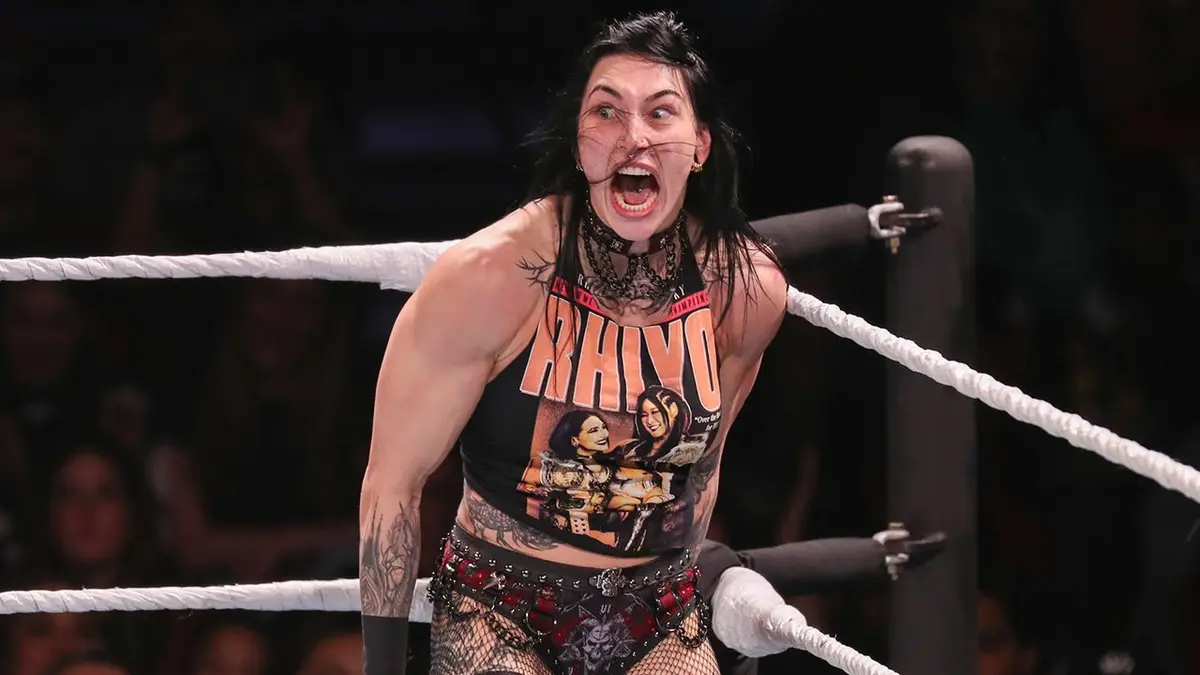
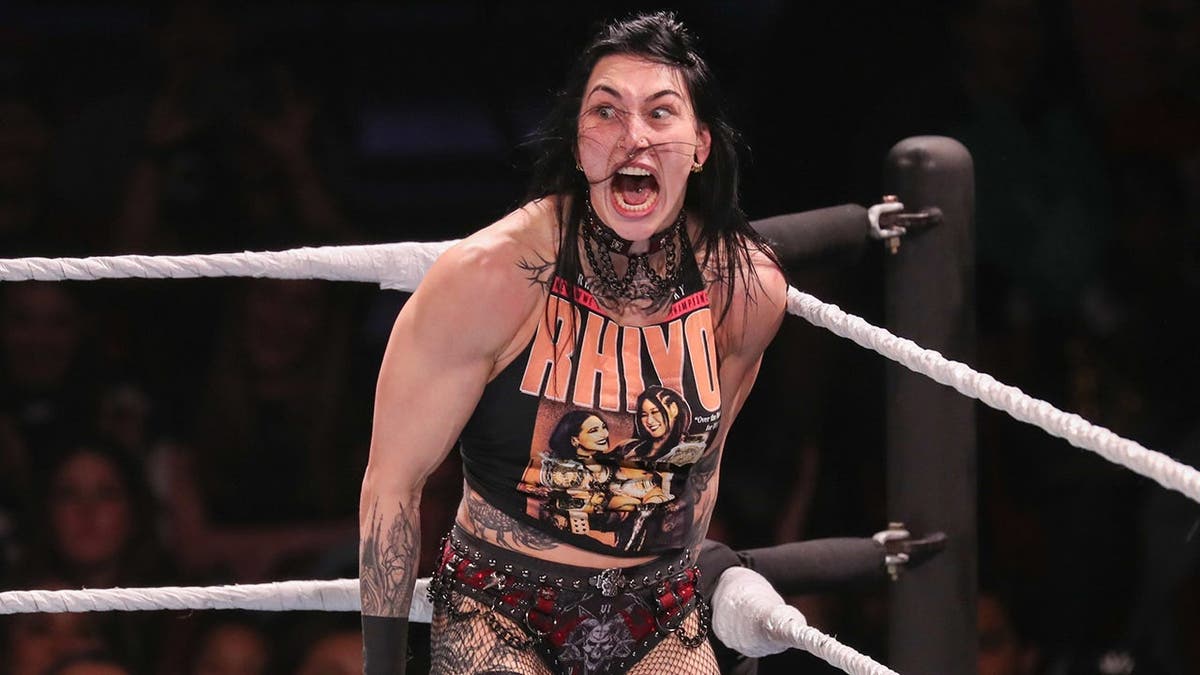
Rhea Ripley prepares to deliver a move during the “WWE Road to WrestleMania” show eb. 14, 2026, at United Supermarkets Arena in Lubbock, Texas.(USA Today Network via Reuters Connect)
“Life update,” she wrote on Instagram. “After just under 14 (years) in wrestling and doing sports my entire life… It’s caught up to me. Surgery was never a first option for me, but it got to the point that it was needed…
“First one down…Hopefully no more… I’ve survived, now it’s time to start thriving again so I can get back to what I love to do! See you all down the road”
Ripley hasn’t appeared on “Friday Night SmackDown” since June 5. Reports indicated she suffered an injury but it was unclear what the injury was and how long she’d be out.
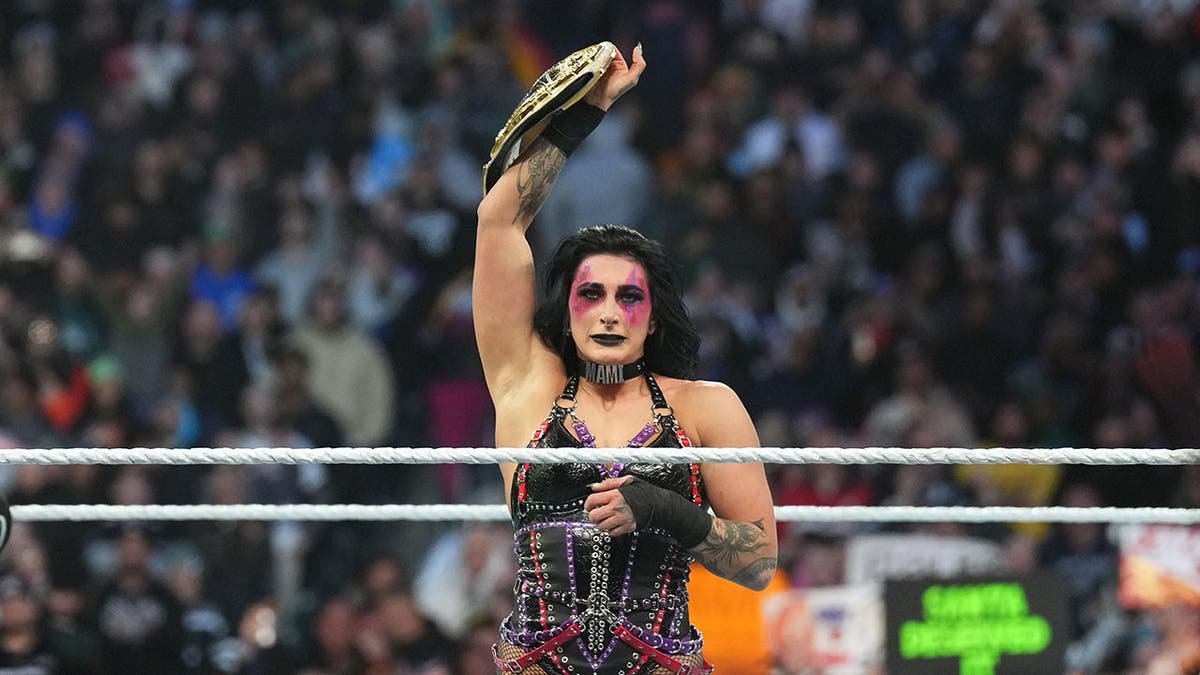
Rhea Ripley faces Becky Lynch in a Women’s World Championship match during WrestleMania XL at Lincoln Financial Field in Philadelphia April 6, 2024.(USA Today Sports via Reuters Con)
It’s been two months, and Ripley missed out on Night of Champions and SummerSlam.
WWE crowned an interim women’s champion at SummerSlam over the weekend.
Chelsea Green outlasted Tiffany Stratton, Jade Cargill, Lash Legend and Charlotte Flair in a ladder match to win the Interim WWE Women’s Championship. It’s her first world title reign, and she will seemingly be on top of the women’s division for the foreseeable future.
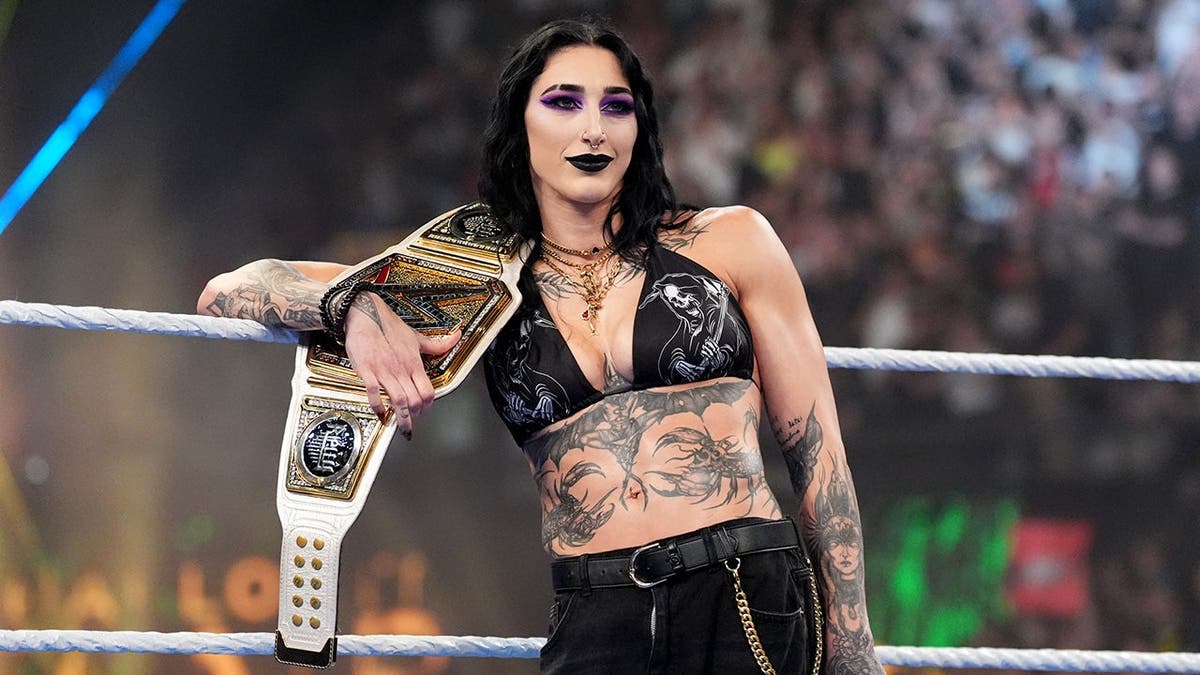
WWE Women’s Champion Rhea Ripley stands in the ring during “Friday Night SmackDown” at Olimpic Arena in Barcelona, Spain, on May 29, 2026.(WWE via Getty Images)
For Moroccan fans, one thing is certain: The national team’s 1-1 draw against Brazil in its opening 2026 World Cup match was just the beginning. They hope that their team will make history once again after its historic run to the semifinals at the 2022 World Cup. However, while attention is currently focused on this month’s tournament, Morocco is already looking ahead to 2030. Along with Spain and Portugal, the kingdom will host the World Cup that year.
For Morocco, hosting the World Cup means more than just having a global sporting event in the country. The North African country had unsuccessfully put in five bids to host the tournament before FIFA finally awarded the contract in December 2024.
Observers say that the World Cup is regarded as one of King Mohammed VI’s most important prestige projects and considered part of a comprehensive modernization strategy. At the heart of this strategy is the country’s successful national soccer team.
Morocco’s population hopes that the kingdom will make it to the semifinals in the 2026 World Cup, at leastImage: Caean Couto/IMAGN Images/REUTERS
“The World Cup serves as a catalyst for Morocco’s economic development,” Steven Hoefner, director of the German political Konrad Adenauer Foundation’s office in Rabat, told DW. The country is undergoing profound structural change, he said. In the face of climate change and drought, agriculture is losing importance, while industry, services and tourism are expanding.
Isabelle Werenfels of the Berlin-based German Institute for International and Security Affairs (SWP) also agrees that the significance of the World Cup extends far beyond sports. “The World Cup has multiple dimensions,” she told DW. The government is using the tournament “to boost its modernization policy and legitimize major domestic investments.”
Advertisement
Moroccan ‘soft power’
Morocco is currently investing billions in stadiums, airports, rail lines and roads. A study by the Spanish think tank Real Instituto Elcano described the 2030 World Cup as an instrument of Moroccan “soft power.” The tournament is intended to improve the country’s international image, attract new investment, and strengthen Morocco’s position in Africa, the authors wrote, detailing that “the goal is to create an appealing image of an open, tolerant, and up-and-coming country capable of managing projects at the highest level.”
Another goal is international visibility, which Hoefner described as “a central objective of the Moroccan leadership.” As Morocco has neither large oil nor gas reserves, it is increasingly relying on its political and cultural influence. The World Cup is intended to present the kingdom as a modern economic and investment hub, said Hoefner, who recently authored a study on Moroccan soccer policy.
A growing number of young Moroccans called for education and health care reforms in late 2025 Image: Mosa’ab Elshamy/AP Photo/picture alliance
Protests by Gen Z
However, there is also controversy surrounding these investments. Thousands of members of the generation born around the turn of the millennium, known as Gen Z, protested against the World Cup plans last year. “These protests were directed specifically against large-scale infrastructure projects,” Werenfels recalled. The critics argued that money spent on stadiums and prestige projects was being diverted from other areas such as education and healthcare, she added.
Hoefner views the protests by Gen Z as less directed against the World Cup itself than against the question of whether stadium projects should take priority over investments in education and healthcare. He predicts that long-term acceptance will depend on whether the population actually benefits from the investments.
This highlights the World Cup’s connection to one of the country’s central challenges: According to an analysis by the American think tank Carnegie Endowment for International Peace, Morocco has indeed made significant progress over the past 25 years. Life expectancy, income and educational attainment have risen; the country has invested heavily in infrastructure and is now Africa’s largest automotive exporter. At the same time, however, the authors pointed to high youth unemployment, regional inequalities and shortcomings in the education system. “Morocco’s successes to date are undeniable, but the road ahead will be fraught with obstacles,” the study stated.
Advertisement
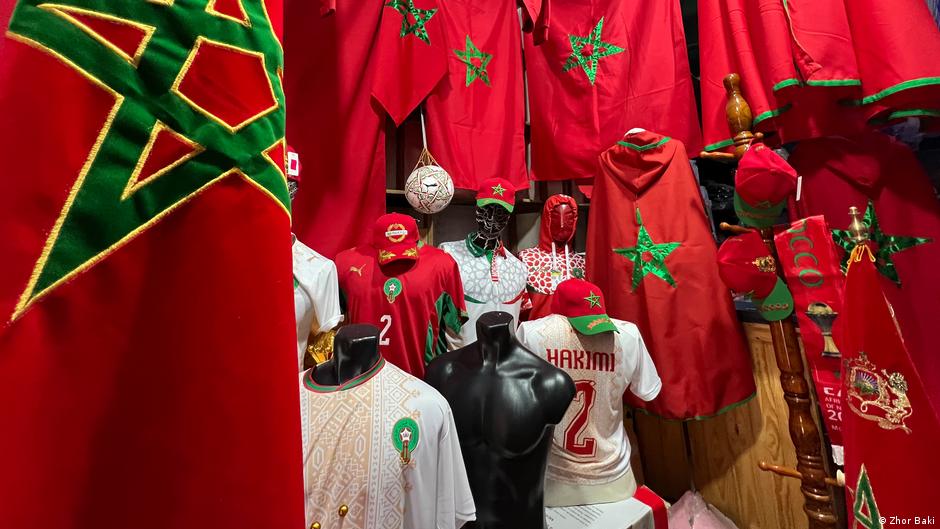
People have mixed feelings about hosting the 2030 World Cup, as significant investment sums go into new infrastructure and not into education and health careImage: Zhor Baki
Sustainability concerns
These mixed feelings are also reflected in Moroccan society. “Many people complain about the rising cost of living, but are also proud of the visible changes in their cities,” said Werenfels. New transportation links, sports facilities and public amenities are viewed positively. At the same time, resettlements and demolitions for new construction projects have also entailed social consequences.
The question of whether the World Cup will leave behind sustainable development or expensive prestige projects is therefore the subject of intense debate. “When it comes to infrastructure for sports alone, there are certainly questions about its long-term use,” said Hoefner. The planned Hassan II Stadium near Casablanca, which, with about 115,000 seats, is set to become the world’s largest soccer stadium, will have to prove it can sustain long-term use, he said.
Environmental concerns
There are also environmental concerns. “Morocco is facing significant water problems,” noted Werenfels. This raises the question of how much tourism is sustainable in the long-term and whether certain developments might come at the expense of other economic sectors, particularly agriculture, she said.
Notwithstanding, many people hope that hosting the World Cup could trigger a development boom. The Real Instituto Elcano even drew a historical parallel: Just as the 1992 Olympic Games repositioned Spain on the international stage, the 2030 World Cup could be a similar turning point for Morocco.
Advertisement
Whether these expectations will be met, however, depends on more than just new stadiums and successful soccer matches. The real test will be whether Morocco can combine economic modernization, social development and prestigious national projects. The 2030 World Cup is thus not just a major sporting event. It is a test of the country’s future development path, and of the royal family’s political vision.
It’s been a big week for NFL running backs who have been stuffing their bank accounts with one big contract after another. And, true to the idiom, Detroit Lions running back Jahmyr Gibbs saved the best for last.
Gibbs agreed on Thursday evening to a three-year deal worth $67.5 million that includes $51.5 million in guaranteed money. The deal was announced by agent Todd France, who represents Gibbs, on his Instagram account.
Gibbs will be averaging an NFL-high $22.5 million per season on an annual average basis.
That’s understandable because he has turned the running back spot into a playmaking position at heights not really seen in Detroit since Barry Sanders did his thing back in the 1990s.
Gibbs has scored 39 rushing touchdowns in his first three seasons. He also scored 10 more receiving touchdowns. He led the NFL with 20 total TDs from scrimmage in 2024.
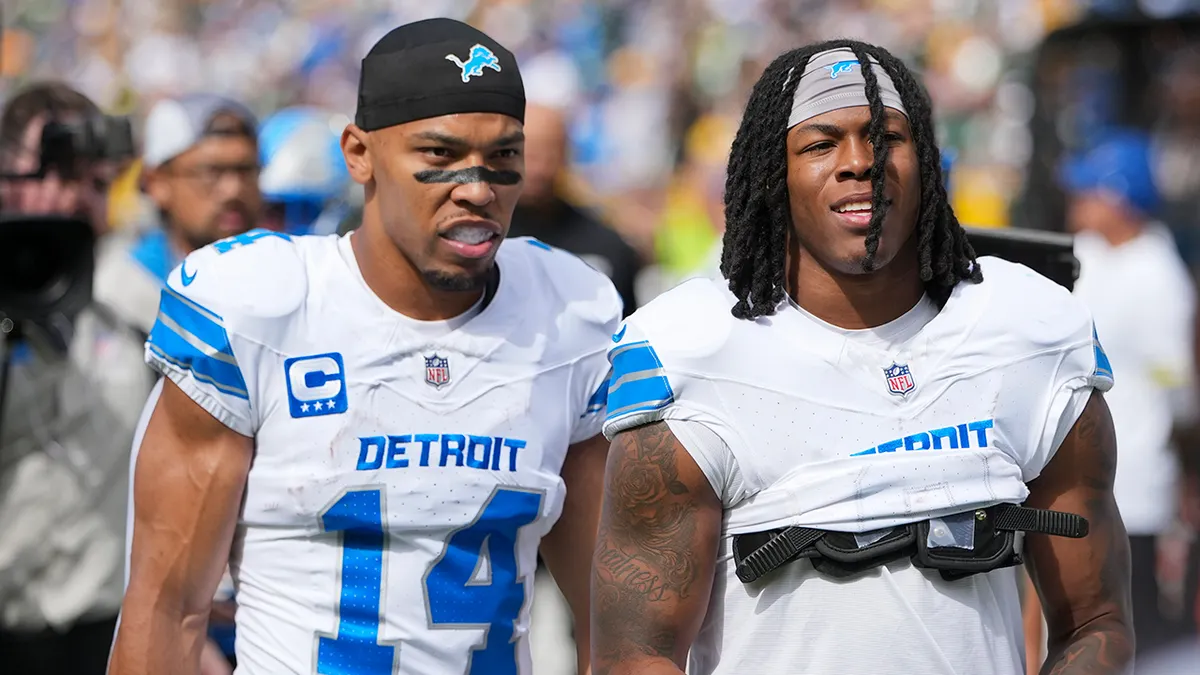
Amon-Ra St. Brown of the Detroit Lions and running back Jahmyr Gibbs look on prior to an NFL football game against the Green Bay Packers at Lambeau Field on Sept. 7, 2025, in Green Bay, Wisconsin.(Todd Rosenberg/Getty Images)
The Gibbs deal comes hours after Jonathan Taylor agreed to a two-year extension with the Indianapolis Colts that averages $22 million per season.
Advertisement
The Gibbs deal also comes days after Bijan Robinson signed a deal with the Atlanta Falcons that averages $22.25 million per season.
Yes, big week for NFL running backs, as all of those players surpassed the Saquon Barkley contract that averages $20.6 million per season and stood as the benchmark for the position since the 2025 offseason.
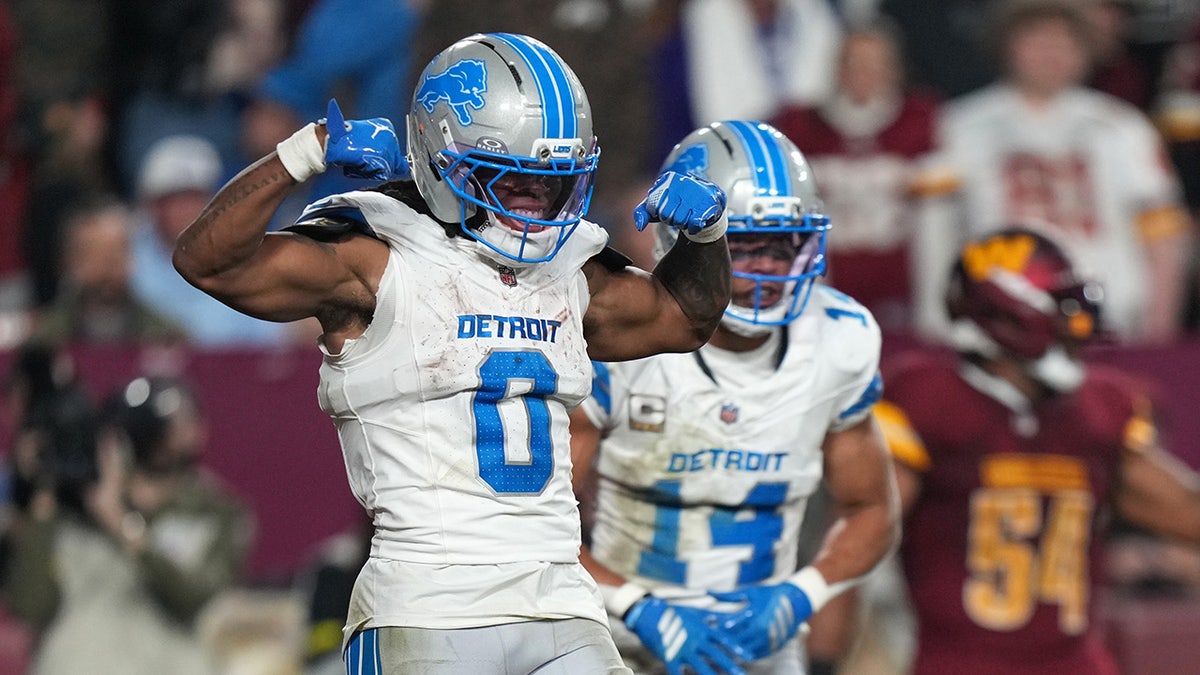
Detroit Lions running back Jahmyr Gibbs (0) celebrates after scoring during the first half of an NFL football game against the Washington Commanders Sunday, Nov. 9, 2025, in Landover, Maryland.(AP Photo/Stephanie Scarbrough)
Well, for the Detroit Lions it signals them doing something very familiar in that they draft well and pay to keep their own players.
They have now extended Gibbs, Aidan Hutchinson, Jack Campbell, Amon-Ra St. Brown, Penei Sewell, Jameson Williams, Alim McNeill and Kerby Joseph — all good players the team selected in the draft.
And the Lions have used that expensive talent to win the NFC North in 2023, ending a 32-year playoff victory drought, advance to the NFC Championship Game that postseason, win a franchise-record 15 games in 2024 and reach the playoffs again last season.
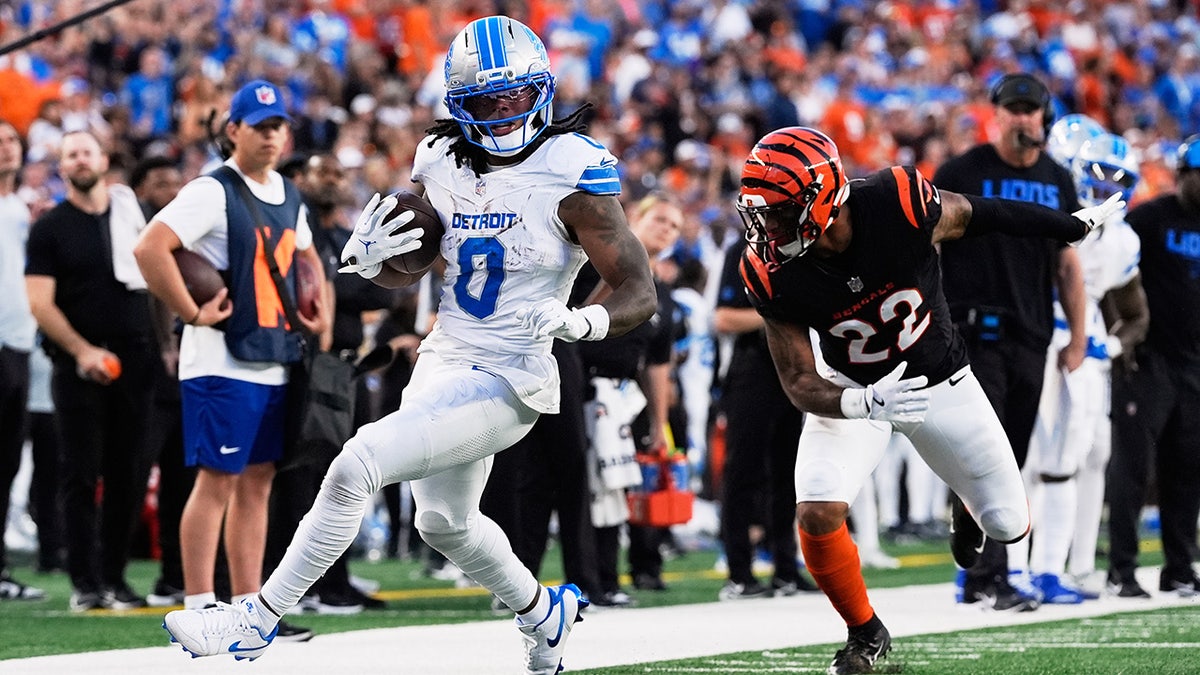
Detroit Lions running back Jahmyr Gibbs (0) runs past Cincinnati Bengals safety Geno Stone (22) during the second half of an NFL football game Sunday, Oct. 5, 2025, in Cincinnati.(AP Photo/Carolyn Kaster)
Dan Campbell’s team has been outstanding with its drafting, with the developing of that young talent and in winning.
Advertisement
But that drafted and developed talent is playing at a much steeper price now. We’re talking over $800 million in total contract commitments for those picks now with the Gibbs deal.
The Lions should be expected to get the Super Bowl championship they are most definitely paying for.
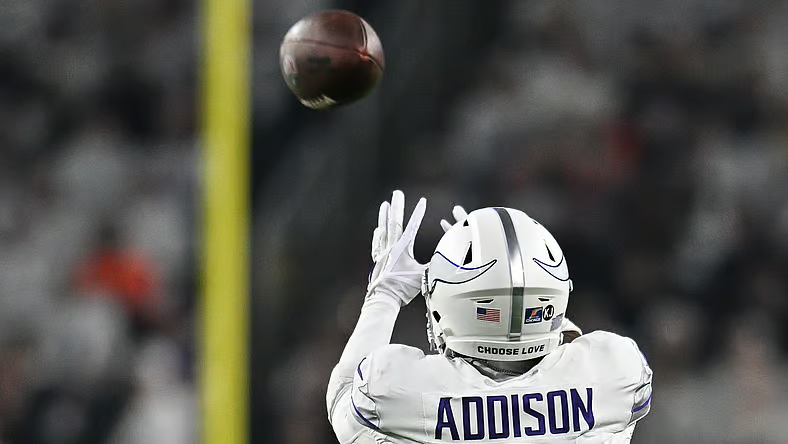
Dec 16, 2024; Minneapolis, Minnesota, USA; Minnesota Vikings wide receiver Jordan Addison (3) catches a pass as Chicago Bears cornerback Terell Smith (32) defends during the first quarter at U.S. Bank Stadium. Mandatory Credit: Jeffrey Becker-Imagn Images.
So far, the Vikings’ injury concerns haven’t been too concerning. That is excellent news.
Some of the credit belongs to…luck. Every so often, teams do everything well before seeing things fall apart (shout out to W.B. Yeats). Other times, though, teams do things well and get rewarded accordingly. I don’t lack for Kevin O’Connell criticism — run the ball! — but the skipper tends to take care of his players. The effort has been paying off.
The Vikings’ Injury Concerns at Training Camp
Corner James Pierre had to step away, albeit on a short-term basis.
Advertisement
“Yeah, it sounds like it’s a short-term thing,” DC Brian Flores explained. “He was out at the walk through today. He’ll be part of individuals today. We’ll see if we can get him a couple snaps here and there.” Sidelining Pierre for a time isn’t ideal but it does create more work for guys such as Chuck Demmings and Zemaiah Vaughn.
Jan 11, 2025; Baltimore, Maryland, USA; Baltimore Ravens quarterback Lamar Jackson (8) and Pittsburgh Steelers cornerback James Pierre (42) exchange jerseys after an AFC wild card game at M&T Bank Stadium. Mandatory Credit: Geoff Burke-Imagn Images
Minnesota’s WR2 — Jordan Addison — has had to step back. He, too, appears to have avoided major injury as he fixes up his thumb injury. The 2026 season should be the one where he clears 1,000 yards.
DT Domonique Orange took a day off earlier in the week, but a source told VT that the rookie was dealing with some bumps and bruises. Essentially, the kid had a maintenance day to chase away soreness. Nobody ever claimed being an NFL nose tackle was for the faint of heart.
Getting DT Caleb Banks back onto the field wasn’t a sure thing. Getting him at No. 18 was deemed a reach due to him having multiple foot injuries that sidelined him in 2025 and the early months of 2026. Some saw a bad choice while Minnesota saw huge upside. Getting (and staying) healthy is obviously key.
Rookie runner Demond Claiborneneeded some time away from the field. He has since come back and had some struggles. Give the kid a chance. He’ll turn it around before long.
Apr 23, 2026; Pittsburgh, PA, USA; Florida Gators defensive lineman Caleb Banks is selected by the Minnesota Vikings as the number 18 pick during the 2026 NFL Draft at Acrisure Stadium. Mandatory Credit: Kirby Lee-Imagn Images
Coming into training camp, there was a small update about Blake Cashman having a nagging issue. He hasn’t been hindered, though. He’s in a contract year.
Starting left tackle Christian Darrisaw has seen great news arrive. He can become elite. Only health holds him back.
Guys such as T.J. Hockenson and Will Fries aren’t directly coming off injury. They are, though, getting further away from really tough injuries. Minnesota’s belief is that they’ll be better as a result.
Minnesota Vikings offensive guard Will Fries celebrates in the end zone after a touchdown during second-quarter action on Jan. 4, 2026, at U.S. Bank Stadium in Minneapolis, Minnesota. The scoring play highlighted Minnesota’s offensive execution against the Green Bay Packers and gave the Vikings another memorable moment in a rivalry matchup late in the regular season. Mandatory Credit: Matt Blewett-Imagn Images.
Above all, the passers are healthy and able to compete. Some think that Kyler Murray is locked into the starting spot. Maybe that’s true, but J.J. McCarthy doesn’t appear to be interested in just rolling over. Mercifully, Carson Wentz is no longer in excruciating pain due to his shoulder injury. Can somebody from within that trio be a strong quarterback?
The Vikings get back onto the practice field tomorrow.
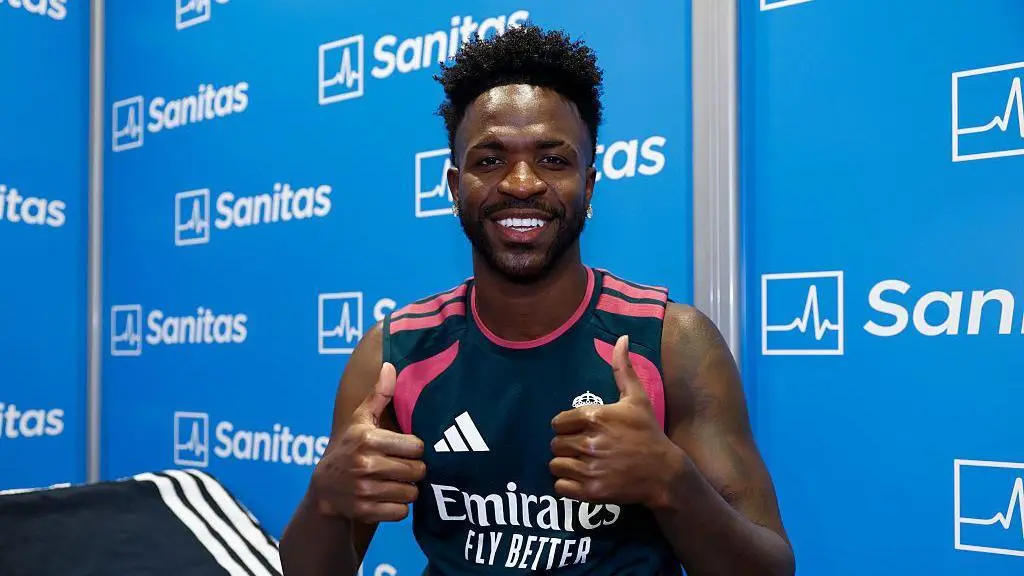
Real Madrid have officially secured the long-term future of Vinícius Júnior after the Brazilian star signed a new contract that will keep him at the Santiago Bernabéu until June 2032.
The contract extension brings an end to months of speculation surrounding Vinícius’ future, with the 26-year-old reaffirming his commitment to Los Blancos.
Speaking after signing his new deal, Vinícius expressed his delight at extending his stay with the Spanish giants.
Advertisement
“I’m very happy to continue this story. Real Madrid is my home, and I want to keep making history with this club.”
Since joining Real Madrid from Flamengo in 2018, Vinícius has developed into one of the club’s most influential players. He has won multiple major honours, like La Liga and the UEFA Champions League, and established himself as one of the most dangerous forwards in world football.
The new agreement is a major boost for Real Madrid ahead of the new season.
Advertisement
With his future now secured until 2032, Vinícius will be hoping to add more trophies and unforgettable moments to an already remarkable career in the famous white shirt.
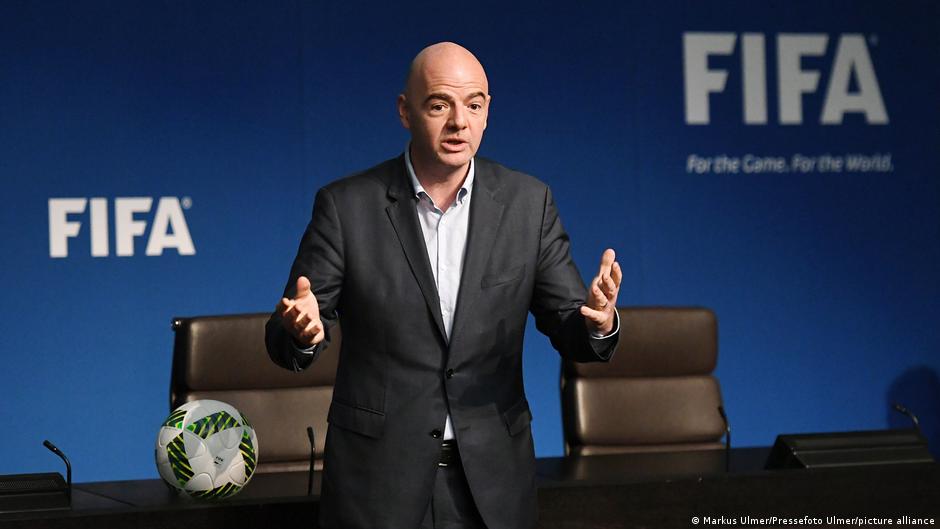
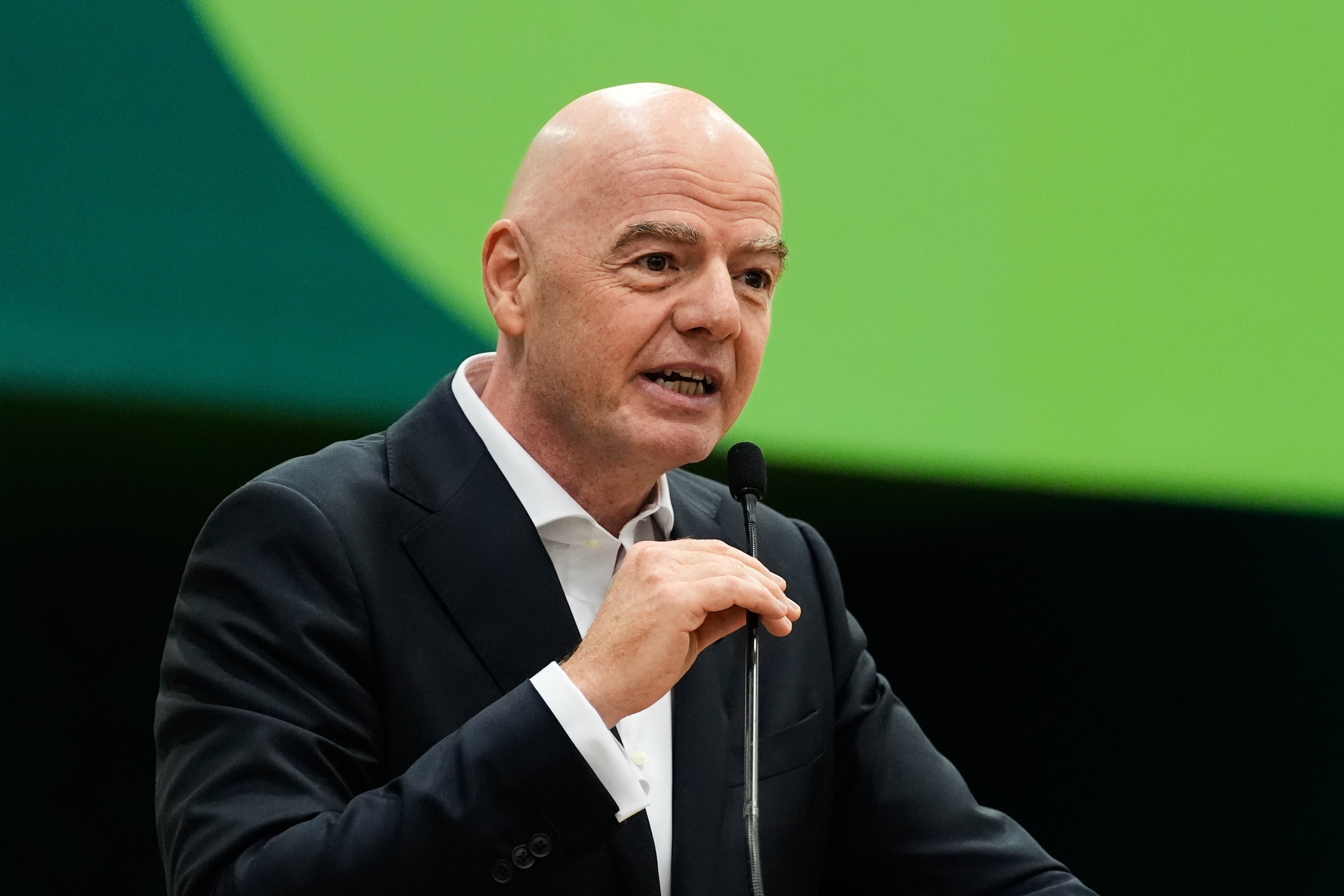
Giovanni Vincenzo Infantino was born on March 23, 1970, in the southwestern Swiss town of Brig to Italian parents. Many years later, as FIFA president, he would speak of the discrimination he said he experienced as he grew up for being of Italian heritage in Switzerland. Infantino studied law at the University of Fribourg, before becoming the general secretary of the International Centre for Sports Studies at the University of Neuchatel in 1997. The independent center had been founded two years earlier by FIFA in partnership with the university and the city and canton of Neuchatel.
What did Infantino do before FIFA?
Infantino, who speaks six languages, first gained notoriety beyond Switzerland after joining UEFA, football’s European governing body, in 2000. There, he would climb the corporate ladder to become the organization’s general secretary in 2009. Serving under former UEFA President Michel Platini, Infantino’s position kept him largely out of the public eye, but during this time his face became a familiar one to European football fans, as one of his roles was hosting the Champions League and Euros draws, broadcast live on TV.
How did Infantino become FIFA president?
The door to the FIFA presidency was knocked open by the 2015 FIFA corruption scandal in which several officials were indicted, seven of whom were arrested at a Zurich hotel. This came just ahead of a FIFA Congress to elect a new president. Although Sepp Blatter won reelection for a fifth term, he announced his resignation just days later. An extraordinary FIFA Congress was called for February 2016.
Sepp Blatter, who left FIFA under a corruption cloud, has been a critic of InfantinoImage: Stefan Wermuth/REUTERS
Infantino looked a rank outsider when he threw his hat into the ring. Platini, his boss at UEFA, was the favorite, but he withdrew his candidacy a month before the election, after both he and Blatter had been banned over ethics violations involving a dubious payment.
In the days leading up to the vote, Sheik Salman bin Ibrahim al Khalifa of Bahrain emerged as the frontrunner among the seven candidates. However, Infantino, running on a pledge to clean up what was a scandal-ridden organization, won the presidency in the second round of voting. He’d also promised to increase FIFA payments to every member association.
Advertisement
“We will restore the image of FIFA and the respect of FIFA, and everyone in the world will applaud us and will applaud all of you for what we’ll do in FIFA in the future,” Infantino told the delegates in Zurich’s Hallenstadion.
What has Infantino done in power?
Gianni Infantino has presided over a decade of unprecedented growth in revenue for FIFA, culminating in the 2026 World Cup — the first to feature 48 teams and 104 games — compared to 32 teams and 64 games in Qatar four years earlier. This was bound to generate higher revenue, but it was compounded by the dynamic pricing system FIFA introduced for the tournament. This led to sky-high prices for tickets — and FIFA went one better by getting into the secondary market and taking a 15% cut from both buyer and seller on every transaction.
While the final revenue numbers won’t be announced until FIFA publishes its annual report for 2026, the figures are expected to smash the almost $5.8 billion (€5.03 billion) the organization earned in 2022, largely from the Qatar World Cup. Infantino has spoken of a figure around double that. Others believe it could be far higher.
Advertisement
What controversies has he been involved in?
He says he wasn’t to blame for a major talking point at the World Cup — the suspension of USA forward Folarin Balogun’s red-card ban following his sending off against Bosnia in the round of 32. This followed a call by US President Donald Trump to Infantino to request a “review.” Infantino insisted that an independent FIFA body had made the decision.
Prior to the World Cup 2026, Infantino had made the headlines for the wrong reasons on several occasions. Among his more notable controversies were:
Advertisement
Ahead of the 2017 FIFA Congress in Bahrain, Infantino removed the chairmen of the Ethics Committee, Hans-Joachim Eckert and Cornel Borbely, without giving reasons.
A year later he agreed in principle to a deal that would have seen a financial consortium from the Middle East and Asia acquire the rights to the Club World Cup and a global Nations League for a reported $25 billion. The deal never happened.
In July 2020, the Swiss public prosecutor’s office accused Infantino of inciting abuse of office by meeting secretly with the head of the Office of the Attorney General of Switzerland, Michael Lauber. Three years later the case was dropped due to a lack of evidence.
In a ceremony at the World Cup draw in December 2025, Infantino presented US President Donald Trump with the newly created FIFA Peace Prize. This could be seen as the culmination of a widely criticized “bromance” between the FIFA boss and Trump.
Why has Infantino been under such intense pressure to resign?
His problems began with the World Cup sell-off plan. UEFA sharply condemned the news within minutes — before threatening to boycott all FIFA events, including the men’s and women’s World Cups. After Infantino backed off the plan, UEFA doubled down, saying it had lost confidence in the “current FIFA leadership” and the “task of rebuilding trust in FIFA” had just begun. Football’s European governing body also threatened action through its US lawyers over what it termed a “shabby, backroom, opaque deal.”
How did he reassert himself?
The FIFA boss summoned senior staff members to an emergency meeting in Rabat on Wednesday. A statement issued after that meeting conceded that “mistakes made were acknowledged” in connection with the private investment plan and that the “process should have been handled differently.”
It also said those present had “reaffirmed their full support” for the president and stressed that FIFA would “no longer tolerate any attacks on its integrity, good governance and due process and will take all necessary measures to protect and safeguard its name and reputation.”
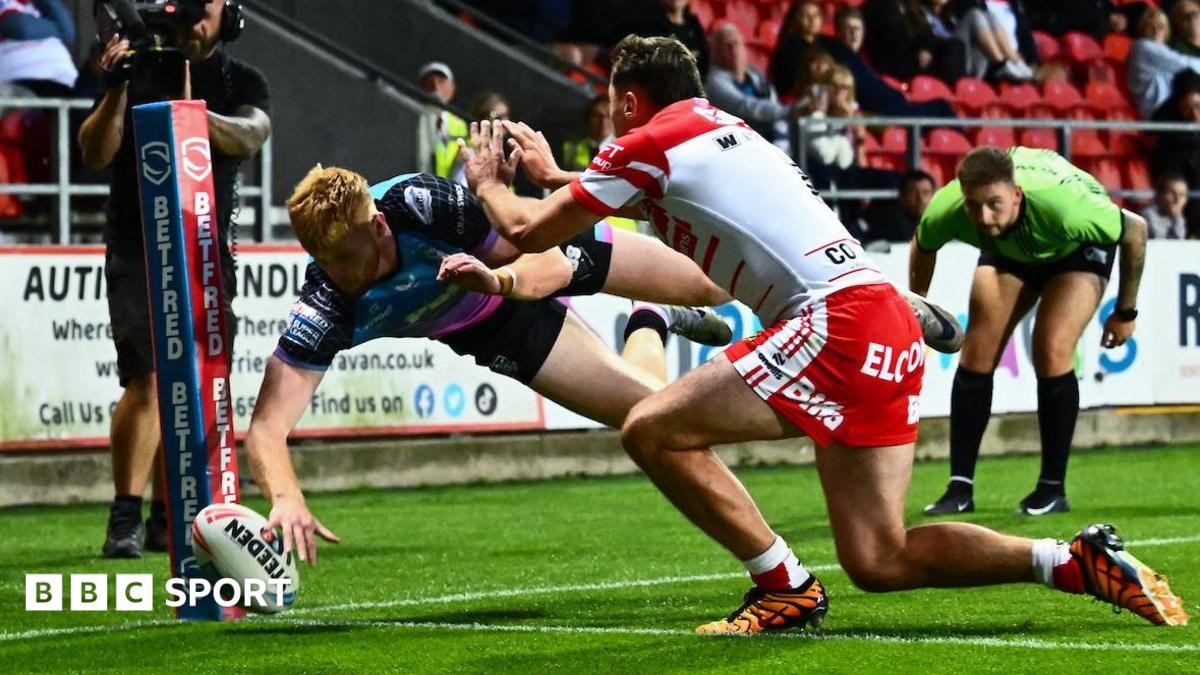
St Helens interim head coach Eamon O’Carroll told BBC Radio Merseyside:
“There were far too many times when we were shooting ourselves in the foot and putting some pressure on ourselves. We’re clearly not at that level at the moment where we seem to handle that the way we’d like to or how we have in the past.
“We’ve got some young boys in there who may have got exposed at times. They will be better for this experience – I’m really proud of the young lads – but at the minute we seem to be swapping one of our younger lads for another younger lad.
“We’re then automatically asking a lot of some of our senior boys.
Advertisement
“I think you can see where we are at with that at the minute.”
[On play-off qualification] “It’s going to be a difficult one for us to achieve, but it’s not unachievable.”
Hull FC interim head coach Andy Last told Sky Sports:
‘It feels absolutely fantastic. I just want to dedicate that to the supporters who have stuck by us and turned up in big numbers. It was great to get a win for them.
Advertisement
“There were some parts of the performance I was really pleased with and some parts of the game we still need to improve [such as] individuals’ decision-making, but I’m not going to take anything away from tonight.
“To get a win at St Helens, I’m really, really pleased.’
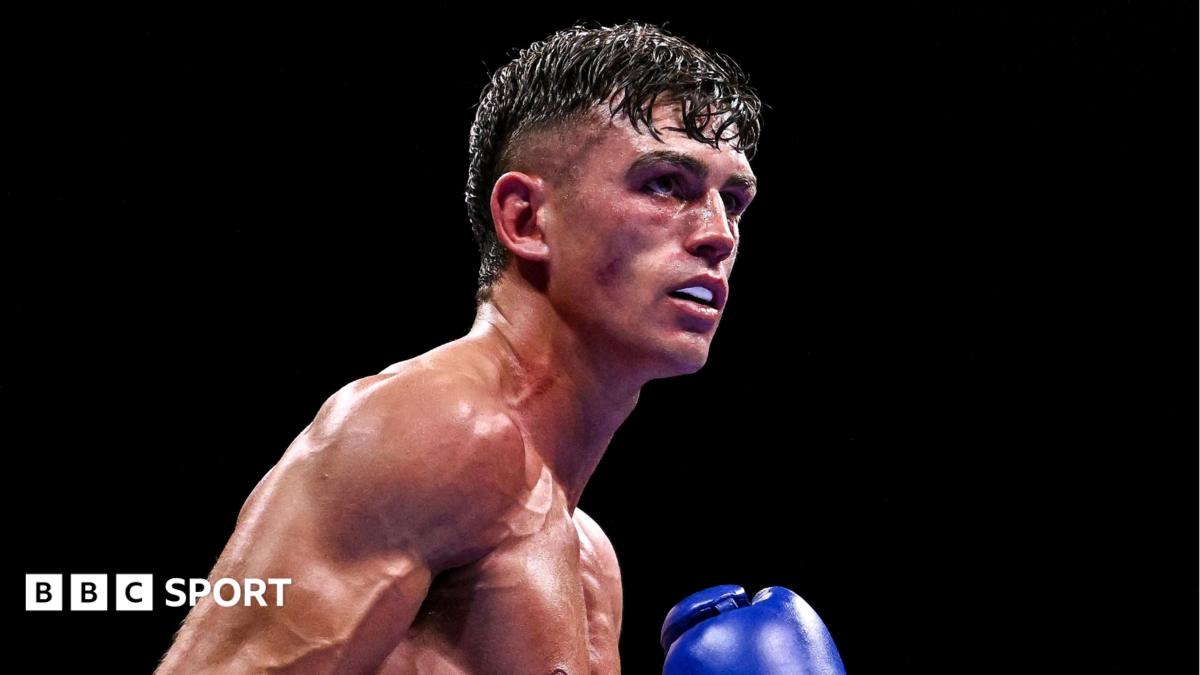
Queensberry promoter Frank Warren has said that Irish boxer Lee Reeves is “making progress” after being hospitalised following his fight in Dublin on Saturday night.
The 31-year-old’s condition was described as “critical but stable” after he was admitted for treatment following his defeat to Gary Cully.
Reeves was fighting for the vacant BUI Celtic super-lightweight title but was knocked out in the 10th round at the 3Arena.
The Limerick southpaw was stretchered out of the ring after the fight.
Advertisement
An update provided by Warren on Thursday struck a positive note.
“My team have been in touch with Lee Reeves’ team and he is making progress. That is what we’re hearing and thank the Lord for that,” Warren said.
“With Lee and it’s all about time. Time hopefully can be a healer.”
Warren added that his hope was that Reeves would be able to “get back to his family as soon as possible”.
Fifpro, which represents more than 70 player unions globally, stated that footballers’ confidence in Fifa had been “fundamentally broken” by the conduct of the global governing body’s president.
In response, Fifa issued a statement acknowledging that “mistakes” had been made in the plans to create Fifa Forward Enterprise (FFE).
Fifpro noted the tone of that statement with “deep concern” in a communication issued on Thursday, adding: “The withdrawal of FFE was inevitable. But withdrawing the proposal does not erase what it revealed.
“A plan capable of permanently altering the ownership and governance of the Fifa World Cup, and commercialising the competitions built by generations of players, was conceived in secrecy, negotiated behind closed doors and brought to the brink of agreement before the Fifa Council, the member associations, players and football’s recognised stakeholders even knew it existed.
Infantino abandoned Fifa’s FFE plans (AP)
“That is not merely a governance failure. It is a profound abuse of presidential power.
“The withdrawal of FFE prevented an irreversible decision. It did not restore the confidence that made such a proposal possible in the first place. That confidence has now been fundamentally broken.
“It cannot be rebuilt through carefully drafted statements, internal reviews or promises to improve processes. Nor can it be restored simply by announcing governance and structural reforms that should always have existed.
Advertisement
“These reforms are now indispensable. But they are the responsibility of the future, not an absolution of the past.
“The players did not create this crisis. They will insist that football emerges from it with stronger institutions, stronger safeguards and leadership worthy of the trust the game demands.”
Fifpro has also written to Fifa secretary general Mattias Grafstrom outlining its demands for governance reform.
Its letter, seen by the Press Association, stated: “The role of Fifa president exists to protect institutions, not to circumvent them. The World Cup is not the personal asset of any president. Nor is Fifa itself. They are held in trust for football.”
Advertisement
Fifpro’s letter said the FFE proposal’s handling was part of a “broader pattern” of decisions being taken without proper consultation – citing the introduction of hydration breaks as another example.
Fifpro said the breaks had been “presented under the banner of player health” but appeared in reality to be “closer to a proof-of-concept for future commercial exploitation by FFE-type investors than a genuine welfare measure”.
The players’ body signed a Memorandum of Understanding with Fifa the day before the World Cup kicked off, but wrote in its letter to Grafstrom: “The FFE episode demonstrated that commitments, however welcome, are of little value if they can be circumvented whenever one individual chooses to act outside the institutional framework.”
Vortex Golf is a fairly new brand to the golf world, but a leader in the shooting and hunting optics world. Their physical glass quality and optics technology rival that of the best in the world, and bringing that optics technology into pieces of technology is what Vortex does best.
When the brand came into golf a little over a year ago, they offered three different models — each with an increasing price point and feature set, including the flagship Vortex Golf Anarch. Today, they’re releasing an update to the Anarch model with the new Anarch+, and there’s one feature that really pushed me over the edge.
The new Vortex Golf Anarch+ is an update to the older Anarch model and comes absolutely stacked with features that you have the ability to toggle on and off depending on how you want to set up your rangefinder experience. The first decision you have to make: deciding whether you want your rangefinder to display in yards or meters.
Not only does the display have three levels of red LED brightness, it will also automatically switch between a standard black display and the low-light friendly red LED display.
Advertisement
What the display looks like for the Anarch+
Vortex Golf
You can also turn the slope feature on or off, and when slope mode is engaged there is a very large and very bright green light on both sides of the rangefinder so there is no question of whether the slope feature is turned on or not.
You can also toggle the pin spotter mode on or off. This features allows you to scan around the course to range different yardages, but it will also detect when you are crossing over the pin and put a marker on the display to give you a heads up. This is particularly useful in low-light conditions where you may not see the pin perfectly, or at courses with busy backgrounds behind the pin. I can’t tell you how many times I’ve accidentally ranged a tree in the background instead of the pin, and this helps to cut down on those issues.
The Vortex Golf Anarch+ Pinspotter technology in action, along with a look at the image stabilization.
Vortex Golf
Advertisement
The flagship feature of the Anarch+ is their digital stabilization. This is something you can toggle on and off, although I don’t know why you would want to. When you’re on the 15th hole of your early morning round and the halfway house wasn’t open to snag a Snickers, you’re going to be thankful to have the image stabilization. It quiets the optics and provides a clear image and quick ability to range the flag and get a distance — even with shaky hands.
Now. For THE feature: Dual. Magnets.
Vortex Golf’s new flagship rangefinder, the Anarch+.
Vortex Golf
This sounds like such a silly thing to be so overjoyed by, but oh my goodness is it such an amazing thing to have a magnet on either side of the device. I have dropped my rangefinder onto the ground more times than I can count because I put it up on the cart with the wrong side and let go. NO MORE!
Advertisement
That being said, if for some reason you do drop the rangefinder, or you’re attacked by an animal, or you play a round using the rangefinder as your ball, Vortex has you covered with the best warranty service in optics. Period. Full Stop. Clock it. (I think that’s what the kids are sayin’.) The only question Vortex is going to ask is, “What address can we send the replacement product to?”
The Anarch+ retails for $599.99 USD and you can snag one for yourself from vortexgolf.com
The new Tour V7 Shift features Bushnell Golf’s all-new Slope First Technology, a new state-of-the-art OLED display, and Link Enabled MyBag play as distances and club recommendations. Bushnell’s Slope Technology has led on Tour for decades, and with Slope First Technology, it now shows your compensated, “play as” distance in Green. Built on our patented Slope technology trusted by 99% of the PGA Tour, you now get the most important number first in the display to have it first in your mind. See (and hit) the Green with Slope First from Bushnell Golf. List of Tour V7 Shift Features: NEW Dual Color OLED Display with Slope First NEW Yardage Range Recall NEW Link Enabled MyBag Play As Distances and Club Recommendations Patented, Tour-Trusted Slope Technology Slope-Switch Technology PinSeeker with Visual JOLT Technology Integrated BITE Magnetic Cart Mount Ranges 500+ Yards to a Flag 6X Magnification Weather Resistant Design (iPX6) Bright, Clear Optics Premium Carry Case & CR2 Battery Included
ELITE PRECISION, NOW WITH CLUB SELECTION TECHNOLOGY! The New Callaway CSI PRO Laser Rangefinder features Club Selection Information, a proprietary technology that will suggest a club based on distance to the flagstick. This laser is designed to deliver precise distance measurements in a compact, and easy to use device. Slope Technology: Device measures angle of incline/decline then calculates the slope adjusted distance. Activated with an easy on/off toggle switch. P.A.T. with Pulse Technology delivers a short vibration when the laser hits the pin. Lock onto the pin up to 300 yards away! Club reccomendation based on adjusted distance measurement Magnahold: integrated magnets allow for quick access and storage on golf carts Scan landscape to acquire multiple targets 6X Magnification; Range: 5-1000 yards Measure in yards or meters Superior Accuracy [+/- 1 Yard] Water/Fog resistant Legal for tournament play w/ slope disabled Includes premium molded hard carrying case Size: 4” x 2.75” x 1.5” Weight: 5.6 oz.
ADD RANGE TO YOUR GAME This laser range finder provides your distance to the flag from up to 400 yards and is the perfect companion to your Garmin golf smartwatch or handheld. RANGED DISTANCE SYNCS TO COMPATIBLE DEVICES SEE DISTANCE FROM THE PIN TO THE FRONT AND BACK OF GREEN PLAYSLIKE DISTANCE FEATURE ADJUSTS YARDAGE BASED ON ELEVATION CHANGES RANGE UP TO 400 YARDS WITH 6X MAGNIFICATION BUILT-IN MAGNETIC CART MOUNT GET UP TO 1 YEAR OF PLAY WITH A REPLACEABLE BATTERY
Captain Air delivers Bluetooth connectivity and next-gen simplicity in a streamlined, accessible rangefinder. Built on the trusted S4 platform and fully integrated into the Blue Tees ecosystem, it provides essential performance in a clean, waterproof design. Whether it’s your first rangefinder or a smart upgrade, CAPTAIN Air makes connected golf easier, smarter, and more enjoyable. Features Red / Black HD Display: A high-contrast display with dual color modes keeps yardages easy to read in any lighting. 6X MAGNIFICATION with 1000 Yard Precision: Lock onto pins faster with 6X optical magnification and a 1000-yard measurement range. Together, they give you the long-range visibility and tour-level accuracy to attack every shot with confidence. FRONT, CENTER, BACK GPS DISTANCES: Instantly see crystal-clear yardages for any course you play, helping you choose smarter targets and commit with confidence. Built-in Bluetooth tracking helps you locate your device in seconds—no more digging through carts or bags to find it.
The new and improved Prism+ Laser Rangefinder. Word on the course is that it is the most user friendly rangefinder ever created. It’s packed with new cutting edge software, a dialed in performance aesthetic and never before seen features. The Prism+ is a stylish testament to our commitment to innovation and making the game of golf more fun.
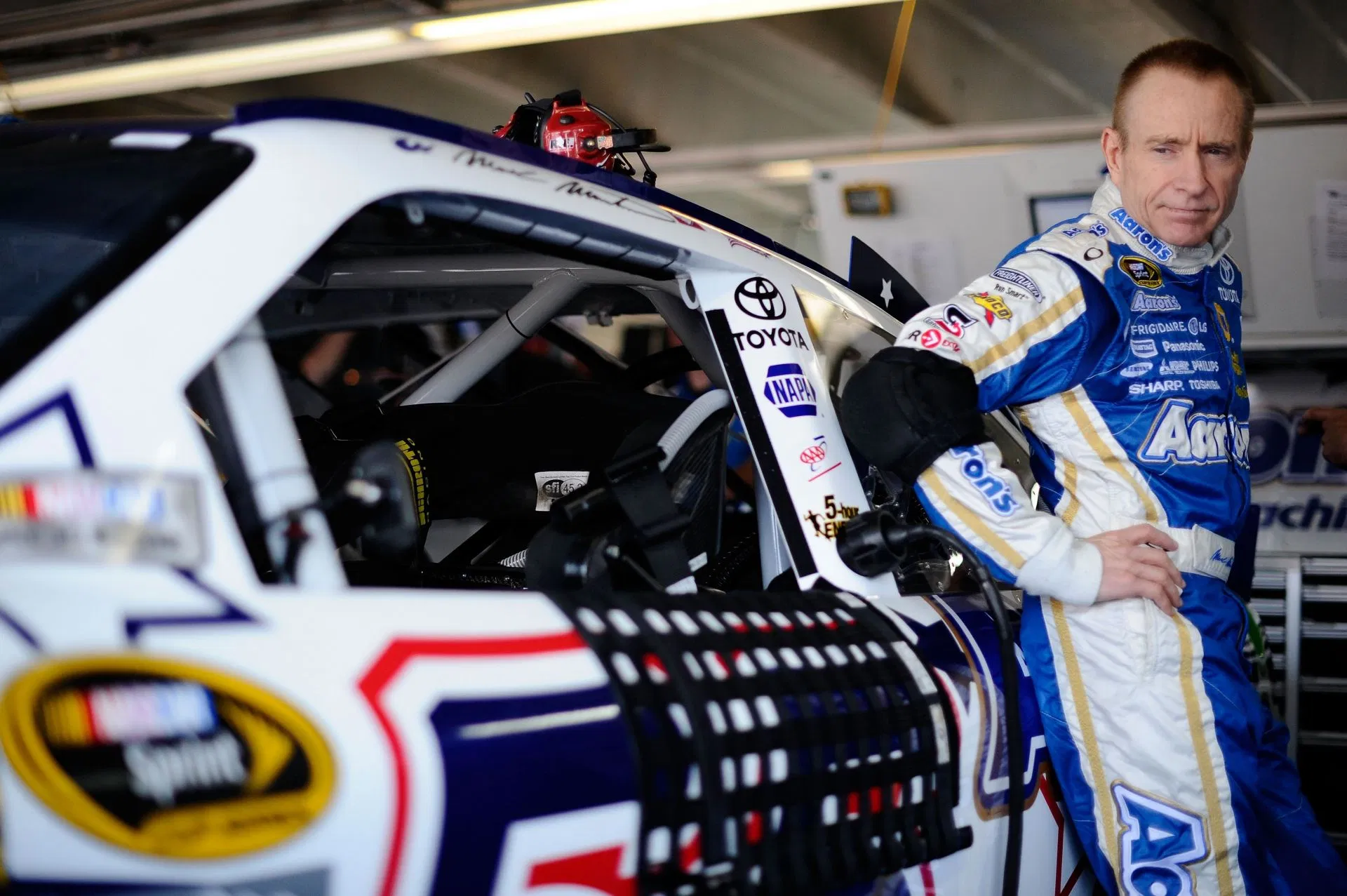
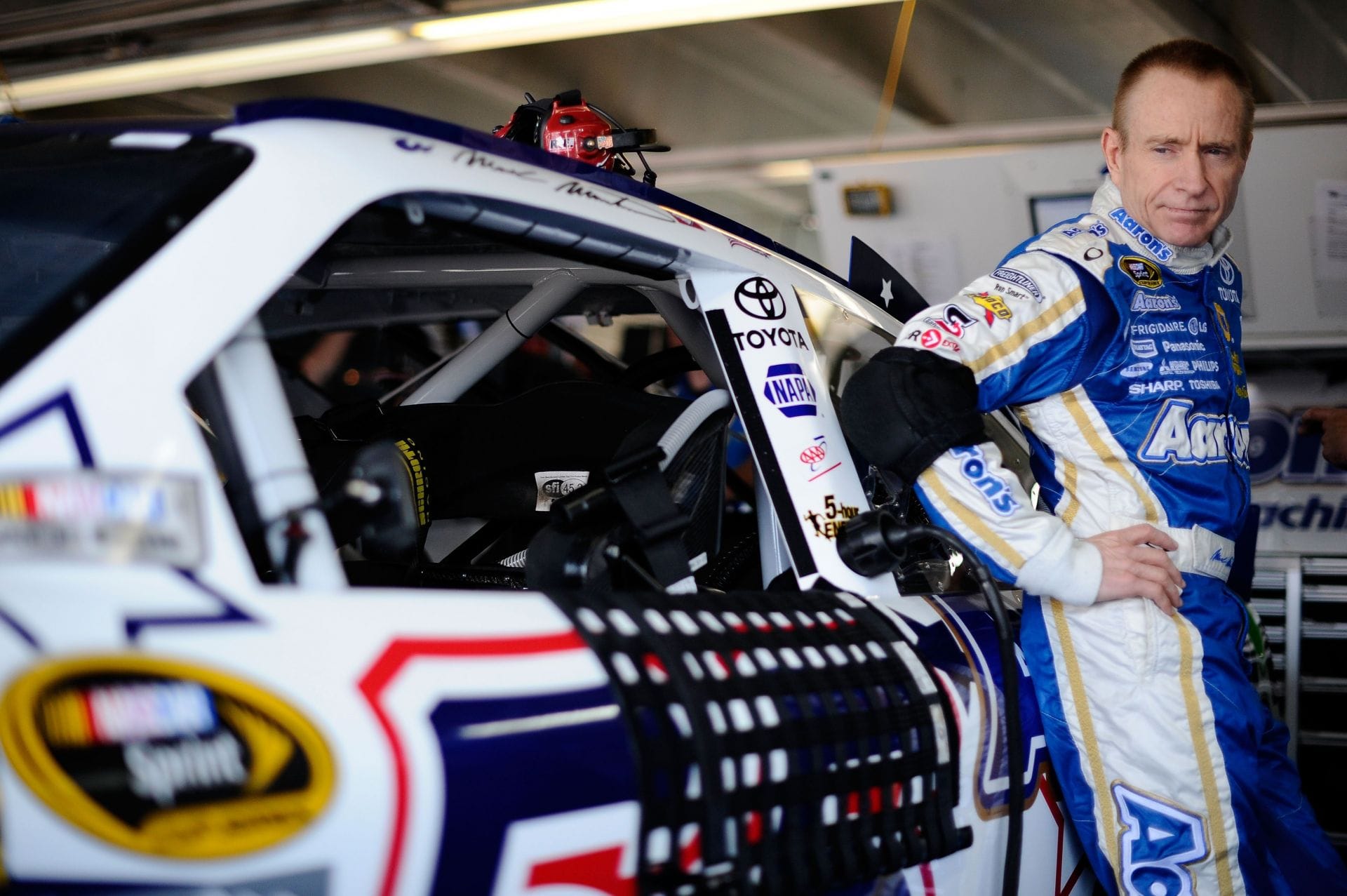
Mark Martin revisited NASCAR’s long-running technical debate around the Next Gen car during his appearance on the latest Dale Jr. Download. While promoting his new book Never Lift, the conversation shifted to how he would fix the racing produced by the Gen-7 car, and the Hall of Famer pointed to downforce and why he believes the sport took the wrong direction more than three decades ago.
The discussion comes at a time when NASCAR continues to face criticism over the Next Gen car’s racing on short tracks and road courses. While the car has improved safety and reduced costs through standardized components, many drivers and fans believe the current aerodynamic package makes passing too difficult, particularly when cars run close together.
Thanks for the submission!
Advertisement
Looking back at the evolution of Cup Series aerodynamics, Martin argued that NASCAR’s current problems can be traced to the early 1990s, when teams increasingly chased downforce to improve cornering speed. That was also when drivers first began talking about cars becoming ‘aero-tight,’ with disturbed airflow making it harder for a trailing car to stay close through the corners.
Advertisement
“In 1990, when we went to Atlanta to race your dad for the championship at the end of the year, we had three cars that we wind-tunneled,” Mark Martin said (1:16:48 onwards). “We had two that, in race trim, that had lift in the front, and one that was zero… We all raced that way. Your dad (Dale Earnhardt Sr.) had the same. Everybody had it. Then we got into the mid-’90s. We started making some serious downforce by 1993… In my opinion, it went off the rails (when) we started making downforce, and then people started saying ‘aero-tight.”
“They come with the five-and-five rule. That didn’t suit your dad’s cars, and it probably suited Fords better. I don’t know what the story was. Everybody’s calling aero-tight, and I said we need less front downforce. Your dad said we needed more, and that’s a fact. And your dad had a lot of pull, and it just kept going,” Mark Martin added.
The Next Gen car today generates much of their grip through a sealed underbody and rear diffuser. That creates a large pocket of turbulent “dirty air” behind the leading car. When a trailing driver enters that disturbed airflow, the front splitter and nose lose clean air, reducing front grip and causing understeer in the corners.
With every car producing similar aerodynamic performance and mechanical grip, following drivers struggle to close the final few feet needed to complete a pass, especially at superspeedways. Mark Martin believes the solution is to remove that dependency on front aerodynamic grip almost entirely:
“I’d want virtually zero front downforce in the front, or lift. Start with 300 (pounds) in the back. Maybe you need more. You don’t need a ton, but you need the front to be virtually nothing. If it’s nothing, it shouldn’t lose anything when it gets behind another car.”
His view is that reducing front downforce would make airflow far less influential, allowing drivers to race each other rather than fight aerodynamic turbulence.
Mark Martin explains why he never liked the Next Gen car’s design
Mark Martin in front of the No. 55 Toyota at Charlotte Motor Speedway. Source: Getty
Later in the conversation, Mark Martin suggested that NASCAR should continue exploring ways to reduce the aerodynamic influence on the Next Gen car. NASCAR has already reduced overall downforce by roughly 30 percent from the earlier generation, and also increased the horsepower in 2026.
Martin then revealed that his concerns about the Next Gen car actually began before it ever turned a lap (1:13:47 onwards):
Advertisement
“The first thing I would’ve said when I saw the first drawing of the Gen 7 was, ‘What’s wrong with the quarter panels? What’d y’all do?’ It doesn’t have a trunk lid. It looks like a hatchback.”
“When I first saw it, I said, ‘Why didn’t they push the body back?’ Then I got to looking more, and it’s like the rear wheels are rubbing the back bumper. Why is that? It just looks so not like a race car. Well the OEMs wanted all that.”
Despite those styling concerns, Mark Martin stressed that his biggest priority remains fixing how the cars race. Rather than focusing on setup changes, he believes the aerodynamic philosophy itself needs to change:
“I’d work with the engineers from the teams to make the underbody not work at all.”
While Mark Martin acknowledged the need for underbody, he believes reducing its aerodynamic influence is the best path toward improving side-by-side racing and giving drivers more opportunities to pass on merit rather than clean air.









;)
;)
;)






































You must be logged in to post a comment Login