Connect with us

Business

(VIDEO) John Goodman Shows Off 200-Pound Weight Loss in New Photo With David DeLuise Ahead of ‘Digger’ Role

Published

on

John Goodman

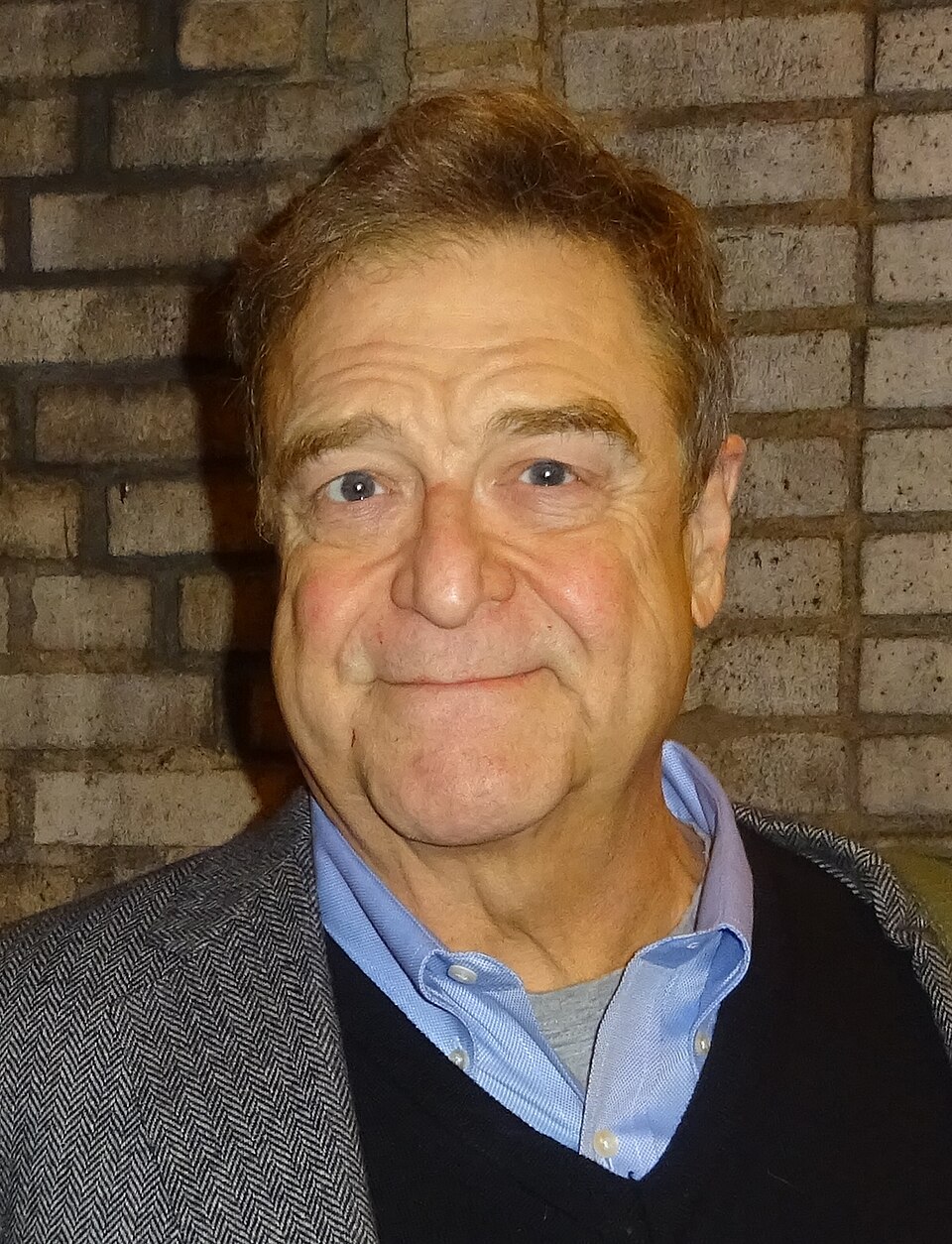
Actor John Goodman is once again drawing attention for his dramatic physical transformation, appearing nearly unrecognizable in a new photograph shared this week alongside “Wizards of Waverly Place” actor David DeLuise, more than a decade into a weight loss journey that has now totaled roughly 200 pounds.

DeLuise posted the photo to his personal social media account on Aug. 6, showing the two actors standing side by side, both looking toward the camera with the morning grocery section of a supermarket visible in the background. Goodman appeared noticeably slimmer than in many of his past film and television roles, prompting a wave of surprised reactions from fans online.

A Journey That Began Nearly Two Decades Ago

Advertisement

Goodman’s transformation traces back to 2007, when the actor quit drinking, hired a personal trainer, cut back on sugar and adopted a Mediterranean-style diet as he began working to lose weight in earnest. At his heaviest, Goodman weighed close to 400 pounds, and he has since lost roughly 200 pounds through a combination of consistent exercise and long-term dietary changes rather than any single dramatic intervention.

Speaking to People in 2010 after losing the first 100 pounds, Goodman explained the mindset shift that initially drove him toward changing his lifestyle. “I know it sounds sappy, but it was a waste,” he said, describing his previous habits. “It takes a lot of creative energy to sit on your a– and figure out what you’re going to eat next. … I wanted to live life better.” In a separate interview with ABC News, Goodman offered an even more direct explanation for his decision, saying, “I just got tired, sick and tired of looking at myself.”

A Gradual, Sustainable Approach

Unlike some celebrity weight loss stories built around a single rapid transformation, Goodman has repeatedly emphasized that his approach has been intentionally slow and steady, a strategy he credits with helping him avoid the cycles of weight loss and regain that had characterized earlier attempts. Rather than pursuing aggressive short-term dieting, Goodman has said he focused on sustainable, incremental lifestyle changes, including regular exercise such as walking dogs and boxing, alongside his broader dietary adjustments.

Advertisement

That said, Goodman has been candid about periods when his progress slipped. He has acknowledged that in 2023, he became “lazy and let everything go” at points during the aftermath of the COVID-19 pandemic, when he neglected his usual exercise and management routines. Despite that setback, he has maintained roughly a 200-pound weight loss over an extended period, according to recent reporting on his health journey.

A Transformation Documented Across Recent Public Appearances

Goodman’s changed appearance has drawn public attention on multiple occasions over the past year. He showed off his transformation at the Los Angeles premiere of “Smurfs” in July 2025, where he voices the character Papa Smurf, appearing in a navy blue suit for photographers on the red carpet. He was also featured prominently at the 2026 South by Southwest Conference and Festival in Austin, Texas, where he promoted his film “Chili Finger” alongside co-star Judy Greer, drawing further attention to his physique during red carpet appearances and a public food-truck event tied to the film’s promotion.

A Health Scare Along the Way

Advertisement

Goodman’s continued public appearances have come despite at least one recent setback tied to his ongoing film work. In March, the actor sustained a hip injury while filming in the United Kingdom for an upcoming project directed by Oscar winner Alejandro González Iñárritu, according to Deadline. Goodman reportedly received medical attention following the injury and was expected to resume shooting the following week, allowing production to continue without significant disruption to the broader project.

Staying Busy Professionally

Beyond his weight loss journey, Goodman has continued to work steadily across film and television. He recently completed the seventh season of “The Conners” in 2025, extending his long-running role on the sitcom, and has remained active with additional projects in the time since. He is set to return to screens later this year in Iñárritu’s new film, “Digger,” which stars Tom Cruise in the title role alongside a cast that includes Sandra Hüller, Michael Stuhlbarg, Jesse Plemons, Sophie Wilde, Riz Ahmed and Emma D’Arcy.

“Digger” marks Iñárritu’s first English-language film since 2015’s “The Revenant,” and follows a character described in the film’s official logline as “the most powerful man in the world” who embarks on a frantic mission to prove he is humanity’s savior before a disaster he has unleashed destroys everything. The project, described by its marketing materials as “a comedy of catastrophic proportions,” was shot in the United Kingdom and is scheduled for release on Oct. 2, 2026, distributed by Warner Bros. Pictures in partnership with Legendary Entertainment.

Advertisement

A Long and Varied Career

Goodman, now in his seventies, has built one of the more enduring and versatile careers in American film and television, spanning decades of work across comedy, drama and animated voice roles. His continued visibility on red carpets and in high-profile film projects, paired with his ongoing physical transformation, has kept him a frequent subject of media coverage even as he approaches the later stages of a career that began well before many of his current co-stars were born.

With “Digger” set for release in early October and Goodman continuing to make public appearances that highlight his sustained weight loss, fan and media attention toward his transformation is likely to continue building in the weeks ahead of the film’s premiere. For now, the newly shared photo with DeLuise offers the latest visual marker of a health journey Goodman himself has described as driven less by any single dramatic decision than by nearly two decades of consistent, deliberate lifestyle change.

Advertisement
Continue Reading
Click to comment

You must be logged in to post a comment Login

Leave a Reply

Business

Kao Corporation 2026 Q2 – Results – Earnings Call Presentation (OTCMKTS:KAOOY) 2026-08-08

Published

on

OneWater Marine Inc. (ONEW) Q1 2026 Earnings Call Transcript

This article was written by

Seeking Alpha’s transcripts team is responsible for the development of all of our transcript-related projects. We currently publish thousands of quarterly earnings calls per quarter on our site and are continuing to grow and expand our coverage. The purpose of this profile is to allow us to share with our readers new transcript-related developments. Thanks, SA Transcripts Team

Continue Reading

Business

Damian Creamer’s Leadership Lessons From Building Primavera and StrongMind

Published

on

The startup world is a battlefield. You might have a fantastic idea, a well-written business plan, and maybe even some funding, but that still won’t be enough to succeed without a loyal customer base.

When Damian Creamer describes the companies he has built, he reaches for a phrase that sounds like a joke until you do the math. “We’re a 25 year overnight success,” he said in a recent Ideamensch interview, “and that only happens when you stay obsessed long enough to earn it.”

The math checks out. Creamer founded Primavera Online School in 2001, when online education was barely a category, and built StrongMind into a comprehensive K-12 learning ecosystem serving online schools and homeschool families. This June, Primavera announced that well over 1,000 students are expected to graduate in its Class of 2026, the latest cohort from a school that has served hundreds of thousands of Arizona students over a quarter century.

Twenty-five years is long enough to make every mistake, and Creamer is unusually candid about having made them. What follows are the leadership lessons he says the journey actually taught him, in his own words.

Lesson One: Make Your Important Decisions Before 2 P.M.

Start with the most concrete habit in Creamer’s playbook because it reveals how he thinks about a CEO’s job. He treats his own judgment as a finite resource and budgets it like one.

“I aim to make all important decisions by 2pm,” he says. “That’s intentional. Decision fatigue is real, and I want my best thinking going into the choices that matter most. After that, the day is about execution, follow-ups, and clearing blockers.”

Advertisement

The structure around that deadline is deliberate. Mornings start with coffee and a quick scan of what actually needs his attention, followed by aggressively protected focus time for strategy, product direction, and hard decisions. The gym is non-negotiable, in his words as much about mental clarity as physical health. By late morning he is in meetings where alignment happens, and by early afternoon the deciding is done.

The underlying principle scales beyond calendars: “Less noise, more signal. Fewer meetings, better decisions.” Most executives measure themselves by how much they process. Creamer measures himself by the quality of a small number of choices, and engineers his day so those choices get his best hours rather than his leftovers.

Lesson Two: Trust Your Own Instincts, Because Someone Has to Decide

The habit of decisive leadership did not come naturally. Asked about his biggest career failure, Creamer does not point to a product or a deal. He points inward.

“Early in my career, one of my biggest failures was not trusting myself to make decisions. I deferred too often to others, especially in moments where I already had the instincts but lacked the confidence to act on them. Letting others call the shots felt safer at the time, but it slowed momentum and diluted ownership,” he says.

Advertisement

The fix was not a tactic. “I overcame it by doing a lot of internal work, building self-trust, strengthening boundaries, and getting honest about where I was giving my power away. Confidence didn’t come from external validation. It came from making decisions, owning the outcomes, and learning quickly when things didn’t go as planned.”

The lesson he distills from it is the closest thing to a leadership thesis he offers: “Leadership requires conviction. You can listen deeply and stay open, but at the end of the day, someone has to decide.”

It shows up in his advice to his younger self, too, which begins: “I’d tell my younger self to listen to his intuition because it’s usually right.” For founders in the habit of outsourcing conviction, to boards, to consultants, to whoever spoke last, Creamer’s experience is a warning that deference can feel like humility while functioning as abdication.

Lesson Three: Stay Obsessed With One Problem Long Enough to Earn Results

Creamer’s “25 year overnight success” line comes from his answer to a question about business ideas, and his full answer is a quiet argument against the way most people start companies.

Advertisement

“Ideas are a dime a dozen,” he says. “I would start with one painfully annoying problem and let it run your life. Seriously. Find something that bothers people so much they complain about it, then become obsessed with fixing it. Businesses don’t fail because the idea is bad. They fail because the founder gets distracted, bored, or moves on too quickly.”

His own career is the case study. The problem that has run Creamer’s life since 2001 is the mismatch between how students actually learn and how school is structured, students who work, students who fall behind, students the traditional classroom loses. Primavera was one answer to that problem. StrongMind, with its AI-powered personalization platform, is a second, deeper answer to the same problem. Twenty-five years, two organizations, one obsession.

He is equally clear that obsession has to be paired with execution rather than romance. “Ideas are easy. Execution is everything,” he says. “I bring ideas to life by pressure-testing them early and grounding them in purpose. If an idea doesn’t clearly improve learning, empower people, or move the mission forward, it doesn’t make the cut.” And once something clears the bar: “I believe in shipping, learning, and iterating. Progress beats perfection every time. We launch, we listen, we adjust and we keep moving.”

Lesson Four: Great Work Requires Caring About the Outcome

Asked what he believes that almost nobody agrees with, Creamer offers something that sounds mild and turns out to be a hiring philosophy, a management philosophy, and a self-diagnosis tool in one sentence.

Advertisement

“I believe it’s really hard to do truly great work on something you don’t actually care about,” he says. He acknowledges the counterargument, that professionalism and discipline should be enough, and concedes you can produce acceptable work that way. “But great work is different. It requires extreme ownership, curiosity, and an extra level of thought that’s hard to fake. When people care about the outcome, the quality goes up, the thinking gets sharper, and accountability shows up naturally.”

The managerial implication is the interesting part: “I don’t see disengagement as a work ethic problem. I see it as an alignment problem. When there’s a real connection to the ‘why’, effort feels lighter and momentum follows. When there isn’t, even small tasks feel heavy, no matter how capable someone is.”

Most leaders treat a disengaged employee as a performance issue. Creamer treats it as a signal that the connection between the person and the purpose has broken, and that the fix is alignment rather than pressure. In mission-driven work like education, where the outcomes are children’s futures rather than quarterly numbers, that framing is less sentimental than it sounds. It is operational.

Where the Lessons Lead

Strip the four lessons down and they share a spine: protect your judgment, trust it, point it at one problem, and staff the work with people who care about solving it. None of it is flashy. All of it compounds, which is rather the point of a 25 year overnight success.

Advertisement

The compounding is visible in the results. Creamer’s own summary of what it produces came in Primavera’s Class of 2026 announcement: “Every graduate represents a student who found a path that worked for them, often after the traditional route did not. Watching well over a thousand students cross that finish line is the most rewarding part of what we do, and it is exactly why Primavera exists.”

A thousand graduates in a single year, from a school that did not exist until one founder decided a painfully annoying problem was worth several decades of his life. That is what obsession earns, eventually. Overnight.

Advertisement
Continue Reading

Business

How a Decade of Preparation Helped Kumamoto Cut Earthquake Deaths From 277 to 38 in This Summer’s Quake

Published

on

2011 Great East Japan Earthquake

TOKYO — When a powerful earthquake struck Kumamoto Prefecture on July 28, matching the intensity of the region’s devastating 2016 quakes, the death toll climbed into the dozens rather than the hundreds, a stark contrast that officials and disaster experts say reflects a decade of deliberate investment in earthquake-resistant construction, search-and-rescue training and community preparedness.

The magnitude 7.1 earthquake struck near the coastal city of Uto in southern Kumamoto Prefecture at 4:27 p.m. local time, registering a maximum intensity of 7 on Japan’s seismic scale, the same top-tier reading recorded during the region’s catastrophic 2016 earthquake sequence. By Aug. 3, Kumamoto’s prefectural disaster response headquarters confirmed at least 38 deaths and more than 120 injuries, according to Nippon.com. While every loss of life represents a tragedy, the toll stood in sharp contrast to the 277 people killed across Kumamoto and neighboring Oita Prefecture during the twin earthquakes that struck the same region in April 2016.

A Grimly Familiar Setting, a Different Outcome

The 2016 Kumamoto earthquakes remain one of the deadliest disasters in modern Japanese history, with a magnitude 6.5 foreshock on April 14 followed just 28 hours later by a magnitude 7.3 mainshock, the first time in recorded history that two intensity-7 shocks struck the same area in such close succession. Of the 277 total deaths from that sequence, roughly 50 were direct casualties of the shaking itself, while the majority, 218 deaths, were classified as disaster-related, resulting from aggravated injuries or illness during the prolonged evacuation period that followed.

Advertisement

This summer’s earthquake brought its own significant destruction, including a partial collapse of the second floor of an Aeon Mall in Kashima Town, followed roughly an hour later by a suspected gas-leak explosion that tore through the complex, killing several people and leaving others missing. A chimney also collapsed at a Nippon Paper Industries mill in Yatsushiro, and widespread disruptions to water, electricity and transportation infrastructure were reported across the region, according to Nippon.com. Japanese Prime Minister Sanae Takaichi mobilized thousands of military personnel in the earthquake’s immediate aftermath, telling reporters at the time that “every second counts” in the search for survivors, according to CNN.

Lessons Written Into Buildings

Disaster researchers point to Kumamoto’s investment in earthquake-resistant and seismically isolated construction as one of the clearest structural factors behind the reduced death toll. At the time of the 2016 earthquakes, Kumamoto Prefecture already had 24 seismically isolated buildings, and engineering assessments found that those structures performed markedly better than conventional buildings during the shaking, according to reporting from Prism News. In the years since, the prefecture and local institutions used that evidence to push a broader shift toward earthquake-resistant and seismically isolated construction standards across the region, moving building codes and public investment from a reactive posture toward proactive risk reduction.

That structural evidence has also influenced disaster planning well beyond Japan’s borders. In the United States, Los Angeles adopted its Mandatory Soft Story Seismic Retrofitting Program in 2015, targeting vulnerable wood-frame buildings with weak ground floors, an effort that has since identified roughly 13,500 buildings across the city in need of similar retrofitting, according to Prism News, illustrating both the scale of earthquake risk in seismically active regions and the difficulty of comprehensively addressing it even with dedicated policy attention.

Advertisement

Training Locals for the First Critical Hours

Beyond construction standards, Kumamoto has spent the past decade building out community-level disaster response capacity, training residents directly in search-and-rescue techniques rather than relying solely on professional emergency responders to reach victims in the earliest, most critical hours after a major quake. Kumamoto University’s Kumamoto Earthquake Experience Project, known as KEEP, has delivered lectures and training sessions across Japan since its first workshop in July 2016, with recent activities including disaster preparedness training specifically for foreign residents living in Kumamoto City this year, according to the university.

Dr. Hisao Ogawa, president of Kumamoto University, reflected on the institution’s role in translating the trauma of 2016 into lasting institutional knowledge, describing how he returned to Kumamoto within days of the original disaster to work alongside medical teams providing emergency relief, including efforts to raise awareness about “economy-class syndrome,” a blood-clotting condition that affected residents forced to shelter in their vehicles for extended periods during the earlier crisis.

A Region Still Rebuilding Its Cultural Heritage

Advertisement

Even as Kumamoto’s disaster preparedness measures appear to have significantly reduced casualties in this summer’s earthquake, the region’s long recovery from 2016 remains far from complete. Kumamoto Castle, one of Japan’s most significant cultural landmarks, sustained extensive damage in the 2016 quakes, with all 13 of its buildings designated as Important Cultural Properties damaged and stone walls collapsing at approximately 50 separate locations, affecting nearly a third of the castle’s total stonework. The target date for completing the castle’s full restoration is not until fiscal year 2052, according to the Spiritual Japan Journal, underscoring just how long-term the rebuilding process for a major cultural landmark can stretch even under a well-resourced recovery effort.

Continued Seismic Risk Across the Region

Seismologists have cautioned that the underlying tectonic risk facing Kumamoto has not disappeared following this summer’s earthquake. According to Wikipedia’s summary of the event, researchers noted that while the July 28 rupture relieved seismic strain along one fault segment, it simultaneously added stress to adjacent segments, including the Yatsushiro and southwestern Hinagu segments further south, which researchers say carry a greater probability of rupturing in a future event potentially capable of producing a magnitude 7.3 earthquake and associated tsunami risk.

With search and recovery operations largely concluded and reconstruction efforts now beginning in earnest, Kumamoto’s experience this summer is likely to serve as a closely studied case study for disaster researchers and policymakers in other earthquake-prone regions worldwide. The prefecture’s decade-long investment in seismically resilient construction, community-based rescue training and institutional disaster knowledge offers a rare, direct before-and-after comparison, two earthquakes of comparable intensity striking the same region a decade apart, with the death toll from the more recent event coming in at roughly one-seventh the scale of the 2016 disaster, even as officials caution that continued vigilance remains necessary given the region’s ongoing seismic activity.

Advertisement
Continue Reading

Business

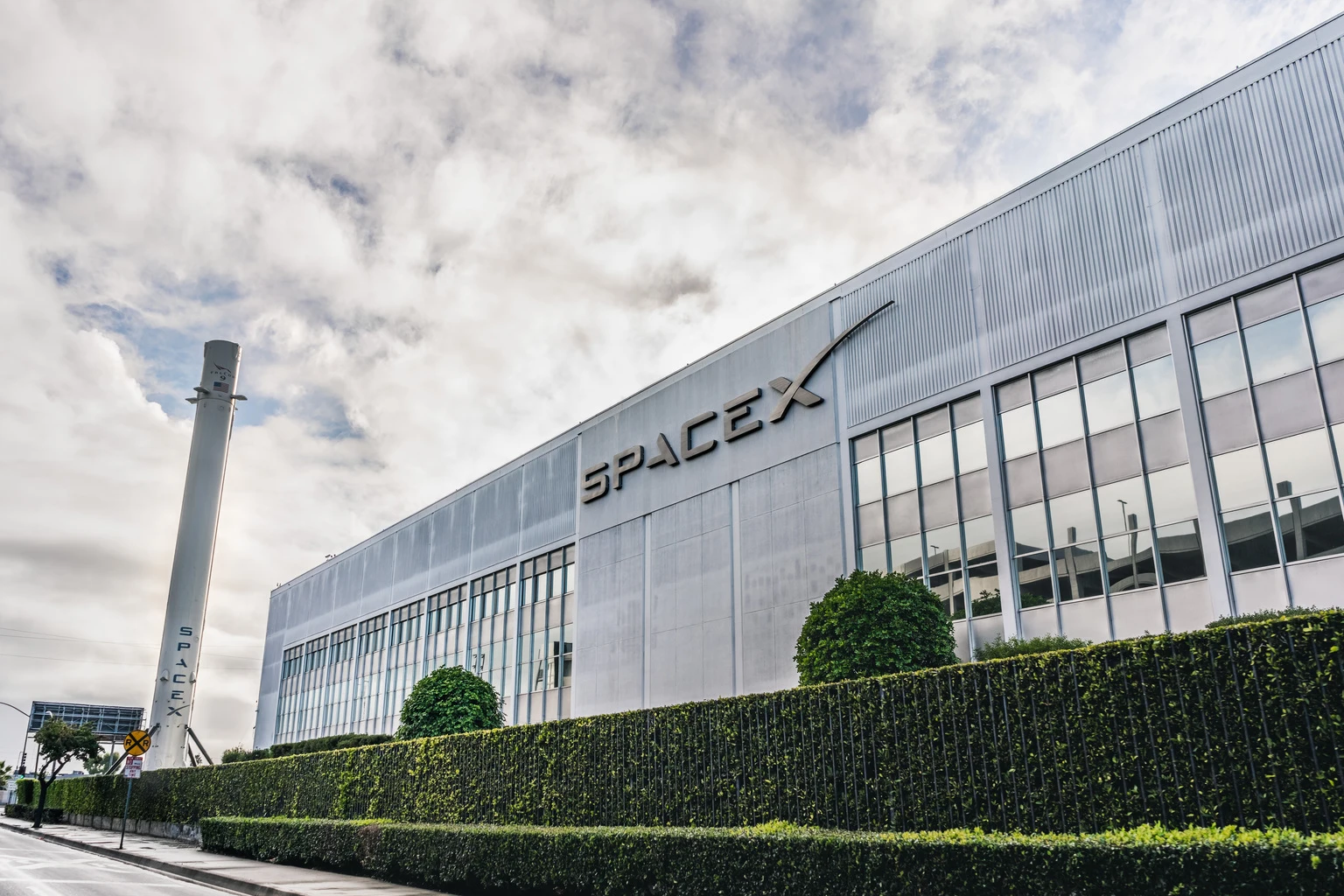
SpaceX: A Great Company At The Wrong Price (NASDAQ:SPCX)

Published

on

Weekly Commentary: SpaceX And A Z.1 (Q1 2026)

This article was written by

“AWS Certified AI Practitioner Early Adopter”I am a DevOps Engineer for a major, wholly owned subsidiary of a large-cap Fortune 500. I have been the primary driver of Anthropic-based tooling in our company’s division, and have successfully pushed for the division-wide integration of tools like Claude Code via AWS Bedrock. I am currently spearheading the implementation of AI-infrastructure in our division.I am a true subject-matter expert on the actual buildout, deployment, and maintenance of AI tools and applications. I have increasingly deep knowledge on the science behind generative AI systems as a result of first-hand experience with machine learning algorithms, model training, and model deployment.I contribute to Seeking Alpha as an outlet to share my AI and machine learning insights through an investment-focused lens.Closely associated with LL InsightsPer TipRanks (6/26/25) – 2 Year Timeframe#716 out of 31,463 Financial Bloggers #1,222 out of 41,143 experts

Analyst’s Disclosure: I/we have no stock, option or similar derivative position in any of the companies mentioned, and no plans to initiate any such positions within the next 72 hours. I wrote this article myself, and it expresses my own opinions. I am not receiving compensation for it (other than from Seeking Alpha). I have no business relationship with any company whose stock is mentioned in this article.

Seeking Alpha’s Disclosure: Past performance is no guarantee of future results. No recommendation or advice is being given as to whether any investment is suitable for a particular investor. Any views or opinions expressed above may not reflect those of Seeking Alpha as a whole. Seeking Alpha is not a licensed securities dealer, broker or US investment adviser or investment bank. Our analysts are third party authors that include both professional investors and individual investors who may not be licensed or certified by any institute or regulatory body.

Advertisement
Continue Reading

Business

Alexa Bliss and Tatum Paxley Debut as Owens, Orton Return This Week in Philadelphia

Published

on

Alexa Bliss

PHILADELPHIA — WWE’s “SmackDown” rolled into Xfinity Mobile Arena on Friday night, building directly on the fallout from SummerSlam 2026 with the returns of Kevin Owens and Randy Orton and a surprise NXT call-up that closed the show on a high note.

The episode was headlined by a long-anticipated singles showdown between Charlotte Flair and Jade Cargill, a match that had been building since Cargill’s arrival in WWE but had never materialized as a one-on-one contest until Friday’s broadcast, delivering what recap coverage described as an “absolute banger” despite some botched spots along the way.

A Chaotic Main Event Closes the Show

Flair and Cargill traded a physical, back-and-forth main event that saw Cargill hit a Black-Hole Slam, a sleeper hold and an avalanche Batista Bomb, while Flair countered with a Queen’s Boot, a German suplex and, most dramatically, a diving Natural Selection off the top rope. The match’s finish turned chaotic when Cargill’s allies, B-Fab and Michin, interfered to break up Flair’s Figure 8 submission attempt, prompting the returning Alexa Bliss to appear holding her signature Lilly doll before the arena lights cut out entirely.

Advertisement

When the lights returned, former NXT Champion Tatum Paxley had arrived, taking out both interfering competitors and clearing the way for Flair to hit a Sister’s Abigail DDT before finishing Cargill off. The debut immediately fueled speculation about a new alliance forming between Flair, Bliss and Paxley heading into the fall.

Punk and Rhodes Reignite Their Rivalry

The show’s opening segment picked up directly from SummerSlam, where CM Punk retained the Undisputed WWE Championship over Cody Rhodes after a surprise return from Randy Orton, who delivered an RKO to Rhodes before Punk finished him off with a Go To Sleep. On Friday, Rhodes opened “SmackDown” and pressed Punk on whether he had known in advance that Orton was returning to interfere in their SummerSlam match. Punk responded, “Say when,” setting the tone for a tense exchange that carried into Kevin Owens’ return later in the night.

Once Owens appeared, he directly confronted Punk over his continued arrogance, telling him, “You’re out here proving me right,” and later adding, “If it wasn’t for me you wouldn’t even be here right now.” Tension between the two nearly boiled over when Owens shoved Punk, prompting WWE SmackDown General Manager Nick Aldis to look on nervously from ringside. According to recap coverage, Owens has requested that his match against Punk take place on the Aug. 21 edition of “SmackDown” in Toronto.

Advertisement

Orton and Rhodes Finally Face Off

Later in the show, Orton made his first “SmackDown” entrance since WrestleMania, prompting an immediate confrontation with Rhodes. Orton explained that he had specifically asked to face the best version of Rhodes, but that in pushing him toward that peak, he had also drawn out Rhodes’ worst instincts. Rhodes fired back, telling Orton that with the WWE Championship no longer around his waist, he had no reason left to continue playing the role of a “good guy.” The heated exchange strongly suggested a program between the two former allies is being set up for the coming weeks.

Championship Storylines Continue to Develop

Elsewhere on the card, Baron Corbin retained the United States Championship against Trick Williams, while the Women’s Tag Team Championship saw Fatal Influence, made up of Lainey Reid and Fallon Henley, retain their titles in a match against new Women’s World Champion Chelsea Green and Tiffany Stratton. Notably, Green ate the pin in the loss during just her first match since winning the title, a booking decision that recap coverage suggested reflected poorly on how WWE has positioned the new champion so far. Green’s title win came after Rhea Ripley underwent knee surgery this week, forcing a change at the top of the women’s division; WWE has notably listed Green simply as champion without any interim designation on her official profile.

Advertisement

Green and Stratton are now set to face off for the U.S. Women’s Championship the following week, continuing a storyline that has also involved Jacy Jayne, who appeared in a managerial role during the segment rather than as an active competitor.

Other Notable Moments

Friday’s broadcast also featured a vignette from Shinsuke Nakamura, who remains locked in an ongoing feud with The Tongans, teasing that he would return with additional support rather than facing the group alone. Separately, Nikki Bella addressed her recent heel turn against Paige, framing her actions as part of a deliberate mission to make Paige’s life difficult going forward. Sami Zayn also factored into the night’s storytelling, interacting with both Owens and Punk at various points, fueling speculation that he could eventually reinsert himself into their developing rivalry. Notably, Gunther, who has recently moved from WWE’s Raw brand over to SmackDown, was absent from Friday’s card entirely, a choice recap coverage attributed to deliberate misdirection around his character rather than any behind-the-scenes issue.

Full Card Results

Advertisement

Charlotte Flair defeated Jade Cargill in the show’s main event. In the Women’s Tag Team Championship match, Fatal Influence, Lainey Reid and Fallon Henley, defeated challengers Tiffany Stratton and Chelsea Green to retain their titles. In the United States Championship match, Baron Corbin defeated Trick Williams to retain the title.

With Owens and Punk now set to collide in Toronto on Aug. 21, and the Orton-Rhodes rivalry appearing to be building toward a more concrete program, WWE’s “SmackDown” brand appears to be entering an extended stretch of storyline payoff following SummerSlam. Meanwhile, the debut of Tatum Paxley alongside the returning Alexa Bliss and established star Charlotte Flair opens a new storyline thread on the women’s side of the roster, one that fans and analysts will be watching closely in the coming weeks to see whether WWE fully capitalizes on the trio’s on-screen chemistry.

Continue Reading

Business

What Science Actually Says About NAD+

Published

on

What Science Actually Says About NAD+

Ageing has always been measured in visible terms — grey hair, slower recovery after a workout, a knee that complains on cold mornings. But underneath those visible markers, researchers increasingly believe a much smaller story is playing out: a decline in a single molecule found in every cell of the human body, called NAD+.

Nicotinamide adenine dinucleotide, or NAD+, isn’t a hormone, a vitamin, or a drug. It’s a coenzyme — a helper molecule that almost every cell needs to convert food into usable energy. Without it, the biochemical machinery that keeps mitochondria running would simply stop. And according to a growing body of research, our supply of it doesn’t stay constant over a lifetime. It falls.

A Battery That Runs Down With Age

Think of NAD+ less like a nutrient you stock up on and more like a rechargeable battery your cells draw from constantly. Every time a cell needs energy, repairs damaged DNA, or manages inflammation, it dips into that NAD+ supply.

The trouble is, the demand goes up as the supply goes down. Studies looking at human tissue samples have found NAD+ levels can fall by roughly a third to a half between early adulthood and one’s fifties and sixties. At the same time, the enzymes competing for that shrinking pool — including sirtuins, which help regulate metabolism and cellular repair, and PARPs, which fix damaged DNA — become busier, not less busy, as we accumulate everyday wear and tear.

Researchers studying this dynamic have described mitochondria as acting like internal “reservoirs” that store NAD+ for cells to draw on. When those reservoirs run low over an extended period, cells can struggle to power the processes that keep tissue and organs functioning well. That combination — rising demand, falling supply — is one reason NAD+ has moved from a biochemistry footnote to a genuine focus of ageing research.

Advertisement

Why This Matters Beyond the Lab

It’s worth being honest about where the science currently stands. Much of the strongest evidence for NAD+’s role in ageing comes from animal studies and cellular models, and human research is still catching up. That said, the mechanistic case is compelling enough that it’s now a serious area of study at major research institutions, and it helps explain patterns most people notice anecdotally as they get older:

  • Recovery from exercise or illness that takes noticeably longer than it used to
  • A general sense of reduced stamina, even without any specific illness
  • Slower wound healing and skin repair
  • A “foggier” baseline of mental sharpness on ordinary days

None of these symptoms map perfectly onto NAD+ alone — ageing is never explained by a single molecule. But the underlying biology gives a plausible, well-documented mechanism for why cellular energy production becomes less efficient with time, and why that inefficiency shows up as the everyday experience of “getting older.”

What the Research Community Is Exploring

Because NAD+ itself is broken down quickly if taken directly, most research and product development has focused on precursors — molecules like nicotinamide riboside (NR) and nicotinamide mononucleotide (NMN) that the body can convert into NAD+ — as well as direct NAD+ delivery methods such as intravenous or subcutaneous administration, which bypass some of the absorption challenges of oral precursors.

Early human trials of these precursors have shown they can meaningfully raise NAD+ levels in the blood within a matter of weeks. What’s less settled is how reliably that translates into the long list of benefits often claimed in marketing copy — better sleep, sharper cognition, improved metabolic health. Some of these outcomes have supportive early data; others remain plausible extrapolations from cellular biology rather than proven clinical results. Anyone considering this category should treat it the way they would any emerging area of medicine: worth watching closely, not yet a settled science.

Turning the Science Into Something Practical

For most people, the most evidence-backed way to support NAD+ levels doesn’t come in a vial at all. Regular exercise, adequate sleep, time-restricted eating patterns, and limiting excessive alcohol intake have all been linked to healthier NAD+ metabolism through their effects on mitochondrial function and the enzymes that regulate it. These are the same habits that show up in virtually every longevity study, for reasons that increasingly trace back to this same cellular pathway.

Advertisement

Beyond lifestyle, a growing number of people are turning to diagnostic testing to get an actual read on their biological markers rather than guessing. Companies operating in this space — NADdirect among them — now offer both precursor-based supplements and testing services aimed at helping people understand where they stand before deciding whether supplementation makes sense for them.

If you’re curious about your own NAD+-related biology, the most useful first step isn’t necessarily a purchase — it’s a conversation with a doctor about what testing or intervention, if any, actually fits your health picture. Ageing well has always been about the boring fundamentals: sleep, movement, food, and stress management. NAD+ research doesn’t replace that advice. It just explains, in increasingly precise detail, why it’s always been true.

Advertisement
Continue Reading

Business

Capita plc (CTAGY) Discusses Operational Progress, Technology Adoption and Service Improvements Following Half Year Results Transcript

Published

on

OneWater Marine Inc. (ONEW) Q1 2026 Earnings Call Transcript