
News Videos
‘Kleptocracy’: Trump’s involvement in crypto is ‘open grift’, Ben McKenzie says

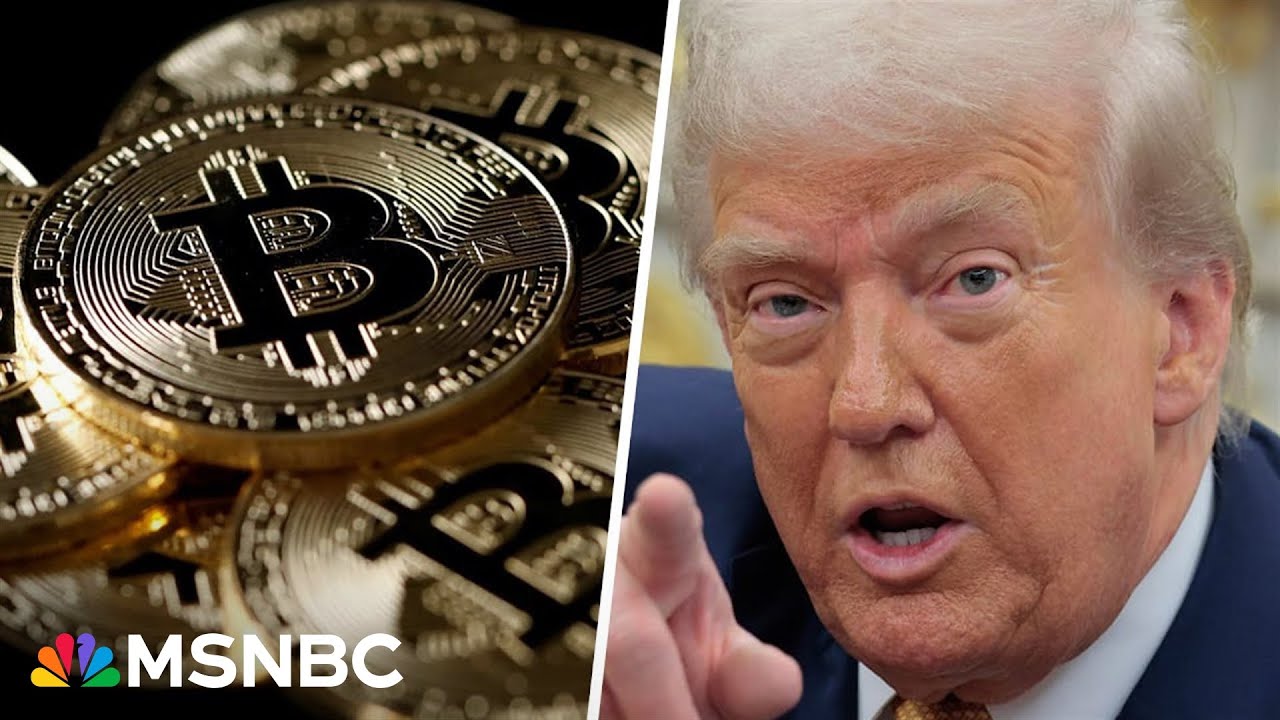
Actor, author and producer of the documentary “Everyone Is Lying to You for Money” Ben McKenzie joins Katy Tur to take a deep dive into the “incredibly volatile” cryptocurrency market and the impact that President Trump has had on the industry.
For more context and news coverage of the most important stories of our day click here: https://www.msnbc.com/
» Subscribe to MSNBC: https://www.youtube.com/msnbc
» Subscribe to MSNBC on TikTok https://www.tiktok.com/@msnbc
» Subscribe to MSNBC on Instagram https://www.instagram.com/msnbc
Download our new MSNBC app for the latest breaking news and daily headlines at a glance: https://www.msnbc.com/information/download-msnbc-app-n1241692
Follow MSNBC Show Blogs
MaddowBlog: https://www.msnbc.com/maddowblog
MSNBC delivers breaking news, in-depth analysis of political headlines, commentary and informed perspectives. Find video clips and segments from The Rachel Maddow Show, The Briefing with Jen Psaki, Morning Joe, The Beat, Deadline: White House, The Weeknight, All In, The Last Word, The 11th Hour, and more.
Connect with MSNBC Online
Visit msnbc.com: https://www.msnbc.com/
Subscribe to the MSNBC Daily Newsletter: https://link.msnbc.com/join/5ck/msnbc-daily-signup
#benmckenzie #trump #crypto #bitcoin
source

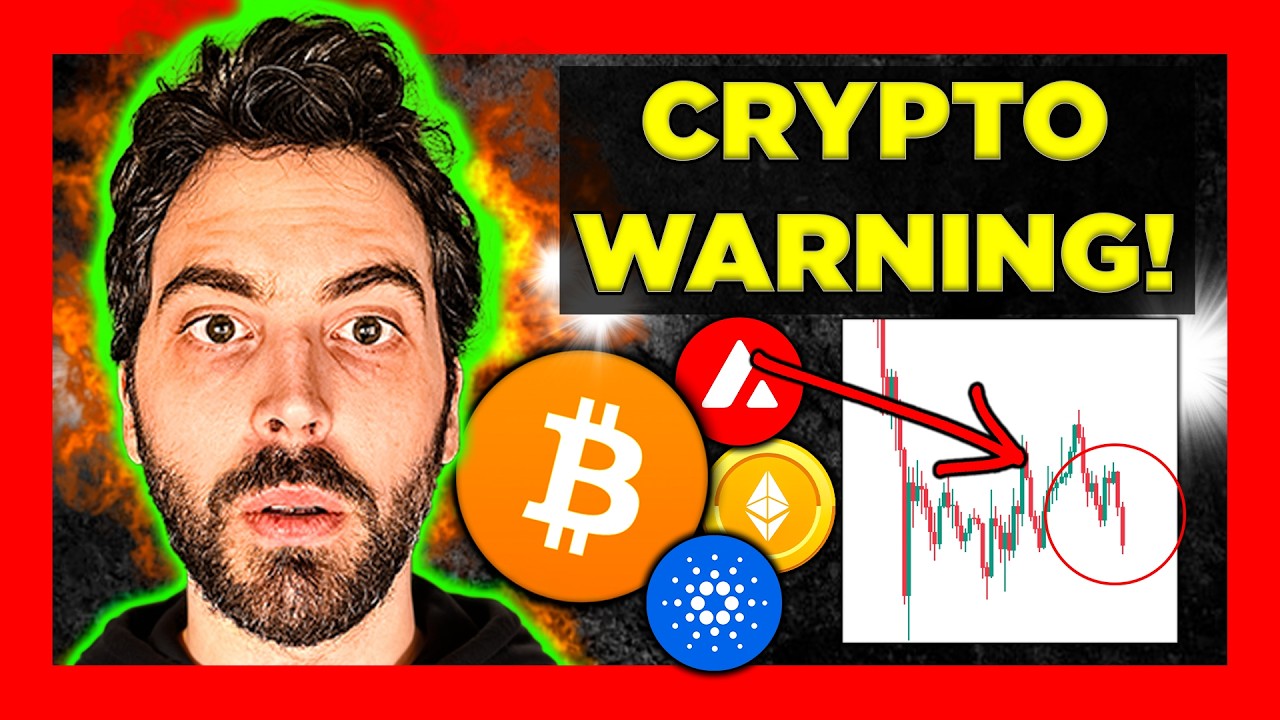
This Is What The Bottom Looks Like?
⭐ Follow Altcoin Daily on 𝕏: https://twitter.com/AltcoinDaily
🟠 BTC Conference 2026 – ‘ALTCOINDAILY’ for 10% off Ticket: https://2026.b.tc
🟠 Become a channel member & get access to perks:
https://www.youtube.com/channel/UCbLhGKVY-bJPcawebgtNfbw/join
🎁 Altcoin Daily Merch: https://m046hz-bk.myshopify.com
🟡 50% deposit bonus on first $100 on WEEX: https://www.weex.com/events/welcome-event?vipCode=oz5p&qrType=activity
🟣 Best Crypto Exchange To Trade ($12,000 Bonus): https://www.coinw.com/en_US/register?r=ALTCOINDAILY
✅ Bitunix (no kyc, $10,000 bonus): https://www.bitunix.com/register?vipCode=AltcoinDaily
🔴 $30k USDT bonus with Phemex with our link: https://phemex.com/a/k/ALTCOINDAILY30
🔵 $30k bonuses with our link – Buy & Trade Crypto on Bybit: https://partner.bybit.com/b/altcoindaily
🟢 $8k bonus on Bitget Exchange with our link: https://bonus.bitget.com/AltcoinDaily
Altcoin Daily in Spanish: www.youtube.com/@AltcoinDailyenEspanol
Follow Altcoin Daily:
www.twitter.com/AltcoinDaily
www.instagram.com/thealtcoindaily/
Join Altcoin Daily on Telegram: https://t.me/AltcoinDailyANN
Hit Like, Share, and Subscribe for more daily cryptocurrency news
Altcoin Daily, the best cryptocurrency news media online!
Video by Aaron:
www.instagram.com/aarontarnold/
www.twitter.com/aarontarnold
For business inquires email: info.altcoindailyio@gmail.com
Timestamps:
0:00 – intro (stay tuned)
0:07 – Proof the bottom is in??
2:26 – Why you should be bullish.
6:07 – Looking forward
**Note: My overall opinion is that the name of the game is to accumulate as much Bitcoin as possible. Alts are interesting but a lot more speculative. I use them to accumulate more Bitcoin & Ethereum.
***********************************************************************
🏺Support The Channel!!🏺(We Get A Kickback From Affiliate Links)
Protect and store your crypto with a Ledger Nano:
https://shop.ledger.com/?r=4b0f6c5711dc
Robinhood exchange has crypto & stocks:
https://join.robinhood.com/aarona-78df3a8
***********************************************************************
Altcoin Daily, the best cryptocurrency news media online!
#bitcoin #cryptocurrency #news #btc #ethereum #eth #cryptocurrency #litecoin #altcoin #altcoins #forex #money #best #trading #bitcoinmining #invest #trader #cryptocurrencies #top #investing #business #success #investment #finance #coinbase #binance #stocks #wallstreet #investor #wealth #bullish #crash #collapse #economy #cnbc #cryptolive #altcoindaily
***NOT FINANCIAL, LEGAL, OR TAX ADVICE! JUST OPINION! I AM NOT AN EXPERT! I DO NOT GUARANTEE A PARTICULAR OUTCOME I HAVE NO INSIDE KNOWLEDGE! YOU NEED TO DO YOUR OWN RESEARCH AND MAKE YOUR OWN DECISIONS! THIS IS JUST EDUCATION & ENTERTAINMENT! USE ALTCOIN DAILY AS A STARTING OFF POINT!
This is NOT an offer to buy or sell securities.
Investing and trading in cryptocurrencies is very risky, as anything can happen at any time.
This information is what was found publicly on the internet. This information could’ve been doctored or misrepresented by the internet. All information is meant for public awareness and is public domain. This information is not intended to slander, harm or defame any of the actors involved but to show what was said through their social media accounts. Please take this information and do your own research.
*The channel is not responsible for the performance of sponsors and affiliates.
Most of my crypto portfolio is Bitcoin, then Ethereum, but I hold many cryptocurrencies, possibly ones discussed in this video.
cryptocurrency, crypto, altcoin, altcoin daily, news, best investment, top altcoins, best crypto investment, ethereum, xrp, crash, crash, price, prediction, podcast, interview, finance, stock, investment, too late, bitcoin, cryptocurrency news, bitcoin news, cryptocurrency news media online, best crypto investments, 2026 prediction, should I buy ethereum?, blackrock, donald trump, coin bureau, binance, coinbase, trading crypto, trade, make money, cryptosrus, bitcoin today, bitcoin cnbc, altcoin news,
source
3 simple step to Financial freedom | Earn money
source

I tested the best money making methods on Donut SMP — from beginner to endgame.
Some are simple.
Some take setup.
But all of them can make serious money.
One of these methods can reach up to 300 million per hour
#minecraft #minecraftmoney #minecraftsmp #minecrafttips #minecraftguide #minecrafttrading #villagertrading #piglinbartering #minecraftprofit #gaming #smp #minecraftserver #donutsmp #cpvp #drdonut #crystalpvp
source
#XRP #XRPNews #XRPToday
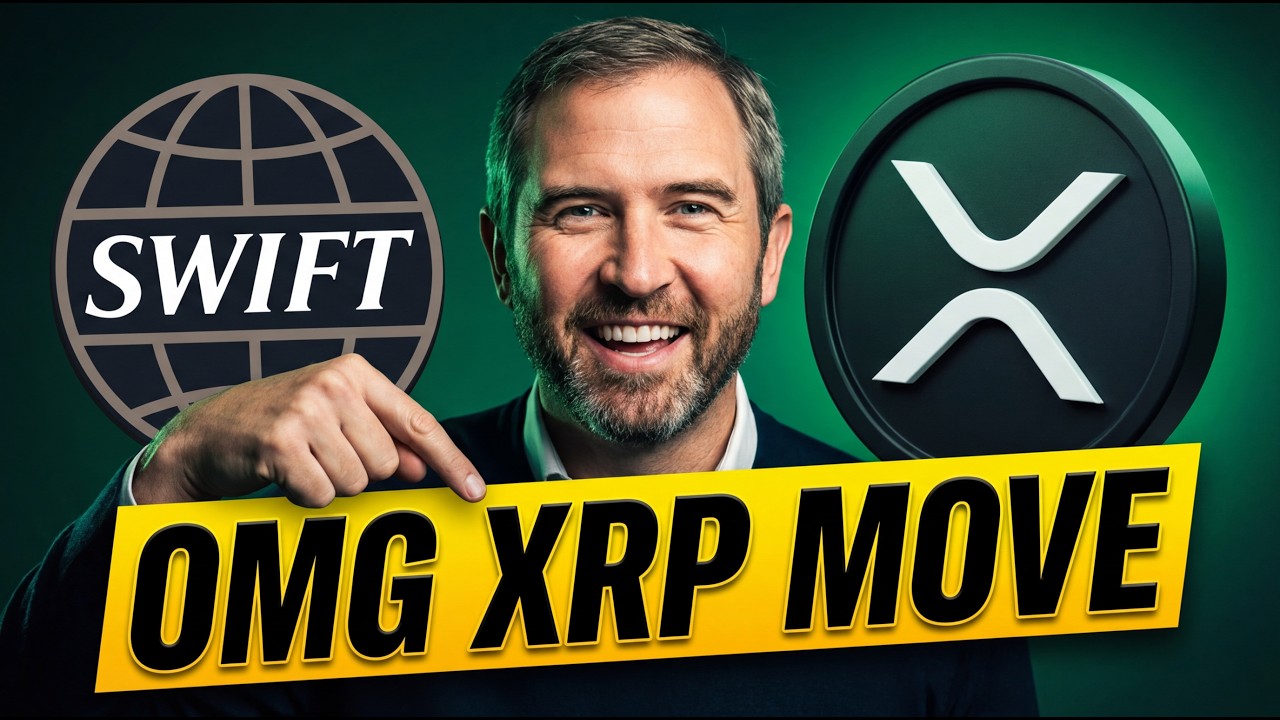
Swift just published a major blockchain announcement. They named the architecture. They named the banks. They named the technology stack. In 400 words, they mentioned almost everything.
They did not mention XRP once.
That omission is the story.
In today’s episode of The Calm Analyst, we document exactly why. Hyperledger Cacti — the connectivity toolkit Swift’s new ledger runs on — has native XRP Ledger connectors built in. Ripple contributed the Interledger Protocol implementation to Hyperledger specifically to bridge XRP Ledger with Ethereum-based blockchains like Besu. The connectivity is not speculative. It has been built since 2021. We also cover the DTCC adding a Citadel executive to its board four months after Citadel co-led a $500 million strategic investment into Ripple — and the DTCC patents that explicitly name XRP as a digital liquidity token in a cross-ledger settlement framework. We close with the real-world asset data most channels missed entirely: XRP Ledger grew from $25 million to $568 million in tokenized assets in 2025 — a 2,200% increase — and analysts project $3 to $6 billion by end of 2026.
Institutional adoption does not announce itself. It builds itself. And then one day the price reflects it.
🔔 Subscribe to The Calm Analyst — reading the architecture, not the press release.
⚠️ DISCLAIMER: For educational purposes only. Not financial advice. Always do your own research.
Welcome to The Calm Analyst — your clear, rational space for understanding financial markets, cryptocurrency, and the global economy without noise or hype.
At The Calm Analyst, we focus on breaking down complex market movements and financial concepts into calm, structured, and data-driven insights that help you see the bigger picture and think independently.
On this channel, you’ll find content covering:
✔️ Cryptocurrency markets, blockchain, and digital assets
✔️ XRP, Bitcoin, and major crypto trends & analysis
✔️ Global economy, inflation, and monetary policy
✔️ Market cycles, risk management, and investor psychology
✔️ Long-term investing perspectives and macroeconomic trends
What to expect:
📊 Clear technical & fundamental analysis
📚 Fact-based discussions backed by data and logic
🧠 Calm explanations designed to reduce emotional decision-making
🌍 Connections between global events and financial markets
Our mission is to help you analyze markets with clarity, patience, and discipline — empowering you to make informed decisions in a fast-moving financial world.
👉 Subscribe and turn on notifications 🔔 to stay updated with consistent, thoughtful market analysis.
For advertising, sponsorships, or collaborations, please contact us via email.
We partner only with projects that align with transparency and long-term value.
business.thecalmanalyst@gmail.com
⚠️ Disclaimer:
This channel is for educational and informational purposes only. Nothing shared here constitutes financial, investment, or legal advice. Markets involve risk, and losses are possible. Always conduct your own research and consult a licensed financial advisor before making investment decisions.
🔑 KEYWORDS:
Swift blockchain XRP ledger, Swift Hyperledger Besu XRP, Hyperledger Cacti XRP connectivity, Swift XRP backdoor connection, DTCC Citadel Ripple board, DTCC XRP patent, Citadel Ripple $500 million, Ripple Prime DTCC clearing, XRP real world assets 2025, XRP tokenized assets growth, XRP ledger RWA 2200%, XRP $568 million tokenized, XRP ledger eighth largest network, XRP treasury debt tokenized, XRP 2026 projection $6 billion, XRP calm analysis, The Calm Analyst XRP, XRP institutional adoption 2025, Swift XRP interoperability, XRP infrastructure story
📣 HASHTAGS:
#XRP #Ripple #SwiftXRP #SwiftBlockchain #HyperledgerXRP #HyperledgerCacti #DTCCRipple #CitadelRipple #RipplePrime #XRPRealWorldAssets #XRPLRWA #XRPTokenized #XRPLedgerGrowth #XRP2200Percent #XRPInstitutional #XRPInfrastructure #TheCalmAnalyst #XRP2025 #XRP2026 #CalmInvesting #XRPFundamentals #XRPLongTerm #CryptoEducation #XRPCommunity #DigitalAssets #XRPAnalysis #TokenizedAssets #XRPAdoption #RippleSwift #XRPCase
#XRP #XRPNews #XRPToday #XRPPrice #XRPPrediction #Ripple #RippleXRP #XRPAnalysis #XRPLive #XRPArmy #Crypto #CryptoNews #CryptoNewsToday #Cryptocurrency #Bitcoin #Altcoins #XRPCoin #XRPLawsuit #XRPUpdate #RippleNews
source
News Videos
XRP THERE WAS NO CHOICE !!!! XMONEY LIVE 24 HOURS !!!? SBI OFFICIALLY FLIPPED THE SWITCH !!!!
TRADE XRP & CRYPTOS WITH BITUNIX !!!!
► https://www.bitunix.com/act/partner?landingCode=zsubyblg
DISCORD LINK !!!!
►https://discord.gg/8JtWJcBmXH
X.COM LINK !!!!
►https://x.com/TheJWKShow
Rumble
► TheJWKShow ~ https://rumble.com/user/TheJWKShow
source

Join Free Telegram for free Vip trades
Free Telegram -https://t.me/scalperkingofficial
________________________________
Insta ID – https://www.instagram.com/the_scalper_king.05/
Get Crypto VIP Group for free worth ₹4000, open account in Delta and Dcx Now
Delta(FIU Register) – https://www.delta.exchange/?code=Scalperking |
Coin DCX – https://invite.coindcx.com/17640643
You will also get upto 20% discount in Brokerage and free Algo access
_______________________________
For NRI And Global Users –
Get Gold VIP Group & Premium Forex Course worth 29,999/, open account in XM Now
Best Broker XM – https://affs.click/MKgCB ( Partner code – 9G6YD )
You will also get upto 100% Deposit Bonus , lowest Brokerage and Algo access free
______________________________
you will also get Up to 40% less Brokerage
______________________________
Get VIP Group & Premium Trading Course worth 19,999/, open account in DHAN & FYERS
DHAN :- https://invite.dhan.co/?join=NEDA62 ( PARTNER CODE= NEDA62 )
FYERS :- https://signup.fyers.in/?utm-source=A…
You will also get upto 10% discount in Brokerage and free Algo access
Join Free Telegram for free Vip trades
Note:- XM is for Global Users Not For Indian User.
Awareness RBI List – https://rbi.org.in/scripts/bs_viewcon…
⚠⚠⚠DISCLAIMER⚠⚠⚠
1. Warning: “Investment in securities market are subject to market risks. Read all the related documents carefully before investing.”
2. The Securities Quoted Are For Illustration Only And Are Not Recommendatory.
3. “Registration and certification from NISM in no way guarantee performance of the intermediary or provide any assurance of returns to investors.”
4. The video content is for educational purposes only; viewers should consult a financial advisor before following any advice.
5. Please note that trading and investing in the stock market involves risk and may not be suitable for everyone. The information provided in this video is based on my personal experience and educational purpose, and should not be relied upon as the sole basis for making any investment decisions. Always do your own due diligence and seek the advice of a licensed financial advisor before making any investment decisions.
6. Any examples or case studies presented in this video are for illustrative purposes only and do not guarantee future results. The performance of investments discussed may fluctuate over time and may result in a loss of principal.
7. Furthermore, the views expressed in this video are solely my own and do not reflect the views of any organization I am affiliated with. I am not responsible for any errors or omissions in the information presented, and I do not make any representations or warranties as to the accuracy, completeness, or suitability of the information provided.
8. By watching this video, you agree that you are responsible for your own investment decisions and that I shall not be liable for any direct, indirect, incidental, or consequential damages arising from your reliance on the information provided. Again, this video is for educational purposes only and should not be considered as financial advice.
Indian Law Compliance – As many are watching outside India ,Exness , xm, Bingx Is for Global Users Not For Indian Users, still someone open an account Karol is not responsible.
Please note that the Securities and Exchange Board of India (SEBI) license is not applicable to activities involving cryptocurrencies or foreign exchange (forex) trading that are conducted outside the purview of recognized stock exchanges in India. The crypto and forex markets are currently unregulated in India, and SEBI does not regulate or oversee these markets. Consequently, SEBI will not entertain any complaints or disputes arising from transactions related to cryptocurrencies or forex.
All are advised to conduct due diligence and understand the associated risks before engaging in crypto or forex trading.
Invest at your own risk
source
Welcome to Zach Rector’s channel!
iTrust Capital- https://www.itrustcapital.com/go/zach-rector
Legal & Estate Planning- https://calendly.com/new-client-specialists/15-minute-interview-affiliate?a1=Rector&month=2026-03
Are you ready to take advantage of the greatest transfer of wealth in world history?
Join our community at http://www.ZachRector.com and discover how you can not only survive, but thrive in this exciting time.
XRP Family MERCH- https://zachrector.com/shop/
Patreon/Discord Private Community- https://www.patreon.com/zachrector
Buy XRP & Trade Crypto-
Caleb & Brown- https://www.calebandbrown.com/affiliates/zach-rector/
Uphold- https://wallet.uphold.com/signup?referral=7ae0597d45
Coinbase- https://coinbase.com/join/PJCHZE2?src=ios-link
Coinbase Advanced Trading- https://advanced.coinbase.com/join/XXTYJ2Z
First Ledger- https://firstledger.net/?ref=DO9SdgMahaeK
Send XRP Tips & NFTs- r41a9RBNQYVx1XowGUUNEbJxKdKnMpHQEo
Precious Metals- https://zachrector.com/gold-and-silver/
Book 1 on 1 Call with Zach- https://calendly.com/zachrector/30min?month=2024-09
Crypto Wallets-
Ellipal- https://www.ellipal.com/?rfsn=6318619.6c7e7c
DCent Wallet- https://store.dcentwallet.com/products/biometric-wallet-affiliates?bg_ref=qBGObYeQ71
Trezor- https://trezor.io/trezor-model-t?transaction_id=102790791fb667a080e84dbbf37fc1&offer_id=134&affiliate_id=10442
Follow us on social media for the latest updates on:
Twitter (https://www.twitter.com/ZachRector7),
Rumble (https://www.rumble.com/user/zachrector7),
YouTube (https://www.youtube.com/user/Rector94),
TikTok (https://www.tiktok.com/@ZachRector7).
Thank you for joining us on this journey to financial freedom!
#xrp #ripple #xlm #stellar #xdc #buyback
#CryptocurrencyExchange #CryptocurrencyWallet #CryptocurrencyMarketNews #AltcoinInvesting #BlockchainTechnology #CryptocurrencyRegulations #HODL
#trading #investing #altcoins #crypto #blockchain #cryptocurrency #bitcoin
source
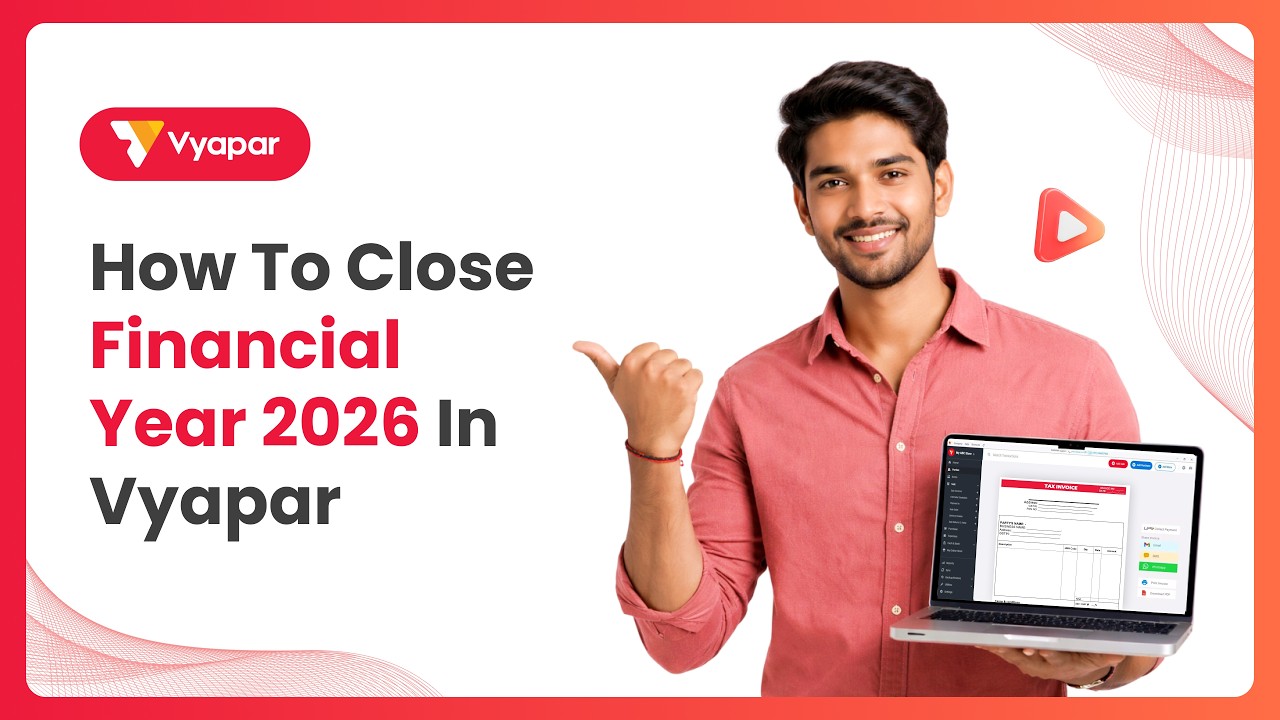
Learn how to complete your Financial Year Closing 2025-26 easily using the Vyapar App on mobile.
This demo will guide you step-by-step to close your books, check final reports, and manage your business accounting smoothly.
With Vyapar, you can handle billing, inventory, and accounting in one place and ensure accurate financial records for the new financial year.
Perfect for small business owners, shopkeepers, and traders who want a simple and fast year-end closing process.
.
financial year closing 2025-26 year end closing accounting closing demo Vyapar app mobile accounting financial reports GST closing business accounting small business accounting billing and accounting app inventory accounting financial management app
.
#FinancialYearClosing #YearEndClosing #VyaparApp #AccountingApp #BusinessAccounting #GSTAccounting #SmallBusiness #BusinessReports #InventoryManagement #DigitalAccounting #MobileAccounting #BusinessGrowth #FY2026 #AccountingMadeEasy
source
News Videos
RBI New Credit Rules 2026: Loan System Changed Forever? Relief or Financial Surveillance

RBI New Credit Rules 2026: Loan System Changed Forever? Relief or Financial Surveillance
#RBI #CreditSystem #LoanRules #CIBIL #FinanceIndia#PersonalFinance #MiddleClass #Fintech #MoneyMatters #IndiaEconomy #LoanTips #FinancialFreedom #TrendingNews
source

#shorts #avvocato #avvocatopenalista #penalista #reato #penale
Se ti arrivano soldi per errore: puoi tenerli o commetti un reato? Guarda subito questo short per scoprirlo!
ISCRIVITI SUBITO AL CANALE YOUTUBE 👇
https://www.youtube.com/channel/UCtGZowGQeSooHK76PeQ2j7w
DAI UN’OCCHIATA AL SITO 👇
www.studiolegalepritoni.it
SE HAI BISOGNO DI UNA CONSULENZA ON-LINE 👇
info@studiolegalepritoni.it
METTI LIKE ALLO SHORT SE TI È PIACIUTO ❤️
source

Terrifying Viral Web Series Makes Its Big Screen Debut

‘Clear evidence of sexism and misogyny’ within PSNI, review finds

Proda enters protein soda category


-

 Business7 days ago
Instagram, YouTube Found Responsible for Teen’s Mental Health Struggle in Historic Ruling
-

 NewsBeat6 days ago
The Story hosts event on Durham’s historic registers
-

 Sports6 days ago
Sweet Sixteen Game Thread: Tide vs Michigan
-
Entertainment3 days ago
Fans slam 'heartbreaking' Barbie Dream Fest convention debacle with 'cardboard cutout' experience
-
 Entertainment5 days ago
Lana Del Rey Celebrates Her Husband’s 51st Birthday In New Post
-
Crypto World2 days ago
Dems press CFTC, ethics board on prediction-market insider trades
-

 Crypto World22 hours ago
Gold Price Prediction: Worst Month in 17 Years fo Save Haven Rock
-

 Tech4 days ago
The Pixel 10a doesn’t have a camera bump, and it’s great
-

 Sports2 days ago
Tallest college basketball player ever, standing at 7-foot-9, entering transfer portal
-

 Tech2 days ago
EE TV is using AI to help you find something to watch
-

 Fashion5 days ago
Amazon Sundays: Soft Spring Layers
-

 Tech3 days ago
Apple will hide your email address from apps and websites, but not cops
-

 Tech2 days ago
How to back up your iPhone & iPad to your Mac before something goes wrong
-

 Politics3 days ago
Should Trump Be Scared Strait?
-

 Tech3 days ago
Flipsnack and the shift toward motion-first business content with living visuals
-

 Crypto World3 days ago
U.S. rule change may open trillions in 401(k) funds to crypto
-

 Business7 days ago
Chinese universities with military links bought Super Micro servers with restricted AI chips
-

 Fashion6 days ago
Weekly News Update, 3.27.26 – Corporette.com
-

 Tech4 days ago
Elon Musk’s last co-founder reportedly leaves xAI
-
 Crypto World4 days ago
Bitcoin’s Six-Month Losing Streak: What On-Chain Data Says About the Market’s Next Move
You must be logged in to post a comment Login