Archer Aviation shares jumped nearly 10% on Monday after the air-taxi maker agreed to acquire Boeing’s electric aircraft business Wisk Aero and two other units in exchange for a nearly 20% stake in Archer, Reuters reported.
The stock opened at $6.41 and traded between $6.08 and $6.87 during the session, climbing as much as 14% in morning trading.
The deal also includes drone manufacturer Insitu and airspace-services provider SkyGrid, giving Archer access to Boeing’s autonomous-flight technology and potentially strengthening its position in defence and commercial logistics.
Boeing will receive a 19.75% stake in Archer and the right to appoint a director to its board. It will also retain access to Wisk’s technology for its commercial and defence aircraft programmes, Reuters reported.
Advertisement
For Boeing, the divestments mark another step towards simplifying its portfolio, focusing on its core commercial-aircraft and defence businesses and scaling back its air-taxi ambitions.
Live Events
Archer, which has yet to generate significant revenue from its core business, will acquire Insitu, a profitable defence company with annual revenue of more than $200 million. Archer CEO Adam Goldstein told Reuters that the deal would allow the company to “start generating significant revenue immediately in a major growth market.”He added that demand for intelligence, surveillance and reconnaissance drones was likely at a record high, creating a major opportunity for an established business already generating revenue and cash flow.
Wisk has been developing a self-flying electric passenger aircraft. However, despite years of investment and ambitious projections, the electric vertical take-off and landing, or eVTOL, industry has yet to demonstrate that air taxis can secure certification, achieve large-scale production and operate at prices affordable to mainstream customers.
As commercial launches take longer than expected, eVTOL companies are increasingly targeting military, cargo and government applications to generate near-term revenue and secure funding.
Shares of Intel Corp. fell more than 4% Monday morning after the chipmaker announced a surprise $15 billion underwritten public offering of common stock, sending the stock back below the psychologically significant $100 level after weeks of sharp gains.
The stock traded at $97.21 as of 10:05 a.m. Eastern time, down $4.44, or 4.37%, on the Nasdaq. Shares had fallen as much as 5% earlier in the session to around $96.97, according to trading data, before paring some of the decline. The drop stood out against a broader market that was largely flat Monday, with the S&P 500 up just slightly and the Nasdaq Composite little changed, underscoring that the move was driven by company-specific news rather than any sector-wide or macroeconomic pressure.
Intel disclosed the proposed stock sale in a regulatory filing Monday, saying it plans to use the net proceeds for general corporate purposes, including capital expenditures and working capital, as the company continues to fund an ongoing turnaround effort centered on expanding its chip manufacturing and foundry operations. The company did not specify the exact number of shares to be offered in its initial announcement.
The offering lands at a moment of relative strength for Intel’s stock, which had more than doubled so far in 2026, gaining roughly 175% year-to-date through Friday’s close before Monday’s announcement. That rally gave the company what analysts described as a favorable window to raise growth capital while its shares were trading at elevated levels, even though the move still triggered investor concern over the dilution that a $15 billion equity raise would cause for existing shareholders.
Advertisement
The stock sale follows a string of recent developments underscoring both Intel’s improving operational momentum and the scale of investment still required to execute its turnaround. The company’s most recent quarterly results showed revenue climbing 25.4% year-over-year to $16.13 billion, with its Data Center and AI segment posting 59% growth, a performance that has helped fuel investor optimism about Intel’s position in the broader AI buildout. Intel has guided third-quarter 2026 revenue to a range of $15.8 billion to $16.8 billion, giving underwriters recent operating momentum to highlight as they market the new shares to investors.
At the same time, Intel has continued to raise its spending plans. The company lifted its 2026 capital expenditure outlook to $20 billion, up from a prior target of $18 billion set in July, as it works toward a stated goal of beginning high-volume production on its next-generation 14A manufacturing process by 2028. That expanding capital intensity has kept balance-sheet concerns in view for some investors, with Intel carrying roughly $50.5 billion in debt against approximately $29.7 billion in cash and investments, a gap that has factored into cautious commentary from parts of the analyst community even as the company’s turnaround narrative has gained broader traction this year.
Wall Street’s response to the stock offering reflected a familiar divide in sentiment toward Intel. The broader analyst consensus rating sits at Hold, with an average price target near $112, implying continued confidence in the stock’s longer-term trajectory even after Monday’s pullback. Rosenblatt has remained a notable outlier, maintaining a Sell rating on the stock while recently raising its price target to $65 from $50, a level that reflects lingering skepticism about Intel’s ability to fund its expansion and execute its foundry ambitions without further diluting shareholders.
Monday’s decline adds to a period of significant volatility for Intel shares over the past two weeks. The stock climbed from around $81.88 on July 29 to a high above $103 on August 7, a rapid run driven by a mix of positive earnings momentum, progress on new product initiatives including HDMI 2.1 packaging technology, and broader optimism around Intel’s role in artificial intelligence infrastructure. That runup had left the stock trading in a tight range between roughly $100 and $103 in the days leading up to Monday’s offering announcement, before the new stock sale abruptly reversed the recent momentum.
Advertisement
The offering also comes just days after Intel disclosed an $8.2 billion investment tied to SoftBank, a transaction reported last week that added to a series of high-profile financial moves the company has made this year as it works to shore up its balance sheet and fund its manufacturing ambitions. Intel has increasingly turned to outside capital and strategic partnerships over the past year as it seeks to compete more directly with rivals in both traditional chipmaking and the broader artificial intelligence hardware market, a shift that has reshaped how investors evaluate the company relative to peers such as AMD, Nvidia and Broadcom.
Notably, those peer stocks held comparatively steady Monday even as Intel shares slid, reinforcing that the day’s move was tied specifically to the equity offering rather than any broader shift in sentiment toward the semiconductor sector. Some market commentary Monday pointed to a potential near-term retest of the $80 support level for Intel shares if dilution concerns persist, though the stock’s sharp gains earlier in the year have left it well above where it traded for much of the past two years.
With the offering still pending completion, investors are likely to watch closely for further details on pricing and the final size of the stock sale in the coming days, along with any additional commentary from Intel executives on how the newly raised capital will be allocated across the company’s expanding manufacturing and AI-related investment plans.
The author is a director at a small Boston-based software company where he oversees India operations across HR, finance, and business development. His broader professional background spans entrepreneurship, operations, and management across multiple industries. Earlier in his career, he was involved in building out a bottled beverages plant, reflecting a longstanding interest in business building, execution, and commercial strategy. He also holds a PhD in history and teaches part-time at a local college, bringing a research-driven and analytical perspective to both his professional and investing workHe has been investing in U.S. equities for nearly two decades, having started well before international access to U.S. markets became commonplace for Indian investors. Over time, he has developed a style that sits between value and growth. He is most interested in businesses where long-term earnings potential, competitive positioning, or strategic optionality are not yet fully reflected in the stock price. His work is grounded in valuation, but he also looks closely at business quality, management execution, industry structure, and the durability of growth.His primary sector focus is software, IT, and AI, including the growing application of AI across industries such as healthcare. He is especially interested in companies with scalable models, improving economics, and the ability to compound earnings over time. At the same time, his interests are not limited to technology. He also follows real estate-related opportunities, including REITs, and remains open to writing on other sectors where the investment case is compelling.On Seeking Alpha, he aims to write thoughtful, research-based articles that combine business analysis with valuation discipline. His goal is not simply to identify attractive stories but to assess whether the market is mispricing risk, growth, or long-term earnings power. He writes to share well-reasoned ideas with serious investors, refine his own thinking through public analysis, and contribute to a more disciplined discussion around investing. The author is associated with another Seeking Alpha analyst – Dr. Manimala M.
Analyst’s Disclosure: I/we have no stock, option or similar derivative position in any of the companies mentioned, and no plans to initiate any such positions within the next 72 hours. I wrote this article myself, and it expresses my own opinions. I am not receiving compensation for it (other than from Seeking Alpha). I have no business relationship with any company whose stock is mentioned in this article.
Seeking Alpha’s Disclosure: Past performance is no guarantee of future results. No recommendation or advice is being given as to whether any investment is suitable for a particular investor. Any views or opinions expressed above may not reflect those of Seeking Alpha as a whole. Seeking Alpha is not a licensed securities dealer, broker or US investment adviser or investment bank. Our analysts are third party authors that include both professional investors and individual investors who may not be licensed or certified by any institute or regulatory body.
In 1994, a young woman joined HDFC in Kolkata and, like many salaried Indians then, began saving a few hundred rupees a month in a recurring deposit. There was no app, no Systematic Investment Plan (SIP), and she knew nothing about the share market. Three decades later, an 18-year-old in Thiruvananthapuram was already six years into investing—using his father’s demat account during the Covid-19 lockdown, before he was old enough to open one of his own.
Between these two decisions lies the story of how India transformed the way its people build wealth. One generation saved because it had few alternatives; the next invests because it has many. That, perhaps more than anything else, is what financial inde pendence looks like.
To understand how all this has played out, ET Wealth spoke to seven investors between the ages of 18 and 67. Their portfolios look wildly differ ent from one another. Each of them started investing in a different India, with different products and a different idea of what money was even for. We explore how today’s young investors differ from their parents.
The careful saver
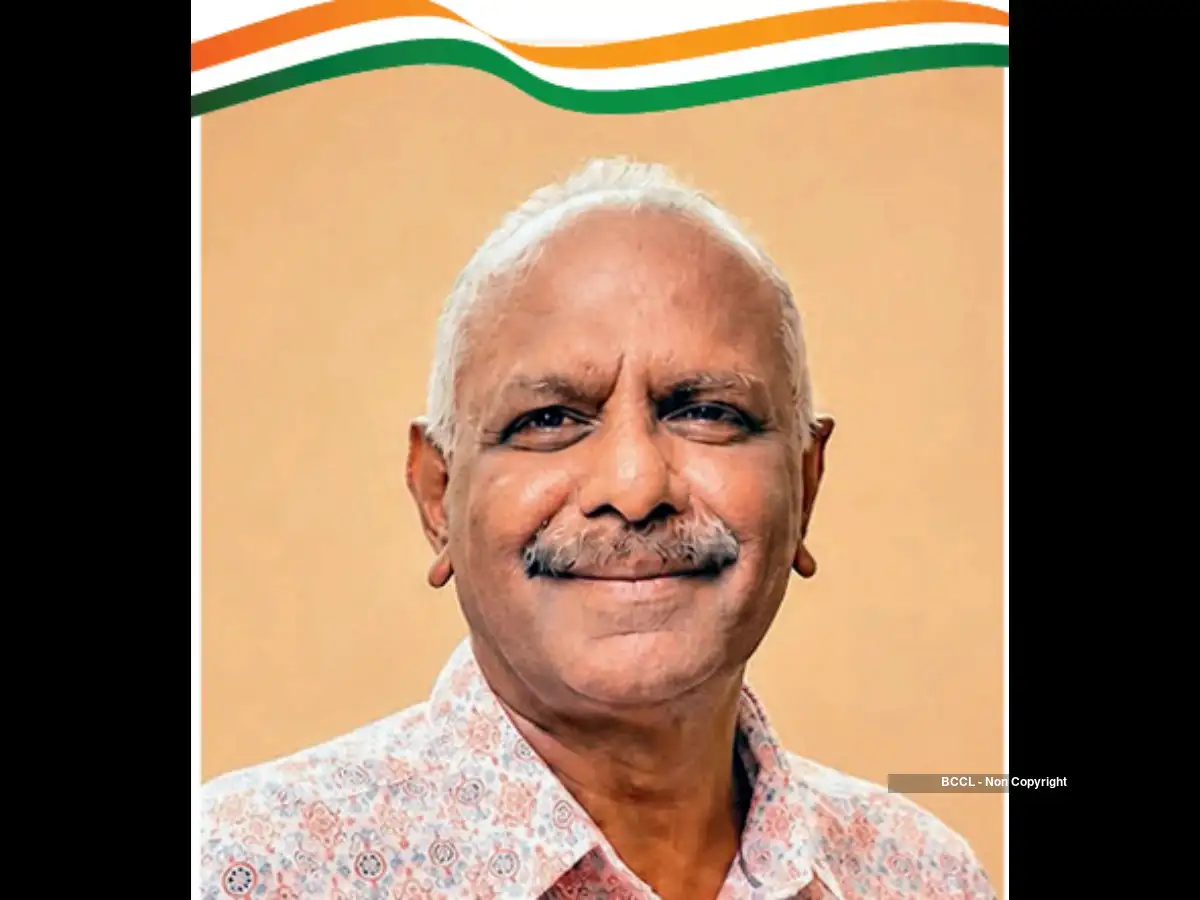
For 67-year-old Bengaluru-based ad vertising professional Pratap Kumar, building wealth started with saving, not investing. When he began earning in the late 1980s, money was always tight. “Those days salaries were not that high,” he recalls. With two sons to educate and household expenses piling, whatever he could save went into safe and familiar options. Gold was one of them. He regularly put money into jewellery shop instalment schemes. “You paid every month, and after 24 months you could buy gold by adding a little extra money,” he says. He also contributed to his provident fund while working in a salaried job.
Advertisement
Before you continue reading
How financially free are you?
Most people overestimate their financial freedom. Discover your Financial Freedom score through a quick survey
Those savings later helped him build the first floor of his house. When he left his job in 2001 to work on his own, he became an LIC and general insurance agent for a couple of years to earn an additional income while building his business.
The stock market never attracted him in his early years. His father and brother invested in shares, but his own experi ence with Initial Public Offers (IPOs) was disappointing. “Most of the IPOs I applied for with the little money I had, I never got lucky,” he says. With limited savings and a fear of losing money, equities never became a priority.
His story shows how many Indians ap proached money before financial markets became widely accessible. Savings ac counts, provident funds, gold and fixed deposits were considered safe, while stocks were seen as risky and difficult to under stand.
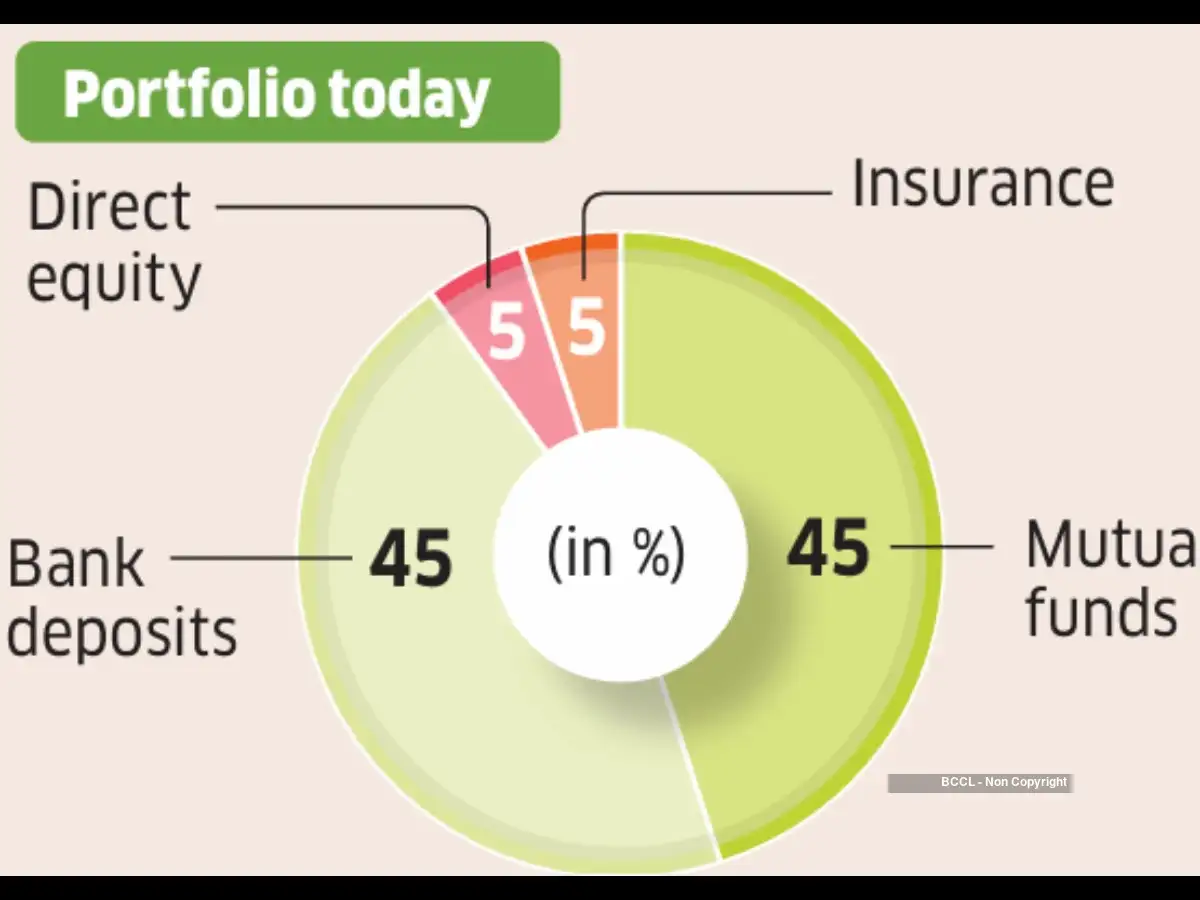
Things changed in the early 2000s when he met a financial adviser. Around 2002-03, he began investing through SIPs in mutual funds and continued them for two decades. Over time, he also invested in fixed depos its, post office savings schemes, senior citi zen savings schemes and insurance. Even today, he keeps a small amount in direct equities, buying and selling shares for mod est profits.
His portfolio changed slowly over the years. Until his late 30s, almost all his mon ey stayed in a savings account. After turn ing 40, he moved into mutual funds while continuing with bank deposits and other safe investments. Looking back, he believes mutual funds played the biggest role in building his wealth and helped him invest in real estate as well. His only regret is not investing more in equities earlier. “I could have done better,” he says. Today, Kumar estimates his net worth in crores. But for him, wealth is not about the number. “It’s the confidence that I don’t need to depend on anyone for anything,” he says.
Advertisement
Bricks and compounding
If Kumar’s story is about preserving wealth, Jayati Ghosh’s is about adding to it, one layer at a time. Ghosh , a 55-year-old resident of Kolkata, joined HDFC in 1994, after graduating. She started at the bottom of the organisation and spent 30 years at the firm, achieving financial freedom at 52 and retiring as Deputy Vice President in 2023 after HDFC merged with HDFC Bank. “Our wealth was built patiently over decades through discipline, consistency and the power of compounding,” she says. Like many salaried employees in the 1990s, her first investment was a recurring deposit. She also bought LIC endowment and money-back policies, which were popu lar at the time. But today, she feels those products did not create much wealth. “The money stayed there for years, and the re turns were small,” she says.
As India’s economy opened up, new in vestment opportunities started appearing. In 1995, HDFC offered shares to her at Rs 10 each. That became her first real investment in the stock market. Soon after, she began applying for IPOs. One of her early suc cesses was UTI Bank (now Axis Bank). She bought shares at around Rs 20 and later sold them for about Rs 60-70.
She became more active in equities dur ing the early 2000s, but the 2008 market crash changed her approach. She lost around Rs 3.5 lakh, a large amount for her at the time. After that, she stopped trading and focused on holding good companies for the long term.
Advertisement
Pratap Kumar, 67 Bengaluru Profession: Advertising professional Started with Savings account, gold, Provident Fund
Alongside equities, she continued building wealth through other avenues. She contributed not just to Employee Provident Fund (EPF) but also voluntarily increased her PF contributions for almost three dec ades. Her home loan Equated Monthly Instalments (EMIs) gradually built a valuable real estate asset. As her income increased, she started SIPs in mutual funds around 2016-17 and later added products like Portfolio Management Services (PMS) and Alternative Investment Funds (AIF).
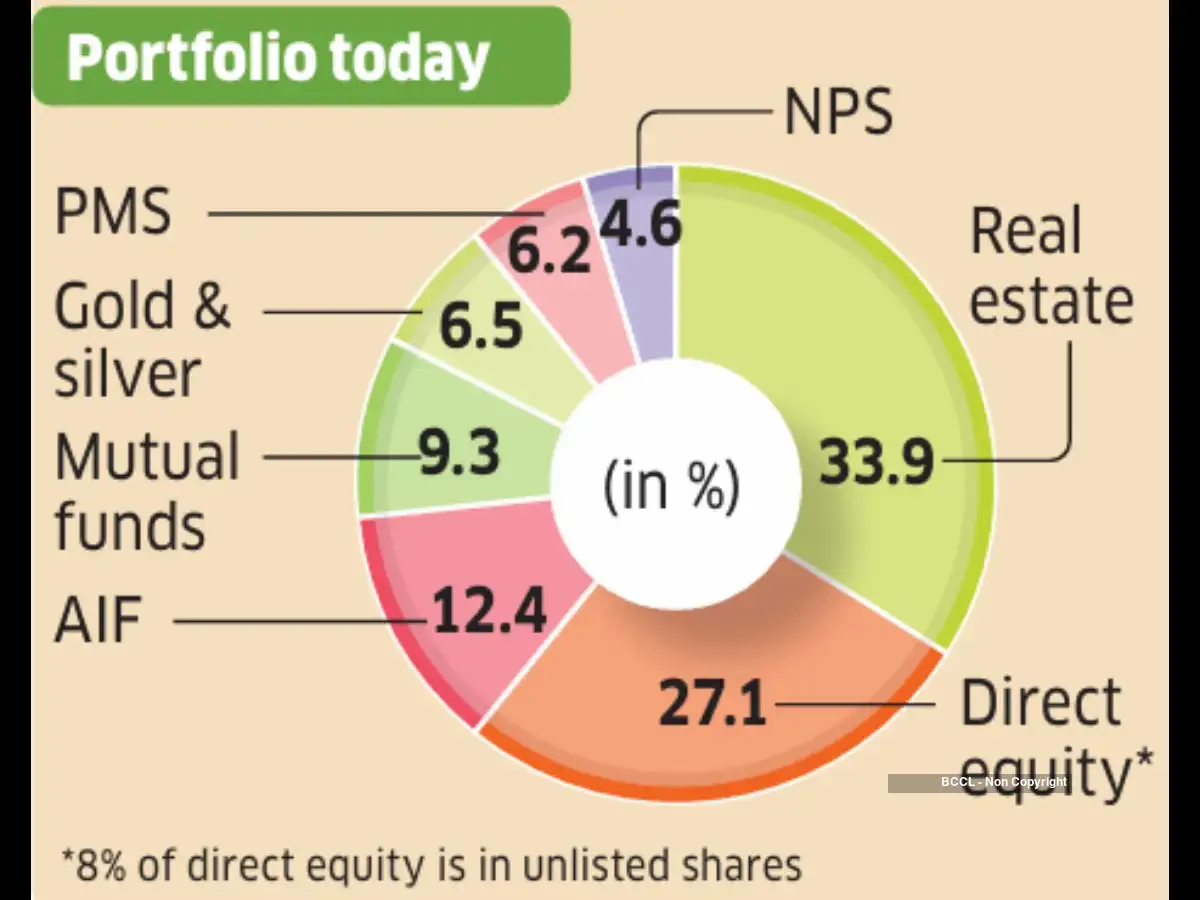
Employee Stock Option Plans (ESOPs) played a key role in Ghosh’s wealth creation. She invested 80% of her gratuity amount in unlisted NSE shares at around Rs 800 each. Three years later, the shares are worth about Rs 2,125, taking the investment to near ly 2.7 times its original value. Today, her portfolio reflects how investing in India has evolved. It includes real estate, direct equities, mutual funds, PMS, AIFs, gold, silver and NPS. For Ghosh, financial independence means peace of mind. “Knowing that all my needs are taken care of without depending on a regular salary.”
The sandwich generation
The four investors in the middle of this story—Ravi Nagrani, 42; Navneet Gupta, 39; Monil Thakkar, 29; and Anjali Jaiwal, 28—belong to one broad generation, but they didn’t invest alike. Thakkar and Jaiswal put their very first salary to work in the mar ket. Nagrani and Gupta took the long way round.
The early starter
Ravi Nagrani, a 42-year-old resident of Pune, finished hotel management in 2004, took a job at Grand Hyatt Mumbai on Rs 5,000 a month, paid Rs 1,800 for a shared flat—and started investing. “It was natural for me to invest rather than spend,” he says, crediting his mother’s saving habit in their joint family. He began with bank fixed deposits, the only product he understood. In 2005, after Franklin Templeton set up a stall in the hotel canteen, he made his first equity mu tual fund investment, funding his SIP with a booklet of post-dated cheques.
The funds did well through the 2007-08 boom. Then came two les sons. In 2008, he got caught in the Reliance Power IPO frenzy as he and his mother put in about Rs 1 lakh. The stock listed near Rs 400 and sank. The hype surrounding the investment was immense. The experience taught him that popularity alone does not make a good investment. But the bigger les son was about holding on. When the 2008 crash hit his mutual funds, his MBA finance professor asked him one question: do you need the money today? He didn’t. Nagrani, who is Co-founder of The Prudent Investor, a mutual fund distributor, didn’t sell. “Staying invested during the 2008-09 crash and continuing to invest over the next two decades helped build a sizeable invest ment portfolio that eventually gave me the confidence to leave the corporate world in 2023,” he says.
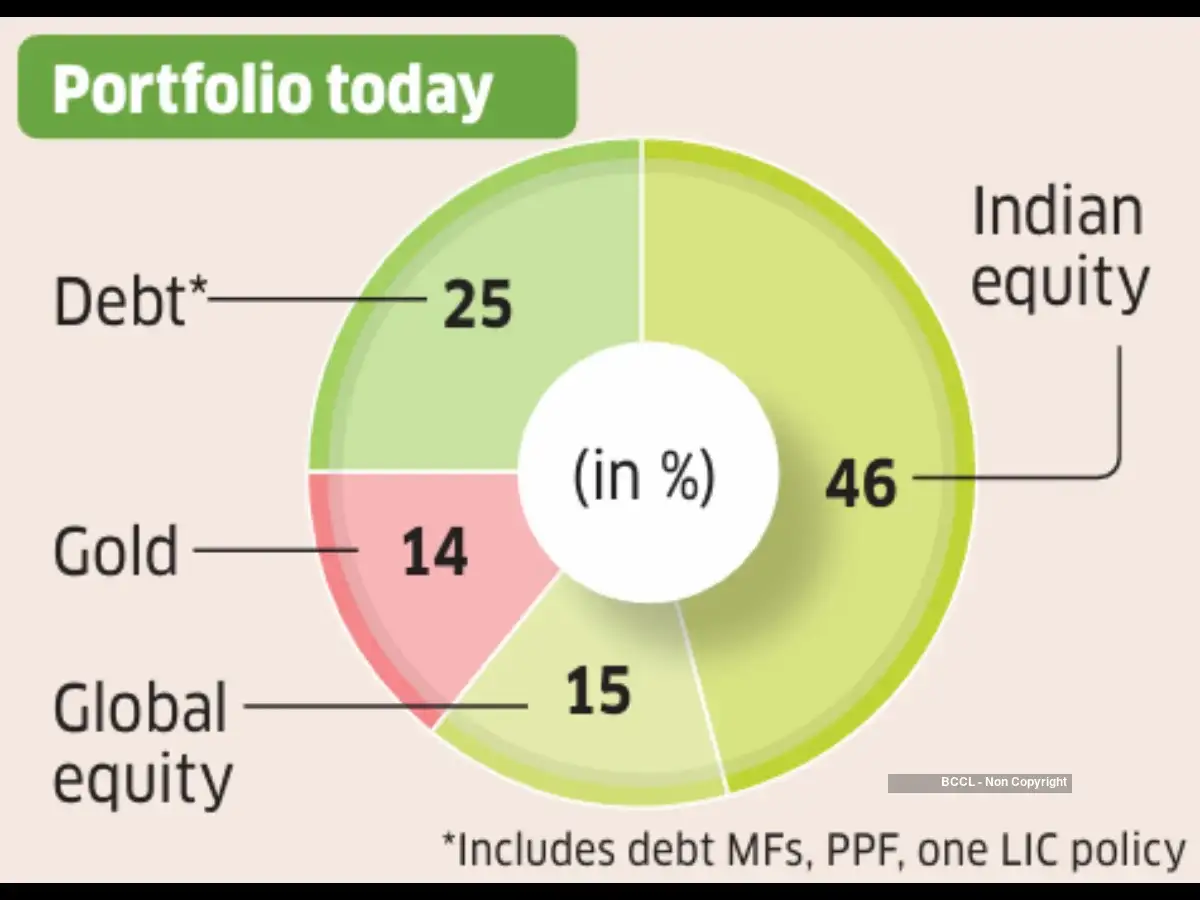
For a long stretch, he was roughly 95% equity, with the only debt coming from his compulsory Provident Fund. He added US funds around 2013-14. Today the portfolio is well balanced: around 60-65% total equity (about 46% Indian, 15% global), gold near 14%, and debt around 25%. He skips crypto, and his cricket metaphor explains why. “I don’t need to hit a six on every ball. If I get 10-12% returns, I’ll easily achieve all my life goals.” He describes his position as “Coast FIRE”, a version of Financial Independence, Retire Early (FIRE), where his retirement corpus is already in place and can grow on its own while he covers his current expenses. “Financial independence isn’t about re tiring early or buying expensive things. It’s control over my time. If I want to play tennis on a weekday morning or take a paragliding lesson, I can. That’s worth more than a bigger house.”
Jayati Ghosh, 55 Kolkata Profession:Ex-housing finance banker Started with Recurring deposits, LIC policies, EPF/VPF, gold savings schemes, FDs
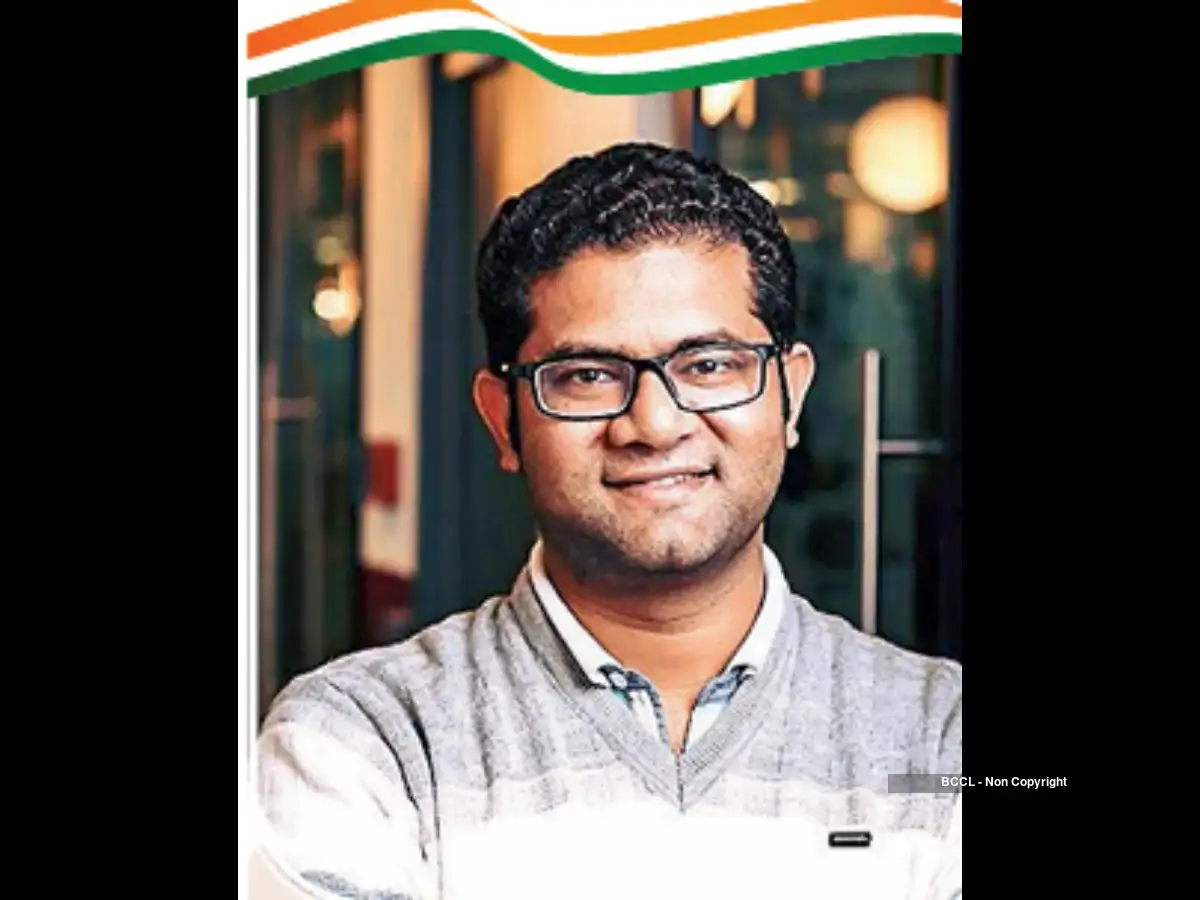
Navneet Gupta, 39 Bengaluru Profession: Entrepreneur Started with Real estate, FDs & gold
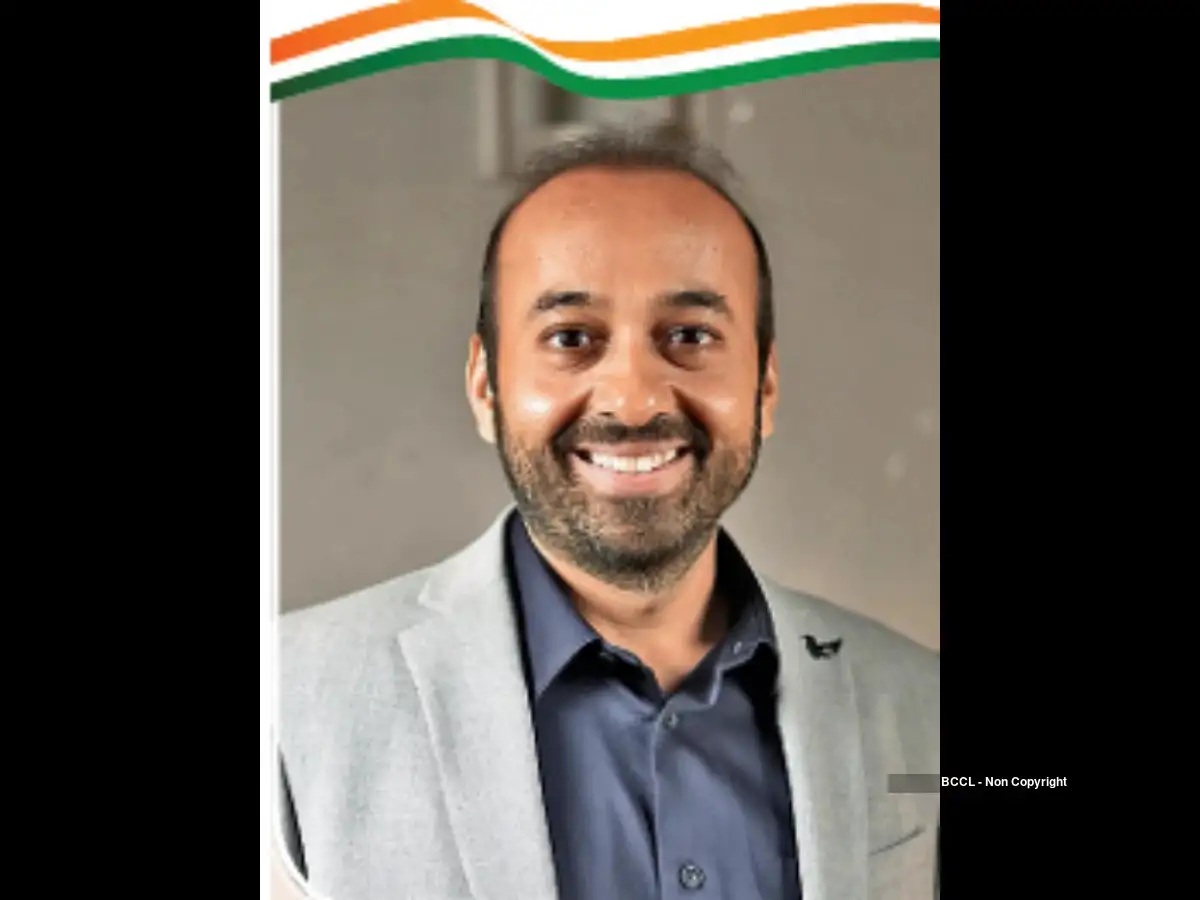
Ravi Nagrani, 42 Pune Profession: Entrepreneur Started with Fixed deposits
The late bloomer
Unlike many investors who started with stocks, 39-year-old Navneet Gupta spent more than a decade building wealth without touching the equity market. “Real estate was the natural choice at that time,” says Gupta, founder of ServiceGTD, a managed eldercare platform. His first major invest ment, made in 2013, was an under-construc tion apartment in his hometown. The stock market made him uncomfortable. A close family member had entered the broking business just before the 2008 financial crisis and suffered heavy losses. That experience left a lasting impression. “Our view of the stock market was that it wasn’t the right place to put money,” he recalls. For years, he stayed with real estate, fixed deposits and gold.
The turning point came during the Covid-19 lockdown. With more time on his hands, Gupta started reading books by authors such as Morgan Housel, Nassim Nicholas Taleb, Warren Buffett and Charlie Munger. “I realised there was a method to investing. It wasn’t just gambling,” he says. He started investing in equities in 2021, but unlike many first-time investors during the post-Covid boom, he avoided chasing quick returns. He focused on fundamentally strong companies, invested gradually and held them for the long term.
Three years later, he made another im portant decision. Believing that markets had become expensive, he exited his direct stock portfolio in late 2024 and shifted most of his equity investments to professional portfolio managers. At the same time, he increased his allocation to gold, believing it would perform better if equity markets slowed.
Advertisement
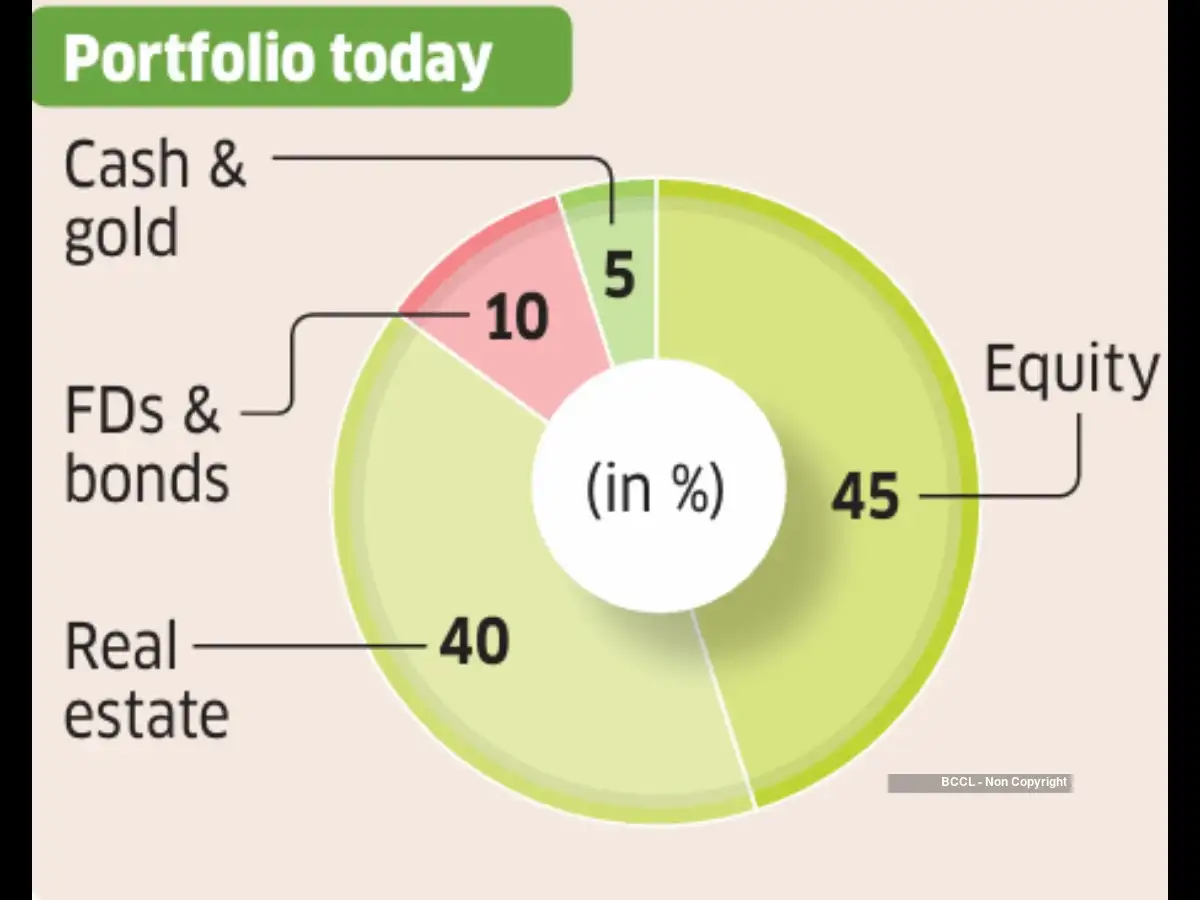
Today, his wealth is spread across real estate, professionally managed equity portfolios, gold, bonds and cash. Looking back, Gupta’s biggest regret is not starting earlier. “I had income from 2009 but started investing in equities only in 2021,” he says. For him, financial independence is about having the confidence to take risks. His sav ings gave him the courage to leave a secure job and start his own business, something he believes would have been impossible without a financial cushion.
From research to riches
For 29-year-old Monil Praful Thakkar, the investment journey began with an unusual trigger: he started investing because he was writing about personal finance. Working on content for financial companies introduced him to mutual funds and stocks, while his then-girlfriend, now his wife, encouraged him to stop just reading about investing and actually get into it.
In February 2019, he started a Rs 5,000 monthly SIP in equity mutual funds. “I have not missed a month since,” he says. At the time, he wasn’t confident enough to pick individual stocks, so mutual funds became his starting point. A year later, after learn ing how to analyse companies, he opened a demat account and bought his first stocks— Infosys, SBI and HDFC Bank.
Just weeks later, the pandemic sent markets crashing. His portfolio fell by nearly 25%, but instead of stopping, he in vested more. “I was getting my salary every month, so I used the opportunity to buy more,” he says.
Advertisement
Today, equities account for nearly 80-90% of his portfolio, spread across mutual funds and direct stocks. He has gradually diversified into gold and recently added Real Estate Investment Trusts (REITs). One investment he has avoided is crypto currency. “I never understood it well enough to invest,” says the brand and content marketing professional.
His biggest lesson came not from losses but from holding on for too long. One of his stocks multiplied many times before giving up a large part of those gains. Looking back, he believes long-term investing is important, but so is knowing when to book profits.
Over the past seven years, he has invested consistently. His investment corpus is now close to three times his annual salary. More importantly, those investments have already helped him pay for his wedding, buy a vehicle, travel and fund further studies. “What I’m most proud of isn’t the returns,” he says. “I haven’t missed a single monthly investment and have steadily increased the amount I invest. Today, I invest up to Rs 60,000 every month.”
Monil Thakkar, 29 Mumbai Profession: Brand & Marketing Started with Equity mutual funds Portfolio today 70% equity funds,15% stocks, 7-8% gold, 5% NPS and PF, 2–3% REITs & FDs
Anjali Jaiswal, 28 Prayagraj Profession: Cyber security engineer Started with 40-44%Equity Mutual Funds, 20–25% Debt, rest cash/savings Portfolio today 60–65%Equity, ~20–25% Debt, small allocation to Gold
Evan Thomas Kaduthanam, 18 Thiruvananthapuram Occupation: CA Foundation student Started with Direct stocks (through father’s demat account) in 2020
Goals before returns
Unlike many young investors chasing market returns, 28-year-old Prayagraj resident Anjali Jaiswal began in vesting with a single goal: funding a postgraduate course she otherwise couldn’t afford. She started investing soon after getting her first job in 2020. With no financial background, she re lied on guidance from her brother and a financial planner, who recommend ed equity mutual funds. “The idea was to keep my money safe while learning how investing works,” she says.
She began by investing Rs 10,000 every month from her salary. After switching jobs two years later, she in creased that amount to Rs 20,000-25,000. Her portfolio has also evolved, with equity now making up around two thirds of her investments, while the rest is in debt and a small allocation to gold. Unlike previous generations that often invested first and planned later, Jaiswal builds her portfolio around specific goals. Her postgraduate education was the first milestone, and she successfully funded it through her investments.
Advertisement
Now her focus has shifted to a different set of goals: an international holiday, buy ing a car, getting married, and eventually purchasing a home. For her, financial in dependence isn’t about retiring early. It is about having the freedom to make life choic es without worrying about money. “I want to travel, create memories and make decisions without financial pressure,” she says.
She believes younger investors have more opportunities than their parents did, thanks to better access to information and investment products. But she also believes success still comes down to one thing: disci plined investing over the long term.
Looking at all four investors together, one clear pattern emerges. The difference is not that millennials invest more; it is that they start much earlier. This change is visible across India too. In FY12, shares and mutual funds comprised just 1.8% of household financial savings. By FY25, that share had risen to 15.2%, showing that Indians are now investing earlier than ever before.
Born Into It
Thiruvananthapuram-resident Evan Thomas Kaduthanam, an 18-year-old, represents new India. His first investing ex perience wasn’t a trip to a bank. It was his fa ther’s demat account during the lockdown, around when he was 12. “Father used to give me some pocket money, and I’d try to invest and make some profit.” That early phase was scrappy intraday trading in names like SBI and Tata Steel. “I was losing much more money on the commission fees than any thing else. That’s probably why I stopped.”
Advertisement
His first real goal wasn’t retirement. It was an iPhone. “I was crazy about it in Class 10, and I realised just working for it wouldn’t get me there, so maybe I could invest and get that compounding effect.”
Now earning by building websites and helping brands, Kaduthanam began invest ing in mutual and index funds with his father’s help last year.
He considered crypto but walked away— not because he thought it was too risky, but because he didn’t understand it and found the rules too restrictive.
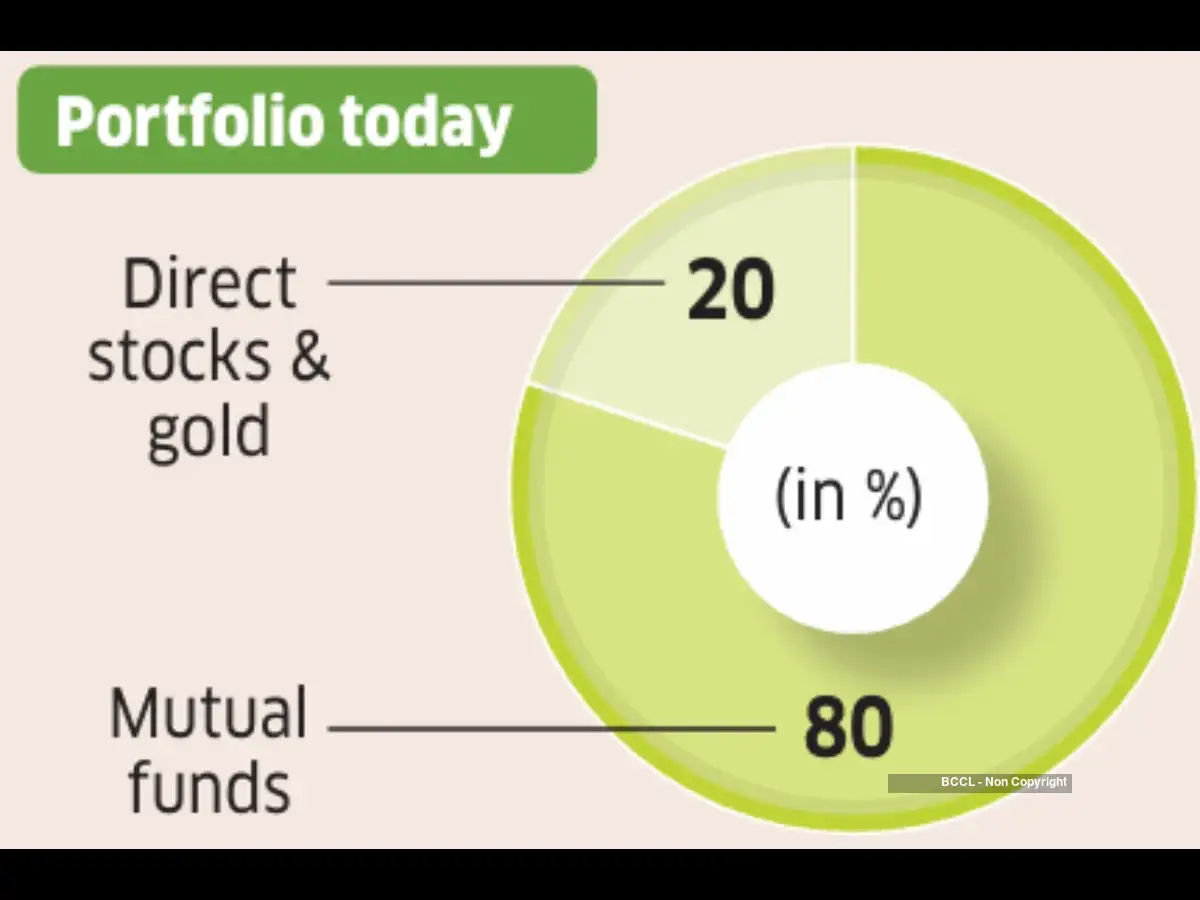
“There’s a lot of regulation and tax con straints. A safer option was mutual funds or index funds.” Today, about 80% of his port folio is in mutual funds. Including physical gold and a small allocation to direct equi ties, the mix is roughly 80:20.
Advertisement
That instinct, to reject what you don’t understand, is a trait he shares with every older investor in this story, all of whom skipped crypto for the same reason.
Kaduthanam’s goals are near-term and experiential: he bought the iPhone and still didn’t liquidate the investment, and he’s now saving for a bike trip from Kanyakumari to Kashmir. He’s studying for CA Foundation, aiming at investment banking. And he’s clear about the influ encer economy that helped him.
“It’s one of the only free sources of in formation. The videos that teach you fun damentals are worth it. The ones that say buy this stock today for a guaranteed 100% return, those are stupid,” he says.
The biggest difference is the order in which the tools arrived. Earlier generations learnt to invest and then, decades later, got the technology. Kaduthanam learnt the technology first and grew into investing. “The older generation tries to make the most informed decisions; they learn the most about a topic, then invest. The younger generation wants to get into it and learn by doing,” he says.
Advertisement
Financial freedom to an 18-year-old? “Being able to travel around the world with out worrying about things back home.” And no, the money wouldn’t make him stop. “I don’t think I’d stop working. I’d just put in some riskier bets and look ahead.”
Freedom, not security
Seven people. Seven portfolios. Yet the biggest change wasn’t the products—it was how Indians began thinking about money.
Earlier generations saved first and invested only if there was something left at the end of the month. Today’s young investors do the opposite. They invest first and plan their spending around it. Their parents chose products like LIC policies, fixed deposits or plots of land. The younger generation starts with a goal — higher education, travel, a home or financial free dom—and then chooses the investment that helps achieve it.
The meaning of wealth has changed too. For Pratap Kumar, wealth meant never having to depend on anyone. For Ravi Nagrani, it meant having the confidence to leave a corporate job. For Navneet Gupta, it meant taking the risk of becoming an en trepreneur. Monil Thakkar believes true wealth is about having freedom to choose and take hard decisions without being con strained by finances. Anjali Jaiswal is investing for a foreign trip today and a home tomorrow. And 18-year-old Kaduthanam belongs to a generation that has never known an India without online investing.
Advertisement
These changes reflect a much bigger transformation. Over the past decades, India’s incomes have risen, millions of de mat accounts have been opened, and invest ing has become easier than ever. Mutual fund assets have grown rapidly, investment apps have replaced paperwork, and finan cial products are now available at the tap of a phone. Every generation invested differ ently because every generation grew up in a different India.
The Nasdaq closed lower on Monday, with declines in Intel and other chipmakers, as investors became less confident about a deal to reopen the Strait of Hormuz. U.S. President Donald Trump demanded that Iran pay compensation for the people he said it had killed in wars, attacks and protests. Earlier, Iran called for Washington to meet conditions, including recompensing Tehran for the damage caused since the U.S. and Israel launched strikes on its territory more than five months ago.
With investors less optimistic about a resolution of the Middle East crisis, U.S. crude oil jumped about 5% to settle at $82.13 a barrel. Reopening the flow of oil through the Strait could mitigate concerns over heightened energy prices that have spurred inflation worries and led to concerns that central banks would have to raise interest rates. Also weighing on the market were shares of Intel, which fell after the chipmaker said it was planning to raise $15 billion through a share sale.
The S&P 500 notched a record-high close on Friday, helped by much stronger than expected earnings results.
“It’s record margins and record earnings. That’s just been the story of this market, and yet the overlay of the Iran conflict just pulls risk sentiment on and then pulls it off,” said Tom Hainlin, an investment strategist at U.S. Bank Wealth Management in Minneapolis.
Advertisement
“The direct impact is just the energy sector and … oil prices, and they’re just sticky here above where they were on February 27 before the conflict. So there’s clearly no transparency of the path to get back to where we were before the conflict started, and so that premium’s just being built in. So far, the world’s been able to work around it, but those workarounds don’t last forever.”
Live Events
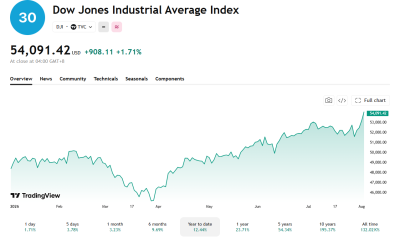
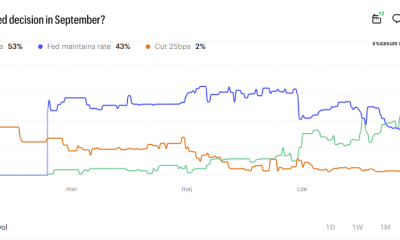
According to preliminary data, the S&P 500 lost 4.74 points, or 0.06%, to end at 7,753.13 points, while the Nasdaq Composite lost 84.89 points, or 0.32%, to 26,605.73. The Dow Jones Industrial Average fell 71.77 points, or 0.13%, to 53,965.16. Reports later this week could offer clues on the Federal Reserve’s monetary policy path. Data on Friday that showed U.S. employers unexpectedly shed 23,000 jobs in July prompted traders to cut odds of a Federal Reserve interest-rate hike in September. Traders now price in a 52% chance of a rate hike in September, according to the CME FedWatch tool.More quarterly results are on the agenda as well, including reports from semiconductor company Applied Materials and networking equipment maker Cisco.
About 85% of the 436 companies in the S&P 500 that have reported earnings so far this period have beaten estimates, according to LSEG data.
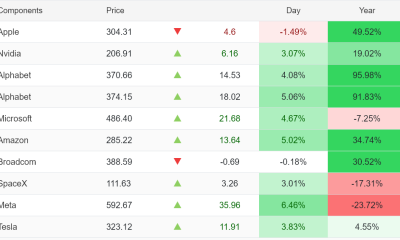
Cheryl Casone and Rob Thummel discuss reports of Apple testing Chinas CXMT memory chips for iPhones and Macbooks as Beijing unleashes $28 trillion to challenge the United States in the artificial intelligence race.
Apple is reportedly in the process of testing memory chips made by Chinese company CXMT across its lineup of devices, including in iPhones and MacBooks, as it looks at options to address the shortage of memory chips.
The Wall Street Journal on Sunday reported that Apple has held early talks with CXMT about the company providing chips that would be used in devices sold in China, citing people familiar with the matter.
Advertisement
Apple is hoping to receive approval from the White House for the arrangement, which could face scrutiny under rules that aim to block U.S. firms from transferring technology and sensitive data to Chinese companies, including CXMT.
The Journal reported that while the rules allow Apple to buy off-the-shell components from CXMT, it couldn’t order custom chips built to the company’s specifications. If the arrangement moves forward, Apple may be forced to redesign parts of its products sold in the Chinese market that would use standard CXMT chips.
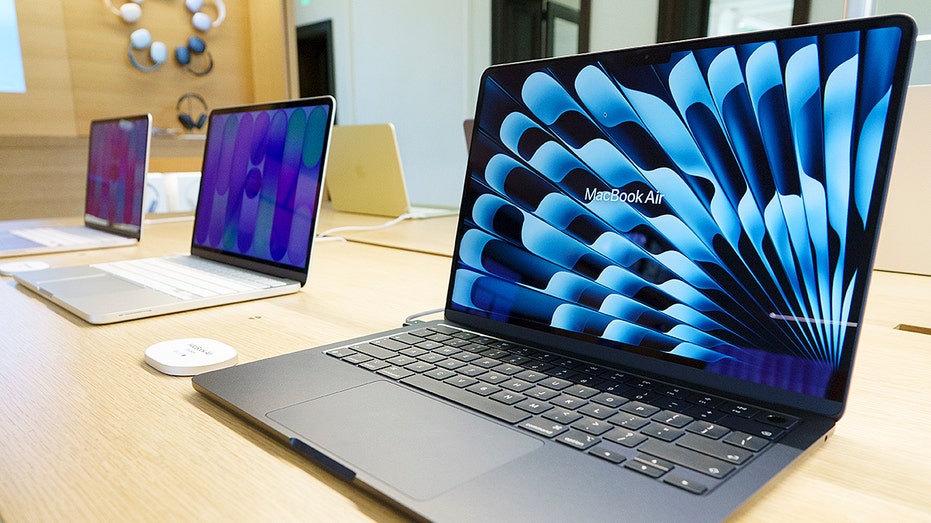
The Journal reported that Apple is testing ways to use chips from Chinese firm CXMT in its devices sold in China. (CFOTO/Future Publishing via Getty Images)
Laptop makers HP and Acer have obtained limited quantities of memory chips and are looking to lock in additional supplies for next year, the Journal reported. The deals with HP and Acer were previously reported by Nikkei Asia.
Advertisement
Apple has raised prices on its products in markets around the world, which it has attributed to surging memory chip costs amid a shortage caused by demand from artificial intelligence (AI) companies.
CXMT is the largest chipmaking company in China based on market value, and the report noted it has emerged as the world’s fastest-growing supplier of DRAM memory chips.
Reuters previously reported that the firm was considering building a second memory chip plant in Beijing to expand its output, as the Journal’s report from the weekend noted that CXMT maxed out its production this year.
Advertisement
The company is giving priority to domestic tech companies in China and is aiming to more than double its current production capacity by 2028, the Journal reported.
Apple raised prices on a range of devices this year amid rising costs for memory chips caused by the AI boom. (Kevin Carter/Getty Images)
U.S. companies are restricted in their dealings with CXMT because it’s among the companies on a Pentagon list due to links with the Chinese military.
The list indicates that CXMT is directly and indirectly affiliated with the Chinese government’s Ministry of Information Technology, while it’s also indirectly linked to an agency that manages and supervises state-owned enterprises.
Advertisement
FOX Business reached out to Apple and CXMT for comment.
GRAPEVINE, Texas — Shares of GameStop Corp. rose modestly Monday after a report indicated that chief executive Ryan Cohen is considering walking away from the video game retailer’s roughly $56 billion takeover bid for eBay, opting instead for a smaller commercial partnership with the online marketplace.
The stock traded at $19.36 as of 10:32 a.m. Eastern time, up 22 cents, or 1.15%, after climbing as much as 2.5% in premarket trading. The move followed a Bloomberg report saying Cohen is weighing withdrawing GameStop’s full acquisition offer for eBay in favor of a commercial partnership or joint venture that would let eBay make use of GameStop’s approximately 1,600 U.S. retail locations to expand into higher-margin categories such as trading cards and collectibles.
GameStop had originally made its offer for eBay in May, proposing to acquire the online marketplace for $125 per share in a mix of cash and GameStop stock, a deal that would have valued eBay at roughly $56 billion. eBay has not accepted the offer, and the proposed acquisition has remained unresolved for months, contributing to ongoing uncertainty around GameStop’s broader corporate strategy under Cohen’s leadership.
Monday’s gain marks a partial rebound from a difficult stretch for GameStop shares. Just a week earlier, the stock fell sharply after the company announced plans to exchange $1.4 billion in convertible notes for Class A equity shares, a debt-reduction move intended to strengthen the company’s balance sheet but one that raised fresh concerns among investors over potential dilution of existing shares. Under the terms of that exchange, the final number of new shares to be issued will be tied to a 35-trading-day volume-weighted average price reference period that began August 3, 2026, meaning the ultimate dilutive impact will not be fully known until that window closes.
Advertisement
The prospect of GameStop stepping back from a full acquisition of eBay, in favor of a narrower commercial arrangement, would remove a significant layer of financial and execution risk that had been weighing on investor sentiment toward the stock. A deal of the scale GameStop had proposed would have required substantial financing and integration work for a company with a market capitalization far smaller than eBay’s, a mismatch that had drawn skepticism from some market watchers since the offer was first made public.
Monday’s advance in GameStop shares came even as the broader U.S. stock market traded modestly lower for much of the session, with the S&P 500, Nasdaq Composite and Dow Jones Industrial Average all dipping into negative territory amid continued uncertainty over the situation in the Strait of Hormuz and its potential impact on global oil markets. That backdrop suggested Monday’s move in GameStop was driven primarily by the company-specific eBay report rather than any broader market tailwind.
The stock remains well below its 52-week high. GameStop has traded in a range between $18.55 and $28.10 over the past year, and Monday’s price left shares still far off the upper end of that range, reflecting a stretch of significant volatility for the retailer’s stock over recent months. Shares had traded near $27 in May, around the time the eBay offer was first announced, before declining steadily as the deal remained unresolved and other corporate developments, including the convertible note exchange, weighed on sentiment.
GameStop’s push to diversify beyond its traditional video game retail business has been a defining feature of Cohen’s tenure atop the company. Since taking over as chief executive, Cohen has pursued a broader transformation strategy that has included share buybacks, investments in other companies’ stock and cryptocurrency holdings, and, more recently, the pursuit of a major acquisition aimed at reshaping GameStop’s position within the broader e-commerce and collectibles market. The company has continued to operate its retail stores under the GameStop, EB Games and Micromania banners across the United States, Canada, Australia and Europe.
Advertisement
A shift toward a commercial partnership with eBay, rather than an outright acquisition, would align more closely with a lower-risk approach that some investors have said they would prefer to see from the company, given the scale and complexity of the originally proposed deal. Such an arrangement could still allow GameStop to benefit from its extensive physical retail footprint by supporting eBay’s expansion into categories like trading cards and collectibles, areas that have already been a growing focus for GameStop’s own retail business in recent years.
GameStop reported fiscal year 2026 revenue of $3.63 billion, a decline of roughly 5% from the prior year’s $3.82 billion, even as the company posted a sharp increase in earnings, which rose more than 200% year-over-year. The company’s shareholders approved an increase to the total number of authorized shares outstanding at GameStop’s annual meeting in July, a move that provided the company with additional flexibility for future capital-raising activities, including the recent convertible note exchange.
Investors are likely to continue watching closely for further clarity on the eBay situation in the coming weeks, along with additional details on the final terms of the company’s debt-for-equity exchange once the 35-day pricing window concludes. Neither GameStop nor eBay has issued a formal public statement confirming or denying the reported shift in strategy, leaving the outcome of the potential deal, and its implications for GameStop’s broader corporate direction, still unresolved heading into the back half of the year.
A restaurant industry veteran who has led some of America’s best-known chains sees major growth potential in one segment of the dining business.
G.J. Hart, CEO of Houston-based SPB Hospitality, told FOX Business that the “upscale casual” category is “there for the taking” as the company looks to expand J. Alexander’s, one of the brands in its portfolio.
Advertisement
Hart, who previously served as CEO of Red Robin, California Pizza Kitchen and Texas Roadhouse, said consumers continue to respond to restaurants that deliver both value and a strong experience.
“It’s a space that, from my perspective, my thesis is that it will continue to resonate with consumers, because you’ve got a pretty decent value for a great experience,” Hart said.
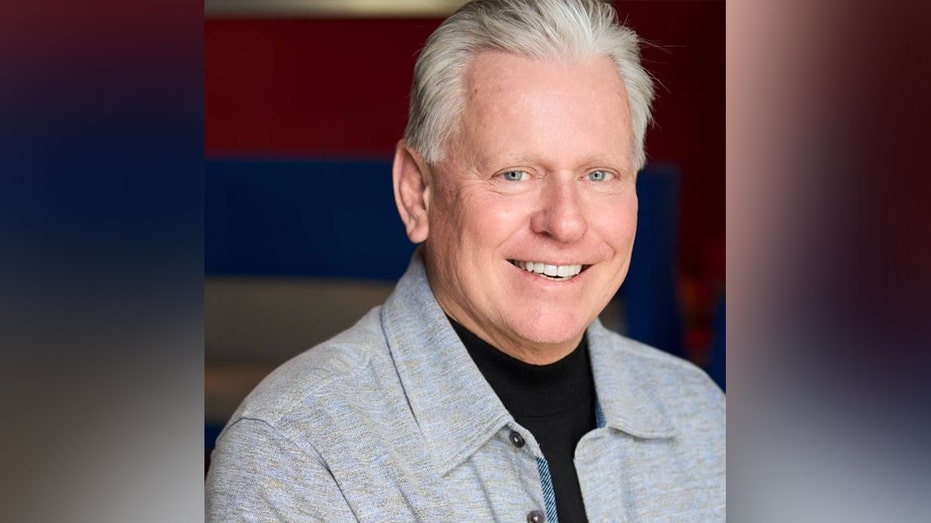
G.J. Hart, CEO of SPB Hospitality, told FOX Business that the “upscale casual” category is “there for the taking.” (SPB Hospitality)
Hart added, “[J. Alexander’s] has been around a long time and it’s very well respected, has a very loyal guest base. … There’s a ton of opportunity to grow [J. Alexander’s] in those strong markets and build out from those core markets and fill a need that’s out there.”
Advertisement
Unlike restaurant segments dominated by national chains, Hart said upscale casual is still made up largely of regional operators.
“When you think about who the real players [are] in upscale casual, it’s mostly regional players,” he said. “… Us becoming bigger will help us get stronger in that space, and I think it’s a space that’s there for the taking.”
SPB Hospitality owns a portfolio of restaurant brands including J. Alexander’s, Logan’s Roadhouse and Krystal.
A view of J. Alexander’s. SPB Hospitality owns a portfolio of restaurant brands including J. Alexander’s, Logan’s Roadhouse and Krystal. (SPB Hospitality)
Hart said the company is preparing to open six to eight restaurants annually as it ramps up its growth plans.
“We’ve got a fairly aggressive plan,” Hart said.
SPB Hospitality is working to ensure it has the infrastructure, training and management pipeline needed to support those new locations, he said.
Since becoming CEO of SPB Hospitality in September 2025, Hart said he has focused on making restaurant operations easier and applying lessons from his time leading Texas Roadhouse, California Pizza Kitchen and Red Robin.
Advertisement
“The basics are the same,” Hart said, pointing to leadership, communication and giving employees a voice.
A Texas Roadhouse is seen on May 12, 2026, in Austin, Texas. Hart said many of the lessons he learned during his time at Texas Roadhouse, California Pizza Kitchen and Red Robin remain relevant despite the differences among the brands. (Brandon Bell/Getty Images)
As SPB Hospitality enters its next phase of growth, Hart said the larger challenge is keeping its brands relevant as consumer preferences evolve.
Advertisement
“What I’ve learned in all these brands and now bring to [J. Alexander’s] and SPB is this idea around relevancy,” he said. “How do you stay relevant for today’s ever evolving consumer and consumer needs and consumer wants?”
SUSS MicroTec SE (SESMF) Q2 2026 Earnings Call August 6, 2026 8:00 AM EDT
Company Participants
Sabrina Mueller Burkhardt Frick – CEO & Member of Management Board Cornelia Ballwießer – CFO & Member of Management Board Thomas Rohe – COO & Member of Management Board
Advertisement
Conference Call Participants
Martin Marandon-Carlhian – ODDO BHF Corporate & Markets, Research Division Ruben Devos – Kepler Cheuvreux, Research Division Michael Kuhn – Deutsche Bank AG, Research Division Malte Schaumann – Warburg Research GmbH Veysel Taze – Metzler Equities, Research Division Johannes Ries – Apus Capital GmbH
Presentation
Advertisement
Operator
Ladies and gentlemen, welcome to the conference call of SUSS MicroTec following the publication of the half year figures of 2026. I would like to welcome the company’s CEO, Burkhardt Frick; the CFO, Dr. Cornelia Ballwiesser; the COO, Dr. Thomas Rohe; and the Vice President, Investor Relations and Communications, Sabrina Mueller, who will guide us through the presentation in a moment, followed by a Q&A session via audio line and chat. And with that, I hand over to you, Ms. Mueller.
Sabrina Mueller
Advertisement
Thank you, and welcome to our conference call following the publication of our half yearly financial report 2026. Before we start, please note that this call is being recorded and considered as copyrighted material. It cannot be recorded or rebroadcasted without permission, and participating in this call implies your consent to this procedure. Please be also aware of the safe harbor statement on Page 2 of the slide deck. It applies throughout the call. And with that, I’ll now hand over to Burkhardt to give — to guide you through our results for the first half year.
Burkhardt Frick CEO & Member of Management Board
Thank you, Sabrina. And also, a very warm welcome from my end. Let’s start off with an overview of the key financials for 2026. Order intake of EUR






























































You must be logged in to post a comment Login