
Politics
The migrant mega dinghy is a national humiliation

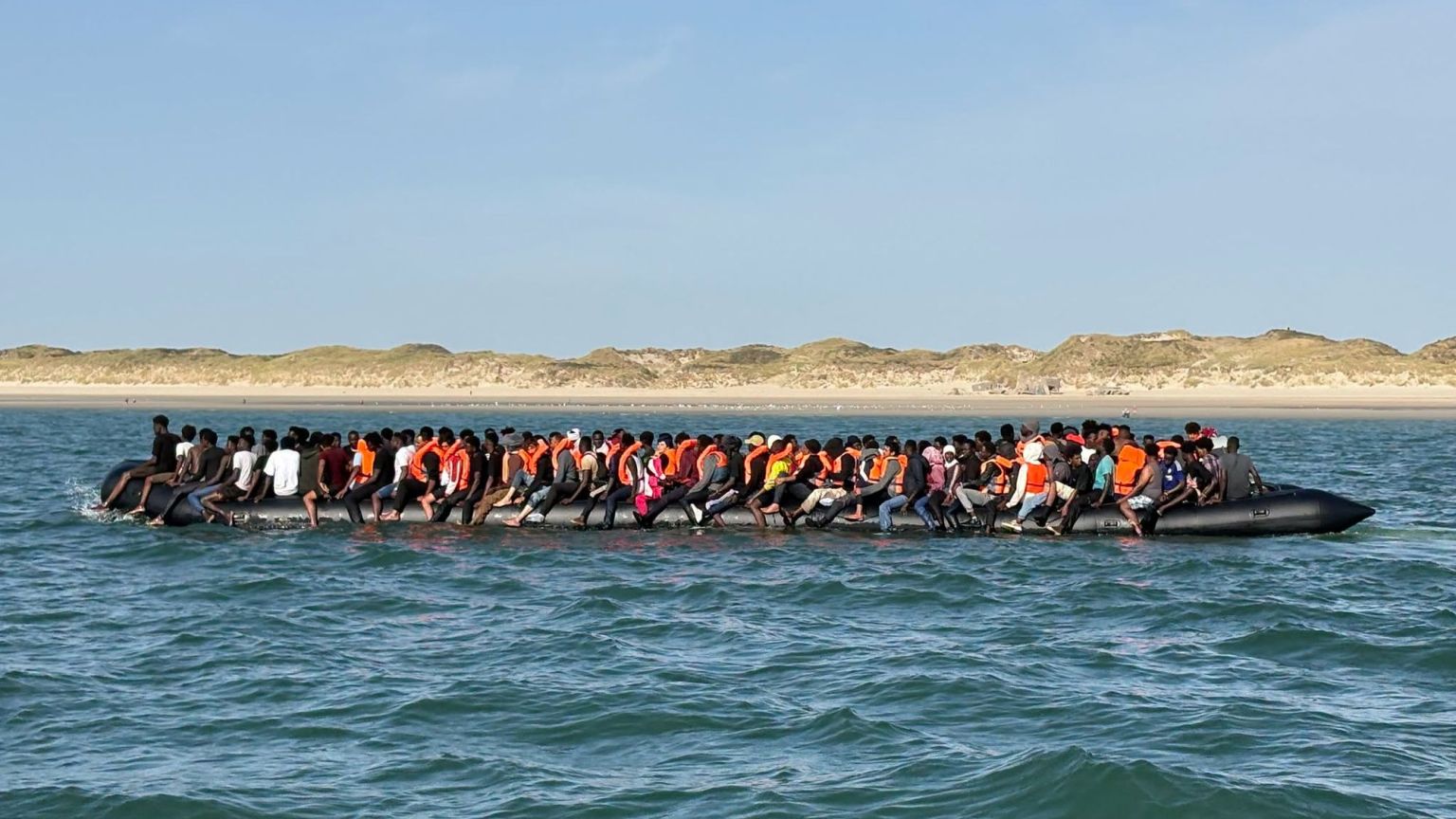
The post The migrant mega dinghy is a national humiliation appeared first on spiked.


To understand the making of the emperor’s new clothes, count the tailors.
The University of Cambridge maintains an Office of External Affairs and Communications with nearly 40 named staff. Six of them are press officers in the narrow sense, and there’s a head of media and five communications managers. Another seven sit in research communications. Around them cluster a five-strong directorate, four public-affairs operatives, seven people doing social media and video, four on web and email, three on internal communications, three designers and a three-person brand and trademark team, which exists, presumably, to protect the brand.
Then count the moral tailors. The central equality, diversity and inclusion section, nested within human resources at the Old Schools (the university’s central office), has a section head, three EDI consultants, a co-ordinator and an administrator. That is before the separate race-equality team, before the disability service, before the EDI officers salted through every faculty, before the college-level apparatus.
None of this comes cheap. These posts sit on the university’s single-salary spine. A communications manager or an EDI consultant occupies roughly the £43,000 to £56,500 band, heads of section run towards £67,000, the deputy directors to £76,000 and the executive director of communications sits somewhere north of £83,000 on a spine that climbs, for the most exalted, past £213,000. Cambridge employs more people and on better salaries to manage its reputation than most national newspapers employ to report the news.
And what has all this machinery delivered? In March 2023, it delivered Jason Arday, appointed professor of sociology of education at 37, celebrated everywhere as the youngest black professor in Cambridge’s history, a man whose account of himself – nonverbal until 11, barely literate until 18, doctorate by 2015 – was promoted by the press office and the newspapers with the credulity of a parish magazine reviewing the vicar’s marrows. He was made a fellow of Jesus College. He was garlanded with honorary degrees. He was, in the ugly phrase of the trade, a comms asset.
Then a researcher named Nathan Cofnas started reading. He alleged that substantial passages of the 2015 thesis were lifted from an earlier dissertation, copy-editing errors and all, and raised questions about the biography, the honorary posts, the whole glittering edifice. Liverpool John Moores University, which awarded the doctorate, investigated and found no misconduct, attributing the problems to ‘honest and reasonable error’.
Arday has denied all wrongdoing throughout, and the Good Law Project (of course) published an open letter / fund-raising campaign / petition on his behalf. He is entitled to a defence, and the courts of academic inquiry have not yet concluded.
But what did all those tailors do? In June, Cambridge’s official response to the questions was to denounce a ‘vile campaign’ to undermine his credibility. Not to examine the claims. Not to say nothing, which is what a competent press office says while it checks the facts. It decided instead to smear the questioner.
Eight weeks later, Cambridge announced a fresh investigation into Arday’s qualifications and honorary appointments, and within days, on 5 August, he resigned with immediate effect from his chair and from his Jesus College fellowship, citing the toll of relentless accusation. Whatever the investigation eventually finds, the institution managed, in a single summer, to be both attack dog and prosecutor, to vouch and to recant, and to do it in front of every newspaper in the English-speaking world.
Fox News covered it. Al Jazeera covered it. The Free Press covered it. The damage at home is serious. The damage abroad, where Cambridge’s name is the product, is very serious indeed.
The Good Law Project’s open letter pronounced the allegations entirely false, the work of a right-wing smear campaign, and gathered some 14,000 signatures. Archived versions show the text was then quietly rewritten under the signatories’ feet. The claim that two universities had conducted thorough investigations disappeared. Cambridge names were trimmed or shorn of their affiliations. No note disclosed the changes. And now, after Arday’s resignation, the Good Law Project’s founder, Jolyon Maugham, explains that it merely chose ‘to carry’ the letter, ‘a deliberately neutral verb’. Fourteen thousand people signed that letter after the Good Law Project urged them to. They are now left holding a courier’s receipt.
And what of the master of Jesus College? Sonita Alleyne made her career running a media-production company before she came to preside over Arday’s college, so she of all people knew what an open letter is for and what a signature on one does. She signed anyway, and she signed as master, lending not merely her name but her office to a text declaring the allegations entirely false. The master of a college is not a fan with a lanyard. She holds a position of trust over her college’s fellowship. Had any question of a fellow’s integrity come before the college, its master had already published her verdict. Then the letter started to slough its Cambridge names, affiliations melting from the page. Within the week, Arday had resigned and the Good Law Project’s founder was recasting the whole exercise as neutral carriage.
Thirteen press officers, six diversity professionals and not one of them, apparently, empowered to ask the only question that mattered: Is the story true?
Pity the fundraisers. Cambridge’s Development and Alumni Relations Office employs more than 140 people, bleeding 310,000 alumni, fresh from a campaign that raised over £2.2 billion for the university and its colleges. Jesus College runs its own small Development and Alumni Relations Office and was lately recruiting a major-gifts officer to persuade donors that Jesus College is, in the words of the advertisement, a place where ‘academic values’ are a ‘core concern’ and ‘freedom of thought and expression is paramount’. Somewhere this week, a development officer is preparing for a call with a hard-headed benefactor in Houston or Hong Kong who has read the coverage and wants to know why his money endowed a pedestal rather than a scholarship. That officer did nothing wrong. The comms directorate and the EDI section built the pedestal, wrote the press releases, commissioned the photography, and the fundraisers will spend the next decade dealing with the aftermath. My sympathy stops only at the door of anyone who knew the clothes were imaginary and kept stitching.
Because that is the real scandal, and it survives whatever verdict the investigation returns on the man himself. Hans Christian Andersen’s tailors did not merely sell the emperor an invisible suit. They created a court in which no one dared say so, because to see nothing was to confess oneself unfit for office.
Cambridge (among countless others) has built exactly that court, staffed it generously at £43,000 to £83,000 a head, and when Cofnas finally shouted from the crowd, the university’s first instinct was to accuse him of lèse majesté. The tailors are still on the payroll. The emperor has resigned. The procession, one gathers, will continue.
So the question asks itself, and the donors, the alumni and the taxpayers who underwrite this establishment are entitled to an answer. All those salaries, all that machinery, all that curated virtue. What are they for?
Gawain Towler is a commentator and an elected board member of Reform UK.
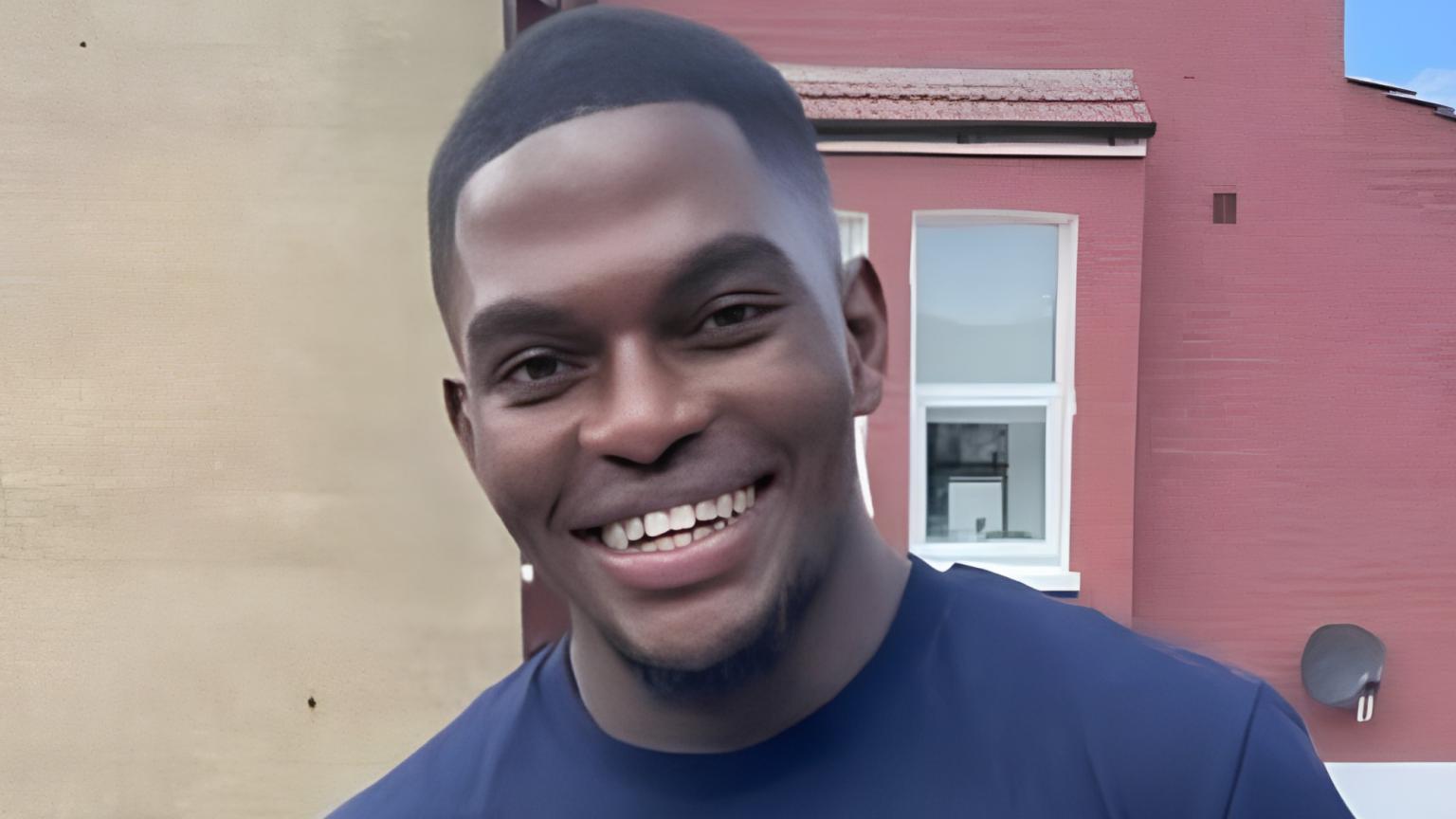
It is virtually impossible to imagine what Metropolitan Police sergeant Martyn Blake and his loved ones have been through over the past four years.
On 5 September 2022, Blake, a firearms officer, shot dead 24-year-old Chris Kaba in Streatham, south London, after Kaba tried to ram past assembled police cars. The Independent Office for Police Conduct (IOPC), the body which oversees the police complaints system in England and Wales, launched an investigation, before referring the case to the Crown Prosecution Service in March 2023. In 2024, Blake was cleared of murder by an Old Bailey jury. During the trial, he had initially been known by the codename NX121, but the judge decided to lift the anonymity order after pressure was exerted by some media organisations. This would, no doubt, only have exacerbated Blake’s feeling that he’d been thrown to the wolves.
Any relief Blake might have felt after being acquitted of criminal charges was short-lived. In April 2025, the IOPC decided that it would also investigate Blake under police misconduct proceedings. If found guilty, he would have faced the ignominy of dismissal. Last week, the IOPC, having paused its investigation in January, finally decided to drop it entirely, citing changes to the law on police use of force. These changes did not apply retrospectively, but the IOPC decided to use its discretionary powers to finally clear Blake of wrongdoing.
This is a long-overdue admission that the system responded inadequately to a highly trained firearms officer’s split-second decision – a decision made while doing an unimaginably difficult job.
The facts around the Kaba case are important here. Kaba was certainly unarmed when he was shot, hence the understandable grief and anger felt by his family and supporters. But he was also a hardened, career criminal with a string of convictions for serious offences and a core member of a notorious south London gang. The jury during the criminal trial didn’t know this, yet it still acquitted Blake.
The reason Kaba’s car was stopped in the first place was that a vehicle with that number plate had been connected to recent violent offences. Couple that with the fact that Kaba was, effectively, trying to ram his way out of a police arrest and could have gone on to hit members of the public, and it’s easy to understand why a highly trained police firearms officer decided that potentially lethal force was necessary. Kaba may not have had a gun, but he was using a car as a weapon.
These details and context don’t make Kaba’s death less tragic, nor remove the need for scrutiny when lethal force is used. But they do make it morally wrong to treat Blake as a criminal first and an officer responding to danger second. Armed policing exists because some threats cannot be safely contained by ‘ordinary’ policing. Officers in those moments have seconds, sometimes less, to decide whether their inaction might cost lives.
One of the most troubling features of this and similar cases is the extent to which the prosecuting bodies appear to be taking decisions in response to ‘community reaction’ to an incident. The CPS states in its Code for Crown Prosecutors that there is an increased likelihood of a charge if ‘the prevalence of an offence in a community may cause particular harm to that community, increasing the seriousness of the offending’. The IOPC itself states that ‘significant media attention, community interest and / or tension’ can be the basis for an investigation.
Accountability is essential, especially when a life has been taken. But here an individual was punished by the accountability process itself. Once a jury has acquitted an officer of murder after hearing the evidence, the IOPC had no need to prolong the officer’s agony, regardless of ‘community tensions’. Prosecutors and watchdogs shouldn’t be reacting to activist pressure or anger. They are there to apply the law with detachment.
That didn’t seem to happen in the Kaba case. The CPS described the prosecution as ‘complex and sensitive’ and said it was right that the case be put before a jury. And after finally clearing Blake, the IOPC said the investigation had been of ‘significant public interest’, particularly within black communities.
None of that proves either body pursued Blake in response to community tension. But the language matters. When institutions repeatedly emphasise public interest and the sensitivity of a case, they look as if they’re engaged in reputation management. The legal question should have remained narrow: what did Blake honestly believe in the moment and was his use of force lawful?
The contrast between the enormous length of time Blake has been on de facto trial and the speed with which the jury acquitted him in 2024 is stark. After hearing the evidence, jurors took just three hours to find him not guilty. Yet the institutions involved in the case took nearly four years in total to exonerate him. They plunged him into purgatory, turning his life into what must have seemed like an interminable trial. They turned the process into a punishment.
There is a legitimate place for investigation after a fatal police shooting. The public must know that evidence has been examined. But an investigation should be a route to truth, not a public-relations exercise. Once the evidence has been tested in court and an officer has been acquitted, the threshold for any further action should be extremely high.
The treatment of Blake sends a chilling signal to firearms officers. They are asked to confront violent danger, put themselves between armed criminals and ordinary citizens and make rapid decisions under pressure. Yet if they act lawfully, they may still face years of criminal, disciplinary, civil and inquest processes.
None of this means we should be indifferent to Kaba’s death or to his family’s grief. The human consequences undeniably deserve recognition. But grief can’t be allowed to turn lawful policing into moral wrongdoing.
Bodies like the IOPC, charged with holding the police to account, must protect the public from abuses of power. But in doing so, they must avoid punishing lawful acts of bravery. In Sergeant Blake’s case, a line was crossed.
A jury made up of Blake’s fellow citizens found clarity in hours. The criminal-justice system and the IOPC should not have taken years to accept what the evidence had always shown.
Paul Birch is a former police officer and counter-terrorism specialist. You can read his Substack here.
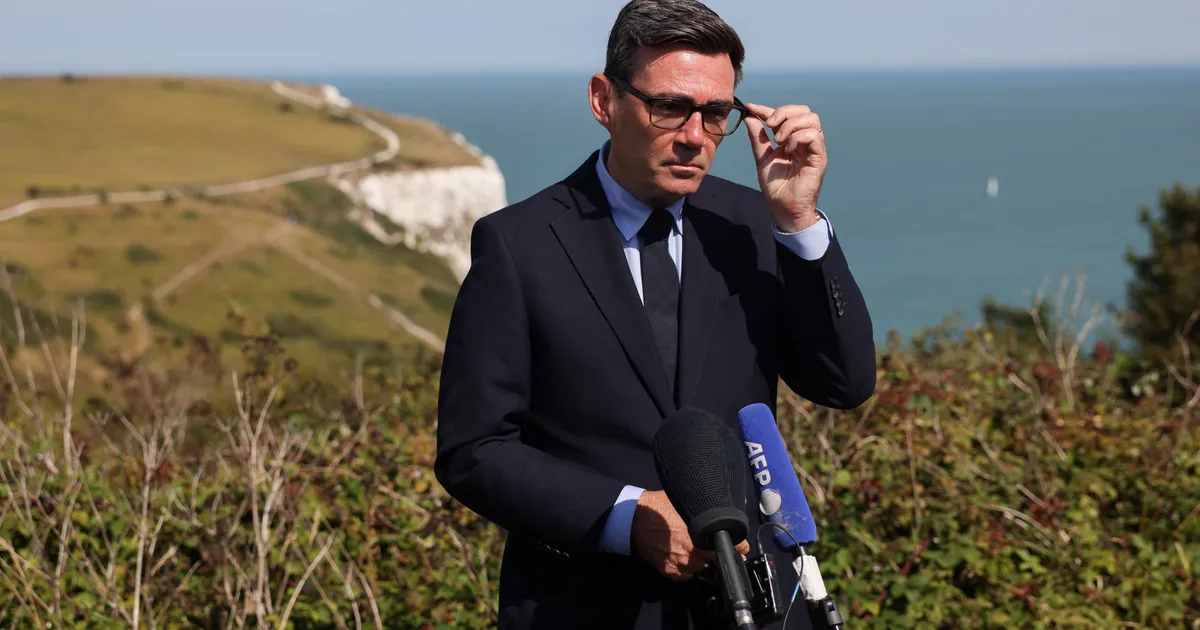
Andy Burnham has vowed to “eradicate” small boats crossings in the English Channel – but refused to say it when it will be done.
The prime minister said the government “will keep going at this issue” until it is solved.
However, he stopped short of saying it will have stopped by the next election, which may not take place until 2029.
Burnham was speaking the day after a boat carrying 230 asylum seekers – the most ever on a single vessel – crossed the Channel from France.
He said the government would “change our tactics” to deal with the fact that more migrants could start arriving on larger boats.
“I know people will have been worried to see that image yesterday,” the PM told GB News.
“It shows that the gangs are changing their tactics but so will we – we will now change our tactics and we will be relentless in chasing them down.”
Burnham said the deal Keir Starmer struck with France when he was PM meant there was “more law enforcement on the other side of the Channel” this summer, which has led to a reduction in the number of boats making the journey.
“But that’s not good enough,” he said. “People will say to me, ‘we don’t want any crossings’. I understand that concern.
“There are further things that we are doing and we will keep going at this issue until we deliver that eradication that people are looking for.”
Asked whether he could promise “no more small boats crossings by the election”, Burnham replied: “It would be wrong, I think, for me to make a prediction now based on a timeline.”
The PM added: “I’d rather promise to people what I know I can do and what I know I can deliver, and that is a relentless focus on this issue to deal with the public concern.
“I heard it on doorstep, on doorstep after doorstep in Makerfield, and I said to the people there, and I say it to the country, ‘I hear what you say, I will be completely focused on the issue’.
“There are more measures that we’re bringing through but crossings are down, immigration is down – there is real progress to report.”
Listen to Commons People, the podcast that makes politics easy. Every week, Kevin Schofield and Kate Nicholson unpack the week’s biggest stories to keep you informed. Join us for straightforward analysis of what’s going on at Westminster.

You can breathe a big sigh of relief: we’re half way through the summer holidays (unless you’re in Scotland, sorry Scotland!).
While you might have set strict no-screen rules at the beginning of the summer holidays, we’re sure you’re getting to the point of easing up.
And no one would blame you – it’s a long time to have the whole family under one roof.
All you have to do is get through the next few weeks – and if that means plonking them down to play games or talk to their friends as a distraction, so be it.
At the same time, though, there is plenty to think about when giving your child access to the internet. I don’t need to recount the potential horrors, because over 90% of parents on Mumsnet say current smartphones aren’t safe enough for children.
Plus, 77% of parents say keeping their child safe online feels like an impossible task, and that only gets harder in summer when they don’t have the school routine to keep them busy.
If you’re just about wondering when someone’s going to do something about this mess, enter: the OtherPhone.

Responding to readers’ concerns, the team at Mumsnet teamed up with two London-based tech companies – Nothing and SafetyMode – to create a phone catered to keeping kids safe online.
It might look like a regular phone, but it’s actually a cool phone – that is, the 3(a) phone from cult brand Nothing – that your kid will love (all you need to know is that Charli XCX is the ambassador).
The phone is super lightweight, coated in tempered glass, and is dust and water-resistant, so it can handle the muck and clutter of being a kid.
Loaded with all the regular functions of a smart phone, this particular phone also comes with SafetyMode, a software that uses AI to monitor, filter and block harmful content (like bullying, nudity, and explicit language) across every app your child uses.
While safety tools track a list of basic keywords, or block specific websites, SafetyMode has been trained to read content, which means it can distinguish between a normal conversation and a concerning one.
It can track their locations, and the filters are fully customisable, so you get to decide what you want your child accessing, based on their changing needs.
When troubling content is detected, SafetyMode will send an alert straight to your phone, so that you can rest assured you’ll know what your child is up to online, even when you’re not in the same room (or home!).
Even better, your child’s data won’t ever leave their phone, as all of the processing happens on the phone itself, for added privacy.
If you don’t want to buy a whole new phone, you don’t have to. SafetyMode is also available via the Google Play store to be compatible with any Android device.
The app itself is free, but if you want to manage permissions and filters without even having to pick up their phone, you can upgrade and pay £5.99 per month for SafetyMode Plus.
That means online safety for the rest of the summer, whether they’re at summer camp, the grandparents’, or simply curled up in their rooms.

Actors, writers, and directors often face creative changes completely out of their control – think of all the storylines actors flat-out refused to film, or that one time a powerful play about the Cuban revolution turned into Dirty Dancing 2.
Often, that means cast and crew are left with their names attached to a project they might not have felt in full control over.
For instance, Peter Sagal, the Cuban revolution playwright, is credited as a writer on the Dirty Dancing sequel, despite saying there’s “not a single line of dialogue in that movie” that he wrote.
In this case, he seems OK with the credit. But what do directors do when they no longer want their names associated with a film?
Apparently, some turned to an alias: Allen Smithee, often “misspelled” as Alan Smithee.
Allen became a way of distancing directors from films they lost control over.
Don Siegel, the first person to use the name, said in his autobiography: “When I refused to take directing credit for the film [Death of a Gunfighter, in which he had limited say] as did Bob Totten, the Directors’ Guild made up a pseudonym for Totten and myself: ‘Allen Smithee’”.
Snopes said that for decades, directors had to apply to the Directors Guild of America to use it.
They had to prove “to the Guild’s satisfaction” that they really did have the creative reins yanked away from them, the 2001 book Directed By Allen Smithee added.
“Allen Smithee” has been used from 1969 onwards and has dozens of credits to his name.
He has even been nominated for awards, per his IMdB page, though one of the three nominations is for a “Razzie” award, which are designed to celebrate the worst of Hollywood’s movie outputs.
After the late ’90s, the Director’s Guild wanted to introduce a successor to Allen as they felt his name was getting too much attention. They made up “Thomas Lee” for this purpose.
But it didn’t seem to last, with unhappy auteurs attaching Allen’s name to films as late as 2025.
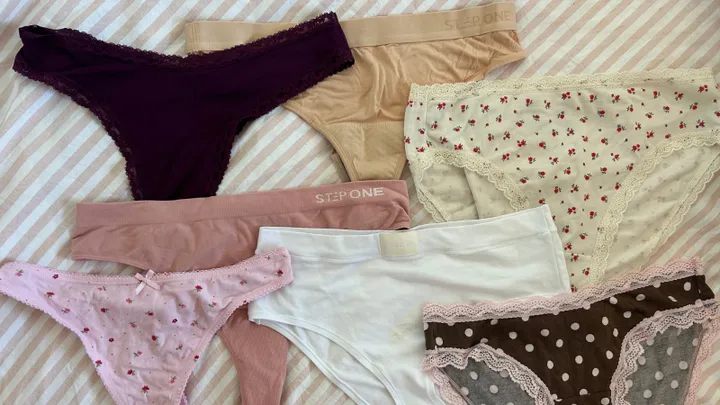
Ladies and vulva owners, I get it: the appeal of a matching lingerie set is simply too alluring.
But often, they’re not made from breathable materials. During the warmer months in particular, I find myself constantly pulling my pants out of my cooch (for lack of a better word) and looking like a maniac trying to get the right placement. Look, it’s not my fault no one can get sizing right.
Then, of course, there’s the smell. We all know by now (I hope) that it’s natural to have a smell down there, but you know better than anyone else when that’s off.
And I wouldn’t be surprised if that happened during the summer more than ever – but honestly, they can get uncomfy and chafe during the winter, too.
This year, I’ve simply had enough. Get ready for some TMI, but a combination of recurrent UTIs and various other gynae conditions (don’t ask) means I am desperate to do anything that gives my vulva some reprieve.
More than that, I will do basically anything to make sure I don’t have to change my pants every time I leave my house during the heatwave. I mean, the amount of laundry I do every week is insurmountable.
Recently, I’ve been making a conscious effort to wear cotton undies, but unfortunately for my bank account the H&M multipack I’ve been wearing for years has started to give way.
So I decided it was time to test breathable undies.
The best breathable underwear at a glance:
What kind of fabric should your underwear be made from?
In case you don’t already know, cotton and natural fibre are the ideal fabrics for your pants.
“Ideally you want to be looking for at least an 80% cotton or natural fabric mix” when buying pants, according to Priya Downes, founder and CEO of Nudea.
“These fabrics are much better for quick drying, and will help with things like chafing, which can be quite painful, or sweat accumulation and feeling uncomfortable.”
Tencel, hemp, and bamboo are also great options for underwear. On the other hand, man-made fabrics like polyester and elastane dry much more slowly than natural fabrics, which might be why you get recurrent thrush or BV, or generally feel not right down there.
“As well as sweat comes bacteria, which can also be really unhealthy,” Downes adds. “You do have a natural biome down there, so wearing natural fabrics is really important. Having quick-drying materials that can wick away moisture accumulation is healthier for your skin.”
What should you think about when buying knickers or briefs?
As well as the fabric, shape is important to consider when buying underwear.
“You want to be comfortable, and not everybody loves thongs,” Downes notes.
“Sometimes in hot weather thongs can be particularly uncomfortable, so look for shapes that are comfortable, and that aren’t visible under your clothes.
“In hot weather, people are wearing more see-through and skimpier things, so you’ve got to be mindful about visible panty lines.”
My review of natural fabric underwear

For the last few years, I haven’t thought much about what kind of pants I wear, but while testing these pants I realised I’ve been missing out on a lot.
I decided to reach out to a range of brands that intentionally use natural fibres, from bamboo viscose, to tencel, and cotton.
I’m not exaggerating when I say this fortnight has been the comfiest I’ve been in years.
As someone who lives in a white skirt or dress of some description during summer, I need pants that are seamless and won’t show beneath a skirt.
But considering I also rarely wear a thong, it was a difficult standard to meet.
The best natural women’s underwear to shop now
All of the products below passed the test.

Sometimes you just want to be comfortable, which is why I love that these briefs are full coverage and, most importantly, don’t dig in. I would buy this pair in every colour so I can wear it every single day, it’s that flattering.
Made of 79% bamboo viscose, which is suitable for sensitive skin as it’s hypoallergenic, the fabric is breathable and moisture-wicking.
Unlike other briefs, these don’t leave me feeling sweaty and uncomfortable throughout the day. The composition also makes for a stretchy fit that can grow with you throughout the day without weird sagging or a VPL.
As a UK 12, I find it particularly difficult to find pants that are actually made for my size, but the L is definitely true to size, with enough room for gaining weight or feeling bloated.
Plus, they’re completely seamless, so the waistband won’t show through your clothes. I’ve worn the pink and nude pair (which comes in multiple skin tones – snaps for that) under a white skirt in summer and they’re undetectable, which is all you can ask for, really.
While I could be picky and wish for a slightly higher bamboo percentage, I’m willing to make an exception for the fact I forget I’m even wearing underwear when I have these on.
+ Seamless, so you have no VPL
+ Love the range of colours
+ Waistband doesn’t cut in
– They’re breathable, but are on the thicker side of the pants I tested.
Fabric: 79% bamboo viscose, 15% polyamide, 6% spandex blend. Buttery soft texture with flexibility.
Size range: XS to 2XL.

If you’re looking for an excuse to give up your Calvins, let this Nudea pack be it. These simple briefs are up there with the softest I’ve felt, as they’re made from a combo of not one but two breathable fabrics: cotton and modal.
In case you’re wondering what that means, all you need to know is they’re incredibly soft and lightweight, and I see these becoming your every day pants. Luckily, they can be, because a pack of three comes in at just £30.
This is where I have to admit my hipster bias: I historically have thought it’s the most unflattering shape out there. But this set proved me wrong: they’re low waist, don’t cut in at the top of the thigh, and make an excellent companion for low rise jeans or skirts.
And, proving it’s not that hard to get right, the L is true to size – no unreliable sizing here, thank you very much!
+ Super flattering for a hipster cut
+ Great value for money
+ Low elastic count
+ Doesn’t cut into the leg
– Wish they came in more fun colours.
Fabric: 47% cotton and 48% Lenzing Modal
Size range: XS to XXL.

I have to say, I don’t love a thong – because hellooo wedgie (and maybe I just don’t like wearing pants?) – but if there’s a brand that can convince me to, it’s Stripe and Stare.
The brand offers more colours and prints than a girl could dream of, and I love how sultry this cherry colour is. But that doesn’t detract from the fact these are without a doubt the most comfortable and silky smooth thong I’m yet to wear.
The L doesn’t dig in, which is pretty unheard of for a thong, and might be down to the fact it’s made of stretchy lace and a 95% TENCEL body.
The softness really does not disappear over time, especially if you follow its instructions to wash at 30 degrees.
You can even make yourself a fun multipack, because you can save 30% when you buy three pairs. Shout out to this high rise pink and brown polka dot pair I’ve been loving, too.
Fabric: 95% TENCEL™ Modal, 5% elastane. Lace: 91% nylon, 9% elastane.

My first intro to Step One was through its period undies. Having declared my hatred of thongs, this pair actually comes in pretty handy when I have an event I have to go to and don’t want to look like I’m wearing a nappy (ie. other period pants).
It’s actually my most flattering pair of period pants, and is still made of its signature breathable material, so you won’t get the smell you sometimes get with period pants (it’s only natural!).
Beware, though, if you have a heavy flow you might want to wear a pad or tampon, too, as it’s only designed for light absorbency. I wear mine towards the start or end of my period.
+ Comfy period pants – who knew?
+ The sizing is spot on
+ The gusset is basically invisible – you won’t feel like you’re weighed down by extra material between your legs
– It’s fitted, so go for a size up.
Fabric: 95% viscose made from bamboo and 5% spandex
Size range: XS to 2XL.

If you’re not willing to give up your lingerie every day of the week, you might want to go for a pair of cotton undies on the cheaper side.
Uniqlo has started making some cutie classic cotton undies for under £8, and this pair is my favourite. I have absolutely zero complaints about the shape, and there will always be a soft spot in my heart for a lace trim.
No prizes for guessing what size I went for (a L!) and it fit perfectly. They might not be as soft as a Nudea or Stripe and Stare pant, but they seem pretty durable and you can also pick them up when you’re out on your lunch break.
+ Affordable
+ Come in a range of patterns – some with bows, some without
+ Fits well, although the size guide only comes with waist/hip measurements
– Not as lightweight and soft as other options on the list.
Fabric: 95% cotton, 5% elastane/ lace: 77% polyamide, 23% elastane
Size range: XS to XXL.

If you’re more of a thong girl (valid) but don’t want to splash out over £10 on a pair, Uniqlo unforch doesn’t have a cotton thong in its line – but Boux Avenue does.
Can you tell what my favourite colour is? I picked up this sweet floral pair, and I have to say it comes in on the smaller size. I got a 12 but could’ve definitely gone for a 14.
Despite being a little tight on the hips, though, it was very breathable, and I didn’t feel like I had something permanently wedged to my butt cheeks, which is always good.
Not to mention they come with an adorable matching PJs set – and who am I to turn down a pink co-ord?
+ Affordable thong
+ Comes with a matching set
+ Slightly ribbed, if you like that kinda thing
– Comes in small.
Fabric: 95% cotton, 5% elastane.
Size range: 6 to 18.
How to wash and care for natural underwear
When you’re spending a good chunk of money on some nice undies, you’re going to want to take good care of them.
Of course, natural staining is going to happen, but it’s all in how you care for them, according to Downes.
Cool (ish) wash
“The best way to to wash them is in the washing machine and on not too high a temperature, so 30 to 40 degrees is absolutely fine,” she says.
No dryer
“Absolutely do not put them in the dryer because natural fabrics will degrade at high temperatures, so you should always, always line dry your your knickers.”
Stains are inevitable
“It’s probably better to go with a darker colour because they are a little bit more immune to stains,” Downes suggests.
“Nudes are great because they they hide stains a bit better. White is very hard to get away from staining, and you will probably have to replace white knickers more often than any other colour.”
Final verdict
Switching to breathable underwear has increased my comfort levels by tenfold over the past couple of weeks.
Not only do I not sweat as much, which means less chafing between my thighs (thank god) but I’ve also noticed I smell less down there (thanks for asking) and actually have to do less laundry. Thank god!
If you’re after pants you can reach for every day, Nudea has a range of shapes and fabric mixes that feel lighter than air. However, Stripe and Stare is maybe just that bit softer, and comes in tons of fun candy box colours, if you like a pink pant like me.
Uniqlo and Boux Avenue are solid budget options, but you will forfeit that buttery feeling.
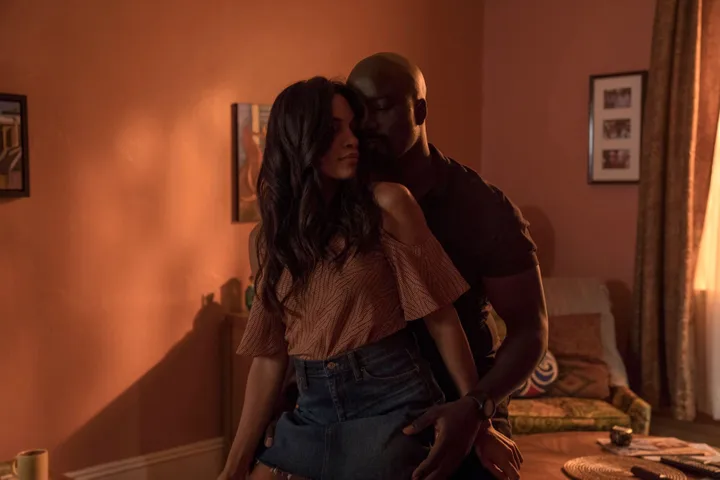
It’s now been almost a decade since we last saw Rosario Dawson in action in a Marvel project.
Rosario originated the role of Claire Temple in the Marvel TV series Daredevil in 2015, before reprising the role in Jessica Jones, Luke Cage, Iron Fist and The Defenders.
The Sin City star recently took part in a Q&A session during an appearance at the GalaxyCon Raleigh fan event, where one attendee asked if there were any superheroes she’d like to cross paths with in the future.
“Well, I’m going to have to say – I could have said Spider-Man. I even shot a scene in the new Spider-Man movie, but I got cut out,” she explained.
“I know,” she continued, as the fans in attendance made their disappointment known. “I love it. I told my mom [the scene had been cut] and she was like, ‘That sucks. Now I can’t post the pictures’. And I was like, ‘Right, mum, me being cut out of the movie that has the largest viewership of a trailer ever, the issue is you can’t post your behind-the-scenes photos’.”

David Lee/Netflix/Marvel/Kobal/Shutterstock
She went on to share that she has a personal connection to Spider-Man in particular, as her uncle is a comic book artist, who used the character to teach himself to draw.
Rosario noted: “So Spider-Man is really huge [in my family]. There’s a frame in one of the new comics that has a young Spider-Man talking to Daredevil, and they made it so that the young Spider-Man goes to PS19 in the Lower East Side, which is where I went to elementary school.
“So when I tell you – my post was already ready, with my BTS, with my grandson wearing all his Spider-Man stuff … Then I got the email that was like, ‘Yeah, nah’.”
Rosario last played Claire in the 2018 season of Luke Cage, insisting shortly afterwards that she was done playing the character – at least for the time being.
At the time, she noted that she’d contributed lines to her character’s dialogue that were inspired by “the instinct of knowing that after five different shows this was probably going to be – at least, for now – a kind of goodbye for Claire”.
Spider-Man: Brand New Day is in cinemas now.

We’ve written before at HuffPost UK about what happens when an actor gets aroused during a sex scene.
But we have another, more fundamental question: how do the medesty garments, or the little devices actors use to ensure thay’re not actually fully nude in naked scenes, stay on?
After all, many of the pieces look really flimsy – and it’s not like they’ve got straps or waistbands to hold them in place.
Luckily, intimacy co-ordinator Dr Jessica Steinrock shared an informative video on her TikTok page – and she’s not the only expert with helpful insights.
How do modesty garments stay on during sex scenes?
Well, it (obviously) depends on your anatomy and what you’re wearing. In her video, Dr Steinrock used three examples: the “classic modesty pouch” (also known as a cock sock), a strapless thong, and a combination padded pouch.
The modern modesty pouch is a newer model of a very old garment, she explained – it looks like a little drawstring bag.
“Shaft and testicles go into the pouch, and then there’s a drawstring to kind of tighten everything up – not too tight!” she shared. Some newer versions also have a small rectangle at the top onto which tape can be attached for added security.
“We wouldn’t use just these for a scene of stimulated sex,” though, she continued, as it’s a bit flimsy.
For more security, a strapless thong – a kind of tapering triangle with a kind of whale tail shape at the end – can be used.
“This gets worn where a regular thong would get worn, except there’s obviously no straps, and so there’s adhesvie on the tail [at the back] and on the front to keep everything nice and secure,” Dr Steinrock continued.
The tail can also be hidden “twixt the cheeks,” and there’s extra room in the front for padding or a barrier top. This makes it suitable for a sex scene.
Lastly, she ran us through the combination padded pouch, which uses the same drawstring and tape combo as the regular modesty pouch but also contains an area for a barrier insert.
She said, “In particular, something like this is really great for stimulated sex from behind, where we might want to see an actor’s full rear buttocks, but we still want some protection up front”.
What about other garments?
These options are especially useful for people with penises. For those with breasts, the adhesive nipple covers or strapless bras you might wear with a sleeveless or backless dress will do, acting magazine Backstage explained.
Meanwhile, the strapless thongs Dr Steinrock mentioned earlier can work for those with vaginas too – these are called “shibues”, while those designed for penises are nicknamed “hibues”.
In less exposed scenes, briefs and shorts can be used instead.
Intimacy coordinator Alicia Rodis shared with Backstage that during sex scenes, “We take a shibue, open it up, and put a silicone guard underneath so everyone becomes like a Barbie doll.”
No matter what you’re wearing, though, the expert stressed that tape and body-safe adhesive are key.
“Whether they’re adding an extra layer of protection or ensuring the pieces stay in place, sticker, liquid, and tape adhesives are vital. They will be part of any costume department and/or intimacy coordinator’s go-bag (alongside wet wipes and baby oil),” the publication reads.
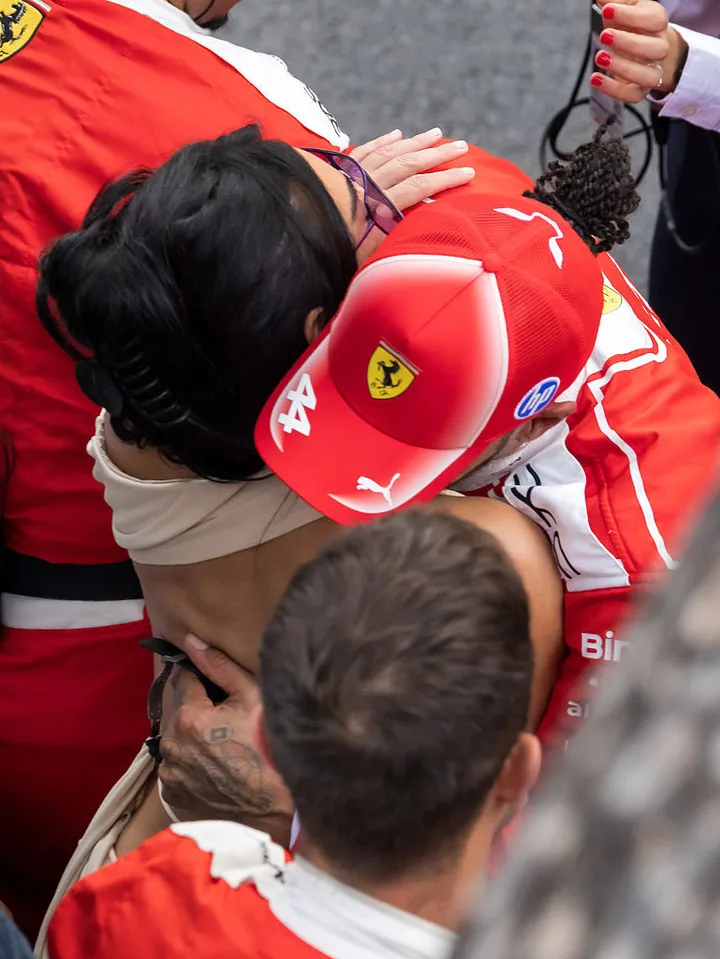
A 2014 picture of Lewis Hamilton and Kim Kardashian is going viral, with people citing it as an example – and even “proof” – of the so-called “invisible string theory”.
The decade-old photo shows Lewis and Nicole Scherzinger (who were together on and off for around eight years), pictured alongside Kim Kardashian and her ex-husband Ye (formerly known as Kanye West) at the GQ Men of the Year Awards.
“This 2014 picture really hits different in 2026,” reads a post on Reddit’s r/poprant, alluding to the fact Kim is now in a romantic relationship with the Formula 1 driver.
“What do they call it? The invisible string theory?” added a commenter.
Meanwhile a social media post by entertainment site Page Six suggested the new couple are “proof” that the theory “really does exist”.
What’s the invisible string theory?
It’s a belief that people can be connected by an unseen force (the invisible string) which ultimately brings them together when the time is right.
This idea – that people come together through fate, and that the right people will find their way back to you – has been around for a very long time (in Chinese mythology, a red thread of fate was tied around those destined to be soulmates).
However, in recent years it was popularised by Taylor Swift’s song, Invisible String, as well as through a multitude of TikTok videos where people have shared their own “invisible string” stories.
“While the concept has roots in folklore and popular culture, many people relate to it because it captures the feeling that some relationships hold a unique significance in our lives,” marriage therapist and author of The Formula of Desire, Anna Elton, told Cosmopolitan.
We all love a love story – and in the case of Kim and Lewis, it began as friendship. The pair have known each other as far back as 2014 (probably even longer) when they were both in relationships with other people, and would often cross paths at various events, from fashion shows to Innovator awards.
Last October, Kim told Radio Andy that she wasn’t “open” to romance while she was studying for the bar and looking after her four children who “needed a little bit [of] extra attention”.
During an episode of The Kardashians a month later, she suggested she’s the “biggest hopeless romantic” and “when the right person comes along, I’ll be so ready”.
And ready she was. In February this year, there were rumours abound that the Skims founder and F1 legend had spent a romantic weekend together in the Cotswolds, before jetting off to Paris.
The pair were later spotted at the Super Bowl together in what would be their first public appearance.
Fast forward to June, and Kim hard-launched their relationship by featuring the British racing driver in an Instagram post, alongside snaps of her family.
A week after that, Kim was spotted at the Formula 1 Monaco Grand Prix, where Lewis told ESPN: “It’s amazing to have her come this weekend and have the support … It’s amazing to have good people around you and good people supporting you and she does that for me every day.”

The pros and cons of the invisible string theory
Whether you believe in it or not, experts note the theory can provide comfort during periods of loss or heartbreak – for example, it can help you believe you’ll eventually find your person as “everything happens for a reason”.
Licensed relationship therapist Jaime Bronstein told People it can also help people looking for love to “relax and extinguish ‘desperation mode’”.
“They can eliminate the fear that they aren’t going to find their soulmate because they can trust they will,” she said. “This doesn’t mean that people should sit at home and assume their ‘person’ will come knocking on their door. However, it helps as singles are starting to show up more authentically on their dates with less anxiety.”
But, there are downsides too. Cosmopolitan has noted: “Believing someone is ‘meant’ for you can make it easier to excuse unhealthy behaviour, ignore incompatibilities, or stay emotionally invested in someone who has made it clear they don’t want the relationship.”
So, don’t let it keep you stuck: either in a relationship that’s toxic, or waiting for someone who’s not showing up.
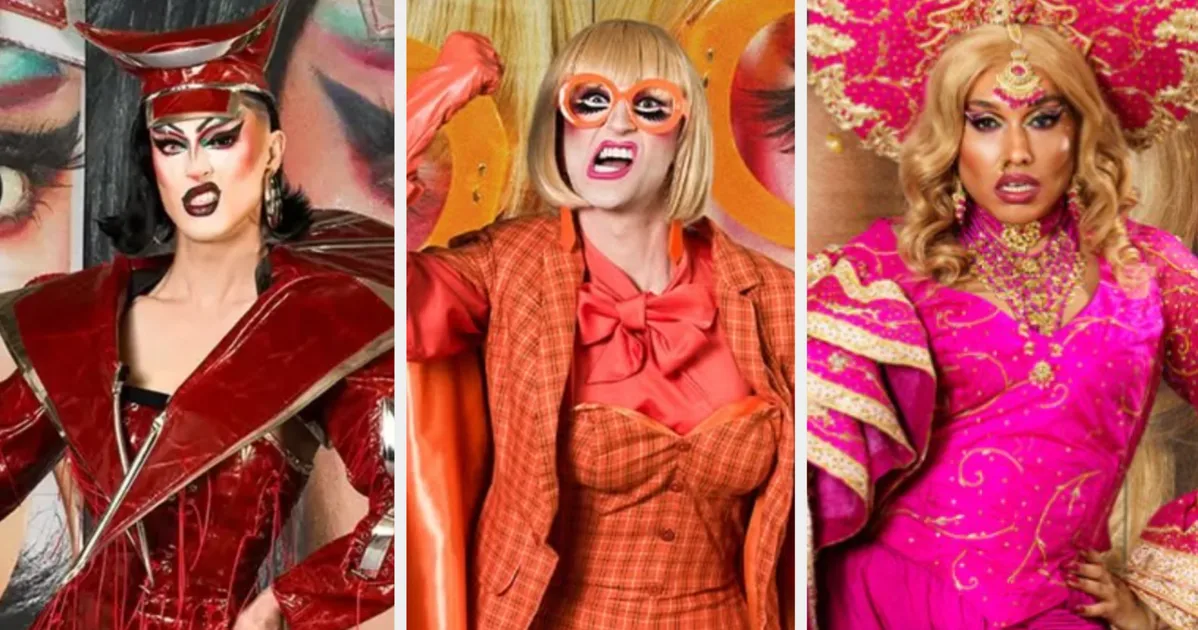
We’re approaching that time of the year when all of our favourite reality shows start coming back for their new seasons – RuPaul’s Drag Race UK being just one of them.
On Tuesday afternoon, Drag Race UK unveiled the eclectic mix of queens who’ll be put through their paces by returning judges RuPaul, Michelle Visage, Alan Carr and Graham Norton when the Bafta-nominated show returns for its eighth season in the autumn.
An official press release teases “a fresh batch of 12 sassy, snatched and seriously talented queens ready to race for glory”, and judging from the line-up, we’re inclined to believe it.
Here’s a quick guide to the new cast…
Alik
She says: “Brighton girlies have not had the best track record on Drag Race UK, but I’m here to smash that curse.
“I am infamous in Brighton, regularly performing in Brighton’s biggest gay club, and you know what, I am an icon.”
Anita Piss
She says: “I deserve to be UK’s next Drag Race superstar because I am bringing something completely different that you all ain’t ever seen before.
“It’s all about being cool, calm, collected but having some poise, and having a good demeanour about you.”
Coral-Hole Mandi
She says: “If I had to describe my genre of drag, I would say I’m mer-mazing! My drag is very much inspired by my love of the sea and my background in marine biology.
“Growing up, I was obsessed by the ocean, sea creatures and mermaids. I always knew I wanted to be a mermaid or a creature from the deep one day.”
The Delta Quadrant
She says: “I represent a rare type of character-led drag. I have one signature distinct look. I love power dressing, shoulder pads, tailored suits and I always sashay into the boardroom with my signature bob!
“I am so excited to be here representing the undisputed financial capital of the UK, Darlington. Let’s get down to business!”
Flesh
She says: “I want to remind people that drag is creative and powerful, but it’s more than dressing up. We can create positive change, and we can do so whilst looking amazing.”
KY Kelly
She says: “I am the full package. I want to win this competition as a win for the older, more mature divas, and showcase the cabaret scene. I’m going to slide into this competition and make you want a little bit more KY.”
Lucky Roy Singh
She says: “My aesthetic is culture, heritage, history, It’s very much East meets West. I’m very glamorous and playful, but beware, Lucky is shady but kind.”
ma_danni_x
She says: “I deserve my place in this fabulous competition, I’ve worked so hard to be here, and I want to prove to the nation that I can be the ultimate winner on this massive platform. Look at her, she’s an icon!
“But if I have to play dirty, to win the competition, I’ll play dirty, that said I’m a true professional, and I’m a very experienced lady!”
Mocha
She says: “I’m Soho perfection blended with East London grit. Mocha is a good time girl who’s a little bit kooky. My drag is all about looking cartoonish, and I also love musical theatre – Barbra Streisand is my icon.
“I lean towards the vintage and the showgirl. I’m both fashionable and funny. I’m so blessed to be both because it means I’m sickening.”
Naya Thorn
She says: “If you come to a Naya Thorn show, you’re going to get a theatre performance that is going to make you feel every emotion. Are you going to feel happy or are you going to feel sad? That depends on the song, but I will always choose a song that means something to me. I just really enjoy connecting with an audience.”
Paris Baby
She says: “Nobody else in the UK can do what I do, I can perform 60 numbers back-to-back, as long as I’ve got my wind machine, and my wig doesn’t come off, I’ll just keep going.
“I will definitely leave my mark, my impact, and Drag Race UK will forever be changed because of Paris Baby. Period.”
Tequila Thirst
She says: “Tequila is a ray of sunshine, who cannot be suppressed. Obviously, with a name like Tequila, I’m the self-confessed queen of limes. I love juicy greens, hot pinks and bright citrus colours.
“I am a Vietnamese North Londoner, and my identity subtly informs my drag. I’m here on this platform to shine bright, like a tequila glass.”
RuPaul’s Drag Race UK returns to BBC Three and BBC iPlayer in the autumn. See more from the new batch of queens below:

Dividends Are Sending A Signal

What Are Trump’s Patriot Games? Teens From Every State Are Competing for a $250,000 Prize Pool

Dr. Phil and Robin McGraw Reflect on 50 Years of Marriage, Faith


-

 Fashion4 days ago
Weekend Open Thread: Mattifying Sunscreen
-

 Fashion4 days ago
Frugal Friday’s Workwear Report: Cap-Sleeve Pointelle Crewneck Sweater
-

 Sports6 days ago
Jordan Coyle & Cordiamo take Laya Arena Stakes at RDS
-

 News Videos3 days ago
Can Astrology Help Find Gold and Silver Trends? A Financial Astrology Guide
-
 Business6 days ago
US stocks: Dow closes at record on Mideast optimism; SpaceX, AMD drag Nasdaq
-

 Politics5 days ago
Reform UK And Greens Sink To Lowest Favourability Ratings To Date
-

 Business7 days ago
Nvidia Stock Climbs 2.5% as Chip Sector Rally Builds Ahead of AMD Earnings, Nvidia’s Own Report Looms
-

 Tech7 days ago
OpenAI, Anthropic AI agents targeted real people and systems in cyber tests
-

 Business6 days ago
Supply chain issues impact Ingredion
-

 Tech4 days ago
Rinn Pharma & Biopharma to join NordicPharmaTrain network
-

 Business3 days ago
How to Start a Cleaning Business: A Step-by-Step Guide
-
 Crypto World7 days ago
Dow and S&P 500 Hit Records on AI Earnings: When Will the Bubble Burst?
-

 Business2 days ago
Datadog: Best Of Breed For Multiple Reasons
-

 Business3 days ago
BDC Weekly Review: Private BDC Q2 Numbers Are Strong
-

 Business7 days ago
McDonald’s (MCD) Q2 2026 earnings
-
 Crypto World7 days ago
Dollar Index Trapped at 100 as Hawkish Fed Meets Official Selling
-
 Fashion7 days ago
The Bright Side of Black and White
-

 Business7 days ago
Apple UK encryption challenge filed against Home Office
-
 Fashion6 days ago
Suit of the Week: Me + Em
-
Sports6 days ago
Spider-Man: Brand New Day ending explained: Is Peter Parker alive?
You must be logged in to post a comment Login