
Business
True Story Foods introduces Italian-inspired deli meats





ePlus COO Darren Raiguel sells $90,827 in company stock
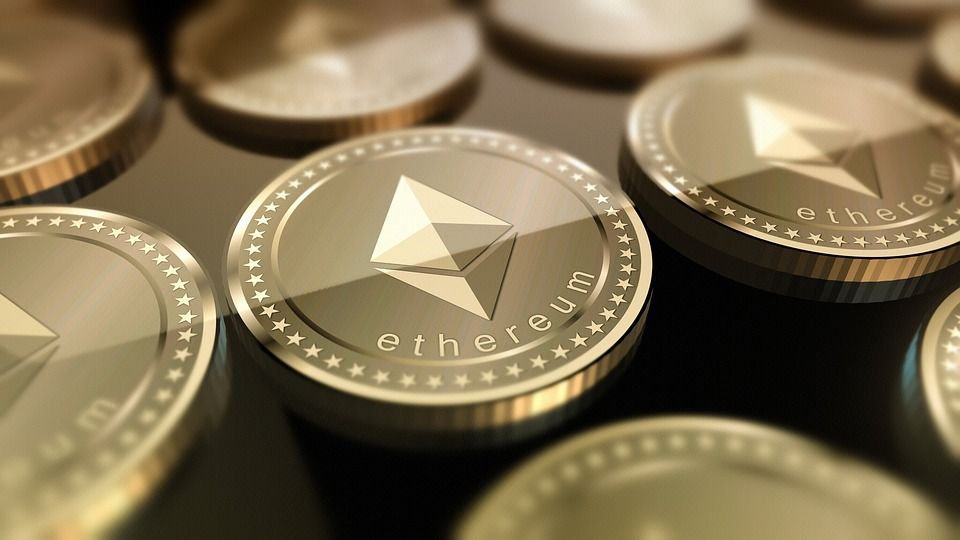
NEW YORK — Ether, the native cryptocurrency of the Ethereum blockchain, traded higher on Wednesday, rising about 0.6% to around $1,892.52 as of early afternoon UTC, supported by expectations and early reactions to U.S. consumer price data that suggested cooling inflation pressures.
The second-largest digital asset by market value moved within a relatively tight range after opening near $1,881 and testing levels above $1,900 during the session. Trading volumes remained solid, reflecting cautious optimism among market participants ahead of and following the July Consumer Price Index release from the U.S. Bureau of Labor Statistics.
Softer-than-expected inflation readings have historically provided a tailwind for risk assets, including cryptocurrencies, by reducing the likelihood of aggressive interest rate increases from the Federal Reserve. Analysts noted that the data, combined with a recent weaker jobs report, has led some observers to scale back expectations for a September rate hike, creating a more supportive backdrop for speculative assets.
Ethereum’s price action comes against a backdrop of significant underperformance over the past year. The token has declined more than 50% from levels near $4,950 reached in August 2025 and is down roughly 35% to 44% year-to-date in 2026, according to market data. Despite the drawdown, network activity has remained robust in certain segments, with Ethereum continuing to dominate areas such as stablecoins, decentralized finance and the tokenization of real-world assets.
Institutional interest has shown signs of stabilization after periods of outflows. U.S. spot Ethereum exchange-traded funds have recorded mixed but occasionally positive net flows in recent weeks and months, with some reports noting hundreds of millions in cumulative inflows over longer periods since their launch. Products offering staking yields have drawn particular attention, as they provide a structural feature unavailable in Bitcoin ETFs. BlackRock and other asset managers have expanded offerings in this space, including staked ether products.
Corporate accumulation has also provided a steady demand source. BitMine Immersion Technologies, one of the largest corporate holders, has continued purchasing ether, building a position reported near 5.8 million tokens, or close to 5% of the circulating supply. Other entities have similarly maintained or increased holdings amid the price weakness.
On the technical and development front, Ethereum has advanced through a series of upgrades. The Fusaka upgrade, which included PeerDAS for improved data availability, has been implemented to support layer-2 scaling. Developers and co-founder Vitalik Buterin have outlined a longer-term “Lean Ethereum” roadmap described as the network’s third major iteration, comparable in scope to the Merge that shifted Ethereum to proof-of-stake. Buterin has indicated the series of improvements could take three to four years and would involve replacing nearly every major piece of the protocol, with a focus on scalability, quantum resistance and efficiency.
An intermediate upgrade known as Glamsterdam, targeting higher throughput through features such as enshrined proposer-builder separation and block-level access lists, is expected in the second half of 2026. Projections associated with these changes include substantial increases in gas limits and potential reductions in fees, though the full impact on value accrual for the native token remains a subject of ongoing discussion within the community.
Organizational changes at the Ethereum Foundation have also marked 2026. The foundation has undergone restructuring, including staff reductions and the spinout of specialized entities focused on research, systems and institutional outreach. Independent groups such as Ethereum Institutional have been established to engage with banks and asset managers, while other initiatives aim to accelerate enterprise adoption and standards development.
Tokenization of real-world assets on Ethereum has grown, with estimates placing the value of such assets in the tens of billions of dollars, far outpacing many competing networks. Stablecoin activity continues to concentrate heavily on the Ethereum ecosystem, reinforcing its role as a settlement and application layer.
Market technicians have identified key levels around $1,850 as near-term support and $1,925 to $1,950 as resistance. A sustained move above the higher band could open further upside, while a break lower might test deeper support zones. Liquidation data has shown clusters of positions that could amplify moves in either direction.
Broader cryptocurrency markets have traded mixed, with Bitcoin hovering near $64,000 and other major tokens showing modest gains or losses. The overall environment remains sensitive to macroeconomic signals, regulatory developments and shifts in institutional flows.
Ethereum’s dual narrative persists: strong fundamental usage metrics and technological progress alongside a native token that has struggled to capture proportional economic value in recent cycles. Proposals related to staking issuance, such as discussions around tapered rewards, have sparked debate among validators, developers and investors about the balance between network security and token economics.
As of Wednesday’s session, the modest advance reflected a market still digesting inflation data and positioning for potential shifts in monetary policy expectations. Whether the rebound gains traction will depend on follow-through in ETF flows, continued corporate buying, successful delivery of upcoming protocol upgrades and the broader risk appetite in global markets.
Ether’s market capitalization stood near $228 billion, maintaining its position as the clear second-largest cryptocurrency. Trading activity across major exchanges remained elevated relative to quieter periods earlier in the summer, underscoring ongoing interest despite the prolonged price correction from 2025 highs.
Investors and analysts will continue monitoring on-chain metrics, including staking ratios, layer-2 activity and real-world asset volumes, alongside traditional market indicators for clues about the next sustained move. For now, the combination of softer inflation readings and resilient network fundamentals has provided a temporary lift to the price of ether.
Cheryl Casone analyzes the July CPI inflation report, which came in line with expectations. She highlighted a drop in energy and gasoline prices as stock futures rally and the Labor Department releases the fresh economic data.
Social Security beneficiaries are still expected to see a larger cost-of-living adjustment (COLA) in 2027 than they did this year, though it has decreased as inflation eased in July.
By law, the annual Social Security COLA is calculated using the Bureau of Labor Statistics’ consumer price index (CPI) inflation data for the months of July, August and September based on a variant of the dataset known as CPI-W. The COLA boosts beneficiaries’ payments to account for a rise in the cost of living, and the COLA for 2026 amounted to a 2.8% increase.
The BLS released the July CPI inflation data Wednesday that showed consumer prices were up 3.4% from a year ago. That’s down from a 3.5% annual reading in June.
Several groups have released estimates for the 2027 COLA based on the July data and estimates for the next two months of data, which have the COLA landing in a range from 3.2% to 3.6%.
INFLATION COOLED IN JULY BUT REMAINED ELEVATED AS FED WEIGHS RATE HIKES
The nonpartisan Committee for a Responsible Federal Budget released the lowest of those estimates, projecting the COLA will ultimately be at 3.2% when the final data is released this fall. It noted in its analysis that CPI-W was flat in July and is up 3.4% over the last year.
“High COLAs can provide helpful near-term support to seniors, but also impose significant costs for a Social Security retirement fund that is just six years from insolvency,” CRFB said, adding that automatic benefit cuts of 22% would occur if the fund is depleted.
CRFB has proposed reforms to COLAs aimed at helping to shore up Social Security’s solvency, including a COLA cap for high-income beneficiaries as well as a flat rate COLA.
ONE TYPE OF SOCIAL SECURITY ADJUSTMENT COULD CUT THE 75-YEAR SHORTFALL IN HALF

Social Security’s 2027 COLA is estimated at between 3.2% and 3.6%, with about two months left until the official COLA is finalized. (Getty Images/stock)
The AARP, which advocates for policies it views as beneficial to people over the age of 50, estimates that the 2027 COLA will be 3.5% in its first-ever COLA estimate to be released before the third-quarter inflation reports come out.
“The sooner that we can give them reliable information as to how much their benefits might [increase next year], the sooner they can start planning,” AARP VP for Financial Security Rich Johnson said.
“There’s a lot of uncertainty about how food and, especially, energy prices will play out over the next two months. This is not set in stone.”
NEW PROPOSAL WOULD CAP SOCIAL SECURITY BENEFITS AT $100K FOR WEALTHY COUPLES
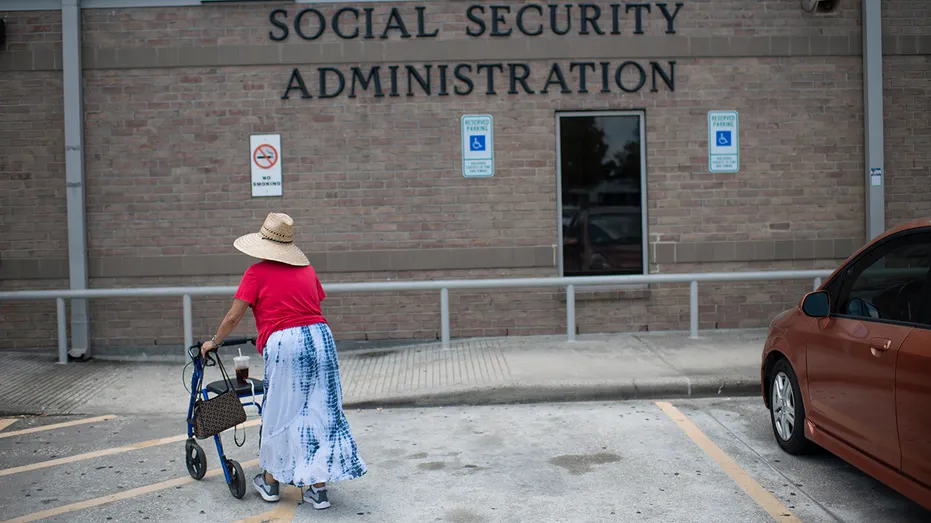
A woman walks into a Social Security office in Houston, Texas, July 13, 2022. (Mark Felix/The Washington Post / Getty Images)
The Senior Citizens League (TSCL) released an estimate that puts the 2027 COLA at 3.6%, which would represent an increase of 0.8 percentage points when compared with the 2026 COLA.
The TSCL analysis noted that if the estimated COLA were to take effect today, it would amount to an increase of $69.75 in average benefits, rising to $2,007.28 from $1,937.53.
TSCL executive director Shannon Benton said in a statement that, “One of the wildcards in this year’s forecast has been inflation’s volatility. It started the year at 2.2%, then surged to 4.4% by May before falling back to 3.5% in June.”
“That kind of instability can throw off forecasts, but our model is designed to avoid chasing every spike and dip, which has kept our predictions on a relatively steady course,” Benton added.
GET FOX BUSINESS ON THE GO BY CLICKING HERE
The official 2027 COLA will be announced Oct. 14 after the BLS release of September CPI inflation data. It will take effect starting with payments to beneficiaries in January.
“The numbers came in right in line. The market’s reaction is slightly positive because the market was fearful it was going to come in worse than it did. You’re seeing a market thinking that the Fed is not being pushed toward a rate hike,” said Robert Pavlik, senior portfolio manager at Dakota Wealth in Fairfield, Connecticut. CoreWeave surged after the AI cloud company lifted its annual capital spending forecast and topped second-quarter earnings estimates.
Data center operators also rose, with IREN and Applied Digital both up. Data center company Nebius Group jumped following second-quarter results that beat expectations. Super Micro Computer surged after the AI server maker forecast fiscal 2027 revenue above Wall Street expectations.
Chipmakers gained, with Nvidia and Micron Technology both climbing.
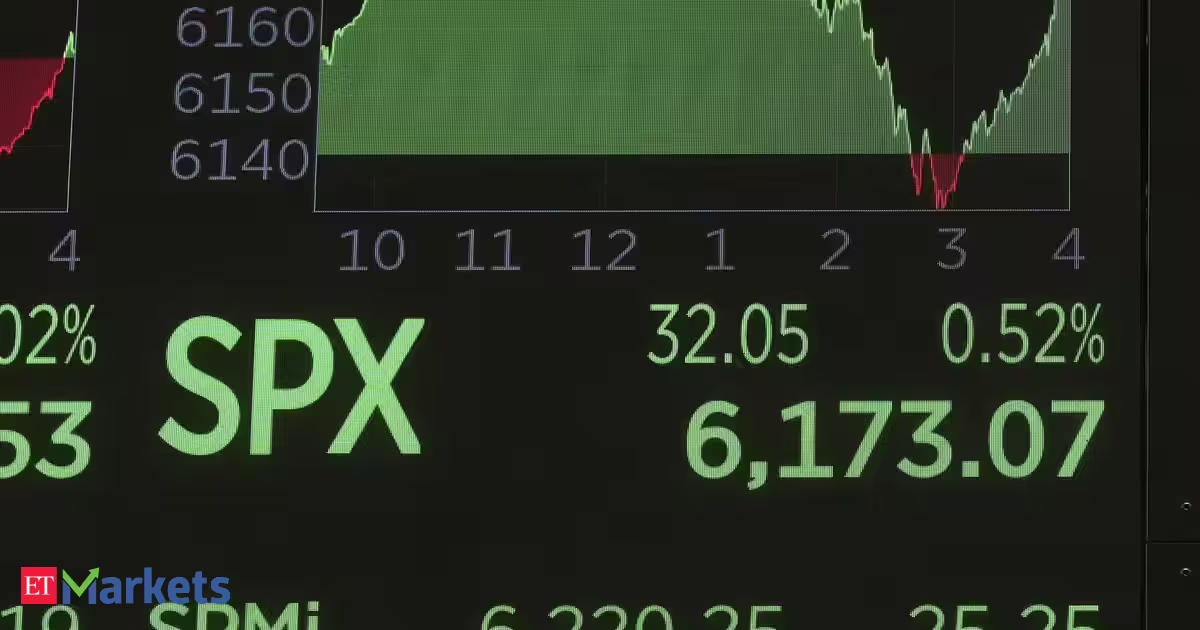
According to preliminary data, the S&P 500 gained 20.38 points, or 0.26%, to end at 7,748.58 points, while the Nasdaq Composite gained 145.70 points, or 0.55%, to 26,588.49. The Dow Jones Industrial Average fell 30.28 points, or 0.06%, to 53,761.57. Traders are now pricing in a 62% chance of the Fed holding rates at its September meeting, according to CME’s FedWatch Tool. Before the July inflation data was released, bets were split between a hike and no change.

The conflict between the U.S. and Iran remained volatile as a senior Iranian source said there had been no progress in talks to revive the interim deal reached in June and define a time frame to implement it, while shipping attacks continued. Cava Group advanced after the restaurant chain beat Wall Street expectations for second-quarter sales and core profit. Lumentum Holdings surged after the photonic product maker forecast first-quarter revenue above analysts’ expectations and beat fourth-quarter estimates.

Bakeries once run by an 89-year-old chain part-owned by comedian Romesh Ranganathan will reopen under a new name after the sites were sold.
Coughlans Bakery, which had shops in Kent, Surrey, West Sussex and south London, announced it had ceased trading in June, blaming high business rates and increases in employers’ national insurance contributions.
Bakery business Janes Pantry, based in Gloucestershire, said it had acquired a number of Coughlans’ shops from the liquidators, and would open 20 shops under its own brand.
Former staff from Coughlans will be invited to reapply for roles at the reopened sites, it added.
The bakery said: “Every shop that reopens means jobs restored, a unit back in use and footfall returning to the high street, which we believe serves everyone’s interests: ours, theirs and the wider local economy’s.”
Other sites within the Coughlan’s estate are subject to further discussions, it added.
Crawley-born Ranganathan, who is vegan, initially became involved with the business because of its range of plant-based products, but will not be involved in the new venture.
He previously said he was “gutted” the chain had closed.
Former managing director Sean Coughlan had said increases in employers’ national insurance contributions and high business rates “absolutely smashes local business”.
Commons Leader Sir Alan Campbell subsequently defended the change, saying it was needed to “spend more and invest in our public services”.
Janes Pantry first opened in Gloucester in 1971, and currently runs 12 shops employing more than 100 staff, the bakery said.
Follow BBC Sussex on Facebook, external, X, external, and Instagram, external and listen to BBC Radio Sussex on Sounds. Send your story ideas to southeasttoday@bbc.co.uk , external or WhatsApp us on 08081 002250.

Investors face delays due to Indonesia’s licensing and regulatory requirements, requiring separate incorporation for PT PMA from a representative office, affecting timelines, governance, and operational transition.
Challenges in Indonesia’s Investment Process
Foreign investors entering Indonesia often invest significant effort in assessing market demand, finding partners, and preparing financial plans. However, delays frequently occur due to assumptions made prior to establishing the appropriate investment vehicle. Indonesia’s complex licensing framework, classification of business activities, and regulatory requirements can necessitate revising initial plans, extending timelines and increasing costs before commercial operations begin.
Differences Between Representative Offices and PT PMA
A representative office typically handles non-commercial tasks like market research and business development, without engaging in revenue-generating activities. A PT Penanaman Modal Asing (PMA), on the other hand, is set up to conduct business and must secure the necessary licenses. Transitioning from a representative office to a PT PMA isn’t seamless; it requires a separate incorporation and licensing process, which can delay market entry.
Impact of Governance Structures
Indonesia’s company governance is established at incorporation, distinct from operational start. The Board of Directors manages daily affairs, while the Board of Commissioners oversees supervision. These structures influence operational efficiency, especially within multinational groups. If governance arrangements aren’t aligned with the group’s operating model, it can lead to approval delays, affecting contracts, financing, and expansion efforts nationwide.
Read the original article : Common Structuring Assumptions That Delay Indonesia Market Entry
Other People are Reading
Business
Starting a financial services or fintech business in Singapore: key things foreign investors should know

Singapore’s financial sector is vital, heavily regulated, and attracts foreign investment. Licensing depends on activities under the Payment Services Act, Securities and Futures Act, or Financial Advisers Act.
Singapore’s Financial Sector Overview
Singapore remains a top financial hub in Asia, attracting foreign investments across banking, asset management, fintech, and digital financial services. The sector accounts for approximately 14% of the country’s GDP and employs around 200,000 professionals. By the end of 2025, Singapore managed assets totaling S$6.7 trillion (US$5.2 trillion). When entering this market, foreign investors must first determine if their activities align with Singapore’s financial regulations, influencing licensing needs and legal structuring.
Regulatory Framework for Payment and Investment Services
The Payment Services Act 2019 (PSA) oversees a range of payment-related activities, including money transfers, e-money issuance, and digital token services. Businesses engaging in these activities require either a Standard or Major Payment Institution license, depending on their scale. Investment activities, such as fund management or dealing in capital markets, are regulated under the Securities and Futures Act 2001 (SFA), often necessitating a Capital Markets Services (CMS) license unless exemptions apply. Financial advisory services also require licensing under the Financial Advisers Act 2001 (FAA).
Licensing and Market Entry Strategies
Most foreign investors establishing regulated financial services in Singapore opt for a subsidiary, which simplifies licensing procedures. Branch offices are permissible for certain institutions, while representative offices are limited to non-commercial activities. Capital requirements and prudential standards vary based on the scope of financial services offered, influencing the investment’s prudence and feasibility. Proper licensing ensures compliance and smooth market entry.
Read the original article : Launching a Financial Services or Fintech Business in Singapore: What Foreign Investors Need to Know
Other People are Reading
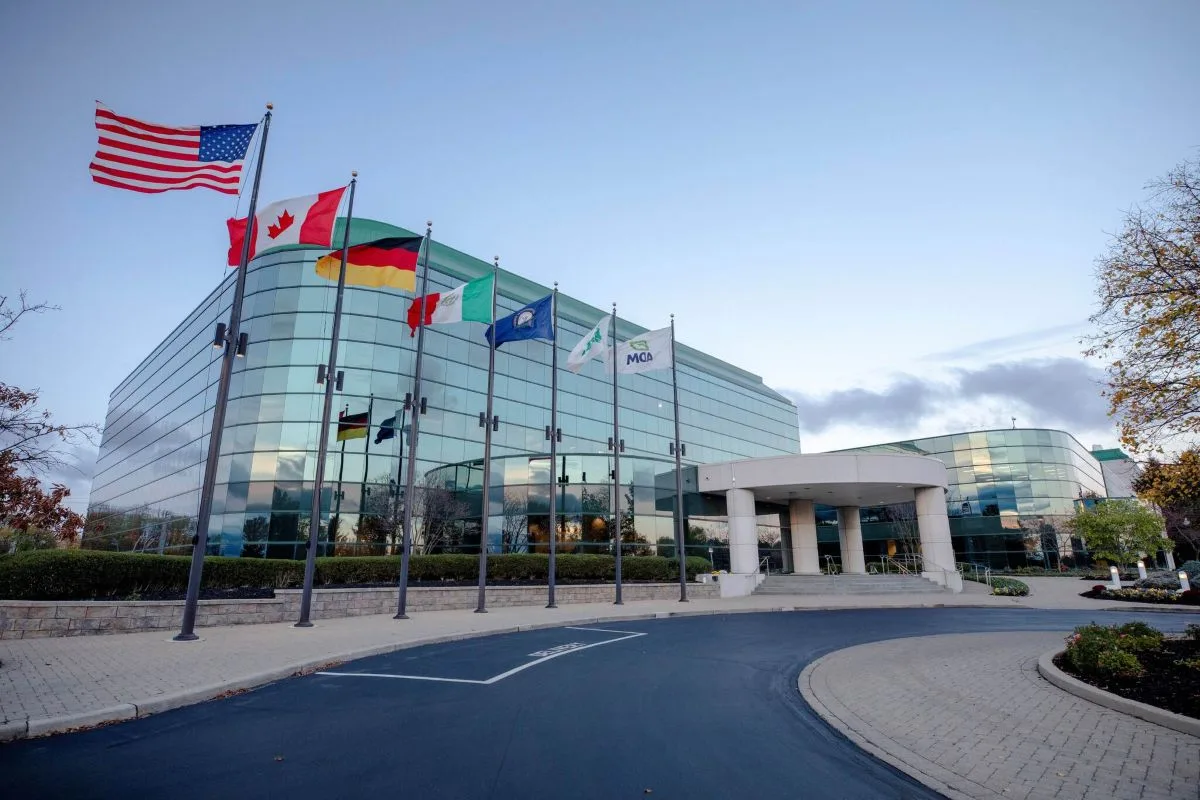

Company investing more than $16 million into Boone County, Ky., facility.

Check out what’s clicking on FoxBusiness.com.
Mark Walter’s time as the majority owner of the Los Angeles Lakers is up after less than a year.
After purchasing his stake in the organization for a $10 billion valuation in October, the Lakers were sold to American businessmen Josh Kushner and Bob Iger for a record price of over $12 billion.
“As lifelong NBA fans, we are deeply honored for the opportunity to become stewards of the Los Angeles Lakers, one of the most iconic sports franchises in the world. We have immense respect for the leadership and vision of Jerry and Jeanie Buss,” Kushner and Iger said in a statement, via ESPN.
“Our long-term commitment is to build on that foundation, compete at the highest level, and serve this extraordinary team, its fans, and the city of Los Angeles.”
CLICK HERE FOR MORE SPORTS COVERAGE ON FOXBUSINESS.COM

Joshua Kushner and Bob Iger at the 2025 U.S. Open Tennis Championships at USTA Billie Jean King National Tennis Center Sept. 2, 2025, in Flushing Meadows, Queens, New York City. (XNY/Star Max/GC Images)
“Owning the Los Angeles Lakers has been one of the great honors of my life — an extraordinary investment, but what I will carry with me is the community, the fans, and a city that treats this team as family. I am grateful to Jeanie Buss, the Buss family, the players, and the staff for welcoming me into this chapter. The Lakers belong to Los Angeles, and I have every confidence the best is still ahead,” Walter said in a statement.
Iger is the former CEO of Disney, holding that title two separate times. He stepped down in March. Kushner, the younger brother of Ivanka Trump’s husband Jared, founded Thrive Capital and Oscar Health.
Kushner and Iger were in the sweepstakes for purchasing an NBA expansion team in Las Vegas. Walter, though, is under federal investigation for alleged tax fraud.

Joshua Kushner attends the 2023 Met Gala Celebrating “Karl Lagerfeld: A Line Of Beauty” at The Metropolitan Museum of Art May 1, 2023, in New York City. (Jamie McCarthy/Getty Images) / Getty Images)
KNICKS STAR JALEN BRUNSON IS A MAN OF THE PEOPLE, REVEALS THE ONE THING HE CAN’T LIVE WITHOUT
When Jerry Buss died in 2013, the Lakers were passed down to his children, and Jeanie has been serving as the team’s governor ever since. Reports stated she would be the governor of the team for five more years even after the sale to Walter.
The Lakers are in a new era now headlined by Luka Dončić after LeBron James’ eight-year tenure ended earlier this summer. The NBA’s all-time scorer joined the Philadelphia 76ers on a two-year contract.
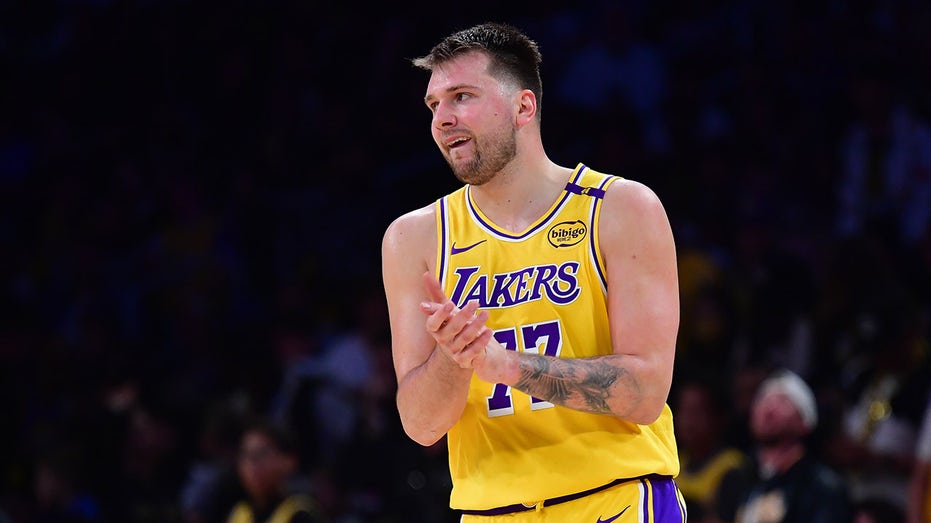
Los Angeles Lakers guard Luka Dončić reacts during the second half in Game 5 of the first round for the 2025 NBA Playoffs at Crypto.com Arena. (Gary A. Vasquez/Imagn Images / IMAGN)
GET FOX BUSINESS ON THE GO BY CLICKING HERE
The Lakers won 11 of their 17 championships under Buss ownership, with their last in 2020. Walter remains the CEO of Guggenheim Partners and the majority owner of the Los Angeles Dodgers.
Fox Business’ Scott Thompson contributed to this report.

Computershare FY26 slides: 7% EPS growth beats, stock falls on outlook

BITCOIN CRASHING AFTER HACK !!!!! WARNING !!!!!

Manchester United got a reminder vs Leeds of what they still need to do in the transfer window
ePlus COO Darren Raiguel sells $90,827 in company stock


-

 Fashion5 days ago
Weekend Open Thread: Mattifying Sunscreen
-

 Fashion5 days ago
Frugal Friday’s Workwear Report: Cap-Sleeve Pointelle Crewneck Sweater
-

 News Videos4 days ago
Can Astrology Help Find Gold and Silver Trends? A Financial Astrology Guide
-

 Sports7 days ago
Jordan Coyle & Cordiamo take Laya Arena Stakes at RDS
-
 Business7 days ago
US stocks: Dow closes at record on Mideast optimism; SpaceX, AMD drag Nasdaq
-

 Politics6 days ago
Reform UK And Greens Sink To Lowest Favourability Ratings To Date
-

 Business7 days ago
Supply chain issues impact Ingredion
-

 Tech5 days ago
Rinn Pharma & Biopharma to join NordicPharmaTrain network
-

 Business4 days ago
How to Start a Cleaning Business: A Step-by-Step Guide
-

 Business3 days ago
Datadog: Best Of Breed For Multiple Reasons
-

 Business4 days ago
BDC Weekly Review: Private BDC Q2 Numbers Are Strong
-
 NewsBeat22 hours ago
Communication cards help banking customers access services or report scams
-
Sports7 days ago
Spider-Man: Brand New Day ending explained: Is Peter Parker alive?
-

 Tech6 days ago
Price Hikes May Be Coming for PC Motherboards Next
-

 Business6 days ago
Brightwater secures funding for WA-first dementia projects
-
 Crypto World7 days ago
Galaxy Digital Stock Slides 14% as Crypto Prices Hit Earnings
-

 Politics7 days ago
The Not-So Talented Mr Arday
-
 Business2 days ago
Oil Price Today (August 11): Crude oil rises to $88 after Trump’s compensation demand dents Hormuz opening. Here’s why
-

 Business6 days ago
SpaceX Shares Plunge 13.6% After First Public Earnings as AI Capex Surge and Lockup Spark Selloff
-
 Tech6 days ago
How to Use Your Phone as a Webcam on PC and Mac (2026)
You must be logged in to post a comment Login