Chris Rhodes is set to retire in September following the completion of the £2.9bn takeover
Samuel Norman www.cityam.com
10:18, 07 Apr 2026
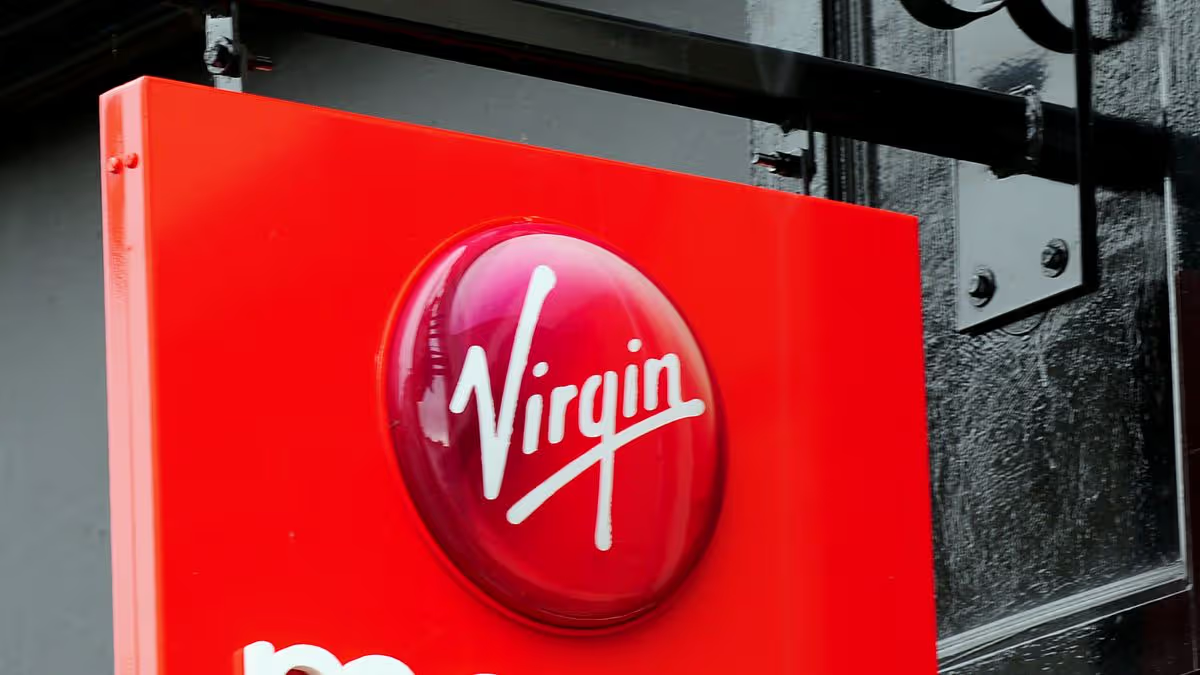
A general view of a branch of Virgin Money in Derby city centre.
The chief executive of Virgin Money is poised to leave the company later this year as the UK lender becomes fully integrated into the Nationwide umbrella.
Advertisement
Chris Rhodes assumed leadership at Virgin Money following its acquisition by Swindon-headquartered Nationwide in late 2024. Prior to this role, Rhodes held the position of finance chief at the UK’s largest building society for more than five years.
On Tuesday, Nationwide announced Rhodes would step down in September 2026.
Dame Debbie Crosbie, chief executive of Nationwide, said Rhodes “steadied and strengthened the Virgin Money business” over the past 18 months.
The building society giant struck a deal for the then FTSE 250-listed Virgin Money in March for approximately £2.9bn.
Advertisement
The firm subsequently secured around £2.3bn from the acquisition, which raised questions about Virgin’s leadership decision to accept a deal that some felt undervalued the bank, which held a £4.4bn book value, as reported by City AM.
The acquisition – finalised at the beginning of October – helped create the UK’s second-largest retail banking provider, ahead of NatWest and behind Lloyds Banking Group.
Nationwide confirmed the completion of a legal mechanism known as Part VII Transfer on Tuesday, which enables a bank to transfer all its customers, accounts, and contracts to another bank without requiring individual consent from every single customer.
his paves the way for Virgin Money and Nationwide to be merged into a single organisation, with suggestions that a replacement for Rhodes will not be necessary.
Advertisement
The procedure encompasses the whole of Clydesdale Bank, which is the legal entity that owned Virgin Money and Yorkshire Bank.
As part of the arrangement, Nationwide therefore assumes responsibility for customer accounts, mortgages, credit cards, data and banking contracts at the former brands.
English business magnate Sir Richard Branson established Virgin Money in March 1995, initially known as Virgin Direct.
Branson secured a windfall of approximately £724m from the transaction with Nationwide, which comprised £414m for his 14.5 per cent stake.
Advertisement
The balance of the sum derived from Nationwide agreeing to pay for the use of the Virgin Money brand – a fee that includes £15m in annual royalties for the first four years as well as a £250m exit fee, which positions the brand to vanish from the high street within six years from the date of the acquisition.
SYDNEY — Australia’s electric vehicle market has surged in 2026, with sales climbing sharply as more affordable models from Chinese brands challenge established players like Tesla. As of early April, EVs are on track to capture over 15% of new car sales nationally, driven by competitive pricing, improved range and expanding charging infrastructure.
With dozens of options now available, buyers face a crowded field spanning budget city cars to family SUVs and premium performance models. Factors such as driveaway pricing, real-world range, safety ratings, warranty coverage, charging speed and ownership costs help narrow the choices.
Here are five of the strongest contenders for Australian buyers in 2026, selected for their combination of value, popularity, performance and practicality based on recent sales data, expert reviews and awards from Drive Car of the Year and other sources.
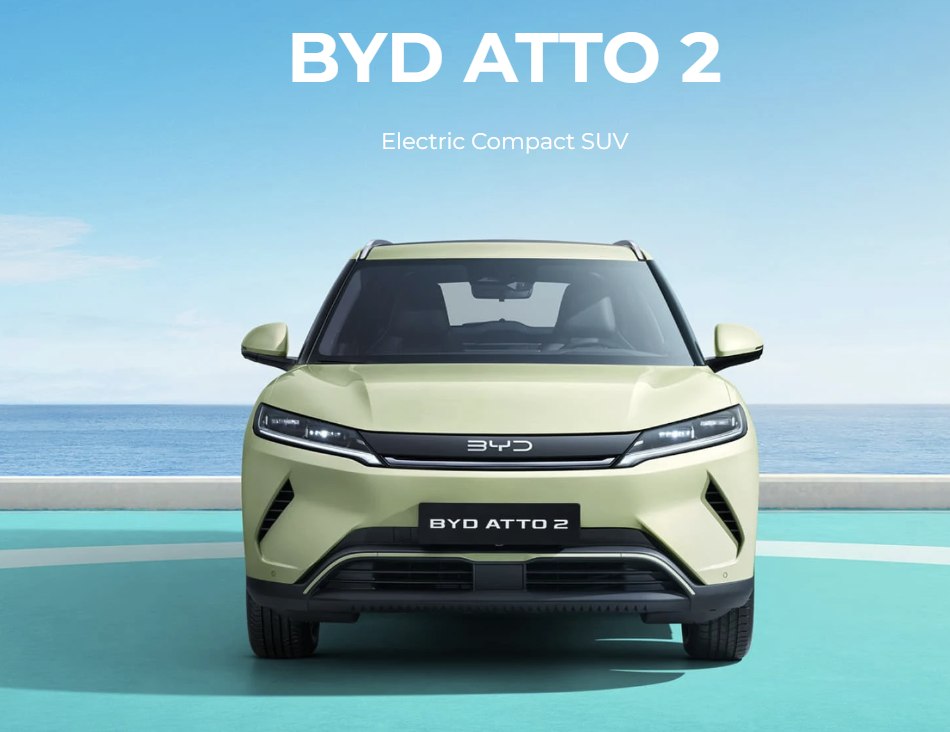
BYD Atto 2
BYD Atto 2 — Best budget small SUV under $40,000 The BYD Atto 2 has emerged as a standout winner in the sub-$40,000 electric vehicle category, earning recognition as the best electric vehicle under $40k at Drive Car of the Year 2026. Positioned below the Atto 3, this compact SUV delivers premium features without heavy cost-cutting, including a spacious interior, decent cargo capacity and competitive specifications for urban and suburban driving.
Driveaway prices start around $35,000–$40,000 depending on variant and state incentives, making it accessible for first-time EV buyers. It offers a WLTP range of approximately 400–450km in higher trims, with efficient battery management that performs well in mixed Australian conditions. Standard equipment includes advanced driver assistance systems, a large touchscreen infotainment setup and comfortable seating for five.
Advertisement
Buyers praise its build quality, quiet cabin and low running costs, with many noting it feels more premium than its price suggests. As one of the top-selling BYD models year-to-date, the Atto 2 benefits from the brand’s expanding dealer network and strong after-sales support. It suits commuters and small families seeking an affordable entry into electric motoring without sacrificing everyday usability.
Tesla Model Y
Tesla Model Y — Australia’s best-selling EV and versatile family SUV The Tesla Model Y continues to dominate Australian EV sales charts in 2026, with thousands of units moved monthly and year-to-date figures leading the pack. Available in rear-wheel-drive, Long Range and Performance variants, it offers exceptional range — up to 681km WLTP in top configurations — along with Tesla’s renowned Supercharger network, over-the-air software updates and minimalist yet highly functional interior.
Driveaway pricing begins around $58,900 for the base rear-wheel-drive model, positioning it as a premium yet attainable family hauler. Its spacious cabin, large boot and frunk provide genuine practicality, while acceleration and handling impress drivers seeking both efficiency and fun. Safety features, including Autopilot, contribute to strong ANCAP ratings.
Despite competition from Chinese rivals, the Model Y retains loyalty through its ecosystem, rapid charging capability and regular improvements delivered wirelessly. It appeals to tech-savvy buyers and those planning long road trips across Australia’s vast distances. Analysts credit its sustained popularity to proven reliability and the convenience of Tesla’s charging infrastructure.
Zeekr 7X — Premium electric SUV with standout value and features The Zeekr 7X has quickly gained attention as one of the most impressive new electric SUVs in Australia, often undercutting the Tesla Model Y on price while offering superior standard equipment and a luxurious cabin feel. Priced from around $57,900 before on-roads, it delivers up to 615km WLTP range and a refined driving experience that reviewers describe as belonging in a vehicle costing significantly more.
Advertisement
Buyers highlight the high-quality interior materials, advanced technology suite and comfortable ride quality. Strong sales figures place it among the top performers in early 2026, reflecting growing consumer confidence in Geely-owned brands. Features such as fast charging, comprehensive safety systems and spacious accommodation make it ideal for families or those upgrading from conventional SUVs.
The Zeekr 7X represents the maturing Chinese EV segment, combining cutting-edge battery technology with practical Australian-suited attributes like generous ground clearance and efficient thermal management for varying climates. It stands out for those wanting premium features at a more accessible price point than traditional European or American alternatives.
Geely EX5 — Affordable family SUV delivering exceptional value Frequently cited as unbeatable value around the $45,000 mark, the Geely EX5 offers a compelling package of space, equipment and efficiency that surprises many buyers. With competitive range figures around 475km WLTP and a feature-packed cabin, it provides a strong alternative for families seeking a mid-size electric SUV without stretching budgets.
Reviewers note its comfortable ride, modern infotainment and solid build quality, often comparing it favorably to more expensive rivals. Year-to-date sales have been robust, underscoring its appeal in a market increasingly dominated by value-driven Chinese offerings. The EX5 benefits from Geely’s engineering expertise, delivering refined dynamics and reliable performance suited to daily commuting and weekend getaways.
Advertisement
Its balance of price, practicality and technology makes it a smart choice for buyers prioritizing bang-for-buck in the growing affordable EV segment. Additional perks such as competitive warranties and improving dealer support further enhance its ownership proposition.
BYD Sealion 7 — High-performing electric SUV with strong sales momentum The BYD Sealion 7 has rocketed up the sales charts in 2026, consistently ranking near the top alongside the Tesla Model Y. This mid-size electric SUV combines striking design, impressive performance and a competitive range that appeals to buyers seeking style and substance.
Available in multiple variants with driveaway prices starting in the mid-$50,000 range, it offers strong acceleration, refined handling and a premium interior experience. Real-world range supports longer journeys, while fast-charging capability minimizes downtime. Its success reflects BYD’s aggressive pricing strategy and expanding model lineup tailored to Australian preferences.
The Sealion 7 excels as a versatile family vehicle with modern safety technology and efficient powertrain. High sales volumes indicate broad consumer acceptance, making it a safe recommendation for those wanting a well-rounded EV from a brand with proven local momentum.
Advertisement
Australia’s EV landscape in 2026 features rapidly falling prices, with several models now available under $35,000 driveaway and more than 20 options below $40,000. State and federal incentives, including potential FBT exemptions via novated leases (though under review), continue to influence affordability, alongside expanding public and home charging options.
Buyers should consider individual needs such as daily commute distance, family size, budget and access to charging. Real-world range can vary based on driving style, weather and load, while total cost of ownership benefits from lower fuel and maintenance expenses compared with petrol or diesel vehicles.
Experts recommend test-driving multiple options and checking current driveaway pricing, which fluctuates with promotions and on-road costs varying by state. Warranty coverage — often 6–8 years on vehicles and longer on batteries — provides reassurance, as does improving resale value as the market matures.
As charging infrastructure grows and battery technology advances, the five models highlighted represent a cross-section of today’s best choices: affordable entry points, proven best-sellers, value-packed newcomers and premium performers. Whether prioritizing cost savings, long-range capability or luxurious features, Australian buyers have more compelling electric options than ever in 2026.
Advertisement
The shift toward EVs reflects broader environmental goals and economic realities, with running costs significantly lower for most households. As sales momentum builds, these top contenders are helping drive the transition to cleaner, quieter motoring across the country.
At a time when global uncertainties are intensifying and crude oil prices remain volatile, the Reserve Bank of India (RBI) finds itself navigating one of the most complex policy environments in recent years. The upcoming monetary policy review is being closely watched, not just for rate decisions, but for signals on how the central bank plans to tackle rising external risks, currency weakness, and inflationary pressures.
Speaking with ET Now, Tanvee Gupta Jain, Chief India Economist, UBS underscored how dramatically the landscape has evolved since the previous policy meeting. “You are right in pointing out that the macro situation has changed a lot since the last policy. I mean that time the entire focus was on the having a trade deal with the US. We were signing so many of FTAs and the outlook was looking very good. But right now, I would say, the external risk have come to the forefront and especially at a time because Indian economy remains vulnerable to higher oil prices,” she said.
India’s dependence on imported crude—nearly 88% of its requirement—makes it particularly sensitive to geopolitical disruptions, especially in West Asia. With almost half of these imports sourced from the region, the ongoing conflict has raised concerns about both inflation and growth.
Jain pointed out that the RBI faces a delicate balancing act. “I would say at this point RBI has a lot more things to look out. Definitely the downside risks to growth are going up. Inflationary concerns are rising,” she said, adding that the central bank is likely to maintain a cautious stance. “In our base case we are expecting RBI to either continue with the neutral stance or announce a withdrawal of accommodation. At this point it is too early to expect the RBI to shift to a tightening stance because the things are still unfolding.”
Advertisement
According to UBS estimates, if crude oil averages around $100 per barrel, India’s GDP growth could moderate to about 6.3%, while inflation may climb above 5%, compared to earlier expectations of 7% growth.
Live Events
Currency Takes Centre Stage While interest rates and liquidity remain important, Jain emphasized that the real focus of the RBI’s policy response may lie elsewhere. “I would say that rather the more important point of view from an RBI policy tomorrow, more than liquidity and more than policy rate is, how are they going to tackle the INR weakness,” she said. The Indian rupee has underperformed in recent months, prompting the RBI to deploy regulatory measures such as curbs on FX positions and restrictions in the non-deliverable forward (NDF) market. However, Jain cautioned that these steps may not address deeper structural imbalances. “Recent moves by the RBI… are more regulatory, more to curb speculation. But they are not likely to fix the structural FX imbalances,” she explained.
Liquidity support measures such as FX swaps and open market operations (OMOs) are expected, but the broader challenge remains stabilizing the currency amid global volatility.
Echoes of 2013, But Not Quite the Same Market participants have drawn parallels between the current situation and the 2013 taper tantrum, when the rupee saw a sharp depreciation. Jain acknowledged the comparison but stressed key differences.
“A lot of investors… are comparing this current episode with the 2013 taper tantrum… But that time India was an outlier. Macro imbalances were quite high. This time around it is a global shock,” she said.
Advertisement
While India’s macro fundamentals are relatively stronger today, the scale of the external shock—particularly if oil prices remain elevated—poses a significant risk.
Limits of Traditional Tools On the question of whether tools like FCNR deposits could be reintroduced, Jain remained cautious. “Yes, NRI deposit is one option… maybe one of the last things you want to pull out from the bag,” she said, noting that such measures would only partially address the funding gap.
She also highlighted concerns around India’s current account deficit, which could widen significantly if oil prices remain elevated. “We would be staring at a current account deficit of more than $100 billion at this point in time,” she warned.
Stagflation Risks and Policy Trade-offs The possibility of a stagflationary environment—characterized by slowing growth and rising inflation—has also entered the conversation.
Advertisement
“I would say in a scenario what we are talking about maybe if oil prices sustain higher we could be looking at a stagflationary kind of scenario, not only for India but globally,” Jain said.
In such a scenario, she believes fiscal policy, rather than monetary policy, should take the lead. “It is always a fiscal policy which should do the heavy lifting more than the monetary policy,” she noted, arguing that rate hikes may not be effective against supply-driven inflation.
Government’s Role and Fiscal Space The government has already taken steps to cushion the impact, including a ₹10 per litre cut in fuel prices. However, Jain cautioned that there are limits to how much can be absorbed.
“I still think they still have some more fiscal space… but beyond a point you need to let the shock pass on to the consumers,” she said, pointing to the importance of demand adjustment in managing macro imbalances.
Advertisement
Two Scenarios, Diverging Outcomes Looking ahead, Jain outlined two possible paths depending on how the geopolitical situation evolves.
If the crisis is short-lived and oil stabilizes around $95–$100 per barrel, GDP growth could settle at around 6.3%, with inflation rising moderately. However, in a prolonged disruption scenario with oil at $150 per barrel, growth could slow sharply to 5.5%, while inflation may breach the RBI’s upper tolerance band of 6%.
“I think the impact is largely asymmetric and most important is the duration of the impact,” she said, emphasizing that both the level and persistence of oil prices will determine the trajectory of India’s macroeconomic outlook.
As the RBI prepares to announce its policy decision, experts feel this is not just another policy review, but a defining moment that could shape the economic narrative in the months ahead.
Buy-side hedge professionals conducting fundamental, income oriented, long term analysis across sectors globally in developed markets. Please shoot us a message or leave a comment to discuss ideas.DISCLOSURE: All of our articles are a matter of opinion, informed as they might be, and must be treated as such. We take no responsibility for your investments but wish you best of luck.
Analyst’s Disclosure: I/we have a beneficial long position in the shares of STLA either through stock ownership, options, or other derivatives. I wrote this article myself, and it expresses my own opinions. I am not receiving compensation for it (other than from Seeking Alpha). I have no business relationship with any company whose stock is mentioned in this article.
Seeking Alpha’s Disclosure: Past performance is no guarantee of future results. No recommendation or advice is being given as to whether any investment is suitable for a particular investor. Any views or opinions expressed above may not reflect those of Seeking Alpha as a whole. Seeking Alpha is not a licensed securities dealer, broker or US investment adviser or investment bank. Our analysts are third party authors that include both professional investors and individual investors who may not be licensed or certified by any institute or regulatory body.
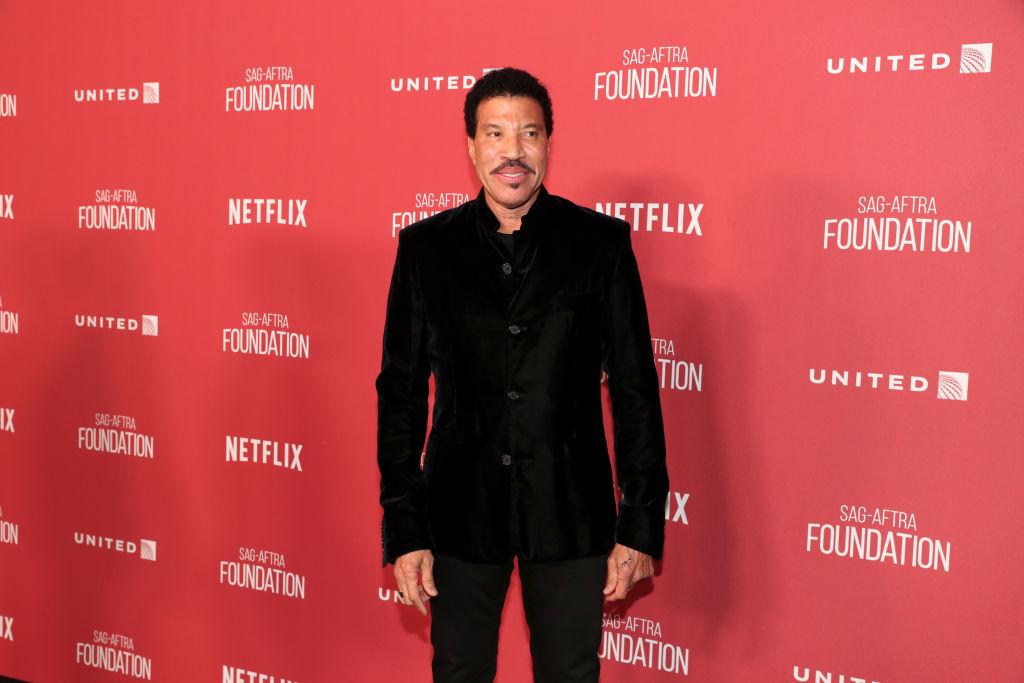
Lionel Richie dominated the 2026 Judges’ Song Contest on “American Idol,” securing the win by a landslide as the Top 12 contestants tackled ’90s hits during Monday night’s live episode on ABC. The victory handed the legendary singer the power to save one contestant from elimination, helping shape the competition’s new Top 11.
The April 6 broadcast resolved lingering drama from the previous week’s unprecedented voting snafu, which had delayed the official reveal of the Top 12. Host Ryan Seacrest opened the show by confirming the results of last week’s votes, eliminating Julián Kalel and Jake Thistle from the Top 14. That set the stage for the remaining 12 to perform under the Judges’ Song Contest theme, a fan-favorite twist where each judge — Richie, Carrie Underwood and Luke Bryan — secretly assigns a song from a chosen era, and contestants pick which one they’ll sing. The judge whose song receives the most performances earns the save opportunity.
This season’s contest focused on the 1990s, delivering a nostalgic mix of country, pop and R&B classics that tested the contestants’ versatility and emotional range. Richie emerged victorious with seven contestants choosing songs from his list, compared to three for Underwood and two for Bryan. The lopsided result underscored Richie’s enduring influence and keen song selection, drawing praise from viewers and fellow judges alike.
Performances highlighted the night’s high stakes. Hannah Harper, the stay-at-home mom from Missouri, opened strongly with Jo Dee Messina’s “Heads Carolina, Tails California,” a song she had sung during her initial audition. Many speculated it was Bryan’s pick, but it actually came from Underwood, showcasing Harper’s crowd-pleasing energy and personal connection to the track. Her safe advancement later in the episode confirmed the impact of the upbeat delivery.
Braden Rumfelt, the 22-year-old substitute teacher known for powerful ballads, delivered a standout rendition of Céline Dion’s “All By Myself,” earning acclaim for his vocal control and emotional depth. Chris Tungseth brought heart and soul to Edwin McCain’s “I’ll Be,” while other memorable moments included strong takes on Toni Braxton’s “Un-Break My Heart” and Wynonna Judd’s “Only Love.”
Advertisement
Seacrest revealed the Top 11 results in the episode’s final segment after tallying viewer votes from the live performances. The contestants who advanced automatically, in no particular order, were: Chris Tungseth, Kyndal Inskeep, Daniel Stallworth, Hannah Harper, Jordan McCullough, Braden Rumfelt, Philmon Lee, Keyla Richardson, Brooks (Rosser), and Lucas Leon.
That left Rae and Jesse Findling in the bottom two. With the save power in hand, Richie faced a difficult choice. “Both of you did an amazing, amazing job. It’s very difficult,” he told the pair, noting he received little guidance from his fellow judges. Ultimately, Richie chose to save Rae, sending Jesse Findling home and finalizing the Top 11. The decision sparked immediate debate among fans, with some questioning whether it was the “right” save while others applauded Richie for backing a contestant who had shown consistent growth.
The episode capped a turbulent stretch for Season 24 (often referred to in 2026 coverage as the current cycle). The prior “Songs of Faith” night saw real-time voting debut, but an unprecedented surge in votes created uncertainty, forcing producers to delay the Top 12 announcement until this episode. Seacrest addressed the snafu transparently, emphasizing the show’s commitment to fair results despite the technical challenges.
Judges offered glowing feedback throughout the night. Underwood praised the vocal power on display, Bryan highlighted the fun energy of the ’90s theme, and Richie repeatedly noted the contestants’ ability to make classic songs feel fresh. Guest mentor appearances and production elements, including elaborate staging for the era-themed performances, added polish to the live broadcast.
Advertisement
The Top 11 now includes a diverse group reflecting “American Idol’s” broad appeal: construction tradesman Chris Tungseth, elementary music teacher Daniel Stallworth, dementia care medication tech Brooks Rosser, and others bringing varied life experiences and vocal styles. With guest mentor Gwen Stefani lined up for the next episode, expectations are high for continued strong performances as the competition intensifies.
Social media erupted with reactions during and after the show. Clips of standout moments, particularly Braden Rumfelt’s powerhouse ballad and Hannah Harper’s energetic country-pop number, amassed rapid views on TikTok and Instagram Reels. Hashtags like #AmericanIdol2026, #JudgesSongContest and #LionelSaves trended, with fans debating the save decision and speculating on frontrunners. Some viewers expressed disappointment over Jesse Findling’s exit, citing his emotional delivery, while others celebrated Rae’s continuation as a deserving underdog story.
This season has already featured memorable twists, from Hawaii performances in the Top 20 to the faith-themed live shows. The voting delay added an extra layer of unpredictability, keeping audiences engaged across multiple episodes. Producers have emphasized real-time voting enhancements aimed at improving accuracy, though Monday’s episode served as a reminder of the challenges in managing massive viewer input.
For the advancing contestants, the path forward grows steeper. The Top 11 will face new themes and increased pressure as America’s votes carry more weight. Past seasons have shown that strong showings in the Judges’ Song Contest can boost momentum, and Richie’s win may indirectly influence future dynamics if his song choices continue resonating.
Advertisement
“American Idol” remains a cultural staple, launching careers and delivering weekly doses of talent and drama. With judges Underwood, Bryan and Richie bringing a balanced mix of country roots, pop sensibility and Motown legacy, the panel continues to deliver insightful, encouraging critiques that help contestants evolve.
As the competition heads into its next phase, eyes are on potential breakout stars like Braden Rumfelt for his vocal fireworks, Hannah Harper for her relatable charm, and others demonstrating range across genres. The show’s ability to recover from the voting hiccup and deliver a compelling episode underscored its resilience and enduring popularity.
Tuesday morning saw continued buzz, with recaps and reaction videos circulating widely. Fans praised the ’90s song selections for evoking nostalgia while challenging singers to put modern spins on familiar tracks. Industry observers noted the episode’s strong production values and the contestants’ polished performances, suggesting the season is hitting its stride as it narrows toward the finale.
Whether Lionel Richie’s save propels Rae to new heights or another contestant surges ahead remains to be seen. For now, the Top 11 stands as a talented cohort ready to battle for the “American Idol” crown in the weeks ahead.
Advertisement
The series continues live on ABC, with new episodes promising fresh themes, guest mentors and high-stakes voting. As always, viewer engagement will decide who advances, keeping the long-running franchise as unpredictable and exciting as ever in 2026.


















































You must be logged in to post a comment Login