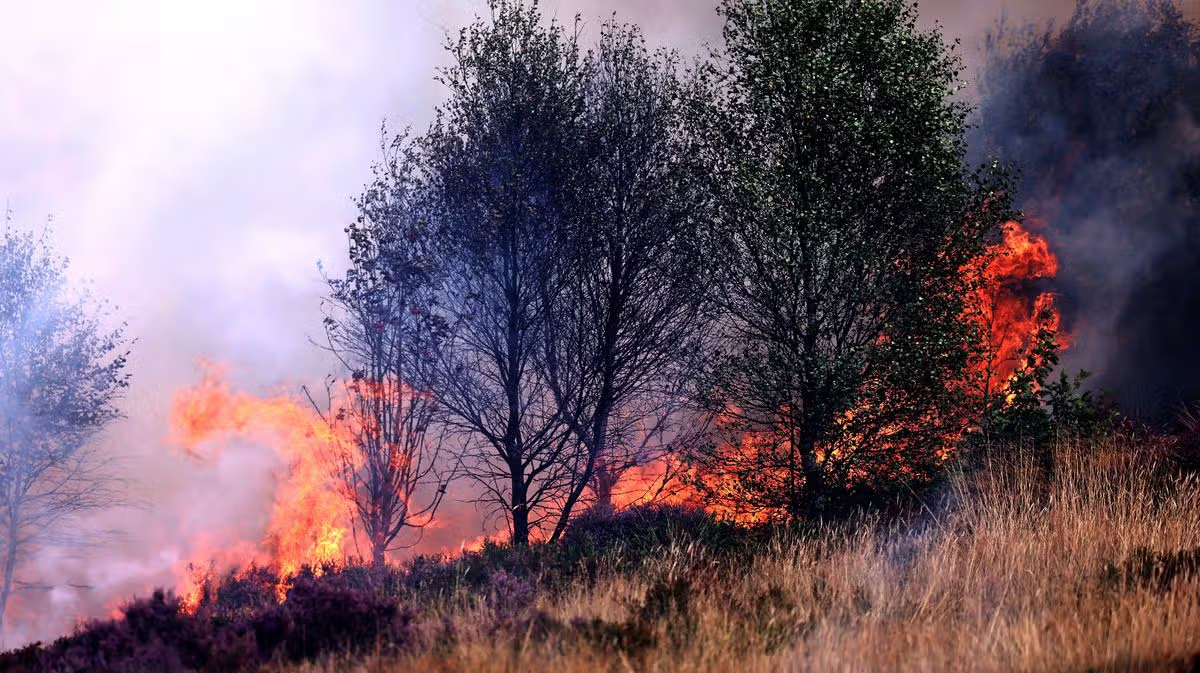
A Welsh fire service chief has stated that fire crews are working on six serious blazes in south Wales, currently. As South Wales Fire and Rescue (SWFRS) continue to deal with 14 as a whole, six locations are “areas of significant focus,” on Sunday, August 16.
The service is bringing in helicopter and drone support, while the ongoing response continues to be supported by several fire and rescue services from across the UK and teams from the British Army are deployed on the ground, creating fire breaks and clearing vegetation.
Military assistance is also helping with logistics, including the transportation of large quantities of firefighting water to the incident ground. This effort is proving highly effective and is helping us sustain operations during this period of heightened demand.
Assistant Chief Fire Officer and Director of Service Delivery, Matthew Jones said: “The support provided by our military colleagues during this wildfire has been exceptional. Their professionalism, commitment, and willingness to work alongside our firefighters have made a real difference in what has been a challenging and demanding incident.
“From supporting our operational activity on the ground to helping us protect communities and manage the wider response, they have shown exactly what can be achieved when emergency services and the military work together. On behalf of South Wales Fire and Rescue Service, I would like to thank everyone involved for their outstanding support.”
Advertisement
Get daily breaking news updates on your phone by joining our WhatsApp community here. We occasionally treat members to special offers, promotions and ads from us and our partners. See our Privacy Notice
The SWFRS also stated that they are asking the public for help and to play their part in helping prevent further wildfires by asking residents, landowners, and visitors to:
· Report any suspicious behaviour or deliberate fire setting to police by calling 101 or Crimestoppers on 0800 555111
· Only call 999 if you have a new emergency to report to the Fire Service
· Do not use disposable barbecues
· Avoid using firepits, garden incinerators or fireworks
· Close your windows and doors if you are affected by smoke
· If your health is affected by smoke, please seek appropriate medical guidance
· Follow advice from emergency services and local authorities
· Avoid incident areas and follow any local traffic diversions
· Do not fly drones near incidents as can disrupt operational activity
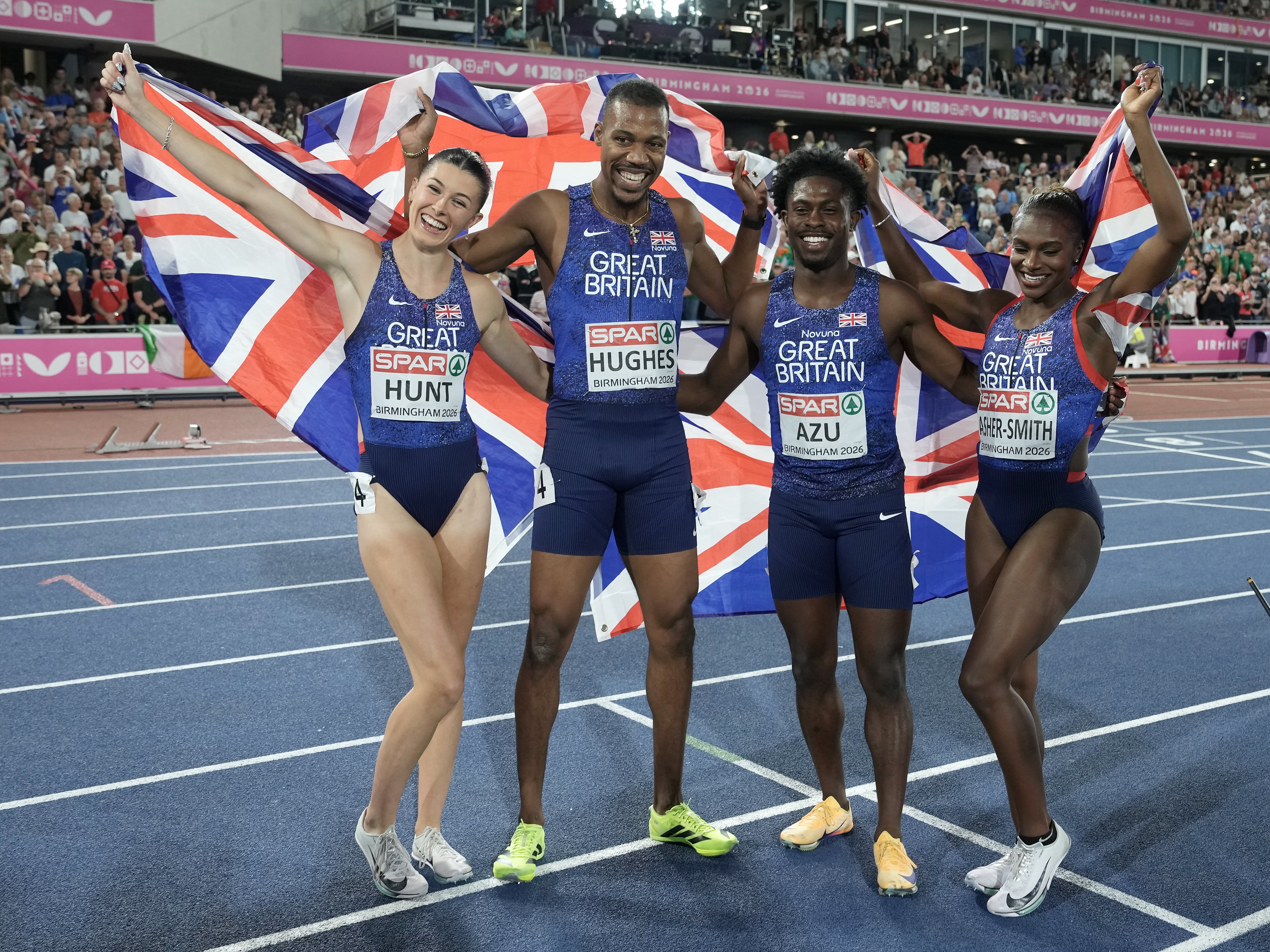
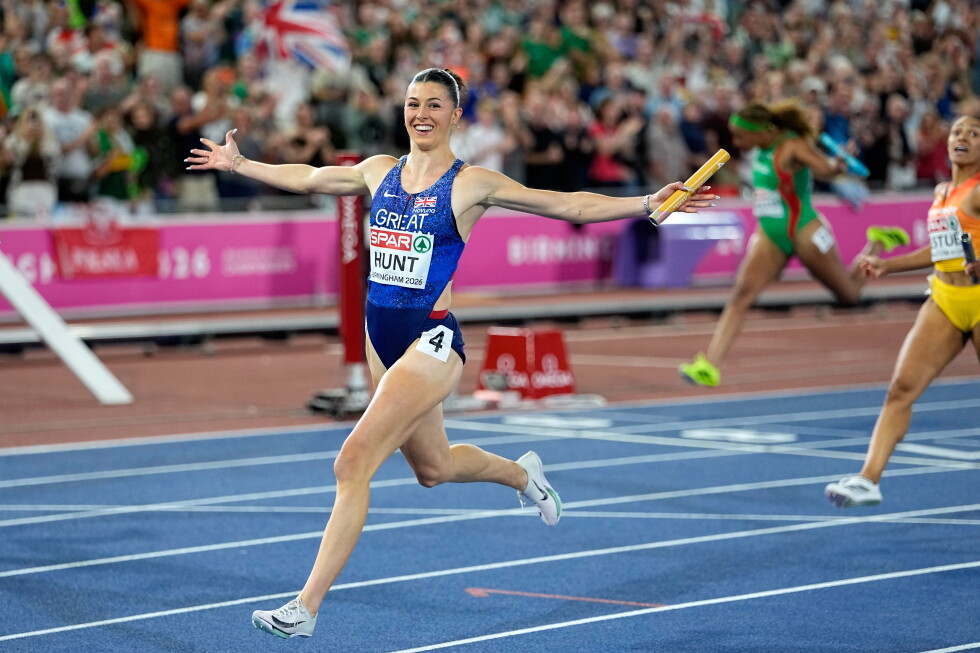
Amy Hunt became the first athlete to win four gold medals at a single European championships after Great Britain triumphed in the mixed 4x100m relay at the Alexander Stadium in Birmingham.
The British quartet of Jeremiah Azu, Dina Asher-Smith, Zharnel Hughes and Hunt, running in lane four, crossed the finish in a European record 39.97 seconds to beat silver medallists Germany, who finished in 40.11s, and third-placed Spain.
Asher-Smith also moved to the outright top of the European Athletics Championships all-time list – for both men and women – with her 11th medal, surpassing Polish sprinter Irena Szewinska’s 10 with her third this week.
Hunt, Hughes, Azu and Asher-Smith celebrate their win
That already took her to seven European golds, two more than Szewinska, but she is now the lone athlete at 11 with eight.
The mixed 4×100 relay made its European championships in Birmingham, making it possible for the ambitious Hunt to set her sights on the unprecedented quadruple and Asher-Smith to write more history.
Advertisement
“Oh my gosh, I’m over the moon,” Hunt told the BBC. “And I think to finish it off with some of my best friends in the sport – me and Jeremiah actually have the same birthday, so we’re kind of twins. To do it all together is incredible, especially because that was the first time we kind of did that changeover, about an hour ago in warm-up.
“First time ever – and look how smooth it was. Such professionals. It was a bit like, you know when you’re queuing for a rollercoaster and you’re like a little bit nervous and you’re seeing the drops and stuff, and then when you get off you want to do it again? It was that adrenaline kick, certainly. I loved the event.”
The Britons had to wait for a long review to confirm they had become the first European champions of the event, which in and of itself was a learning curve for multiple reasons.
Even the mixed-gender element took some adjusting for Hughes, who collected 4x100m relay bronze at the Paris 2024 Olympics.
Advertisement
Speaking to the crowd inside the stadium, he said: “Yeah, it was a bit difficult, because I was like, ‘What does Dina sound like again?’
“I’m so accustomed to a male voice. But obviously I knew I needed to get the job done.
“I got that stick from Dina, she said ‘go!’ so I just let it all out and tried my best to catch Amy, because she flew out.”
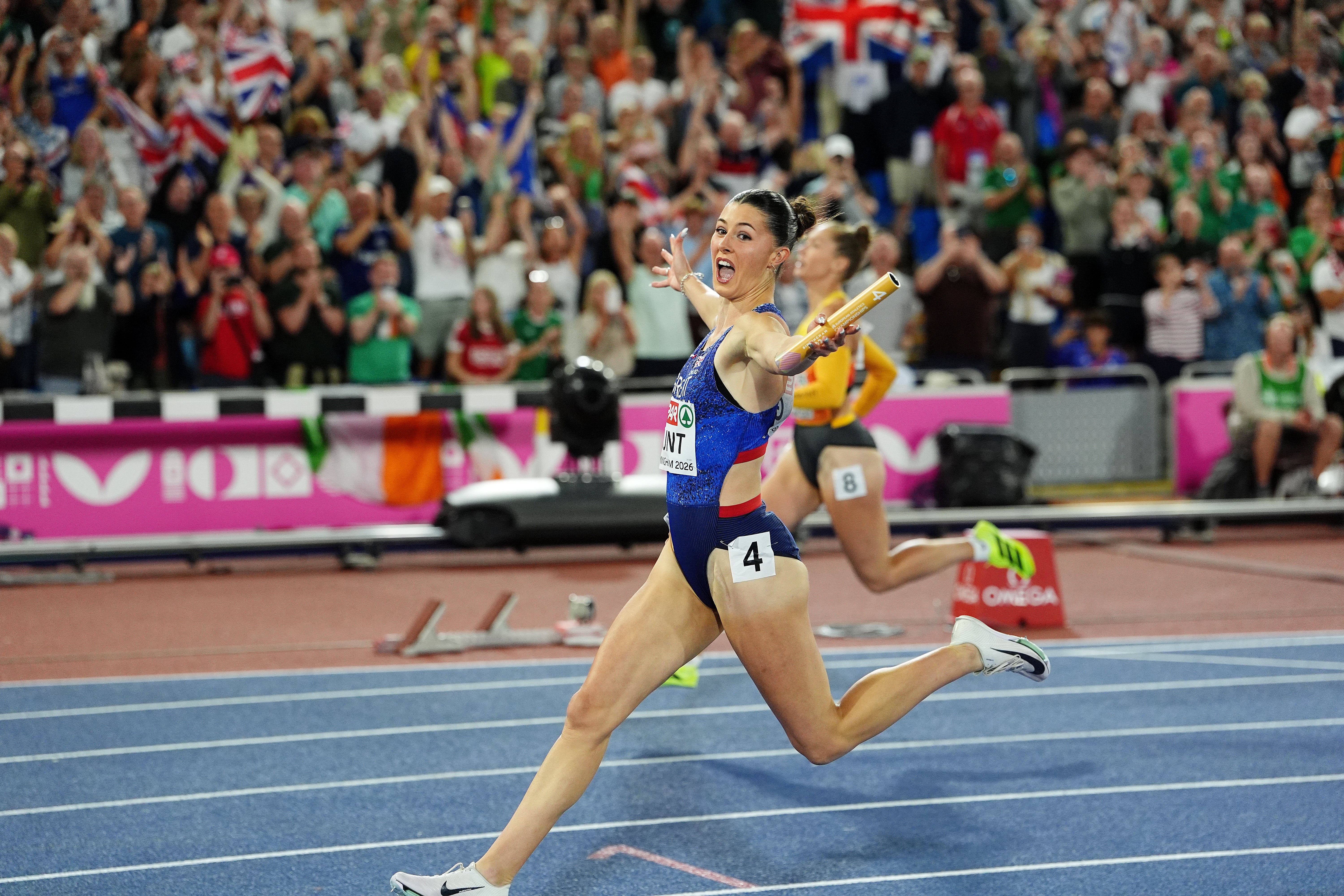
Hunt celebrates gold as she crosses the line after running the fourth leg in Birmingham
Hunt, the 2025 world 200m silver medallist, wrapped up the sprint double before winning gold with the women’s 4x100m relay quartet on Saturday night.
Azu, who collected 100m silver in Birmingham, got Great Britain started with a 10.54s opening leg and Asher-Smith flew down the back straight, handing off to Hughes, the 200m silver medallist this week, after 10.04s.
Advertisement
The crowd roared as Zharnel Hughes set Hunt off in 9.53 seconds, and Hunt, the English Literature graduate-turned-history-writer, could not be caught, anchoring the hosts home in 9.86s.
BIRMINGHAM, England (AP) — Amy Hunt won a record fourth gold medal in a single edition of the European championships when Britain clinched victory in the mixed 4×100 relay on Sunday.
Hunt had already won two individual titles — the 100 and 200 — and added a third gold Saturday in the women’s 4×100 relay at Alexander Stadium.
The team of Jeremiah Azu, Dina Asher-Smith, Zharnel Hughes and Hunt won Sunday in a time of 39.97 seconds. Germany was second in 40.11 and Spain third in 40.42.
On the anchor leg, Hunt pulled away from Gina Lückenkemper to cross the line for gold.
Advertisement
“Oh my gosh, I’m over the moon,” Hunt told the BBC. “To finish it off with some of my best friends in the sport … to do it all together is incredible.”
Asher-Smith won her career eighth European championships gold and became the competition’s most decorated athlete.
This was the debut of the mixed 4×100 relay in the European championships.
“It’s good to get to try something new,” Asher-Smith told the BBC, although she added, “I was absolutely terrified.”
Advertisement
Memorable marathons
Amanal Petros made sure there was no photo finish this time.
The German won the men’s marathon at the European championships on Sunday morning by a whopping 7 seconds, less than a year after missing out on gold in a photo finish at the world championships in Tokyo.
Petros crossed the finish line in Birmingham in 2 hours, 9 minutes, 11 seconds — breaking the championships record in the process. Italy’s Pietro Riva took silver with his 2:09:18, three seconds better than Israel’s Gashau Ayale.
Last September, the Eritrean-born Petros settled for silver behind Tanzania’s Alphonce Simbu in the closest marathon in world championships history. Both men were officially clocked at 2:09:48, but it was determined that Simbu crossed the line a fraction sooner.
Advertisement
In the women’s marathon Sunday, Finland’s Alisa Vainio dominated the field to finish in 2:22:26, nearly five minutes ahead of silver medalist Lili Anna Vindics-Toth of Hungary. Britain’s Abbie Donnelly took bronze. Vainio broke Christelle Daunay’s championship record from 2014 by almost three minutes.
Five teenage boys are dead after a head-on smash on an Irish motorway.
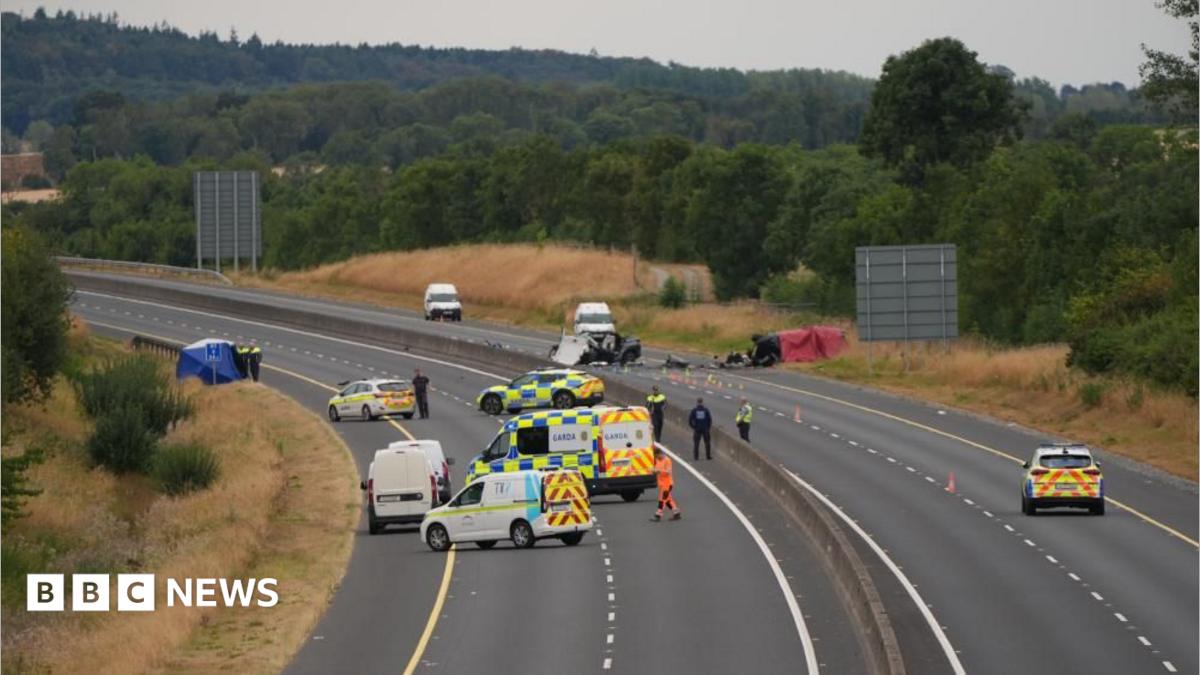
The youngsters, who were all in one car travelling the wrong way down the M9, died at the scene in Co Kildare in the early hours of Sunday.
Emergency services were alerted to a vehicle travelling southbound on the M9 northbound carriageway at junction 3 at around 3am.
Gardaí confirmed the bodies of the five teenage men have now been removed from the scene and taken to Naas General Hospital where post-mortem examinations will take place.
Advertisement
The passengers of the second vehicle are understood to be members of the same family who were travelling to Dublin Airport, with images from the scene showing a suitcase by the roadside.
The female driver and front-seat passenger of the second car, both aged in their 30s, have been taken to Tallaght University Hospital and both remain in critical condition.
A female rear-seat passenger, in her 20s, was taken to St Luke’s General Hospital and is in a serious condition, said the spokesman.
The third passenger, a child, has been taken to the Children’s Health Ireland at Crumlin and is in a serious condition.
Advertisement
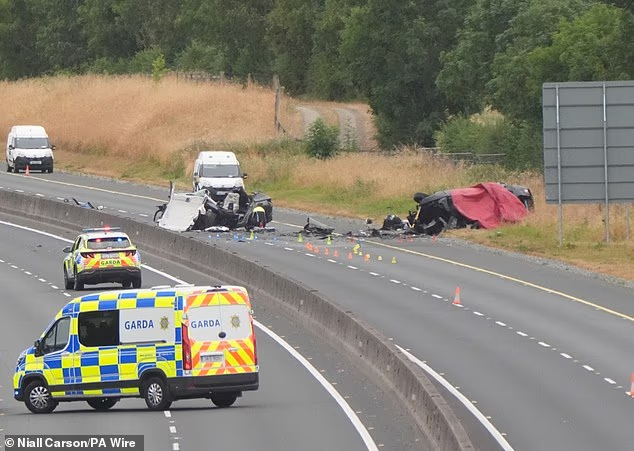
Five teenage boys who were in a car which was driving the wrong way down a motorway in Ireland before crashing have died. Pictured: The scene on the M9 northbound at Junction 3
Police said a car was travelling on the M9 in the wrong direction in Co Kildare before it smashed into another vehicle at junction 3 at around 3am on Sunday. Pictured: The scene on the M9 northbound
A forensic collision examination will take place while police investigate the circumstances of the head-on crash
Advertisement
Garda Commissioner Justin Kelly has described the head-on collision between two cars as ‘horrific’ and warned that ‘in some cases’ vehicles are being driven on the wrong side of motorways for social media likes.
Mr Kelly said: ‘My thoughts are with those injured in this morning’s collision on the M9.
‘These family members were travelling innocently when they were struck by a vehicle being driven the wrong way down the motorway.
‘This horrific incident, following the recent collision on the M50, shows how irresponsible and dangerous driving on the wrong side of the motorway is.
Advertisement
‘That, of course, should be self-evident, but what makes this reckless behaviour even more appalling is that in some cases it is being done for social media likes regardless of the potentially devastating impact it might have on innocent people and themselves.
‘As this particular incident has been referred to Fiosrú, the Police Ombudsman, I am constrained in what I can say in detail about this incident, but I know that gardaí do what they can to stop such vehicles while also taking into consideration all other road users.
‘Gardaí are put in a really challenging situation dealing with such incidents.
‘As always, An Garda Síochána will fully co-operate with the Police Ombudsman investigation which I hope is completed as expeditiously as possible.’
Advertisement
The M9 from junction 3 to junction 4 northbound and southbound remains closed with local diversions in place.
A forensic collision examination will take place while police investigate the circumstances of the smash.
The road is expected to reopen on Sunday night.
Emergency services were alerted to a vehicle travelling southbound on the M9 northbound carriageway at junction 3 at around 3am
Advertisement
The M9 from junction 3 to junction 4 northbound and southbound remains closed with local diversions in place. The road is expected to reopen on Sunday night
Officers are appealing for anyone who may have witnessed the collision to come forward.
A gardaí spokesperson added: ‘Family liaison officers have been appointed to relatives of the occupants of both vehicles.
‘Gardaí are appealing for any persons who may have witnessed this collision to come forward.
Advertisement
‘Gardaí are appealing to road users who were travelling on the M9 northbound or southbound between 2am and 3am this morning, Sunday August 16 2026, and who may have dashcam footage of the incident or surrounding area to make this footage available to investigating gardaí.’
A statement from Fiosrú said: ‘The referral was made following a fatal road traffic incident on the M9.
‘One of Fiosrú’s on-call team of investigators attended the scene and its independent investigation is ongoing.
‘In line with its statutory remit, Fiosrú’s investigation relates to incidents involving contact with gardaí where a member of the public has died or been seriously injured.’
Advertisement
Nine people were injured in an incident last weekend when there was a head-on collision on the M50 in Dublin with a car travelling in the wrong direction on the motorway.
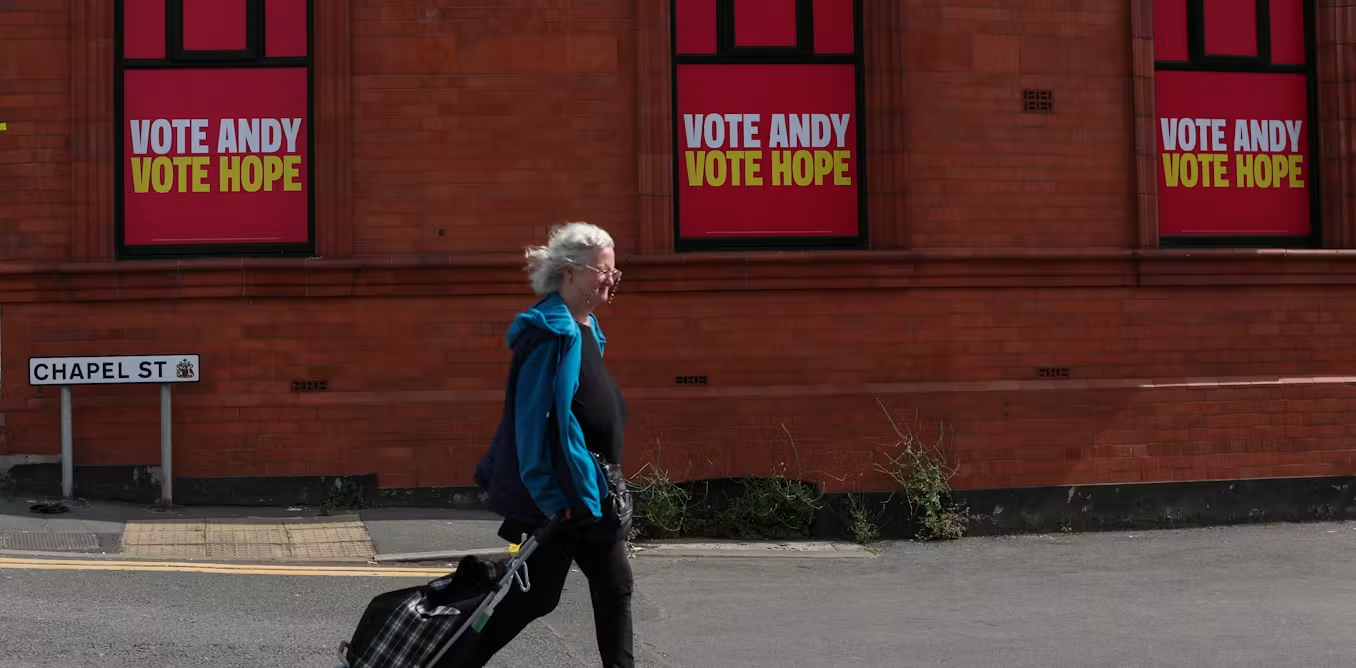
Andy Burnham is embarking on a tour of the UK where he will champion a “ten-year plan to bring back hope”. This has been the language of the early stages of the Burnham premiership – in his first speech in Downing Street, he proclaimed it the moment when “Britain starts to believe again, the moment we bring back hope”.
Politicians invoking hope are sometimes denigrated as trite and vacuous – as if they are leading people on with empty rhetoric. Even Barack Obama, who used the rhetoric of hope in his 2008 US presidential campaign, was later mocked by Sarah Palin, running mate of Obama’s rival for the White House John McCain, about “that hopey, changey thing”.
Psychologists and philosophers have fleshed out what hope means as a distinct concept. Rather than just expecting the future to be better than the present somehow, hope is about being faced with uncertainty and believing it is possible to make that future better.
Giving people hope is about convincing them that it is possible to pursue that better future, either individually or collectively. For Burnham, a wide body of research suggests there are three kinds of hope in particular that he will – or should – be aiming to rekindle on his tour of the country.
Advertisement
Psychological hope
Psychologists make a critical distinction between hope and optimism. Optimism is about tending to believe that things will be better in the future, come what may. Hope is the conviction that it is possible to achieve goals we set out to reach: where there’s a will, there’s a way.
One popular psychological measure of hope involves splitting it into two dimensions. “Pathways” describe people’s ability to imagine the routes to a good outcome. “Agency” describes the motivation to pursue those pathways. Hopeful people are more likely to take action towards their goals because they can see the steps that might get them there, and feel empowered to follow them.
When it comes to voters, they will be better able to see pathways that politics clears for them. And they will feel more agency in pursuing them when politicians show them a route.
Understood in these terms, Burnham’s abstract emphasis on hope sits comfortably alongside his more concrete focus on giving people “room to breathe” with regard to the cost of living. If he can convince them that marginal relief on energy bills and bus fares are just the first step on the road to making life more affordable, people may be able to look beyond each month’s expenses and start hoping for meaningful improvements in their living standards.
Advertisement
Democratic hope
But in a democracy, hoping isn’t something that individuals do alone. Philosophers have written about democratic hope, arguing that democracy involves seeing ways to produce a better future together, in relation with our fellow citizens.
After all, in politics, the main source of uncertainty about how things will turn out is the actions of other people. So hoping for better from our politics involves believing and trusting in others to make choices in our collective interest.
Burnham has shown concern about the loss of such trust and respect between citizens. During his campaign for the Makerfield byelection, he lamented the “polarised” and “poisonous” direction of British politics. Inspiring hope for a brighter collective future could help Burnham put that right, by encouraging people to see that this prospect relies on cultivating better civic and democratic attitudes towards fellow citizens.
For example, the government’s plans to give people a bigger say about improving their high streets suggest an intention to bring communities together in the hope of making their everyday lives better. He may see these plans as a route to restoring the respect between citizens that he says is being lost.
Advertisement
Electoral hope
Finally, Burnham will be keen to boost hope in Labour’s electoral chances. In my work, I have developed the concept of “electoral hope”, explaining why people tend to believe that their preferred party stands a chance of winning an election.
The so-called “Burnham bounce” has seen Labour’s polling rise to overtake Reform UK for the first time in months. This followed Burnham’s appointment as prime minister and initial policy announcements.
A well-executed tour of the country in which Burnham convinces the public he can deliver on these priorities may consolidate that improved performance.
In his first speech as PM, Burnham spoke of his plans to ‘bring back hope’. EPA/ANDY RAIN
My research has found that (psychologically) hopeful people are the most inclined to expect their preferred party to win. But more positive polling of the kind Labour is now beginning to enjoy helps to get those who are otherwise low in psychological hope to get on board and start believing too.
And that could prove important, because creating the impression that the Labour party is best placed to beat Reform will be essential to winning the next election. To gain the support of voters in the so-called “left bloc”, who want to minimise the chances of a Reform victory, Labour will have to appear to be the most viable option in this group of progressive parties.
Hope, far from being mere rhetoric, can be a powerful force in politics. Whether Burnham’s tour of the UK, and the announcements made along the way, will be enough to inspire such hope remains to be seen.
Whilst in Egypt, Kushner also met Egyptian President Abdel Fattah al-Sisi. According to Israeli media reports, Kushner, Mladenov and Blair will meet Netanyahu on Monday with the aim of advancing Trump’s plan.
The Israeli prime minister has said he wants a full Hamas disarmament first in order to implement the deal.
“Israel rejects the Board of Peace’s 15-point document on Gaza. The IDF will not carry out any withdrawal until Hamas is genuinely disarmed,” Netanyahu said last week defying Israel’s closest ally.
In a joint statement on Sunday, Egypt, UAE, Qatar, Saudi Arabia, Jordan, Turkey, Pakistan and Indonesia said Israel’s rejection of the US plan threatened Trump’s efforts for peace.
Advertisement
The ceasefire, which came into effect on 10 October last year, remains in place.
However, the Israel Defense Forces have carried out several strikes in Gaza since then – the latest on “terrorists” in Khan Yunis and Nuseirat areas of Gaza – accusing Hamas of breaking the truce.
The war was triggered by the Hamas-led attack on southern Israel on 7 October 2023, in which about 1,200 people were killed and 251 others were taken hostage.
Israel responded to the attack by launching a military campaign in Gaza, during which more than 73,000 people have been killed, according to the territory’s health ministry, whose figures are considered reliable by the UN.
Advertisement
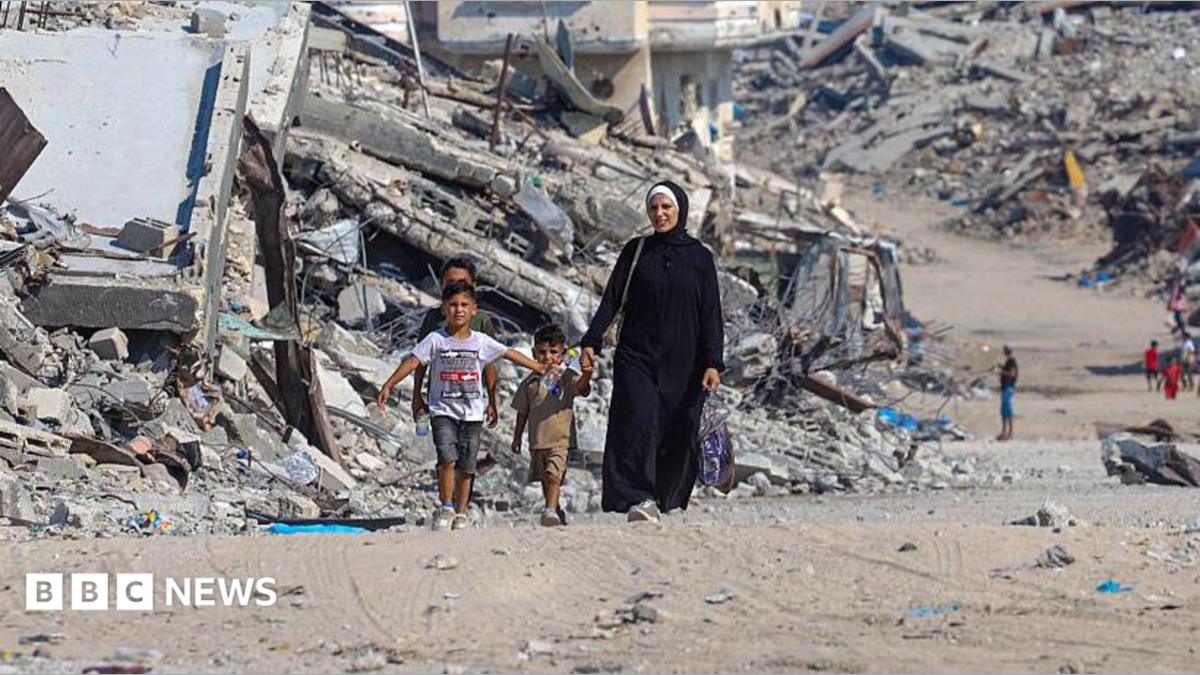
The UN estimates that about 1.9 million people – 90% of Gaza’s population – have been displaced since the war started.
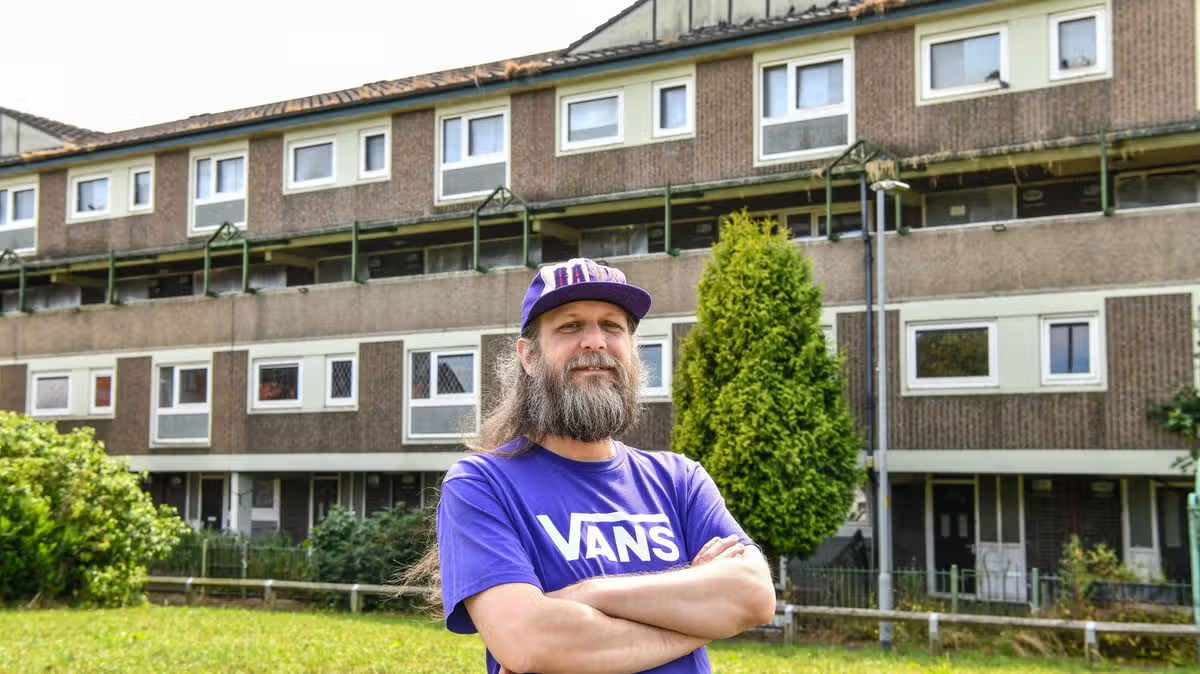
Andy Roche is the last resident in a doomed estate – but he refuses to leave the home he has lived in for 28 years.
A lone tenant is holding up plans to bulldoze a deserted corner of a doomed council estate after refusing to leave the only occupied flat among 126 homes earmarked for demolition.
Advertisement
Andy Roche, 51, is the final resident living in Zedburgh, one of seven 1960s apartment blocks at the Lower Falinge estate in Rochdale, Greater Manchester, which are facing the wrecking ball.
Six of the seven blocks have already been completely emptied, leaving Andy’s one-bedroom flat as the only occupied property in the 126 homes due to be demolished.
Rochdale Boroughwide Housing (RBH) wants to flatten the blocks and replace them with up to 270 new homes as part of a major regeneration scheme.
But Andy, who has lived in his flat for 28 years, has dug in his heels and insists he does not want to move.
Advertisement
He lives at the property with his partner, who is also autistic, and says they have specific needs which have made finding suitable alternative accommodation difficult.
The unemployed 51-year-old pays just £95 a week for the flat and says he still loves living there despite the increasingly deserted surroundings.
He says the estate’s green spaces, lack of traffic and familiarity of the area make it home.
Advertisement
Andy said: “We don’t want to leave this area – it’s where I’ve lived all my life since leaving my parents’ home.
“There’s never any trouble, and we like all of the green space.
“Because we’re both autistic, we have very specific needs when it comes to things like noise, smells and lights.
“We’ve given RBH a list of our housing needs – but they seem to be ignoring it.”
Advertisement
Andy claims some of the properties suggested by RBH would not meet those requirements, including one next to a pub and another close to a metalworks.
The standoff has left Andy and his partner living in increasingly eerie surroundings, with their flat surrounded by boarded-up windows and empty walkways.
Lower Falinge was built from 1968, with its deck-access blocks completed in stages into the early 1970s.
Advertisement
Today, Zedburgh is surrounded by six empty blocks – Ollerton, Newstead, Romsey, Quinton, Ullesthorpe and Vaynor.
Across the communal grassland, once-busy homes now stand empty behind sheets of plywood as the estate waits for its next phase of redevelopment.
Andy said the deserted surroundings had created an “eerie” atmosphere and left the couple feeling increasingly isolated.
He said: “We feel isolated. We worry about people breaking in when we’re out of the flat.”
Advertisement
Andy also claims people have started hanging around the empty estate since residents moved out and suspects some may be involved in drug dealing.
With neighbouring properties no longer being heated, he says his own home has also become colder and more expensive to keep warm.
He added: “When I hear someone outside, I think – have they come with machines to knock us down?
“When I hear the letterbox, my heart sinks because I think there’s going to be a letter saying that they’re taking us to court.
“This has been going on for so long that I’ve almost forgotten what it was like to live here before.”
Advertisement
Andy and his partner were served with a notice seeking possession in January as RBH attempts to move them out.
He described the situation as “so distressing”.
Andy said: “I can’t understate that. It’s almost a matter of life and death with how distressing it is.”
Advertisement
The latest regeneration plans come less than a year after campaigners successfully challenged an earlier attempt to demolish six of the blocks.
RBH had sought prior approval for the demolition, but residents challenged the decision through a judicial review and won.
The housing association has now returned with a wider proposal which also puts Zedburgh in the firing line.
RBH says the seven blocks have reached the end of their lifespan and can no longer provide the safe and warm homes residents need.
Advertisement
But Andy has questioned why other buildings from the same era have been refurbished rather than demolished, including work to address damp and mould.
Regeneration of Lower Falinge began in 2012 and RBH says three completed phases have already delivered 100 new homes.
The result is a stark divide between newly built properties and rows of boarded-up flats awaiting demolition.
In 2016, then-prime minister David Cameron famously described Lower Falinge as a “sink estate”.
Advertisement
RBH has not revealed a specific cost for the latest phase of the regeneration.
However, the housing association secured £55 million in new bank funding in January to invest in existing homes and support regeneration projects across Rochdale.
The plans include improved public spaces and better walking and cycling links to Rochdale town centre.
But while several other blocks earmarked for retention remain occupied, residents facing housing pressures have questioned why empty properties cannot be brought back into use.
Advertisement
Mum-of-six Gemma Lucas, 32, has spent three years living in temporary accommodation while waiting for a permanent council house.
She said: “We’re in a housing crisis – but those blocks are just sitting there empty waiting to get knocked down.
“Why can’t people move into them?”
Advertisement
RBH plans to submit an outline application for the redevelopment to Rochdale Council.
If approved, a further detailed application would still be required before demolition or construction work could begin.
An RBH spokesperson said: “We understand this is a very difficult situation for the customers involved, and we have been and will continue to work with them and their representatives to support them with finding a new home that meets their needs.
“The regeneration of Lower Falinge has been in progress over several years, in consultation with residents throughout.
Advertisement
“The seven blocks identified for demolition have been empty for several years and have reached the end of their life and can no longer provide the safe, warm homes our customers want and need to live healthy lives.
“We remain absolutely committed to supporting the one remaining household to move into suitable alternative accommodation.
“Since June 2025, we have made five offers of new homes, including properties within Lower Falinge and nearby. We will continue to provide tailored practical and financial support throughout the move alongside our partners.”
Get more Daily Record exclusives by signing up for free to Google’s preferred sources. Click HERE.
A number of people have died and four people have been taken to hospital following a two-vehicle crash in County Kildare.
The collision occurred on on the M9 Northbound at Junction 3 at about 03:00 local time on Sunday.
Gardaí (Irish police) said a vehicle had been travelling on the wrong side of the carriageway when a head on collision occurred with a second car. They said there were a “number of fatalities”.
The driver and front passenger, both female and aged in their 30s, of the second car have been removed from the scene to Tallaght University Hospital and both remain in critical condition.
Advertisement
A female rear seat passenger, aged in her 20s, was taken to St. Luke’s General Hospital and is in a serious condition.
The third passenger, who is a child, has been removed to Children’s Health Ireland at Crumlin and is in a serious condition.
The section of the M9 from Junction 3 to Junction 4 northbound and southbound remains closed with local diversions in place.
Irish broadcaster RTÉ have reported that gardaí said there was no pursuit taking place when the collision occurred.
Advertisement
Gardaí said Fiosrú (the Office of the Police Ombudsman) has been notified of the incident.
Fiosrú’s on-call team of investigators attended the scene and an independent investigation is ongoing.
The watchdog said a Fiosrú investigation relates to incidents involving contact with gardaí where a member of the public has died or been seriously injured.
It said a referral does not necessarily mean a garda or gardaí have been accused of wrongdoing.
Advertisement
“Instead, it means that Fiosrú should independently investigate the incident to ascertain whether or not the act or omission of a garda or gardaí may have resulted in the death of, or serious harm to, a person,” it added.
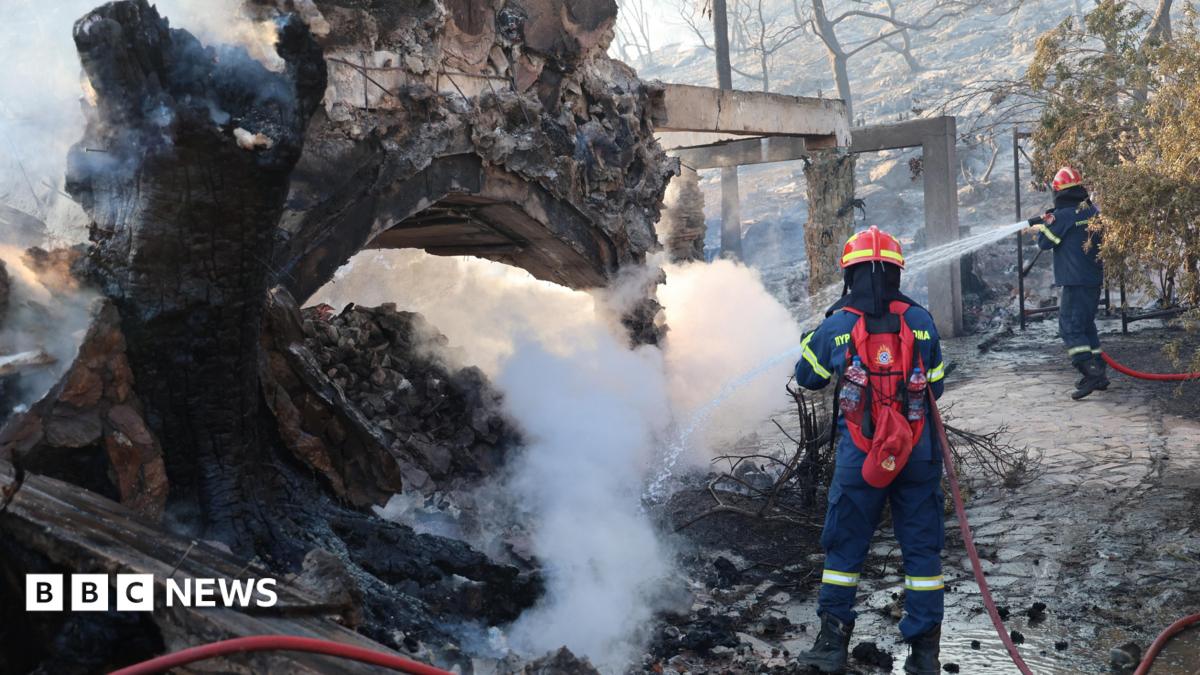
Two people died and and hundreds were evacuated after two fires broke out “almost simultaneously” on a Greek island near Athens on Sunday afternoon, officials said.
About 200 firefighterswere deployed to keep the twin fires from converging on the island of Salamina, which was under a high wildfire risk on Sunday.
The first blaze was reported at 14:40 local time (11:40 GMT) near the island’s south coast and spread rapidly due to high winds, followed by a separate fire some 20 minutes later in the east. Their cause is not yet known.
One of the fires had been brought under control and evacuations completed by Sunday evening, Greek media report, with 500 people having left the island by sea.
Advertisement
The first blaze broke out in a forested residential area in Peristeria, a southern city on the island, fire official Vasilios Vathrakoyannis said in a statement.
Firefighters attending the blaze found two bodies at the scene, he said. The city’s mayor told Greek media they were believed to have been a couple.
Firefighters continued to battle scattered blazes there late on Sunday, while the second fire which began in the eastern town of Selinia was said to have “no active front”.
Two coast guard vessels and a fire department vessel will remain in the area for surveillance and assistance.
Advertisement
At least 10 other people suffered burns or showed “symptoms of smoke inhalation”, five of whom had been taken for treatment locally, Greek Health Minister Adonis Georgiades said on X.
A number of aircraft and 50 fire engines, assisted by water tankers and construction machinery, were deployed to try and tackle the two fires.
Salamina Deputy Mayor Thodoris Zannis earlier said this was to keep the fires from burning over a mountain on the island and meeting to form a single blaze.




































You must be logged in to post a comment Login