
Business
C Restaurant confirms closure date


Yes. Corporate subscriptions are available for teams and organisations, with discounted rates as user numbers increase. Pricing starts from $1,625 + GST per user.
Get in touch
to discuss the right option for your organisation.
Business News subscriptions are used by executives, investors, consultants and professionals who need to stay informed and make better decisions about the WA market. When you subscribe you’ll get
- Unlimited access to WA’s most trusted business journalism
- Data & Insights — detailed profiles of WA companies, people, projects and deals
- MyBN — a personalised feed based on the companies, people and sectors you follow
- Special publications and industry reports
- Daily and weekly email newsletters
Data & Insights is a research tool built specifically for the WA market. It draws on more than 30 years of Business News reporting, updated regularly to reflect what’s happening now. Use it to:
- Look up detailed profiles of WA companies, including financials, directors and ownership
- Find decision-makers and track their career movements
- Research live and completed projects across WA industries
- Monitor deals, appointments and market activity
- Access industry rankings and league tables
Data & Insights is updated daily by our dedicated research team, which uses the latest announcements, ASX filings and editorial coverage to keep our person, company, list and project records up to date.
Business News welcome all opportunities to make our dataset accurate, complete and current, so if you have an update request, please email the team at
general@businessnews.com.au, and we’d be happy to assist.
MyBN
is part of every subscription. It’s your personalised view of Business News. You can follow the companies, people, sectors and projects that matter to you, and get a news feed and alerts tailored to your interests. You can save articles to read later and retain only what you need.
Only subscribers have full access to all content on the Business News website.
If staying informed about the WA economy is part of your job, and/or you’re looking for networking opportunities in WA, Business News is built for you.
Business News subscribers are:
- Executives and directors tracking competitors, clients and market movements
- Investors and advisers researching companies, deals and industry trends
- Consultants and professionals staying across sectors relevant to their clients
- Business owners looking for leads, context and market intelligence
Most Business News publications cover national or global markets. Business News is focused entirely on Western Australia, which means the journalism, the data and the intelligence are all built around WA companies, people and projects — not adapted from a national feed. Data & Insights, included with every subscription, combines more than 30 years of WA-specific editorial research with live business data. There’s no comparable product for the WA market.
The Morning Digest Email provides a comprehensive wrap of the major headlines, relevant to WA business, and includes with a snapshot of the overnight news covering oil, gold and ASX-listed companies.
The Afternoon Wrap Email focuses on the news covered by our team of journalists during the course of the working day, including exclusive stories and analysis, all of which relates to WA business and the local economy.
The BN Weekender Email contains a wrap of the Business News from the week that was, highlighting the top stories in each area of WA business.
Sign up for free.
We’re happy to help.
Get in touch
and our team will come back to you.



The television industry is in flux.
Deals, spinouts and partnerships are all reshaping the landscape for traditional TV. While the industry is no stranger to turmoil, the recently rapid pace of change is keeping media investors and onlookers on their toes.
This is the backdrop for CNBC’s Future of TV survey: an update from our 2023 exercise that asks media insiders and executives to forecast the next three years in TV.
Depending on who you ask, the TV industry may be in crisis. The number of cable TV subscribers has been declining for more than a decade. Streaming services are now profitable, but subscriber growth, for the most part, has plateaued.
Pondering the future of TV isn’t just a thought experiment. It’s the underpinning of hundreds of billions of dollars’ worth of mergers and acquisitions.
In February, Paramount Skydance agreed to acquire Warner Bros. Discovery, following a sale process that saw Netflix nearly acquire WBD’s film studio and HBO Max. That deal is now held up due to politicians’ antitrust fears.
In June, Fox said it would acquire streaming platform Roku for $22 billion. Comcast plans to separate out NBCUniversal in 2027, a swift follow-up to the spinout of Versant, its portfolio of cable TV networks, including CNBC. And Charter Communications recently received final regulatory approval for its $34.5 billion merger with Cox Communications, which would create the biggest cable company in the U.S.
Media companies are also thinking about partnerships to generate revenue as the cable TV ecosystem continues its decline. NBCUniversal has already announced a partnership between its Peacock and YouTube.
Disney has a new CEO and is focused on tying together its broad swath of media assets, including ESPN, ABC, FX, Disney+ and Hulu.
And Netflix — the company that upended the pay-TV model more than a decade ago with binge-watching, password-sharing, and no advertisements — has reversed course on many of its previous strategies in an effort to keep investors happy. And yet, its stock is down more than 35% in the past year.
All the while, YouTube continues to take viewing share as the rest of the media industry adjusts to how younger audiences want to consume content.
These big events are redefining strategy for every company in the ecosystem.
To get a read on where TV goes from here, CNBC asked the same five questions of 10 media executives. Some of the 2023 predictions unearthed by our previous canvassing proved quite accurate: Most executives correctly predicted linear pay TV would still be around, albeit with fewer customers; several correctly predicted bundling streaming services together would be challenging; and more than one even predicted Paramount+ and HBO Max, specifically, would be consolidated.
Here’s the 2026 view of television by 2029:
In three years, will we have hit a floor on cable TV subscribers?
Chris Winfrey, Charter Communications president and CEO: I think it’s going to decline dramatically, because the cost of free, over-the-air [retransmission] is now over $30 per customer for something that’s essentially free. But what you’re seeing already is all of that broadcast content and cable content is really all available inside of these apps, and it’s available inside of big streaming bundles that I think will develop over time, and I think that will include Netflix. When you really think about it, Netflix is essentially a big cable programmer that could end up being bundled together with the other streaming apps to provide more choice, more value, and more utility for customers over time.
Chris Winfrey, CEO of Charter Communications.
Courtesy: Charter Communications
Jeff Zucker, RedBird IMI CEO and former NBCUniversal CEO and WarnerMedia News and Sports chairman: I don’t think we’ll have a floor. I do think it will continue to decline, and it’ll probably do so every year until sports rights eventually disappear from cable. But, I think that’s at least a decade off.
Charlie Collier, Roku Media president: Well, nothing truly goes to zero. Somewhere in America there’s probably someone paying for AOL dial-up or renting a DVD from the last Blockbuster, which, by the way, is in Bend, Oregon. But the direction of travel is unmistakable.
Rashida Jones, Uncensored CEO and former MSNBC president: I think it’s difficult to reverse the trend that we’re seeing of consumers choosing to consume content on platforms other than linear television. I think that trend continues. How fast? Frankly, we haven’t been right as an industry to date. It hasn’t been quite as fast and as aggressive as maybe we were forecasting even four or five years ago.
Rashida Jones, then-President of MSNBC, speaks onstage during Voto Latino’s “Our Voices” Celebration at Decatur House in Washington, D.C., April 28, 2023.
Jemal Countess | Getty Images
What’s one thing that will become a TV industry standard that doesn’t exist today?
Jimmy Pitaro, ESPN chairman: Ubiquitous personalization. Personalization exists today, but I’m going to say three years from now, you’re going to see it pretty much everywhere, meaning networks are providing the right content to the right user at the right time, and you’re going to see content being promoted based on a user’s preferences, but you’re also going to see content being created and tailored to a user’s preferences.
Anjali Sud, Tubi CEO: I think you’ll see ads get way more useful and relevant the same way they have on social media. If you think about the experience today on television, it still largely feels like the ads are not personalized, and you can imagine a world where you can see such hyper-personalization that really — it gets to a place where what you see as an ad doesn’t even feel interruptive or like friction. It actually just feels like, wow, that was really helpful and useful, because you know me so well.
Pitaro: Commerce integration, and I think you’re going to see a lot more of that. You know, we have a buy experience, a commerce experience within our enhanced ESPN app today, but I would expect that you’ll see frictionless commerce really emerge over the coming years — more product placement and the opportunity for the customer to deep link directly to a partner site to make a purchase.
John Landgraf, chairman of FX content and studios: Day and date global releases to us seem to be a really important evolution in the television ecosystem. Of course, there’s still going to be shows that premiere primarily in one market, one territory — [in] North America or in Asia or Europe — but I think increasingly what you’re seeing is the biggest shows are premiering everywhere in the world at the same time.
John Landgraf speaks as TCM honors Glenn Close during her Hand and Footprint Ceremony at TCL Chinese Theatre in Hollywood, California, May 1, 2026.
Emma McIntyre | Getty Images
Zucker: I think we’ll see more and more podcasters and livestreaming shows being licensed to cable networks — perhaps even broadcast networks — and I think that will become much more of a TV industry standard.
Jeffrey Hirsch, Starz president and CEO: We’ll continue to see major advancements in language. And so I think you’ll have a world where it’s content without borders, where [artificial intelligence] will allow platforms to allow consumers to watch the content in their native language. Subbing and dubbing will go away, but you’ll be able to toggle or hit a button that says I want to watch it in French, I want to watch it in Spanish, I want to watch it in English. Content without borders becomes a real kind of standard in the industry in three years. (Of note: This was also Hirsch’s answer three years ago.)
Jeffrey Hirsch, president and CEO of Starz.
Courtesy: Starz
Winfrey: I think immersive programming, particularly around sports with 8K [TV], is going to be a feature, or a new set of products and content that’s available, that will continue to reinvigorate the pay-TV industry. If you take a look at what we’re doing with Spectrum Front Row, which is our cooperation with NBA and Apple Vision Pro … it really just gives you a taste of where this could go. The ability to bring a courtside experience into the living room of every household inside the country — I think that’ll be a unique and new experience.
Will there be a major government action to prevent a Big Tech company from getting bigger in the entertainment industry?
Zucker: I don’t think it’s any secret or would surprise anybody that Big Tech has lost a lot of goodwill among the left and Democrats, and so I think that those Big Tech companies will be in for a lot of scrutiny and will find going much more difficult, but I think that depends what happens in the next two elections, in ’26 and ’28.
Jeff Zucker attends CNN Heroes at the American Museum of Natural History in New York, Dec. 8, 2019.
Mike Coppola | Getty Images
Jones: The goal isn’t bigger and better. So, I think what we’re going to see is a consumer and an industry backlash to some of these deals that will then kind of change the course. I think we’re starting to see some of that even recently with the letter that was submitted by 1,000 professionals in Hollywood pushing back at the Paramount[-WBD] deal.
Sud: The convergence between Silicon Valley tech and Hollywood, it’s already happened. The shift has happened. If you look at the platforms that are taking the highest share of time spent and attention, it’s tech platforms. If you look at who has the highest share of television viewing in the living room, it’s YouTube. We’re seeing this convergence — a collision — even more. Instagram is now doing vertical videos on TV, the Oscars are going to be on YouTube, you have creators putting movies out in theaters in the box office. So, my view is, sort of, this is all about where consumers’ tastes and preferences are going, and consumers are already getting very used to the convergence of tech and entertainment, and so I don’t think you can put the genie back in the bottle.
Anjali Sud, chief executive officer of Tubi TV, during the Bloomberg Screentime event in Los Angeles, Oct. 10, 2024.
Kyle Grillot | Bloomberg | Getty Images
Are we in a sports viewership ratings bubble?
Pitaro: The answer is a fast “no.” First off, [ratings] measurement is getting better and much more accurate, including, of course, out-of-home and now streaming usage being accounted for. Every time the industry expects a downturn, numbers continue up and to the right.
ESPN Chairman Jimmy Pitaro, at right, listens as CNBC’s Alex Sherman speaks at the CNBC Game Plan Summit in New York, July 16, 2026.
Shea Kastriner | CNBC
Jones: I think we will get to a point of saturation. Don’t know if this is true — this is a slightly adjacent industry for me — but I think every industry has a ceiling and available audience. I think with the recent distribution deals that have broadened the number of platforms where this content is distributed, I think you get to a ceiling. You get to a peak, and I think we’ll start to see some of that drop down.
Brian Fuhrer, Nielsen senior vice president of product strategy and thought leadership: It’s really important to understand that Nielsen has made some methodological improvements that impact sports and everything in general, but in particular sports. The No. 1 thing there is we’ve expanded our out-of-home measurement … Home markets are super important to sports rates. So, we have seen increases directly attributable to that enhancement that we expect to continue, but we won’t see a big year-to-year bump.
Winfrey: I think you’re going to continue to see ratings go up. Maybe that’s a little bit of a mix of short-form content, long-form content, immersive capabilities of bringing you into the stadium … but I think it’s the one area that’s shown really isn’t the same to be able to watch it after the fact, and I think it’s going to continue to drive ratings inside the system.
Zucker: The reality is that live works. People want live events, they want live news, and they particularly want live sports. They want things that AI is not going to be able to replicate. Live sports is going to continue to be very strong. Whether ratings go up or down depends on matchups and championships, but overall I think sports are going to continue to be very, very strong.
Collier: Live sports remains one of the last true mass reach experiences in our culture. In a fragmented world, sports still create communal moments. Families watch them together, friends text each other in real time, and as we’re seeing, entire cities change moods based on outcomes. So, I suspect premium sports remain incredibly valuable, perhaps even more than today.
Charlie Collier, president of Roku Media, speaks during the Axios Media Trends Live event in New York, Sept. 18, 2025.
Michael Nagle | Bloomberg | Getty Images
There’s broad agreement that the biggest streaming services will probably still be the biggest in three years. What’s another service that you think will gain significant market share?
Debra OConnell, Disney Entertainment Television chairman: Look at Instagram’s recent announcement about TV formats. I think [it’s] likely a service that we’re not thinking of today, but it could be more broadly services that are here today and are expanding the capability of how they engage and connect with audiences, as well as expanding those experiences.
Debra OConnell, Disney Entertainment Television chairman.
Courtesy: Disney
Winfrey: I actually think the real opportunity is for somebody who can pull it all together to be an aggregator of all these different services, much the way that cable TV was originally created to provide value and utility, to be able to provide a bundle of services at a discounted rate. I think that’s the opportunity for a new entrant into the space.
Zucker: We see TikTok videos getting longer and longer, and I think that’s a trend that will continue. I also think that niche casting is also going to continue, and you will see lots of very small communities play very big roles across all of these services.
Fuhrer: Platforms like Roku Channel, Tubi, Pluto — we’ve seen a tremendous adoption and increase in usage across those services. We don’t see a slowing down of that, because as they continue to enhance the services and the different companies add more content to them — original content — and as these [free, ad-supported streaming television] channels gain in popularity, we think that’s an area to really keep an eye on.
Nielsen’s Brian Fuhrer speaks during the Nielsen Presentation portion of the 2017 Summer Television Critics Association Press Tour at The Beverly Hilton Hotel in Beverly Hills, California, Aug. 4, 2017.
Frederick M. Brown | Getty Images
Pitaro: I’m going to say Epic Games. Clearly, Walt Disney Company is invested here. We made a $1.5 billion investment in Epic Games, but from my perspective, really, the possibilities to connect gaming experiences with both entertainment and sports content, including potentially live events, are endless.
Landgraf: Do I really think that a streamer we’ve never heard of is going to be meaningfully competitive in long-form video three years from now? No, I don’t think so.
Hirsch: Starz is my answer.
Disclosure: Versant is the parent company of CNBC.
Business
Samsung’s Galaxy Z Fold 8 Ultra Review Finds Its Toughest Rival Is the Cheaper Galaxy Z Fold 8 Itself

Samsung’s new Galaxy Z Fold 8 Ultra is a capable and well-built flagship foldable smartphone, but according to a new review from Android Police, its biggest competitive threat may not come from rival manufacturers but from within Samsung’s own lineup, in the form of the smaller and less expensive Galaxy Z Fold 8.
The review, conducted by longtime technology journalist Andy Boxall, found that while the Z Fold 8 Ultra represents a refined and powerful device in its own right, the standard Galaxy Z Fold 8 has proven more enjoyable to use in day-to-day scenarios, raising questions about whether the larger, pricier model risks becoming overshadowed by its own sibling. “Its problem is the Galaxy Z Fold 8, which is smaller, lighter, and more enjoyable to use,” the review states, noting that early sales figures already show the standard Z Fold 8 outperforming the Ultra model.
The Galaxy Z Fold 8 Ultra starts at $2,100 for a 12GB RAM and 256GB storage configuration, with pricing rising to $2,300 for a 512GB version and $2,700 for a top-tier 16GB and 1TB model. The device is available through Samsung directly, most major carriers, and retailers including Amazon and Best Buy. Buyers purchasing directly from Samsung can select an exclusive Green Shadow color option, while other retailers offer Violet Shadow, Cream or Graphite finishes.
According to the review, the Z Fold 8 Ultra is functionally the successor to last year’s Galaxy Z Fold 7 rather than a direct evolution of the naming convention suggested by its Ultra branding. The device retains the same tall, narrow cover screen and large productivity-focused interior display that defined its predecessor, and shares an identical size, thickness and weight with the Z Fold 7. The review notes this consistency is not necessarily a negative, given that the Z Fold 7 had already made meaningful improvements in usability and manageability over the earlier Z Fold 6.
However, the review draws a clear contrast between the Ultra model and the standard Galaxy Z Fold 8, describing the newer device’s shape as offering a meaningful departure from the established big-screen foldable design that has defined competitors such as the Oppo Find N6 and Honor Magic V6. “The Galaxy Z Fold 8’s shape means you don’t have to compromise anymore, and it gives the Z Fold 8 Ultra a serious challenger from within,” the review states, suggesting that, for the first time, Samsung’s own product lineup presents consumers with a genuinely distinct choice between two big-screen foldable designs.
On the hardware side, the review praised the Z Fold 8 Ultra’s screen technology, highlighting Samsung’s Flex Titanium display construction, which incorporates a titanium film into the display stack to reduce the visibility of the crease that has historically affected foldable phone screens. Combined with an effective anti-reflective coating, the review found the inner display to be notably pleasant to use, particularly when compared with competitors such as the Motorola Razr Fold. Samsung’s hinge mechanism also received strong marks for its smooth motion and lack of audible sound during use.
The device’s camera system received a more mixed assessment. The review highlighted an upgraded 50-megapixel wide-angle camera as a genuine improvement over the previous 12-megapixel sensor, producing images the reviewer described as punchy, with deep contrast and strong detail. However, the phone’s 10-megapixel telephoto camera, which provides 3x optical zoom, was identified as a clear weak point, particularly in indoor comparisons against the Motorola Razr Fold’s 50-megapixel telephoto sensor. The review noted that outdoor telephoto performance was considerably better, tempering the overall criticism somewhat.
In terms of raw performance, the review found the Z Fold 8 Ultra’s Qualcomm Snapdragon 8 Elite Gen 5 for Galaxy processor to be highly capable, delivering smooth performance across demanding tasks and benchmarking scenarios without signs of overheating, even under sustained stress testing with the phone’s screen closed in high-temperature conditions. Battery life was similarly strong, with the reviewer reporting roughly two days of use per charge under typical daily usage patterns involving three to four hours of screen time. Fast charging performance was also highlighted as a strength, with the device reaching a full charge in approximately 65 minutes when paired with a compatible Super Fast Charging 2.0 adapter, though the review cautioned that not every charger tested delivered consistent fast-charging speeds.
Software-focused features, including Samsung’s Flex Mode, which allows the phone’s hinge to hold a 90-degree angle for use as a makeshift laptop-style device, were highlighted as useful additions, alongside a new version of the Quick Share feature that now supports file transfers with Apple’s AirDrop system, allowing users to move photos and files between the Z Fold 8 Ultra and Apple devices in a matter of seconds. However, the review was less enthusiastic about several of Samsung’s newer artificial intelligence features, including tools called Now Brief and Now Nudge, which the reviewer found provided limited practical value in daily use.
The review also addressed broader questions about Samsung’s decision to use the “Ultra” branding for the device, suggesting the naming choice may be a strategic move aimed at preemptively competing with an anticipated foldable smartphone from Apple, which industry speculation suggests could arrive under a name such as “iPhone Ultra” later this year. The review pointed to Samsung’s history of adjusting its own product naming and positioning in apparent anticipation of Apple’s competitive moves, citing past examples including the Samsung Galaxy S25 Edge and the Galaxy Watch 5 Pro.
Ultimately, the review recommended that prospective buyers strongly consider testing both the Galaxy Z Fold 8 and the Z Fold 8 Ultra in person before making a purchasing decision, given the meaningfully different experiences the two devices offer despite their similar branding and shared release window. While the review characterized the Z Fold 8 Ultra as a well-made and highly capable foldable phone deserving of a strong overall rating, it concluded that the standard Z Fold 8 may represent the more satisfying option for many users, particularly given its lower price and more compact form factor. “I’ve enjoyed the Galaxy Z Fold 8 Ultra, but the hard truth is, I am counting down the days until I can go back to using the Z Fold 8,” the review states in its closing assessment.

Wainwright reiterates Dyne Therapeutics stock rating on trial outlook
Allianz: Why I Believe Q2 2026 Doesn't Change The Hold Thesis
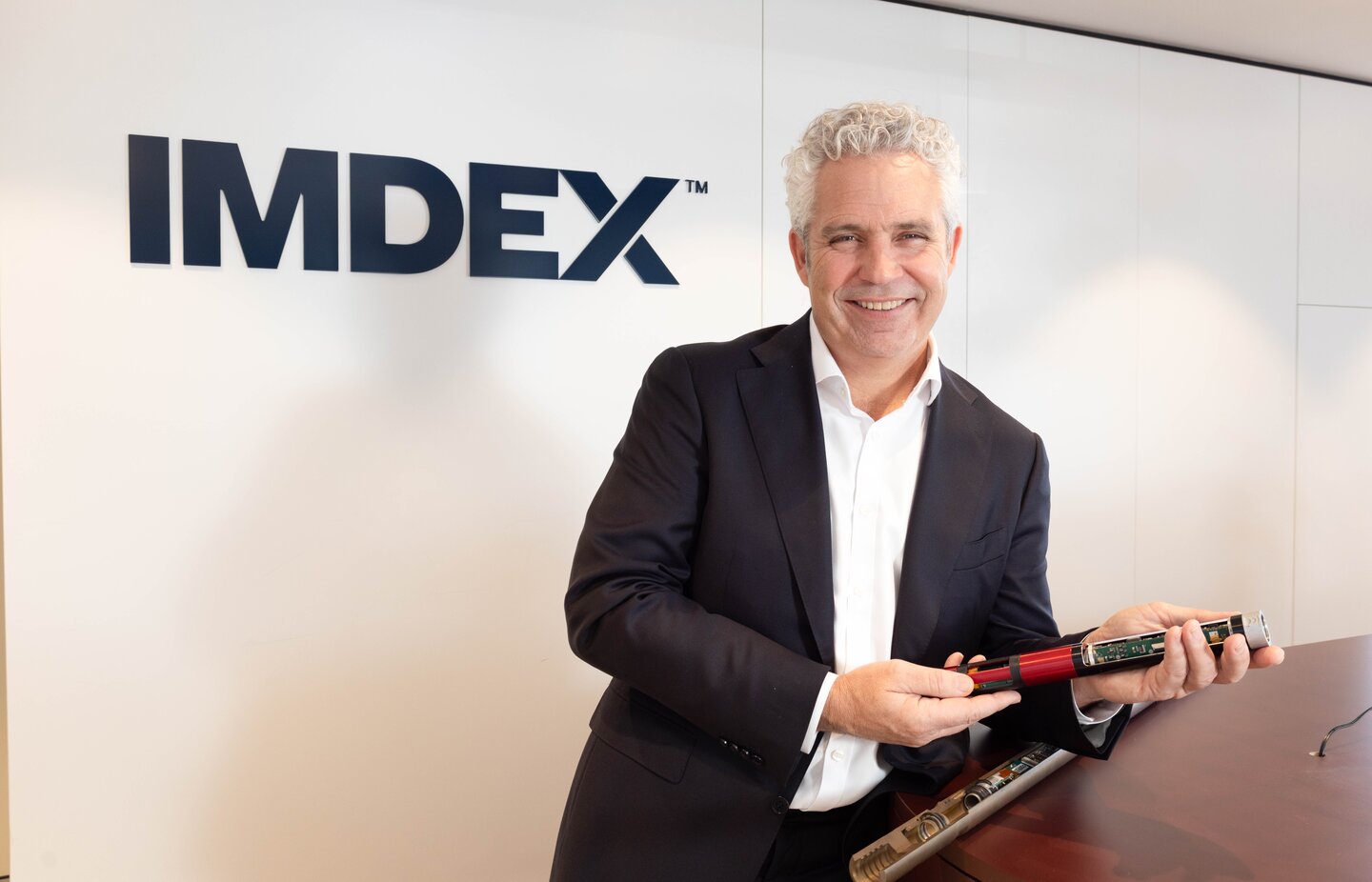
Despite a series of record results in FY26, shares in Paul House-led Imdex fell throughout trade on Monday.
Business
5 Things to Know About Hayden Panettiere’s Death in Greenville, South Carolina, as Police Investigate

GREENVILLE, S.C. — Actress Hayden Panettiere, best known for her roles in “Heroes” and “Nashville,” was found dead at an apartment complex in Greenville on Sunday, according to the Greenville Police Department, which has confirmed an active investigation into the circumstances surrounding her death. Here are five key details confirmed so far.
1. Panettiere was found unresponsive at a Greenville apartment complex.
Officers and emergency medical personnel responded at approximately 1:51 p.m. Sunday to Judson Mill Lofts, located at 701 Easley Bridge Road in Greenville, following a report of an unresponsive female, according to the Greenville Police Department. Medical assistance was administered at the scene, but Panettiere was ultimately pronounced deceased. Her death marks a tragic and unexpected end for the 36-year-old actress, whose career spanned more than three decades in television and film.
2. An acquaintance of Panettiere placed the 911 call.
According to authorities, someone described as an acquaintance of Panettiere was the individual who contacted emergency services to report the unresponsive woman at the apartment complex. Police have not released further details regarding the identity of that acquaintance or the nature of their relationship to Panettiere, and no additional information about the circumstances leading up to the 911 call has been made public at this time.
3. Police say the investigation has found no signs of foul play so far.
The Greenville Police Department is conducting its investigation in conjunction with the Greenville County Coroner’s Office. Authorities have stated that preliminary findings have not indicated any signs of foul play or suspicious circumstances surrounding Panettiere’s death. Police have cautioned, however, that the investigation remains ongoing, and a determination of the specific cause of death has not yet been publicly released by the coroner’s office.
4. Panettiere’s death was confirmed by her representative before local police released details.
News of Panettiere’s death first became public Sunday night through a statement from her representative to ABC News, hours before the Greenville Police Department released its own statement confirming the location and circumstances of where she was found. Her father, Skip Panettiere, said in that initial statement that his daughter had been “an incredible light and a force of nature” to everyone who knew her and to the audiences who had followed her career, and he asked for privacy for the family during this time. Entertainment outlet TMZ, citing law enforcement sources, had also reported Sunday night that police responded to an incident involving the actress and that an investigation was underway, though specific location details from South Carolina authorities were not confirmed publicly until early Monday morning.
5. Panettiere had traveled from Los Angeles to the South just a day before her death.
According to TMZ’s reporting, citing sources with direct knowledge of the situation, Panettiere and her on-again, off-again boyfriend, Brian Hickerson, had flown from Los Angeles to the South on Saturday, the day before she was found unresponsive in Greenville. TMZ reported that Hickerson’s family was aware of her death. It remains unclear, based on currently available reporting, what led the pair to travel to South Carolina or what specific circumstances preceded the discovery of Panettiere at the Judson Mill Lofts apartment complex.
Panettiere’s death has prompted an outpouring of tributes from fans and former colleagues across the entertainment industry, many of whom remembered her breakout role as the indestructible cheerleader Claire Bennet on NBC’s “Heroes,” a part that made her one of the most recognizable young actresses on American television during the show’s four-season run beginning in 2006. She later starred as troubled country music singer Juliette Barnes on the ABC and CMT drama “Nashville,” a performance that earned her two Golden Globe nominations and further cemented her standing as one of the era’s leading dramatic television actresses.
Beyond her television work, Panettiere built a substantial film career that began in early childhood, including voice work in the animated Pixar film “A Bug’s Life” and Disney’s “Dinosaur,” along with live-action roles in “Remember the Titans” alongside Denzel Washington, the teen comedy “I Love You, Beth Cooper,” and the horror franchise “Scream,” in which she played fan-favorite character Kirby Reed across both 2011’s “Scream 4” and 2023’s “Scream VI.”
In the years leading up to her death, Panettiere had become increasingly open about a range of personal struggles, including postpartum depression, addiction and a documented history of domestic abuse in her relationship with Hickerson. She detailed those experiences extensively in a memoir titled “This Is Me: A Reckoning,” which she published in May, roughly three months before her death. The book chronicled her life growing up as a child star, her path through addiction and recovery, and the emotional toll of relinquishing custody of her daughter, Kaya, to her former partner, boxer Wladimir Klitschko, in 2018.
Panettiere’s death also follows a previous family tragedy: her younger brother, actor Jansen Panettiere, died suddenly in February 2023 at age 28. His family said at the time that his death resulted from cardiomegaly, an enlarged heart, combined with aortic valve complications. Hayden Panettiere spoke publicly in the years following her brother’s death about the lasting grief that loss had caused her, describing the experience as one that permanently altered how she understood loss and mortality.
As of this report, the Greenville County Coroner’s Office has not released an official cause of death, and the Greenville Police Department has indicated that no additional details are available for release at this time. Authorities have not provided a timeline for when a final determination might be made public. Both the police department and coroner’s office have said the investigation remains active, and further updates are expected as additional information becomes available in the coming days.

Applied Optoelectronics: 170% Growth At Just 4x Sales Is Too Cheap To Ignore
Business
Sydney Swans Players Named as Police Investigate Alleged Sexual Assault at Melbourne Hotel Before Finals
MELBOURNE — Several Sydney Swans players have been named in connection with a Victoria Police investigation into an alleged sexual assault at a Melbourne hotel, casting uncertainty over their playing futures just weeks before the AFL finals series and throwing the club’s premiership campaign into turmoil.
The investigation centers on an allegation of sexual assault at a hotel in East Melbourne in the early hours of Monday morning, hours after the Swans defeated Essendon at the MCG on Sunday night. According to reporting, Isaac Heeney, Riley Bice, James Jordon, Chad Warner and one additional player were contacted by representatives of the masthead after two senior industry sources said the players had been spoken to by police following the allegation. The reporting was careful to note that not all five players are necessarily under investigation, but rather that they are assisting police with their inquiries. A manager representing one of the five players denied that his client was involved in the incident.
None of the players has been arrested or charged with any offense, and Victoria Police has not named any individuals publicly in connection with the case. In a statement, Victoria Police confirmed it was “investigating a report of a sexual assault in East Melbourne on August 17.” The statement added, “The incident occurred at a hotel on Wellington Parade in the early hours of the morning,” and said “the exact circumstances are yet to be established and the investigation into the incident remains ongoing.”
The five players named in the reporting were said to have driven back to Sydney together in a rental car on Monday night, a decision two industry sources said was made in part to avoid media attention at both Melbourne and Sydney airports.
Police were seen reviewing evidence at the Pullman hotel in East Melbourne, where the Swans had been staying following their victory over Essendon at the nearby MCG. According to a witness to the police visit, plainclothes officers entered hotel rooms and left the venue carrying a number of items in evidence bags. Investigators also requested footage from security cameras covering public areas of the hotel, including the lobby, stairwells and elevators. Pullman hotel staff declined to comment on the investigation.
Sydney Swans chief executive Matthew Pavlich briefly addressed media in Sydney on Monday, offering limited details given the ongoing nature of the police matter. “We’re still piecing together exactly what’s transpired here and have our own set of internal inquiries ongoing. It’s safe to say that we’re extremely shocked and disappointed that this has taken place and that the players have found themselves in this situation,” Pavlich said. He acknowledged the intense public interest in the case while declining to elaborate further. “We understand the level of interest in the matter. There’s going to be lots of speculation, but given it’s a police matter right now, that is all that we can say,” he said. Pavlich did not take questions from reporters and did not respond when asked whether any arrests had been made.
Earlier Monday, the Swans released a formal statement confirming the involvement of multiple players without naming them. “The Sydney Swans can confirm several players were involved in an alleged incident in Melbourne last night,” the club said. “The Swans have notified the AFL and relevant authorities and cannot provide further comment at this stage.”
The AFL confirmed it had been notified by the Swans and said the matter currently rests with police, consistent with the league’s standard approach in cases involving active police investigations, under which the AFL’s integrity unit generally defers to law enforcement. According to a senior AFL source, the league held discussions with the Swans on Monday regarding whether the club would publicly identify the players involved and whether they would remain available to play in the coming weeks.
The named players are considered unlikely to play for the Swans this week regardless of the outcome of the police investigation, as the club separately weighs potential internal sanctions related to late-night drinking at the AFL-funded team hotel following the match against Essendon. Asked whether the club was considering standing the players down, the Swans said all options remained open as they continued working through the facts of the situation, a position confirmed independently by a senior AFL source.
Swans board member and club great Michael O’Loughlin was seen at Sydney’s domestic airport on Monday but offered little additional insight when approached by reporters. “No, we’ll wait and see what the findings are, I don’t know,” O’Loughlin said.
The investigation arrives at a pivotal moment for the Swans, who currently sit second on the AFL ladder with 17 wins this season and are considered strong premiership contenders heading into the finals series. The club has one home-and-away round remaining before finals begin, with a match scheduled against North Melbourne in Sydney next Sunday.
Unlike the NRL, the AFL does not maintain a no-fault stand-down rule requiring clubs to automatically suspend players charged with serious offenses, leaving individual clubs to make their own determinations regarding player availability in such circumstances. The league has faced similar situations in the past involving serious allegations against players. Geelong’s Tanner Bruhn did not play for the club during the 2025 season after being charged with rape and intentional sexual touching; those charges were later dropped after a key witness admitted to providing false testimony, with Bruhn’s identity suppressed by court order until the case was formally discontinued. In other historical cases, St Kilda terminated forward Andrew Lovett’s contract in 2010 after he was charged with rape, a charge on which he was later found not guilty, while former St Kilda player Stephen Milne took an indefinite leave of absence from the club in 2013 after being charged with three counts of rape, charges that were ultimately dropped after Milne pleaded guilty to a single charge of indecent assault.
As of Monday evening, none of the Sydney players named in connection with the current investigation had been arrested or formally charged with any offense. Victoria Police has indicated the investigation remains active, and further details are expected to emerge as the inquiry continues in the days ahead.
Business
Why Ministry Brands Is Setting the Standard for Technology That Helps Churches Grow and Thrive

Church leaders are being asked to do more with technology than ever before. They must communicate across generations, manage giving, protect children and volunteers, coordinate events, support staff, maintain websites, and keep members connected between Sundays. Each task may look separate, but together they shape whether a church can operate with clarity and serve its community well.
That reality explains why Ministry Brands has become a visible church technology leader. The company supports more than 90,000 purpose-driven organizations with technology and services designed to help them grow, protect, and engage their communities. Its platform reaches across giving, communication, websites, media, events, background checks, donor management, and church management software.
For churches, the larger issue is not whether they use software. Most do. The question is whether their tools work together in a way that supports ministry, or whether disconnected systems create more work for teams already stretched thin.
The Value of One Technology Partner
Many churches begin their digital growth by solving one need at a time. They add one tool for online giving, another for email, another for events, another for check-in, and another for websites. Over time, however, the result can become fragmented.
Disconnected vendors often mean separate logins, separate data, separate support teams, and separate workflows. Staff members may spend time reconciling information instead of using it. Volunteers may receive inconsistent instructions. Leaders may struggle to see a full picture of engagement, generosity, and participation.
A comprehensive church software platform changes that dynamic. When technology is integrated, churches can organize people, communication, giving, events, and operations through a more connected system. That does not remove the human responsibility of ministry. It gives leaders better tools to carry it out.
Ministry Brands has built its work around that kind of connection. Its faith-based technology solutions are designed to help leaders manage both the operational and relational sides of ministry. A church can use technology to process donations, plan events, share messages, screen volunteers, and understand member engagement without forcing each function into a separate silo.
That matters because church operations are not merely administrative. They shape trust. Giving tools affect donor confidence. Background checks affect safety. Communication tools affect belonging. Event systems affect participation. Websites affect first impressions. When these functions work together, ministry teams can focus more attention on people.
Technology That Supports Mission
The strongest church technology does not ask churches to become technology companies. It helps them become more effective in the work they already feel called to do. This distinction is important for any organization evaluating ministry software.
Churches operate with limited time, volunteer capacity, and staff resources. Even larger congregations face the challenge of coordinating multiple departments and ministries. Smaller churches may rely on part-time staff or volunteers who need systems that are clear, practical, and reliable.
Ministry Brands positions its tools around those realities. The company states that its purpose is to help clients create positive impact by making passion actionable and raising technology standards for the industry. Its view is that churches remain the experts in their mission, while the company helps them reach it through technology.
This approach reflects a broader shift in church digital transformation. The goal is not to adopt every new tool. It is to select systems that make ministry more consistent, secure, and measurable. A church can communicate more effectively with families, follow up with donors, register volunteers, and understand participation patterns when its data and workflows are connected.
Integrated church operations software also helps leaders make better decisions. When information is scattered, staff may rely on instinct or incomplete reports. When systems connect, leaders can see trends in attendance, giving, registrations, and engagement. That visibility can support planning, staffing, stewardship, and outreach.
Innovation With Practical Purpose
Innovation in the faith-based technology sector cannot be judged only by the number of features a company releases. It should be judged by whether those improvements solve real problems for churches and ministries.
Ministry Brands has continued to invest in product innovation, research, customer education, and long-term client partnerships. Those investments are important because churches face changing expectations from members and donors. People now expect digital giving to be simple, communication to be timely, websites to be clear, and registration processes to be convenient.
At the same time, churches must handle sensitive information responsibly. They manage donor data, family information, background screening records, and financial activity. Reliable technology must balance ease of use with security, support, and compliance awareness.
A mature church technology partner can help leaders think through those concerns. Product development may produce better tools, but education helps churches use them wisely. Research helps companies understand how congregations are changing. Long-term partnerships help churches adapt without feeling forced into constant reinvention.
This is where Ministry Brands’ scale is relevant. With nearly 700 associates supporting many organizations, the company has exposure to many types of ministry environments. That experience can inform how it builds products, trains clients, and supports churches that differ in size, structure, and digital maturity.
Improving Engagement and Communication
Member engagement is one of the clearest areas where integrated technology can improve ministry effectiveness. Churches are not only trying to reach people on Sunday mornings. They are trying to maintain connection during the week, welcome new visitors, support small groups, coordinate volunteers, and help members take next steps.
Communication can become difficult when data lives in several systems. A family may attend an event, give online, volunteer, and fill out a form through different tools. Without integration, staff may not easily understand the family’s full relationship with the church.
A connected platform can make communication more relevant and timely. Leaders can segment messages, follow up after events, remind volunteers of assignments, and support donor engagement with greater consistency. The outcome is not communication for its own sake. The outcome is stronger connection.
This is especially important as churches serve people with different habits. Some members respond to email. Others prefer text. New visitors may first encounter the church through a website or livestream. Families may expect online registration and digital giving. Older members may still value personal calls and printed information.
Church technology should support all of those pathways without forcing leaders to choose between digital tools and personal ministry. A strong platform gives staff better information so that personal connection becomes more intentional.
Operational Efficiency as Ministry Stewardship
Efficiency can sound like a business term, but in churches it is often a stewardship issue. Every hour a staff member spends correcting duplicate records, manually tracking registrations, or switching between systems is time that could be invested in people.
Integrated church management software can reduce administrative friction. It can simplify event setup, giving reconciliation, volunteer screening, communication planning, and reporting. For church leaders, those improvements can support both accountability and care.
The same principle applies to financial stewardship. Churches need giving tools that are easy for donors to use and reliable for staff to manage. They also need reporting that helps leaders understand trends without unnecessary complexity.
Safety is another operational area where technology has ministry implications. Background checks and volunteer management help churches protect the communities they serve. When these processes are part of a broader technology ecosystem, leaders can maintain clearer records and more consistent procedures.
The point is not to replace discernment or leadership. It is to create systems that help good leadership function at a higher level. In that sense, operations and ministry are not separate. Strong operations make ministry more sustainable.
Helping Churches Adapt Without Losing Focus
The pace of technology change can be challenging for churches. Tools promise efficiency, but they can also create confusion. Leaders must evaluate what is useful, what is secure, what is affordable, and what aligns with the church’s mission.
Ministry Brands’ long-term value is tied to helping churches navigate that complexity. As a church technology leader, the company is not simply offering products. It is helping define what modern ministry infrastructure can look like when giving, communication, management, media, safety, and engagement are viewed as connected parts of one mission.
That perspective matters because technology should not become the center of church life. It should support the center. Churches grow and thrive when they can serve people, communicate clearly, steward resources, protect communities, and adapt to changing needs without losing sight of their purpose.
The future of church digital transformation will likely depend on this balance. Churches will need modern systems, but they will also need partners that understand the human side of ministry. Ministry Brands has built its position on that intersection, helping organizations use technology in ways that make mission more actionable.
For churches evaluating their next stage of growth, the central question is not simply which software has the most features. It is which partner can help them operate with clarity, engage people more effectively, and stay focused on the work they were created to do. That is the standard Ministry Brands is working to set.

Susquehanna cuts JD.com stock price target on revenue pressure

Virgil van Dijk drops verdict on Liverpool’s new-look defence after major summer overhaul

Who Owns Stilo Helmets & Where Are They Made?

How To Make Money…. 7 Hacks That Are PROVEN To Work!


-

 Fashion3 days ago
Weekend Open Thread: Ann Taylor
-
 NewsBeat6 days ago
Communication cards help banking customers access services or report scams
-
 Business6 days ago
Oil Price Today (August 11): Crude oil rises to $88 after Trump’s compensation demand dents Hormuz opening. Here’s why
-

 Crypto World6 days ago
Revolut wins French banking licence, creates second EU banking hub
-
 Sports4 days ago
This U.S. Amateur is a glimpse into golf’s future in more ways than you think
-
 Crypto World7 days ago
Why Did Nvidia Stock Fall on Monday Despite a $500 Billion Wall Street AI Deal?
-

 Sports2 days ago
Birmingham 2026: Day 6 Timetable for Irish Athletes
-
 NewsBeat2 days ago
Myanmar says over 300,000 Rohingya refugees verified for repatriation as exodus enters ninth year
-

 Politics2 days ago
SEQ Code: The Three Letter Boarding Pass Code That Could Give You The Worst Seat
-
 Entertainment5 days ago
Keke Palmer Subtly Hints At Sean Evans Drama With Cryptic Post
-
 Crypto World7 days ago
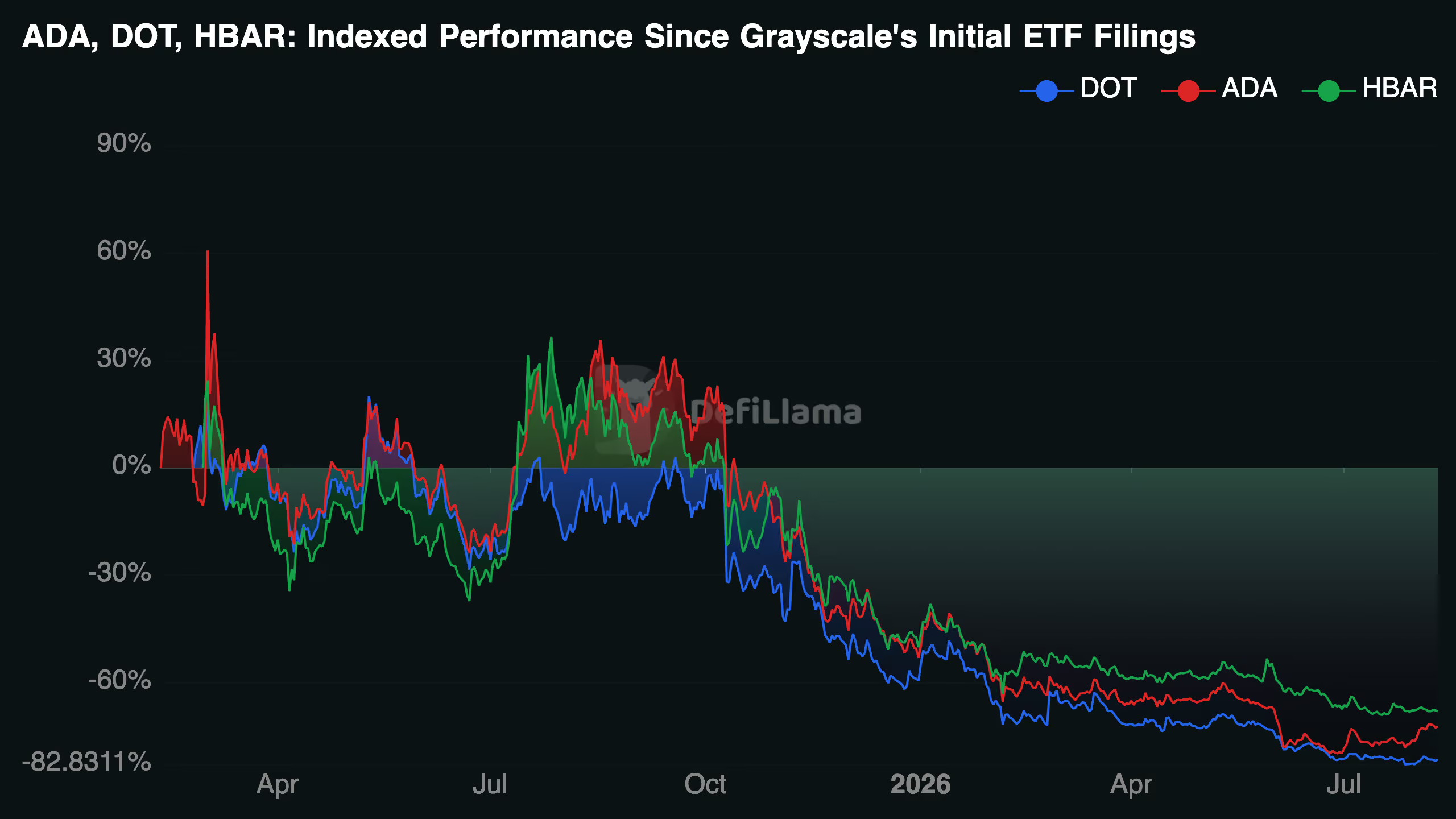
Grayscale quietly drops Cardano, Polkadot and Hedera ETF plans
-

 Fashion7 days ago
Can You Wear Double Cloth Gauze Clothing To Your Office?
-
 Entertainment6 days ago
57 Years Later, the Best Sitcom Ever Made Still Deserves a Reboot
-

 Fashion6 days ago
Coffee Break: The Fonteyn Jane Flat
-

 Crypto World7 days ago
Bitcoin's BIP Editors Remove Luke Dashjr Two Days After BIP-110 Fork Stalled
-

 Tech6 days ago
Zoom Screen-Sharing Bug Let People Fully Take Over Other Devices On A Call
-
 Crypto World7 days ago
Hormuz Nerves Cost Bitcoin $65,000 Mark Despite Solid Institutional Flows
-

 Fashion6 days ago
Claire Life: Kicking Off MVAAFF With the C Suite Luncheon Featuring Phylicia Rashad, Letoya Luckett, and More!
-

 Fashion6 days ago
Should you refinance your debt? Pros, cons, and real numbers
-
 Crypto World5 days ago
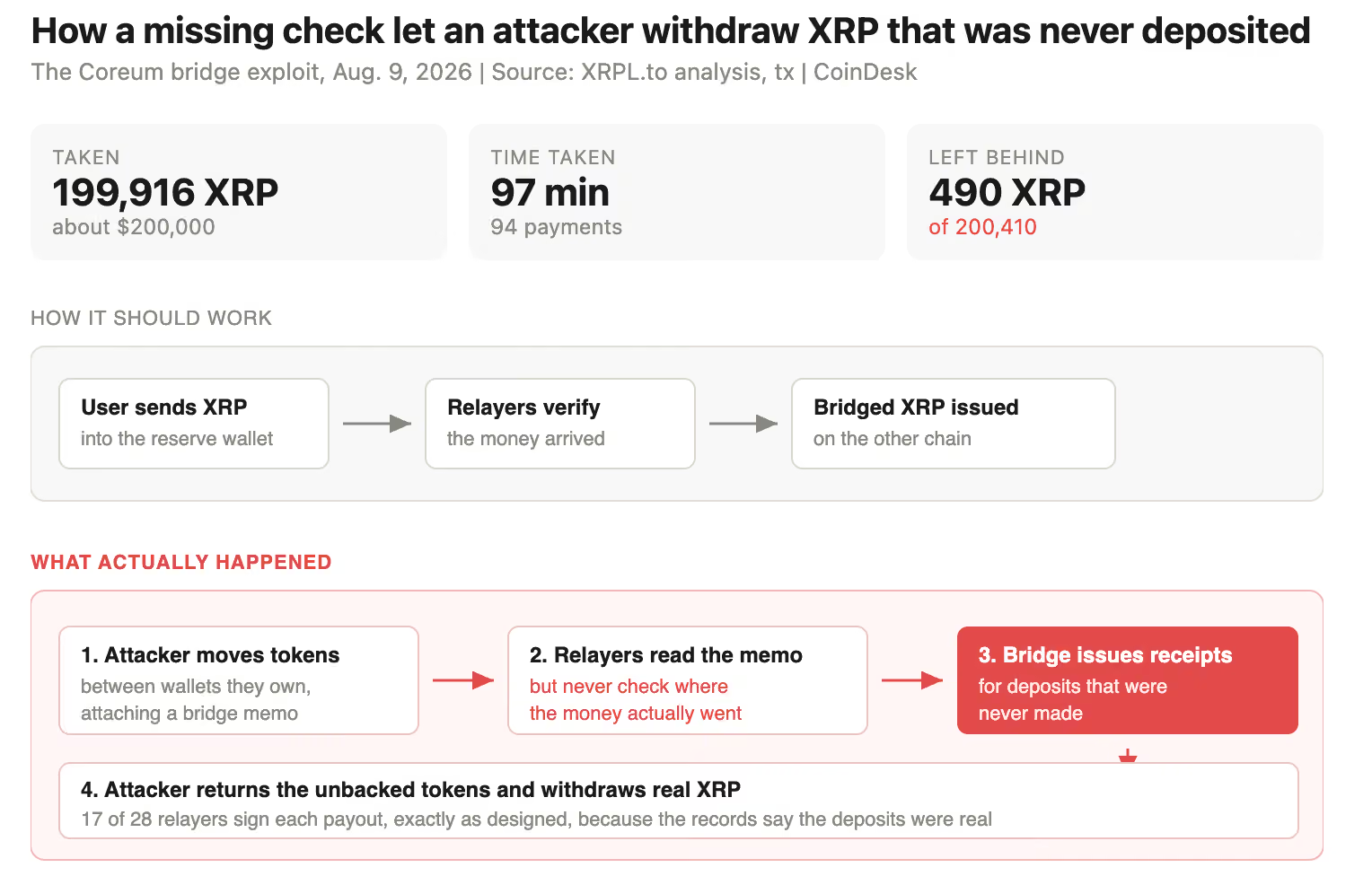
XRP bridge drained after software mistook fake deposits for real ones
You must be logged in to post a comment Login