
Business
Private Equity Faces “Tougher Challenges” Amid 2026 Dealmaking Boom


After three years of subdued activity, the global private equity industry has finally regained its momentum. Driven by a surge in deal-making and increased investor confidence, firms are now actively pursuing opportunities across diverse sectors. This resurgence is fueled by favorable economic conditions, innovative market strategies, and a renewed focus on technology-driven investments.
Key takeaways
- Dealmaking roared back in 2025 with buyout deals over $500 million surging 44 percent to exceed $1 trillion, marking the highest year on record, but the fog has lifted to reveal a fundamentally more technical and demanding terrain.
- Private equity returns now lag significantly behind public markets, with top-quartile buyouts averaging just 8 percent IRR in 2025 compared to 18 percent for the S&P 500, forcing operational value creation to shift from marketing narrative to survival imperative.
- Scale and specialization are becoming non-negotiable as funds under $500 million shrink to 13 percent of fundraising, GP consolidation doubles to $34 billion, and alternative structures like semiliquid vehicles explode to $204 billion as liquidity pressures reshape the industry.
According to McKinsey & Company’s 2026 Global Private Markets Report released in February.While dealmaking returned with force in 2025, the improved visibility has revealed a fundamentally transformed and more demanding landscape for investors and operators alike.
Buyout and growth deals larger than $500 million surged 44 percent to over $1 trillion in value, eclipsing 2021’s total to become the highest year on record for deals of this size. Deal value across all buyout and growth sizes increased 17 percent, while PE-backed exits globally surged more than 40 percent, aided by a nearly 100 percent increase in exit deal volume via IPO.
Private Equity 2026 FAQ
“Megadeals” returned dramatically in 2025. The year witnessed not only the largest PE deal in history, the announced $55 billion take-private of Electronic Arts by a syndicate of firms, but also marked the third-highest year ever for take-private activity by either total deal count or value.
A More Technical, Demanding Terrain
Yet with improved visibility comes a sobering realization: shifts in deployment, returns, value creation, and traditional fundraising, previously considered episodic, are now structural features of a maturing industry.
“The landscape is now both more technical and more demanding, even for experienced drivers,” the McKinsey team wrote. “Success on the road ahead will depend less on speed than on having the right vehicle, fit for the changed terrain, properly equipped, and driven with discipline.”
For dealmakers, assets have never been more expensive. The median private equity purchase multiple increased from 11.3x EBITDA in 2024 to 11.8x in 2025. The backlog of PE-owned companies remains at historic highs, with more than 16,000 companies globally held for more than four years, equivalent to 52 percent of total buyout-backed inventory, the highest on record and ten percentage points higher than the past five-year average.
Holding periods remain well above historical levels, with the typical portfolio company now held for more than six and a half years. Meanwhile, more than 40 percent of dry powder available for deployment has been sitting idle for the past two years, 15 percentage points higher than the five-year average.
Returns Lag Public Markets
PE returns continue to trail active public markets. In 2025, top-quartile global buyout returns averaged 8 percent on a pooled IRR basis, less than half the returns generated by the S&P 500 at 18 percent and MSCI World at 22 percent. Older buyout vintages are dragging performance, with 2015-17 vintages generating roughly 2 percent IRRs, pulling average buyout returns from 2015 to 2025 down to about 6 percent.
Without the tailwinds of multiple expansion and cheap leverage, which accounted for 59 percent of returns between 2010 and 2022, operational value creation has shifted from marketing narrative to institutional imperative. “GPs are increasingly recognizing the importance of underwriting value creation improvements as core parts of their deal theses,” the report states.
Fundraising Becomes More Selective
Core closed-end fundraising has become more competitive, selective, and time-consuming. While North American fundraising increased 8 percent year-on-year to $432 billion, Asia-Pacific fundraising plummeted 49 percent to $49 billion. European fundraising declined 41 percent to $118 billion in 2025, though largely because major funds had closed their fundraising in 2023 and 2024.
Despite challenging conditions, LP confidence remains robust. In McKinsey’s survey of 300 global LPs conducted in January 2026, about 70 percent reported plans to maintain or increase their private equity allocations in 2026, recognizing that top-quartile buyout funds have historically beaten both the S&P 500 and MSCI World indexes over the last decade with 24 percent IRR versus 15 percent and 13 percent respectively.
Different Equipment for Changed Terrain
The report identifies five critical adaptations for success in this new environment. First, scale matters more than ever. Funds raising less than $500 million now account for just 13 percent of fundraising compared with 17 percent five years ago, while funds larger than $5 billion claim significantly larger share. First-time funds have declined to their lowest level in a decade, while strategic M&A activity among the 100 largest GPs nearly doubled from $18 billion in 2024 to more than $34 billion in 2025.
Second, complexity offers opportunity. The 43 percent increase in take-private value globally, with North American take-privates rising 72 percent, reflects recognition that discounted public assets may offer more alpha than private ones. Specialist funds focusing on specific sectors appear to be outperforming generalist peers.
Third, operational value creation is now essential alpha generation. With higher purchase multiples, increased macroeconomic uncertainty, and greater equity contributions coupled with elevated interest rates, GPs must build capabilities to capture value creation potential quickly and consistently.
Fourth, AI is emerging as a transformative force. While only 6 percent of GPs currently see AI delivering high impact in their operations and investment processes, 70 percent expect high impact within three to five years. The technology is already sharpening underwriting, accelerating operational improvements, and enabling faster decision-making across the investment life cycle.
Fifth, alternative fund structures are going mainstream. US semiliquid private equity vehicles have more than doubled since 2023 to $204 billion in 2025, requiring new distribution channels, fund vehicles, marketing competencies, and heightened liquidity and risk management capabilities.
Liquidity Pressures Reshape Industry
Liquidity constraints continue reshaping private equity. Distributions to paid-in capital is now tied with multiple of invested capital as the second-most-important metric shaping LP allocation decisions. DPI as a share of total PE assets under management was just 6 percent in the 12-month period ended June 2025, compared with the 2015-19 average of 16 percent. Five-year rolling DPI hit its lowest recorded level at about 10 percent in June 2025.
This liquidity crunch drove explosive growth in PE secondaries, with traded value increasing 48 percent in 2025 and fundraising up 5 percent, as LPs seek to realize meaningful returns.
Implications for the Road Ahead
The report’s stark conclusion: private equity is increasingly less about timing the next cycle and more about clarity of position. GPs must determine whether their vehicle is built for terrain where alpha is made, purchase-price discipline is critical, leadership quality is demanded, and operational resilience is nonnegotiable.
“LPs face a sharper sorting question: Which managers are genuinely equipped to navigate these conditions, and which are still driving with maps designed for smoother roads?” the report asks. “How these questions are answered will increasingly determine which vehicles pull ahead and which struggle to stay on the road.”
Other People are Reading

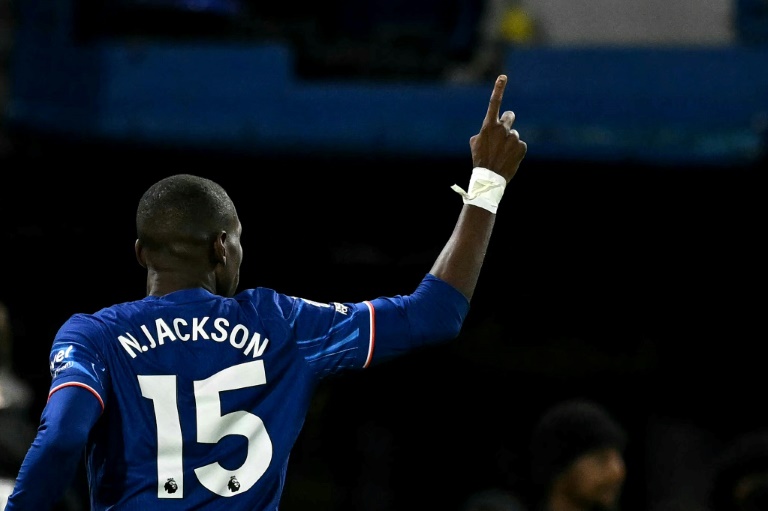
LONDON — Chelsea cruised into the Emirates FA Cup semi-finals with a ruthless 7-0 demolition of League One side Port Vale at Stamford Bridge on Saturday, easing the pressure on manager Liam Rosenior after a difficult week for the Club World Cup champions.
Seven different Chelsea players found the net as the Blues produced their most emphatic performance of the 2025-26 season, ending Port Vale’s memorable cup run in clinical fashion. The result sends Chelsea to a record 27th FA Cup semi-final appearance, where they will discover their opponent in Sunday’s draw at the London Stadium.
Jorrel Hato opened the scoring inside two minutes with a composed finish, setting the tone for an afternoon of total dominance. João Pedro added a second in the 25th minute, before an own goal from Port Vale defender Jordan Lawrence-Gabriel made it 3-0 just before halftime.

The second half became a goal procession. Tosin Adarabioyo headed home in the 57th minute, Andrey Santos nodded in a sixth from close range in the 69th, teenage sensation Estêvão Willian struck in the 82nd, and Alejandro Garnacho converted a stoppage-time penalty he had earned himself to complete the rout.
Rosenior, whose position had come under scrutiny following a turbulent period, opted for a strong starting lineup that included several key first-team players. The no-risk approach paid dividends as Chelsea controlled possession and created chance after chance against a spirited but outclassed Port Vale side.
“It was important we responded in the right way today,” Rosenior said afterward. “The players showed the right attitude and quality. We wanted to send a message, and I think we did that. Now we focus on the semi-final and pushing for more success this season.”
Port Vale, who had enjoyed a fairy-tale run to the quarter-finals — their best since 1954 — arrived at Stamford Bridge as heavy underdogs. Manager Darren Moore’s side defended bravely in the opening stages but were undone by Chelsea’s pace, movement and clinical finishing. The League One outfit created few clear opportunities and were forced to chase the game after falling behind early.
Highlights packages already circulating online captured the barrage: Hato’s quick opener, Pedro’s smart finish, the own goal that deflated the visitors, and the second-half flurry that turned the contest into a training exercise. Estêvão, in particular, impressed with his dribbling and vision, earning praise from Rosenior who declared there is “no ceiling” for the Brazilian teenager.
The victory comes at a welcome time for Chelsea, who have navigated inconsistency in the Premier League and faced questions over squad harmony and results. Reaching the semi-finals provides a timely boost and keeps alive hopes of silverware in a season that has delivered the Club World Cup but mixed domestic fortunes.
Chelsea’s path to the last four has been relatively kind in terms of opposition, but the manner of Saturday’s win will encourage supporters. The Blues fielded a blend of experience and youth, with academy graduates and recent signings all contributing to the scoreline. The seven-goal haul marked their biggest win of the campaign and their largest margin in the FA Cup for several years.
Port Vale’s players left the pitch to warm applause from the traveling fans, who appreciated the club’s giant-killing efforts earlier in the competition. Moore acknowledged the gulf in class but took pride in his team’s journey.
“We knew it would be tough, but the lads gave everything,” Moore said. “Chelsea were ruthless. We’ve had a great cup run and created some special memories. Now we return to League One with our heads held high.”
The semi-final draw on Sunday will determine Chelsea’s next opponent, with Manchester City, Southampton and the winner of West Ham United versus Leeds United also in the hat. Chelsea hold ball number 2. The semi-finals are scheduled for the weekend of April 25-26 at Wembley Stadium.
Rosenior’s side will hope the confidence gained from the 7-0 thrashing translates into improved Premier League form. With several key players returning from injury or international duty, the manager believes the squad is building momentum at the right time.
For Estêvão and Garnacho, the afternoon offered further evidence of their growing influence. Garnacho’s late penalty capped an impressive display, while Estêvão’s goal and assist underlined why many view him as one of Chelsea’s brightest prospects.
The match also highlighted Chelsea’s squad depth. Players who have rotated in recent weeks seized the opportunity to impress, with clean finishing and high pressing disrupting Port Vale from the outset. The home crowd, which filled Stamford Bridge, responded with sustained applause as the goals flowed.
Analysts noted the tactical discipline shown by Chelsea, who pressed high and transitioned quickly. Port Vale, while organized, lacked the quality to match the Premier League side’s intensity over 90 minutes.
As the FA Cup progresses toward its climax, Chelsea join Manchester City as strong favorites for the trophy. The Blues last lifted the FA Cup in 2018 and will be determined to end their wait for domestic silverware.
Port Vale’s elimination ends a memorable chapter for the Staffordshire club. Their run included several impressive victories against higher-ranked teams, providing moments of joy for supporters and boosting the club’s profile.
With the semi-final draw looming, excitement is building around English football’s oldest competition. Chelsea’s emphatic quarter-final victory ensures they remain firmly in contention for a place at Wembley in May.
For Rosenior and his players, the focus now shifts to maintaining standards across all competitions. Saturday’s result offers a platform for a strong finish to the season and a potential trophy lift that could define the campaign.
As highlights continue to circulate and fans debate standout performers, one thing is clear: Chelsea delivered a statement performance when it mattered most, sweeping aside Port Vale to march confidently into the FA Cup semi-finals.
Russia says US should abandon ’language of ultimatums’ on Iran

I’m a full-time investor with a strong focus on the tech sector. I graduated with a Bachelor of Commerce Degree with Distinction, major in Finance. I’m also a proud lifetime member of the Beta Gamma Sigma International Business Honor Society. My core values are: Excellence, Integrity, Transparency, & Respect. I always, to the best of my ability, hold true to these values which I believe are key for long-term success. I would like to invite all of my readers to leave their constructive criticism and feedback in the comments section so that I can further enhance the quality of my work moving forward. Thank you and God Bless America!
Analyst’s Disclosure: I/we have no stock, option or similar derivative position in any of the companies mentioned, and no plans to initiate any such positions within the next 72 hours. I wrote this article myself, and it expresses my own opinions. I am not receiving compensation for it (other than from Seeking Alpha). I have no business relationship with any company whose stock is mentioned in this article.
Seeking Alpha’s Disclosure: Past performance is no guarantee of future results. No recommendation or advice is being given as to whether any investment is suitable for a particular investor. Any views or opinions expressed above may not reflect those of Seeking Alpha as a whole. Seeking Alpha is not a licensed securities dealer, broker or US investment adviser or investment bank. Our analysts are third party authors that include both professional investors and individual investors who may not be licensed or certified by any institute or regulatory body.

Genesis Energy: Cash Flow Growth Likely To Slow Down Going Forward (Rating Downgrade)
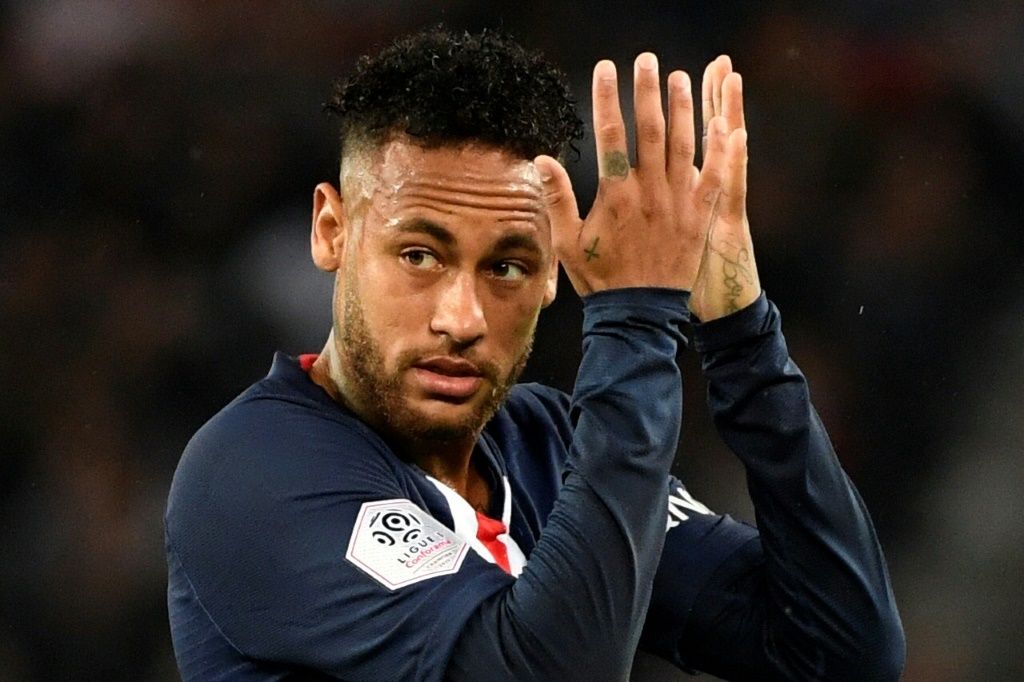
RIO DE JANEIRO — Brazilian soccer star Neymar Jr. faces a potential lengthy suspension and widespread backlash after making a sexist remark about referee Sávio Pereira Sampaio following Santos’ 2-0 victory over Remo in the Brazilian league on Saturday, April 3, 2026.

In post-match comments, the 34-year-old forward, who returned to boyhood club Santos after stints in Europe and Saudi Arabia, criticized the official’s decisions and reportedly said the referee “woke up on his period” or used a colloquial Brazilian slang phrase equivalent to suggesting the referee was menstruating and therefore officiated poorly. The comment, widely interpreted as misogynistic for linking emotional instability or bad judgment to women’s menstrual cycles, quickly sparked outrage on social media and among women’s rights advocates, players and officials.
Neymar expressed frustration during the interview, complaining that he was fouled unnecessarily from behind late in the match and that communication with the referee was lacking. “It’s the same every time. It’s unfair,” he said before adding the controversial remark about the referee’s supposed “period.” The phrase in Brazilian Portuguese slang carries strong sexist undertones and has been condemned as discriminatory.
The Brazilian Football Confederation’s disciplinary body, under the Código Brasileiro de Justiça Desportiva, is investigating the incident. Precedents suggest Neymar could face a ban of up to 12 matches, which would sideline him for a significant portion of the domestic season and potentially derail any remaining hopes of selection for the 2026 FIFA World Cup in the United States, Mexico and Canada.
Brazil coach Carlo Ancelotti has already expressed reservations about Neymar’s fitness and consistency. The former Real Madrid and Everton manager has emphasized that only fully fit players will be considered for the Seleção squad, and Neymar has not featured in recent call-ups for friendlies. Reports indicate Ancelotti views the squad as largely defined, with younger, more reliable attackers prioritized amid Neymar’s recurring injury issues that have limited him to just five appearances for Santos in 2026 so far.
The controversy adds another layer to Neymar’s turbulent recent years. Once hailed as the heir to Pelé in Brazilian soccer, the five-time Ballon d’Or nominee has battled serious knee and ankle injuries since 2023, spending more than 600 days on the sidelines at times. His return to Santos was seen as a chance for redemption and a final push toward the 2026 World Cup, but fitness doubts and off-field incidents continue to cloud his prospects.
Women’s groups and female referees in Brazil reacted swiftly. The Brazilian Association of Women’s Soccer and several prominent players denounced the remark as reinforcing harmful stereotypes. Social media platforms filled with calls for accountability, with hashtags highlighting misogyny in Brazilian football trending within hours. Some commentators noted that similar sexist comments by other players, such as a defender from Red Bull Bragantino who received a 12-match ban last month, set a clear precedent for punishment.
Neymar’s representatives have not issued a formal apology as of Sunday, though sources close to the player suggested he may address the matter in coming days. In past controversies, Neymar has sometimes downplayed remarks as “heat of the moment” or attempted to clarify intent, but the explicit nature of this comment has left little room for deflection.
The incident occurred after Santos secured the win, with Neymar involved in the buildup play despite receiving a yellow card late in the match for dissent or a foul. The referee’s decisions became a flashpoint for Neymar, who has a history of clashing with officials throughout his career, including tunnel incidents and on-field disputes.
Brazilian media outlets like Chosun Biz, GOAL and Marca reported extensively on the backlash, with some labeling it a “disgraceful” moment that could define the twilight of Neymar’s international career. Former players and pundits weighed in, with many urging the Brazilian Football Confederation to act decisively to protect the sport’s image.
The timing is particularly damaging. With the 2026 World Cup less than three months away, Brazil sits among the favorites but has shown vulnerability in recent friendlies. Ancelotti has favored a squad built around fit, in-form players rather than relying on past glory. Neymar’s limited playing time and this latest off-field issue make a recall increasingly unlikely, even if he avoids the maximum suspension.
If handed a lengthy ban, Neymar would miss key matches for Santos, further hampering his match sharpness and physical condition. Brazilian league rules and potential appeals could stretch the process, but a suspension starting in the coming weeks would effectively end his domestic season early.
Neymar has 79 goals in 128 appearances for Brazil, making him one of the nation’s all-time leading scorers behind only Pelé. He played a key role in the 2014 and 2018 World Cups but has yet to lift the trophy, with Brazil exiting in the quarterfinals in 2018 and suffering early disappointment in 2022 under different circumstances.
The forward has spoken in the past about his desire to compete in 2026 and potentially retire afterward, but persistent fitness struggles and now this disciplinary cloud have dimmed those prospects. Supporters point to flashes of brilliance in recent Santos appearances, including assists and creative play, as evidence he could still contribute if selected.
Critics, however, argue that Neymar’s off-field behavior and injury history make him a liability for a high-stakes tournament. Ancelotti has been frank in assessments, noting the need for reliability in a squad preparing for the expanded 48-team World Cup.
FIFA and CONMEBOL have not commented directly, but the case falls under national disciplinary procedures unless it escalates to international level. The Brazilian Football Confederation faces pressure to demonstrate zero tolerance for discriminatory language, aligning with global campaigns against sexism and discrimination in soccer.
Women’s soccer advocates in Brazil have used the moment to call for broader education and cultural change within the men’s game. Referees’ unions echoed concerns that such remarks undermine officials’ authority and create a hostile environment, particularly when directed at male referees using misogynistic tropes.
As the investigation proceeds, Neymar remains with Santos, where he serves as captain and a symbolic figure for the club. Club officials have stayed largely silent, focusing on on-field matters while the disciplinary process unfolds.
The episode highlights ongoing challenges in Brazilian football regarding player conduct, respect for officials and gender sensitivity. Previous high-profile cases have resulted in bans and fines, setting expectations for a firm response.
For Neymar, the stakes extend beyond one match or season. At 34, with a history of dazzling talent tempered by injuries and controversies, this latest incident risks cementing a narrative of unfulfilled potential on the international stage. Brazil’s 2026 campaign, hosted in part on familiar American soil for many Brazilian fans, represents what could be his final realistic shot at World Cup glory.
Whether Neymar issues a meaningful apology, receives a reduced sanction or faces the full weight of disciplinary action remains to be seen. In the meantime, the football world watches as one of the game’s most gifted players navigates yet another self-inflicted obstacle on the road to what was once considered his destiny.
Analysts suggest that even a shorter ban could disrupt momentum at Santos and further erode trust from national team selectors. With Ancelotti prioritizing squad harmony and fitness, the path back to the Seleção appears narrower than ever.
As April 2026 progresses, Brazilian soccer fans and global observers await the outcome of the disciplinary hearing. The remark has already damaged Neymar’s public image, reigniting debates about accountability for star athletes and the need for cultural shifts in how players express frustration.
Neymar’s talent remains undeniable when fit, but consistency and conduct have become defining questions as the World Cup draws near. For a player who once carried the hopes of a nation, this controversy adds a painful chapter to a career marked by brilliance, injury and now, potentially, self-sabotage.


Fredrik Arnold is a former quality service analyst. He is now reporting investment ideas with a primary focus on dividend yields by utilizing free cash flow and one-year total returns as trading indicators. He is the leader of the investing group The Dividend Dog Catcher, where he shares a minimum of one new dividend stock idea per week with focus on yield or extraordinary financial circumstances. All ideas are archived and available after weekly announcement. Learn more.
Analyst’s Disclosure: I/we have a beneficial long position in the shares of T either through stock ownership, options, or other derivatives. I wrote this article myself, and it expresses my own opinions. I am not receiving compensation for it (other than from Seeking Alpha). I have no business relationship with any company whose stock is mentioned in this article.
Seeking Alpha’s Disclosure: Past performance is no guarantee of future results. No recommendation or advice is being given as to whether any investment is suitable for a particular investor. Any views or opinions expressed above may not reflect those of Seeking Alpha as a whole. Seeking Alpha is not a licensed securities dealer, broker or US investment adviser or investment bank. Our analysts are third party authors that include both professional investors and individual investors who may not be licensed or certified by any institute or regulatory body.
Business
Is McDonald’s Open on Easter Sunday 2026? Most US Locations Serving Burgers with Varying Hours
McDonald’s restaurants across the United States will largely remain open on Easter Sunday, April 5, 2026, providing Big Macs, fries and drive-thru service for families and travelers despite the major Christian holiday.
Unlike some retailers and restaurants that close entirely for Easter observances, the fast-food giant maintains a flexible approach. Hours vary by location based on local demand, staffing and franchisee decisions, McDonald’s has confirmed in statements to multiple outlets.
A company spokesperson told USA TODAY that “hours vary by location, but most McDonald’s in the U.S. are open on holidays.” This policy has held consistent in recent years, allowing the chain to serve customers seeking quick meals amid Easter brunches, egg hunts and family gatherings.
Easter 2026 falls on Sunday, April 5, commemorating the resurrection of Jesus Christ. While many Americans attend church services or enjoy home-cooked feasts, others look for convenient dining options. McDonald’s positions itself as a reliable choice, with its widespread network of company-operated and franchised locations operating in nearly every community.
Most locations are expected to follow typical Sunday hours, often opening as early as 5 a.m. or 6 a.m. for breakfast and closing around 10 p.m. or 11 p.m., though some drive-thrus may extend later. High-traffic sites near highways, airports and tourist areas tend to maintain extended availability, while neighborhood spots might adjust for anticipated lighter morning crowds due to religious services.
In previous Easter observances, including 2025, the majority of U.S. McDonald’s stayed open with only minor variations. Media reports from TODAY.com, USA TODAY and regional outlets confirm the chain ranks among fast-food options likely to welcome patrons on April 5, 2026. Some locations could see reduced hours or rare closures tied to low expected volume rather than a corporate directive.
For context, competitors show mixed patterns. Chipotle Mexican Grill plans full closures on Easter Sunday 2026, while Wendy’s, Taco Bell, Burger King and Dairy Queen generally remain open with potential adjustments. Starbucks and Dunkin’ also expect strong availability. In contrast, major retailers like Costco, Target and some grocers will shutter for the day, though Walmart and Walgreens plan to operate.
Customers seeking certainty should verify details directly:
- Use the McDonald’s mobile app to locate nearby stores and view real-time hours.
- Visit the official website at mcdonalds.com and access the restaurant locator by entering a ZIP code or city.
- Call the specific location, as franchisees have autonomy over operations.
The app supports mobile ordering, contactless payments and access to deals, including current value menu promotions and any limited-time offers that may appeal during the holiday weekend. McDonald’s Rewards members can earn points toward future visits, with no major Easter-specific promotions announced as of April 5.
McDonald’s operates more than 13,000 locations in the United States, a mix of corporate and independent franchise sites. Franchisees often tailor hours to community needs, meaning a store inside a shopping mall or travel plaza might align with venue schedules, while standalone outlets follow local patterns.
Industry observers note that fast-food chains like McDonald’s benefit from holiday demand as families seek breaks from cooking or quick stops during travel. The company has emphasized accessibility, keeping most doors open even on other observances such as Memorial Day or Labor Day. Widespread closures typically occur only on Thanksgiving and Christmas.
Weather forecasts for Easter Sunday 2026 suggest spring conditions across much of the country, potentially increasing drive-thru traffic at locations with outdoor features or in warmer regions like the South and West Coast. Northern states might experience slower early hours aligned with church attendance.
Travelers receive particular value from McDonald’s strategy. Locations at major airports, highway rest areas and gas stations frequently extend hours to accommodate passengers and road trippers, even on holidays. However, confirmation via the app or website remains essential, as transportation hubs occasionally modify operations.
The chain has navigated recent challenges, including labor shortages, inflation pressures and evolving consumer preferences toward healthier or plant-based options. Yet McDonald’s continues innovating with menu updates, digital enhancements and value deals that resonate during family-oriented weekends like Easter.
Dietary accommodations include breakfast all day at participating sites, customizable orders and alternatives such as McPlant or salad options at select locations. Mobile ordering helps minimize wait times during potentially busier periods when other dining choices are limited.
Parents coordinating Easter activities may find a local McDonald’s a practical refueling point after morning services or before afternoon gatherings. The chain’s presence in urban centers, suburbs and rural areas makes it one of the most accessible options nationwide.
While McDonald’s does not publish precise nationwide holiday statistics, surveys and anecdotal evidence from past years indicate that well over 90% of locations typically serve customers on Easter Sunday. Individual exceptions usually reflect franchisee choices tied to staffing or community dynamics rather than policy.
Crew members, as employees are known, often staff holiday shifts, with some locations offering incentives. The company has not released specific 2026 staffing details, focusing instead on delivering consistent service as the “golden arches” symbol of convenience.
For those preferring to stay home, the McDonald’s app enables delivery through partners like DoorDash or Uber Eats, subject to local participation and third-party availability. Gift cards and at-home menu-inspired products offer additional flexibility.
As Easter unfolds, McDonald’s aims to balance respect for the holiday’s significance with its mission to feed communities. With billions of annual visits globally, the chain plays a quiet but steady role in both everyday routines and special occasions.
In bustling cities like New York, Los Angeles and Chicago, downtown and 24-hour locations often maintain robust activity. Smaller towns or rural outlets might adopt more conservative hours, again highlighting the need to check ahead.
McDonald’s decentralized model empowers local operators to respond to real-time conditions, a strategy that has sustained relevance amid shifting retail and dining landscapes. This flexibility contrasts with chains enforcing uniform closures.
Looking forward, McDonald’s 2026 holiday guidance lists Easter as open with varying hours, consistent with other non-major dates. Only Thanksgiving and Christmas typically trigger broad reductions or shutdowns.
Families blending traditions with convenience can incorporate a McDonald’s stop seamlessly. Whether grabbing breakfast sandwiches post-church or Happy Meals for children after egg hunts, the chain stands prepared at thousands of sites.
In conclusion, yes — McDonald’s is open today, Easter Sunday, April 5, 2026, at the vast majority of U.S. locations. Hours are not standardized nationwide, so consulting the official app or website for your nearest restaurant ensures an accurate plan and prevents any holiday inconvenience.
The fast-food leader continues prioritizing customer access while operating within the realities of a vast franchise system on a day filled with religious and familial meaning for millions of Americans.
Business
Trump Threatens Strikes on Iranian Power Plants and Bridges in Expletive-Laden Truth Social Post
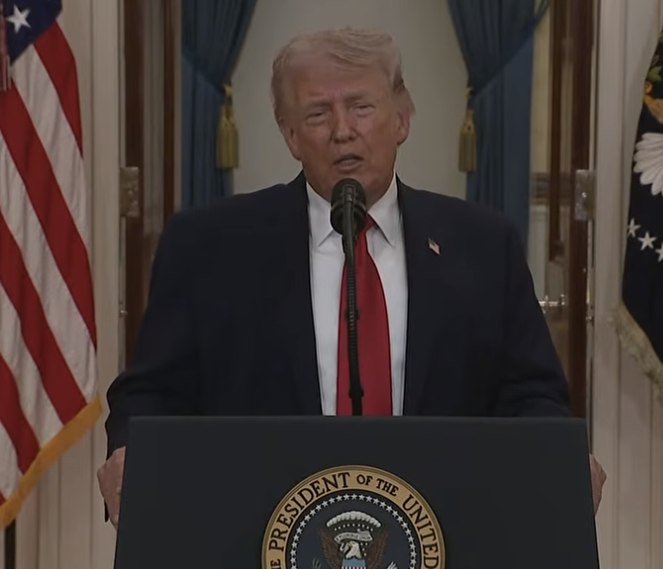
WASHINGTON — President Donald Trump issued a blunt warning to Iran on Easter Sunday, April 5, 2026, declaring that Tuesday would bring unprecedented attacks on the country’s power plants and bridges unless Tehran opens the Strait of Hormuz.

In a Truth Social post at 12:03 p.m. EDT, Trump wrote: “Tuesday will be Power Plant Day, and Bridge Day, all wrapped up in one, in Iran. There will be nothing like it!!! Open the Fuckin’ Strait, you crazy bastards, or you’ll be living in Hell – JUST WATCH! Praise be to Allah. President DONALD J. TRUMP.” The message quickly drew thousands of reactions, with more than 39,000 likes and 9,000 re-truths within hours.
The post escalates longstanding tensions over the strategic waterway, a critical chokepoint through which about one-fifth of global oil passes. Disruptions there have contributed to recent fuel shortages and price spikes in the United States and worldwide, including diesel shortages affecting Australian farmers and broader economic ripple effects.
White House officials did not immediately comment on the president’s language or whether the post signals imminent military action. National Security Council spokespeople referred questions to the Pentagon, which also declined immediate comment on operational matters.
The blunt rhetoric comes amid ongoing conflict involving Iran that has already disrupted global energy markets. Earlier reports indicated U.S. concerns over Iran’s role in regional instability and its impact on shipping lanes. Trump has repeatedly criticized previous administrations for what he calls weak policies toward Tehran.
The timing of the message — posted on Easter Sunday — drew mixed reactions. Some supporters viewed it as a strong show of resolve from the president, while critics questioned the tone and choice of day for such a stark warning. Trump had issued a separate Easter message earlier in the weekend emphasizing faith and hope.
The Strait of Hormuz reference ties directly to the current fuel supply challenges. Australia, heavily reliant on imported refined fuels, has faced diesel shortages at hundreds of service stations, with national reserves hovering around 29-39 days for key products. Energy experts link part of the crunch to disruptions in Middle Eastern supply routes and Asian refining capacity affected by regional tensions.
Trump’s post echoes his long-standing “maximum pressure” approach toward Iran, which he first pursued during his initial term. He has accused Iran of destabilizing the region through proxy groups and nuclear ambitions. Tehran has denied seeking nuclear weapons and blamed U.S. sanctions for economic hardship.
Military analysts noted that targeting power plants and bridges would represent a significant escalation, potentially affecting civilian infrastructure and energy production. Iran’s power grid and transportation network could face severe disruption, though experts caution that such strikes carry risks of broader regional conflict and retaliation.
The colorful language — including an expletive and the closing “Praise be to Allah” — is characteristic of Trump’s unfiltered social media style. He frequently uses Truth Social to bypass traditional media and speak directly to supporters. The platform, which he launched after being banned from major sites following the Jan. 6, 2021, Capitol riot, remains his primary online outlet.
Reactions poured in quickly across platforms. Supporters praised the tough stance, with some calling it necessary deterrence against Iranian aggression. Critics, including some foreign policy experts, expressed concern that provocative rhetoric could undermine diplomatic efforts or escalate into unintended conflict.
The Biden administration had pursued a mix of sanctions and limited diplomacy with Iran. Trump has repeatedly vowed a harder line, promising to prevent Iran from acquiring nuclear capabilities and to protect vital shipping routes.
The post comes as global oil markets remain sensitive. Any actual closure or threat to the Strait of Hormuz could send energy prices soaring further, exacerbating inflation concerns in the U.S. and abroad. Recent U.S. fuel excise cuts and government efforts to secure alternative shipments reflect attempts to mitigate domestic impacts.
Pentagon officials have previously confirmed heightened naval presence in the region to safeguard maritime traffic. U.S. Central Command has conducted freedom-of-navigation operations in the area for years.
Iranian officials had no immediate public response to the specific post, though state media often denounces Trump’s comments as bluster or warmongering. Tehran has warned that any attack on its territory would provoke a strong response, potentially targeting U.S. interests or allies.
Congressional leaders from both parties were briefed on regional developments in recent weeks, though details remain classified. Some lawmakers have urged restraint while others support a firm posture against Iran.
The president’s message also touches on broader themes of American strength. Trump has positioned himself as a leader who restores respect for the U.S. on the world stage, frequently contrasting his approach with predecessors.
As of Sunday afternoon, no additional details had emerged about specific military plans for Tuesday. Defense Secretary and Joint Chiefs of Staff declined to confirm or deny operational timelines when asked by reporters.
The incident highlights the intersection of social media, presidential communication and foreign policy. Trump’s direct style has both energized his base and drawn criticism for lacking traditional diplomatic nuance.
Energy traders monitored the situation closely, with some futures contracts showing volatility in response to the post. Analysts cautioned that actual military action would have far-reaching consequences for global supply chains already strained by recent events.
Domestically, the fuel situation has drawn attention from farmers, truckers and consumers facing higher prices at the pump. The administration has pointed to incoming shipments and policy measures aimed at stabilizing supplies.
Trump’s Easter Sunday activity extended beyond the Iran post. He had shared messages focused on faith earlier, aligning with the holiday’s religious significance for Christians celebrating the resurrection.
The full context of U.S.-Iran relations involves decades of hostility, including the 1979 hostage crisis, nuclear negotiations, sanctions and periodic military confrontations. Trump withdrew from the 2015 nuclear deal during his first term, citing its deficiencies.
Supporters argue his pressure campaign brought Iran to the negotiating table previously, while detractors say it isolated the U.S. and empowered hardliners in Tehran.
As Tuesday approaches, international observers watch closely for any signs of movement on the Strait of Hormuz or military posturing in the Persian Gulf. Diplomatic channels reportedly remain active, though public statements suggest hardened positions on both sides.
The president’s post, while informal in tone, carries the weight of his office and has already reverberated through global media and financial markets. Whether it serves as effective deterrence or risks escalation remains a subject of intense debate among policymakers and analysts.
For now, the message stands as another example of Trump’s willingness to use bold, unconventional communication to address international challenges. The coming days will clarify whether it leads to diplomatic breakthroughs, heightened tensions or direct action in one of the world’s most volatile regions.

MIAMI — As the expanded 2026 FIFA World Cup approaches, soccer legends Lionel Messi and Cristiano Ronaldo stand on the brink of what is widely expected to be their last dance on the global stage, with both players eyeing participation in a record sixth tournament despite advanced ages and fitness questions.

Messi, who will turn 39 in June 2026, and Ronaldo, who turns 41 in February, have already qualified with Argentina and Portugal respectively. The tournament, co-hosted by the United States, Mexico and Canada from June 11 to July 19, features 48 teams and a new format that could offer more opportunities for deep runs. Yet experts and recent analyses suggest their paths to lifting the trophy differ sharply due to team quality, personal form and physical demands.
Messi, the reigning World Cup champion after Argentina’s triumph in Qatar 2022, has repeatedly emphasized that his participation hinges on feeling “100 percent” and remaining useful to coach Lionel Scaloni’s squad. Speaking in late 2025, the eight-time Ballon d’Or winner said he would assess his condition day-by-day during preseason with Inter Miami. Teammates like Cristian Romero have expressed confidence that Messi will “easily” make the squad, citing his enduring football intelligence even as physical speed declines.

Argentina sits among the top favorites, ranked third in the latest FIFA men’s rankings behind France and Spain. The Albiceleste boast a deep, balanced roster with stars such as Julian Alvarez, Lautaro Martinez and a solid defensive core. Recent power rankings and betting odds place Argentina near the top for outright victory, bolstered by Copa America success and consistent qualifying dominance. Many analysts argue Messi’s presence elevates the team’s chances significantly, even if his role shifts toward playmaking and leadership rather than carrying the full attacking burden.
Predictions from outlets like CBS Sports envision strong showings for Argentina, with some forecasting a potential semifinal clash against Portugal that could deliver the long-awaited Messi-Ronaldo showdown. However, questions linger about Messi’s ability to sustain elite performance across a grueling schedule in North American summer heat. Reports indicate he has intensified physical preparation, including specialized training sessions in Rosario, to arrive in peak condition.
For Ronaldo, the narrative centers on unfinished business. The all-time leading international goalscorer has confirmed that 2026 will “definitely” be his final World Cup, describing it as his last major tournament at age 41. Playing for Al-Nassr in the Saudi Pro League, Ronaldo maintains sharp goal-scoring form and insists he still feels “quick and sharp.” Portugal coach Roberto Martinez has downplayed recent injury concerns, stating the captain is recovering well and that the issue does not threaten his participation.
Portugal ranks fifth in the FIFA standings and possesses talent including Bruno Fernandes, Bernardo Silva and young prospects, yet many observers note the team performs differently with and without Ronaldo on the pitch. Former teammate Ricardo Quaresma believes Ronaldo’s “last dance” motivation could inspire the squad, while others suggest his impact may come more as a super-sub or inspirational figure. A 2002 World Cup winner with Brazil claimed a Portuguese title would elevate Ronaldo above Messi and Diego Maradona in the greatest-of-all-time debate, though such views remain subjective.
The expanded format offers both players a buffer. With 12 groups of four and the top two plus the eight best third-place teams advancing, early exits are less likely for seeded sides like Argentina and Portugal. Their group-stage opponents appear manageable based on the December 2025 draw, setting up potential knockout-path meetings later. A Messi-Ronaldo semifinal has become a popular dream scenario in media forecasts, though actual bracket outcomes depend on results.
Realistically, Messi’s chances of winning a second World Cup appear stronger. Argentina’s squad depth and recent pedigree provide a platform where his genius can shine without requiring him to dominate every minute. Former Brazil international Kleberson noted that “Argentina has more chance of winning the World Cup with Messi than any other country” due to the supporting cast. Betting markets and expert predictions frequently list Argentina among the top three contenders alongside France and England.
Ronaldo’s path is steeper. Portugal reached the quarterfinals in 2022 but fell short, and the 2026 edition represents his final realistic shot at the one major trophy missing from his cabinet. While his leadership and clutch moments remain valuable, the physical toll of a month-long tournament at 41 raises questions. Some tactical analyses suggest Portugal plays more fluidly without him starting every match, potentially limiting his minutes in high-stakes games.
Both players could achieve historic milestones. Participation would make them the first men to feature in six World Cups, joining Mexico goalkeeper Guillermo Ochoa in that pursuit. Ronaldo could become the oldest player to win the tournament if Portugal triumphs, surpassing Italy’s Dino Zoff who lifted the trophy at 40 in 1982. Messi, already a champion, could cement his legacy further with back-to-back titles.
Fitness remains the wildcard. Messi has managed minor setbacks in MLS but continues producing moments of brilliance for Inter Miami. Ronaldo’s Saudi league campaign provides consistent match rhythm, though the level of competition differs from European or international intensity. Both have defied age expectations throughout their careers, adapting roles as needed — Messi evolving into a deeper creator, Ronaldo leveraging positioning and finishing.
The expanded 48-team field and North American venues add variables. Matches span 16 host cities with varying climates, travel demands and pitch conditions. The final at MetLife Stadium in New Jersey on July 19 could host a fairy-tale ending if either captain lifts the trophy.
Public and media fascination centers on the rivalry’s final chapter. For two decades, Messi and Ronaldo defined an era through club battles at Barcelona and Real Madrid before their international paths diverged. A 2026 encounter, whether in the group stage or knockouts, would captivate billions. Yet many experts caution against over-romanticizing, noting younger stars like those at France, England or Brazil may dominate headlines.
Ultimately, Messi holds the clearer route to glory. Argentina’s cohesion and his proven ability to elevate teammates in major tournaments give the defending champions an edge. Ronaldo’s Portugal boasts talent but lacks the same recent silverware pedigree, making a title run more dependent on collective performance and perhaps his inspirational presence.
As April 2026 preparations intensify, both icons train with characteristic dedication. Messi assesses his body daily while Ronaldo channels trademark hunger for one more shot at history. The 2026 World Cup promises emotion, records and possibly one last unforgettable chapter in the greatest individual rivalry soccer has known.
Whether either lifts the trophy remains uncertain, but their mere presence ensures the tournament will carry extra magic. For Messi, a second star could seal his status as the undisputed greatest. For Ronaldo, a maiden World Cup would complete the ultimate collection and spark endless debate. Fans worldwide await the summer drama that could define their legacies one final time.
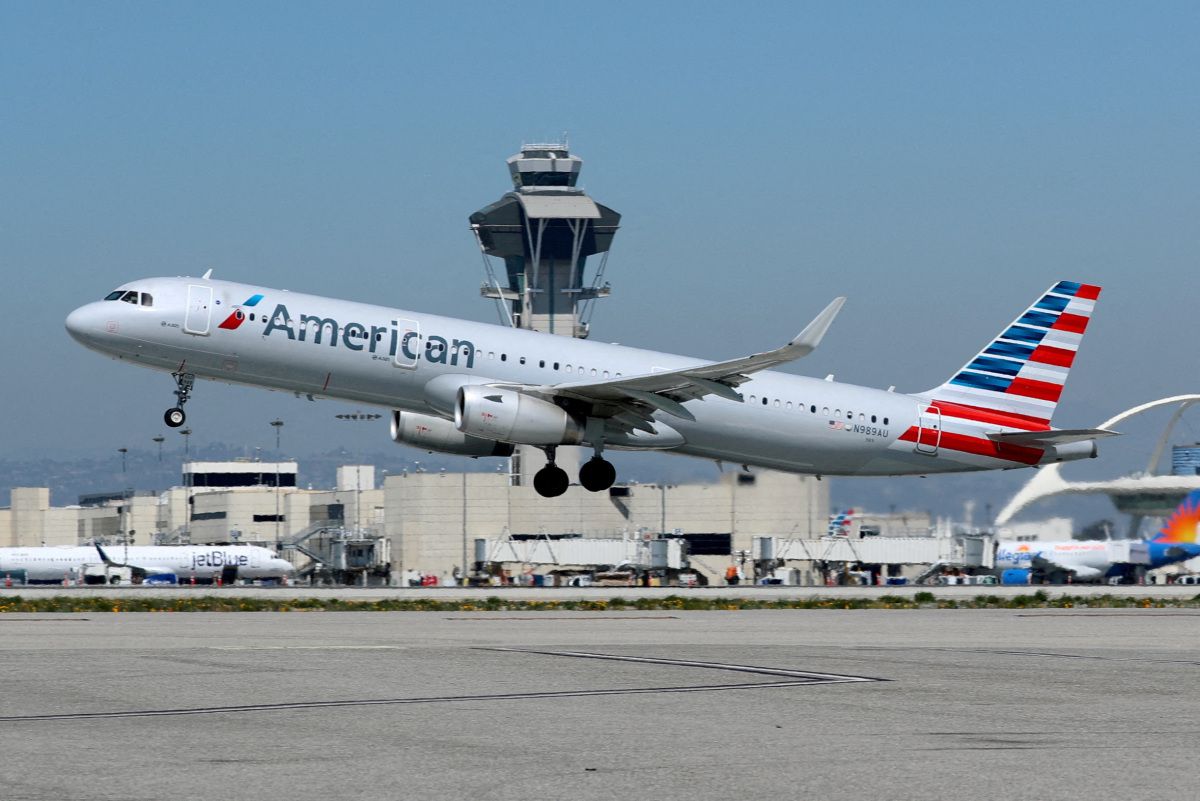
LOS ANGELES — Travelers passing through Los Angeles International Airport on Easter Sunday, April 5, 2026, are encountering unusually short TSA security wait times, with many checkpoints reporting waits of just 1 to 5 minutes as of mid-morning, according to official airport data and real-time trackers.

The flyLAX.com security wait times page showed Tom Bradley International Terminal general boarding at approximately 2 minutes and TSA PreCheck at 1-2 minutes early Sunday, with similar low figures across multiple sources. Other monitoring sites reported blended estimates around 3 minutes for standard lanes during off-peak morning hours.
This smooth flow comes amid a busy Easter holiday travel period, when passenger volumes typically rise as families head out for spring break getaways or return home after weekend celebrations. LAX, one of the world’s busiest airports handling more than 60 million passengers annually, has seen lighter-than-expected congestion at security on this Sunday, contrasting with broader concerns about TSA staffing strains from the ongoing partial government shutdown affecting some operations nationwide.
Airport officials and TSA representatives recommend that passengers still arrive at least two hours before domestic flights and three hours for international departures. Even with current short lines, factors like flight volume, checked baggage processing and gate boarding can add time to the overall experience.
Real-time data from the official LAX website and third-party trackers such as takeofftimer.com and onairparking.com indicate that waits remain minimal outside traditional peak windows. Typical busy periods at LAX include early mornings from 6:30 to 9 a.m., midday from 11 a.m. to 2 p.m., and evenings from 8 to 11 p.m. On April 5, however, many travelers reported breezing through checkpoints in under 10 minutes, especially those with TSA PreCheck, CLEAR or airline-specific expedited programs.
The lighter lines may reflect a combination of factors: Easter falling on a Sunday when some business travelers stay home, strategic flight scheduling by airlines, and effective staffing at checkpoints despite national challenges. Recent Reddit reports from early April noted smooth experiences at Terminal B (the new international facility) with waits under 5 minutes for international departures.
LAX features nine passenger terminals with security checkpoints that vary in layout and technology. The Tom Bradley International Terminal often handles the heaviest international traffic, while domestic terminals 1 through 8 serve major carriers like American, Delta, United and Southwest. Travelers should check their specific terminal via the LAX app or website, as wait times can differ slightly by location.
To stay informed, passengers can visit flyLAX.com/wait-times for official updates refreshed periodically throughout the day. The MyTSA mobile app from the Transportation Security Administration also provides crowdsourced and estimated wait times, along with reminders about the 3-1-1 liquids rule and prohibited items. Additional tools like airline apps from Delta, United or American sometimes integrate real-time security data.
For those without expedited screening, standard lanes involve removing shoes, laptops and liquids, with TSA officers conducting thorough checks. PreCheck members enjoy faster processing with shoes and light jackets often kept on, while CLEAR uses biometric verification to skip document checks.
Easter travel at LAX coincides with spring break surges that began in late March, when some reports noted occasional longer lines during peak hours. However, on this holiday Sunday, the combination of holiday timing and possibly fewer early departures has kept congestion low. Social media posts from travelers described security experiences as “seamless” or under 10 minutes even without PreCheck.
Broader TSA context includes reports of elevated absenteeism and longer lines at some major hubs due to the partial government shutdown, with wait times exceeding two to four hours at airports like Atlanta in recent weeks. LAX appears to have avoided the worst of those delays so far, thanks in part to local staffing adjustments and the airport’s multiple checkpoints distributing passenger flow.
Travelers with disabilities or needing assistance can request TSA Cares support in advance by calling 855-787-2227. Families with young children or elderly passengers should factor in extra time for strollers, car seats and mobility aids, even when general lines move quickly.
Parking and ground transportation add another layer. LAX offers economy, central terminal area and valet options, but traffic around the airport can spike during holiday periods. Rideshares, shuttles and public transit via the LAX shuttle or Metro connections help avoid congestion. The airport strongly advises against circling terminals and encourages using the cell phone waiting lot for pickups.
Flight status remains another key variable. Easter Sunday saw some delays earlier in the weekend due to weather or mechanical issues in certain markets, but security itself has not been a major bottleneck today. Passengers should monitor their airline app or flightaware.com for gate and departure updates.
Experts recommend several strategies for smooth LAX travel:
- Enroll in TSA PreCheck or Global Entry for frequent flyers to cut wait times dramatically.
- Use CLEAR biometric lanes where available for even faster entry.
- Pack efficiently: Place liquids in a quart-sized bag and electronics in an accessible spot.
- Download digital boarding passes and use mobile check-in.
- Arrive early enough to enjoy the airport’s dining and shopping options if time allows.
LAX has invested heavily in modernization, including the new Terminal B, automated screening lanes and improved signage. These upgrades help process passengers more efficiently even during busier periods.
For international travelers, additional steps like customs and border protection upon arrival or departure add time. The Tom Bradley terminal features enhanced facilities, but waits there can vary based on flight banks.
As the day progresses, wait times could increase if afternoon and evening departures ramp up. Historical patterns suggest monitoring mid-to-late afternoon for potential moderate rises, though current indicators point to continued light traffic.
In a year when national TSA operations face challenges from staffing and funding issues, LAX’s performance on Easter Sunday offers a positive note for Southern California travelers. The airport continues to rank among the busiest globally, serving as a major gateway to Asia, Europe, Latin America and domestic destinations.
Travelers departing later today or connecting through LAX should check live data closer to their arrival. Conditions can change rapidly with sudden surges or operational adjustments.
For those arriving at LAX, immigration and baggage claim represent separate processes, with reported waits sometimes longer than security for international flights.
Overall, Easter Sunday 2026 at LAX security appears traveler-friendly so far, with short lines allowing more time for relaxation or last-minute purchases before boarding. Still, the standard advice holds: build in a buffer for the unexpected, confirm flight status and prepare documents in advance.
The TSA emphasizes that safety remains the priority, and thorough screening ensures secure skies even when lines move quickly. Passengers are encouraged to report any concerns or helpful feedback through official channels.
As families celebrate Easter with travel plans, LAX demonstrates that holiday surges do not always translate to chaos at security when volumes and staffing align favorably.
In summary, current TSA wait times at Los Angeles International Airport on Easter Sunday, April 5, 2026, are short — generally under 5 minutes at many checkpoints — providing a smoother experience than typical peak holiday travel. Travelers should still plan conservatively, use available apps for real-time updates and take advantage of expedited programs to minimize stress.
With the airport operating efficiently amid national headwinds, LAX offers a relatively stress-free start to journeys on this spring holiday.

Trader says new BTC lows are imminent as price sits near $67K

Is There Sullivan’s Crossing Season 4 After Shocking Cast Exit?

Two men taken to hospital after motorbike collides with crash barrier in Lisburn


-

 NewsBeat3 days ago
Steven Gerrard disagrees with Gary Neville over ‘shock’ Chelsea and Arsenal claim | Football
-

 Business3 days ago
No Jackpot Winner and $194 Million Prize Rolls Over
-

 Fashion2 days ago
Weekend Open Thread: Spanx – Corporette.com
-
Entertainment6 days ago
Fans slam 'heartbreaking' Barbie Dream Fest convention debacle with 'cardboard cutout' experience
-

 Crypto World4 days ago
Gold Price Prediction: Worst Month in 17 Years fo Save Haven Rock
-

 Tech7 days ago
The Pixel 10a doesn’t have a camera bump, and it’s great
-
Crypto World5 days ago
Dems press CFTC, ethics board on prediction-market insider trades
-

 Tech7 days ago
Avatar Legends: The Fighting Game comes out in July and it looks pretty slick
-

 Sports20 hours ago
India men’s 4x400m and mixed 4x100m relay teams register big progress | Other Sports News
-

 Business4 days ago
Login and Checkout Issues Spark Merchant Frustration
-

 Tech6 days ago
Apple will hide your email address from apps and websites, but not cops
-

 Tech5 days ago
EE TV is using AI to help you find something to watch
-

 Sports5 days ago
Tallest college basketball player ever, standing at 7-foot-9, entering transfer portal
-

 Politics6 days ago
Should Trump Be Scared Strait?
-

 Tech6 days ago
Flipsnack and the shift toward motion-first business content with living visuals
-

 Fashion6 days ago
The Best Spring Trends of 2026
-

 Sports6 days ago
Women’s hockey camp eyes fitness boost, tactics ahead of WC 2026 campaign | Other Sports News
-

 Tech5 days ago
How to back up your iPhone & iPad to your Mac before something goes wrong
-
 Crypto World7 days ago
Bitcoin’s Six-Month Losing Streak: What On-Chain Data Says About the Market’s Next Move
-

 Politics6 days ago
BBC slammed for ignoring author of The Fraud
You must be logged in to post a comment Login