
Business
Thailand’s Economy Ends 2025 Stronger Than Expected, Boosting New Government


Thailand’s economy closed 2025 on a surprisingly strong note, with GDP expanding 2.5% year-on-year in Q4, well above forecasts of 1.3% and outpacing the previous quarter’s 1.2%. On a quarterly basis, growth reached 1.9%, nearly triple the expected pace.
Key Takeaways
- Q4 2025 GDP: Expanded 2.5% year-on-year, stronger than forecasts and above Q3’s 1.2%.
- Quarterly Growth: Rose 1.9% from Q3, exceeding the highest Bloomberg survey estimate of 1.9%.
- Full-Year 2025: Economy grew 2.4% overall.
- 2026 Outlook: The National Economic and Social Development Council (NESDC) upgraded projections, expecting growth between 1.5%–2.5%, driven by exports and tourism recovery.
For the full year, GDP rose 2.4%, driven by a rebound in exports, a surge in tourism arrivals, and targeted government stimulus measures. The National Economic and Social Development Council (NESDC) has now set its 2026 growth outlook at 1.5%–2.5%, citing continued recovery in external demand and tourism as key drivers.
The stronger-than-expected performance comes at a pivotal moment for Prime Minister Anutin Charnvirakul, who recently secured a coalition deal. The economic momentum provides his administration with political capital as it pledges to stabilize the economy and ease cost-of-living pressures.
Despite the upbeat figures, Thailand’s growth remains modest compared to regional peers. Malaysia and Singapore grew at more than double Thailand’s pace in 2025, while Vietnam expanded nearly four times faster, underscoring the competitiveness challenges ahead.
Other People are Reading

Business
Kalani Artis, Harlan Goode Lead as Australian Idol 2026 Top 6 Favorites Amid Peak Viewership

SYDNEY — As Australian Idol 2026 enters its intense final stages on the Seven Network, 23-year-old Kalani Artis from the Central Coast and 18-year-old Harlan Goode from Queensland have emerged as standout favorites among viewers and judges, fueling nationwide buzz for the singing competition’s 11th season.
The show, which premiered Feb. 2, 2026, has delivered its highest viewership of the year during “Aussie Music Week” episodes, drawing up to 1.79 million national reach and nearly 1 million average audiences per episode — a significant boost from previous weeks and strong growth on the 7plus streaming platform. Judges Marcia Hines, Amy Shark and Kyle Sandilands have guided a talented field through auditions, golden tickets and live performance shows, with the Top 6 now battling for the crown, a $100,000 prize package, recording opportunities and industry support.

Australian Idol has long launched major careers, from Guy Sebastian and Jessica Mauboy in the early days to more recent winners like Dylan Wright in 2024 and Marshall Hamburger in 2025, who continue touring and releasing music. The 2026 season emphasizes artist development, with contestants participating in songwriting camps, studio sessions and marketing workshops alongside their performances.
Here are the most popular and talked-about Australian Idol stars of 2026 so far, based on viewer votes, social media engagement, performance buzz and media coverage as the competition narrows:
Kalani Artis leads the pack with his soulful, emotive delivery and consistent standout moments. The 23-year-old from New South Wales earned early praise for his audition rendition of Natalie Imbruglia’s “Torn,” which left judges silent in admiration. His haunting cover of Crowded House’s “Don’t Dream It’s Over” during Aussie Week garnered massive online views and comments calling him a potential winner with a unique blend of Harry Styles and Calum Scott vibes. Fans highlight his vocal control, emotional depth and stage presence, with many predicting he will take the title. Kalani’s performances often trend on YouTube and social platforms, reflecting strong public support.
Harlan Goode, the youngest in the Top 6 at 18, has impressed with powerhouse ballads and raw talent while balancing Year 12 exams. From Redland, Queensland, Harlan brings youthful energy and a big voice that resonates in live shows. Viewers praise his authenticity and growth, with comments noting his ability to command the stage despite his age. His progression through the Top 12 and into the finals has built a dedicated fan base, positioning him as a serious contender for the finale.
Kesha Odeya (also referred to as Kesha Oayda), 21, from Jindabyne in New South Wales, brings a fresh glam transformation and versatile vocals. Hailing from ski country, she has “crushed” performances like Hozier’s “Take Me to Church” and earned standing ovations. Her journey from limited stage experience to confident live-show deliveries has inspired many, making her a popular figure for her relatability and vocal power. Kesha remains in the Top 6, with supporters appreciating her evolution and stage charisma.
Jacinta Guirguis, 25, a former forklift driver from Bacchus Marsh, Victoria, has undergone one of the most visible transformations. Starting with a hoodie-and-work-boot persona, she has blossomed into a confident performer with unique vocal flair. Her renditions have overcome self-doubt, earning judge praise and audience cheers. Jacinta’s story of perseverance resonates widely, boosting her popularity among viewers who connect with her underdog narrative and growth.
Charlie Moon, 31, from Perth, Western Australia, captured hearts early with soulful singing and a signature colorful beanie and specs. His emotional audition dedicated to his late mother created instant buzz. Though eliminated in later stages around the Top 8, Charlie’s performances of classics like Stevie Wonder tracks left lasting impressions. Post-elimination, he has used his platform to raise cancer awareness, maintaining fan affection and media mentions.
Trè Samuels (often styled as Tre) has been highlighted in fan discussions and performance rankings for strong showings in the Top 12 and beyond. Her powerful voice and stage energy kept her competitive into advanced rounds, with some analyses ranking her highly in winner predictions before eliminations narrowed the field. Trè’s contributions during group and solo spots added diversity and strength to the season.
Other notable 2026 contestants who generated significant popularity include Simela Petridis, a high school teacher and mother whose emotional audition of a Dawson’s Creek theme song moved judge Jessica Mauboy to tears. Simela advanced to the Top 10 but was later eliminated, yet her warmth and vocal beauty earned widespread admiration.
Wanwue Tarpeh, 21, from Melbourne, brought jazz and soul flair with a big personality, advancing far in the competition before elimination. Her swagger and kind demeanor made her memorable. Harry Lamb, 26, a barber from Ballarat, Victoria, was noted as a heartthrob with unique vocals, while John Standley, the young 16-17-year-old from Bunbury, WA, wowed with jukebox classics and standing ovations.
The season’s Top 12 also featured talents like Lily-Grace Grant and others who shone in early rounds but faced tough competition. Fan favorites often cited for strong performances included those delivering Aussie icons tributes during themed weeks.
Beyond the current season, all-time Australian Idol stars continue influencing 2026 conversations. Guy Sebastian remains a benchmark of success with his enduring career. Jessica Mauboy, a judge and past contestant, exemplifies long-term impact. Recent winners like Marshall Hamburger (2025) and Dylan Wright (2024) stay active with new music, tours and ARIA recognition, showing the show’s ongoing ability to develop sustainable artists.
The 2026 season has emphasized local music and artist growth, with episodes featuring Australian songs drawing record audiences. Executive producers highlight workshops with Sony Music Publishing and other partners as key to preparing contestants for the industry, addressing past criticisms that some Idols faded quickly.
Social media and fan groups buzz with debates over Top 6 predictions, performance rankings and elimination shocks. YouTube clips of standout moments, especially Kalani’s covers, rack up views quickly. The show’s format — blending raw talent, emotional stories and professional polish — keeps viewers invested week after week.
Challenges include balancing viewer votes with judge input and managing the high-pressure live environment. Yet the 2026 cohort is praised for its overall strength, with comments noting it is harder than ever to pick a single winner.
As the finale approaches, anticipation builds for who will join the ranks of successful Idol alumni. The winner gains not only cash and recording support but also exposure that can launch tours, singles and industry connections.
Australian Idol’s revival on Seven has refreshed the franchise with modern production, diverse contestants and focus on post-show careers. The 2026 season’s high viewership signals continued public appetite for talent discovery and feel-good entertainment.
Whether Kalani Artis claims the crown with his emotive style, Harlan Goode surges with youthful power or another Top 6 member surprises, the season has already produced memorable stars. Their journeys — from auditions to live shows — inspire aspiring musicians across Australia and remind viewers of music’s power to connect and elevate.
Fans can follow remaining episodes on Seven and 7plus, with results shows determining the ultimate Australian Idol 2026. In a year of strong performances and record audiences, the competition underscores the depth of homegrown talent ready for the spotlight.

Buy These US Steel Stocks Benefiting From Rising Tariffs: Goldman
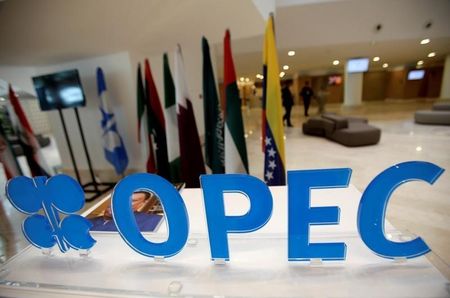
OPEC+ mulls "paper" output hike as Iran war paralyzes 15% of global oil supply

Sprouts Farmers Market: My Faith In The Value And Upside Is Unshaken – Rating Upgrade


I am an international analyst with a Buffett and Munger inspired approach to investing. My emphasis is on identifying high quality, shareholder-oriented companies which have been unfairly discounted by the market due to short term factors or irrational investor psychology. At the moment, I am particularly interested in legacy businesses considered to be in secular decline in sectors such as remittances, ATMs and tobacco, where cash generative, high yield stocks (often with under-appreciated revenue and earnings growth) are very often unfairly ignored. While emphasizing U.S. stocks, I also cover attractive opportunities within my own country (the UK) and globally.
Analyst’s Disclosure: I/we have no stock, option or similar derivative position in any of the companies mentioned, and no plans to initiate any such positions within the next 72 hours. I wrote this article myself, and it expresses my own opinions. I am not receiving compensation for it (other than from Seeking Alpha). I have no business relationship with any company whose stock is mentioned in this article.
Seeking Alpha’s Disclosure: Past performance is no guarantee of future results. No recommendation or advice is being given as to whether any investment is suitable for a particular investor. Any views or opinions expressed above may not reflect those of Seeking Alpha as a whole. Seeking Alpha is not a licensed securities dealer, broker or US investment adviser or investment bank. Our analysts are third party authors that include both professional investors and individual investors who may not be licensed or certified by any institute or regulatory body.


Israeli fire kills four Palestinians in Gaza, medics say


OPEC+ debates theoretical oil output hike amid Iran war paralysis, sources say
Business
CG Oncology: Passing A Red Line For What I Would Call A Reasonable Valuation (Rating Downgrade)

CG Oncology: Passing A Red Line For What I Would Call A Reasonable Valuation (Rating Downgrade)

Netflix: Three Reasons To Expect An Earnings Beat

Does the Iran War herald nuclear momentum?

Stockton Waterfront urban park set to welcome first visitors

Kalani Artis, Harlan Goode Lead as Australian Idol 2026 Top 6 Favorites Amid Peak Viewership

Drift Protocol Hack: How a North Korean Group Spent Six Months Infiltrating a DeFi Protocol


-

 NewsBeat3 days ago
Steven Gerrard disagrees with Gary Neville over ‘shock’ Chelsea and Arsenal claim | Football
-

 Business2 days ago
No Jackpot Winner and $194 Million Prize Rolls Over
-

 Fashion2 days ago
Weekend Open Thread: Spanx – Corporette.com
-
Entertainment6 days ago
Fans slam 'heartbreaking' Barbie Dream Fest convention debacle with 'cardboard cutout' experience
-

 Crypto World4 days ago
Gold Price Prediction: Worst Month in 17 Years fo Save Haven Rock
-

 Tech6 days ago
The Pixel 10a doesn’t have a camera bump, and it’s great
-
Crypto World5 days ago
Dems press CFTC, ethics board on prediction-market insider trades
-

 Tech6 days ago
Avatar Legends: The Fighting Game comes out in July and it looks pretty slick
-

 Business3 days ago
Login and Checkout Issues Spark Merchant Frustration
-

 Sports12 hours ago
India men’s 4x400m and mixed 4x100m relay teams register big progress | Other Sports News
-

 Tech6 days ago
Apple will hide your email address from apps and websites, but not cops
-

 Sports5 days ago
Tallest college basketball player ever, standing at 7-foot-9, entering transfer portal
-

 Tech5 days ago
EE TV is using AI to help you find something to watch
-

 Politics6 days ago
Should Trump Be Scared Strait?
-

 Tech5 days ago
Flipsnack and the shift toward motion-first business content with living visuals
-

 Tech7 days ago
Elon Musk’s last co-founder reportedly leaves xAI
-

 Fashion6 days ago
The Best Spring Trends of 2026
-

 Tech5 days ago
How to back up your iPhone & iPad to your Mac before something goes wrong
-
Crypto World6 days ago
Bitcoin’s Six-Month Losing Streak: What On-Chain Data Says About the Market’s Next Move
-

 Politics6 days ago
BBC slammed for ignoring author of The Fraud
You must be logged in to post a comment Login