

Business
Kalani Artis, Harlan Goode Lead as Australian Idol 2026 Top 6 Favorites Amid Peak Viewership


SYDNEY — As Australian Idol 2026 enters its intense final stages on the Seven Network, 23-year-old Kalani Artis from the Central Coast and 18-year-old Harlan Goode from Queensland have emerged as standout favorites among viewers and judges, fueling nationwide buzz for the singing competition’s 11th season.
The show, which premiered Feb. 2, 2026, has delivered its highest viewership of the year during “Aussie Music Week” episodes, drawing up to 1.79 million national reach and nearly 1 million average audiences per episode — a significant boost from previous weeks and strong growth on the 7plus streaming platform. Judges Marcia Hines, Amy Shark and Kyle Sandilands have guided a talented field through auditions, golden tickets and live performance shows, with the Top 6 now battling for the crown, a $100,000 prize package, recording opportunities and industry support.

Australian Idol has long launched major careers, from Guy Sebastian and Jessica Mauboy in the early days to more recent winners like Dylan Wright in 2024 and Marshall Hamburger in 2025, who continue touring and releasing music. The 2026 season emphasizes artist development, with contestants participating in songwriting camps, studio sessions and marketing workshops alongside their performances.
Here are the most popular and talked-about Australian Idol stars of 2026 so far, based on viewer votes, social media engagement, performance buzz and media coverage as the competition narrows:
Kalani Artis leads the pack with his soulful, emotive delivery and consistent standout moments. The 23-year-old from New South Wales earned early praise for his audition rendition of Natalie Imbruglia’s “Torn,” which left judges silent in admiration. His haunting cover of Crowded House’s “Don’t Dream It’s Over” during Aussie Week garnered massive online views and comments calling him a potential winner with a unique blend of Harry Styles and Calum Scott vibes. Fans highlight his vocal control, emotional depth and stage presence, with many predicting he will take the title. Kalani’s performances often trend on YouTube and social platforms, reflecting strong public support.
Harlan Goode, the youngest in the Top 6 at 18, has impressed with powerhouse ballads and raw talent while balancing Year 12 exams. From Redland, Queensland, Harlan brings youthful energy and a big voice that resonates in live shows. Viewers praise his authenticity and growth, with comments noting his ability to command the stage despite his age. His progression through the Top 12 and into the finals has built a dedicated fan base, positioning him as a serious contender for the finale.
Kesha Odeya (also referred to as Kesha Oayda), 21, from Jindabyne in New South Wales, brings a fresh glam transformation and versatile vocals. Hailing from ski country, she has “crushed” performances like Hozier’s “Take Me to Church” and earned standing ovations. Her journey from limited stage experience to confident live-show deliveries has inspired many, making her a popular figure for her relatability and vocal power. Kesha remains in the Top 6, with supporters appreciating her evolution and stage charisma.
Jacinta Guirguis, 25, a former forklift driver from Bacchus Marsh, Victoria, has undergone one of the most visible transformations. Starting with a hoodie-and-work-boot persona, she has blossomed into a confident performer with unique vocal flair. Her renditions have overcome self-doubt, earning judge praise and audience cheers. Jacinta’s story of perseverance resonates widely, boosting her popularity among viewers who connect with her underdog narrative and growth.
Charlie Moon, 31, from Perth, Western Australia, captured hearts early with soulful singing and a signature colorful beanie and specs. His emotional audition dedicated to his late mother created instant buzz. Though eliminated in later stages around the Top 8, Charlie’s performances of classics like Stevie Wonder tracks left lasting impressions. Post-elimination, he has used his platform to raise cancer awareness, maintaining fan affection and media mentions.
Trè Samuels (often styled as Tre) has been highlighted in fan discussions and performance rankings for strong showings in the Top 12 and beyond. Her powerful voice and stage energy kept her competitive into advanced rounds, with some analyses ranking her highly in winner predictions before eliminations narrowed the field. Trè’s contributions during group and solo spots added diversity and strength to the season.
Other notable 2026 contestants who generated significant popularity include Simela Petridis, a high school teacher and mother whose emotional audition of a Dawson’s Creek theme song moved judge Jessica Mauboy to tears. Simela advanced to the Top 10 but was later eliminated, yet her warmth and vocal beauty earned widespread admiration.
Wanwue Tarpeh, 21, from Melbourne, brought jazz and soul flair with a big personality, advancing far in the competition before elimination. Her swagger and kind demeanor made her memorable. Harry Lamb, 26, a barber from Ballarat, Victoria, was noted as a heartthrob with unique vocals, while John Standley, the young 16-17-year-old from Bunbury, WA, wowed with jukebox classics and standing ovations.
The season’s Top 12 also featured talents like Lily-Grace Grant and others who shone in early rounds but faced tough competition. Fan favorites often cited for strong performances included those delivering Aussie icons tributes during themed weeks.
Beyond the current season, all-time Australian Idol stars continue influencing 2026 conversations. Guy Sebastian remains a benchmark of success with his enduring career. Jessica Mauboy, a judge and past contestant, exemplifies long-term impact. Recent winners like Marshall Hamburger (2025) and Dylan Wright (2024) stay active with new music, tours and ARIA recognition, showing the show’s ongoing ability to develop sustainable artists.
The 2026 season has emphasized local music and artist growth, with episodes featuring Australian songs drawing record audiences. Executive producers highlight workshops with Sony Music Publishing and other partners as key to preparing contestants for the industry, addressing past criticisms that some Idols faded quickly.
Social media and fan groups buzz with debates over Top 6 predictions, performance rankings and elimination shocks. YouTube clips of standout moments, especially Kalani’s covers, rack up views quickly. The show’s format — blending raw talent, emotional stories and professional polish — keeps viewers invested week after week.
Challenges include balancing viewer votes with judge input and managing the high-pressure live environment. Yet the 2026 cohort is praised for its overall strength, with comments noting it is harder than ever to pick a single winner.
As the finale approaches, anticipation builds for who will join the ranks of successful Idol alumni. The winner gains not only cash and recording support but also exposure that can launch tours, singles and industry connections.
Australian Idol’s revival on Seven has refreshed the franchise with modern production, diverse contestants and focus on post-show careers. The 2026 season’s high viewership signals continued public appetite for talent discovery and feel-good entertainment.
Whether Kalani Artis claims the crown with his emotive style, Harlan Goode surges with youthful power or another Top 6 member surprises, the season has already produced memorable stars. Their journeys — from auditions to live shows — inspire aspiring musicians across Australia and remind viewers of music’s power to connect and elevate.
Fans can follow remaining episodes on Seven and 7plus, with results shows determining the ultimate Australian Idol 2026. In a year of strong performances and record audiences, the competition underscores the depth of homegrown talent ready for the spotlight.


T. Rowe Price: The 5% Yield Is Attractive But Challenges Exist (Rating Downgrade)

Dollar weakens, Asia FX firms on US-Iran peace hopes

Earnings call transcript: Thryv Holdings beats Q1 2026 forecasts, stock up 4.64%
NEW YORK — Intel Corp. shares closed at $119.84 on May 22, 2026, up 1.13 percent on the Nasdaq as the semiconductor company continued to show signs of recovery in its data center and artificial intelligence businesses amid ongoing restructuring efforts.
The stock traded in a range between $117.50 and $121.20 during the session. In after-hours trading, shares fell to around $118.15. Intel has experienced volatility in 2026 as investors monitor its progress in regaining market share in AI servers and advancing its foundry operations.
Q1 2026 Financial Results
Intel reported first-quarter 2026 revenue of $13.6 billion, up 7 percent from the prior year. The Data Center and AI segment grew 22 percent to $5.1 billion, while Client Computing Group revenue rose 1 percent to $7.7 billion. The company posted a GAAP net loss of $3.7 billion, or $0.73 per share, largely due to $4.07 billion in restructuring and impairment charges. Non-GAAP earnings per share were $0.29.
Intel guided second-quarter 2026 revenue between $13.8 billion and $14.8 billion. The company highlighted progress on its 18A manufacturing process and noted sold-out AI CPU capacity earlier in the year.
Business Strategy and Foundry Update
Intel has focused on regaining share in AI servers under CEO Lip-Bu Tan. The company reported improvements in Data Center and AI revenue. Potential partnerships, including discussions with Tenstorrent for AI processors, have drawn attention. Challenges remain in foundry profitability and process yields.
Intel continues to invest heavily in manufacturing facilities and research. Q1 2026 operating cash flow was $1.1 billion, with adjusted free cash flow negative $2 billion due to capital expenditures.
Analyst Views
Analysts have assigned Intel a consensus Hold rating with average price targets around $70 to $81 in some forecasts, though recent momentum has pushed shares higher. Intel’s stock recovery followed significant gains from 2025 lows, with shares rising over 200 percent in the 2026 year-to-date period at points.
The company has pursued an “aggressive pricing strategy” to maintain competitiveness while absorbing costs associated with higher RAM and new components.
Market Position
Intel competes directly in semiconductors against Nvidia and AMD in data center CPUs while building foundry capabilities. The company reported sold-out AI CPU capacity earlier in the year. Supply chain reports have pointed to Intel’s efforts on Panther Lake and other processors for 2026-2027.
Intel maintains a dividend, though payouts have faced scrutiny amid earlier losses. The stock has shown high volatility, with a 52-week low near $19 in 2025 before rebounding.
Broader Industry Context
Demand for AI infrastructure has driven investment across the semiconductor sector. Intel’s progress on its 18A process node is seen as critical for regaining competitiveness. The company has highlighted improvements in process technology and partnerships to expand its foundry business.
Upcoming earnings are scheduled for late July 2026. Analysts will monitor execution on foundry profitability, AI CPU sales and margin trends.
Company Developments
Intel has invested in new manufacturing facilities and research. The company has reported sequential revenue growth in client and data center segments for Q2, driven by supply improvements and pricing. Risks include foundry execution and competition in AI chips.
Intel’s market recovery followed significant gains from 2025 lows. The company has focused on regaining share in AI servers and advancing its foundry business.
Valuation and Outlook
Intel carries exposure to cyclical semiconductor markets and has faced margin pressures from competitive pricing and memory costs. The stock has shown high beta and cyclical exposure compared to more stable tech peers.
Analysts project continued revenue and earnings expansion tied to AI adoption. Intel has maintained guidance for sequential growth in key segments. The company faces typical industry risks, including supply chain dynamics for components like memory and GPUs, geopolitical factors affecting China exposure, and competition from other server providers.
Intel continues quarterly product launches and ecosystem partnerships to address enterprise and research demand for AI capabilities. Further details on Q2 performance and full-year execution will come with the late July report.
Historical Performance
Intel has a long history as a leader in semiconductor manufacturing. The company has invested heavily in regaining process technology leadership after falling behind in recent years. Its 18A node is viewed as a key milestone for future competitiveness.
The stock has traded well above prior-year levels amid sector tailwinds in AI infrastructure. Trading volume on May 22 was elevated as investors reacted to broader sector momentum and company-specific developments.


Huawei proposes new path for chip development amid US sanctions
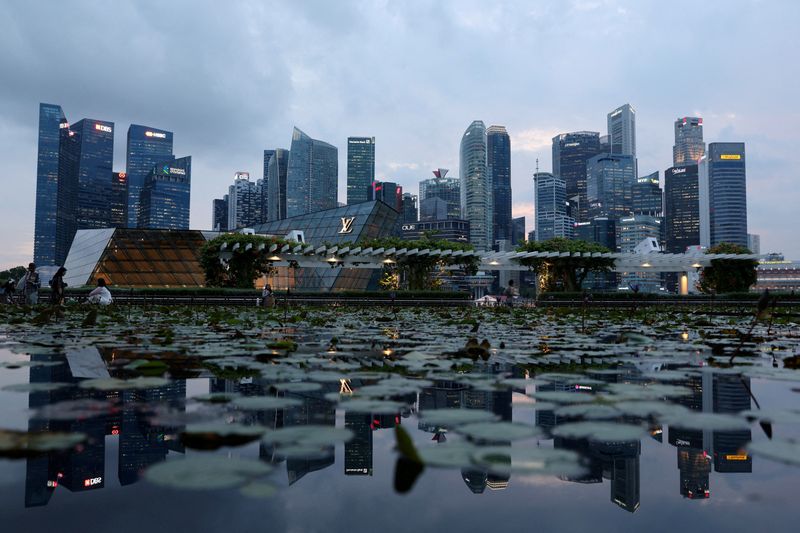

Singapore economy beats expectations in Q1 with 6% annual growth, risks ahead
Business
(VIDEO) Spurs Even Western Conference Finals Series at 2-2 with 103-82 Game 4 Victory Over Thunder

SAN ANTONIO — The San Antonio Spurs defeated the Oklahoma City Thunder 103-82 in Game 4 of the 2026 Western Conference Finals on May 24 at Frost Bank Center, evening the best-of-seven series at 2-2.
Victor Wembanyama led the Spurs with 33 points, including 22 in the first half. De’Aaron Fox recorded 10 rebounds, while Devin Vassell and Stephon Castle combined for 26 points. The Spurs held the Thunder to 33 percent shooting from the field and 18 percent from three-point range. Shai Gilgeous-Alexander did not play in the fourth quarter.
Game Summary
The Spurs built a substantial lead early and maintained control throughout. Oklahoma City struggled with shooting efficiency and turnovers. The Thunder’s bench, which had been a strength in previous games, was outscored as San Antonio’s starters and reserves contributed balanced scoring.
Wembanyama’s performance included efficient scoring inside and from mid-range. He also added rebounds and defensive contributions. The Spurs’ defense limited Oklahoma City’s transition opportunities and contested shots effectively.
Series Context
The Thunder won Game 3 by 15 points after overcoming an early deficit. San Antonio responded in Game 4 with a complete team effort. The series opened with the Spurs winning Game 1 in double overtime in Oklahoma City. The Thunder took Game 2 at home before winning Game 3 in San Antonio.
Game 4 marked a return to strong home performance for the Spurs. The victory shifted momentum back to San Antonio heading into Game 5 in Oklahoma City.
Player Performances
Wembanyama has been the Spurs’ leading scorer through the first four games of the series. His ability to impact both ends of the court has been central to San Antonio’s competitiveness. Fox contributed playmaking and rebounding in his return from injury.
Vassell and Castle provided scoring support. The Spurs’ bench played a key role in maintaining the lead during the second half. Oklahoma City’s starters, led by Gilgeous-Alexander, faced defensive pressure throughout.
The Thunder’s poor shooting night contrasted with their stronger performances in earlier games. Their bench production, which set a playoff record in Game 3, was limited in Game 4.
Injury and Availability Notes
Dylan Harper remained sidelined for the Spurs with a right adductor injury. The team has managed guard depth with Fox’s return. Oklahoma City monitored Jalen Williams’ hamstring status after he missed Game 3.
Coaching Strategies
Spurs coach Mitch Johnson emphasized balanced scoring and defensive intensity. The team focused on limiting Gilgeous-Alexander’s driving lanes and forcing turnovers. Thunder coach Mark Daigneault utilized rotations to counter Wembanyama but faced challenges with shooting efficiency.
Home-Court Atmosphere
Frost Bank Center provided strong support for the Spurs. The crowd contributed to the energy as San Antonio built and protected the lead. Former Spurs legends attended, adding to the playoff atmosphere.
Broader Playoff Picture
The Western Conference Finals feature two young cores with significant future potential. Oklahoma City, the defending champions, have shown resilience through injuries and early deficits. San Antonio has demonstrated competitiveness despite health challenges to key guards.
The series has been marked by physical play and adjustments. Both teams have young talent and assets that could shape future rosters. The outcome of the Western Conference Finals will determine the opponent for the NBA Finals.
Historical Notes
Wembanyama’s scoring output in the series has placed him among standout playoff performers for second-year players. The Spurs’ response in Game 4 after trailing the series showed resilience at home.
The Thunder’s bench has been a consistent strength, though it was neutralized in Game 4. The series has featured strong individual performances from Wembanyama and Gilgeous-Alexander.
Upcoming Schedule
Game 5 is scheduled for May 26 in Oklahoma City. The series could return to San Antonio for Game 6 if necessary. Both teams will evaluate adjustments and monitor player availability ahead of the next contest.
The Western Conference Finals have drawn national attention for the matchup between two rising franchises. The Thunder aim to defend their title, while the Spurs continue building around their young core.

Thailand’s Amazing Grand Sale 2026, scheduled from June 15 through August 15, is designed to drive tourist expenditure via deals and promotional offers throughout the country, with more than 100 partners participating to champion local goods and designers.
Key Points
- The Amazing Thailand Grand Sale 2026 is set for June 15 to August 15, organized by the Tourism Authority of Thailand with over 100 partners. The campaign aims to boost tourist spending during the Green Season, targeting both short-haul and long-haul markets.
- Recent data indicates that foreign visitors allocate 15-20% of their travel budgets to shopping, making it the third-largest expense after accommodations and food. Key markets include China, the US, UK, Japan, and Australia.
- The campaign offers discounts across major cities, promoting Thai identity and local products. The 2025 campaign saw over 700 million baht in circulation. Businesses are encouraged to participate by providing promotions, with more info available on the LINE Official Account @thailandgrandsale.
The government is moving ahead with preparations for the Amazing Thailand Grand Sale 2026, led by the Tourism Authority of Thailand under the Ministry of Tourism and Sports, in coordination with more than 100 partners across the tourism sector. The campaign runs from June 15 to August 15, 2026, during the Green Season, with the objective of increasing tourist spending from both short-haul and long-haul markets.
Data from recent years shows that foreign visitors typically spend around 15 to 20 percent of their travel budget on shopping and souvenirs, making it the third-largest expense after accommodation and food and beverages. Key markets include China, Singapore, the United States, the United Kingdom, Japan, France, Australia, India, South Korea, and Hong Kong.
The campaign features discounts and special privileges across major cities and emerging destinations, while promoting Thai identity through locally branded products and supporting designers in areas such as fashion, crafts, jewelry, and environmentally friendly goods made from recycled materials.
Results from the 2025 campaign recorded more than 700 million baht in circulation, along with high satisfaction levels and strong recommendations from participants. Tourism-related businesses are encouraged to join by offering promotions, with further information available through the LINE Official Account @thailandgrandsale.
Source : Thailand Prepares Amazing Thailand Grand Sale 2026
Other People are Reading
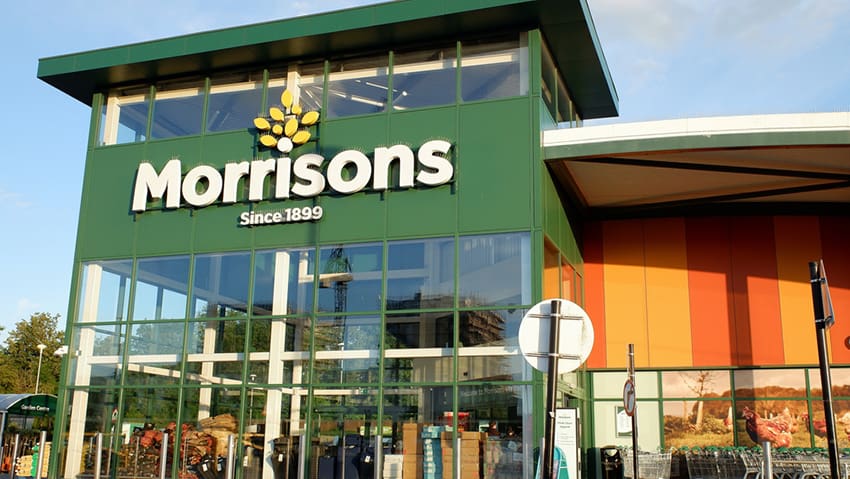
Bradford-based grocer pitches its Myton manufacturing arm to Sainsbury’s and other supermarket rivals as it tries to grind down a £3.1bn debt pile inherited from its 2021 private equity takeover.
Morrisons is in advanced conversations with rival British supermarkets to start supplying them with own-brand pies, meat and eggs produced by its Myton manufacturing division, as chief executive Rami Baitiéh hunts for fresh sources of revenue to ease the grocer’s heavy debt burden.
The Bradford-based chain, one of the so-called Big Four, is understood to have ushered buyers from competing retailers into a Myton factory in recent weeks, with Sainsbury’s among the grocers to have toured production sites previously. The push marks a notable shift in posture: Morrisons has historically guarded the output of its 17 UK manufacturing sites as a competitive moat, but is now willing to feed rivals’ shelves if it brings in profitable third-party volume.
Myton is one of the country’s largest food manufacturers and produces Morrisons’ sweet and savoury pie ranges, while also sourcing meat, fish, eggs and even flowers for the supermarket. It already serves a clutch of independent retailers and is now being pitched to large hospitality groups as well, with showcase events held in recent months to highlight its British-made credentials.
£3.1bn debt overhang from the CD&R takeover
The wider strategic context is hard to ignore. In its most recent set of accounts, covering the 52 weeks to 26 October, the grocer posted a pre-tax loss of £381m after absorbing a £281m interest bill on its borrowings. Net debt stood at £3.1bn at the year-end, an overhang from the £10bn leveraged buy-out by US private equity firm Clayton, Dubilier & Rice in 2021.
Morrisons has been steadily chiselling away at that figure, gross debt is down roughly 46 per cent from its 2022 peak, helped by a series of sale-and-leaseback deals, but the interest cost still dwarfs reported profits. Underlying earnings of £835m and twelve consecutive quarters of positive like-for-like sales growth, as detailed in the company’s full-year results, suggest the operating business is in markedly better shape than the bottom line implies.
That is where Myton comes in. While Morrisons does not break out the division’s numbers, it is widely understood inside the business to be profitable, with spare manufacturing capacity that executives believe could be sweated harder by serving a broader customer base, at home and overseas.
Closures, cafés and a streamlined estate
The supply-side push lands alongside an aggressive cost programme. Morrisons has confirmed plans to close 100 convenience stores, shuttered a swathe of in-store cafés, counters and florists, and has been trimming head office headcount as it leans into automation and AI. Earlier this year, Myton itself closed its loss-making Wakefield bakery in a sign that no part of the empire is sacrosanct.
Competitive pressure has not abated either. Discounters Aldi and Lidl continue to nibble at the heels of the traditional Big Four, with Aldi having overtaken Morrisons to become Britain’s fourth-largest supermarket by market share, a shift that has sharpened the urgency behind any plan capable of widening the grocer’s margin pool.
Sale considered, then parked
The latest outreach follows an episode earlier in the year, first reported by The Telegraph, in which Morrisons received an unsolicited approach for Myton and held talks with at least one private equity bidder about an outright sale. The Grocer subsequently reported that the supermarket was no longer in active negotiations to offload the unit.
Mr Baitiéh has been notably bullish on keeping manufacturing in-house. In January, the Frenchman, who joined from Carrefour in 2023, said vertical integration was “part of the DNA of Morrisons, it’s going to stay”, arguing that owning the factories gives the grocer a point of difference against rivals reliant on a patchwork of external suppliers.
For SME food producers watching from the sidelines, the move is double-edged. Morrisons remains a major buyer from British farmers and small food businesses, but a more commercially aggressive Myton, selling pies and meat into Sainsbury’s, hospitality chains and beyond, could either crowd out smaller competitors or open up new co-manufacturing opportunities, depending on how the contracts are structured.
A spokesman for the supermarket said: “Myton is a high-quality food manufacturing business and has always served other customers as well as Morrisons. We have been growing this area of the business over recent years by attracting new customers in retail, food service and food manufacturing, to build a broader base for the business both in the UK and internationally. Myton does not comment on the detail of its customer relationships.”
What it means for the turnaround
Strip out the headline loss and the picture at Morrisons is one of a grocer slowly clawing back relevance: solid Christmas trading, a 17.4 per cent jump in sales of its premium “The Best” range, and a debt pile that is shrinking rather than spiralling. Pushing Myton’s produce onto rival shelves is unlikely, on its own, to crack the debt problem, but it is a low-capital lever that uses existing assets, and one that Mr Baitiéh appears determined to pull.
If the early site visits convert into supply contracts, expect Morrisons’ annual report to start carving out Myton’s contribution more explicitly. Investors, lenders and, eventually, any future bidder would all want to see it.

Jamie Young
Jamie is Senior Reporter at Business Matters, bringing over a decade of experience in UK SME business reporting.
Jamie holds a degree in Business Administration and regularly participates in industry conferences and workshops.
When not reporting on the latest business developments, Jamie is passionate about mentoring up-and-coming journalists and entrepreneurs to inspire the next generation of business leaders.
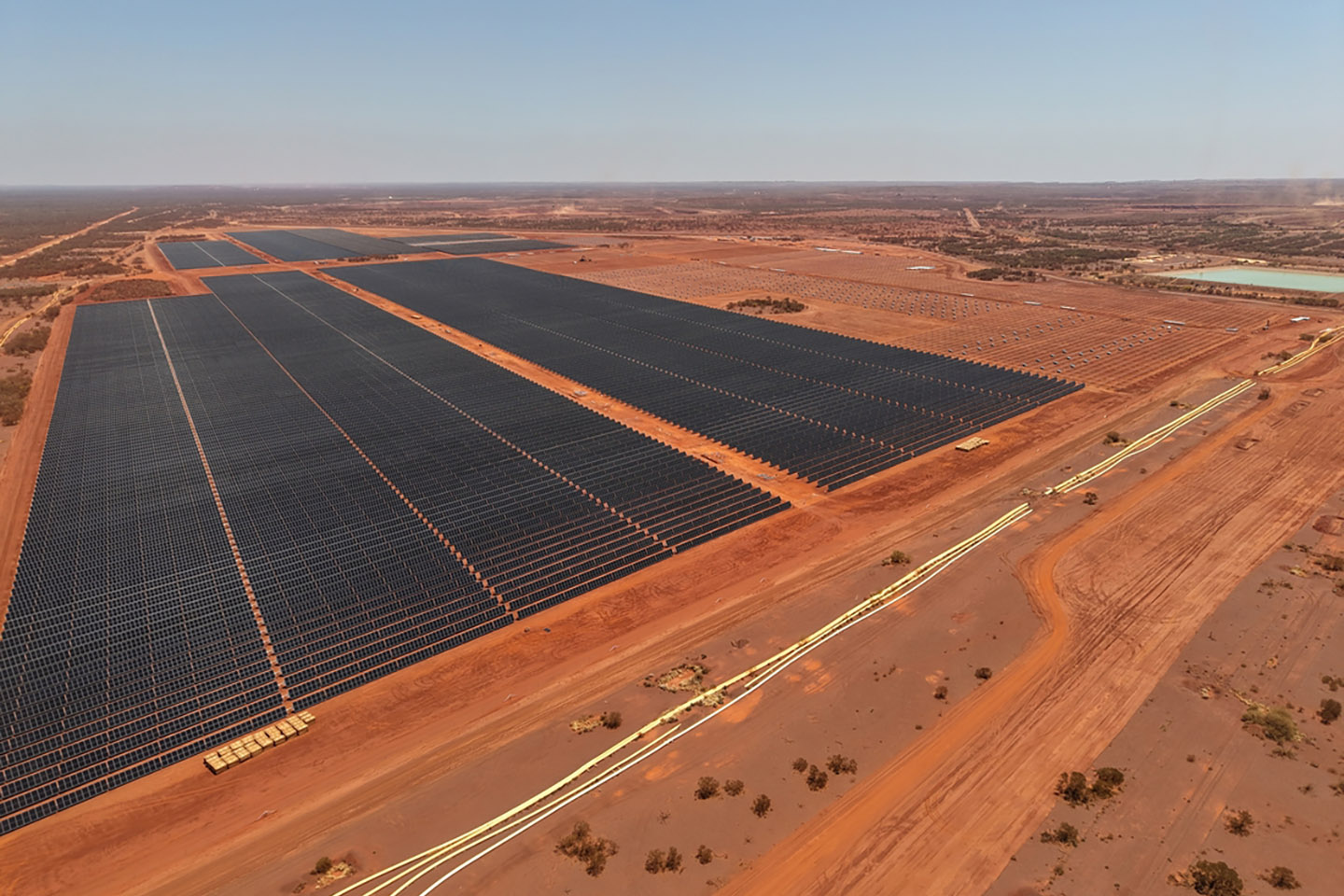
Ground has broken at the site of what will become Fortescue’s largest solar farm, and a key pillar of the company’s work to wean itself off fossil fuel by 2030.
Netflix’s Insane Thriller Is a Sinister Cat-and-Mouse Game You Can’t Look Away From

T. Rowe Price: The 5% Yield Is Attractive But Challenges Exist (Rating Downgrade)

SEC Ends Tokenized Stocks Innovation Exemption, Affects Compliance


-

 Crypto World3 days ago
Blockchain.com files with SEC for U.S. IPO
-

 Fashion2 days ago
Holiday Weekend Open Thread – Corporette.com
-

 Crypto World3 days ago
Bitcoin Accumulation Weakens as BTC Realized Losses Hit $600M
-

 Business3 days ago
Dell Technologies DELL Stock Surges 15% on AI Server Momentum and Analyst Upgrades in 2026
-

 Crypto World3 days ago
Space X IPO Is ‘Bad News’ for Tech Stocks: But What About Bitcoin?
-

 Politics2 days ago
Makerfield: a tale of two social-media histories
-

 Crypto World3 days ago
MicroStrategy’s Saylor Says Miners No Longer Set Bitcoin Price, Another Force Has Taken Over
-

 Crypto World2 days ago
Robinhood crypto COO Tanya Denisova exits
-

 Business9 hours ago
NYT Strands Answers May 24 2026 Revealed for Puzzle No. 812 Theme Summer Essentials
-

 Tech3 days ago
WhatsApp ads could make Irish debut after discussions with DPC
-
 Tech3 days ago
A 0.12% parameter add-on gives AI agents the working memory RAG can’t
-

 Crypto World3 days ago
AI infrastructure race heats up as IREN pitches full-stack strategy, WhiteFiber lands $160M deal
-

 Business3 days ago
Trump Invests $1M-$5M in Kura Sushi USA Chain With 27 California Locations
-

 Tech3 days ago
You Can Now Add ChatGPT To PowerPoint
-
 Crypto World6 days ago
Revolut Launches Dogecoin Debit Card Across UK and EU
-
 NewsBeat4 days ago
Charity run by Reform leader Malcolm Offord accused of ‘law breaking’ over Scottish registration
-

 Sports3 days ago
2026 CJ Cup Byron Nelson leaderboard: Brooks Koepka finds putting stroke in Round 1
-

 Crypto World3 days ago
Trump Media’s Bitcoin Stash Shrinks Again as 2,650 BTC Lands on Crypto.com
-
Business3 days ago
Goldman Sachs reinstates Ageas stock coverage with neutral rating
-

 Crypto World4 days ago
Exa Labs raises $250 million in funding led by a16z
You must be logged in to post a comment Login