
Crypto World
Singapore court freezes S$75m in Bitcoin, USDC over transfer dispute

A Singapore court has frozen about S$75 million ($58 million) in Bitcoin and USD Coin after a major crypto trading platform alleged that an internal ledger error caused it to mistakenly credit thousands of BTC and Bitcoin Cash to a long-standing customer.
Summary
- Singapore’s SICC froze about S$75 million in Bitcoin and USDC linked to a dispute between a major crypto platform and a long-time customer.
- The platform said an internal ledger error led it to mistakenly transfer 2,500 BTC and 2,500 BCH to the customer’s wallets in July 2024.
- The customer later moved 780 BTC off the platform and converted another 20 BTC into about 816,773 USDC.
- The court also ordered the customer to disclose the location of the disputed assets and their proceeds.
- The platform recovered the remaining 1,700 BTC and 2,500 BCH after discovering the alleged error in January 2025.
The Singapore International Commercial Court said the interim proprietary injunction prevents the customer from disposing of, dealing with or reducing the value of about 780 BTC and 816,773 USDC, along with assets, profits or interest derived from them. The order was granted on March 26 after a hearing before Singapore High Court Justice Aidan Xu and SICC International Judges Anthony Meagher and David Goddard.
The dispute involves an anonymised group of companies that operates what the court described as one of the world’s largest digital asset trading platforms and a customer who had used the platform since around 2013. Court documents identified the parties only as DVA, DVB and DVC while an application for confidentiality orders remains pending.
Along with freezing the crypto, the court ordered the defendant to disclose where the disputed assets and their proceeds were being held. The judges declined, however, to give the platform group advance permission to use that disclosure to seek similar injunctions in other jurisdictions, leaving it free to apply for permission later if required.
Singapore court dispute traces back to unsupported wallets
At the centre of the case are two specialised wallets that once contained 2,500 BTC and 2,500 Bitcoin Cash. According to the judgment, the wallets were designed as a self-custody product that required security credentials, including a user key held solely by the customer.
Support for the wallet product ended in April 2018, although customers could continue accessing the wallets for a period through an unsupported open-source tool. In March 2020, the entire 2,500 BTC and 2,500 BCH balance was transferred away from the specialised wallets, leaving them effectively empty.
The platform group alleged that a technical problem prevented those withdrawals from being recorded correctly on its internal ledgers. Because the ledger continued to show the assets as remaining in the specialised wallets, the companies operated for several years on the assumption that the customer was still entitled to the balances.
A relationship manager later tried to help the customer recover what the platform believed were assets trapped in the discontinued wallet product. Acting on its ledger records, the platform transferred another 2,500 BTC and 2,500 BCH into other accounts belonging to the customer in July 2024.
The claimants say those digital assets came from their own holdings inside the platform group’s omnibus wallets and were transferred solely because of the mistaken balance shown on the internal system. The customer disputes that account and has maintained that the assets transferred to him were rightfully his.
Mistaken crypto transfers have previously resulted in lengthy recovery disputes. In 2022, crypto.news reported on a Crypto.com transfer error in which the exchange mistakenly sent an Australian customer about $10.5 million instead of a $100 refund and discovered the error months later during an audit.
Customer moved 780 BTC and converted another 20 BTC to USDC
After receiving the July 2024 transfers, the defendant began moving part of the crypto away from the platform.
Court records show that on July 13, 2024, the customer converted 20 BTC into about 816,773 USDC and transferred the stablecoins to an unhosted wallet. Five withdrawals between July 17 and Nov. 10 moved another 380 BTC to a separate unhosted address.
A further 200 BTC was transferred on Nov. 24, followed by another 200 BTC on Jan. 7, 2025, bringing the amount sent to a third external wallet to 400 BTC. Some 150 BTC from that wallet was later transferred elsewhere in February 2026, according to evidence submitted by the claimants.
The companies also told the court that subsequent transactions involving the 380 BTC and 816,773 USDC made their current locations difficult to determine. The defendant did not dispute making the transactions but maintained that he had been dealing with crypto that belonged to him.
By the time the platform acted, 1,700 BTC and the full 2,500 BCH transferred in July 2024 remained in the customer’s accounts. The companies froze those wallets on Jan. 29, 2025, and re-credited the remaining assets to themselves in an attempt to reverse part of the earlier transfer.
The platform group subsequently sought the return of the 780 BTC and 816,773 USDC that had already left its system, but the customer refused. The companies valued the assets at roughly S$75 million at the time of the injunction hearing.
Platform alleges unjust enrichment and constructive trust
Proceedings were initially filed in the General Division of Singapore’s High Court in November 2025 before being transferred by consent to the SICC.
The claimants’ 62-page statement of claim contains four causes of action, including unjust enrichment, a proprietary claim, deceit or negligent misrepresentation, and an alleged breach of the contractual provisions governing the platform’s services. They are also seeking a declaration that the defendant holds the disputed assets on constructive trust for one of the claimant companies and must return them.
According to the claimants, the July 2024 transfers resulted from their incorrect understanding of the old wallet balances, while the customer allegedly knew about the mistake and took advantage of it.
The defendant has rejected that version of events. He told the court that he did not remember making the March 2020 transfers, although he accepted that blockchain records show the transfers occurred, and argued that the platform’s own admission of faulty internal ledger records weakened its claim that the assets transferred in 2024 belonged to the companies.
He also argued that the transferred crypto could have represented his own assets held elsewhere on the platform or assets belonging to other customers. Having maintained extensive crypto holdings and activity, the defendant said he relied on the platform to keep track of what he held and believed that the July 2024 assets belonged to him.
The customer has counterclaimed for the assets that remain frozen on the platform or compensation of equivalent value, while denying that he knew the companies had made any mistake.
Singapore courts have dealt with several high-value crypto disputes involving exchange operators over the past year. Earlier in August, Binance and RedotPay gave conflicting accounts over the status of a separate Singapore proceeding tied to claims worth nearly $473 million.
Singapore’s courts have also played a role in handling distressed crypto businesses, including proceedings involving WazirX’s Singapore-based parent Zettai, whose restructuring proposal returned to court after receiving 95.7% creditor support in August 2025.
Judges find serious ownership question to be tried
For the interim stage of the case, the three-judge panel found enough evidence to establish a serious question over whether the platform companies retained a proprietary interest in some or all of the disputed assets.
The court said it was arguable that the specialised wallet balances were effectively zero before the July 2024 credits and that the platform transferred 2,500 BTC and 2,500 BCH because its internal records incorrectly showed the earlier holdings as still present.
Judges also found an arguable case that the customer knew about the platform’s mistake either when the transfers were made or, at the latest, after the platform discovered the issue and contacted him in 2025. Under that scenario, the court said an argument could be made that identifiable assets and traceable proceeds were held on constructive trust for the claimants.
On whether an injunction was necessary, the court considered the risk that the companies could win at trial but still be unable to recover the crypto if the assets were moved or dissipated.
The judges noted evidence that the defendant had used part of the disputed assets as security for a loan to cover legal costs and had not provided updated evidence about his financial position or current asset holdings. The court found sufficient doubt over his ability to satisfy a substantial judgment if the companies eventually succeeded.
At the same time, the platform group gave the court an undertaking to compensate the customer for losses caused by the injunction if it later turns out that the order should not have been granted.
The disclosure order requires the defendant to identify the whereabouts of assets covered by the injunction, including relevant crypto controlled through third parties acting under his direct or indirect instructions. The SICC left both sides free to return to court, including if the claimants later seek permission to use the disclosed information in civil proceedings outside Singapore.



Japanese BTC treasury company Metaplanet has disclosed a deal that will put a man Bloomberg describes as “Tokyo’s King of Death Spiral Financing” on both sides of the takeover.
Metaplanet wants to take control of Nasdaq gaming company Super League Enterprise in a $135 million deal.
Once the takeover is complete, Evo Fund, a Cayman islands fund launched by Princeton graduate and former Barings trader Michael Lerch, will pick up warrants for up to 10 million Super League shares.
It also financed Metaplanet’s BTC buying in Tokyo, putting Lerch on both sides of the deal.
Moreover, Evo’s fund bought into Super League in September 2025 via a “$10 million strategic equity investment.”
That infusion helped Super League, which will change its name to Superplanet once the deal passes shareholder approval, regain compliance with Nasdaq’s equity rules.
Read more: MetaPlanet tanking 35% sparks fury: ‘Short squeeze them to Valhalla!’
Evo Fund’s warrants dilute shareholders
Japanese business press has nicknamed Lerch the “mysterious alchemist” for how his fund’s warrants dilute companies.
Indeed, Evo is Japan’s largest buyer of floating-strike equity warrants. Bloomberg describes Lerch as synonymous with the death spiral financing trading strategy.
Specifically, his warrants often price using a moving, rather than static, strike price. As a result, rights built into clauses of Lerch’s contracts allow Evo to exercise convertability into stock at a lower price as shares fall.
Each exercise dilutes existing holders even more as the price declines.
For scale, consider that Evo’s 2025 warrant transactions in Japan exceeded ¥1 trillion, or roughly $6.3 billion. That captured more than 80% of the country’s floating-warrant market.
On the Super League side, Evo is now a named counterparty. Lerch’s fund will probably receive warrants under the filing that hands Metaplanet control.
Super League’s disclosure lists two subscription agreements dated the same day.
Metaplanet’s Florida subsidiary, Metaplanet Holdings, subscribes for 44,859,400 common shares at $3 each. It also gets 100 shares of convertible preferred stock and four 10-year warrants covering up to 381 million shares.
Evo’s agreement grants two two-year warrants for up to 10 million shares, at fixed prices of $3 and $5.55. That is, and somewhat uncharacteristic for the “Tokyo’s King of Death Spiral Financing,” not a floating strike on this deal.
Sadakazu Osaki, a researcher at Japan’s Nomura Research Institute, warned that floating-strike warrants like Evo’s are “the last financing resort for underperforming companies.”
Metaplanet has used exactly that instrument, at enormous scale, to fund its BTC purchases.
Got a tip? Send us an email securely via Protos Leaks. For more informed news and investigations, follow us on X, Bluesky, and Google News, or subscribe to our YouTube channel.
Telegram has applied for its own top-level domain. Founder Pavel Durov said approval would give the app’s one billion users a personal web address like yourname.gram.
Durov posted the news on X. The filing entered ICANN’s 2026 round, the first such window since 2012.
What the Telegram .gram Domain Would Unlock, and When
The Internet Corporation for Assigned Names and Numbers (ICANN) governs the internet’s address system. Its 2026 application window closed on August 12 after 15 weeks.
ICANN counted more than 1,600 primary applications in that round. Applicants filed a further 1,100 requests for backup strings. Therefore, .gram now waits in a crowded queue.
Durov built the pitch around Telegram usernames. Holders could claim yourname.gram, then publish an interactive site that Telegram hosts. Those usernames already work as identity across the app. A matching web address would carry that handle beyond chat.
Moreover, he promised that a single artificial intelligence prompt would generate those pages. The plan stretches Telegram’s TON blockchain push from payments into web publishing. Telegram would run the hosting itself. That setup keeps users off outside providers and inside the app’s orbit.
Brand top-level domains already exist, and Google and Amazon run their own. Telegram’s version would differ, since it opens the space to ordinary account holders.
ICANN has approved nothing yet. The body will publish the list of cleared strings by mid-October. Evaluation, contention resolution, and contracting follow. Those stages can take months.
Durov cannot set a launch date, because ICANN controls the schedule. On that path, a working .gram address looks unlikely before 2027. He also gave no word on whether every account would receive one for free.
GRAM Trades 84% Below Its Record
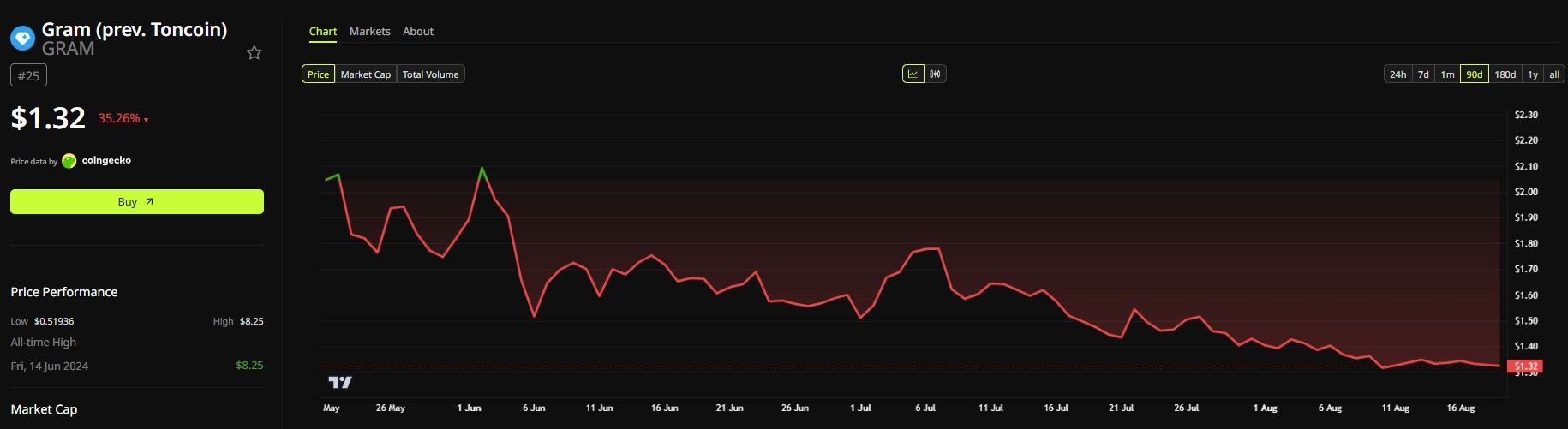
Gram (GRAM), the token Durov rebranded from Toncoin in June, changed hands near $1.32. It has shed about 35% over the past 90 days, though it edged up 0.7% on the day.
That level sits 84% under the record high of $8.25 from June 2024. The token still holds a $3.65 billion market value and ranks 25th by size. Its full trading range runs from $0.52 to $8.25.

So far, traders have shown little conviction since the post. The ecosystem keeps widening regardless. Telegram pledged a native non-custodial wallet inside every app this summer, and it now runs the network’s largest validator.
Meanwhile, Durov fights on another front. Russia charged him with facilitating terrorism in July, and he rejected Moscow’s surveillance demands in a public reply.
Durov spent 2026 expanding the Telegram ecosystem on his own terms. A green light would hand every user a personal corner of the web, built from a single prompt.
The post Telegram .gram Domain Bid Could Give 1 Billion Users a Website in One Prompt appeared first on BeInCrypto.


Nexo Australia launched crypto-backed credit lines after becoming a credit representative under Australia’s National Consumer Credit Protection Act, the company said in a Tuesday announcement shared with Cointelegraph.
The new credit lines allow eligible clients to borrow Australian dollars or stablecoins by using their cryptocurrencies as collateral without having to sell them.
Funds are generally available within 24 hours with flexible repayments, with no fixed term or origination fees. Interest rates range from 0.9% to 21.9%, depending on the credit line and the client’s loyalty tier.
Clients can choose between Smart and Standard credit lines, Peter Stanhope, general manager at Nexo Australia, told Cointelegraph.
“The main differences are in rates, asset selection, and how client collateral is managed if their [loan-to-value ratio] rises,” Stanhope said.
Nexo said borrowing against digital assets carries margin-call and liquidation risks, meaning clients could lose some or all of their collateral if its value falls.
The milestone makes Nexo one of the few crypto platforms to offer regulated crypto-backed credit lines to Australian users. In May 2026, Block Earner became the first crypto company in Australia to secure its own Australian Credit License from ASIC.
Nexo Australia is registered with the country’s anti-money laundering watchdog, AUSTRAC, as a virtual asset service provider and is a member of the Australian Financial Complaints Authority (AFCA).
Magazine: Why Australia’s $17B crypto opportunity depends on regulation
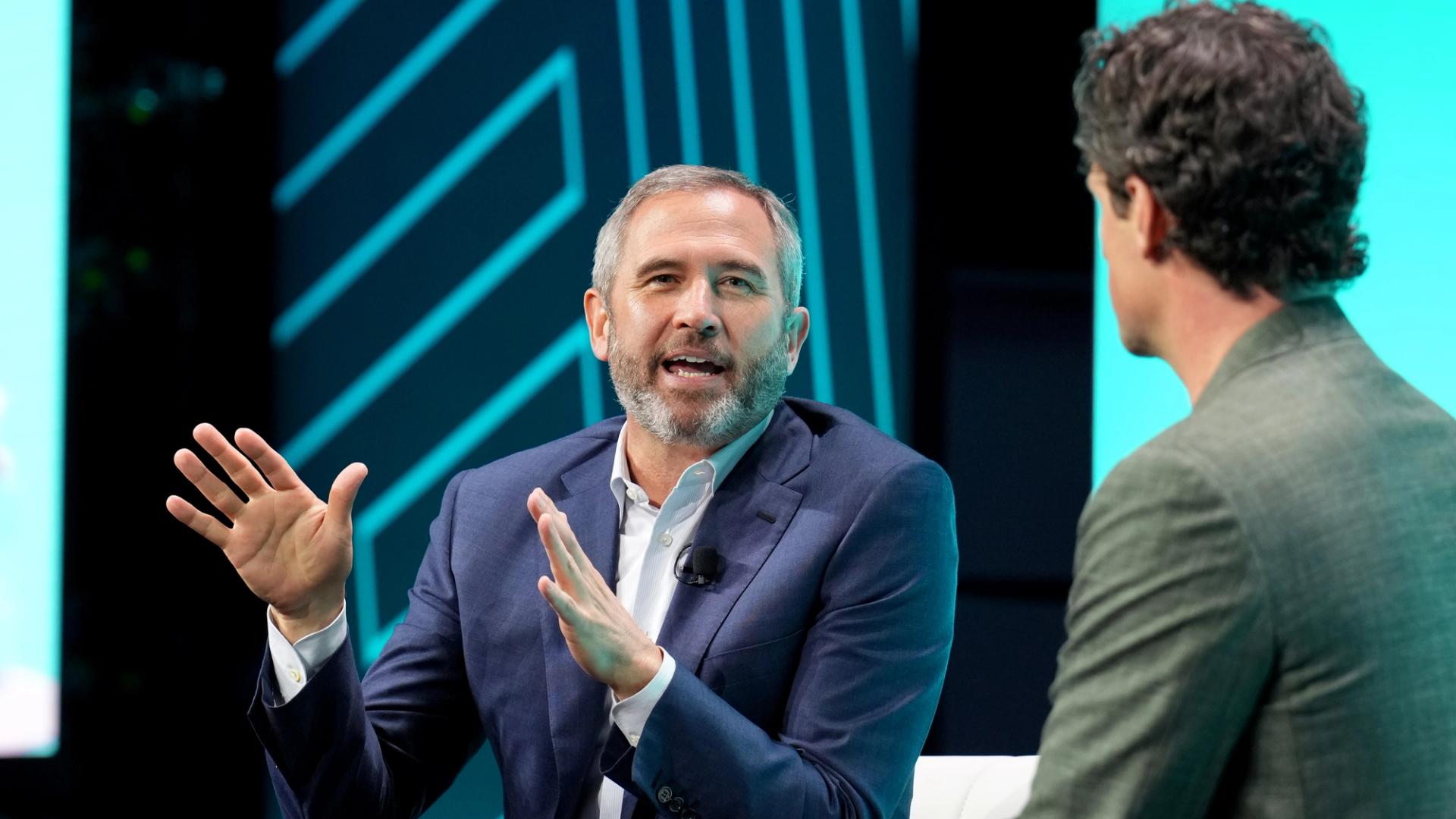
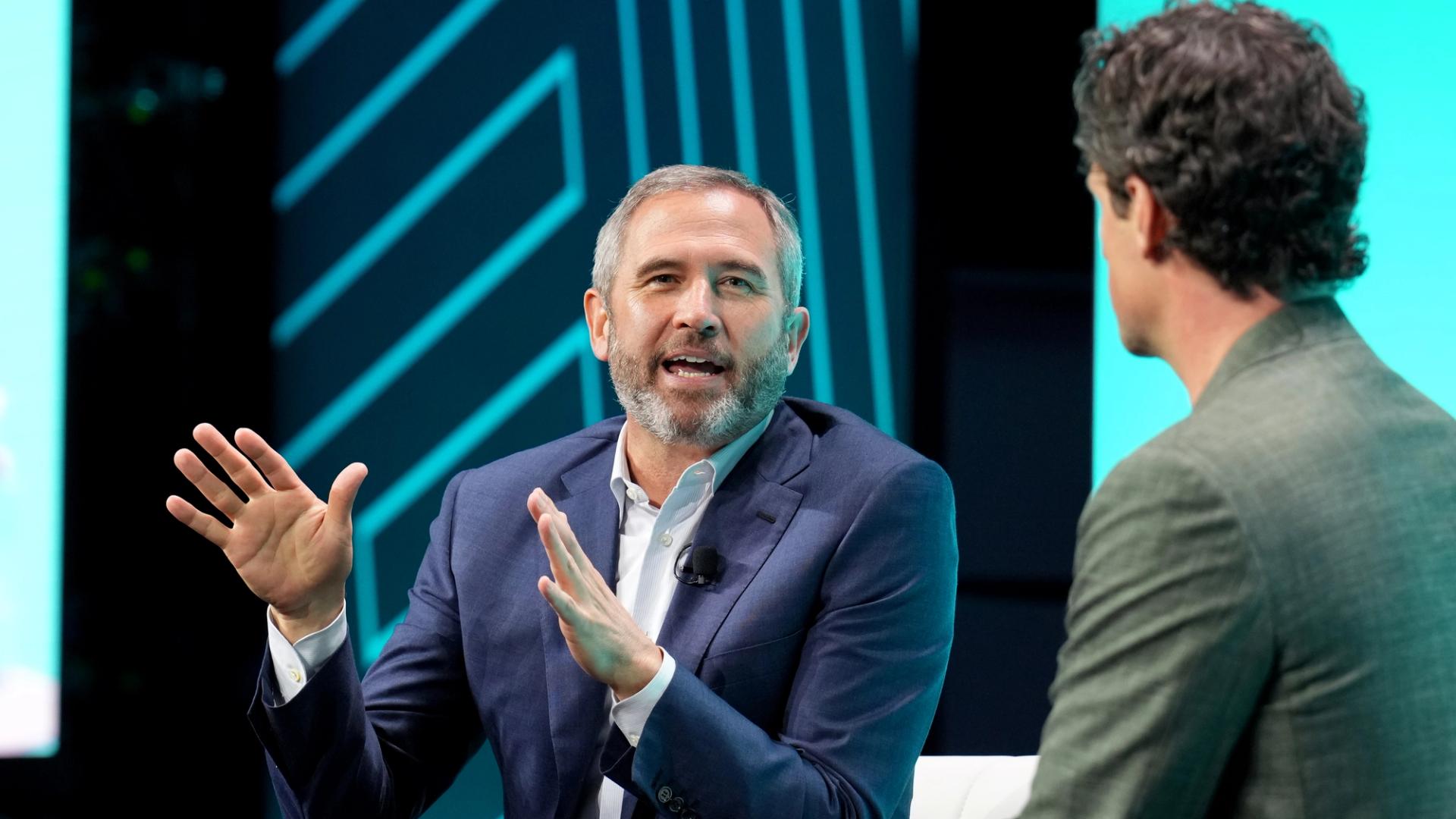
Ripple Prime’s inaugural senior notes carried an investment grade rating and drew institutional investors across key financial markets.
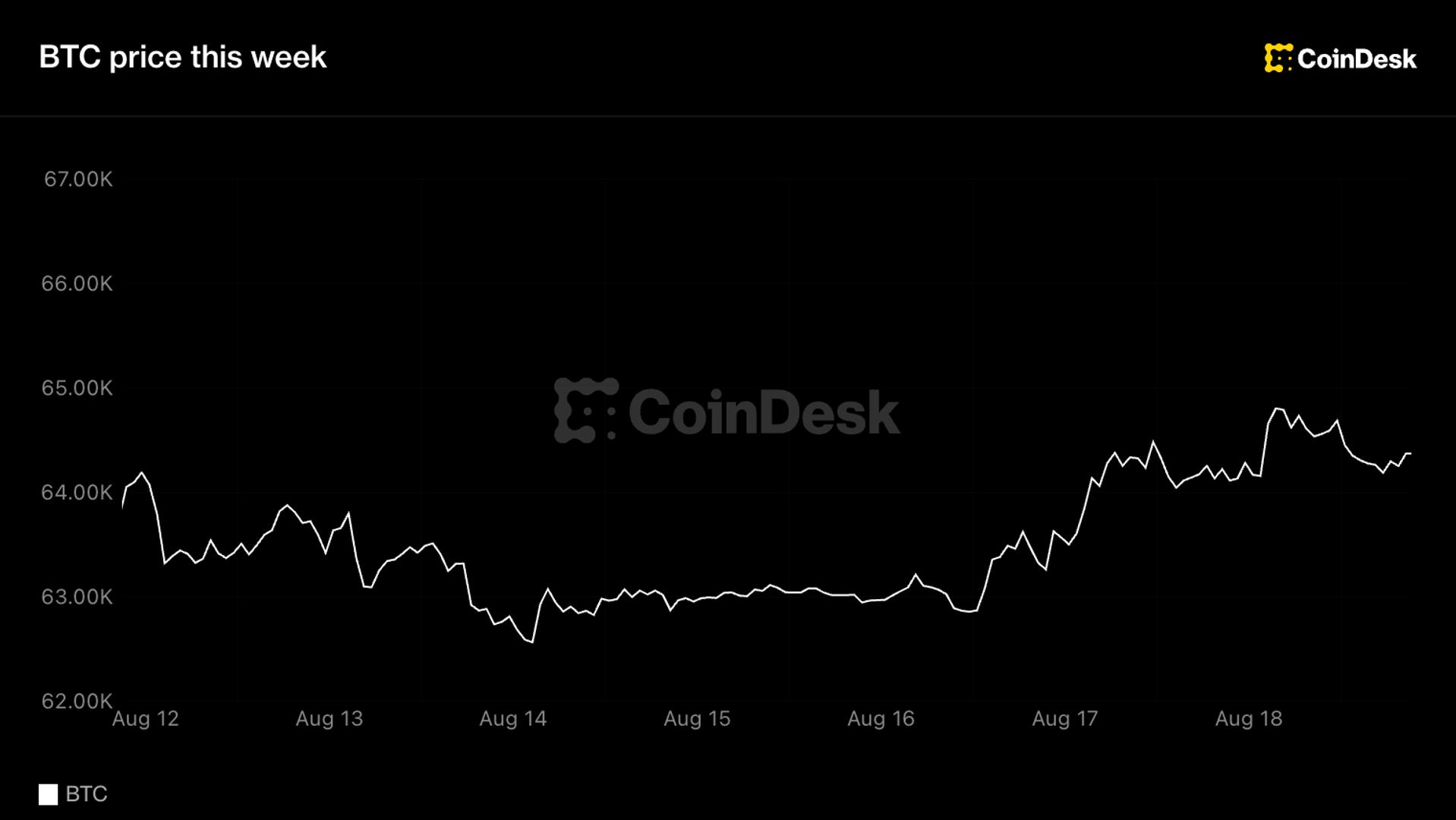
BTC volatility has dropped to multi-year lows as surging Treasury yields rattle equities and traders await the Fed’s July meeting minutes for clues on the interest-rate path.

The SEC proposed Regulation Crypto Assets includes a conditional safe harbor that could allow a crypto asset to be delinked from an investment contract with which it was once associated. The proposal pairs that safe harbor with new exemptions designed for certain investment contracts involving crypto assets.
Earlier today, the SEC proposed Regulation Crypto Assets, a proposed framework for certain investment contracts involving crypto assets. It includes two exemptions from registration under the Securities Act of 1933 and a conditional safe harbor related to the term investment contract.
With our new proposal, the SEC is taking the most historic step yet to modernize federal securities regulations for crypto assets. — Paul Atkins (@SECPaulSAtkins) August 18, 2026
As the Crypto Capital of the World, the U.S. must and will lead. Regulation Crypto Assets will ensure that we do.  pic.twitter.com/z0MmDF4doV
The startup exemption would permit offerings of up to $5 million during a four-year period. The fundraising exemption would permit offerings of up to $75 million during each 12-month period. Under both exemptions, issuers would provide principles-based narrative disclosures.
The proposal states that issuers would remain subject to the federal securities laws’ antifraud and antimanipulation provisions. It also would preempt state securities-law registration and qualification requirements for offers and sales of securities issued under a Regulation Crypto Assets exemption, as well as certain secondary-market transactions.
Discover: The Best Token Presales
The Crypto Conditional Safe Harbor from the SEC
Alongside the exemptions, the proposed rules include a conditional safe harbor from the term investment contract in the definitions of security under the Securities Act of 1933 and the Securities Exchange Act of 1934. If the safe harbor’s conditions are satisfied, a crypto asset would be deemed not to be subject to an investment contract for purposes of those definitions.
Commissioner Hester M. Peirce described the safe harbor as a way for an issuer of an investment contract to delink a crypto asset from the investment contract with which it was once associated. The condition described by the SEC is that the issuer has completed or permanently ceased all essential managerial efforts it represented or promised it would take under an investment contract.

The proposal follows the SEC and CFTC’s March 2026 interpretation addressing how federal securities laws apply to certain crypto assets and transactions involving crypto assets. The SEC has presented the proposed rules and earlier interpretation as part of a tailored securities offering regime for crypto assets.
The safe harbor is conditional, and the proposal is not presented as a framework for every crypto-asset model. Peirce said the exemptions and safe harbor will not fit every model and invited public feedback on the proposal.
Peirce also requested input on facilitating a role akin to equity for crypto assets, allowing token holders to share in the growth and value of the enterprise that builds a crypto network. That issue is an area for feedback, rather than a feature established by the proposal.
The proposal’s two exemptions are limited by their respective offering caps and disclosure conditions. The safe harbor, meanwhile, is tied to completion or permanent cessation of the issuer’s essential managerial efforts under the investment contract.
Trade Crypto on Bybit and Get a Chance to Win Our $1,000 USDT Airdrop
Congressional Context and Public Comment
The SEC said Regulation Crypto Assets comes as Congress works to establish a lasting regulatory framework. SEC Chairman Paul S. Atkins said the proposal seeks to provide crypto-asset entrepreneurs and market participants with pathways to raise capital under federal securities laws while those broader efforts continue.

The proposal is now subject to public comment. The SEC says the comment period will remain open for 60 days after publication of the proposing release in the Federal Register.
Discover: The Best Token Presales
The post SEC Unveils Two Crypto Funding Exemptions and Token Safe Harbor appeared first on Cryptonews.


The feature, which follows earlier moves into financial transactions, is not yet being tested anywhere, a spokesperson said.


Pennsylvania Governor Josh Shapiro signed Executive Order 2026-05 on August 18, changing the way the state reviews permits for data centers with peak demand exceeding 25 MW.
The order takes effect immediately and creates two review tracks, depending on whether a developer signs a binding agreement with state regulators.
How Pennsylvania Will Review Data Center Permits
Developers who commit to the Governor’s Responsible Infrastructure Development requirements can sign a consent order with the Department of Environmental Protection. Those developers receive a rolling review of their applications.
Developers who decline wait until every application is filed and reviewed. They also lose access to two state programs that guarantee permit turnaround times.
Both tracks share one gate. DEP cannot issue permits, or for non-signers begin review, until a developer shows the project matches the local comprehensive plan and holds all municipal approvals.
The order also removes every data center from the Fast Track permitting program.
“…if the local community doesn’t approve a project, the state won’t approve it either,” Governor Shapiro said.
The order cites reports of more than 100 proposed facilities statewide. DEP has received permit applications tied to 20 facilities.
Cost pressure sits behind the move. Data centers drove $29.4 billion in capacity charges to ratepayers across PJM Interconnection’s last four base residual auctions, or 46% of total auction costs, according to the PJM Independent Market Monitor. PJM serves all or parts of 13 states and Washington, DC.
Follow us on X to get the latest news as it happens
State Backlash Spreads Against AI Data Centers
Pennsylvania joins a widening group. In July, New York’s Governor paused state environmental permit issuance for up to 1 year.
Texas subsequently ordered an audit of all data centers, with projects failing to meet the requirements set by the PUCT and ERCOT barred from connecting to the state’s power grid.
The growing scrutiny extends beyond regulators. Communities and the wider public have also raised concerns about the rapid expansion of AI data centers.
Gallup found that 70% of Americans oppose having an AI data center built near where they live. On July 18, a national day of protest against data centers saw 142 demonstrations across 42 states.
Subscribe to our YouTube channel to watch leaders and journalists provide expert insights
The post Pennsylvania Just Added One Gate That Every Data Center Developer Has to Clear appeared first on BeInCrypto.

My family could never have imagined that eight months later, she would be among the 32 people killed in her classroom on April 16, 2007, coming home in a mortuary van.
In the years since, mass violence has become a recurring nightmare in American life. Yet every August, millions of parents still make that same drive, entrusting their children to colleges and universities across the country. No parent should have to make that journey wondering whether their child will come home safely.
We have learned a great deal since 2007. We know more about recognizing warning signs, responding to mental health crises, and building stronger safety protocols on campus. We know more about what proactive prevention requires. The problem is that knowing what works and consistently doing it are two different things.
As another academic year begins, we cannot rely on prayers or goodwill to keep our students safe. While most colleges and universities spend phenomenal budgets emphasizing sports, campus events, and academics, parents need to ask the most important question: how safe is my child? We need sustained, measurable, and accountable action from lawmakers, university leaders, and citizens.
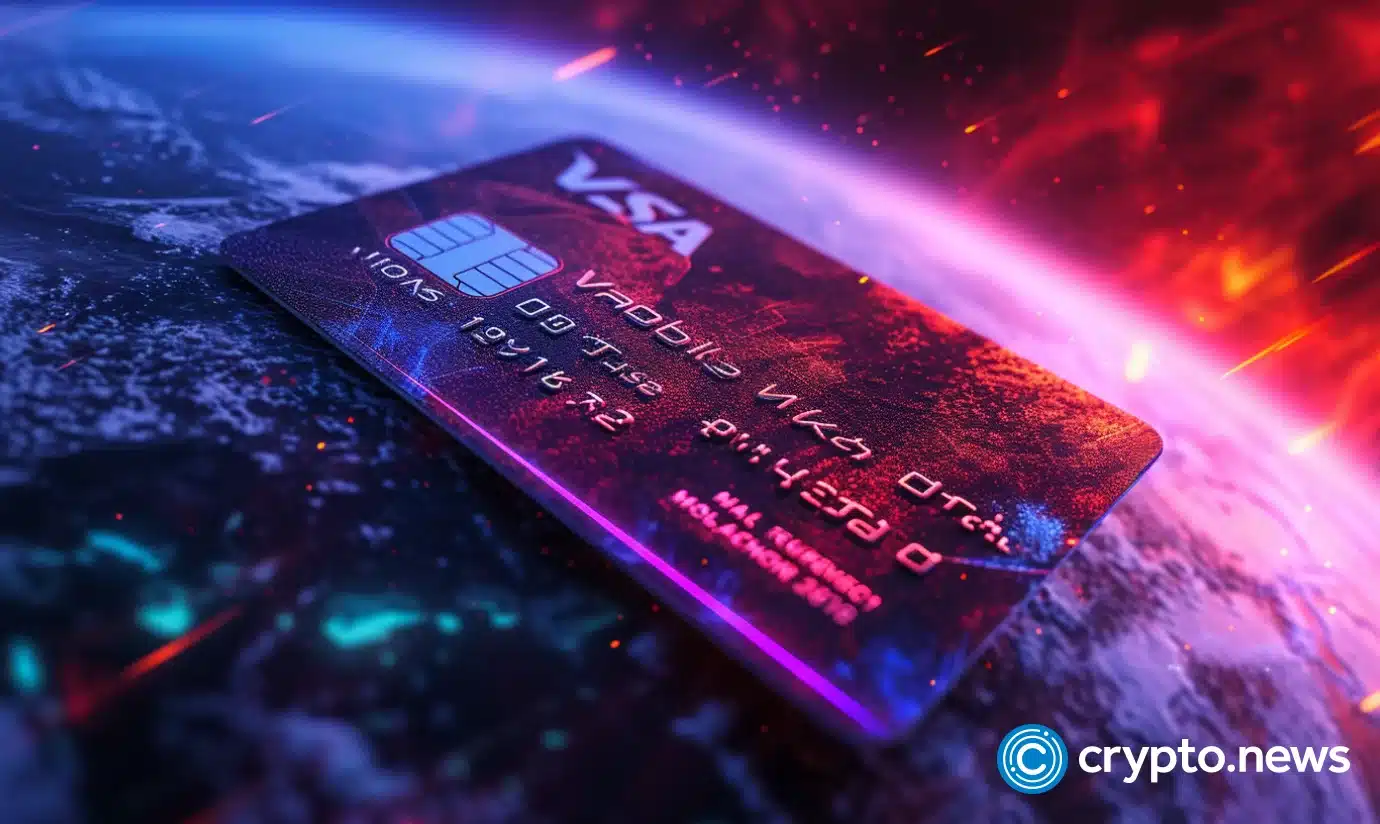
Visa is reportedly seeking a new stablecoin settlement and over the counter partner after Mastercard acquired BVNK, which previously filled that role.
Summary
- Visa reportedly seeks a stablecoin settlement partner licensed across the U.S., Canada, U.K. and Singapore.
- The confidential request reportedly requires multiple coin swaps, settlement services and support for Open USD transactions.
- Mastercard completed its BVNK acquisition on August 3, absorbing Visa’s previous stablecoin infrastructure partner entirely.
- Visa’s separate ZeroHash agreement supports stablecoin payouts but does not cover every requested licensed market.
- Visa has not confirmed the RFP, identified candidates or announced a partner selection deadline publicly.
The confidential request for product seeks a provider with cryptocurrency exchange licenses in the U.S., Canada, the U.K. and Singapore, according to a report published on August 18.
The documents reportedly call for support across several stablecoins, including the ability to conduct swaps and provide settlement services. The selected company would also help process transactions involving Open USD.
Visa declined to comment on the reported process. It has not publicly confirmed the request, named any candidates or disclosed a selection timetable.
Visa wants one partner across four regulated markets
The reported licensing requirements give the search a clear U.S. angle. A successful candidate would need regulatory coverage spanning four major financial markets rather than operating through a patchwork of regional partners.
According to the report, Visa has narrowed its attention to one settlement and over the counter provider. Its identity remains undisclosed. No evidence currently shows that Visa has made a final selection or entered a binding agreement.
The required services would extend beyond basic token transfers. The documents reportedly seek a company capable of converting between stablecoins, supplying institutional liquidity and handling settlement across different jurisdictions.
These requirements could limit the field to infrastructure providers with established licensing, banking relationships and liquidity operations. They also suggest Visa wants one coordinated service rather than separate arrangements in each country.
Mastercard’s BVNK acquisition created the reported gap
Mastercard completed its acquisition of BVNK on August 3. The payments company said BVNK would strengthen its infrastructure for stablecoin payments, settlements, payouts and treasury operations.
The transaction was announced in March at a value of up to $1.8 billion. BVNK said at the time that its infrastructure processed about $30 billion in annual payment volume.
As previously reported, Mastercard completed its BVNK acquisition after obtaining the necessary approvals. The change in ownership placed BVNK under one of Visa’s largest competitors.
BVNK had served as Visa’s stablecoin settlement partner. Neither Visa nor BVNK has publicly explained how Mastercard’s acquisition affected that earlier commercial relationship.
Visa already operates other stablecoin programs
Visa announced a separate partnership with ZeroHash on August 5. That arrangement allows eligible Visa Direct clients to fund accounts and send payouts through stablecoins.
However, the reported request was dated after the ZeroHash announcement. It also covered markets where ZeroHash reportedly does not hold the licenses sought by Visa. The new search therefore appears to address a broader geographic and operational need.
Visa has also introduced the Visa Stablecoin Platform. The company said in a July release that the platform would help institutions access, store, issue, redeem and transfer stablecoins.
Open USD is its initial supported asset. In related coverage, Visa launched its Open USD platform with selected clients participating in beta testing.
The selection process has no public deadline
Visa has not disclosed when it plans to choose a provider or begin expanded settlement services. Any agreement would likely depend on licensing checks, technical integration and commercial negotiations.
The reported partner would also need to connect with Open USD, which is backed by a consortium that includes Visa, Mastercard and Coinbase. More than 140 companies were associated with the initiative when it was announced.
As crypto.news reported, Visa supports a multiple coin strategy rather than treating Open USD as a replacement for USDT or USDC. That position fits the reported requirement for a partner capable of handling several stablecoins.
Until Visa confirms the request or names a provider, the RFP and its requirements remain attributed to the documents reviewed by CoinDesk.

2026 Preseason All-SuperWest College Football Teams

Critical RCE flaw in Windows IKE Extension now actively exploited

Apparent human remains found in US reservoir as water levels hit record low

Weekend Open Thread – Corporette.com

Weekend Open Thread: Brooks Brothers

London Mayor Sadiq Khan handed a peerage by Keir Starmer alongside 15 other Labour figures… just days before the PM leaves No10

XRP NEWS TODAY! THE SEC IS DOING THE UNTHINKABLE! TRUMP BUYING MORE CRYPTO?!

Bill Gates’ 6 Money Rules That Can Change Your Financial Life! | Wealth Mindset

I RANK 60 CRYPTOS FOR 2029 – ONLY 22 SURVIVE! (CASHCAT, TAO, KASPA, XRP, ICP, MONAD)
-

 Fashion5 days ago
Weekend Open Thread: Ann Taylor
-
 Sports5 days ago
This U.S. Amateur is a glimpse into golf’s future in more ways than you think
-
 NewsBeat4 days ago
Myanmar says over 300,000 Rohingya refugees verified for repatriation as exodus enters ninth year
-
 Tech5 days ago
11 Ways to Rank Your Videos
-

 Sports4 days ago
Birmingham 2026: Day 6 Timetable for Irish Athletes
-
 Entertainment7 days ago
Keke Palmer Subtly Hints At Sean Evans Drama With Cryptic Post
-

 Politics4 days ago
SEQ Code: The Three Letter Boarding Pass Code That Could Give You The Worst Seat
-

 Tech6 days ago
DeepSeek Harness launches as open source rival to Claude Code, alongside V4-Pro on API with higher prices
-

 Sports7 days ago
DeQuan Jones in ‘high spirits’ after successful leg surgery
-
 Crypto World7 days ago
Perplexity AI Predicts an XRP Scenario Few Analysts Are Discussing
-
 Entertainment7 days ago
2026’s Most Ambitious Fantasy Movie Officially Scores Sequel Update
-

 Crypto World1 day ago
OCC Greenlights Trump Family Crypto Firm for Trust Charter
-
 Entertainment7 days ago
All 10 Hayao Miyazaki Fantasy Movies, Ranked
-

 Fashion7 days ago
Why Botanical Fashion Never Goes Out of Style
-
 Entertainment7 days ago
Travis Kelce Breaks Silence On ‘Crazy’ Taylor Swift Wedding
-
 Entertainment5 days ago
10 Netflix Shows That Quietly Became Modern Classics
-

 Fashion5 days ago
Weekly News Update, 8.14.26 – Corporette.com
-

 Fashion7 days ago
Wednesday’s Workwear Report: Stretch-Cotton Pleated-Waist Top
-

 Fashion6 days ago
The Details Do the Dressing
-
 Entertainment4 days ago
Marvel Studios Reveals New X-Men Cast Including Adam Driver and Sadie Sink
You must be logged in to post a comment Login