Connect with us

Tech

OpenAI launches ChatGPT for teens amid calls for stronger child safety measures

Published

on

In a bid to crack down on harmful activities, the model – which is designed with young people in mind – limits access to controversial topics such as self-harm and sexual content.

AI companies have long been criticised for exposing young people and children to graphic and inappropriate content online. 

In response to growing concern over the protection of vulnerable people, OpenAI has launched a new ChatGPT model designed specifically for teenagers aged between 13 and 17.

Companies such as OpenAI have faced significant criticism for exposing children to harmful and illegal material by allowing them to access information, advice and images covering inappropriate topics such as suicide, self-harm, violence, eating disorders and graphic sexual behaviours. 

Advertisement

In April of 2025, a 16-year old boy ended his life by suicide after months of discussing his worsening mental health with an OpenAI chatbot that, according to a lawsuit filed by his family, encouraged suicidal ideation. The bot even offered to help draft a suicide note for his family. 

The new ChatGPT model aims to limit high-risk conversations and in some cases, if deemed necessary and if the prompt has been opted in to, the system will alert adults to suspect behaviour through parental controls and notifications. The model will also prevent the bot from suggesting it has personal feelings. 

It will instead offer studying tools and learning support. Rather than providing the answers to queries straight away it will aim to guide the young person towards the solution, so they can work it out for themselves. 

Reportedly, the model will use more than 2,000 signals to detect if a user has lied about their age to gain access to a standard model and if they are deemed to be under the age of 18 the chatbot will automatically turn on the teen mode.

Advertisement

In a statement OpenAI said, “We will continue to build additional features in order for teens to benefit from AI and measure and publish what we are learning. Teens should be able to use AI to learn, create, and explore. But that access should come with protections that reflect their developmental stage, reinforce real-world relationships, and support healthy use over time. ChatGPT for Teens is our next step in building toward that standard.”

Yesterday (18 August) a cohort of four US states announced they are taking Meta to trial in a bid to prove that the social media giant knowingly causes harm to children. The suit claims that Meta specifically targets users under 13 years old in order to harvest data, send targeted advertising and develop ways to prolong their time on their apps, all as a means of monetisation.

Don’t miss out on the knowledge you need to succeed. Sign up for the Daily Brief, Silicon Republic’s digest of need-to-know sci-tech news.

Advertisement

Source link

Continue Reading
Click to comment

You must be logged in to post a comment Login

Leave a Reply

Tech

Critical RCE flaw in Windows IKE Extension now actively exploited

Published

on

Windows

The U.S. Cybersecurity and Infrastructure Security Agency (CISA) warned that hackers are exploiting a critical-severity remote code execution (RCE) flaw in the Windows Internet Key Exchange (IKE) Service Extensions component.

Also known as MS-IKEE, this is a set of additional capabilities Microsoft added to the IKE Protocol, including authentication via cryptographically generated addresses (CGAs), denial-of-service protection, and easier interoperability with non-Internet Protocol Security (IPsec)–capable peers.

Tracked as CVE-2026-33824, this RCE vulnerability impacts all supported Windows 10, Windows 11, and Windows Server releases, and it allows attackers without privileges to gain code execution by sending maliciously crafted packets to unpatched Windows systems through UDP ports 500 or 4500.

image

“Double free in Windows IKE Extension allows an unauthorized attacker to execute code over a network,” Microsoft says in an advisory issued during the April 2026 Patch Tuesday when it addressed the vulnerability.

“An unauthenticated attacker could send specially crafted packets to a Windows machine with Internet Key Exchange (IKE) version 2 enabled, which could enable remote code execution.”

Advertisement

Microsoft also advised security teams that can’t immediately install the CVE-2026-33824 security update to block inbound traffic through UDP ports 500 and 4500 on systems that don’t use IKE, or to configure firewall rules to allow inbound traffic only from known peer addresses when IKE is used.

Now actively exploited in the wild

While Microsoft has yet to update its advisory to flag it as exploited, CISA has added the flaw to its catalog of actively exploited vulnerabilities and ordered U.S. Federal Civilian Executive Branch (FCEB) agencies to secure their devices within three days, as mandated by Binding Operational Directive 26-04.

“This type of vulnerability is a frequent attack vector for malicious cyber actors and poses significant risks to the federal enterprise,” the U.S. cybersecurity agency also warned on Tuesday.

Additionally, while BOD 26-04 applies only to government agencies, CISA urged all network defenders to prioritize patching the CVE-2026-33824 security flaw to block ongoing attacks.

Advertisement

On Friday, CISA also confirmed that a high-severity Windows Task Host vulnerability flagged as actively exploited in April is now also being abused in ransomware attacks. Last week, it also warned that ransomware operations have begun using a Microsoft SharePoint RCE vulnerability in attacks after confirming in-the-wild exploitation in early July.

Since November 2021, CISA has tagged 385 actively exploited vulnerabilities in various Microsoft products, 112 of which ransomware gangs also exploited.

CISA and Microsoft spokespersons have yet to reply after BleepingComputer reached out for more information on attacks actively targeting the CVE-2026-33824 vulnerability.


article image

Overall prevention scores can hide what happens after initial access. Once attackers are using valid credentials, prevention drops sharply.

The Blue Report 2026 measures defenses technique by technique across 338 million simulations run in customer production environments.

Advertisement

Get the report

Source link

Continue Reading

Tech

From experimentation to execution: why AI in B2B marketing must now prove commercial value

Published

on

Every year, marketing teams are expected to deliver more. Marketing leaders are under growing pressure to prove the return on investment they deliver and demonstrate the value they bring to the business.

At the same time, budgets remain tight, sales cycles are getting longer, and more people are becoming involved in buying decisions.

Source link

Continue Reading

Tech

AI chip start-up Etched raises $700m at $21bn valuation

Published

on

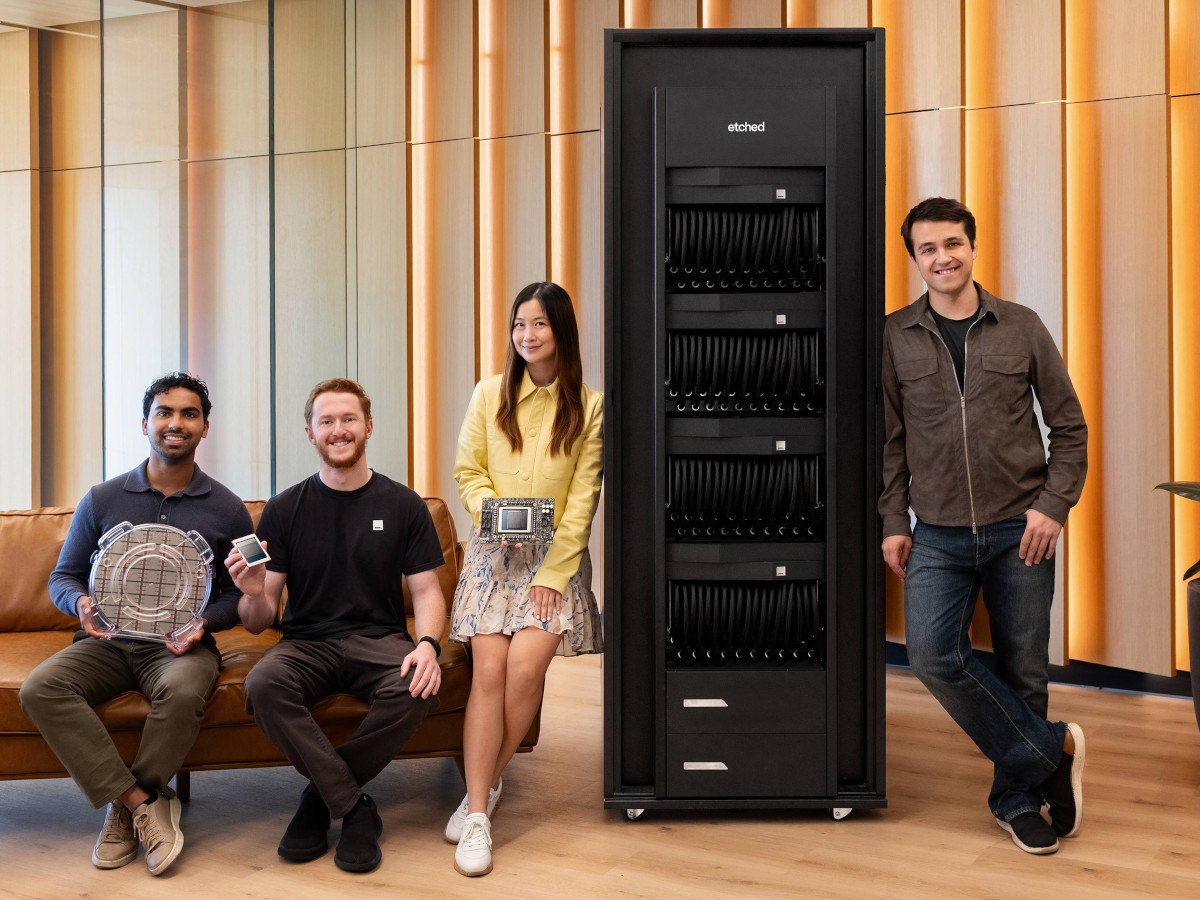
Etched was founded in 2022 by Gavin Uberti, Robert Wachen and Chris Zhu, and emerged from stealth in June of this year.

AI hardware start-up Etched has raised $700m in a new funding round led by US trading firm Jane Street, which the start-up said boosted its valuation to $21bn – doubling in less than a month.

Etched builds inference clusters to make AI inference – essentially the process of using a trained AI model to make predictions on new data – faster, cheaper and more efficient. To do this, according to the start-up, it co-designs chips, racks, software and manufacturing methods.

The start-up said it uses two central technologies to power its inference clusters: low-voltage inference, which it said delivers higher compute density within the same power as existing hardware, and cluster scale memory, a hybrid memory subsystem that creates a “massive” shared memory pool across an entire cluster rather than a single chip.

Advertisement

As well as leading the funding round, Jane Street has also become Etched’s first customer. Etched shipped its hardware rack to the company last month after it tested the start-up’s inference hardware.

“We’ve felt the urgency to get our hardware into customers’ hands and run real workloads since day one. Jane Street putting this cluster into production is proof of what we’ve built,” said Gavin Uberti, co-founder and CEO of Etched.

“Now, we’re sprinting on scaling production for the rest of our customers.”

As well as deploying its first rack to Jane Street, Etched said it has also secured more than $1bn in customer contracts across industries including public and private “frontier” AI companies and clouds.

Advertisement

Other participants in the latest funding round include Kleiner Perkins, Sequoia Capital, Andreessen Horowitz, Peter Thiel, Tiger Global, Bain Capital Ventures, Neo, Stripes, Primary, Positive Sum, Diffusion, Argo and Blackstone.

Sequoia previously led Etched’s $300m Series C round last month, after which the start-up was reportedly valued at $10.3bn.

Etched was founded in 2022 by Harvard Thiel fellows Uberti, Robert Wachen and Chris Zhu. The start-up, which currently has a team of 400 employees, emerged from stealth in June of this year.

It is the latest emerging challenger to Nvidia’s dominance in the AI chip market, and has reportedly been recruiting “aggressively” from the tech giant, according to the Wall Street Journal, which said that around 15pc of Etched’s current team previously worked at the tech giant.

Advertisement

“Under 1pc of the world has access to frontier models. Scaling intelligence requires a new kind of inference hardware,” wrote the start-up in a blogpost announcing its latest funding.

“As we ramp to gigawatt scale, we’ll face a new set of challenges: building new factories, global supply chains, fleet software, self-improving kernel agents and more.”

The demand for semiconductors is more heightened than ever, with chipmakers across the world surging in value, while shortages sparked by unprecedented demand continue to threaten supply chains across the tech world.

Just last week, ChangXin Memory Technologies, a Chinese manufacturer of dynamic random-access memory chips, replaced Tencent as the world’s most valuable Chinese company.

Advertisement

Earlier this month, AI giant Anthropic confirmed previously rumoured plans to design its own chips in response to a worldwide shortage and increased pressure to develop faster, more advanced AI systems.   

In Ireland, tech giant Intel recently announced a major €5bn investment in its Kildare facility, which the company said will strengthen Ireland’s semiconductor ecosystem.

Don’t miss out on the knowledge you need to succeed. Sign up for the Daily Brief, Silicon Republic’s digest of need-to-know sci-tech news.

Advertisement

Source link

Continue Reading

Tech

Samsung Galaxy S26 FE could be nearing a release date

Published

on

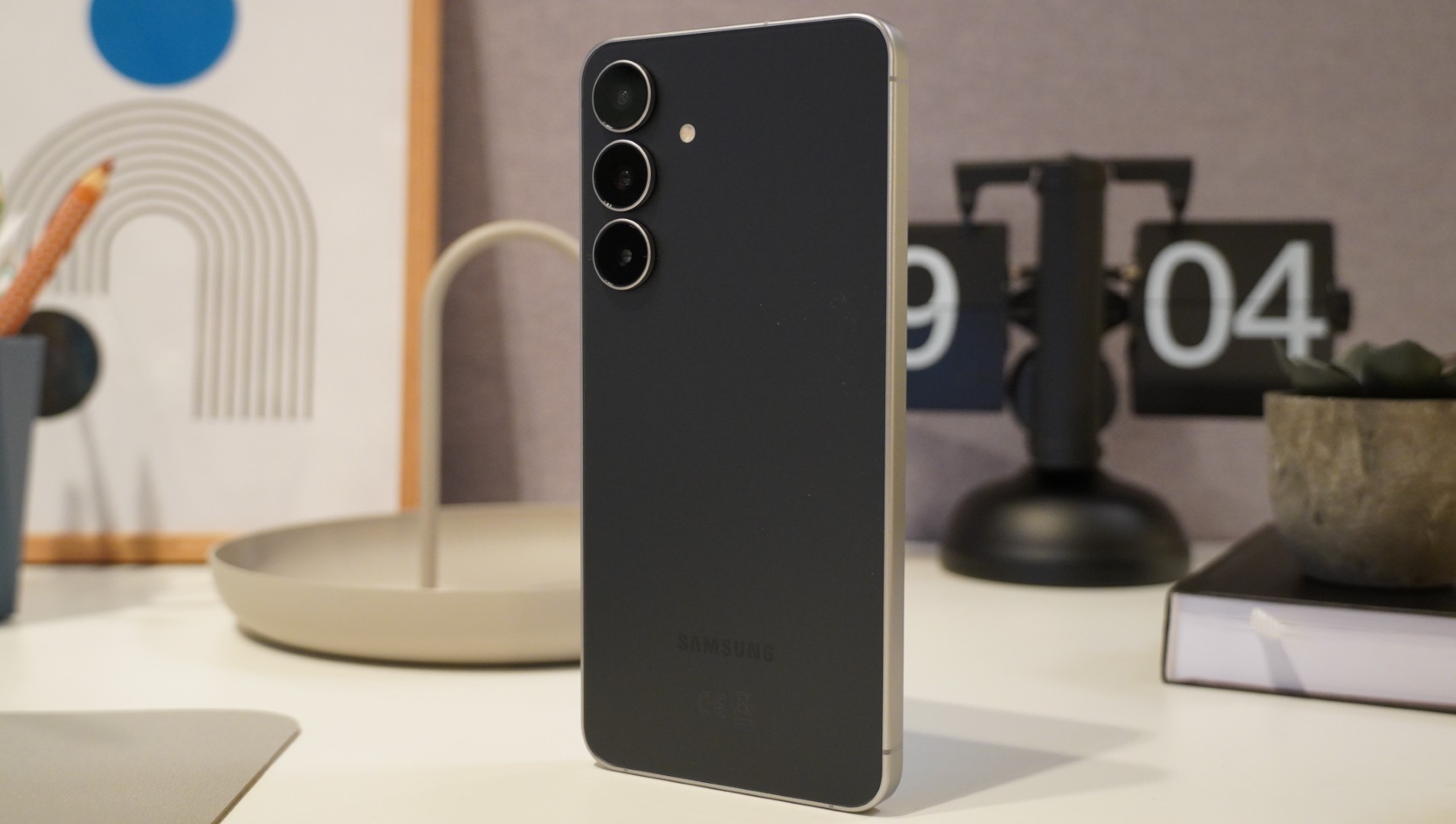
Samsung’s Galaxy S26 FE could be getting closer to launch after the phone appeared on the Google Play Console, adding another piece to the puzzle after its recent FCC certification.

The listing confirms the phone, identified as model SM-S741U, will be powered by Samsung’s Exynos 2500 chipset and paired with 8GB of RAM. It also lists a 1,080 x 2,340-pixel display. These match the specifications that leaked for the phone last week.

The Google Play Console listing also includes an image of the handset, although there’s no launch date attached to it just yet. However, leaked renders have already shown the Galaxy S26 FE in several colour options.

The latest appearance is notable because the S26 FE has now cleared both the FCC and Google Play Console, two fairly significant steps before a smartphone reaches consumers. That doesn’t confirm Samsung is about to launch it, but it does suggest the phone is moving through the necessary certification process.

Advertisement

Samsung’s previous Galaxy S25 FE arrived in September, so anyone waiting for the S26 FE may still have a few weeks to go at the very least.

Advertisement

The same Google Play Console listing also gives us an early look at two cheaper Galaxy phones. The Galaxy A08 (SM-A085F) is listed with MediaTek’s Helio G99, an LTE-only chip already used in the Galaxy A07 4G. Interestingly, the listing says the A08 can have up to 8GB of RAM. Its display resolution is 720 x 1,600 pixels.

The Galaxy A07s (SM-A077M) also uses the Helio G99, but is listed with 4GB of RAM and the same 720 x 1,600-pixel resolution.

Advertisement

Samsung launched the Galaxy A07 4G in late August last year, so the A08 and A07s could be approaching their own launches. For now, though, the Galaxy S26 FE is the more interesting of the three. Its Exynos 2500, 8GB of RAM and higher-resolution display point to a more capable mid-range phone.

Source link

Advertisement
Continue Reading

Tech

Windows 11 24H2 Home and Pro reach end of support in 2 months

Published

on

Windows 11

Microsoft has reminded customers that systems running Home and Pro editions of Windows 11 24H2 will stop receiving updates in two months.

“On October 13, 2026, Windows 11, version 24H2 Home and Pro editions, and Windows 10 Enterprise LTSB 2016 will reach end of updates,” Microsoft warned in a message center update.

“After this date, devices running these editions will no longer receive monthly security and non-security preview updates containing protections from the latest security threats.”

image

However, according to its support website, Windows 11 24H2 Enterprise and Education editions will remain under mainstream support until October 2027.

Customers are advised to upgrade to Windows 11 25H2 (also known as the Windows 11 2025 Update), which has become generally available in September 2024 as a minor update installed through an enablement package.

Advertisement

Microsoft added that devices running Windows 11 24H2 Home and Pro that aren’t managed by IT departments will automatically upgrade to Windows 11 25H2. However, customers can still choose when to restart or postpone the update.

“If you have an eligible Windows 10 or Windows 11 device, you can check whether the update is available by selecting Settings > Windows Update and selecting Check for updates. If your device is ready for the update, you’ll see the option to Download and install Windows 11, version 25H2,” it said.

You can find more information about Windows servicing dates using the Lifecycle Policy search tool or on the Windows Lifecycle FAQ page. Microsoft also lists all products it will retire or end support for in 2025 on its support website.

Microsoft has also stopped rolling out security updates to devices running Home and Pro editions of Windows 11 23H2 in November 2025, and quietly extended the free Windows 10 Extended Security Updates (ESU) program for consumers by an additional year, until October 2027, in June.

Advertisement

More recently, it announced that Windows Server 2022 is also rapidly approaching its mainstream end-of-support date of October 2026, when it will switch to extended support to continue receiving security updates through October 14, 2031.


article image

Overall prevention scores can hide what happens after initial access. Once attackers are using valid credentials, prevention drops sharply.

The Blue Report 2026 measures defenses technique by technique across 338 million simulations run in customer production environments.

Get the report

Source link

Advertisement
Continue Reading

Tech

Raspberry Pi gets jiggy with batch CM5 provisioning

Published

on

EDGE AND IOT

Clamp, flash, repeat – no separate IO board or host computer required

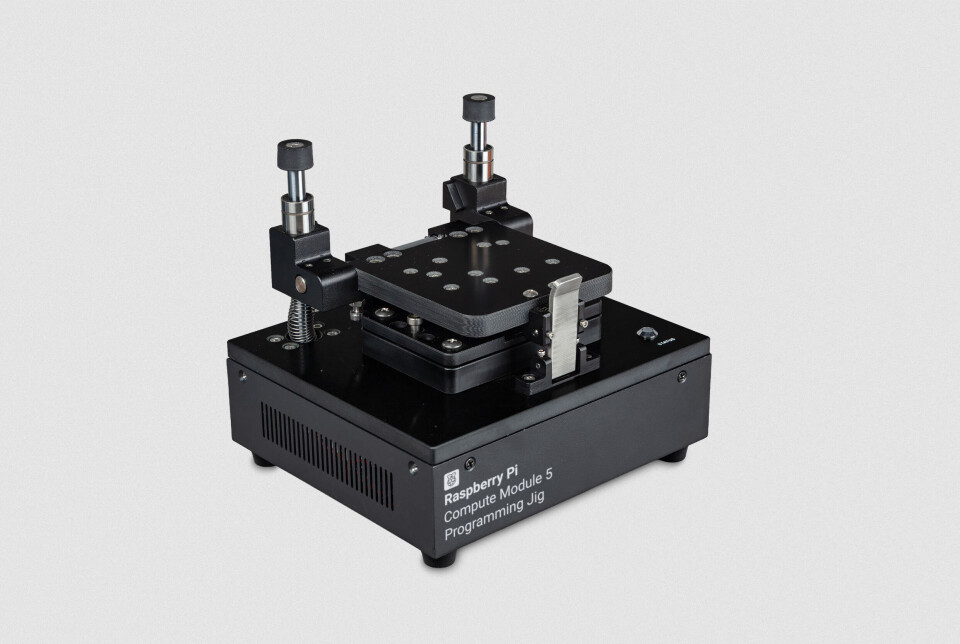
Raspberry Pi has unveiled a $600 Programming Jig to take the faff out of preparing batches of Compute Module 5 (CM5) boards for deployment.

The device combines the provisioning host and module interface in one box, eliminating the need for a separate IO board.

Advertisement
Black Raspberry Pi programming jig with clamps and adjustment posts on a white background

Raspberry Pi’s black Programming Jig is designed to provision Compute Module 5 devices one at a time

The IO board is, of course, considerably cheaper, but serves a different purpose: it exposes a CM5’s interfaces for development and prototyping. It can also be used during provisioning, albeit through a more involved setup. The Programming Jig is designed to install an operating system and security configuration, then move straight on to the next module.

Weighing just under 1.8 kg, the single-head device accepts one CM5 at a time. Clamp the computer in place and provisioning begins automatically. A typical installation takes about 90 seconds, after which a green status LED indicates that the module can be removed and replaced with the next one. It is a straightforward procedure that industrial users may welcome when faced with a stack of CM5s destined for embedded systems.

Initial setup involves writing the jig’s own operating system and configuring it with Raspberry Pi Imager. Raspberry Pi recommends using Connect to access the jig’s desktop remotely, after which operators can upload the images destined for their CM5 boards.

Raspberry Pi had already tackled part of the mass-provisioning problem with rpi-sb-provisioner, which automates operating system installation and security configuration. The remaining challenge was hardware: each CM5 still had to be connected to a provisioning host, perhaps through an IO board attached to a separate Raspberry Pi or other computer.

Advertisement

The Programming Jig integrates the controller and pogo-pin interface into a single unit. Once configured, the operator need only place a CM5 in the clamp and close the lid.

Sadly, there is no satisfying ping when the job is done, but we don’t doubt that some enterprising soul will fix that before long. ®

Source link

Advertisement
Continue Reading

Tech

Which Classic Mopar Was Called The ‘Blue Collar’ Muscle Car And What Made It So Special?

Published

on


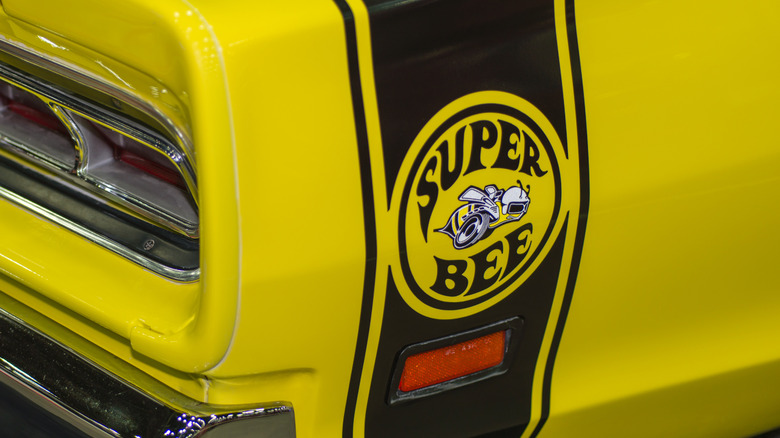
The title of Mopar’s “Blue Collar” muscle car goes to the Dodge Super Bee, which started out as a high-performance version of the 1968 Dodge Coronet. The car evolved into its own model that ran in the Dodge lineup from 1969 until it was cancelled after the 1971 model year. The Super Bee was Dodge’s answer to the problem of how to sell a muscle car to working class customers while keeping the vehicle’s cost down and the payments affordable. While the Plymouth Road Runner would compete directly with the Dodge Super Bee for Mopar customers, the shorter-lived Super Bee has become just as much of a collector’s item, with models today going for as much as $135,000.

Dodge was looking for a low-cost way to put together a muscle car that wouldn’t break the bank for their blue collar customers. The company initially based the Super Bee on the inexpensive but sturdy midsize Dodge Coronet’s pillared sedan body. By keeping the interior basic and minimizing the number of options, Dodge was able to keep the Super Bee’s price down. The Super Bee name took Dodge’s Scat Pack marketing to the next level. The vehicle had all of the hallmarks of a muscle car, even at its intentionally low price — a long hood, plenty of blacked-out areas on the body, “bumblebee” stripes around the rear, hood scoops, wide tires, and intensely bright colors like Plum Crazy and HEMI Orange that signaled the intent to be loud, proud, and competitive. For 1969, a pillarless two-door body style joined the lineup.

Advertisement

What powered the Dodge Super Bee and how did it perform?

The 1968 Dodge Super Bee’s standard engine was a 335-horsepower version of the 383 V8, which used the camshaft, induction system, and cylinder heads from the larger 440 V8. You could get a street version of the 426 HEMI engine for $1,000, but most customers left that box unchecked. For 1969, the famed Dodge 440 Six Pack was added, using three Holley two-barrel carbs to produce 390 horses for a more reasonable $460 cost, making the Super Bee one of the six legendary muscle cars built with the 440 Six Pack

In 1970, the Coronet was restyled, resulting in some cosmetic changes. The following year it was discontinued; the Super Bee became a low-cost performance version of the redesigned Charger. This would be the last year for the Super Bee, not counting the 2007-09 attempt to revive it on the recent Charger platform. A total of just around 56,000 Super Bees were made during its four years of production, making them fairly rare compared to most other mass-market muscle cars.

In a July 1969 road test in Car Life magazine, a 1969 Dodge Super Bee with the 440 Six Pack engine did 0-60 mph in a scorching 6.3 seconds, with the quarter-mile flashing by in 13.8 seconds at 104.2 mph. That’s pretty impressive performance, even for the peak of the muscle car era.

Advertisement

The 1968 to 1971 Dodge Super Bee was a key part of the democratization of muscle cars. Rides like these were affordable for working-class people who wanted high-performance vehicles, but still needed a monthly payment that they could handle. 


Advertisement

Source link

Continue Reading

Tech

Lexar Armor 700 8TB review: Impressive capacity, good speeds

Published

on

Lexar’s new 8TB SSD is a dream for creatives, but Apple’s port choices are holding it back. Let’s find out if the large capacity Armor 700 is still worth buying.

As both a photographer and videographer, I’m always churning through storage. I have near a hundred terabytes sitting on my desk in one fashion or another.

Recently, I’ve been working more mobile than I had been, requiring somewhat of a reevaluation of my workflow. I needed something I could bring around to use with my iPhone, iPad, and MacBook Pro with enough capacity to reduce my transfers between drives.

Fortunately, the Lexar Armor 700 8TB recently launched, seemingly the answer to my needs. It has a lot going for it, but Apple’s peculiar standard support makes it a tough call.

Advertisement

Lexar Armor 700 8TB review: Design

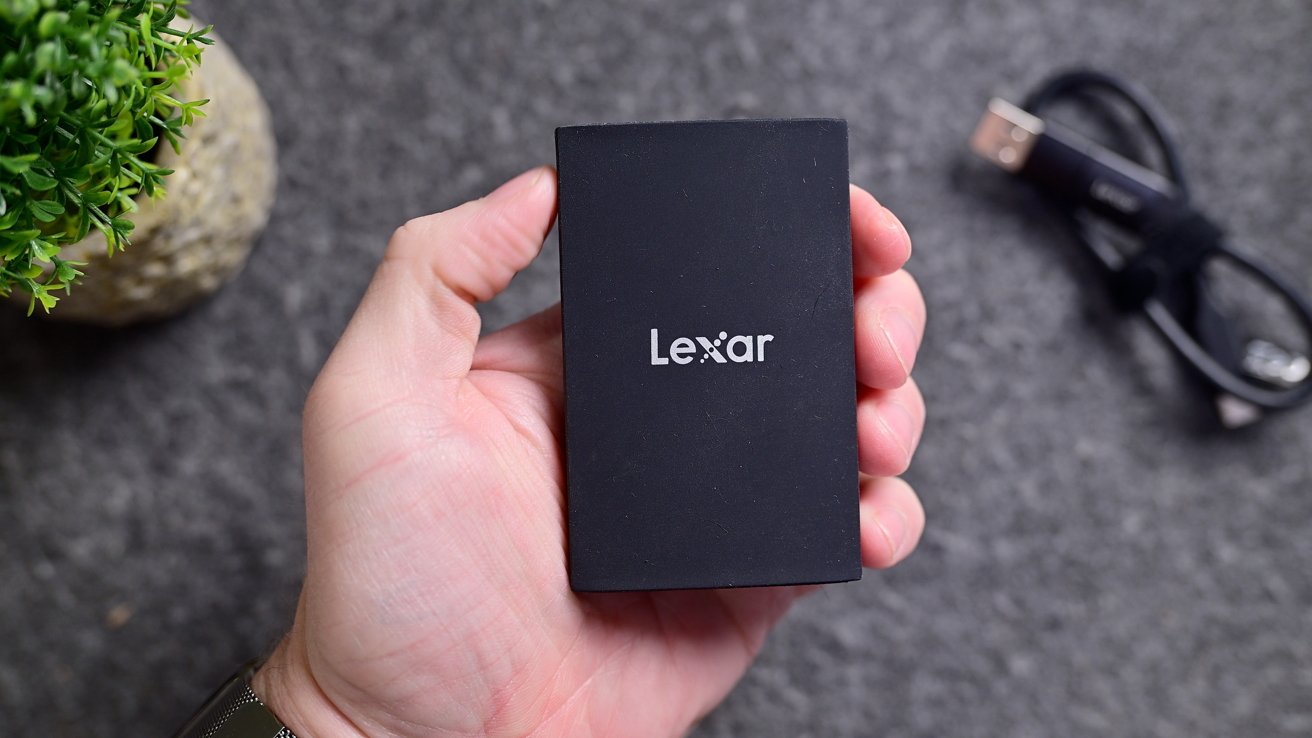
The Lexar Armor 700 is standard fare for a mobile drive. It’s not particularly flashy nor offensive. The body is tapered to the edges just slightly, with a matte rubberized finish and silver metal end caps.

Hand holding a small black Lexar external drive over a gray surface, with a coiled USB cable and a small green potted plant in the background

Lexar Armor 700 8TB review: Holding the new high-capacity SSD

There are ridges going down the metal sides which provide both added grip and enhanced drop protection. Being an “armor” drive, drop performance is important.

It promises three meters of drop protection, which I think is more than sufficient for my uses. A chest-height drop would only be roughly half of that.

Advertisement
Black rectangular electronic device standing upright on a gray textured surface, showing a shield logo, the text ARMOR 700, and certification symbols against a softly blurred light background

Lexar Armor 700 8TB review: The drive has a clean, rugged design but can attract dust

Lexar also says the drive has an IP66 rating, meaning it is both dust-tight and resistant to water. It is supposed to hold up against water jets from any angle, though it isn’t rated for submersion.

Two hands hold two small black electronic devices upright, side by side, showing a comparison between a thin flat device on the left and a thicker rounded device on the right

Lexar Armor 700 8TB review: Comparing the Lexar SL500 (left) to the Armor 700 (right)

It isn’t the thinnest drive that Lexar makes. Something like the Lexar SL500 is much thinner.

Advertisement
Lexar Armor 700 8TB review: The Lexar SL500 can be inserted into a silicone sleeve and be used as a MagSafe SSD on iPhone

Lexar Armor 700 8TB review: The Lexar SL500 can be inserted into a silicone sleeve and be used as a MagSafe SSD on iPhone

The SL500 also has a cool trick where it can be inserted into a silicone sleeve to turn it into a MagSafe SSD for use with iPhone. It’s a fantastic, ultra-slim drive.

Two hands holding two small black Lexar portable drives against a gray textured background, showing the brand logo centered on each rectangular device

Lexar Armor 700 8TB review: Comparing the footprint of the Lexar SL500 (left) to that of the Armor 700 (right)

It’s the added durability and resistance that separates the two. For something that I intend to travel with and that could come into contact with children in the house, I need that enhanced durability, married with the performance and capacity.

Advertisement

Lexar also includes a short USB-C to USB-C cable in the box. One end has a tethered USB-C to USB-A adapter.

Hand holding a small black Lexar external drive with an attached USB cable, against a gray background with a green potted plant partially visible on the left

Lexar Armor 700 8TB review: The USB-C cable includes a USB-A adapter, but it’s a little annoying

I like that the tether means you won’t lose it, but for me, it just gets in the way. I eventually cut the adapter off.

Lexar Armor 700 8TB review: Performance

This drive is a USB 3.2 Gen 2×2 SSD with up to 2,000MB/s read and 2,000MB/s write speeds. At least if you have the device to support it.

Advertisement

Apple supports USB 3.2 Gen 2, but not Gen 2×2. That 2×2 means it has two lanes of data, which is what enables the 2,000MB/s speed compared to USB 3.2 Gen 2 devices with a single lane of data.

It’s a little annoying that Apple has chosen not to support this optional variant of the USB standard, while being so fast to adopt others like USB 4.0 and Thunderbolt 5.

Disk speed test application showing high read and write speeds over a scenic desktop wallpaper of the Golden Gate Bridge at sunset with waves and rocks in the foreground

Lexar Armor 700 8TB review: One run of the Blackmagic Disk Speed Test

I ran several performance tests, including the Blackmagic Disk Speed test. In several runs, I was getting just under 1,000MB/s for both the read and write speeds.

Advertisement

That’s exactly what I’d expect when using a USB 3.2 Gen 2×2 drive on a USB 3.2 Gen 2 machine. One lane means you’d get about half the performance, which is what I saw.

Mac desktop with ocean sunset wallpaper, two Finder windows showing files and a folder, and a dark stopwatch app centered on screen counting upward around one minute fifty-three seconds

Lexar Armor 700 8TB review: A 100GB file took just under 2 minutes to transfer

I also ran a large real-world file transfer test, moving a 100GB Final Cut Pro project to the drive. It ended up taking a bit under two minutes to complete the transfer, which isn’t bad at all.

Continuing the testing, I wanted to see whether the cache could be a bottleneck during long, continuous use on my Mac. This drive has a Silicon Motion SM2320 controller that uses a small stack of SLC NAND media, rather than a dedicated DRAM cache.

Advertisement

If allocated a small cache, transfer speeds may start fast, but will start to throttle as the cache is filled. Small file tests may show particularly fast speeds because they don’t get close to filling the cache and may not surface performance issues with bigger transfers.

To test this, I ran a 1TB continuous sequential write using fio on my MacBook Pro. The whole test lasted 18 minutes and 24 seconds.

MacOS terminal window running debug or log output, centered over a coastal sunset wallpaper with rocky shoreline in foreground and Golden Gate Bridge partially visible on the right

Lexar Armor 700 8TB review: A sustained 1TB test was unable to fill the SLC cache of the drive with the Mac’s limited 10Gb/s performance

Looking at the data, the drive averaged 972MB/s over the course of the test. There was no discernible drop in speed over the entire span, meaning it couldn’t exhaust the SLC cache with the Mac’s 10Gb/s limit.

Advertisement

This of course doesn’t mean the drive has a 1TB cache, but rather it’s able to move the data from the SLC cache to the main storage faster than the data is transferred over. To get the size of the cache, you’d need to test the drive on a machine that supports USB 3.2 Gen 2×2, but this is good news for Mac users.

Lexar Armor 700 8TB review: Why USB 3.2?

Inevitably, people will ask why Lexar opted for USB 3.2 Gen 2×2 compared to standards Apple supports, like USB 4.0 or Thunderbolt. I think there are a few reasons for this.

First, USB 3.2 is more common than USB 4.0 or Thunderbolt and Gen 2×2 is widely supported on Windows PCs. It’s also cheaper to produce.

Close-up of Lexar USB 3.2 Gen 2x2 product box on gray surface, showing branding, speed rating of 2000 MB/s read and write, with blurred background

Lexar Armor 700 8TB review: USB 3.2 Gen 2×2 support doesn’t exist for Mac users, which cuts the speeds in half

Advertisement

If Lexar can achieve 2,000MB/s of performance using an older standard, I think that’s acceptable. Especially when we know the alternative.

There are several drives widely available using USB 4.0 or Thunderbolt with 8TB capacity. The rub is, they’re much more expensive.

Row of seven portable external hard drives and SSDs in various colors and shapes standing upright on a gray surface against a softly blurred light background

Lexar Armor 700 8TB review: The Lexar Armor 700 holds its own against other popular SSDs

Glyph’s 8TB Thunderbolt mobile SSD is $1,899. OWC has a USB 4.0 version of its 8TB mobile SSD and a Thunderbolt version that will run you either $2,149 or $2,299 respectively.

Advertisement

Glyph does have a USB 3.2 Gen 2×2 version that is only $599, but it’s roughly 2-3 times the size of the Lexar Armor 700. If you leave out the Gen 2×2, you could opt for the SanDisk 8TB Extreme USB 3.2 Gen 2 mobile drive, which is $839, but it is capped at 1,000MB/s no matter what.

One last one to highlight is Samsung, who offers its USB 3.2 Gen 1 drive in an 8TB flavor, but it’s only going to yield 480MB/s speeds, half of what everyone else has. It still will cost roughly as much as this Lexar drive.

It’s just frustrating that Apple chose not to support that optional Gen 2×2 spec, for cases like this.

Black external hard drive labeled 8TB resting on a gray textured surface, with a blurred green plant in the background and soft, shallow-focus lighting

Lexar Armor 700 8TB review: The 8TB is a good value, if you can find it

Advertisement

I think that all things considered, Lexar has the best combination of price, capacity, and performance. If you want even better performance on Mac, you can get it — for a price.

Lexar Armor 700 8TB review: Should you buy the Lexar Armor 700 8TB?

The Lexar Armor 700 is a solid drive, and I think the 8TB version is fantastic. That’s ample storage for most users, and at current prices, it’s a steal when compared to the competition or even the 4TB version.

Obviously the biggest issue with it is Apple’s lack of support for USB 3.2 Gen 2×2, but it’s still a solid option when you consider the market and performance.

Otherwise, the worst I can say is that the silicone exterior has a tendency to attract dust. Which is a commonality amongst any other silicone-covered rugged drives.

Advertisement
Lexar Armor portable SSD standing beside its retail box on a gray surface, with product capacity details shown; small potted plant blurred in the background indoors

Lexar Armor 700 8TB review: A solid solution, even with the Mac limitations

If you are looking for sizable storage that you can take with you, Lexar hit the sweet spot. It would be even better if Apple didn’t hold back its performance.

Lexar Armor 700 8TB review: Pros

  • Compact size for portability
  • Rubberized outside for durability
  • IP66 dust and water resitance rating
  • Great performance, depending on device
  • USB-A adapter included
  • Stays cool during use
  • Massive 8TB capacity on the go

Lexar Armor 700 8TB review: Cons

  • Rubber finish attracts dust
  • Apple doesn’t support USB 3.2 Gen 2×2 for full performance
  • Hard to find in stock

Lexar Armor 700 8TB rating: 4 out of 5

Where to buy the Lexar Armor 700 8TB

Currently, the Lexar Armor 700 8TB is tough to find amidst the storage shortage hitting the industry. Adorama is perhaps your best bet with a price of $849 and an expected in-stock backorder date of October.

B&H is currently out of stock, but lists the drive at $799. Amazon also has the drive and its other capacities, but the 8TB specifically is out of stock.

Advertisement

Source link

Continue Reading

Tech

Sixty-Four Bits Arrive, Nintendo’s Long-Awaited Console Hits Shelves in 1996

Published

on

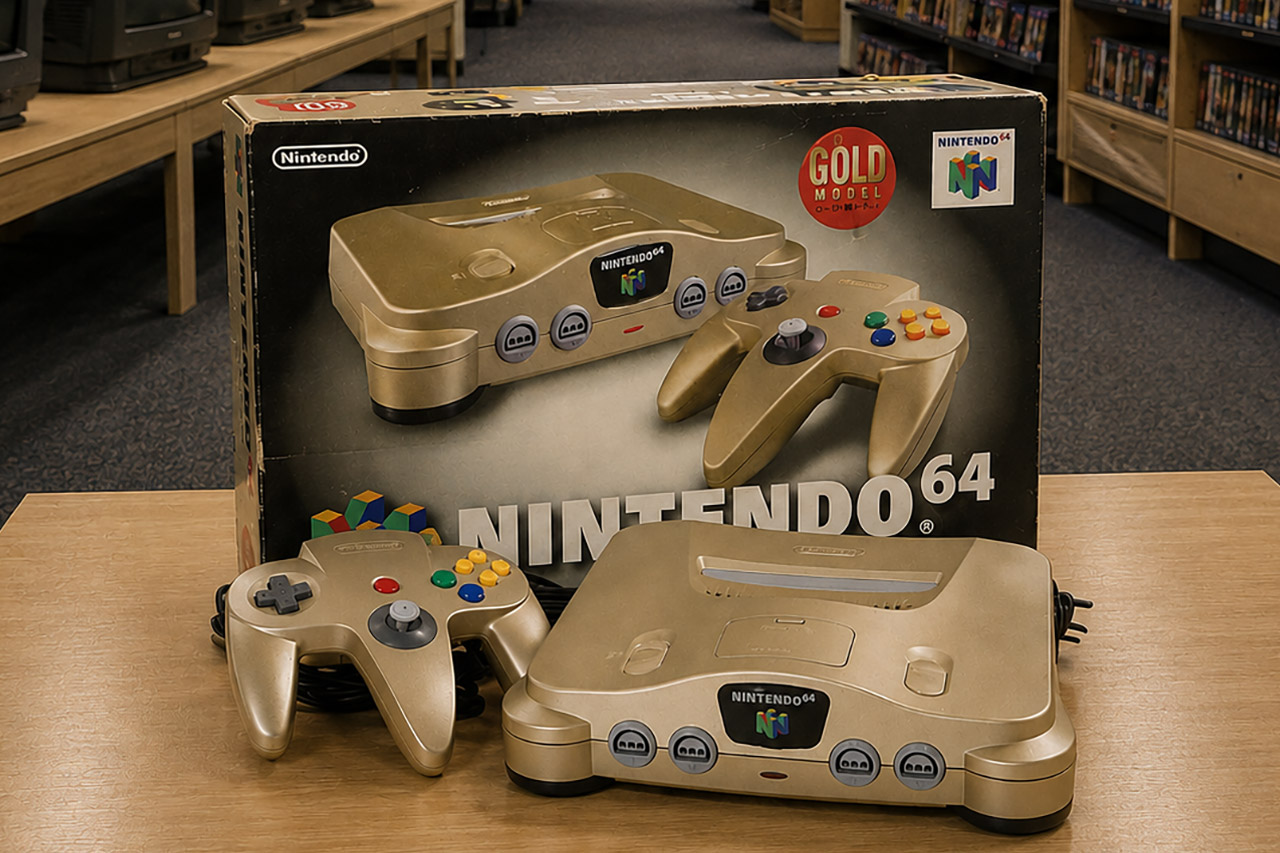
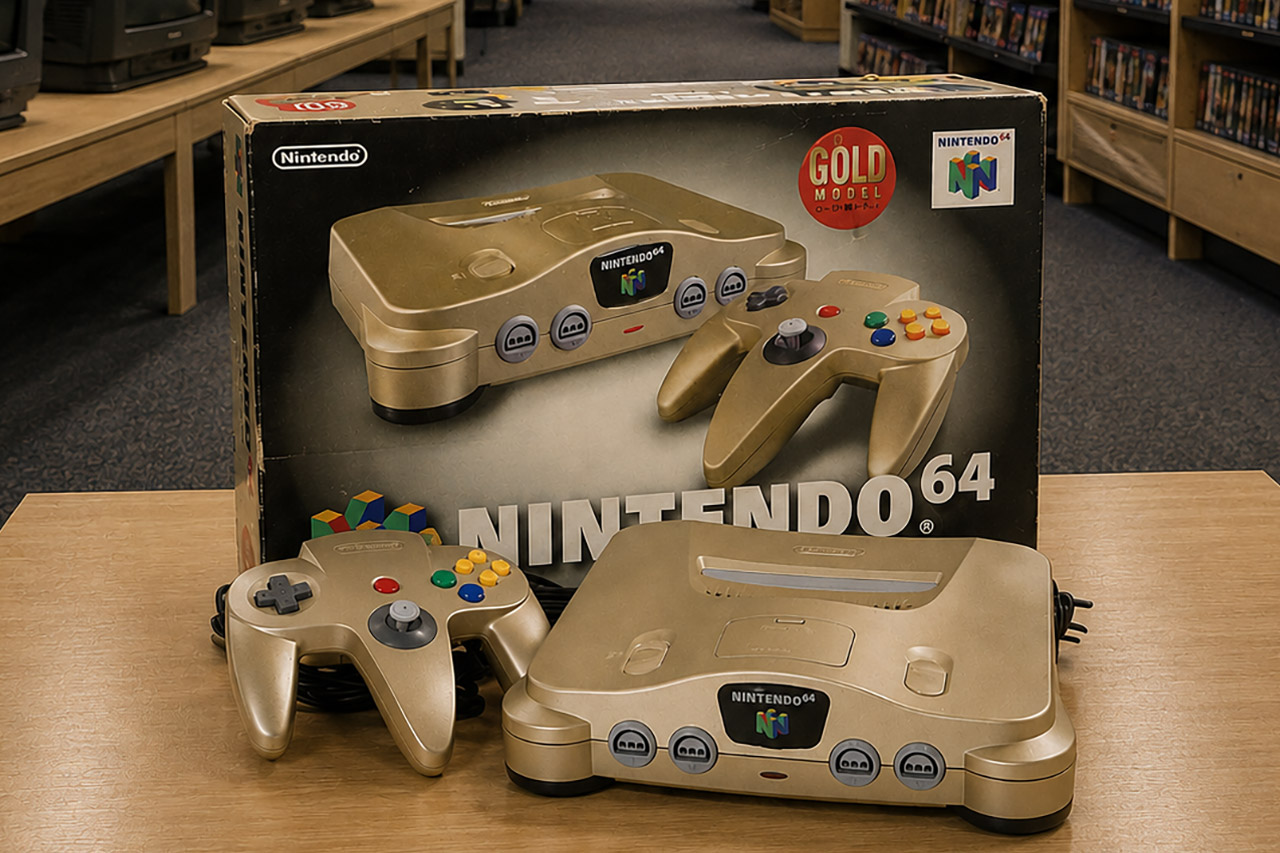
Nintendo N64 Launch Hype 1996
Nintendo finally put its next home system on sale in Japan on June 23, 1996. After years of delays and growing anticipation, the company shipped about 300,000 units for the first day. Every one sold. Three games sat on shelves alongside the hardware: Super Mario 64, Pilotwings 64, and a Shogi (Japanese chess) title limited to that market.


Instead of the previously announced rival systems, gamers were pleasantly surprised. A three-pronged controller was common, built around an analog stick that detected the pressure applied. Unlike prior digital pads, which only let you choose from a few predetermined orientations, this device allowed you to move freely in any direction you wanted. Super Mario 64 was the game that really brought everything home. Who would have thought we’d see Mario just walking, running, jumping, and exploring all these amazing three-dimensional areas within Peach’s castle and out in the worlds? With the camera angles altering to match your control, it felt like a game designed to be played in 3D.


LEGO Super Mario Donkey Kong Arcade 72051
  • BUILDABLE ARCADE CABINET – Relive the fun of playing an iconic arcade game with the LEGO Donkey Kong Arcade (72051) building set for adults ages…
  • AUTHENTIC ARCADE GAME DETAILS – Create a Donkey Kong arcade level featuring Jumpman, Donkey Kong and Lady, including iconic details like the…
  • WORKING JUMP AND DODGE PLAY – Pull the lever on the left side of the base to release one barrel at a time, then move Jumpman with the joystick and…


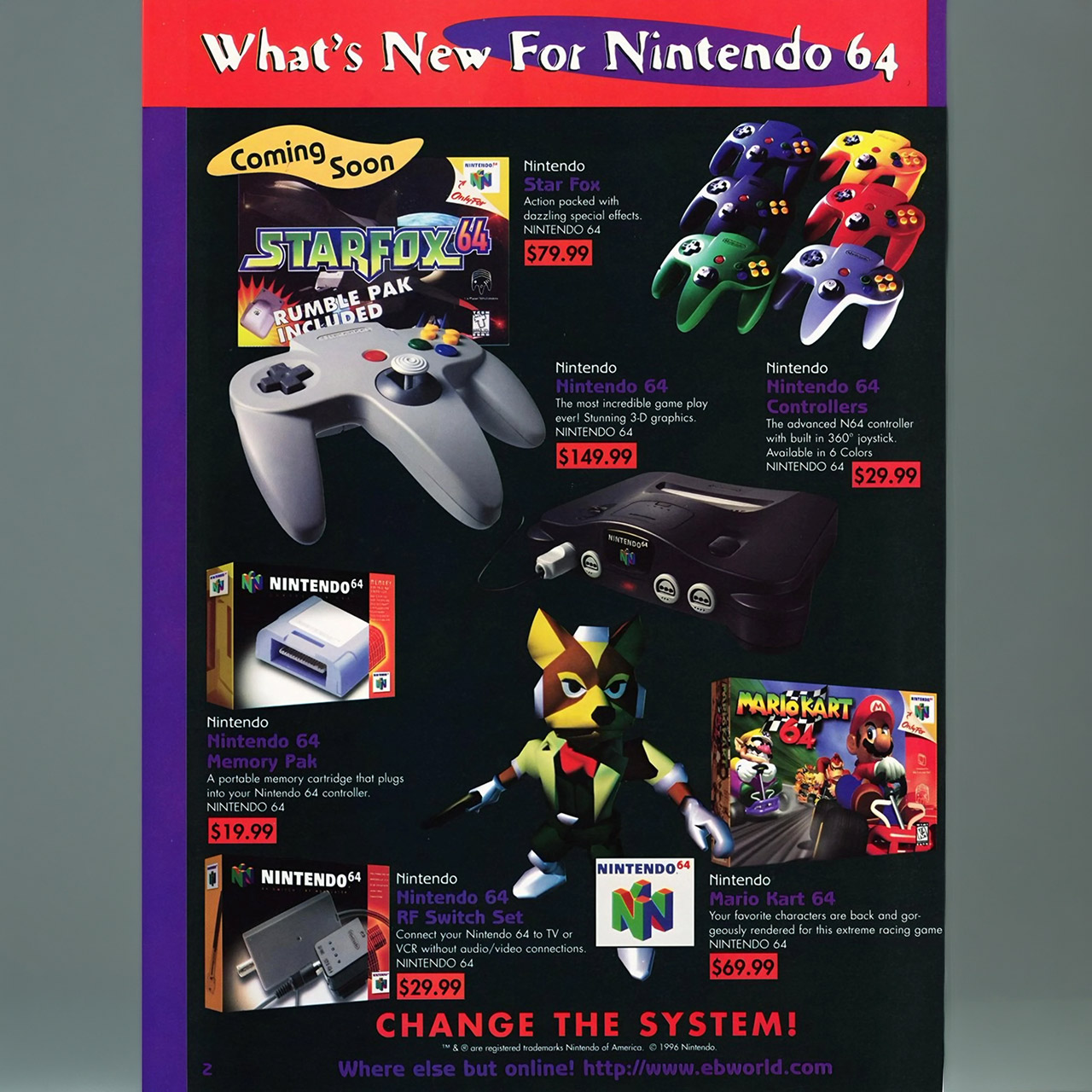
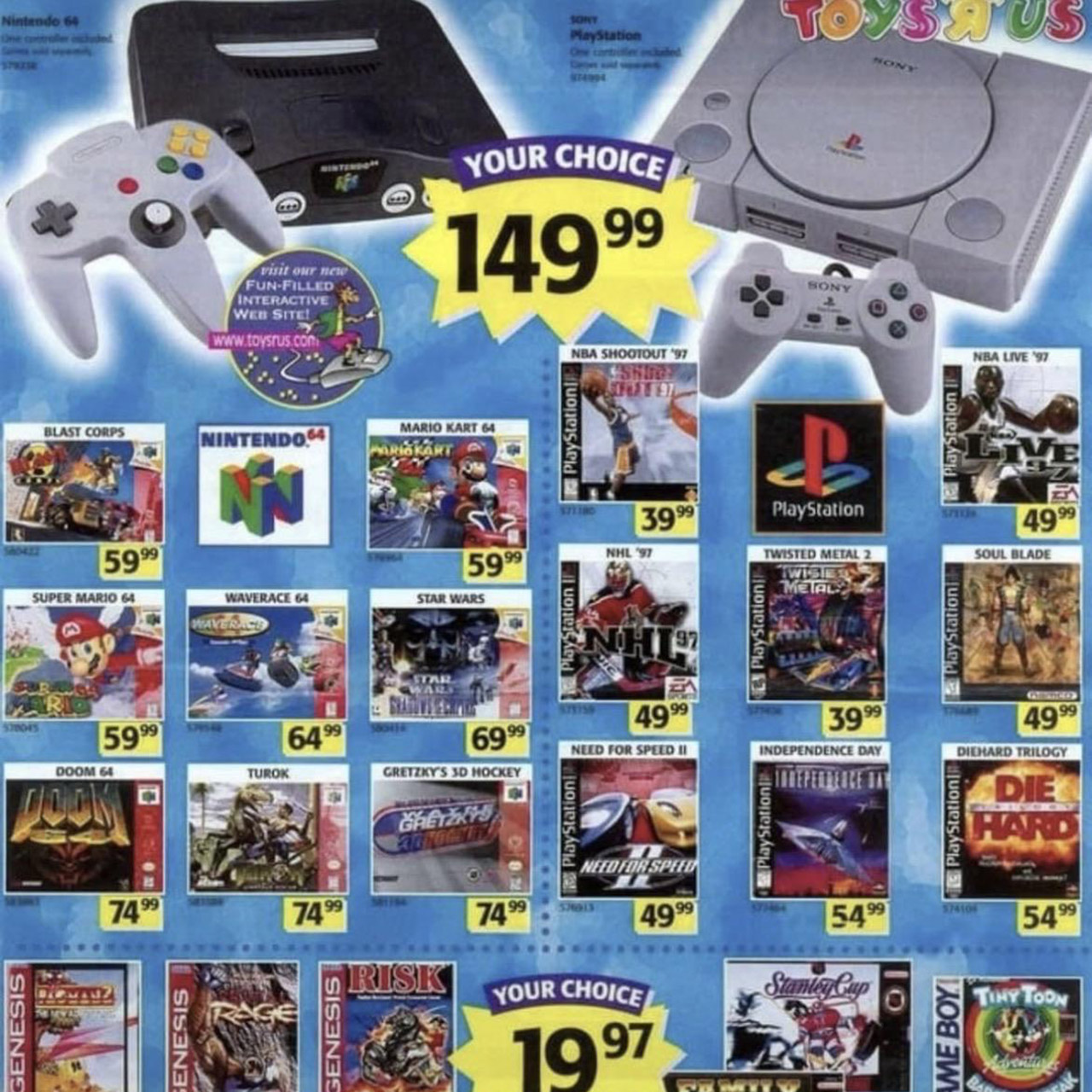
In North America, things didn’t arrive until September 29th, and many expected a higher price, but Nintendo came in at just $199.95 ($425.54 today) instead. This was a good thing because the competition outperformed them. Only two games were produced for the system: Super Mario 64 and Pilotwings 64. Of course, that didn’t seem to matter, as stores blew through the first shipment almost immediately. To make matters even more intriguing, several stores reported that their pre-orders had sold out before the official debut date. Nintendo of America later stated that more than half of all systems and software were sold during the opening weekend alone.


Games were all saved on cartridges, which was convenient because the data was ready to go, resulting in less annoying loading screens than before. The visuals were clear and substantial, thanks in part to the processor being based on one developed by Silicon Graphics for high-end visual effects work. The anti-aliasing smoothed out the edges slightly, and the textures were nice and crisp. All of this meant that previous titles released for other systems appeared to be quite bad in comparison.

Advertisement

Nintendo N64 Launch Hype 1996 Ad
Photo credit: Djf47021
Pilotwings 64 was another game that demonstrated how much superior the new stick was, since you could fly through the air with hang gliders, rocket packs, and other fancy equipment, performing all sorts of feats and challenges throughout these gorgeously realistic (for the time) landscapes. The analog stick was ideal since it allowed you to control your flight path in real time with extreme precision.

Nintendo N64 Launch Hype 1996 Ad
Photo credit: AveryYapps
Demand for the console remained high until the end of the year. Nintendo expected to sell over a million and a half systems in North America by the end of December, and the income was phenomenal, with hardware and software sales averaging hundreds of thousands per day. A few months later, other titles were launched, including Mortal Kombat Trilogy, Killer Instinct Gold, and Star Wars: Shadows of the Empire, providing new owners even more reasons to return to the stores.

Source link

Continue Reading

Tech

GLM-5.3 hits the API at $1.4/$4.4 per million tokens

Published

on

After a stunning debut last week with cyber capabilities so advanced they reportedly found a previously undetected vulnerability in Cursor, GLM-5.3, the new frontier open source language model from Chinese startup z.ai, has now hit the application programming interface (API) — allowing developers the ability to build atop it and plug it into their agents and applications.

Developers who previously subscribed to a GLM Coding Plan are currently limited to the OpenAI Chat Completions-compatible protocol. Z.ai said it plans to make the model’s weights openly available, but a precise date and licensing remain to be seen.

On the API, the price is unchanged from GLM-5.2: $1.40 per million input tokens and $4.40 per million output tokens. Cached input costs $0.26 per million tokens, while Z.ai currently lists cached-input storage as free for a limited time.

That means developers can move to the new generation without taking a higher posted per-token rate from Z.ai, even as the company claims substantially stronger coding and long-horizon agent performance.
At those rates, GLM-5.3 sits well below several of the highest-end frontier APIs.

Advertisement

Model

Input ($/1M)

Output ($/1M)

Total ($/1M)

Advertisement

Source

Muse Spark 1.2 Contributor

$0.10

$0.20

Advertisement

$0.30

Meta

MiMo-V2.5 Flash

$0.10

Advertisement

$0.30

$0.40

Xiaomi

DeepSeek-V4-Flash — off-peak

Advertisement

$0.22

$0.66

$0.88

DeepSeek

Advertisement

GPT-5.6 Luna

$0.20

$1.20

$1.40

Advertisement

OpenAI

MiniMax-M3

$0.30

$1.20

Advertisement

$1.50

MiniMax

LongCat-2.0 — limited-time promo

$0.30

Advertisement

$1.20

$1.50

LongCat

DeepSeek-V4-Flash — peak hours

Advertisement

$0.44

$1.32

$1.76

DeepSeek

Advertisement

MiMo-V2.5

$0.40

$2.00

$2.40

Advertisement

Xiaomi

DeepSeek-V4-Pro — off-peak

$0.66

$1.98

Advertisement

$2.64

DeepSeek

LongCat-2.0 — standard

$0.75

Advertisement

$2.95

$3.70

LongCat

MiMo-V2.5 Pro (≤256K)

Advertisement

$1.00

$3.00

$4.00

Xiaomi

Advertisement

Gemini 3.6 Flash — through Dec. 31, 2026

$0.75

$3.75

$4.50

Advertisement

Google

Gemini 3.7 Flash — through Dec. 31, 2026

$0.75

$3.75

Advertisement

$4.50

Google

DeepSeek-V4-Pro — peak hours

$1.32

Advertisement

$3.96

$5.28

DeepSeek

Muse Spark 1.1 / 1.2

Advertisement

$1.25

$4.25

$5.50

Meta

Advertisement

GLM-5.3

$1.40

$4.40

$5.80

Advertisement

Z.AI

Grok 4.6 — <200K prompt tokens

$2.00

$6.00

Advertisement

$8.00

xAI

MiMo-V2.5 Pro (>256K)

$2.00

Advertisement

$6.00

$8.00

Xiaomi

Qwen3.8-Max

Advertisement

$2.00

$6.00

$8.00

QwenCloud

Advertisement

Gemini 3.6 Flash — starting Jan. 1, 2027

$1.50

$7.50

$9.00

Advertisement

Google

Gemini 3.7 Flash — starting Jan. 1, 2027

$1.50

$7.50

Advertisement

$9.00

Google

GPT-5.6 Terra

$2.00

Advertisement

$12.00

$14.00

OpenAI

Grok 4.6 — ≥200K prompt tokens

Advertisement

$4.00

$12.00

$16.00

xAI

Advertisement

GPT-5.4

$2.50

$15.00

$17.50

Advertisement

OpenAI

Kimi K3

$3.00

$15.00

Advertisement

$18.00

Moonshot AI

Claude Opus 5

$5.00

Advertisement

$25.00

$30.00

Anthropic

Sakana Fugu Ultra (≤272K)

Advertisement

$5.00

$30.00

$35.00

Sakana AI

Advertisement

GPT-5.6 Sol — Standard mode

$5.00

$30.00

$35.00

Advertisement

OpenAI

Claude Fable 5 / Claude Mythos 5

$10.00

$50.00

Advertisement

$60.00

Anthropic

GPT-5.6 Sol — Fast mode

$10.00

Advertisement

$60.00

$70.00

OpenAI

Using the simple VentureBeat comparison of one million input tokens plus one million output tokens, GLM-5.3 comes to $5.80, versus $8 for Grok 4.6 at its lower context rate, $18 for Kimi K3, $30 for Claude Opus 5 and $35 for GPT-5.6 Sol.

Advertisement

That is not a workload-cost estimate — real bills depend heavily on the input/output mix, caching and token consumption — but it makes the relative API price tier easy to see.

GLM-5.3 is not the cheapest capable model available. Google’s current introductory price for Gemini 3.7 Flash is $0.75 per million input tokens and $3.75 per million output tokens through Dec. 31, 2026, while OpenAI’s GPT-5.6 Luna is priced at $0.20 input and $1.20 output.

Still, Z.ai’s price puts GLM-5.3 into a notably lower cost band than the premium frontier models it is increasingly benchmarked against.

That comparison has become more relevant following the latest independent results. Artificial Analysis gives GLM-5.3 a score of 60 on its Intelligence Index, tying Kimi K3 as the top performing open weights model in the world, and scoring seven points higher than GLM-5.2. I

Advertisement

ts analysis also estimates GLM-5.3 at about $0.68 per Intelligence Index task, versus roughly $0.44 for GLM-5.2, despite the identical API token prices.

The difference underscores an important caveat in headline API pricing: Artificial Analysis found GLM-5.3 more verbose than its predecessor, so flat per-token rates do not necessarily mean flat costs for a completed workload.

For developers, though, the immediate change is straightforward: GLM-5.3 is now callable through Z.ai’s API at the same $1.40/$4.40 per-million-token rate as GLM-5.2, giving teams another relatively low-cost option for testing frontier-class coding and agent workloads.

Source link

Advertisement
Continue Reading

Trending

Copyright © 2025