







Manchester United are expected to be busy in the summer transfer window and there are some deals that could be easier to complete than others
As Manchester United look to consolidate their position in the top four and seal a Champions League return, focus has started to shift towards their summer transfer activity. While the club may harbour ambitious targets in the market, there are also some transactions which could prove far more straightforward to complete.
In recent windows, United have chosen to insert buy-back clauses when selling certain players. They haven’t always activated them – for instance, they permitted Real Madrid an uncontested move for Alvaro Carreras when the defender departed Benfica – but they have been keen to keep their options open, particularly when it comes to younger players who can kick on away from Old Trafford.
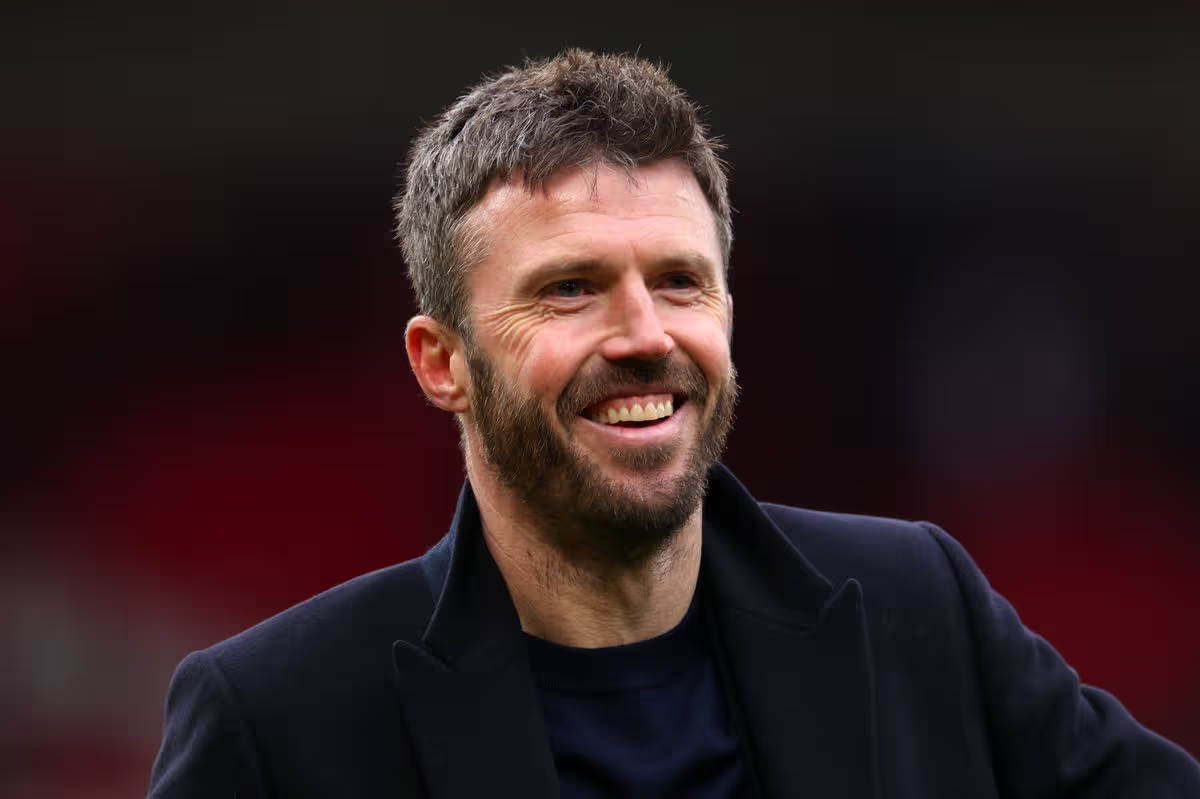
Should Michael Carrick finish what he’s started and seal European qualification, it could enhance the club’s appeal to prospective signings. It might also leave senior figures believing they have little alternative but to award the interim manager the position permanently in what already looks like being a busy summer.
Get MEN Premium now for just £1 HERE – or get involved in our United WhatsApp group by clicking HERE. You can also join our United Facebook page by clicking HERE and don’t miss out on our brilliant selection of newsletters HERE.
Former United midfielder Carrick might not be the only man to clinch a reunion, though. We’ve examined four players who could be brought back if the club opts to exercise one of those buy-back options.
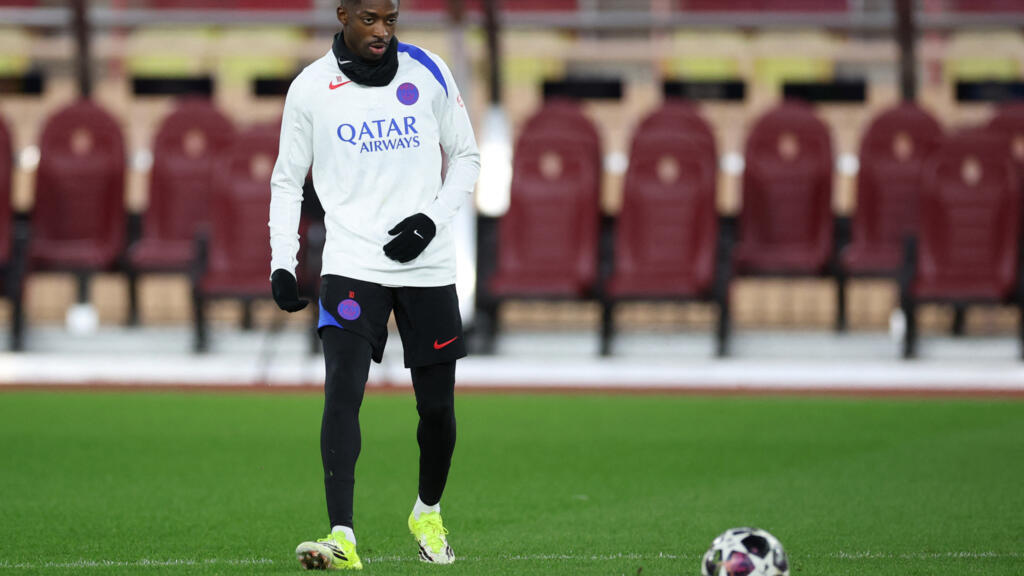
Hannibal Mejbri
Academy product Hannibal made an impression when he progressed through the youth system and earned a first-team opportunity. His determination and combative nature drew praise but he didn’t manage to fulfil his potential at Old Trafford.
The Tunisian international netted his maiden United goal in a loss to Brighton under Erik ten Hag early in the 2023/24 campaign but didn’t add to it and saw a loan stint at Sevilla bring limited minutes. He departed on a permanent basis at the end of that term, signing for Burnley for a knock-down initial fee which could rise to £9.4million.
As previously reported by the MEN, United possess a buy-back clause worth an undisclosed sum and also hold matching rights. This means should Burnley accept an offer for Hannibal from another club, his previous employers are entitled to submit an identical offer to the Clarets.
United are also understood to have a 50 per-cent sell-on clause for the 23-year-old. Burnley are facing relegation from the Premier League this season, yet Hannibal – who featured in 37 league matches during last term’s promotion push – has caught the eye despite the side’s difficulties.
Mason Greenwood
United sold Mason Greenwood to Marseille for a little under £30m in 2024 and didn’t have any serious plans for a return at the time. Nevertheless, The Telegraph reported that a buy-back clause was incorporated into the agreement despite ‘no expectation or intention’ of any comeback.
The Premier League outfit had determined well before that point that Greenwood had no future at the club. However, those reports of a clause prompted some to question whether the door remained slightly open.
He had spent a season on loan at Getafe before completing a permanent switch to Marseille. He has an impressive record of 47 goals in 74 outings for the French club as they finished second in Ligue 1 last season and fell agonisingly short of the Champions League knockout stages this term.
Alongside the buy-back clause, United also inserted a sell-on clause into Greenwood’s Marseille transfer. Figures differ depending on the source, though it is understood to sit somewhere between 40-50 per-cent of any profits generated by the Ligue 1 side.
Facundo Pellistri
Uruguay prospect Pellistri arrived at United in 2020 but started more frequently for his country than for the Premier League club. After 25 outings – and a number of loans – he made a permanent move to Panathinaikos in a deal worth just over £5m plus potential add-ons in 2024.
MEN reports at the time indicated a three-year buy-back clause was written into the agreement. United are also believed to hold a 45 per-cent sell-on clause should the Greek side choose to offload the winger
Now 24, Pellistri played his 50th Panathinaikos match earlier this season. He scored against Chelsea in last season’s Conference League and has played in the Europa League this season.
Willy Kambwala
Kambwala was thrown into first-team action very suddenly during an injury crisis. Three of his 10 appearances were Premier League starts, including one against rivals Liverpool in April 2024.
His displays under Erik ten Hag attracted attention from clubs on the continent and United couldn’t keep hold of him. After the French youth international turned down a contract extension, Villarreal submitted a bid worth up to £9.6million.
According to The Guardian, United ensured a buy-back clause was included in that deal, as well as in the sale of left-back Carreras earlier in the same window. Carreras moved to Benfica for £5m before completing a switch to Real Madrid for close to £50m just 12 months later, after United chose not to activate their £25m option.
Kambwala featured in 19 league matches for Villarreal last season as they finished fifth in La Liga and secured Champions League qualification. He has yet to feature this season owing to a hamstring injury, though he recently returned to the matchday squad as he closes in on a comeback.



































You must be logged in to post a comment Login