The report found that Irish jobseekers are applying for roles in strong numbers, compared to UK, French and German counterparts.
New data published by LinkedIn, exploring the European jobs market, has found that in comparison to other European nations, Ireland’s jobs market remains competitive. Trends in LinkedIn’s December jobs data found that there is candidate fatigue among European jobseekers, amid lower levels of hiring.
The UK recorded the largest drop in activity, down nearly 8pc year-on-year, followed by France at 5pc and Germany at 3pc year-on-year. By comparison, Ireland experienced a 2.4pc year-on-year rise in applications per candidate.
Commenting on the data, LinkedIn Ireland’s country manager Cara O’Leary, said, “While many European countries are showing clear signs of jobseeker fatigue, Ireland is moving in the opposite direction. At a time when applications per candidate are falling in the likes of Germany and the UK, Irish jobseekers are switched on and still confident of finding their next role regardless of economic uncertainty.”
Advertisement
What was also discovered is that a candidate’s network is becoming increasingly important, as LinkedIn’s data showed that applicants are more than 3 times as likely to get hired if connected to an employee already at the organisation they are applying for a role at.
O’Leary said, “Our data shows who you know is just as important as what you know, with candidates significantly more likely to be hired when they know someone at the organisation, reinforcing the importance of relationships alongside experience. For employers, this highlights the growing influence of their own people in attracting talent, with referral schemes one option to incentivise staff.”
AI talent magnet
LinkedIn’s research explored how the global labour market is evolving in response to AI becoming more prevalent in the workplace and in broader industry trends. It said, “In the near term, AI is creating more jobs globally than it is replacing. In the past two years, employers across the world have created at least 1.3m ‘new collar’ AI‑related job opportunities, including data annotators, AI engineers and forward‑deployed engineers.”
Additionally, LinkedIn’s research explained that this demand for AI talent is outstripping supply in Ireland, as the country is further establishing itself as a net importer of skilled workers.
Advertisement
AI engineering talent is 8 times more likely to move across borders than the average LinkedIn member and the data showed a 2.2 net increase in net migration of AI engineering talent to Ireland, placing the region second in terms of net beneficiaries globally. The UAE was the biggest AI talent magnet globally, with the top five rounded out by Germany, Australia and Singapore.
O’Leary said, “Demand for ‘new collar’ jobs continues to outpace supply, but Ireland is proving to be an AI talent magnet, successfully attracting more AI engineers to these shores than those departing. Given that many of these jobs simply didn’t exist five years ago, with the pipeline from the education system playing catch up as a result, companies need to realise that upskilling is the solution.
“We have never seen higher levels of interest in AI content on LinkedIn, so people are clearly eager to learn. It is in employers’ best interests to give their workforce the opportunity if they are to seize a competitive advantage.”
Don’t miss out on the knowledge you need to succeed. Sign up for the Daily Brief, Silicon Republic’s digest of need-to-know sci-tech news.
Researchers have determined that Microsoft’s LinkedIn is scanning browser plug-ins and other information without permission, building user profiles using data that the company did not get permission to take.
Safari
A European advocacy group claims LinkedIn is probing browser extensions through its website code. Fairlinked e.V. published its “BrowserGate” report alleging LinkedIn detects installed browser extensions by probing for known identifiers through JavaScript. The group says the technique reveals personally identifiable information. Safari users are less likely to be affected by this specific mechanism, based on how extension detection typically works across browsers. Apple’s browser model limits fingerprinting surfaces, which reduces how much information sites can infer from installed extensions. Continue Reading on AppleInsider | Discuss on our Forums
Revel is heading into AXPONA 2026 (April 10-12) with a clear focus: the debut of its new Performa4 speaker series, expected to fall between $2,000 and $7,000 per pair. Under the HARMAN Luxury Audio Group umbrella, which also includes Arcam, JBL Synthesis, Lexicon, and Mark Levinson, Revel isn’t going after statement pricing here. Performa4 is aimed at the part of the market where most serious systems are actually built, and where the competition is crowded, well established, and not particularly forgiving.
Revel Performa4 Speaker Series
Revel’s Performa4 Series is a new loudspeaker line built on the company’s established approach to acoustic design and measurement. It reflects three decades of engineering focused on controlled performance and consistent results in real-world listening environments.
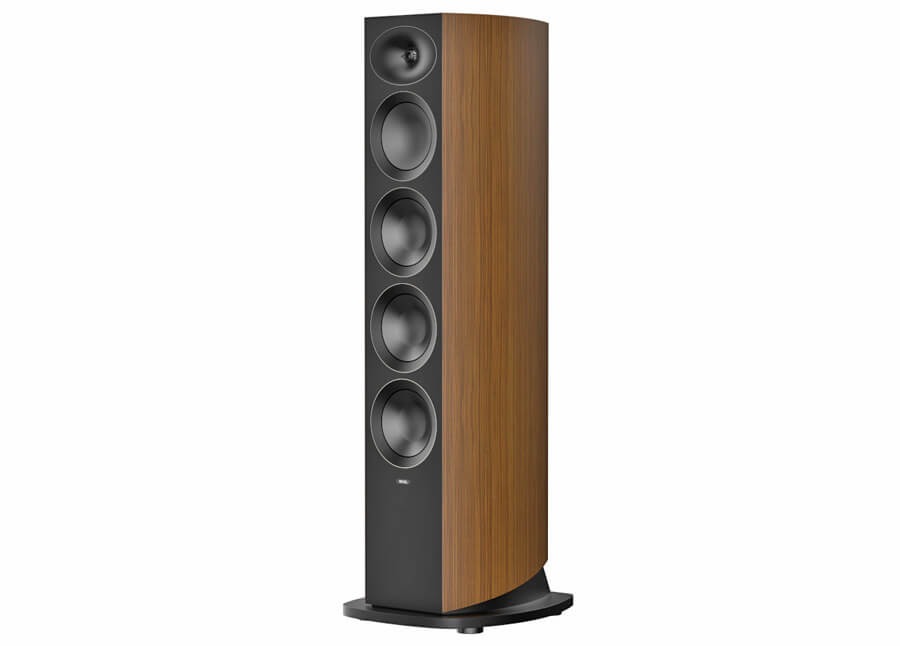
Revel’s Performa4 Series consists of two floorstanding models (F346 and F345), two bookshelf speakers (M146 and M145), a center channel (C245), and a powered subwoofer (B140). With multiple configurations available, the Performa4 lineup can be used in both two-channel music systems and multichannel home theater setups.
“At Revel, science is at the heart of everything we do. The Performa4 series represents the culmination of thousands of hours of research, development, and real-world testing. With our new 7th-generation Acoustic Lens waveguide and advanced DCC and MCC transducers, we’ve raised the bar for what’s possible in this class,” said Jim Garrett, Senior Director of Product Strategy and Planning at HARMAN Luxury Audio.
Advertisement
Acoustic Lens Waveguide, DCC and MCC Transducers Explained
The Performa4 series uses Revel’s Deep Ceramic Composite (DCC) and Micro Ceramic Composite (MCC) drivers, developed to improve stiffness while keeping mass low and reducing unwanted coloration.
Woofer and midrange drivers are built on cast aluminum frames designed with Finite Element Analysis to optimize airflow, control resonance, and maintain structural stability. Each driver also uses an inverted surround and integrated trim ring, which simplifies the front baffle and keeps the layout clean.
Revel’s 7th-generation Acoustic Lens waveguide is paired with a 1-inch DCC dome tweeter to improve integration with the midrange driver. The waveguide is designed to control dispersion more consistently across the listening area, while also supporting higher efficiency and lower distortion, including at off-axis positions.
Revel Performa4 Industrial Design
The Performa4 series adopts a clean, modern design that builds on Revel’s established cabinet approach without adding unnecessary complexity.
Advertisement
All models use magnetically attached grilles for a flush, hardware-free front panel, along with black accent detailing that keeps the visual profile consistent across the range. Cabinets are internally cross-braced to improve rigidity and reduce unwanted vibration.
Curved side panels are finished in real wood veneers, available in Natural Walnut and Black Walnut, offering a straightforward aesthetic that fits into both traditional and contemporary spaces.
Revel Performa4 Models
F346
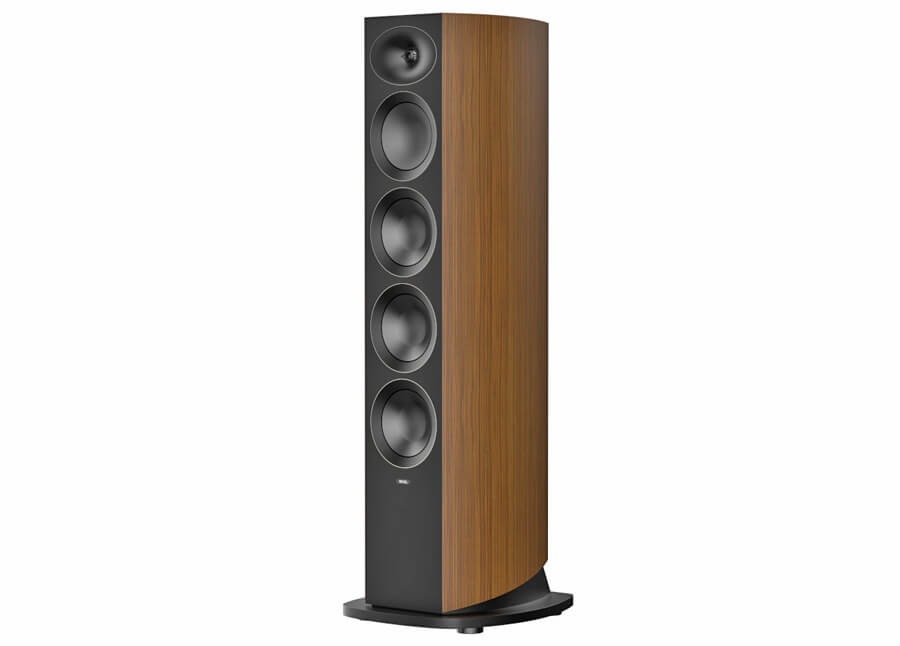
The F346 is a 3-way floorstanding loudspeaker and the top model in the Performa4 series.
Advertisement. Scroll to continue reading.
It uses three 6.5-inch (165mm) MCC woofers, a 6.5-inch (165mm) DCC midrange driver, and a 1-inch (25mm) DCC dome tweeter paired with Revel’s 7th-generation Acoustic Lens waveguide.
Advertisement
Dual rear-firing ports provide low-frequency extension, while dual 5-way binding posts support bi-amping or bi-wiring. The cabinet is fitted with solid aluminum feet and includes optional floor spikes for added stability.
The F346 is rated for a frequency response of 30Hz to 40kHz (±6dB), with 88dB sensitivity and a nominal impedance of 6 ohms. Recommended amplifier power ranges from 20 to 250 watts.
F345
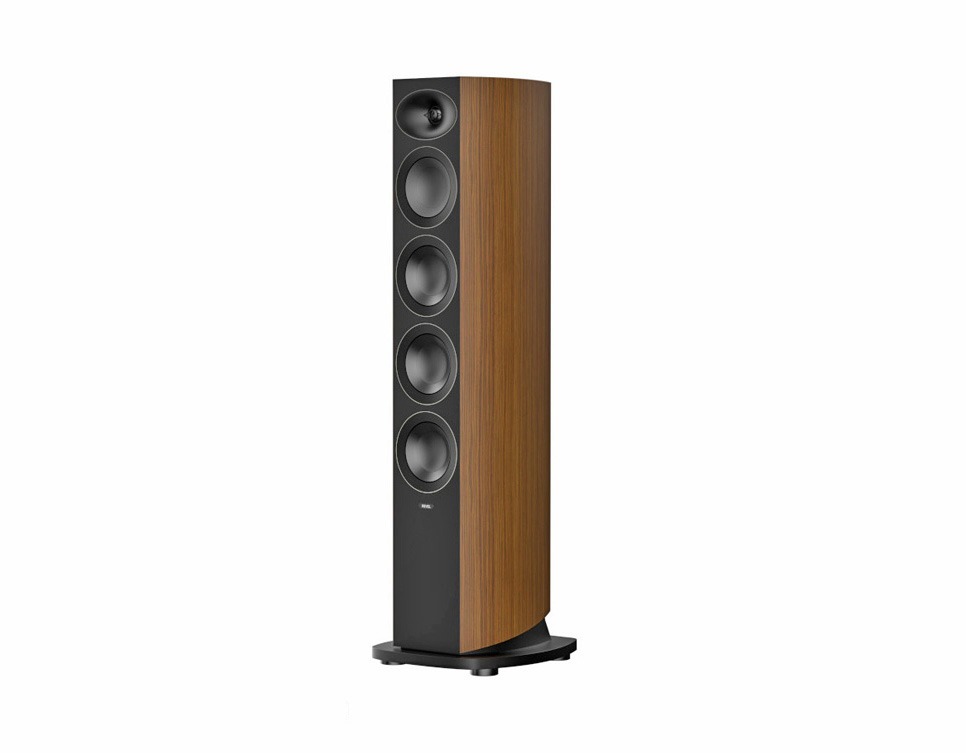
The F345 is a 3-way floorstanding loudspeaker that shares the same core design as the F346, using smaller drivers in a more compact cabinet.
It features three 5.25-inch (130mm) MCC woofers, a 5.25-inch (130mm) DCC midrange driver, and a 1-inch (25mm) DCC dome tweeter paired with Revel’s 7th-generation Acoustic Lens waveguide.
Dual rear-firing ports support low-frequency output, while dual 5-way binding posts allow for bi-amping or bi-wiring. The cabinet includes solid aluminum feet with optional spikes for placement flexibility.
Advertisement
The F345 is rated for a frequency response of 36Hz to 40kHz (±6dB), with 87dB sensitivity and a nominal impedance of 6 ohms. Recommended amplifier power ranges from 30 to 225 watts.
M146
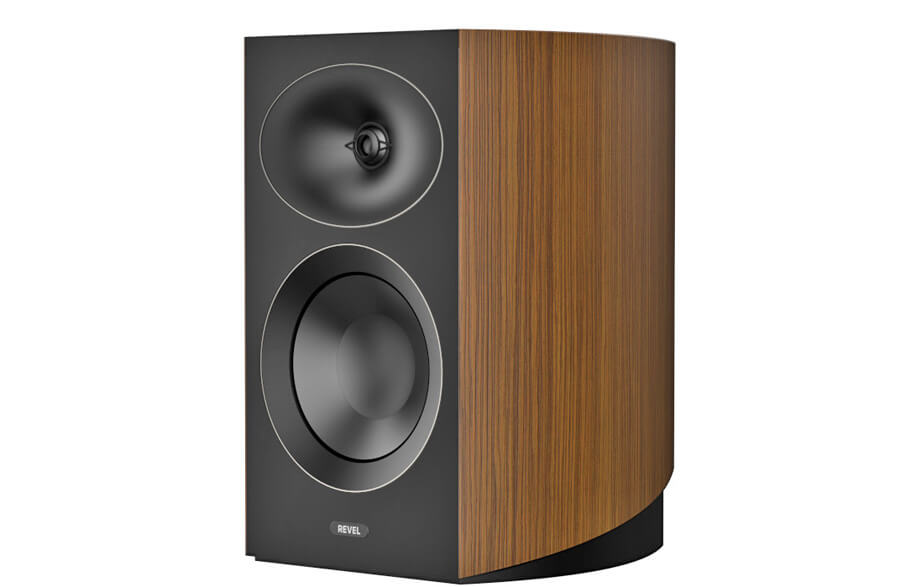
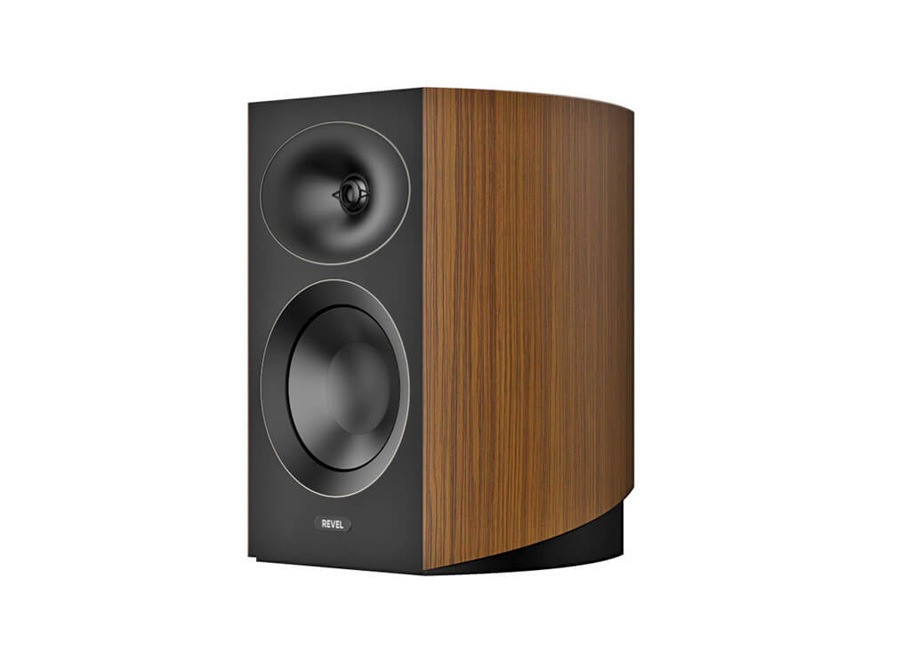
The M146 is a 2-way bookshelf or standmount speaker positioned in the middle of the Performa4 lineup.
It uses a 6.5-inch (165mm) MCC woofer paired with a 1-inch (25mm) DCC dome tweeter and Revel’s 7th-generation Acoustic Lens waveguide.
The crossover network incorporates air-core inductors, and dual 5-way binding posts support bi-amping or bi-wiring. Optional MFS4 floor stands are available for proper placement and listening height.
The M146 is rated for a frequency response of 43Hz to 40kHz (±6dB), with 86dB sensitivity and a nominal impedance of 6 ohms. Recommended amplifier power ranges from 15 to 200 watts.
Advertisement
M145
The M145 is a compact 2-way bookshelf speaker and the smaller option in the Performa4 lineup.
Advertisement. Scroll to continue reading.
It features a 5.25-inch (130mm) MCC woofer paired with a 1-inch (25mm) DCC dome tweeter and Revel’s 7th-generation Acoustic Lens waveguide.
Like the M146, it includes 5-way binding posts for flexible connectivity and is compatible with the optional MFS4 floor stands for proper positioning.
The M145 is rated for a frequency response of 54Hz to 40kHz (±6dB), with 85dB sensitivity and a nominal impedance of 6 ohms. Recommended amplifier power ranges from 15 to 150 watts.
Advertisement
C245
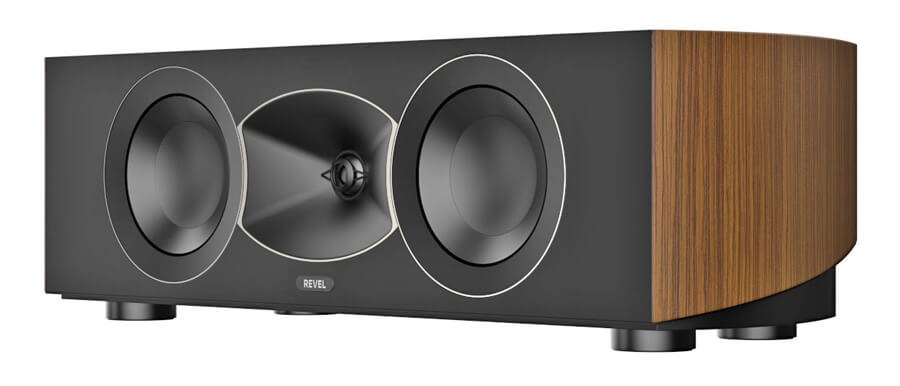
The C245 is a dedicated center channel speaker designed for use in multichannel systems with other Performa4 models.
It features dual 5.25-inch (130mm) MCC woofers flanking a 1-inch (25mm) DCC dome tweeter, paired with Revel’s 7th-generation Acoustic Lens waveguide for consistent dispersion across the front soundstage.
The C245 is rated for a frequency response of 55Hz to 40kHz (±6dB), with 86dB sensitivity and a nominal impedance of 6 ohms. Recommended amplifier power ranges from 15 to 200 watts.
B140
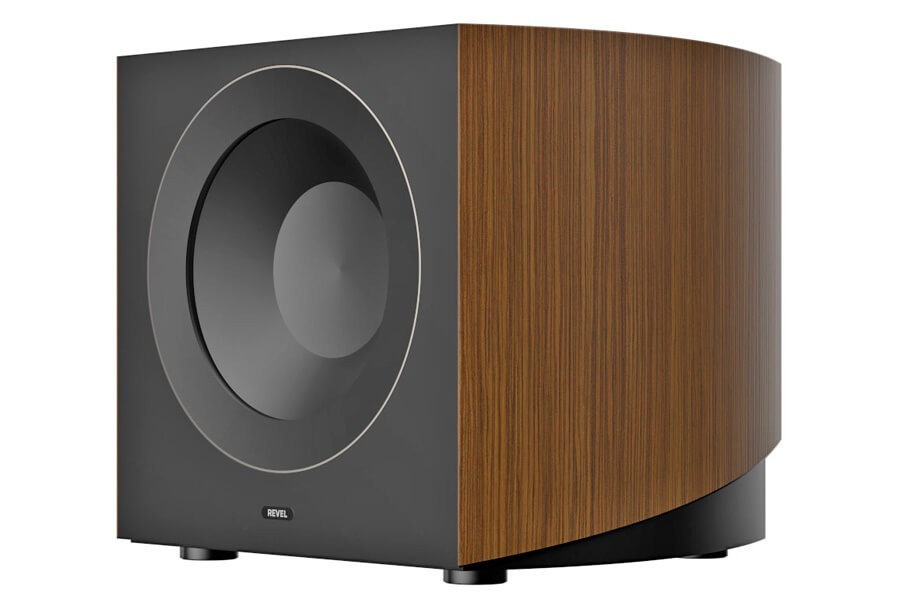
The B140 is a powered subwoofer designed to integrate with the Performa4 series in both two-channel and home theater systems.
It uses a 10-inch (250mm) fiber-composite woofer driven by a 750-watt RMS Class D amplifier, with up to 1,500 watts peak output. The design targets low-frequency extension down to 26Hz.
Rear-panel controls include a variable low-pass filter (50–150Hz), LFE input, phase adjustment, volume control, and auto on/off functionality. A rear-ported enclosure using Revel’s Constant Pressure Gradient design is intended to reduce turbulence and maintain cleaner low-frequency output.
Advertisement
MFS4 Floorstands
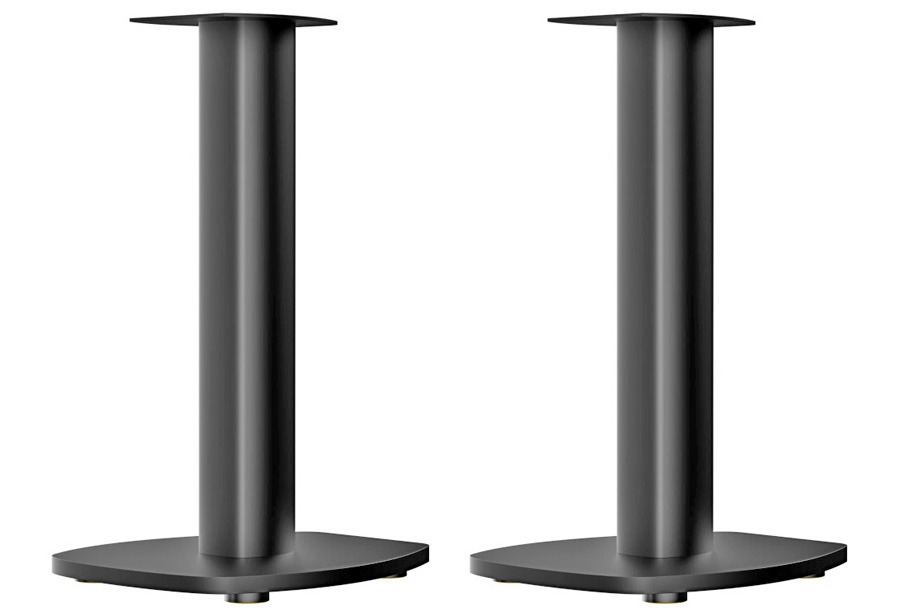
Revel also offers the optional MFS4 floor stands for the M146 and M145 bookshelf speakers.
Constructed from extruded aluminum and steel, the MFS4 stands are designed to position each speaker at an appropriate listening height. They include built-in cable management and optional spikes for use on carpeted surfaces. The stands are sold in pairs.
Revel Performa 4 Comparisons
Revel Model
F346
F345
M146
M145
C245
Speaker Type
Floorstanding
Floorstanding
Bookshelf
Bookshelf
Center
Price
$6,999/pair
$4,999/pair
$2,999/pair
$1,999/pair
$1,499/each
Speaker Configuration
3-way
3-way
2-way
2-way
2-way
Tweeter
1-inch (25mm) DCC Dome Tweeter with Acoustic Lens and 7th-Generation Waveguide
1-inch (25mm) DCC Dome Tweeter with Acoustic Lens and Waveguide
1-inch (25mm) DCC Dome Tweeter with Acoustic Lens and Waveguide
1-inch (25mm) DCC Dome Tweeter with Acoustic Lens and Waveguide
1-inch (25mm) DCC Dome Tweeter with Acoustic Lens and Waveguide
Midrange
1 x 6.5 in (165 mm) Deep Ceramic Composite (DCC) Cone Driver
1 x 5.25 in (135 mm) Deep Ceramic Composite (DCC) Cone Driver
N/A
N/A
N/A
Woofer
3 x 6.5 in (165 mm) Micro Ceramic Composite (MCC) Cone Woofers
3 x 5.25 in (135 mm) Micro Ceramic Composite (MCC) Cone Woofers
250mm (10-inch) Coated Fibre Composite Cone Driver in a cast-Aluminum frame
Amplifier Type
Class D amplifier
Power Output
750W RMS (1500W peak)
Enclosure Tuning
Bass-Reflex via Rear-Mounted Port
Controls
Auto Power, Crossover, Level, Phase
Inputs
RCA LFE/Line Level, 3.5mm, 12V Trigger
Frequency Response +/-6 dB
26Hz – 150Hz
Crossover Frequency (Variable)
50Hz – 150Hz
Dimensions
14.8 x 16.9 x 17.2 inches (376.2 x 429.28 x 436.37 mm)
Weight
61.3 lbs / 27.8 kg
The Bottom Line
Revel’s Performa4 series is a calculated move into one of the most competitive segments in loudspeakers. The combination of DCC and MCC driver materials, the 7th-generation Acoustic Lens waveguide, and consistent cabinet engineering across the range points to a focus on controlled dispersion, tonal consistency, and predictable in-room performance; areas where Revel has historically been very disciplined.
Advertisement
Advertisement. Scroll to continue reading.
The lineup is clearly built for flexibility. It can anchor a straightforward two-channel system or scale into a full home theater without mixing and matching across different voicings. That matters for buyers who want system coherence without overthinking every component swap.
What’s less clear is how much separation there is between models beyond size and output, and whether the subwoofer’s pricing will make sense for buyers building out a full system. There’s also no indication of built-in room correction or system-level integration features, which are becoming more common even in passive speaker ecosystems when paired with modern electronics.
This is for listeners who want a complete, measurement-driven speaker system in the $2,000 to $7,000 range without stepping into five-figure territory. Not entry-level, not cost-no-object—right in the middle where most serious systems live.
Advertisement
At AXPONA 2026, the F346 will be demonstrated with an Arcam SA45 integrated streaming amplifier and CD5 CD player, which should give a clear sense of how the top model performs with both streaming and physical sources.
The technology is designed to reduce strike zone disputes, long the source of baseball’s most heated arguments. Under the new system, each team receives two challenges per game and only loses a challenge if it is incorrect. In practice, this incentive has quickly reshaped game-day strategy – and last Saturday’s… Read Entire Article Source link
French fries are delicious, but notoriously unhealthy. A research team at the University of Illinois, however, has developed a deceptively straightforward method to keep the satisfying taste and crunch without requiring as much oil.
The cooking method combines traditional frying and microwave heating. Adding that microwave step could reduce the amount of oil used in the process, meaning you would absorb less fat with each bite. All the secrets to being able to cook fries in this way have been laid out in two studies published in Current Research in Food Science and The Journal of Food Science.
French Fries and Health
Although popular, fried foods contain high levels of fat, which is linked to several health problems, including obesity and hypertension. “Consumers want healthy foods, but at the time of purchase, cravings often prevail,” says Pawan Singh Takhar, author of one of the two studies. “The high oil content adds flavor, but it also contains a lot of energy and calories.”
It’s precisely with the goal of helping consumers make better food choices without feeling deprived that researchers have been trying to figure out how they can cook healthier french fries, achieving lower fat content without altering their taste and texture.
Advertisement
One of the main difficulties in frying, as the studies explain, is preventing the oil from penetrating the food. In the early stages of the french fry process, in fact, the pores of the potato are filled with water, leaving no room for the oil.
As cooking continues, however, the water evaporates, creating empty spaces that allow the oil to be drawn in by negative pressure. Much of the frying process takes place under that negative pressure, which essentially increases the tendency of the oil to be sucked into the fries
A New Wavelength
In the new study, therefore, the researchers tried to figure out how to extend the time in positive pressure and reduce the period under negative pressure. “When we heat something in a traditional oven, the heat transfers from the outside to the inside, but a microwave oven heats from the inside to the outside because the microwaves penetrate everywhere in the material,” Takhar says.
Specifically, microwaves cause water molecules to oscillate, resulting in increased vapor formation and thus shifting the pressure profile toward positive values that prevent the oil from being easily absorbed.
Advertisement
Microwave frying alone, however, would not produce the desired texture. “If only microwaving is used, the food turns out mushy,” says Takhar. In order to achieve crispness, frying and microwaving should be combined.
To achieve the right balance, the researchers carried out an experiment in which they specially designed a microwave fryer, monitoring temperature, pressure, volume, texture, moisture, and oil content of the chips. “We propose to combine the two methods in the same device. Traditional heating maintains crispness, while microwave heating reduces oil consumption,” the study concludes.
Mustafa Suleyman, CEO of Microsoft AI. (GeekWire File Photo / Kevin Lisota)
Microsoft is expanding its roster of in-house AI models, releasing a new speech-to-text system and making two existing models broadly available to developers for the first time.
The moves by Microsoft AI (MAI) are part of a broader effort by the company to expand its proprietary AI capabilities beyond its partnership with OpenAI, giving Microsoft more control over its own destiny in the competition against Google, Amazon, and others.
Microsoft announced MAI-Transcribe-1 on Thursday, a speech-to-text model that it says is the most accurate currently available. The company also released its existing voice and image generation models, known as MAI-Voice-1 and MAI-Image-2, for broad commercial use.
It’s Microsoft’s first major model release since a March reorganization, announced by CEO Satya Nadella, in which Microsoft AI CEO Mustafa Suleyman shifted away from day-to-day Copilot oversight to focus on frontier model development and superintelligence.
Suleyman told The Verge that the transcription model runs at “half the GPU cost of the other state-of-the-art models.” He told VentureBeat that the model was built by a team of just 10 people, and that Microsoft plans to eventually build a frontier large language model to be “completely independent” if needed.
Advertisement
Microsoft also recently hired former Allen Institute for CEO Ali Farhadi and other top AI researchers from the Seattle-based institute to further bolster Suleyman’s team, as GeekWire reported last week.
MAI-Transcribe-1 is designed to handle noisy real-world conditions such as call centers and conference rooms, and Microsoft says it is testing integrations with Copilot and Teams. Microsoft says it offers the best price-performance of any large cloud provider, competing directly with OpenAI’s Whisper and Google’s Gemini on the FLEURS benchmark.
In a blog post, Suleyman called the model “not just the most accurate but also lightning fast.”
MAI-Voice-1 generates natural-sounding speech and now lets developers create custom voices from short snippets of sample audio. MAI-Image-2 ranks in the top three on the Arena.ai image generation leaderboard and is rolling out in Bing and PowerPoint.
Advertisement
All three are available on the Microsoft Foundry developer AI platform and MAI Playground.
It’s been more than 50 years since NASA astronaut Harrison Schmitt took the famous Big Blue Marble photograph, showing a breathtaking vision of Earth taken aboard the Apollo 17 spacecraft on its way to the moon. Now, as the four-astronaut crew of the Artemis II mission heads toward the moon, more spectacular images are being released.
This stunning photo is perhaps the most reminiscent of the Big Blue Marble, showing Earth in all its fragile, lovely glory.
“That’s us!” NASA wrote in a post. The post also quoted astronaut Christina Koch as saying of Earth, “You guys look great.”
Advertisement
In a reply to questions on the post, NASA wrote, “Two auroras (top right and bottom left) are visible in this image. Zodiacal light (bottom right), is also visible, as well as airglow from Earth’s atmosphere.”
Another neat photo from the Artemis mission shows the planet neatly bisected, with one side lit up by the sun and the other in darkness.
Advertisement
This image of the Earth was taken by one of the Artemis II crew out the Orion’s window.
Reid Wiseman/NASA
“You look amazing, you look beautiful,” Victor Glover, Artemis II pilot, said of the views of Earth in a video call with ABC News.
A view of the Earth from NASA’s Orion spacecraft as it orbits above the planet during the Artemis II test flight.
Advertisement
NASA
Another intriguing image shows part of the spacecraft itself. USA Today noted that “the image appears to show the bottom of Orion’s service module where its main engine and auxiliary thrusters are housed.”
The total workforce at Tesla’s factory outside Austin, Texas shrunk dramatically last year as the company suffered its second straight year of declining sales, according to a compliance report spotted by Austin American-Statesman.
Tesla went from employing 21,191 people at the factory in 2024 to 16,506 workers in 2025, a drop of 22%. That’s despite the company’s global workforce growing from 125,665 employees in 2024 to 134,785 employees in 2025, according to filings with the U.S. Securities and Exchange Commission.
It’s not clear which teams were most affected by Tesla scaling back its workforce at the plant. But the company has become one of the largest employers in the Austin area since it opened the factory in 2022. CEO Elon Musk also relocated Tesla’s headquarters to the factory in 2021 before it opened. The company has invested more than $6.3 billion in the facility to date, according to the new report.
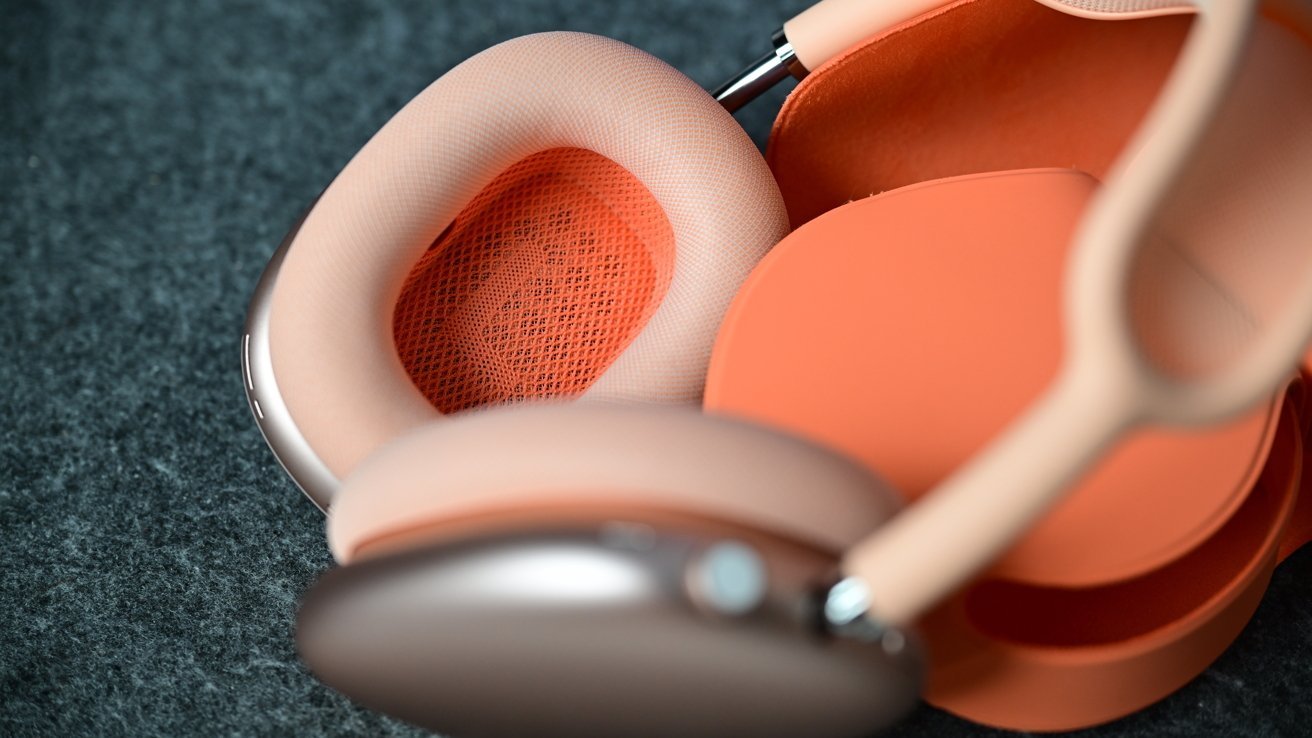
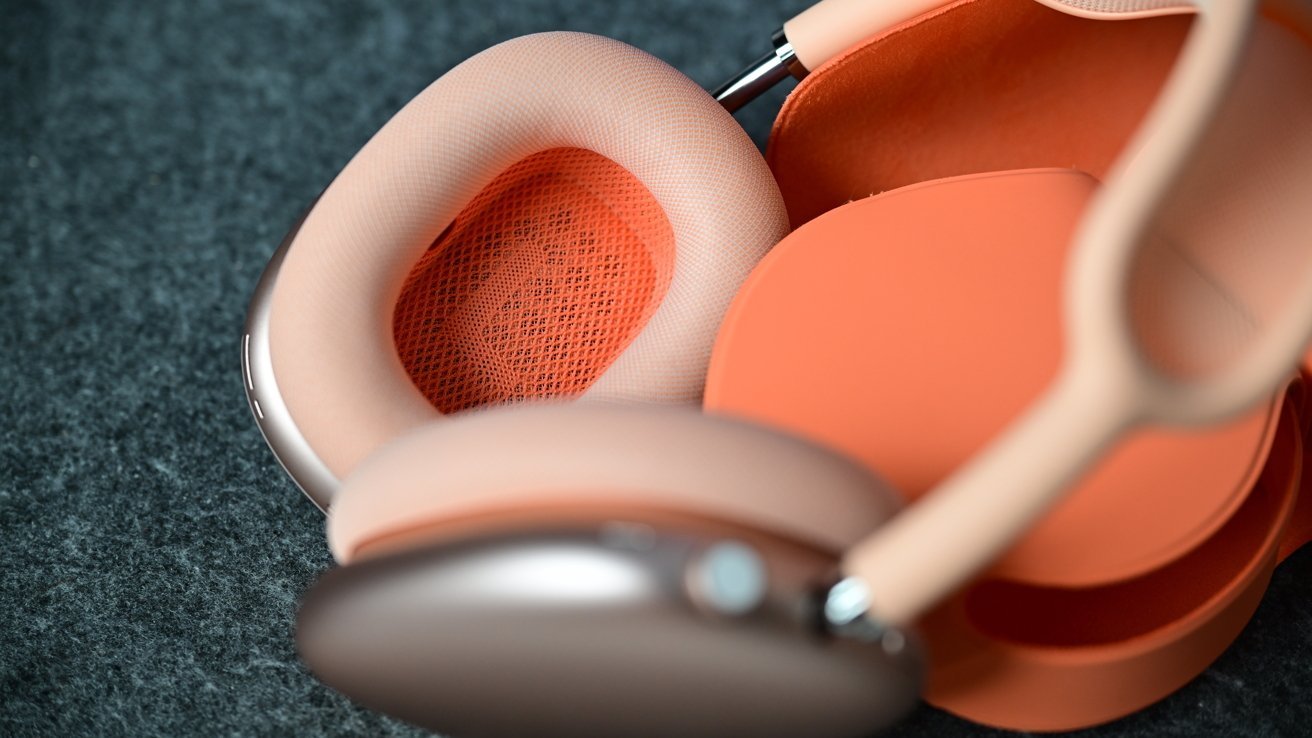
Though the AirPods Max 2 offer new features, a teardown of the headphones shows they’re still plagued by the same flaws of the original 2020 model.
Apple’s AirPods Max 2 gained the H2 chip, but not much else.
Apple’s AirPods Max 2 debuted on March 16, with their core feature being the H2 chip. With it, Apple’s high-end headphones gained capabilities like Adaptive Audio, Conversation Awareness, and gesture controls, among others. Active Noise Cancellation was improved as well. However, as explained in our review, the AirPods Max 2 are an iterative upgrade, that ultimately leaves something to be desired. New features and ANC enhancements aside, Apple effectively delivered more of the same with its AirPods Max 2. Continue Reading on AppleInsider | Discuss on our Forums
Meta has paused all its work with the data contracting firm Mercor while it investigates a major security breach that impacted the startup, two sources confirmed to WIRED. The pause is indefinite, the sources said. Other major AI labs are also reevaluating their work with Mercor as they assess the scope of the incident, according to people familiar with the matter.
Mercor is one of a few firms that OpenAI, Anthropic, and other AI labs rely on to generate training data for their models. The company hires massive networks of human contractors to generate bespoke, proprietary datasets for these labs, which are typically kept highly secret as they’re a core ingredient in the recipe to generate valuable AI models that power products like ChatGPT and Claude Code. AI labs are sensitive about this data because it can reveal to competitors—including other AI labs in the US and China—key details about the ways they train AI models. It’s unclear at this time whether the data exposed in Mercor’s breach would meaningfully help a competitor.
While OpenAI has not stopped its current projects with Mercor, it is investigating the startup’s security incident to see how its proprietary training data may have been exposed, a spokesperson for the company confirmed to WIRED. The spokesperson says that the incident in no way affects OpenAI user data, however. Anthropic did not immediately respond to WIRED’s request for comment.
Mercor confirmed the attack in an email to staff on March 31. “There was a recent security incident that affected our systems along with thousands of other organizations worldwide,” the company wrote.
Advertisement
A Mercor employee echoed these points in a message to contractors on Thursday, WIRED has learned. Contractors who were staffed on Meta projects cannot log hours until—and if—the project resumes, meaning they could functionally be out of work, a source familiar claims. The company is working to find additional projects for those impacted, according to internal conversations viewed by WIRED.
Mercor contractors were not told exactly why their Meta projects were being paused. In a Slack channel related to the Chordus initiative—a Meta-specific project to teach AI models to use multiple internet sources to verify their responses to user queries—a project lead told staff that Mercor was “currently reassessing the project scope.”
An attacker known as TeamPCP appears to have recently compromised two versions of the AI API tool LiteLLM. The breach exposed companies and services that incorporate LiteLLM and installed the tainted updates. There could be thousands of victims, including other major AI companies, but the breach at Mercor illustrates the sensitivity of the compromised data.
Mercor and its competitors—such as Surge, Handshake, Turing, Labelbox, and Scale AI—have developed a reputation for being incredibly secretive about the services they offer to major AI labs. It’s rare to see the CEOs of these firms speaking publicly about the specific work they offer, and they internally use codenames to describe their projects.
Advertisement
Adding to the confusion around the hack, a group going by the well-known name Lapsus$ claimed this week that it had breached Mercor. In a Telegram account and on a BreachForums clone, the actor offered to sell an array of alleged Mercor data, including a 200-plus GB database, nearly 1 TB of source code, and 3 TBs of video and other information. But researchers say that many cybercriminal groups now periodically take up the Lapsus$ name and that Mercor’s confirmation of the LiteLLM connection means that the attacker is likely TeamPCP or an actor connected to the group.
TeamPCP appears to have compromised the two LiteLLM updates as part of an even larger supply chain hacking spree in recent months that has been gaining momentum, catapulting TeamPCP to prominence. And while launching data extortion attacks and working with ransomware groups, such as the group known as Vect, TeamPCP has also strayed into political territory, spreading a data wiping worm known as “CanisterWorm” through vulnerable cloud instances with Farsi as their default language or clocks set to Iran’s time zone.
“TeamPCP is definitely financially motivated,” says Allan Liska, an analyst for the security firm Recorded Future who specializes in ransomware. “There might be some geopolitical stuff as well, but it’s hard to determine what’s real and what’s bluster, especially with a group this new.”
Looking at the dark-web posts of the alleged Mercor data, Liska adds, “There is absolutely nothing that connects this to the original Lapsus$.”
Intel Core Ultra 270K Plus improves Adobe Premiere workflows by 15% over 9700X
Rendering in Cinebench and Blender achieves up to 23% faster results
250K Plus outperforms previous-generation AMD CPUs by roughly 35%
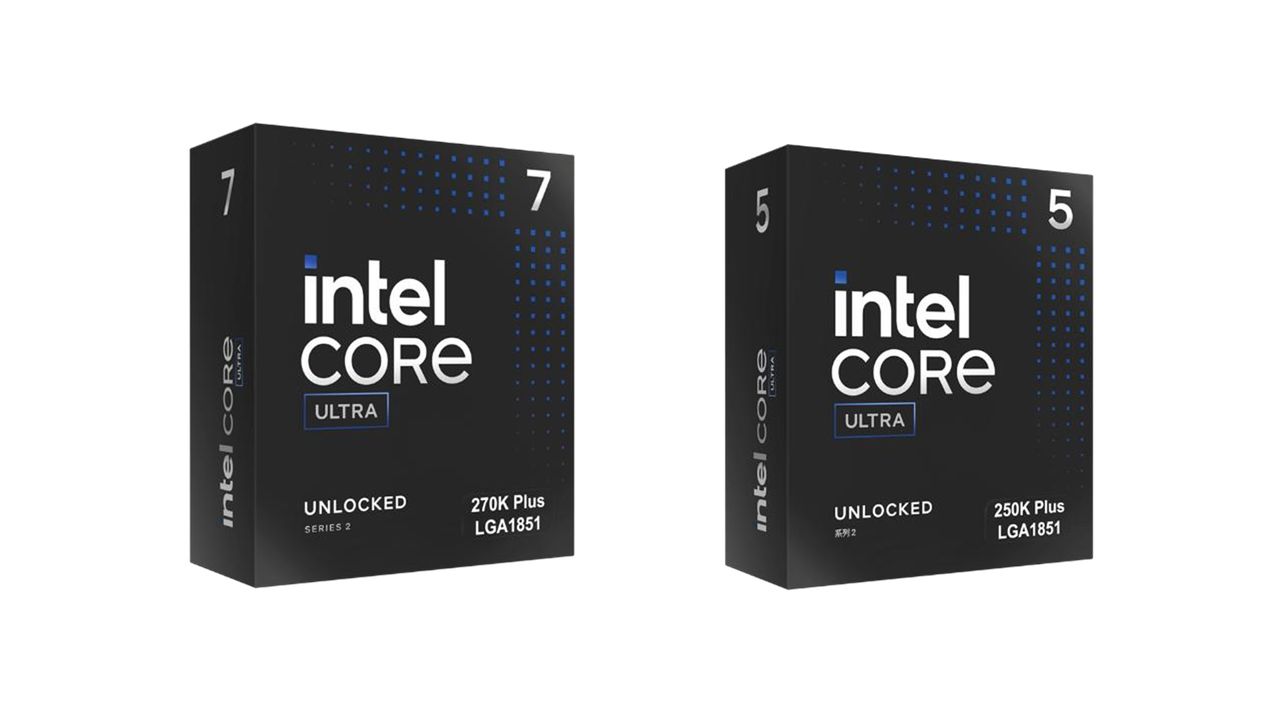
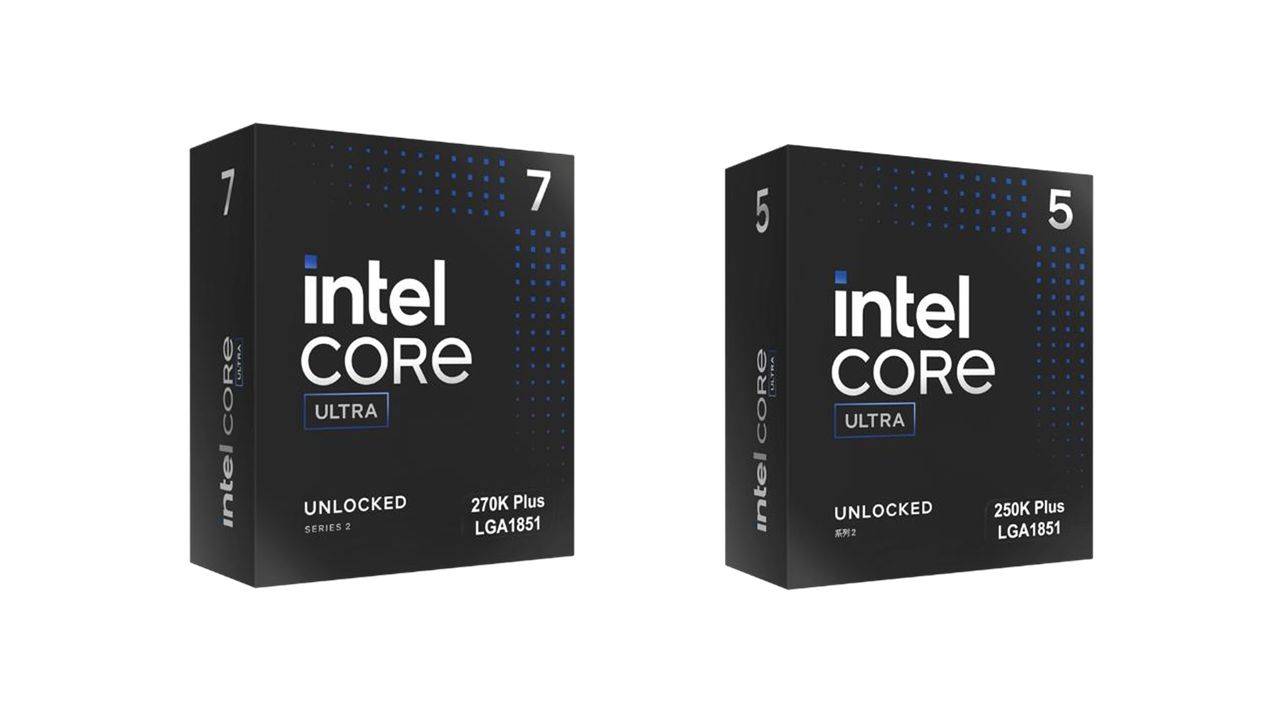
Intel’s latest Core Ultra 200S Plus series has drawn attention for delivering performance that is difficult to ignore, especially compared to older Intel models and some similarly priced AMDprocessors.
In testing by Puget Systems, the 270K Plus and 250K Plus both increase E-core counts, boost clocks, and raise maximum memory speeds, creating a tangible improvement over prior generations.
While AMD’s Ryzen 9 X3D chips remain strong in certain workloads, the new Intel chips close gaps in many professional applications.
Article continues below
Advertisement
Performance in rendering and content creation
In CPU-based rendering in applications like Cinebench, V-Ray, and Blender, the Core Ultra 7 270K Plus demonstrates impressive results, performing up to 9% of the higher-priced 9950X3D, while frequently outpacing other CPUs in the same price bracket by up to 23%.
The 250K Plus also shows substantial gains, often matching or beating older high-end AMD chips, with improvements of about 35% over the 245K.
Advertisement
These performance improvements tie not just to additional cores but also to enhancements in memory latency and bandwidth.
In Adobe Premiere, the 270K Plus performs as well as or slightly better than previous high-end Intel models, offering a 15% advantage over the 9700X.
Sign up to the TechRadar Pro newsletter to get all the top news, opinion, features and guidance your business needs to succeed!
This trend continues across intraframe codecs (13% faster than 245K), RAW processing (30% faster than 9700X), and QuickSync-accelerated workflows.
Advertisement
After Effects shows a slightly mixed picture: while the 270K Plus handles 2D tasks efficiently, 3D and tracking workloads favor AMD’s Ryzen chips.
DaVinci Resolve shows a similar balance, with the 270K Plus leading marginally in several CPU-bound tasks while GPU-bound processes show little difference between models.
In Unreal Engine shader compilation and Visual Studio builds, AMD’s 3D V-Cache processors maintain some lead, but the 270K Plus outperforms older Intel models by up to 100% in some cases.
Advertisement
Compilation times in particular show major gains over the 9700X, with improvements ranging from 15% to nearly 100% depending on the test scenario.
The 250K Plus also shows strong relative performance, often outpacing CPUs that were previously considered superior at the same price point.
Tests using Llama and MLPerf benchmarks reveal modest CPU-level improvements – and while the integrated NPU could not be directly assessed, the 270K Plus consistently handles small-model inference faster than earlier Intel offerings.
This trend is consistent across content creation and professional workloads, where the new chips deliver strong performance gains without commanding a premium price.
Advertisement
Considering its $299 price and the improvements in memory and E-core architecture, the 270K Plus makes the 9700X, which retails at around $340, look underwhelming.




















































You must be logged in to post a comment Login