Connect with us

Sports

Red faces as Sydney Marathon medal shows German stadium

Published

on

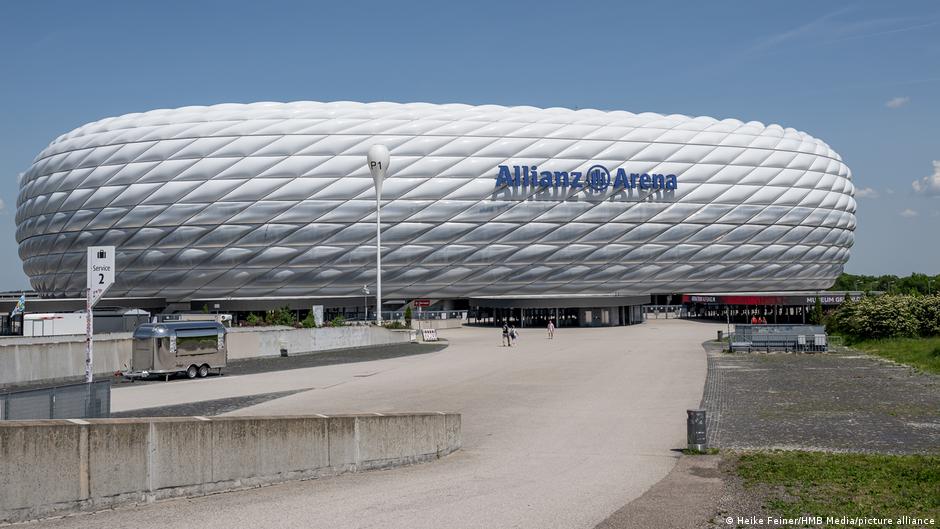
Organizers of the 2026 Sydney Marathon are making the best of the situation after minting tens of thousands of medals engraved with depictions of landmarks from the eastern Australian city along with one that doesn’t belong — the Allianz Arena in Munich, Germany.

The medal should have instead shown the Allianz Stadium in Sydney, which is one of the sights that participants in the upcoming race will pass while running the the 42.2-kilometer (26.2-mile) course.

More than 40,000 participants are expected to earn the medal as a “badge of honor” for completing the race on August 30.

Other landmarks shown include the famous Opera House and the Sydney Harbour Bridge.

Advertisement
Aerial view of the Allianz Stadium in Sydney
Sydney’s Allianz Stadium also has its own unique appearanceImage: Rafael Ben Ari/Newscom/picture alliance

What have organizers said about the medal mix-up?

“A little too much international flavor has found its way onto the back of the finishers medal, with an incorrect depiction of the stadium,” a Sydney Marathon spokesperson said.

“We’re not going to run from it, it was an unfortunate error; though it’s certainly given everyone somehing to talk about this weekend, mostly in good humor,” the spokesperson said.

“With the event a week away, this is the medal our finishers will receive.”

“Behind every one of these medals is months of early mornings, long runs and quiet determination, and having it placed around your neck at the Sydney Opera House is a moment our participants will never forget,” the spokesperson added.

“It’s a beautiful medal, and now a little more unique.”

Advertisement

Good-humored reaction from Munich

Munich’s Allianz Arena has responded in light-hearted manner.

“Oh wow, we didn’t have that on our bingo card!” it posted on Instagram.

“Perhaps they tried to find something else they had in common: Allianz Arena — Sydney Opera — Unique Architecture — Both are worth a visit!”

The daily Sydney Morning Herald also came up with a gleefully teasing headline: “The medal that will put Sydney on the map. The wrong map.”  

Advertisement

The other side of the medal shows shows a gold-and-indigo pattern by First Nations artist Ambrose Killian that has been widely commended.

Killian has said he was not involved in the design of the side showing the landmarks.

Edited by: Natalie Muller

Tired of missing our real-time updates? Click here to add us as a Preferred Source on Google.

Advertisement

Source link

Continue Reading
Click to comment

You must be logged in to post a comment Login

Leave a Reply

Sports

Harry Kane, Giulia Gwinn named Germany’s players of year

Published

on

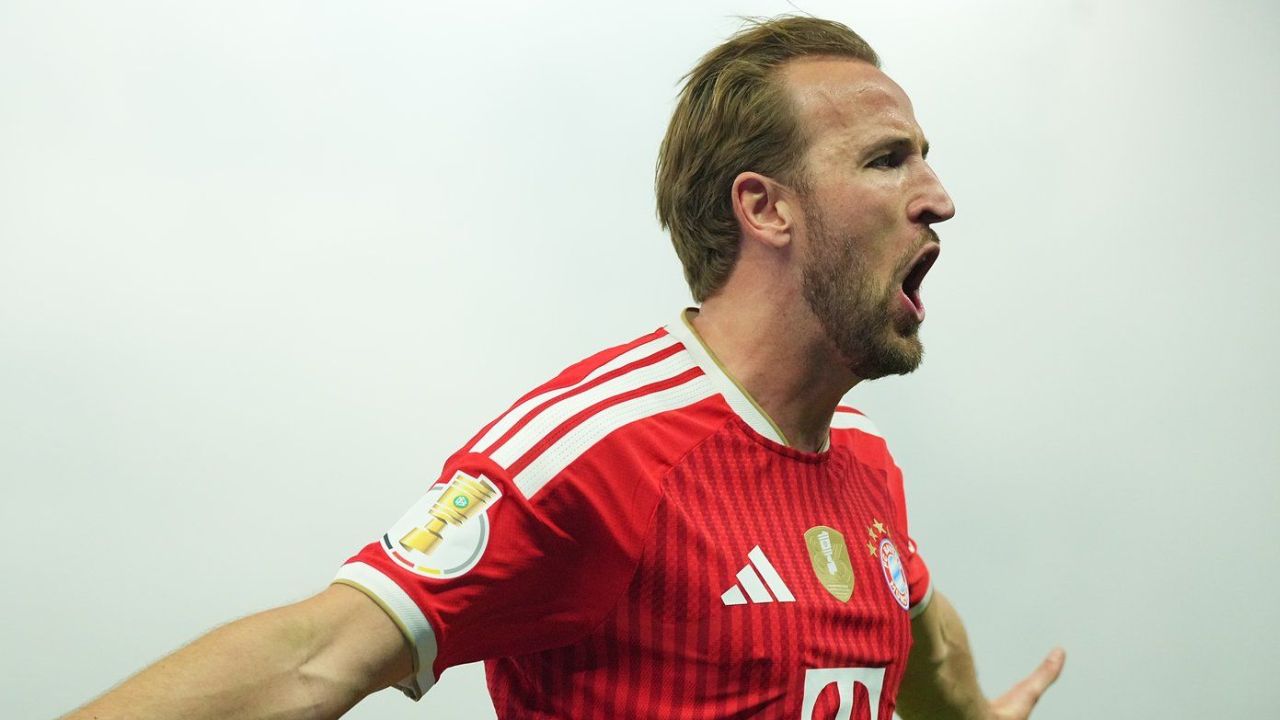
BERLIN — Bayern Munich’s Harry Kane and Giulia Gwinn have won Germany’s player of the year awards for 2026.

Bayern’s Vincent Kompany won the coach’s accolade, Kicker magazine announced Sunday, according to the results of its yearly polls of members of the Association of German Sports Journalists (VDS).

Kane scored 61 goals across all competitions, including the German Supercup for Bayern last season, helping the men’s team defend its Bundesliga title and win the German Cup. He scored a hat trick in the cup final.

Kane also helped Bayern win the new season’s German Supercup with a 2-1 win at Borussia Dortmund on Saturday, though he didn’t score in that game.

Advertisement

This time Gwinn doesn’t need to share it.

Last year, the 27-year-old Gwinn and Germany teammate Ann-Katrin Berger received the same number of votes for the award.

Kicker said Sunday that Gwinn received 106 votes to finish ahead of Bayern teammate Klara Bühl and Jule Brand of French champion OL Lyonnes.

Gwinn and Bühl helped Bayern to a Bundesliga and German Cup double for the second year in a row last season. Bayern’s Bundesliga title was its fourth straight and its fifth from six years as the Bavarian powerhouse’s women’s team proves as dominant as its men.

Advertisement

Bayern reached the semifinals of the Women’s Champions League last season.

The women’s player of the year award has been awarded since 1996. Three-time world player of the year Birgit Prinz, who played for FFC Frankfurt (now called Eintracht Frankfurt), won the award eight times between 2001-08.

Kane and Kompany honoured after outstanding season

Kane gathered more votes (272) than teammate Michael Olise (203), Kicker said.

Advertisement

Stuttgart forward Deniz Undav received 61 votes, followed by Bayern’s Joshua Kimmich (21) and Hoffenheim goalkeeper Oliver Baumann (14). There were three invalid votes.

Kompany received nearly half the votes for the coach’s award, more than Freiburg’s Julian Schuster, who won it last year.

Florian Wirtz won the men’s player’s award last year.

The men’s player of the year accolade has been awarded since 1960, with the coaches honored since 2002. Franz Beckenbauer leads the player category with four wins, while Jürgen Klopp and Felix Magath both won the coach’s award three times.

Advertisement

Source link

Continue Reading

Sports

Can India turn sports equipment into an $8.1 billion export industry? | Business

Published

on


India’s ambition to build an $8.1 billion sports-equipment export industry is not merely a sporting proposition. It is a manufacturing challenge that will require the country to cut input costs, modernise factories, create internationally accredited testing facilities and use major sporting events to generate orders for domestic companies.


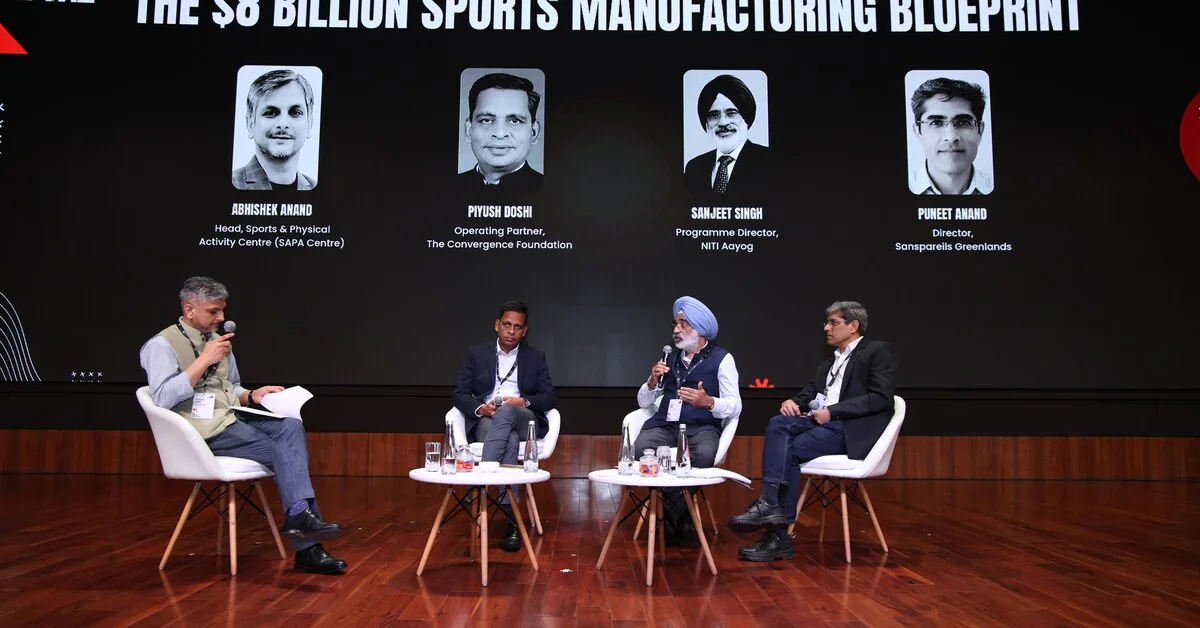
The numbers come from NITI Aayog’s March 2026 report, Realising the Export Potential of India’s Sports Equipment Manufacturing Sector. The operational challenges were discussed by policymakers and manufacturers at the IAMGAME Sports Conclave at Bharat Mandapam in New Delhi on Friday.


Advertisement


The panel, moderated by Abhishek Anand, Head of the Sports & Physical Activity Centre, included Sanjeet Singh, Programme Director at NITI Aayog; Piyush Doshi, Operating Partner at The Convergence Foundation; and Puneet Anand, Director at Sanspareils Greenlands.


Their discussion suggested that India’s expanding sporting calendar and rising domestic participation can provide a base for growth, but will not be enough by themselves. The country must first make its factories competitive with those in China, Vietnam and Pakistan.


Advertisement


What does the $8.1 billion target mean?


The $8.1 billion figure is not an estimate of the present size of India’s sports economy.


Advertisement


NITI Aayog’s report identifies an opportunity to increase India’s annual sports-equipment exports from $275 million in 2024 to $8.1 billion by 2036. Achieving this would require India’s share of global sports-equipment exports to rise from about 0.5 per cent to 11 per cent.


The report estimates that this growth trajectory could generate around 54 lakh cumulative jobs by 2036.


Advertisement


Sports equipment is also only one part of the broader sports economy, which includes leagues, broadcasting, sponsorship, fitness, infrastructure, athlete management, training, events and other services.


Karan Singh Chettri, Founder and CEO of ESP 360 Degree Solution, offered a wider industry estimate in an interview with Business Standard on the sidelines of the conclave.


Advertisement


“I am not an economist, so I would not want to present a precise calculation. However, over the next five years, I believe the Indian sports ecosystem could become a $20-25 billion growth story,” Chettri said.


His estimate relates to the broader sports ecosystem and is distinct from NITI Aayog’s $8.1 billion sports-equipment export target.


Advertisement


Why is the target so challenging?


India is starting from a relatively small base.


Advertisement


The NITI Aayog report says the country exported only $275 million worth of sports equipment in 2024, accounting for about 0.5 per cent of global exports. India’s share has declined from 0.7 per cent in 2014, even as Vietnam — which had a comparable share about a decade ago — expanded its presence nearly threefold.


India’s domestic sports-goods market is estimated at $2.5 billion, of which equipment accounts for around $500 million. However, about 63 per cent of the sports equipment consumed in the country is imported, with China supplying more than 60 per cent of those imports.


Advertisement


India must, therefore, attempt two transitions simultaneously: reduce its dependence on imported equipment and build the scale required to serve international buyers.


Speaking during the IAMGAME panel, Singh said Vietnam’s progress showed that a country did not have to be a dominant sporting nation to become a major manufacturer.


Advertisement


“Vietnam got a couple of things right from the very beginning,” Singh said at the conclave. “They simply said: We want to manufacture and export. So they got their policy right.”


Singh said Vietnam had rationalised duties on inputs sourced from China and other markets while creating a broader policy framework supportive of manufacturing and industrial parks.


Advertisement


The lesson, according to him, is that medals and manufacturing need not move together. Sporting success can stimulate domestic demand, but export competitiveness ultimately depends on price, quality, scale and delivery.


Can India overcome its 15 per cent cost disadvantage?


Advertisement


The NITI Aayog report estimates that Indian sports-equipment manufacturers face an average cost disadvantage of around 15 per cent compared with leading Asian competitors such as China and Pakistan.


The gap is particularly damaging because international sourcing decisions may be determined by price differences of only 2-3 per cent. The report attributes around 77 per cent of India’s disadvantage to structural factors such as expensive raw materials and machinery.


Advertisement


Many high-performance materials required for modern sports equipment must be imported. These include carbon fibre, polyurethane and thermoplastic polyurethane sheets, ethylene-vinyl acetate foam, advanced composites, specialised polymers and alloys.


Import duties, anti-dumping measures and Quality Control Order restrictions increase the price of these inputs. Machinery and specialised moulds are also frequently imported, making it difficult for small manufacturers to mechanise production.


Advertisement


Singh illustrated the problem during the conclave with the example of football manufacturing.


“Today, if India manufactures a football for Rs 100 and Pakistan manufactures it for Rs 85, do you think an international brand is going to buy that football from India? Chances are no,” he said.


Advertisement


Cricket equipment is one area where India has established scale and capabilities. But even there, selling overseas may be less attractive than supplying the domestic market.


Puneet Anand said during the panel that Indian consumers were increasingly able to absorb higher prices, while overseas buyers remained acutely cost-conscious.


Advertisement


“For a cricket bat, we are getting almost 30-40 per cent better realisation selling in India than selling globally, because globally everything is about price,” Anand said.


“The raw-material price increases, labour-price increases and duty structures increase. The Indian market will absorb it, but the export market is not able to absorb that,” he added.


Advertisement


Why do manufacturing clusters matter?


Nearly 90 per cent of India’s sports-manufacturing production is driven by small and micro enterprises, according to the NITI Aayog report.


Advertisement


Meerut and Jalandhar form the traditional backbone of the industry. Together, they contain more than 250 exporting units, over 1,000 domestic-market-focused enterprises, more than 4,000 micro enterprises and nearly 20,000 household units.


This ecosystem has preserved specialised manufacturing skills and created employment. But its fragmented structure restricts investment in technology, design, research, certification and export-scale production.


Advertisement


The inland location of Meerut and Jalandhar also adds to transport costs and delivery times.


The Niti Aayog report recommends spending Rs 4,000 crore on four greenfield manufacturing clusters close to ports and another Rs 1,000 crore to modernise the existing Meerut and Jalandhar clusters.


Advertisement


Gujarat, Andhra Pradesh and Tamil Nadu have been identified as possible locations for the new clusters because of their ports, industrial infrastructure, policy support and access to workers from adjacent industries.


The proposed hubs would include plug-and-play factories, shared machinery, research and development centres, testing laboratories, logistics infrastructure and single-window customs support.


Advertisement


Doshi, speaking at the IAMGAME panel, compared the industry with a car that could not accelerate until its brakes were removed.


“If I want to set up a factory and it takes six months, or if I need to get a product certified and it takes multiple months, these are brakes which kill my competitiveness in the global market,” Doshi said.


Advertisement


“We need to solve those first before we waste our petrol pushing on the pedal,” he added.


According to Doshi, clusters can reduce manufacturers’ costs by bringing factories, component suppliers and common infrastructure together.


Advertisement


“Co-location and cluster creation reduce the cost,” he said. “Cluster creation creates scale and is essential for global competitiveness.”


Such concentration can also make sourcing easier for global buyers, who would be able to meet several manufacturers and suppliers during a single visit.


Advertisement


The danger is that the proposed clusters could become industrial real-estate projects rather than functioning manufacturing ecosystems. Their success will depend on whether they attract anchor companies, technology providers, raw-material suppliers, skilled workers and international buyers.


Can testing laboratories reduce costs and delays?


Advertisement


Certification is another major barrier for Indian manufacturers.


The NITI Aayog report says India does not have enough internationally accredited laboratories for sports-equipment testing. Companies must often send products overseas, increasing both costs and the time required to launch them.


Advertisement


The report recommends working with international organisations such as Fifa, Fiba and the Badminton World Federation to establish recognised testing facilities in India.


At the conclave, Anand cited cricket helmets as an example of how the absence of domestic testing infrastructure affects manufacturers.


Advertisement


India manufactures about a third of the world’s cricket helmets, according to the discussion, but companies must still send products abroad for certification.


“Why should we be sending helmets outside India to get that certification when we are manufacturing one of the biggest chunks of helmets globally?” Anand said.


Advertisement


A manufacturer may have to send as many as 60 helmets to certify a product line containing different sizes and material variants. Testing one model can cost Rs 6-7 lakh and take four to six months, he said.


“If we want to make in India and move quickly, we cannot wait four to six months for a helmet to be approved,” Anand said, adding that the problem applied to several other equipment categories as well.


Advertisement


Does India need global sports brands of its own?


Indian manufacturers often operate as small contract suppliers and lack the resources required to promote their brands internationally.


Advertisement


The NITI Aayog report proposes a Rs 500 crore Brand India programme involving partnerships with international sports companies, athlete endorsements, trade fairs, buyer roadshows and demonstrations at major sporting events.


It also recommends creating a Sports Manufacturing and Export Promotion Cell in the Ministry of Youth Affairs and Sports to coordinate trade policy, testing, standards, branding and international market development.


Advertisement


Singh, however, said at the conclave that the absence of a globally recognised Indian label should not stop domestic companies from expanding production.


“We sometimes overfocus on branding and say that, until we have a brand, we will not be able to manufacture or sell. That is not true,” Singh said.


Advertisement


He identified two additional opportunities: producing training, safety and ancillary equipment, where brand visibility may be less decisive, and becoming an original equipment manufacturer for established international companies.


Singh cited Pakistan’s manufacturing of footballs for Adidas and Indian production for overseas rugby and boxing-equipment brands as examples of this model.


Advertisement


“Business can be done by capturing the training and support part of the market and by becoming a strong OEM for larger brands,” he said during the panel.


Which products could lead India’s export expansion?


Advertisement


The NITI Aayog report divides the opportunity into three broad phases.


The first phase focuses on established categories such as inflatable and hard balls, cricket equipment, boxing gear and table-tennis products. These segments could unlock about $3.4 billion of exports.


Advertisement


The second phase seeks to build capabilities in rackets, cycling, sports flooring, hockey equipment and other high-demand segments, with a potential contribution of about $2.4 billion.


The final phase covers more specialised categories such as water sports, shooting and golf, which could add another roughly $2.4 billion.


Advertisement


The sequencing recognises that India cannot become globally competitive in every product category simultaneously.


Ball sports and cricket equipment offer the quickest route because manufacturing ecosystems already exist. Categories such as rackets, cycling and sports flooring require greater investment in materials, machinery, product engineering and technology.


Advertisement


Can sporting events become factory orders?


India’s sporting calendar offers a possible demand anchor.


Advertisement


The NITI Aayog report identifies the Los Angeles Olympics in 2028, the Commonwealth Games in Ahmedabad in 2030, the Brisbane Olympics in 2032 and India’s proposed 2036 Olympic bid as opportunities to create sustained demand for domestically manufactured equipment.


However, hosting major events has not automatically created a strong manufacturing legacy in the past.


Advertisement


Singh said during the IAMGAME panel that India had hosted 17 major international sporting events since Independence without sufficiently using them to develop the domestic equipment industry.


“Think back and see, of these 17 Games, what have we really gained in India? Has the sporting ecosystem taken off? The answer is no,” Singh said at the conclave.


Advertisement


“These were 17 missed opportunities. The question is: Is this going to be the 18th missed opportunity?” he added.


Singh also questioned procurement conditions that exclude Indian products before their quality or price is assessed.


Advertisement


“Even in the events held in India, the tenders did not favour any Indian manufacturer,” he said. “Tenders even today mention an Australian make, an American make or a European make. That immediately disqualifies Indian manufacturers.”


The report points to the procurement models used for the Paris and London Olympics.


Advertisement


Paris 2024 awarded contracts worth about €5 billion, with 90 per cent of service providers based in France and 78 per cent classified as small and medium enterprises. London 2012 involved procurement of £6.9 billion, with 98 per cent of contracts awarded to UK-based companies.


For India, supporting domestic manufacturers need not mean guaranteeing orders regardless of quality. It would require giving companies advance visibility of requirements, helping them meet global standards, conducting transparent product trials and removing tender conditions that exclude them solely on the basis of origin.


Advertisement


That could turn major events into entry points for global supply chains rather than temporary cycles of construction and expenditure.


Is the proposed government package sufficient?


Advertisement


The NITI Aayog report recommends public support of around Rs 7,500 crore during 2027-31.


The package includes Rs 5,000 crore for new and upgraded clusters, Rs 1,700 crore for scale and competitiveness, Rs 200 crore for certification, Rs 100 crore for market access and Rs 500 crore for the Brand India programme.


Advertisement


The amount alone will not determine whether the programme succeeds. Its structure, implementation and sequencing will be equally important.


Speaking at the conclave, Doshi said public support should be used to help the industry overcome its initial disadvantage, but should not become permanent.


Advertisement


“Ultimately, the industry has to be competitive on its own. The industry cannot run on government money,” Doshi said.


He described initial government support as a “starter motor” that could help manufacturers build momentum before becoming self-sustaining.


Advertisement


Doshi also called for the assistance package to be converted into a practical scheme after consultations with manufacturers.


“The government should get the money out, build confidence and then remove some of the roadblocks,” he said. “Import duty is a big one. Until the industry has access to raw materials at competitive prices, it will not be globally competitive.”

Source link

Advertisement
Continue Reading

Sports

Harry Kane named men’s footballer of the year in Germany

Published

on

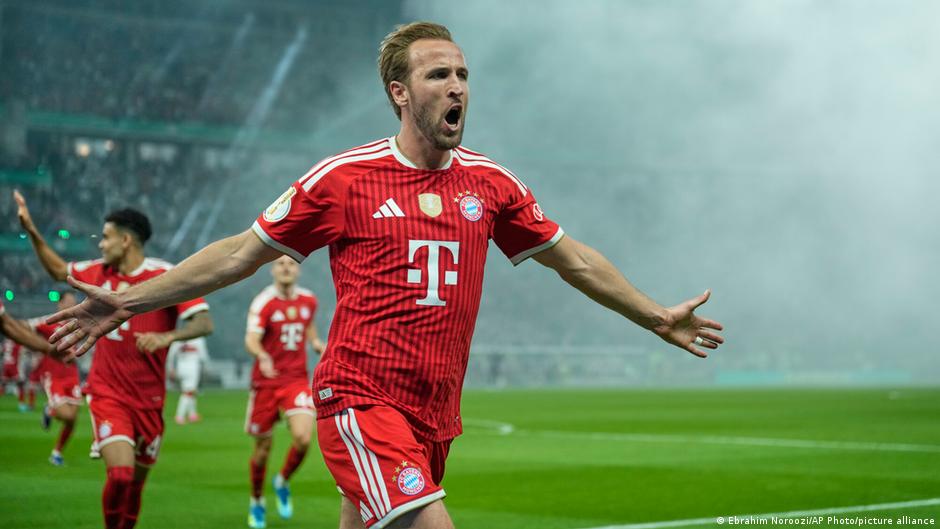
Bayern Munich striker Harry Kane has been named men’s Player of the Year in Germany after a record-breaking season for the Bundesliga champions.

Bayern coach Vincent Kompany was voted trainer of the year, while Germany defender Giulia Gwinn completed a clean sweep for the Munich club by winning the women’s Player of the Year award.

“A Bayern double — never before have the men and women’s Player of the Year awards gone to the same club. Congratulations to Harry and Giulia, as well as our coach Vincent,” Bayern president Herbert Hainer said in a club statement. “When men’s and women’s football makes history together, then that’s Bayern, making a mark. We’re proud of this result.”

Advertisement

Why was Harry Kane named Germany’s footballer of the year?

Kane received 272 votes from members of the Association of German Sports Journalists, comfortably ahead of Bayern teammate Michael Olise on 203.

Stuttgart and Germany striker Deniz Undav finished third with 61 votes.

England captain Kane scored 61 goals in 51 competitive appearances for Bayern last season.

“It was the best season of my career so far,” Kane said last week after winning the European Golden Shoe for the second time.

Advertisement

His club form was followed by another strong World Cup run with England, where he scored six goals as the team reached the semifinals. Kane also became England’s all-time leading scorer at World Cups, taking his overall tournament tally to 14.

The 33-year-old was also awarded the European Golden Shoe for the second time in his career after finishing as the continent’s leading league goalscorer.

Former Bayern striker Luca Toni said Kane also deserved to win the Ballon d’Or, football’s leading individual award.

Kompany takes coach of the year, Gwinn wins women’s award

Kompany was the clear winner among coaches, receiving 314 votes after guiding Bayern to a league and cup double.

Advertisement
Giulia Gwinn celebrates her side's third goal during a German women's Bundesliga soccer match
Defender Giulia Gwinn picked up the prize after helping Bayern Munich to a domestic doubleImage: AP

Freiburg coach Julian Schuster, who won the award last year, finished second with 87 votes, while Stuttgart’s Sebastian Hoeneß was third with 53.

Schuster praised Kompany’s work, saying the Belgian was not only a good coach but also made those around him better.

Gwinn won the women’s award outright after sharing first place with goalkeeper Ann-Katrin Berger last year.

“This is an honor and a validation of my journey,” Gwinn said. 

The 27-year-old Bayern defender received 106 votes, narrowly beating teammate Klara Bühl on 94.

Advertisement

Don’t let the algorithm hide the news. If you rely on our team for trusted reporting, please take a moment to select us as your Preferred Source on Google by clicking here and hitting the “star” or “preferred” button so you’ll see our verified news first.

Edited by: Sean Sinico

Source link

Advertisement
Continue Reading

Sports

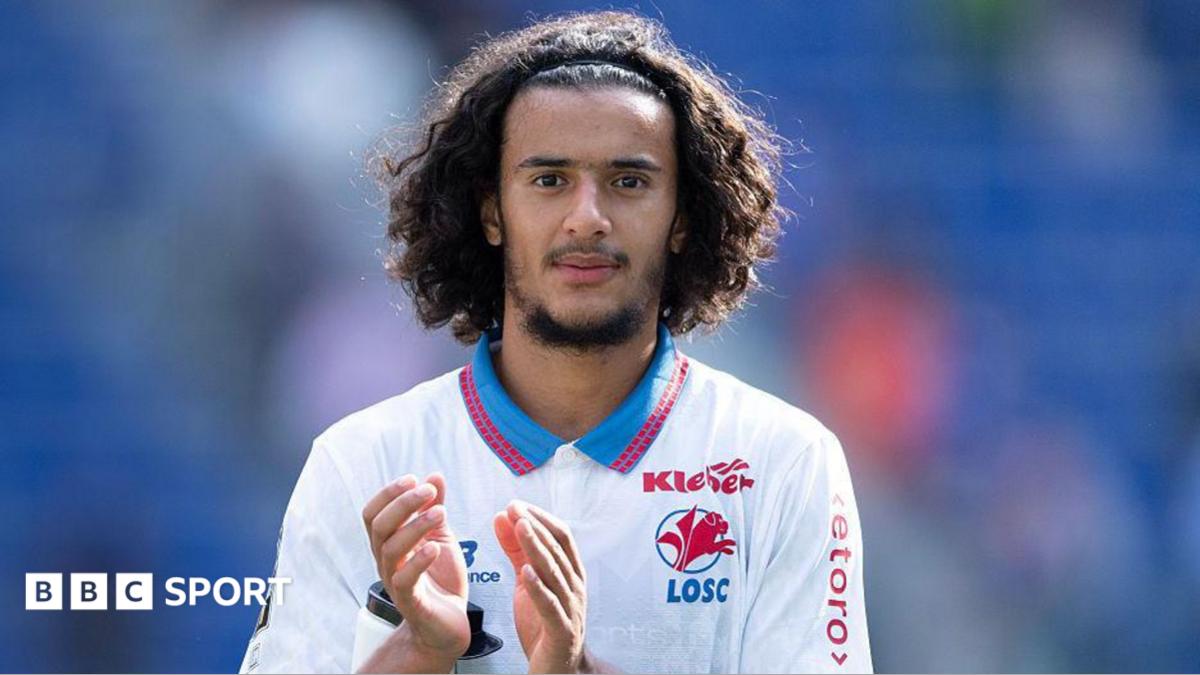
Ayyoub Bouaddi: Man City agree £86m deal for Lille midfielder

Published

on

Bouaddi impressed at this summer’s World Cup – starting five of Morocco’s six matches in their run to the quarter-finals – after a starring role in Lille’s Champions League victory over Real Madrid in 2024 announced him on the big stage.

He functions as a deep-lying conductor and would complement Anderson, who is comfortable as a box-to-box midfielder as well as the number six role he plays for England.

Bouaddi has played 88 times for Lille since making his debut in October 2023, three days after his 16th birthday, and helped them finish third in Ligue 1 last season.

He became the youngest footballer to ever play for Lille when he made his senior debut against KI just a few days after turning 16 in 2023.

Advertisement

He was serenaded by those inside the Stade Pierre-Mauroy after helping Lille defeat Real Madrid in the Champions League on his 17th birthday.

He then broke a record held by Eden Hazard after making 50 Ligue 1 appearances for Lille at the age of just 18.

Source link

Advertisement
Continue Reading

Sports

Teofimo Lopez sums up Rolly Romero’s power after surviving thunderous right hand

Published

on

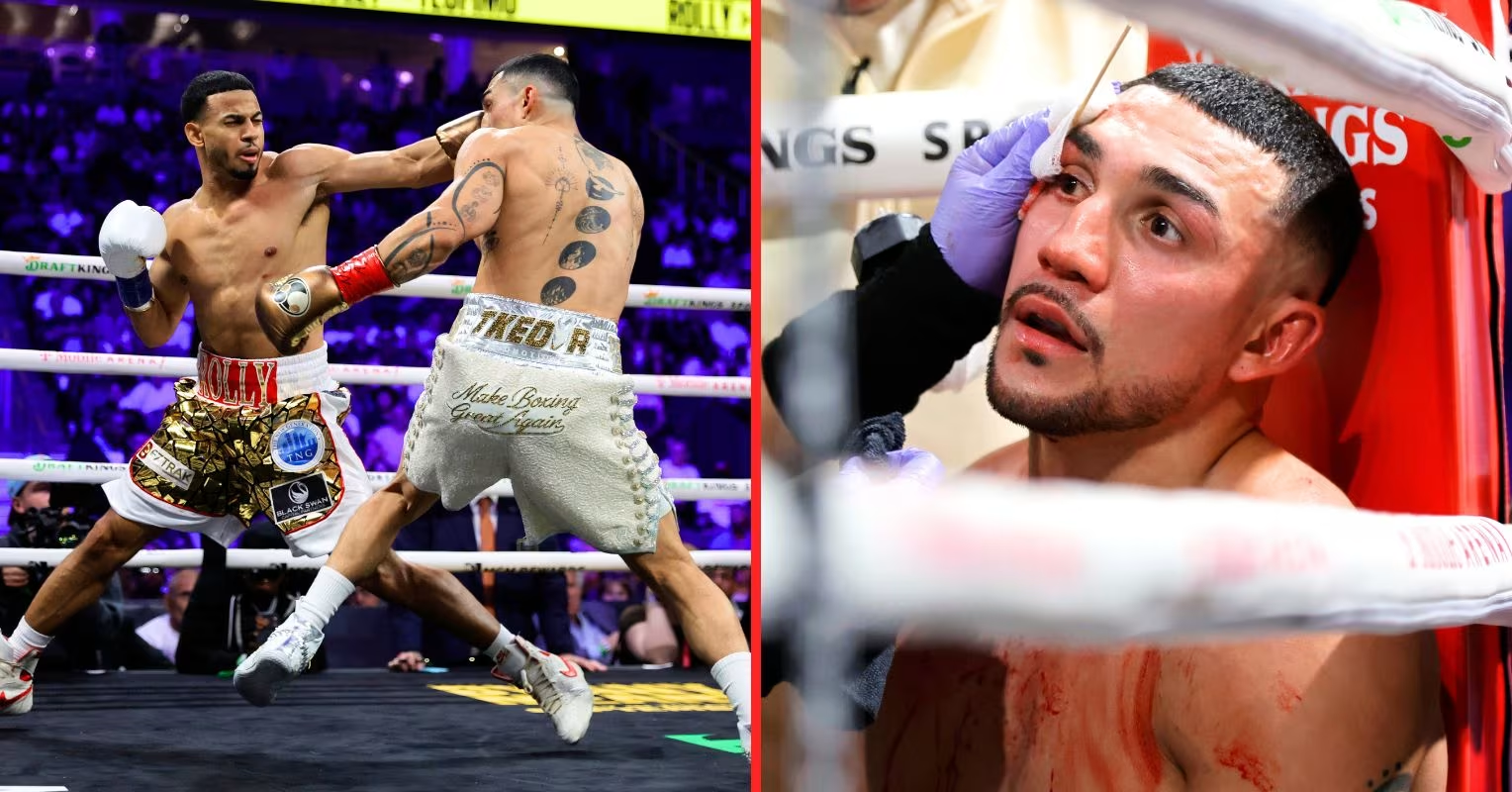
Teofimo Lopez beat Rolando Romero over twelve in Las Vegas this weekend to become WBA welterweight world champion.

The PBC main event failed to catch fire, with Lopez banking rounds through activity and accuracy while ‘Rolly’ – who was upgraded to full WBA champion last year – was largely passive and looking for a fight-changing shot.

That almost came in the fifth, when Lopez was rocked to his boots by a huge overhand right. Though he also suffered a cut from the exchange, the 29-year-old recovered and continued to control the action.

Advertisement

Speaking to Fight Hub TV post-fight, Lopez said he was ‘thankful’ that he was caught clean in the fifth stanza.

“I’m so thankful for that punch. That thing woke me up and made me realise why I’m doing what I’m doing. I bit down on that mouthpiece and said ‘you gotta do better than that to get me out, we gonna fight, let’s go.’”

Asked to analyse Romero’s power, which has produced 13 knockouts in 17 wins, Lopez was not overawed, though did brand him the biggest puncher in the division.

Advertisement

“It’s strong, I’d say. His right is stronger than his left. I’m happy to take out the biggest puncher at 147.”

As for the rest of the welterweight scene, Lopez will likely ignore Romero’s calls for a rematch and look to unify against one of his fellow champions. Devin Haney currently holds the WBO, Liam Paro the IBF and Ryan Garcia the WBC, though he puts that on the line in September against mandatory challenger Conor Benn.

Source link

Advertisement
Continue Reading

Sports

Manchester United Complete Carlos Baleba Deal

Published

on

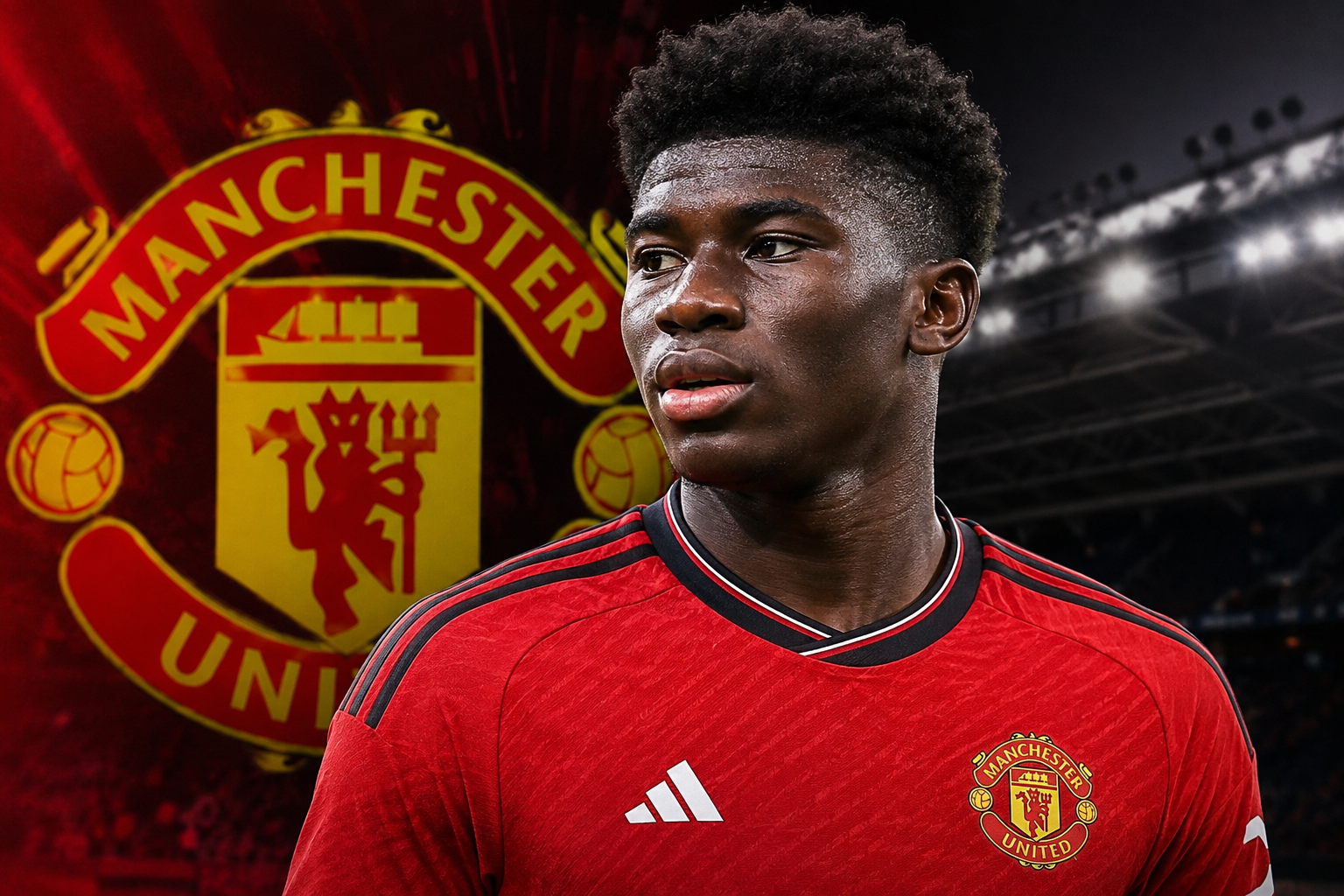
Manchester United have completed the formalities of their deal for Carlos Baleba, with the club and Brighton & Hove Albion exchanging all signed documents for the midfielder.

The deal is worth £65 million plus £5 million in add-ons, with Brighton also securing a sell-on clause. The agreement takes the potential value of the transfer to £70 million.

Baleba has been a long-term target for Manchester United and becomes the club’s third midfield signing of the summer, following Youri Tielemans and Andrey Santos.

Advertisement

The 22-year-old Cameroon international joined Brighton from Lille in 2023 and has made 112 appearances for the club. His physicality, energy and ability to operate as a defensive midfielder are expected to strengthen United’s options in the centre of the pitch.

With all documents now signed and exchanged, Baleba’s move to Old Trafford is effectively complete as Manchester United continue to reshape their midfield ahead of the new season.


Advertisement

Source link

Advertisement
Continue Reading

Sports

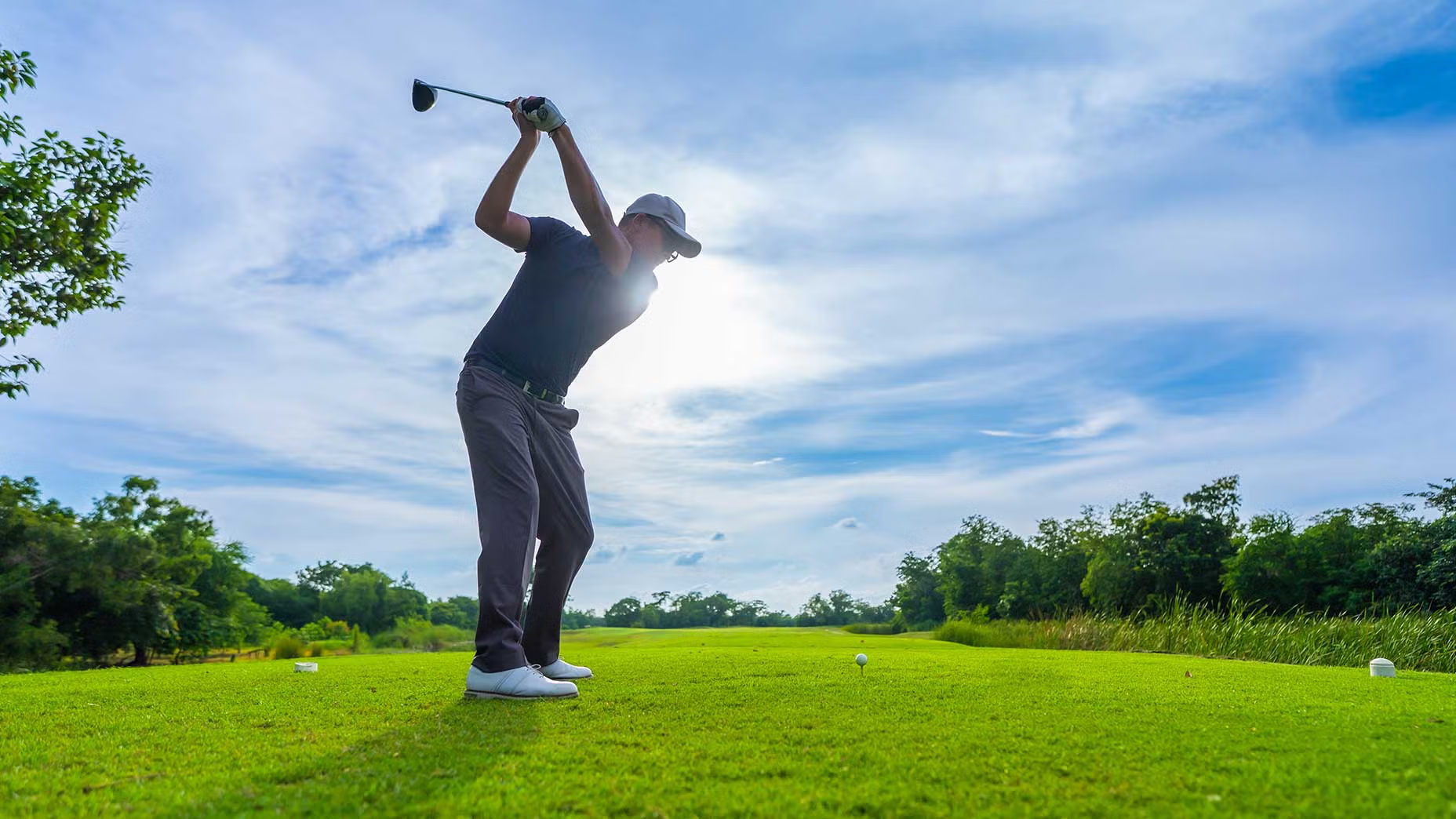
5 keys to making better contact and hitting the ball higher

Published

on

Source link

Continue Reading

Sports

Liberty beat Fever as Leonie Fiebich returns

Published

on

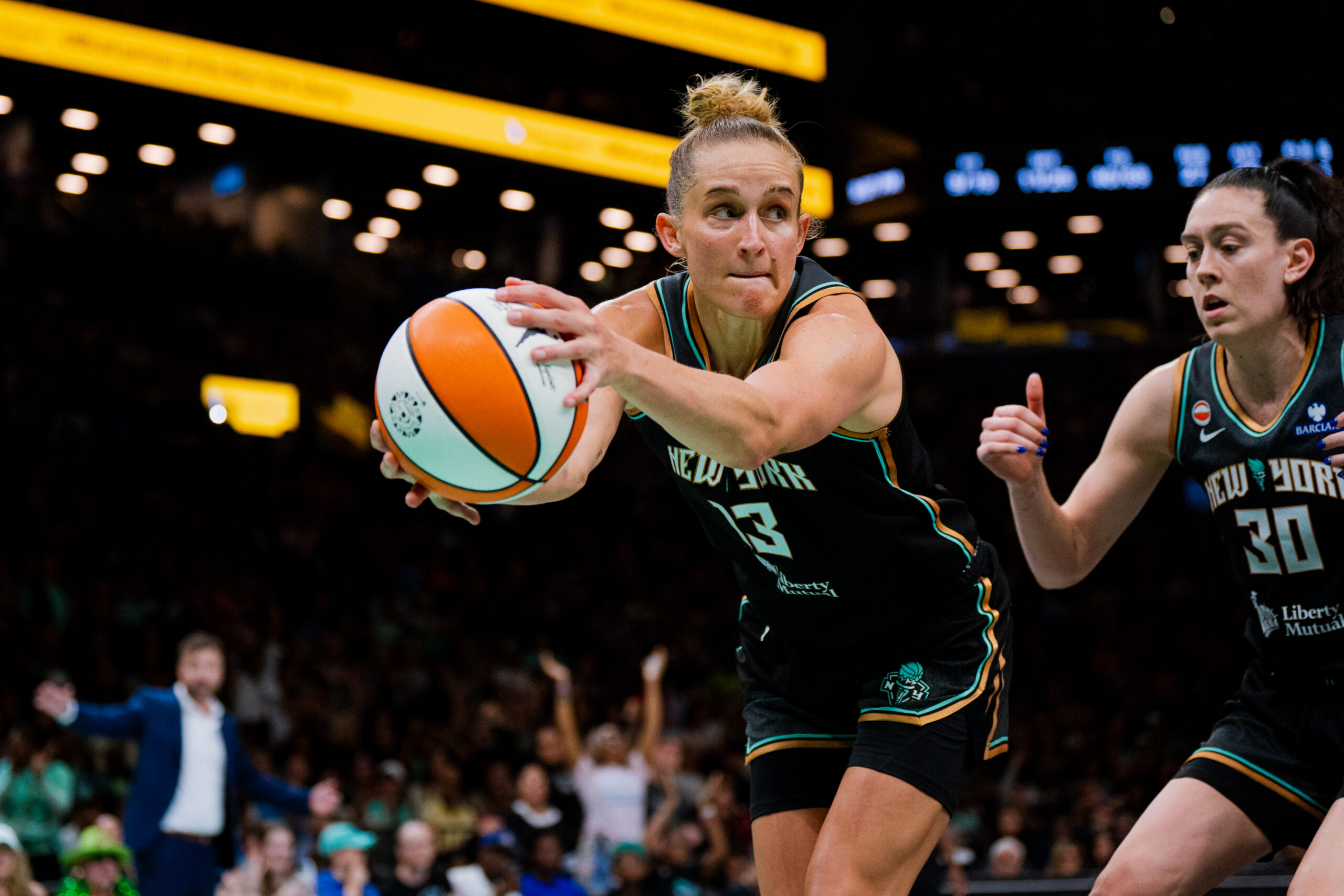
New York Liberty forward Leonie Fiebich (13) catches a rebound during the second half of a WNBA basketball game against the Indiana Fever, Saturday, Aug. 22, 2026, in New York. New York Liberty forward Leonie Fiebich (13) catches a rebound during the second half of a WNBA basketball game against the Indiana Fever, Saturday, Aug. 22, 2026, in New York.

New York Liberty forward Leonie Fiebich (13) catches a rebound during the second half of a WNBA basketball game against the Indiana Fever, Saturday, Aug. 22, 2026, in New York. (AP Photo/Angelina Katsanis)

NEW YORK— Breanna Stewart scored 22 points and Leonie Fiebich, playing her first game since July 3, added 20 to help the New York Liberty beat the Indiana Fever 109-102 in the WNBA on Saturday night.

Jonquel Jones added 19 points and 10 rebounds for New York (23-15) in an entertaining game.

Article continues after this advertisement
Advertisement

READ: WNBA: Liberty avoid record collapse to hold off Sparks

With the game tied at 100, Stewart made one of two free throws and then after Indiana missed, Fiebich had a basket and was fouled with 57.5 seconds. She missed the ensuing foul shot.

Caitlin Clark drove, but missed a running layup and Fiebich grabbed the rebound. Pauline Astier was fouled with 29.0 seconds left and hit both free throws to make it a five-point game.

Indiana (24-14) couldn’t recover.

Advertisement
Article continues after this advertisement

READ: WNBA: Midseason mystery for New York Liberty 

Both teams knew how important this game was with playoff positioning at stake as the standings are so tight for the third through eighth spots. New York led by four at the half and then Sabrina Ionescu and Fiebich got going. The pair combined for 19 of the Liberty’s 31 points in the period as New York extended its lead to 85-78 heading into the fourth.

Indiana rallied to tie it on Kelsey Mitchell’s 3-pointer with 1:44 left. Mitchell finished with 25 points. Aliyah Boston had 22 and Clark 21.

Advertisement
Article continues after this advertisement

New York finally had its full lineup healthy for the first time in nearly six weeks as Fiebich played her first game since suffering a foot injury. Jones was back after missing most of the Liberty’s last game against Chicago on Tuesday with a tweaked left ankle.

With Indiana visiting, there were rallies outside the arena before the game both for and against transgender women in sports. Fever reserve Sophie Cunningham had said in an ESPN profile published last month that she was opposed to transgender girls and women competing in girls’ and women’s sports. Cunningham was met with a mixture of boos and cheers from the sellout crowd.

Jones got going early, as she’s done ever since the All-Star break. The Liberty’s 6-foot-6 center had 17 points and seven rebounds at the half as New York held a 53-49 advantage.

Advertisement

The Fever are in the middle of a brutal stretch of five road games in eight days. They have gone 2-2 so far.


Your subscription could not be saved. Please try again.


Your subscription has been successful.
Advertisement

Myisha Hines-Allen left the game in the final minute after getting injured. She was still being evaluated after the game according to the Fever.

Source link

Advertisement
Continue Reading

Sports

Gold Coast Belle kicks off 2026 spring campaign with Sandown victory

Published

on

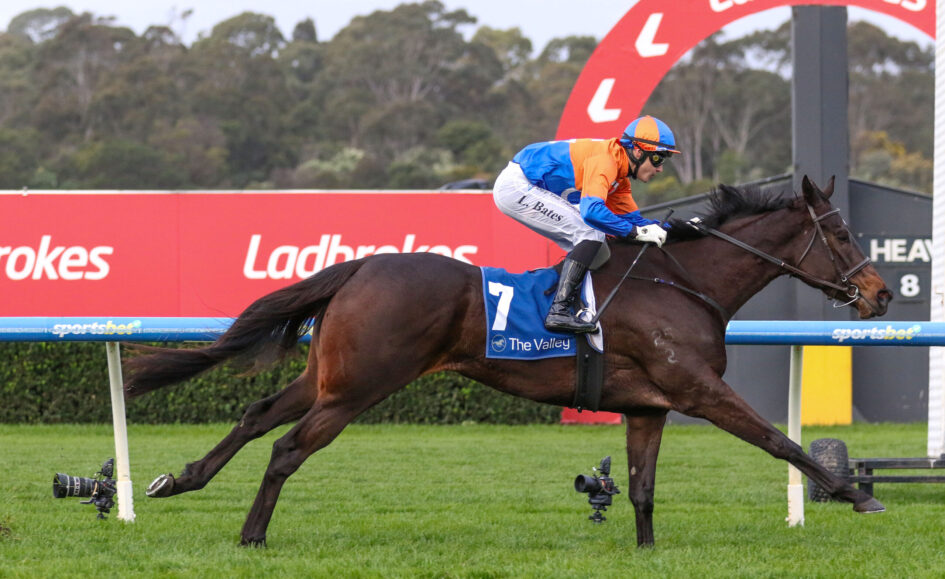
Gold Coast Belle is set for a more demanding campaign after commencing her racing return with a win at Sandown on Saturday.

Trainer Danny O’Brien has indicated a progression to Group 2 company for the four-year-old mare, who decisively outclassed her rivals, including the previously unbeaten Tennessee Bound, in the $150,000 Dr Sheahan Plate (1300m) restricted to benchmark 88 performers.

The daughter of So You Think notched her fourth straight win on her first start since capturing the Listed Bendigo Guineas (1400m) on May 1. O’Brien confirmed that the Group 2 Let’s Elope Stakes (1400m) at their home track of Flemington on September 12 is the next target.

“She’s probably in set-weights Stakes races for the rest of the spring, but this looked a good starting point for her and, fortunately, that’s the way it panned out,” O’Brien said. “She was always travelling very comfortably and let down really well. She got across the softish ground with no problem, so there were a few things we hadn’t seen before that she did today.”

Advertisement

“She gets to the Let’s Elope and then the other mares’ race on Turnbull Day (Group 2 Rose Of Kingston Stakes) – they’re both 1400 at Flemington – which looks the right set-up for her.”

While the Let’s Elope Stakes and Rose Of Kingston Stakes often serve as stepping stones to the Group 1 Empire Rose Stakes (1600m) on Derby Day, O’Brien expressed hope for an invitation to the $2 million Group 2 The Invitation in Sydney a week earlier.

Gold Coast Belle ($2.30) proved too strong for Tennessee Bound, which was aiming for a seventh successive victory to begin its career, finishing 2-1/4 lengths ahead of the $2.70 second favourite, with Moby Dick ($13) a neck further back in third.

This victory represented Gold Coast Belle’s fifth win from just seven career starts, with her other two appearances resulting in second-place finishes.

Advertisement

Although Jordan Childs has been her regular rider, O’Brien utilized the services of top apprentice Logan Bates, who still benefits from a 1.5kg claim for Saturday’s race. The young jockey felt in command of the race throughout.

“We were able to get in a nice controlling position and she just trucked the whole way,” Bates commented. “When I did ask her, gee she let go, and she was having a good look about. She just showed her class today.”

Consider the online bookmakers for your betting needs on this race.

Advertisement

Source link

Continue Reading

Sports

Brazillian football star Ronaldinho makes a comeback at the age of 46

Published

on

Source link

Continue Reading

Trending

Copyright © 2025