
Crypto World
Crypto card spending tops $1 billion as stablecoins move into everyday purchases

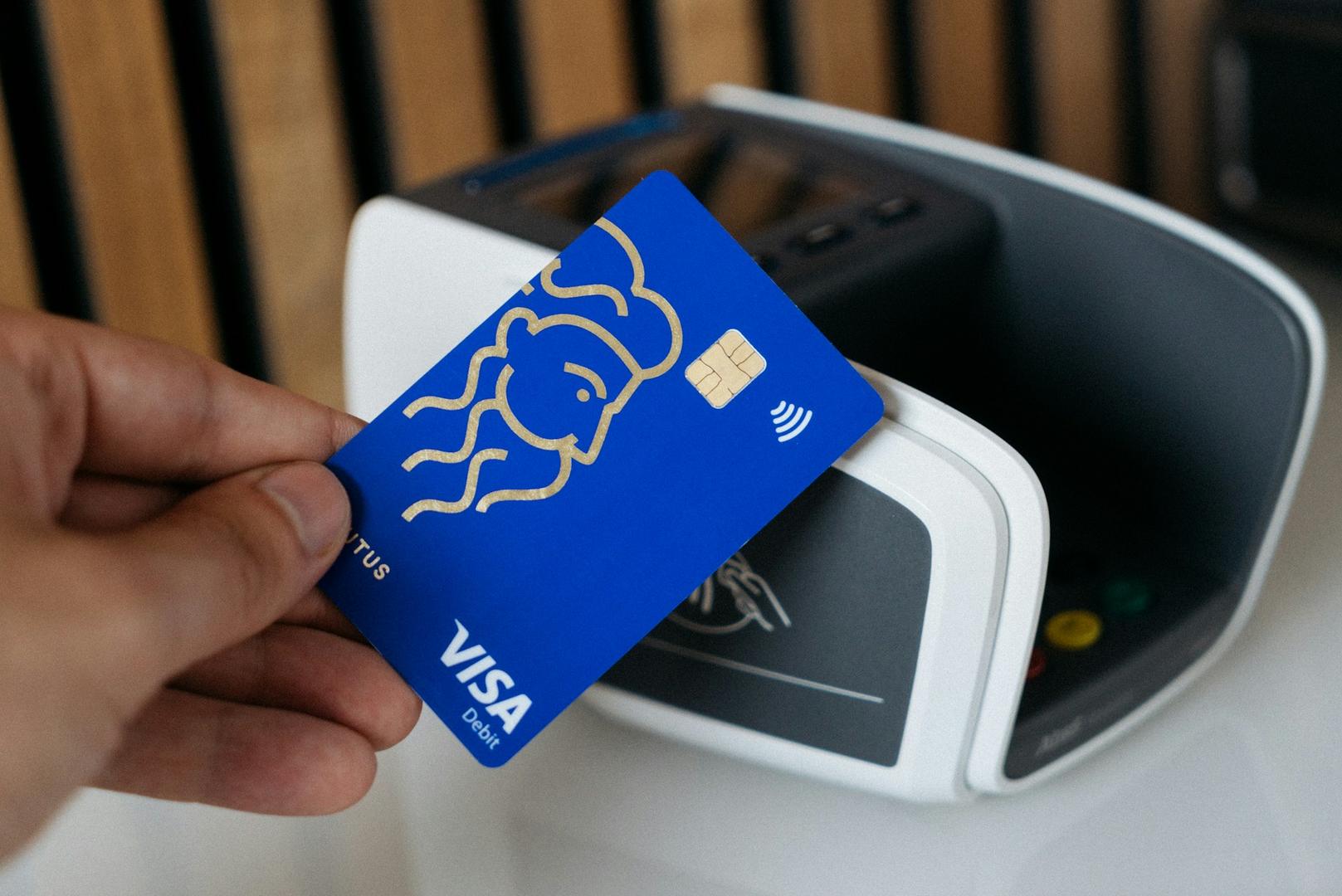
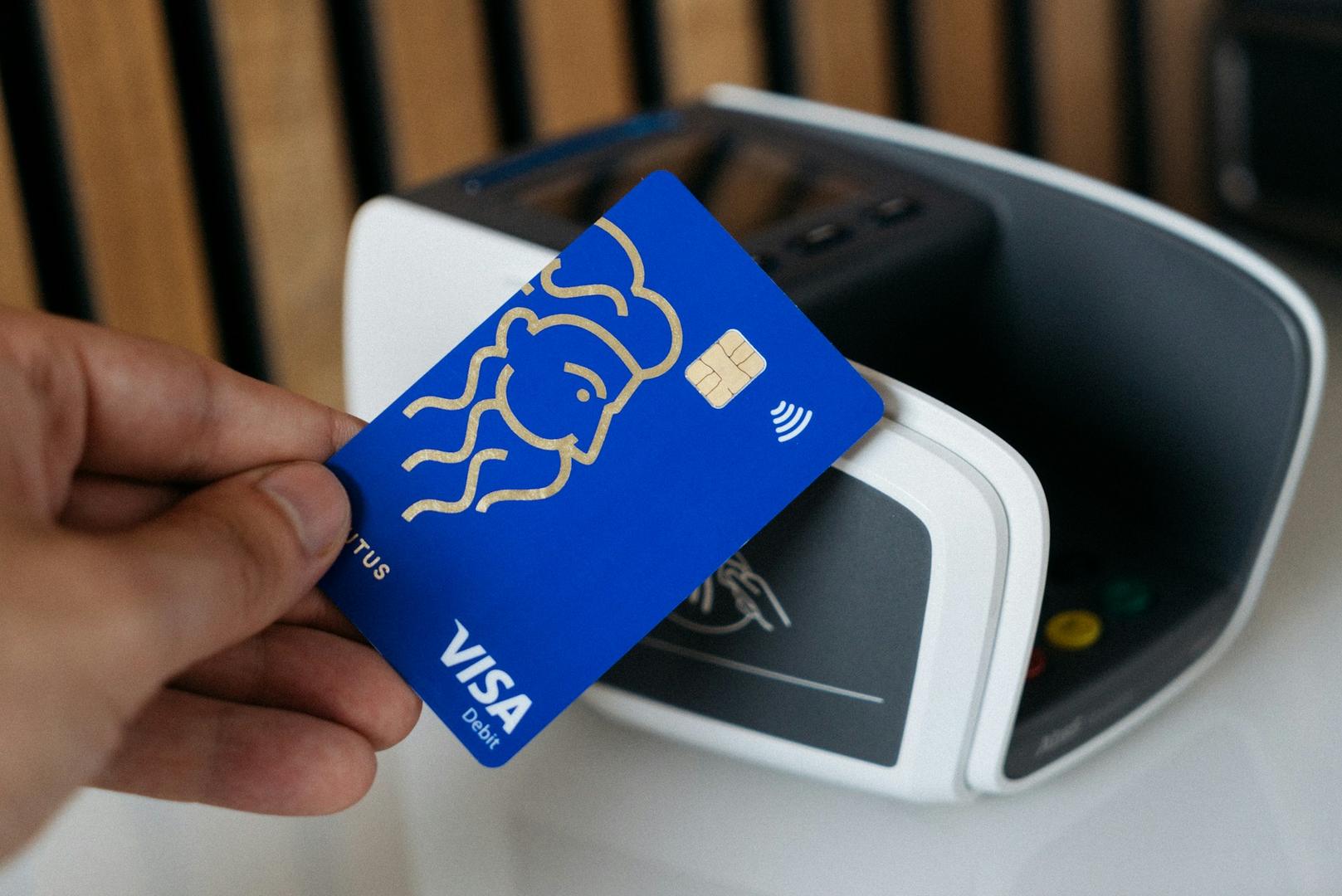
Tracked card volume more than tripled in a year, with USDC and USDT funding over 70% of spending as users increasingly paid for groceries, rides and subscriptions.

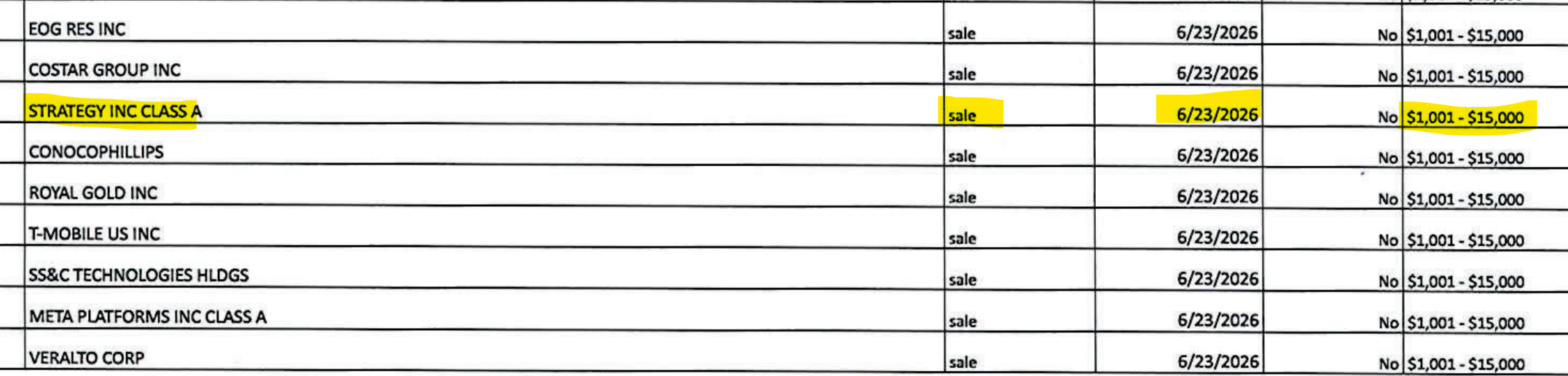
President Donald Trump’s June financial disclosure lists more than 1,000 securities transactions. Only 7 involved crypto companies, and most of those were sales, according to a financial disclosure published Saturday.
The Office of Government Ethics published the periodic transaction report.
Coinbase and Strategy Lead a Short List
Coinbase Global appears four times in the filing. Three sales were dated June 12, 18, and 23, totaling $116,003 to $315,000. A single purchase followed on June 24 in the $50,001-$100,000 band.
Strategy Inc, the largest corporate holder of Bitcoin (BTC), drew two sales on June 23 and 24. Those totaled $16,002 to $65,000. The filing records no Strategy purchases during the month.
Robinhood Markets rounds out the list with one line, a June 3 purchase of $1,001 to $15,000.

No spot Bitcoin ETFs, mining companies, or Trump Media shares appear anywhere in the document. The filing does list iShares, SPDR, and Vanguard funds throughout, so fund holdings were reported.
Follow us on X to get the latest news as it happens
Trading Contrasts With Trump’s Crypto Income
Total June transactions ranged from $78.1 million to $263.1 million, Bloomberg reported. The single biggest transaction in the filing was the sale of between $5 million and $25 million of shares in a Vanguard Group Inc. exchange-traded fund on June 22.
On the buy side, Berkshire Hathaway, Visa, Mastercard, and Cintas stand out. Crypto lines don’t account for much of the activity.
On the other hand, crypto ventures make up a meaningful portion of Trump’s personal earnings. His 2025 annual disclosure showed around $1.4 billion in crypto-related income.
The White House has repeatedly affirmed that independent financial institutions manage the President’s investments and that no conflicts exist.
Subscribe to our YouTube channel to watch leaders and journalists provide expert insights
The post Donald Trump Sold MicroStrategy and Bought Two Other Crypto Stocks appeared first on BeInCrypto.
Crypto World
XRP on track for biggest weekly gain in 21 months as Treasury buyback spurs 'curve control' hopes
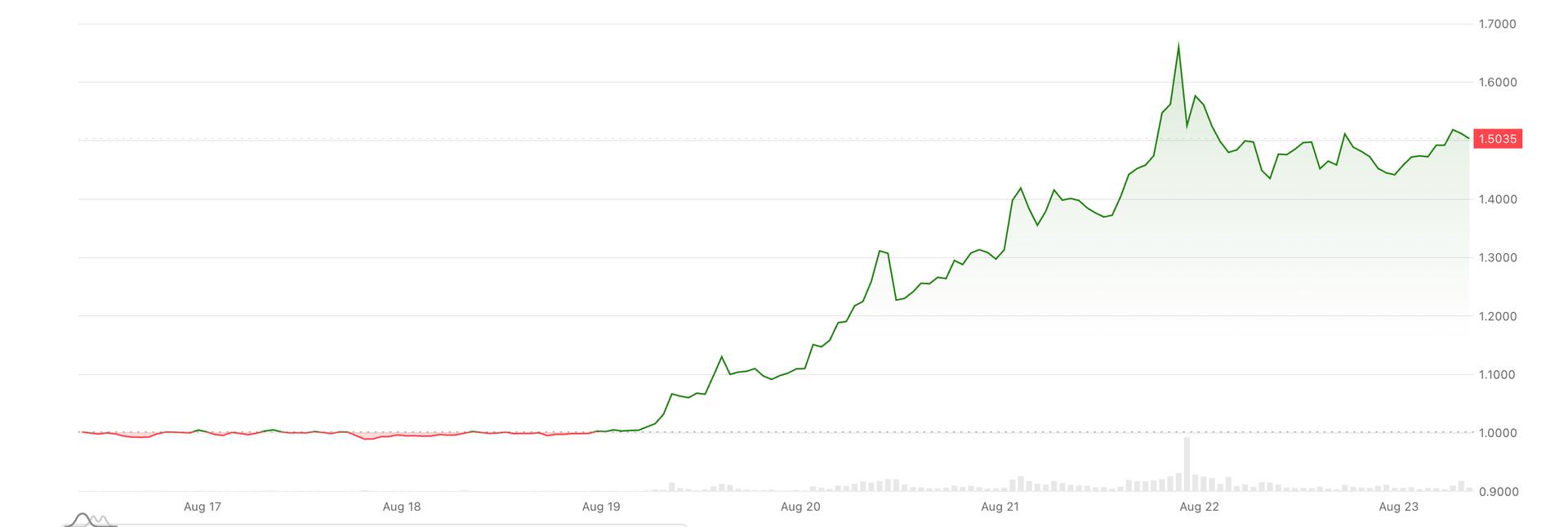
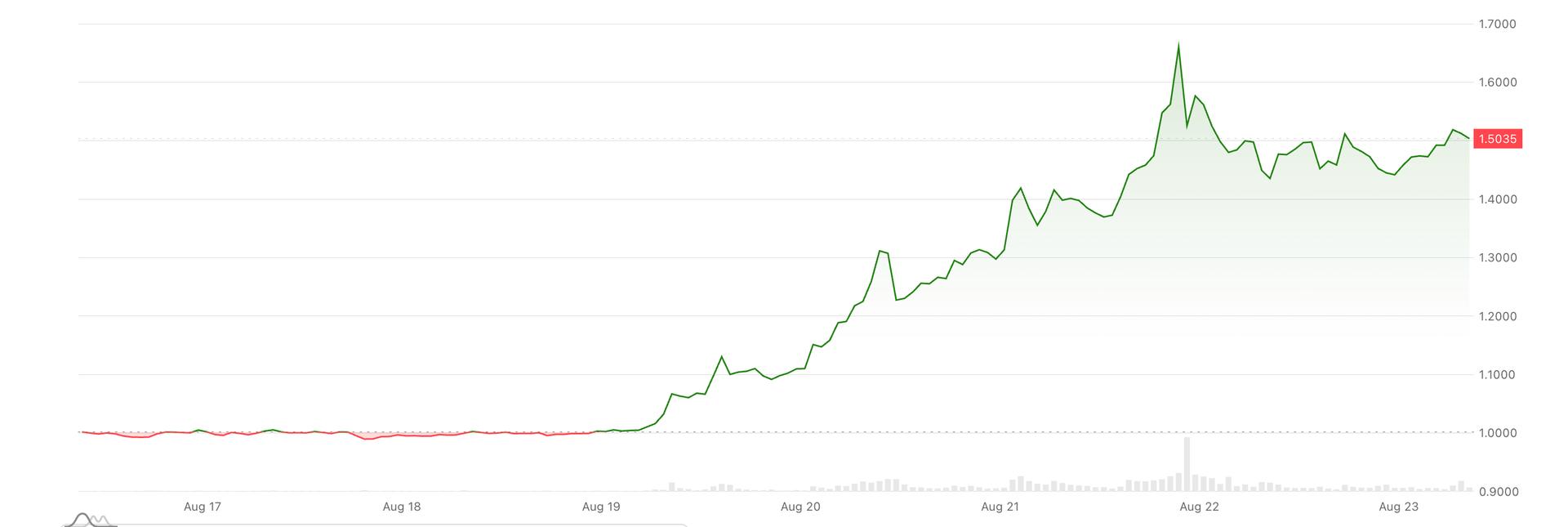
XRP’s price has surged by 50% this week, the best performance since November 2024. Here’s what’s driving the rally.
A new Federal Reserve Bank of Cleveland working paper offers a provocative explanation for why cryptocurrency behaves so differently from traditional financial assets: Americans who buy crypto don’t simply have different demographics or risk appetites, they have radically different beliefs about digital assets’ future returns.
The finding could help explain both crypto’s persistent volatility and the way rallies can attract new buyers, potentially creating a feedback loop in which rising prices reinforce bullish expectations and pull more investors into the market.
Using repeated surveys of as many as 25,000 US households per wave, researchers Michael Weber, Bernardo Candia, Olivier Coibion and Yuriy Gorodnichenko found that expectations about crypto returns explain more of the variation in who owns cryptocurrency than a broad range of demographic characteristics.
The paper, titled “Do You Even Crypto, Bro? Cryptocurrencies in Household Finance,” also uses a randomized information experiment to show that simply giving people information about Bitcoin’s (BTC) recent performance can increase both their desired crypto allocation and their subsequent purchases.
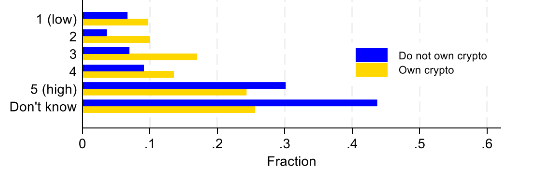
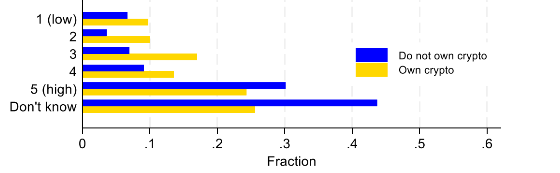
Perceived risk of crypto by ownership. Source: Federal Reserve Bank of Cleveland
The researchers say the results point to a potential mechanism behind speculative bubbles: past gains can attract new investors, whose purchases push prices higher and potentially attract still more buyers.
“Positive returns attract new participants, which raises the price further,” the authors write
That dynamic is particularly striking because cryptocurrency remains poorly understood by a large share of the population. In the researchers’ 2021 survey, 87% of people who did not own crypto said they didn’t know what return to expect from it over the following year. Among crypto owners, the figure was still 54%.
Related: Canadian crypto ownership increases to 25%: Ontario survey
Ownership linked to double-digit returns expectations
For those willing to make a forecast, however, the gap was enormous. Crypto owners expected an average 22% return over the following year, compared with just 7% among non-owners. Owners also tended to view crypto as less risky than non-owners did.
The researchers found that expected returns were unusually powerful in determining ownership. A one-percentage-point increase in an individual’s expected crypto return was associated with a 0.8-percentage-point increase in the probability of owning cryptocurrency. Expectations about returns and risk together explained considerably more variation in crypto ownership than observable characteristics such as age, income and gender.
That makes crypto an outlier compared with stocks, bonds and gold. For traditional assets, demographic and financial characteristics generally have much more explanatory power than differences in expected returns. Crypto reverses that relationship.
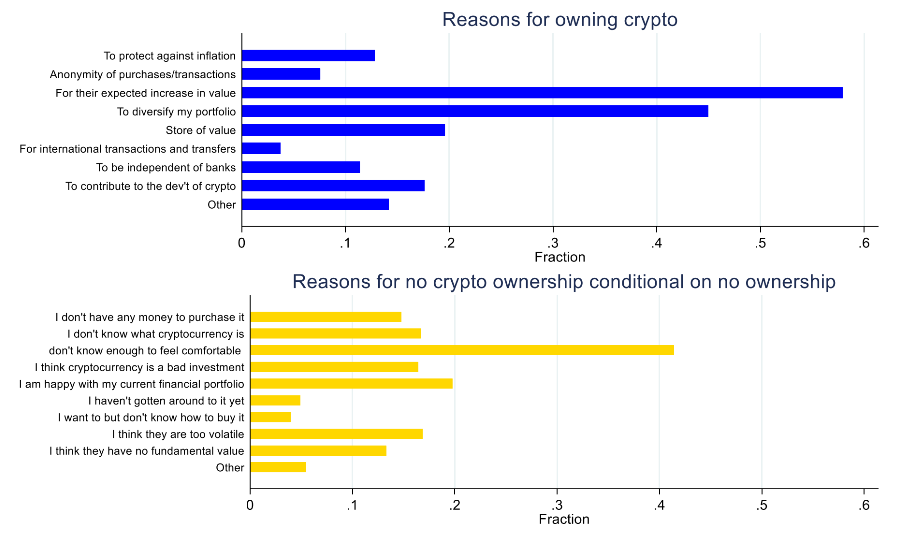
Source: Federal Reserve Bank of Cleveland
The demographic profile of crypto investors nevertheless remains distinctive. People under 40 were 13 percentage points more likely to own cryptocurrency than those over 60, even after controlling for other characteristics. Men were about 4 percentage points more likely than women to own crypto, while higher-income and wealthier households were also more likely to participate.
The experiment provides perhaps the paper’s most consequential finding for crypto markets.
In 2025, researchers randomly assigned households to receive information about BTC, stocks, GameStop or inflation. Participants who were shown Bitcoin’s previous 12-month return increased their desired crypto portfolio allocation by roughly 2 percentage points, or about a 47% increase relative to the 4.3% desired allocation among the control group. Actual subsequent crypto purchases also rose by about 2.5 percentage points.
The authors describe the result as “providing information about recent Bitcoin returns induces some households to start buying cryptocurrency.”
The effect was concentrated among people who said they didn’t own crypto because they lacked sufficient information. Those who already believed crypto was a bad investment generally did not respond to the information treatment.
The paper also finds that crypto wealth can spill into household consumption. A doubling in BTC’s price made a household whose entire financial portfolio was in crypto 1.4 percentage points more likely to buy a durable good, equivalent to roughly a 7% increase relative to the unconditional probability of such a purchase. But the effect did not persist into ordinary spending.
That led the researchers to a stark comparison: crypto gains appear to be treated more like “gambling income” or lottery winnings than a permanent increase in wealth.
The broader implication is that crypto’s volatility may be rooted partly in disagreement and learning rather than simply market fundamentals. The authors conclude that cryptocurrency stands out because it is poorly understood, investors form sharply different views about its prospects, and new information about past returns can change both expectations and behavior.
“The absence of common information and beliefs about crypto across investors,” they write, “suggests that price volatility will continue to be one of the most defining characteristics of this new asset for the foreseeable future.”
For crypto markets, that suggests a potentially uncomfortable conclusion: the next wave of retail demand may depend not only on Bitcoin’s price, but on what investors are told about the price that came before it.
Magazine: The 100x obsession: Fundamentals grow in importance as crypto matures


According to Coinbase’s head of AI product, we’re currently in the “Napster/LimeWire era” of agentic payments.


BitMart said on Aug. 21 that it was exploring a restructuring plan involving creditor distributions and the phased restart of selected operations, less than four weeks after announcing a complete wind-down.
Summary
- BitMart appointed White & Case while evaluating creditor distributions and a phased operational restart plan.
- September 9 is BitMart’s deadline for another update, not a guaranteed restructuring completion date yet.
- Existing notices still schedule all trading to end August 26 at 01:00 UTC unless revised.
- BitMart has not published creditor eligibility, payout percentages, reserve data or a court filing publicly.
- BMX trades near $0.06 after losing roughly 80% over one month, according to trackers currently.
The exchange appointed White & Case as restructuring counsel. It promised another update by Sept. 9 but did not cancel its existing Aug. 26 trading cutoff or Jan. 31, 2027, closure date.
The announcement marks BitMart’s first public reference to creditors. It does not explain which customers or counterparties fall within that category.
BitMart restart remains under assessment
BitMart said the proposed plan could combine an orderly resumption of certain services with distributions to creditors. Any restart remains subject to legal, financial, operational and regulatory reviews.
“The potential plan may include the phased resumption of certain operations,” BitMart said. The company has not approved or launched that plan.
White & Case will evaluate available options with BitMart’s other advisers. The law firm’s appointment does not establish that BitMart has entered bankruptcy or another court-supervised process.
No verified bankruptcy petition, restructuring case number or creditor-claim portal had been published when this report was prepared. BitMart also has not identified the legal entity or jurisdiction that would administer distributions.
The exchange said it expects to consult its community after a business resumption plan launches. It has not explained how customers would participate or whether any creditor vote would be required.
August 26 trading deadline remains active
BitMart’s closure notice still schedules all spot, futures and other trading to end at 01:00 UTC on Aug. 26.
Futures accounts have entered reduce-only mode, while spot markets stopped accepting new orders. New registrations and cryptocurrency and fiat deposits began closing on July 26.
Any futures positions remaining at the deadline may be settled using the applicable mark price, index price or platform settlement rules. BitMart said it would publish separate settlement arrangements, but the restructuring update did not provide them.
The exchange previously recommended completing verification and submitting withdrawal requests before 05:00 UTC on Aug. 26. Withdrawals officially remain available, although additional identity, sanctions, transaction-history and wallet checks may delay processing.
As crypto.news reported, the shutdown announcement sent BMX down more than 60% within the surrounding 24-hour period. The possible restructuring does not currently change the withdrawal guidance.
Creditor language raises unanswered questions
BitMart did not disclose why customer or counterparty balances may require creditor distributions rather than ordinary withdrawals. Its July notice cited operating conditions, the market environment and future strategy without describing a shortfall.
The latest statement includes no balance sheet, liability total, reserve report or recovery percentage. It also does not establish whether user assets and unsecured commercial claims would receive different treatment.
Earlier concerns about BitMart’s reserves and custody position were based partly on third-party wallet tracking and customer reports. Those observations do not independently establish the exchange’s complete assets or liabilities.
Onchain balances cover only publicly identified wallets. They cannot show undisclosed addresses, fiat holdings, offchain liabilities or assets held through custodians. A reliable recovery assessment therefore requires audited financial information or verified court disclosures.
September roadmap must clarify payouts
BitMart said it would “endeavour” to provide another update no later than Sept. 9. The wording commits the exchange to further communication rather than a finalized restructuring agreement.
The next announcement needs to identify which operations could restart, which legal entities owe creditors and how claims will be valued. Customers also need information about payout timing, available assets and the treatment of pending withdrawals.
Unless BitMart formally changes its schedule, trading will stop two weeks before the restructuring update. The wider platform remains scheduled to terminate at 15:59 UTC on Jan. 31, 2027.
BMX was trading near $0.061 on Aug. 23, according to CoinGecko. The token remained approximately 80% below its price one month earlier despite recovering modestly over the preceding week.
The Sept. 9 update will determine whether BitMart has a viable restart proposal or continues with its original wind-down. Until then, the phased restart and creditor distributions remain possible components rather than confirmed outcomes.


Michael Saylor renewed his case for Bitcoin on Aug. 23, describing the asset as a mechanism for converting economic value into a digital form that individuals, companies and governments can control.
Summary
- Michael Saylor described Bitcoin as digital economic energy that entities can securely control and preserve.
- Strategy reported holding 840,447 Bitcoin, representing roughly 4% of Bitcoin’s fixed 21-million maximum supply worldwide.
- Strategy’s preferred shares are conventional securities, not blockchain tokens collateralized directly by specific Bitcoin holdings.
- At $77,175 Bitcoin prices, Strategy’s holdings exceeded aggregate acquisition cost by approximately $1.5 billion on Sunday.
- Strategy held $4.80B cash reserve after raising $333.7M through common share sales last week alone.
“Bitcoin represents the breakthrough of converting economic energy into digital form and securely binding it to a person, family, company, machine, or state,” Saylor wrote on X.
“Digital energy” is Saylor’s metaphor for transferable and durable value. It is not an accounting, legal or technical classification. His statement also expresses an investment thesis rather than establishing Bitcoin’s definitive purpose.
Bitcoin as digital energy remains Saylor’s thesis
Saylor has repeatedly compared money and capital with stored energy. Under that framework, Bitcoin’s capped supply and decentralized settlement system allow owners to move value without relying on a single bank or government.
That argument does not remove Bitcoin’s price risk. Its dollar value can change rapidly, while companies holding it must still meet salaries, debt payments and shareholder distributions in conventional currencies.
Strategy has put Saylor’s thesis into practice through the largest publicly disclosed corporate Bitcoin treasury. Its latest SEC filing reported 840,447 BTC as of Aug. 16.
Strategy’s 840,447 BTC moves above acquisition cost
Strategy acquired its remaining Bitcoin for $63.36 billion, including fees. That equals an average cost of $75,385 per coin. The position represents approximately 4% of Bitcoin’s 21 million maximum supply, although that comparison includes coins that have not yet been mined.
Bitcoin traded near $77,175 on Aug. 23. At that price, Strategy’s holdings were worth approximately $64.86 billion. That placed the position about $1.50 billion above its aggregate acquisition cost.
The figure is a market-based estimate, not a fixed company profit. It can change immediately with Bitcoin’s price and does not account for Strategy’s debt, preferred dividends, operating expenses or taxes. As crypto.news reported, the treasury only recently crossed its $75,385 average cost during Bitcoin’s recovery.
Strategy’s digital credit products are preferred shares
Strategy calls its capital-markets platform “Digital Credit.” The category includes exchange-listed preferred shares such as STRC, STRF, STRK and STRD. These instruments are not tokens issued on a blockchain.
STRC is a variable-rate perpetual preferred stock listed on Nasdaq. It has a $100 stated amount and pays cash dividends when declared by Strategy’s board. Its prospectus warns that management may fail to keep its market price near $100.
Strategy has nevertheless used repurchases and dividend adjustments to support STRC. Its Aug. 17 filing showed that the company spent $132.2 million repurchasing 1.39 million STRC shares during the previous week.
The company financed those purchases with MSTR common-share sales, not tokenized Bitcoin obligations. In the preceding week, however, Strategy sold 1,690 BTC for $108.6 million and used those proceeds for STRC repurchases, as previously reported.
What Strategy investors should watch next
Strategy raised $333.7 million by selling approximately 3.46 million MSTR shares between Aug. 10 and Aug. 16. It allocated $52.4 million to STRC dividends, $132.2 million to repurchases and $149.1 million to its dollar reserve.
That reserve reached $4.80 billion. Strategy says it is intended to support preferred dividends and interest payments. The company reported no Bitcoin purchases or sales during that week.
Chief Executive Phong Le has said Strategy expects to resume accumulating Bitcoin after STRC recovers toward its $100 stated amount. No purchase date or binding schedule has been announced. Future SEC filings will show whether the company buys more Bitcoin, sells additional common shares or continues directing capital toward STRC.

The cryptocurrency market was essentially muted for many, many weeks. Ever since the May surge from BTC to over $82,000 and the subsequent crash to under $58,000 on July 1, the market has remained dull with little to no movement from the larger caps.
Then it all changed within hours on Wednesday afternoon as something unusual happened. Essentially all crypto assets exploded suddenly to new local peaks (some to ATHs, such as HYPE), with BTC leading the pack with a surge from under $65,000 to almost $80,000 before it pulled back slightly.
The speed of the rally and the subsequent decline suggest that leverage, rather than a single fundamental catalyst, has played a big role.
From Calm to $500B+ Rally
The analysts at the Kobeissi Letter weighed in on the recent market change, indicating that crypto was effectively “frozen” for 110 consecutive days – between May 1 and August 19. That might be a bit of an exaggeration since BTC experienced some volatility within this period, including the aforementioned surge above $80,000 and the crash that followed.
Nevertheless, the real change happened abruptly at around 8:30 AM ET on August 19, when the entire market went on a tear. Less than a day later, the market had experienced what the Kobeissi Letter described as its “seventh-largest liquidation event on record.”
This unexpected recovery didn’t die immediately, as many of the previous attempts did. Just the opposite; the deleveraging was followed by another surge. Within a day and a half, the total crypto market cap had increased by around $500 billion as BTC approached $80,000 for the first time since mid-May.
There was no single crypto-specific announcement large enough to explain the entire move. However, it coincided with Trump’s Crypto Summit in the White House and was boosted by the Treasury Department’s decision to increase purchases of longer-dated government debt.
According to the analysts, though, Treasury yields subsequently erased their initial decline within a day while the crypto market remained substantially higher, suggesting another force was at work.
Institutional demand returned as well, with $2.6 billion entering the spot Bitcoin and Ethereum ETFs.
Leverage Made It a Rollercoaster
The other big argument that can be made, the analysts continued, is that speculation, in the form of leverage, was rebuilt rapidly. After BTC neared $80,000 and many alts posted massive double-digit gains, traders piled into leveraged longs.
The consequences became obvious during Saturday’s sudden flash crash as roughly $500 million in late longs were wrecked within minutes when BTC dipped by $2,000, and ETH dropped by 5%. Many alts suffered even worse short-term losses.
The Kobeissi Letter’s analysts said that at 12:30 AM ET on Saturday, about $110 billion disappeared from the total cap in just 20 minutes, which helps explain the market’s erratic behavior.
After months of dull price action, the initial breakout forced bearish positions to close, accelerating most assets higher. However, the rapid surge attracted FOMO leveraged longs, leaving the market vulnerable to equally violent liquidation cascades in the opposite direction.
The post Crypto Market Went From ‘Frozen’ to Chaos in Days: What Is Really Happening? appeared first on CryptoPotato.


Alibaba Group Holding (BABA) seeks to raise about $10 billion in a share sale.
The Chinese e-commerce and cloud computing giant said it will channel 100% of net proceeds into full-stack AI capabilities.
Alibaba Wants to Enter the AI Race
Alibaba is offering 710 million ordinary shares at HK$112.70 each, a 3.6% discount to Friday’s close, according to Bloomberg. The deal would mark the largest-ever primary follow-on offering by a Hong Kong-listed company.
Globally, the deal ranks as the third-largest primary follow-on this year. Only Alphabet’s $80 billion raise in June and Intel’s $15 billion sale in August were bigger.
The full-stack category covers chips, infrastructure, and the development and deployment of AI models. Alibaba will face a 90-day lockup.
Reuters, citing two people familiar with the deal, reported that the offering has drawn strong investor interest, including from sovereign wealth funds.
According to the sources, demand exceeded the initial sale size, prompting Alibaba to increase the offering. Morgan Stanley, HSBC, UBS, and CICC are acting as joint bookrunners.
Follow us on X to get the latest news as it happens
AI Spending Squeezes Profit and Cash Flow
The raise arrives as Alibaba’s AI buildout impacts its finances. Quarterly capital spending has climbed to nearly 10 billion.
Meanwhile, the June-quarter net profit plunged 75% to 10.5 billion yuan (1.6 billion). Free cash outflow reached $6.6 billion.
Alibaba has already spent nearly half of its three-year capex plan. However, it expects the payback period for AI investments to shorten from 3 years to 2.5 years, citing surging demand.
Chief Executive Eddie Wu has also been pruning non-core assets to fund the pivot. Alibaba recently sold its gaming arm Lingxi Games to Trustar Capital in a deal reportedly worth at least $1.5 billion.
Meanwhile, the company’s flagship Qwen family became the world’s most popular model lineup this year, per Bloomberg. Whether $10 billion in fresh capital can maintain that lead over US rivals is now the question investors are likely pricing in.
Subscribe to our YouTube channel to watch leaders and journalists provide expert insights
The post Alibaba Launches Record $10 Billion Share Sale to Enter the AI Race appeared first on BeInCrypto.


Kalshi has blocked customers in Washington while asking a King County judge to reconsider an injunction restricting its prediction markets.
Summary
- Washington requires Kalshi to block residents from seven event-contract categories under an amended preliminary injunction.
- Kalshi requested reconsideration after Washington agreed to delay enforcement against federally regulated competitor OG temporarily.
- September 2 is the scheduled decision date for Kalshi’s reconsideration request without oral argument currently.
- Michigan and Nevada also restrict Kalshi access while litigation over federal preemption continues nationwide.
- CFTC Chairman Michael Selig expects new event-contract proposals covering consumer protection and market governance requirements.
The Aug. 21 motion argues that Washington gave competing exchange North American Derivatives Exchange, operating as OG, more favorable treatment. Kalshi and OG are both designated contract markets regulated by the Commodity Futures Trading Commission.
Judge John McHale is scheduled to consider Kalshi’s request on Sept. 2 without oral argument. The existing restrictions remain active while that request is pending.
Kalshi implemented Washington geofencing
The amended preliminary injunction required Kalshi to install IP address and residency-based controls by Aug. 19. A broader GeoComply system using multiple location sources must be operational by Sept. 2.
Kalshi could face a $120,000 daily penalty for failing to meet the second deadline unless it submits a sworn explanation for any delay. The company told the court it had already blocked Washington customers.
The order covers contracts linked to sports, elections, politics, entertainment, culture, technology and science, along with certain “mentions” markets. Record-preservation requirements also remain in place.
Washington Attorney General Nick Brown argues that those products amount to unlicensed gambling. As crypto.news previously reported, the Washington court rejected Kalshi’s initial jurisdiction argument and found the state was likely to succeed at the preliminary stage.
That finding is not a final judgment on every claim. Kalshi continues to argue that the federal Commodity Exchange Act gives the CFTC exclusive authority over contracts listed by registered exchanges.
Kalshi cites different treatment for OG
Kalshi’s reconsideration request relies on an Aug. 18 agreement between Washington officials and OG. Under that agreement, the state will not pursue civil or criminal enforcement involving OG’s federally traded event contracts until related appeals are resolved.
“The very event contracts that the state deemed intolerable from Kalshi are now freely available” through a competitor, Kalshi argued. The court has not accepted that characterization.
Kalshi says the agreement undermines Washington’s earlier claim that continued trading creates immediate consumer harm. It wants McHale to vacate parts of the injunction or provide a stay comparable to OG’s arrangement.
The company describes OG as “identically situated.” That remains Kalshi’s legal position rather than an established court finding. Washington may argue that procedural history or negotiated terms distinguish the two cases.
Michigan and Nevada restrictions remain active
Washington joins Michigan and Nevada among states currently restricting Kalshi. Courts in those jurisdictions have ordered location controls while state authorities pursue claims involving unlicensed sports wagering.
Kalshi has appealed or challenged those orders. Its central argument remains that federally regulated event contracts are derivatives, meaning state gambling laws cannot control their listing or trading.
Courts have not adopted one national answer. In contrast to Washington, a federal judge blocked Minnesota’s prediction-market prohibition after finding registered exchanges were likely to succeed on part of their preemption argument.
New York, Connecticut, Massachusetts, Ohio, Maryland, Utah and Arizona are also involved in pending disputes concerning prediction-market authority. The outcomes may depend on contract type, statutory wording and the procedural stage of each case.
CFTC prepares prediction-market safeguards
CFTC Chairman Michael Selig said on Aug. 20 that the agency would continue defending its claimed exclusive jurisdiction over federally regulated event contracts.
He also acknowledged concerns about retail protections. In official remarks, Selig said the commission would soon propose amendments to Parts 38 and 40 of its regulations.
The proposals are expected to address consumer protection, product governance, market design, listing standards and incentive programs. The CFTC has already proposed changes explaining how it could assess contracts involving gaming, war, terrorism, assassination or illegal activity.
Selig said the amendments would arrive “soon,” but the CFTC has not published their complete text or a formal release date.
Proposed regulations must still pass through the federal rulemaking process. They will not automatically reverse state court orders or resolve whether federal law displaces state gambling restrictions.
The next immediate events are Kalshi’s Sept. 2 reconsideration decision and geofencing deadline. Until a court grants relief, Washington customers will remain unable to access the restricted markets.


The Blockchain Association and Crypto Council for Innovation sued Illinois on Aug. 21 to block a 0.2% digital asset tax scheduled to take effect on Jan. 1, 2027.
Summary
- Two industry groups sued Illinois to block its 0.2% digital asset tax before implementation begins.
- The tax takes effect January 1, 2027, covering specified exchanges, transfers and storage services statewide.
- Plaintiffs allege seven federal and state legal violations, including discriminatory internet taxation and vagueness claims.
- The complaint seeks preliminary and permanent injunctions, but no court has blocked enforcement yet statewide.
- Illinois House Bill 5798 proposes complete repeal but has not advanced beyond its filing stage.
The complaint was filed in the Seventh Judicial Circuit Court in Sangamon County. It names Illinois Revenue Director David Harris, Attorney General Kwame Raoul and Sangamon County State’s Attorney John Milhiser as defendants in their official capacities.
The filing is the second industry lawsuit challenging the Illinois crypto tax. The Digital Chamber brought a separate case in July.
Illinois crypto tax covers transactions and custody
Illinois Public Act 104-468 imposes a 0.2% tax on the value of digital assets involved in covered activity. The statute defines that activity as specified exchanges, transfers or storage provided to customers in Illinois.
The tax is based on an asset’s value rather than a customer’s profit or the fee earned by a broker. Consequently, a transfer between wallets controlled by the same customer could fall within the statutory definition even when no sale occurs.
Brokers must register and begin collecting the tax by Jan. 1. Initial remittances would become due in February 2027, according to the complaint.
One provision treats a broker with at least $100,000 in qualifying Illinois receipts during the previous 12 months as maintaining a place of business in the state. However, the plaintiffs argue that other collection and registration provisions lack that threshold, creating uncertainty about which companies must comply.
Lawsuit presents seven claims against Illinois
The complaint alleges that the tax violates the federal Internet Tax Freedom Act by treating online digital asset activity differently from comparable transactions involving stocks, cash or gold.
It also alleges violations of the dormant Commerce Clause and federal and Illinois due process protections. The plaintiffs argue that undefined terms involving valuation, storage and business presence make the law too vague to enforce fairly.
Additional counts invoke the Illinois Constitution’s Uniformity Clause and restrictions on delegating state taxing authority. The groups also challenge the process used to enact the 1,624-page budget package, citing its three-readings and single-subject requirements.
These are allegations rather than judicial findings. Illinois has not yet filed a publicly available response addressing the new complaint’s claims.
“This tax singles out digital assets for uniquely punitive treatment,” CCI CEO Ji Hun Kim said. Whether that treatment is legally discriminatory remains for the court to decide.
The plaintiffs seek a declaration that the Digital Asset Tax Act is invalid. They also requested preliminary and permanent injunctions preventing Illinois officials from implementing or enforcing it.
Second lawsuit increases pressure before 2027
The Digital Chamber filed the first Sangamon County challenge on July 21. As crypto.news previously reported, that case also argues the tax unlawfully targets blockchain transactions while leaving comparable traditional financial activity untaxed.
The two complaints have separate plaintiffs and are not automatically a single proceeding. No publicly available order has consolidated them or established a joint litigation schedule.
The complaint published by the Blockchain Association and CCI also leaves its case-number field blank. No hearing date or briefing deadline was identified in the plaintiffs’ public materials.
The filing itself does not suspend the law. Unless a court grants an injunction or legislators repeal it, companies must continue preparing for the January effective date.
The state has estimated that the tax could generate approximately $60 million annually. That remains a budget estimate rather than guaranteed revenue, particularly while enforcement faces litigation and a possible legislative repeal.
Court action or repeal could stop the tax
The immediate legal question is whether the plaintiffs can obtain preliminary relief before Jan. 1. They must persuade the court that they meet Illinois requirements for an injunction, including showing likely legal success and irreparable harm without early intervention.
Illinois lawmakers have another route available. Republican state Representative John Cabello introduced House Bill 5798 on June 22 to repeal the Digital Asset Tax Act immediately.
Official records show that HB 5798 has not advanced beyond its filing stage. It has received no committee vote or floor vote.
Businesses therefore face three possible developments before 2027: an injunction, legislative repeal or continued implementation. The next court filings should establish Illinois’ defense and whether the plaintiffs will receive an expedited hearing.

Aston Villa 'must accept everything' – Emery after Brighton thrashing

People have clicked the “Seems like AI slop” button on LinkedIn over a million times already

Thousands struggling without power in Gary, Indiana 12 days after severe storms





-

 Fashion2 days ago
Weekend Open Thread: Madewell – Corporette.com
-

 Crypto World2 days ago
anatomy of crypto’s biggest liquidation event since 2021
-

 Business5 days ago
SMA Solar Technology AG (SMTGY) Q2 2026 Earnings Call Transcript
-

 Tech6 days ago
Qwen3.8-27B runs frontier-class coding agents and reasoning locally, no cloud API required
-

 Crypto World6 days ago
OCC Greenlights Trump Family Crypto Firm for Trust Charter
-

 Politics1 day ago
6 months on, Irish renters crushed by effects of government housing bill
-
 NewsBeat1 day ago
The ‘Lucky Dip Gang’ causing carnage for clicks: After five thugs were killed speeding in the wrong direction on a motorway, GUY ADAMS investigates a sick new trend… and why police aren’t even allowed to pursue them
-

 Crypto World6 days ago
NAVI Prime launches institutional lending framework on Sui
-

 News Videos3 days ago
Don’t Leave Your Financial Future To Chance | August 19, 2026
-

 Crypto World7 days ago
Data of 54K Wallet Users Leaked, Clarity Odds Just 10%: Hodler’s Digest, Aug. 16
-

 Politics7 days ago
Britain is facing a housing disaster
-

 Tech4 days ago
GLM-5.3 hits the API at $1.4/$4.4 per million tokens
-

 Business5 days ago
Stock Market Today: Tech Futures Slide As Treasury Yields Jump; Nvidia, Micron, Sandisk Sell Off
-
 Crypto World6 days ago
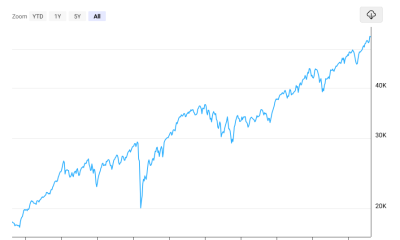
Dow’s 3-Year Winning Run Isn’t a Crash Signal, Still 49% Odds of Double-Digit Gains
-
Tech6 days ago
5 Of The Most Reliable Car Brands To Consider If You’re Buying A Used SUV
-

 Tech6 days ago
Straight Up the Cliff, Yunnan’s New Fuyao Ladder Turns a Three-Hour Climb Into a 50-Second Ride for Students
-
 Tech7 days ago
OpenAI’s new ChatGPT feature logs your keystrokes and stores them in plain text
-
 Tech6 days ago
Nvidia discloses $21B stake in SpaceX
-

 Tech5 days ago
Keychron K8 Ultra 8K review: a great value keyboard with comfort issues
-

 Business3 days ago
Five Below: Kids Discount Retailer Reaps Rich Rewards
You must be logged in to post a comment Login