
Crypto World
Bitcoin’s Next Rally Could Send Ethereum Toward $20K: Analyst


Ethereum (ETH) could reach $20,000 in the next few years, according to Credible Crypto.
The premise for his thesis lies in ETH’s trading range of five years, weak relative performance vis-à-vis Bitcoin (BTC), as well as a potential rotation into higher-risk assets.
Analyst Sees ETH Breaking 5-Year Range
As explained by the analyst in Sunday’s episode of the No Bs Crypto podcast, ETH has been trading in a range of around $1,500 to $5,000 for about five years now, the token having touched both ends several times in the process, forming what he considers a large higher timeframe range.
Additionally, while Bitcoin is trading above the 2021 high, Ethereum is lagging behind, and according to Credible Crypto, the ETH/BTC ratio has reached such levels that it can allow ETH to catch up with BTC.
His basic target is $10,000. He argued that doubling Ethereum’s previous range high near $5,000 would produce that level, while a larger range expansion could push ETH toward $8,000 and $9,000 even before we consider other factors.
The $20,000 target will rely heavily on Bitcoin’s price. If the BTC price stands at about $80,000, where it is currently close to, with ETH/BTC recovering back to its earlier high of 0.156, then Credible says Ethereum will hit above $12,000.
“Now, if we take a more optimistic scenario with Bitcoin at $100K, that gives us over $15,000 Ethereum,” Credible told his host Kyren. “And if we take the most realistic scenario, in my opinion, the Bitcoin highs at $126K will be broken and we’ll actually trade above those levels. Now we’re pushing $20K Ethereum and above.”
The crypto trader also pointed to ETH’s higher risk compared to Bitcoin, with that, in his view, creating room for the former to deliver a larger return during a bull cycle. But his technical case rests on Ethereum defending a higher-timeframe low near $1,388.
He believes a break below that level would invalidate the bullish structure. However, he considers a move below $1,500 increasingly unlikely and estimates there’s maybe a 90% chance that ETH does not return below $1,900.
Altcoins Could Follow Ethereum Higher
The latest market data gives the bullish case some context, as CoinGecko data shows ETH above $2,400 at the time of writing, up 3.5% in 24 hours and about 30% in seven days. In addition, it has gained more than 32% over 30 days but is still about 50% below its all-time high.
ETH’s recent double-digit one-day pump has also attracted historical comparison, with market watcher Jamie Coutts noting that several similar upticks in the past helped push up ETH prices as much as 60% higher within 180 days.
Other altcoins have also started moving faster, and that segment added $215 billion between August 19 and 22, pushing its total market cap above $1 trillion, with the share of Binance-listed altcoins trading above their 200-day moving average also rising from 15% to 56%.
According to Credible Crypto, some assets with stronger fundamentals could outperform ETH if the cycle continues, potentially delivering even bigger returns if Ethereum goes up tenfold from $2,000 to $20,000, as he predicts.
“I’ve talked about end-of-cycle targets for those altcoins, and those targets are 30, 40, 50x higher than where they trade today,” he said. “There’s no doubt in my mind that those levels will be met.”
The post Bitcoin’s Next Rally Could Send Ethereum Toward $20K: Analyst appeared first on CryptoPotato.

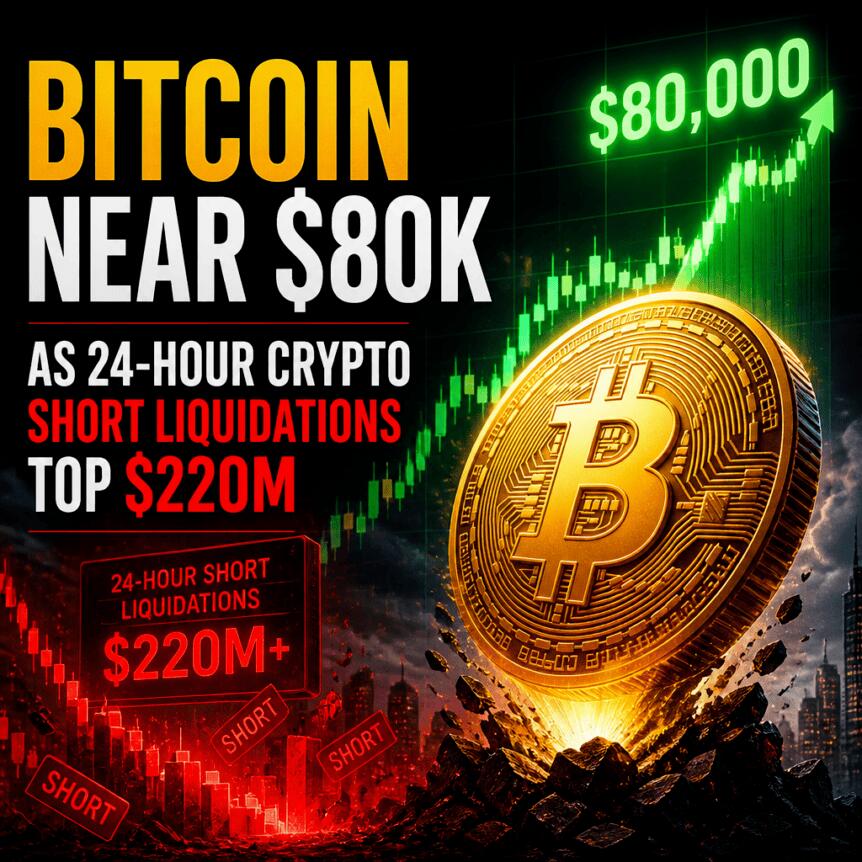
Bitcoin reclaimed the $80,000 level on Monday, pushing through a key psychological and technical milestone after last week’s sharp rally drew fresh momentum from traders. The breakout marked BTC’s first trade above $80,000 since mid-May, with price up roughly 3% at the time of reporting before easing after the European session.
As the market tested higher levels, activity on leveraged venues also picked up—most notably in short liquidations—underscoring how crowded positions may have been forced to unwind during the advance.
Key takeaways
- BTC/USD moved above $80,000 for the first time since May 15, ending a more than three-month absence from that range.
- CoinGlass data showed crypto short liquidations passed $220 million over the prior 24 hours as Bitcoin approached the $80,000 mark.
- Support appears to be clustering around the mid-$70,000s, with a bid liquidity band centered on $76,700, according to a CoinGlass liquidation heatmap.
- Analyst Rekt Capital said the “real test” will be whether Bitcoin can sustain strength, pointing to the 50-week exponential moving average near $77,251.
Bitcoin breaks back above $80,000 for the first time since May
TradingView charts showed BTC/USD crossing $80,000 for the first time since May 15, reaching the level during the Wall Street open. The move came alongside another roughly 3% gain on the day before pullbacks occurred following the European close, suggesting the market was still digesting the breakout rather than entering immediately into a smooth trend.
This return matters because it represents more than a single price point. Levels around $80,000 have historically functioned as both a reference for market positioning and a threshold traders watch for continuation signals. When Bitcoin re-enters a range it previously failed to hold for months, it can quickly shift expectations for whether the market is simply rebounding or genuinely transitioning to a stronger phase.
Short liquidations surge as leveraged traders unwind
Higher prices drew in additional leverage-related activity. According to CoinGlass, crypto short liquidations exceeded $220 million over the preceding 24 hours at the time of writing. While liquidations can occur in both directions, large short liquidation bursts typically accompany fast upward moves as price rallies force shorts to cover.
CoinGlass also highlighted a liquidation heatmap feature: a band of bid liquidity centered around $76,700. In practical terms, that cluster can act as a near-term “gravity point” during pullbacks—buyers who respond to forced liquidation dynamics may help slow a downside reversal if price falls back toward that zone.
Still, it’s important to remember that liquidation clusters are reactive, not predictive. They can help explain why certain retracements stabilize, but they don’t guarantee that a move back down will be limited or that new support will permanently hold.
The focus shifts from rally to “staying power”
Even with Bitcoin returning to a key higher range, market observers emphasized that sustaining the breakout is the real challenge. Earlier coverage from Cointelegraph had flagged concerns among some traders that bearish market patterns could reassert themselves later in the year, with downside potentially returning from September onward to trigger broader capitulation to new macro lows.
In that context, the latest push above $80,000 looks less like a finish line and more like the opening stage of a longer test. Rekt Capital, a trader and analyst, argued in his market commentary that Bitcoin must prove it can hold those levels. He pointed out that Bitcoin has closed the week at the highs and framed the next phase as a “real test” for whether strength persists.
“Bitcoin has Weekly Closed at the highs. Now starts the real test,”
Rekt Capital also cautioned that if the rally is only a “bear market relief” bounce, Bitcoin could pull back as early as the current week or within the following few weeks. That distinction—relief rally versus durable trend—has major implications for traders and portfolio managers because it changes expectations around volatility, timing of entries, and the likelihood of retesting lower ranges.
Key technical level in view: the 50-week EMA
Rekt Capital highlighted one technical benchmark in particular: the 50-week exponential moving average, currently around $77,251. He noted that Bitcoin achieved its first weekly close above that trend line since November 2025.
He also drew a comparison to the 2022 bear market, when BTC/USD managed two weekly closes above the same type of trend line before subsequently dropping to cycle lows. The point of the comparison isn’t to claim a repeat outcome, but to show how quickly markets can revert when trend-breaking closes occur without sustained follow-through.
For investors watching this level, the near-term question becomes whether price can remain above a widely tracked dynamic benchmark long enough to change market structure. If Bitcoin continues to close above the 50-week EMA and keeps higher levels defended on retracements, it would strengthen the case that the rebound is progressing into something more persistent. If not, the market may revert back toward the mid-$70,000s where liquidation-driven support has begun to form.
Next, traders are likely to monitor whether Bitcoin can hold above $80,000 on subsequent sessions and, more importantly, whether weekly closures continue to support the breakout thesis. The debate between “relief rally” and “sustained strength” will likely hinge on follow-through around the 50-week EMA near $77,251 and how price behaves during pullbacks toward the liquidation liquidity band centered at $76,700.


Extraordinary Attorney Woo’s Park Eun-bin and Doona!’s Yang Se-jong star as ghost-whispering hotel heiress Cheon Yeo-ri and ace prosecutor Ma Gang-uk, respectively, in the supernatural romance series Spooky in Love. In the Korean drama, which broadcast domestically on tvN and was distributed globally by Netflix, Yeo-ri and Gang-uk are initially brought together by their shared desire for justice. For Yeo-ri, this takes the form of helping the ghosts she alone can see. For Gang-uk, it means doing a good, by-the-book job as an investigator. But when Gang-uk learns Yeo-ri’s secret, the two grow closer.
While Spooky in Love starts out with a strong, ghost-of-the-week format, the second half of the drama leans more into corporate in-fighting and family drama as context for Yeo-ri and Gang-uk’s romance. When Chairwoman Baek insists that Yeo-ri get engaged in order to secure a more stable future for the hotel and resort company, Yeo-ri side-steps the advances of family friend and fellow chaebol Kang Min-hwan (Ong Seong-wu) to announce she is engaged to Gang-uk. What starts as a fake relationship to keep Yeo-ri’s grandmother off of her back soon develops into the real thing. But can Yeo-ri and Gang-uk’s love survive Min-hwan’s machinations to take control of both Yeo-ri and her company? Here’s everything that happens in the Spooky in Love finale.
Yeo-ri’s supernatural powers, explained

Yeo-ri wasn’t born with the ability to see ghosts. She developed it 12 years prior to the start of the series, when she nearly died in the mysterious yacht accident that killed her boyfriend and Min-hwan’s little brother, Kang Ji-hwan (Kim Min-chul). The condition has ghosts constantly nagging Yeo-ri for help, and also keeps her isolated from the land of the living. If she touches hands with someone else, they will temporarily gain the ability to see ghosts for a month. As a result, she wears gloves constantly, and keeps a physical distance from her friends, family, and co-workers.
The stakes of Yeo-ri’s secret are intensified due to the power her family holds. Yeo-ri is the heir to the Reina Group, a corporate hotel chain that wields immense wealth. Yeo-ri’s grandmother, Baek Kyung-ja (Ye Soo-jung), plans to pass the baton to Yeo-ri—rather than step-daughter Ok Gye-hui (Baek Ji-won) or her adult children, Ha-ri (Cho Hye-joo) and Don-jun (Lee Dal). However, if Chairwoman Baek, or the larger public, finds out that Yeo-ri is haunted by ghosts, it could call her ability to run the family corporation into question.
Still, Yeo-ri’s sense of justice runs deep. In Spooky in Love’s early episodes, Yeo-ri is visited by the ghost of Jang Eun-ju (Yoon Hye-rim), a young woman who was murdered by her boyfriend, Park Seung-jae (Kim Do-wan), after she becomes pregnant with their child. Seung-jae is well-connected. Not only is he a rich pro golfer, but his father is one of the leading contenders in the next presidential race. When he is initially tried for murder, with Gang-uk acting as prosecutor, he is acquitted due to his father’s immense influence. It is only when Gang-uk and Yeo-ri team up that they are able to gather more evidence, and definitively pin the murder on Seung-jae.
What happened on the yacht?
Yeo-ri grew up close to Kang Ji-hwan and Kang Min-hwan, brothers poised to inherit ownership of CL Raymond Group. Though both brothers had feelings for Yeo-ri, Ji-hwan was the first to ask her out. For Min-hwan, this intensified the jealousy he had long felt of his little brother. Jin-hwan, who looked up to his brother, didn’t realize that he was often treated better by some members of the family compared to Min-hwan, who was adopted. When Jin-hwan started dating Yeo-ri, it was the final straw for Min-hwan.
On the day of the accident, the brothers are out on a yacht with their friends, including Yeo-ri and fellow rich kid Park Seung-jae. We learn in the penultimate episode that when the yacht hit a rock and Jin-hwan was thrown over the side, Min-hwan had the chance to pull his brother back onboard, but let the pleading Jin-hwan fall into the water below instead. Jin-hwan dies, and Yeo-ri, who also went overboard in the accident, is rescued from the water. She is wearing a protective pendant gifted to Jin-hwan by his grandmother. He asked her to wear it while they were on the boat, joking that, if something should happen, she should live and he will die.
Later, Yeo-ri and Gang-uk seek out the shaman who made the pendant. The original maker is dead, but her daughter informs them that the power of the pendant changed Yeo-ri and Jin-hwan’s fates. That power, paired with Yeo-ri’s inability to let Jin-hwan move on in the immediate aftermath of the accident, led to Yeo-ri’s ability to see ghosts. The shaman tells Gang-uk and Yeo-ri that, in order for Yeo-ri to stop seeing ghosts, she owes the afterlife a life.
Gang-uk’s connection to Jin-hwan
Gang-uk, who was raised by his grandmother, did not grow up in the same social circles as Yeo-ri, Min-hwan, and the other members of the chaebol class. However, he shares a unique connection to Jin-hwan. When Jin-hwan died, a sick Gang-uk was given Jin-hwan’s heart. The transplant allowed him to live on. Ever since, Jin-hwan and Min-hwan’s mother, Song Hee-won (Kim Seo-ra) has kept tabs on Gang-uk through his grandmother. Though she lost one of her sons, it makes her happy to see Gang-uk doing well.
Min-hwan’s crimes escalate

This truth of Jin-hwan’s death is known only by Min-hwan for more than a decade. Yeo-ri doesn’t remember what happened during the accident and, even if she did, she didn’t witness what occurred between the brothers that day. However, when Seung-jae temporarily gets out of jail to attend his father’s funeral, he happens to stumble upon a camcorder memory card with footage of Min-hwan choosing not to save Jin-hwan. Seung-jae attempts to blackmail Min-hwan with the evidence. When the two meet up in an abandoned warehouse, Min-hwan kills him for it.
Gang-uk finds Min-hwan’s cufflink at the scene of the crime, but Min-hwan counters. He hires someone to hit Gang-uk with a truck. Yeo-ri pushes the man she loves out of the way at the last second, saving his life and putting her own in grave danger. She is hit by the truck, and ends up in a coma. As Yeo-ri’s life hangs in the balance, we see her traverse a beautiful kind of purgatory. The ghosts she has helped in the past 12 years, including Eun-ju, are waiting for her there. They lend her some of their warmth to keep her from crossing to the other side.
Yeo-ri and Jin-hwan balance the scales
Still, Yeo-ri finally does make it to a Styx-like river, a boundary between the world of the living and the world of the dead. Before she can step onto the boat that would bring her across, the ghost of Jin-hwan appears to take her place. The two share a teary conversation in which they process Jin-hwan’s death. Yeo-ri apologizes for living instead of him, but Jin-hwan doesn’t see it that way. He says she still has so much to live for, and that the ghosts she has helped are rooting for her. When Yeo-ri wakes back up, she no longer has the power to see ghosts. Jin-hwan has crossed to the other side; the afterlife has been given the soul it was robbed of 12 years prior.
Min-hwan is brought to justice
Unbeknownst to Min-hwan, Seung-jae has hidden the memory card in a hollow golf ball at the warehouse. When Yeo-ri and Gang-uk are investigating, they find the card and have the evidence to take Min-hwan down. In the most dramatic way possible, Yeo-ri reveals the evidence to Min-hwan’s mother and the other people gathered at Jin-hwan’s memorial service. More than losing his power or going to jail, Min-hwan seems most distraught at the idea of his mother discovering his betrayal. A year later, when she visits her remorseful son in jail, she tells him that after he has finished serving his time, she will be waiting for him. Min-hwan, who always thought his mother’s love for her biological son diminished her love for her adopted son, can perhaps finally see otherwise.
Does Spooky in Love have a happy ending?
Spooky in Love has the happiest of endings. A year following the main events of the series finale, Yeo-ri is announced as the new chairwoman of Reina. Yeo-ri and Gang-uk are happily together. Gang-uk, who had been transferred out of Seoul after reporting internal corruption at the prosecutor’s office, has just received a promotion back in the capital city where Yeo-ri lives. The two visit Siena Hall, the Reina wedding property that symbolizes Yeo-ri’s late parents’ love for one another, and walk together, hand in hand.
When the two first started falling for one another, Yeo-ri had said that her greatest wish was to walk hand-in-hand with the person she liked. Then, she was too afraid to touch anyone, burdened by the certainty she would pass her curse onto them. Now, she does so, unafraid. The simple scene doesn’t just demonstrate the love between Yeo-ri and Gang-uk; it demonstrates the intimacy and warmth Yeo-ri is able to let into her life more broadly. She is no longer alone, and Gang-uk is only one part of that reality.
Polish prosecutors have reportedly charged Przemysław Kral, the head of the collapsed cryptocurrency exchange Zondacrypto, in connection with an alleged large-scale fraud, and he has started cooperating with investigators, according to reporting from Onet.
Onet says Kral is seeking a reduced sentence in exchange for testimony that could include details about how Zondacrypto funding was linked to right-wing political figures in Poland. Prosecutors estimate that Zondacrypto customers lost at least 2.4 billion Polish zlotys (about $650 million), and investigators allege that only part of customer funds was used to buy crypto, while the remainder was moved to private accounts controlled by exchange managers.
Key takeaways
- Przemysław Kral of Zondacrypto has reportedly been charged and is cooperating with Polish prosecutors.
- Prosecutors estimate customer losses at least 2.4 billion zlotys (about $650 million).
- Investigators allege Zondacrypto used only a portion of customer funds to purchase crypto and diverted the rest to private accounts.
- Kral is reportedly trying to secure a reduced sentence through testimony, potentially touching on alleged exchange-related political funding.
- Earlier public statements included a claim that Zondacrypto could not access a cold wallet holding roughly 4,500 Bitcoin.
Cooperation talks and the alleged damage
Onet reports that prosecutors estimate Zondacrypto customers lost at least 2.4 billion zlotys. The outlet also states investigators believe the exchange did not preserve customer money in full, but instead used only part of customers’ funds to buy cryptocurrency, with additional amounts allegedly transferred to private accounts under the control of Zondacrypto’s managers.
According to Onet, Kral began exploring cooperation conditions weeks ahead of the reported charge outcome. The outlet previously reported that he had been negotiating the terms of possible collaboration with prosecutors for about six months.
That reporting also described informal meetings between Kral and prosecutors in Poland as well as in locations including Sicily and parts of the Persian Gulf, where discussions reportedly focused on the structure of a potential deal.
Allegations tied to political connections
In the newest Onet report, the outlet says Kral is seeking a lighter sentence by offering testimony that could include details about alleged Zondacrypto involvement with funding right-wing politicians.
The political angle is not new to the Zondacrypto case. Onet previously reported that Zondacrypto had acted as a key sponsor of Poland’s Conservative Political Action Conference (CPAC) shortly before the second round of the presidential election, which was won by Karol Nawrocki.
Onet also notes that in its final year, Zondacrypto spent 37 million zlotys on advertising with broadcaster Telewizja Republika. The outlet further claims that companies owned by Kral made payments to foundations linked to politicians Zbigniew Ziobro and Przemysław Wipler.
What Kral said earlier about the missing Bitcoin
Since mid-April, Kral has remained publicly silent on X after disclosing that Zondacrypto was unable to access a cold wallet reportedly holding about 4,500 Bitcoin. Earlier coverage from Cointelegraph noted the wallet access issue and described the resulting withdrawal crisis.
Kral has denied accusations of misappropriating customer funds. He said the private keys for the wallet were intended to have been transferred by Zondacrypto founder and former CEO Sylwester Suszek, who has been missing since 2022.
That explanation has been central to how the case has been discussed publicly: rather than conceding fund loss, Kral pointed to an alleged custody and key-transfer failure involving Suszek. Prosecutors’ latest estimates and alleged diversion of funds, as described by Onet, suggest investigators view that narrative differently.
Unanswered questions as the probe expands
As the case moves into the cooperation phase, several issues remain unclear based on the available reporting. Onet’s claims focus on the scale of customer losses and the alleged path of diverted funds, but they do not establish in detail how investigators quantify losses or reconcile them with any remaining assets, including the purported cold wallet.
Cointelegraph reported that it was unable to reach Kral or Zondacrypto for comment. The outlet said email addresses connected to the exchange were unavailable after Kral’s April disclosure about the wallet access problem.
For investors and market participants, the Zondacrypto situation underscores a persistent pattern seen in major exchange collapses: customer assets may be at risk not only through outright theft, but also through custody failures, opaque internal controls, and use of funds in ways that do not align with client expectations. The investigation’s alleged findings—customers’ funds being partially used for purchases while the rest allegedly moved to private accounts—highlight why transparency around wallet management and auditability matters, especially in jurisdictions where recovery and enforcement can take time.
Readers should watch next for what Kral’s cooperation ultimately produces in court filings—particularly whether testimony about alleged political funding is corroborated by evidence and how prosecutors account for the missing Bitcoin and any other recoverable funds. The case also raises broader questions about how regulators and law enforcement will evaluate the relationship between exchange operations, third-party entities, and political influence when rebuilding trust after a collapse.
Bitcoin (BTC) passed $80,000 after Monday’s Wall Street open as bulls built on last week’s snap BTC price rally.
Key points:
- Bitcoin hits $80,000 for the first time since mid-May as bullish momentum gathered pace.
- BTC price analysis warns that the market still needs to sustain higher levels to challenge the bear-market thesis.
Bitcoin returns to $80,000 after 100-day hiatus
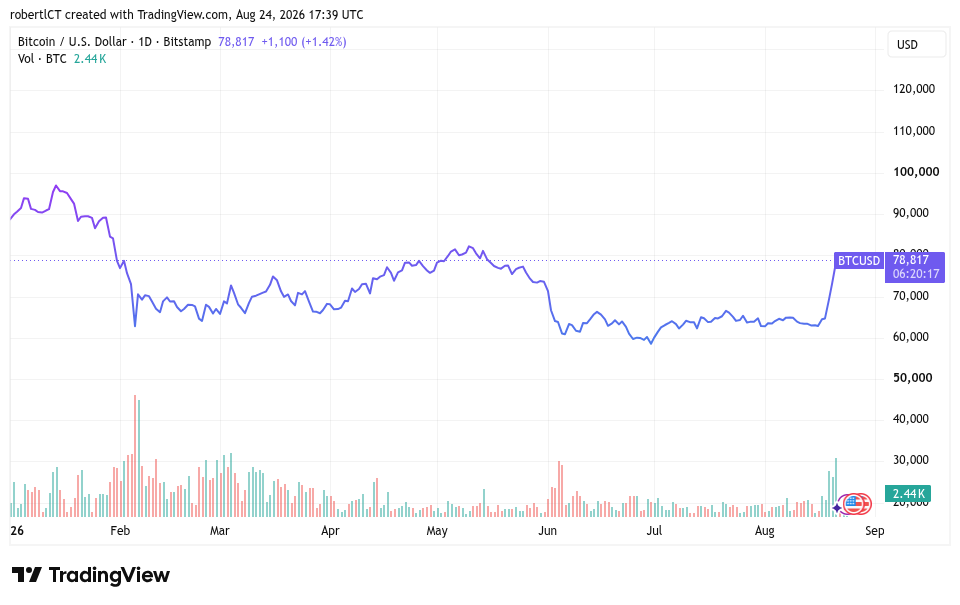
Data from TradingView showed BTC/USD passing the $80,000 for the first time since May 15, up another 3% on the day before pulling back following the European close.
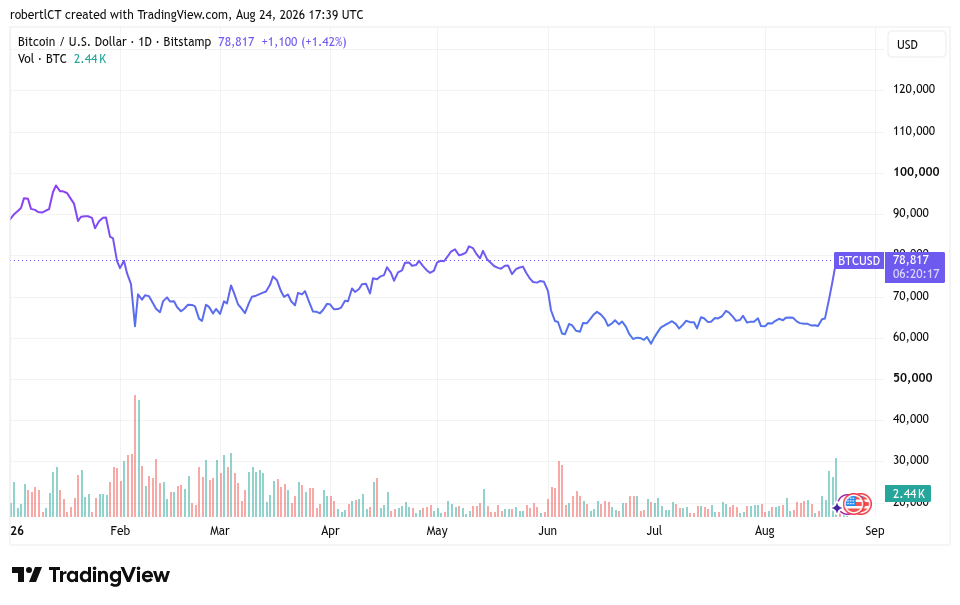
Source: TradingView
The move spurred an uptick in crypto short liquidations, with these passing $220 million over the 24 hours to the time of writing, per data from CoinGlass. A band of bid liquidity centered on $76,700, potentially offering support in the event of a downward BTC price reversal.
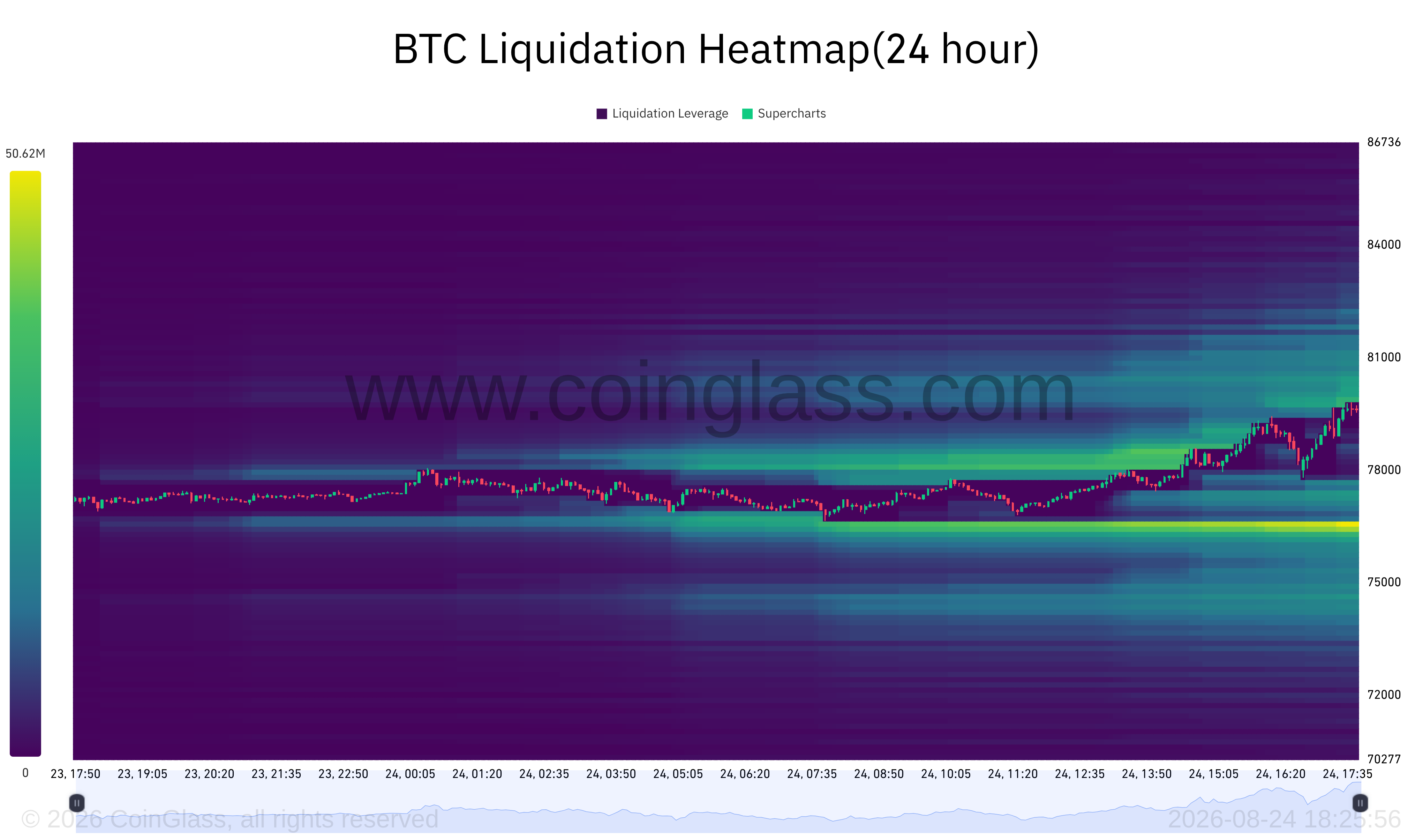
BTC liquidation heatmap. Source: CoinGlass
Analyst: BTC rebound must prove staying power
Bitcoin was up 25% month-to-date, seeing its best August performance since 2017 and increasingly diverging from bear-market norms. Earlier, Cointelegraph reported on concerns among some traders that bearish history could still repeat, with downside reemerging from September onward to spark a final capitulation to new macro lows.
Related: BTC price loses 200-week trend line as 2022 repeats: Five things to know in Bitcoin this week
“Bitcoin has Weekly Closed at the highs. Now starts the real test,” trader and analyst Rekt Capital wrote in his latest market commentary on X.
“If this is a Bear Market Relief Rally, then Bitcoin could pullback as early as this week, or at least over the next few weeks. Now it’s all about Bitcoin proving sustained strength.”
Rekt Capital had eyed the 50-week exponential moving average in particular, currently at $77,251, as price achieved its first weekly close above it since November 2025. During Bitcoin’s 2022 bear market, BTC/USD achieved two weekly closes above that trend line before dropping to cycle lows.
Magazine: Bitget CEO isn’t buying the Bitcoin rally — She’s waiting for $50K
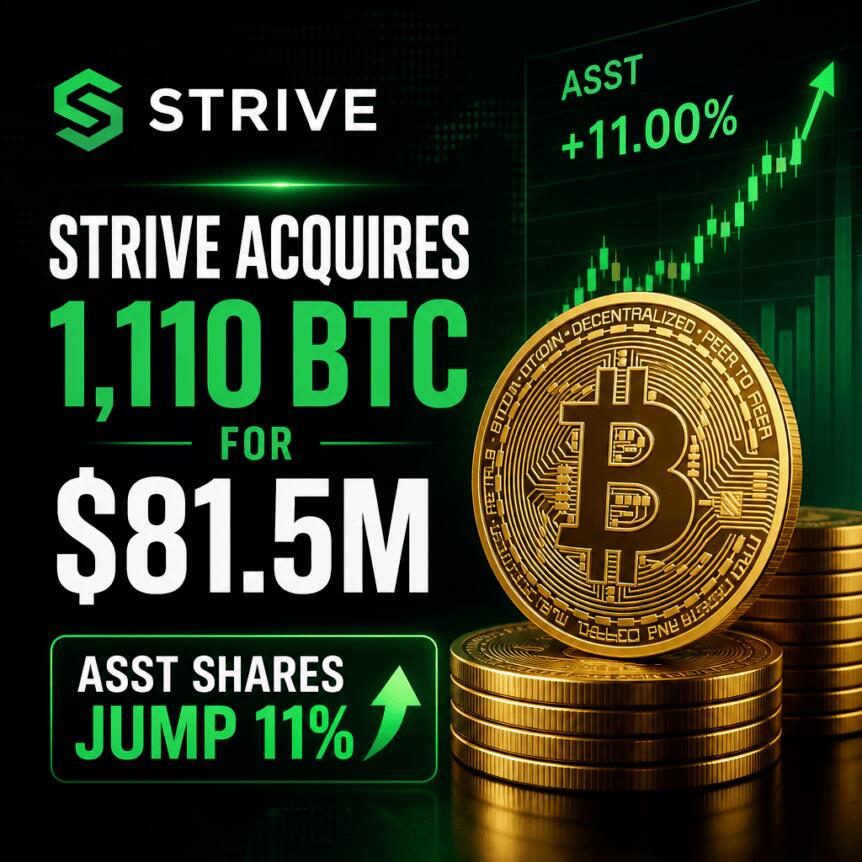
Strive Asset Management has made its latest Bitcoin purchase, according to a filing with the U.S. Securities and Exchange Commission. The Nasdaq-listed company bought 1,110 BTC during the week of Aug. 17 through Aug. 21, spending about $81.5 million in total and bringing its Bitcoin treasury to 21,356 BTC.
The purchase price averaged $73,409 per Bitcoin, inclusive of fees and expenses, based on the company’s disclosures. As of the same period, Strive reported that its cash and cash equivalents increased by $17.1 million to $171.9 million, while its Class A shares outstanding rose by 3.65 million to 79.89 million.
Key takeaways
- Strive purchased 1,110 BTC for about $81.5 million between Aug. 17 and Aug. 21, per its SEC filing.
- The average all-in cost was $73,409 per Bitcoin, with Strive adding to a total holding of 21,356 BTC.
- Bitcoin was trading around $79,000 on Monday, roughly 8% above Strive’s reported average purchase price for the latest buys.
- Company data cited by BitcoinTreasuries.NET places Strive among the largest publicly traded corporate Bitcoin holders.
- Separately, Strive’s SATA preferred stock returned to its $99-to-$101 trading corridor after dipping earlier in June.
Another corporate Bitcoin buy—and what the pricing implies
In the SEC filing, Strive details how it executed the most recent tranche of Bitcoin purchases. The company’s average cost—$73,409 per BTC including fees and expenses—was below the approximate $79,000 level at which Bitcoin traded on Monday, according to the article’s market reference. That gap suggests Strive acquired the latest Bitcoin inventory at a discount relative to the spot price at the start of the following trading day, though investors will be watching how the treasury’s realized cost basis compares as new purchases continue.
The timing also matters for corporate-holding strategies that aim to maintain a consistent allocation rather than attempt precise market timing. Strive’s cash position, which rose to $171.9 million, indicates it had room to continue deploying capital into its treasury approach during the covered week. At the same time, growth in Class A shares outstanding to 79.89 million points to ongoing corporate balance sheet activity beyond the Bitcoin buy itself.
BitcoinTreasuries.NET data, cited alongside the filing, ranks Strive as the seventh-largest publicly traded corporate Bitcoin holder, positioning it behind Bullish and ahead of SpaceX. For traders, that kind of ranking can be more than trivia: it can influence investor perception around liquidity, follow-on demand, and how visible corporate BTC strategies are to the broader market.
Strive links the strategy to “scarcity” and share structure
Alongside the purchase news, Strive’s CEO Matt Cole framed the company’s broader thesis in terms of relative scarcity and how Strive’s share structure is intended to participate. In a post on X ahead of Monday’s market open, Cole said the “upside” is not only tied to Bitcoin moving higher, but to Bitcoin “becoming the fastest horse inside an expanding scarcity trade,” adding that $ASST is “structured to amplify” that outcome while remaining “responsibly” supported.
This is essentially an investor-facing explanation of why the treasury strategy is paired with the company’s capital structure. Investors should treat such statements as strategic framing—not performance guarantees—while monitoring how the firm actually funds purchases and how its market-linked products behave during BTC volatility.
Beyond Bitcoin: SATA preferred stock returns to its target range
While the Bitcoin purchase grabbed attention, Strive’s other major development was movement in its SATA preferred stock. The filing context notes that SATA closed at $100.01 on Friday, returning to a management targeted trading range of $99 to $101 after trading as low as $83.30 in late June.
According to the article, Strive previously narrowed SATA’s targeted corridor from $95–$105 to $99–$101 in March. Around that time, the company also stated it would not issue SATA through at-the-market or follow-on offerings below $100, a commitment that is designed to limit dilution at prices the company considers off-target.
SATA was launched in November 2025, initially selling 2 million shares at $80 each for $160 million in gross proceeds. The preferred stock is described as variable-rate and perpetual, with a stated amount and an initial liquidation preference of $100 per share—key features that differentiate it from Strive’s common equity.
Functionally, SATA is intended to operate as an income-focused instrument. The variable dividend rate is meant to encourage trading near $100, and the article notes Strive raised the annualized dividend rate to 13% in April. It also switched from monthly to daily dividend payments beginning June 16, referencing an SEC filing for the change in payment schedule.
How SATA compares to Strategy’s STRC
SATA is presented as similar to STRC, the variable-rate perpetual preferred stock issued by Strategy, which is widely regarded as the largest corporate Bitcoin holder. The article states STRC traded near $97 on Monday, below Strategy’s $100 target, while Strategy reported no Bitcoin purchases for the week ended Aug. 23.
For market participants, this comparison is useful because both SATA and STRC are designed to tie investor outcomes to corporate Bitcoin holdings while using dividend mechanics to influence preferred-share pricing. If Strategy is paused on new purchases while Strive is actively adding BTC, the relative behavior of their preferred instruments could become a proxy for how markets are weighing treasury accumulation versus dividend/rate adjustments.
However, investors should be careful not to assume one day’s price action directly reflects the treasury’s longer-term economics. Preferred stocks can respond to yield expectations, liquidity, and broader risk sentiment, and variable-rate structures can shift quickly as dividend calculations change.
Next, readers should watch whether Strive continues its steady cadence of Bitcoin purchases and how that activity filters into the market’s expectations for both ASST and its preferred share suite. The sustainability of SATA staying near the $100 corridor will also be important, especially if Bitcoin volatility increases or if Strive’s treasury strategy funds new buys alongside changes in dividends and share issuance.
Bitcoin has recovered above $79,000 after briefly falling toward $78,200 as President Donald Trump threatened 50% tariffs on Canadian vehicles, automotive parts and steel from Jan. 1, 2027.
Summary
- Trump said tariffs on several Canadian automotive and steel imports would rise to 50%.
- Bitcoin briefly fell toward $78,200 before recovering to about $79,300.
- U.S.-Canada trade negotiations ended without an agreement after three days of talks.
- U.S. spot Bitcoin ETFs drew about $1.92 billion during the latest five-session rally.
Trump tariffs target Canadian vehicles and steel
A Truth Social post published by Trump on Aug. 24 said the United States would raise tariffs on all Canadian cars, trucks, automotive parts and steel to 50% at the start of 2027.
“Build in the U.S. and there are ZERO TARIFFS,” Trump wrote before criticizing Canada’s approach to trade with the United States.
The announcement followed the collapse of negotiations between Washington and Ottawa on Aug. 21. According to Reuters, the proposed agreement would have reduced the main U.S. tariff on Canadian cars and light trucks from 25% to 15%. Duties on Canadian aluminum and steel would also have fallen from 50% to 25%.
Negotiators did not resolve several points, including whether tariff relief would cover medium- and heavy-duty trucks. With no agreement in place, Trump increased the pressure on Ottawa through his latest tariff threat.
Canada, for its part, plans to impose retaliatory tariffs on selected U.S. products from Sept. 8 in response to existing 50% U.S. duties on about $20 billion of Canadian goods. Prime Minister Mark Carney described the dispute as a trade war after the talks failed.
“You’re at war when you get attacked,” Carney said on Aug. 22.
Trump also claimed Canada conducts 95% of its business with the United States, although official trade figures cited by Reuters show Canada sends more than three-quarters of its goods exports to the U.S. and receives almost half of its goods imports from its southern neighbor.
U.S. goods and services trade with Canada totaled $872.3 billion in 2025, making the country one of America’s two largest trading partners. The high level of integration means parts can cross the border several times before a finished vehicle reaches a dealership.
Bitcoin price has recovered from its tariff-driven dip
Bitcoin initially moved lower after Trump published the tariff announcement, falling from above $79,000 to around $78,200. Buyers soon absorbed the decline, helping BTC return above the psychological $79,000 level.
At the time of writing, Bitcoin traded near $79,300, up more than 2% over the previous 24 hours. The cryptocurrency also came within roughly $500 of the $80,000 level after reaching an intraday high close to $79,900.
The limited reaction contrasts with Bitcoin’s behavior during earlier tariff disputes. In February, BTC lost the $65,000 support level as new U.S. global duties approached, while the total crypto market value fell as traders reduced exposure to risk assets. Earlier crypto.news coverage of that decline recorded a roughly 5% Bitcoin drop from a previous high of $66,465.
Monday’s price move has been smaller because Bitcoin entered the announcement with strong upward momentum. BTC climbed from about $62,679 on Aug. 17 to a three-month high near $79,500 on Aug. 21, adding almost 27% between the weekly low and high.
After pulling back toward $76,600 over the weekend, the asset resumed its advance on Aug. 24. The latest tariff news briefly interrupted that recovery but did not erase the day’s gain.
Treasury buybacks have supported Bitcoin’s rally
Behind Bitcoin’s recent advance, the U.S. Treasury has expanded its liquidity-support buybacks for longer-dated government securities. The department raised the maximum size of each operation from $2 billion to at least $4 billion for bonds in the 10-to-20-year and 20-to-30-year maturity ranges.
Scheduled to take effect on Sept. 9, the revised program will also increase the number of long-end operations from two to four per quarter through Nov. 4. No money has been deployed under the expanded schedule yet.
The announcement prompted a rapid repricing in the bond market. The 30-year Treasury yield fell from a 19-year high of about 5.34% to 5.19%, while the 10-year yield declined to around 4.65%.
As earlier buyback coverage detailed, Bitcoin jumped 8.2% from an intraday low near $64,100 to $69,500 in less than 12 hours after the Treasury disclosed the change. About $1.44 billion in short positions was liquidated across major crypto exchanges during the move, including $1.29 billion within one hour.
The buyback program does not amount to Federal Reserve quantitative easing. The Treasury purchases older and less liquid bonds using proceeds from newly issued debt, changing the composition of government liabilities without reducing the total federal debt stock.
Continued demand through regulated U.S. investment products has provided another source of buying. Spot Bitcoin exchange-traded funds attracted approximately $1.92 billion across five sessions during the latest rally.
On Aug. 20 alone, the funds recorded about $606 million in net inflows after drawing roughly $517 million during the previous session. BlackRock’s IBIT accounted for a large portion of the demand, while the combined assets held by U.S. spot Bitcoin ETFs rose above $90 billion.
Canadian tariffs carry risks for U.S. prices
For American consumers and investors, the proposed duties could affect vehicle prices and the earnings of automakers with supply chains spanning the U.S.-Canada border. Canadian plants supply engines, transmissions and other components to assembly facilities in the United States, while U.S.-made parts also move north for vehicle production.
Flavio Volpe, president of Canada’s Automotive Parts Manufacturers’ Association, told Reuters that U.S. assembly plants depend on specific Canadian components and could face production stoppages if the tariff threat disrupts their supply.
Auto industry executives also questioned whether the 50% rate would take effect as announced, noting that Trump has previously withdrawn or revised tariff threats during negotiations. More than four months remain before the planned Jan. 1 implementation date, leaving time for Washington and Ottawa to restart discussions.
Canada’s retaliatory measures are scheduled to begin sooner. Starting Sept. 8, Ottawa plans to apply duties to selected American products in response to tariffs already ordered by the Trump administration, while the White House has not released the detailed rules governing the proposed 2027 automotive levies.


Ethereum developer Eric Conner has proposed a common status interface for tokenized assets, as onchain stocks trade continuously while the New York Stock Exchange opens for only 32.5 hours each week.
Summary
- ERC-8392 would let contracts check market sessions, trading halts, valuation status and redemption availability.
- The interface separates expected stale prices during closures from delayed or failed valuation updates.
- Conner initially called the proposal ERC-8391, but the published discussion and draft use ERC-8392.
- The proposal supplies status information without deciding whether an asset is safe to trade or use as collateral.
ERC-8392 separates market closures from feed failures
EthHub founder Eric Conner introduced the proposal in an Aug. 24 X post, describing it as an asset status interface for tokenized stocks and real-world assets.
Conner referred to the proposal as ERC-8391 in the post. However, the subsequent Ethereum Magicians discussion and associated draft identify it as ERC-8392, titled “Asset Status Interface for Tokenized Assets.”
The proposal addresses a mismatch between continuous blockchain activity and the limited operating hours of traditional markets. Tokenized stocks can move between wallets or trade through smart contracts at any hour, while their reference shares may not be trading on an exchange.
During a weekend, for example, the latest available stock price may be several hours old because the market is closed. A similar onchain price could also result from an oracle failure, a trading halt, or a corporate event that occurred while the exchange was shut.
Although the price data may look identical in each case, Conner said smart contracts should respond differently. A lending protocol might tolerate an old price during a scheduled closure but suspend liquidations when a data provider has failed.
“Both produce identical bytes onchain. The correct response is opposite,” Conner wrote.
Price feeds alone also cannot show whether the reference stock is under a price restriction, whether the issuer has paused a token program, or whether holders can currently redeem their tokens. ERC-8392 proposes separate queries for each form of operational information.
Tokenized stocks would expose four status categories
At the center of the draft is IAssetStatus, a required interface covering the token program’s lifecycle and operational condition. Three optional extensions would supply information about the reference market, valuation feed, and primary issuance or redemption process.
The market-status extension would identify whether the reference venue is in regular trading, an extended session, an auction, or a closed period. A separate field would report interruptions such as an asset-level halt, venue-wide halt, or price constraint.
For assets tied to listed shares, the proposal also includes a market identifier based on the ISO 10383 Market Identifier Code. Integrators could use the code to compare a reported status with a public exchange calendar.
A valuation-status query would separate an expected lack of updates from a genuine delay. During a normal weekend closure, the interface could report that no new price is due. If an oracle misses an update during an active session, the same interface could show that the valuation has become delayed or unavailable.
Issuance and redemption receive a separate status because a valid market price does not guarantee that investors can create or redeem the token. Funds may operate with net asset value cutoffs, while issuers can set defined subscription periods or temporarily stop redemptions.
Each status category includes an UNKNOWN value. According to the draft, making unknown the default prevents empty storage in a newly deployed or upgraded contract from being interpreted as a healthy operating state.
The proposed views would not depend on the caller and would not revert. Conner also excluded required events because scheduled market sessions can change with the clock even when no blockchain transaction occurs.
ERC-8392 provides information rather than a safety verdict
ERC-8392 does not instruct applications to buy, sell, liquidate, or freeze an asset. Instead, the interface standardizes the questions that a contract can ask, leaving each application to set its own response.
A lending market could reduce loan-to-value limits when a reference exchange closes, while another protocol might continue operating if it has enough liquidity and other pricing sources. Wallets could present a warning when a valuation is delayed or redemption is unavailable.
Conner said the status information would remain advisory because the interface cannot guarantee that an issuer or oracle has supplied correct data. Oracles could report the relevant conditions, and token contracts would return the status through a common format.
Existing products currently use different methods. According to the proposal, Ondo provides an offchain status interface, Robinhood Chain tokens use a proprietary oraclePaused() query, and several other assets expose only a general paused() function. Lending markets must therefore build separate handling rules for each listing.
ERC-8392 has been designed to work alongside other token standards. The draft leaves stock splits to ERC-8056 and transfer restrictions to ERC-7943 or ERC-3643. Merger and spinoff economics are also outside its scope, although their operational effects could appear through a halt or other status update.
Early feedback on Ethereum Magicians has raised questions about historical data and settlement. One respondent working from a lending perspective said status events could help protocols measure how often an asset was halted or its valuation was delayed. The respondent also proposed a status digest that applications could verify at settlement if conditions changed after an earlier check.
Conner has requested feedback from issuers, lending-market teams, and market-structure specialists. The draft has been reviewed on paper against conditions including Hong Kong lunch breaks, German exchange interruptions, London auctions, Gulf trading weeks and price limits in mainland China, but it has not reached final status.
Tokenized stock growth raises the need for common controls
The proposal has arrived as tokenized equity activity expands across several blockchain networks. As crypto.news reported on Aug. 21, combined tokenized-stock trading through Uniswap on Robinhood Chain reached $1 billion.
Robinhood launched 95 Stock Tokens for eligible customers in more than 120 countries, with instruments tracking companies such as Nvidia, Apple, and Alphabet. The products remain unavailable in the United States, and Robinhood describes them as debt securities that track referenced shares rather than direct ownership of the underlying stock.
Separate Token Terminal figures cited in an Aug. 15 report placed the tokenized stock market at about $2.7 billion, up from roughly $80 million one year earlier. Ondo held the largest issuer position, while Binance’s bStocks and Kraken-backed xStocks each accounted for more than $600 million.
Continuous trading can expose investors and lending systems to prices set while the underlying U.S. exchanges are closed. Under Conner’s proposal, applications could check whether an equity reference market is open before accepting a token as collateral, processing a liquidation, or displaying a valuation.
For U.S. investors, a technical status interface would not change the legal treatment of a tokenized security. The Securities and Exchange Commission says issuer-sponsored, custodial, and synthetic tokenized securities can carry different ownership rights, while tokenized securities remain subject to federal securities laws.
Legal ownership may also depend on records maintained outside the token contract. An Aug. 20 report found that an Injective affiliate had secured SEC transfer agent registration, allowing it to maintain securities ownership records, process ownership changes and support distributions and corporate actions.
The ERC-8392 draft remains open for technical review, and Conner said a reference implementation with a Foundry test suite is still being prepared for the proposal.
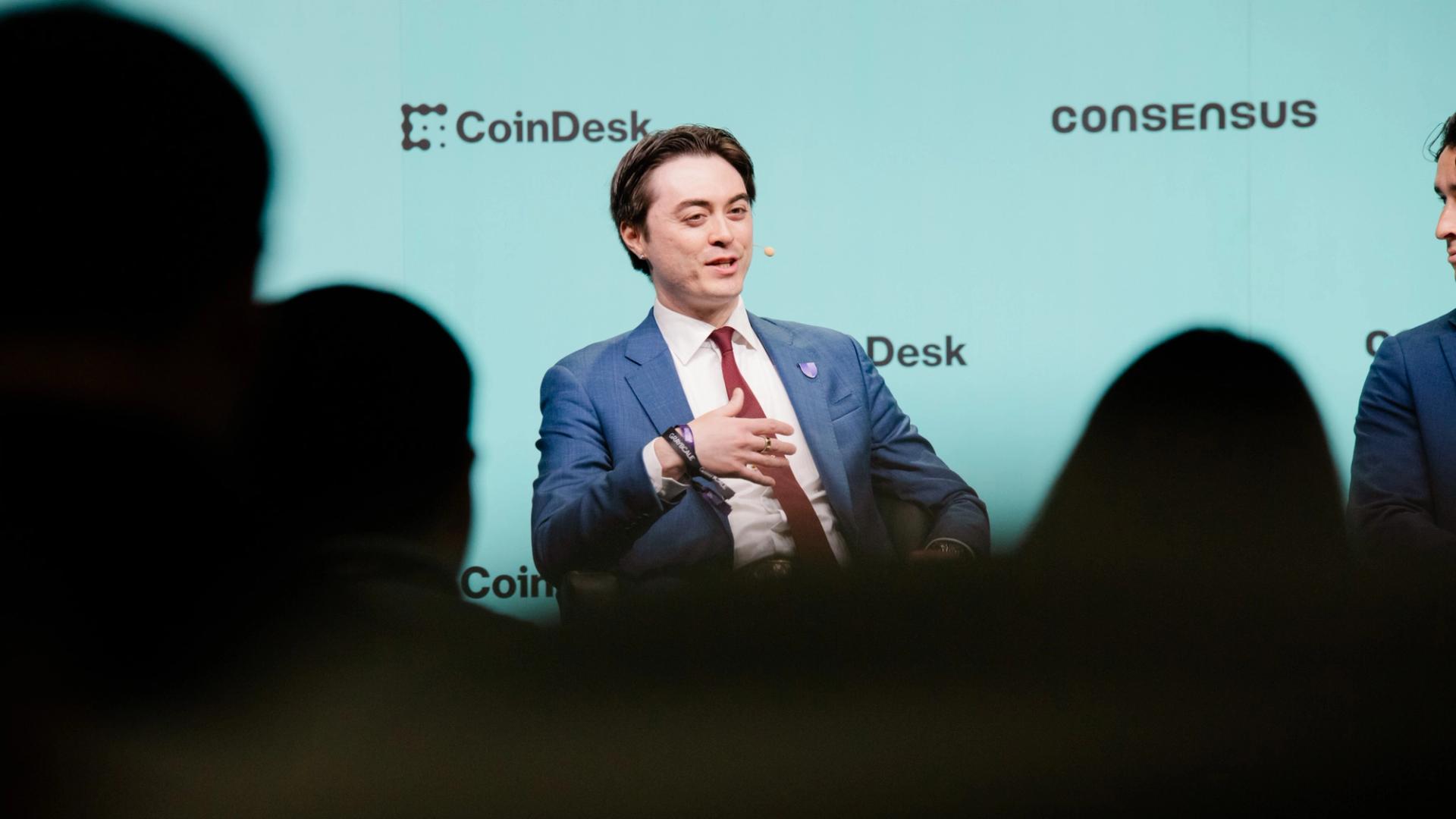
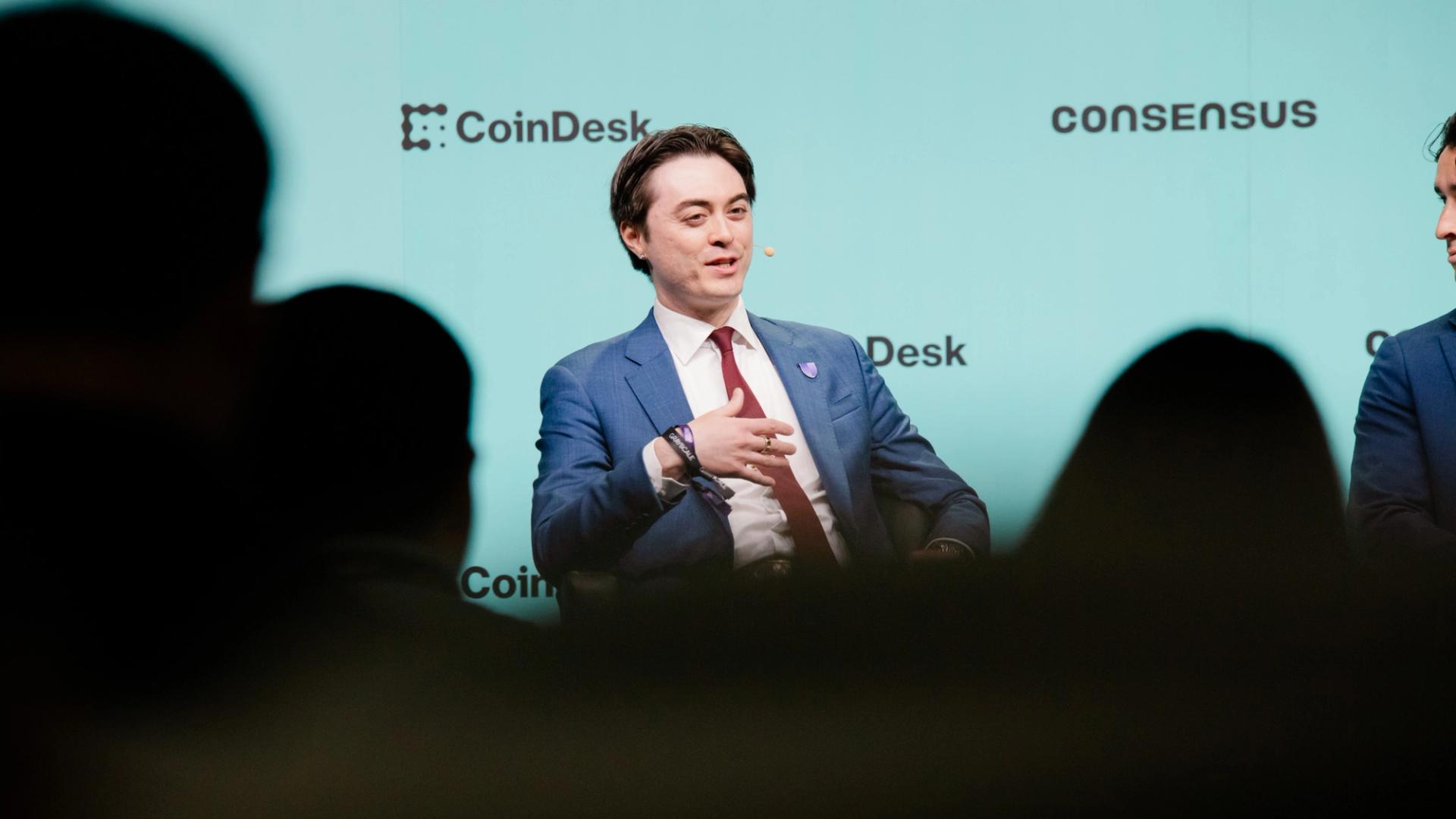
Stand With Crypto, a member group that rates the crypto friendliness of politicians, is supporting 32 U.S. House incumbents, with more endorsements coming.
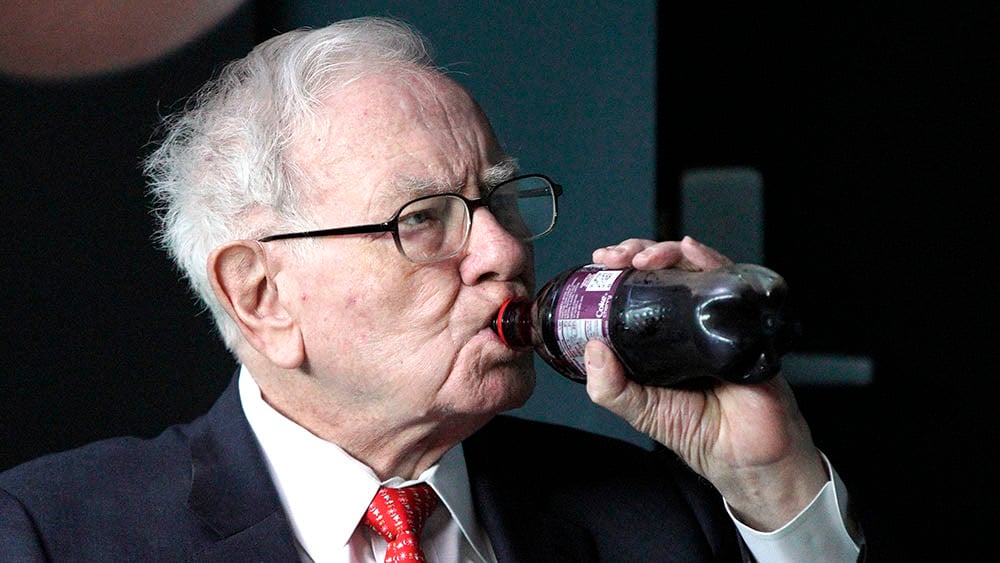
Warren Buffett doesn’t just own and love Coca-Cola stock. It’s widely reported that Coca-Cola (and Cherry Coke) is his favorite beverage as well. Coca-Cola (KO), one of Buffett’s and Berkshire Hathaway’s (BRKB) top equity portfolio holdings, hit a new high on Monday, trading within a buy zone. Coca-Cola Stock Hits A Buy Point And A High Shares of Coca-Cola popped…
Copyright ©2026 Investor’s Business Daily, LLC. All rights reserved. 87990cbe856818d5eddac44c7b1cdeb8
Crypto World
The Group Behind the GTA VI Leaks Has a Meme Coin, Millions in Value, and a Secret Agenda

A meme coin tied to the GTA VI leak saga is having an absolutely wild run. CYBERLEEK, a Solana-based meme coin promoted by the person or group behind the alleged leaks, has jumped another 35% in the past 24 hours.
That comes after an almost unbelievable 40,000% surge over the past week. The token is now trading around $0.028, as fresh GTA VI gameplay footage continues to appear alongside its promotion.
CYBERLEEK, however, asserted that there is more to the token than a quick crypto gamble. They claim it is connected to a “secret project” and that the money raised will go toward building infrastructure and security for the project.
GTA VI Leaks
International Cyber Digest reported that CyberLeek has burned almost $1.5 million worth of developer tokens to argue that the meme coin isn’t a pump-and-dump scheme. The group has collected around $40,000-$70,000 or more in transaction fees. It also reportedly sought a 400 Monero “donation,” worth roughly $165,000 at the time, to initiate contact for potential advertising deals.
CyberLeek began posting GTA VI gameplay footage last week, which included details about the game’s map and free-roam gameplay, and was later removed from X following a copyright strike from Rockstar Games. The group said the token was created to raise funds for a “secret project” that cannot yet be disclosed because revealing it would give large corporations time to prepare defenses.
It denied that the project is a cash grab and added that the funding is intended for infrastructure and protection against corporate counterattacks.
CyberLeek’s posts briefly pushed the token’s market capitalization to over $20 million on Monday. According to the now-blocked website, the group had asserted that its actions were driven by objections to anti-consumer practices in the gaming industry, including digital pre-orders, paid single-player content, and limited long-term offline access. But the use of leaked footage to promote its own meme coin has raised serious questions.
Take-Two Hunts the Leakers
The leaks have continued despite Take-Two Interactive seeking information from Microsoft and Discord that could help identify those behind them. On August 22, two more videos were released, one showing supercar gameplay and an armed robbery, while the other featured a strip club scene.
Take-Two said in its court filings that GTA VI material, including audiovisual content, artwork, images and dialogue, had been posted through Microsoft’s GitHub platform and Discord. Microsoft said it was working with Take-Two and Rockstar to protect their creative work and intellectual property. Discord, meanwhile, said it reviews and complies with valid DMCA subpoenas. Rockstar has not publicly confirmed whether the leaked footage is authentic.
The post The Group Behind the GTA VI Leaks Has a Meme Coin, Millions in Value, and a Secret Agenda appeared first on CryptoPotato.
‘Ted Lasso’ season 5 begins filming in London

Financial Audit’s Most Violent Girlfriend

North Yorkshire Police officer ‘assaulted’ after York races





-

 Fashion3 days ago
Weekend Open Thread: Madewell – Corporette.com
-

 Business6 days ago
SMA Solar Technology AG (SMTGY) Q2 2026 Earnings Call Transcript
-

 Crypto World3 days ago
anatomy of crypto’s biggest liquidation event since 2021
-

 Business2 days ago
Musk’s Tesla, SpaceX Confirm $16.8 Billion ‘Terafab’ Chip Plant as World’s Largest Building in Texas
-

 Tech7 days ago
Qwen3.8-27B runs frontier-class coding agents and reasoning locally, no cloud API required
-

 Crypto World7 days ago
OCC Greenlights Trump Family Crypto Firm for Trust Charter
-

 Politics2 days ago
6 months on, Irish renters crushed by effects of government housing bill
-
 NewsBeat2 days ago
The ‘Lucky Dip Gang’ causing carnage for clicks: After five thugs were killed speeding in the wrong direction on a motorway, GUY ADAMS investigates a sick new trend… and why police aren’t even allowed to pursue them
-

 Crypto World7 days ago
NAVI Prime launches institutional lending framework on Sui
-

 Tech5 days ago
GLM-5.3 hits the API at $1.4/$4.4 per million tokens
-

 News Videos5 days ago
Don’t Leave Your Financial Future To Chance | August 19, 2026
-
Tech7 days ago
5 Of The Most Reliable Car Brands To Consider If You’re Buying A Used SUV
-
 Crypto World7 days ago
Dow’s 3-Year Winning Run Isn’t a Crash Signal, Still 49% Odds of Double-Digit Gains
-

 Tech7 days ago
Keychron K8 Ultra 8K review: a great value keyboard with comfort issues
-
 Tech7 days ago
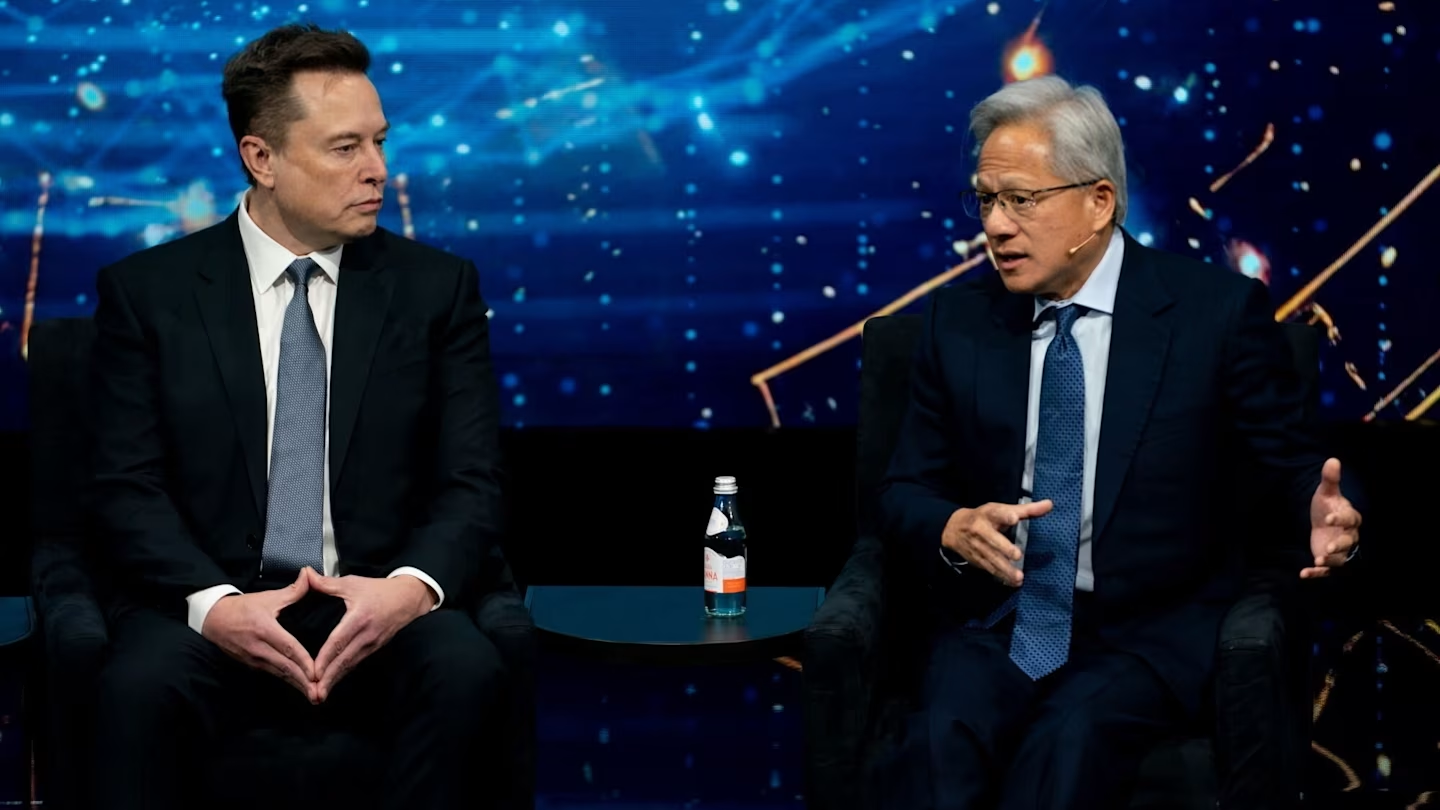
Nvidia discloses $21B stake in SpaceX
-

 Business6 days ago
Stock Market Today: Tech Futures Slide As Treasury Yields Jump; Nvidia, Micron, Sandisk Sell Off
-

 Business5 days ago
Marvell Shares Jump 7% as Google Chip Deal Confirms Custom AI Silicon Partnership, Analysts
-

 Business4 days ago
Five Below: Kids Discount Retailer Reaps Rich Rewards
-

 Business1 day ago
Mystery AI Model ‘Ox Alpha’ Draws Developers With Free Access as Chinese Lab Origins Remain Debated
-
Business7 days ago
Fabrinet (FN) Q4 2026 Earnings Call Transcript
You must be logged in to post a comment Login