
Crypto World
Jim Cramer Cites Overblown Meta Stock Trial Risk: Is This A Sell Signal?

Jim Cramer told investors not to sell Meta Platforms (META) over the youth-safety trial in Oakland, California. He argued the legal pressure is temporary and the shares reward patience.
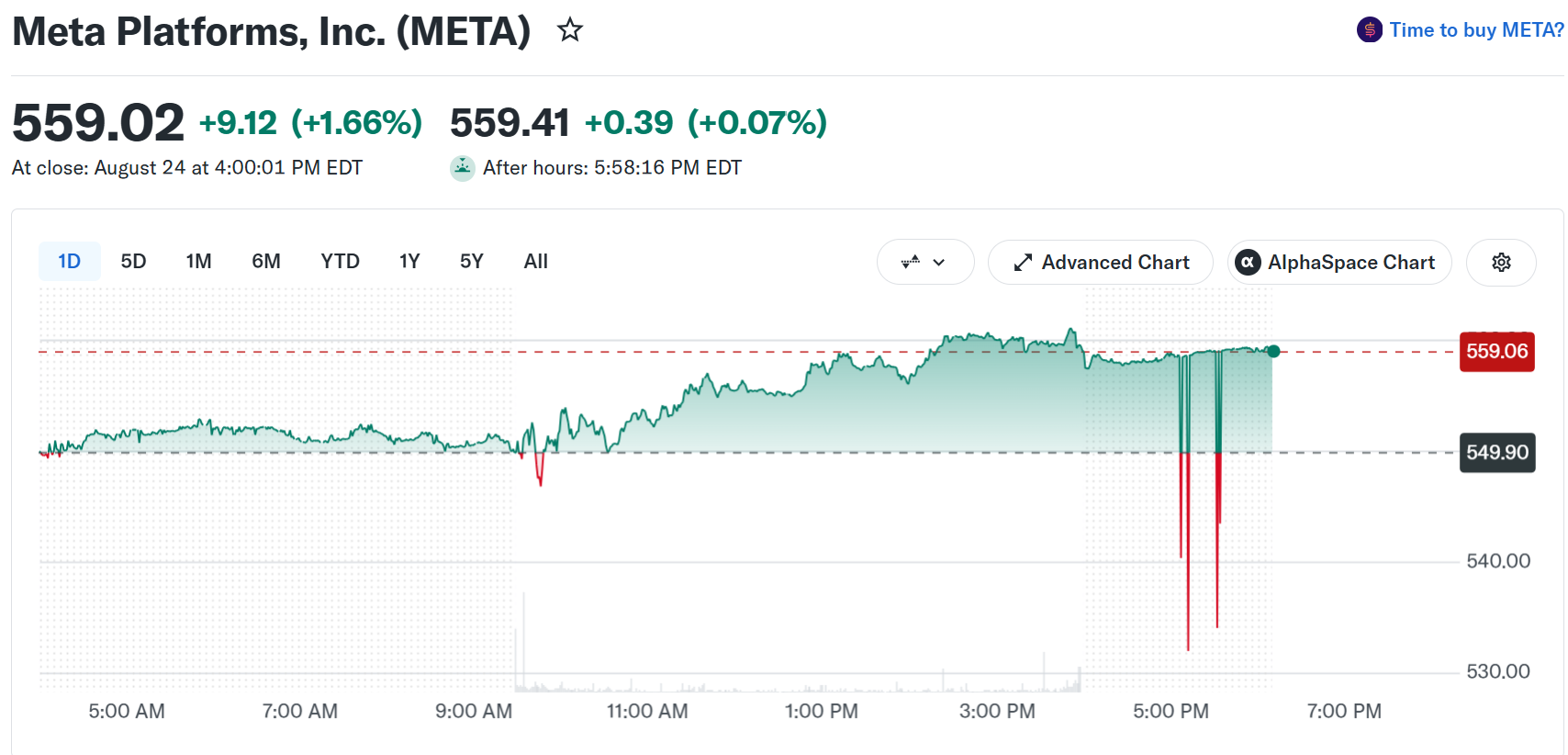
Meta stock trial risk has weighed on the shares all year. They closed Monday at $559.02, up 1.66%, valuing Meta near $1.42 trillion.

What the Meta Stock Trial Risk Actually Covers
Opening arguments in the case, brought by 29 state attorneys general, began on August 18. The states accuse Meta of designing Facebook and Instagram to be habit-forming for minors, then downplaying the danger.
Judge Yvonne Gonzalez Rogers will decide the outcome, because the jury is advisory only. She has already discarded claims tied to infinite scroll and autoplay.
Meta leans on Section 230, the federal law shielding platforms from liability over user posts. The states attack design, not content.
The $1.4 Trillion Figure Is a Ceiling, Not a Demand
No state has asked for $1.4 trillion. The number is a theoretical maximum, alleged violations multiplied by the fines written into state law.
Meta surfaced the calculation in a July 7 filing and asked the court to reject it. The states’ filings remain sealed, and they have never named a figure.
California Attorney General Rob Bonta accused Meta of promoting the number to make the case look unreasonable. Asked for a fair penalty, he pointed to revenue.
“They generated revenue of $200 billion last year, so, you know, maybe that amount would be appropriate. Maybe more. Maybe less,” Rob Bonta, quoted by NPR on Aug. 18.
New Mexico’s separate case ended in $942 million of penalties, a fraction of the number greeting the landmark youth-safety trial.
Cramer and Wall Street Split on Meta Stock
Cramer made his case on X six days ago, blaming the venue, not the merits.
“Meta trial in the worst possible district for corporate defendants, hence why the stock is being hammered. But the case, while strong enough, might not survive a supreme court review,” Jim Cramer, host of CNBC’s “Mad Money,” in a post.
Bank of America kept its Buy rating and $810 price target, implying roughly 45% upside on 16 times estimated 2027 earnings.
Mizuho is warier, comparing the case to the Big Tobacco fights of the 1990s. Forced product changes would bruise sentiment faster than any fine.
The Inverse Cramer Trade Has a Losing Record
Fading Cramer is a standing market joke, and BeInCrypto covered the latest inverse Cramer episode days ago.
The record does not reward it. Tuttle Capital’s Inverse Cramer Tracker ETF (SJIM) ran from March 2023 to February 2024, losing 15% while the S&P 500 gained 25%.
Quiver Quantitative still tracks the trade, showing a 42.57% win rate and a 17.63% loss over the past year.
Selling Meta because Cramer said hold is therefore a weak thesis. Of 43 analysts tracked by TipRanks, 38 still rate the stock a Buy and none a Sell.
The consensus reads Strong Buy, with an average 12-month target of $752.38. That sits 34.59% above Monday’s close.
Targets run from $580 to $1,000, so even the lowest sits above where Meta trades today.

The stronger bear case sits with Mizuho and the remedies, not with the messenger. Meta’s bill for AI server hardware will test it long before the courtroom does.
The post Jim Cramer Cites Overblown Meta Stock Trial Risk: Is This A Sell Signal? appeared first on BeInCrypto.

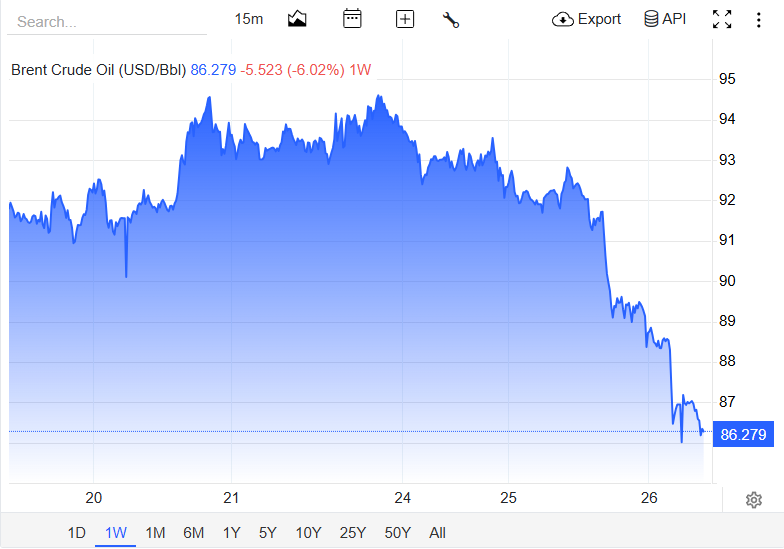
Oil prices fell about 2% on Wednesday. Iran said it resumed talks with Oman on managing the Strait of Hormuz, raising hopes for reopened shipping lanes.
Brent crude dropped to $86.27 a barrel, while US West Texas Intermediate slid to $80.87. Both benchmarks lost more than 3% on Tuesday.
Iran and Oman Discuss Temporary Hormuz Corridor
Iran and Oman have held on-and-off talks for weeks over Strait of Hormuz traffic. The waterway has historically carried about one-fifth of global oil and liquefied natural gas shipments. Volumes fell after fighting broke out in February.

The two countries said Tuesday they discussed a joint temporary navigational corridor. They also agreed to clear the strait of mines. Iran restarted the negotiations as it faces heightened economic pressure from President Donald Trump’s administration.
“The market continues to react to developments surrounding navigation through the Strait of Hormuz, and hopes for progress in talks between Iran and Oman have triggered selling.”
Mitsuru Muraishi, an analyst at Fujitomi Securities, told Reuters.
Washington expanded sanctions targeting Iran on Monday, threatening countries that keep doing business with Tehran. However, penalties will not take effect immediately.
US Sees Lower Risk of Escalation
The US has begun returning personnel to some Middle East diplomatic missions evacuated during the conflict. Two people familiar with the matter said.
The personnel shift therefore suggests Washington sees a lower near-term risk of escalation. Some embassies will initially run below full capacity.
Meanwhile, an unidentified projectile struck and disabled an oil tanker on Tuesday. The incident occurred nine nautical miles northeast of Ash Shishah, near Oman’s entrance to the strait. The United Kingdom Maritime Trade Operations (UKMTO) reported the strike.
Rising US Crude Stocks Add to Selling Pressure
The American Petroleum Institute (API) reported a rise in US crude inventories. Stockpiles increased by about 4.2 million barrels in the week ended August 21, market sources said.
Analysts polled by Reuters had forecast a 600,000 barrel increase. Official data from the Energy Information Administration (EIA) are due Wednesday at 10:30 a.m. ET.
In contrast, Muraishi said uncertainty over the outlook has prompted bargain buying, which could keep prices range-bound in the near term.
The post Oil Falls Near 3% as Iran, Oman Restart Hormuz Corridor Talks appeared first on BeInCrypto.

You don’t need to build a case for your decision. “When it comes to trying to find the right fit, I don’t think clients should have to worry about having to justify their perspective,” Eshtehardi says. He suggests keeping the message simple: “I don’t think it’s the right fit. I’d like to stop sessions, and I really appreciate your time. Thank you.”
And try not to assume you’ve devastated them. Therapists are trained to handle patients leaving, Kraiem says. If yours can’t tolerate it, “then there’s a problem with the therapist, not with the patients.”
Make the transition easier on yourself
If you need consistent support, try to line up a new therapist before leaving your current one. Ask your therapist if they can recommend someone with a different style or specialty.
Before booking, confirm the new therapist accepts your insurance. “There’s nothing worse than getting through that first session” only to discover they don’t, Culkin says. You can also ask how they structure sessions, establish goals, and respond when a client disagrees. Be candid about what helped the first time around, what didn’t, and what’s important to you this time. Culkin encourages therapists to ask what clients appreciated about past providers and what they wish had been different. “Those are gold answers,” he says.
Crypto World
BTC Price Hits $80,000 as Bitcoin Miners Dodge Data Center Backlash Crushing AI Stocks And BTC Just Hit $80,000
A political fight over data center construction is quietly reshaping which crypto-adjacent equities win and lose this summer, and Bitcoin miners are ending up on the right side of it.
Governors from New York to Texas have moved to slow or block new data center construction amid rising anti-AI political backlash, hammering stocks like Constellation Energy and NRG in the process.
Bitcoin miners running their own power infrastructure, names like Cipher Digital and Hut 8, are positioned to sidestep the fallout entirely. Vertically integrated energy means miners do not face the same zoning and grid-approval headwinds currently choking AI data center buildout.
That divergence matters. While AI infrastructure absorbs regulatory friction, Bitcoin’s underlying network economics keep tightening underneath the surface.
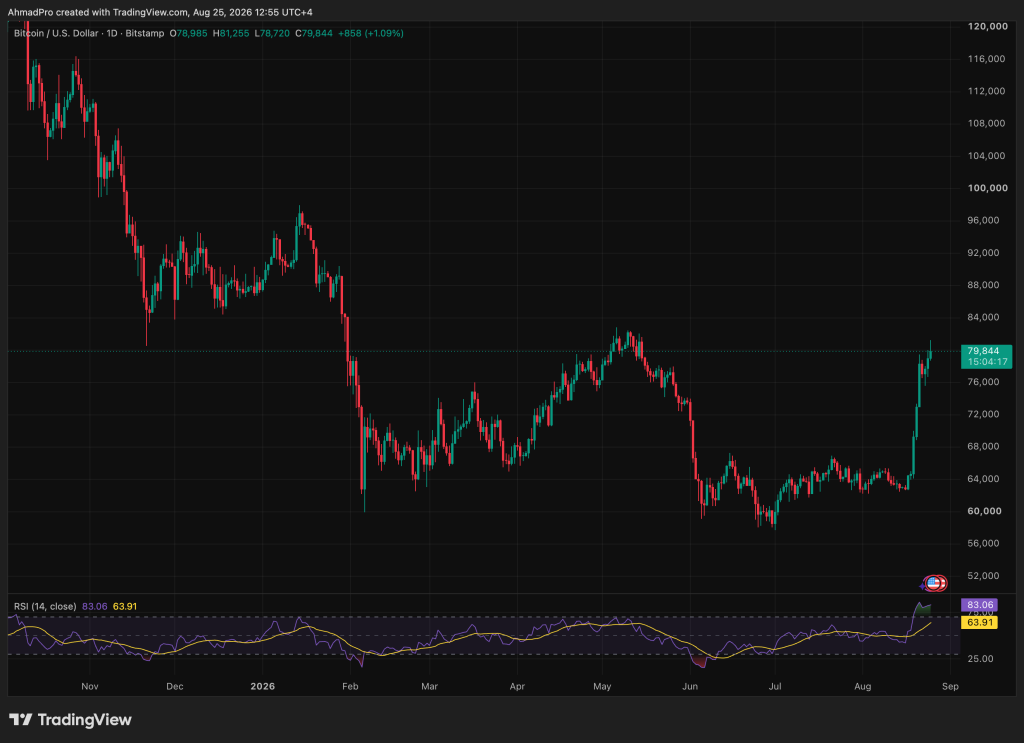
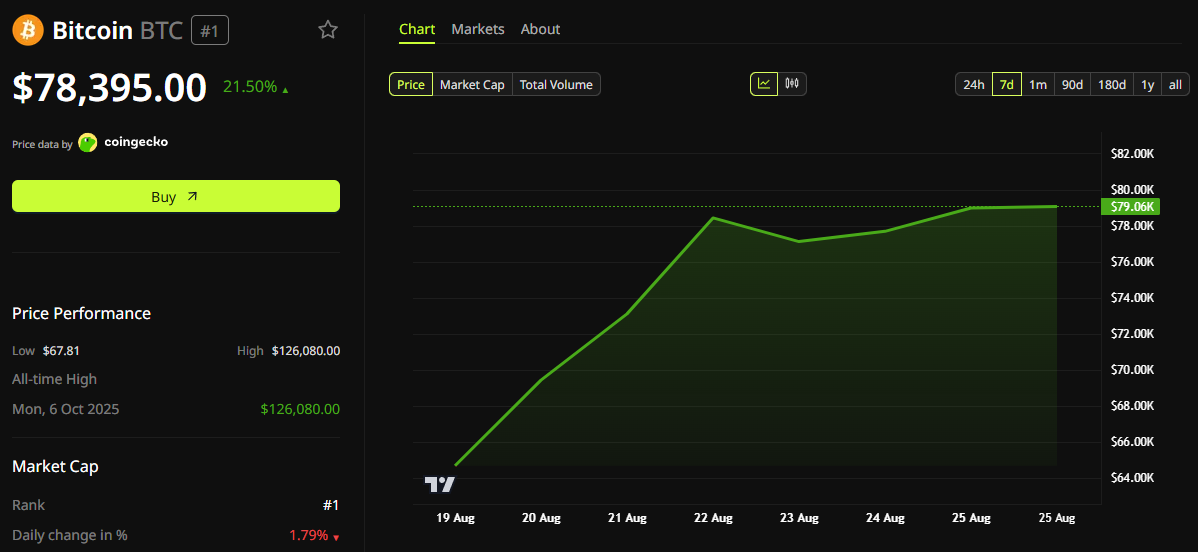
Price action is already reflecting it. Bitcoin is trading at $80,000, up 3.50% on the day and up over 27% in the past 7 days, grinding against the same $80,000 ceiling it has not cleared since May.
The question now is whether mining economics and spot price can both hold their footing above key resistance.
Discover: The Best Token Presales
Can Bitcoin Price Hit $82K This Week?
Bitcoin is trading at $80,500, up 2.0% over the past 24 hours, with weekly gains north of 22%. Volume has remained elevated throughout the breakout, a sign that this is not a low-liquidity spike.
Price is consolidating in the high $70,000s to low $80,000s band, right at the psychological line that has rejected BTC once already this cycle.

Short-term resistance sits at $82,193.5, with support cushioning near $70,750. The short-term trend reads bullish. Mid-term is neutral. Long-term structure still carries bearish overhang from prior downtrend levels, a mixed picture despite the strong tape.
A clean break above $82,193.5 opens room toward $87,000. Consolidation between $75,000 and $82,000 while the market digests the rally is the base case. Failure to hold $78,000 support invalidates near-term bullish structure and drags price back toward the $70,000 zone.
Government accumulation trends remain a structural tailwind regardless of short-term chop.
Bitcoin Hyper Targets Early Mover Upside as Bitcoin Tests Key Levels
Holding BTC through this stretch has paid off; a 22% weekly move validates anyone who bought the dip. But at an $80,500 price point and a market cap north of $1.5 trillion, doubling from here requires trillions in fresh capital.
That math gets harder every time BTC sets a new high. Early-stage infrastructure plays built on Bitcoin, rather than just tracking its price, offer a different risk-reward entirely, and that’s exactly the lane Bitcoin Hyper is running in.

Bitcoin Hyper (HYPER) bills itself as the first Bitcoin Layer 2 with full SVM integration, smart contract execution that it claims outpaces Solana, layered on top of Bitcoin’s base-layer security.
The presale has raised $33,080,369.89 at a current token price of $0.0136852, with staking rewards live for early participants. Core features include a decentralized canonical bridge for BTC transfers and low-latency, low-cost transaction execution, addressing Bitcoin’s longstanding programmability gap.
More details on the macro backdrop driving this rotation are in this Bitcoin Hyper presale breakdown. Presale tokens carry no guarantee of exchange listing or price performance; standard early-stage risk applies.
Unlock Access to Bitcoin’s New Layer 2 Here
Discover: The Best Crypto to Diversify Your Portfolio
The post BTC Price Hits $80,000 as Bitcoin Miners Dodge Data Center Backlash Crushing AI Stocks And BTC Just Hit $80,000 appeared first on Cryptonews.
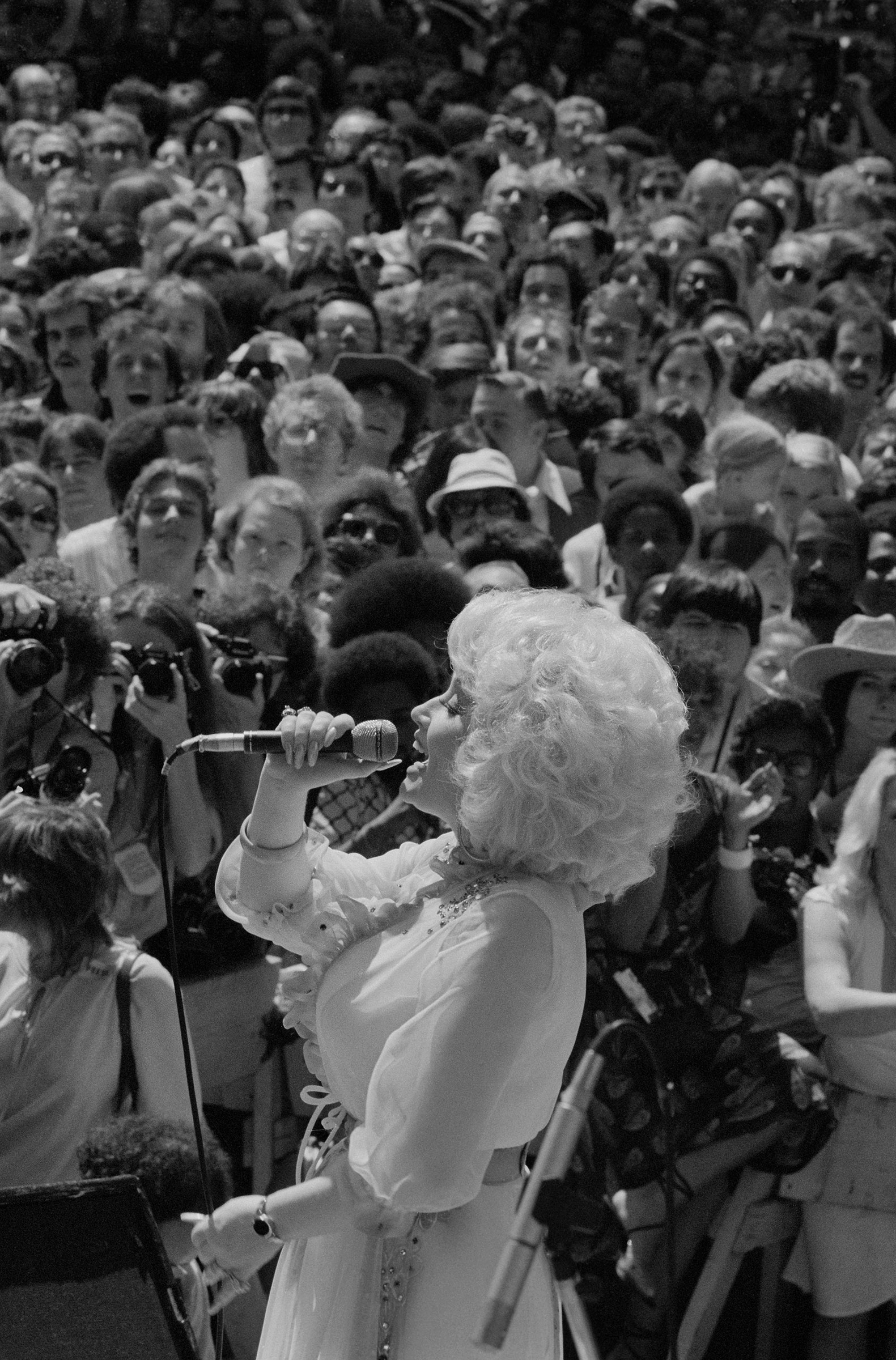
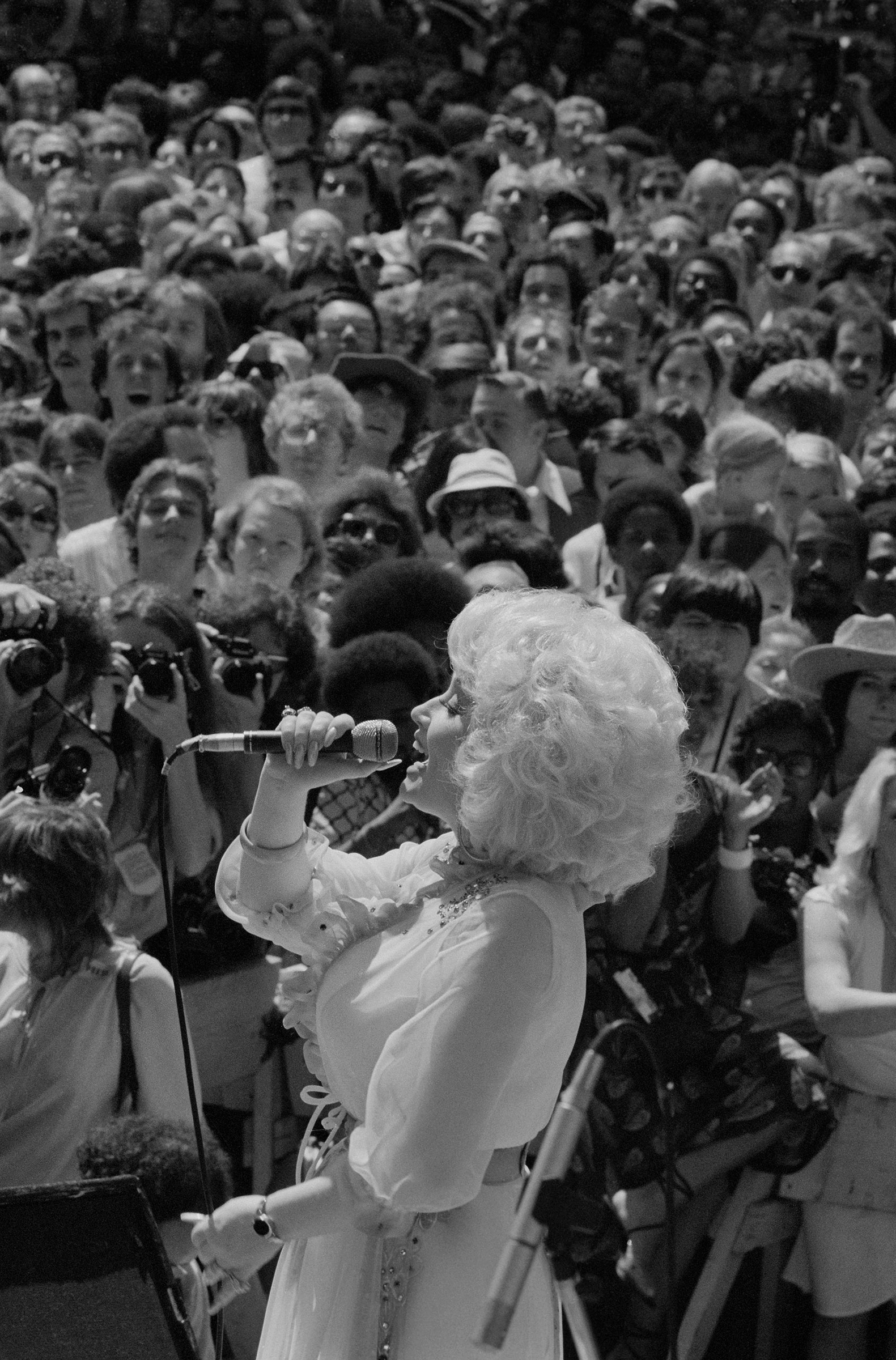
Dolly Parton, the beloved country-music superstar known for writing about the lives of regular people in more than 3,000 songs and, in later years, for giving away more than 300 million books to children around the world, has died in Nashville. She was 80. Parton had recently shared updates about health issues she’d been dealing with since the death of her husband Carl Dean last year, and her representatives told People that her death in Nashville came after a “brief battle with cancer.” Her nephew and bodyguard Bryan Seaver announced her death in an Instagram video posted to her account on Aug. 25, saying, “Dolly has lived in the light and is in the arms of Jesus, surely met by Carl, her parents, and countless others who have watched her and longed for her to meet them in the heavens.”
To her fans around the world, she was Saint Dolly—the American godmother who channeled the sorrows of everyday life into song, wrapping ugly truths in pretty packages. Though she was described by music journalist Robert Oermann as “the Mozart of our times,” Parton’s larger-than-life hair, excess in rhinestones, surgical implants, and cosmetic work concealed the iron will through which she confronted the day’s realities with her craft. Most importantly, she wrote and sang with a woman’s voice and heart about topics that uniquely touched her gender. Her songs include stories of stillborn births (“Down From Dover”), suicide (“The Bridge”), shame (“Just Because I’m a Woman”), abuse (“A Gamble Either Way”), adoption (“Doing This for Your Sake”), isolation (“Two Doors Down”), mental institutions (“Daddy Come and Get Me”), and prostitution (“The Bargain Store”).
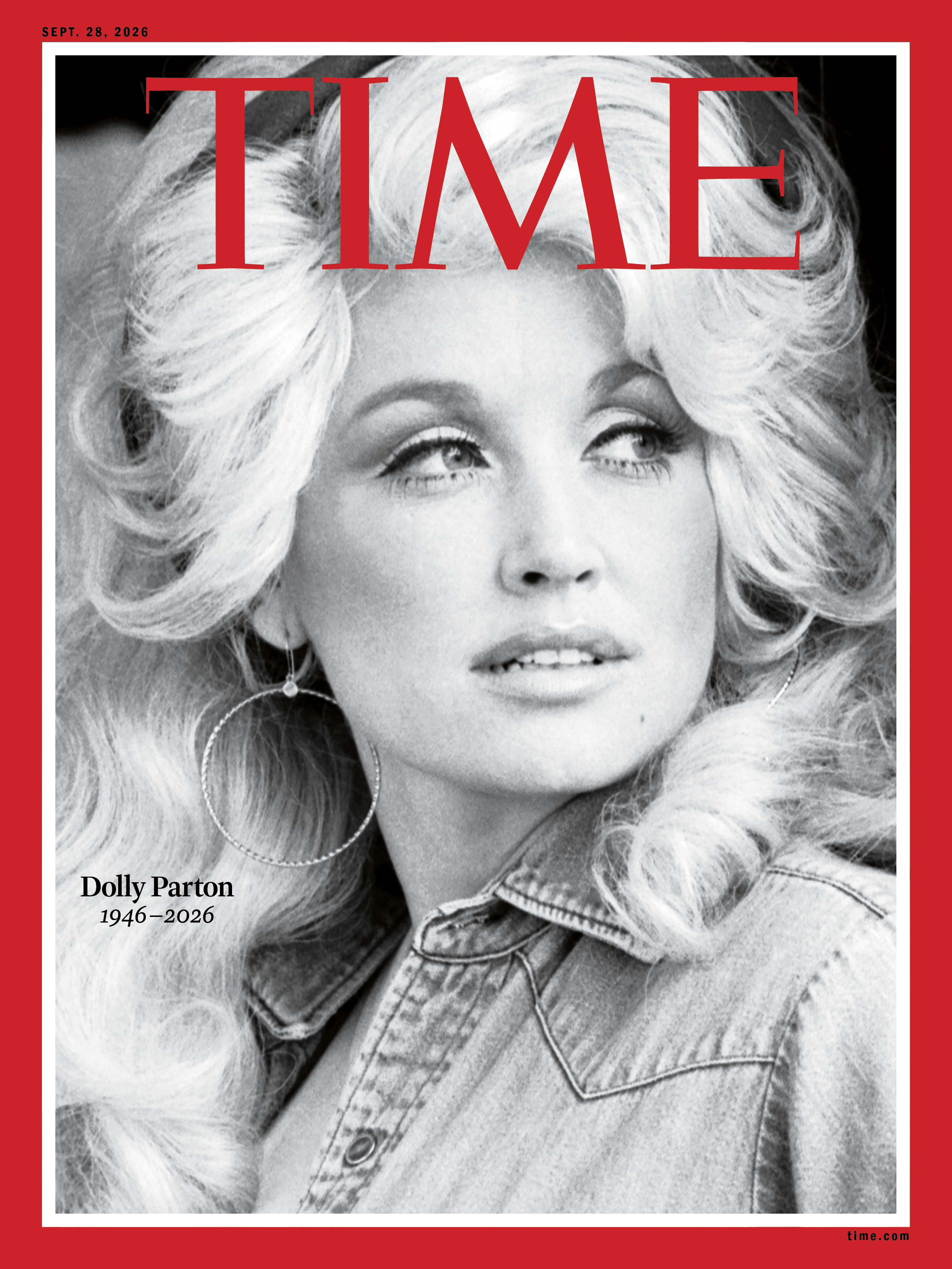
I saw Parton play live in concert during her Pure & Simple Tour in October 2016, a month before the most divisive election in American collective memory, and a year before I began reporting a podcast on her life called Dolly Parton’s America. At the time, I was looking for someone or something to believe in. On the television and in the news, hatred from both sides of the American political aisle had never seemed more grotesque, but at Parton’s show, we all sang together. Parton visited more than 60 cities that summer and fall. Looking back, I can’t help but wonder if she knew it would be something of a healing tour, the last of its kind she would do. When I asked Parton what “Dolly Parton’s America” meant to her, she responded that her perspective wasn’t limited by borders, that it was Dolly Parton’s World: “I just think we need to love one another. I think we need to try a little harder. We need to be a little kinder. We need to be a little smarter. We need to have more love and compassion.” The last time I saw her, she told me she was planning a comedy album. She also said that, unlike other artists of her stature for whom posthumously released music has been a point of contention, she’d recorded many more songs of hope she’d put away in a vault, to be released throughout the hundred years following her death.
Parton was a genius from humble origins. Because of them, she remained vulnerable, even relatable, in the public eye. Many wealthy folk prefer to be compassionate from on-high, if at all, never getting their feet wet or hands dirty. Parton rolled in the mud. She claimed she modeled her look on “the town trash whore,” whom she thought was “beautiful.” She dressed in a way that was her idea of glamour: yellow hair piled atop her head, bright red lipstick and nails, high-heeled shoes, and a tight skirt. “I thought [that woman] was the prettiest thing I’d ever seen,” she once said on Ellen. “So I grew up to look just like her!”
Once Parton achieved a certain level of fame, her body became a punchline for the late-night circuit. When two male scientists made the world’s first cloned sheep, in 1996, they named it after Parton for its “large mammaries.” Parton laughed the cracks off with quips of her own (“I don’t know if I’m supporting them, or they’re supporting me”). For the Dolly podcast series, I asked Parton once about whether she thought her look stopped journalists, mostly men in the time she was coming up, from taking her work seriously, or viewing her songwriting as equally important to her work as a performer. She shrugged off the question: “Sometimes you have to look like Jezebel in order to get some angelic things done in the world.”
There are countless examples of remarkable women erased by history, but Parton survived her own story long enough to tell it. Her cycle of resurrections, the highs and lows, didn’t seem to change her much over the years, even as the highs garnered her over half a billion dollars.
Dolly Parton’s early years
Dolly Rebecca Parton arrived on Jan. 19, 1946, in an unheated cabin about an hour outside of Knoxville, Tenn., atop the Smoky Mountains. Her parents paid the doctor who trekked to their home to deliver her with a sack of cornmeal. The fourth of 12 children—as she put it, “Mama always had one on her or in her”—the kids slept three or four to a bed. Their only modern convenience was a battery-powered radio. Her childhood home had no indoor plumbing, electricity, or running water. She later compared it to moving from “the Dark Ages into the light ages.”
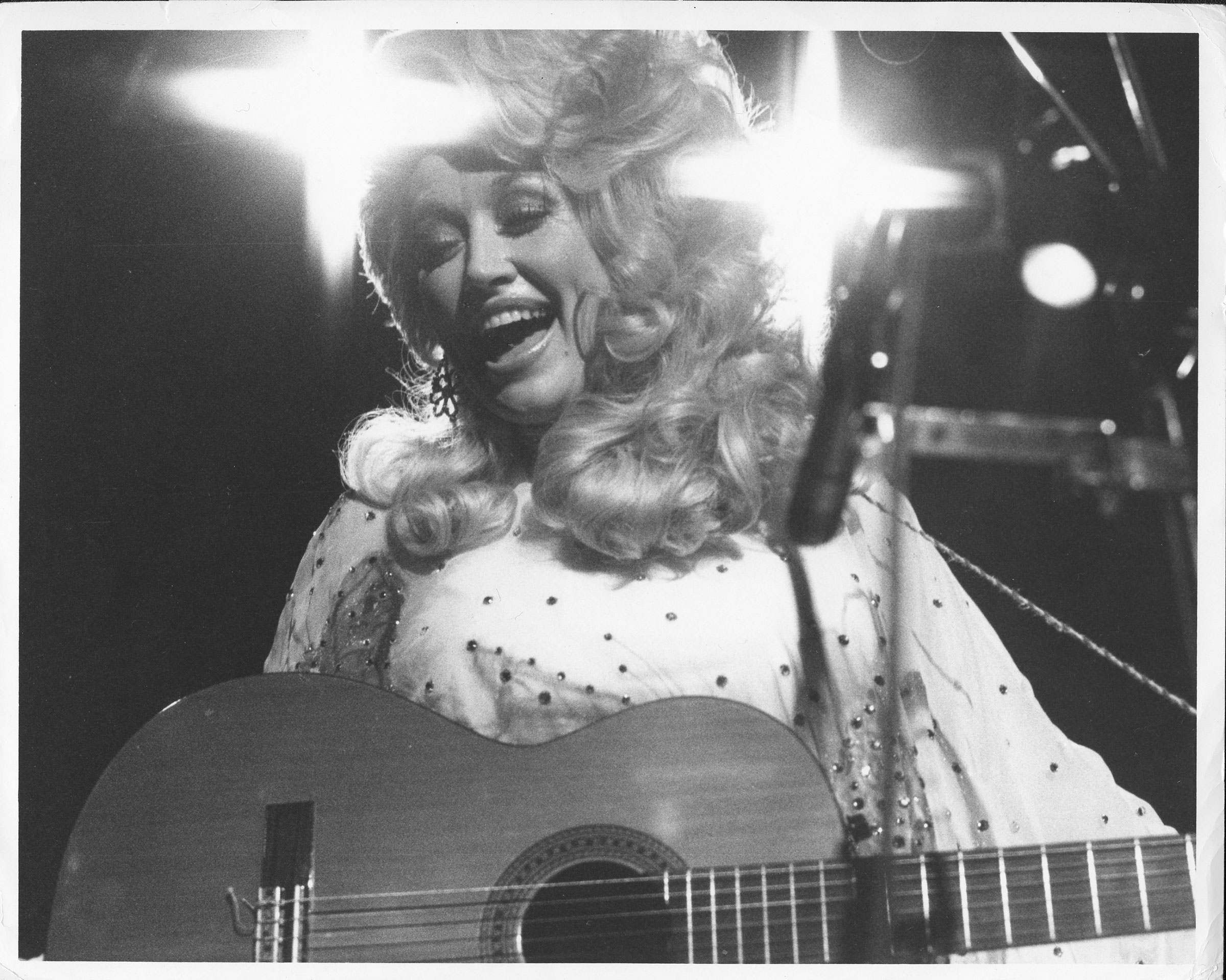
She grew up surrounded by pines, butterflies, creeks, and neon-green moss. As her father worked from sunup to sundown as a farmer, her mother sang the children Irish and Welsh folk songs “from the Old World,” passed down through the generations. One day, Parton fashioned a makeshift microphone by putting a tobacco stick into the ground and placing a tin can on top, performing a show of her own. By the age of 5, she had written her very first song, “Little Tiny Tasseltop,” about a corncob doll. By 8, her Uncle Bill Owens, who wrote songs and performed across East Tennessee billed as “Little Billy Earl with the Split Curl,” began to teach her the guitar. They sang together at supermarket openings, rallies, fairs, and talent contests. By age 10, he arranged for her to appear on the Cas Walker Show.
Walker was a coon hunter who’d started a local radio-cum-television show to promote his grocery stores. This was Parton’s first big break. At 11, Parton got her first recorded song, “Puppy Love,” co-written with Owens, on the radio, and at 13, she told Johnny Cash she wanted to sing at the Grand Ole Opry. So when an older Opry performer gave up his spot one Saturday night in 1959, Parton got her chance to sing at the historic venue. Cash himself introduced her to the crowd of 2,000. “We’ve got a little girl here from up in East Tennessee,” he said. “Her daddy’s listening to the radio at home, and she’s gonna be in real trouble if she doesn’t sing tonight, so let’s bring her out here!” That night she received three encores.
The day after she graduated high school, Parton took a Greyhound 180 miles to Nashville. For weeks she lived off soups made of ketchup and mustard and food left in the halls of hotels. But these scrappy days quickly paid off. She landed a record deal at 19, and soon after, a husband: a handsome, quiet man named Carl Dean, whom she met at the Wishy Washy Laundromat and would remain married to until his death in 2025. When her record company’s president encouraged her to delay marriage in order to keep her broad appeal to a male audience, she married Dean anyway, in secret. It was the early 1960s. There were obstacles to women owning a home, having credit in their own name, and taking out loans, so Parton moved like perfume, wafting through the world of men while always doing things her own way.
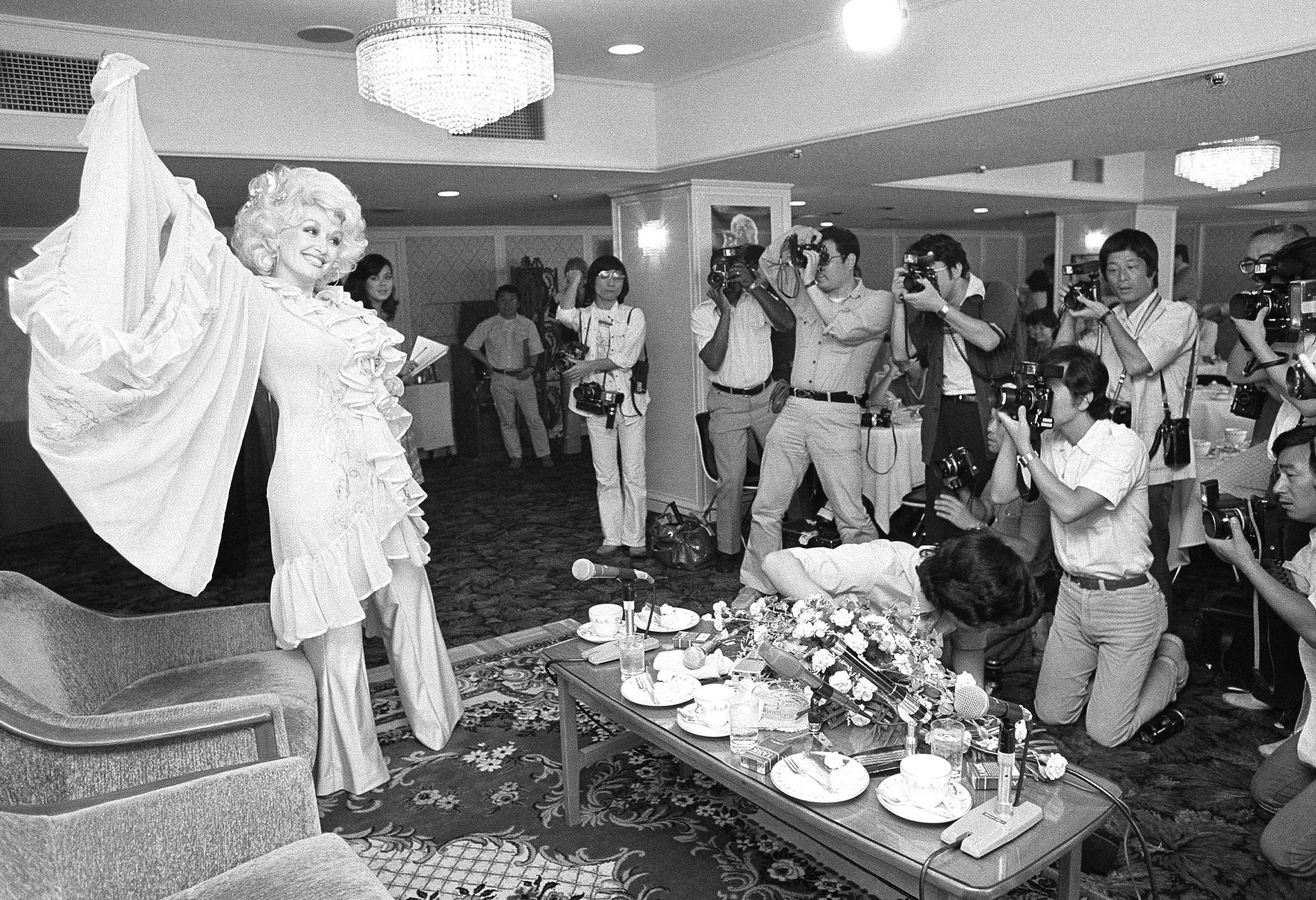
When her prophetic single “Dumb Blonde” hit the airwaves in 1966, it captured the attention of a star with the No. 1 syndicated country-music television show in the nation. Porter Wagoner, known for his lavender Nudie suits covered with sequins and rhinestones, had been looking for a new “girl singer.” The pair’s love-hate working relationship kicked off quickly. On her very first stint on the show, Wagoner cut off a shy Parton before she even finished singing. Alternately fighting and writing, they produced hit after hit, and a bolder, louder Parton began to emerge. Wagoner made her a better performer, while she made him a better songwriter. Their partnership also sharpened her already acute sense of humor. She said of her seven years with him, “If I got myself in a spot where it looked like I couldn’t walk my way out of it, or move my way out of it, I would joke my way out of it.”
The Wagoner band worked constantly, and Parton learned how to hold her own onstage and in the studio. Early on in her recording career, she’d been panned as the ditz with “a Minnie Mouse voice,” but she came into a new level of mastery during this phase. While recording “The Mule Skinner Blues” in 1970, Parton took the reins; she sang the first note so long that the band could not begin to play until they followed her lead. The record earned her her first individual Grammy nomination for Best Female Country Vocal Performance in 1970; she received 11 Grammys over the course of her career.
During her partnership with Wagoner, she wrote many of her signature hits, including “The Coat of Many Colors,” “Joshua,” and both “Jolene” and “I Will Always Love You.” When Parton decided it was finally time to leave Wagoner’s show, he sued her for $3 million, claiming she’d breached their contract. Famously, the lyrics to “I Will Always Love You” served as her way of letting him know how much she appreciated him. To avoid a lengthy legal battle, they settled for $1 million. Parton didn’t have the money, so she paid him in installments over the years.
When Elvis’ manager met with Parton to tell her Elvis would record “I Will Always Love You” if she’d just give up half of the publishing rights to the song, she refused. “I said, ‘I’m sorry, but I can’t give you the publishing,’” she told W magazine in 2021. “I wanted to hear Elvis sing it, and it broke my heart—I cried all night.” She attributed this stubbornness to her father’s business sense as a farmer—her songs were like crops, and without owning the harvest, her family would grow hungry.

Parton’s life seemed to play out as a constellation of experiences in sync with American history. She entered the working world around the time the first workplace sex discrimination law was passed. Her decision to leave her creative partnership with Wagoner coincided with women leaving unhappy marriages in droves following the passage of no-fault divorce laws. Despite the affection Parton expressed in her famous song, theirs was a messy divorce.
She starred alongside Jane Fonda and Lily Tomlin in 9 to 5, the 1980 movie based on 9to5, National Association of Working Women, a grassroots movement of female office workers, for which Parton penned an eponymous tune on workplace discrimination. In the film, Dolly plays a secretary who unites with the other women to confront the harassment of their employer Mr. Hart, played by Dabney Coleman. At one point, the women even share fantasies about killing their boss. It was an overwhelming hit. Perhaps Parton’s most countercultural act was her decision not to have children at a time when Reagan’s push for traditional family values took hold of the country.
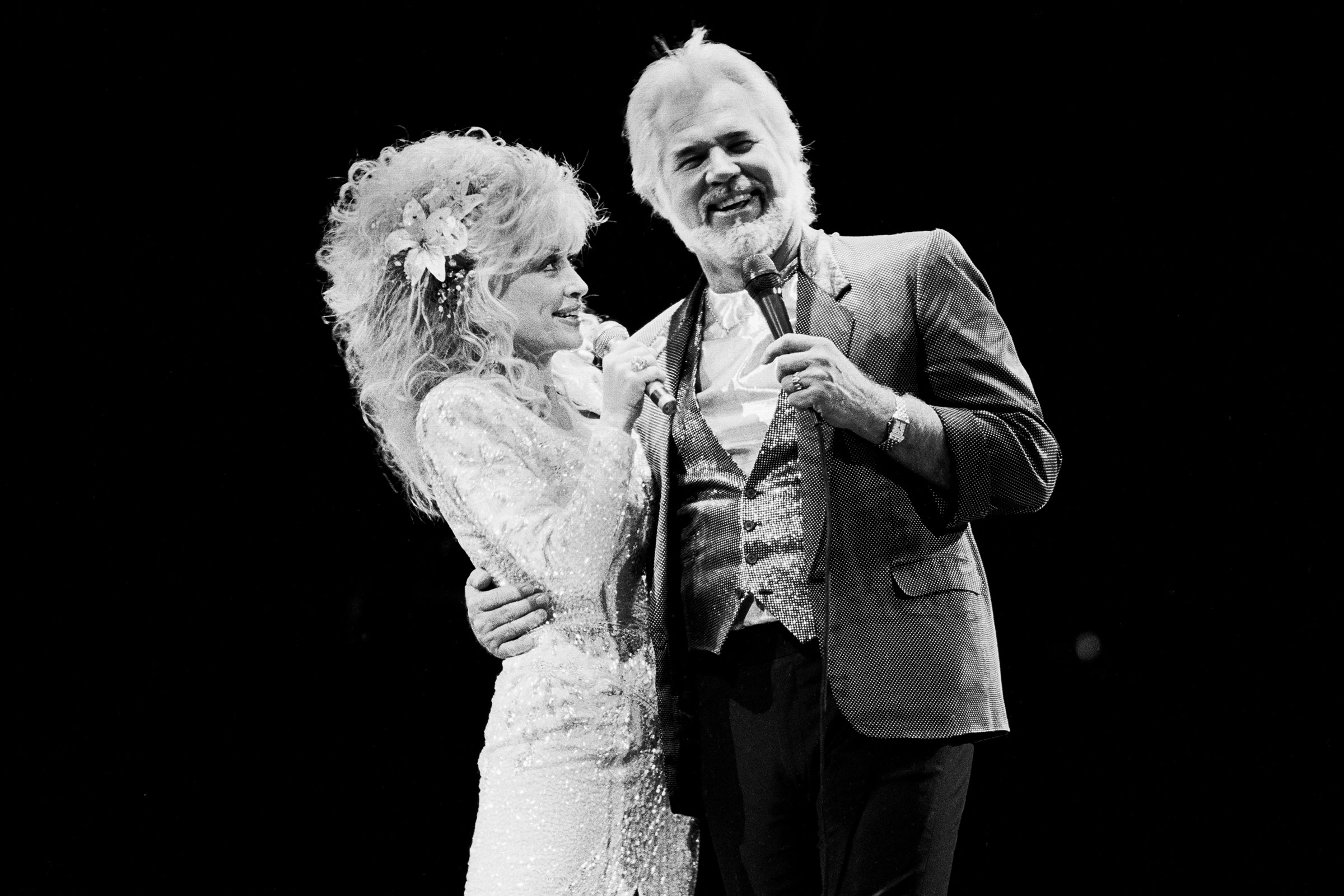
Over the years, Parton’s music evolved from heart-wrenching “sad ass songs” to female-power anthems like “Light of a Clear Blue Morning” to spiritual tunes like “The Seeker” and “He’s Alive.” In the mid-‘80s, she opened up about her depression and suicidal thoughts following the end of an “affair of the heart,” family issues, and a negative experience filming The Best Little Whorehouse in Texas. She was dealing with a slew of health problems, ultimately undergoing a partial hysterectomy, and as she struggled to lose weight, she put herself on restrictive diets, including a liquid one that made her feel isolated. She documented her loneliness in “Two Doors Down” and started over professionally. She fired her accounting firm, trimmed her band, started her own record label, and founded her amusement park, Dollywood. Over time, she came to embody her moniker, the iron butterfly.
Amid cultural and social upheaval in America, Parton grew accustomed to coming under fire. In 2017, when her Dolly’s Dixie Stampede, a dinner show with teams from the North and South battling, met with protests during a national reckoning regarding monuments glorifying Confederates and racists, Parton dropped the word “Dixie.” Seaver, Parton’s nephew, described Parton’s way of navigating American politics as “dollitics,” noting her habit of evading party-line questions. As she put it, “My daddy was a Republican and my mama was a Democrat, so that makes me a hypocrat.” When she took the stage at the 69th Emmys in 2017 for a 9 to 5 reunion alongside Lily Tomlin and Jane Fonda, she refused to join in their skewering of then-President Donald Trump. Instead, she used her weapon of choice, a tit joke.
If you listen closely, however, her political opinions can be heard in the music. The tracks on her albums include a song based on a tragic true story of a plane filled with deportees crashing into California’s Los Gatos Canyon, one spotlighting the danger of a coal miner’s life and the necessity for workers to unite, and another telling the story of a girl forced into sex work in order to survive. Parton received death threats after contributing the song “Travelin’ Thru” to the soundtrack of the 2005 film Transamerica, which tells the story of a transgender woman. She also got threats from the KKK over “Gay Day,” an annual day of visibility for her gay fanbase. Still, Parton, the self-proclaimed “patron saint of drag queens,” continued to champion the LGBTQ+ community loudly, saying, “If you’re gay, you’re gay; if you’re straight, you’re straight. And you should be allowed to be, you know, how you are and who you are.” She once showed up to an annual drag queen competition, only to lose the Dolly look-alike contest to a man in drag.
Dolly Parton’s legacy
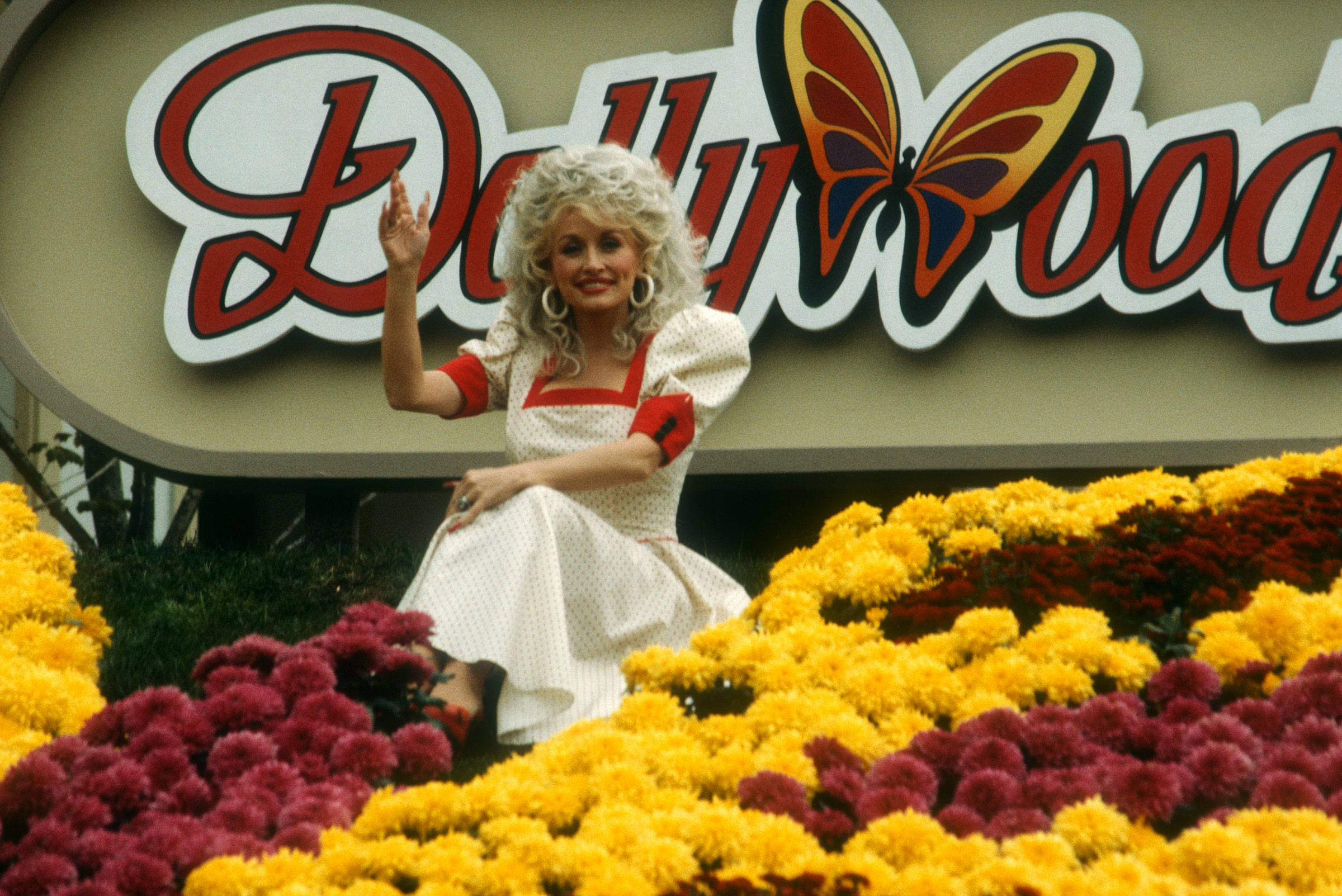
Parton liked standing alone. She never jumped on a bandwagon, nor did she punch down. Though she never openly called herself a feminist, in an interview she explained to me that she just shunned labels outright. Her refusal to cast anyone out and her radical acceptance of all kinds of people–queer people, people of color, her outright idolization of the women others called “trash”–in recent years earned her the nickname of “the Great Unifier.” In one of the last interviews for Dolly Parton’s America, while looking back on her life, she said, “I don’t practice my faith; I live it.”
Parton was a spiritual leader in a world where political leaders failed us time and again. I talked to a Zimbabwean scholar who wrote a piece about how the classical artwork of Zimbabwe was less important to many people than Dolly Parton’s music, especially the song “Just Because I’m a Woman.” It has been on the top of the charts in many countries in Africa for decades now. To get back into her “God space,” Parton would leave Nashville for her Tennessee Mountain home, up in the Smoky Mountains where she was born, to fast and begin to come up with new music. Eventually, her 3 a.m. prayers for songs became prayers for creating hope that would last longer than her lifetime.
Reflecting on how her father never learned to read or write, she provided $15,000 scholarships to high school students, and to improve middle school literacy rates in her home county, she gave each child $500 in cash upon graduation. In 1995 she started the Imagination Library, which donates books to children under 5. She invested proceeds from Whitney Houston’s towering 1992 cover of “I Will Always Love You” into a Black Tennessean community. When the Gatlinburg fires broke out across Appalachia in 2016, she raised millions of dollars and gave everyone who lost a home $1,000 a month for six months with a final surprise $5,000 check as the program wound down. She made another significant donation in 2024 to support the victims of Hurricane Helene. In 2020, she donated $1 million toward finding a vaccine for COVID, and in 2022, she began offering full college scholarships to every Dollywood employee.
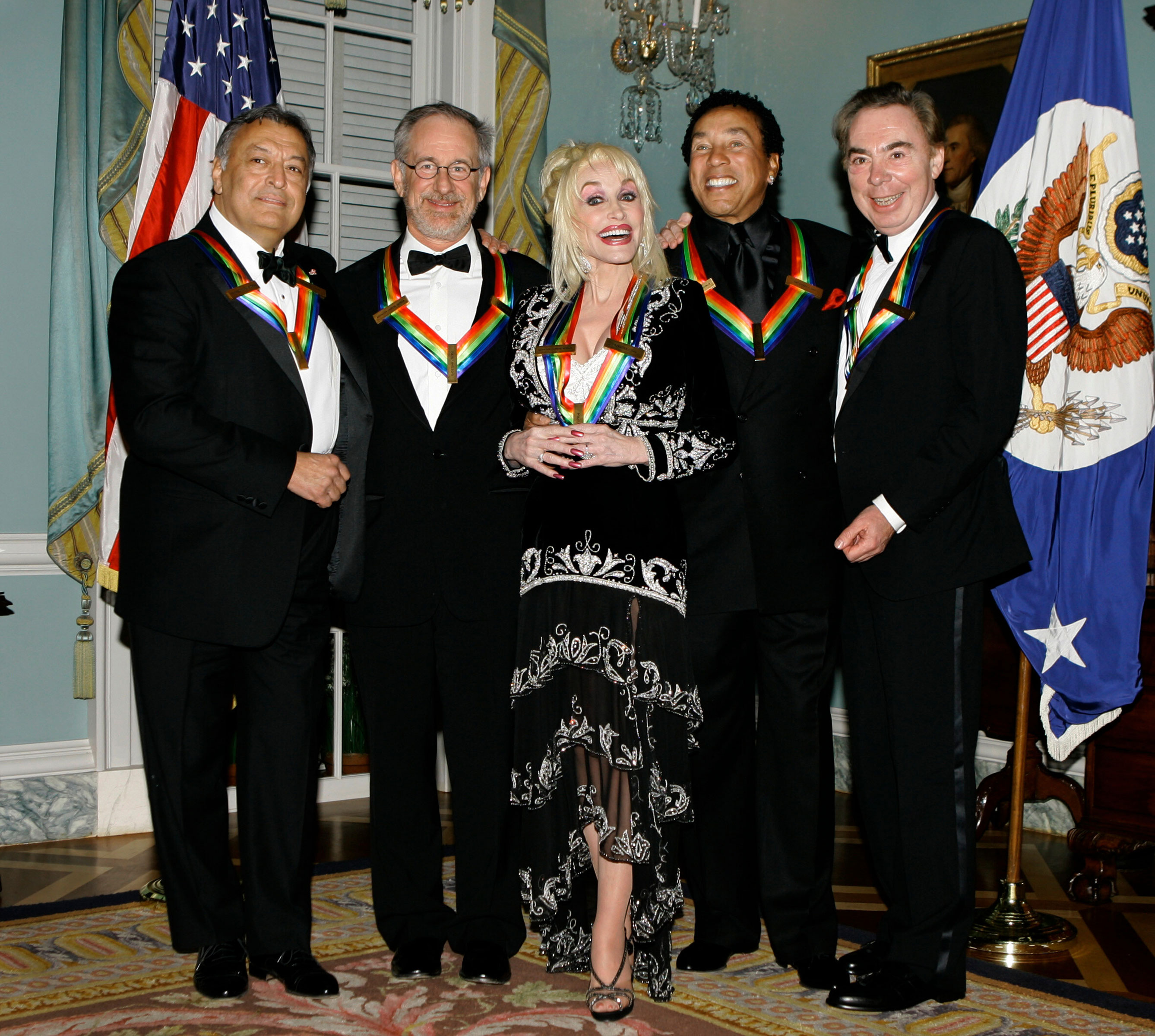
Inducted into the Songwriters Hall of Fame in 2001 and awarded the National Medal of Arts in 2005, an honorary doctorate from the University of Tennessee – Knoxville in 2009, a Grammy Lifetime Achievement Award in 2011, and an honorary Oscar in 2025, Parton piled up accolades as high as the Smoky Mountains themselves. But her greatest feat may have been her devotion to other people, most of them complete strangers. “I just love people,” she said. “When I look at the audience I see my family. I see the God light, the goodness, in everybody, even if they can’t see it.” Perhaps that spirit is how “Jolene” came to be covered more than 400 times—my father first heard it sung by Leila Forouhar in the late 1970s in Iran—or what inspired Nelson Mandela to ask his prison guards at Robben Island to play her music over the loudspeakers. It’s a bit comforting to think of Parton’s life as a fairy tale, not the culmination of what a single person could do. But her story is a testament to how a person of humble origins can accomplish extraordinary feats, when they pray for, write with compassion about, and take action for others.
And she did this without taking higher status: She remained the butt of the joke, the girl in the wig with a bosom, doing what she believed was right, even while making mistakes. She just tried to do better the next time. In the fax she sent me after the first of what would become 11 interviews, after I came to her with four hours of intrusive questions about some of the hardest moments in her life, she ended her note with: “I had a nice time with you. Hope you got everything that you wanted. I look forward to hearing from you or seeing you again somewhere down the road. Love, Dolly.”
What a teacher. I hope we get the lesson.
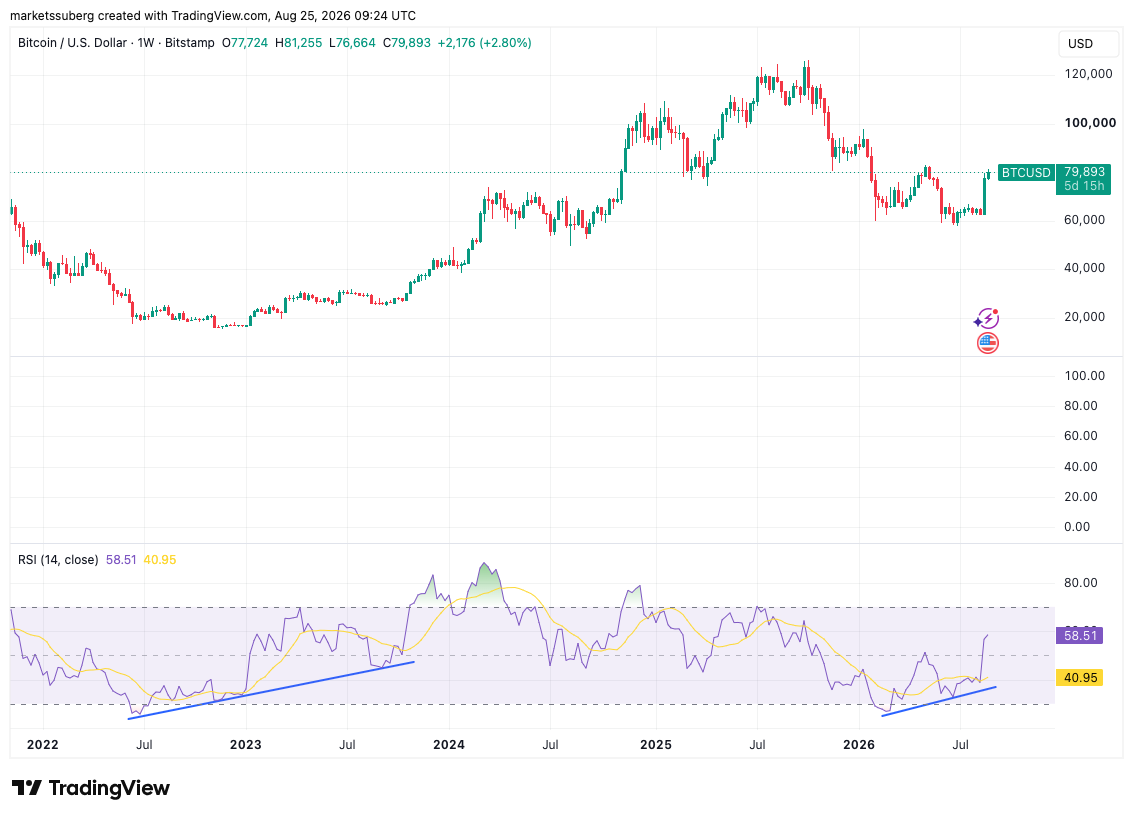
Bitcoin (BTC) price action is offering mixed signals after hitting $80,000 as traders diverge on market trajectory.
Key points:
- Bitcoin weekly relative strength index (RSI) reaches 58.3, repeating a bullish divergence that accompanied the end of the 2022 bear market.
- Daily RSI values reach their most “overbought” since November 2024 near 83.
- Stochastic RSI prints a key crossover but avoids copying previous zero-level bear-market lows.
Weekly RSI echoes Bitcoin’s 2022 bear-market bottom
Relative strength index (RSI) data across daily, weekly and two-month time frames has added to the debate over whether last week’s 25% rebound by Bitcoin will endure.
RSI is a classic indicator for trend momentum. It uses an asset’s average gain or loss over a given lookback window, normally 14 days, to determine the strength of its current trend momentum. For Bitcoin, bullish divergences with price, where RSI makes higher highs while BTC/USD makes lower lows, have accompanied the start of major trend inflections.
In mid-2022, around six months before the end of Bitcoin’s last bear market, weekly RSI began a bullish divergence, locking in higher lows while BTC/USD saw lower lows. Throughout 2026, a similar pattern emerged, data from TradingView shows.
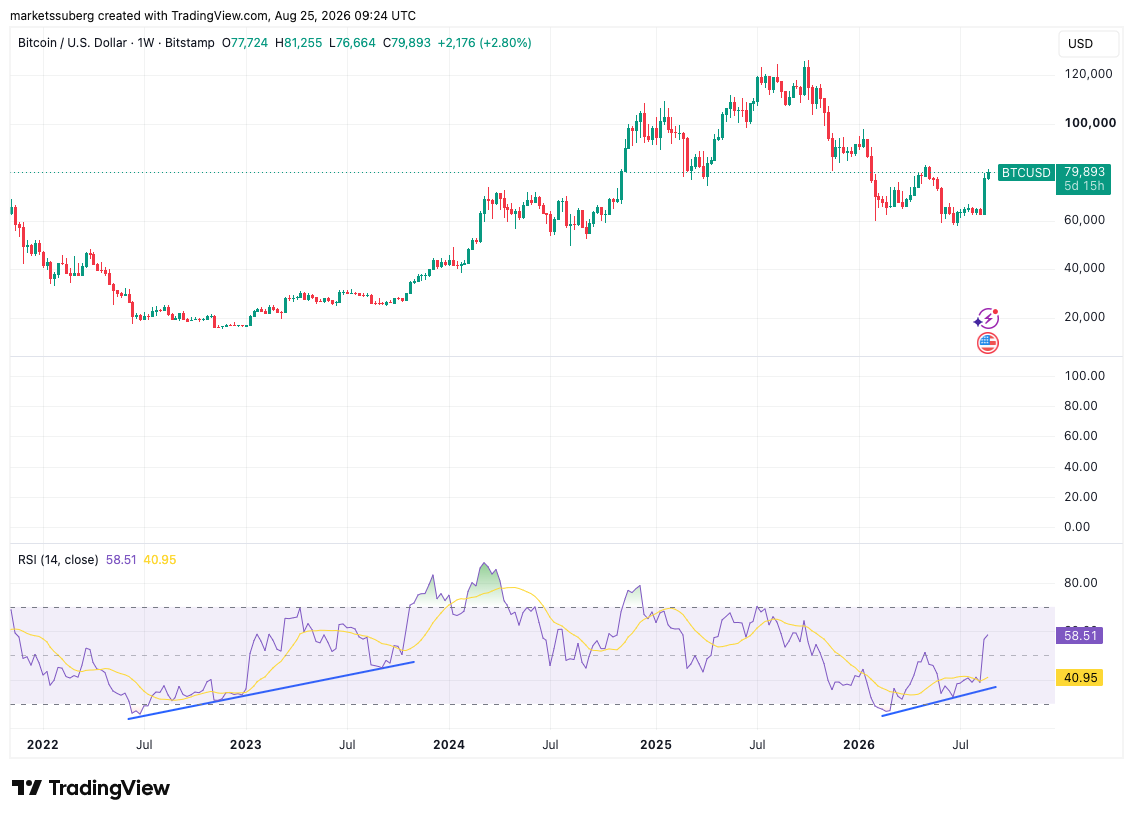
BTC/USD one-week chart with RSI bullish divergences. Source: Cointelegraph/TradingView
While short-term RSI signals present a less reliable picture of overall price trends, weekly signals have led some to rethink the status of the current bear market.
“Weekly is the timeframe that matters here, that’s where you read the secular trend and the cycle inflection points,” Jamie Coutts, chief crypto analyst at Real Vision, wrote in a post on X on Tuesday.
Coutts described weekly bullish divergences as having “real weight,” citing price upside that resulted from previous divergence events.
Weekly RSI currently measures 58.3, its highest levels since BTC/USD hit its latest all-time high of $126,200 in October 2025, having broken through a trend of lower highs. On daily time frames, RSI is now in “overbought” territory at 82.93.
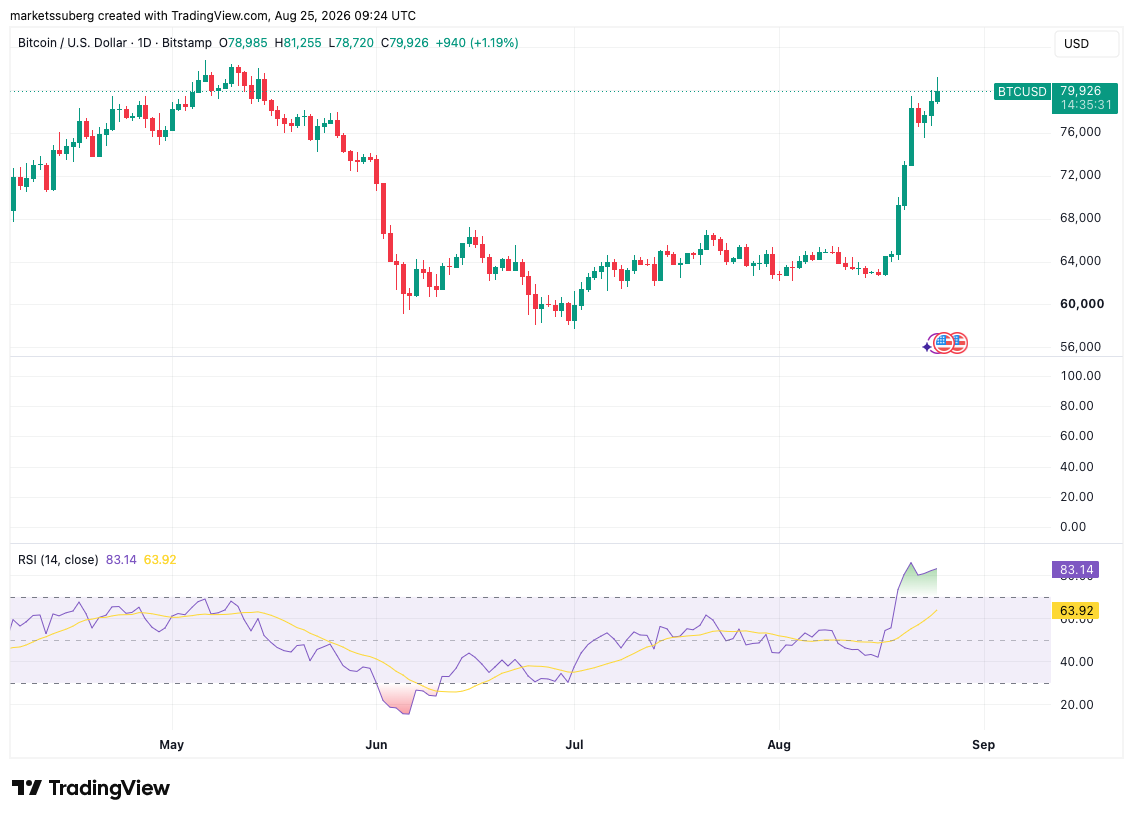
BTC/USD one-day chart with RSI data. Source: Cointelegraph/TradingView
Market participants are split over the implications of the daily readings, which are the highest since November 2024. Some see RSI giving a warning sign of an imminent reversal, while others point to the fact that historically, Bitcoin uptrends have been accompanied by multiple “overbought” periods, where RSI is above 70.
In his latest analysis, Jonatan Randin, senior market analyst at crypto trading platform PrimeXBT, flagged more similarities to late 2022. At the time, daily RSI increased from 40 to 90 over a single weekly candle.
“An extreme move like this usually signals the start of something new,” he told X followers.
“It doesn’t necessarily mean that the bear market is over but it is telling us something. I think what it’s trying to tell us is that we are about to enter a new phase of this cycle.”
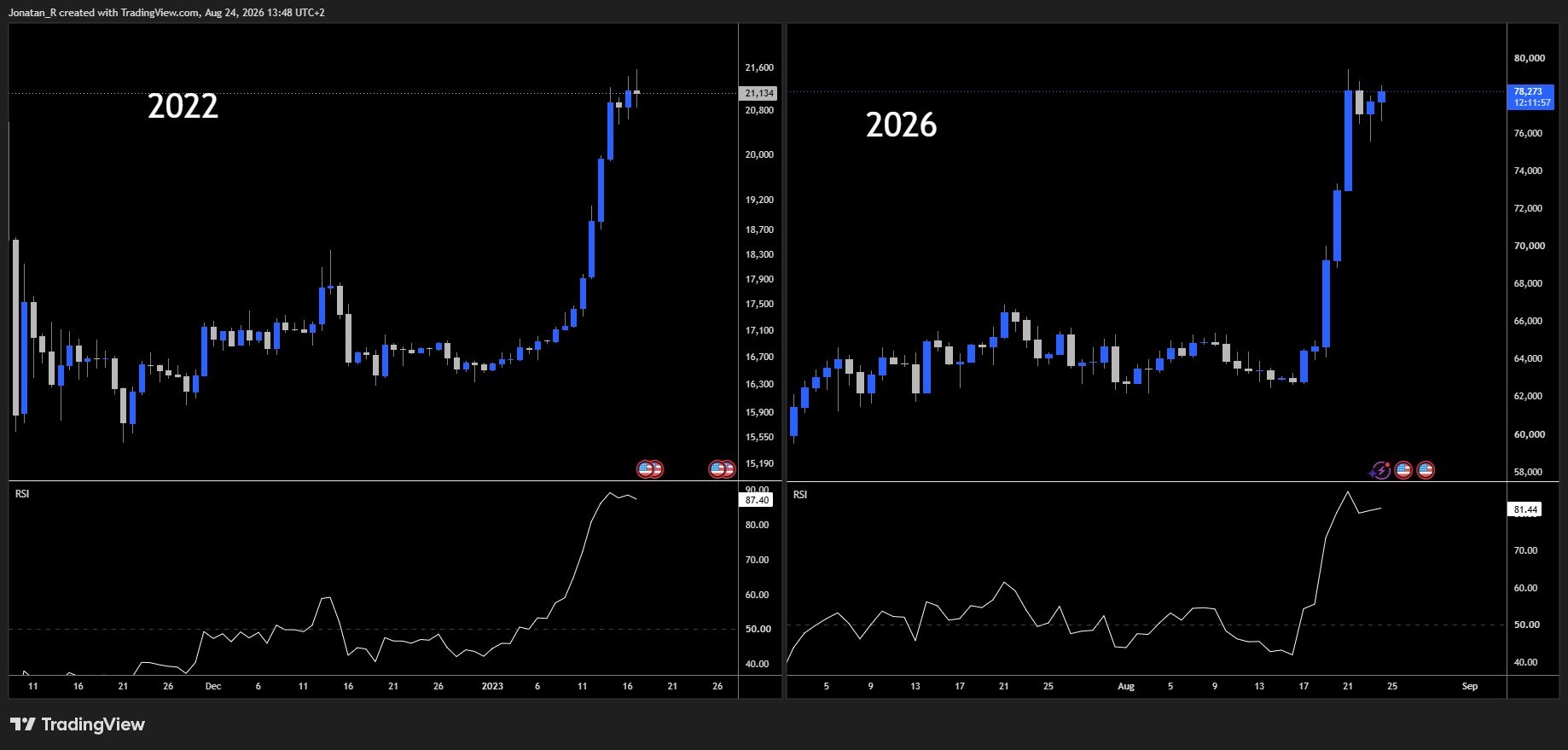
BTC/USD RSI comparison chart. Source: Jonatan Randin on X.com
Stochastic RSI prints anticipated crossover
Previously, Cointelegraph reported on expectations that Bitcoin’s two-month stochastic RSI indicator would repeat historical patterns to provide a clear signal over the end of the bear market.
Related: First bear-market trend line reclaim since 2025: Five things to know in Bitcoin this week
Stochastic RSI privileges more recent price moves, with a crossover of its two constituent trend lines acting as a cue for bullish trend change. This event has now occurred. However, the indicator reached only 4.81, avoiding the macro lows near zero that preceded previous crossovers.
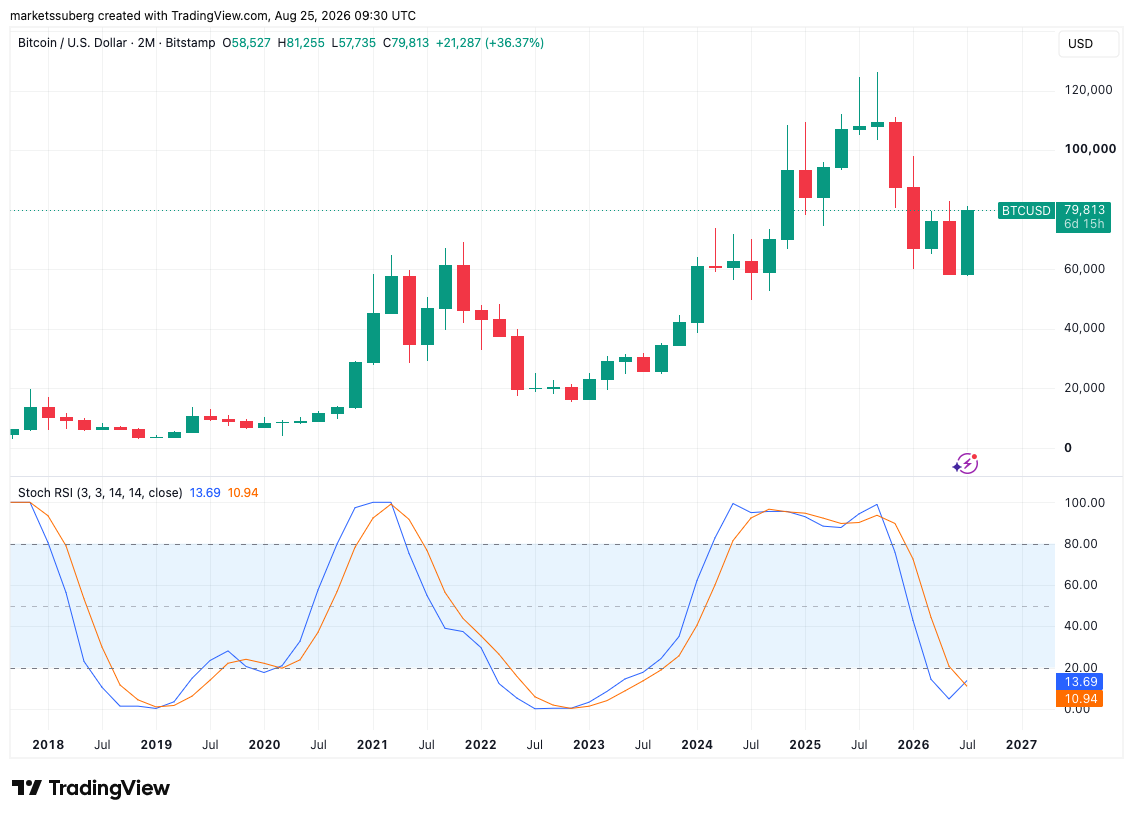
BTC/USD two-month chart with stochastic RSI data. Source: Cointelegraph/TradingView


Bitcoin has entered the early stage of a possible bull market after a 24% rally lifted CryptoQuant’s Bull Score from 30 to 80 within one week.
Summary
- Bitcoin’s Bull Score has reached 80, its highest reading since October 2025.
- Eight of the index’s 10 indicators are now sending bullish signals.
- CryptoQuant requires a weekly close above $83,000 to confirm a new bull market.
- Short-term whale profits and 53,000 BTC in exchange deposits raise pullback risks.
Bitcoin Bull Score has reached a 10-month high
CryptoQuant reported that Bitcoin’s Bull Score rose from 30 to 80 over the past week, reaching its highest level since October 2025 as spot and futures demand strengthened.
Eight of the model’s 10 indicators now show bullish conditions. The index combines several measures of market demand, investor profitability, network activity, and liquidity to assess whether Bitcoin is trading in a favorable or unfavorable environment.
A score of 80 places Bitcoin firmly inside the model’s bullish range, compared with 30 before the rally began. According to the analytics firm, the rapid increase indicates that several parts of the market improved together rather than price rising on one isolated signal.
Bitcoin climbed more than 24% from below $64,000 and briefly moved above $80,000 during the advance. At the time of writing, CoinGecko data placed BTC near $79,000 after the cryptocurrency gave back part of its gains.
The rally also carried Bitcoin to its highest price in about three months. On Aug. 25, crypto.news reported on the breakout, including the role of U.S. exchange-traded fund demand and forced buying from traders closing short positions.
Despite the Bull Score reading, CryptoQuant has not treated the move above $80,000 as final confirmation of a new bull cycle. Its model requires Bitcoin to record a weekly close above the 365-day moving average, which currently sits near $83,000.
Why Bitcoin needs a weekly close above $83,000
Rather than relying on an intraday move, CryptoQuant uses the 365-day moving average as a long-term dividing line between improving and weakening market conditions.
A weekly close above roughly $83,000 would place Bitcoin back above that level and confirm the firm’s bull-market signal. Until then, the analytics provider views the current move as an early-stage recovery that still needs price confirmation.
LMAX Group market strategist Joel Kruger identified a similar resistance area. He pointed to Bitcoin’s May 2026 high of $82,820 as the next major price level, putting the previous peak close to CryptoQuant’s 365-day average.
“A clear break above that level would reinforce the view that a meaningful cycle low is now in place and shift attention towards the next major move through $100,000 and, ultimately, the 2025 record high,” Kruger noted in a recent statement.
Bitcoin’s 2025 record stands well above its current price, leaving the $82,820 to $83,000 area as the first test before traders can assess Kruger’s higher targets. A brief move through the zone would not meet CryptoQuant’s condition unless BTC remains above the moving average through the weekly close.
An Aug. 24 analysis of the rally identified $77,000 to $80,000 as the immediate holding area after Bitcoin’s strongest weekly advance since March 2023. Analysts cited in the report said a loss of that range could put $70,000 back in focus, while a sustained breakout could open a move toward $80,000 to $90,000.
Spot and futures demand have risen together
Supporting the Bull Score increase, CryptoQuant said spot and futures demand are growing at the same time for the first time since early October 2025.
Spot demand matters because it involves purchases of Bitcoin itself, while futures activity can include leveraged positions that traders may close quickly. Growth across both markets suggests that the rally has drawn participation from cash buyers alongside derivatives traders, according to the analytics firm.
U.S. spot Bitcoin ETFs have provided an identifiable source of cash-market demand. The funds recorded about $1.9 billion in net inflows during the week ending Aug. 21, their strongest weekly intake since October 2025 and their fifth consecutive positive session.
A previous report on ETF demand showed that the funds received approximately $517 million on Aug. 19 and another $606 million on Aug. 20. Bitcoin moved through $70,000 and $75,000 during the same period, although the concurrent moves do not by themselves prove that ETF purchases caused the full price increase.
Fresh U.S. demand continued after the weekly streak. According to SoSoValue data cited in an Aug. 25 Bitcoin market update, spot ETFs attracted $337.56 million on Aug. 24. BlackRock’s iShares Bitcoin Trust led with $208.9 million, followed by $104.6 million for Fidelity’s Wise Origin Bitcoin Fund.
ETF flows give American investors direct exposure to Bitcoin through regulated, exchange-listed products without requiring them to hold the cryptocurrency in a private wallet. The next completed daily readings may show whether fund investors continued buying after BTC slipped back below $80,000.
Whale profits raise the risk of a pullback
Although its long-term indicators have improved, CryptoQuant warned that several short-term measures show the rally may have become overheated.
Traders’ unrealized profit margin rose to 20.5%, the highest reading since June 2025. The metric estimates the paper gains held by market participants and can indicate increased selling pressure when profits rise quickly.
CryptoQuant compared the latest reading with early May, when the margin reached 19% as Bitcoin traded near $82,000. BTC subsequently fell by about 30%, according to the firm, although a similar reading does not guarantee that the same decline will happen again.
Large short-term holders have already converted part of their paper gains into realized profits. Between Aug. 20 and Aug. 22, short-term holder whales booked about $1.2 billion while Bitcoin traded around $78,000 to $79,000, the report said.
Selling activity peaked on Aug. 20, when the group realized a record $614 million in profits. CryptoQuant classifies the activity as whale profit-taking because it came from large holders whose coins had been held for a relatively short period.
Exchange inflows rose alongside the realized gains. Around 53,000 BTC moved onto trading platforms, the largest deposit total since June, according to the analytics firm.
Coins sent to exchanges are not necessarily sold, as holders may transfer Bitcoin for custody, collateral, or trading purposes. CryptoQuant nevertheless treats rising deposits as a potential source of sell-side supply because the assets become easier to trade once they reach an exchange.
Nvidia (NVDA) and Micron (MU) will drive a third of S&P 500 2026 earnings growth, Schwab’s Liz Ann Sonders said. Bitcoin (BTC) broke above $80,000 the same day.
The chipmaker’s earnings land Wednesday, a report Wall Street is treating as a verdict on the entire AI trade. Sonders called the resulting rotation into concentrated winners and away from crowded positions the market’s defining dynamic.
Nvidia and Micron’s Earnings Concentration
Sonders is chief investment strategist at the Schwab Center for Financial Research. On this week’s “Closing Bell,” she broke down how concentrated 2026 earnings growth has become.
Nvidia alone accounts for 18% of the S&P 500’s expected year-over-year earnings growth, she said. Micron’s AI memory chips add another 14 percentage points.
“I think rotation in and of itself is the new momentum trade.”
Liz Ann Sonders, CNBC
Nvidia’s earnings report arrives after seven straight losing sessions, even as prediction markets price in a near-certain beat. Some earlier analysis of the setup pointed to positioning and options flow, not fundamentals, as the driver of that mismatch.
Bitcoin Broke $80,000 as Capital Looks Elsewhere
Bitcoin’s rally arrived alongside heavier bond market stress and dollar weakness. Both followed the Treasury Department’s move to expand its long-term bond buybacks.
The token touched a fresh multi-month high above $81,000 this week before pulling back, trading near $78,400 at publication time.

Schwab’s own market note called this pattern a “debasement trade” returning. Sonders agreed, tying it to fading confidence in the dollar and Treasury policy. The trade points capital toward scarce assets like Bitcoin and gold.
Nvidia’s results land today, and commentary from the Fed’s annual Jackson Hole symposium is still ahead this week. Traders face two signals to reconcile.
One is whether concentrated AI earnings can keep justifying record index weights. The other is whether Bitcoin’s break above $80,000 marks a lasting rotation into hedges, or just a short squeeze.
The post Schwab Strategist Flags Wall Street's Growth Is Concentrated in Two Firms appeared first on BeInCrypto.
Crypto World
Bitcoin’s Bear Market Isn’t Over? These Analysts Expect a Major Crash in the Short Term
It sounds almost surreal that only weeks ago BTC was fighting to stay above $60,000, while it now trades around $80,000. Its awakening has sparked widespread enthusiasm within the community and prompted analysts to call for an end to the bear market.
However, not all are convinced that the bulls have fully regained control, as some expect the resurgence to be a major trap that could lead to a collapse well below $50,000.
Sharp Red Candle Incoming?
The past several days have been wild for the entire cryptocurrency market and have positively surprised the investors who might have grown tired and uninterested during the prolonged bearish cycle. Bitcoin jumped by 23% over the last week, briefly exceeding $81,000, and here are the exact factors that sparked the rally.
And while many industry participants have popped the champagne and started celebrating the potential beginning of a new bull run, others remain highly cautious. X user AlejandroBTC claimed BTC faces a major pullback ahead that could take the price to as low as $40,000.
“This is what I think happens next: Bitcoin tests $68K–70K. We get a small bounce. Then we come back to that zone again, and this time it doesn’t hold. That’s when the panic starts. Liquidations accelerate, sentiment collapses, and I think we go straight toward $40K,” the analyst predicted.
X user bee also envisioned a hard rejection. In their view, BTC might experience a sharp red candle (not a slow pullback) that could erase almost all of the gains from the past several days.
Earlier this week, Nonzee argued that the asset’s pump was caused by a liquidity squeeze. They believe the green wave could be a bull trap that might eventually lead to a violent move south toward $45,000.
Bitcoin’s Relative Strength Index (RSI) supports the bearish perspective. The ratio has soared to 83, entering extreme overbought territory, a level that has historically been followed by a short-term correction.

BTC’s Fear and Greed Index is also worth mentioning. Today (August 25), the figure jumped to 74, the highest mark witnessed since October last year. This suggests that the market has reached an extreme level of euphoria, which often happens when investors are driven by FOMO, and could be another sign of an incoming pullback.

Bottoming Under This Condition
X user Niels, who has previously been quite pessimistic about BTC, also chipped in following the latest rally. The analyst assumed that a weekly close above $83,000 would mean that the bottom is in and that they were wrong about a potential crash toward $55,000.
“If not, Bitcoin is still following the 4-year cycle, and the macro bottom will happen in October,” Niels added.
The post Bitcoin’s Bear Market Isn’t Over? These Analysts Expect a Major Crash in the Short Term appeared first on CryptoPotato.
Textiles and clothing are also set to be hit by the tariffs, including silk, wool, cotton, yarn, fabrics, carpets, dresses, trousers, T-shirts, sweaters, coats, padded jackets, suits, blazers, tracksuits, and even wigs. Tech-related goods are also included, such as smartphones, video recorders, and camera and computer equipment, alongside leisure and cultural products including toys, puzzles, arcade machines, and video game consoles. Other technology products covered include television and radio transmitters, cameras, radar equipment, and computer monitors.

In the latest Solana news, 3 governance proposals capable of reshaping the network’s supply dynamics head into their final voting window. Voting closes at the end of epoch 1023 on Thursday, a deadline that has quietly become one of the more consequential dates on Solana’s 2026 calendar.
The vote covers a “Solana Constitution” governance framework, a disinflation proposal targeting an 18.9 million SOL emissions cut over 6 years, and a resource fee mechanism designed to push daily SOL burning from roughly 648 to 9,000 tokens.
That is a burn rate increase of nearly 14x. A bullish supply shock narrative is forming around the vote, suggesting traders are front-running the tightening float before implementation even lands.
The timing matters. Broader crypto sentiment has been choppy, yet SOL has decoupled to the upside, a divergence worth watching as governance-driven scarcity narratives collide with technical resistance overhead.
JUST IN: Voting is now live on 3 major @Solana governance proposals and will remain open until the end of epoch 1023 on Thursday
SGP 1: “Solana Constitution,” a new governance framework
— SolanaFloor (@SolanaFloor) August 23, 2026
Gain Access to New Bitcoin Layer 2 Early Here
Solana News: Can SOL Price Hit $105 This Week?
SOL’s daily bar for August 25 opened at $98.64, ran to a high of $102.14, and closed near $101.22. The 7-day gain sits at 31.87%, and the 30-day move is near 35.6%. This is not a single-day spike. It is a sustained trend.
Resistance clusters between $100 and $105.18, with a 13-week high sitting around $102.70. Support has layered in beneath at $88.18, with deeper structural support near $82 to $88 where the EMA20/EMA50 clusters previously held.

A close above $102.70 opens room toward $105 and beyond, especially if the disinflation vote passes cleanly. SOL consolidating between $95 and $102 as traders wait for Thursday’s epoch close before committing further capital is the base case. Rejection at resistance sends price back to retest the $88 to $90 pivot zone and invalidates the current breakout structure.
Traders watching for confirmation should track volume on any push through $102.70. A low-volume breakout would be a red flag.
Gain Access to New Bitcoin Layer 2 Early Here
Bitcoin Hyper Targets Early Mover Upside as Solana Tests Key Levels
A 31.87% weekly rally validates anyone who bought SOL below $80. But at a market cap already pricing in governance-driven scarcity, the remaining upside to $105 is single-digit percentage territory — not the kind of asymmetric return early-stage capital typically hunts for.
That’s pushed attention toward Bitcoin’s own scaling gap, one Solana effectively exploited years ago with its throughput advantage.

Bitcoin Hyper (HYPER) is positioning itself as the first Bitcoin Layer 2 with native SVM integration, smart contract speed on top of Bitcoin’s security, without the base-layer bottlenecks.
The presale has raised $33,080,369.89 at a current token price of $0.0136852, with staking rewards live at launch (APY not yet disclosed). Its Decentralized Canonical Bridge aims to solve BTC’s programmability gap directly, the same limitation that pushed capital toward Solana and Ethereum in the first place.
Presale allocations carry standard early-stage risk: no live mainnet yet, and returns depend on execution. Full breakdown of the raise and Layer-2 mechanics is covered in this presale assignment report.
Unlock Access to Bitcoin’s New Layer 2 Here
The post Supply Shock? SOL Voters Are Deciding Whether to Cut Emissions and 14x the Burn Rate appeared first on Cryptonews.

Money Vs Lucky Vs Knowledge Part 5
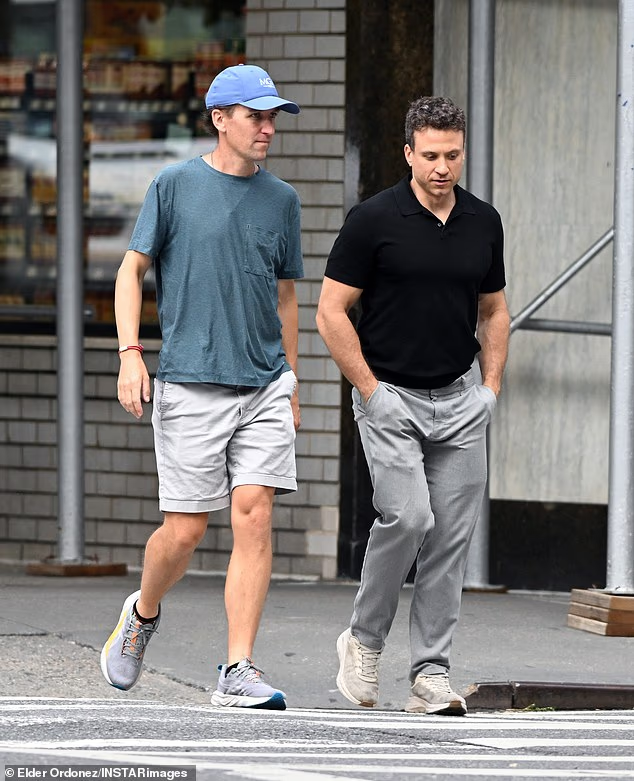
Patrick Clancy and new wife’s secret crisis: As he weighs big move ahead of Lindsay trial verdict… those closest to him speak out
Explainer-What are H-1B visas for skilled workers and what changes loom?





-

 Fashion4 days ago
Weekend Open Thread: Madewell – Corporette.com
-

 Business3 days ago
Musk’s Tesla, SpaceX Confirm $16.8 Billion ‘Terafab’ Chip Plant as World’s Largest Building in Texas
-

 Crypto World4 days ago
anatomy of crypto’s biggest liquidation event since 2021
-

 Crypto World1 day ago
A $30 Billion AI Fund Implodes, Now the SEC Is Investigating Wall Street’s Role
-

 Politics4 days ago
6 months on, Irish renters crushed by effects of government housing bill
-
 NewsBeat4 days ago
The ‘Lucky Dip Gang’ causing carnage for clicks: After five thugs were killed speeding in the wrong direction on a motorway, GUY ADAMS investigates a sick new trend… and why police aren’t even allowed to pursue them
-

 Tech7 days ago
GLM-5.3 hits the API at $1.4/$4.4 per million tokens
-

 Business3 days ago
Mystery AI Model ‘Ox Alpha’ Draws Developers With Free Access as Chinese Lab Origins Remain Debated
-

 News Videos6 days ago
Don’t Leave Your Financial Future To Chance | August 19, 2026
-

 Business6 days ago
Marvell Shares Jump 7% as Google Chip Deal Confirms Custom AI Silicon Partnership, Analysts
-

 Business5 days ago
Five Below: Kids Discount Retailer Reaps Rich Rewards
-

 Business1 day ago
Moderna CEO warns China is pouring state money into mRNA technology
-

 Business5 days ago
UK firms in critical financial distress rise 9% to 53,756
-

 Sports3 days ago
Deshaun Watson fires back at Browns fans after being booed: ‘It’s a disrespectful thing’
-

 Business1 day ago
NVIDIA Stock Drops Nearly 2 Percent to $210 on Seventh Losing Day Ahead of Critical AI Earnings
-

 Fashion7 days ago
Jimmy Choo Autumn 2026 collection
-
 Entertainment6 days ago
10 Most Perfect Fantasy Shows of the Last 25 Years
-

 Tech6 days ago
OpenAI confirms ChatGPT is down as logins and signups fail
-

 Business6 days ago
PayPal and Venmo now accepted for tuition at several universities
-

 Crypto World6 days ago
Optimism-funded team's deciding vote shifts $49 million in OP tokens away from users
You must be logged in to post a comment Login